
We explain the causes, outline treatment options and suggest what helps with chest pain.

Muscular chest pain is often caused by tension or overload in the chest and intercostal muscles and frequently changes with movement, certain body postures or pressure on the affected area. Unlike with other causes, it can often be influenced or triggered in this way. However, it's not always possible to distinguish the cause reliably on the basis of symptoms alone.
Key points at a glance
- Chest pain can originate from muscles and fascia but also from the heart, lungs or oesophagus.
- It changes with movement, body posture, breathing or pressure.
- Common triggers include tension, poor posture, lack of movement, overload and stress.
- For functional symptoms, exercise, mobilisation, stretching and relaxation can help.
- Sudden, severe chest pain accompanied by shortness of breath, a feeling of tightness, cold sweats or pain radiating into the arms, back or jaw is a medical emergency.
A pulling sensation in the chest or pain in the chest area can have many causes — ranging from muscular tension to serious organic conditions. It's therefore important to note that chest pain should always be investigated by a doctor, particularly if it's sudden, severe or persistent.
When chest pain is a medical emergency
In some cases there may be a medical emergency underlying the symptoms – such as a heart attack. Typical warning signs include:
- A strong feeling of pressure in the chest
- Pain radiating into the arm, jaw or back
- Shortness ofbreath, nausea and sweating
If you experience any of these symptoms suddenly or severely, seek medical help immediately and call the emergency services.
How often is the musculoskeletal system to blame?
More often than many people realise. In a study conducted in GP practices, the chest wall was the most common cause: in around a third of those affected, the pain originated from muscles, ribs or joints (Hoorweg et al., 2017). However, the same study also shows that in 8.4% of cases, a potentially life-threatening condition was the underlying cause.
Only a medical examination can determine whether your pain falls into the harmless category. Once the heart, lungs and oesophagus have been ruled out as causes, we’ll show you here what you can do yourself.
What is chest pain? Definition and types
Chest pain refers to discomfort in the chest area and can originate from muscles, ribs and joints as well as from internal organs such as the heart, lungs or oesophagus. The cause can't always be determined with certainty based on the sensation of pain alone.
It can be divided into two main categories:
1. Chest wall pain (musculoskeletal)
This pain originates in the chest wall and is caused by muscles, ribs or fascia. Clinicians refer to it as chest wall pain; it stems from muscles, ribs, costal cartilage or the small joints between the ribs and the spine and often has a musculoskeletal cause (Expert Panel on Thoracic Imaging et al., 2021).
2. Organic chest pain
This type is caused by diseases of internal organs – for example:
- Heart: e.g. angina pectoris or heart attack
- Lungs: e.g. pulmonary embolism or pneumothorax
- Oesophagus: e.g. heartburn or reflux
These symptoms can be serious, so see your doctor without delay.
How common is musculoskeletal chest pain?
That depends on where you look. In general practice, muscles, ribs and joints are the cause in around one in three cases (Hoorweg et al., 2017). In A&E, the proportion is lower: a meta-analysis involving more than 14,000 patients found the figure to be around 16%.
‘Common’ doesn’t automatically mean ‘harmless’, so consult your doctor before trying exercises or self-help measures.
Typical symptoms of functional chest pain
Musculoskeletal chest pain can feel stabbing, pulling or pressing and often changes with movement, body posture, breathing or pressure on the affected area.
Functional chest pain has typical characteristics that distinguish it from pain caused by organic conditions. The symptoms usually occur in relation to movement or breathing – they often worsen during physical activity or when taking a deep breath.
- You may feelpulling or stabbing pain in the chest muscle or between the ribs.
- A feeling of pressure in the chest — often described as a ‘heavy weight on the chest’
- Movement-related pain – felt during arm movements or when twisting the upper body, particularly in the area of the thoracic spine
- Symptoms related to breathing – pain worsens when breathing in deeply, often running along a rib towards the sternum
- You may feel tension in the chest, neck or shoulder muscles
- Increased muscle tension — noticeable when palpating along the spine; restricted mobility when bending forwards, backwards or rotating
- A stooped body posture – often an unconscious protective posture adopted in response to persistent pain
Distinguishing from medical emergencies: Functional chest pain isn't usually accompanied by the following symptoms:
- Shortness of breath
- Dizziness or altered consciousness
- Radiating pain into the left arm, jaw or back
If any of these symptoms occur, seek medical help immediately –call 999 or contactthe out-of-hours medical service.
The thoracic spine, ribs and muscles as causes of chest pain
Chest pain can also originate from structures of the musculoskeletal system (Expert Panel on Thoracic Imaging et al., 2021). In particular, the thoracic spine, the rib joints and muscles in the chest that are under tension can cause discomfort that feels like pain directly in the chest.
Thoracic spine and rib joints
The thoracic spine, together with the ribs and the sternum, forms the flexible chest cavity. The ribs are connected to the thoracic spine via joints and move with each inhalation and exhalation. If mobility in this area is restricted, you may perceive this as a pulling, stabbing or pressing sensation in the chest.
Such symptoms can occur, for example, after sitting for long periods, uneven strain or unfamiliar movements. Typically, the pain may change with certain movements of the upper body, a change in body posture or when taking a deep breath.
The rib joints themselves can also play a role. Reduced mobility in individual ribs can lead to altered strain on the surrounding muscles, causing tension that radiates forwards towards the sternum.
Tension in the chest and intercostal muscles
It's not only joints but also muscles that can trigger chest pain; the pectoralis major and the intercostal muscles are particularly relevant.
The pectoralis muscle helps with arm and shoulder movements, and a forward-leaning posture, prolonged sitting or one-sided training can keep these muscles under constant tension. That can manifest as pressure, a pulling sensation or localised pain in the front of the chest.
The intercostal muscles run between the ribs and help you breathe, so when they're tight deep breaths, coughing or certain movements can feel uncomfortable and the sensation may travel along a rib to the sternum.
Sternum pain: when the pain is at the front
Sternum pain — that is, pain directly at the sternum — can also originate from the structures of the chest wall. Around the sternum, ribs, costal cartilages, joints and various muscles meet. Overuse or increased tension in this area can therefore cause pain that you'll perceive very locally at the sternum.
Typically the pain changes with movement, certain postures or pressure on the affected area, and even a deep breath or arm movement can influence your symptoms.
A common cause of pain next to the sternum is costochondritis, which involves irritation at the junctions between the ribs and the costal cartilages. A typical symptom is pain that can be triggered by applying pressure directly next to the sternum. It most commonly affects adults aged between 40 and 50, with slightly more cases in women than men. With heat, physiotherapy or anti-inflammatory painkillers — following consultation with a doctor — the symptoms subside within a few weeks for most people (Mott et al., 2021).
Remember, even pain you can reproduce with a finger doesn't rule out a cardiac cause, so consult a doctor for diagnosis (German Society for General Practice and Family Medicine [DEGAM], 2024).
Myofascial tension as a cause
Tense chest, shoulder or back muscles can cause chest pain. Poor posture, one-sided strain and a lack of movement can increase muscle tension and contribute to pain when you move or apply pressure to the affected area.
Trigger points are palpable, pressure-sensitive areas of hardening within the muscle and they can refer pain to the surrounding area, including the chest. The extent to which they're actually responsible for chest pain hasn't yet been reliably investigated.
- Stuck fascia: the connective tissue loses its elasticity and forms what are known as trigger points, which refer pain along the ribs and around the sternum.
- Localised tension limits mobility and causes tenderness.
- Trigger points are often palpable around the sternum, back muscles and along the thoracic spine, and the diaphragm and antagonist muscles may also be involved.
- Consequences: the thoracic spine and ribs lose their mobility and a kind of fascial ‘armour’ develops that negatively affects breathing and posture.
Causes of these states of tension often include one-sided strain, prolonged sitting, poor posture or chronic stress. Early mobilisation can prevent misalignments and pain.
Other common causes of functional chest pain
In addition to myofascial factors, there are other common triggers for functional chest pain:
Postural causes
- Rounded shoulders and a hunchback (kyphosis)
- Sitting for long periods at a desk or in front of a screen
- Weakness of the back muscles that support an upright posture
Movement-related causes
- Overload due to sport, particularly strength training
- Poor posture or incorrect movement patterns
- Sudden unfamiliar movements without warming up
Stress-related causes
- Mental tension and emotional strain
- Shallow breathing during periods of stress increases muscle tone in the chest area
Any one — or a combination — of these factors can trigger or worsen functional chest pain. That’s where our targeted approach comes in: mobilisation, self-massage, postural training and stress reduction.
Stress and chest pain: what’s the link?
Stress is a common but often overlooked trigger for functional chest pain. Prolonged stress in particular can lead to muscular tension in the chest, neck and shoulder areas — often accompanied by shallow breathing and a feeling of tightness in the chest.
What happens in the body when we’re stressed?
- Stress hormones: under prolonged stress the muscles often stay unconsciously tense, including in the chest and shoulder areas
- Shallow breathing reduces chest mobility → tension in the intercostal muscles increases
- The autonomic nervous system can become overstimulated, intensifying feelings of pressure or a burning sensation in the chest area.
What helps with stress-related chest pain?
- Practise slow, deep abdominal breathing to activate the parasympathetic nervous system and reduce muscle tension.
- Progressive muscle relaxation: briefly tense then release individual muscle groups to spot where you're holding tension
- Short movement breaks interrupt stress patterns and improve blood flow in the chest.
If you regularly feel pressure in your chest but medical checks haven’t found a cause, stress may be the trigger. The good news is that you can manage it — both mentally and physically.
Musculoskeletal causes of chest pain
If you feel a pulling or stabbing sensation in your chest it's often due to musculoskeletal factors. The chest area is part of a complex system of muscles, joints, fasciae and nerves that can become unbalanced due to overload or poor posture.
Typical triggers include:
- Sitting for long periods with a hunched posture – e.g. in the office or in the car
- Uneven strain or intensive training – without proper warming up
- Injuries or muscular imbalances – e.g. following falls or due to overcompensation
You'll usually feel a pulling, stabbing or pressing pain in the chest muscle or along the ribs; it's often triggered by movement or breathing and can often be relieved through targeted mobilisation and relaxation.
What you can actively do
- Regularly straighten your body posture — especially when working at a computer
- Performstretching exercises and fascia massage to relieve tension in tight structures.
- Warm up and cool down before and after training to prevent injuries.
If symptoms persist or worsen despite self-care, seek medical advice — to rule out any organic or structural causes.
‘In my practice, many cases of chest pain originate in the chest wall: from tense muscles, blocked rib joints or a stiff thoracic spine. Nevertheless, the rule is always: seek medical advice first. After that, mobilisation, stretching and self-massage often help you to breathe more freely and move more easily again.’
Dr Torsten Pfitzer, holistic pain therapist and health coach

Burning sensation in the chest: causes and differentiation
A burning sensation in the chest can have various causes and may, for example, be linked to reflux or problems with the chest wall. As other conditions can also cause similar symptoms, any persistent or unusual burning sensation should be investigated by a doctor.
A burning sensation behind the breastbone is often related to the oesophagus, as in the case of heartburn or reflux. A tense chest wall can also feel like a burning sensation. However, as heart problems can also be perceived as a burning sensation, any new or persistent burning sensation should be investigated by a doctor (DEGAM, 2024).
Location and characteristics
You'll usually feel the sensation in one specific spot — typically behind the breastbone or in the front chest muscles — and it often occurs at rest but can be worsened by certain movements or deep breathing.
When to seek medical help
Although many causes are harmless, seek medical advice if you notice the following warning signs:
- A burning sensation that lasts for several hours or recurs
- Additional symptoms such as breathlessness, nausea, dizziness or a feeling of pressure in the chest
- Known risk factors for cardiovascular disease (e.g. high blood pressure, diabetes)
If you’re unsure or experiencing severe symptoms, call 116 117 or, in an emergency, dial 112 directly.
Chest pressure: harmless or dangerous?
A feeling of pressure in the chest can have various causes. Common causes include, for example, muscle tension, stress or acid reflux. The accompanying symptoms, the duration and the situation in which the pressure occurs are crucial for determining the cause.
Many people don’t describe chest pain as ‘stabbing’ or ‘aching’, but rather as a feeling of pressure on the chest — like a weight resting on the ribcage. This sensation can be alarming, but it’s not always a sign of a serious condition.
Possible causes of pressure on the chest
- Muscle tension: particularly in the chest or back muscles, often triggered by poor posture or stress
- Mental stress: a feeling of tightness caused by anxiety or panic attacks – often combined with shallow breathing
- Heartburn (reflux): irritation of the oesophagus can cause pressure or a burning sensation
- Heart problems: particularly if the feeling of pressure radiates or is accompanied by shortness of breath → seek medical advice.
See a doctor if
Seek medical help at once if the pressure is accompanied by the following symptoms:
- Shortness of breath or difficulty breathing
- Pain radiating into the arm, back or jaw
- Dizziness, nausea or cold sweats
- Known cardiovascular risk factors (high blood pressure, diabetes, smoking etc.)
In many cases the sensation is functional — caused by tension or shallow breathing — but only a medical examination can reliably rule out something more serious.
When is it an emergency? Recognising warning signs
Chest pain isn’t always harmless and clear medical criteria indicate an acute emergency — particularly in the case of a heart attack or vascular disease.
Dial 999 immediately if you notice any of these signs.
- severe pressure, tightness or pain in the chest that doesn't subside after a few minutes
- Pain radiating into the arm, shoulder, neck, jaw, back or upper abdomen
- Shortness of breath, cold sweat, nausea, dizziness or brief loss of consciousness
In older people, those with diabetes and some other groups, a heart attack may present with less typical symptoms such as nausea, shortness of breath or pain in the upper abdomen (Collet et al., 2021). If you’re unsure, call the emergency services; it’s better to do so once too often.
Other life-threatening emergency symptoms
- Sudden, stabbing chest pain with shortness of breath → suspected pulmonary embolism
- Sharp, tearing pain between the shoulder blades → Please note that this is an indication of aortic dissection (aortic rupture)
First aid for functional chest pain
Don’t panic. If organic causes have been ruled out and you’re not experiencing any typical emergency symptoms (e.g. shortness of breath, radiating pain, severe pressure), you can relieve functional chest pain yourself.
What you can do right now
- 1. Breathe calmly and deeply: sit upright, close your eyes and breathe in slowly through your nose — count to 4. Hold your breath briefly. Then breathe out slowly through your mouth — count to 6. Repeat 5–10 times.
- 2. Correct your posture: Gently push your chest forwards, draw your shoulder blades together slightly and consciously lower your shoulders. Avoid slouching forwards.
- 3. Gentle movement: Slowly turn your upper body to the right and left (while seated) without any jerky movements. This activates the thoracic spine and releases tension.
- 4. Apply heat: place a hot water bottle, a cherry-stone pillow or a warm BLACKROLL® RECOVERY BLANKET on the affected area. Heat promotes blood circulation and provides relaxation for the muscles.
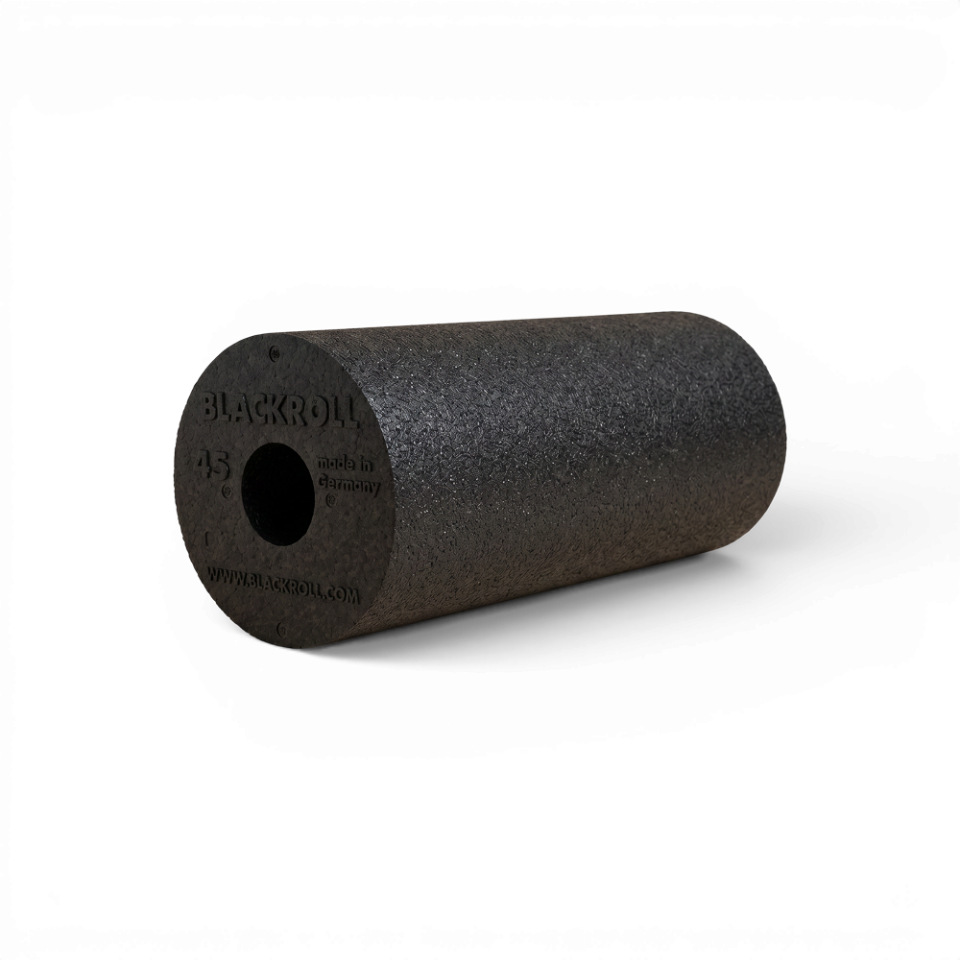
- 5. Use a tool (optional): Use a foam roller, a BALL or DUOBALL for gentle self-massage in the chest area — e.g. along the sternum or below the collarbone. Roll slowly for 30–60 s on each side.
If symptoms ease, it's a positive sign but not proof of a harmless cause; heart pain can also subside at rest. If pain worsens or warning signs appear, dial 999.
Effective exercises for chest pain – step by step
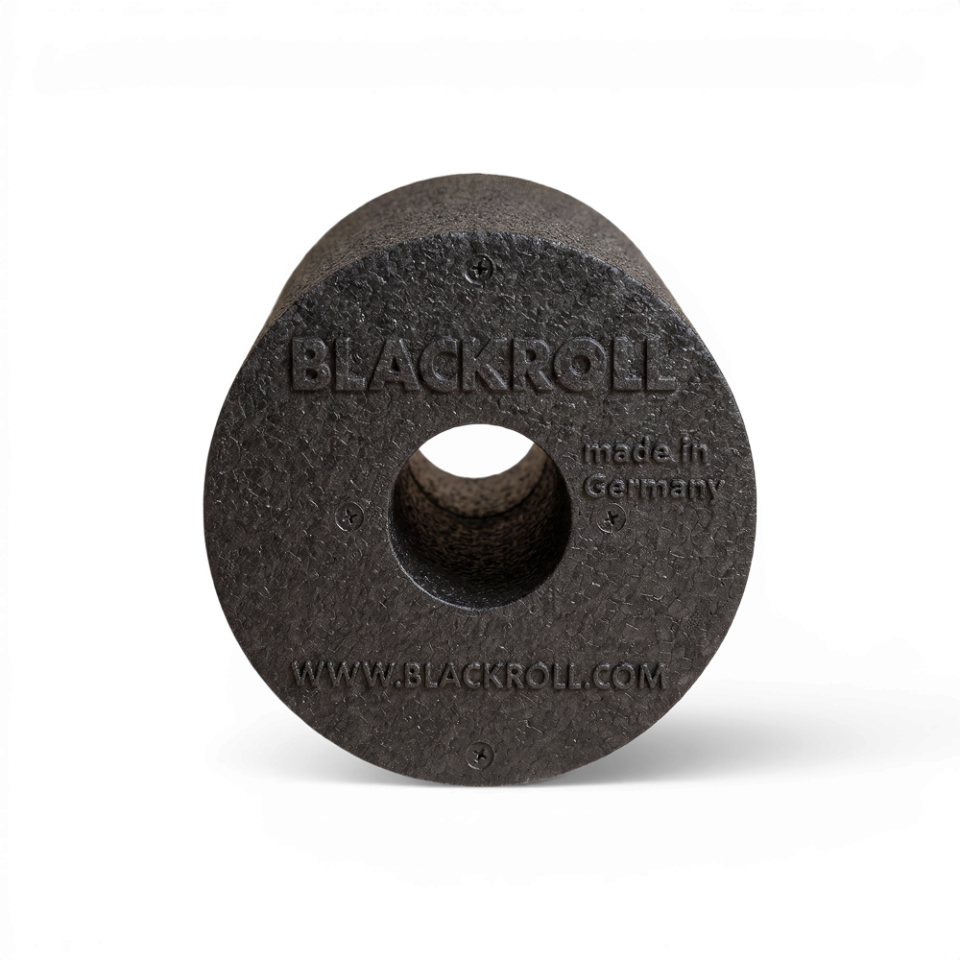
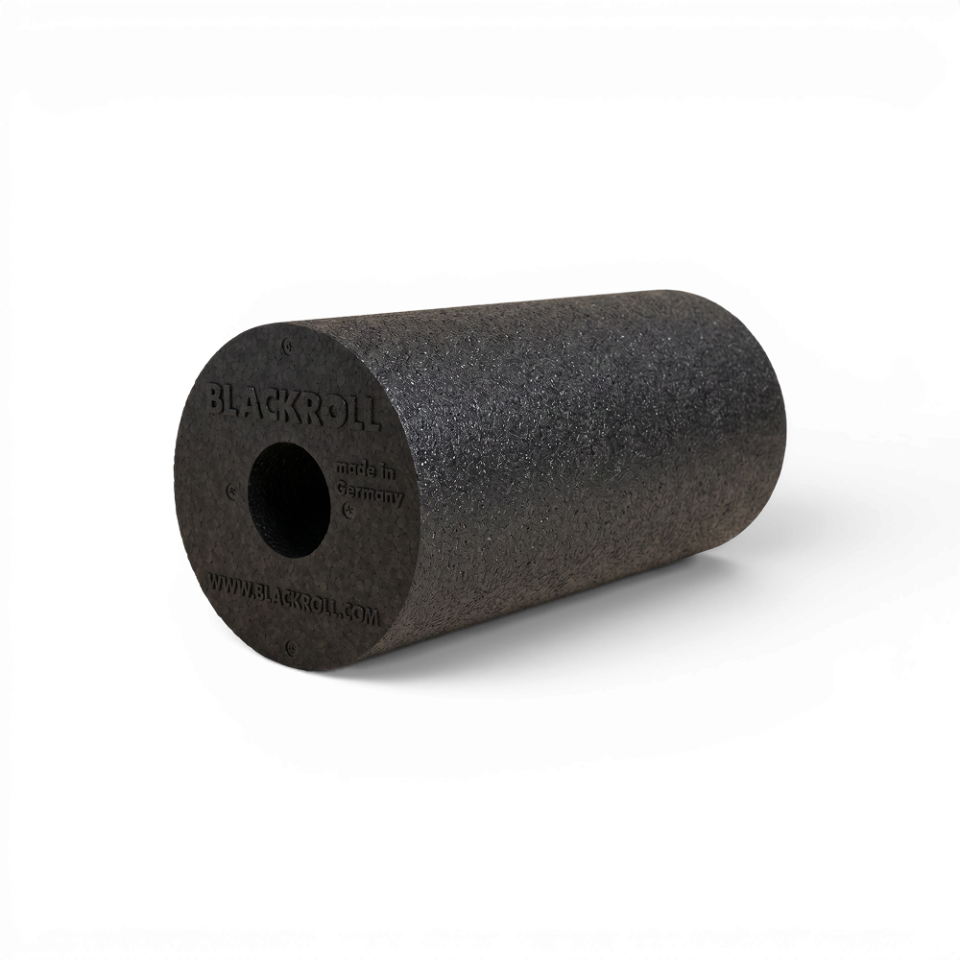
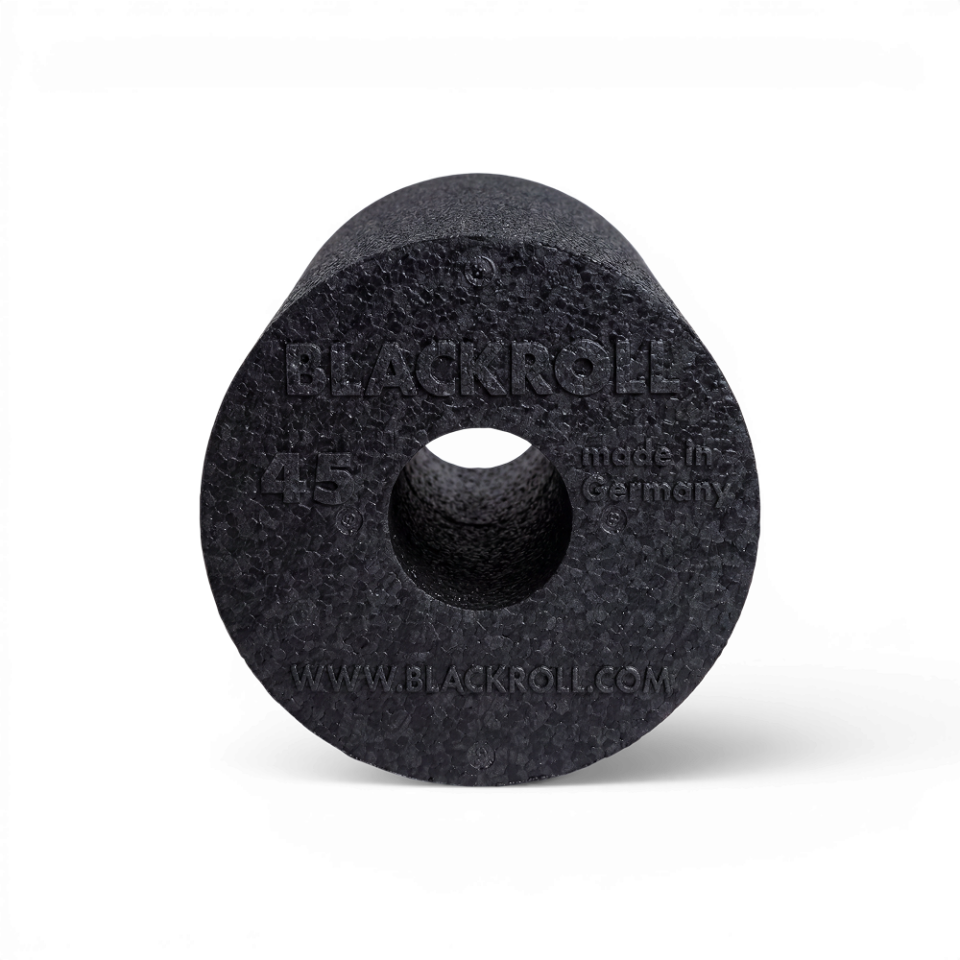
These exercises aim to relieve muscular tension in the chest area, improve the mobility of the thoracic spine and achieve relaxation of the connective tissue (fascia). You’ll only need a little space – and ideally a BLACKROLL® tool.
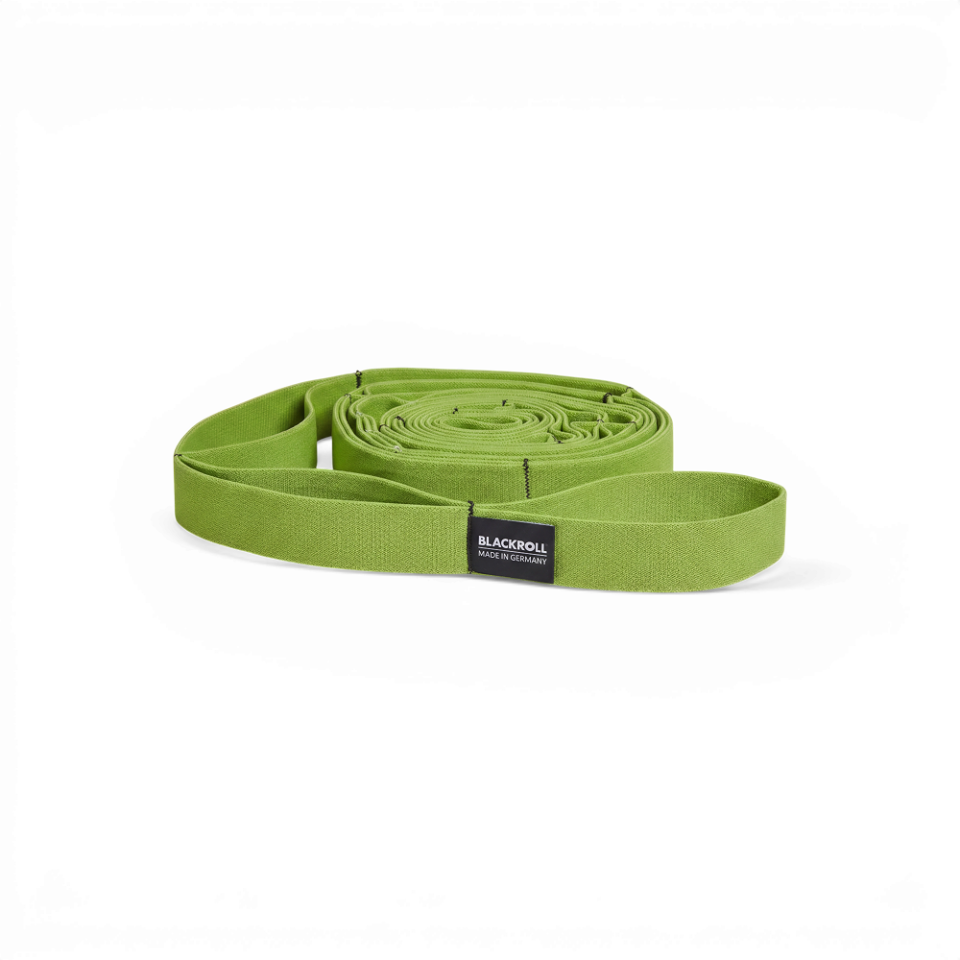
1. Mobilisation of the thoracic spine (with a band)
- Sit upright on a chair.
- Movement: Slowly twist your upper body to the right, then to the left – 10–15 times in each direction. Avoid any jerky movements.
- Effect: Releases tension, improves breathing and helps the chest feel ‘wider’ again.

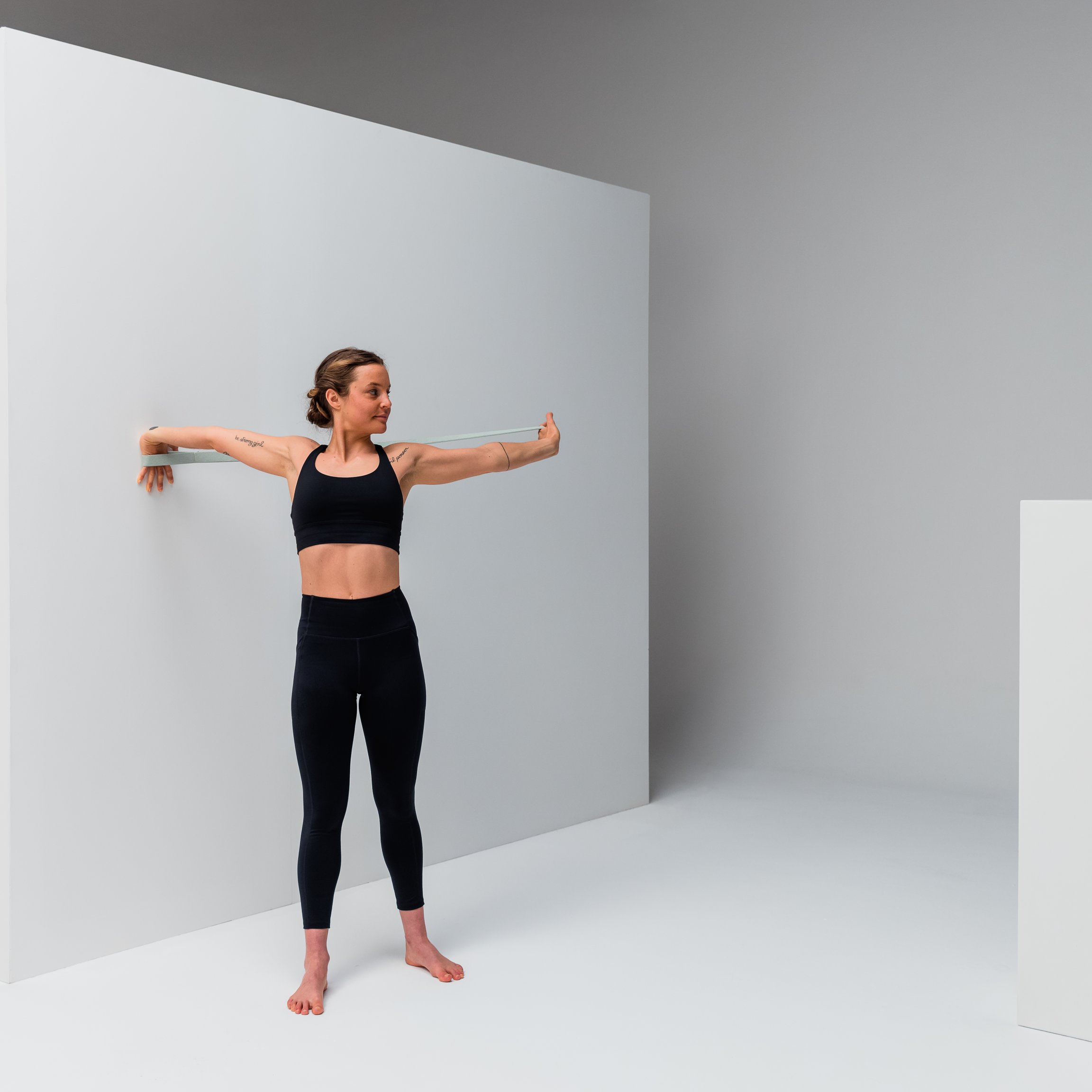
2. Chest muscle stretch against a wall
- Stand sideways to a wall with your arm straight and your hand flat against it.
- Gently turn your upper body away from the wall until you feel a stretch in your chest.
- Holdfor 30 s on each side; repeat 2–3 times.
- Effect: Opens up the chest and reduces tension in the front chest muscles (pectoralis major).
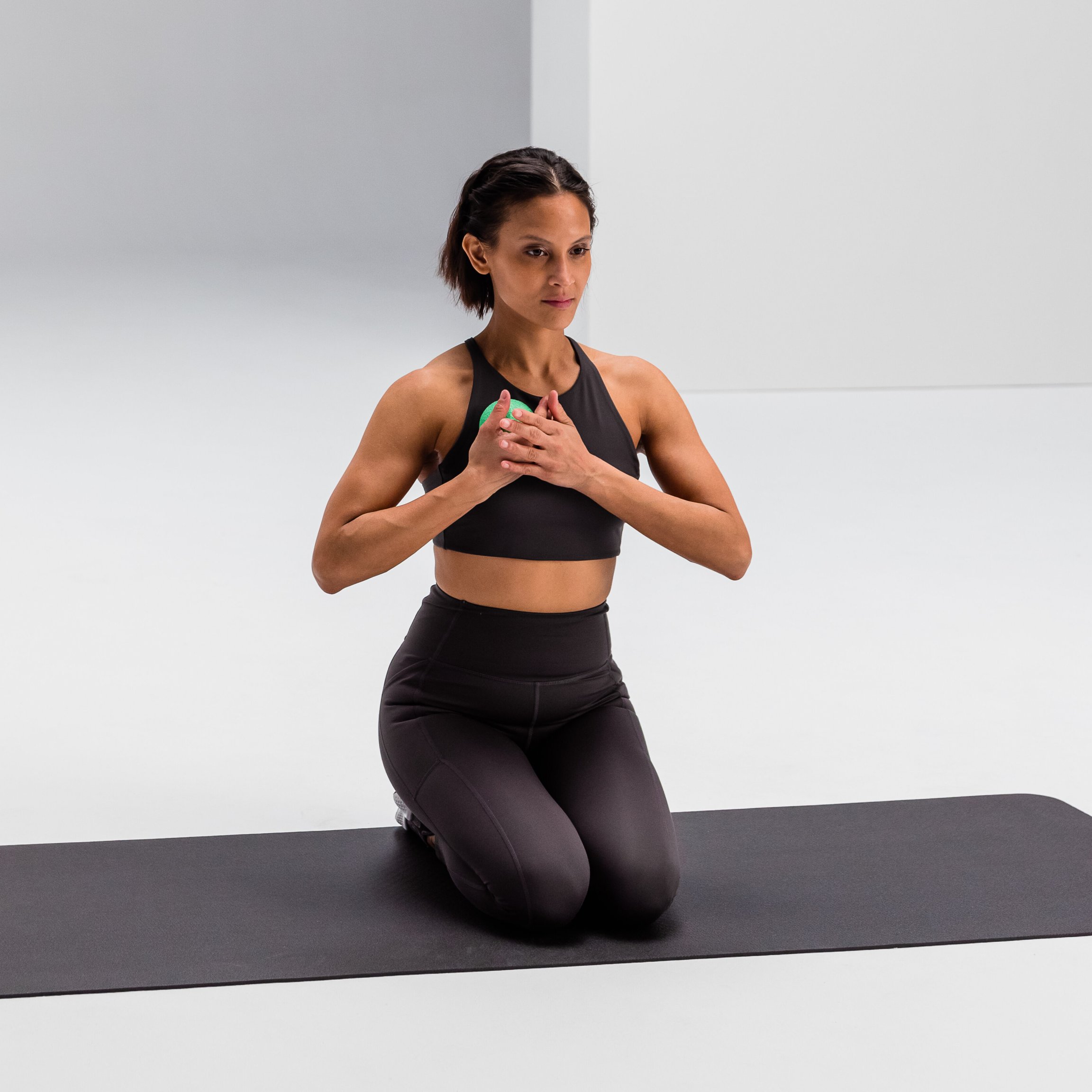
3. Self-massage with the BALL
- Equipment: BLACKROLL® BALL 08
- Place the ball between your chest and your hand or against a wallthen make small circular movements or hold it in place.
- Duration: 30–60 s per side.
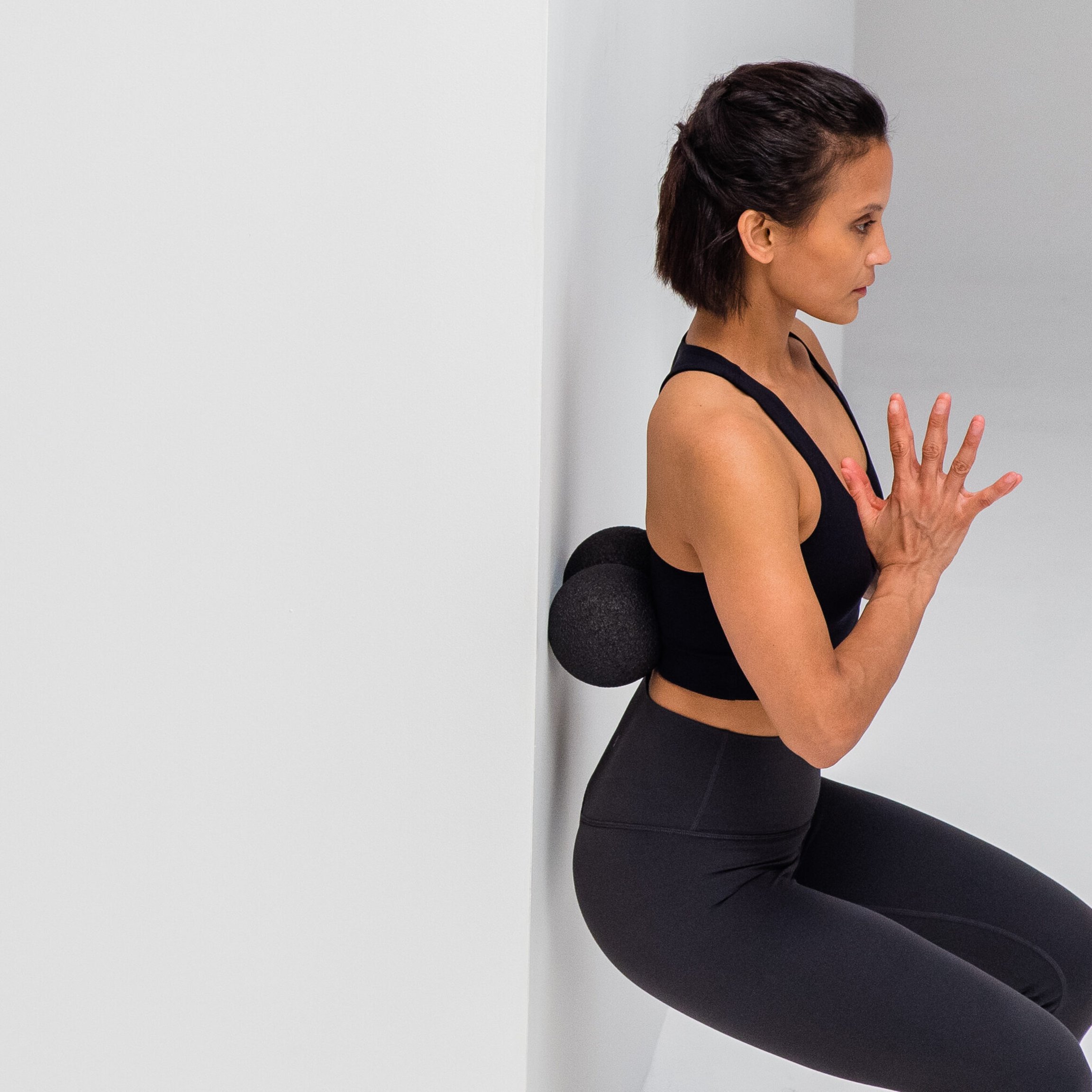
4. Rib mobilisation with the DUOBALL
- Equipment: BLACKROLL® DUOBALL
- Movement: Position yourself against a wall or lie on your back and slowly roll the DUOBALL along your thoracic spine.
- You’ll find it especially effective between the shoulder blades.
5. Breathing techniques for fascial relaxation
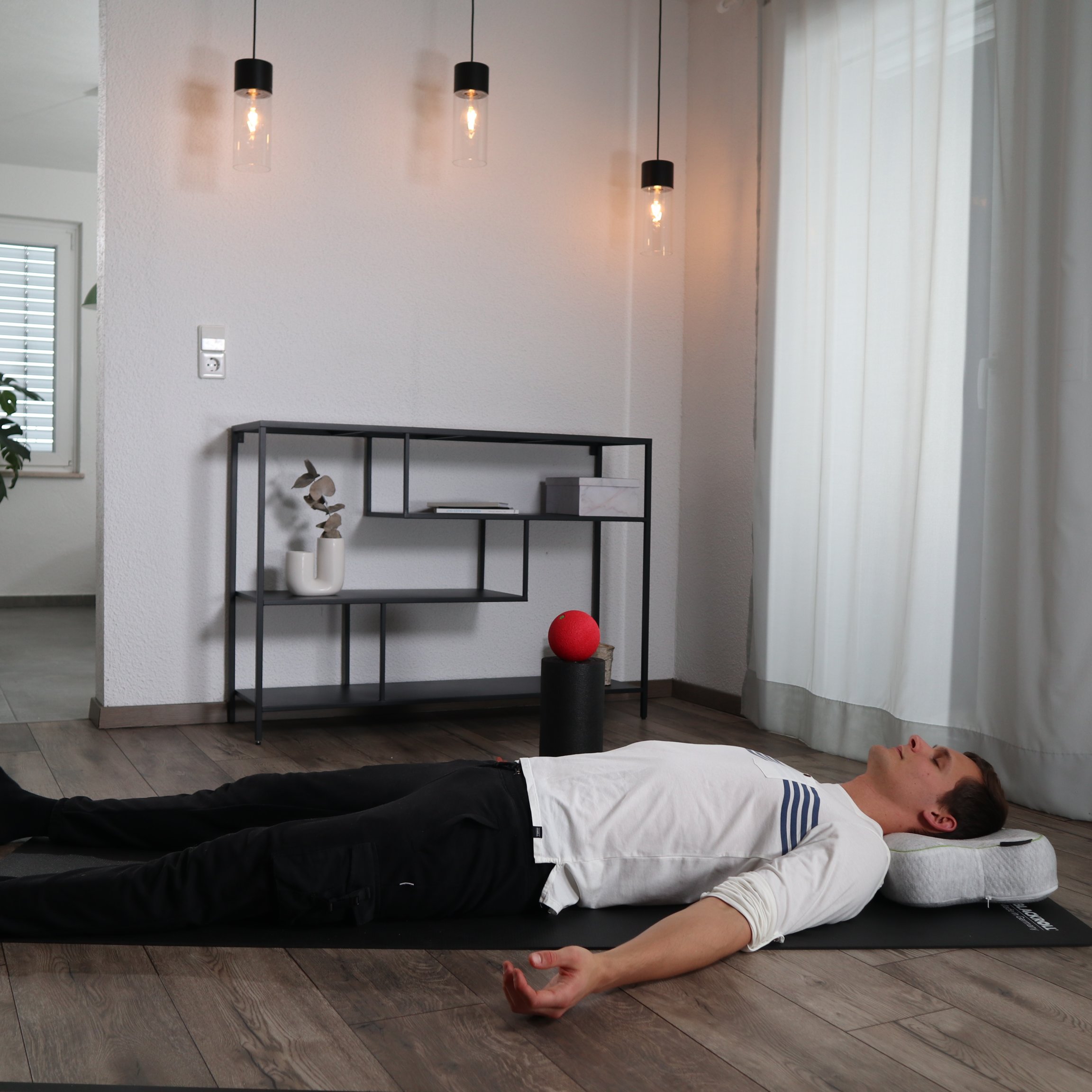
- Lie relaxed on your back with your hands resting on your chest or at your sides.
- Movement: Breathe deeply into your chest — feel your ribs expand, then breathe out slowly and consciously let go.
- Duration: 10–15 breaths, ideally at the end of each session.
- Effect: Calms the nervous system and releases tension in the intercostal muscles.

View exercises for chest pain
Treating Chest Pain: 9 Effective ExercisesRemedies for chest pain

You’ll build a stronger back, and your health insurance covers the cost.
Stay below your pain threshold during each exercise. If you're unsure or your symptoms worsen, seek medical advice.
Tip: Consistency is key. 1–2 times a day is ideal – especially when combined with heat and conscious breathing.
What does the research say about exercise for chest wall pain?
To date, there've been few high-quality studies specifically on chest wall pain. The situation's clearer for other musculoskeletal conditions: a large systematic review of back, neck, shoulder and knee pain found moderate to strong evidence that exercise therapy alleviates pain and improves function (Babatunde et al., 2017). Whether this applies to the chest hasn't yet been investigated.
For costochondritis, the specialist literature cites heat and physiotherapy as possible treatment components (Mott et al., 2021). We therefore regard the exercises in this item as a self-help option to be undertaken following medical assessment.
What you need for the exercises for chest pain
Mat
Available in multiple variants
Prognosis and recovery from functional chest pain
How long musculoskeletal chest pain lasts depends on its cause and duration so we can't give reliable general estimates of recovery times.
The good news is that in most cases functional chest pain responds well to treatment — especially when you stay active. How quickly the symptoms ease depends on how long they’ve been present and how consistently you manage them.
What you can expect
There aren't many reliable figures on how quickly musculoskeletal chest pain eases, but the specialist literature states that, in most affected people, costochondritis symptoms disappear within a few weeks with conservative treatment (Mott et al., 2021). If the pain persists for longer or changes, have it checked by a doctor again.
Stay consistent — especially during the first 2–4 wk.
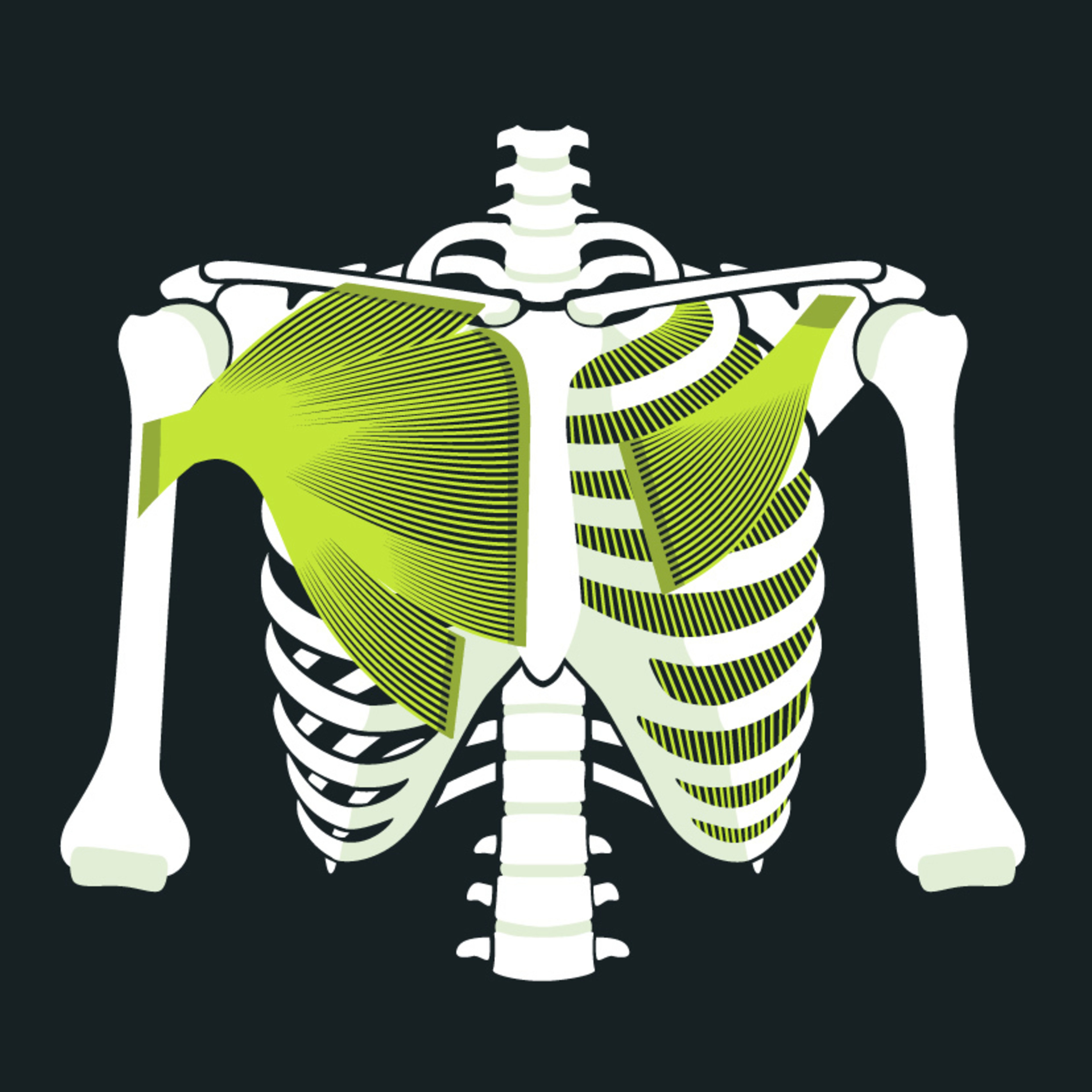
Anatomical basics: why does chest pain occur?
To better understand functional chest pain, it helps to look at the anatomy of the chest. This consists not only of bones and organs — but of a complex system of muscles, fascia, joints and nerves.
Key structures at a glance
- 24 ribs (12 on each side), connected via joints to the sternum and spine
- 11 intercostal spaces on each side, each containing several layers of intercostal muscles — important for breathing and trunk stability
- A network of fascia that envelops all the muscles and can become adhered under overload
- Pectoralis major muscle: frequently subject to overload due to poor posture
What happens when tension builds up?
Chronic poor posture or overload (e.g. prolonged sitting, stress or sport without adequate recovery) causes the muscles to shorten.
That’s why even minor imbalances in muscle tension can lead to pressure, a pulling sensation or a burning sensation in the chest area — even without structural damage.
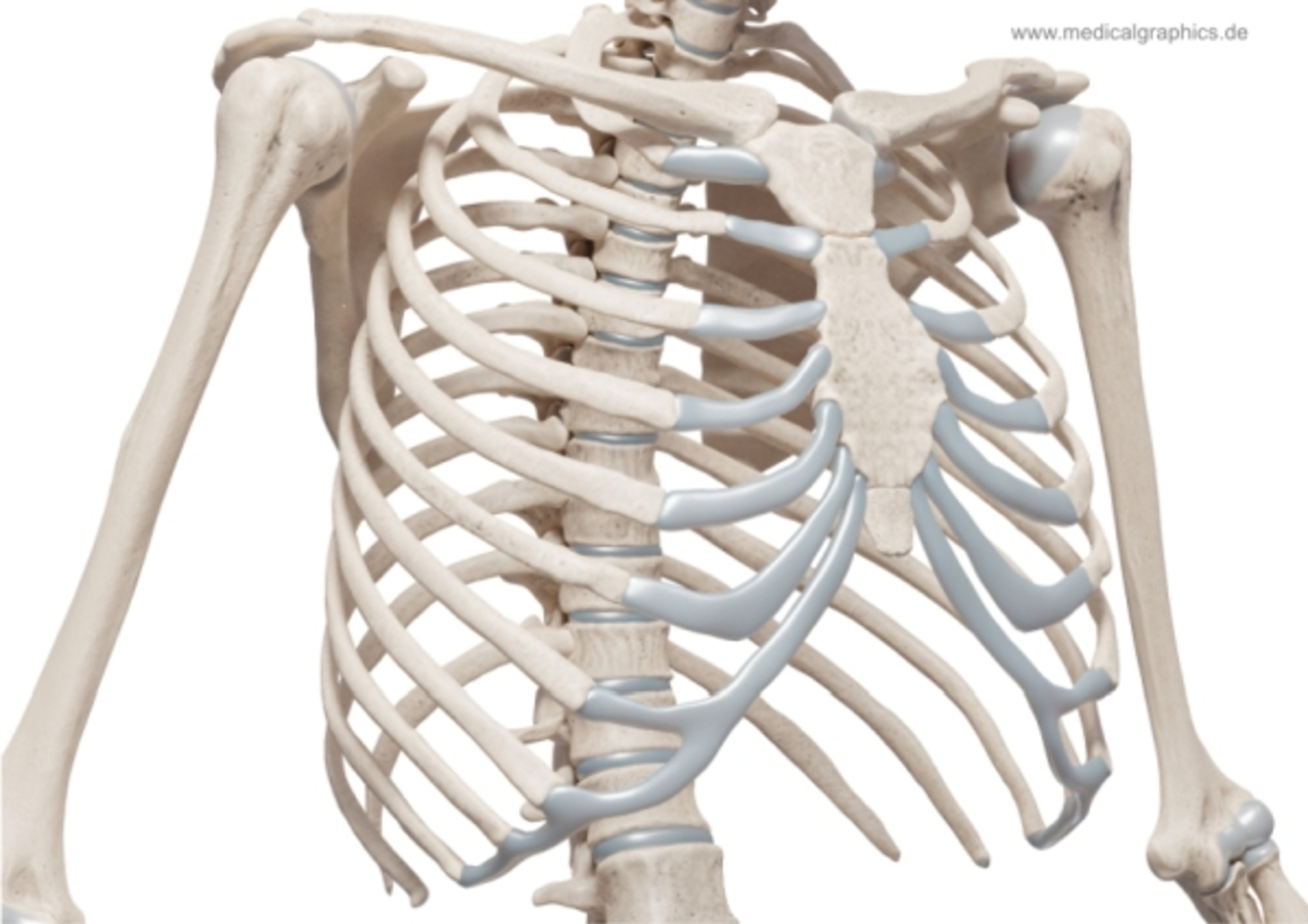
Image source: MedicalGraphics.de Licence – CC BY-ND 4.0
Differential diagnosis: how common are the various causes?
Chest pain can have many causes. The distribution of these causes depends heavily on where those affected seek help. In general practitioners’ surgeries, the picture is roughly as follows (Hoorweg et al., 2017):
- Chest wall (muscles, ribs, joints): around one third of cases, making this the most common cause
- potentially life-threatening conditions, such as a heart attack: 8.4%
- In A&E, chest wall pain is less common. There, it accounts for around 16% of cases (Mandrekar et al., 2021).
Conclusion: Functional and muscular causes are significantly more common than life-threatening ones – nevertheless, unclear symptoms should always be investigated by a doctor.
Chest muscle pain — in all genders
Chest muscle pain occurs in people of all genders but often differs in cause, triggers and perception. In most cases it’s functional and responds well to targeted exercise, postural correction and stress management.
Typical causes
- Strength training without warming up or using incorrect technique
- Overload or muscle strains in the pectoralis major
- Poor posture in everyday life – e.g. at a desk or whilst driving
Typical causes in people
- Hormonal fluctuations — e.g. during menstruation, pregnancy or breastfeeding
- Stress-related tension in the chest, shoulder or neck muscles
- Lack of movement or protective postures following surgery (e.g. breast surgery, caesarean section)
Regardless of gender, the following applies: perform targeted mobilisation, stretching and strengthening exercises for the chest muscles and maintain good body posture to reduce functional symptoms. If the pain persists or worsens, seek medical advice.
Coping strategies for chest pain
Self-management techniques play a crucial role in managing chest pain. Here are some further coping strategies that may help you deal with the symptoms:
- Breathing techniques: reduce stress and relax the muscles with deep, controlled breaths.
- Heat therapy: whether you use warm compresses, warm baths or heat patches, the warmth can help loosen the muscles and ease pain by boosting blood flow and encouraging relaxation.
- Massage: Massage the chest muscles and surrounding areas to improve blood flow and ease tension. Targeted techniques can loosen stiff muscles and fascia, providing noticeable relief.
- Stress management: Stress can contribute to muscle tension and increased sensitivity to pain so reduce stress and incorporate relaxation techniques such as meditation, yoga or progressive muscle relaxation into your everyday life to lessen the intensity and frequency of chest pain.
- Relaxation of the muscles and fascia
If myofascial tension is causing your chest pain, restore suppleness to the fascia and relax stiffened muscles. - Mobilisation
Use conscious, targeted movements of the thoracic spine to restore mobility. - Postural correction
Work specifically on your posture to keep the body’s longitudinal axis aligned, permanently balancing out myofascial imbalances. If we manage to get your posture and mobility under control in a sustainable manner, chest pain will decrease over time.
These strategies can help you alleviate symptoms and improve your long-term quality of life. Remember to factor in your individual needs and limitations and, where necessary, seek professional support from a doctor or physiotherapist.
Conclusion: correctly assessing chest pain
Chest pain can have both musculoskeletal and organic causes. If you're experiencing new, severe or unexplained symptoms, make a medical assessment your first priority; once a musculoskeletal cause is confirmed, exercise and targeted measures can support your recovery.
Chest pain can take many forms – ranging from muscular tension, stress and poor posture to serious conditions affecting the heart or digestive organs. This makes it all the more important to interpret individual symptoms correctly and to seek medical advice if in doubt.
If the cause is functional — that is, musculo-fascial — you can take several practical steps: maintain good posture, move consciously, practise breathing techniques, reduce stress and incorporate regular fascia training to ease pain and stay mobile.
Listen to your body. If chest pain occurs repeatedly or is accompanied by warning signs such as shortness of breath, nausea or dizziness, seek medical help. Early diagnosis offers protection – and at the same time enables you to take active countermeasures using the right methods.
By combining medical knowledge, targeted exercises and mindful self-care, you can reduce pain and improve your quality of life.
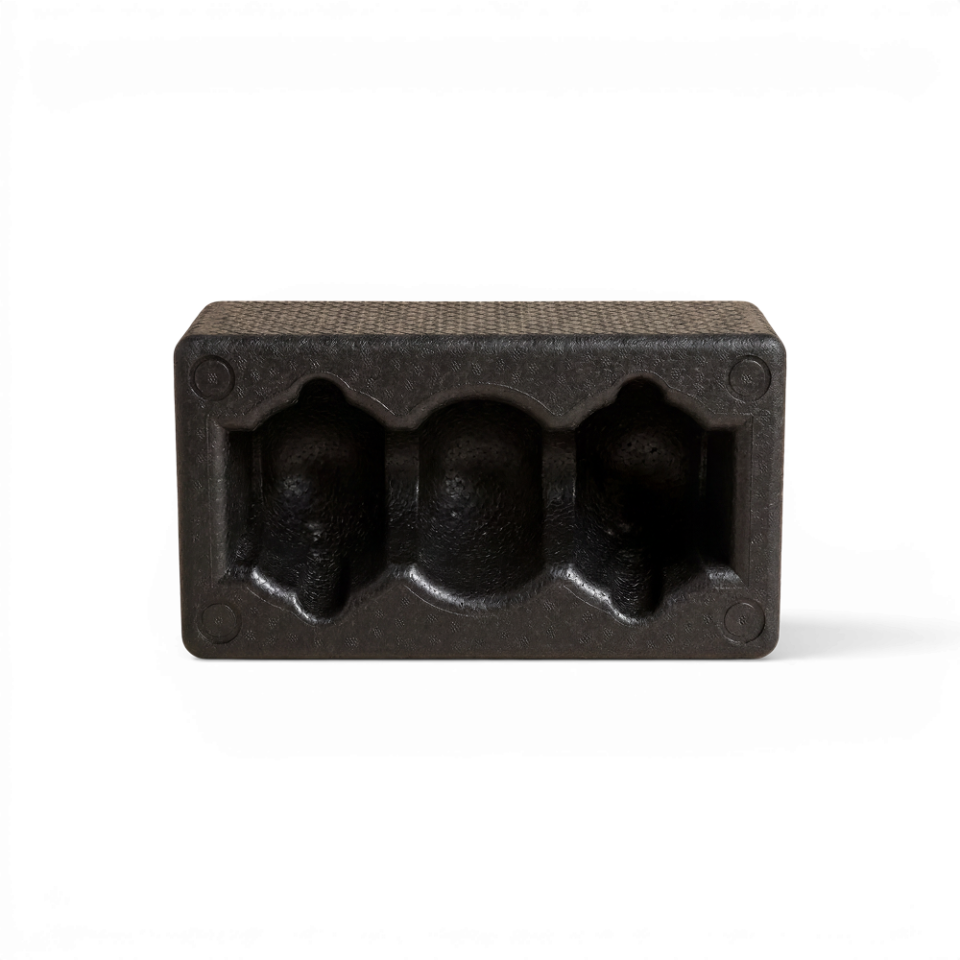
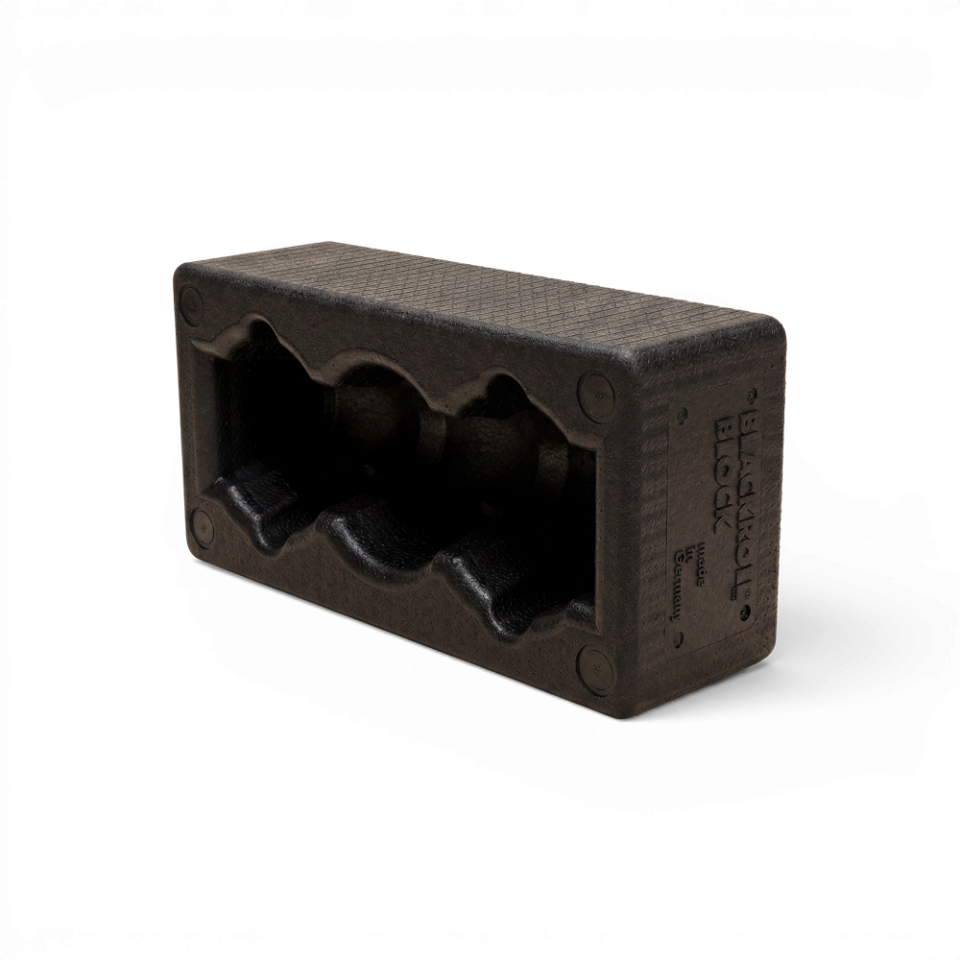
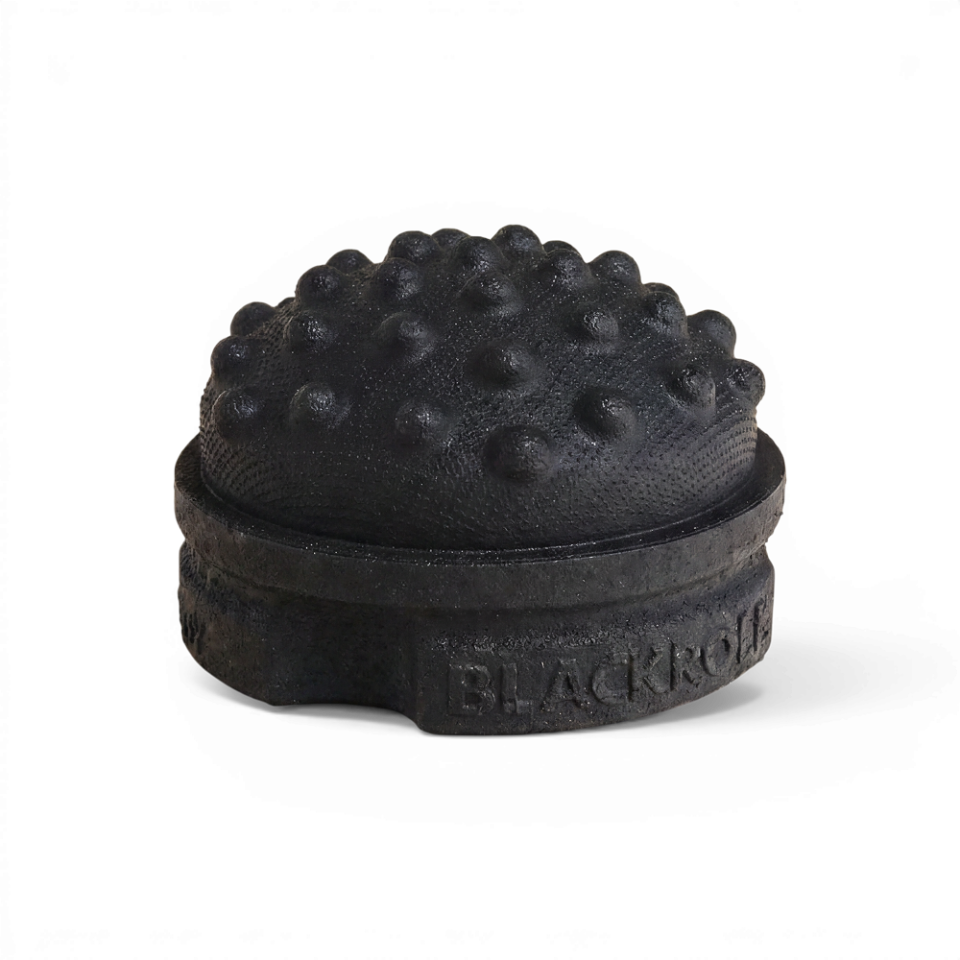
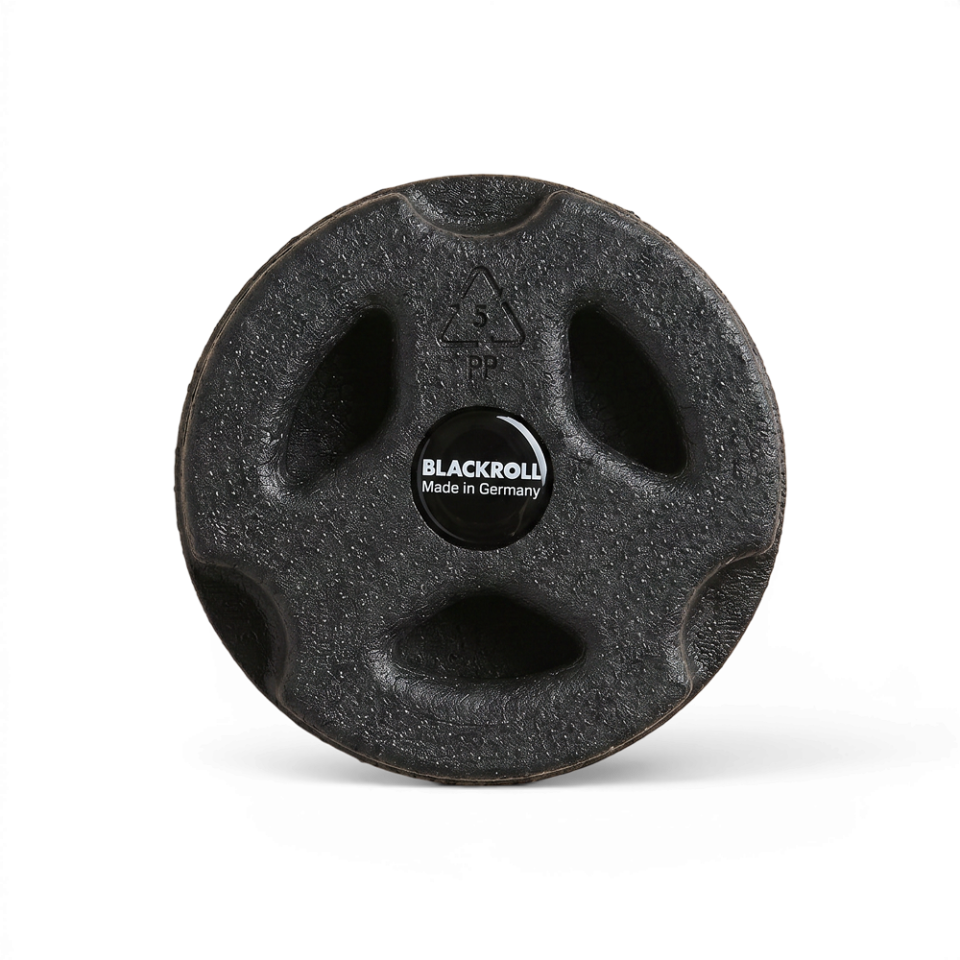
Your tools for chest pain exercises:
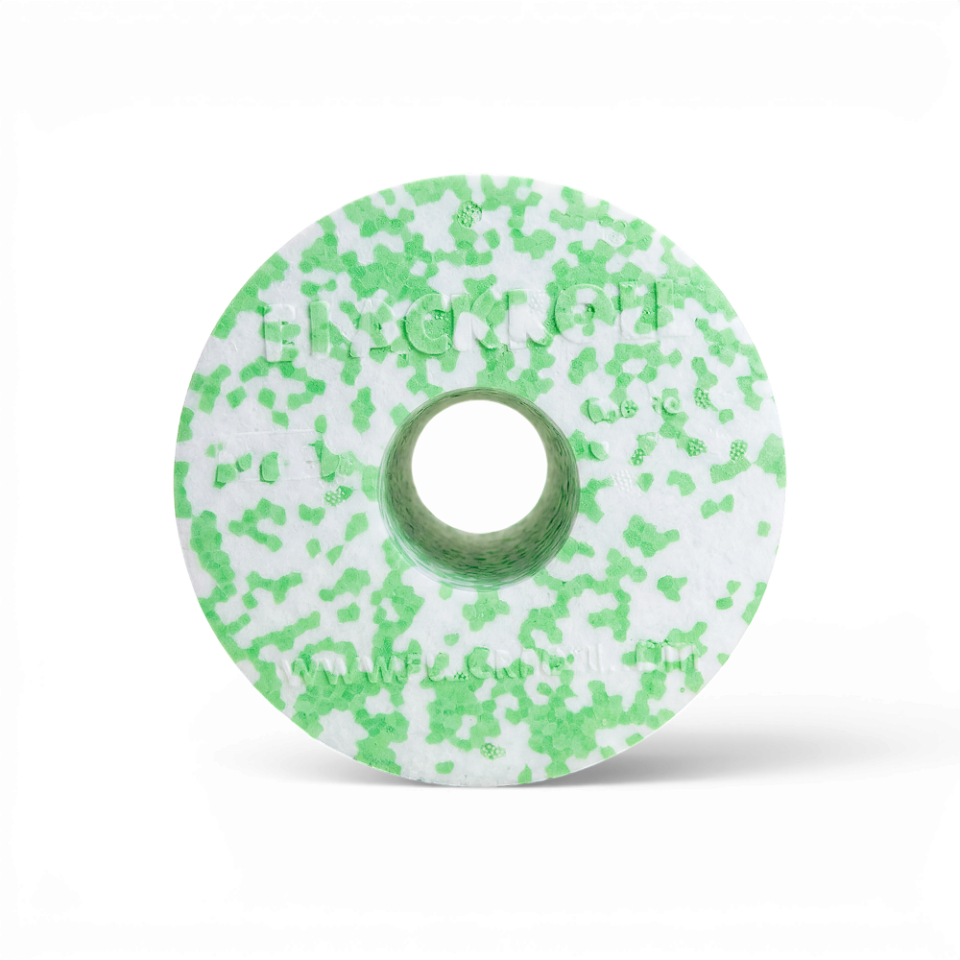
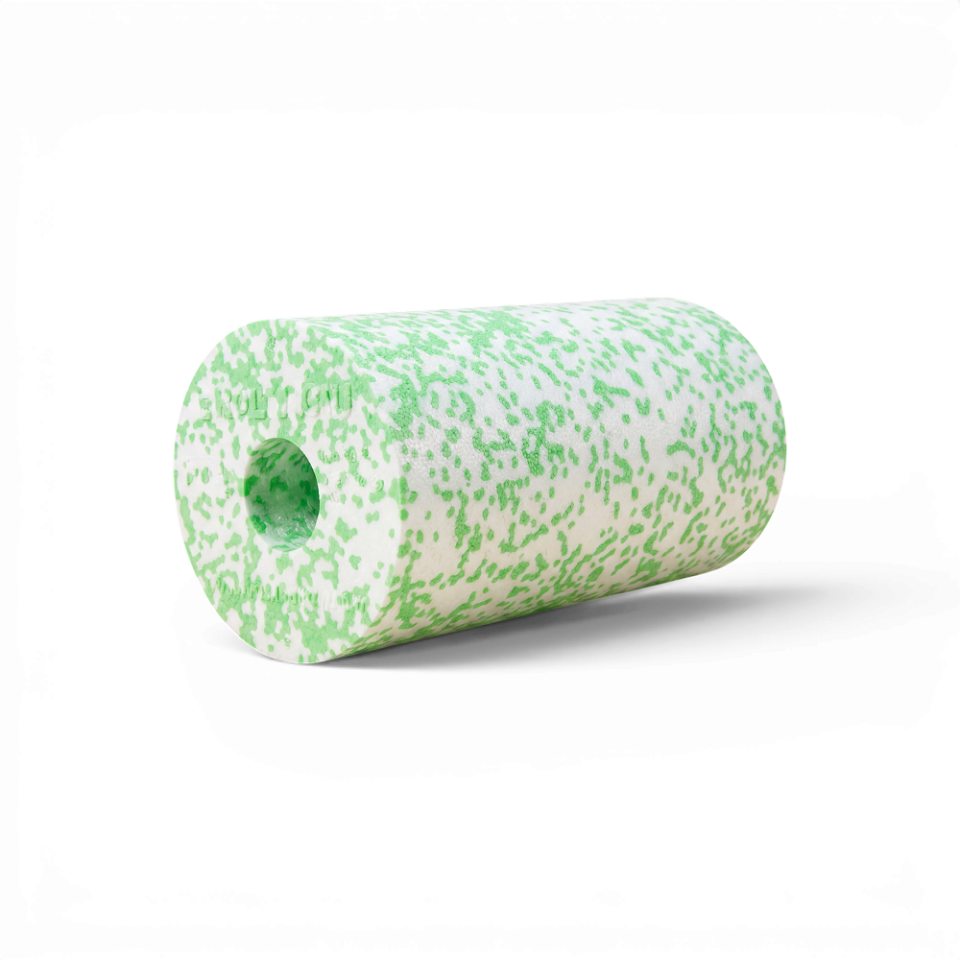
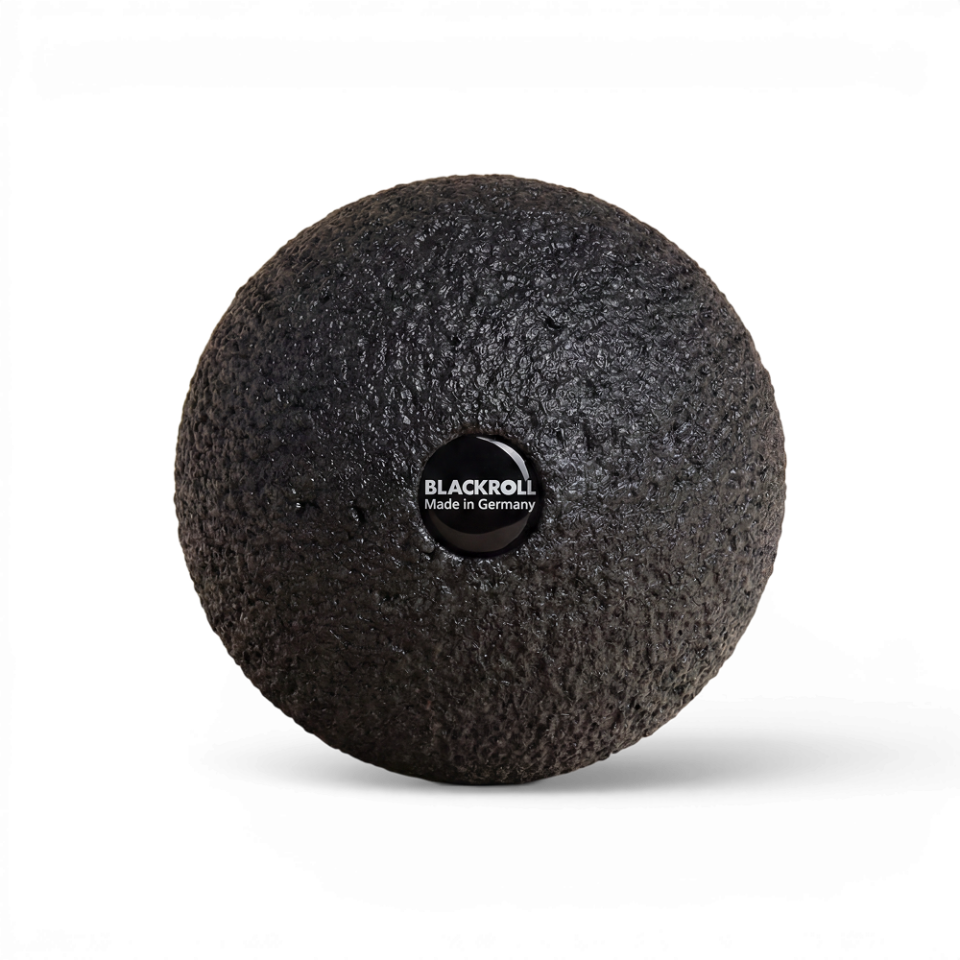
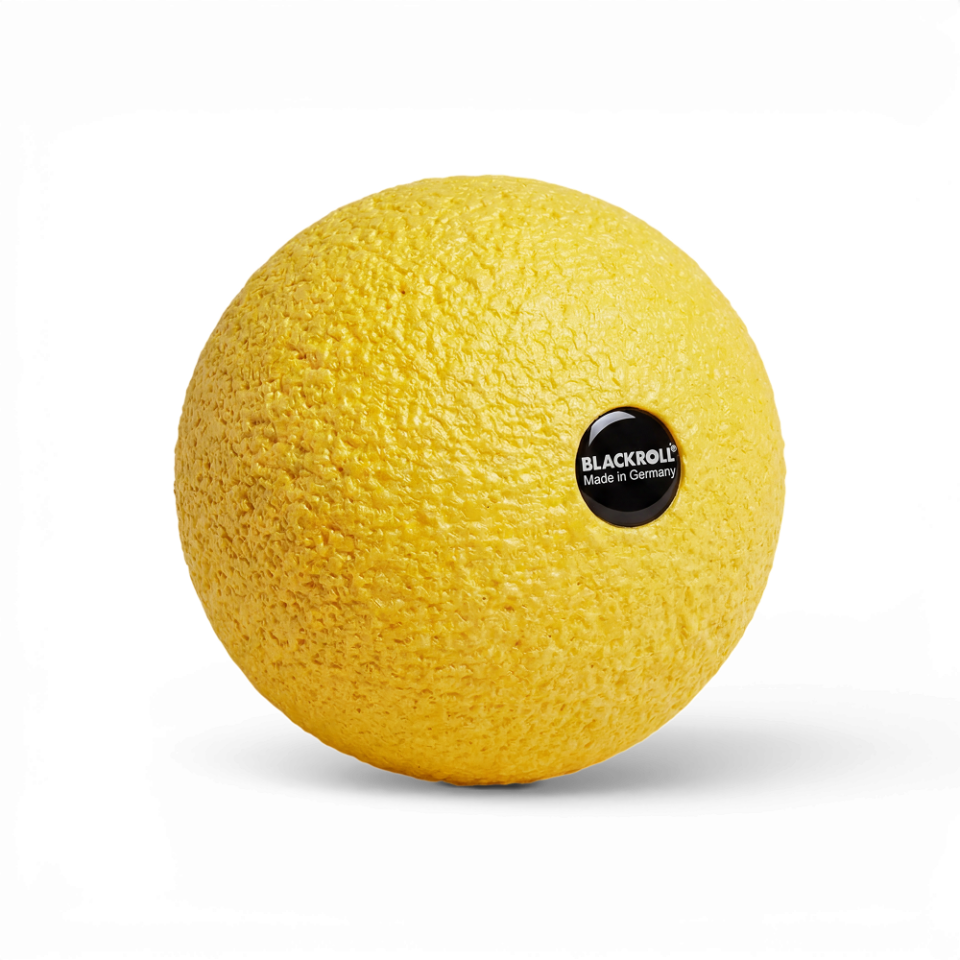
Ball 08
Available in multiple variants
Frequently asked questions about chest pain
Chest pain can have various causes and isn’t automatically dangerous. If you experience sudden, severe or persistent pain — especially if accompanied by shortness of breath, dizziness, pain radiating to the arm or jaw or nausea — seek medical help immediately. If in doubt, get it checked.
Muscle-related chest pain often feels like a pulling, stabbing or pressing sensation, usually in one spot or along a rib and it may change with movement, breathing or certain postures. However, you can't reliably distinguish it from heart-related causes based on symptoms alone.
Stabbing sensations can stem from muscle tension, fascia or structures along the ribs. However, we can’t tell with certainty whether the cause is muscular or organic simply because the pain is on the left. If you notice additional warning signs such as shortness of breath or radiating discomfort, seek medical help at once.
Seek medical help immediately if you experience sudden, severe or persistent pain — particularly if accompanied by shortness of breath, dizziness, pain radiating to the arm or jaw or nausea. Seek medical advice if you have recurring or unexplained symptoms.
For non-acute chest pain, your GP is the appropriate first point of contact. Depending on the suspected cause, further investigation — for example, by a cardiologist or orthopaedic specialist — may then be carried out.
Try deep, conscious breathing, maintain an upright posture and apply heat (for example a hot water bottle or cherry-pit pillow) to ease acute symptoms. Gentle mobilisation or self-massage with a fascia ball also helps.
Exercise, targeted stretching and deliberate breaks during everyday life can help prevent muscular chest pain. Regular warming up before sport and managing stress mindfully can also reduce one-sided strain and tension.
Sources and studies
Babatunde, O. O., Jordan, J. L., Van der Windt, D. A., Hill, J. C., Foster, N. E. and Protheroe, J. (2017). Effective treatment options for musculoskeletal pain in primary care: A systematic overview of current evidence. PLOS ONE, 12(6), e0178621. https://doi.org/10.1371/journal.pone.0178621
Collet, J.-P., Thiele, H., Barbato, E., et al. (2021). 2020 ESC Guidelines for the management of acute coronary syndromes in patients presenting without persistent ST-segment elevation. European Heart Journal, 42(14), 1289–1367. https://doi.org/10.1093/eurheartj/ehaa575
German Society for General Practice and Family Medicine. (2024). Chest pain – DEGAM guideline for primary care (S3 guideline, version 2; AWMF registration number 053-023). https://register.awmf.org/de/leitlinien/detail/053-023
Expert Panel on Thoracic Imaging, Stowell, J. T., Walker, C. M., Chung, J. H., Bang, T. J., Carter, B. W., Christensen, J. D., Donnelly, E. F., Hanna, T. N., Hobbs, S. B., Johnson, B. D., Kandathil, A., Lo, B. M., Madan, R., Majercik, S., Moore, W. H. and Kanne, J. P. (2021). ACR Appropriateness Criteria® for non-traumatic chest wall pain. Journal of the American College of Radiology, 18(11S), S394–S405. https://doi.org/10.1016/j.jacr.2021.08.004
Hoorweg, B. B. N., Willemsen, R. T. A., Cleef, L. E., Boogaerts, T., Buntinx, F., Glatz, J. F. C. and Dinant, G.-J. (2017). Frequency of chest pain in primary care, diagnostic tests performed and final diagnoses. Heart, 103(21), 1727–1732. https://doi.org/10.1136/heartjnl-2016-310905
Mandrekar, S., Venkatesan, P. and Nagaraja, R. (2021). Prevalence of musculoskeletal chest pain in the emergency department: A systematic review and meta-analysis. Scandinavian Journal of Pain, 21(3), 434–444. https://doi.org/10.1515/sjpain-2020-0168
Mott, T., Jones, G. and Roman, K. (2021). Costochondritis: Rapid evidence review. American Family Physician, 104(1), 73–78. https://www.aafp.org/pubs/afp/issues/2021/0700/p73.html