Compression: a practical recovery method for athletes.

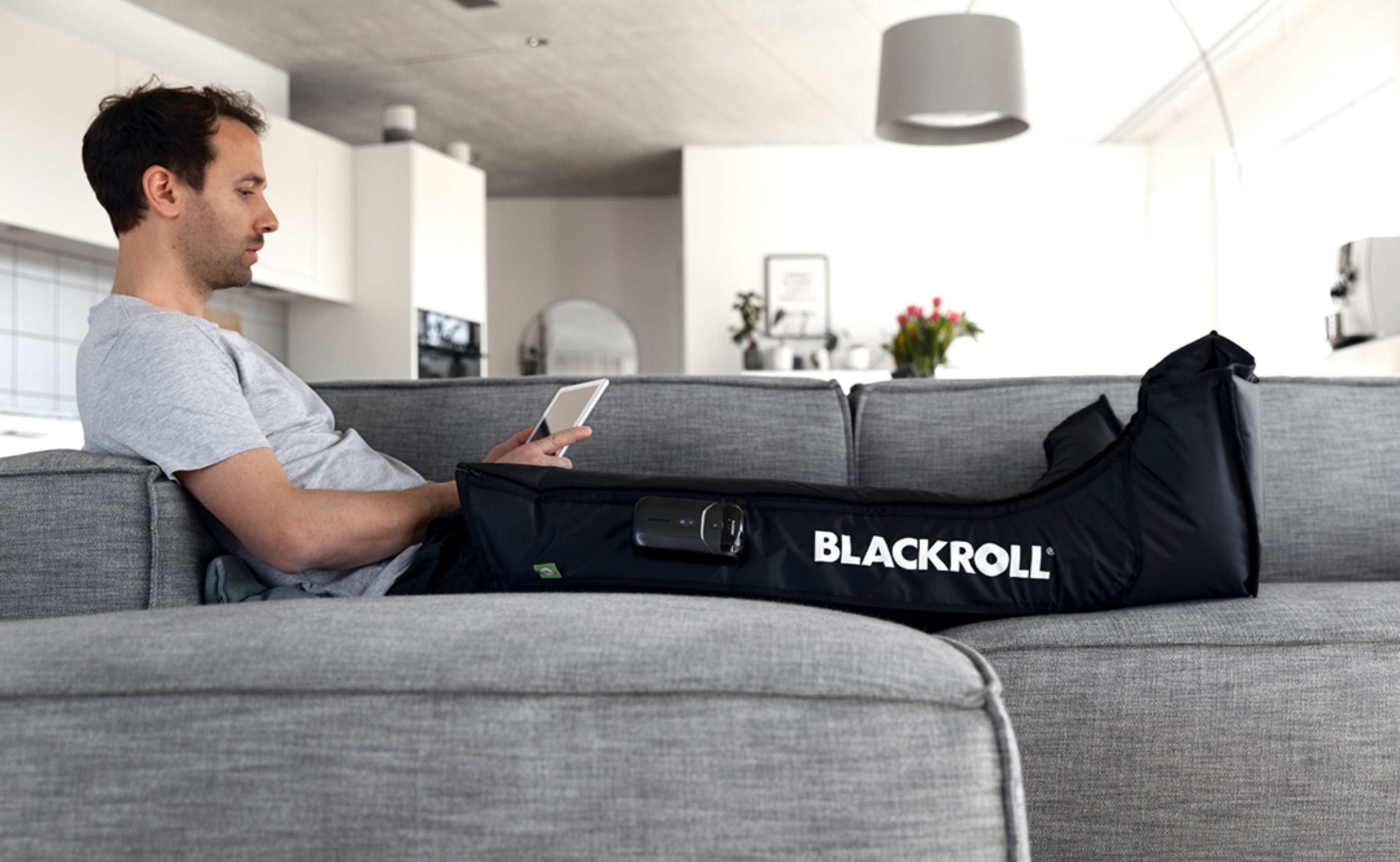
We apply gentle external pressure to your tissue and muscles, encouraging better blood flow and helping you feel fresher. Our snug-fitting socks, trousers and shirts sit close to the skin and can be worn during or after exercise .

Can compression speed up recovery? Does it work?
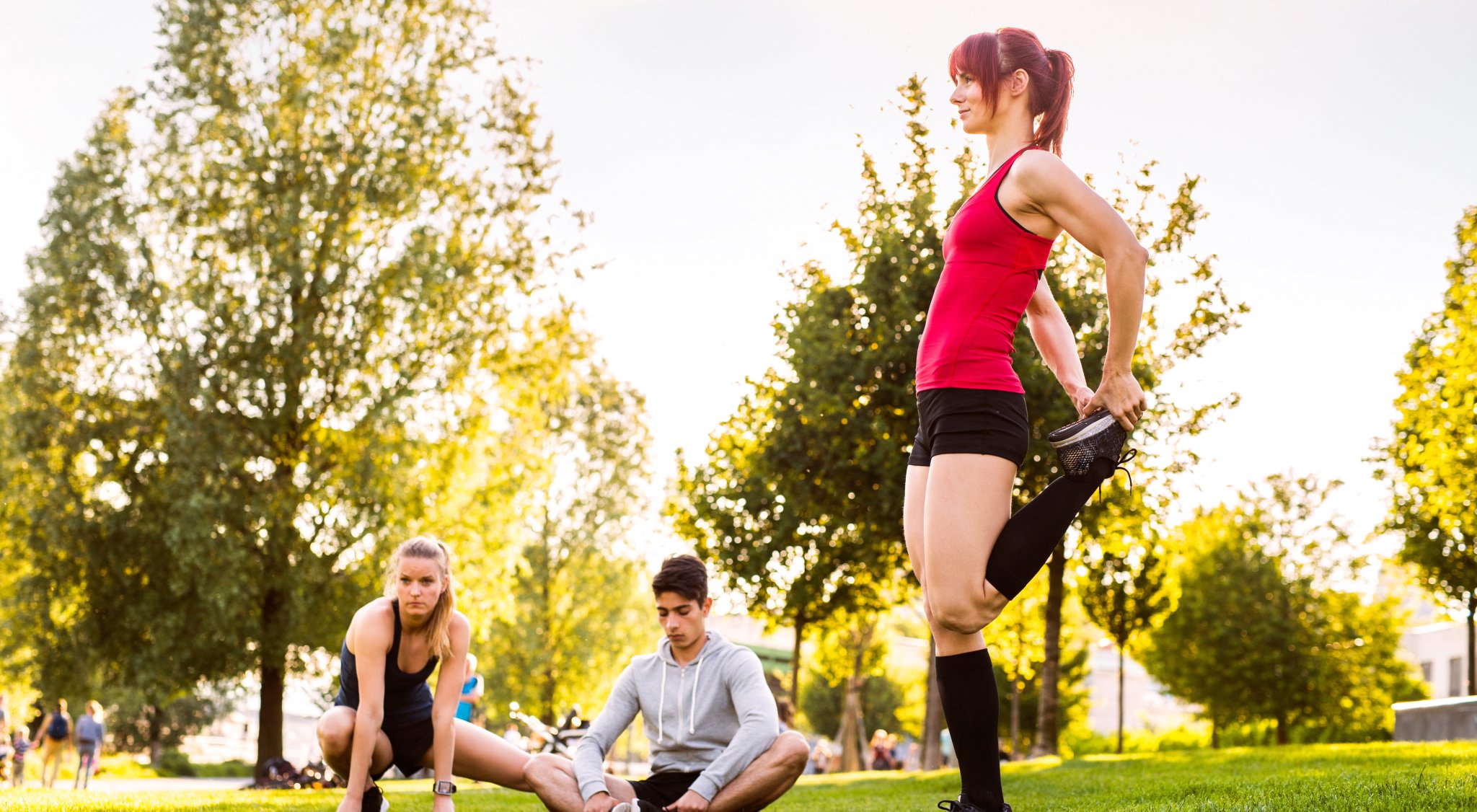
Muscle recovery is a key component of sporting performance. Compression garments and Compression Boots are frequently used to support recovery after physical exertion and to relievemuscle soreness. But how well is their effect actually proven?
This article examines the potential effects of compression on muscle recovery and personal wellbeing, covering both traditional compression clothing and compression boots with inflatable air chambers.
What is compression clothing and how does it work?
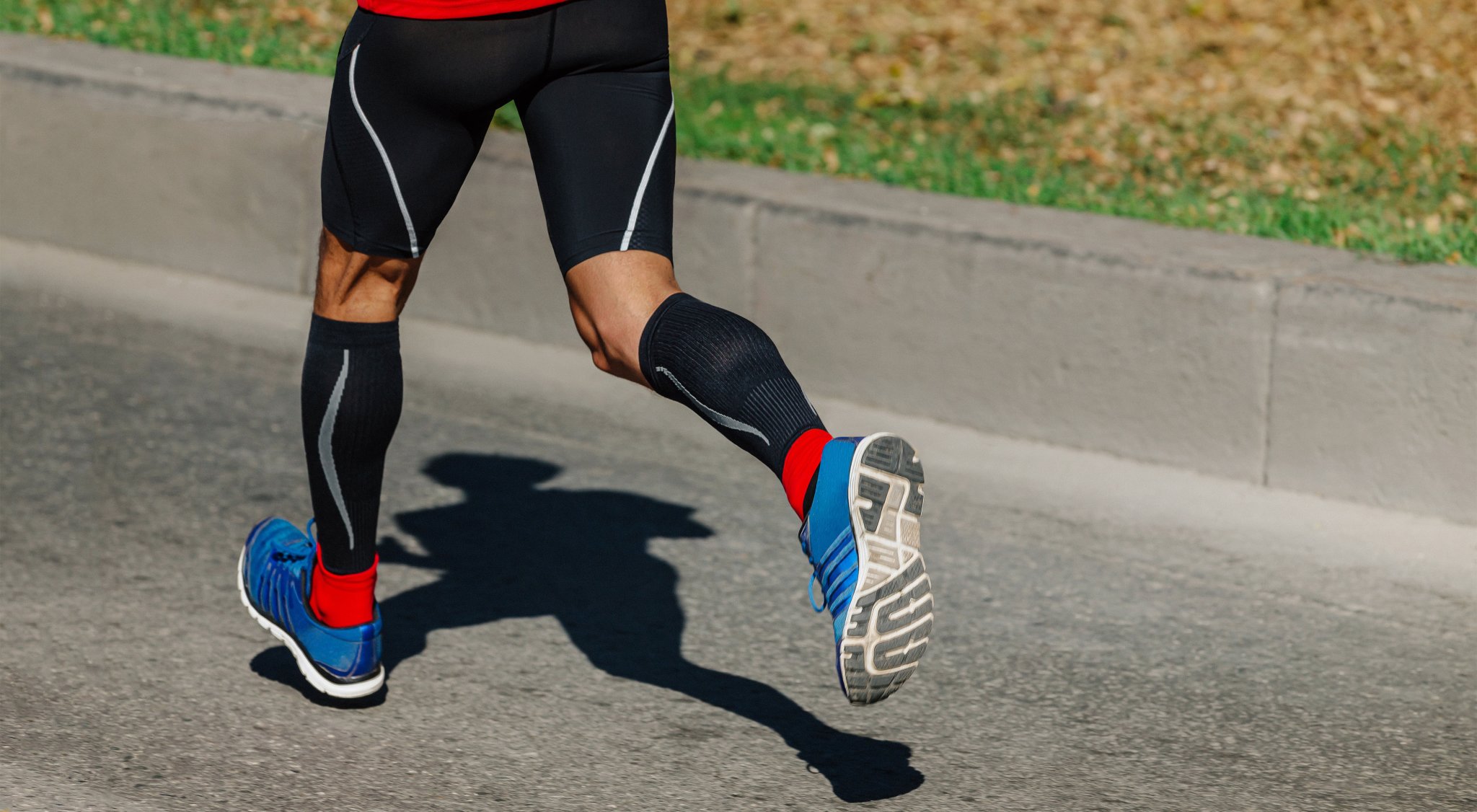
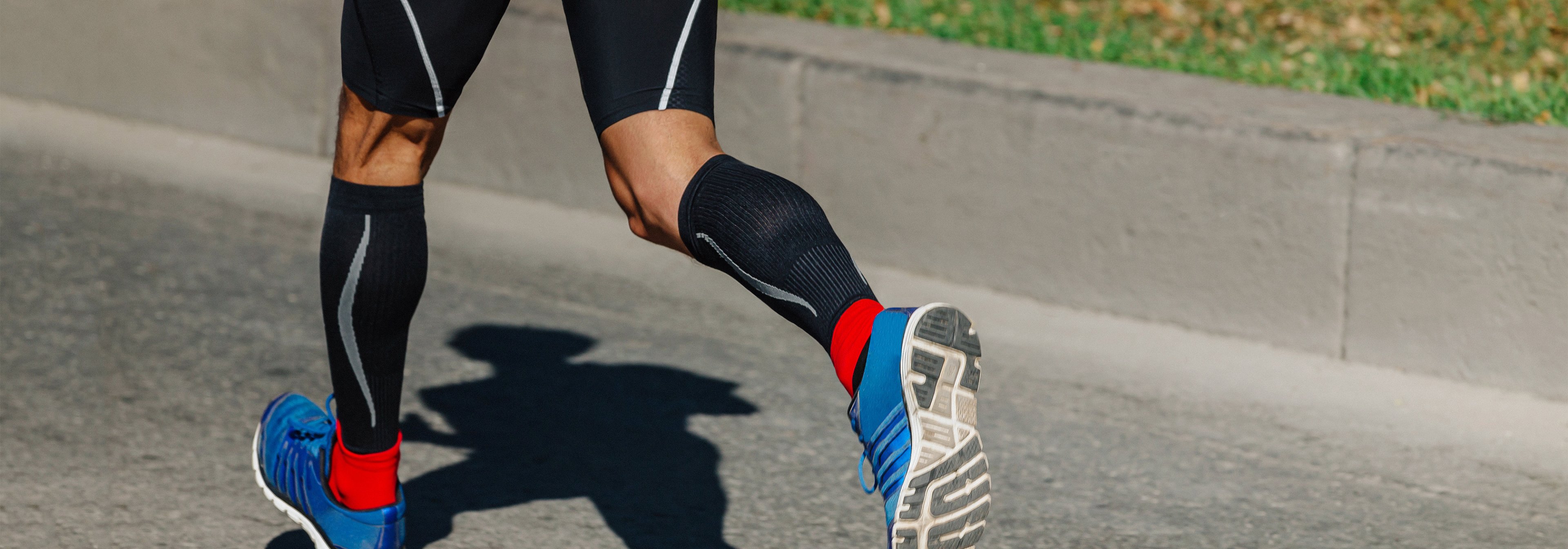
It applies controlled pressure to help improve blood flow in your arms and legs, delivering more oxygen and energy to your muscles.
They're now also worn during training, competitions and matches by athletes who want an extra edge. Compression garments were first used to support recovery from vascular conditions such as cardiovascular disease, heart failure, lymphatic congestion and surgery. The controlled pressure helps improve blood flow in the arms and legs, which in turn can deliver more oxygen and energy to working muscles.
Types of compression garments
They come in various forms and pressure levels: higher grades are for medical use while lower grades suit sport. We make them from a special elastic fabric that fits snugly against your skin and provides continuous, gentle pressure.
The most common types of compression garments worn directly against the skin include:
- Tights
- Leg socks
- Three-quarter-length trousers
- trousers
- Calf-length socks
- Long- and short-sleeved tops
- Socks for the feet
- Thigh-highs
- Compression stockings
Before you buy compression garments, find out a bit about the different brands, materials and sizes. To get the most out of the garments, clarify any questions you may have so that you select the right product for your needs.


Does compression clothing aid muscle recovery?
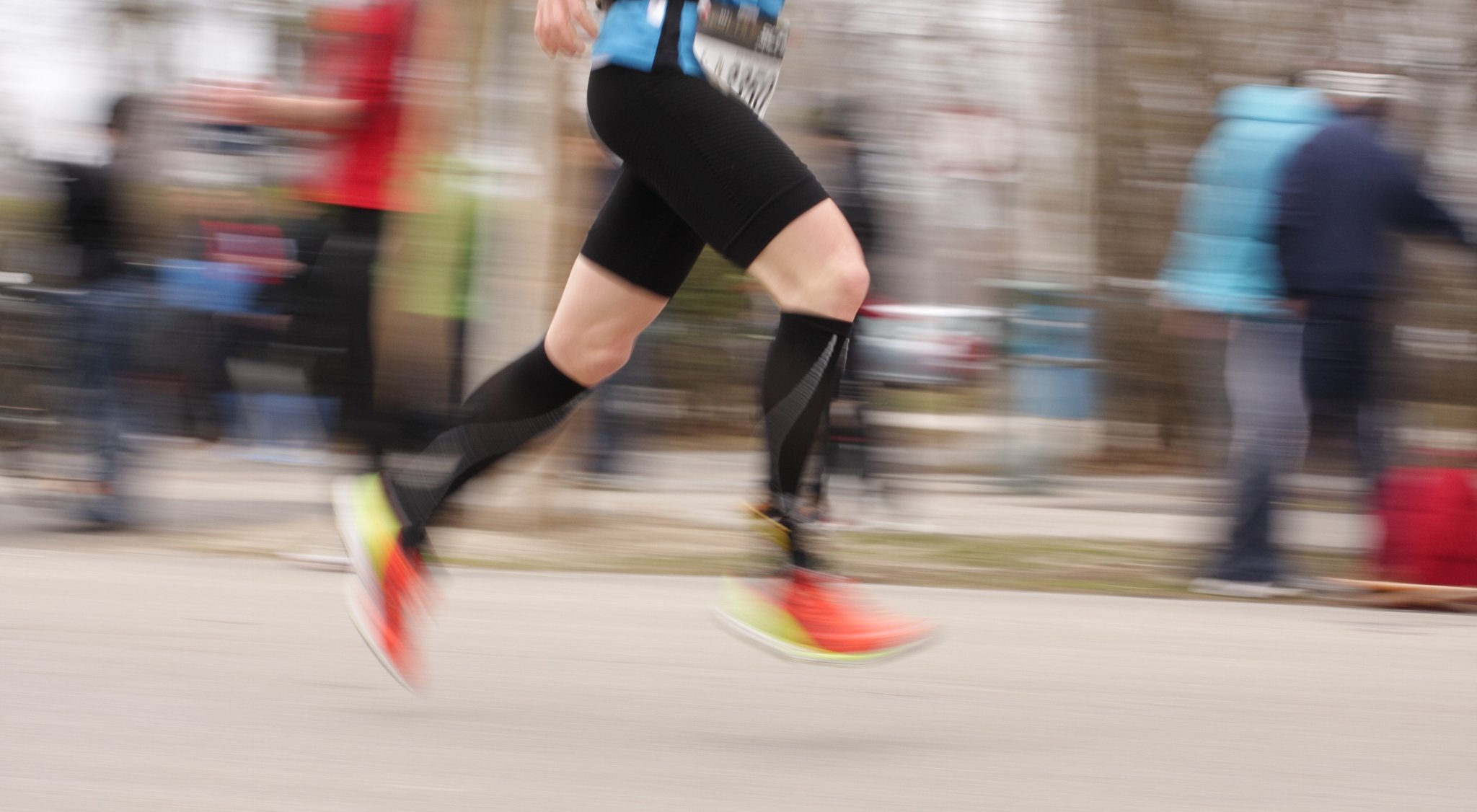
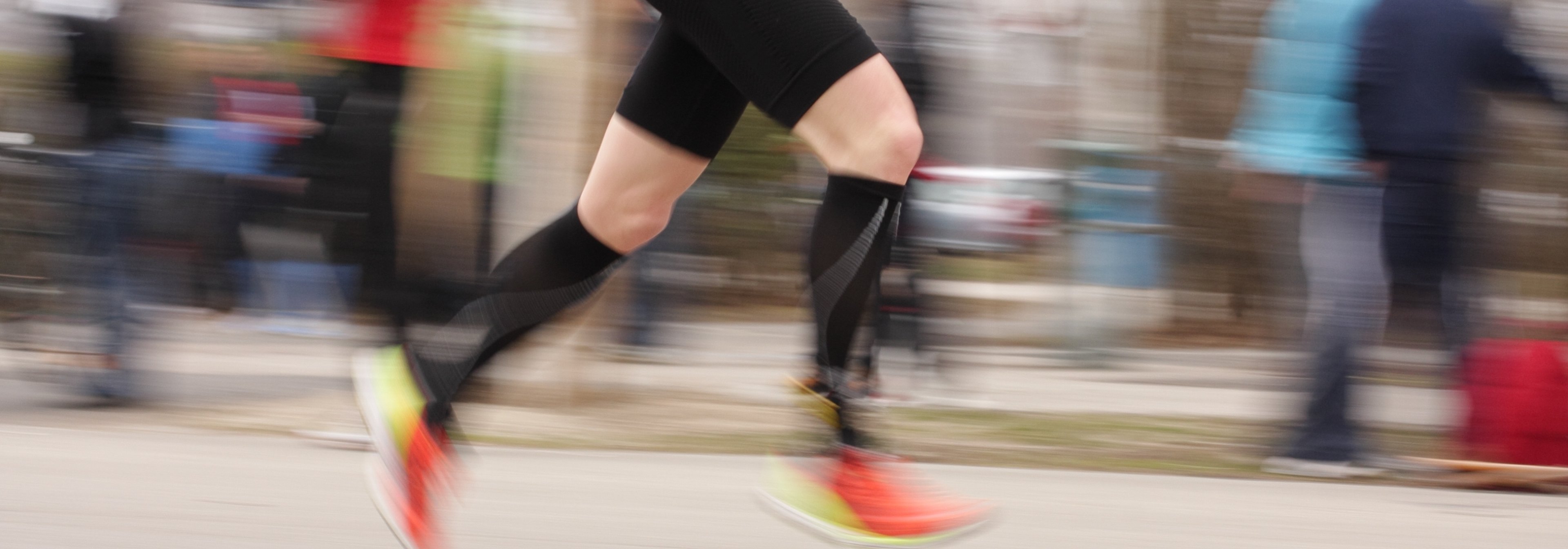
Wearing compression clothing after training or in everyday life can support muscle recovery. Experts say that wearing compression clothing after exercise may reduce muscle injuries, pain, inflammation, muscle soreness and fatigue, and help you get back to moving normally more quickly. We've drawn on several studies that suggest the gentle pressure may help reduce swelling and support blood flow, although the exact mechanisms are still being explored.
- Reduction in muscle damage:
Studies have shown that wearing compression garments after training leads to a reduction in a biomarker for muscle damage known as creatine kinase (CK). This reduction in CK levels shortens recovery time, as waste products can be eliminated more effectively and muscle tissue can be repaired. - Reduce muscle soreness:
A meta-analysis suggests that wearing compression garments after training can reduce muscle soreness, muscle fatigue and muscle damage, probably by increasing blood flow and lymphatic drainage.
Does compression clothing improve performance?
Many athletes wear compression garments to improve performance and mobility. The assumption is that improved blood flow and the resulting increased oxygen supply can enhance performance. It’s also said to help you improve your body awareness. Researchers also suggest that the controlled pressure reduces muscle vibration and ground reaction forces, which may lower functional stress on the muscles and improve joint stability.
Research on these benefits is limited and mixed, so we're still learning how much they can help.

What are compression boots and how do they work?
They're also used in the medical field to support blood circulation and lymphatic flow.
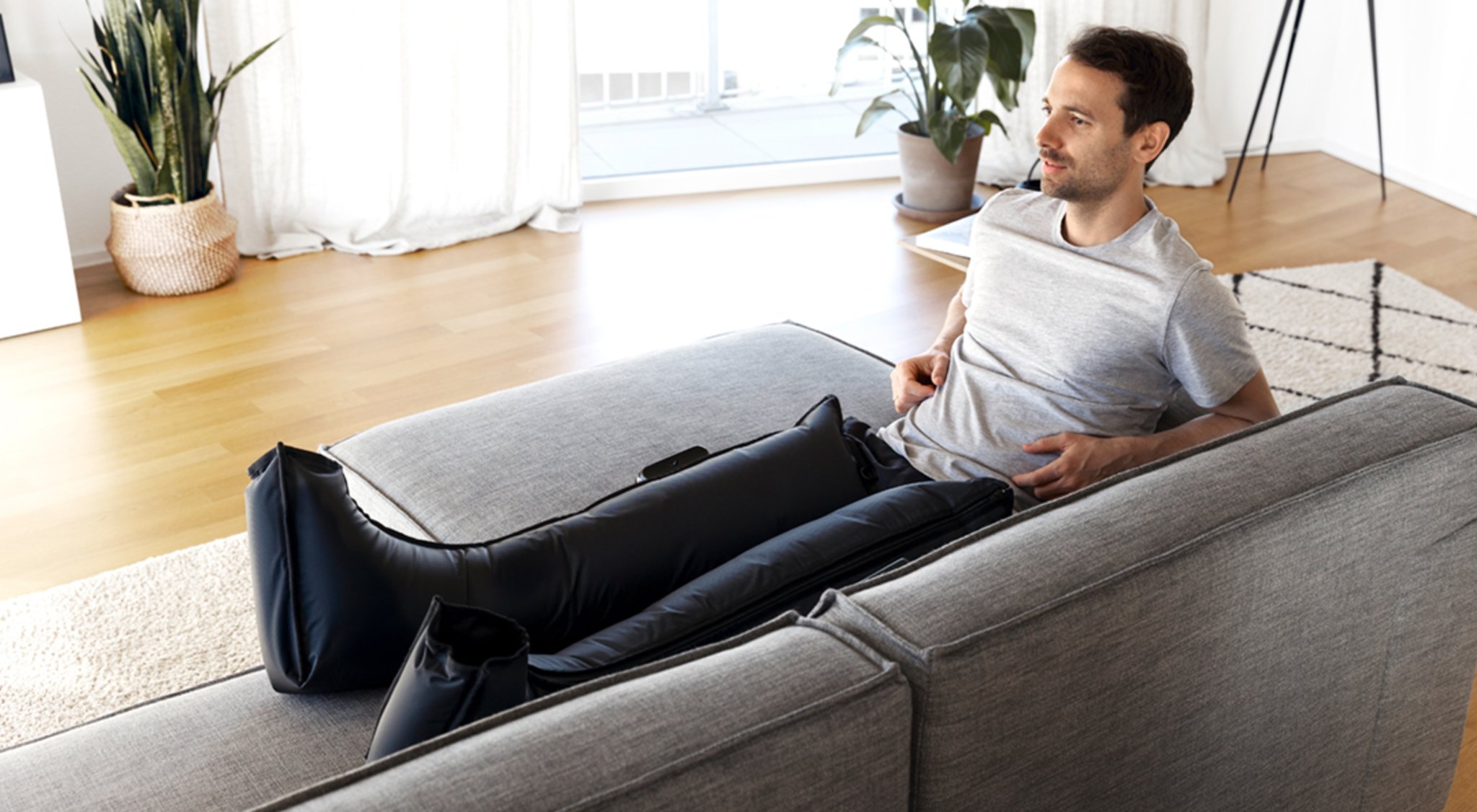
The boots contain inflatable cuffs that wrap around your legs and are divided into several air chambers that fill and deflate in sequence. This creates a pulsating pressure that moves upwards from your calves to your thighs.
The system relies on intermittent pneumatic compression, applying a sequence of pressure waves that aid venous return and may encourage lymphatic flow, helping to clear metabolic waste and deliver oxygen and nutrients to tired muscles.
They’re commonly used after intense training or competition, and they’re also applied in clinical settings to manage conditions such as lymphoedema or venous disorders. Many people simply enjoy them for relaxation and as part of their recovery routine.

Compression Boots 2.0 – Compression at the touch of a button
Compression Boots 2.0‘It was onlydiscovered a few years ago that there are nerve endings which are activated by pleasant, firm pressure and then trigger a deep sense of relaxation in the brain (in the so-called insula region), similar to that experienced when being soothed by a familiar person.’
Dr Robert Schleip, fascia researcher

Adjust the intensity and select the programme that suits you to support recovery and general well-being.
Do compression boots aid recovery?
They look like astronaut trousers, feel comfortable and deliver scientifically backed benefits.
By gently squeezing and releasing your legs they encourage blood and lymph flow which helps remove fluid and metabolic waste such as lactate. Studies show that intermittent compression improves blood flow in the limbs, delivering fresh blood and nutrients to the tissue.
‘It is now widely accepted that compression boots have a positive effect on lymphatic flow. That alone points to significantly enhanced recovery.’ – Robert Schleip
They also raise muscle temperature, which improves mobility: research shows that 15 min of intermittent pressure massage can increase range of motion during exercises such as the splits.
They also reduce muscle soreness and pain sensitivity: research shows that wearing them immediately after intense exercise lowers delayed onset muscle soreness (DOMS).


What’s the difference between Compression Boots and compression clothing?
The main difference between Compression Boots and compression garments lies in their application and the type of compression.
- Com pression Boots use intermittent pneumatic compression, where the cuffs are alternately inflated and deflated, while compression stockings provide continuous even pressure on the muscles and tissues.
- Application: use the boots for a set period, typically 30 min, usually after training or for recovery. You can wear the garments for longer, both during and after training.


When is the best time to apply compression?
In sport, you can wear compression garments during training or competition; although the evidence of performance gain is limited, many athletes swear by them while others find them uncomfortable during exercise.
After exercise, it can help you recover more quickly and ease muscle soreness and inflammation. It’s also useful during long-haul flights or long periods of sitting — such as in the office or on a car journey — because it reduces the risk of swelling and blood clots. Remember that the best way to use compression depends on your individual needs and goals.


Conclusion — recovery through compression
Compression garments and Compression Boots are practical tools for supporting muscle recovery, and we're pleased to offer them to you. The effectiveness of these tools for muscle recovery is still debated in scientific circles.
Some studies report benefits while others don’t, so we suggest you consider your own needs and experience when deciding whether to add them to your recovery routine.
Consider other factors such as sleep, nutrition and training volume.
FAQ
It can reduce the sensation of muscle soreness and fatigue after training.
Sequentially inflating and deflating air chambers create a pulsating pressure that moves from your calves to your thighs, which may encourage blood flow and lymphatic drainage.
Compression Boots generate pulsating pressure for a limited period of time while compression garments exert constant pressure and can be worn for longer periods.