Healthy living: 12 simple tips for healthy habits

A healthy lifestyle is based above all on a balanced diet, regular exercise, restful sleep and a mindful approach to stress. You don’t need to completely change your daily routine to achieve this. In this article, you’ll find 12 practical tips for everyday life and learn how to build healthy routines step by step.


Health tips for your everyday life
Most of us already know what’s important for a long and healthy life, yet in our stressful everyday routines we often struggle to establish healthy habits and stick with them long term.
Yet it can be quite simple – if we break down what’s good for us to its core and simplify it so that each of us can integrate it into our everyday lives.
Here are a few practical tips to help you:
- Make your diet colourful, natural and locally sourced.
- Get regular exercise as part of your everyday life, do 30 min of sport and use equipment to maximise the benefits of your workout.
- Develop an evening routine, go to bed at regular times and optimise your sleeping environment for a restful night’s sleep.
- Manage stress with regular breathing exercises, meditation and short breaks.
- Make time for hobbies and socialising to boost your mood and lower stress.
In the following sections, we’ll explain why these tips support your health and how you can easily incorporate them into your everyday life.

Go to bed feeling more relaxed
Establish an evening routine

Nutrition: the foundation for health
Your diet lays the foundation for holistic wellbeing. Rather than focusing on short-term diets, it’s the choices you make every day that count. Ensure a balanced intake of protein, plant-based foods, fibre and fermented products — and keep your meals as natural as possible. Sprouts are also a valuable addition, as they're rich in enzymes, vitamins and phytochemicals.
Follow this simple meal guide: start with protein, then vegetables then carbohydrates; this order can help prevent blood sugar spikes, keep you feeling full for longer and support long-term weight management.
Ensure you get enough protein
Protein isn’t just important for building muscle, but also for your immune system, cell regeneration and feeling full. Target intake: around 1.2 to 1.6 g of protein per kilogram of body weight – depending on your activity level and goals. Good sources include pulses, tofu, tempeh, quark, eggs, fish and high-quality meat. Plant-based protein shakes can also be useful if you’re otherwise unable to meet your daily requirements.
Mix a variety of colourful fruit and vegetables
Our diet needs to be colourful and healthy. The German Nutrition Society (n.d.) recommends eating at least five portions of fruit and vegetables a day. The more varied your diet, the more nutrients you’ll consume. Remember, fruit juices should be avoided; they often contain more sugar and cause a rapid rise in blood sugar levels, which in turn leads to food cravings. Light fruits such as berries are preferable to sugar-rich ones like grapes or bananas.
Include fermented foods
Foods such as sauerkraut, kimchi, miso, yoghurt, kefir and tempeh support a healthy gut flora — and thus also your immune system, your digestion and even your mood. When buying these products, look for live cultures and as few additives as possible.
Cut down on sugar and processed foods
You don’t have to cut it out completely to lead a healthy life. However, keep intake low — ideally under 25 g of free sugars, with a maximum of 50 g. This includes added sugars as well as naturally occurring sugars in honey, syrup or fruit. Also, remember: unprocessed foods are preferable to processed ones. Try to keep your diet as natural as possible (AGES, n.d.).
Drink 1.5 l a day
Water supports energy levels — and we need plenty of it to perform at our best. In addition to the water found in food, the DGE recommends drinking 1.5 l a day — this can be still or mineral water, unsweetened herbal and fruit teas or even juice spritzers (in a ratio of 1:3 with water) (Centre for Nutrition and Home Economics Lower Saxony, n.d.).
To ensure you drink enough, start the day with a glass of water, then drink another (200 ml) every 1.5 h until about 60 to 90 min before bed so you don’t wake up at night. Avoid alcohol altogether or limit intake to a maximum of two glasses per week (DGE, 2024).
Exercise: how to stay fit in everyday life
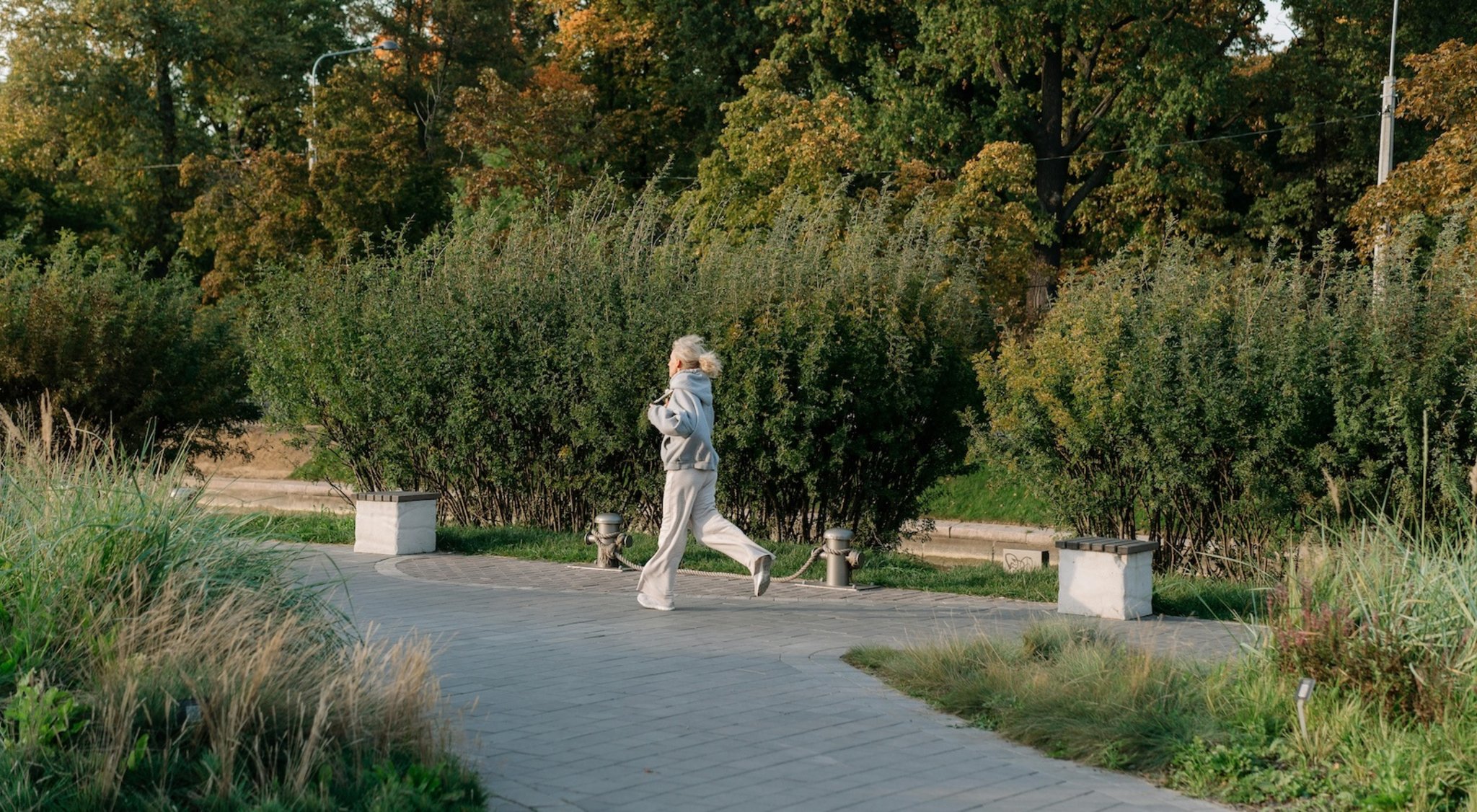
Alongside diet, exercise is another cornerstone of a healthy life — and it can take many different forms: from yoga and swimming to padel. The important thing is that you keep active — both in your everyday life and through targeted training.
Aim for 30 min of deliberate physical activity on most days of the week — this could be endurance training, a mobility flow or even a short strength session using your own body weight. Remember, it doesn’t have to be intense exercise every day — schedule one or two recovery days a week when you might go for a walk, do some stretching or use foam rollers. That’s exercise too — just in a different form.
If, in addition, you regularly get up from your workplace during everyday life, walk short distances or actively take breaks, you’re already doing a lot for your fitness, your cardiovascular system and your mobility as you get older.
Spend 30 min a day being active
If you want to live a long, healthy life, you don’t need to be a fitness fanatic: 30 min a day is enough. Just do whatever you enjoy — because the key is to exercise regularly. For long-term health, a mix of strength and endurance training is recommended. Both are important for a healthy heart and good mobility as you get older, and help with prevention of cardiovascular diseases.
Develop small routines with a big effect
You don’t need long, intense workouts — regular activity spread throughout the day is enough. Build small routines: take the stairs instead of the lift, walk instead of taking an e-scooter and lower the barriers — you don’t have to go to the gym for strength training. Feel free to train using your own bodyweight at home if that helps you establish a routine.
Train with equipment
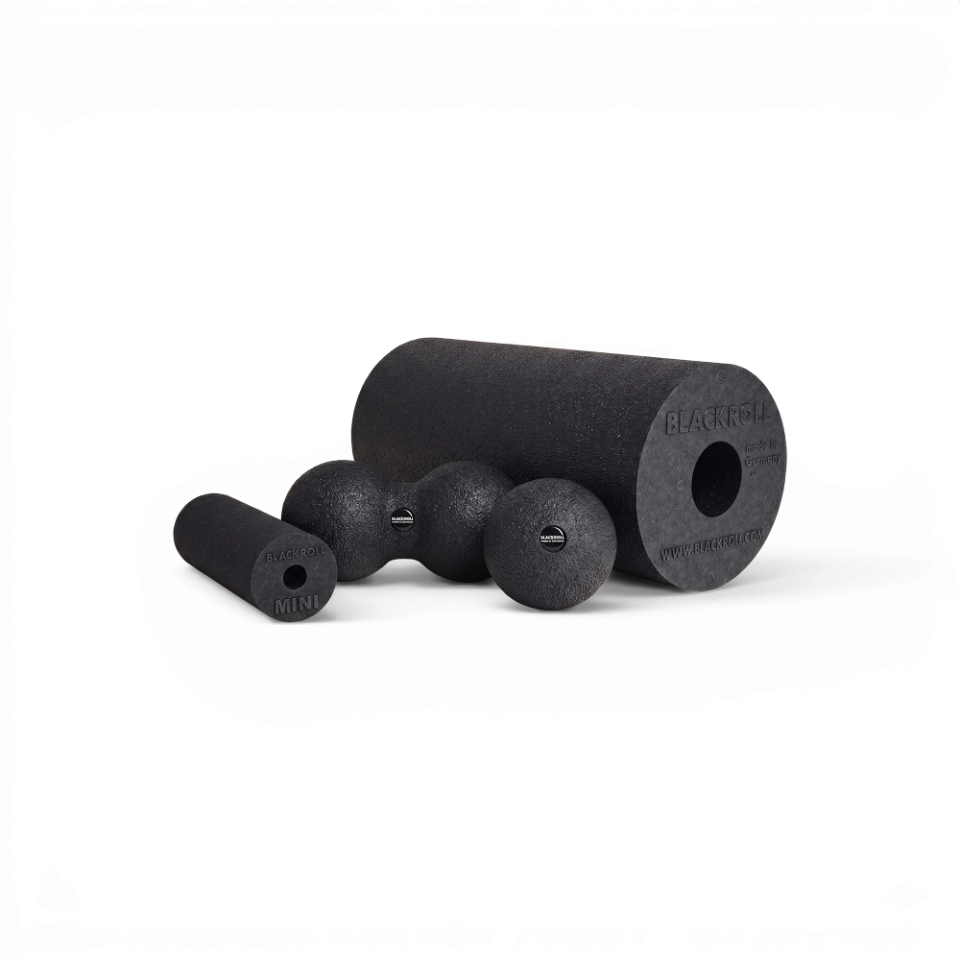
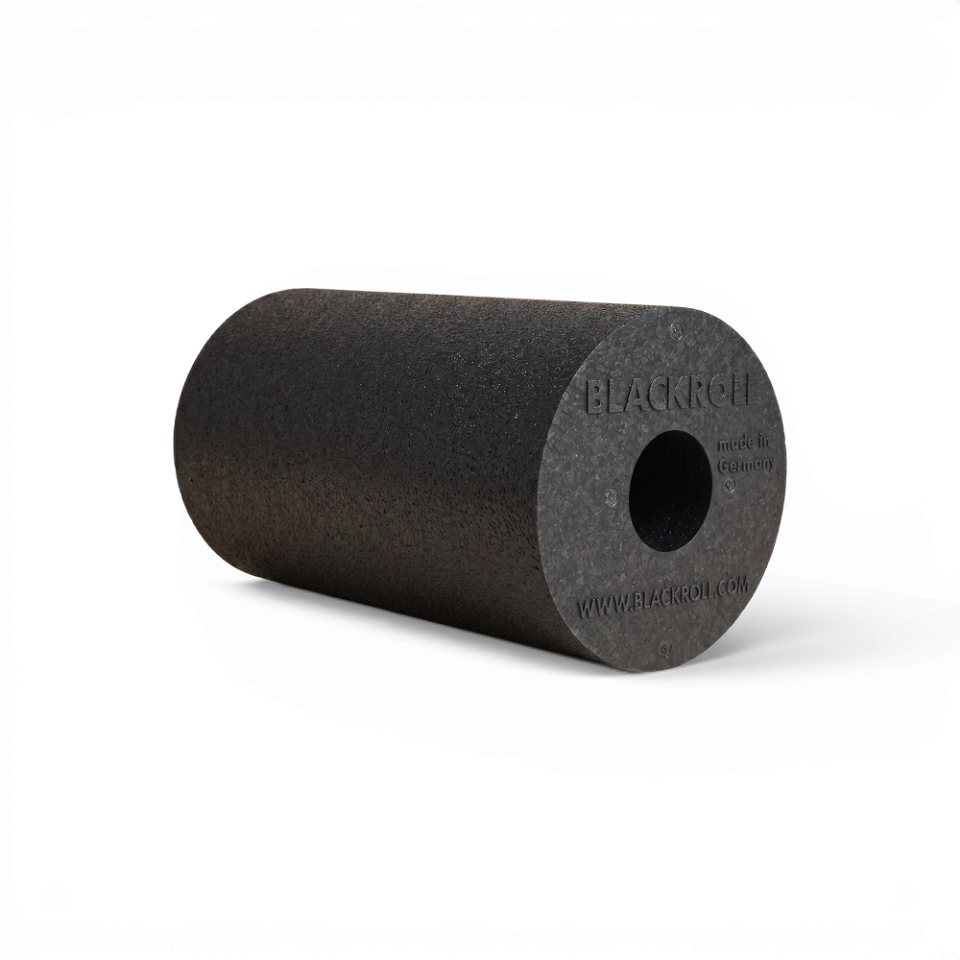
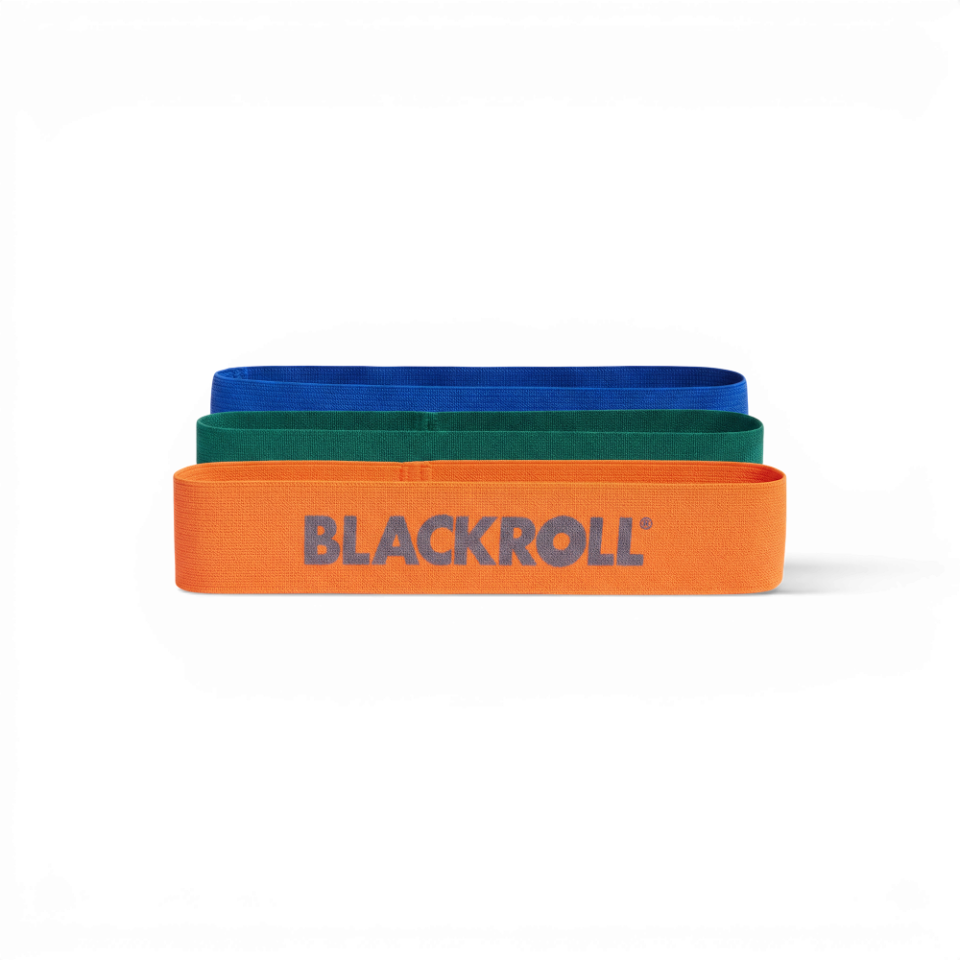
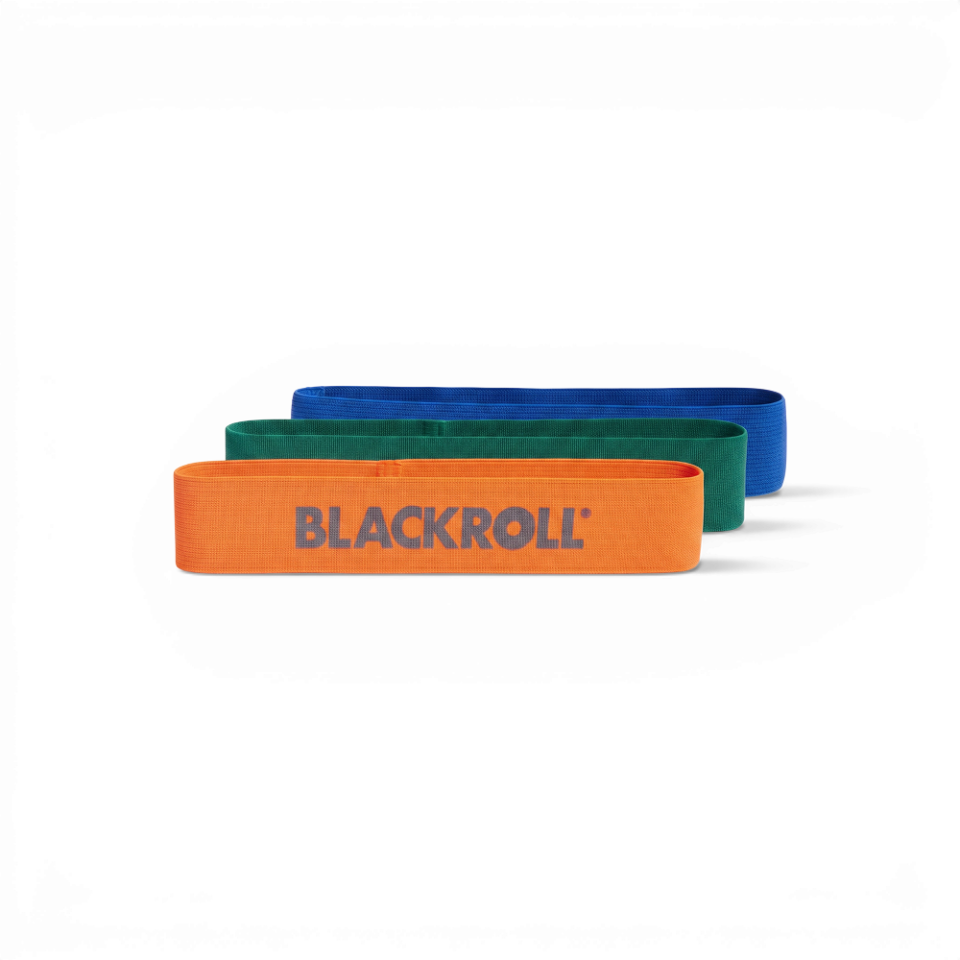
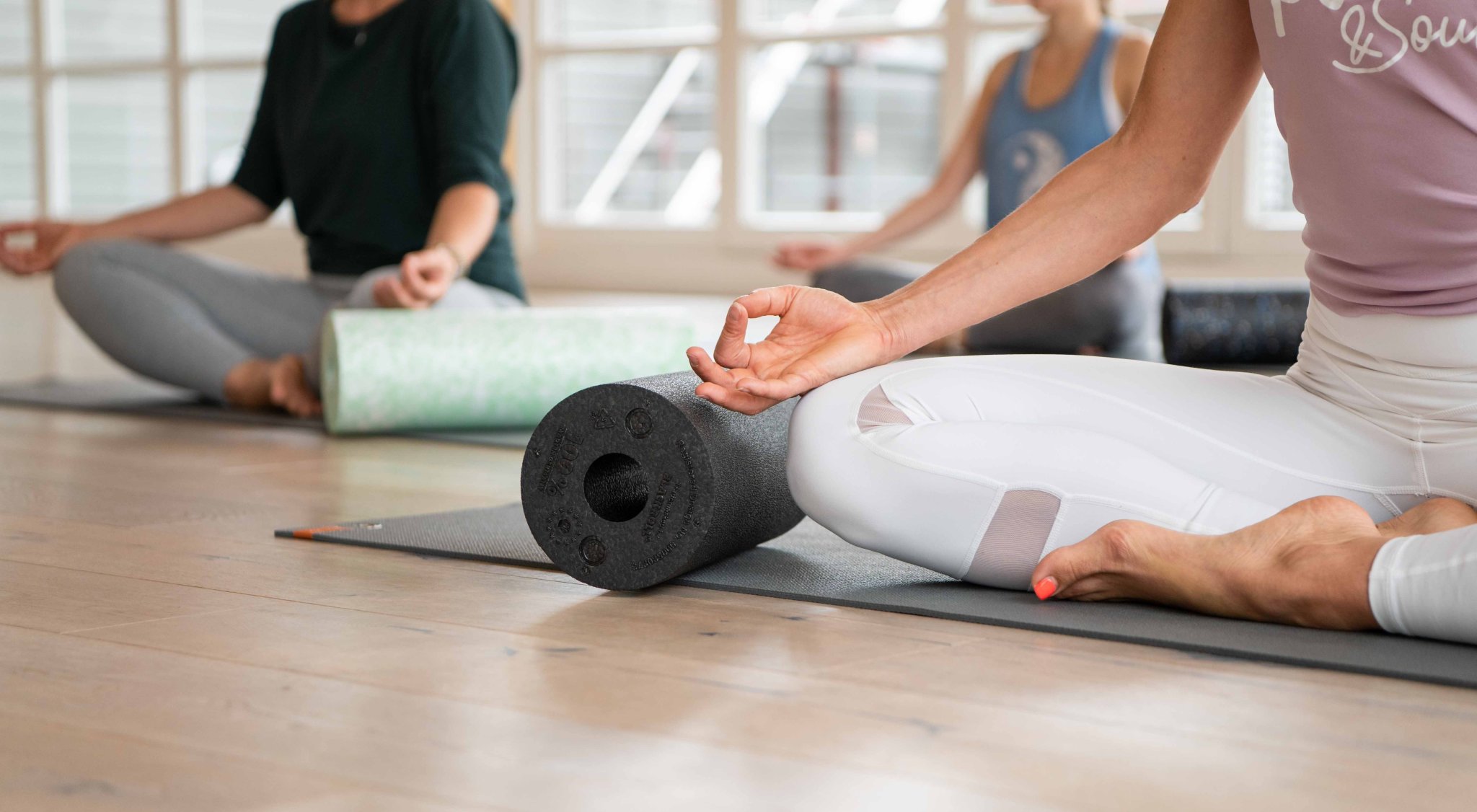
You have to move your own body — but with the right equipment you can maximise the effect for your long-term health. Use our BLACKROLL® foam rollers and Resistance bands to add variety to your training, mobilise your whole body and perform specific strengthening exercises.
Our foam rollers and balls also support recovery by encouraging blood flow, activating the lymphatic system and helping you release tension in your tissues. Combine rolling with conscious breathing to enhance the effect — and create an additional opportunity for relaxation. This will make you more mobile, help you recover faster and effectively reduce pain.
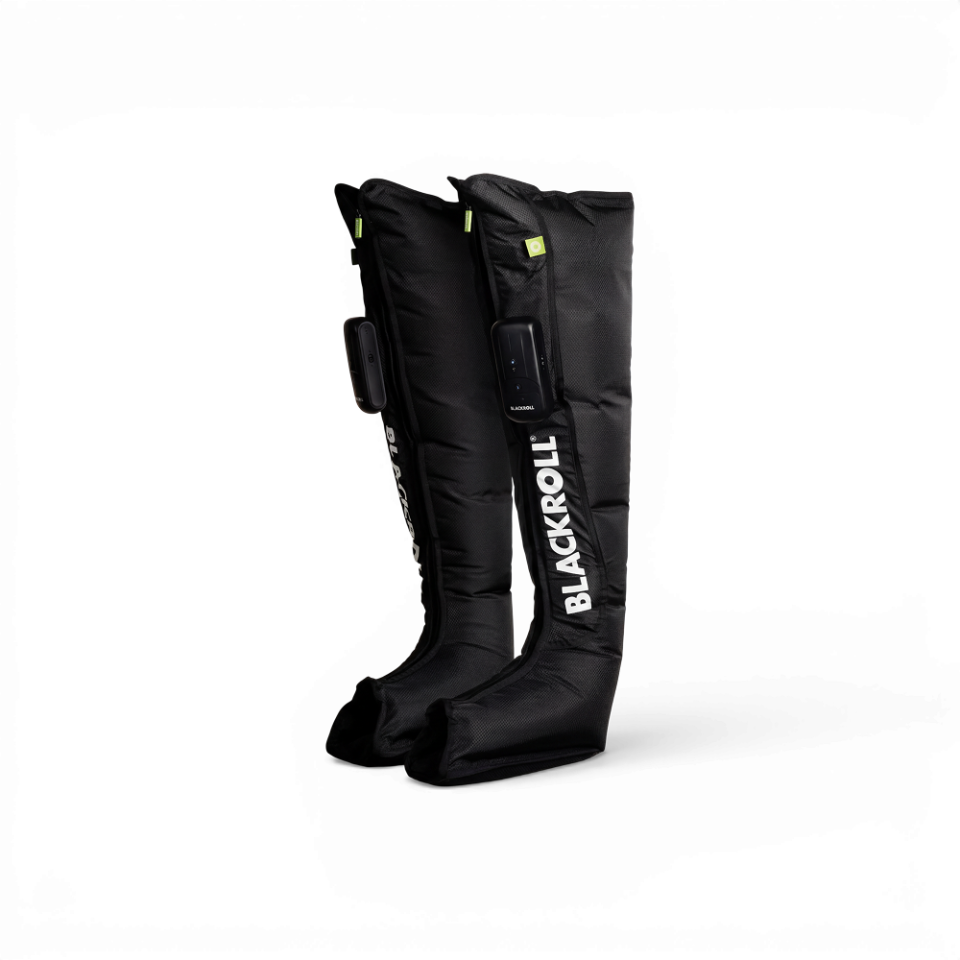
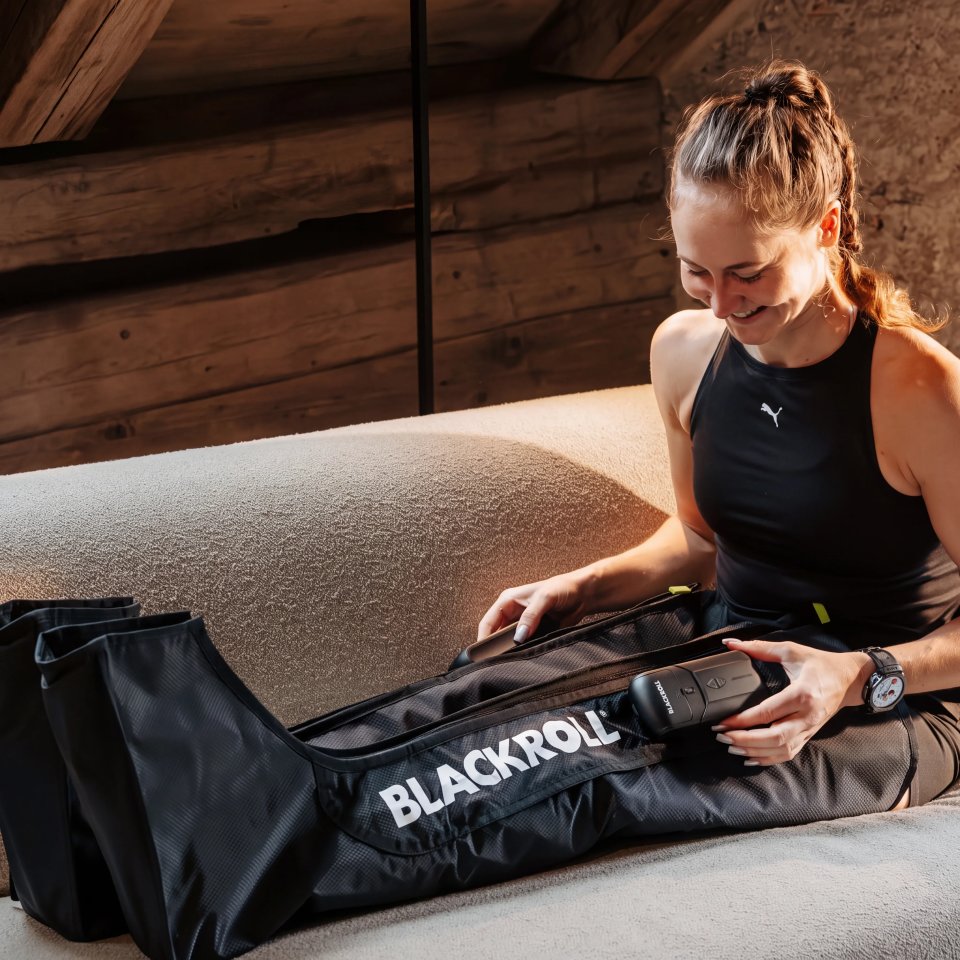
Compression Boots 2.0
Available in multiple variants

Recovery and sleep: energy for the day
During the night your body repairs tissue, builds muscle, renews cells and strengthens your immune system — processes that support your health and help you stay well.
Establish an evening routine
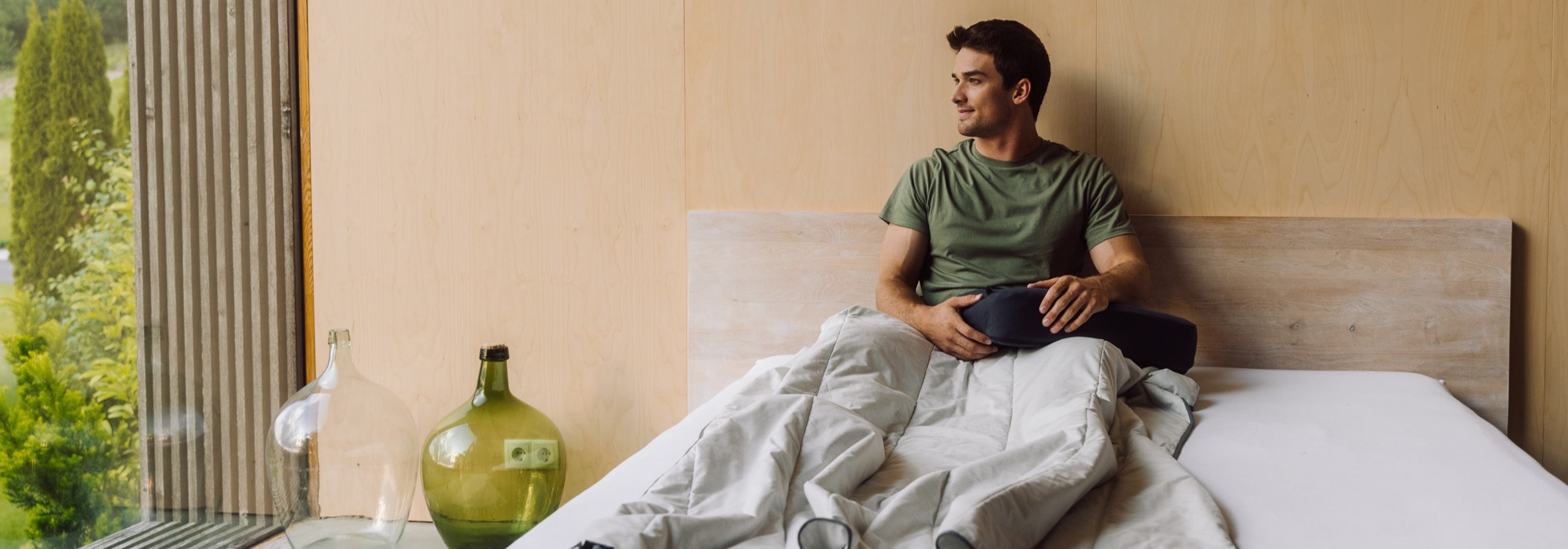
Restful sleep begins with a calming evening routine. Avoid eating anything for the last two to three hrs before going to bed. Don’t drink anything for 60 to 90 min beforehand. And avoid screen time for at least the last 60 min of the day. This allows your body and mind to wind down in peace, making it easier to fall asleep and helping you sleep through the night.
Keep your bedtime and wake-up time consistent
A frequently underestimated but important factor for restful sleep is having regular sleep times. Go to bed and get up at roughly the same time every day — even at the weekend. This helps your body enter the deep sleep and REM phases more quickly, which are crucial for your recovery. By the way, restful night-time sleep has been shown to reduce the risk of dementia (German Brain Foundation, 2021).
Optimise your sleeping environment
Now you know how to prepare yourself for restful sleep. But there’s something else that’s crucial: your sleeping environment. To fall asleep as quickly as possible and sleep as deeply as possible, pay particular attention to the following three factors: Keep your bedroom as dark as possible — or use a sleep mask. Prepare for the heat, especially in summer, and ensure the room temperature is between 16°C and 18°C. Also: maximise the oxygen levels in the room by giving the room a quick air-out before bed and/or creating a gentle draught by leaving a window and a door open.
Reducing stress: finding inner balance
Relaxation and stress relief are the fourth key area for your long-term wellbeing. In the long term, chronic stress can lead to cardiovascular diseases, metabolic disorders and mental health conditions such as depression. Give your body and mind the breaks they need — and draw new strength from inner peace.
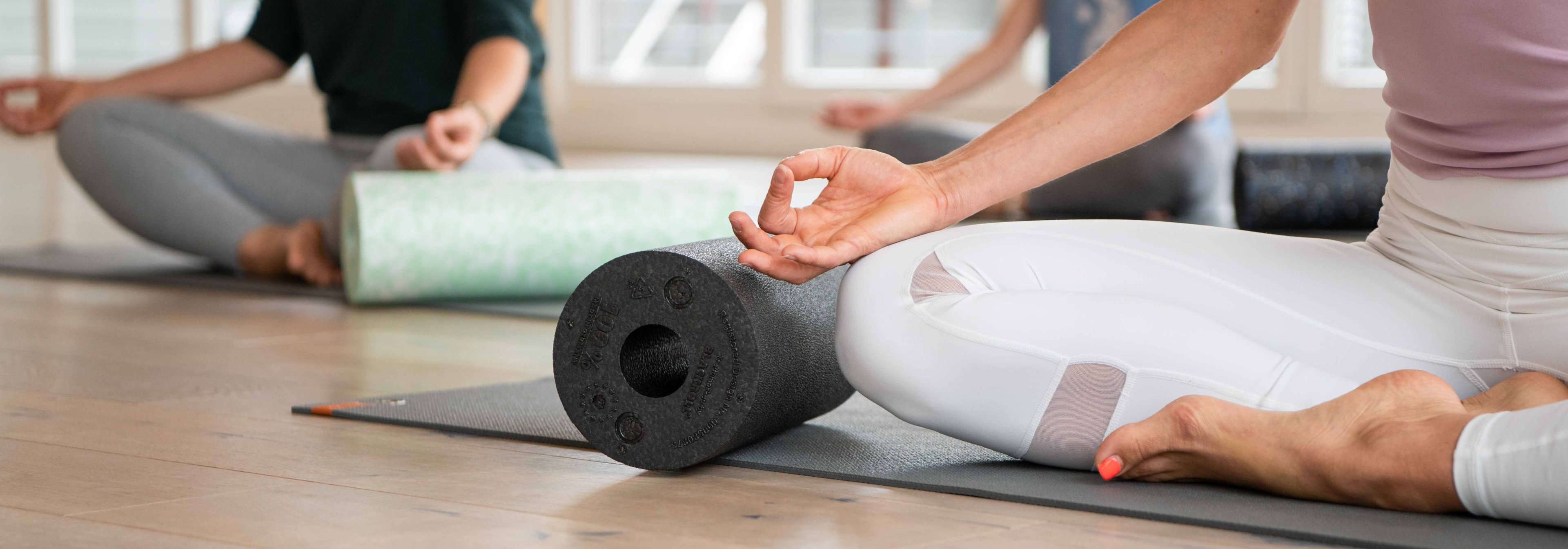
Breathe deeply and meditate.
For most of us, stress is a daily companion — and we can't avoid it entirely. Fortunately, by breathing deeply in and out and meditating, we have ways to quickly regain our calm after periods of stress. Reducing stress lowers cortisol levels, which benefits our cells because cortisol blocks repair processes, causing them to age more quickly (Mayer-Halm and Priehler, 2023).
Make a conscious effort to take breaks
You probably have lots of daily commitments — both personal and work-related, such as cooking, exercising and going shopping. Try to build in little pockets of recovery between these commitments. Closing your eyes for five minutes, letting your thoughts wander, meditating, gazing at the sun or listening to your favourite song: any of these can be enough to recharge your personal batteries a little.
Make time for hobbies and social contact
Create little pockets of joy for yourself. Make time for your hobbies and meet up with friends and family. Although all this can be tiring for both body and mind, it can also give you plenty of energy in the form of ‘happiness hormones’. Social connections, in particular, are a key factor in leading a long and healthy life.
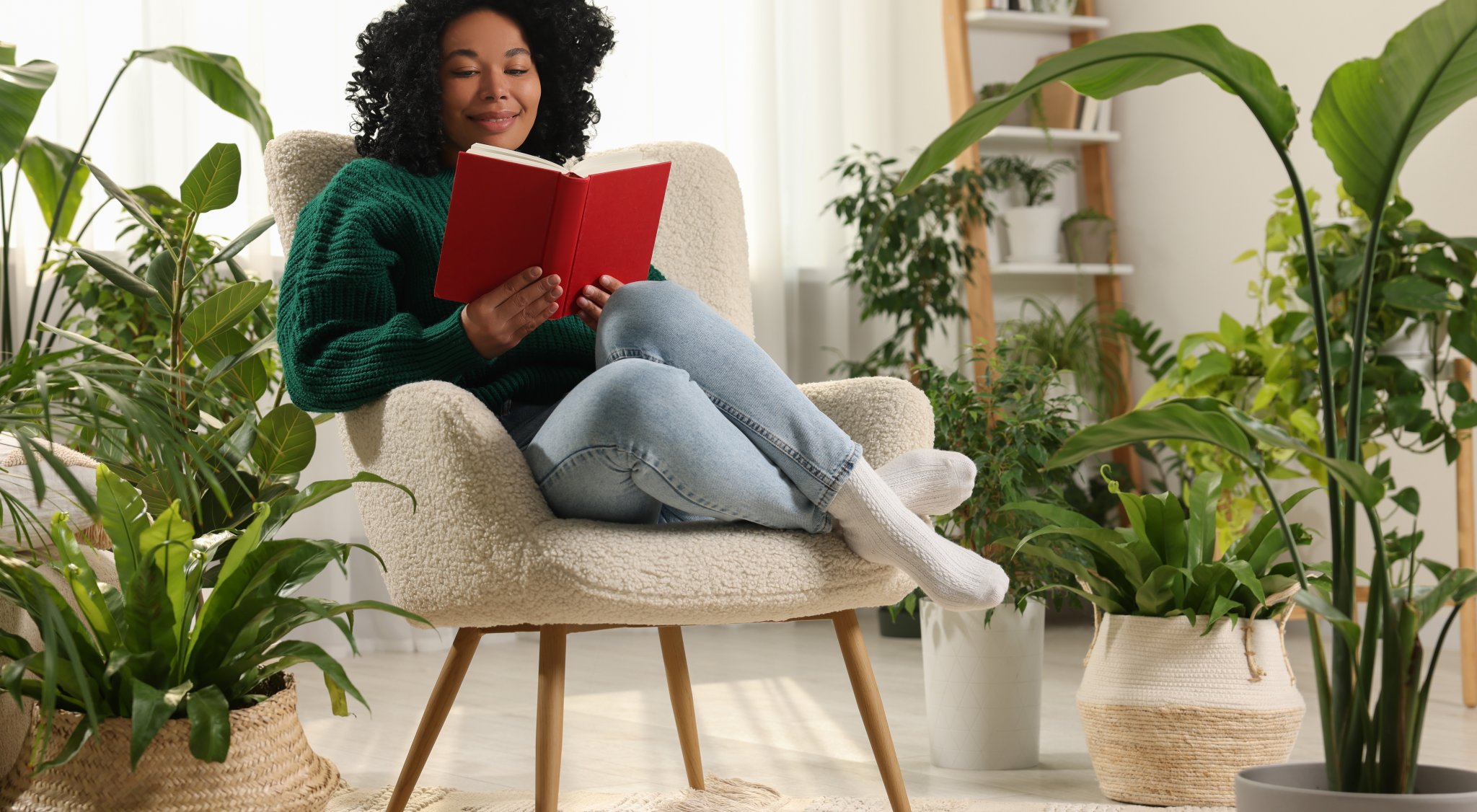
Developing healthy routines: how to build them
Establishing new routines can feel overwhelming at first. How on earth am I supposed to manage to drink 1.5 l of water every day, run 7,000 steps or exercise for 30 min a day? Don’t worry: you’re not alone in asking this – and you don’t have to do any of it straight away. Start small: increase your water intake by just one glass to begin with, do some running for just 1,000 more steps to start with and exercise for just 10 min to start with.
Building on an existing routine is easier than creating a new one, so make it easy on yourself and start small.
Another tip: optimise your environment so that it’s as easy as possible for you to stick to your routines. If you want to eat healthily, you don’t have to cook fresh meals every day — instead, use meal prep to prepare your food in one go for the rest of the week. Place your running trainers in plain sight by the front door to encourage yourself to go for a jog more often. Set a limit on your favourite apps to reduce screen time.
Here’s how to build routines step by step:
- Define what you want to achieve with this routine.
- Optimise your environment so you carry out the routine almost automatically.
- Link your routine to another existing routine.
- Start with routines that are as small as possible and gradually build them up.
- Tick off the positive routines on a list — it’ll make you feel great.
Remember — it can take between 21 and 66 d for a new routine to become second nature, so start with small steps and be patient; it’ll be worth it.


Living a healthy life, day by day – without too much effort
Health isn’t a goal you reach once and for all — it’s the result of many small decisions you make day after day. You don’t have to live a perfect life to stay healthy for the long term. Start today by doing a few little things better than you did yesterday. Set your own pace: start with small goals and build up gradually. That way, small routines will have a big effect — on your health.
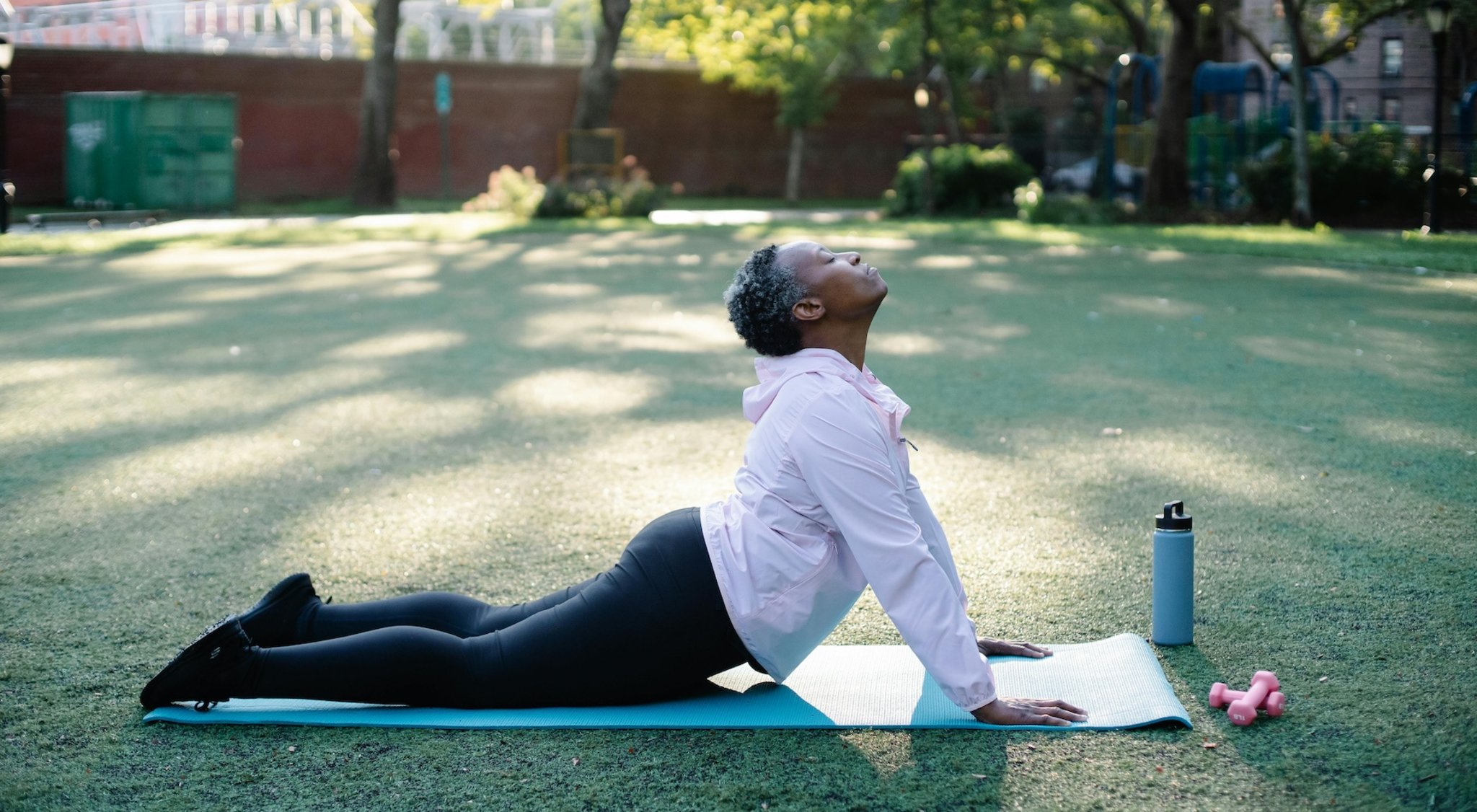
FAQ – Frequently asked questions about healthy living
Start with small routines that fit easily into your everyday life. Drink water regularly, get some exercise every day, get enough sleep and eat as much fresh and colourful food as possible. Don’t aim for perfection — just get started and develop your own healthy lifestyle step by step.
Stick to these five tips and you’ll be well on your way to a healthier life: 1. Eat a varied diet with plenty of fruit and vegetables. 2. Cut down on sugar and processed foods. 3. Drink at least 1.5 l of water every day. 4. Get 30 min’s exercise a day. 5. Make sure you get enough sleep on a regular basis.
Focus on small changes with a big effect: prepare healthy snacks in advance, walk short distances, keep a glass of water in plain sight on your desk and switch off your mobile a little earlier in the evening. This way, you’ll incorporate healthy habits almost without realising it — without any pressure or need for perfection.
Exercise is an important building block – but not the only one. Diet, sleep and stress management also play a key role. It’s the combination of these factors that ensures long-term health. Anyone who exercises a lot but sleeps poorly or eats unhealthily isn’t realising their full potential.
Further items



AGES. (o. D.). So viel Zucker darf sein. Accessed on 29. october 2026, from https://www.ages.at/mensch/ernaehrung-lebensmittel/ernaehrungsempfehlungen/who-zucker-empfehlungen
Deutsche Gesellschaft für Ernährung. (o. D.). Obst und Gemüse – viel und bunt. Accessed on 29. october 2026, from https://www.dge.de/gesunde-ernaehrung/gut-essen-und-trinken/dge-ernaehrungskreis/obst-und-gemuese/
Deutsche Gesellschaft für Ernährung. (2024). Am besten null Promille: Alkoholkonsum pro Woche – Risiko für negative Gesundheitsfolgen [Infografik]. https://www.dge.de/fileadmin/Bilder/presse/meldungen/2024/Grafik-Alkoholkonsum-DGE.pdf
Deutsche Hirnstiftung e. V. (2021). Wirkt ausreichend Schlaf gegen Demenz? https://hirnstiftung.org/wirkt-ausreichend-schlaf-gegen-demenz/
Mayer-Halm, A., & Priehler, K. (2023, 15. december). Stress abbauen: Was bringt Meditation im Alltag? Apotheken Umschau. https://www.apotheken-umschau.de/gesund-bleiben/psyche/stress-abbauenwas-bringt-meditation-im-alltag-1028491.html
Zentrum für Ernährung und Hauswirtschaft Niedersachsen. (o. D.). Warum wir ausreichend trinken sollten. Deutsche Gesellschaft für Ernährung e. V., Sektion Niedersachsen. Accessed on 29. october2026, from https://www.dge-niedersachsen.de/warum-wir-ausreichend-trinken-sollten/