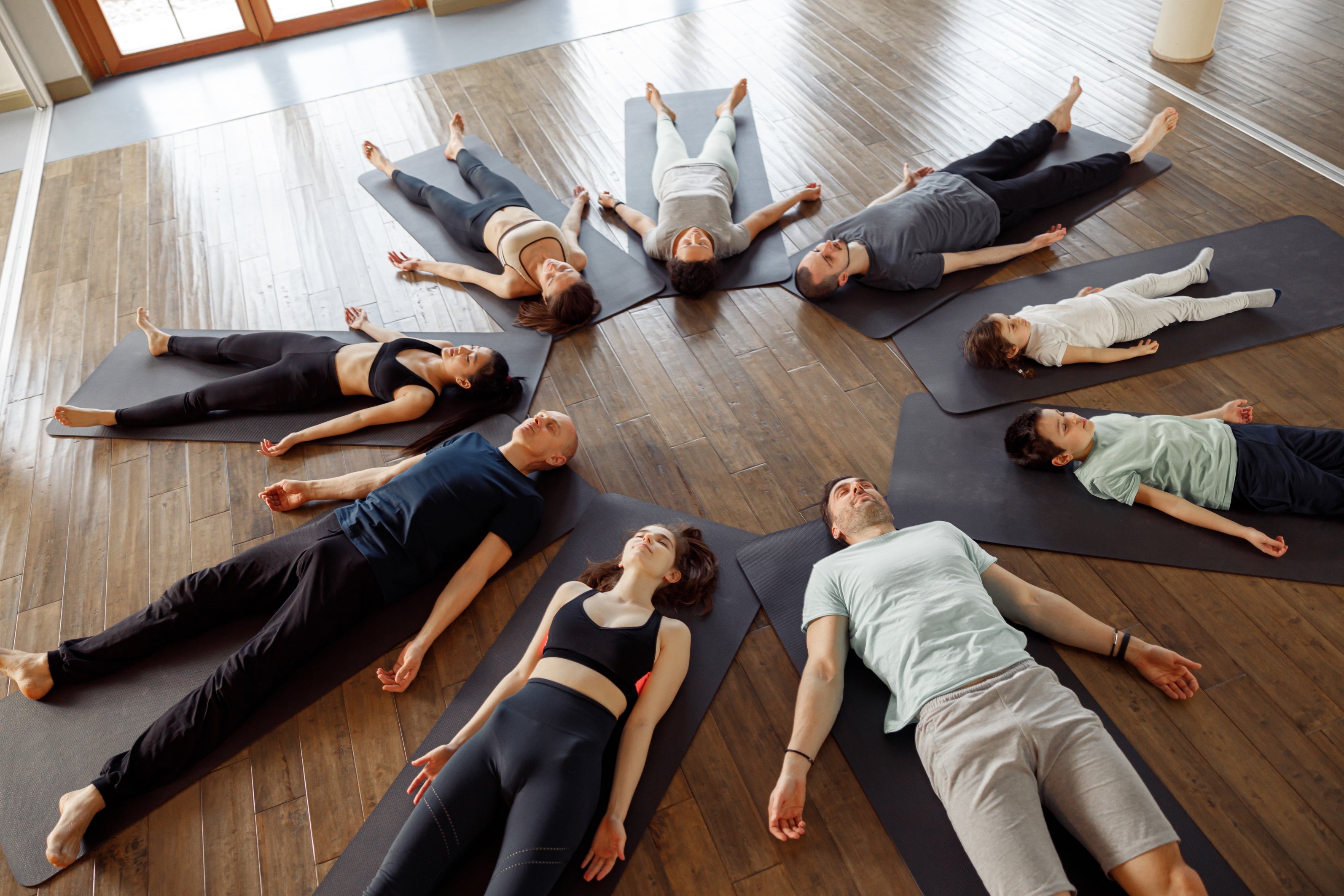
Holotropic breathing: effects, instructions and potential risks

Holotropic breathing is an intensive breathing technique derived from transpersonal psychology. Rapid and deep breathing over an extended period, often accompanied by music, is intended to induce an altered state of consciousness. This causes the CO₂ level in the blood to drop, which alters cerebral blood circulation and activates the sympathetic nervous system. These physiological processes can trigger physical and psychological reactions.
Key points at a glance
- Holotropic breathing is a method from transpersonal psychology in which you can achieve an altered state of consciousness through rapid, deep breathing over an extended period.
- Physiologically, the effect is based on controlled, intense, consciously coordinated breathing: the CO₂ level in the blood falls, cerebral blood flow changes and the sympathetic nervous system is strongly activated (Havenith et al., 2025; Brandt, 1999).
- To date, there's a lack of high-quality clinical trials regarding its therapeutic benefits — for example, in cases of trauma, anxiety or depression; the available evidence comes from observational studies without a control group (Karter et al., 2025; Fincham et al., 2023b).
- Holotropic breathing can carry serious risks – ranging from muscle cramps and fainting to seizures or psychological crisis reactions – so qualified supervision is essential (Brandt, 1999; Fincham et al., 2023a; Guaranha et al., 2005).
- If you're new to breathwork, gentler techniques such as box breathing, coherent breathing or the 4-7-8 method are more suitable – particularly when combined with movement and recovery.
We don’t offer holotropic breathing and we don’t recommend the method. This article simply gives you the facts so you can decide.


What is holotropic breathing?
Holotropic breathing is a technique developed by Stanislav Grof in the 1970s in which you’re intended to enter an altered state of consciousness through accelerated and deepened breathing over several hours. The term ‘holotropic’ comes from Greek and can be translated as ‘oriented towards wholeness’.
Origins according to Stanislav Grof
The Czech-American psychiatrist Stanislav Grof developed holotropic breathing together with his wife Christina after therapeutic work with LSD was banned in the USA.
The idea was to create a similar pathway to deep psychological experiences – without the use of substances, solely through breathing, music and bodywork. Grof viewed the method as part of transpersonal psychology, which deals with states of consciousness beyond everyday life.
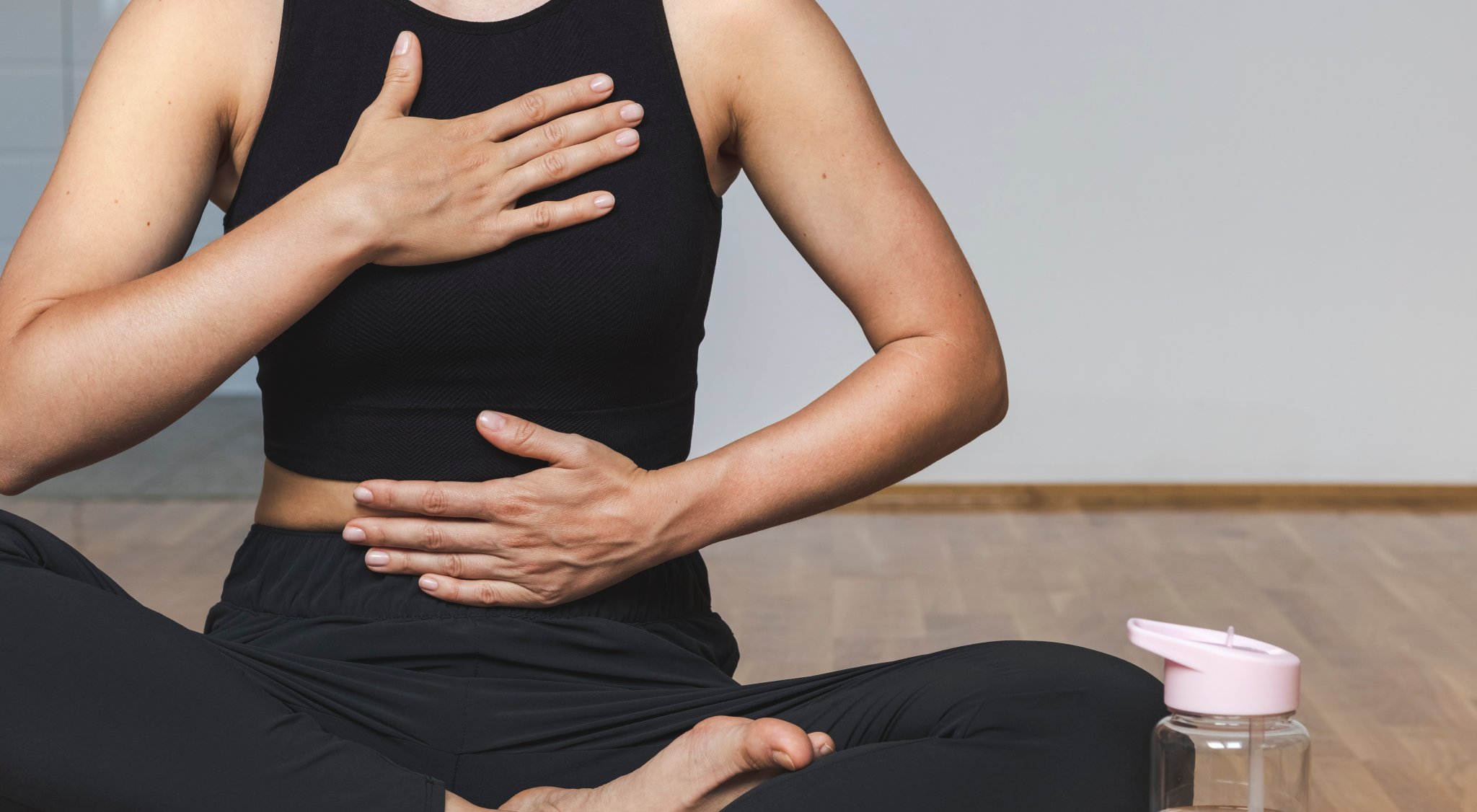
The aim is to reach an altered state of consciousness through intensive breathing.
The aim is to achieve what's known as an altered state of consciousness (ASC). This state allows access to psychological layers that are difficult to reach in normal waking consciousness – repressed emotions, early experiences or deeply ingrained patterns. Participants report intense emotions, vivid imagery, physical sensations or a feeling of deep release and realignment.
A study on circular breathwork shows that the onset of such altered states is significantly associated with a sharp drop in blood CO₂ levels (Havenith et al., 2025).
It's often underestimated that opening up alone isn't the goal. What happens afterwards is crucial. It's only through guided integration — making sense of and processing the experience with qualified professional support — that an intense experience becomes a meaningful one. Without this guidance , there's a risk of bringing psychological issues to the surface without being able to make sense of them. This is precisely where the crucial difference lies between therapeutically structured formats and low-threshold workshop offers.


Distinction from breathwork, meditation and conventional breathing therapy
Holotropic breathing differs significantly from other forms of breathing. Whilst meditation and box breathing aim to induce calm and activate the parasympathetic nervous system, holotropic breathing consciously seeks the opposite: intense activation and borderline experiences. It therefore belongs to the group of High-Ventilation Breathwork (HVB) — that is, breathing techniques based on controlled, intense and consciously connected breathing.
Method | Breathing patterns | Aim | Intensity |
|---|---|---|---|
Holotropic breathing | fast, deep, connected and continuous | Altered state of consciousness | very high |
Wim Hof method | Cycles with breath-holding | Stress tolerance and activation | high |
Box breathing | Breathe in for 4 s, hold for 4 s, breathe out for 4 s, hold for 4 s. | Focus and calm | low |
Coherent breathing | approx. six breaths per min | Parasympathetic activation | low |
Traditional breathing therapy | It's individualised and calm. | Body awareness and relaxation | low |


What effect does Holotropic Breathing have on the body?
The effects of holotropic breathing can largely be explained by the physiology of hyperventilation — that is, by the drop in carbon dioxide levels in the blood and its consequences for the brain, nervous system and muscles.
Hyperventilation and altered CO₂ levels
Rapid, deep breathing causes significantly more CO₂ to be exhaled than your metabolism produces. The arterial CO₂ partial pressure falls – resulting in what’s known as respiratory alkalosis, i.e. a shift in the blood’s pH towards the alkaline side.
This has measurable consequences: cerebral blood flow decreases by around two per cent for every 1 mmHg drop in CO₂ because the blood vessels in the brain constrict (Havenith et al., 2025; Brandt, 1999).
At the same time, the level of free ionised calcium in the blood falls, which can lead to tingling, muscle twitching and, in severe cases, muscle cramps (tetany) (Brandt, 1999).

Effects on the nervous system and brain activity
Holotropic breathing strongly activates the sympathetic nervous system – heart rate increases, stress hormones are released and heart rate variability changes (Karter et al., 2025).
Imaging studies show that the intensity of the induced states of consciousness correlates with changes in brain regions responsible for body awareness and emotional memory — particularly in the insula, the amygdala and the hippocampus (Karter et al., 2025).
Distinct changes can be measured in the EEG, in some cases extending to slow waves or epilepsy-like patterns in individuals with a corresponding predisposition (Brandt, 1999).

Emotional processes, physical reactions and trance states
On a subjective level, participants report a wide spectrum of experiences: ranging from deep relaxation and euphoric feelings, through vivid images and memories, to strong physical reactions such as crying, trembling or convulsions.
According to specialist reviews, the range extends from trance-like states to panic-like reactions (Fincham et al., 2023a).
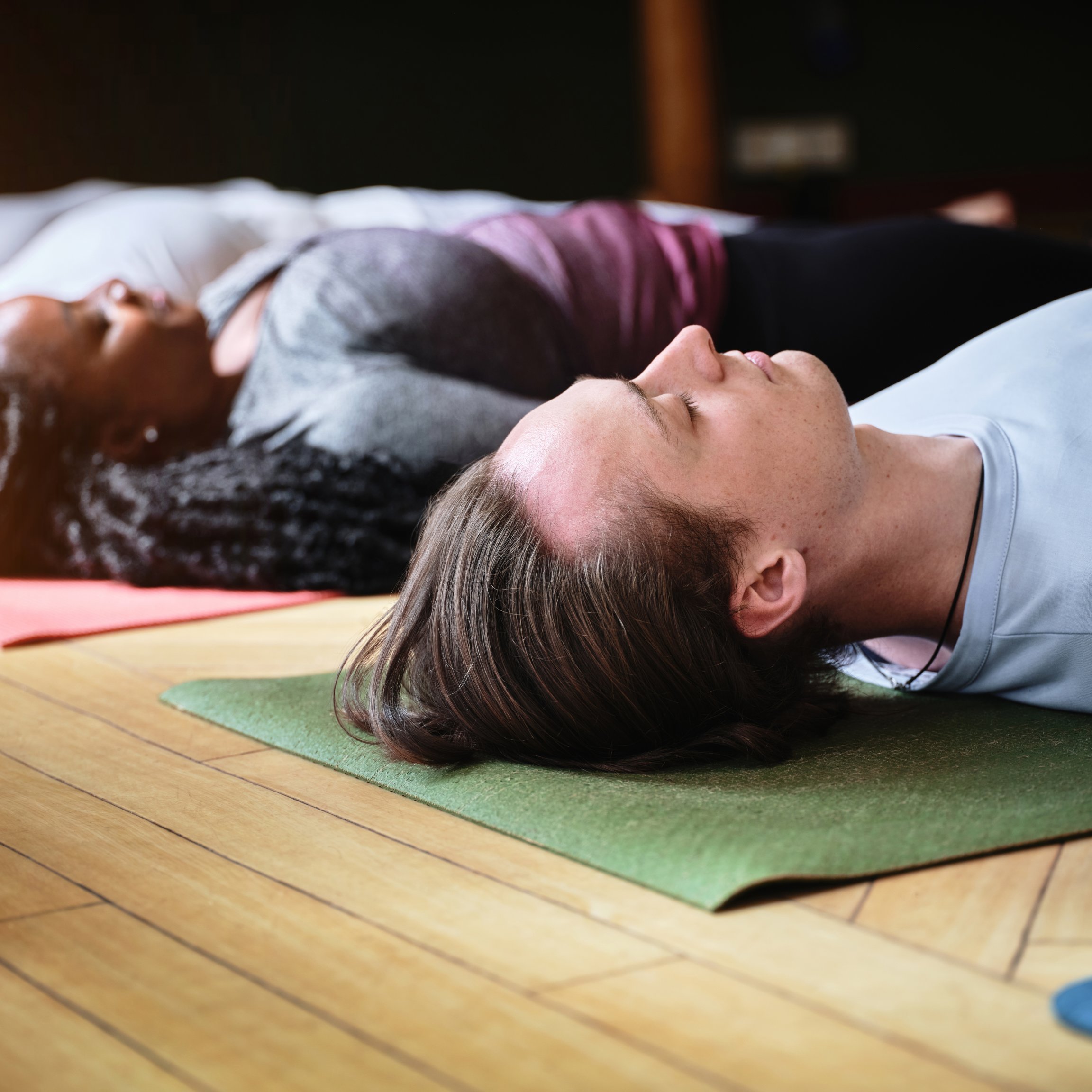


Holotropic breathing — an overview of the technique
A typical session lasts several hours and takes place in a structured setting with a facilitator, music and a subsequent integration phase – it’s not intended to be carried out alone.
Preparation: setting, facilitation and physical requirements
Before a session begins, certified facilitators check for any potential contraindications. Participants are usually paired up : one person breathes whilst the other acts as a ‘sitter’ and ensures safety. The setting is quiet, dimly lit, with mats on the floor. Before the session, avoid heavy meals for several hours and be physically fit.
Typical structure of a session
A holotropic session is usually divided into three phases:
Introduction and intention:
We'll discuss the process and you'll set an inner intention.
Active breathing phase:
one and a half to three hours of rapid, deep, continuous breathing — accompanied by loud music. Physical reactions, emotions and images are allowed to arise and aren't suppressed.
Integration:
Afterwards you move into a quiet phase, often using artistic expression (mandala painting) and group discussion to make sense of the experience.
Controlled studies on breathing techniques predominantly examine short, repeated sessions lasting around 20 min (Fincham et al., 2023b). By contrast, there are hardly any controlled studies on the classic holotropic session lasting several hours (Fincham et al., 2023a). What you read in literature reviews on effect and safety can’t therefore be readily applied to a weekend workshop.
The role of music in holotropic breathing
It structures the session, intensifies emotional processes and supports the induction of a trance state.
Typically the session begins with energising, rhythmic music and becomes more emotional as the hours pass before gradually becoming calmer. Imaging studies specifically examine holotropic breathing techniques in combination with evocative music — which demonstrates how closely the two elements interact (Karter et al., 2025).
From a scientific perspective, there aren't any binding recommendations regarding specific genres or frequencies.

Holotropic breathing courses: why guidance is important
Holotropic breathing should never be practised without qualified guidance – the intensity of the method and the risk of acute physical or psychological reactions make professional supervision essential.
Why beginners shouldn't start on their own
Especially the first time, it's almost impossible to predict how your body and mind will react. Highly emotional experiences, panic reactions or physical symptoms such as muscle cramps and dizziness may occur (Brandt, 1999; Fincham et al., 2023a). An experienced facilitator can recognise problematic developments at an early stage and intervene — for example, through breathing guidance, bodywork or by bringing the session to a close.
Certified trainers and structured group formats
The official training route is through Grof Transpersonal Training (GTT) or its successor organisations. Training to become a certified facilitator comprises several hundred hours of practical and theoretical work over two years. There are also non-certified providers, among whom quality varies considerably.
What to look out for when choosing a course
Before you book, take a close look at the provider:
- Does the facilitator hold a recognised certification (e.g. GTT)?
- Check whether they assess contraindications in writing before the session.
- Is first aid available on site?
- How many participants are there per supervisor?
- Is there a structured integration process after the session and follow-up support?


Risks and side effects of holotropic breathing
Holotropic breathing carries real physical and psychological risks that you shouldn't underestimate — the method can be dangerous, particularly if you have pre-existing medical conditions.
Physical risks
Intensive hyperventilation can trigger various physical reactions.
Among the most commonly reported are:
- Paraesthesia (tingling in the hands, feet and around the mouth) caused by alkalosis (Brandt, 1999)
- Tetany with ‘pawing’ posture due to reduced ionised calcium (Brandt, 1999)
- Dizziness and fainting ( syncope) due to reduced cerebral blood flow – particularly in combination with cold or orthostasis (Tavel, 2021)
- Cardiac repolarisation disturbances (measurable ECG changes such as ST-segment depressions) (Brandt, 1999; Tavel, 2021)
- Induction of epileptic seizures in individuals with a predisposition (Brandt, 1999; ) (Guaranha et al., 2005)

Psychological risks
Psychologically, reported reactions range from profound transcendent experiences to panic-like states (Fincham et al., 2023a).
If you have pre-existing conditions such as severe trauma, psychotic disorders or suicidal tendencies, a session may trigger distressing processes that can only be safely managed within a therapeutic setting.
No systematic data on re-traumatisation or psychotic episodes associated with holotropic breathing are currently available – which also means that the evidence regarding safety is incomplete (Fincham et al., 2023a).

Contraindications: who should avoid it?
The following overview summarises groups of people for whom intensive breathing techniques are considered unsuitable. It draws on the risk classification in specialist reviews of high-ventilation breathwork (Fincham et al., 2023a) and the exclusion criteria commonly used in controlled breathwork studies (Fincham et al., 2023b). It’s not a substitute for medical advice.
Risk group | Reason |
|---|---|
Pregnancy, breastfeeding | Possible effects on foetal oxygen supply, lack of safety data |
Cardiovascular diseases | Cardiac strain, possible arrhythmias |
Hypertension or hypotension | Circulatory instability |
Cerebral aneurysm | Risk due to fluctuations in blood pressure |
Epilepsy/seizure disorders | Hyperventilation can trigger seizures. |
Panic disorder | Symptoms may worsen |
Psychotic disorders, bipolar disorder and severe PTSD | May lead to destabilisation |
Use of psychotropic drugs, beta-blockers and medicines containing serotonin | Studies typically exclude these groups. |
Providers also frequently mention glaucoma, retinal detachment, recent major surgery and severe osteoporosis. There's no reliable study data available for these groups — they're considered a practical precaution, not a scientifically proven contraindication.
If you're unsure, seek medical advice beforehand.
Who is holotropic breathing suitable for – and who is it not suitable for?
It’s not a method for beginners nor a wellness tool — it suits people who are physically and mentally stable and who wish to engage consciously in an intense experience.
Level of experience and physical and mental stability
It’s not a technique to be tried on a whim; it’s a therapeutic tool that can bring deeply rooted psychological patterns and traumas to the surface.
If you’re using it for trauma work, practise only with a qualified therapist. Professional support before, during and after the session isn’t optional – it’s essential. For everyone else, you’ll need physical stability (no pre-existing conditions as listed) and psychological resilience outside acute crises. Previous experience with meditation, yoga or gentler breathwork can help you cope with intense inner processes.
The difference between a therapeutic setting and a ‘trend’ workshop
Holotropic breathing was originally conceived as a therapeutic tool embedded within transpersonal psychotherapy. Today it's often marketed as a weekend workshop or festival offer — sometimes without adequate assessment of participants.
This distinction matters: a therapeutic setting isn’t the same as a breathwork event with 50 participants and only a few facilitators. Furthermore, the evidence for the method’s therapeutic efficacy is limited — to date, only observational studies without a control group exist, suggesting small positive effects on mindfulness and stress (Fincham et al., 2023c). There's a lack of randomised controlled trials on therapeutic efficacy (Fincham et al., 2023a; Fincham et al., 2023c).
Alternative breathing techniques for beginners
If you’d like to begin breathing exercises without an extreme experience, numerous gentler alternatives exist. They’re less risky, easier to learn and can be practised safely on your own.


Gentle breathing work as a safe alternative
For everyday life and recovery, gentle breathing techniques are usually the better choice — they're safe, well-researched and can be combined with exercise and fascial work to form a holistic routine.
Meta-analyses of various forms of breathwork — particularly slow breathing techniques — show small to moderate positive effects on stress, anxiety and depressive symptoms, with the overall quality of the studies being moderate (Fincham et al., 2023c). While this isn’t sufficient to replace therapy, it serves as a practical tool for self-regulation in everyday life.
An overview of three gentle techniques
- Coherent breathing: approximately six breaths per minute (5 s inhaling, 5 s exhaling). It can increase heart rate variability and support parasympathetic activity.
- Box breathing: inhale for 4 s, hold for 4 s, exhale for 4 s, hold for 4 s. It helps you focus and stay calm under pressure.
- 4-7-8 method: inhale for 4 s, hold for 7 s, exhale for 8 s. It can help you fall asleep and calm down.
Sample routine: combining breathing and recovery
Breathing has a particularly calming effect when combined with mindful bodywork. Here’s what a 15 min evening routine might look like:
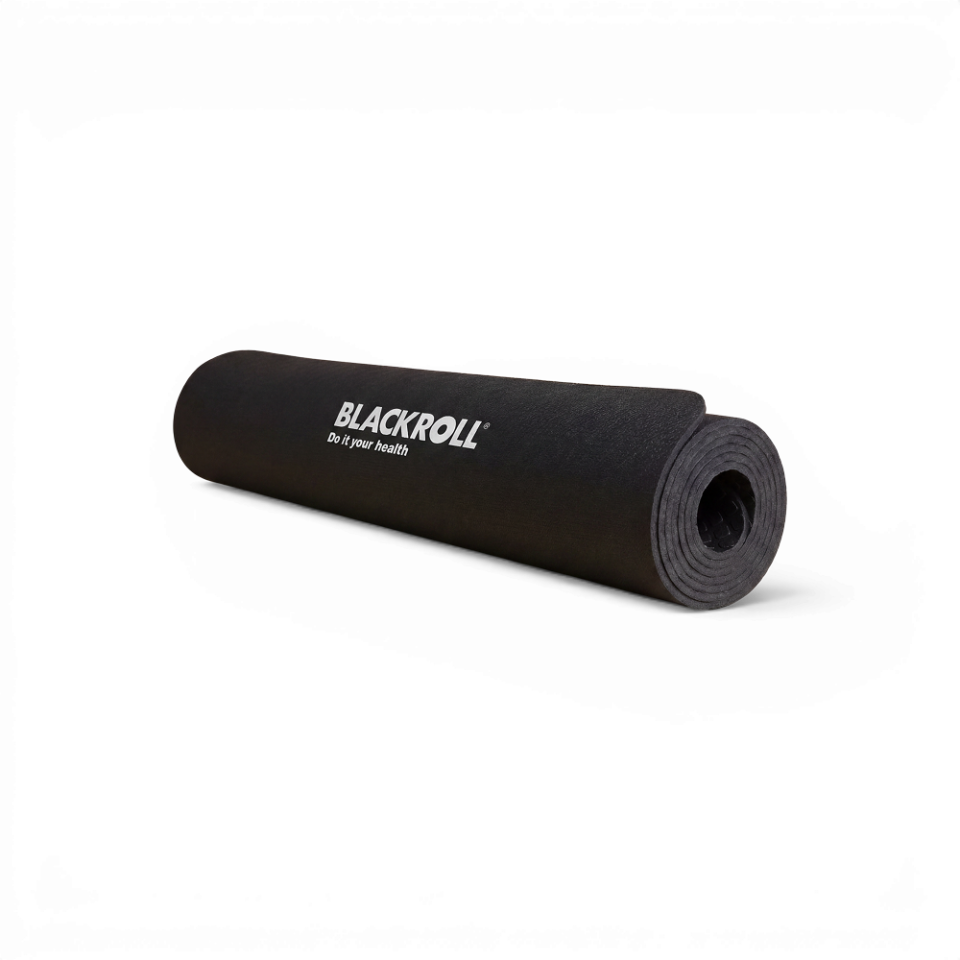
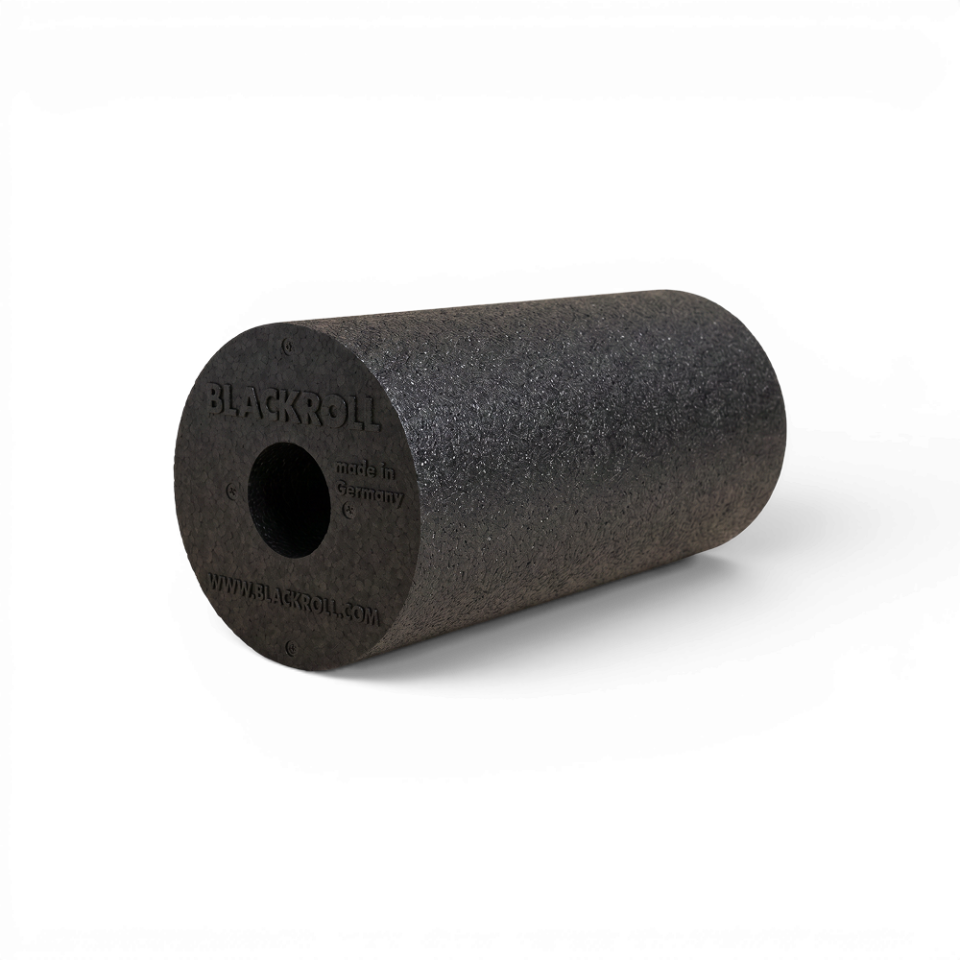
- Roll your back musclesgently for 5 min with the BLACKROLL® STANDARD to release tension and activate body awareness.
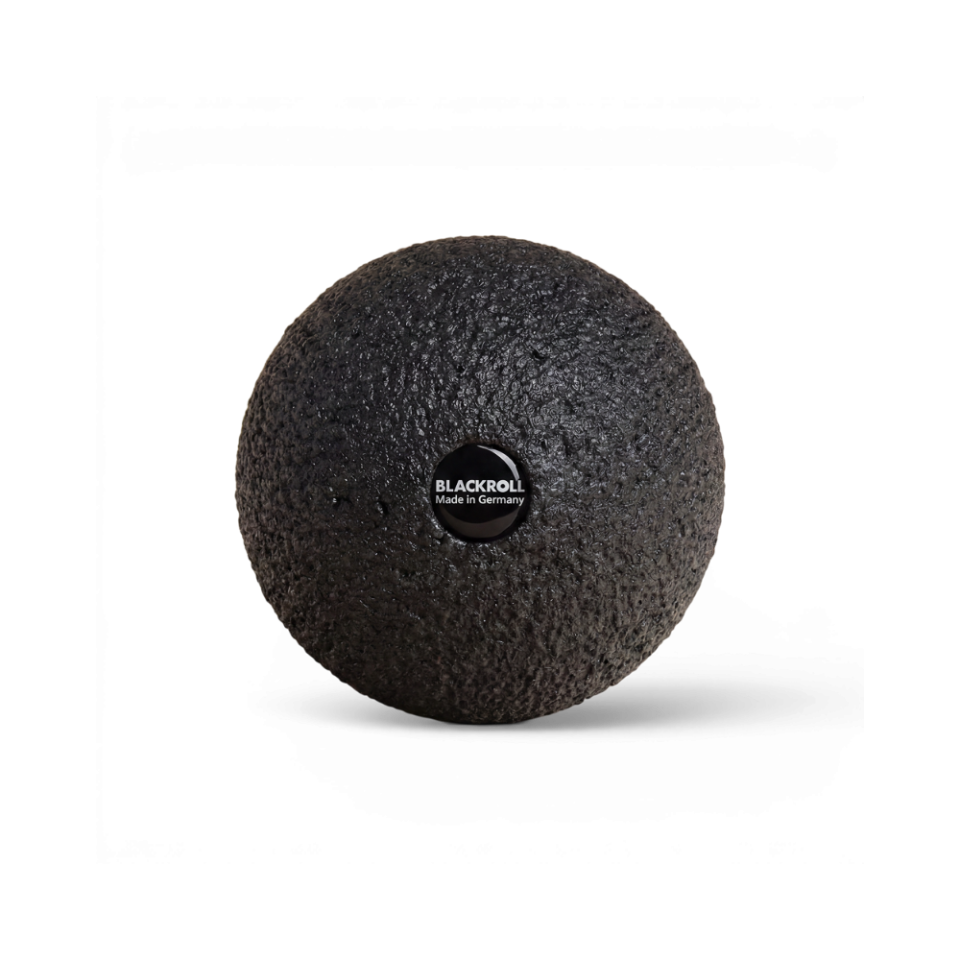
- 5 min of targeted trigger point work with the BLACKROLL® BALL 08 on the neck, shoulders or feet.
- Finish with5 min of coherent breathing while lying on your back — six breaths per min, calm and steady.
This combination of fascia work and slow breathing can activate your parasympathetic nervous system and support your recovery — without any extreme experiences.
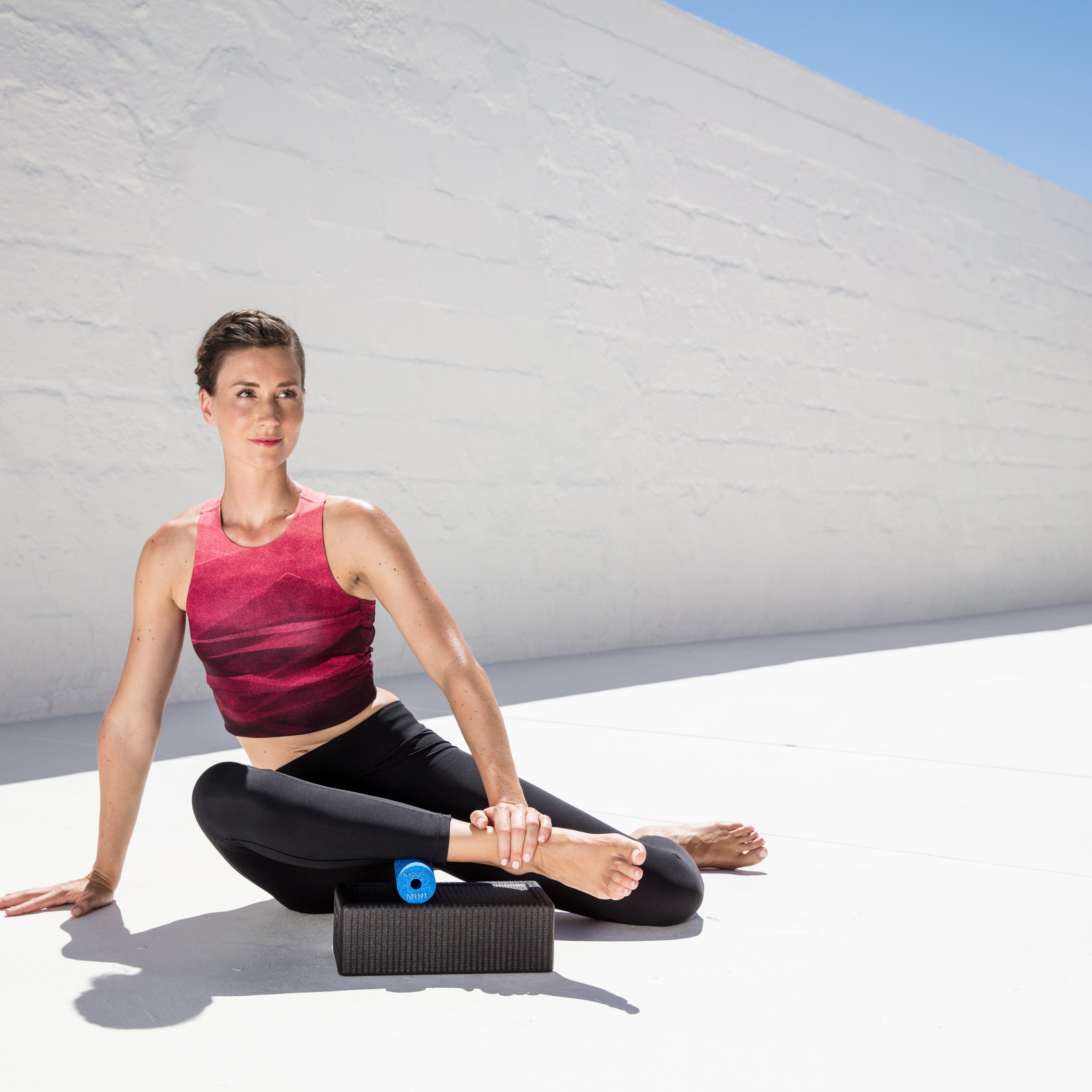
For your breathing and recovery routine.



Intense and powerful — but not suitable for everyone.
Holotropic breathing is an intensive method with clear physiological effects and the potential for profound experiences. What happens in the body during this process is well understood: the physiology of hyperventilation has been described for decades.
Whether the method has a therapeutic effect remains open to question – there are no randomised controlled trials on the subject. The risks are real and affect many people with pre-existing conditions.
If you’d like to start practising breathing techniques, begin gently — and consciously integrate them into your recovery routine rather than going straight for the extreme.
FAQ
We invite you to explore a simple yet powerful breathing practice that can open doors to deeper self-awareness. Holotropic breathing, developed by Stanislav Grof, guides you to enter an altered state of consciousness through rapid, deep breathing over several hours. We'll support you with music, a structured group setting and a subsequent integration phase. The approach originates from transpersonal psychology.
A session typically lasts 2–3 h and takes place in a group with certified facilitators. After a brief introduction you move into prolonged, deep breathing to music, allowing emotional and physical processes to unfold. The session ends with an integration phase involving discussion or creative expression.
Holotropic breathing can be risky for certain groups of people. Due to the controlled hyperventilation, muscle cramps, fainting, changes in heart rhythm and epileptic seizures are possible in those with a predisposition (Brandt, 1999; Guaranha et al., 2005).
If you have cardiovascular disease, epilepsy, are pregnant or have a history of mental health conditions, don't practise it and seek medical advice beforehand.
Common side effects include tingling in the hands and around the mouth, muscle cramps (tetany), dizziness, nausea and emotional overwhelm (Brandt, 1999).
Less common but still serious are panic attacks, syncope and, in susceptible individuals, seizures. Pre-existing mental health conditions may be destabilised by intensive sessions.
Don’t practise it alone. The method is explicitly designed for a structured group setting with qualified facilitation. Acute physical reactions such as cramps or fainting and distressing emotional processes can’t be safely managed on your own. Gentler breathing techniques are more suitable for personal use.
Read more








All exercises in our App
Download our free app to find more than 500 exercises and configure your own workouts, track your trainings and progress. Save your favorite routines and exercises and learn how to recover, train your flexibility and strength as well as your athletic capabilities.
Sources
Brandt, T. (1999). Hyperventilation syndrome. In Vertigo: Its Multisensory Syndromes (pp. 469–478). Springer London.
https://doi.org/10.1007/978-1-4757-3801-8_30
Fincham, G. W., Kartar, A., Uthaug, M. V., Anderson, B., Hall, L., Nagai, Y., Critchley, H. and Colasanti, A. (2023a). High ventilation breathwork practices: an overview of their effects, mechanisms and considerations for clinical applications. Neuroscience & Biobehavioural Reviews, 155, 105453.
https://doi.org/10.1016/j.neubiorev.2023.105453
Fincham, G. W., Strauss, C. and Cavanagh, K. (2023b). Effect of coherent breathing on mental health and wellbeing: A randomised placebo-controlled trial. Scientific Reports, 13, 22141.
https://doi.org/10.1038/s41598-023-49279-8
Fincham, G. W., Strauss, C., Montero-Marin, J. and Cavanagh, K. (2023c). Effect of breathwork on stress and mental health: A meta-analysis of randomised-controlled trials. Scientific Reports, 13, 432.
https://doi.org/10.1038/s41598-022-27247-y
Guaranha, M. S. B., Garzon, E., Buchpiguel, C. A., Tazima, S., Yacubian, E. M. T. and Sakamoto, A. C. (2005). Hyperventilation revisited: Physiological effects and efficacy on focal seizure activation in the era of video-EEG monitoring. Epilepsia, 46(1), 69–75. https://doi.org/10.1111/j.0013-9580.2005.11104.x
Havenith, M. N.; Leidenberger, M.; Brasanac, J.; Corvacho, M.; Figueiredo, I. C.; Schwarz, L.; Uthaug, M.; Rakusa, S.; Bernardic, M.; Vasquez-Mock, L.; Pérez Rosal, S.; Carhart-Harris, R.; Gold, S. M.; Jungaberle, H.; Jungaberle, A. (2025). Decreased CO₂ saturation during circular breathwork supports the emergence of altered states of consciousness. Communications Psychology, 3(1), 59. https://doi.org/10.1038/s44271-025-00247-0
Karter, A. A.; Horinouchi, T.; Örzsik, B.; Anderson, B.; Hall, L.; Bailey, D.; Samuel, S.; Beltran, N.; Bouyagoub, S.; Racey, C.; Nagai, Y.; Aslani, I.; Critchley, H.; Colasanti, A. (2025). Neurobiological substrates of altered states of consciousness induced by high-ventilation breathwork accompanied by music. PLOS One. https://doi.org/10.1371/journal.pone.0329411
Tavel, M. E. (2021). Hyperventilation syndrome: Why is it regularly overlooked? The American Journal of Medicine, 134(1), 13–15.
https://doi.org/10.1016/j.amjmed.2020.07.006