Joint pain during the menopause: a 15-min fascia routine to combat pain and stiffness

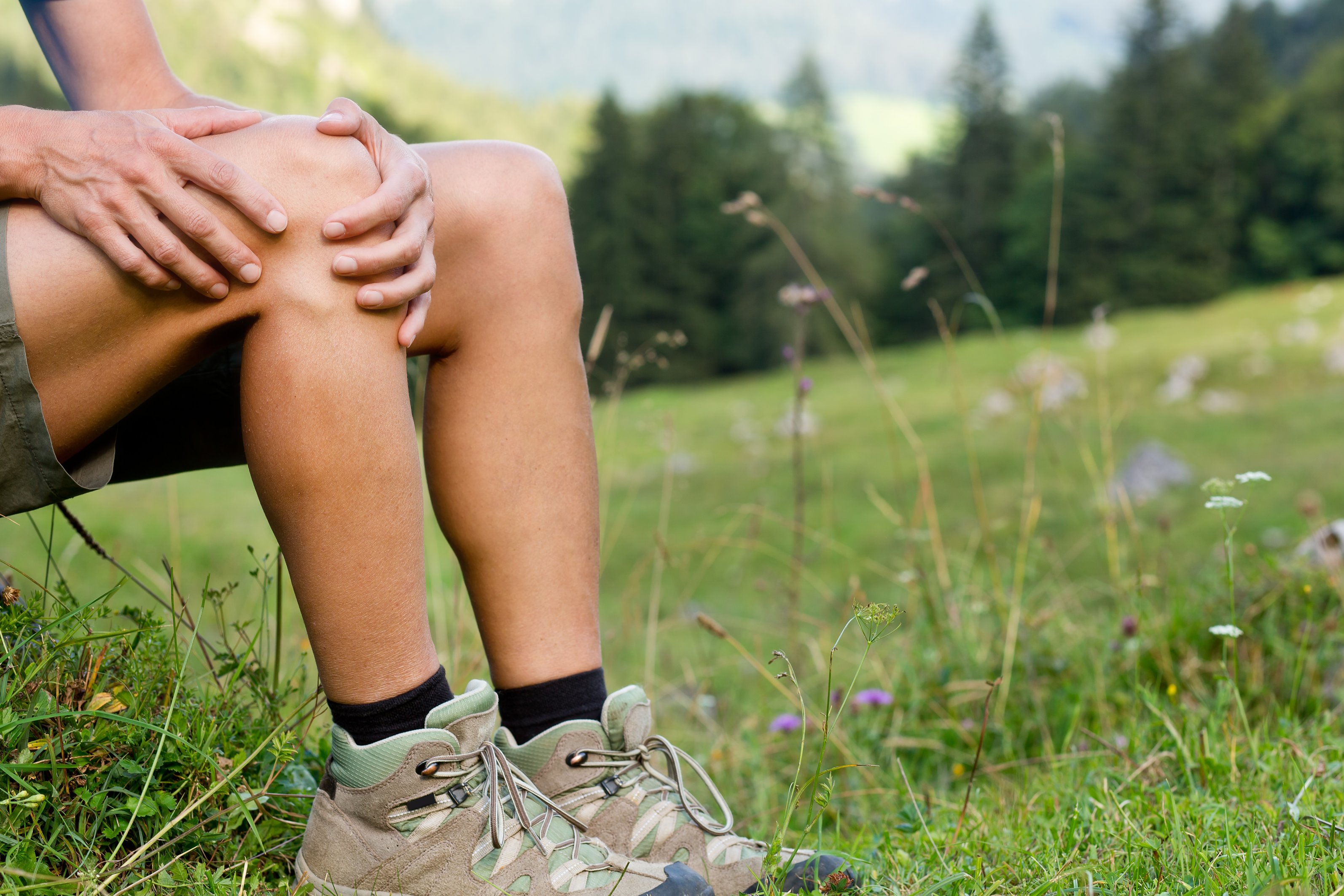
Joint pain during the menopause affects around 70% of people aged 45 and over and is medically referred to as ‘menopausal arthralgia’. It’s triggered by falling oestrogen levels: oestrogen has an anti-inflammatory effect and protects cartilage and synovial fluid. The fingers, knees, hips and shoulders are frequently affected — usually symmetrically and with morning stiffness. Fascia and mobility training have been shown to alleviate these symptoms.
In brief
- Joint pain is common during the menopause: falling oestrogen levels can affect joints, cartilage, inflammatory processes and pain perception.
- The symptoms can affect the entire musculoskeletal system: as well as the knees, hips and shoulders, muscles, fascia and the fingers and wrists may also be affected.
- The pain doesn't have to be permanent: symptoms often fluctuate and may subside as the menopause progresses.
- Exercise and strength training are key: they strengthen the muscles, stabilise the joints and can have a positive effect on pain and stiffness.
- Diet and personalised therapies can also help: a balanced diet, omega-3 fatty acids and, where appropriate, hormone therapy prescribed by a doctor are options to consider.

Why do joint pains suddenly occur during the menopause?
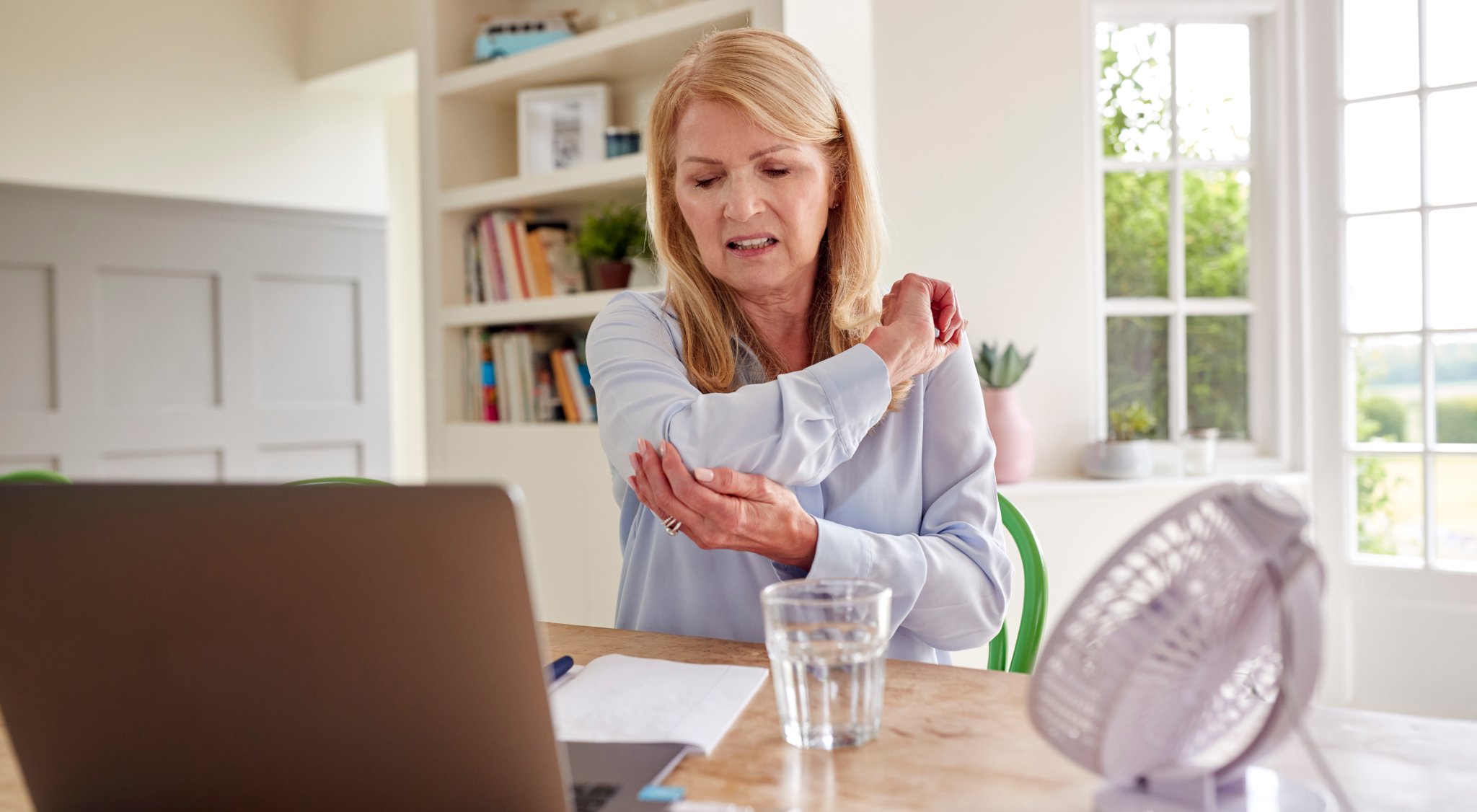
Many people first notice joint pain and increasing stiffness during the menopause. It’s not inevitable, but it’s common and often linked to falling oestrogen levels, which play a key role in the joints, cartilage and the body’s regulation of inflammation.
The link between oestrogen and joints: inflammation, cartilage and pain management
They influence a wide range of processes in the body:
- Oestrogens have an anabolic effect: they not only promote muscle protein synthesis but also stimulate osteoblasts (bone-forming cells) whilst simultaneously inhibiting osteoclasts (bone-resorbing cells). In joint cartilage, oestrogen protects the tissue from degradation by stimulating the cartilage cells to produce extracellular matrix. It therefore not only nourishes the synovial membranes but also ensures that the joints remain supple. Oestrogens influence the composition of synovial fluid and the metabolic activity of cartilage tissue, thereby supporting joint function and resilience. If this is lacking, joint pain can develop more quickly.
- Oestrogens also influence how your brain processes pain: higher oestrogen levels can raise your pain threshold, whilst a drop — as occurs during the menopause — can lead to reduced pain inhibition. Pain signals may be perceived more intensely and evaluated negatively on an emotional and psychological level. The body’s own ‘pain filtering’ mechanism diminishes.
- Oestrogens also act as anti-inflammatory agents in the body. When levels fluctuate and then fall, pro-inflammatory messengers rise, which can lead to subtle signs of inflammation in the joints and surrounding tissue.
Which joints are affected by pain during the menopause?
During the menopause, joint pain often occurs in several joints at once or alternately. Large, weight-bearing joints such as the knees, hips and shoulders are particularly affected. Smaller joints, such as the fingers and wrists, can also cause pain and make gripping or holding objects difficult.
Typical symptoms include pain on starting to move, morning stiffness and pain triggered by physical activity. The feeling of being ‘stiff in the morning’ often improves as you move about. Hormonal changes in the fascial connective tissue can also contribute to stiffness.
The fluctuating nature of the condition — where the knees may cause pain today and the shoulder tomorrow — can make diagnosis difficult.

Will it go away? The honest prognosis for joint pain during the menopause
Joint pain during the menopause doesn’t have to be permanent. According to studies, around 60–70% of people in perimenopause and postmenopausedevelop musculoskeletal symptoms. These often occur in phases and frequently peak in early postmenopause.
Within about three to five years of the onset of hormonal changes, the symptoms can diminish significantly. Regular exercise, particularly strength and endurance training, can support this process and reduce stiffness. Hormone replacement therapy can also alleviate symptoms in many people. This set of symptoms is known as ‘menopausal musculoskeletal syndrome’ and is considered potentially reversible.
However, if structural changes such as osteoarthritis, muscle wasting or tendon irritation persist, the symptoms may continue in the long term.
Muscle and joint pain during the menopause: what’s behind it?
We focus not just on the joints but on the entire myofascial system and the muscles.
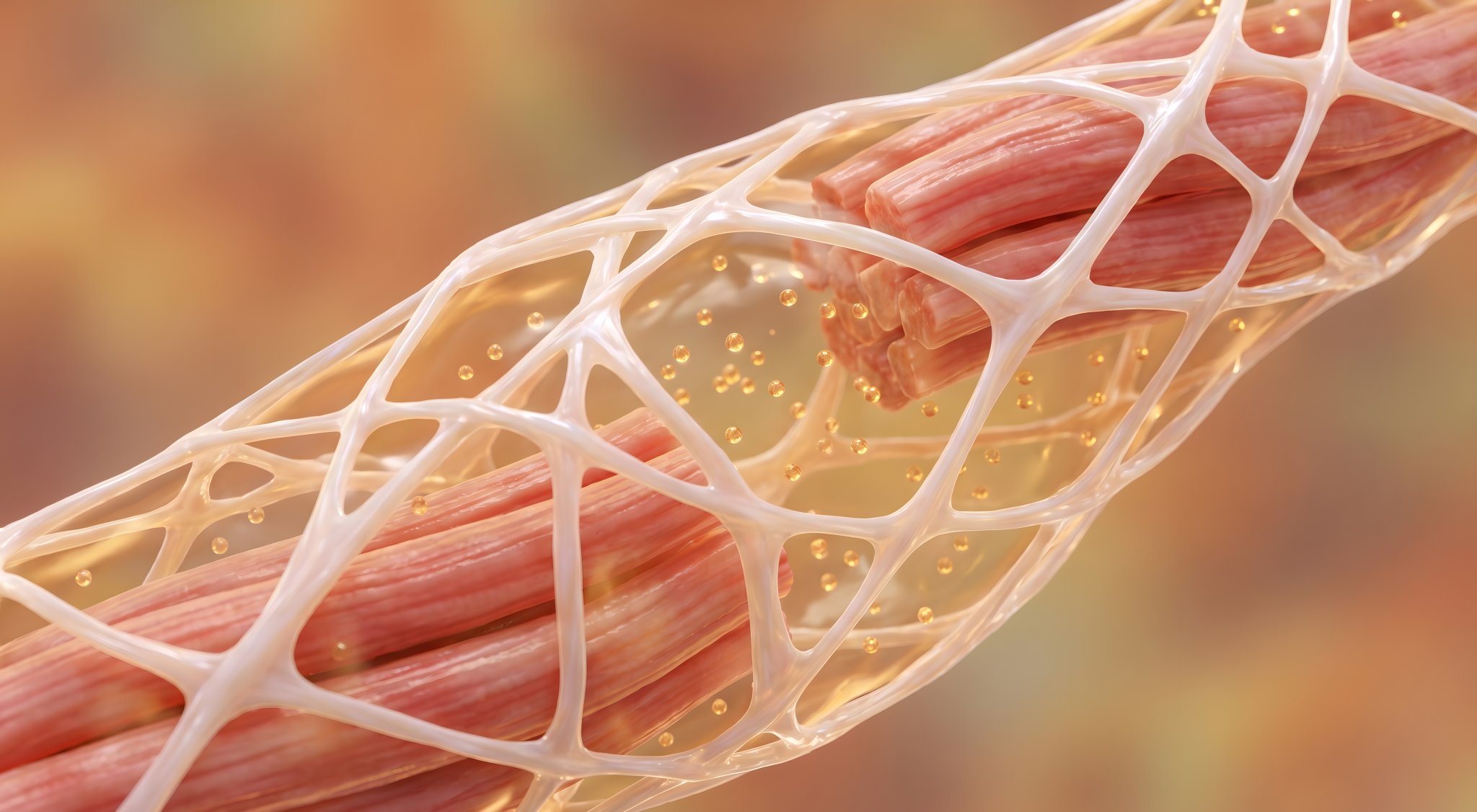
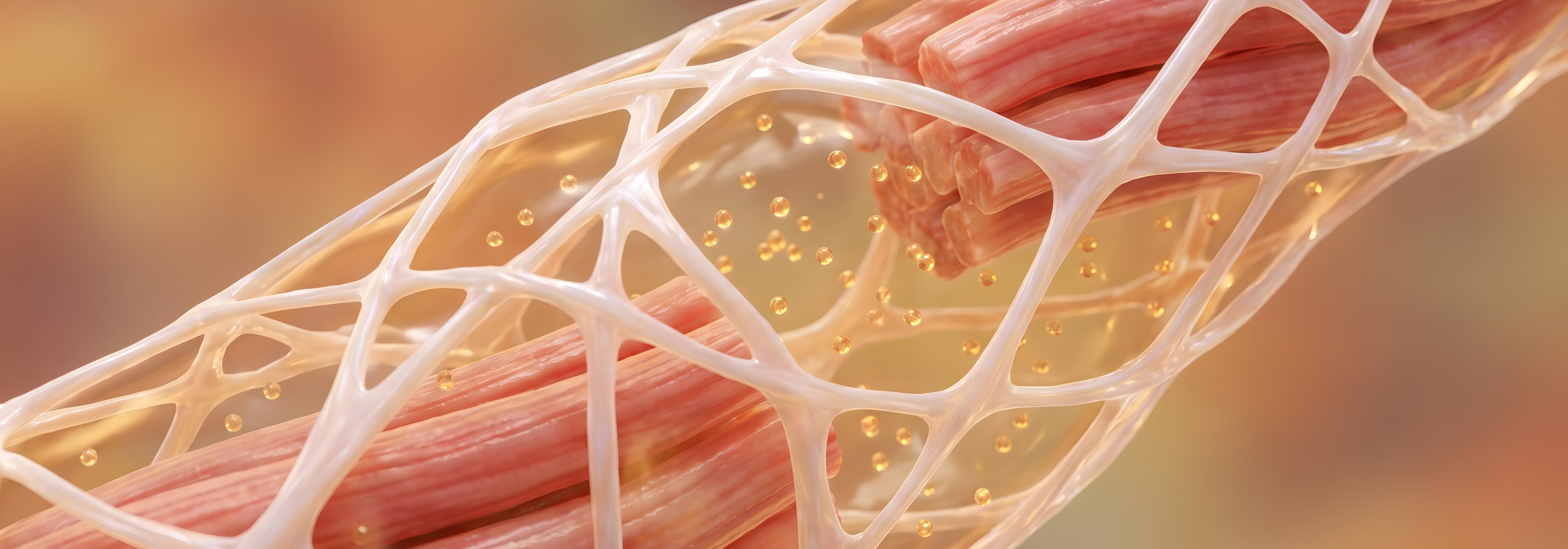
Fascia is a net-like connective tissue that envelops and connects muscles, tendons, ligaments and organs. This three-dimensional network of tension stabilises the body and enables movement.
As oestrogen levels fall, the collagen structure, water content and elasticity of the connective tissue may decrease. The fascia may then glide less smoothly and lose elasticity, thereby increasing the strain on muscles and joints. From around 30 years of age the body loses roughly 3–8% of its muscle mass every decade, so regular strength training helps counteract this loss and stabilise the body.
Pain therefore often doesn't arise in a single location but rather as a result of the interaction between joints, muscles and fascia.
- Incorporate fascia training and targeted self-massage to help alleviate tension and stiffness.
What really helps? The four key strategies for tackling joint pain during the menopause
Strength training during the menopause to reduce joint pain and muscle loss
It's one of the most thoroughly researched ways to strengthen the musculoskeletal system, support joints and maintain muscle mass. Studies involving postmenopausal people show that regular training can reduce joint pain and functional limitations and lower the risk of osteoporosis.
Joints rely on stability provided by muscles, tendons and neuromuscular control. Greater muscle strength distributes the load more effectively and channels forces through the joint in a more controlled manner. When climbing stairs, for example, weak thigh muscles can lead to increased pressure on the knee. Strength training can help the muscles absorb this load more effectively.
Recommendations for strength training during the menopause:
- 2–3 sessions per week targeting all major muscle groups, each lasting 30–60 min
- Moderate to high intensity, using a weight that allows for around 8–12 repetitions per set
- Train regularly: more frequent, shorter sessions are better than infrequent, long sessions.
Diet for joint pain: anti-inflammatory with omega-3, protein and micronutrients
An anti-inflammatory diet can be beneficial around the time of the menopause and in general, and may help to reduce joint pain. As oestrogen levels fall, inflammation in the body increases; certain nutrients can positively influence these processes — and thus also help to alleviate stiffness and pain.
Omega-3 fatty acids (EPA/DHA)
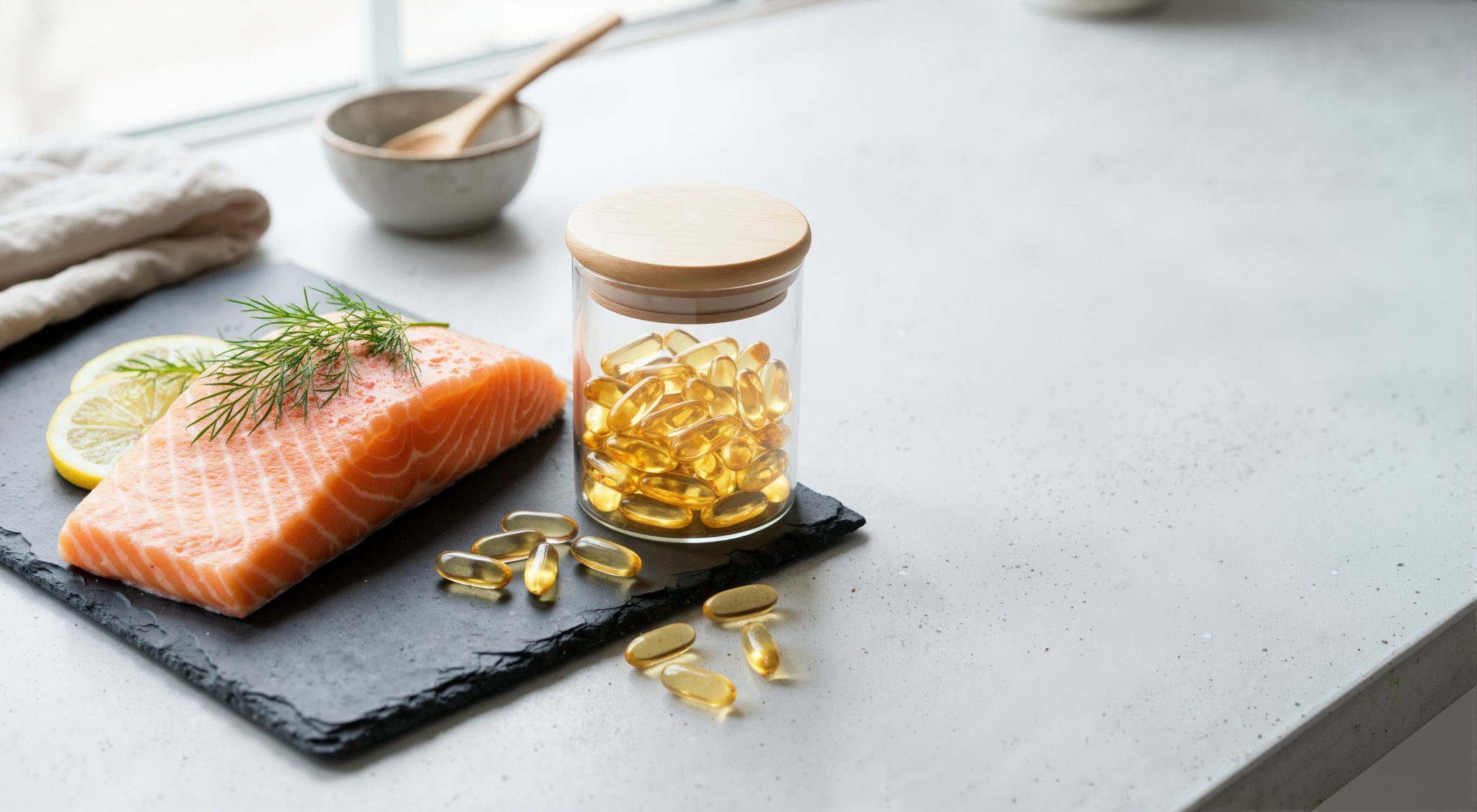
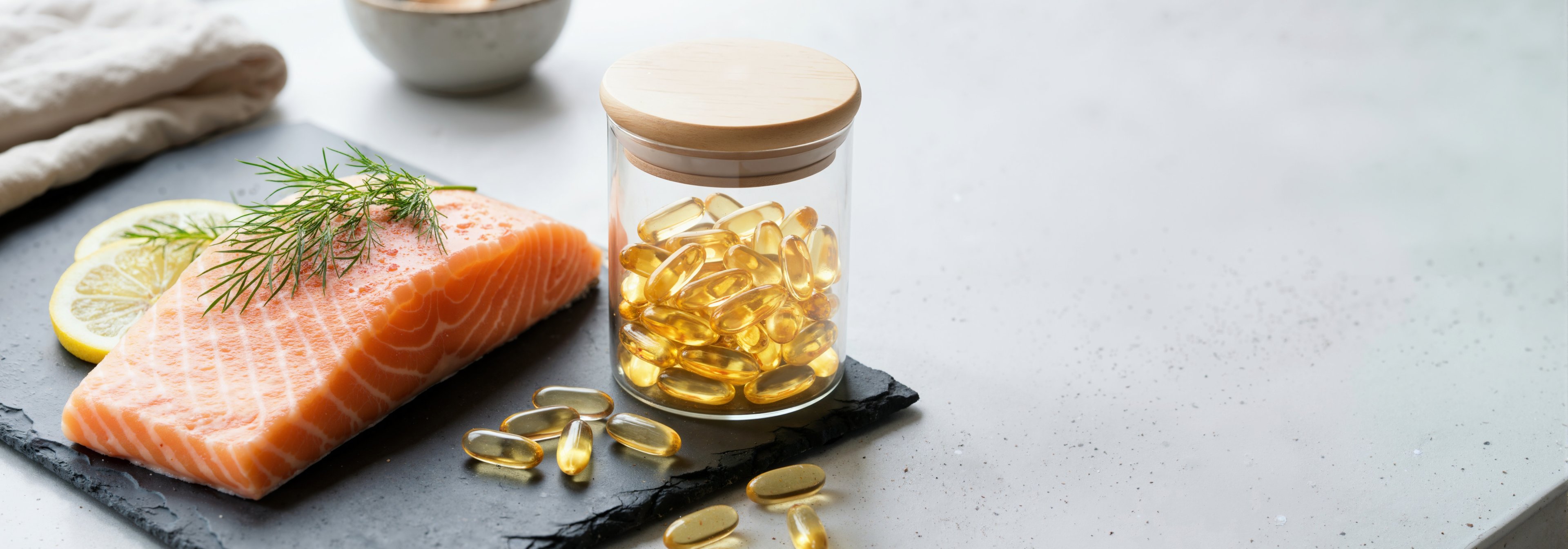
Across Europe, many people don’t regularly meet the recommended intake levels for omega-3 fatty acids (EPA/DHA), so their anti-inflammatory effects in everyday life are often underestimated. Omega-3 fatty acids support the body, particularly in cases of chronic inflammatory processes. The recommendation is 1–2 portions of oily fish per week (e.g. salmon, herring, mackerel, sardines). However, plant-based sources such as linseeds, chia seeds and walnuts are only converted into EPA/DHA to a limited extent. A high-quality fish oil or algae oil supplement may therefore be beneficial — 250–500 mg of EPA + DHA per day is often recommended to meet basic requirements.
Protein intake
Depending on your activity level, around 1.2–1.6 g of protein per kg of body weight per day is recommended to support the maintenance and growth of muscle mass. An adequate protein intake not only supports muscle growth but also, indirectly, helps reduce strain on the joints. Good sources of sufficient protein include animal products such as chicken, turkey and dairy products (such as cottage cheese, quark, Parmesan, skyr and Greek yoghurt), as well as plant-based sources such as pulses, tofu, tempeh and seitan.
Vitamin D and magnesium
Both nutrients support bone metabolism, muscle function and neuromuscular stability and are associated with lower rates of pain and falls in postmenopausal people. For vitamin D, aim for 800–2000 IU daily (depending on baseline levels), and for magnesium, target 300–400 mg daily, ideally from a mix of food and supplements.
Medication options for joint pain: NSAIDs and hormone replacement therapy (HRT)
Because exercise and diet take several months to reduce pain sustainably, short-term medication can help. Non-steroidal anti-inflammatory drugs (NSAIDs) such as ibuprofen or diclofenac provide symptom relief after consultation with a doctor, though they don't address underlying hormonal changes.
To support this, hormone replacement therapy (HRT) may, in some cases, help to alleviate symptoms, as the underlying oestrogen deficiency plays a significant role in menopausal joint pain (‘menopausal arthralgia’). Whether HRT is an option must be discussed on an individual basis with a doctor. You can find out more in the first article on the topic of perimenopause.
Herbal remedies and homeopathy: the evidence
Alongside strength training and an anti-inflammatory diet, herbal and homeopathic remedies can complement your management of joint pain. The scientific evidence varies depending on the active ingredient and the specific preparation:
- Turmeric (curcumin) and frankincense (boswellia): both are said to have positive effects on pain and inflammatory markers associated with joint problems, including those linked to osteoarthritic changes in the joints. The evidence is generally considered moderate for menopausal joint pain; recommendations and dosages are therefore largely derived from osteoarthritis studies. Take 500–1,000 mg of curcumin per day and 300–500 mg of boswellia 1–2 times daily. Be patient — effects only become measurable after a few months.
- Homeopathic remedies and Schüssler salts are often recommended for joint pain during the menopause, yet the evidence base is very weak and any improvement in pain is more likely to be due to a placebo effect. If you've already had positive experiences with these remedies, you can take them alongside evidence-based measures.

When to see a doctor? Differential diagnosis for joint pain during the menopause
If your joint pain is new or severe, seek medical advice. The pain isn't always related to the menopause — conditions such as rheumatoid arthritis, polymyalgia rheumatica and osteoarthritis need to be ruled out. All three conditions cause joint or muscle pain and can limit everyday activities such as walking, gripping or climbing stairs. Whilst osteoarthritis is primarily degenerative, rheumatoid arthritis (RA) and polymyalgia rheumatica are inflammatory.
These symptoms are more indicative of menopausal joint pain:
- Changing, wandering pain
- Accompanying hot flushes, changes to your menstrual cycle and sleep disturbances.
- Symptoms vary greatly and are often rather vague
If your symptoms don't improve with hormone replacement therapy, seek medical advice.
Warning signs of other possible conditions:
- Persistent swelling, redness or warmth in a joint
- Increasing pain, exacerbated by activity, with impaired function
- No improvement whatsoever with conservative treatment
- Symmetrical symptoms affecting small joints
- Morning stiffness lasting longer than 60 min
Both menopausal joint pain and other structural changes can feel similar at first so we recommend a medical assessment to establish an early strategy for managing your symptoms.
Frequently asked questions about joint pain during the menopause
Useful information
Sudden joint pain during the menopause is often linked to falling and fluctuating oestrogen levels, as oestrogen not only influences hormonal balance but also inflammatory processes, cartilage metabolism and pain processing in the nervous system.
In many cases, joint pain during the menopause isn’t permanent – the symptoms often come and go in phases and peak at the start of post-menopause. Many people can influence the process within 3–5 yr through strength training, exercise and a healthy diet. A good intake of omega-3 fatty acids may also help. If symptoms are severe or significantly impair quality of life, hormone replacement therapy (HRT) may be an effective treatment option for some people.
Research indicates that, in addition to an anti-inflammatory diet rich in omega-3 fatty acids, regular exercise – including fascia training – and hormone replacement therapy (HRT), taking herbal remedies such as turmeric and frankincense can also have positive effects. However, the evidence base for this is limited.
Large joints such as the knees, hips and shoulders, which bear heavy loads, are frequently affected – but small joints such as the fingers and wrists can also cause pain.
Fascia training can help ease joint discomfort during the menopause because the fascial connective tissue is closely linked to muscles, tendons and joints. With targeted, regular fascia routines, self-massage and mobilisation, you can reduce tension and improve blood flow, which in turn eases stiffness.
For pain, the MED roller is usually the better choice as it's softer and therefore exerts less intense pressure on sensitive or painful areas. It's particularly suitable for a gentle introduction to fascia training.
There's currently no robust scientific evidence for Schüssler salts or other homeopathic remedies — any improvements are usually attributed to placebo effects. However, if they give you subjective relief, there's no reason not to take them.
At present there aren't any reliable sources that can substantiate homeopathic pain relief for joint pain, so it's not routinely recommended as a primary treatment but may be used as a supportive measure.
No, osteoarthritis involves structural changes in the joint, including cartilage breakdown and pain triggered by weight-bearing. Joint pain during the menopause is often hormone-related and tends to be diffuse and variable in nature.
HRT can help relieve general menopausal symptoms such as joint pain, hot flushes and sleep disturbances. We recommend discussing this option with your doctor before starting treatment.
Sources
Manno, R. L. (2026). Joint pain and menopause. Menopause, 33(3), 358–360. https://doi.org/10.1097/GME.0000000000002756
Lu, C.-B., Liu, P.-F., Zhou, Y.-S., Meng, F.-C., Qiao, T.-Y., Yang, X.-J., Li, X.-Y., Xue, Q., Xu, H., Liu, Y., Han, Y. and Zhang, Y. (2020). Musculoskeletal pain during the menopausal transition: A systematic review and meta-analysis. Neural Plasticity, 2020, Article 8842110. https://doi.org/10.1155/2020/8842110
Wright, V. J., Schwartzman, J. D., Itinoche, R. and Wittstein, J. (2024). The musculoskeletal syndrome of menopause. Climacteric, 27(5), 466–472. https://doi.org/10.1080/13697137.2024.2380363
Fransen, M., McConnell, S., Harmer, A. R., Van der Esch, M., Simic, M. and Bennell, K. L. (2015). Exercise for osteoarthritis of the knee. Cochrane Database of Systematic Reviews, 2015(1), Article CD004376. https://doi.org/10.1002/14651858.CD004376.pub3
Paultre, K., Cade, W., Hernandez, D., Reynolds, J., Greif, D. and Best, T. M. (2021). Therapeutic effects of turmeric or curcumin extract on pain and function for individuals with knee osteoarthritis: A systematic review. BMJ Open Sport & Exercise Medicine, 7(1), e000935. https://doi.org/10.1136/bmjsem-2020-000935
Baber, R. J., Panay, N., Fenton, A. and IMS Writing Group. (2016). 2016 IMS recommendations on women’s midlife health and menopausal hormone therapy. Climacteric, 19(2), 109–150. https://doi.org/10.3109/13697137.2015.1129166