
PMS: symptoms, causes and what really helps

PMS involves physical and psychological symptoms that usually occur in the second half of the cycle, intensify before your period and subside once menstruation begins. The causes aren't fully understood but it's likely that the nervous system reacts sensitively to hormonal fluctuations. Tracking your cycle, sleep, exercise, stress reduction, warmth and diet can help alleviate symptoms.
Key points at a glance
- PMS involves physical and psychological symptoms that usually begin after ovulation, intensify before your period and subside when your period starts.
- Typical symptoms include mood swings, irritability, breast tenderness, water retention, headaches, tiredness and digestive problems.
- Possible contributing factors include hormonal fluctuations, increased sensitivity of the nervous system, stress, lack of sleep and certain dietary habits.
- Track your cycle, get enough sleep, take part in moderate exercise, reduce stress, keep warm and follow a regular balanced diet to help alleviate symptoms. If symptoms are severe or persistent, seek medical advice.


What is PMS – and what is PMDD?
PMS describes a range of physical and psychological symptoms that can occur in the second half of the cycle after ovulation — the luteal phase. The severity of the symptoms can vary greatly not only from person to person, but also from one cycle to the next for the same individual. One cycle you might experience particularly noticeable breast tenderness and swelling, whilst the next cycle you might only notice a change in your appetite. In the cycle after that, psychological symptoms such as anxiety, irritability, anger or exhaustion might be more prominent.
Typically, symptoms start a few days after ovulation, intensify shortly before your period and ease once bleeding begins.
Worldwide, at least 50% of all people of childbearing age are affected by PMS; around 20% experience symptoms so severe that their everyday lives are noticeably restricted. A particularly severe form of PMS is known as premenstrual dysphoric disorder, also referred to as PMDD. PMDD is officially recognised as a distinct mental health condition and has an extremely debilitating psychological impact.
The condition is often accompanied by
a depressed mood
feelings of hopelessness
anxiety
excessive isolation and tension
Up to 5% of people meet the criteria for this particularly severe form of PMS, which is far more than just ‘being in a bad mood before your period’.
In PMDD, it’s not ‘too many’ or ‘too few’ hormones that trigger the severe psychological symptoms; instead, the brain reacts hypersensitively to the normal fluctuations in the second half of the cycle. Whilst many people are barely aware of these hormonal changes, those with PMS react more sensitively to them – and those with PMDD react even more markedly. The hormonal signals are similar in all three situations, but the way they're processed by the nervous system differs considerably.
Your cycle, your warmth, your rhythm.


Typical PMS symptoms (physical and psychological)
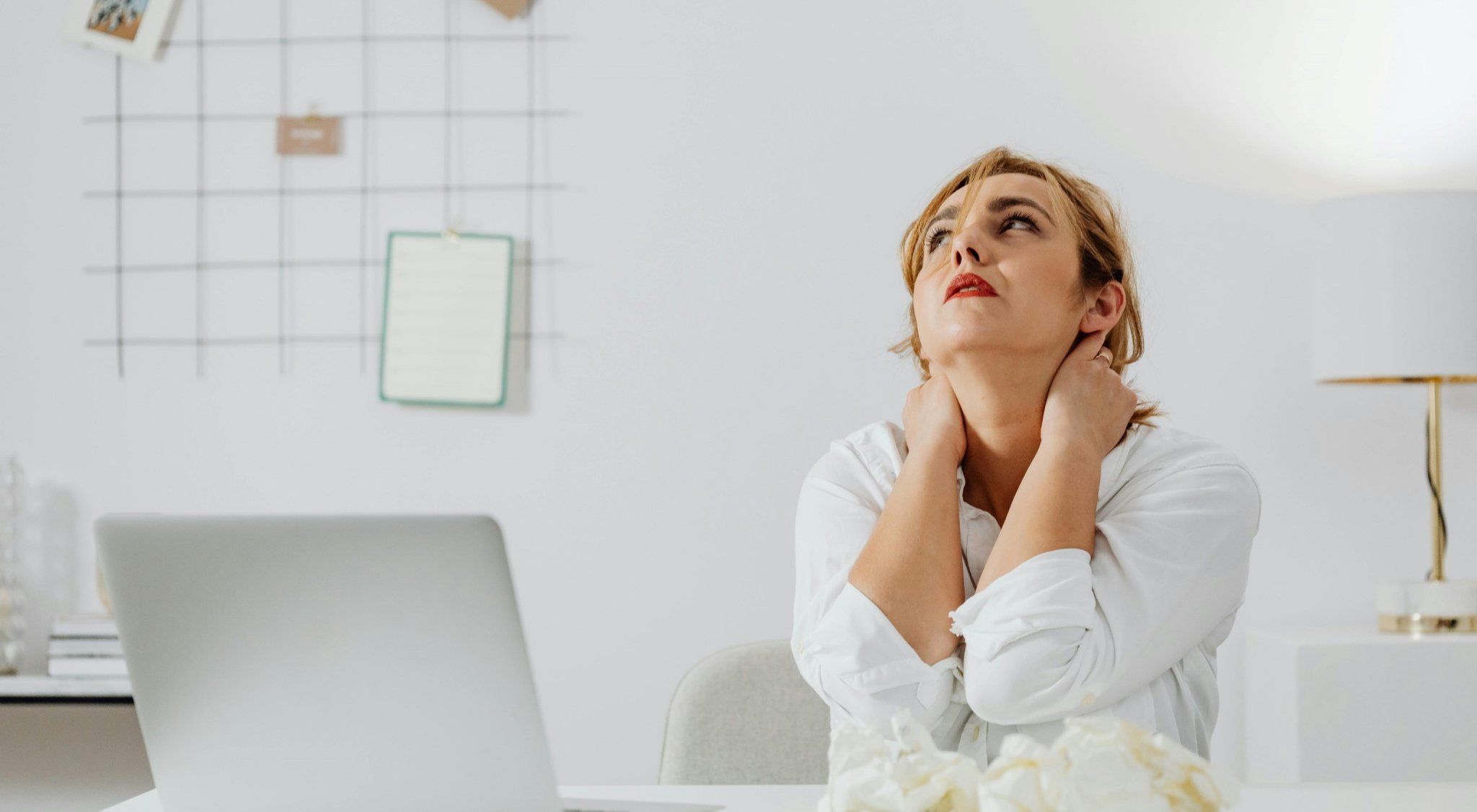
Menstrual cycle disorders such as PMS can affect your wellbeing, performance and recovery, and in the long term your health. We typically distinguish between affective (psychological) and somatic (physical) symptoms.
Symptoms usually follow a predictable pattern and can range from barely noticeable to very severe, depending on the individual and the cycle. In practice, PMS often manifests as a combination of several symptoms that occur together and may appear a few days to around two weeks before the start of a period:
Emotional / psychological symptoms
Irritability, anger
- Anxiety, restlessness
- Cravings and increased appetite
- Difficulty concentrating
- Sleep problems
- loss of motivation
- Mood swings
- Increased irritability
Reduced interest in social interactions
Somatic / physical symptoms
- Breast tenderness, breast swelling
- Water retention
- Bloating
- Abdominal pain
- Cramps
- Back pain, particularly in the lower back
- Tiredness and exhaustion
- Weight fluctuations
- Main problems
- Digestive problems
- Circulatory problems or dizziness
- Headache
Some people experience only one or two symptoms, while others are plagued by a wide range of the symptoms listed above. If symptoms are very severe and interfere with everyday life on a monthly basis, consult a healthcare professional. It's important to note that a more severe form of PMS can also develop suddenly over a period of several months.
People aged 30 and over often report more intense symptoms, although they tend to ease with the onset of the menopause. Your doctor can also rule out other conditions alongside PMS, such as hormonal imbalances, endometriosis or thyroid disorders.
PMS doesn’t have to be a permanent condition.
Now you know what’s behind your symptoms. Our free guide shows you how you can actively counteract them with targeted recovery and body awareness.

PMS: an overview of causes and common triggers
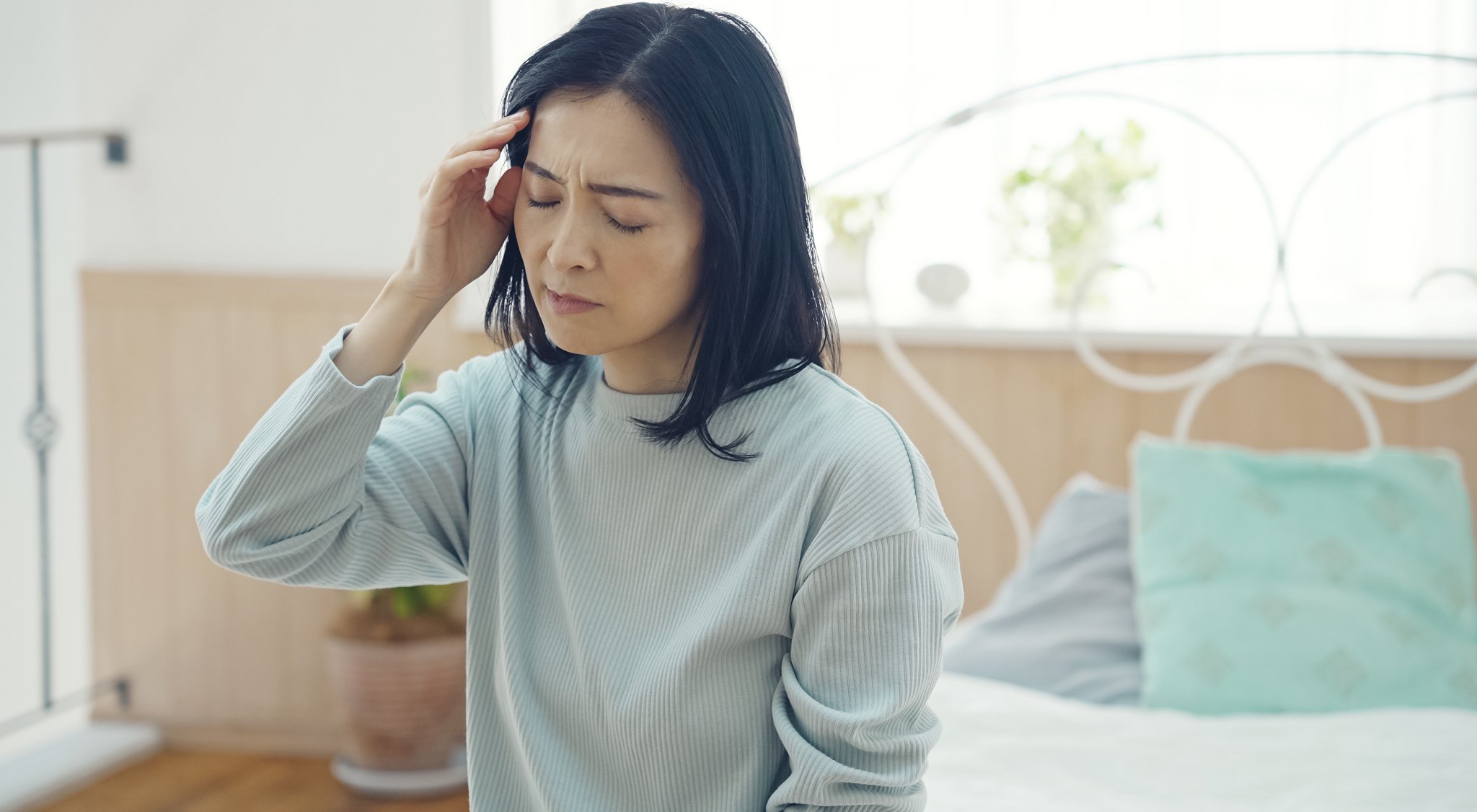
We know it’s caused by a combination of hormonal, genetic and environmental factors, yet exactly what triggers it remains unclear. Current research points to hormonal changes and an individual’s sensitivity of the nervous system, which determines how strongly symptoms appear.
The female cycle can be broadly divided into two phases: the follicular phase (first half of the cycle) and the luteal phase (second half of the cycle). In the first phase – including menstruation – oestrogen and FSH dominate. After ovulation, progesterone takes the leading role. It’s produced by the corpus luteum, the ‘shell’ of the released egg. The typical PMS symptoms then occur during the luteal phase. Read more about the phases of the cycle and the exact hormonal situation here.
One possibility is that, in some people, the brain reacts more strongly to the breakdown products of progesterone or that progesterone itself alters signal transmission in the brain. The neurotransmitter serotonin, which influences mood, motivation and stress responses, plays a particularly important role here.
You may also have your own triggers that often bring on PMS, such as
severe emotional or mental stress
- Stress
- lack of sleep
- certain dietary habits, such as too much sugar
- too little or too much physical exertion
- Genetic factors can also contribute to the development of PMS.
During the second half of your cycle you're generally more prone to fluctuations in your energy levels: this results in a faster drop in blood sugar, an increased calorie requirement (progesterone raises your core body temperature by 0.3–0.5°C after ovulation) and greater tiredness and irritability. These hormonal shifts mean your body may struggle with situations that you handle more easily in the first half of your cycle.

Diagnosis: how to reliably recognise PMS
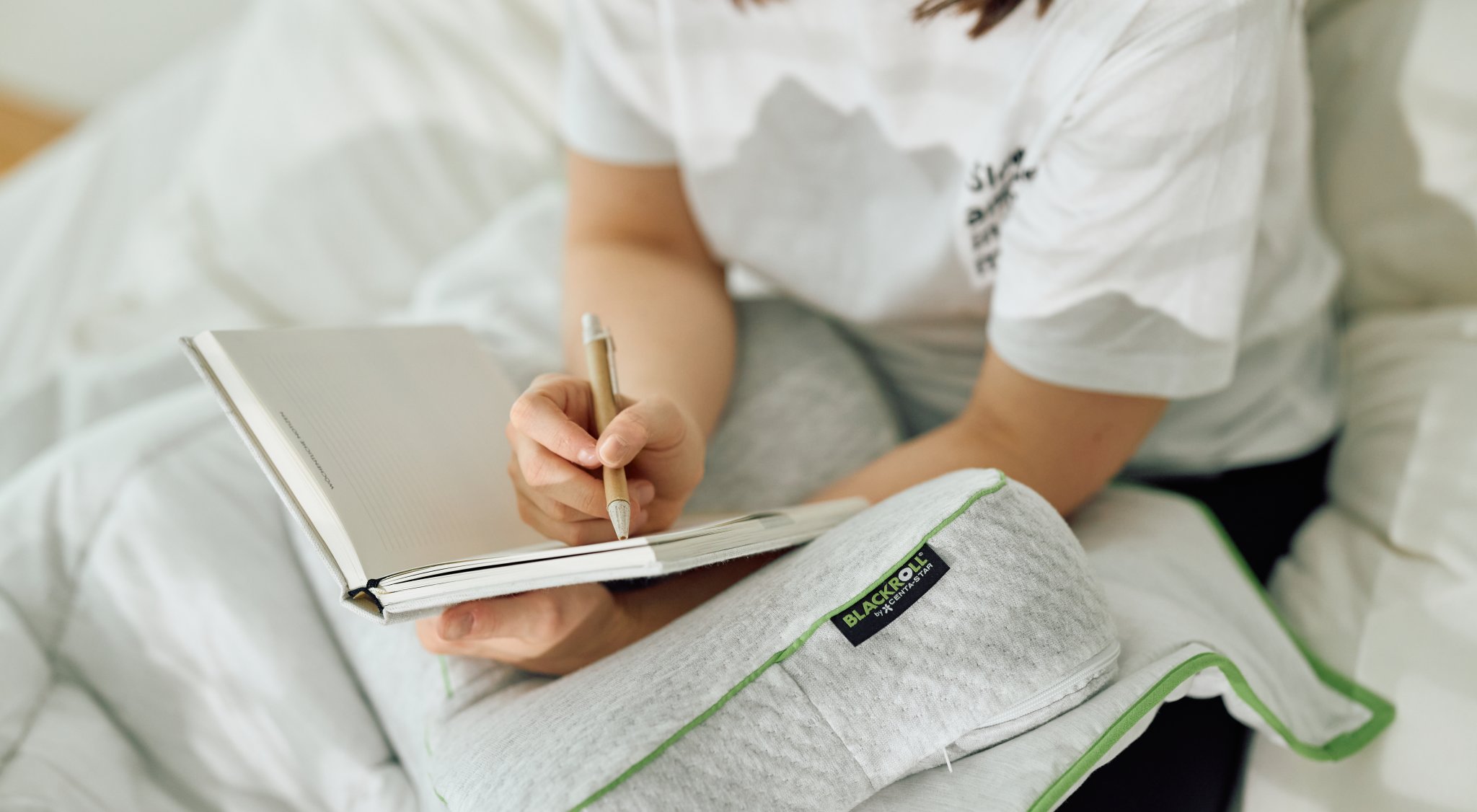
To recognise PMS reliably, the first step is to get to know your own cycle better. Tracking your cycle can help you with this: the aim is not only to better understand PMS symptoms and the phases of your cycle but above all to get to know your own body better.
- Note down the first day of your period as Day 1 and keep your diary until the start of your next period to determine the length of your cycle. To understand the second half of your cycle, determine when you ovulate. Observe your cervical mucus to help you identify your fertile days and ovulation. Shortly before ovulation it usually becomes moist, glassy and stretchy.
- Taking your basal body temperature — first thing in the morning, straight after waking up — helps determine your luteal phase. After ovulation, your core body temperature should remain consistently elevated (by around 0.3–0.5°C).
- This lets you estimate which phase of your cycle you’re in — either by hand or with an app. Next, keep a PMS diary for at least two cycles, or several if you can. Document the entire cycle and record both physical and psychological symptoms using the table in the chapter ‘Typical PMS symptoms’. When doing so, review the occurrence, intensity and frequency of your symptoms.
A recurring pattern is an important indication that you're experiencing PMS: if the symptoms occur repeatedly at the same time during your cycle, this is a strong indication of PMS symptoms.
Please note: clear red flags include suffering from very severe depressive moods or even having suicidal thoughts. If you notice these clear warning signs, seek professional help immediately.
Victorine Kulier, sports scientist and expert in women’s-specific training



What helps with PMS? Helpful tips for managing PMS symptoms
PMS can sometimes feel as though you’re fighting your own body. But you’re not powerless – there are many ways to reduce the symptoms of premenstrual syndrome. This can take several months and also involves a lot of ‘trial and error’ – there isn’t one perfect solution, but rather a combination of measures that you should put together for yourself, individually and depending on your symptoms. With the right combination, you may even find that symptoms subside completely over time.
Depending on the severity, we’d like to tackle PMS first with non-medicinal approaches: a great deal can already be achieved through stress management, exercise, restorative measures such as warmth and certain dietary adjustments. Let’s take a closer look at all this:
Stress management as a valuable remedy for PMS
Precisely because we experience so many psychological and mental symptoms with PMS, it stands to reason that stress management can be a real game-changer — and it’s simply good for you in general. Stress not only affects how you feel, but also how you think, and can contribute significantly to a spiral of negative thoughts, anxiety or self-criticism.
What specifically helps?
- Relaxation exercises such as breathing techniques, meditation, progressive muscle relaxation or body scans – anything that activates your body’s relaxation response.
- Cognitive Behavioural Therapy (CBT) helps you recognise unhelpful thoughts, feelings and behavioural patterns and change them in a targeted way. Seek out a behavioural therapist or psychological coach who can help you reframe negative thoughts. Take the first step yourself: for a week, make a note of your thoughts when your PMS symptoms are severe and identify which thoughts make the pain worse. Then consciously choose alternative, realistic ways of thinking, such as: ‘I’m just a bit more hormonally sensitive at the moment, and this phase is only temporary.’
- Good sleep: Consistent, high-quality sleep directly influences how susceptible you are to stress and how well your body can cope with hormonal fluctuations. Go to bed at the same time each night, calm your nervous system with 5–10 min of meditation or breathing exercises before sleep and cut back on screen time. Your sleeping environment — including the right mattress and a supportive pillow — also contributes to better recovery and relief from PMS symptoms such as tiredness, back pain or headaches.
Heat: a natural remedy for PMS symptoms
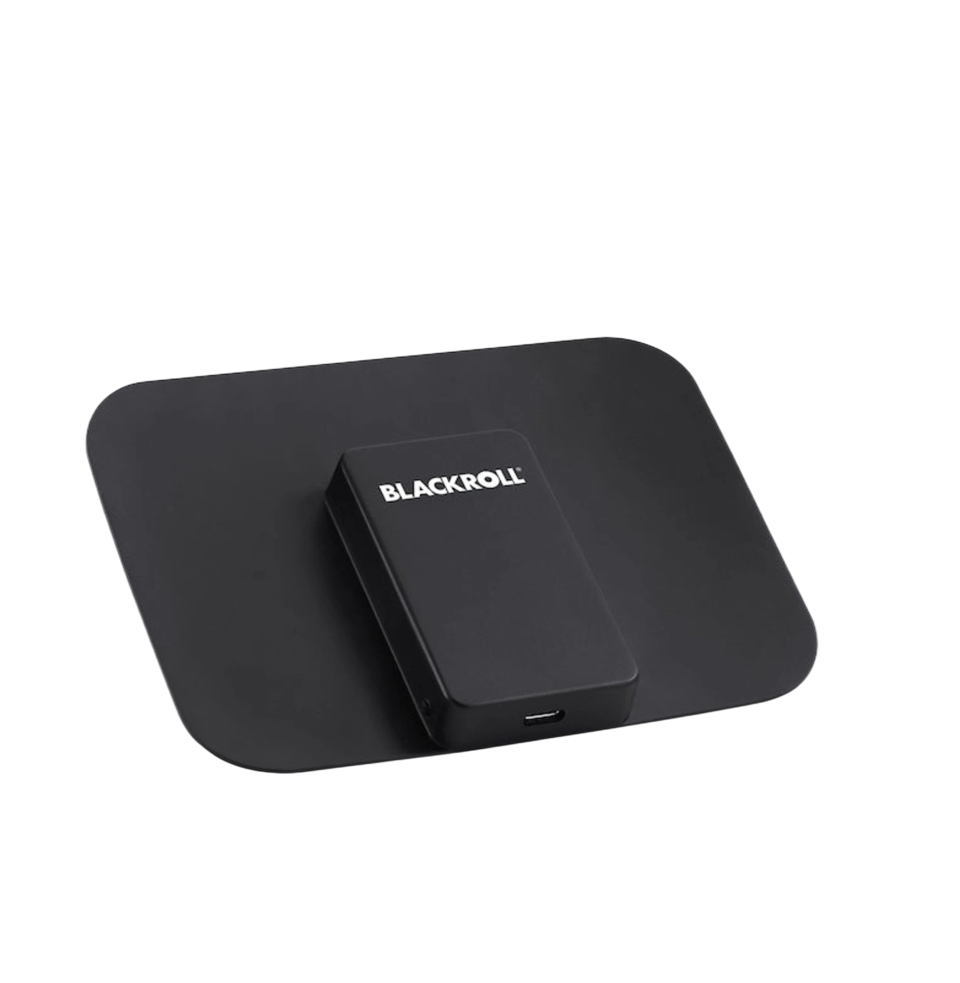
Heat is a proven, natural remedy for PMS symptoms. It relaxes the muscles, aids nutrient transport and can be particularly effective at relieving cramps in the uterine muscles — your body will quickly feel lighter and more relaxed again.
Apply heat to your lower abdomen with a traditional heat pad, a hot water bottle or a heat patch and choose the method that suits you.
- When paired with exercise, stretching and myofascial self-care, heat can also reduce pain, improve mobility and support your overall wellbeing.
For anyone experiencing PMS, this means that targeted heat can be a straightforward yet effective part of your recovery strategy – flexible, with immediate benefits and no side effects.
Moderate exercise to relieve PMS symptoms
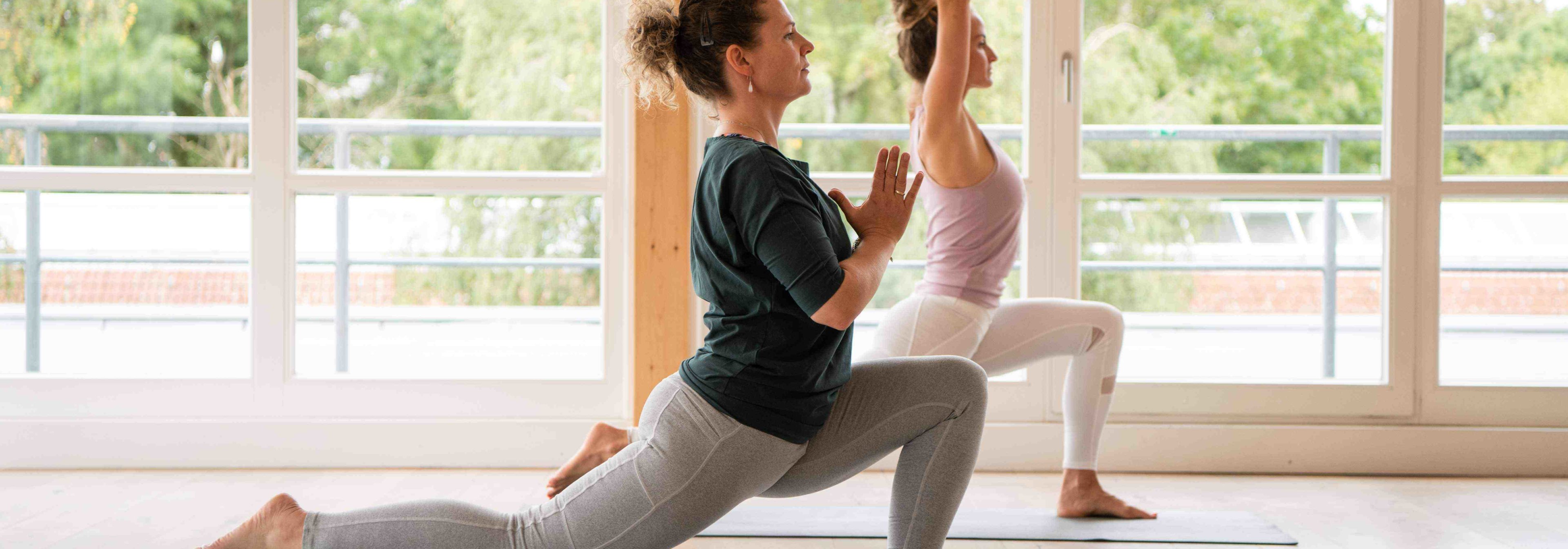
Regular exercise is one of the best-evidenced ways to reduce PMS. Light to moderate aerobic exercise in particular can improve blood circulation, reduce cramps and regulate stress hormones through the release of endorphins. Of course, when we’ve got a headache or cramps, sport is often the last thing on our minds at that moment. A brisk walk, a bike ride or even relaxing forms of exercise such as yoga can help to reduce precisely these symptoms — entirely without medication.
Listen to your body. Don’tforce yourself into high-intensity sessions; instead, be a bit more gentle with yourself during this time. In some cycles, this might work better and you might feel fit and energetic, whilst in others, several symptoms might coincide and it might not always work straight away. Rhythmic activities such as walking, swimming or cycling are particularly effective at relieving tension and boosting circulation.

Explore our exercise tutorials to help you wind down at the end of the day.
Go to the evening routinesDietary tips to help relieve PMS
An optimised diet, particularly during the second half of the cycle, can alleviate PMS symptoms. Several studies have shown positive effects in relation to the following points:
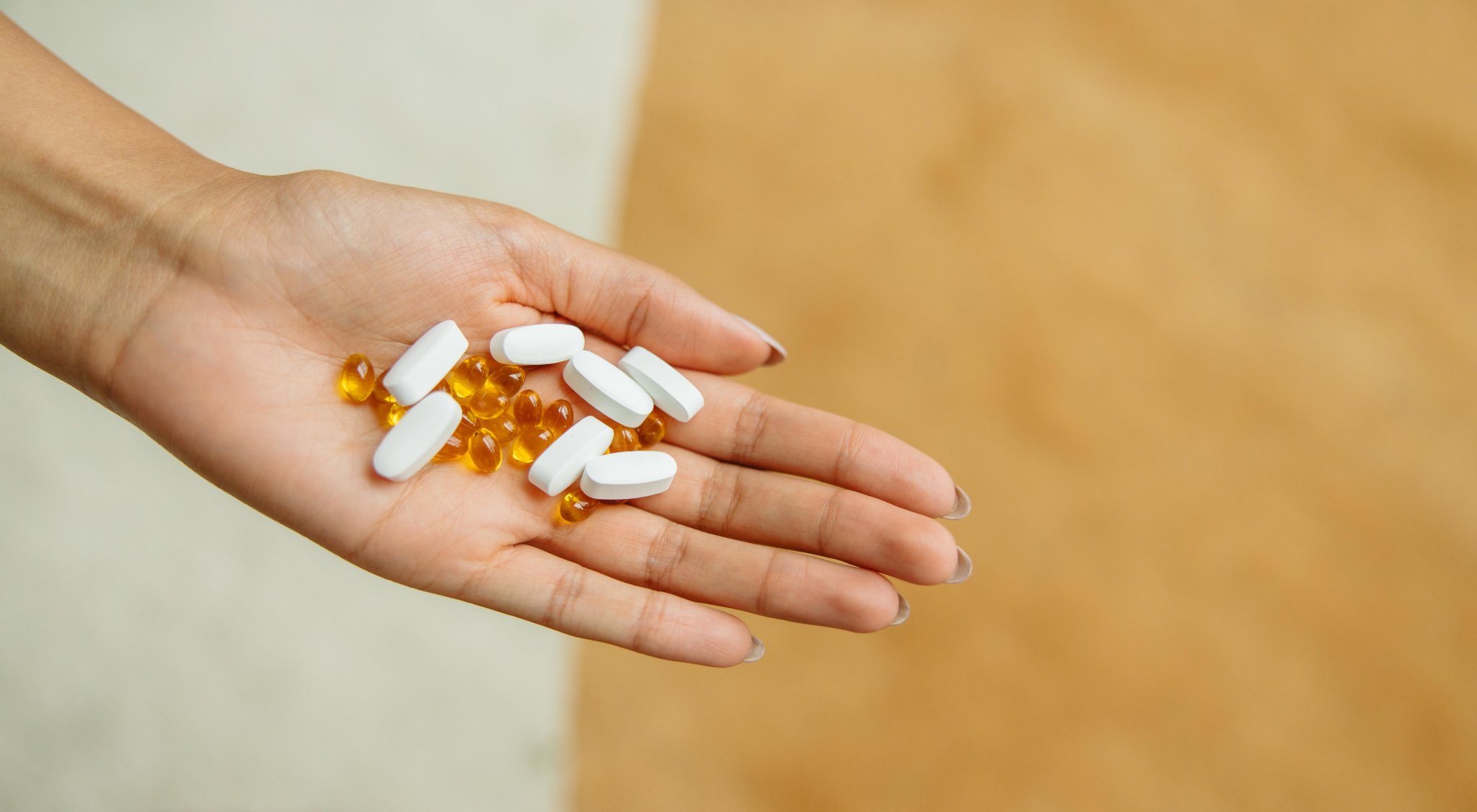
- Calcium for PMS symptoms: in the study by Shobeiri et al., participants in the calcium group received 500 mg of calcium daily over two menstrual cycles. The tablets were taken once a day after lunch. This calcium supplementation led to significantly lower PMS symptoms in the two cycles following the start of treatment compared with the placebo group. The improvements were particularly marked in the areas of anxiety, depression, mood swings, water retention and physical discomfort. A further systematic review of intervention studies found that calcium supplementation (usually calcium carbonate, 500–1,200 mg daily) led to a significant reduction in PMS symptoms such as mood swings, water retention, fatigue and emotional distress.
Tip: Pumpkins are a good source of calcium. Sesame seeds, almonds and hazelnuts are also good sources.
Victorine Kulier, sports scientist and expert in women’s-specific training
- Caffeine, nicotine, sugar and alcohol can exacerbate PMS symptoms such as irritability, mood swings or water retention. They often act as additional stressors on your nervous system. Reduce your intake to help minimise these symptoms:
- Cut down to 100–200 mg per day or switch to decaffeinated coffee or herbal tea.
- Avoid nicotine altogether in the week before your period.
- Cut down on sugar and focus on complex carbohydrates (wholemeal, pulses).
- Avoid alcohol altogether during the second half of your cycle.
- Herbal remedies and dietary supplements such as monk’s pepper, St John’s wort, vitamin B6 or magnesium may help alleviate PMS symptoms in many people — particularly if the symptoms affect your mood or are hormone-related. However, the effects usually only become apparent after several weeks of regular use and not every remedy is suitable for every set of symptoms.
Medication for PMS
If PMS continues to affect you significantly and non-medicinal measures haven’t worked after several months, see a doctor. Two well-researched options are SSRIs (selective serotonin reuptake inhibitors) and hormonal methods such as the combined contraceptive pill.
- SSRIs increase serotonin levels in the brain and can reduce PMS symptoms, including psychological symptoms such as irritability and mood swings (5). They're also the standard treatment for particularly severe forms of PMS (PMDD). Take them either continuously or just during the second half of your cycle (the luteal phase).
- Hormonal options: the combined contraceptive pill contains oestrogen and progestogen and artificially ‘smooths out’ the cycle; in other words, the natural surges in oestrogen and progesterone are greatly reduced and the cycle becomes more regular. As a result, many people experience fewer mood swings and less irritability. However, the pill isn’t ideal for everyone — possible side effects include headaches, nausea, weight fluctuations and mood swings — so discuss suitability with a specialist.
Summary: PMS self-help in everyday life (Quick Wins)
If PMS is noticeably affecting your everyday life, it’s worth taking active steps to manage it. Be patient: it may take a few months for the positive effects to really become apparent. Even if you only experience symptoms occasionally, the following self-help tips can help make your everyday life and your training much more comfortable:
- Track your cycle and keep a symptom diary so you can spot patterns and distinguish PMS more clearly from other ailments.
- Optimise your sleep and establish consistent routines: regular bedtimes and a clear daily structure provide stability for your body.
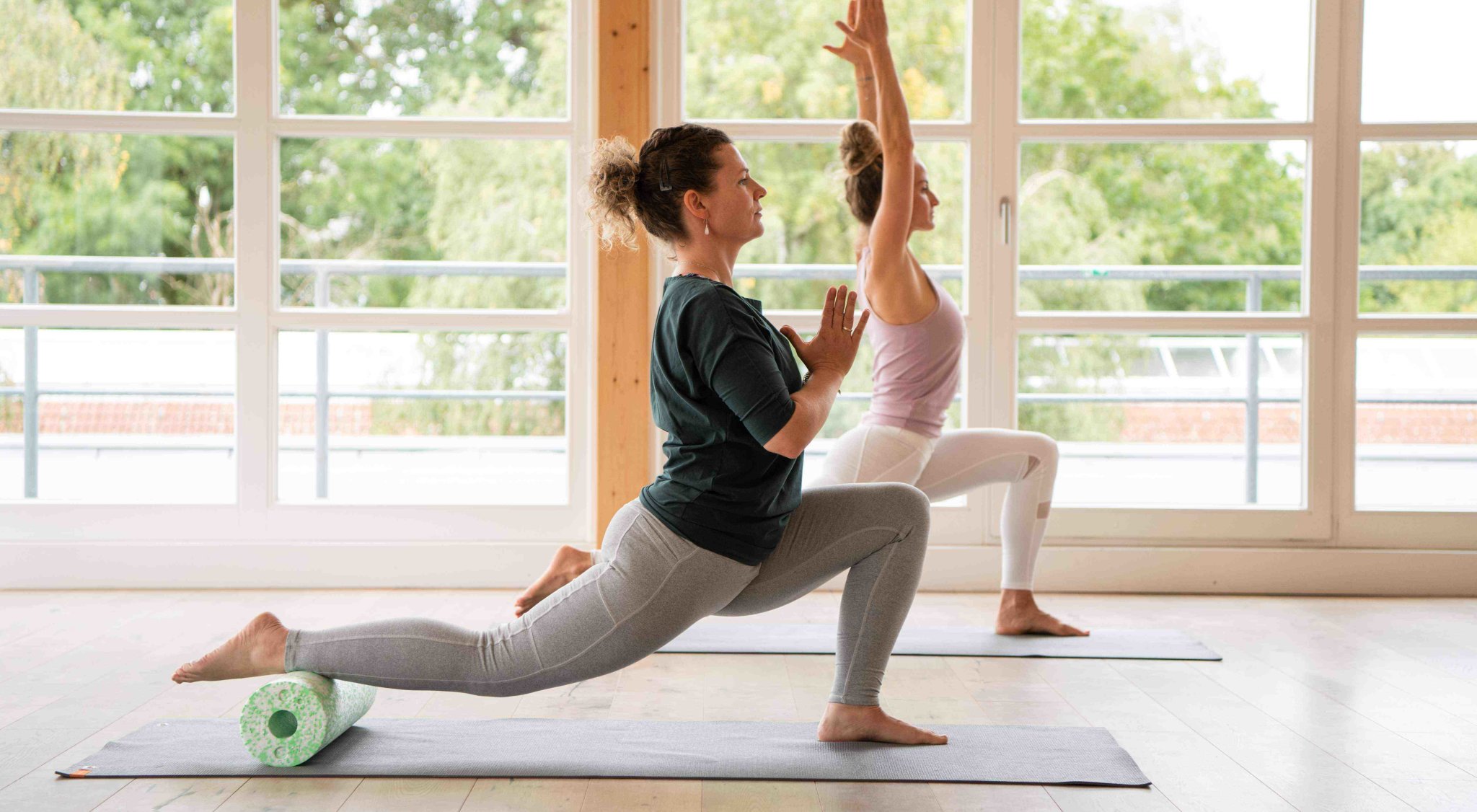
- Incorporate moderate exercise regularly: particularly in the second half of your cycle, pay closer attention to your body’s signals and adjust the intensity and duration accordingly.
- Reduce stress and incorporate relaxation before you reach your ‘limit’: short breathing exercises, yoga, meditation or even fascia training can have an effect after just a few minutes.
- Be mindful of caffeine, alcohol, nicotine and sugar – if you’re sensitive to them, cutting back can significantly ease your symptoms.
- Eat regularly and choose stabilising foods: avoid low blood sugar by eating regular meals; opt for complex carbohydrates, protein with every meal, healthy fats and plenty of water.
FAQs
PMS involves physical and psychological symptoms during the second half of the menstrual cycle, the luteal phase. PMDD is a particularly severe form, which is classified as a mental health disorder and is significantly more distressing – warning signs include hopelessness, depression and even suicidal thoughts.
It usually begins a few days after ovulation, around two weeks before your period, and eases once bleeding starts.
Irritability, anxiety, mood swings, breast tenderness, water retention, headache or tiredness are just a few of the up to 200 symptoms that can characterise PMS.
Prioritise good sleep, stress reduction, moderate exercise, regular and nutritious meals and cutting down on caffeine, alcohol and sugar.
Calcium, magnesium, vitamin B6 and herbal remedies such as blackcurrant leaves or monk’s pepper may help, but their effect varies from person to person and it usually takes several months for them to relieve symptoms.
If PMS significantly interferes with your everyday life or if you experience severe depressive moods, seek professional help.
Further items



Sources and studies
Gudipally, P. R. and Sharma, G. K. (2025). Premenstrual syndrome. In StatPearls [Internet]. Treasure Island (FL): StatPearls Publishing. PMID: 32809533.
Shobeiri, F., Ezzati Araste, F., Ebrahimi, R., Jenabi, E. and Nazari, M. (2017). Effect of calcium on premenstrual syndrome: A double-blind randomised clinical trial. Obstetrics & Gynaecology Science, 60(1), 100–105. https://doi.org/10.5468/ogs.2017.60.1.100
Arab, A., Rafie, N., Askari, G. and Taghiabadi, M. (2020). The beneficial role of calcium in premenstrual syndrome: A systematic review of the current literature. International Journal of Preventive Medicine, 11(1), 45–54. https://doi.org/10.4103/ijpvm.IJPVM_243_19
Yoshimi, K., Inoue, F., Odai, T., Shirato, N., Watanabe, Z., Otsubo, T., Terauchi, M. and Takeda, T. (2024). Practical diagnosis and treatment of premenstrual syndrome and premenstrual dysphoric disorder by psychiatrists and obstetricians/gynaecologists in Japan. PCN Reports, 3(3), e234. https://doi.org/10.1002/pcn5.234
Jespersen, C., Lauritsen, M. P., Frokjaer, V. G. and Schroll, J. B. (2024). Selective serotonin reuptake inhibitors for premenstrual syndrome and premenstrual dysphoric disorder. Cochrane Database of Systematic Reviews, 8. https://doi.org/10.1002/14651858.CD001396.pub4 (PMCID: PMC11323276)