Recovery: why it matters for body and mind.

It's the process through which your body and mind recover and adapt after exertion, addressing not only muscles and tissues but also mental and emotional well-being. Sleep, nutrition, hydration, exercise and deliberate rest periods are the key components of recovery in everyday life and after sport.
Key points at a glance
- Recovery encompasses physical, mental and emotional renewal.
- Sleep, nutrition, hydration, relaxation and active recovery support the recovery process.
- After intensive training sessions, take sufficient breaks — for strength training, for example, around 48 h for the same muscle groups.
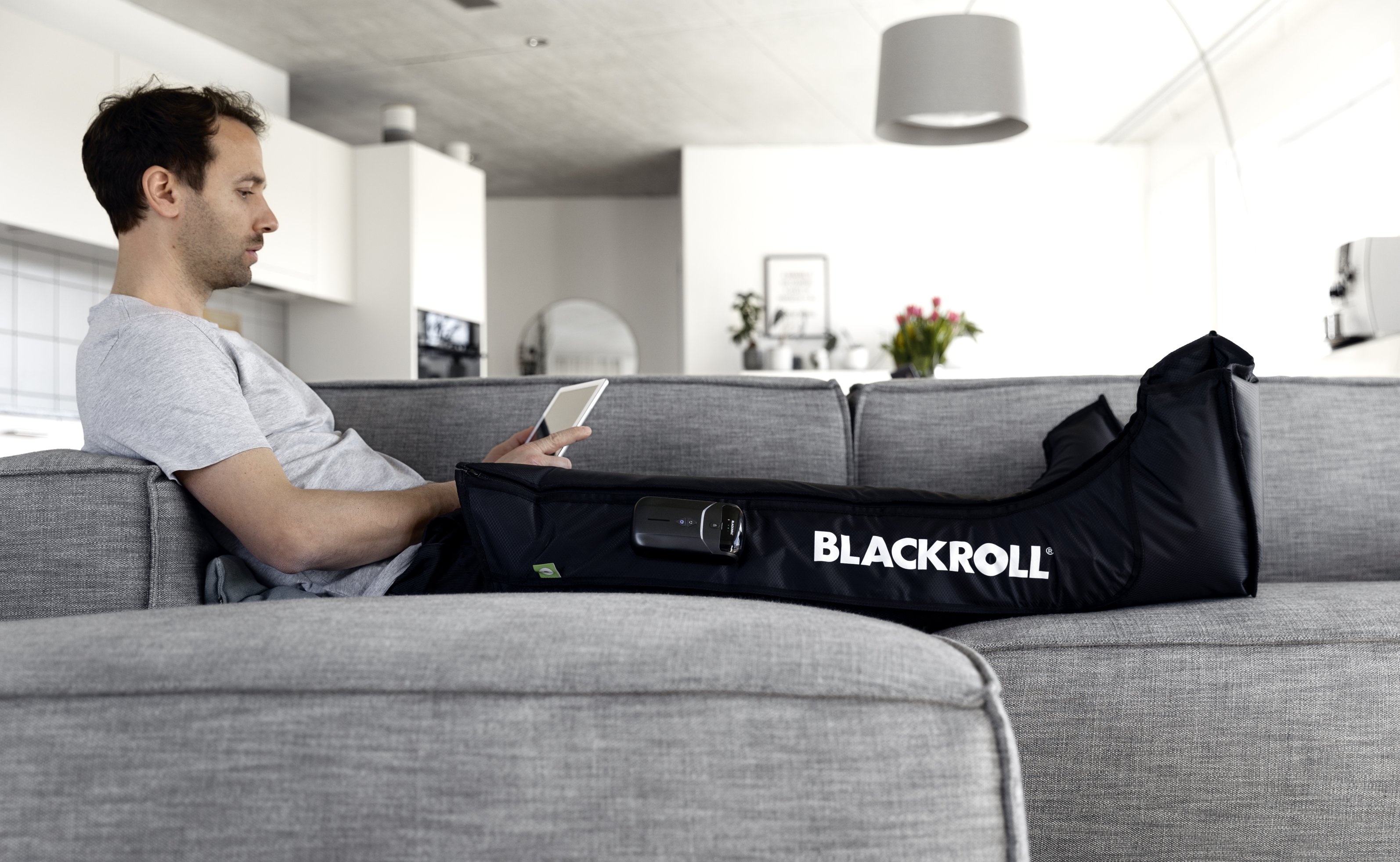
- Massage, stretching, cold therapy and compression garments such as the Compression Boots 2.0 can help relieve muscle soreness and fatigue.
- Regular sleep supports repair processes, muscle growth and physical and mental performance.
Recovery: a holistic approach
Recovery encompasses the renewal and restoration of body, mind and environment. Adaptability, resilience and fundamental conditions such as clean air, water and nutrient-rich food all play a role in human health.
You can actively support it through exercise, walks or yoga and passively through targeted recovery techniques. While recovery also addresses mental, emotional, social or creative aspects, it primarily describes physical processes.
At a cellular level, damaged cells are renewed and tissues such as muscles, bones and skin are repaired. This active process requires time and energy.
- Sleep, nutrition, hydration and regular regeneration techniques can support this process.
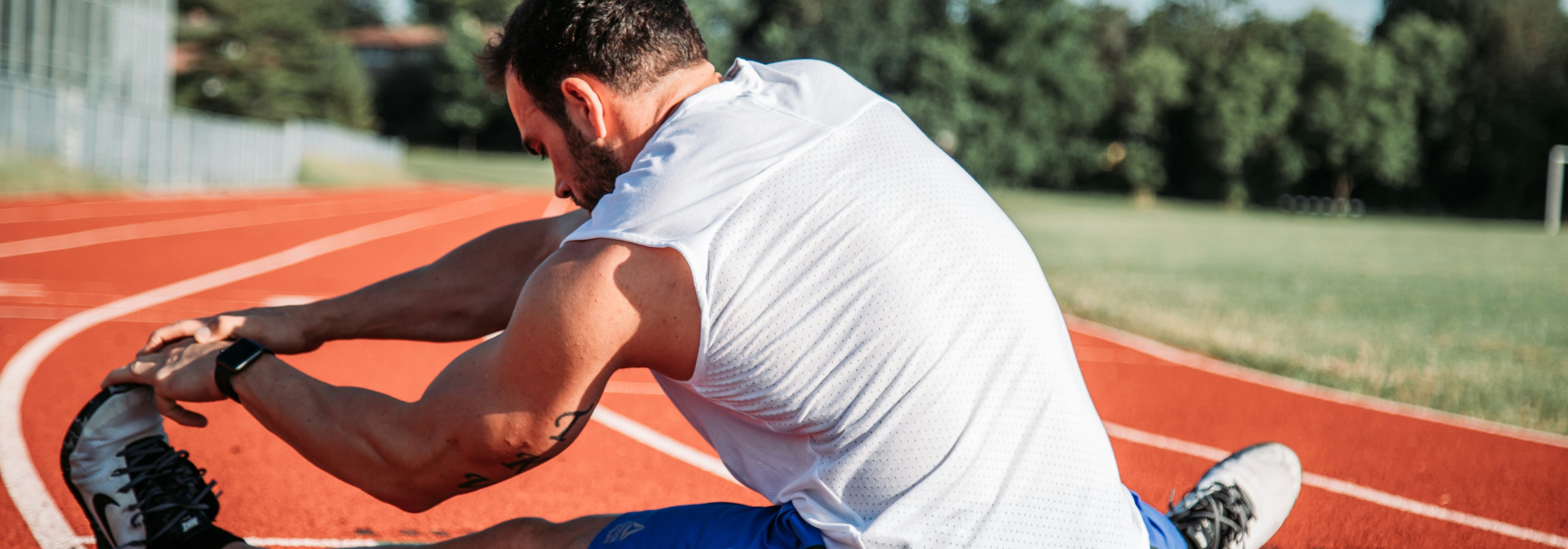
Incorporate these techniques into your daily routine.
Incorporate these techniques into your everyday life — especially if you lead a hectic lifestyle — to help reduce stress, support recovery and strengthen your resilience.
- Relaxation and stress relief: meditation, breathing exercises or yoga can help you find more peace and balance.
- Rest periods: take a few minutes to switch off. Even a 20–30 min power nap, a walk or light fascia training with a foam roller such as the BLACKROLL® Standard can aid recovery.
- Practisemindfulness and self-care: enjoy a warm bath, a massage, reading or a sauna visit to recharge.
Without such periods of recovery you may feel tired, less able to handle stress and less productive. Physical and mental recovery also aid healing after injuries and illness and support general health.
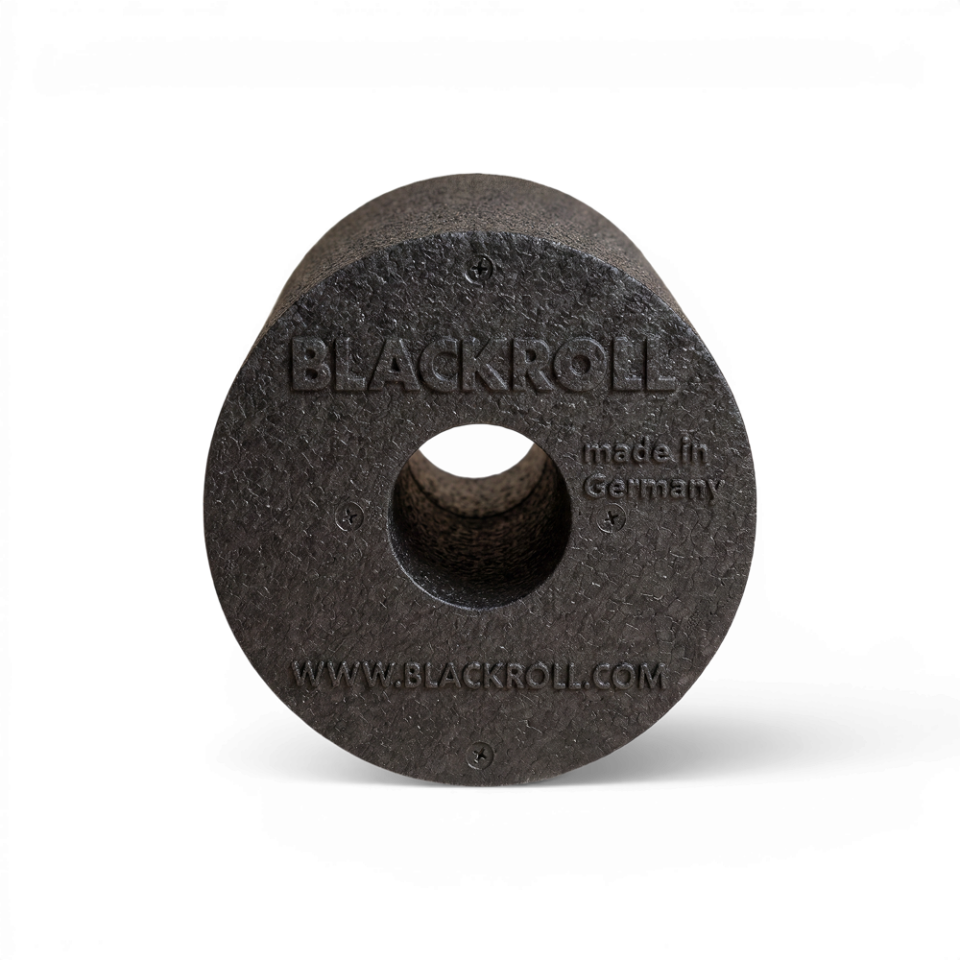
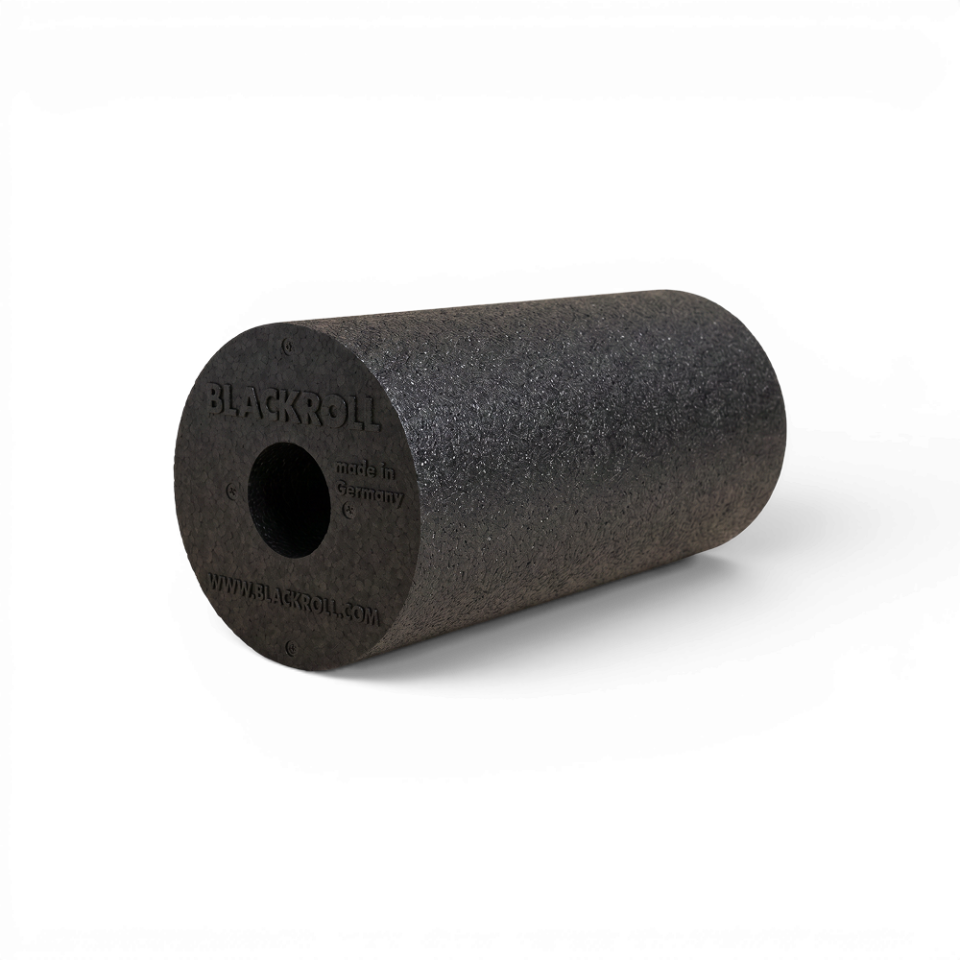
Standard
Available in multiple variants
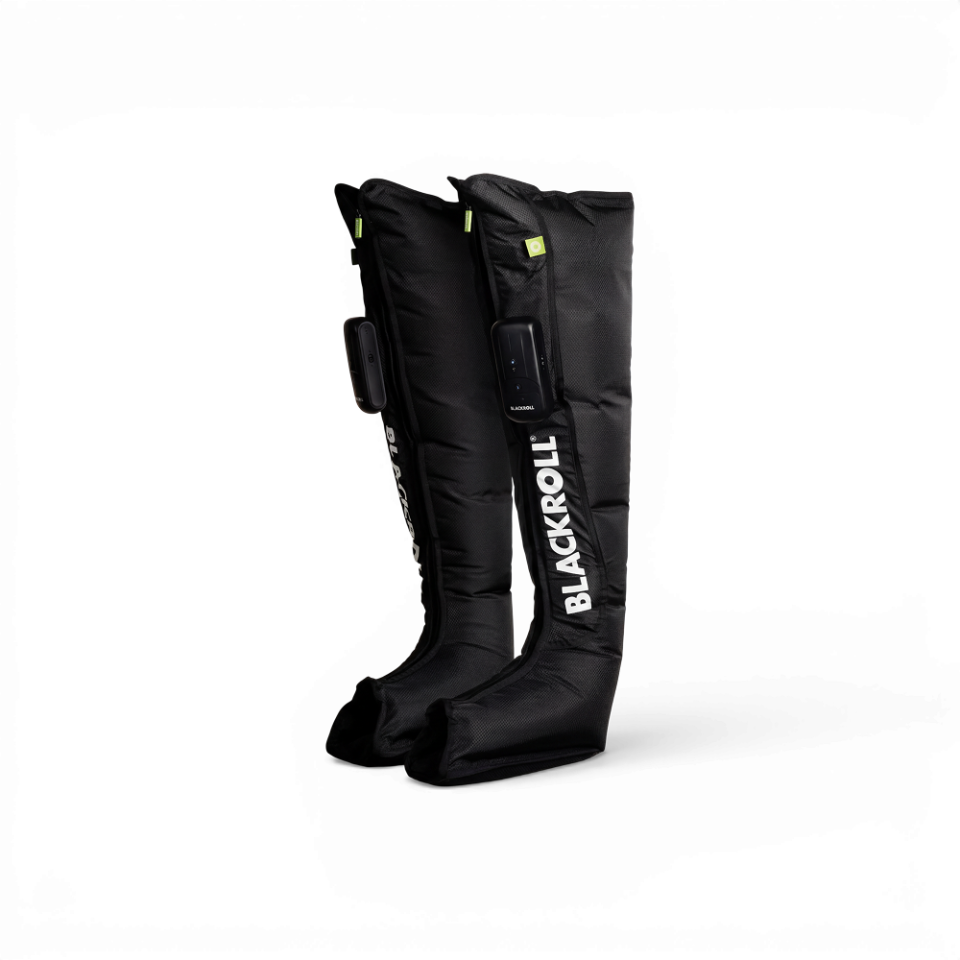
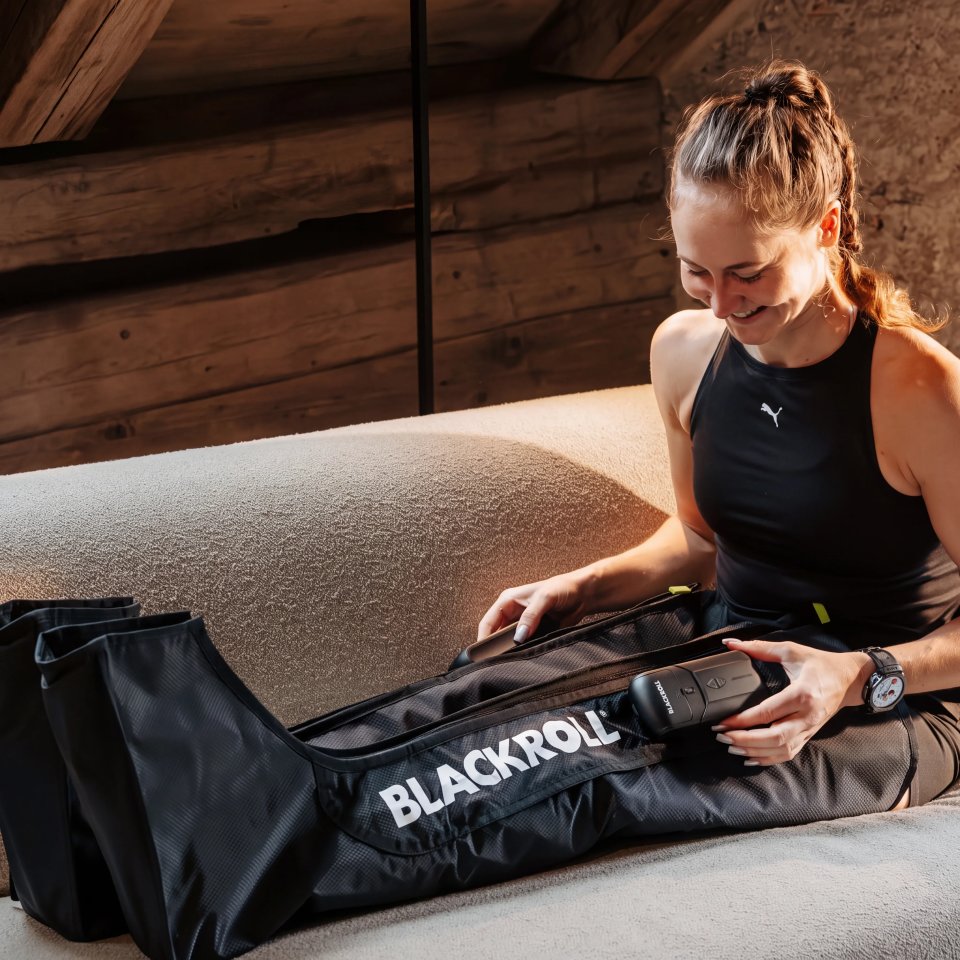
Compression Boots 2.0
Available in multiple variants
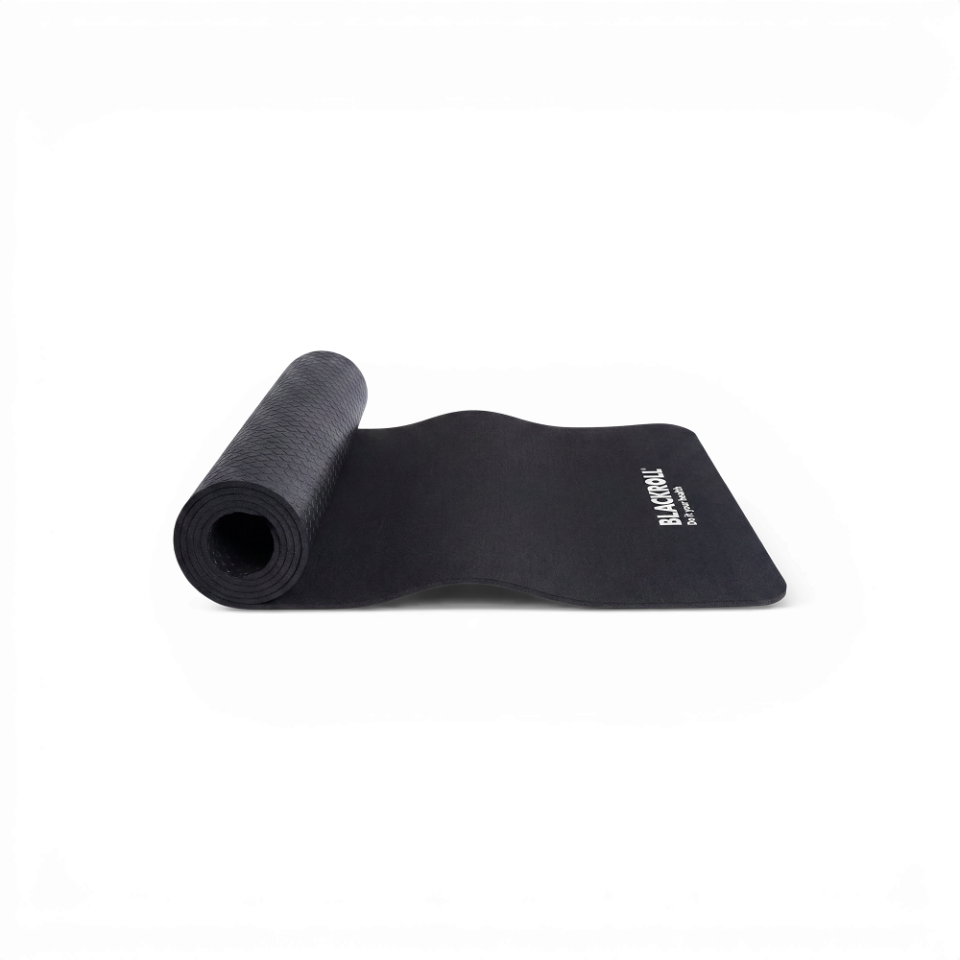
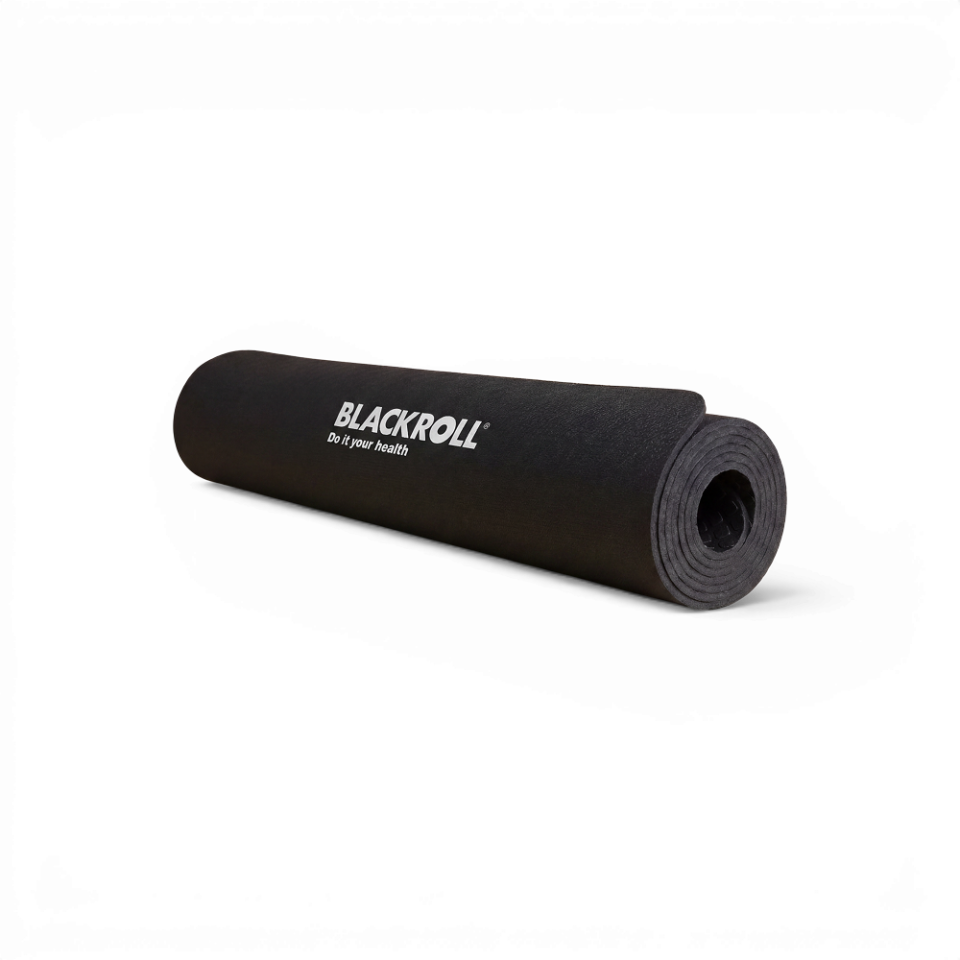
Mat
Available in multiple variants
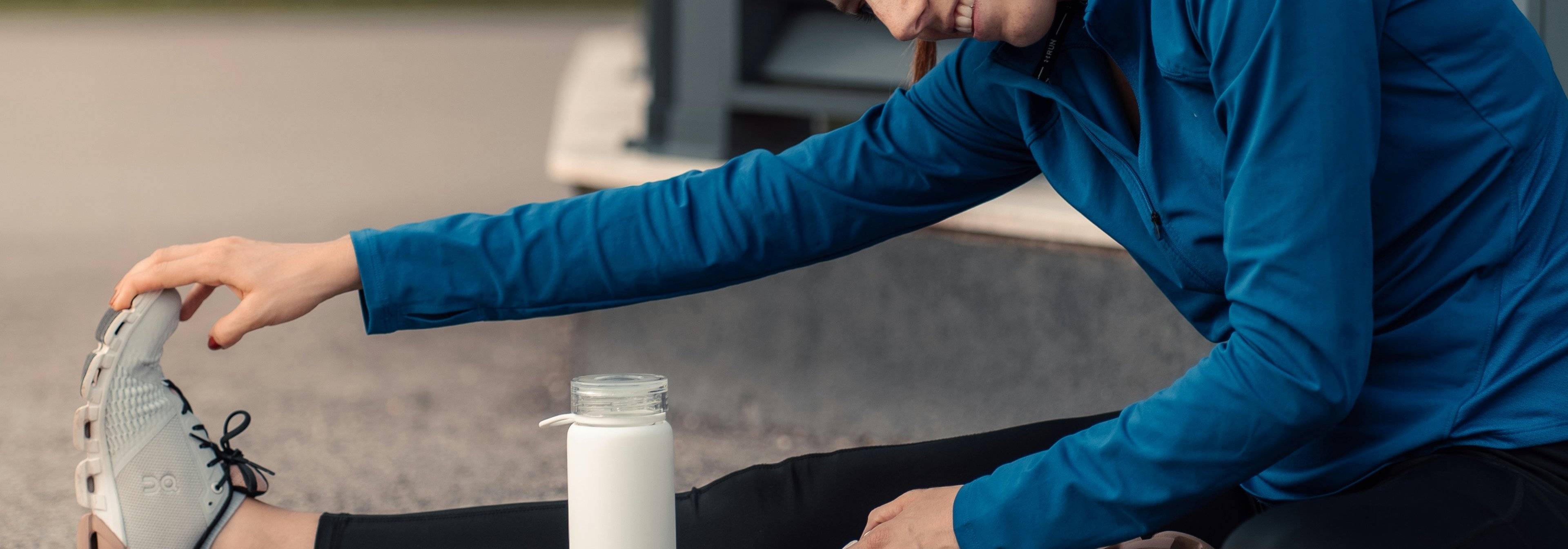
How to boost your body’s ability to recover
Recovery can be trained: the more regularly and consistently you apply the right techniques, the better your body can learn to recover.
Just like learning a new sporting skill, this process takes time and practice. Improving your recovery capacity is therefore a long-term process that requires patience and a mindful lifestyle. Regular sleep, a healthy diet, active recovery and effective stress management can all help you achieve this.


Mental and emotional recovery: tips for your mental wellbeing
Mental and emotional recovery supports your wellbeing and helps to reduce sensory overload in everyday life. Meditation, mindfulness and relaxation can help with this, as can:
- Social contact: nurture friendships to challenge negative thought patterns and lift your mood.
- Nature and fresh air: walks or time in green spaces can be calming.
- Creative activities: keep a diary, make music, dance or garden to switch off and connect with yourself.

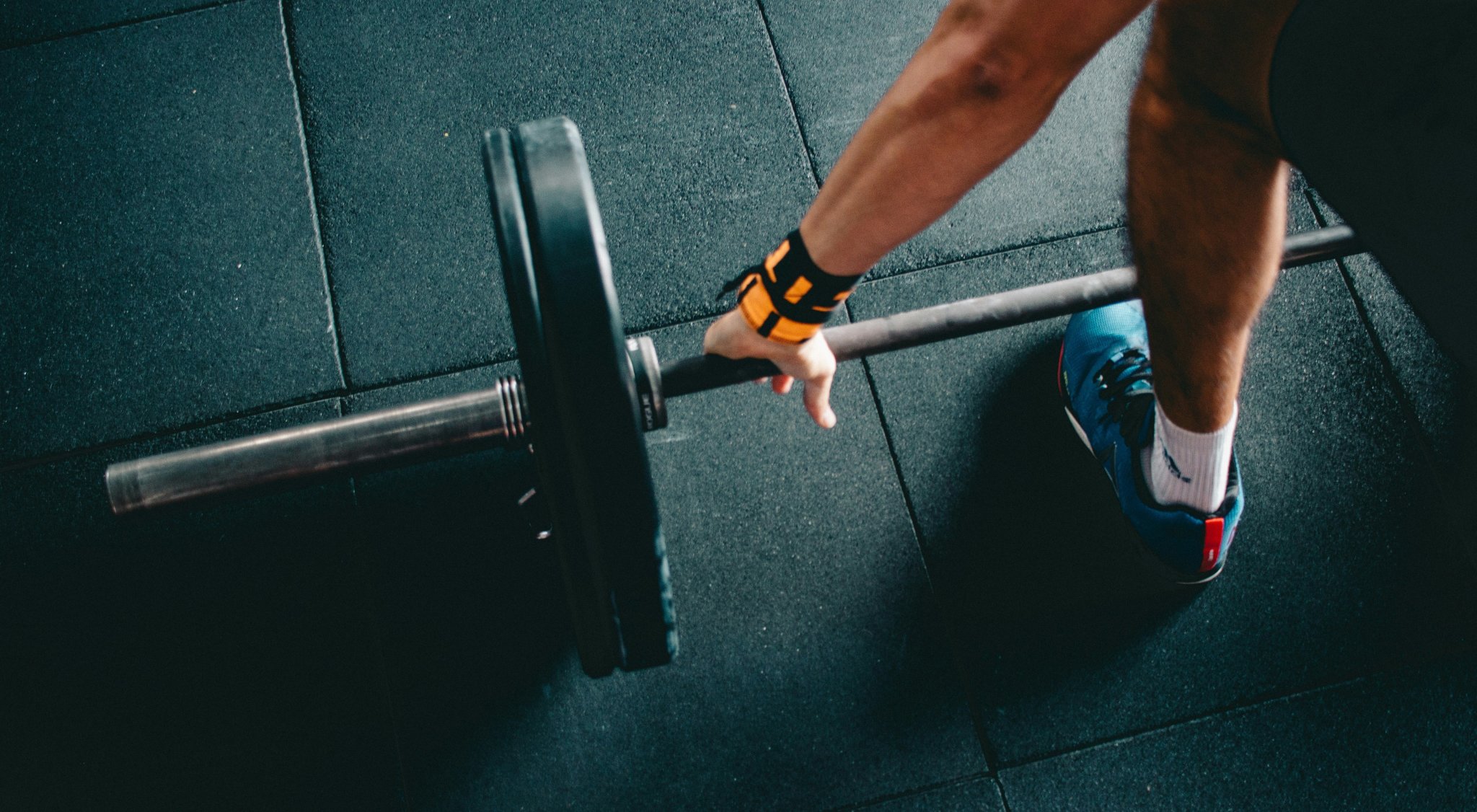
Performance and recovery after intense exercise
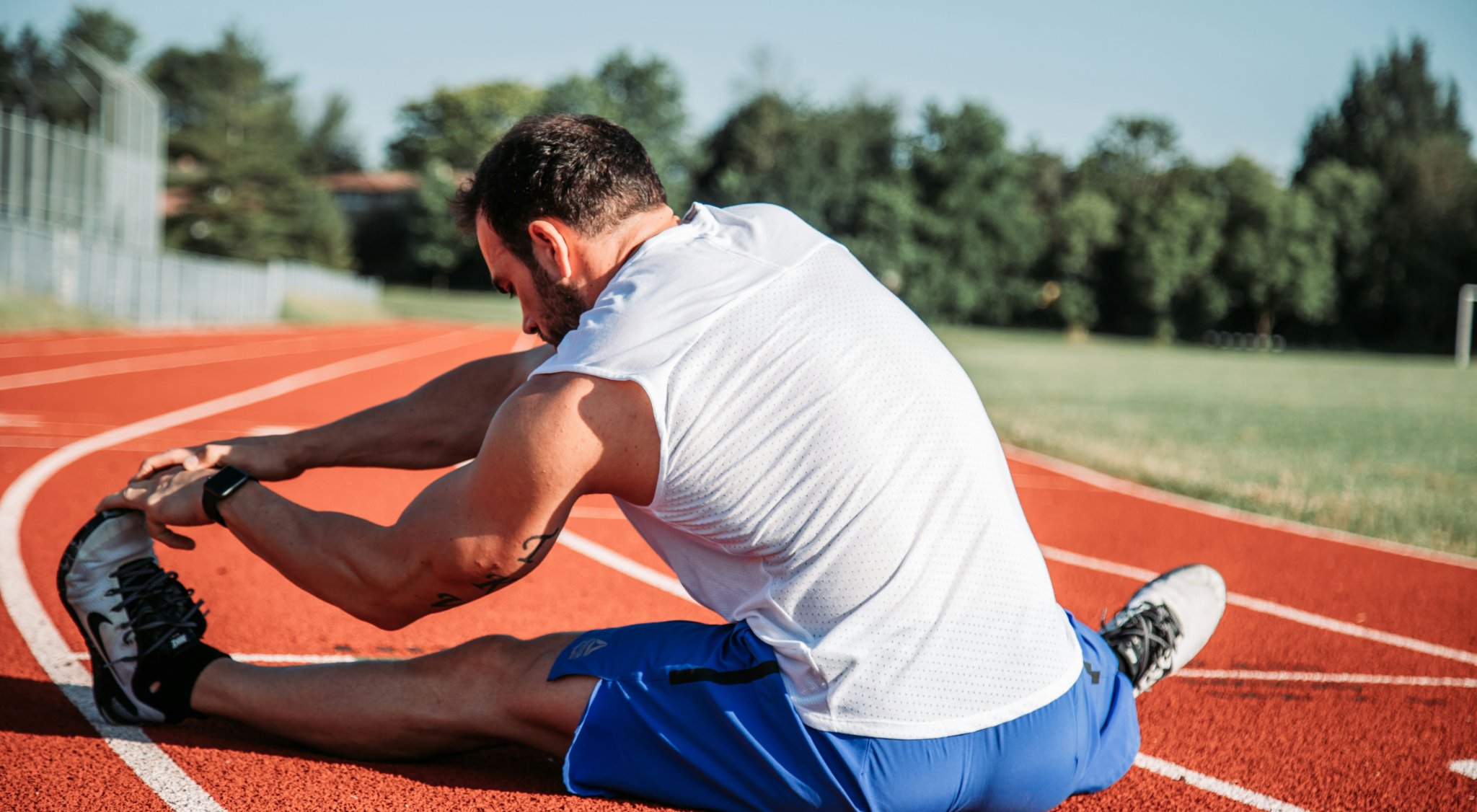
Recovery takes place primarily during the rest period following exercise. A suitable warm-up and cool-down prepare the body for training and the subsequent recovery.
Plan breaks between intense sessions and, with strength training, wait around 48 h before working the same muscle groups again.
Training can lead to muscle soreness, temporary loss of strength, oxidative stress and inflammatory processes, causing minute damage to the muscle fibres that triggers pain and tenderness. These are repaired during recovery.
A meta-analysis by Dupuy et al. (2018) shows that
- massage,
- stretching,
- cold therapy and
- compression garments
They boost blood flow and help remove waste products .


The right diet to optimise your recovery
A balanced diet provides the energy, fluids and nutrients your body needs for recovery. Immediately after intense exercise, focus on fluids, glycogen and protein.
Over time, an anti-inflammatory diet can help you manage the oxidative stress and inflammatory responses that intense exercise triggers.
Suitable options include:
- oily fish, nuts and seeds as sources of omega-3 fatty acids
- berries and green leafy vegetables
- spices such as ginger, turmeric, garlic and cinnamon
- Wholemeal products such as brown rice or quinoa

These foods, on the other hand, tend to promote inflammatory processes in the body:
- Processed white flour products such as white bread or pasta
- Excessive amounts of saturated fats such as butter or cream
- Sugary, artificially sweetened drinks and highly processed foods and desserts
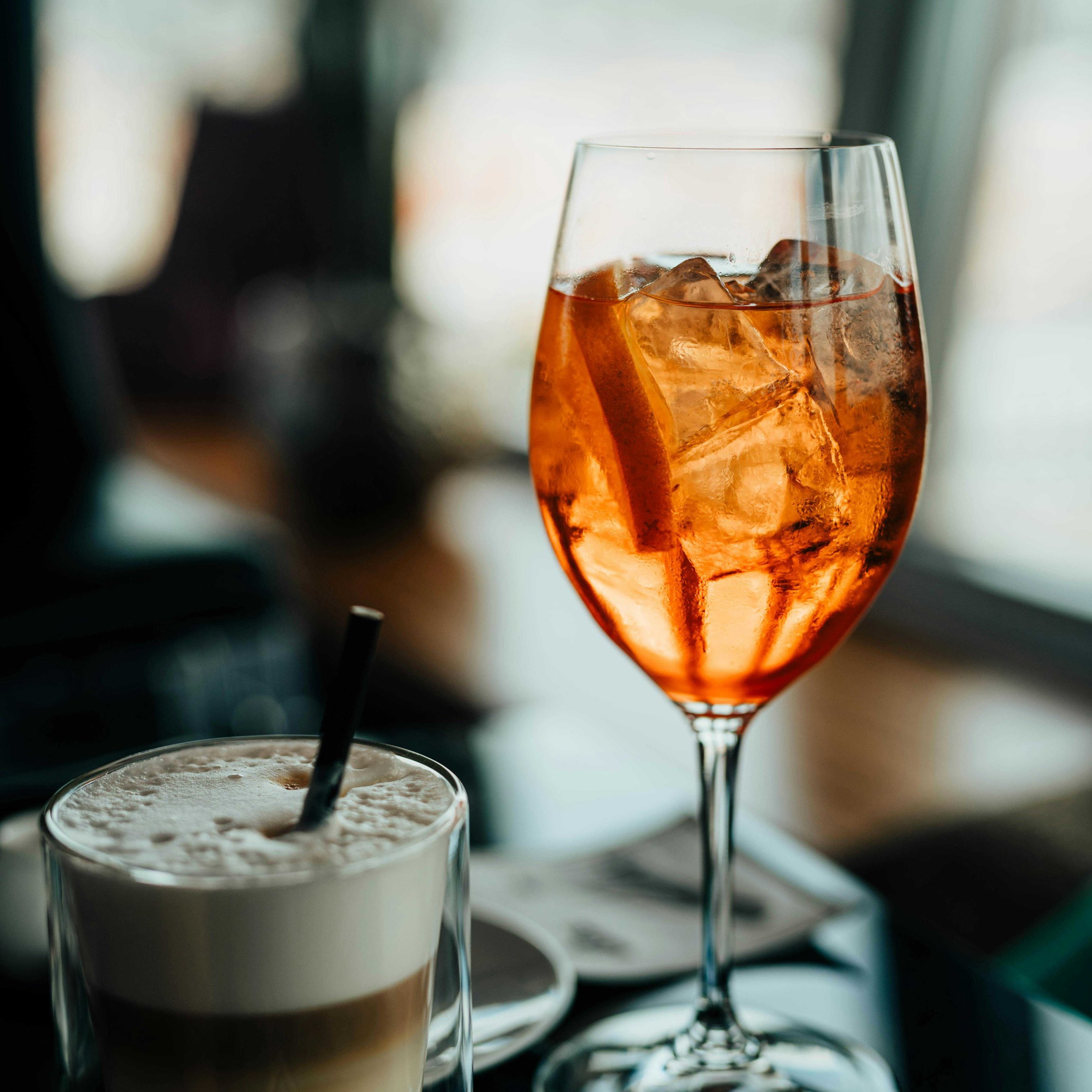
- Alcohol
The importance of sufficient sleep for your recovery
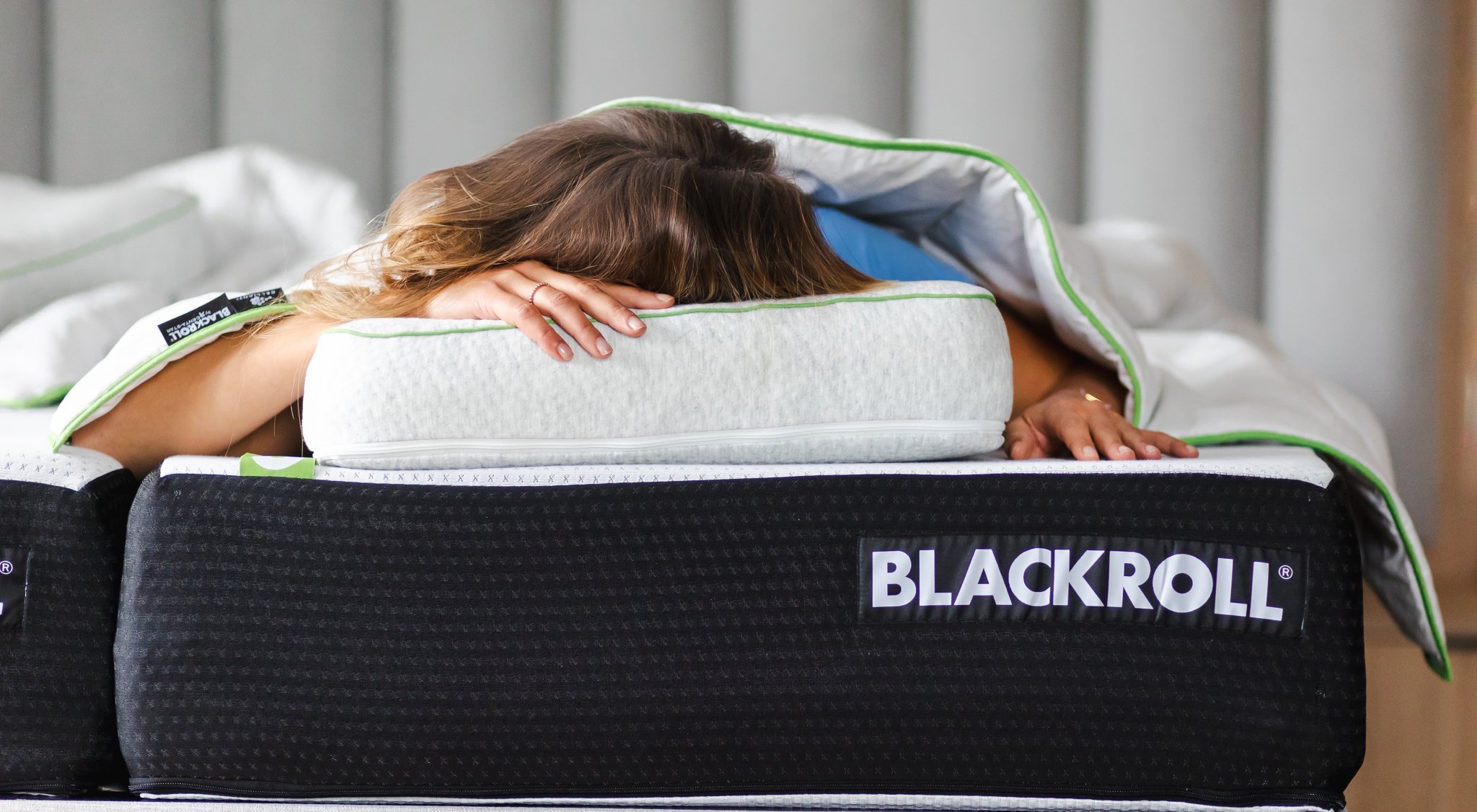
People who sleep less than seven hours on average perform worse in tests of attention, cognition and willingness to exert themselves ( Walker et al., 2017). During sleep important cognitive, emotional and muscular repair processes take place. Among other things, growth hormones such as HGH are released, which support the building and repair of muscle tissue.
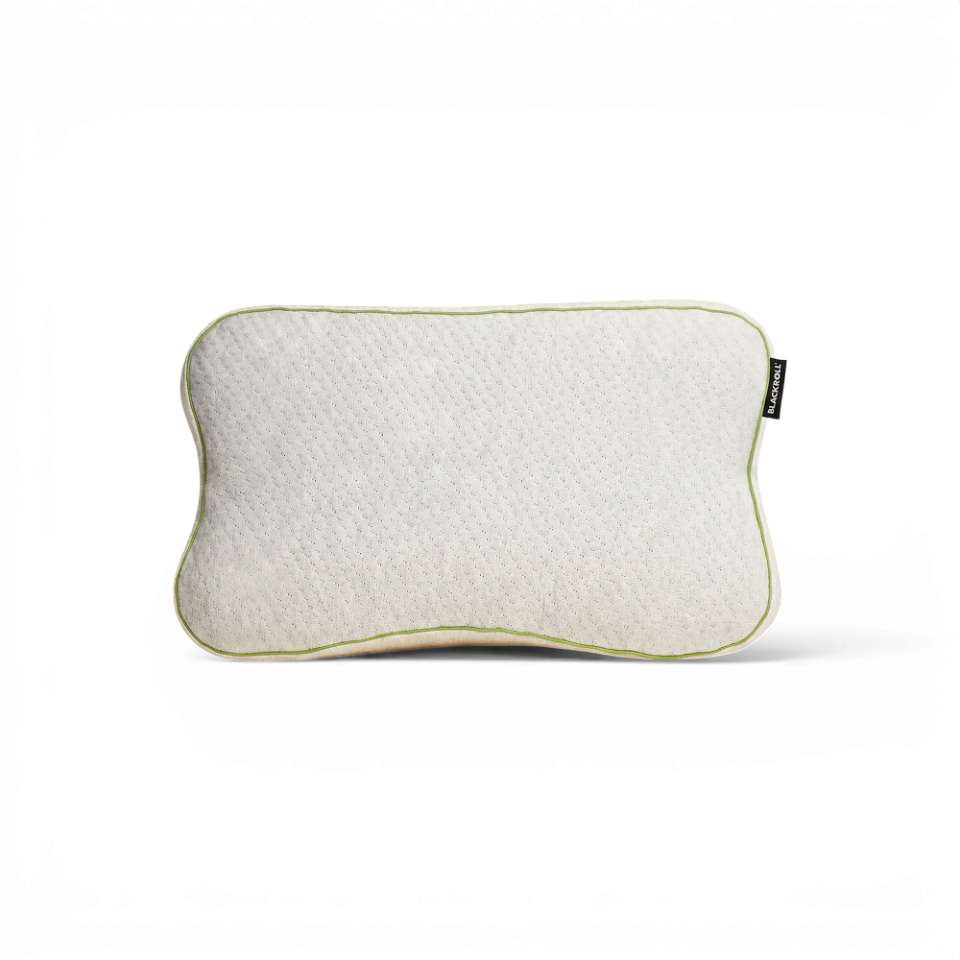
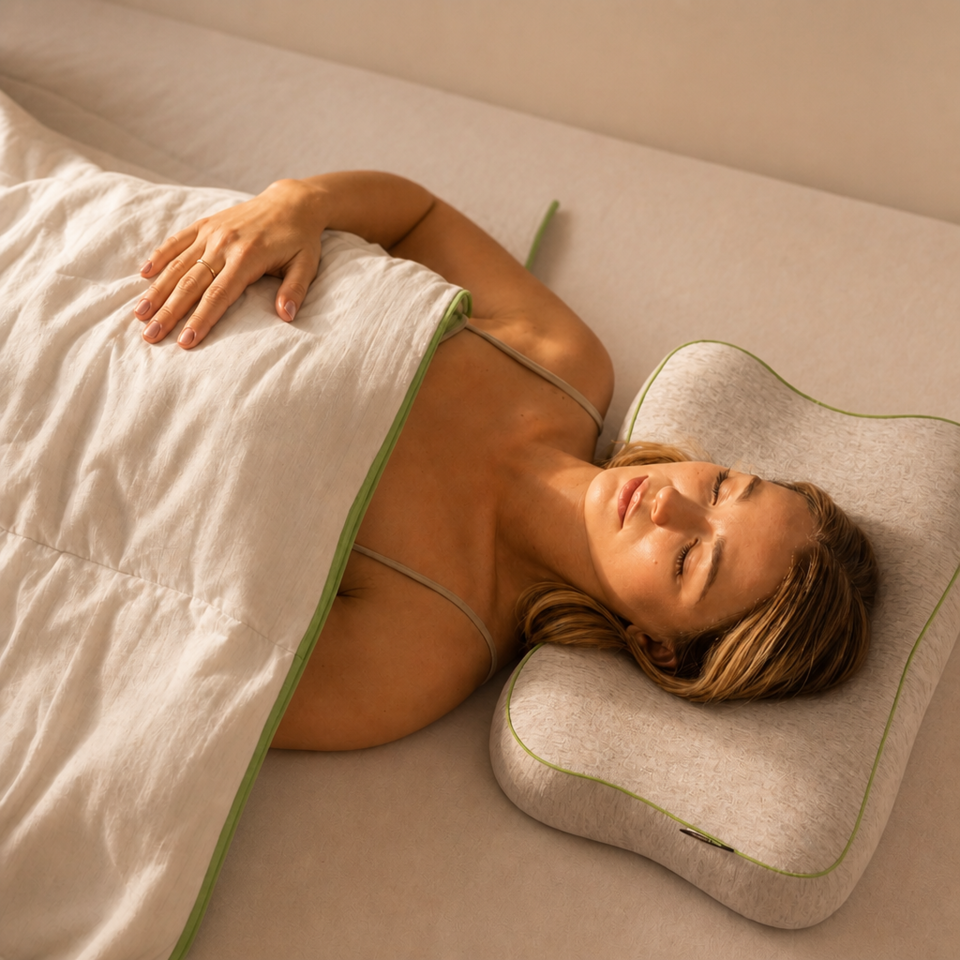
It also processes physical and emotional stress, repairs damaged tissue and adapts it to future demands. A supportive sleep environment and products such as the BLACKROLL® Recovery Pillow can help make your sleep routine more comfortable.
Regular adequate sleep in the context of sport supports recovery of tissue, organs and neurological processes.
For recovery whilst sleeping
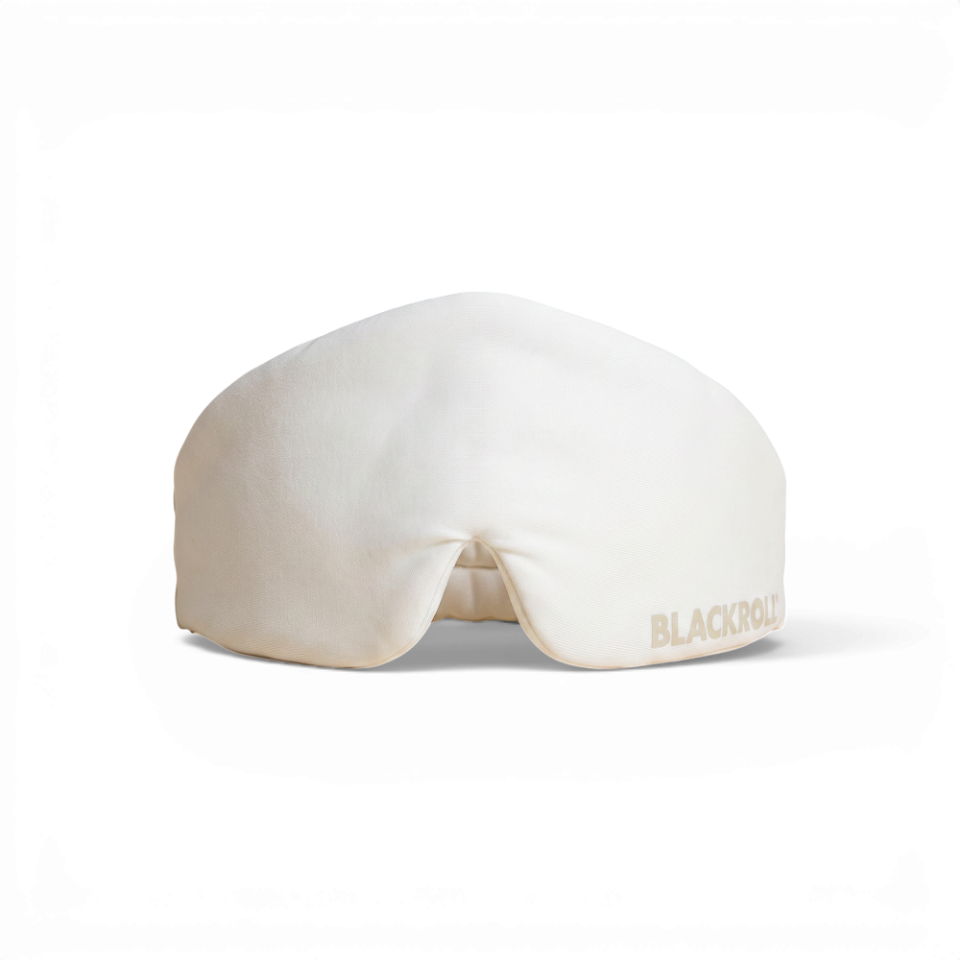
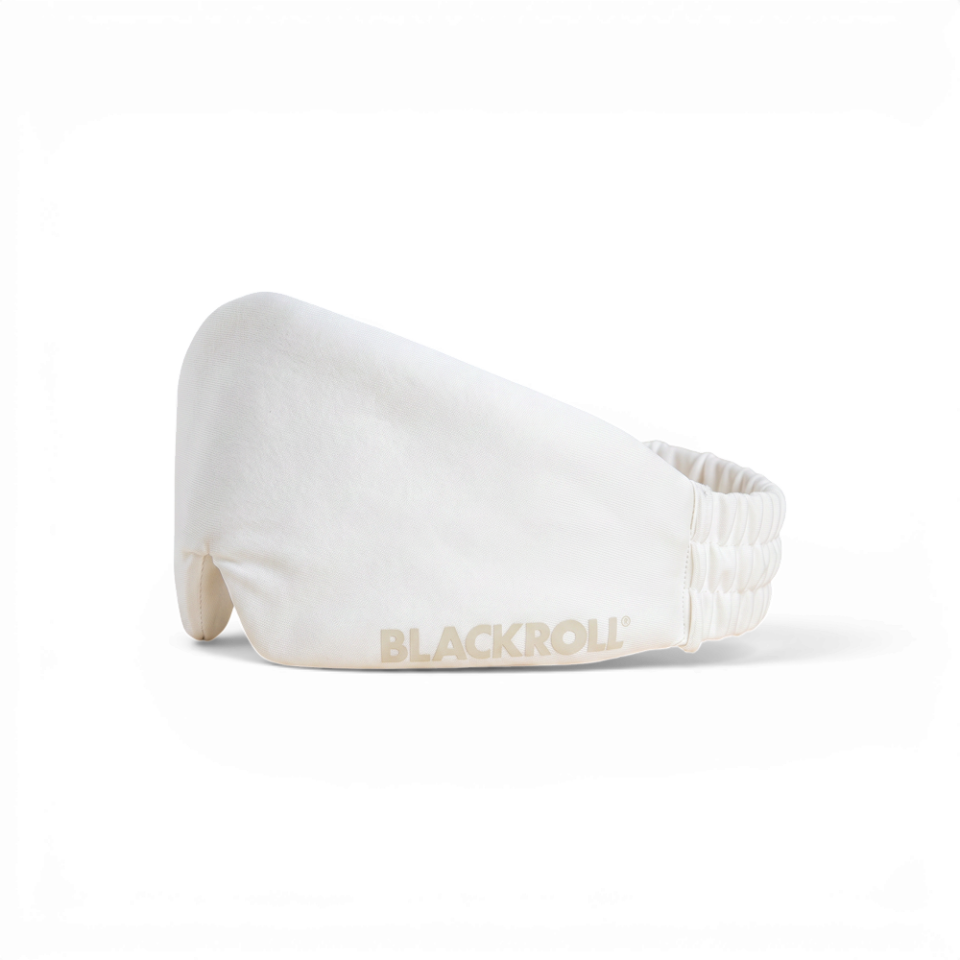


Make recovery part of your routine.
Recovery is far more than just the body’s recovery after exertion. It’s a holistic process that encompasses physical, mental and emotional renewal and even takes environmental aspects into account. Whilst the biological recovery of muscles and tissue is often the focus, we should recognise the holistic approach to our lives.
Use targeted techniques such as relaxation, myofascial release, mindfulness and sufficient sleep to support the renewal of body and mind and to benefit the environment. Integrate these practices into daily life and make them part of your routine to lay the foundations for a healthy and vibrant existence.