
Sleep and everyday life: tips for better sleep
How well you sleep doesn’t just depend on how long you sleep. Stress, work, studying, sport, media use and diet can all affect the quality of your sleep in everyday life. Consistent routines and suitable sleeping conditions can help you achieve regular and restful sleep.
Key points at a glance
- Sleep passes through several stages and supports physical recovery, concentration and performance.
- Stress at work or personal worries can make it difficult to fall asleep and sleep through the night.
- Good sleep supports learning, information processing and memory function.
- Regular exercise can improve sleep, but late-night or very intense training can disrupt it in some people.
- Media consumption, alcohol, diet and the sleeping environment all affect sleep quality. If sleep problems persist, seek medical advice.


Understanding the concept of sleep
We know sleep is a natural and vital process. During sleep your body moves through several stages: light sleep, deep sleep and REM sleep, when dreaming often occurs. Each stage supports physical recovery and mental performance.
When you don't get enough sleep, you'll probably find it harder to concentrate and your daily performance may suffer.
Follow a regular sleep routine:
- Go to bed and get up at the same time every day, if possible.
- Cut down on alcohol and keep your bedroom dark and comfortably warm.
We all respond differently, so experiment with routines and keep the ones that suit your daily life. Don't underestimate the value of sleep; it influences your health and well-being.
Don’t underestimate the importance of your sleeping environment in everyday life
In everyday life, many small factors influence just how restful your sleep actually is. Alongside fixed routines, exercise and stress levels, your sleeping environment also plays an important role — one that's often underestimated.
For children in particular even minor issues can make it harder for them to drop off or cause them to wake more often during the night.
This includes having the right bedding, which should be suited to their age and needs. If you want to optimise this, you should view which duvet is best for children.


Sleep and work
For many people, balancing restful sleep with work is a challenge. Falling asleep can be particularly difficult when work is stressful. Tension and feeling overwhelmed can contribute to sleep disturbances whilst good sleep supports performance the following day.
Alcohol may help you nod off but it reduces sleep quality. Stress has a similar effect. We suggest a calm wind-down routine before bed. A healthy diet also helps; consider tea or foods containing melatonin, the hormone that regulates the sleep cycle.
Sleep problems can have various causes, including shift work, work-related stress, personal worries or psychological strain. Physical conditions such as snoring or narcolepsy can also affect sleep.
If you're still struggling to drop off or stay asleep, seek medical advice.
Sleep and learning
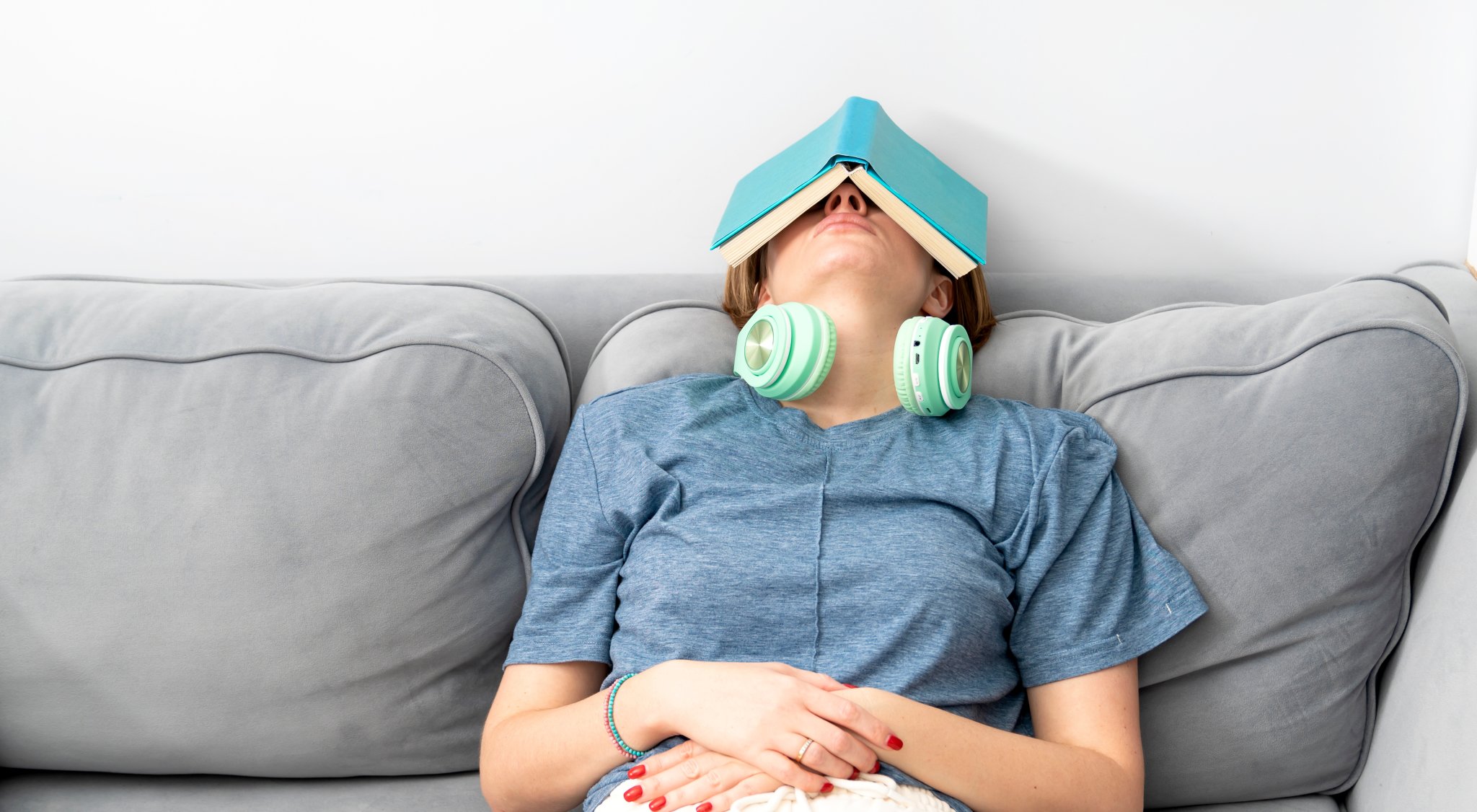
Good sleep supports concentration, information processing and memory. A lack of sleep can impair learning ability and be associated with less REM sleep, which is important for processing and storing information.
Research shows that people who are chronically sleep deprived perform worse in memory tests than those with healthy sleep patterns and even minor disruptions such as an irregular sleep pattern can make learning more difficult.
Regular, restful sleep is therefore a vital foundation for effective learning.
Sport and sleep
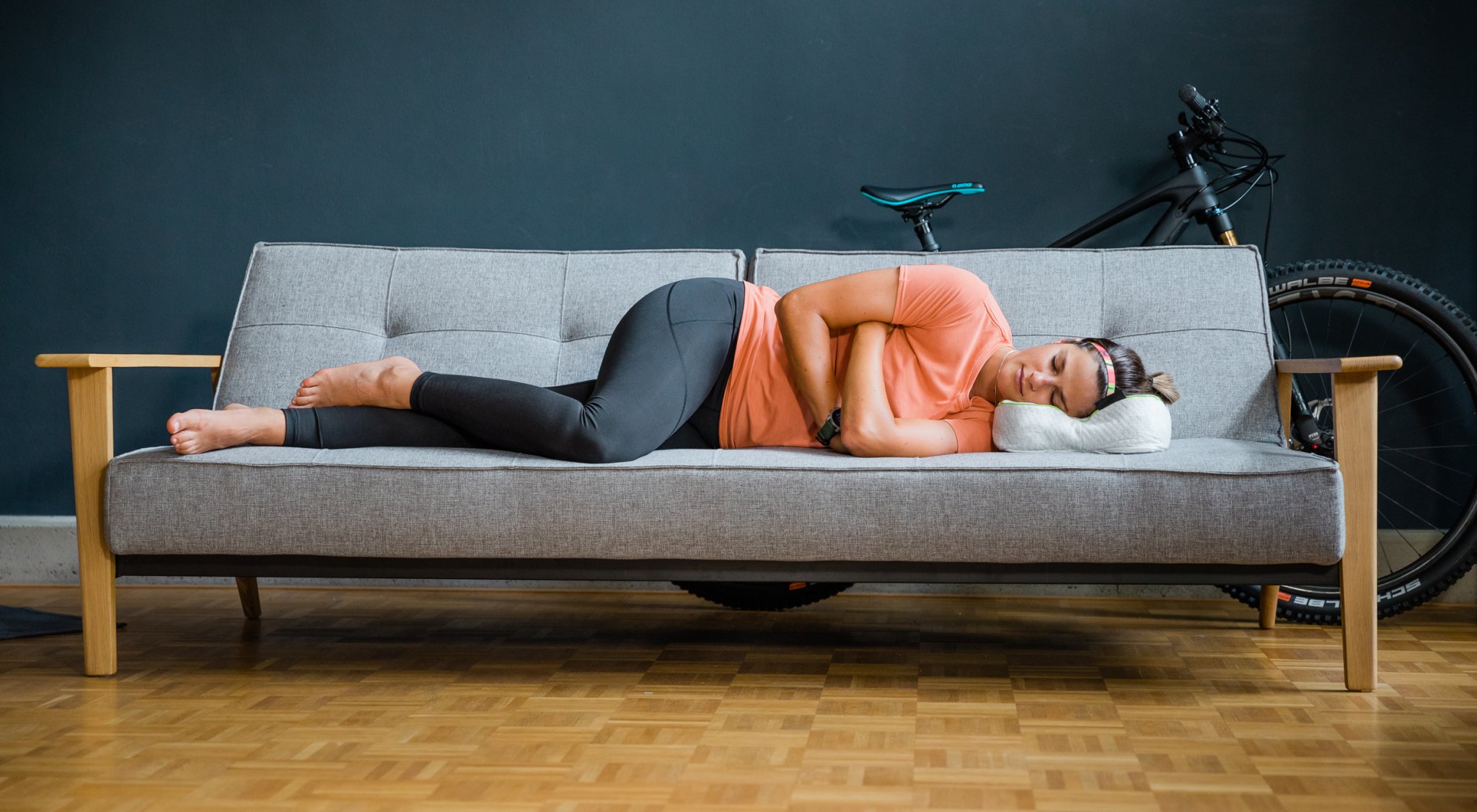
Regular exercise can make it easier to fall asleep and improve sleep quality. Studies show that people who exercise regularly often sleep better than those who are less active, and exercise can also help with problems falling asleep.
However, timing and intensity matter. Training in the morning or afternoon can promote sleep, while training late in the day can disrupt the sleep cycle in some people. Moderate training, such as brisk walking or cycling, is often beneficial, whereas very intense training can have a negative effect.
Maintain a balanced relationship between exercise and recovery to help reduce stress and sustain performance. Find out more about the link between sport and sleep.


Media consumption and sleep
Using screens close to bedtime can make it harder to drop off and may lower sleep quality. The blue light emitted by electronic devices can disrupt melatonin production, which supports the sleep–wake cycle , and exciting films, TV programmes or news broadcasts can stimulate the mind and interfere with recovery.
Stop using electronic devices about 1 h before bed. Read or do another quiet activity instead. The routine that works best varies from person to person.

Sleep and health
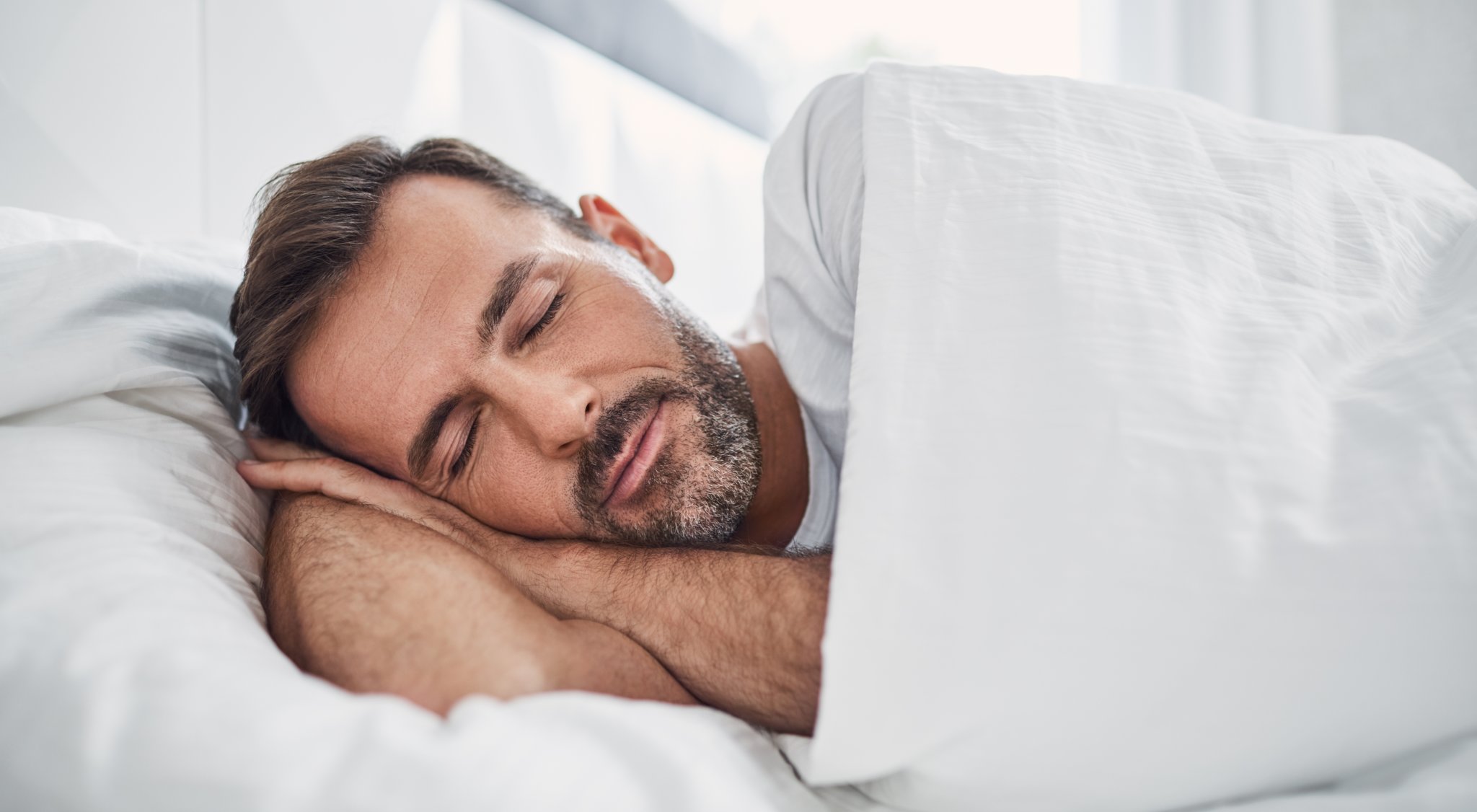
Restful sleep supports your performance, health and quality of life. Persistent problems falling asleep or staying asleep can be linked to health issues in the long term. You can find out more about the link between exercise, sleep and health in the item on sport and health.
We know several factors influence how well you sleep. A quiet, dimly lit bedroom can make it easier to nod off while alcohol can disrupt your sleep pattern and reduce its quality. Stress can also lead to restlessness due to the release of cortisol, making it harder to drop off. Individual sleep requirements vary and tend to decrease with age.
Tips for better sleep
- Avoid heavy meals and cut down on alcohol before bed.
- Ensure a quiet and relaxing environment.
- Exercise regularly.
If problems persist or worsen, seek medical advice.
Conclusion on the role of sleep in everyday life
Sleep plays a crucial role in your physical and mental health. Stress, diet, media consumption and exercise all influence sleep quality. Make small adjustments, such as a calmer evening routine, reducing exposure to blue light and regular exercise, to help improve sleep quality.
As everyone's different, there's no one-size-fits-all solution. Try different methods and find a balance between restful sleep and an active everyday life. Remember, it's not just the duration of sleep that counts but also its quality.
Everything you need for restful sleep

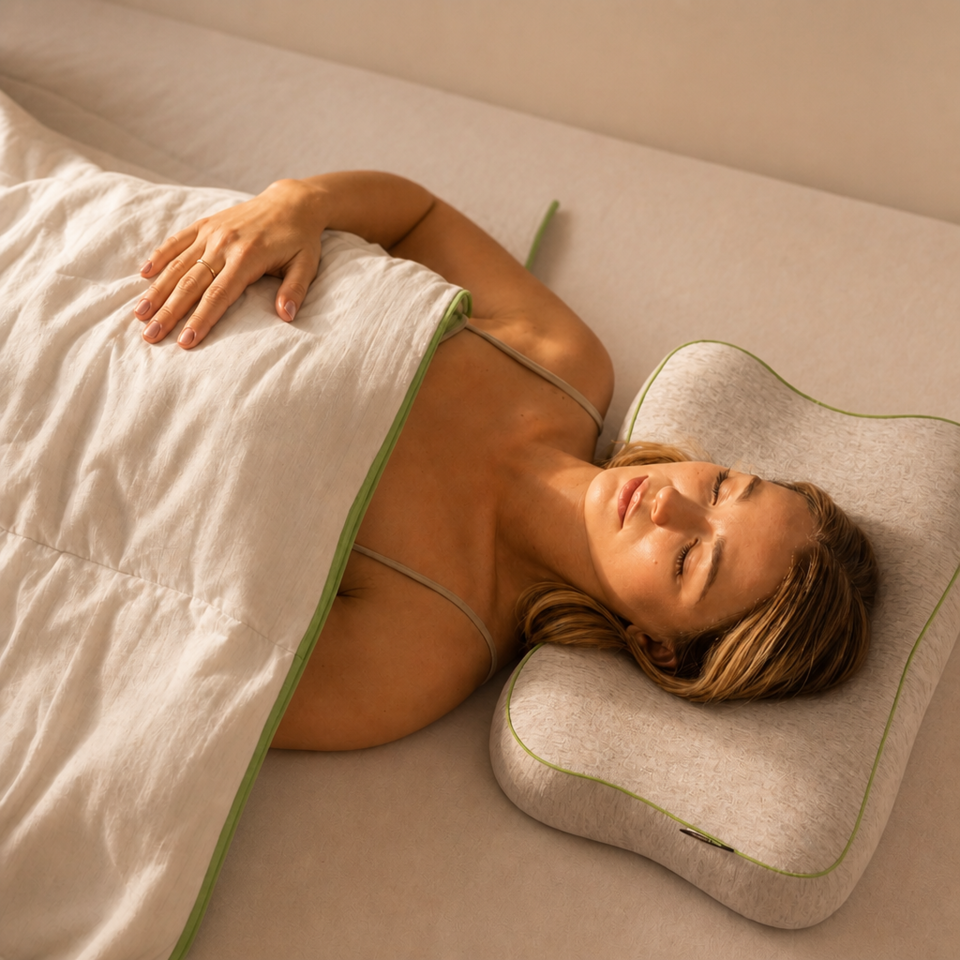


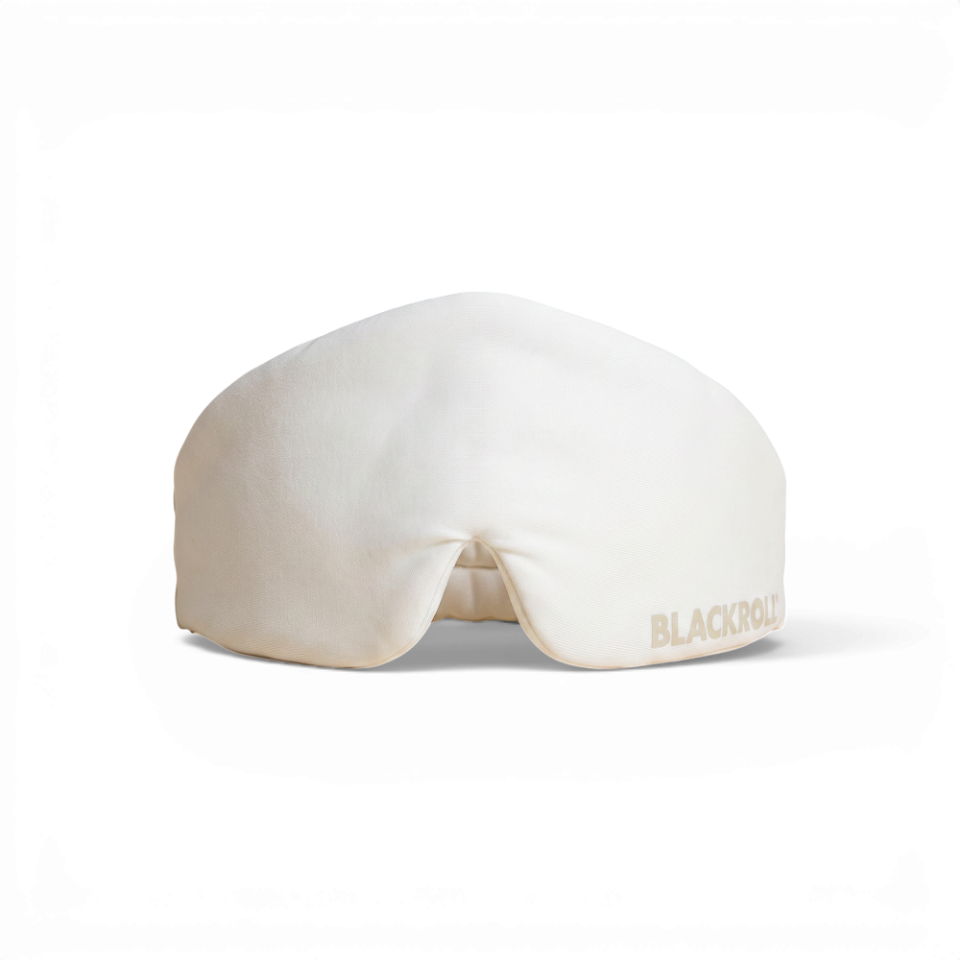
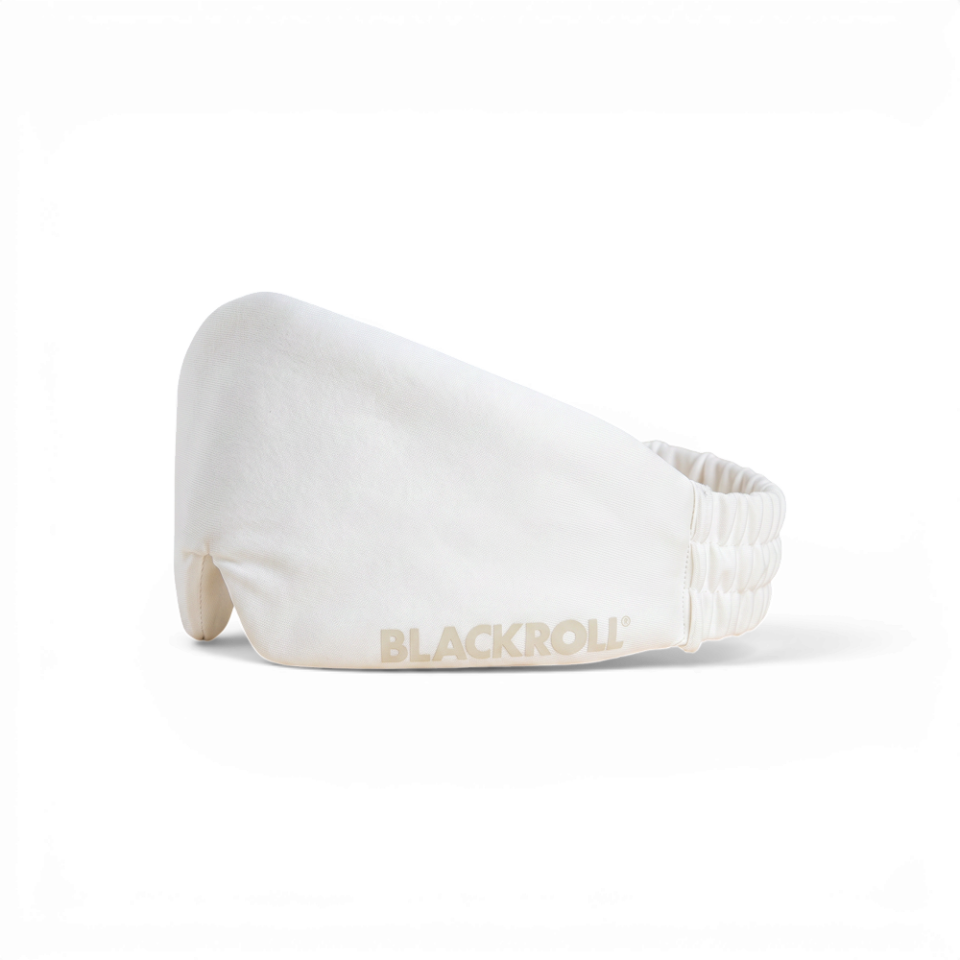


Recovery Blanket All Year
Available in multiple variants
FAQs on sleep in daily life
Not getting enough restful sleep can make you feel tired and affect your concentration.
Follow a regular sleep routine, keep your bedroom quiet and dark and practise relaxation exercises.
Regular exercise can help you nod off more quickly and sleep more deeply, though very intense training or sport late in the evening may disrupt your sleep.
Yes, the blue light from the screen can disrupt melatonin production and make it harder for you to drop off.