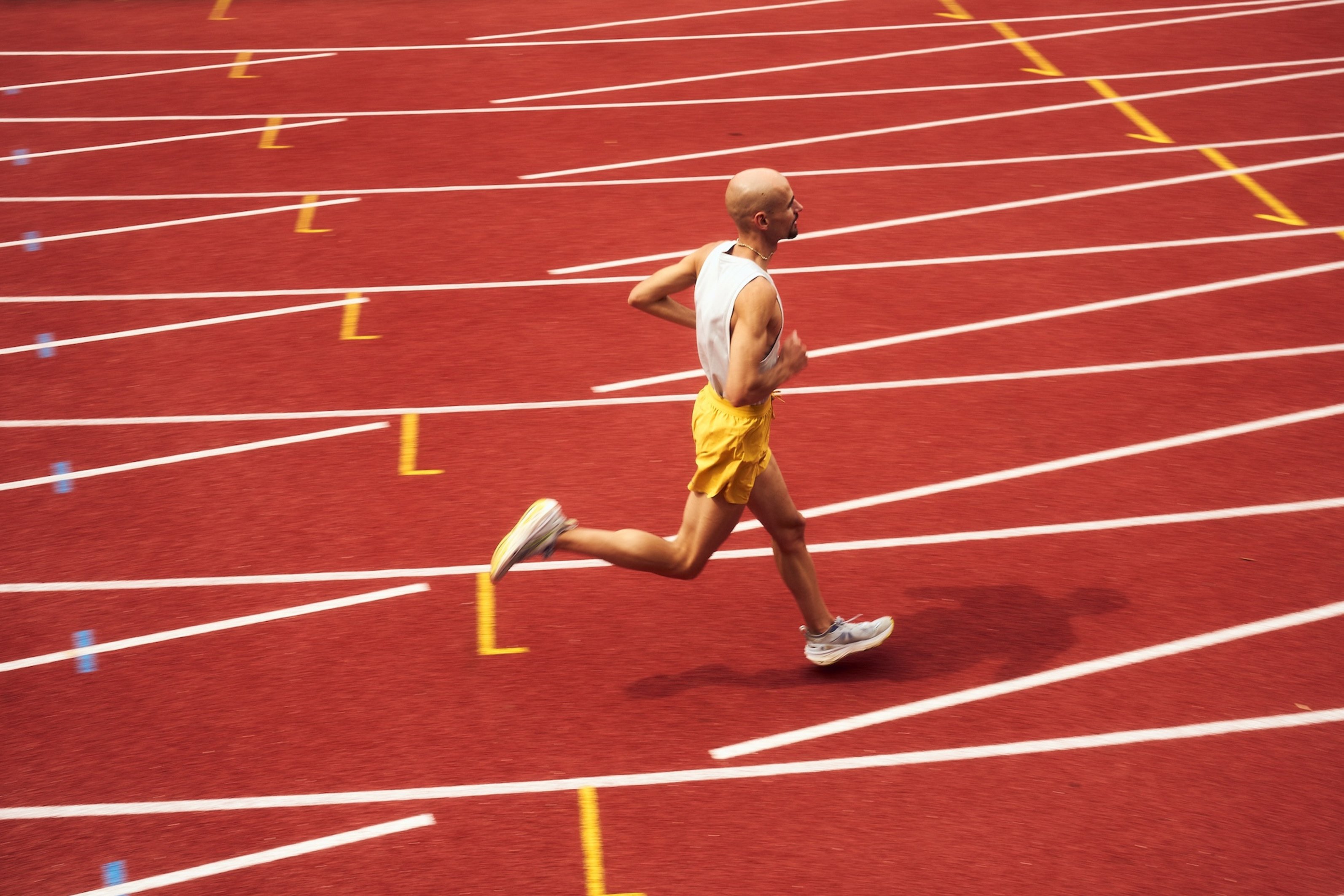
VO₂max — how this figure can help you improve your longevity

VO₂max describes how much oxygen your body can take in and utilise during maximum exertion. The figure therefore provides an indication of your endurance capacity and can be influenced primarily through regular endurance training, high-intensity intervals and supplementary strength training. In this article, you’ll learn how VO₂max is determined, what it signifies and how you can train specifically to improve it.
Key points at a glance
VO₂max – definition, calculation and training
VO2max describes the maximum rate of oxygen uptake and is an important indicator of endurance, heart health and longevity.
You can determine your VO2max with smartwatches, field tests or performance diagnostics.
Use the tables to compare your own VO₂max against your age and gender.
Targeted endurance training, particularly HIIT, can improve VO2max.
Allow adequate recovery to sustain performance gains.
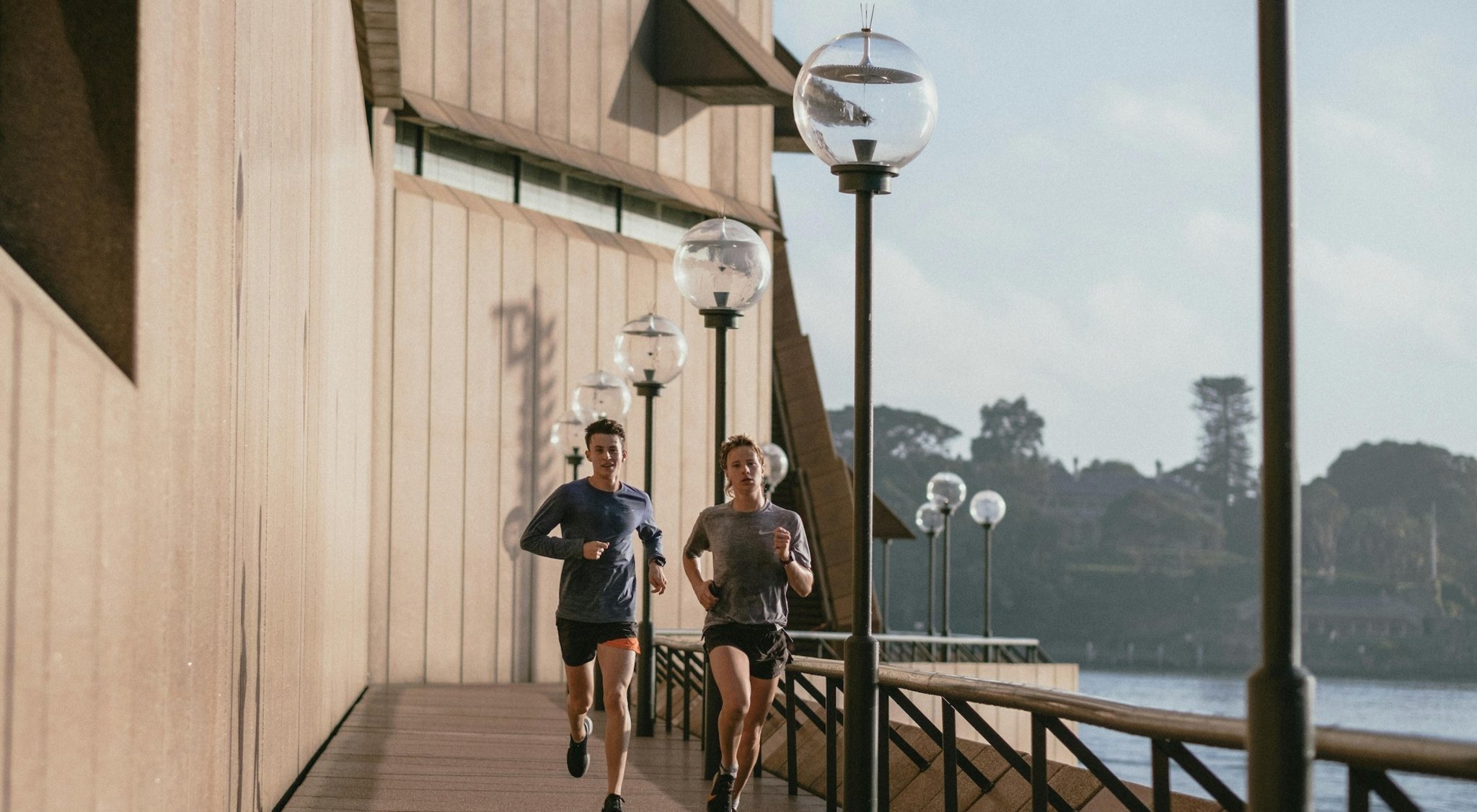

What is VO₂max? — Definition and significance for longevity
VO₂max describes your body’s maximum capacity to take up, transport and utilise oxygen in the muscles. VO₂max is measured in millilitres of oxygen per kilogram of body weight per minute (ml · kg⁻¹ · min⁻¹).
V = volume,O₂ = oxygen, max = maximum
For example, a VO₂max of 45 means your body processes 45 ml of oxygen per kg of body weight per minute.
This value is considered one of the most reliable indicators of your individual
- The higher your VO₂max, the longer you can sustain intense exertion.
- Cardiovascular health: VO₂max reflects the efficiency ofyour heart, lungs, blood vessels and muscles.
- Italso offers useful insights into healthy life expectancy and mortality risk.
Studies show that people with a VO₂max above 50 ml/kg/min have a 50% reduced risk of cardiovascular disease.
Without training, VO₂max declines by about 5–10% per decade in adulthood – regular endurance training can slow this decline. By focusing on your VO₂max, you've one of the best scientifically supported ways to promote longevity at your disposal.

Running exercise routines
Discover now
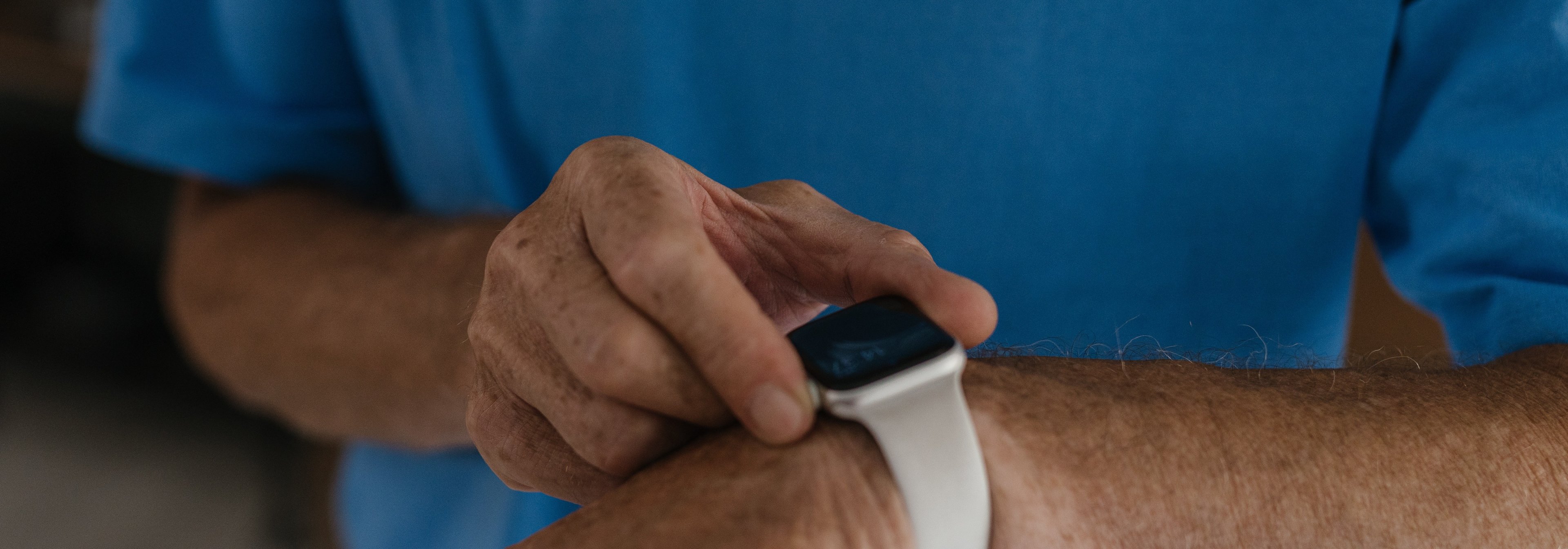
Calculate VO2max: an overview of measurement methods
To calculate your VO2max, a laboratory test is the most accurate method, but you can also use a smartwatch or determine your oxygen capacity yourself using the Cooper test.
Spiroergometry in the laboratory: run or cycle on an ergometer until exhaustion while a breathing mask continuously measures your oxygen uptake. This VO2max test, carried out under professional supervision, is very accurate with a margin of error of two to three per cent, but involves costs and effort. It’s recommended for medical diagnostics or for precise analyses for competitive athletes.
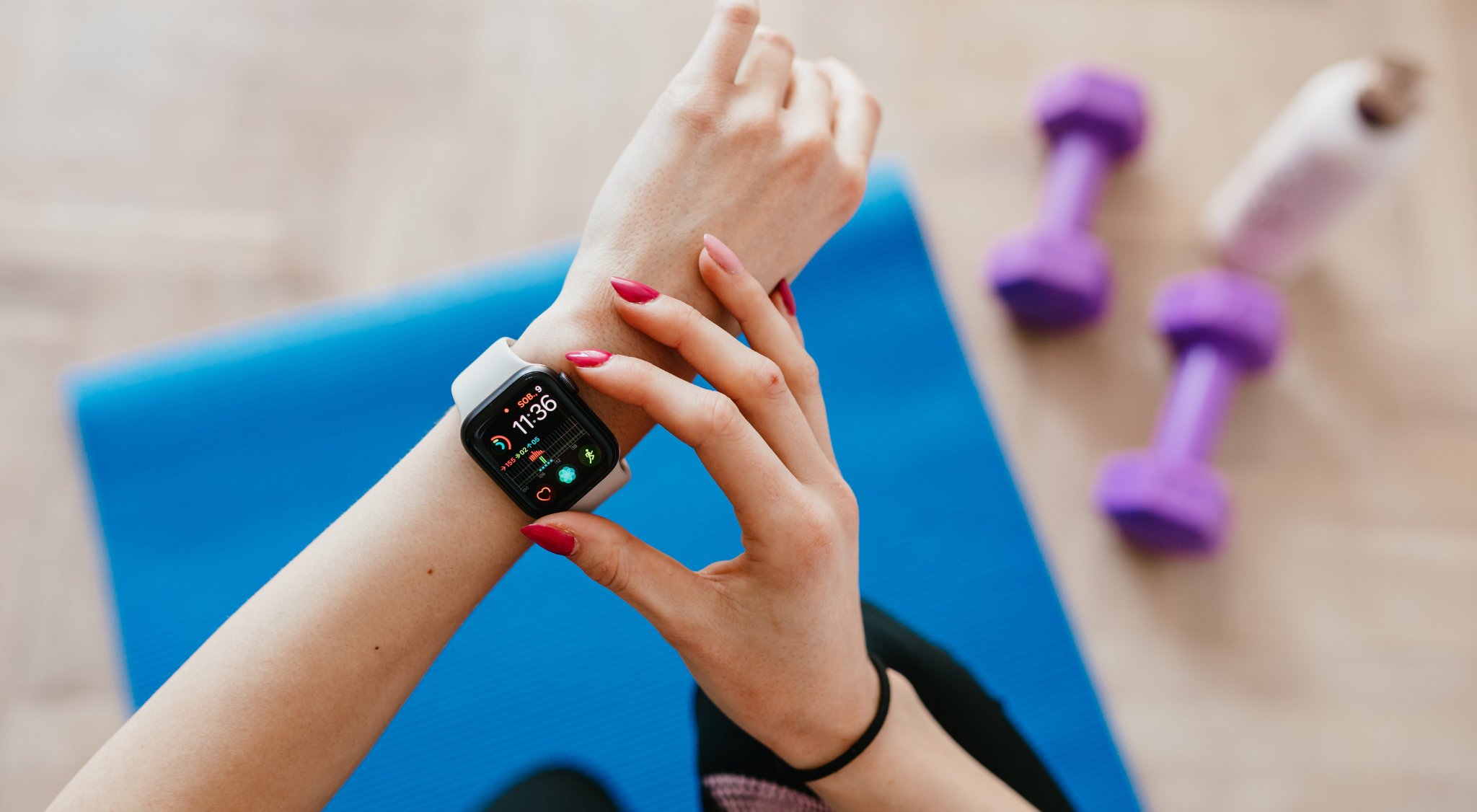
Smartwatches: The latest fitness wearables, such as those from Garmin, Apple Watch or Polar, estimate your VO2max based on heart rate, GPS, age and weight. Depending on the model, the measurement is 90 to 95% accurate, which is perfectly adequate for your personal training.
Cooper test: Run as far as possible for 12 min on a flat surface. Use the formula VO2max = (distance in metres – 504.9) / 44.73. For example, 2,500 m → VO2max ≈ 44.7 ml/kg/min. Repeat the test every 8–12 wk under identical conditions (same time of day, fasted, well rested) to track progress reliably. The Cooper test is a straightforward way to assess performance with just a stopwatch and is particularly reliable for regular endurance athletes.
VO₂max table: what is a good VO₂max value?
To see how your VO2max compares with your age group, consult the tables.
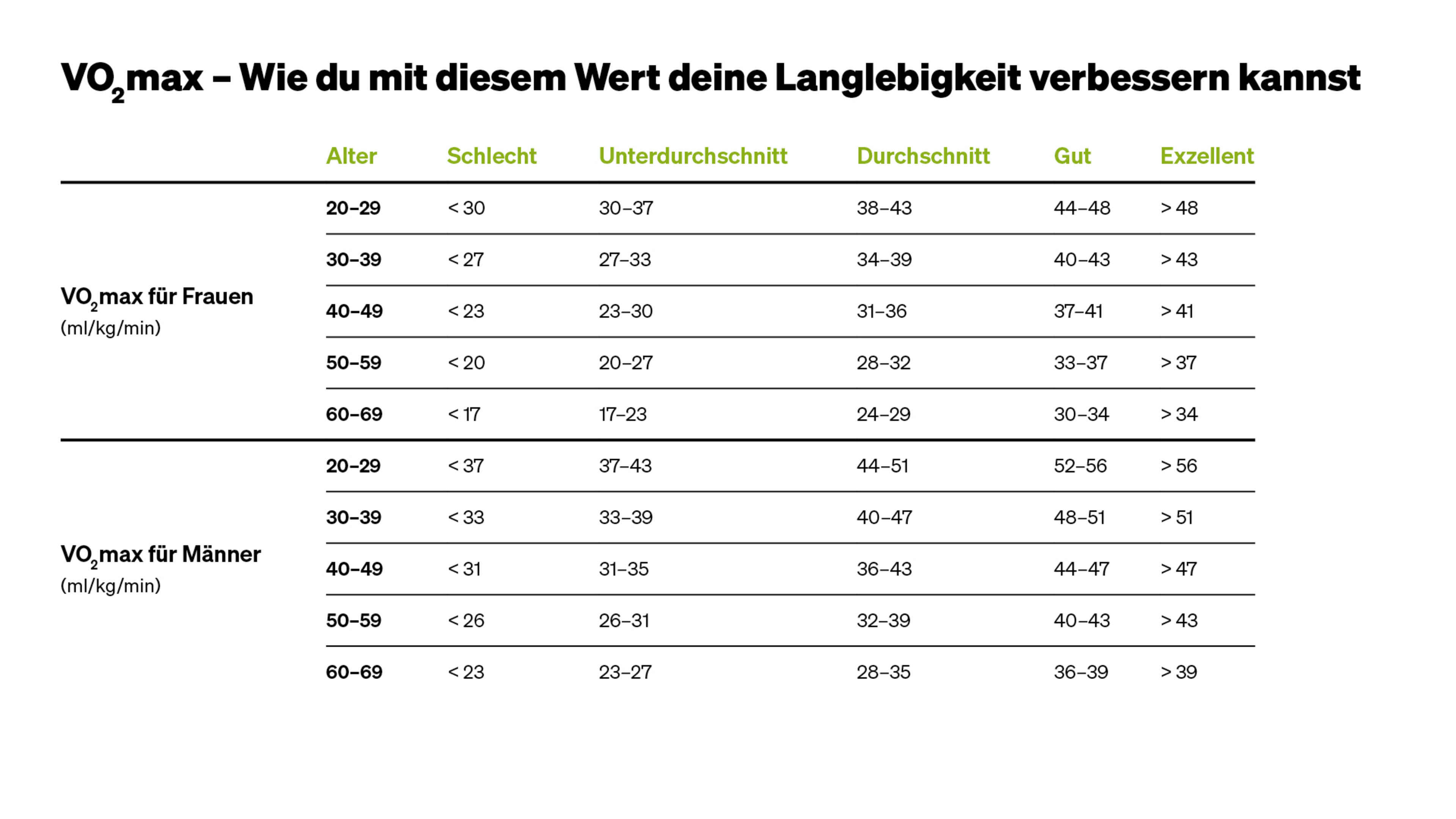
Tables calculated by the German Vocational Academy for Sport and Health


Improving VO₂ max — the best training methods
High-intensity interval training (HIIT) is a highly efficient way to raise your VO2max and enhance your performance.
HIIT according to the Norwegian protocol
The proven 4x4 method — also known as the Norwegian Protocol — works as follows:
- Warm up with 10 min of light running
- 4 intervals: 4 min each at 85 to 95% of maximum heart rate
- Rest periods: 3 min of active recovery at 50% of maximum heart rate (light jogging)
- Cool-down: 10 min of gentle running
- Frequency: 2 to 3 times a week, never daily
- Recovery: take a 48 to 72 h break between HIIT sessions
The 80/20 rule
Elite athletes often train their VO₂max according to the polarised principle: 80% of their sessions are completed at an easy pace in Zone 2 (where they can hold a conversation), whilst only 20% are high-intensity. Why does this work?
- 80% at a relaxed pace (Zone 2): build an aerobic base — more mitochondria, a denser capillary network
- 20% high-intensity: pushes the VO2max limit upwards
- Sample week: Monday 45 mins easy, Wednesday HIIT (4x4), Friday 60 mins easy
- Most common mistake: too many moderate-intensity sessions – neither easy nor hard enough
Why is my VO2max stagnating despite training?
If you’re training regularly but still aren’t making progress with your VO2max, there could be several reasons for this.
Not enough intensity: Just a gentle jog isn’t enough – you need interval training 1 to 2 times a week (and just as important as the training itself is the recovery afterwards – which can take up to 72 h for beginners)
Avoid monotony — mix HIIT, tempo runs and long runs.
Lack of recovery: Your VO2max increases during rest periods, not whilst training – ensure you recover properly after sport
Weight gain: VO₂max is calculated per kg – an extra 2 kg lowers the value, even if your fitness level remains the same
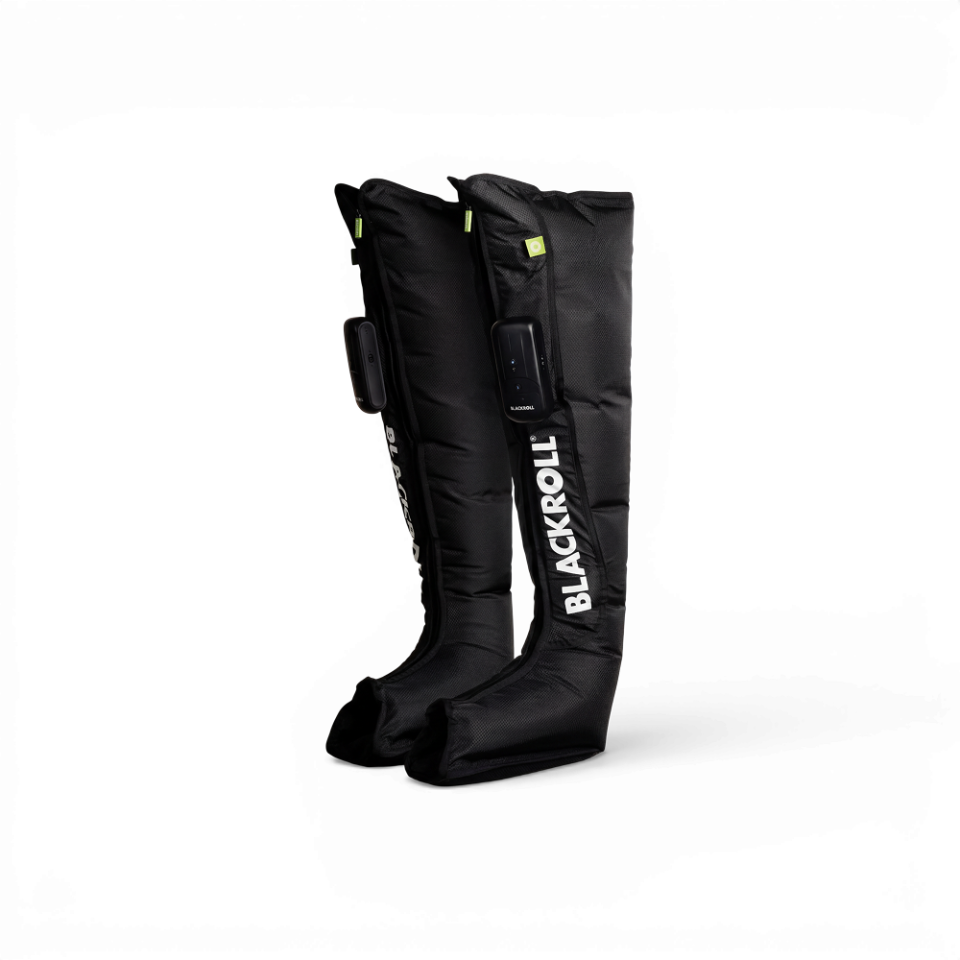
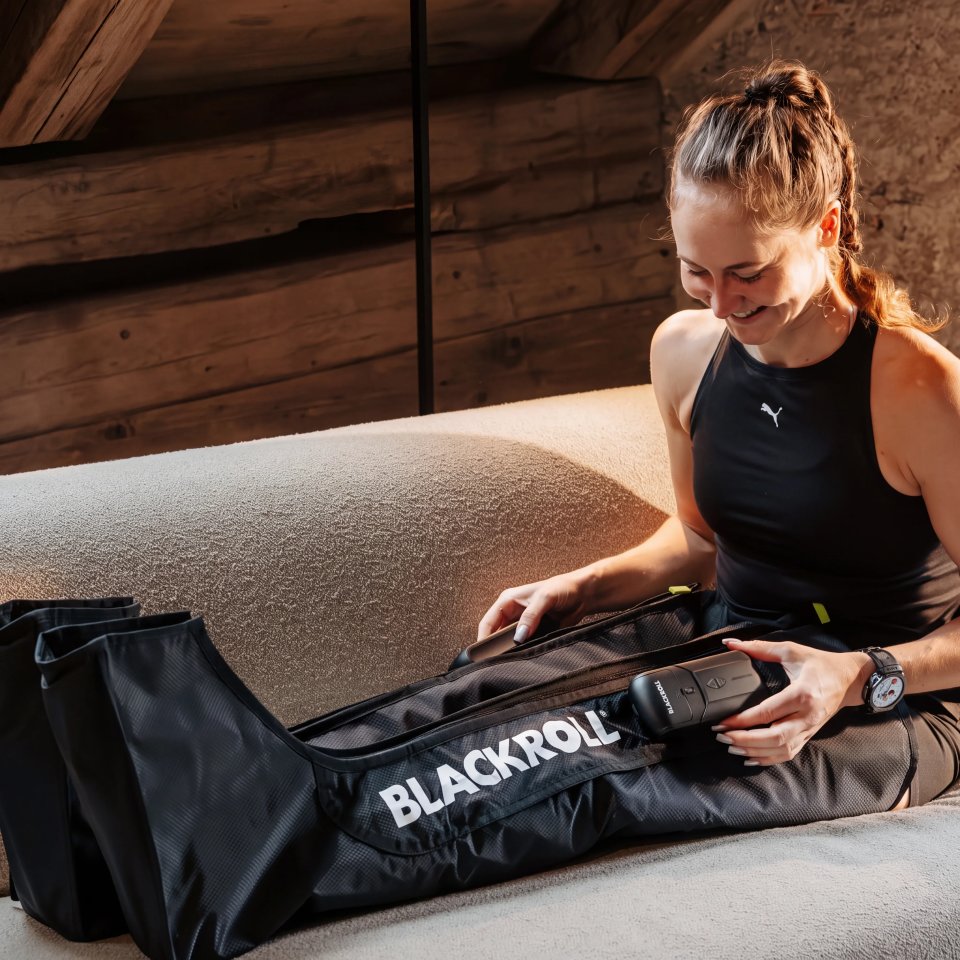
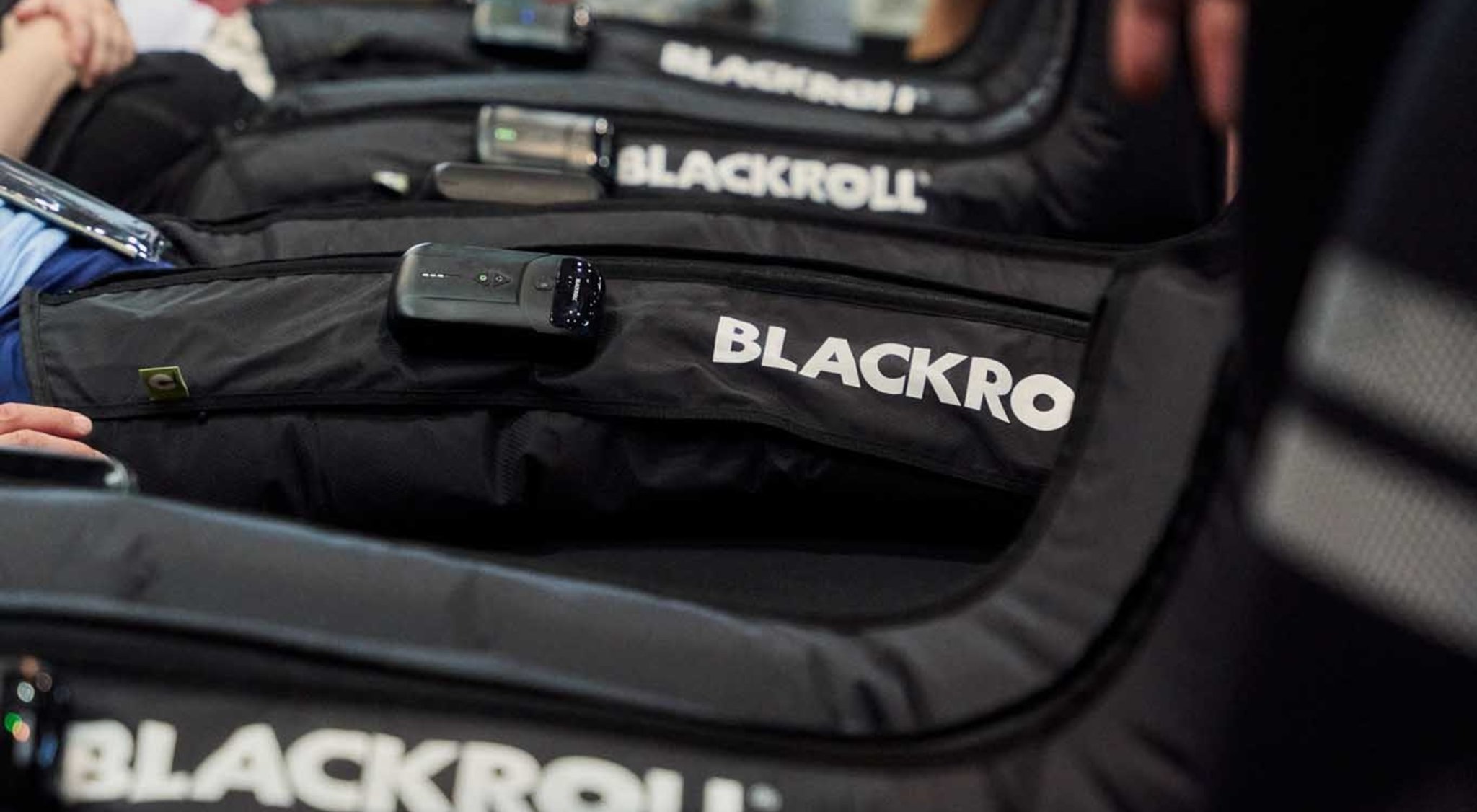
Compression Boots 2.0
Available in multiple variants
The right recovery for VO2max training
Your VO2max doesn’t just improve during your workouts, but above all during your rest periods. This applies not only to oxygen uptake, but to virtually all performance metrics relating to the heart, lungs and muscles. Overtraining without sufficient recovery leads to elevated cortisol levels and reduced performance. Proper recovery should therefore be an equally important part of your training routine. Include fascia training in your plan to support the increase in VO2max.
Myofascial self-massage for faster recovery
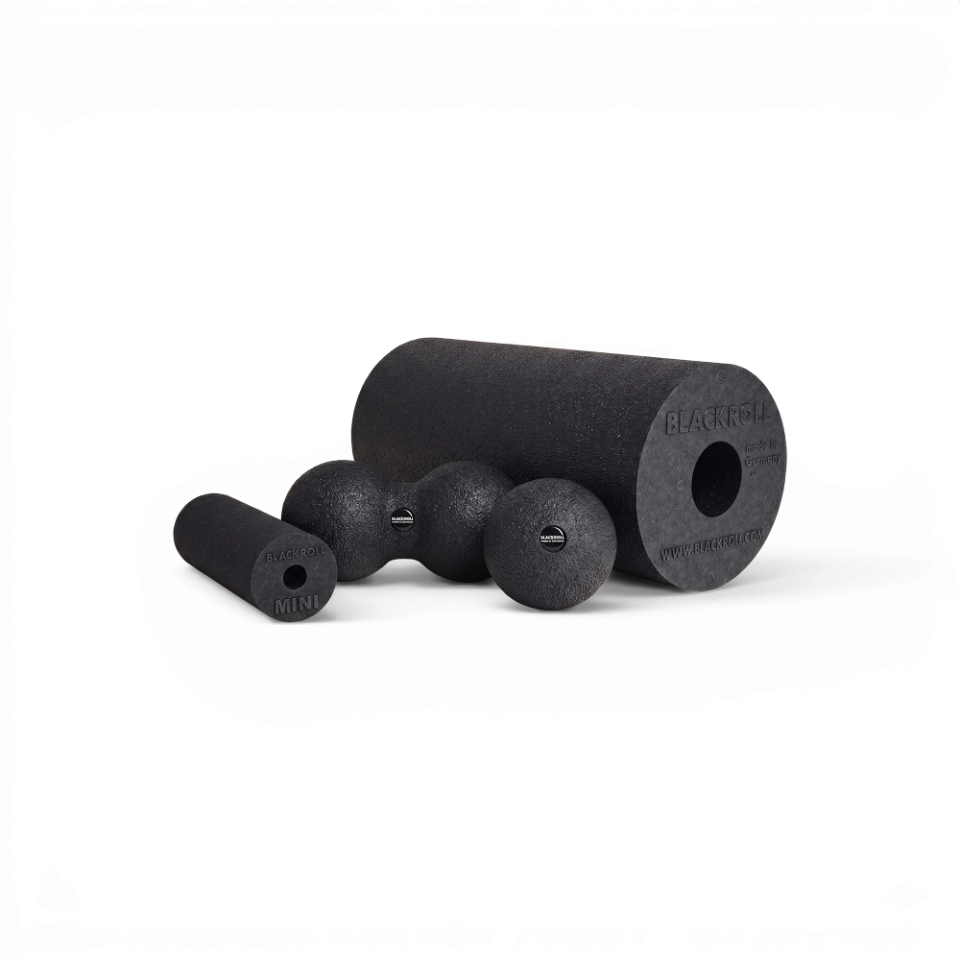
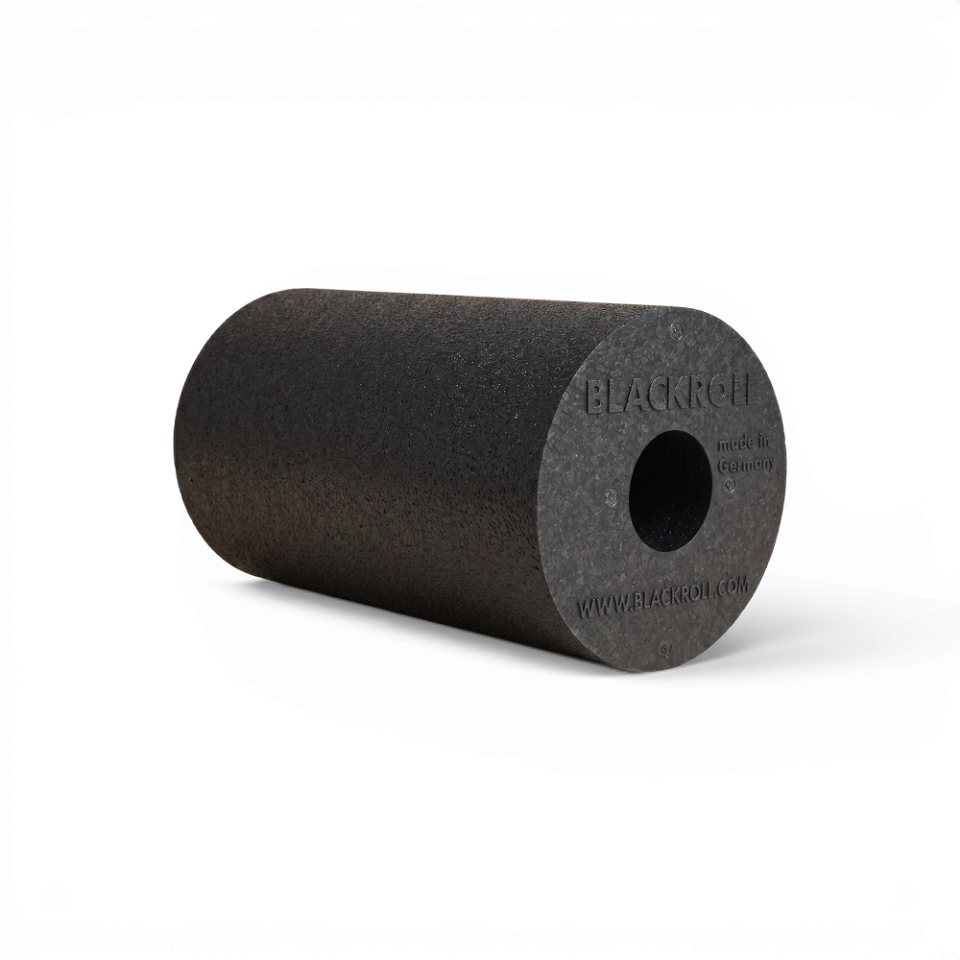
After HIIT sessions, spend 10–15 min using a foam roller on your calves, thighs and hips. This improves blood flow, reduces lactate build-up and relieves tension.
Vibration for microcirculation
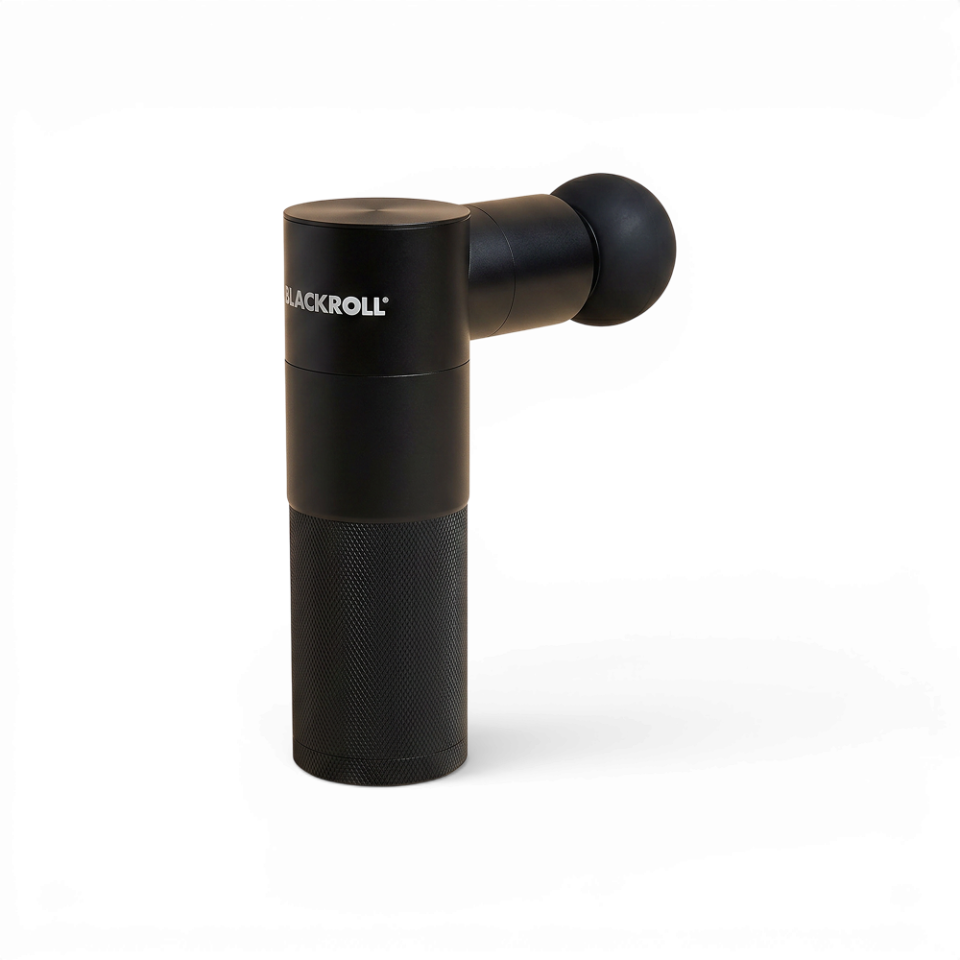
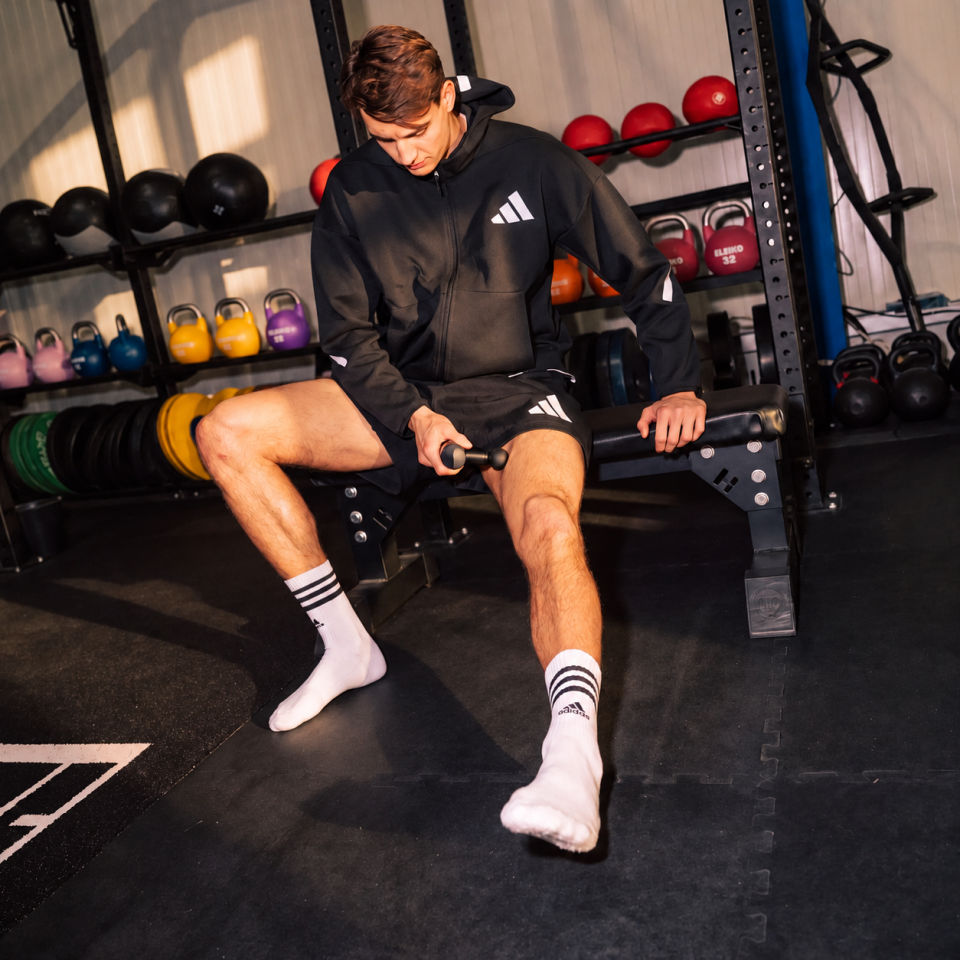
Specialised high-frequency vibration tools such as the Blackroll Booster Set or the Blackroll Fascia Gun can promote microcirculation and support recovery by reaching deeper tissue layers and aiding the removal of metabolic waste products.


Conclusion: For optimal fitness, keep an eye on your VO₂max
VO2max is a reliable indicator of your fitness level and even tells you a thing or two about your longevity. You can easily keep track of it using a smartwatch or have it tested in a lab for precise readings. As you can specifically improve it – for example, through HIIT training – it is an important tool for optimising your fitness. You don’t need to chase the figures achieved by elite athletes; good average values are more than enough. When you’re doing high-intensity interval training to improve your VO2max, ensure you get proper recovery – it’s the balance that makes all the difference.


FAQ – The most important questions about VO2max
A score above 44 ml/kg/min (aged 20–29) or above 39 ml/kg/min (aged 40–49) is considered good, while a score above 37 ml/kg/min (aged 20–29) or above 31 ml/kg/min (aged 40–49) is also strong.
The most effective method is high-intensity interval training (HIIT): twice a week, 4 sets of 4 min at 85 to 95 per cent of maximum heart rate, with a 3 min rest. Combine this with two to three easy endurance sessions following the 80/20 rule (80 per cent easy, 20 per cent intense). You can expect a 10 to 15 per cent improvement in eight to twelve weeks.
Possible reasons for a stagnating or declining VO2max include overly monotonous training, a lack of recovery, weight gain, poor sleep or stress.
Cyclic endurance sports are ideal: running, cycling, swimming and rowing. Specific workouts: 4x4 intervals (4 min hard, 3 min rest), Tabata (20 s sprint, 10 s rest, 8 rounds) and tempo runs (20 to 30 min at 80 to 85 per cent of maximum heart rate).Supplement with strength training for the legs and core (squats, lunges). Frequency: combine two to three intense sessions per week with easy runs.
Beginners can achieve a 10–20% improvement in eight to twelve weeks; experienced runners can achieve a 5–10% improvement in three to six months. The fastest progress is seen in the first two to three months. After that, vary your training methods. Ideally, complete two or three high-intensity sessions per week, with a 48-h break in between.
Further items


Studies and sources
Mandsager, K., Harb, S., Cremer, P., Phelan, D., Nissen, S. E. and Jaber, W. (2018). Association of cardiorespiratory fitness with long-term mortality among adults undergoing exercise treadmill testing. JAMA Network Open, 1(6), e183605. https://doi.org/10.1001/jamanetworkopen.2018.3605
Hawkins, S. and Wiswell, R. (2003). Rate and mechanism of maximal oxygen consumption decline with ageing: Implications for exercise training. Sports Medicine, 33(12), 877–888. https://doi.org/10.2165/00007256-200333120-00002
Alvero-Cruz, J. R., Carnero, E. A., Giráldez García, M. A., Alacid, F., Rosemann, T., Nikolaidis, P. T. and Knechtle, B. (2019). The Cooper test provides a better prediction of half-marathon performance in recreational runners than laboratory tests. Frontiers in Physiology, 10, Article 1349. https://doi.org/10.3389/fphys.2019.01349
German Vocational Academy for Sport and Health. (14/02/2023). Maximum oxygen uptake (VO₂MAX). Health blog. https://dba-online.de/vo2max-maximale-sauerstoffaufnahme/
Helgerud, J., Høydal, K., Wang, E., Karlsen, T., Berg, P., Bjerkaas, M., Simonsen, T., Helgesen, C., Hjorth, N., Bach, R. and Hoff, J. (2007). Aerobic high-intensity intervals improve VO₂max more than moderate training. Medicine & Science in Sports & Exercise, 39(4), 665–671. https://doi.org/10.1249/mss.0b013e3180304570