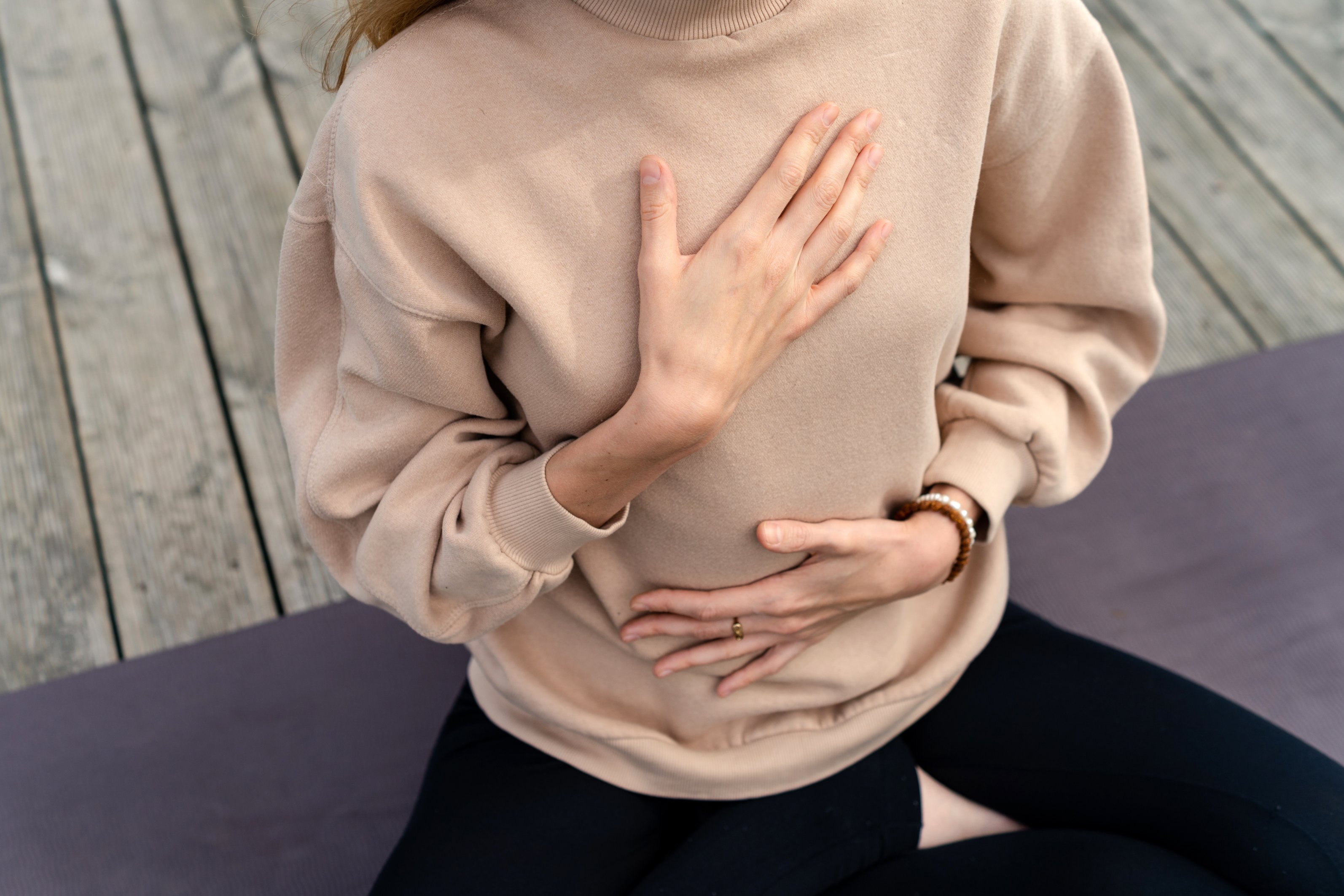
Wim Hof breathing: how to practise it safely

The technique involves a series of deep breaths followed by a short breath hold, which you can learn and practise with our clear guidance. While scientific research into its effects is ongoing, many people report feeling more focused and energised after regular sessions.
The key points at a glance
- It combines controlled hyperventilation with breath-hold phases (apnoea) to activate the sympathetic nervous system.
- Take 30–40 deep breaths, then exhale and hold for 15 s.
- You may feel temporary sensations such as tingling, light-headedness or warmth; they’re normal but stop if discomfort persists.
- Never practise in water, while driving or in any unsafe place — brief unconsciousness is possible with intense sessions.
- You can pair the practice with training and active recovery, yet remember that commercial health claims are scientifically only partially supported.
Guided Wim Hof breathing: start safely
The Wim Hof Breath is generally safe — yet its effects can feel intense for beginners and, in rare cases, may lead to momentary loss of consciousness and injury. Before you begin, check the safety notes.
Before you begin, run through our quick safety check.
Practise only in a safe environment:
- Never practise it in water, while driving or in any situation where a fall could lead to injury.
- Practise while sitting or lying on a stable surface and avoid standing.
- If you have pre-existing medical conditions, read the section on at-risk groups first.
Practise on an empty stomach and when you’re well rested; you can also use it to kick-start a workout or yoga session. Set aside 15–20 min for each session.
Here’s how to work through a round of the Wim Hof breathing technique.
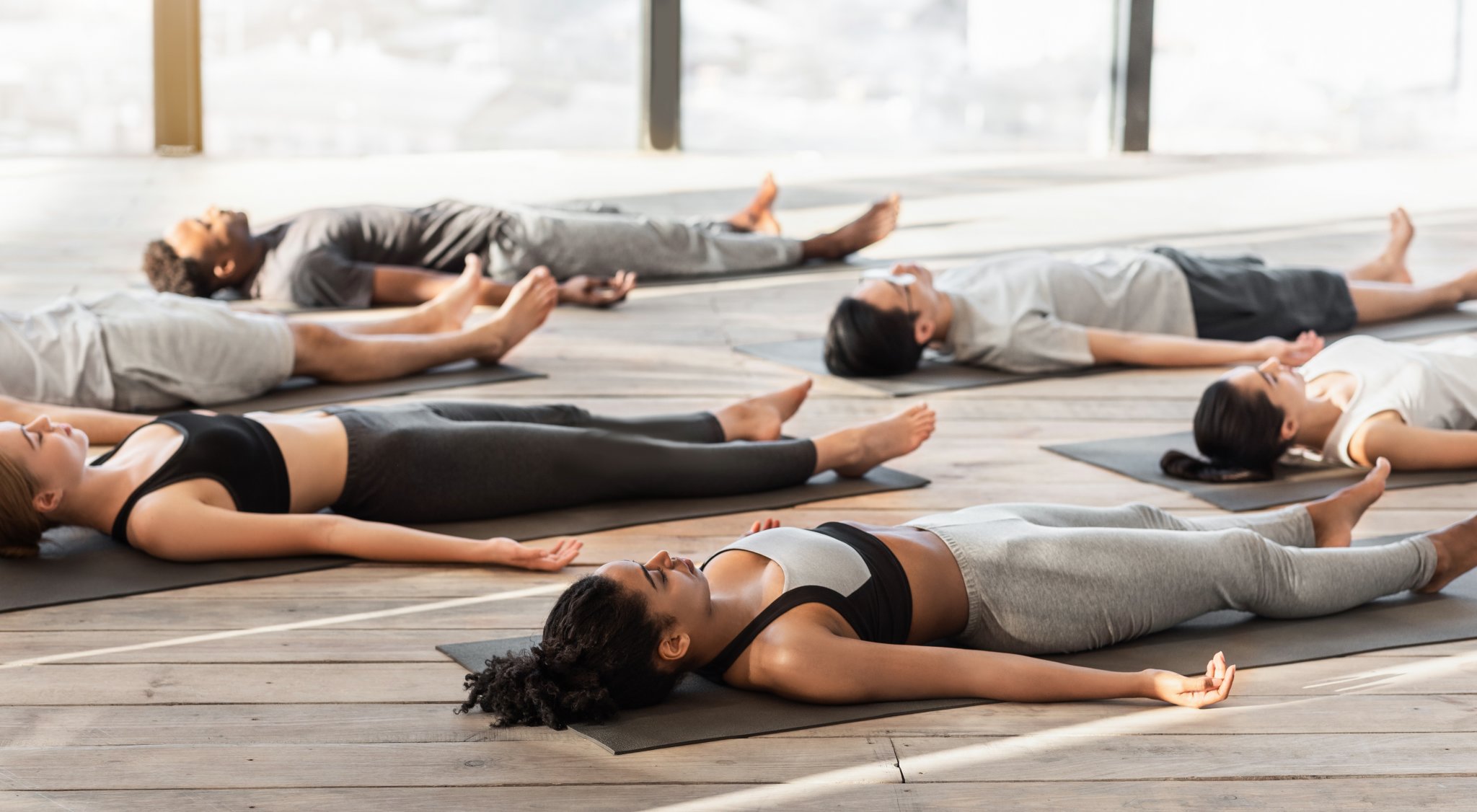
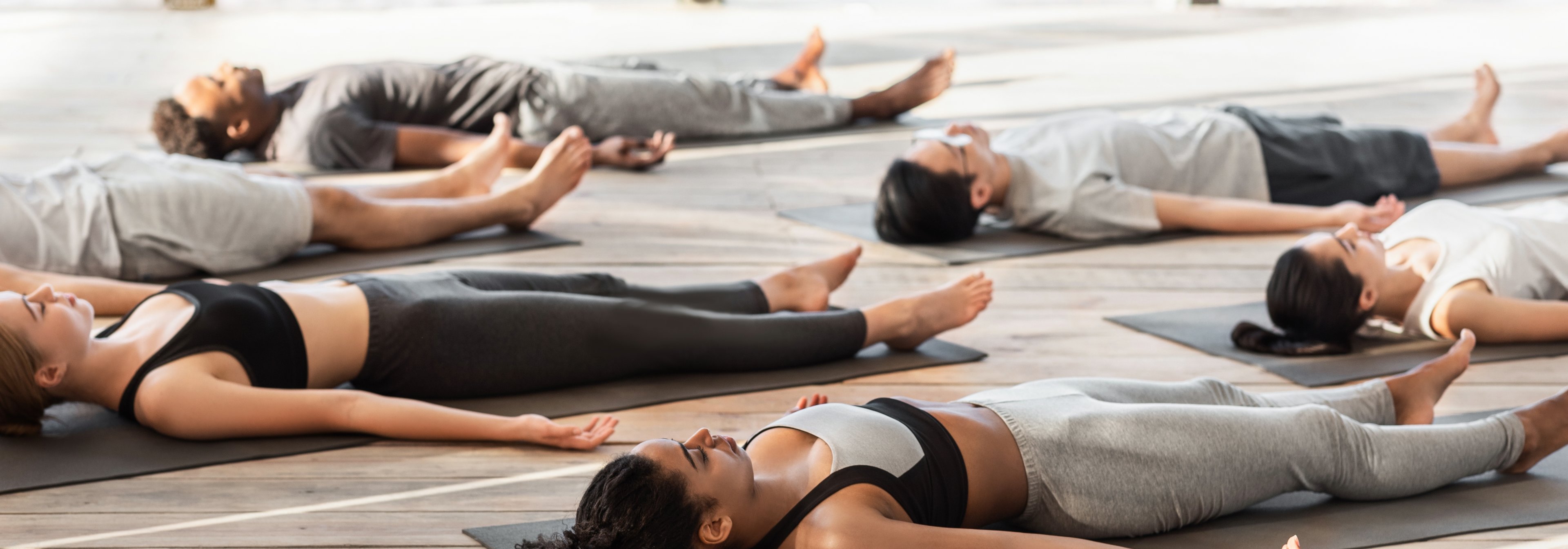
- Find a stable, comfortable position where you won’t be disturbed; you can lie on your back or sit.
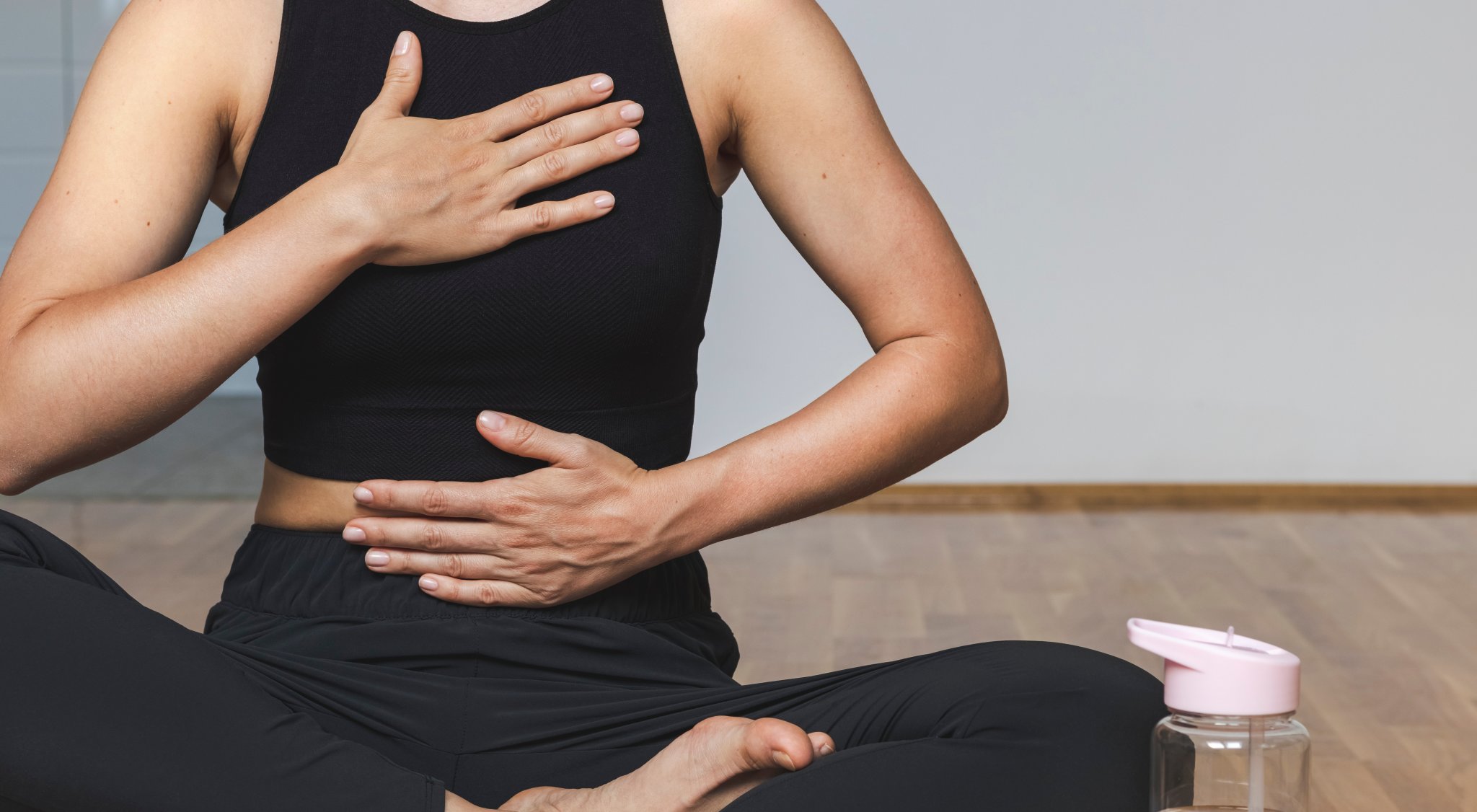
- Take 30–40 deep breaths through your nose or mouth, filling your belly and chest then letting the air out gently.
- Hold your breath with empty lungs — only for as long as it feels comfortable; don’t force it.
- Take a single deep breath and hold for about 15 s.
- Finally, let the air out gently.
After one round, move straight back into the deep-breathing phase and repeat three or four times in total.


What is the Wim Hof breathing method?
The technique combines controlled hyperventilation with breath retention (apnoea) and draws on practices found in the Tibetan Buddhist tradition — specifically the Tummo meditation.
The Wim Hof Method also involves cold exposure and a mindset of determination and focus.
We draw on the Dutch extreme athlete Wim Hof’s own experiences and established meditation practices. It combines the breathing exercise with cold exposure and a mindset of determination and focus. You can practise the breathing exercise on its own or pair it with controlled cold exposure and a focused mindset.


Risk Groups – Who should avoid Wim Hof breathing?
If you have certain medical conditions, speak with a healthcare professional first.
- Epilepsy
- Panic disorders
- Psychotic disorders or severe dissociation
- Acute stress disorder
- Pregnancy
- Severe heart/circulatory diseases
- Severe respiratory diseases such as COPD
- Acute symptoms (fever, infections, severe pain)
You may feel a range of sensations during the session, and a few might signal that you should pause.
What you feel during the session depends on your daily condition and the intensity. Shorter rounds often energise you while longer ones can tire you. Most sensations are harmless — a few signal that you should pause (Fincham et al., 2023).
Typical positive or neutral sensations
- Tingling in the hands, feet, and face (due to a drop in CO₂ levels)
- A mild sense of light-headedness from altered blood flow
- Warmth or cold shivers (nervous system activation)
- Changes in body awareness and a sense of lightness.
- Muscle tension or relaxation
- Changes in thought patterns and states of consciousness
- Heightened emotions, such as laughing or crying
Possible negative effects and warning signs
If you feel uncomfortable during the exercise, return to normal breathing. If symptoms persist, stop the exercise and seek medical advice if necessary.
- Severe headaches or chest pain
- Feelings of anxiety or panic
- Loss of control or involuntary muscle spasms
- Persistent discomfort after the session
- Vision problems or persistent numbness
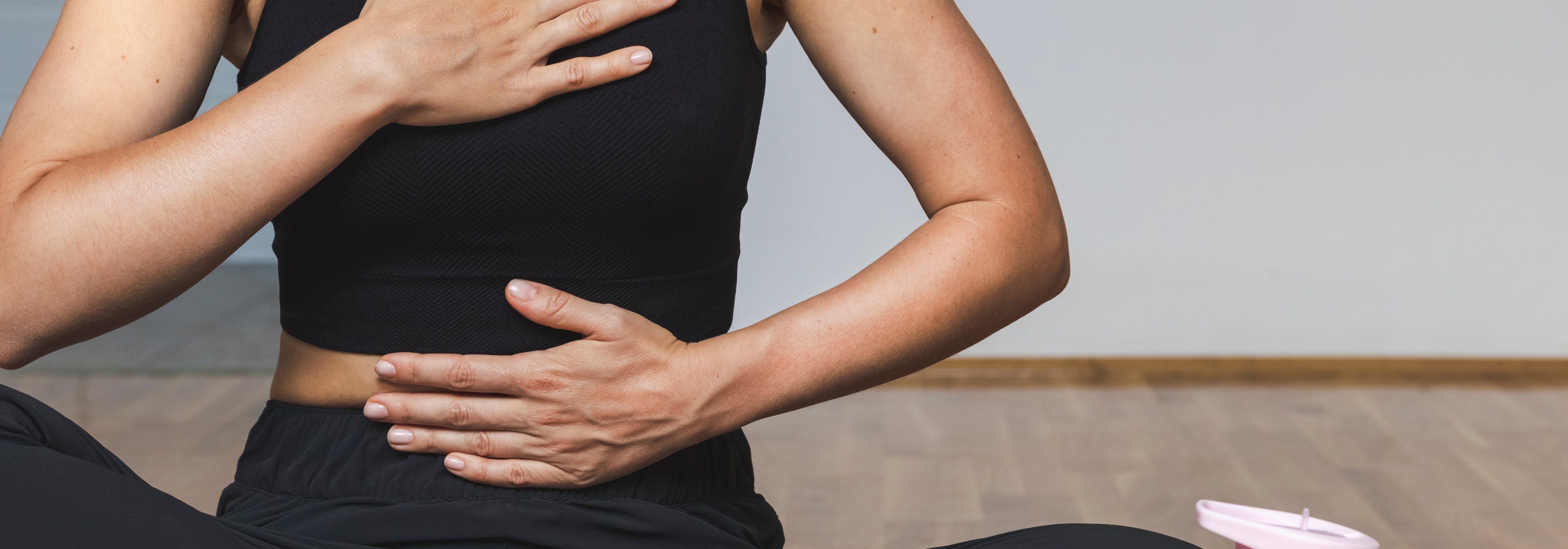
Variants and alternatives for beginners and experienced practitioners
If you’re new to the practice, the Wim Hof breath can feel intense — build experience gradually then raise the intensity. Adjust rhythm, duration and intensity step by step and reduce them if you notice unwanted side effects.
Variant | Breaths | Pause phase | Rounds |
|---|---|---|---|
Beginner | 20–25 | 30–60 s | 2 |
Standard | 30–40 | 60–90 s | 3 to 4 |
Intermediate | 40+ | 90–120+ s | 4 to 6 |
Explore alternative breathing techniques
The Wim Hof method can be a straightforward introduction to breath work.
The Wim Hof method is an intensive technique that uses controlled hyperventilation to alter consciousness and produce stronger physical sensations. Other options include holotropic breathing and pranayama techniques such as kapalabhati (Fincham et al., 2023).
If you prefer a gentler approach that emphasises relaxation and focus while supporting your cardiovascular system, explore the 4-7-8 technique or alternate-nostril breathing (Pranayama) (Faconti et al., 2018; Laborde et al., 2022).

Here’s what happens in your body during the Wim Hof breathing method
Hyperventilate to lower your CO₂ level and raise oxygen saturation in the short term. This activates your sympathetic nervous system.
As CO₂ falls, the blood pH rises in a process called respiratory alkalosis and blood vessels constrict, which can cause tingling in hands, face and feet.
We know the technique can influence the sympathetic branch of the autonomic nervous system, which supports physical and mental performance and may produce altered states of consciousness that many find mentally beneficial (Fincham et al., 2023).
Scientific Evidence: Health Claims Are Not Fully Supported
The studies that Wim Hof promotes as evidence for his method often don’t meet rigorous scientific standards, which has drawn criticism (WHM Services, Innerfire BV., 2026; Kerschner, 2024).
Only a handful of studies have looked at the breathing technique on its own and the limited evidence doesn’t prove that the method is ineffective. Many practitioners report subjective positive experiences and the effects of different breathing techniques can vary widely from person to person, making it challenging to draw firm conclusions from clinical studies.
That said, research does show that breath work can positively influence mind and body (Balban et al., 2023).


Tips: avoid common mistakes with the Wim Hof breathing method
Follow the instructions for the breathing exercises at first — once you’ve gained experience, tailor the technique to suit you.
- Maintain a smooth rhythm during deep breathing and between rounds; don’t pause between breaths.
- Avoid performance pressure: you’ll soon notice your breath-hold times improving, but mindful execution matters more than any increase in duration.
- Watch for warning signs: unusual effects on body or mind are normal but if any symptoms persist after the session, stop practising and consult a healthcare professional if needed.
Combine the Wim Hof breathing with gentle movement and fascial work
Breathing techniques such as the Wim Hof method can activate the sympathetic nervous system and are often used alongside training.
Although research is ongoing, many athletes report that the practice sharpens focus and eases pre-competition nerves (Citherlet et al., 2021).
It can also aid recovery.
When practised correctly, breathwork can focus the mind, support presence and help regulate the nervous system, so you can pair the technique with fascial release or use it to aid recovery.
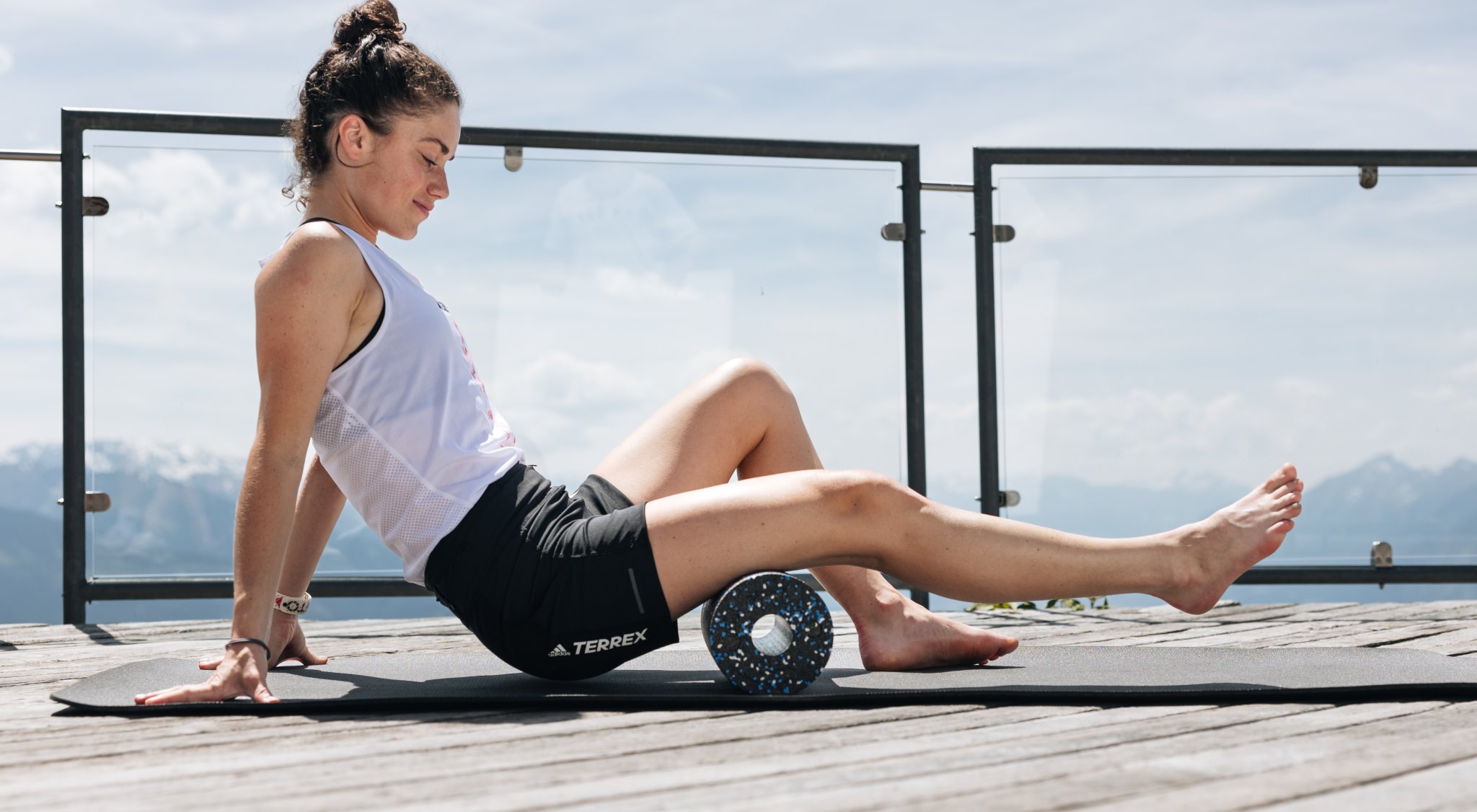
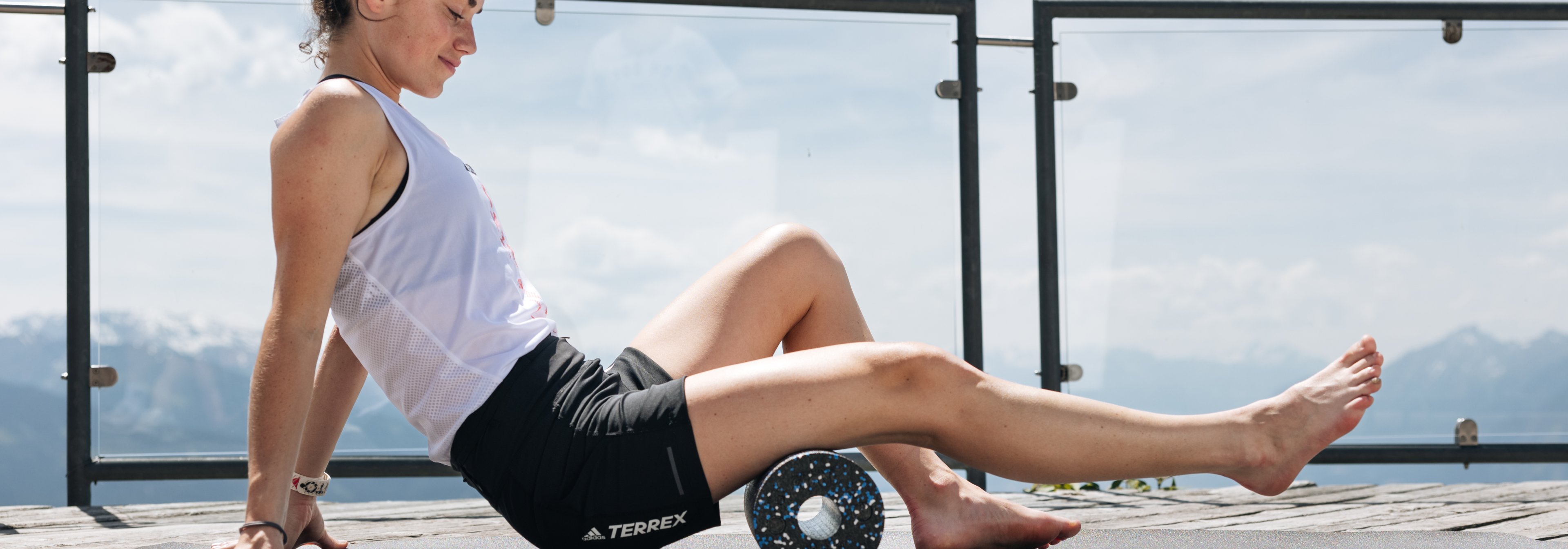
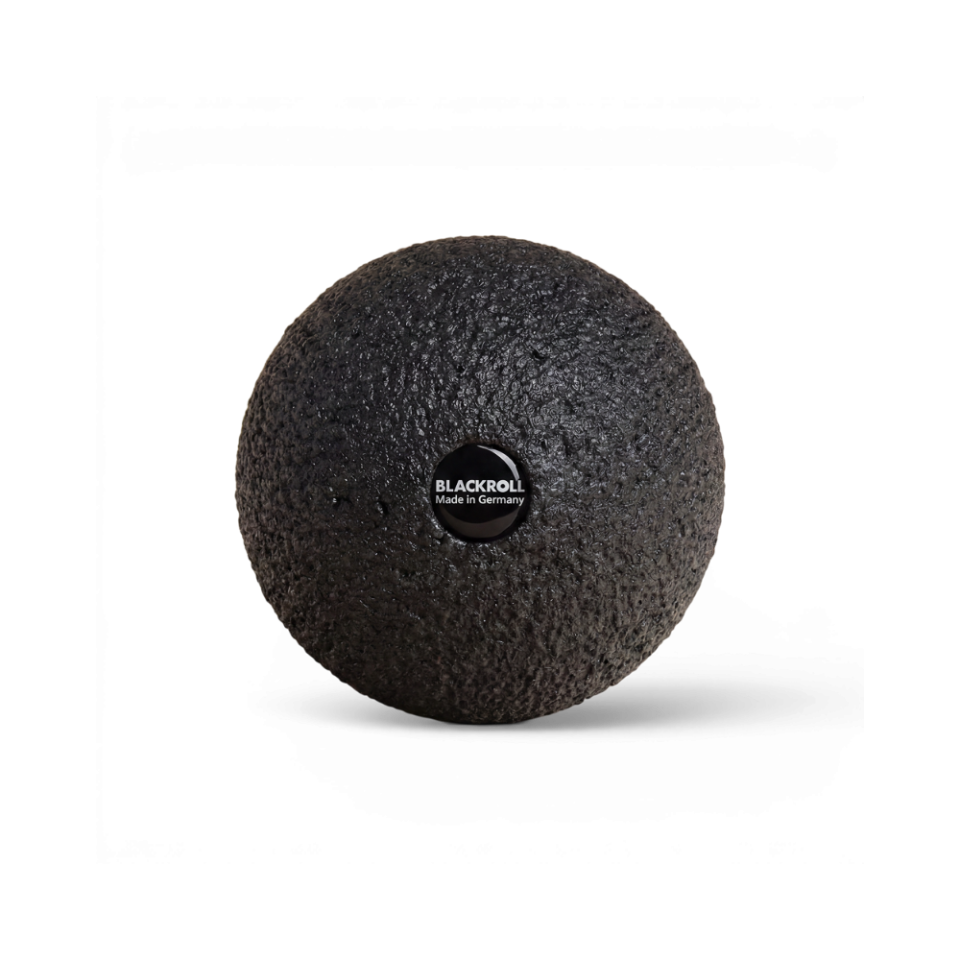
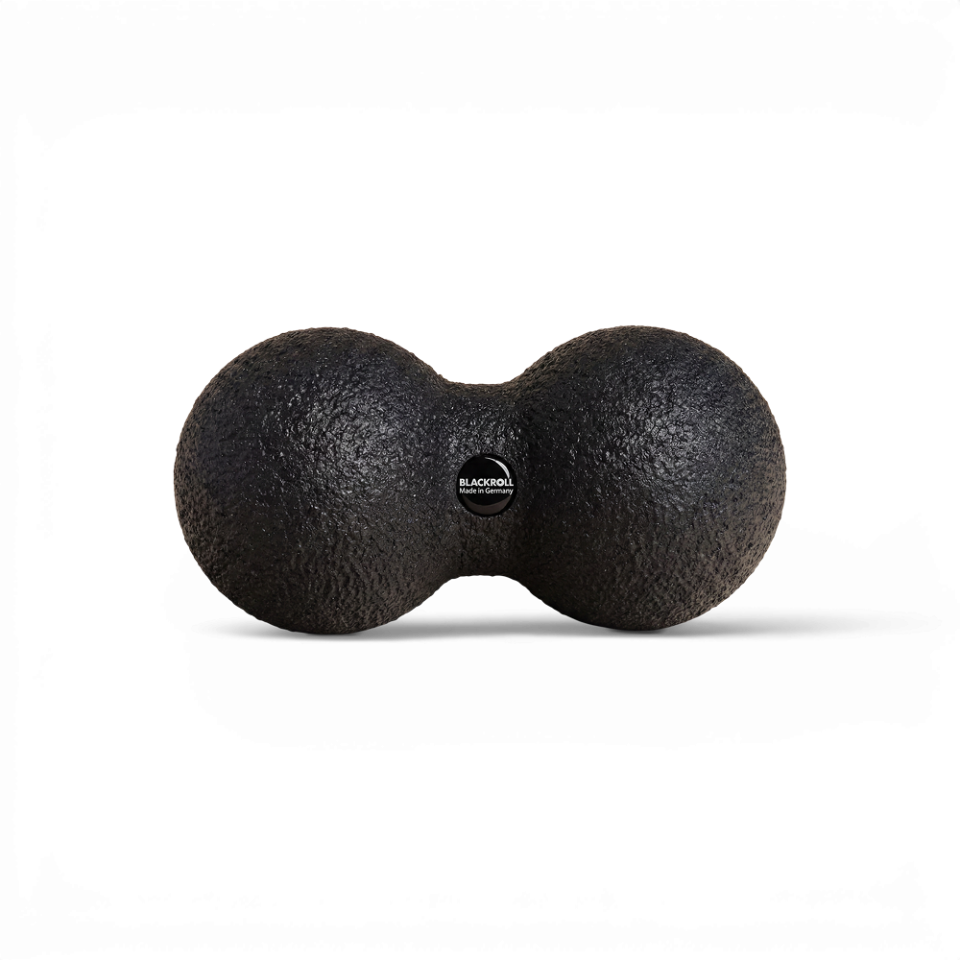
Combine the breathwork with fascial release by following this simple routine.
- Wim Hof Breathing (10 to 15 min): activation and focus
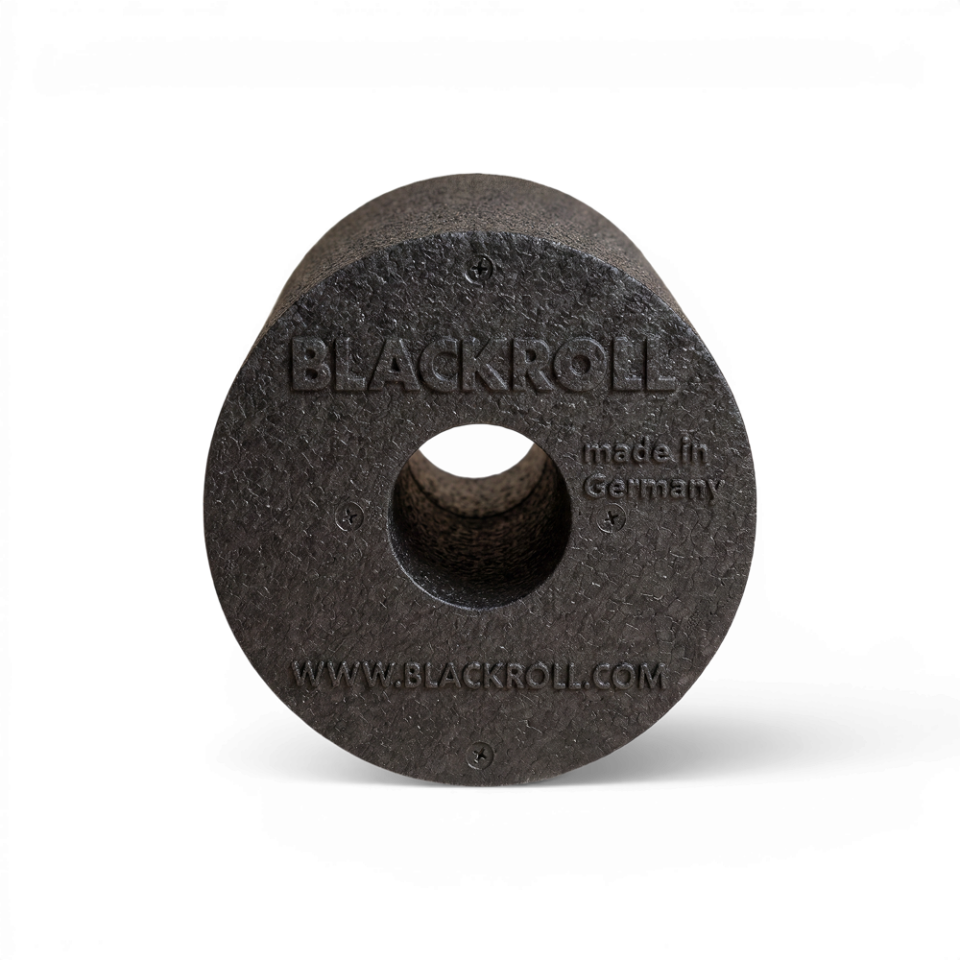
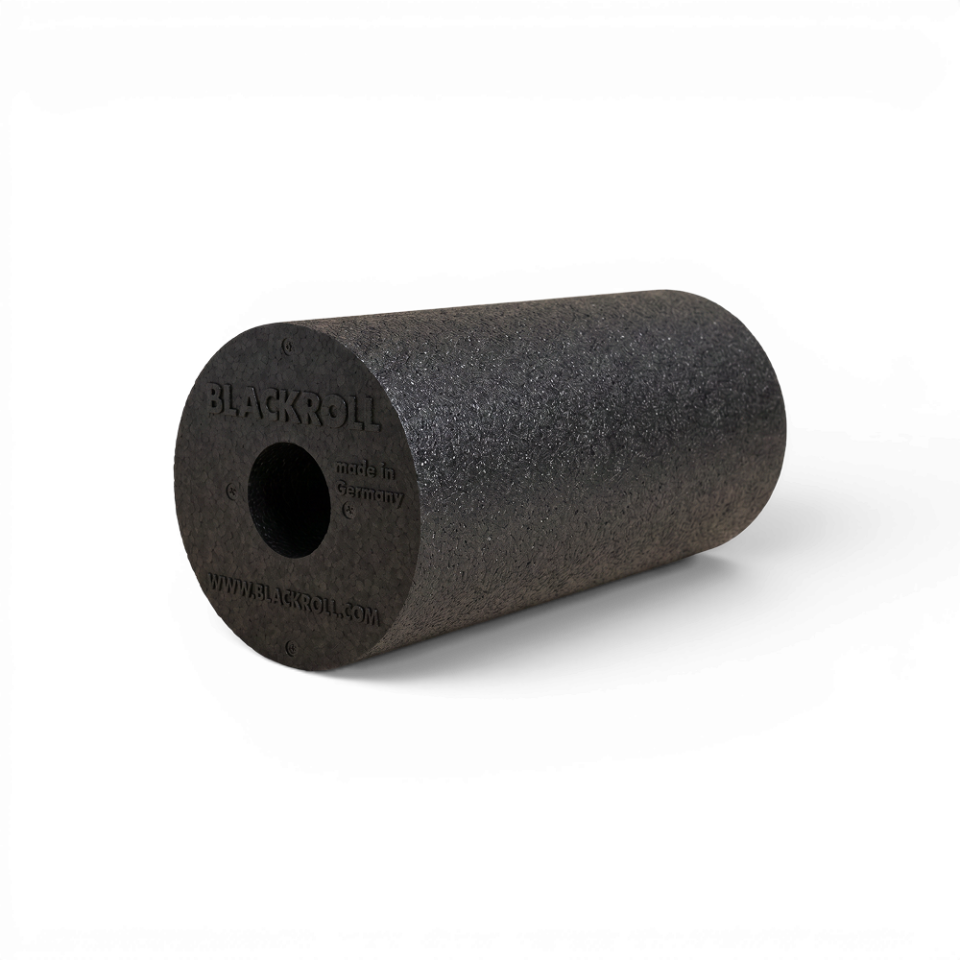
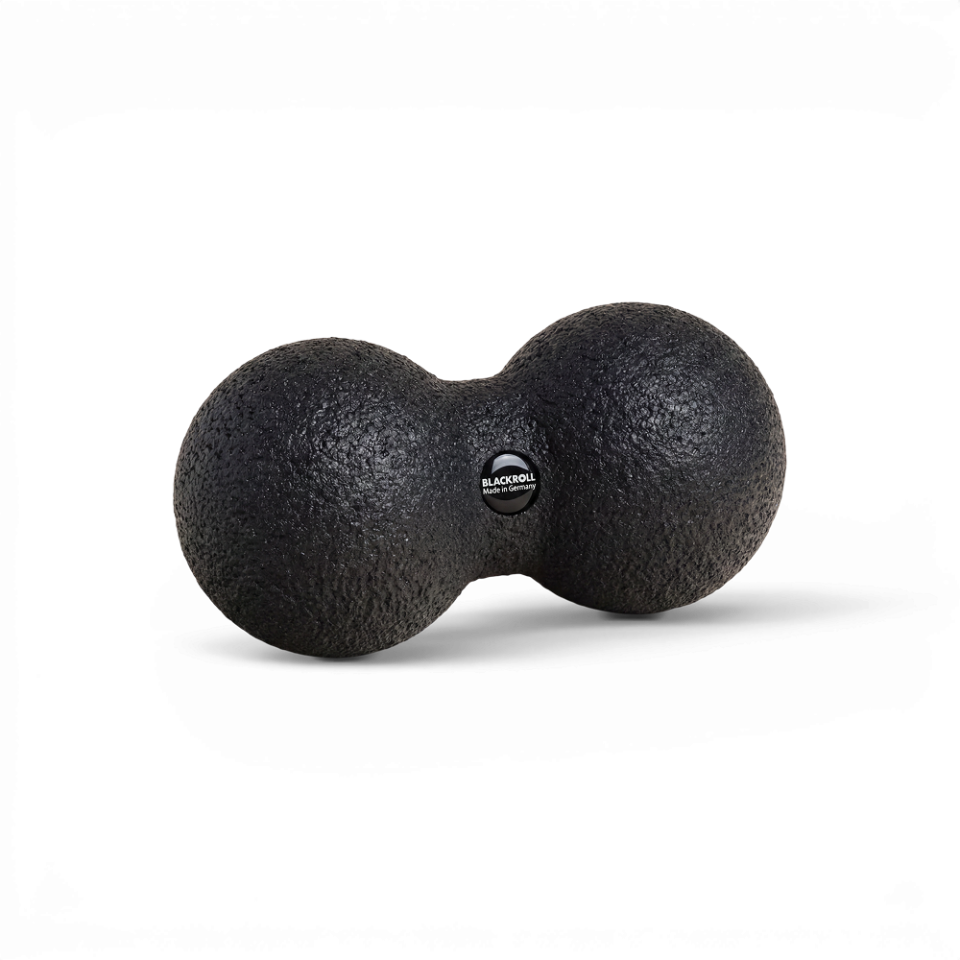
- Use the BLACKROLL STANDARD to roll out your back and legs (5 min): roll slowly, 60–90 s per area
- 4-7-8 breathing (5 min): parasympathetic activation, transition to recovery
Observe any physical or mental effects that arise.

You can practise the Wim Hof breath safely if you don’t belong to a risk group and avoid using it in water or while driving. It may trigger strong emotions, a sense of euphoria and temporary changes in consciousness. When combined with exercise it can feel both energising and calming.
Commercial providers claim long-term benefits, but the evidence is still emerging. As with any breath work, your experience is personal — try it and see. If you enjoy it, feel free to go deeper.

FAQ – The most important questions about the Wim Hof breathing method
For healthy adults it’s safe when you practise in a calm, secure setting. If you have epilepsy, heart conditions, are pregnant or manage a mental health condition, consult a healthcare professional first. Never use the technique in water or in a moving vehicle — you could lose consciousness if you push too hard.
Breathe deeply and powerfully 30–40 times, then hold your breath for as long as it feels comfortable. Inhale once more, pause for 15 s and begin the next round; three or four rounds are typical.
Tingling in the hands and face, mild dizziness, or a sensation of warmth are considered typical reactions. Changes in body awareness or intense emotions may also occur. Stop the exercise if you experience severe headaches, chest pain, anxiety, or visual disturbances — these are signs that your body is under too much strain.
If the classic approach feels too demanding, start with 20–25 breaths instead of 30–40, breathe at a steady pace of about two s per breath and hold only as long as it feels comfortable — around 30–60 s. Begin with two rounds and prioritise technique over intensity.
Don’t rush or tense up, ignore warning signs such as dizziness or discomfort, increase intensity or rounds too soon or practise on hard surfaces where a fall could be harmful.

Sources
WHM Services, Innerfire BV. (2026). Die Wissenschaft hinter der Wim Hof Methode. Wim Hof Method. https://www.wimhofmethod.com/de/die-wissenschaft
Kerschner, B. (2024, Februar 6). Wim Hof Methode: Gesünder durch Kälte? Medizin Transparent; Cochrane Österreich, Universität für Weiterbildung Krems. https://medizin-transparent.at/wim-hof-methode/
Balban, M., Neri, E., Kogon, M., Weed, L., Nouriani, B., Jo, B., Holl, G., Zeitzer, J., Spiegel, D., & Huberman, A. (2023). Brief structured respiration practices enhance mood and reduce physiological arousal. Cell Reports Medicine, 4. https://doi.org/10.1016/j.xcrm.2022.100895
Fincham, G. W., Kartar, A., Uthaug, M. V., Anderson, B., Hall, L., Nagai, Y., Critchley, H., & Colasanti, A. (2023). High ventilation breathwork practices: An overview of their effects, mechanisms, and considerations for clinical applications. Neuroscience & Biobehavioral Reviews, 155, 105453. https://doi.org/10.1016/j.neubiorev.2023.105453
Faconti, L., Farukh, B., Boguslavskyi, A., & Chowienczyk, P. (2018). PACED BREATHING REDUCES BLOOD PRESSURE AND ARTERIAL STIFFNESS: IMPACT OF THE AUTONOMIC NERVOUS SYSTEM. Journal of Hypertension, 36, e224. https://doi.org/10.1097/01.hjh.0000539631.89069.39
Laborde, S., Allen, M., Borges, U., Dosseville, F., Hosang, T., Iskra, M., Mosley, E., Salvotti, C., Spolverato, L., Zammit, N., & Javelle, F. (2022). Effects of voluntary slow breathing on heart rate and heart rate variability: A systematic review and a meta-analysis. Neuroscience & Biobehavioral Reviews, 138. https://doi.org/10.1016/j.neubiorev.2022.104711
Citherlet, T., Crettaz von Roten, F., Kayser, B., & Guex, K. (2021). Acute effects of the Wim Hof breathing method on repeated sprint ability: A pilot study. Frontiers in Sports and Active Living, 3, 700757. https://doi.org/10.3389/fspor.2021.700757