
Causes of back pain: how to find out what’s really wrong with your back

Back pain can be caused by a lack of movement, repetitive strain, stress or muscle tension. Often, no clear structural cause can be identified. Exercise, recovery and an active everyday life can help to relieve symptoms and support your back in the long term.
Key points at a glance
- Back pain is usually non-specific: in around 85% of cases, no clear physical cause for lower back pain can be identified. However, a lack of movement, tension and stress are often the main factors.
- Everyday strains such as sitting for long periods, standing for long periods and lifting incorrectly often go hand in hand and exacerbate the symptoms.
- Take the warning signs seriously: if you notice symptoms such as fever, numbness or paralysis, seek prompt medical advice.
- Take active steps to counteract this: regular exercise, strong core muscles, a balanced myofascial system and small behavioural changes in everyday life are the most effective forms of prevention and treatment.


From sitting to standing to lifting: what causes back pain?
It’s all just too much as it is: work, household chores, family — you even have to organise your own free time. And to make matters worse, now you’ve got back pain. Naturally, your first instinct is to try and identify the cause. But everything seems rather vague.
Carrying on exactly as before isn’t an option. When your back hurts, it’s trying to tell you something — for example, about an existing imbalance: too much sitting, too little exercise. Too much work, too few breaks. Too much stress, too little recovery. Listen. You’ll soon discover what’s causing the pain and how you can take action to counter it.
Medical note: This item is for general information purposes only and isn't a substitute for a medical diagnosis or individual treatment. If you have chronic symptoms or suspect specific causes for your back pain, your GP is the right first point of contact. If you have persistent back pain or pain radiating down your leg, it's also advisable to consult an orthopaedic or neurological specialist.


Back pain: why the cause is often unclear
Back pain almost alwaysarises from a combination of several factors — not from a single cause. Lack of movement, muscular tension, stress and a repetitive body posture often act in concert. The National Care Guideline on Lower Back Pain (German Medical Association et al., 2017) distinguishes between two basic forms:
- Non-specific lower back pain: here, there's no clearly identifiable structural cause. The interplay of lifestyle, physical strain and psychosocial factors is the main factor. Around 85% of all those affected fall into this category.
- Specific lower back pain: there's a clearly identifiable cause – such as a herniated disc, problems with the sacroiliac joint (SIJ), inflammation or structural changes. These cases require targeted medical treatment.
If you’re among the vast majority with non-specific back pain, this is good news: you can make a big difference yourself — through everyday physical activity, conscious relaxation, planned breaks, stress reduction and ergonomic adjustments.
‘Even an MRI finding is not in itself a cause of pain. Extensive review studies such as that by Brinjikji et al. (2015) show that disc degeneration, protrusions and other changes are very common even in people who are completely symptom-free. It is therefore always the overall picture that is decisive — not just the image of the spine.’
Dr rer nat Torsten Pfitzer, holistic pain expert and back specialist



The most common causes of back pain in everyday life
Back pain is often caused by stresses from everyday life that reinforce one another.
Back pain caused by sitting at a desk and in the office
Sitting for long periods is hard work for your body and one of the most common causes of back pain. Without a backrest, the pressure on your intervertebral discs increases significantly compared to when you’re standing. If you lean forwards for a prolonged period, you develop what’s known as a hunched back: this counteracts the natural S-shape of your spine and puts uneven strain on the intervertebral discs.
The real issue isn’t one ‘incorrect’ sitting position but monotony. If you stay in the same position for long periods, your muscles and fascia stiffen. When deadlines and stress are added to the mix, you unconsciously raise your shoulders and tense up in the shoulder and neck area.
What helps: movement . Use a height-adjustable desk to alternate between sitting and standing. Stand up at least once an hour. Even short breaks or a deliberate change of position provide noticeable relief for your body.
Special case – back pain when working from home: When you’re working from home, several factors often come together: there’s no commute, you move around less overall and the boundary between work and private life quickly becomes blurred. If, on top of that, you’ve set up your workplace improvised at the kitchen table or on the sofa, you’re missing out on the necessary ergonomics support.
Establish fixed routines: a short walk in the morning and in the evening replaces your former commute and a deliberate lunch break away from the screen gives you proper recovery. Keep your computer separate from your living area and actively switch it off at the end of the day to draw a clearer line between work and leisure.
A different approach to working from home — to help prevent back pain
Take short breaks during the day to tackle light household chores such as hanging out the washing, washing up or hoovering. This gets your muscles moving and helps you mentally disconnect from stressful tasks. An added bonus: many ideas come to us when we take our focus off the task at hand for a brief moment.
But be careful: as soon as housework becomes a mere chore, tension rises, so only do this if it does you good. Otherwise, go for a short walk round the block or walk briskly up and down the stairs a few times.
Back pain whilst driving
Driving puts strain on your back, mainly due to a rigid sitting position, restricted movement and an often poor sitting posture. Long journeys, commuting or pre-existing back problems exacerbate the strain. Driving itself also leads to increased muscle tone — that is, underlying muscle tension — due to the mental strain involved. You'll often feel this tension not only in your back but also in your shoulders and neck as well as in your legs.
Ensure you’re well supported, with the pedals and steering wheel at the correct distance. Take a short break at least every 1–2 h, during which you consciously move, stretch and extend your limbs. Where possible, break long car journeys into several sections to prevent back pain from developing in the first place.
Back pain when cycling
Cycling is generally good for your back. However, an unsuitable seating position can still cause back pain. This is usually due to handlebars that are too low, the wrong saddle height or an overly arched or hunched posture.
What helps: the correct riding position keeps your back balanced. If you’re cycling longer distances, check your bike’s settings. If in doubt, a professional bike fitting can help. You can also maintain balance with specific exercises designed for cyclists.
Back pain when standing
Sitting for too long is bad for you — but so is standing for too long. If you spend many hours at a time standing more or less in the same position — for example, in jobs that require standing, at trade fairs or at a standing desk — your core muscles become fatigued and your back aches due to the uneven strain caused by standing.
Alternate between standing, sitting and walking. Shift your weight regularly and take short breaks to move whenever possible. The right footwear can also relieve pressure on your back. If you can’t avoid standing for long periods, opt for shoes with a flat sole that aren’t too soft.
Back pain when lifting
Whether you’re moving house, working in care or in a trade — anyone who carries a lot, bends over frequently or lifts heavy loads risks acute back pain. More important than perfect lifting technique is not putting too much strain on your back, using aids such as trolleys and taking regular breaks.
Lift correctly in four steps:
- Stand close to the load and plant your feet firmly on the ground.
- Bend your knees and keep your back straight.
- Tighten your core, breathe out and lift the load close to your body.
- Avoid sudden movements and twisting your spine.
Avoid uneven weight distribution, such as carrying heavy bags on one shoulder; switch sides or use a rucksack.


Causes are interrelated: don't view back pain in isolation
Your back reflects your whole life so address everyday stresses holistically. As everyday stresses are usually interlinked, make adjustments in these areas to break the cycle of stress and lack of movement:
- Balance in everyday life: if you sit a lot at work or are under constant pressure, you need exercise and proper recovery in your free time. Swap the car for walking more often and make sure you get enough sleep.
- Consistency rather than extremes: hardly any exercise during the week followed by intense sport at the weekend will quickly cause an overload of your back so train your core muscles consistently.
- Take stress seriously: mental strain increases muscle tension and makes you more sensitive to pain stimuli, so find ways to actively relieve stress .
- Vary your posture: it’s not the posture itself that’s the problem, but staying in the same position for hours on end. Change your position regularly.
- Bend and lift correctly to prevent unnecessary strain.
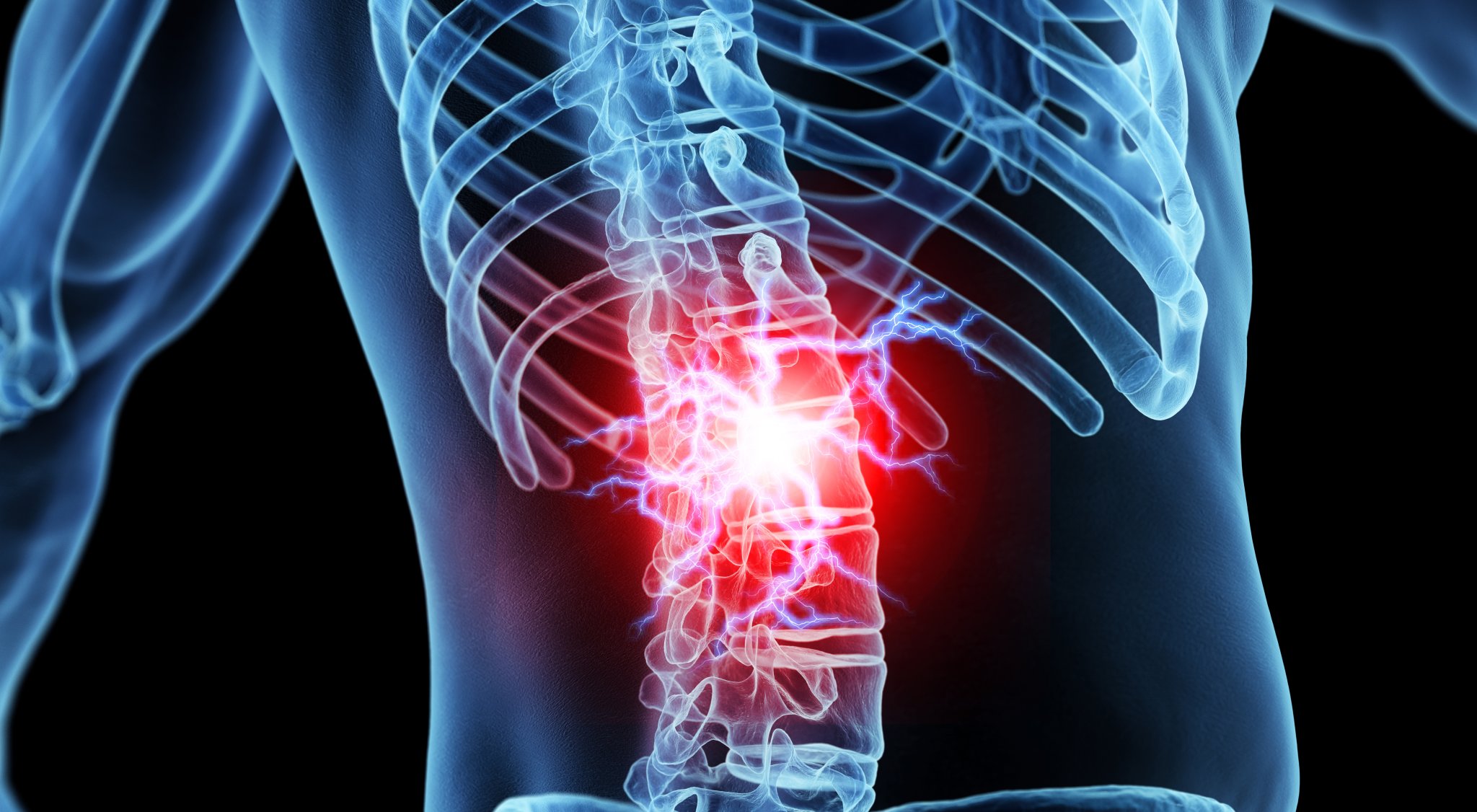

How is back pain diagnosed?
If you'd like a doctor to assess your back pain, start with a consultation at your GP surgery. They'll look for any early warning signs of a serious condition, then carry out a physical examination.
If this doesn't raise any suspicion of specific causes, further investigations such as X-rays, MRI or CT scans aren't usually necessary.
‘In the case of back pain, more imaging doesn’t automatically mean greater clarity. If there are no warning signs of a specific condition, early imaging is often not at all useful and can even be counterproductive. It exacerbates patients’ existing anxiety. It’s far more important to view the person and their symptoms as a whole and to help them regain an active role in which they can take control of their pain.’
Dr rer nat Torsten Pfitzer, holistic pain expert and back specialist
If you can’t identify a specific cause for your back pain, don’t spend too much time investigating it. The Patient Guide to the National Care Guideline on Low Back Pain (German Medical Association et al., 2017) expressly warns against this:
‘It’s also been shown that an excessive search for causes can contribute to the pain persisting. This can happen if you become too fixated on finding an explanation for your symptoms and, as a result, pay too little attention to important and effective measures such as a balanced exercise regime and a zest for life.’
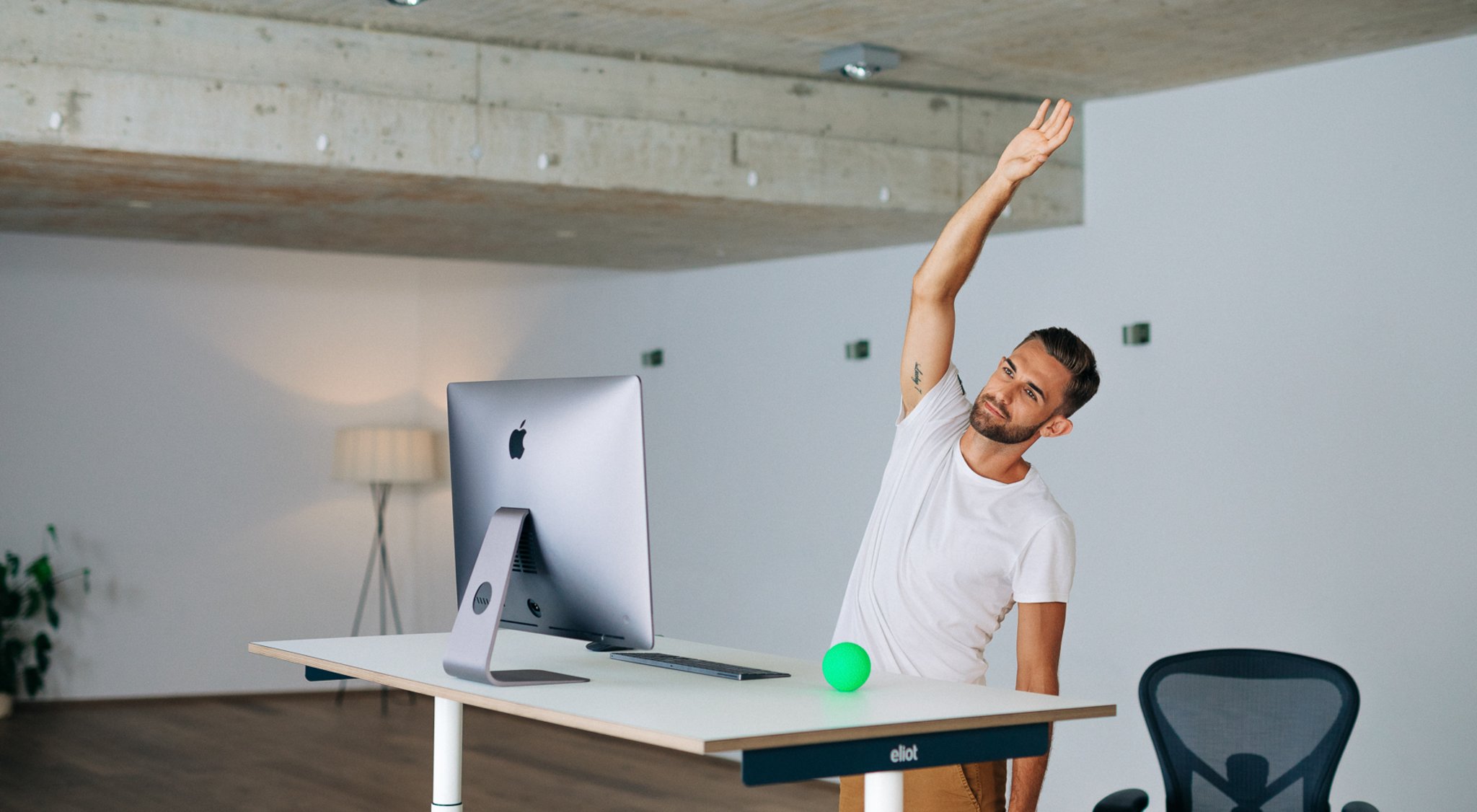

Treating back pain – tips for everyday life
Many causes of back pain can be treated effectively, often without any surgical intervention at all. Take action early on rather than taking it easy.
Measure | Effect |
|---|---|
Regular exercise | keeps your muscles and fascia supple, joints mobile and helps reduce stress hormones |
Ergonomic adjustments | Reduce prolonged pressure on your spine and intervertebral discs. |
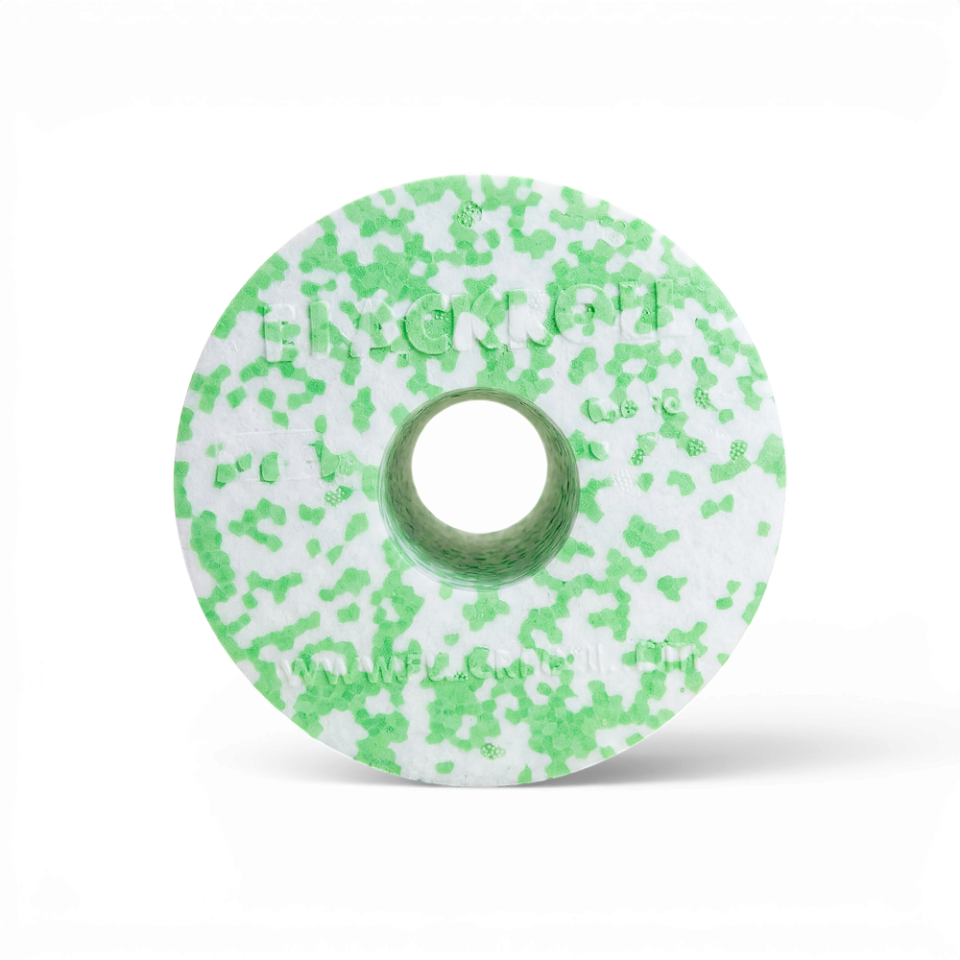
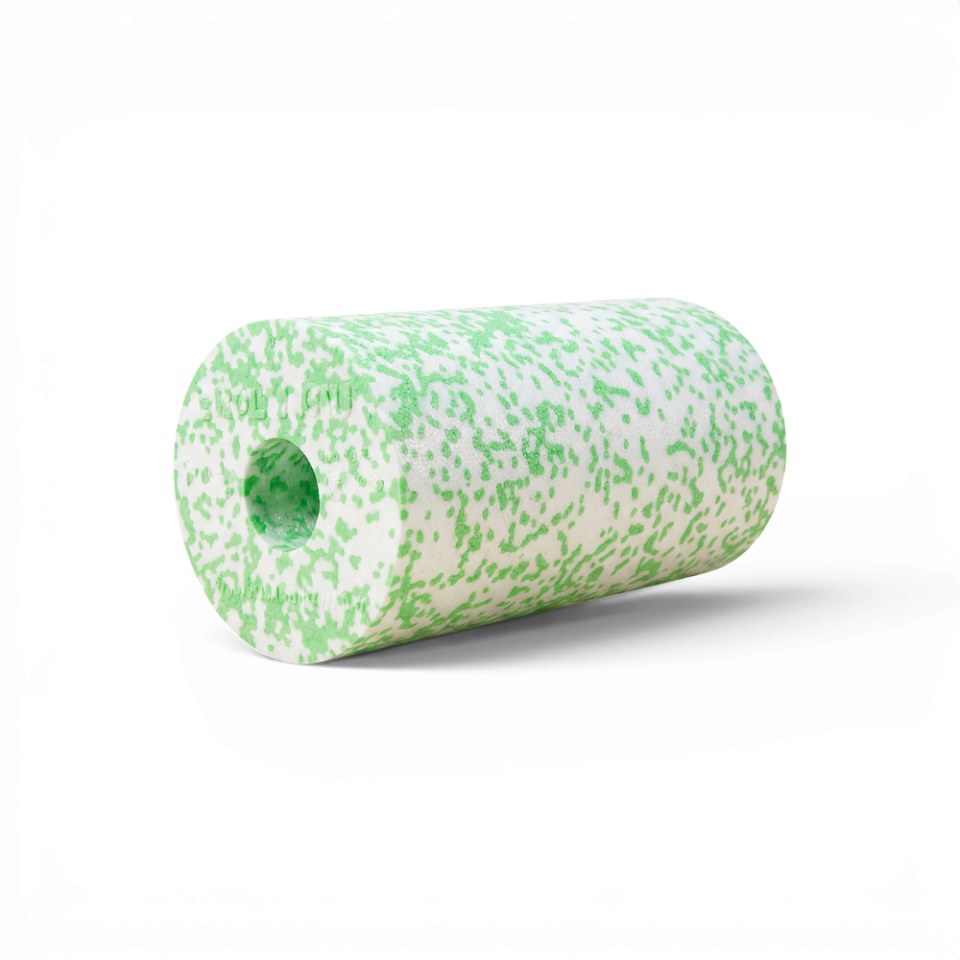
Use a fascia roller, such as the MED, to release myofascial tension and improve mobility, especially during acute pain phases. | release myofascial tension, restore balance and improve mobility – for example, use a foam roller such as the MED during acute pain episodes. |
Stress reduction | Reduce stress to lower muscle tension and break the pain–stress cycle. |
Strengthen your core. | Stabilise your spine and help prevent back pain. |
If your back pain occurs under specific circumstances, such as after sleeping or after sport, or if stress is one of the accompanying symptoms, you’ll find further advice in the guides on the relevant topics.
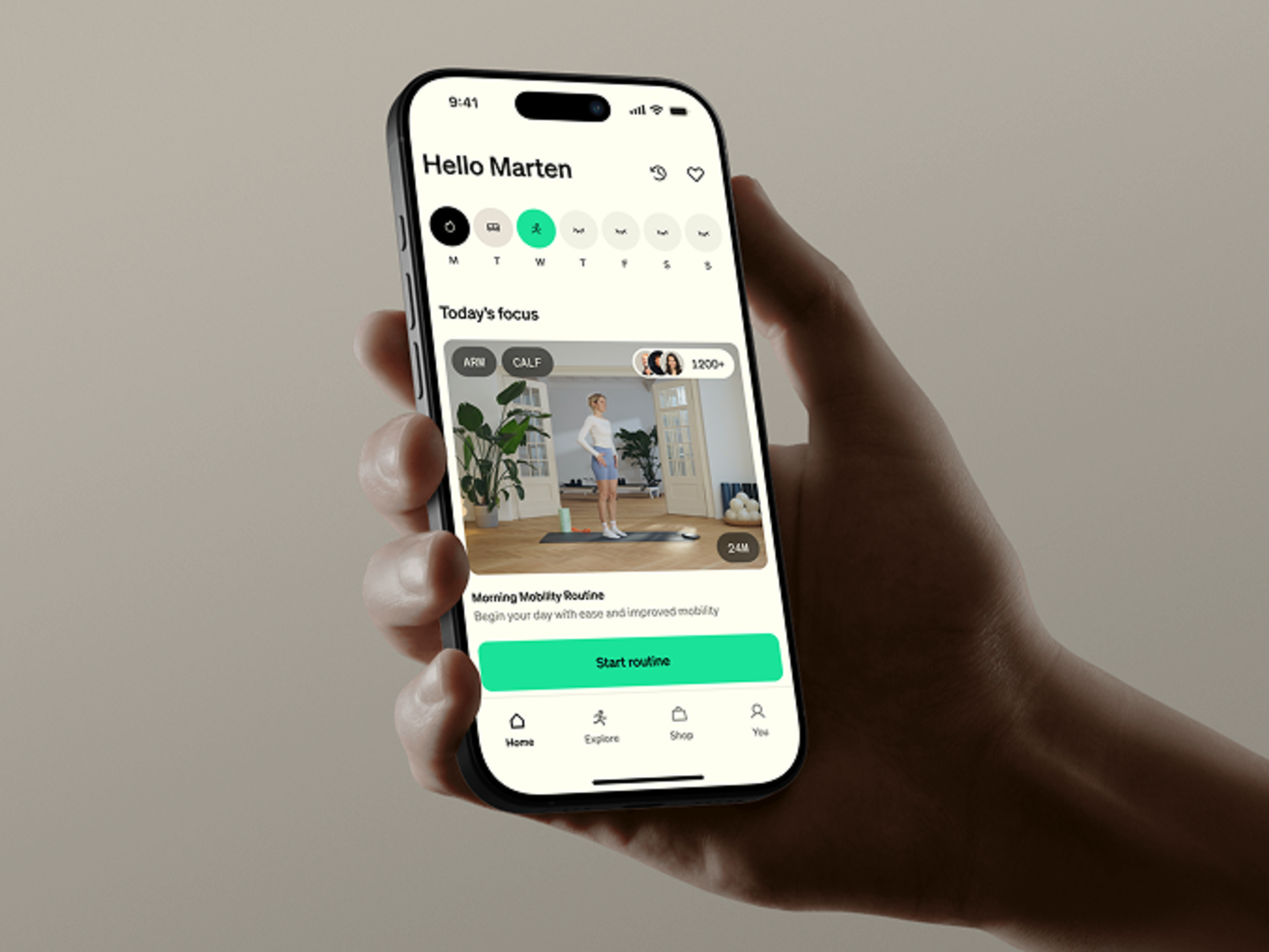
All exercises in our App
Download our free app to find more than 500 exercises and configure your own workouts, track your trainings and progress. Save your favorite routines and exercises and learn how to recover, train your flexibility and strength as well as your athletic capabilities.
Ready to begin? Find exercises for back pain below.
Regardless of the cause of your back pain, targeted exercises can help you relieve tension and keep your back healthy in the long term.
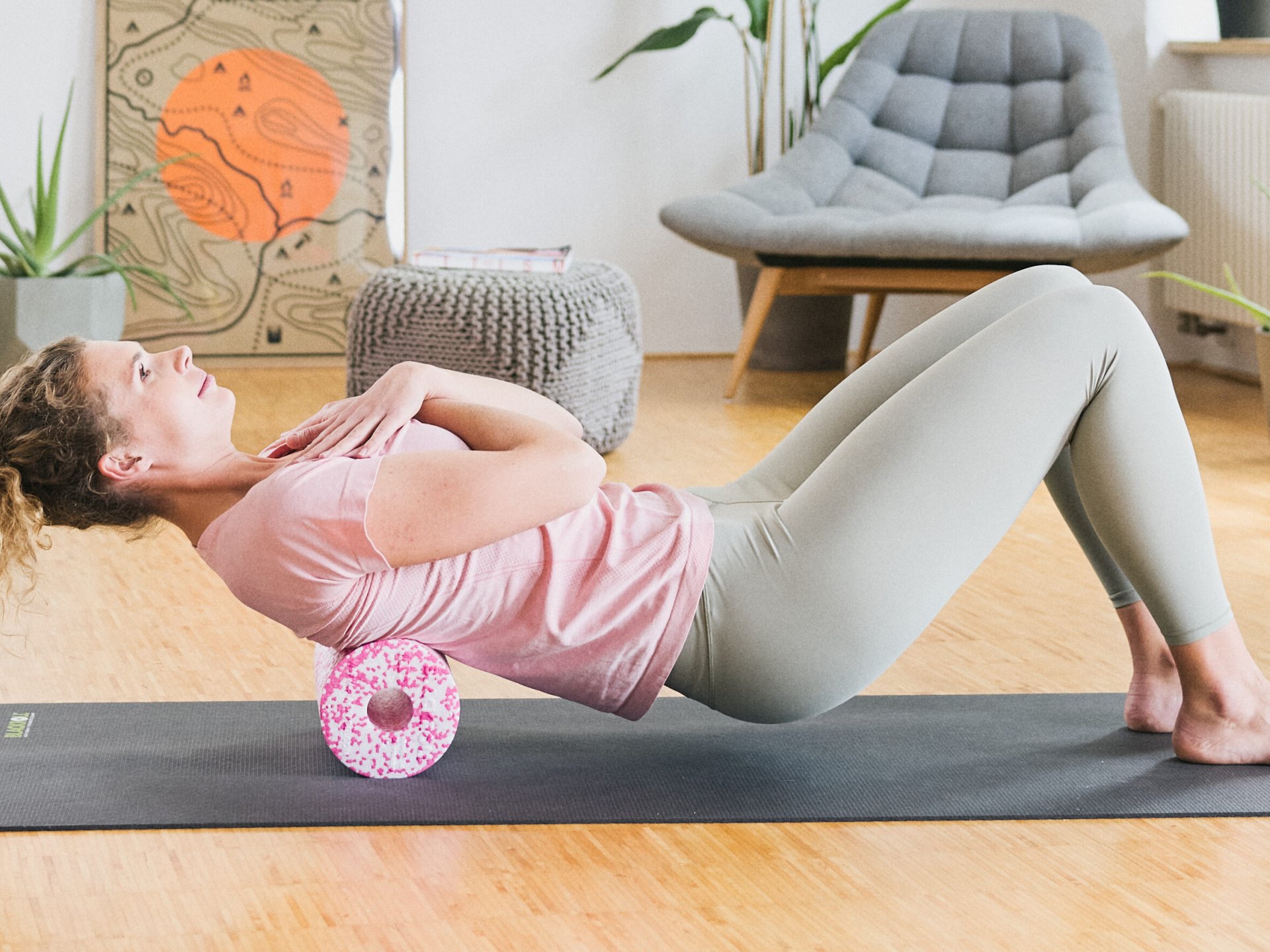
Exercises for back pain
Get started now

Frequently asked questions about the causes of back pain
The causes of back pain are usually non-specific: lack of movement, prolonged sitting, stress and maintaining the same body posture for long periods are major contributing factors. Long days at the office, working from home and driving also play their part. More rarely, there are specific structural causes such as a herniated disc, wear and tear or inflammation. In around 85% of cases, no clear structural cause can be identified.
Engage your entire body, bend your knees and distribute the weight across your legs and glutes. Keep the load close to your body’s centre of gravity, breathe out and actively engage your core muscles. Avoid jerky movements and twisting the spine.
A typical symptom is a dull, aching pain in the lower back or in the neck and shoulder area, which gets worse as the working day progresses. If the discomfort noticeably eases as soon as you stand up, do some stretching or take a few steps, this is a clear sign of strain caused by sitting and a lack of blood circulation in the muscles.
When driving, your pelvis and spine stay in an unfavourable passive position and the intervertebral discs absorb shocks directly, placing extra strain on the lumbar spine. When cycling, the load is more dynamic but incorrect saddle or handlebar settings can quickly lead to a hunched back, which strains the upper back and hyperextends the neck.
When working from home you often lack ergonomic furniture and the natural opportunities for movement that come with a typical office day. You'll take fewer breaks, unconsciously slump into a hunched posture and let your shoulders drop forwards. This causes pain which, without active countermeasures, can become chronic in the long term. Establish fixed routines and incorporate regular movement breaks.
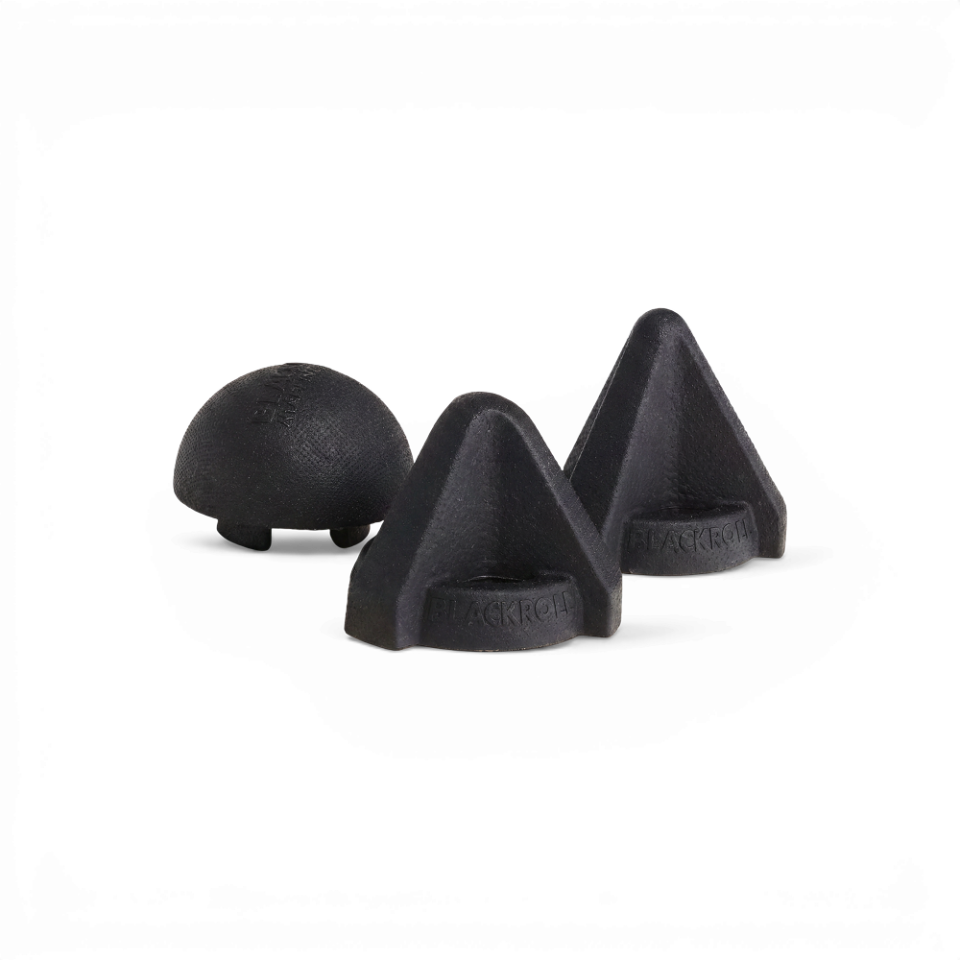
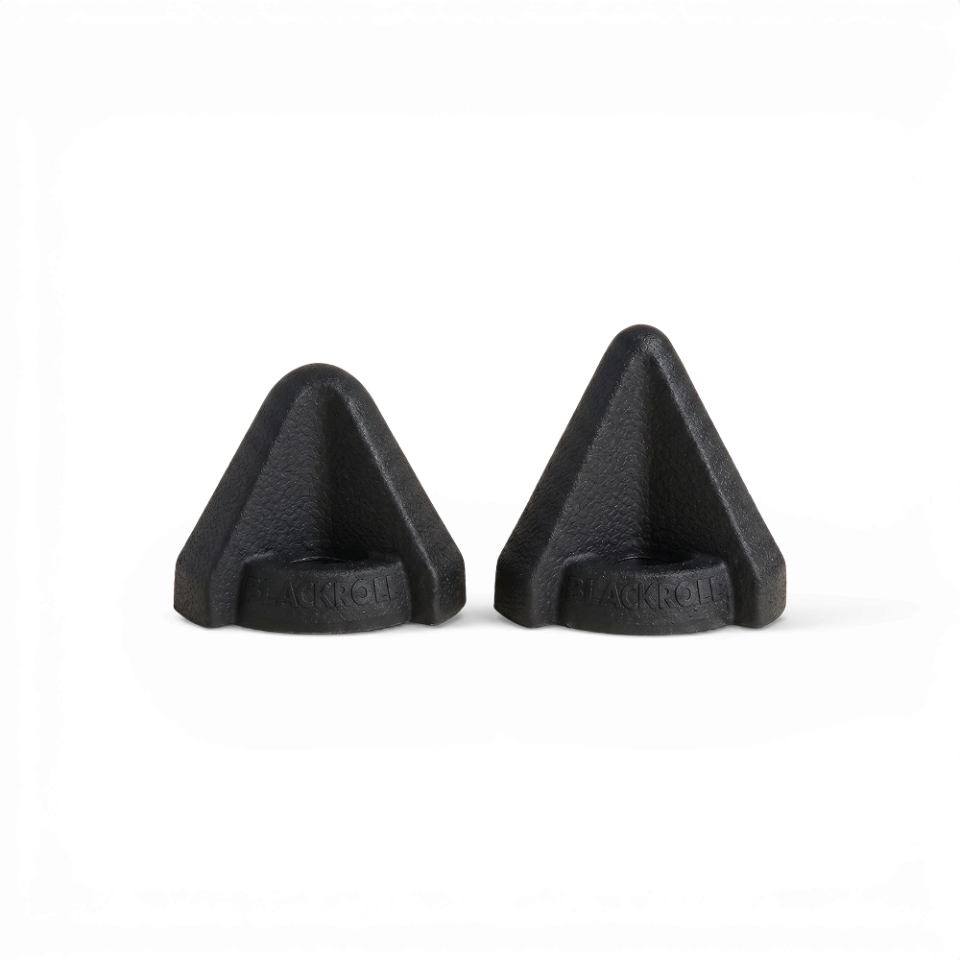
The MED is ideal for daily self-massage to relieve myofascial tension in the back and the TRIGGER BOX is a good addition for targeted trigger point work. Both tools help you actively counteract back pain, regardless of the cause.
Sources and studies
Berufsgenossenschaft für Gesundheitsdienst und Wohlfahrtspflege. (o. D.). Clever heben und tragen.
Brinjikji, W., Luetmer, P. H., Comstock, B., Bresnahan, B. W., Chen, L. E., Deyo, R. A., Halabi, S., Turner, J. A., Avins, A. L., James, K., Wald, J. T., Kallmes, D. F., & Jarvik, J. G. (2015). Systematic literature review of imaging features of spinal degeneration in asymptomatic populations. American Journal of Neuroradiology, 36(4), 811–816.
Bundesärztekammer, Kassenärztliche Bundesvereinigung, & Arbeitsgemeinschaft der Wissenschaftlichen Medizinischen Fachgesellschaften. (2017). Nationale VersorgungsLeitlinie Nicht-spezifischer Kreuzschmerz (2. Aufl.).
Bundesärztekammer, Kassenärztliche Bundesvereinigung, & Arbeitsgemeinschaft der Wissenschaftlichen Medizinischen Fachgesellschaften. (2017). PatientenLeitlinie zur Nationalen VersorgungsLeitlinie: Kreuzschmerz.
Deutsche Gesellschaft für Orthopädie und Unfallchirurgie. (2024). S2k-Leitlinie Spezifischer Kreuzschmerz (Version 2.0). AWMF-Registernummer 187-059.
Deutsche Gesellschaft für Schmerzmedizin. (2021). DGS-PraxisLeitfaden zur Behandlung akuter Kreuz-/Rückenschmerzen.
Schüssel, K., Weirauch, H., Schlotmann, A., Ashrafian, S., Brückner, G., & Schröder, H. (2023). Gesundheitsatlas Deutschland: Rückenschmerzen – Verbreitung in der Bevölkerung Deutschlands, Ursachen, Folgen und Präventionsmöglichkeiten. Wissenschaftliches Institut der AOK (WIdO).