Chronic stress: causes, symptoms and effective coping strategies

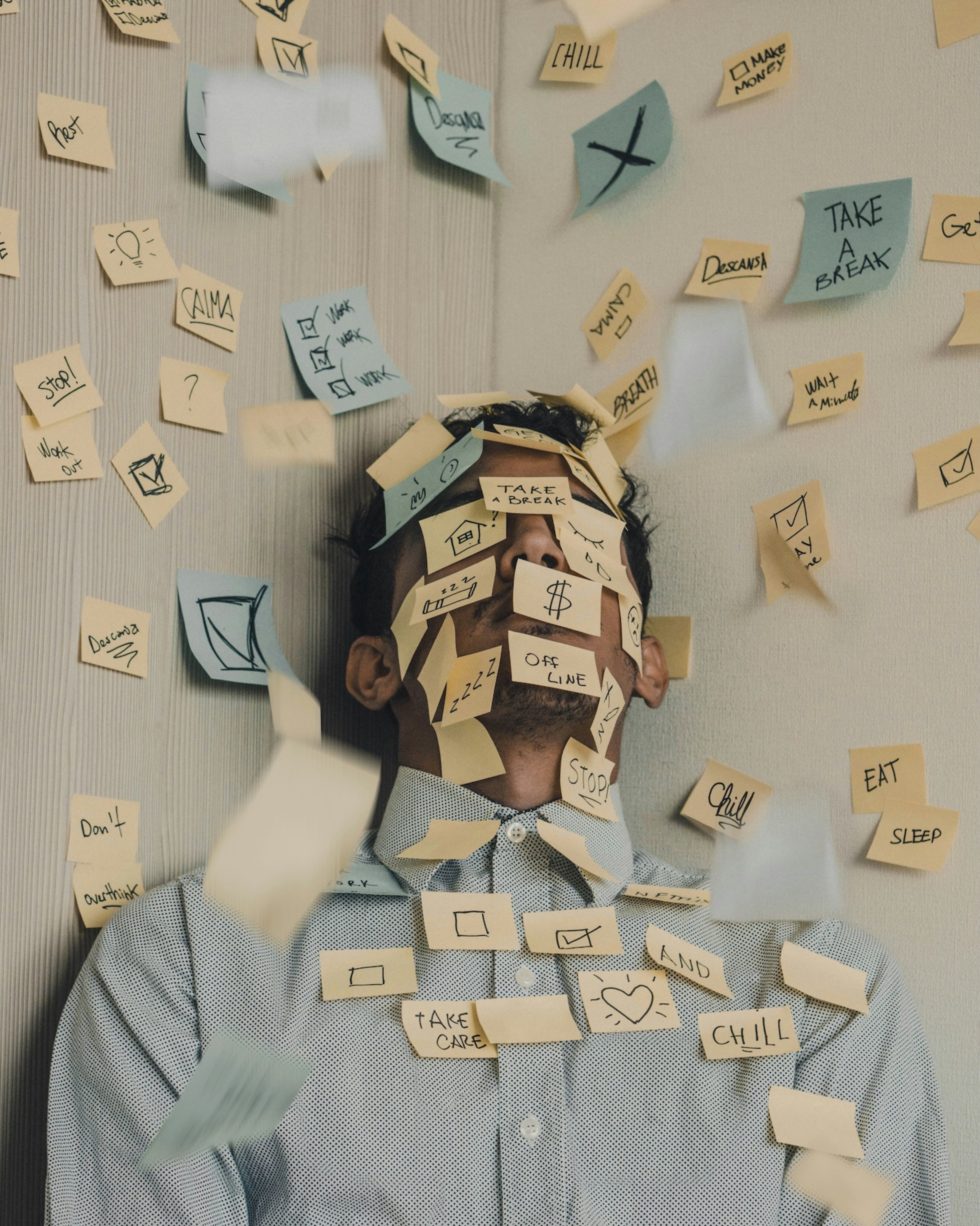
Chronic stress refers to a prolonged or recurring state of tension in which there is a lack of adequate recovery. Typical signs can manifest physically, mentally and behaviourally. In this article, you’ll learn about the causes and symptoms, how to recognise your personal stress triggers and which strategies you can use to reduce stress and support your recovery.
What is chronic stress?
Stress is, first and foremost, a natural reaction of our body: in challenging situations, the adrenal glands release stress hormones such as adrenaline and cortisol. These provide a short-term boost of energy, focus and motivation. However, if this state becomes the norm – for example, due to constant pressure at work, family conflicts or always having to be available – it's referred to as chronic stress.
Unlike short-term, acute stress, the body’s state of alertness persists over the long term in cases of chronic stress. This means that the heart rate and blood pressure remain elevated, muscles are tense, digestion is inhibited — and the immune system is weakened. Those affected become more susceptible to colds, for example. Studies such as the TK Stress Study (2021) show that around 64% of adults in Germany are sometimes or frequently stressed.
Chronic stress usually arises from a combination of external and internal factors.
Common stressors include:
- Work-related (performance) pressure: heavy workload, time pressure, constant availability
- Personal conflicts: relationship, family or financial worries
- Perfectionism and high personal expectations: internal drivers that leave little room for recovery
- Sensory overload: constant media consumption, noise or information overload
Our modern lifestyle further exacerbates these stressors. Without deliberate periods of rest, the body remains in a constant state of alert — in the long term, this can even lead to anxiety disorders or burnout.

You’ll live a more relaxed life, and your health insurance covers the cost.


Chronic stress — what can you do?
You can take active steps to restore balance to your body and mind. Act early – don't wait until exhaustion takes over.
Identify your sources of stress:
Often it's not just external pressures but also internal expectations that exacerbate stress. Take an honest look at your everyday life to spot typical triggers: too much work, a lack of breaks, being constantly on call or perfectionism.Exercise and relaxation:
Regular exercise — whether it’s going for a walk, doing yoga, swimming or cycling — lowers cortisol levels and improves your mood. Relaxation techniques such as breathing exercises, meditation or progressive muscle relaxation help to calm the nervous system. At BLACKROLL, you’ll find plenty of relaxation techniques to help reduce stress, as well as guidance on autogenic training and mindful breathing.Sleep and recovery:
Getting enough sleep is key to managing stress. Fixed bedtimes, taking a break from digital devices in the evening and a quiet environment all help improve sleep quality and aid recovery.Nutrition:
A balanced diet rich in vegetables, whole grains, healthy fats and plenty of fluids supports your immune system and helps stabilise energy levels.Social relationships:
Interacting with family, friends or colleagues acts as a buffer against stress. Professional help — for example, from psychotherapists or stress coaches — can also be useful in developing healthy coping strategies.Consciously slow down:
Short breaks in your everyday life, digital breaks or simply taking a deep breath — these help you rediscover your inner balance.
Chronic stress isn’t inevitable — take it seriously and work on your habits step by step to improve your wellbeing and protect your health in the long term.


Recognise the symptoms of chronic stress
Chronic stress develops gradually — and often goes unnoticed for a long time. Whilst short-term stress spurs the body on to peak performance, prolonged stress means the body can hardly switch off at all. The first warning signs are often overlooked or dismissed as ‘normal everyday stress’.
Mental and emotional symptoms:
- Irritability and inner restlessness: even minor issues trigger annoyance or nervousness.
- Concentration problems: difficulty focusing or remembering things.
- Lack of motivation and mood swings: ranging from feeling overwhelmed to feeling low or anxious.
- Feeling of loss of control: the feeling of no longer being able to cope with everyday life or of being ‘controlled by external forces’.
These symptoms are warning signs from your body that you should take seriously. If you recognise them early on, you can take targeted action to counteract them — for example, by reducing your workload, practising specific relaxation techniques or seeking professional support. Chronic stress is treatable — but it requires attention and self-care.


Chronic stress: physical symptoms
Chronic stress often goes unnoticed – until the body sounds the alarm. Fatigue, tension, sleep problems or gastrointestinal complaints can be the first warning signs of the body’s stress response.
Typical physical signs:
- Sleep disturbances and exhaustion: difficulty falling asleep or sleeping through the night, constant tiredness despite getting enough sleep.
- Tension and pain: frequent headaches, neck or back pain caused by persistent tension.
- Gastrointestinal symptoms: nausea, loss of appetite, diarrhoea or constipation with no apparent cause.
- Cardiovascular reactions: palpitations, high blood pressure or a feeling of tightness in the chest.
Weakened immune system: frequent infections, slower wound healing or skin problems.


How chronic stress affects the body
Chronic stress triggers a cascade of physical reactions. The stress hormone cortisol stays elevated — it’s meant to give you short-term energy, but prolonged stress throws your metabolism out of balance.
In their study, which drew on data from 21 countries, Richardson et al. (2012) found that people who are under constant psychological strain (e.g. due to stress at the workplace, within the family or because of social circumstances) have a measurably higher risk of heart attack or other cardiovascular diseases (22%) and stroke (30%).
High blood pressure, diabetes and depression are also more common.
Furthermore, persistently elevated levels of stress hormones weaken the immune system, which can increase the likelihood of infections, inflammation and skin conditions such as atopic dermatitis.
Recovery is also impaired: muscles, organs and cells find it harder to recover. At the same time, the brain is highly sensitive to prolonged stress. Concentration and memory decline whilst nervousness, irritability and anxiety increase .
These processes demonstrate that stress isn't purely a psychological problem but affects body, mind and emotions in equal measure . If you learn to recognise stress at an early stage and actively counteract it, you'll protect your health in a sustainable way.

Treatment for chronic stress
The good news is that chronic stress is reversible. The key is to break the cycle of stress and tension. These strategies can help:
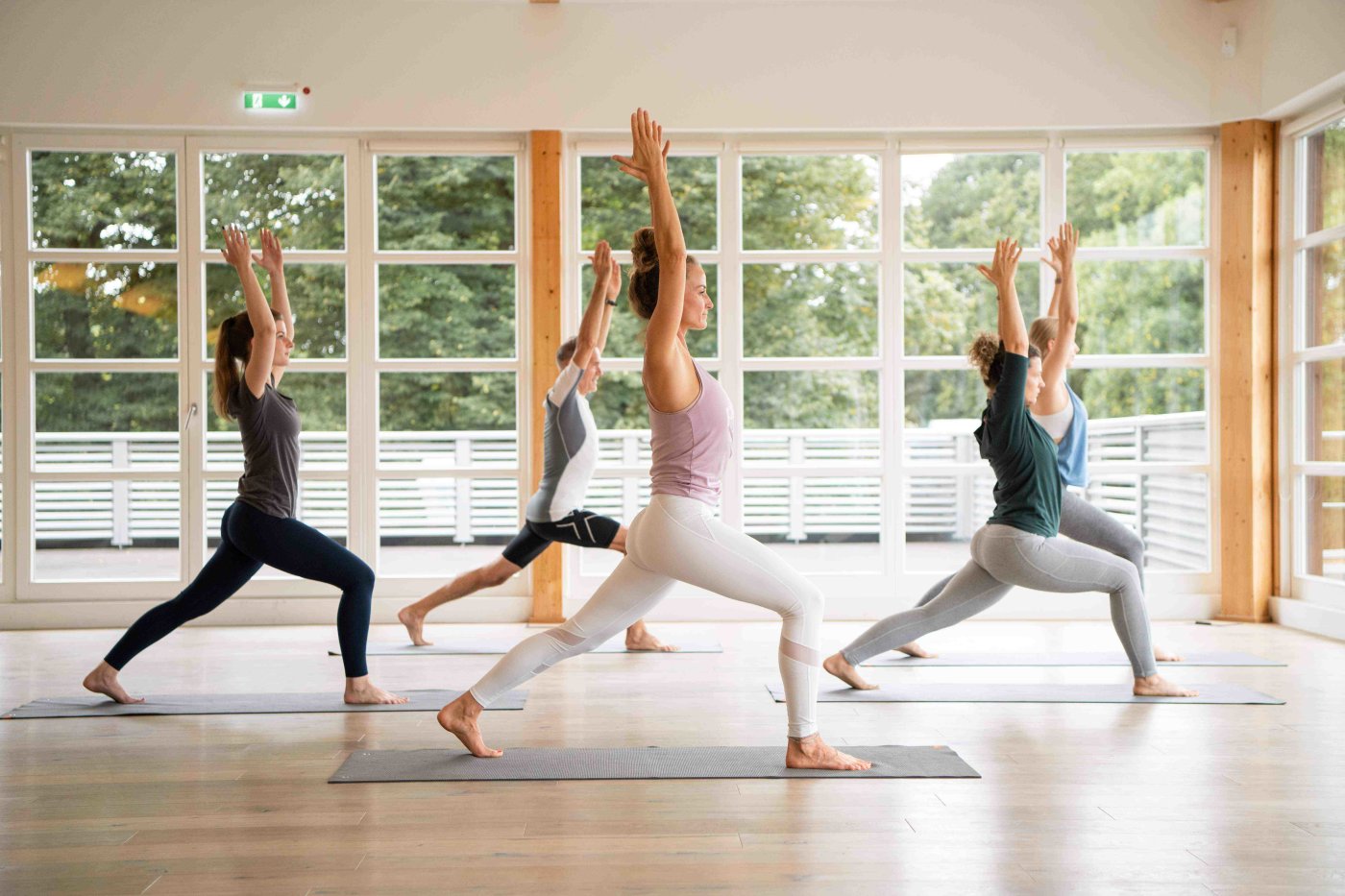
Exercise and physical activity
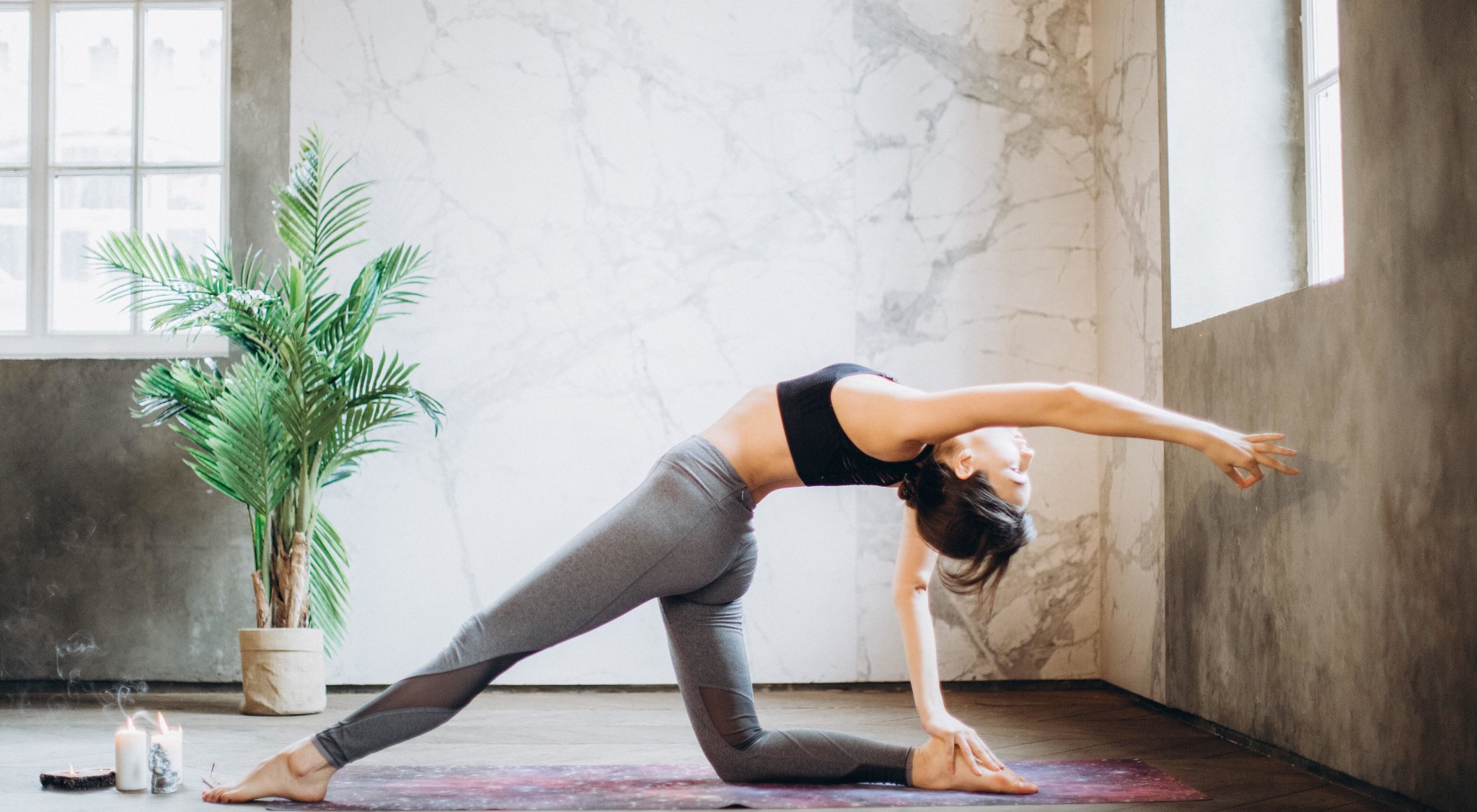
Regular exercise — whether it’s yoga, running or fascia training with BLACKROLL® tools — can help reduce stress hormones, relieve muscle tension and improve blood flow. Research shows that just 20 min of moderate activity a day can have a calming effect on the nervous system.
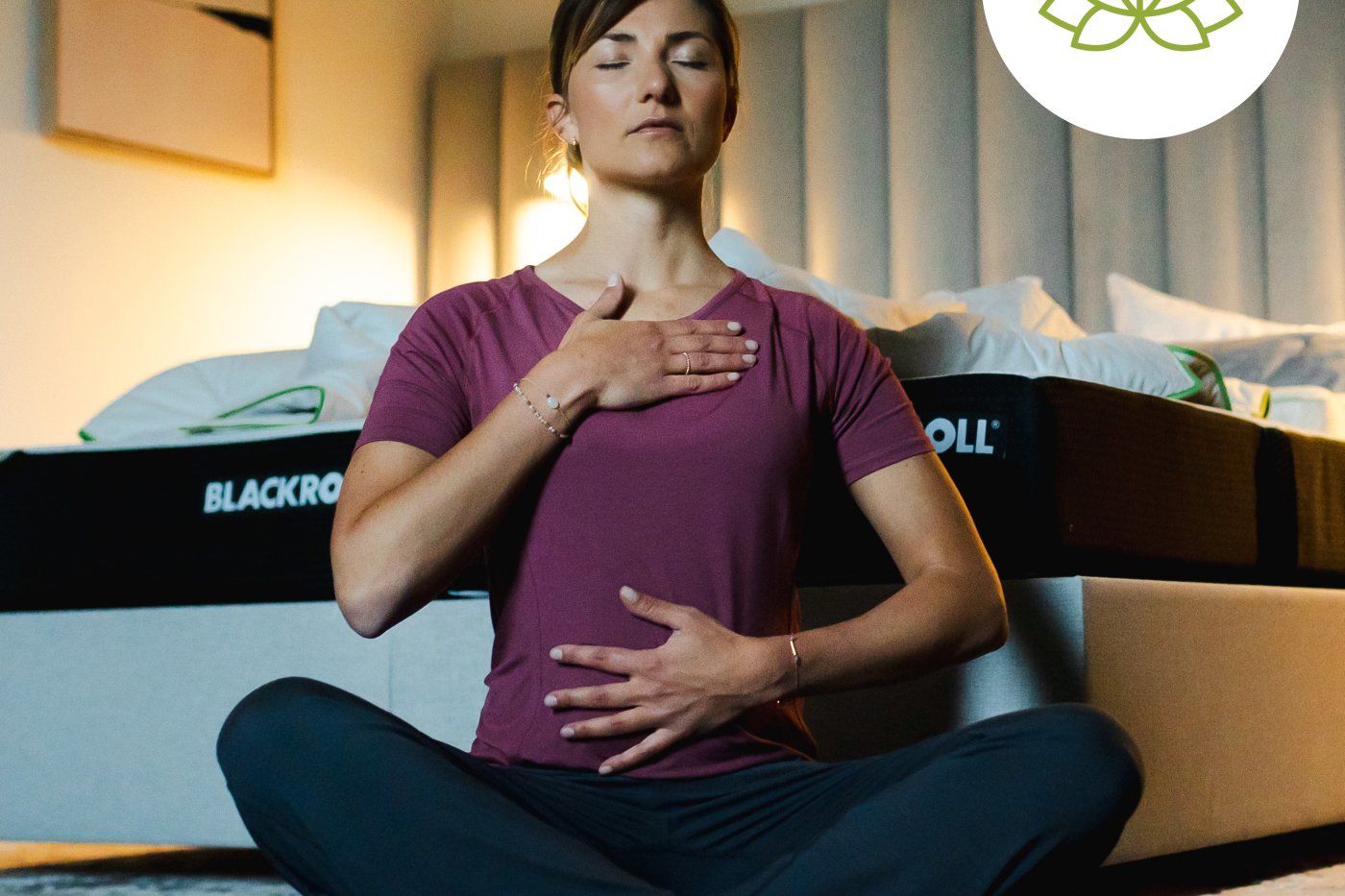
Relaxation techniques
Breathing exercises, meditation or progressive muscle relaxation activate the parasympathetic nervous system — the body’s ‘rest and digest’ mechanism. Conscious breaks help you step out of constant tension. We teach methods for conscious breathing. Short guided breathing exercises (e.g. 4-7-8 breathing) or special programmes (such as those available via the BLACKROLL® App) help you relieve stress immediately and calm your nervous system.
Quick guide to 4-7-8 breathing:
1. Breathe in: breathe in slowly through your nose for 4 s.
Hold your breath for 7 s.
3. Exhale: breathe out slowly through your mouth for 8 s.
This rhythm calms the nervous system, reduces stress and promotes relaxation, helping you fall asleep.
Leona Rudolph, health psychologist and sleep health expert


BLACKROLL® Quick Tip
12-min self-massage to relieve stress
Nutrition for greater balance
A balanced diet rich in vegetables, omega-3 fatty acids and plenty of water helps stabilise blood sugar levels and supports stress management. Cut down on sugar and caffeine.
The following foods can help stabilise blood sugar levels, provide the body with nutrients for the nerves and brain and thus support stress management:
- Vegetables: broccoli, spinach, peppers and carrots
- Fruit: berries, apples and oranges
- Omega-3 fatty acids: salmon, mackerel, chia seeds and walnuts
- Wholemeal products: oatmeal, wholemeal bread and quinoa
- Pulses: lentils, chickpeas and beans
- Drinks: water and unsweetened herbal or fruit tea
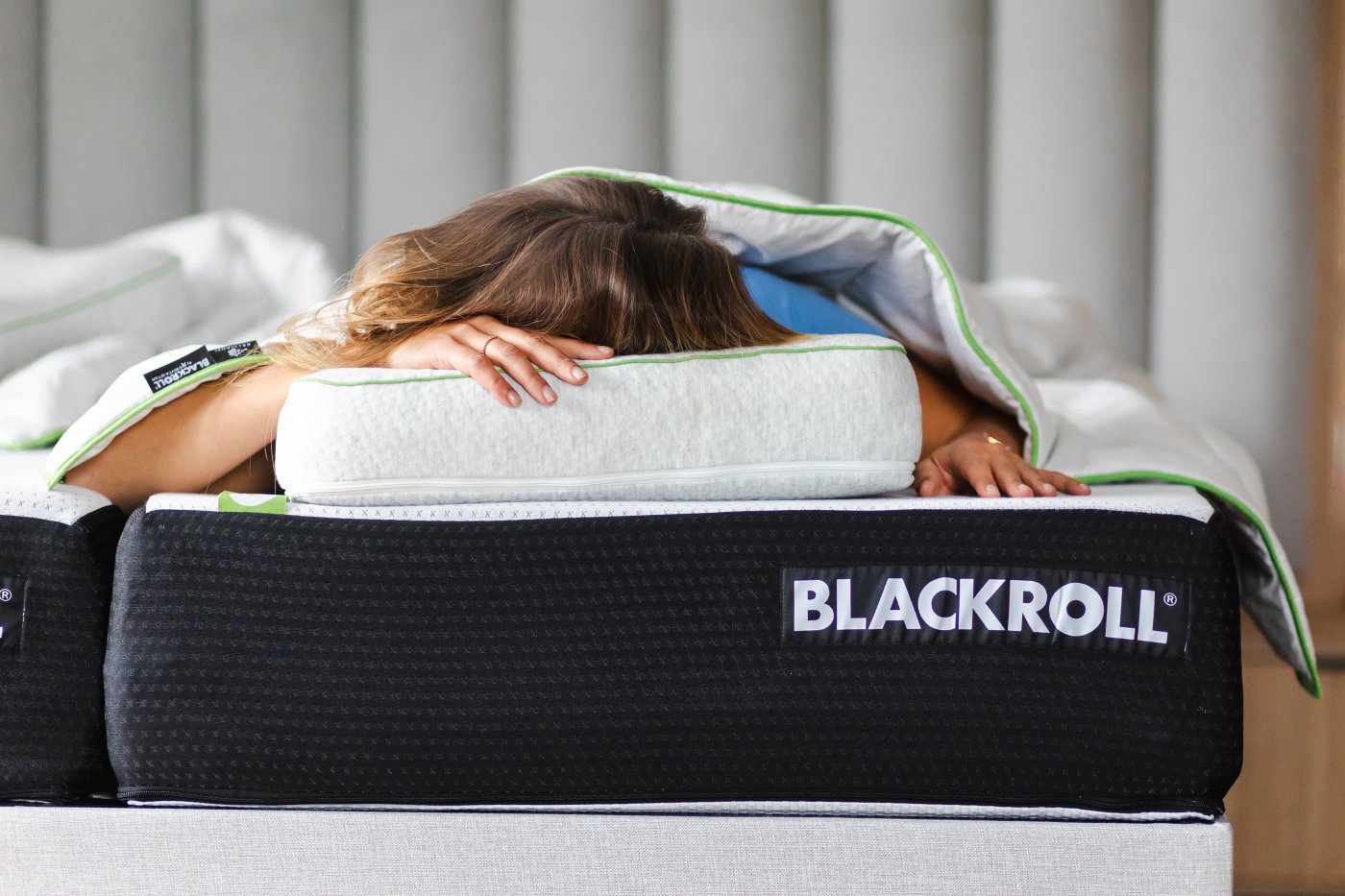
Sleep hygiene and recovery
Over 60% of people with chronic stress report sleep problems. Regular bedtimes, digital breaks and evening routines promote recovery.
You can also get support from our RECOVERY PILLOW and the RECOVERY BLANKET.
The BLACKROLL® RECOVERY PILLOW is an ergonomic neck support pillow designed to help you relax and recover as you sleep. It features a special recess that supports your neck in various sleep positions — whether on your back, side or front — and the elastic, breathable memory foam adapts to your natural sleep position, helping to reduce tension in the shoulder and neck area.
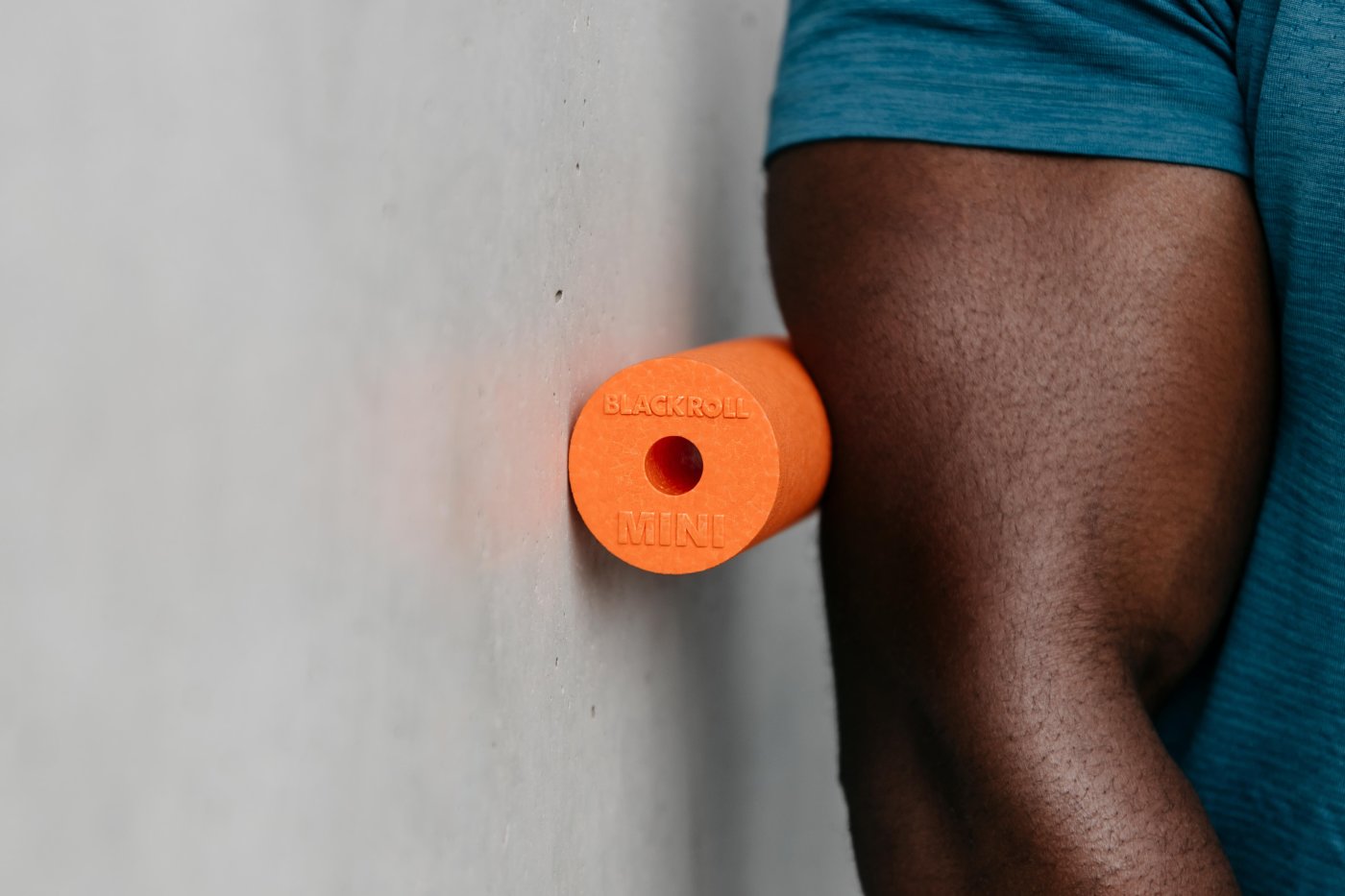
Recovery
Regular fascia training helps relieve tension, promotes muscle relaxation and can help reduce stress levels. We also offer foam rollers, balls and many other tools for active recovery.

Psychological support
If you're feeling exhausted, listless or anxious, psychotherapeutic support can help you recognise stress patterns and make lasting changes.

Chronic stress: consequences for body and mind
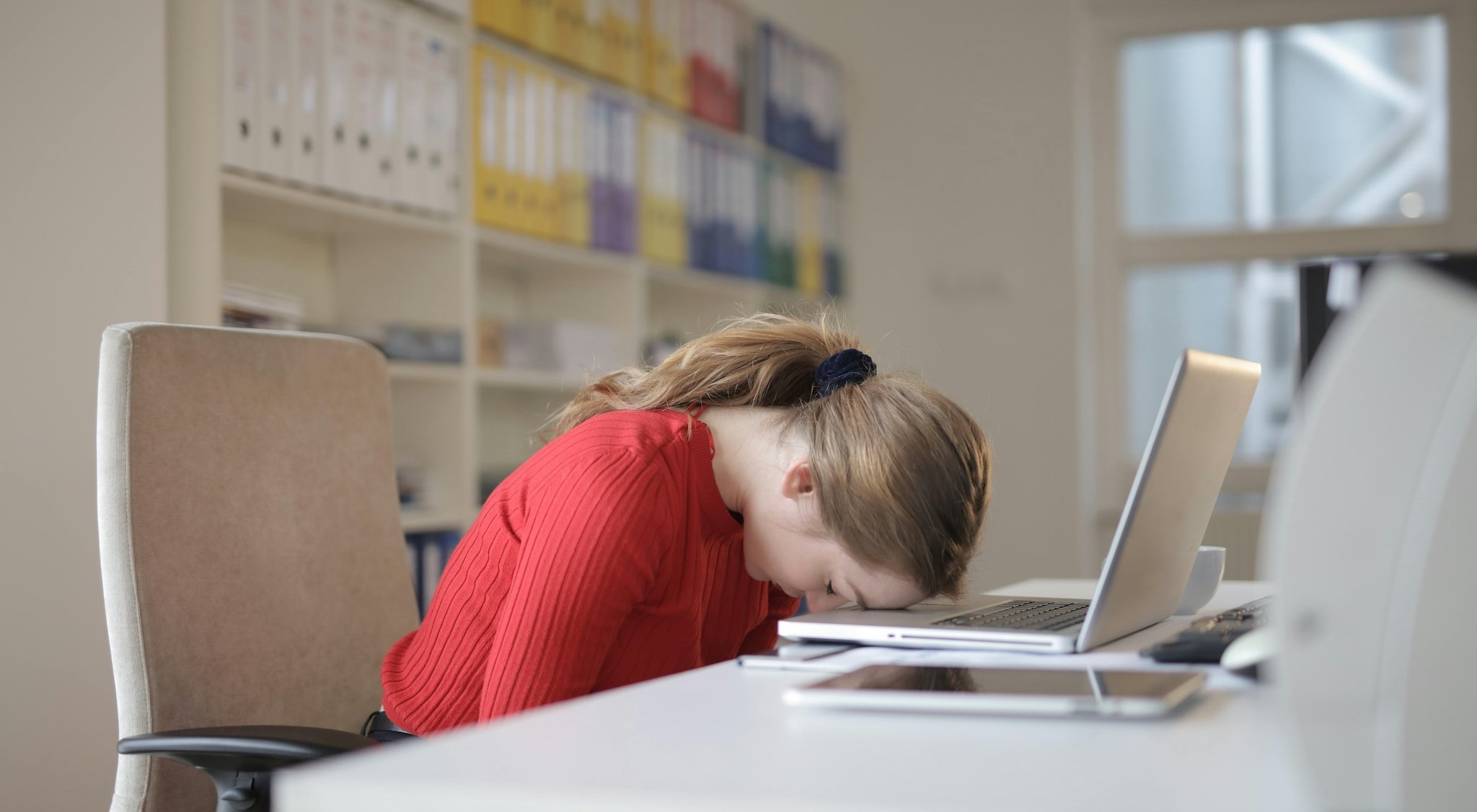
Chronic stress is more than a feeling of tension — it affects your whole body. Frequent irritability, sleep disturbances, persistent exhaustion, inner restlessness or problems concentrating can be early signs that your system is overloaded.
If left unchecked for a long time, chronic stress can lead to serious health problems: cardiovascular disease, high blood pressure, a weakened immune system or digestive problems are just a few of the possible consequences. Your mental health suffers too: anxiety, depressive moods and reduced mental performance can result.
Recognise your body’s signals early and take them seriously. Take short breaks during the day, practise mindful exercise, get enough sleep and schedule regular rest to reduce stress and prevent it in the long term. Even small changes, such as conscious breathing, a short walk or a brief mindfulness exercise, can make a significant difference.
In this way you support not only your body but also your mind, helping you to remain productive and balanced.
Conclusion: Back to balance
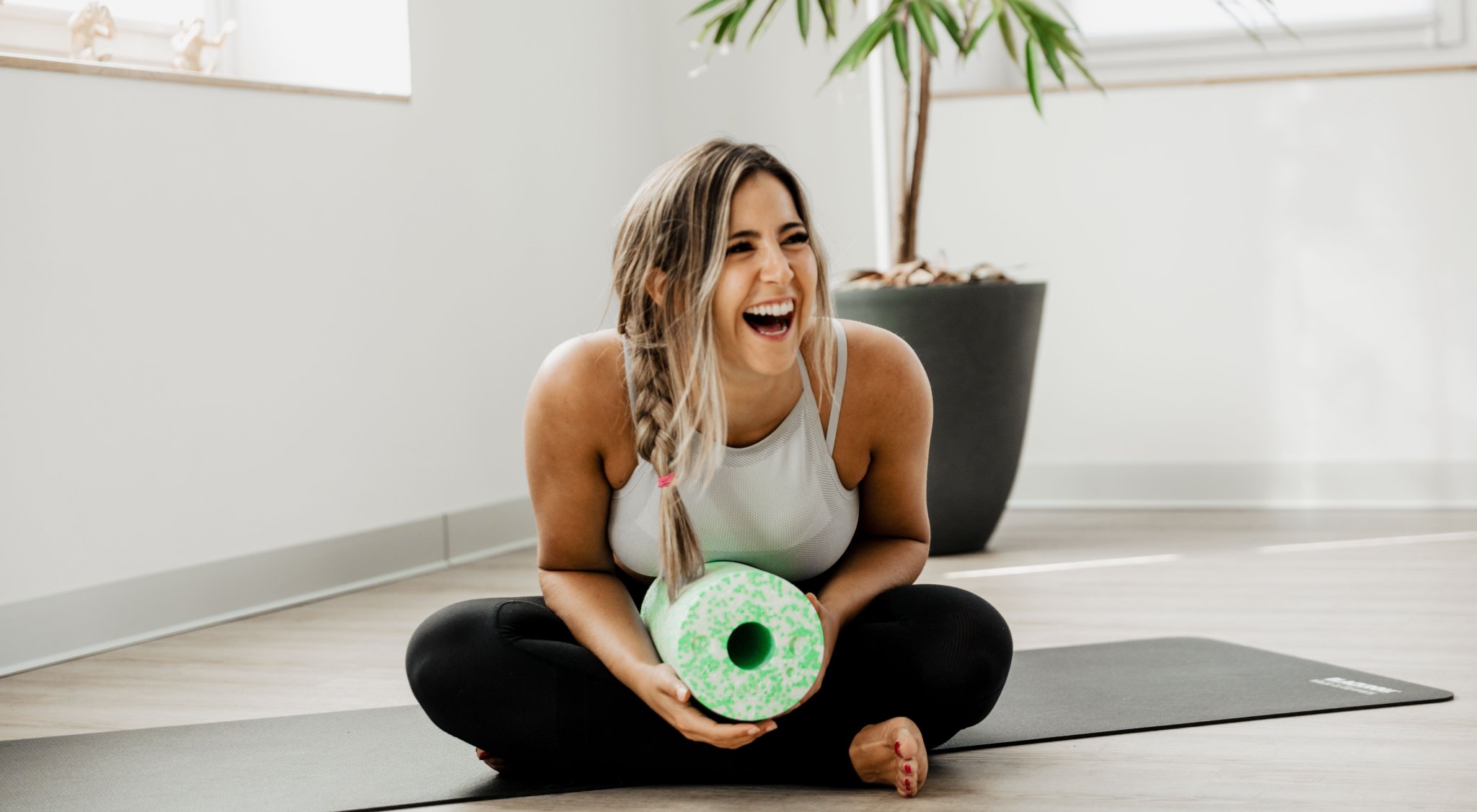
Chronic stress isn’t inevitable – it’s a warning sign that your body needs relief. Restore balance through exercise, mindful breathing and a healthy mix of activity and rest.
More interesting items






Sources and studies
Techniker Krankenkasse. (2021). TK Stress Study 2021: ‘Relax, Germany’ Key findings [PDF]. Hamburg: Techniker Krankenkasse. https://www.tk.de/resource/blob/2116614/f99574fe38533c89a587f01289e9027b/2021-kernaussagenstressstudie-data.pdf
Richardson, S., Shaffer, J. A., Falzon, L., Krupka, D., Davidson, K. W. and Edmondson, D. (2012). Meta-analysis of perceived stress and its association with incident coronary heart disease. The American Journal of Cardiology, 110(12), 1711–1716. https://doi.org/10.1016/j.amjcard.2012.08.004