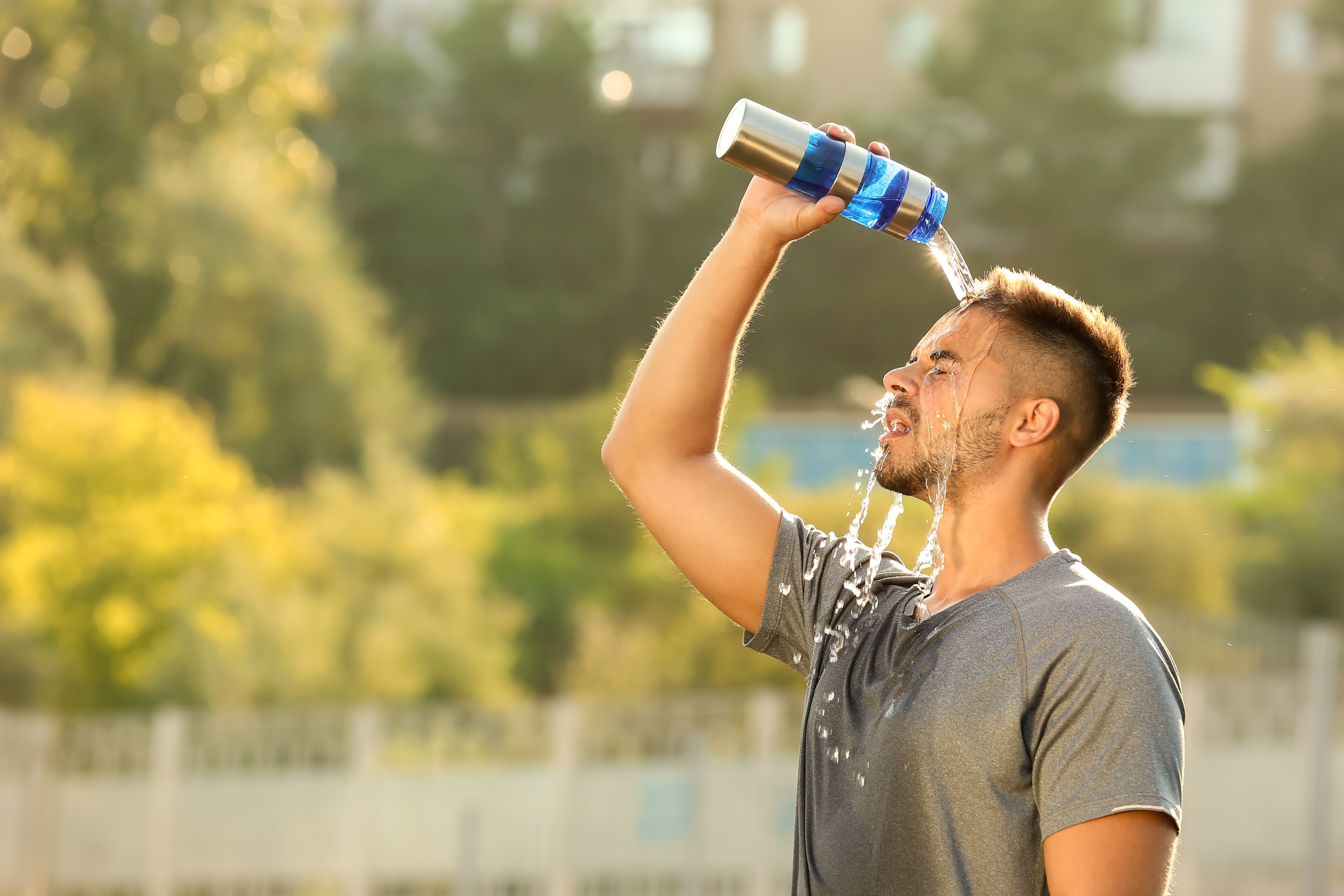
Exercising in the Heat: How to Stay in Top Performance and Safe

Sport in the heat puts extra strain on the circulatory system: sweat rate increases, blood volume decreases, and body temperature can rise to dangerous levels. Anyone training in temperatures of around 28 °C or higher should reduce the intensity of their workout, drink plenty of fluids and allow themselves 7 to 14 days to acclimatise to the heat. The 2026 FIFA World Cup demonstrated just how significant these conditions can be: in Houston, Miami and Dallas, matches were played in temperatures exceeding 33 °C and with humidity levels of around 70 per cent – cooling breaks were standard practice.
What happens to the body during heat stress?
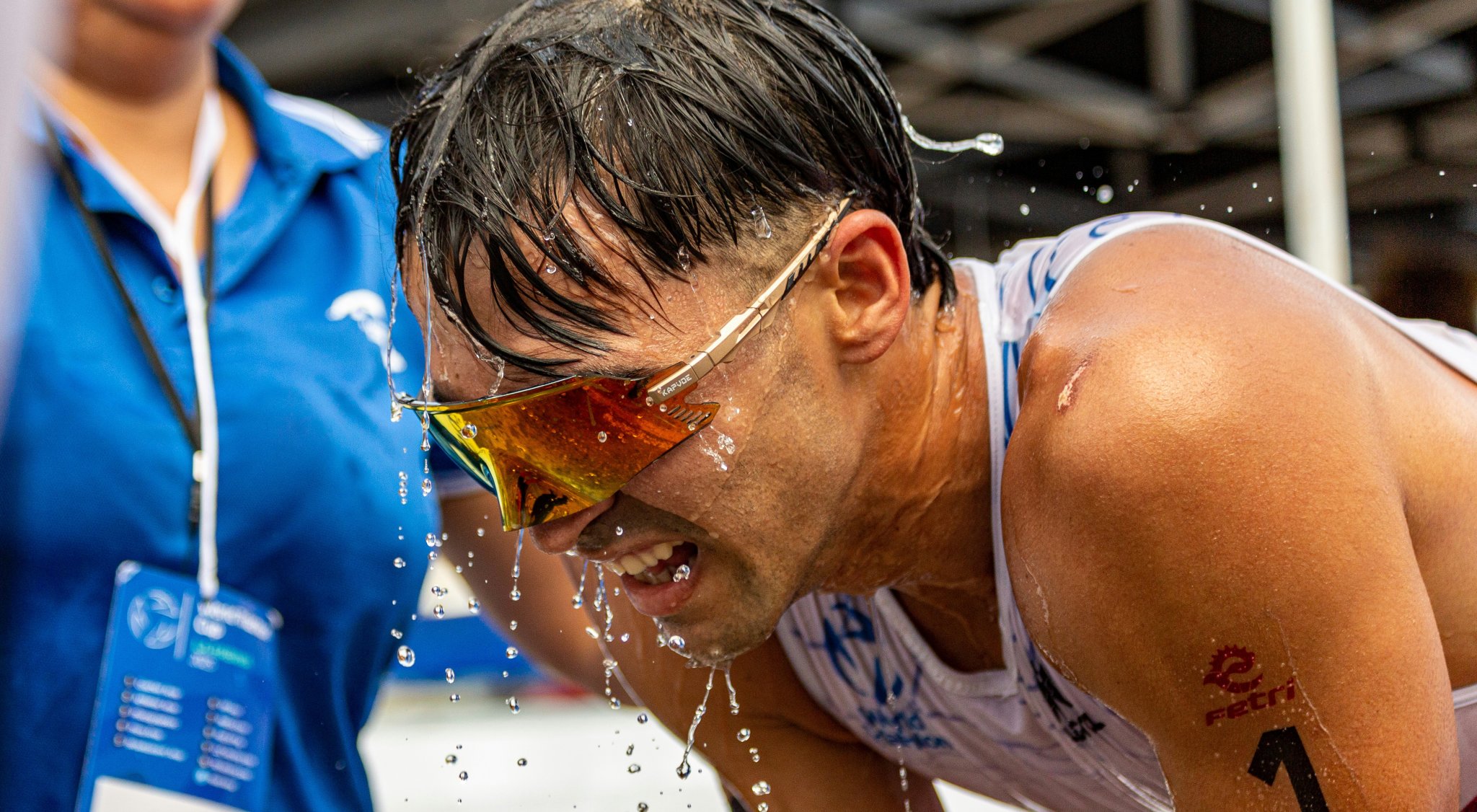
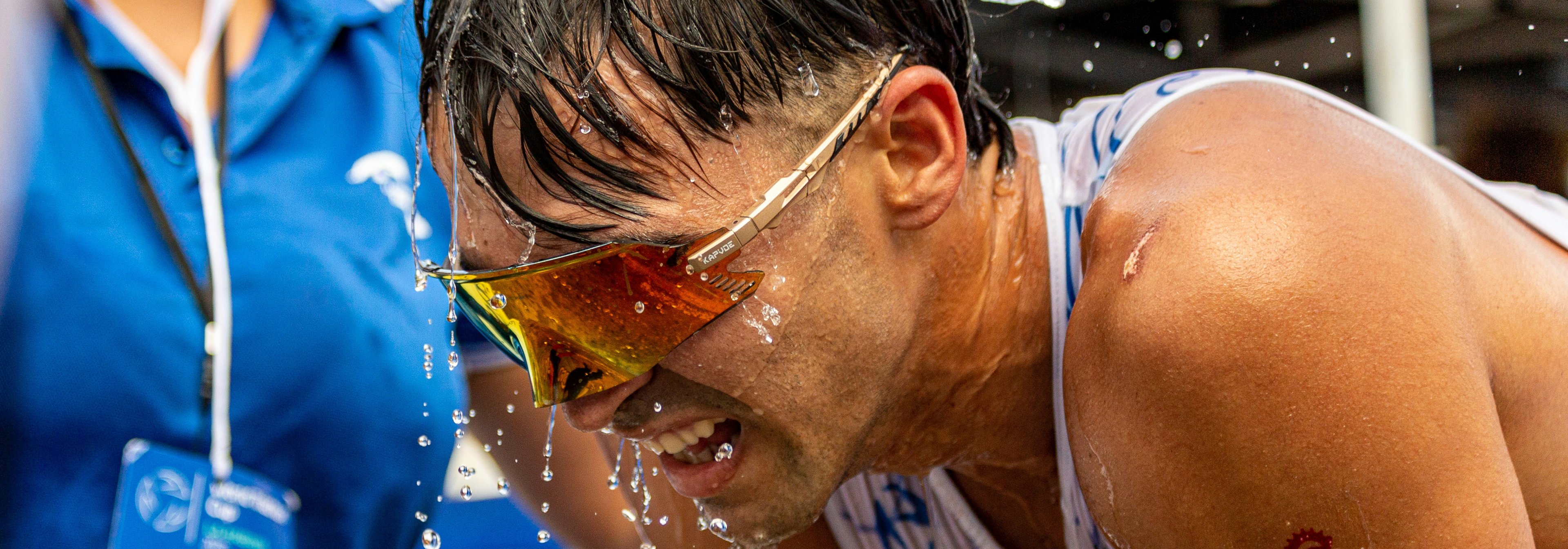
When exercising in the heat, your body tries to get rid of the heat it generates more quickly – and that is precisely what causes it to lose performance.
The main mechanism for heat dissipation is sweating: when sweat evaporates from the skin, it draws heat away from the body. You also lose heat through convection (air flowing past the body) and radiation (heat transfer to the surroundings).
To make this work, the body directs more blood to the skin. This comes at the expense of the working muscles. The result: your heart rate rises for the same level of exertion, your blood volume drops due to sweat loss, and your performance declines.
It becomes particularly challenging in high humidity. This makes it harder for sweat to evaporate, even though you continue to lose fluid. This is precisely why hot and humid conditions (for example, in Miami and Houston) are often more taxing than dry heat at the same air temperature. The body sweats more, loses more fluid and overheats more quickly.
How much water do you need in hot weather?
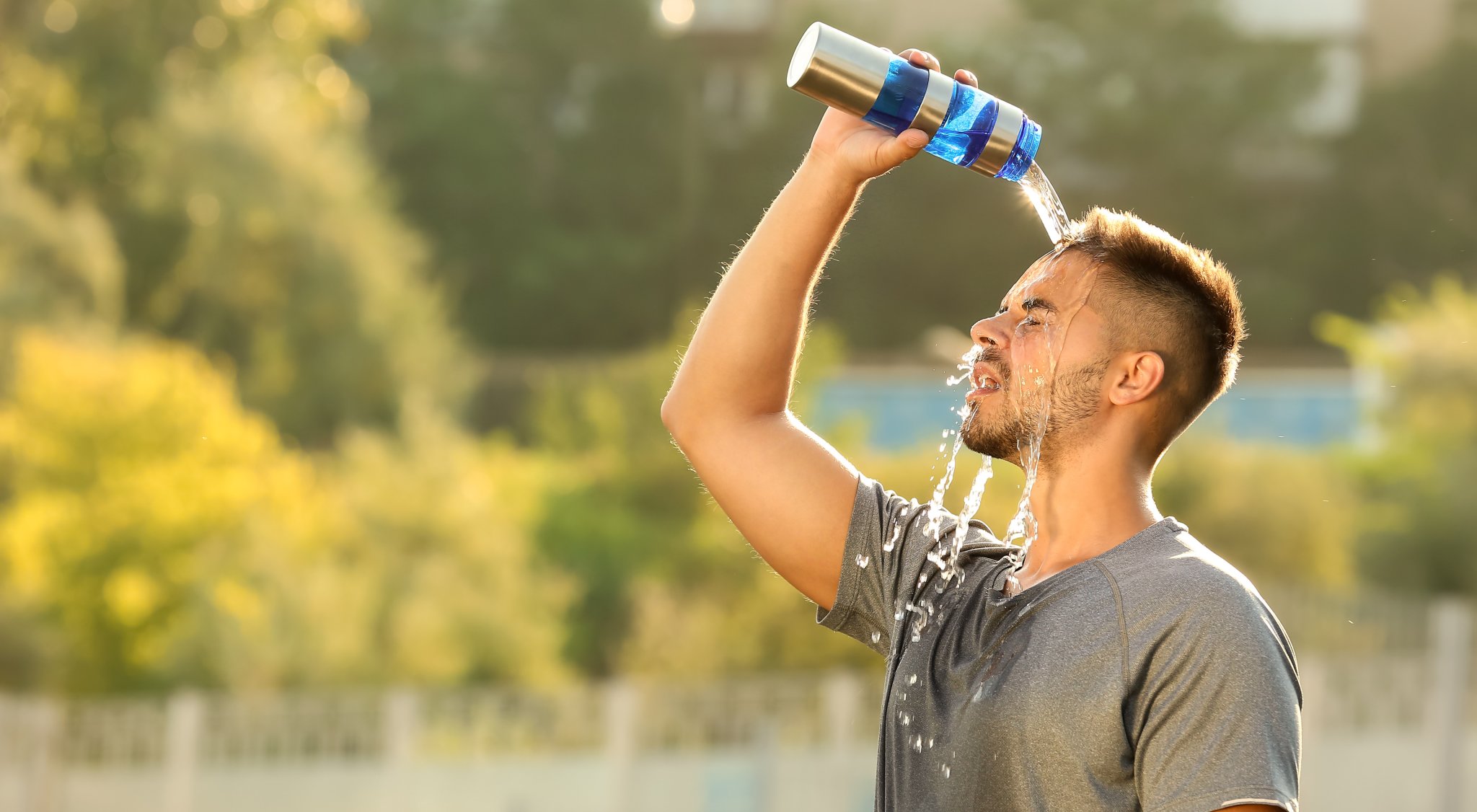
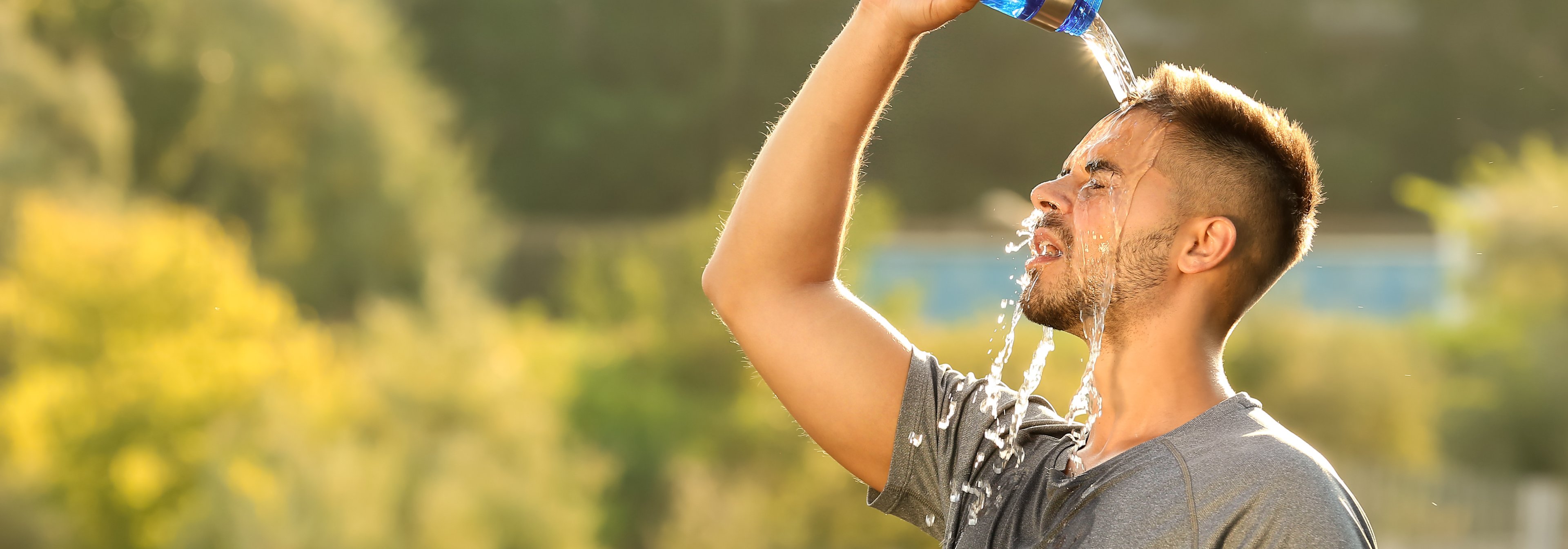
The right amount to drink depends primarily on your sweat rate, the duration of the exertion, its intensity and the environmental conditions.
For prolonged exercise, the ACSM suggests a rough guideline of around 0.4 to 0.8 litres per hour, and in some situations even more. Older ACSM recommendations suggested 0.6 to 1.2 litres per hour as a guide for intense exercise; however, individual adaptation is always key.
Those who sweat heavily in the heat may be at the upper end of the range, whilst those who sweat less may be at the lower end. Determining your own sweat rate beforehand by weighing yourself before and after Training helps you to establish your personal quantity.
Electrolytes during prolonged exercise:
- From around one hour of exercise in the heat, it is advisable to add sodium. The recommended amount is 0.5 to 0.7 g of sodium per litre of drink (Convertino et al. 1996).
- In very long competitions or where sweat rates are high, requirements may exceed this (Coyle 2004).
- Drinking very large quantities of plain water without electrolytes can lead to so-called hyponatraemia, a dangerously low sodium concentration in the blood (Noakes 2003).
Hydration before the competition: Over the 24 hours leading up to exercise in the heat, you should drink enough to ensure your fluid balance is stable when you start the competition. Around 500 ml extra approximately two hours before the start of exercise (Convertino et al. 1996).
Practical tip: Weigh yourself before and after Training
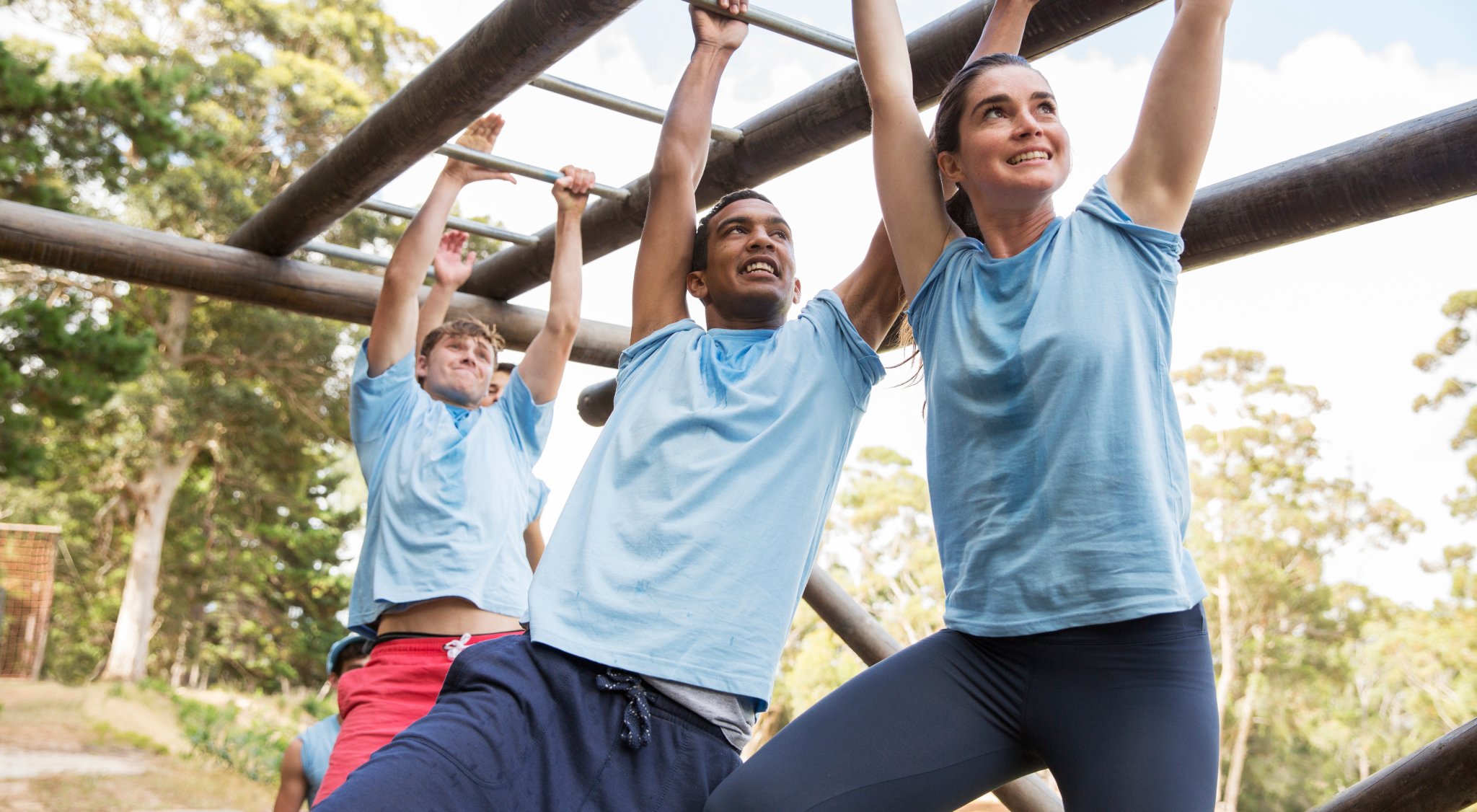
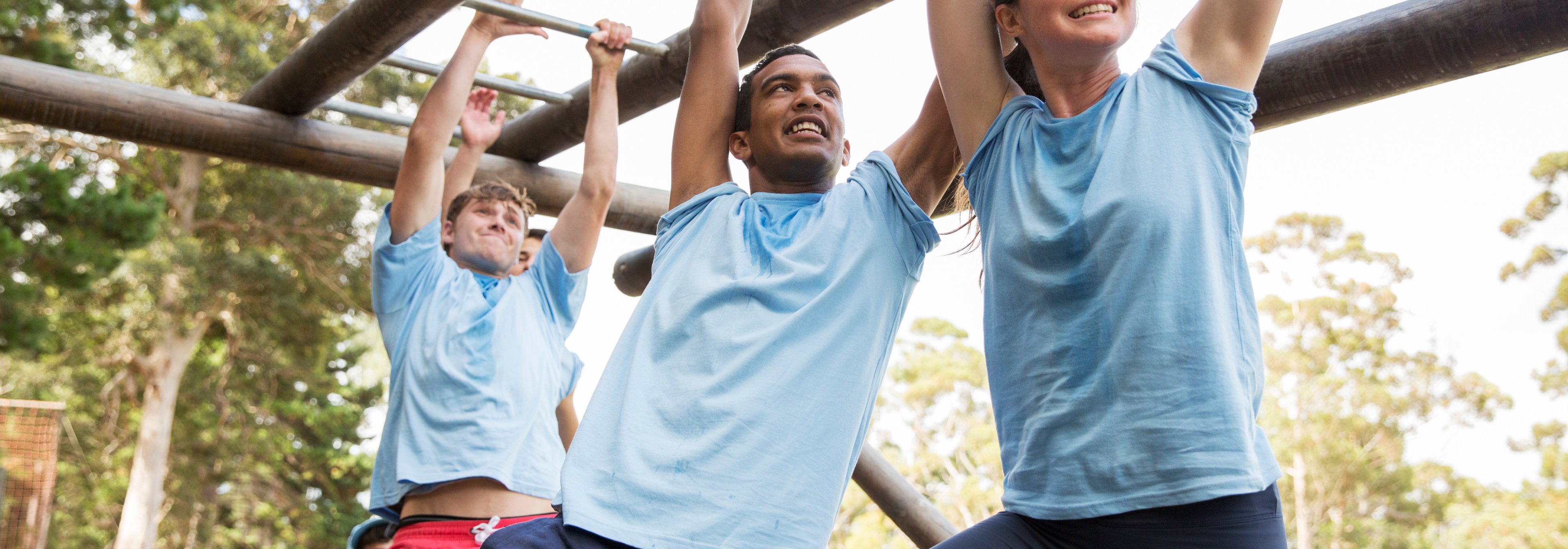
The best way to work out your personal sweat rate is simple:
1. Weigh yourself before your Training, either naked or in dry clothes.
2. Weigh yourself again immediately after your Training, either naked or in the same clothes.
3. The difference is roughly equal to your fluid loss.
4. Add to this the amount of fluid you drank during your Training.
Example: You weigh 72.0 kg before your run and 71.1 kg afterwards. You drank 0.5 litres during the run.
In this case, your total fluid loss is approximately: 0.9 kg + 0.5 litres = 1.4 litres
If the Training session lasted one hour, your sweat rate was therefore around 1.4 litres per hour.
A practical rule of thumb for recovery is to replace around 125 to 150 per cent of the weight lost over the next few hours, as you will continue to lose fluid through urination. For a weight loss of 1.0 kg, that would be approximately 1.25 to 1.5 litres of fluid – ideally not just water, but also sodium, depending on the duration and amount of sweat lost. This strategy is used in sports medicine recommendations.
How does heat acclimatisation work?
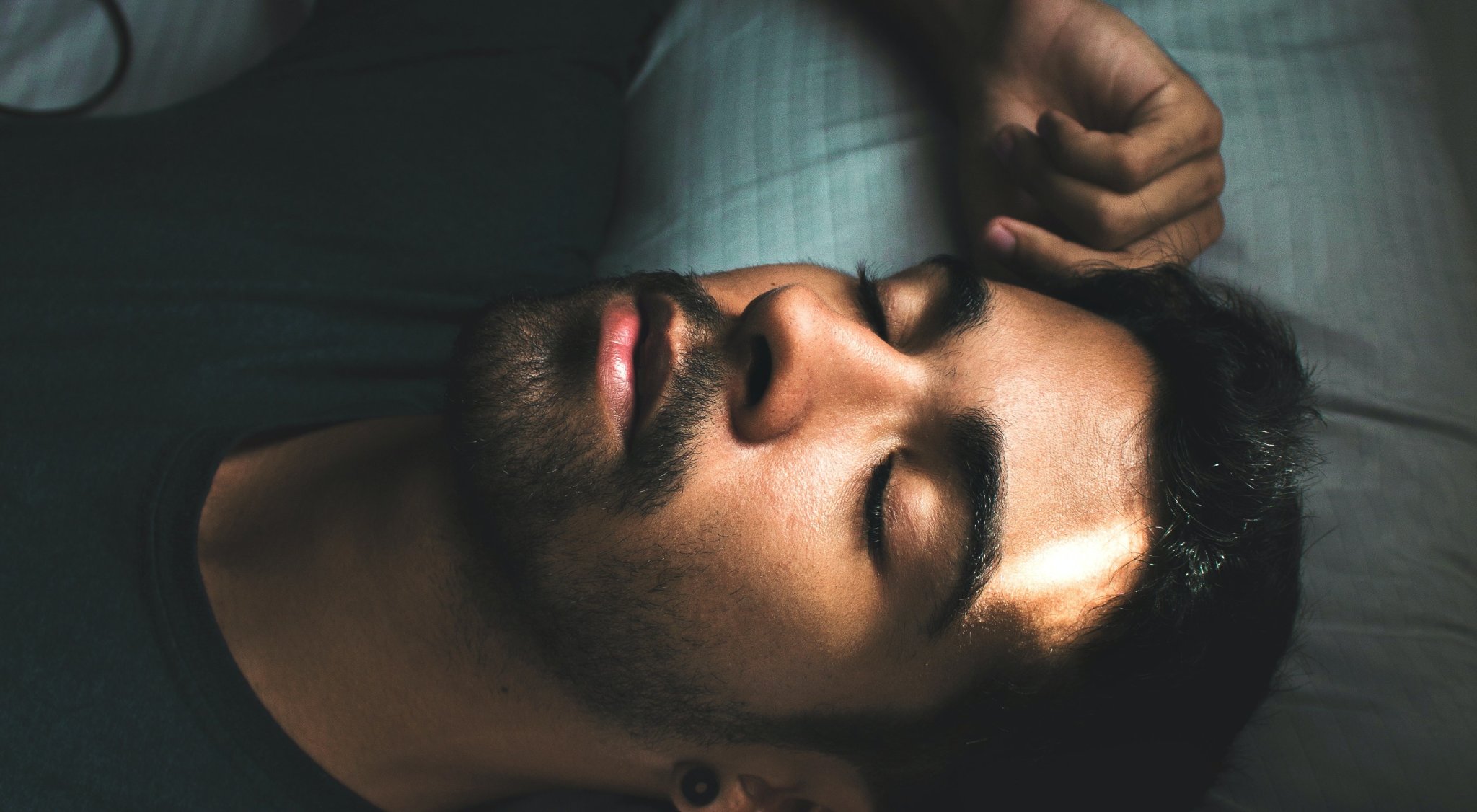
Heat acclimatisation is one of the best-studied forms of adaptation in Sport: 7 to 14 days of daily exposure to heat are sufficient to produce significant effects.
The first measurable changes occur after just three to five days. These adaptations include an increased sweat rate, a lower sodium concentration in sweat (you lose less salt), a higher blood volume and a lower heart rate at the same level of exertion (Périard et al. 2015; Brown et al. 2023).
Practical protocol: 60 to 90 minutes of daily heat exposure over one to two weeks, ideally immediately before a competition in the heat. Just five days are sufficient to produce significant effects on heart rate and body temperature (Daanen et al. 2018).
Sweat less now with the RECOVERY BLANKET SUMMER
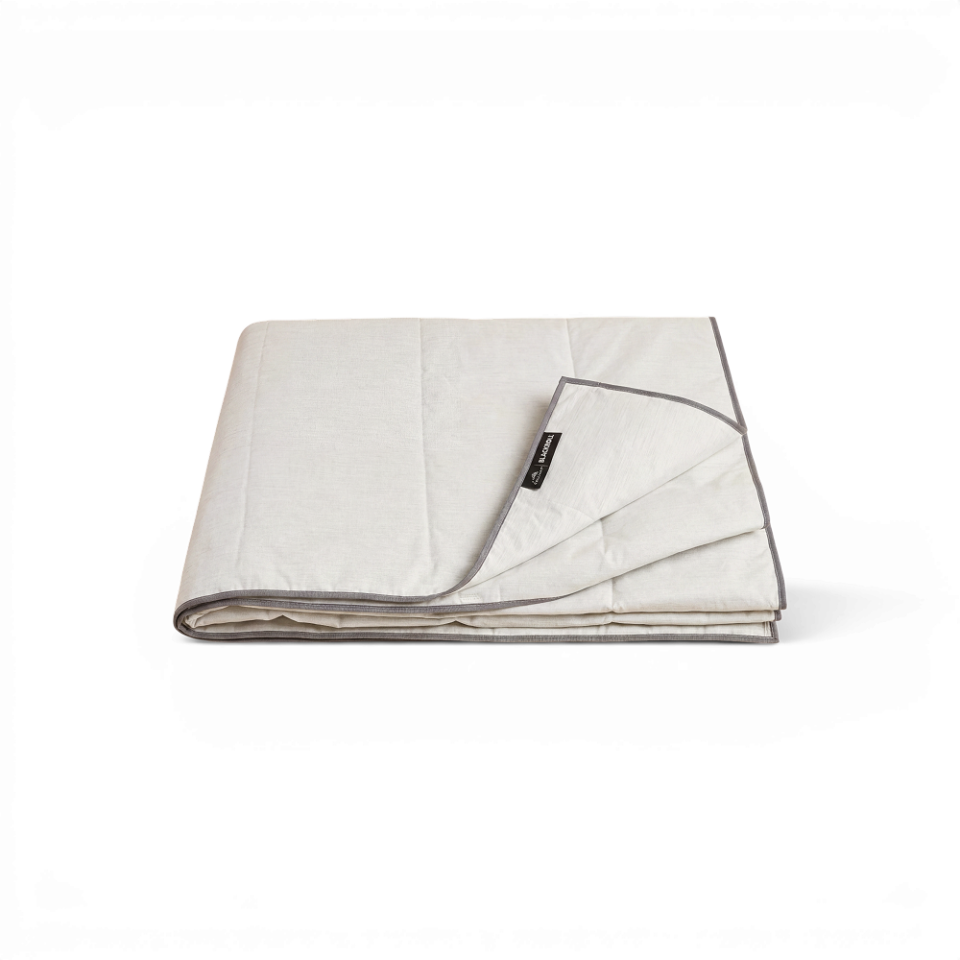
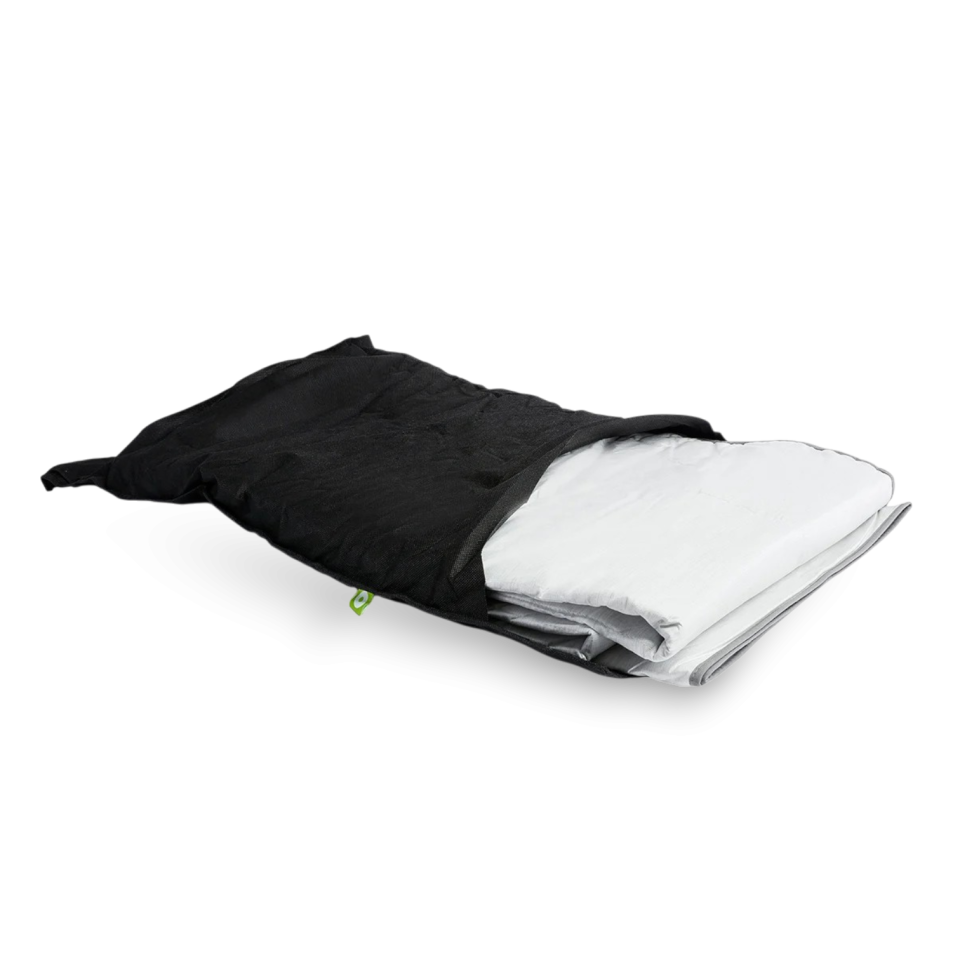
Recovery Blanket Summer
Available in multiple variants
How can you sleep better in hot weather?
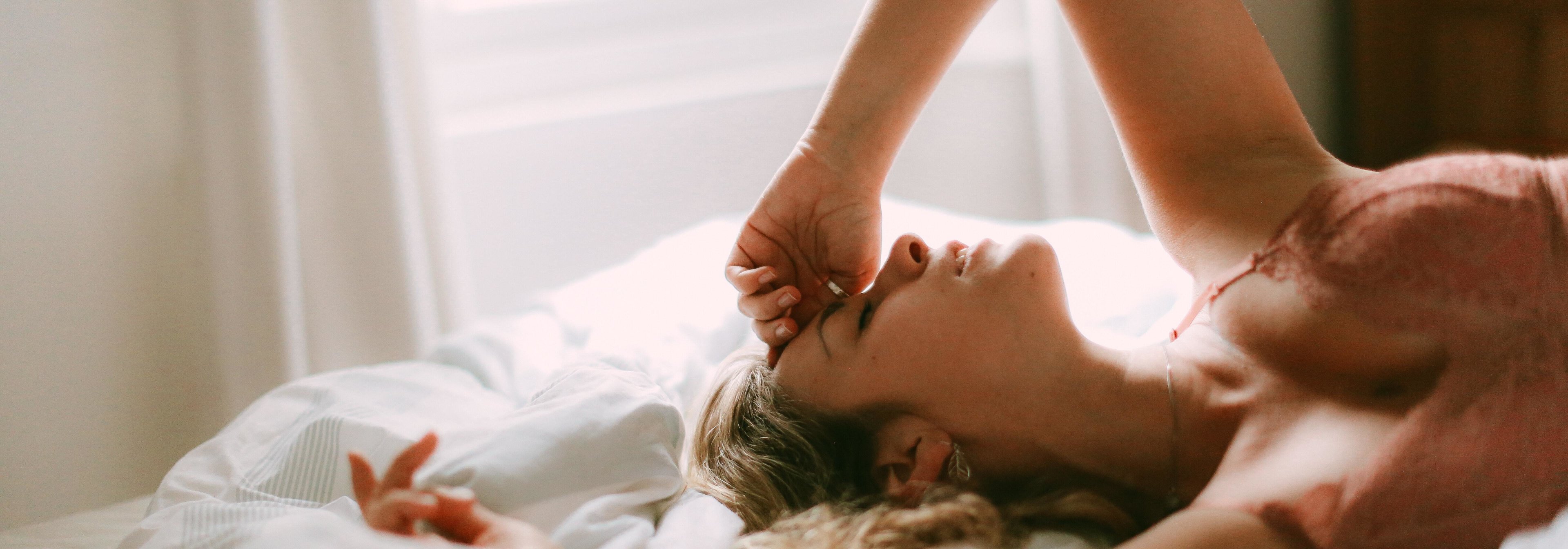
Sleep in hot weather is one of the most underestimated factors when it comes to Performance the next day – the interplay between Sport and Sleep has a particularly strong effect in hot conditions.
Sleep suffers in the heat. High bedroom temperatures and high humidity increase the likelihood of more periods of wakefulness and poorer sleep quality. Falling asleep and the depth of sleep are closely linked to thermoregulation; the body must be able to release heat before falling asleep and throughout the night.
Studies clearly show that the onset of sleep coincides with a drop in body temperature, and a further drop in temperature accompanies the deep sleep phases (Harding et al. 2019). High room temperatures, particularly when combined with high humidity in the Bedroom, lead to increased sweating during sleep.
A study of young adults demonstrates just how detrimental this can be: at 32 °C and 80 per cent relative humidity, body temperature remained elevated at night, wakefulness increased, the proportion of light Sleep phases rose, and deep Sleep was reduced (Tsuzuki et al. 2003).
Anna West
What helps on warm nights:
- Keep the bedroom cool, ideally between 16 and 19 °C, and adjust the air temperature and bedding so that you feel neither too warm nor too cold. Studies speak less of an optimal sleep temperature than of thermal neutrality (Wang et al. 2023).
- Drink enough before going to bed, without overdoing it shortly before bedtime.
- Thin, breathable blankets instead of heavy bedding.
- On very warm nights, a lukewarm bath or shower before sleep can also help, as the skin cooling that follows supports the drop in body temperature (Harding et al. 2019).

What warning signs should you take seriously in hot weather?
When exercising in the heat, there are two stages of escalation that you really need to be aware of: heat exhaustion and heatstroke.
This distinction is crucial in sports medicine because heatstroke is life-threatening and requires immediate action (Casa et al. 2012).
You can recognise heat exhaustion by:
- Heavy sweating
- Nausea, sometimes vomiting
- Dizziness, feeling of weakness
- Headache
- A rapid, weak pulse
If you find yourself in this condition, you should immediately get out of the heat, lie down, elevate your legs, drink plenty of fluids and cool down. If the symptoms do not improve within 30 minutes or if they actually get worse, seek medical help.
Heatstroke, on the other hand, is a medical emergency.
Typical signs of heatstroke:
- Body temperature above 40 °C
- Confusion, disorientation, aggression
- Sometimes dry, hot skin, as the body is unable to sweat
- Seizures, loss of consciousness
First aid for heatstroke: Call 112 immediately and, at the same time, cool the patient vigorously. According to current sports medicine guidelines, the gold standard is immersion in cold water (cold-water immersion), if this is possible on site. Alternatively: use cold cloths, pour cold water over the body, and apply ice packs to the neck, armpits and groin (Casa et al. 2012). Rapid cooling before transport to hospital saves lives.

Extreme heat during competition: what the 2026 Football World Cup has shown
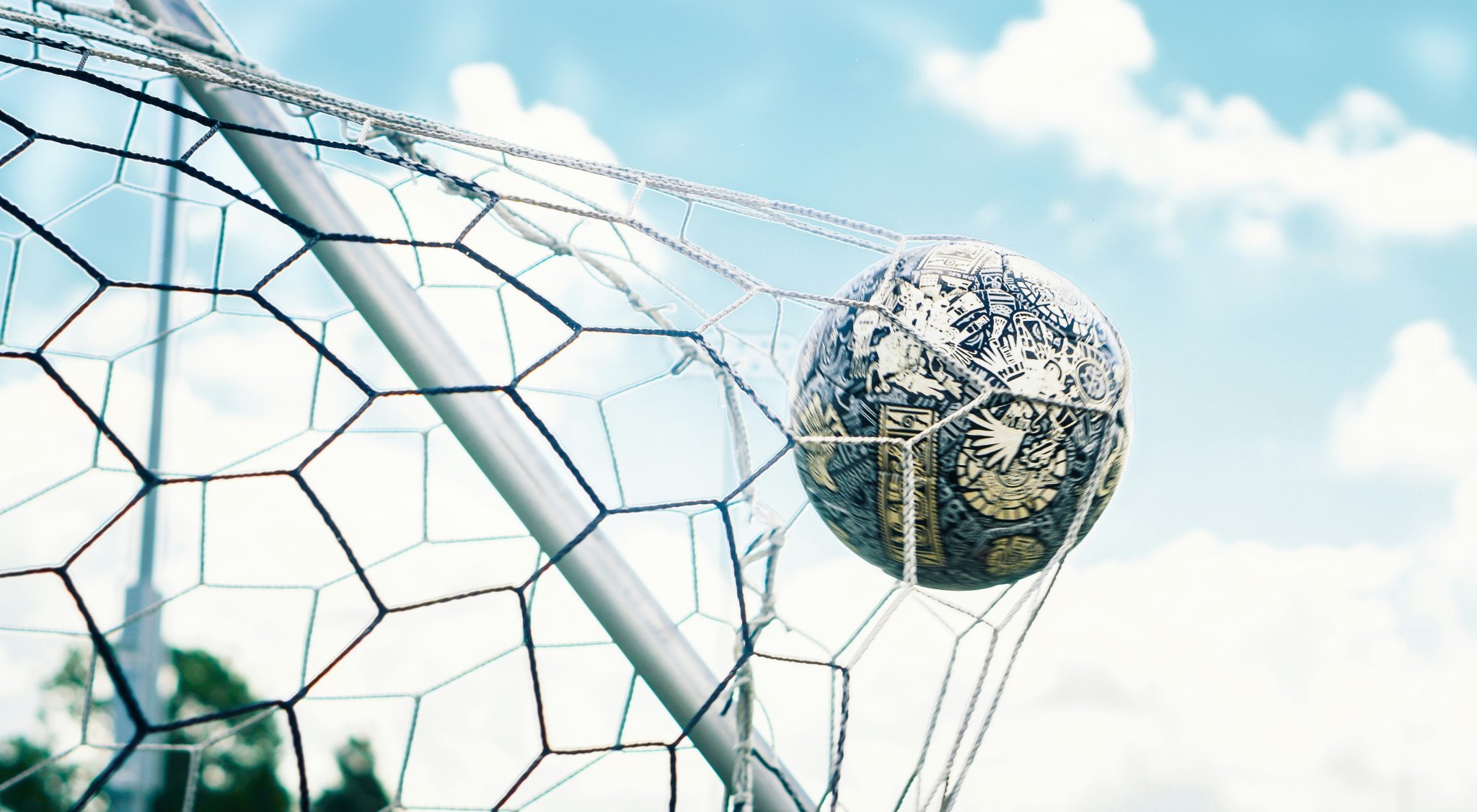
Several venues for the 2026 World Cup were located in climate zones where heat and humidity posed a sporting challenge.
The most critical venues and their typical June conditions:
City | Daily temperature | Humidity |
Houston | 33 to 35 °C | 70 to 80 per cent |
Miami | 31 to 33 °C | 75 to 85 per cent |
Dallas | 34 to 37 °C | 60 to 70 per cent |
Atlanta | 30 to 33 °C | 65 to 75 per cent |
Monterrey | 30 to 33 °C | 50 to 60 per cent |
Sports governing bodies such as FIFA, World Athletics and the IOC use the Wet-Bulb Globe Temperature (WBGT) index to assess such conditions. It combines air temperature, humidity, wind and solar radiation into a single stress index. High WBGT values form the basis for cooling breaks during a match or, in extreme cases, for match postponements.
Anna West
Anna West, Sleep and Recovery Expert

What this means for players: anyone competing without having acclimatised to the heat is at a measurable disadvantage. At the 2019 World Athletics Championships in Doha, non-acclimatised athletes performed worse on average and had higher peak body temperatures than their acclimatised competitors (Racinais et al. 2022).
What this means for fans: In the stadium, it is often significantly hotter in the sun than the weather forecast suggests. Make sure to drink plenty of fluids before the match, top up regularly whilst at the stadium, and bring a light cap and sun protection. Those travelling from Central Europe are often unaccustomed to the combination of heat and humidity. Specific travel tips for long journeys to tournaments are compiled in the 2026 World Cup Travel Playbook.
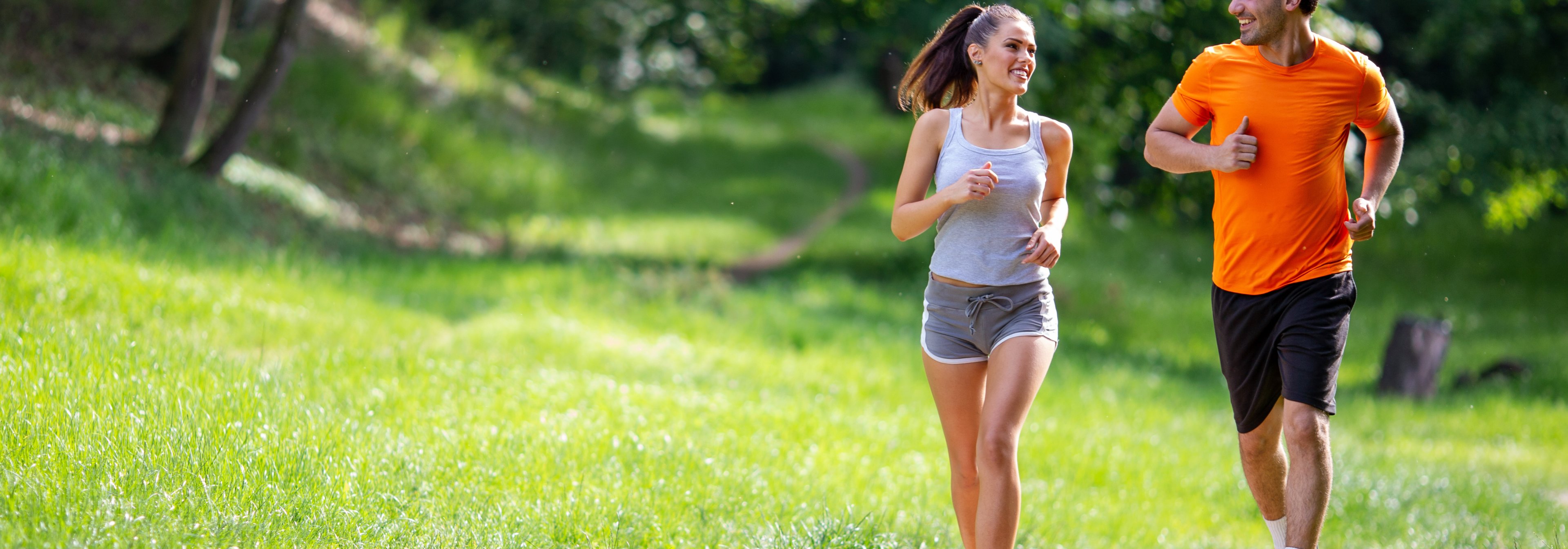
Conclusion: Playing sport in the heat is doable if you’re prepared
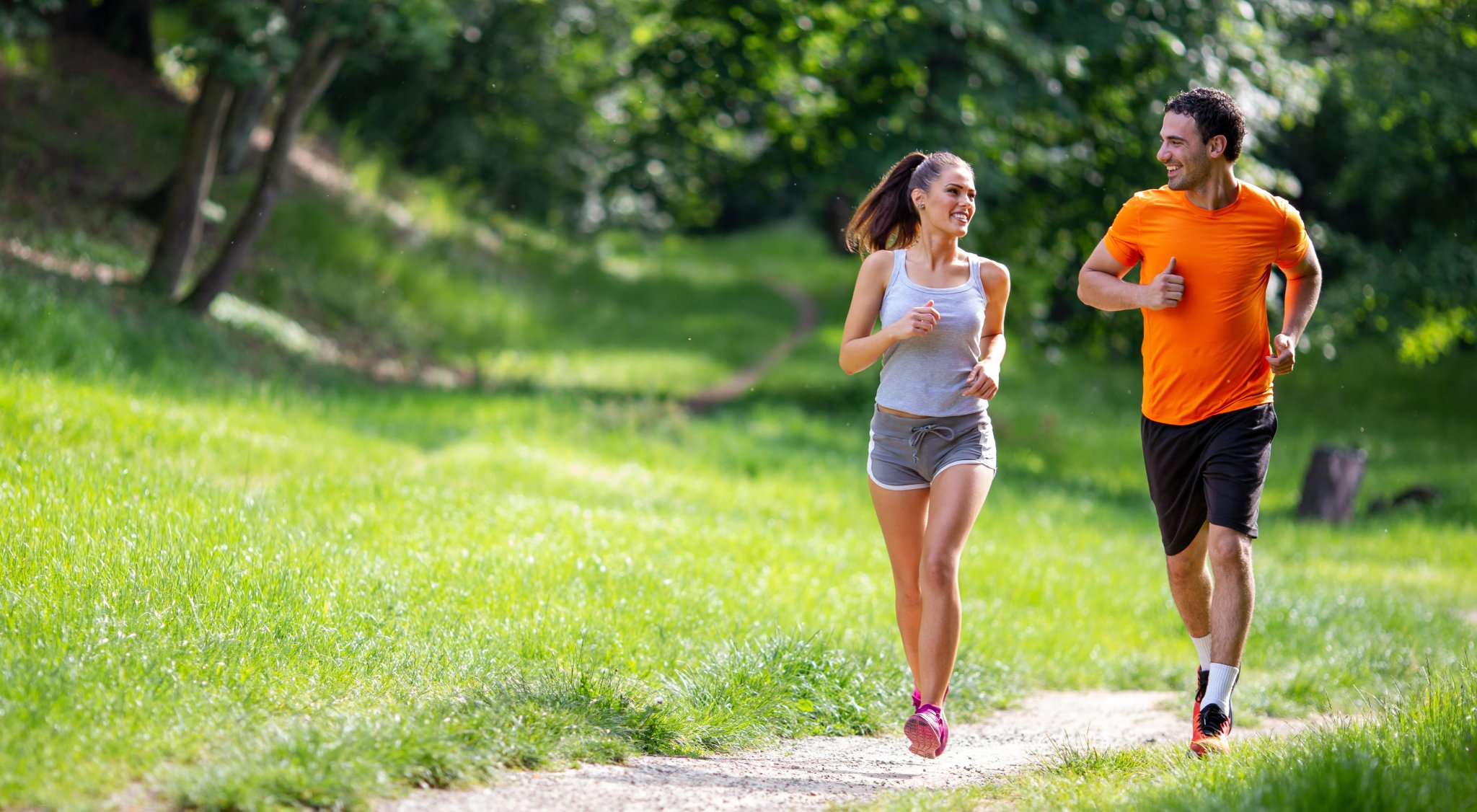
Sport in the heat is no reason to stop Training. If you adjust the intensity, drink enough fluids and acclimatise to the conditions over one to two weeks, you can still perform well even in high temperatures.
Whether it’s a World Cup venue or an after-work run during a hot summer – the same principles apply: acclimatisation in good time, consistent hydration and a clear plan for recovery afterwards.
A great tool for cooling down at night is the BLACKROLL® RECOVERY BLANKET SUMMER, which, thanks to its breathable materials, helps ensure restful sleep even on warm nights.


FAQ – Frequently asked questions about Sport in hot weather
FAQ – Frequently asked questions about Sport in hot weather
From around 28 °C, particularly when combined with high humidity, it is advisable to reduce the intensity of your Sport. In the event of extreme temperatures above 35 °C or very high WBGT values, you should postpone your Sport or move it to the cooler times of the day, such as early morning or late evening. More important than fixed thresholds are your own acclimatisation and being aware of warning signs.
As a rough guide, for prolonged exercise, around 0.4 to 0.8 litres per hour (ACSM) is recommended, adjusted individually to your own sweat rate; older ACSM recommendations suggested 0.6 to 1.2 litres per hour (Convertino et al. 1996).
Heat exhaustion is characterised by heavy sweating, dizziness and nausea, but can usually be managed with rest and fluids. Heatstroke is a life-threatening emergency characterised by a body temperature above 40 °C, confusion and, in some cases, a failure to sweat. Call 112 immediately and, at the same time, cool the person down vigorously (Casa et al. 2012).
7 to 14 days of daily exposure to heat lead to significant adaptations, such as a higher sweat rate, lower heart rate and improved heat tolerance. The first measurable effects occur as early as three to five days (Périard et al. 2015; Brown et al. 2023).
Keep your bedroom cool, ideally between 16 and 19 °C, and adjust your bedding to the air temperature so that you are thermally neutral (Wang et al. 2023). Drink plenty of fluids before going to bed, use a thin blanket, and on very warm nights, take a lukewarm bath to help lower your body temperature.
Yes. Drink regularly over the 24 hours leading up to exercise to ensure your fluid balance is stable. Drink an additional 500 ml or so about two hours beforehand (Convertino et al. 1996). Avoid drinking large quantities immediately before the match to prevent stomach discomfort during exercise.

Sources
Brown, H. A., Topham, T., Clark, B., et al. (2023). Quantifying exercise heat acclimatisation in athletes and military personnel: A systematic review and meta-analysis. Sports Medicine, 54(1), 35–54.
https://doi.org/10.1007/s40279-023-01832-9
Casa, D. J., Armstrong, L. E., Kenny, G. P., O'Connor, F. G., & Huggins, R. A. (2012). Exertional heat stroke: New concepts regarding cause and care. Current Sports Medicine Reports, 11(3), 115–123.
https://doi.org/10.1249/JSR.0b013e31825615cc
Convertino, V. A., Armstrong, L. E., Coyle, E. F., Mack, G. W., Sawka, M. N., Senay, L. C., & Sherman, W. M. (1996). American College of Sports Medicine Position Stand: Exercise and fluid replacement. Medicine & Science in Sports & Exercise, 28(1), i–vii.
Coyle, E. F. (2004). Fluid and fuel intake during exercise. Journal of Sports Sciences, 22(1), 39–55.
https://doi.org/10.1080/0264041031000140545
Daanen, H. A. M., Racinais, S., & Périard, J. D. (2018). Heat acclimation decay and re-induction: A systematic review and meta-analysis. Sports Medicine, 48(2), 409–430.
https://doi.org/10.1007/s40279-017-0808-x
Harding, E. C., Franks, N. P., & Wisden, W. (2019). The temperature dependence of sleep. Frontiers in Neuroscience, 13, 336.
https://doi.org/10.3389/fnins.2019.00336
Noakes, T. D. (2003). Overconsumption of fluids by athletes. BMJ, 327(7407), 113–114.
https://doi.org/10.1136/bmj.327.7407.113
Okamoto-Mizuno, K., & Mizuno, K. (2012). Effects of thermal environment on sleep and circadian rhythm. Journal of Physiological Anthropology, 31, 14.
https://doi.org/10.1186/1880-6805-31-14
Périard, J. D., Racinais, S., & Sawka, M. N. (2015). Adaptations and mechanisms of human heat acclimation: Applications for competitive athletes and sports. Scandinavian Journal of Medicine & Science in Sports, 25(S1), 20–38.
https://doi.org/10.1111/sms.12408
Racinais, S., Havenith, G., Aylwin, P., et al. (2022). Association between thermal responses, medical events, performance, heat acclimation and health status in elite athletes during the 2019 Doha World Athletics Championships. British Journal of Sports Medicine, 56(16), 919–926.
https://doi.org/10.1136/bjsports-2021-104895
Tsuzuki, K., Okamoto-Mizuno, K., & Mizuno, K. (2004). Effects of humid heat exposure on sleep, thermoregulation, melatonin, and microclimate. Journal of Thermal Biology, 29(1), 31–36.
https://doi.org/10.1016/j.jtherbio.2003.10.003
Wang, Z., Zhang, N., Cao, B., & Zhu, Y. (2023). Thermal sensation and sleep quality in different combinations of indoor air temperature and bedding system conditions. Building and Environment, 243, 110636.
https://doi.org/10.1016/j.buildenv.2023.110636