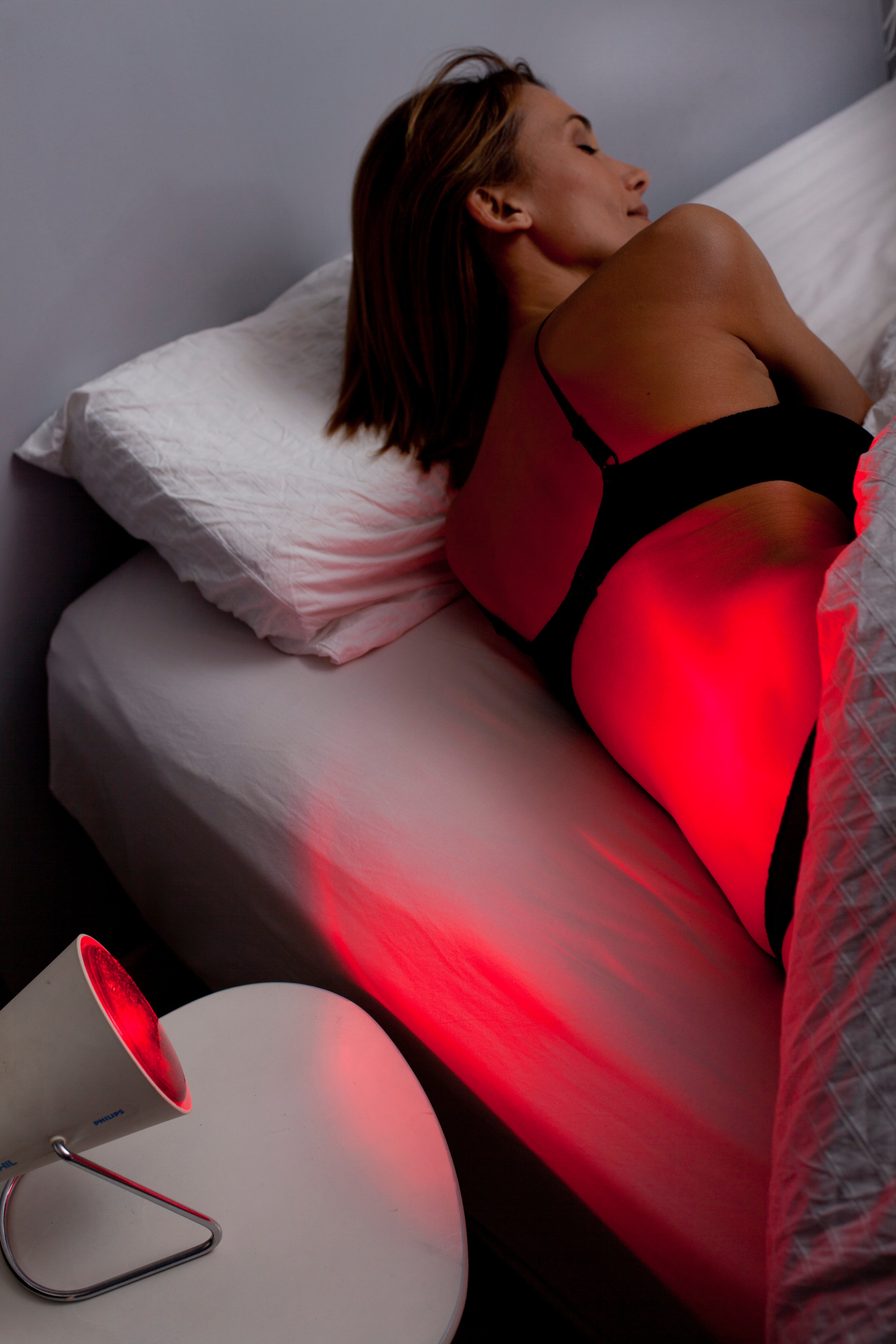
Infrared: how your body benefits from heat therapy

Infrared for inflammation: how your body benefits from heat therapy
You’ll probably remember red light or infrared light from your childhood; a red light lamp was a staple in every home medicine cabinet and was used primarily to treat tension, pain and a stubborn cold. In this article, we explain the effects of infrared radiation (IR radiation) on the body and provide an overview of how red light can help as an alternative treatment for inflammation.
Heat or light? What this article is about
This item deals with thermal infrared — that is, infrared radiation that you perceive as heat. This includes the classic red light lamp with IRA radiation, the infrared cabin and textiles containing CELLIANT® fibres.
This is distinct from photobiomodulation, which uses LEDs or lasers with narrowly defined wavelengths at such low intensities that the skin barely warms up. The two methods are often confused, but they differ in technology, application and the available research.


What is infrared radiation?
It’s an invisible part of the electromagnetic spectrum that you feel as gentle warmth because its wavelength is longer than visible light. Unlike visible rays, infrared rays carry heat rather than brightness. Gamma rays, X-rays and ultraviolet light are also forms of electromagnetic radiation. Depending on the wavelength range, infrared radiation is classified as:
- short-wavelength IRA radiation with a wavelength range of 780 to 1,400 nm,
- IR-B radiation (1,400 to 3,000 nm)
- the long-wave sub-range, known as IR-C radiation (3,000 nm to 1 mm).
We use this knowledge to design lamps that deliver the right balance of wavelengths for your comfort. In practice, treatments mainly rely on IRA rays because they’re perceived as the most pleasant on the skin. In red-light lamps we therefore filter out most IRB and IRB rays so the devices emit only IRA.
The discovery of infrared radiation is attributed to the astronomer Friedrich Wilhelm Herschel. In 1800, he used a prism to split sunlight into its spectral components. In doing so, he discovered by chance, beyond the red light, the invisible but warming radiation.
We encounter infrared radiation every day — without realising it. IR is used, for example, for wireless data transmission in remote controls or other electronic devices such as air-conditioning units or loudspeakers. Certain thermometers also use infrared radiation to measure body temperature without physical contact. Infrared sensors are also frequently used in alarm systems, motion detectors and automation systems to detect movement or changes in temperature.
One particular characteristic of infrared rays is that they don’t heat the air but rather all objects within a room, including furniture, walls, the human body and animals. The strongest natural source of infrared radiation is the sun, and infrared light accounts for just over half of the sunlight that reaches the Earth. That’s why, even in ancient times, its heat was used to alleviate various health complaints. According to tradition, this prompted the Greek physician and forefather of medicine, Hippocrates, to make the following statement:
‘The best medicine is the natural warmth of the sun’.
Today we still draw on infrared for medical and wellness applications.
Infrared radiation in medicine
Red light forms the basis of heat therapy, and we've seen it used across a range of clinical settings.
The medical effects of IR radiation are well documented.
It's used for:
- acute or chronic muscle pain
- muscle and joint stiffness
- circulatory disorders
- problems with the lumbar spine or sprains
- Localised inflammation of the ears or sinuses
- Chronic inflammation (outside of an acute flare-up), such as rheumatic conditions, sinusitis or chronic bronchitis
- Allergies
- Neurological disorders
- Skin conditions such as psoriasis or acne
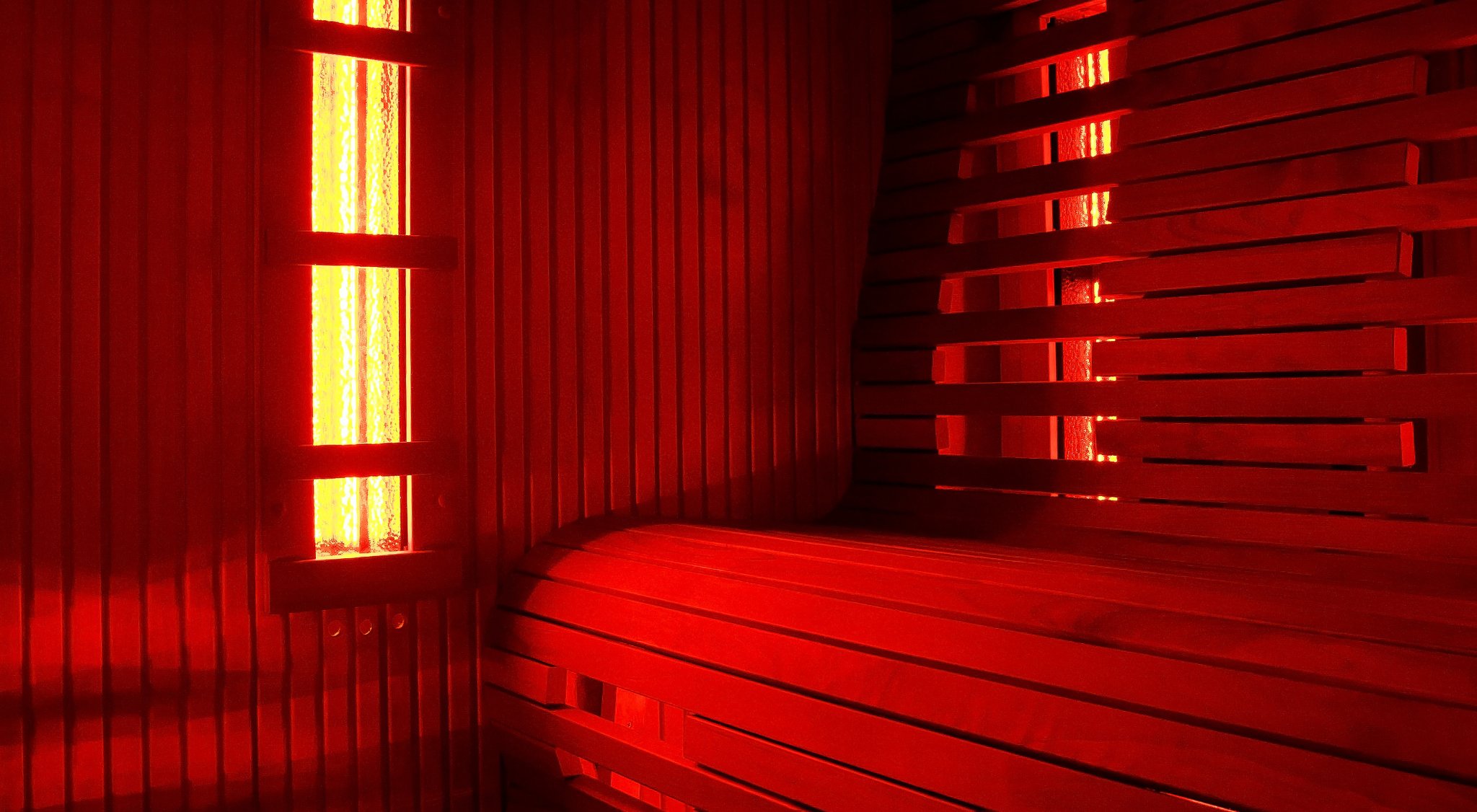
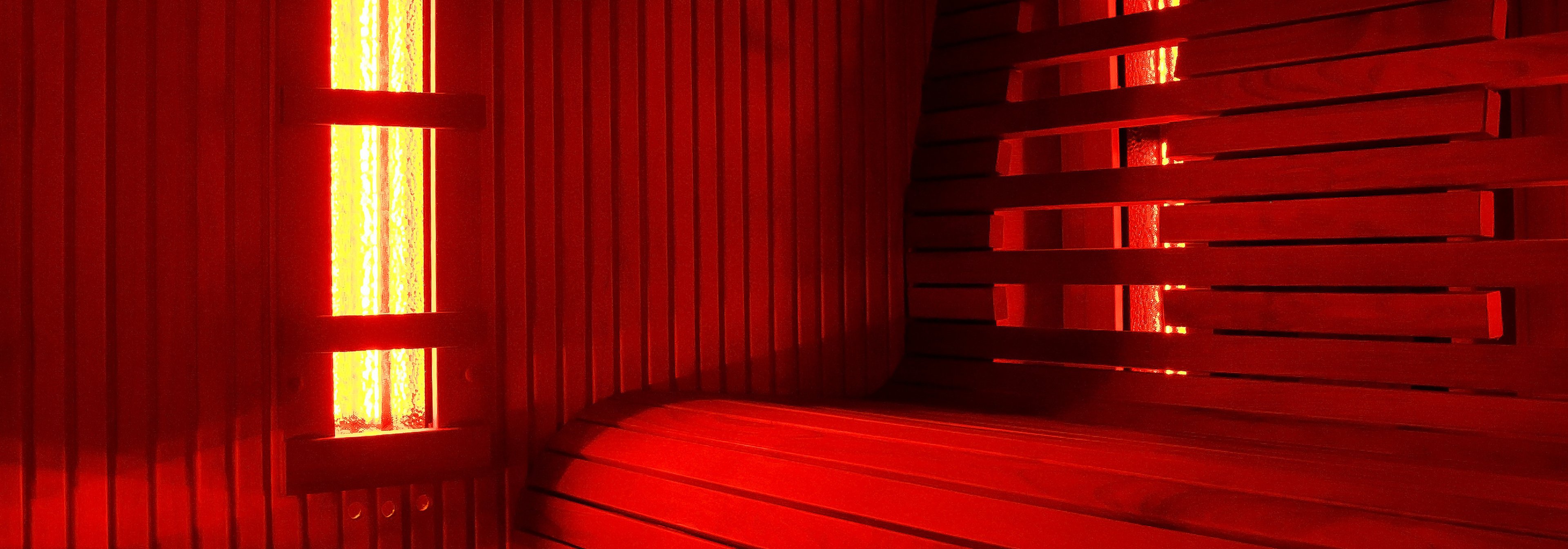
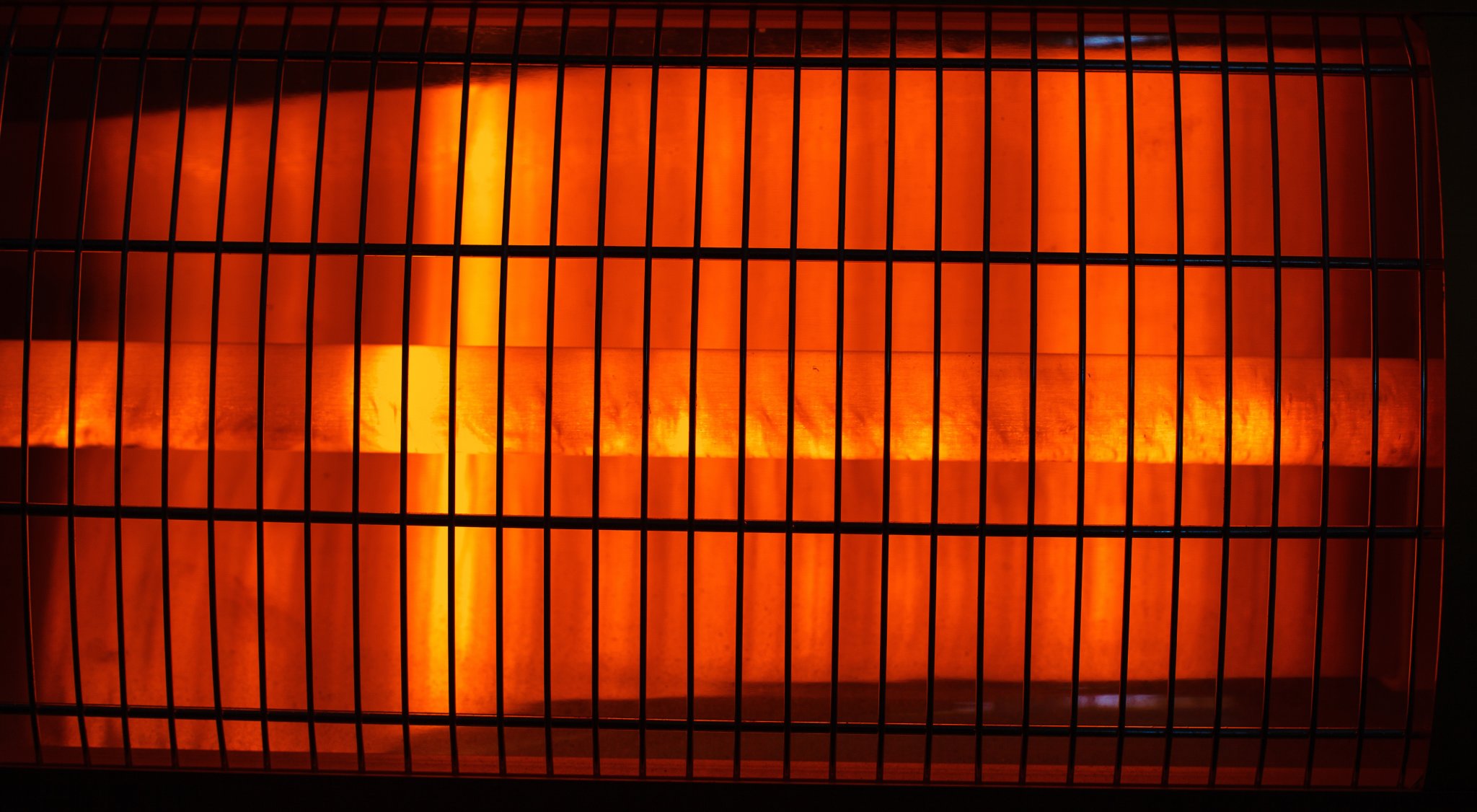
For treatment with IR radiation, either use individual red-light lamps for targeted irradiation or sit in an infrared cabin fitted with several emitters. Red light lamps contain special filaments that emit heat radiation in the infrared spectrum.
Consider the wavelength when choosing a device.
Short-wave devices are better for pain relief while long-wave models support general warmth; combined units offer both.
We recommend discussing your goals with a healthcare professional before you choose a device.
How does IR radiation affect the body?
The mechanism of action in heat therapy is the same regardless of the area of application:
- As soon as infrared radiation strikes tissue, it causes molecules to vibrate, generating heat and raising local body temperature.
Because infrared radiation penetrates deep into the skin (5 to 6 mm), it also reaches areas with a rich blood supply . Blood circulation and metabolism are therefore stimulated and the blood vessels dilate.
Infrared heat is also frequently associated with the immune system – particularly in the context of infrared cabin applications. The gentle heat causes the body temperature to rise slightly whilst inside. Whether this has an effect on the body’s defences cannot currently be reliably determined for infrared heat. However, many people find regular heat applications soothing.
The increased blood flow also helps clear metabolic waste, lactic acid and bacterial toxins more quickly, supporting recovery and healing. As a result, you’ll often feel a pleasant relaxation in muscles and joints.
For athletes, research shows that targeted red-light exposure can delay skeletal fatigue and improve peak strength (de Almeida et al., 2012).


The effect of infrared light on inflammation
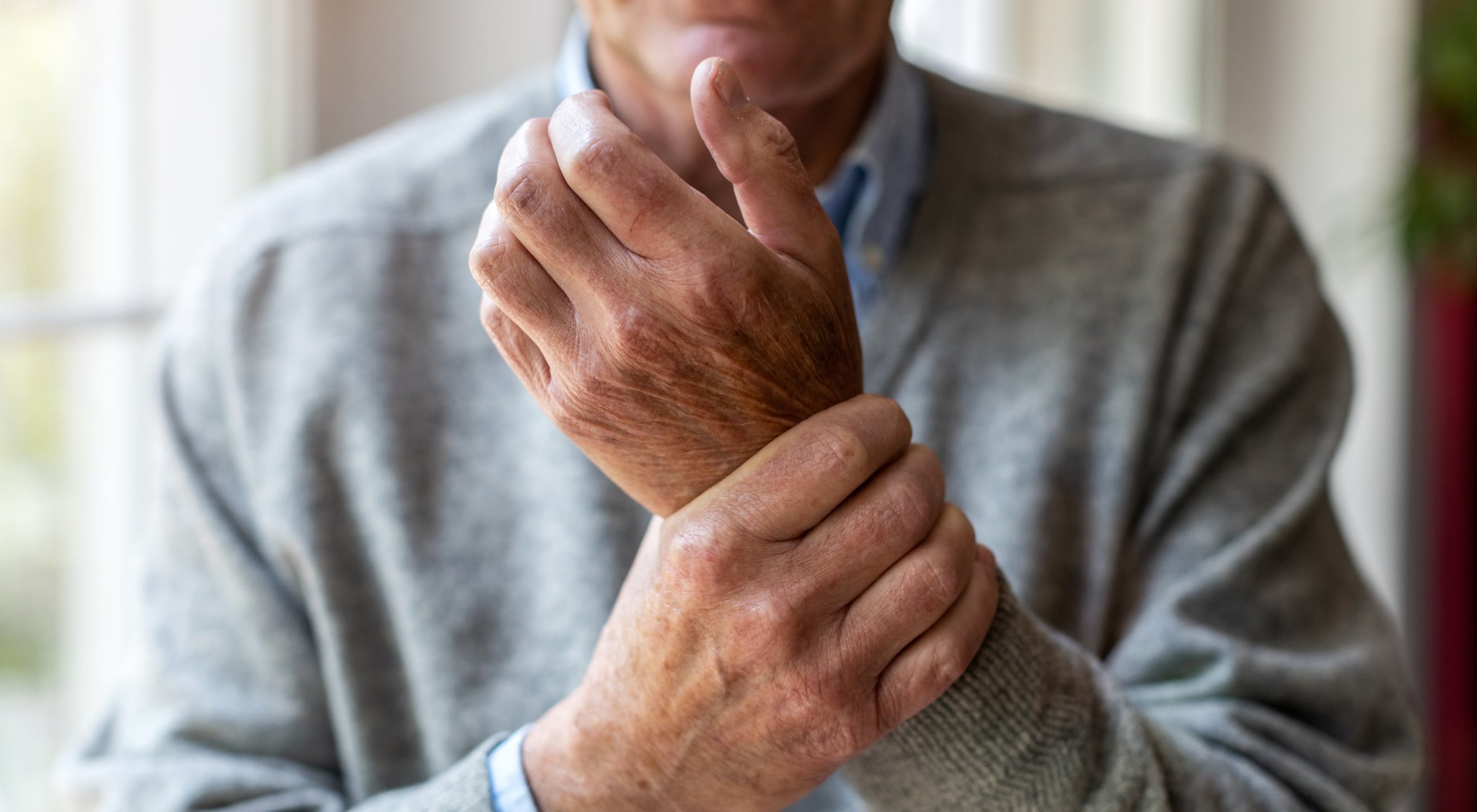
If you live with inflammatory conditions, we're exploring how red light therapy can complement conservative treatment; heat has long been used as a complementary approach for certain chronic inflammatory conditions and research is investigating whether infrared light can also offer an anti-inflammatory effect.
Remember, the type of inflammation and whether it's acute or chronic will guide how we apply infrared light.
Acute inflammation
In acute cases, the heat can raise inflammatory markers and make symptoms worse, so we advise you to avoid infrared therapy at this stage.

Chronic inflammation
Where, on the other hand, chronic inflammation is present — as is the case, for example, with chronic inflammatory joint conditions — heat from red light can, in fact, provide relief from symptoms. Red light is particularly effective for pain caused by osteoarthritis and chronic neuropathic pain, and often significantly improves the quality of life of those affected.
There's also debate as to whether heat treatments can influence the quantity of so-called cytokines in the blood; these are proteins involved in inflammation within the body, and the role of red light application in this regard hasn't yet been clarified.
Blood flow probably plays a role: the heat reaches deeper layers of skin, may stimulate blood and lymph flow and so support the supply of nutrients to joints.
If you're managing a treated inflammatory condition, consult your doctor before use.

Skin inflammation
Because targeted red light stimulates the metabolism, inflammatory reactions — such as those typically triggered by acne — are reduced. Be patient: sit in front of the lamp for 15 min up to four times a week and you’ll see the first results after a few weeks.
There's also debate as to whether infrared light can aid the healing of minor wounds by improving blood circulation. Research is looking, amongst other things, at a possible influence on collagen and elastin — two proteins involved in wound healing and skin recovery (Hartel et al., 2006).

Can infrared light improve sleep?
If you often struggle to fall asleep or stay asleep and neither your grandmother’s home remedies nor other methods send you off to the land of dreams, we invite you to explore a technology that uses infrared while you sleep — with a principle that’s straightforward.
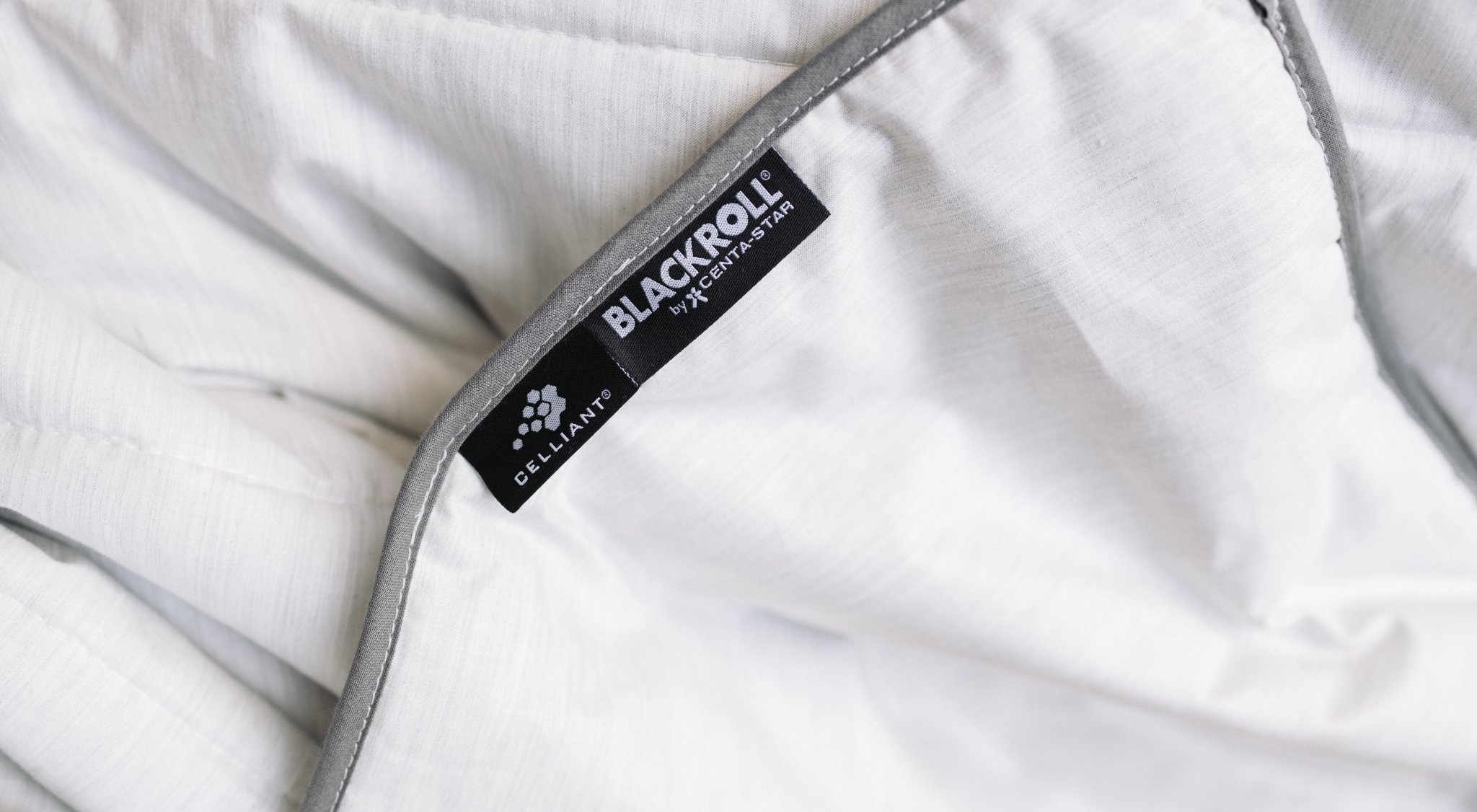
We’re talking about CELLIANT®, a blend of harmless, naturally occurring thermoreactive minerals that are incorporated into yarns, textile fibres or fabrics — including, for example, duvets and mattresses. It is a patented formula from an American manufacturer, produced in the USA.
Here’s how it works: the CELLIANT® fibre absorbs the heat emitted by the body, converts it into what is known as far-infrared radiation and returns it to the skin and tissue. According to the manufacturer, this promotes local blood flow. At the same time, the fibre helps your body regulate its temperature while you sleep – and a balanced body temperature is a key factor in restful sleep.
We’ve been convinced by the benefits, so we at BLACKROLL® also offer a CELLIANT® Collection featuring products made with this fibre. These include our RECOVERY BLANKETS and the RECOVERY BASE mattress cover.
Together, the duvet and mattress cover form part of a calm, cool bedroom and regular bedtimes to help you recover while you sleep.
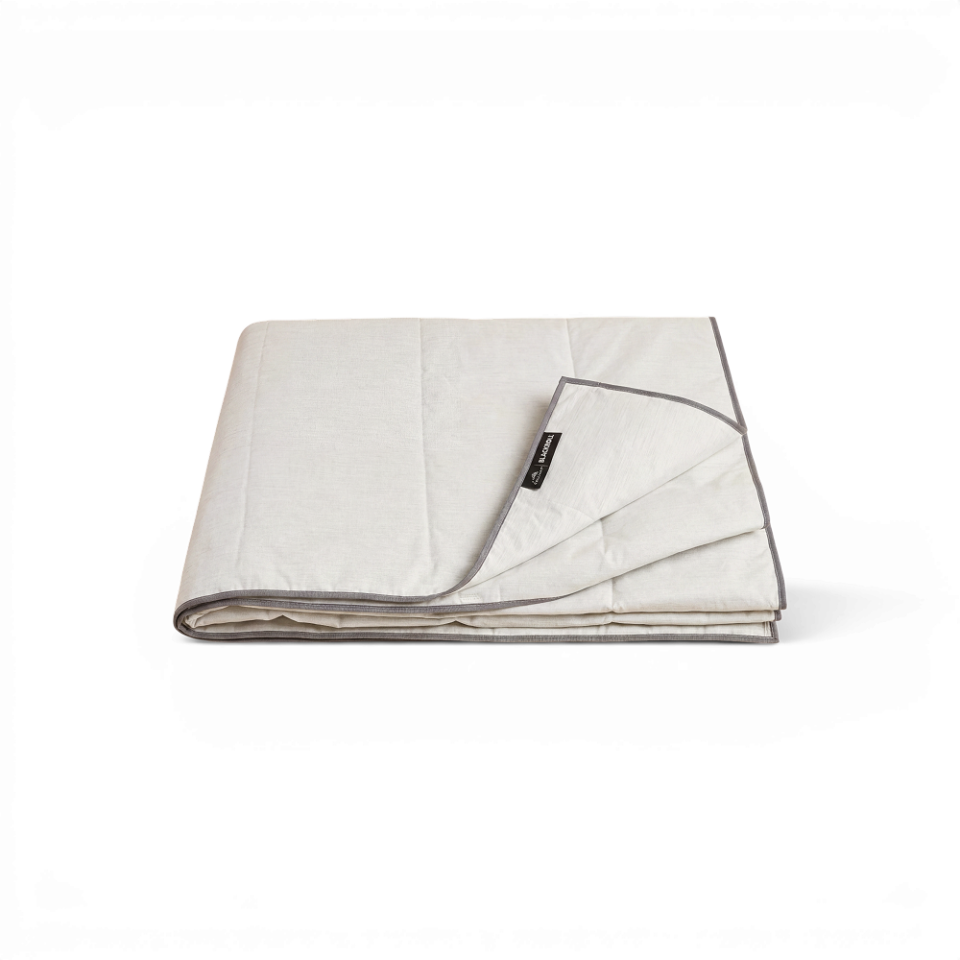
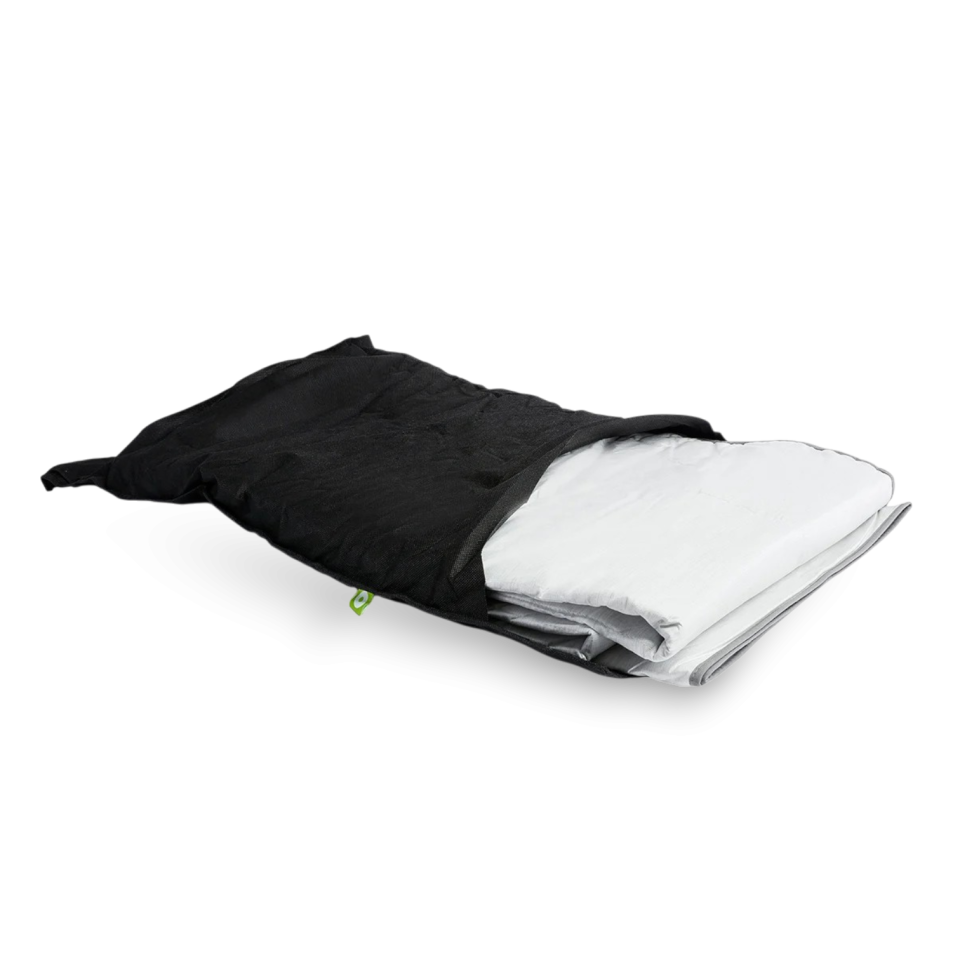
Recovery Blanket Summer
Available in multiple variants
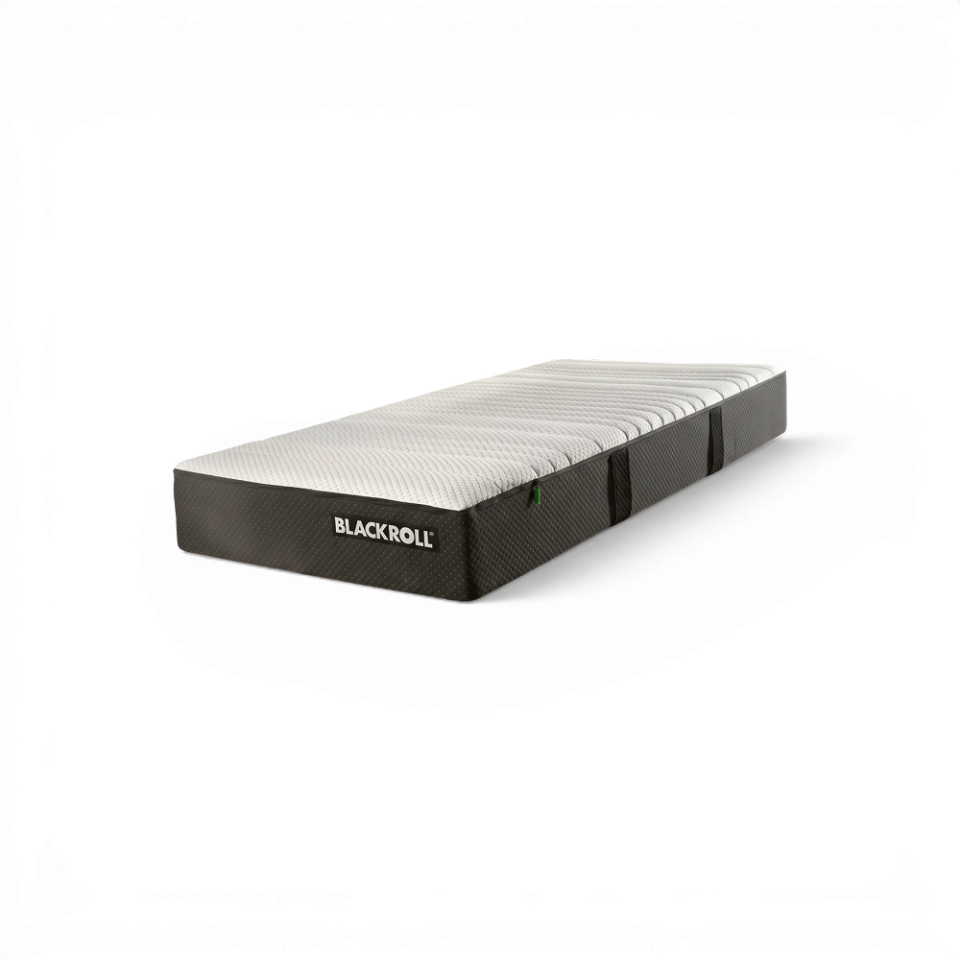
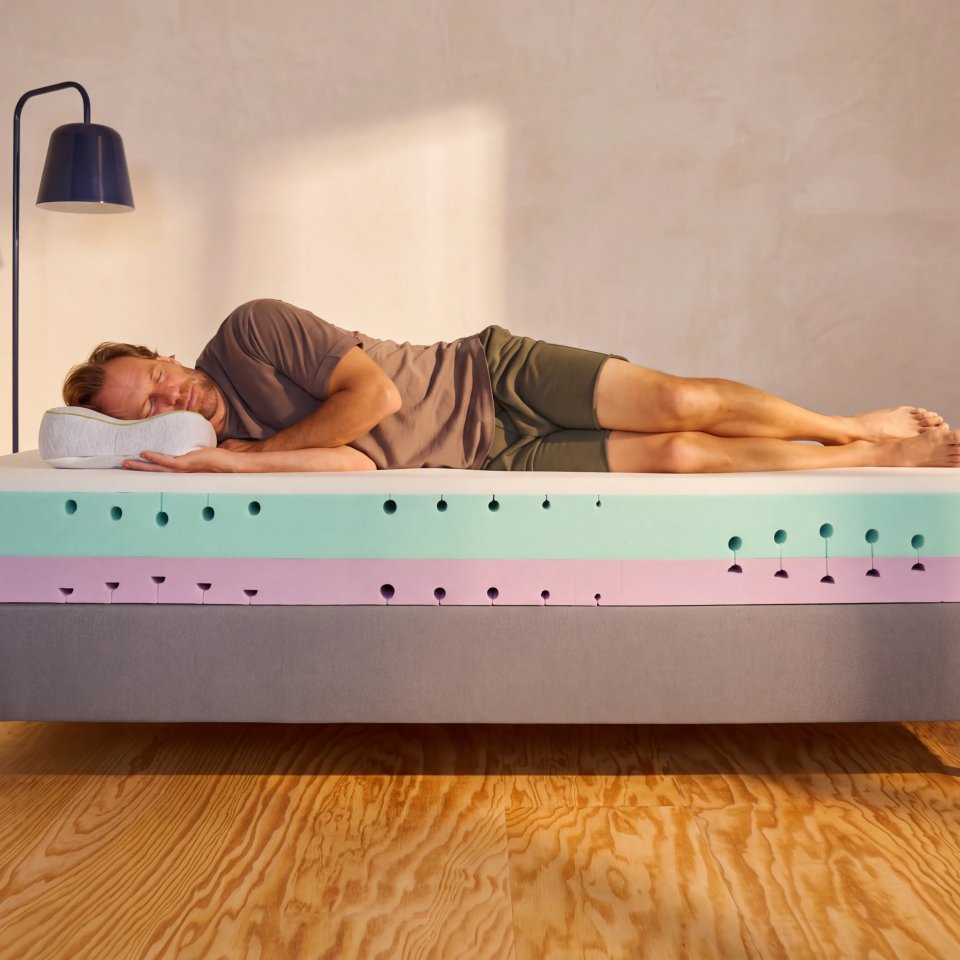
Recovery Base 2.0
Available in multiple variants

Infrared light: application and possible side effects
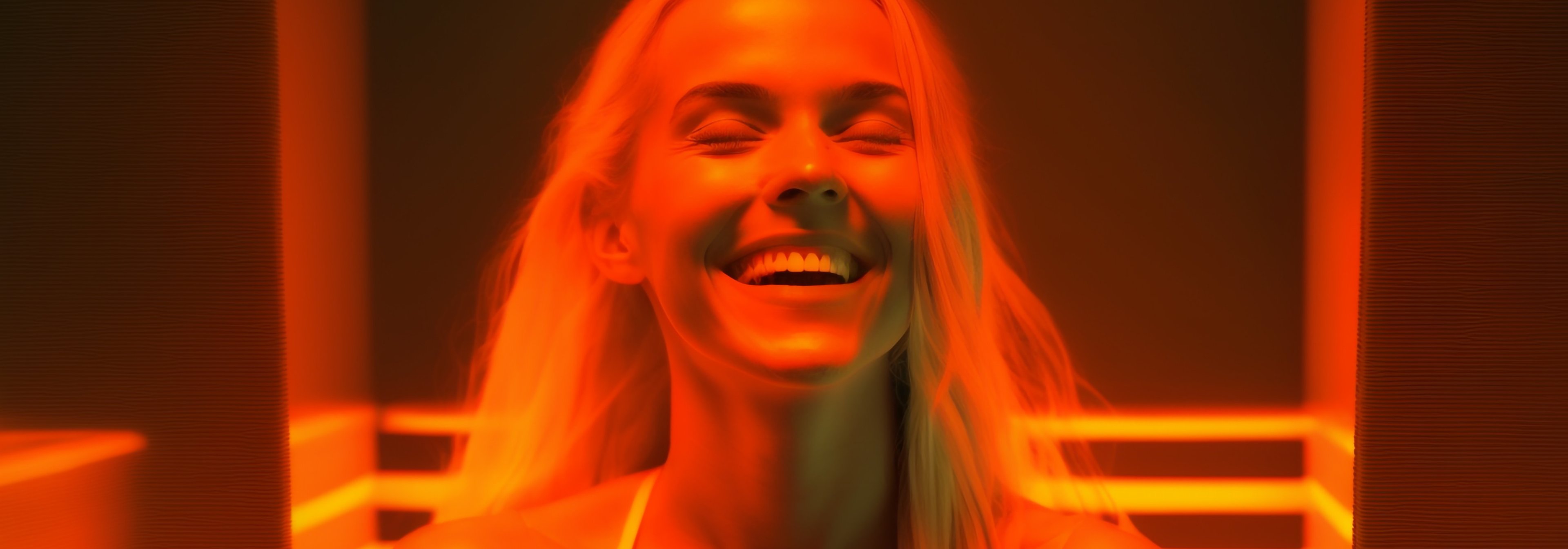
How long you should undergo red light therapy depends largely on the nature of your symptoms and how you react to the infrared radiation. As a general rule, however, a red light session should not exceed 15 min, up to three times a day (with sufficiently long breaks in between). Maintain a distance of 30 to 50 cm from the lamp to avoid burns and stop the treatment immediately if you feel unwell or your skin hurts.
Remember that, for some conditions, it may take several weeks or months before you notice an improvement from heat therapy. However, positive effects can also occur very quickly – for example, with muscle soreness after sport.
Generally, heat therapy using red light carries no health risks. However, when treating the face, keep your eyes closed or wear protective goggles; most modern devices include them. Otherwise, you risk irreparable damage to your retina.
If you're taking medication that increases light sensitivity or you have skin rashes or malignant skin tumours, consult your doctor before use.
Summary
If you’d like to treat your symptoms using an alternative approach or to complement conventional therapy, infrared light therapy can be a great help. Much like sunlight, the pleasant warmth on the skin creates a soothing sensation and can contribute to a better quality of life.
Don't expect a miracle cure; give yourself plenty of time as improvement for some conditions may only become apparent after a few weeks. If you're unsure whether heat treatment with infrared rays is appropriate for your condition, consult your doctor first; this is particularly important in cases of acute inflammation.
FAQ – Infrared
It's designed to deliver gentle warmth that can help improve blood flow and support muscle recovery. The panel emits infrared light at a wavelength of 4573937–4573939 nm.
It can relieve symptoms in cases of chronic inflammation but avoid infrared heat in cases of acute inflammation as it can make the symptoms worse.
Use it for no longer than 15 min, up to three times a day with long breaks in between. Keep 30–50 cm between you and the lamp.
Protect your eyes when treating your face and stop the application if you feel unwell or if your skin hurts.
You may also be interested in




Sources
de Almeida, P., Lopes-Martins, R. Á. B., De Marchi, T., Tomazoni, S. S., Albertini, R., Corrêa, J. C. F., Rossi, R. P., Machado, G. P., da Silva, D. P., Bjordal, J. M. and Leal Junior, E. C. P. (2012). Red (660 nm) and infrared (830 nm) low-level laser therapy for skeletal muscle fatigue in humans: Which is better? Lasers in Medical Science, 27(2), 453–458. https://doi.org/10.1007/s10103-011-0957-3
Hartel, M., Hoffmann, G., Wente, M. N., Martignoni, M. E., Büchler, M. W. and Friess, H. (2006). Randomised clinical trial of the influence of local water-filtered infrared A irradiation on wound healing after abdominal surgery. British Journal of Surgery, 93(8), 952–960. https://doi.org/10.1002/bjs.5429