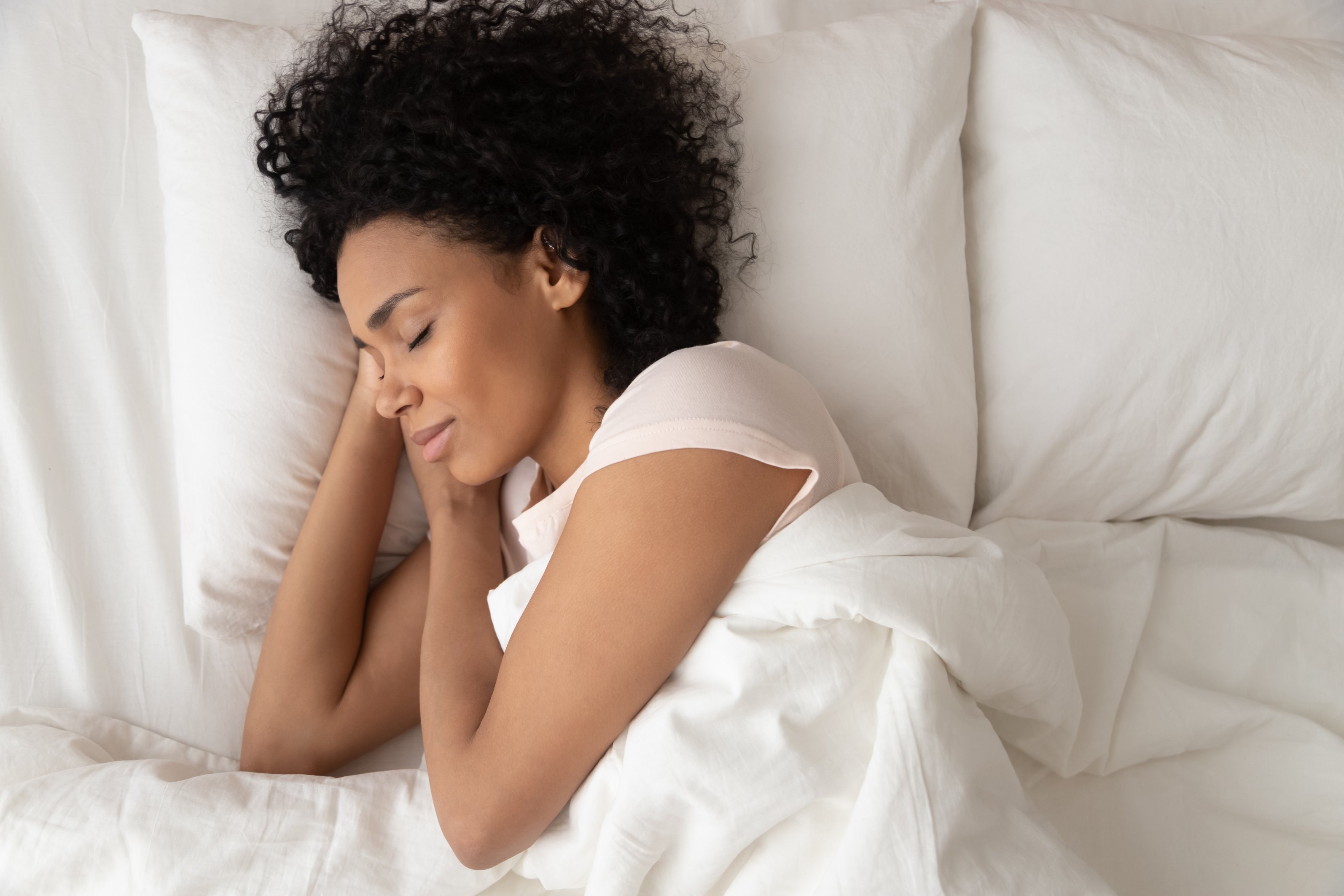
Sleepmaxxing: what is really behind the TikTok sleep trend?

Sleepmaxxing is a social media trend focused on improving sleep. On TikTok, users share various tips, from consistent evening routines and tart cherry juice to kiwis and mouth taping. But which of these methods actually work? We take a closer look at which approaches are effective and what scientific studies and experts have to say about them.
Key takeaways
- Sleepmaxxing stands for methods of deliberately optimising your own sleep – through routines, diet, supplements and an adapted sleep environment.
- The trend emerged mainly on TikTok, where influencers share their sleep routines and so-called sleep hacks.
- The aim of sleepmaxxing is to improve sleep quality as much as possible.
- Experts warn that too much optimisation or constant sleep tracking, also known as orthosomnia, can cause additional stress.
- Evidence-based measures such as good sleep hygiene, regular exercise, stress reduction and a calm sleep environment remain the most reliable.
What is sleepmaxxing?
Sleepmaxxing describes the attempt to deliberately optimise your own sleep. The term combines ‘sleep’ with the suffix ‘maxxing’, which stands for improving an area of life as consistently as possible on the internet. On TikTok in particular, people share routines, tips or habits under the hashtag #sleepmaxxing that are said to improve sleep quality.
At its core, sleepmaxxing is about creating conditions in which the body can recover better at night. These include a calm sleep environment, little light in the bedroom, fixed sleep times or relaxation methods.
However, many of these ideas are not new. They overlap with what specialists have long called sleep hygiene – that is, habits that support healthy sleep. The difference lies mainly in the name: while sleep hygiene is a medical term, sleepmaxxing describes the same approach as a social media trend.
Where does the trend come from?
The term sleepmaxxing has spread mainly via TikTok. In short videos, influencers show their evening routines, sleep hacks or methods they say improve their sleep quality. The content ranges from simple sleep hygiene tips to more unusual ideas such as mouth taping, white noise or particular foods before bed.
The trend is spreading particularly strongly among Gen Z. Many young people share their experiences of sleep routines, trackers or evening rituals on social media – often with the aim of having more energy, wellbeing and performance in everyday life.
The big media hype began when more and more posts picked up the term sleepmaxxing. Platforms, lifestyle magazines and health blogs took up the videos and discussed which of the tips actually make sense. As a result, individual pieces of social media content quickly became a widely discussed trend around sleep and health.
How does sleepmaxxing work?
With sleepmaxxing, people try to deliberately improve various factors around their sleep. Many tips focus on evening routines, diet or the sleep environment. Several methods are often combined to improve sleep quality.
Typical examples are:
- Supplements such as melatonin or magnesium: These substances are linked to the sleep–wake rhythm and muscle relaxation.
- Mouth taping: The mouth is closed with special tape during sleep so that you breathe through your nose.
- Sleepmaxxing drink with tart cherry juice: The so-called ‘sleepy girl mocktail’ is said to have a positive influence on your sleep rhythm.
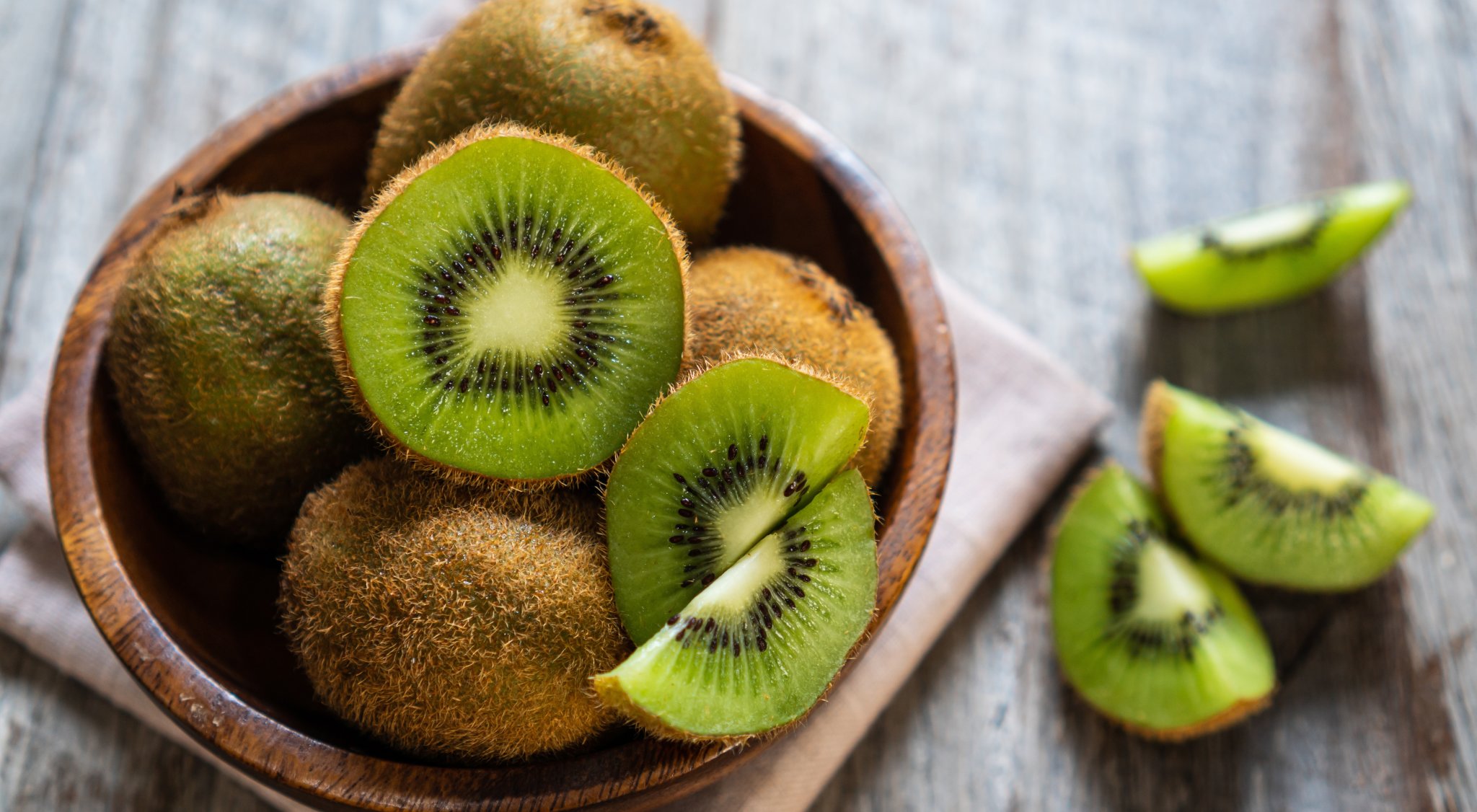
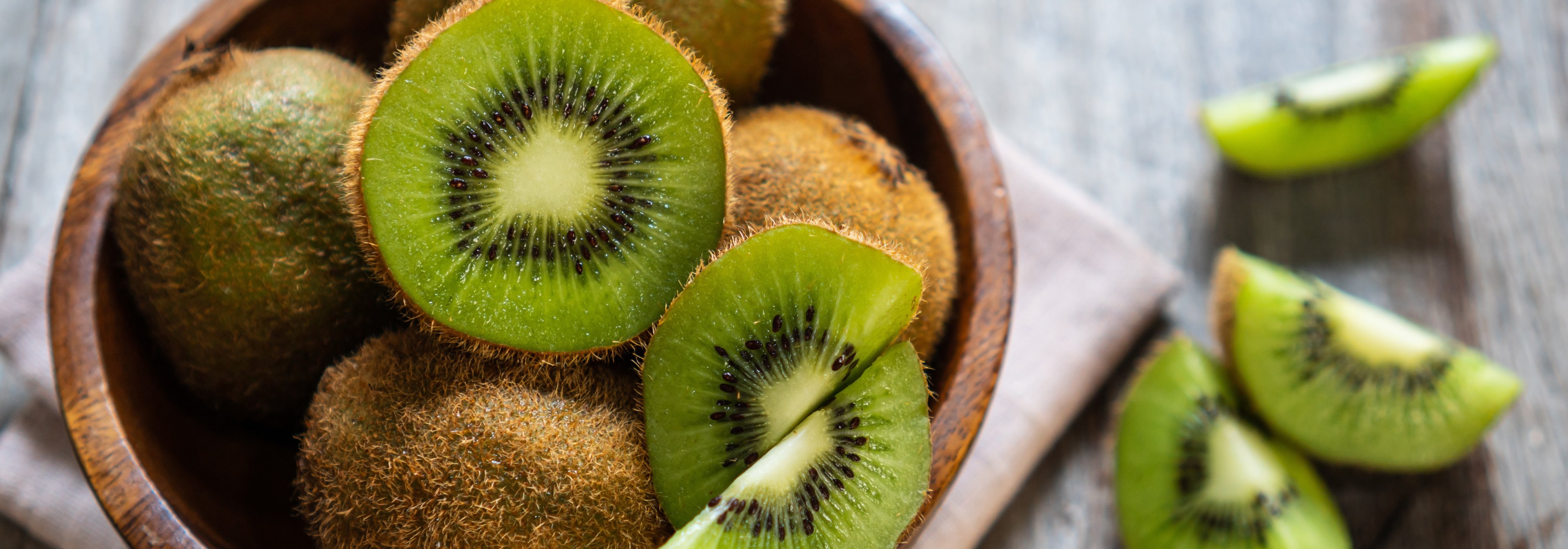
- Kiwis before bed: Certain compounds in the fruit may possibly be linked to better sleep quality.
- White noise: Steady background sounds that are meant to mask disruptive noises so that the sleep environment feels calmer.
- Bedroom temperature: A rather cool sleep environment can help the body to fall asleep.
- Reducing light: Less light in the evening is meant to help the body release the sleep hormone melatonin.
The most popular sleepmaxxing hacks: a fact check
Much of the content around sleepmaxxing spreads quickly on TikTok. In videos, individual hacks often seem convincing – but what matters is what studies actually show. The following overview summarises some of the most common tips and puts them into context based on the current scientific evidence.
Hack | Idea behind it | Evidence | Assessment |
|---|---|---|---|
Mouth taping | Taping the mouth shut at night so you breathe through your nose | Individual studies show improvements in sleep apnoea parameters, but many studies find no effect and point to possible risks for people with nasal problems (Rhee et al., 2025; Fangmeyer et al., 2025). | Caution: benefit unclear |
Sleepy girl mocktail (tart cherry juice + magnesium) | A drink before bed is meant to support sleep via melatonin and magnesium | Some studies show improvements in sleep duration or melatonin levels from tart cherries, but the overall evidence is limited and inconsistent (Barforoush et al., 2025). | Weak evidence, too few studies |
Melatonin | Sleep hormone as a supplement to support the sleep–wake rhythm | Studies show slight improvements in falling asleep and with jet lag or certain sleep disorders (Costello et al., 2014). | Effective in certain cases |
Magnesium | Mineral said to relax muscles and calm the nervous system | Observational studies show an association with better sleep, while clinical studies have so far produced mixed results (Arab et al., 2023). | Possible benefit |
Kiwis before bed | The fruit contains melatonin-like substances and antioxidants | Small studies show improvements in sleep duration, time taken to fall asleep and sleep quality (Doherty et al., 2023; Lin et al., 2011). | Weak evidence, too few studies |
Blue light filter | Less blue screen light before bed | Studies show that blue light increases alertness and can impair sleep duration and sleep quality (Silvani et al., 2022). | Sensible measure |
The overview shows that some sleepmaxxing ideas have a scientific basis, while others rest more on individual cases or social media experiences. For good sleep quality, what specialists have long emphasised remains decisive: a calm sleep environment, regular sleep times and a healthy approach to light, stress, caffeine and alcohol. More on this further down in the article.
What do experts say about the trend?
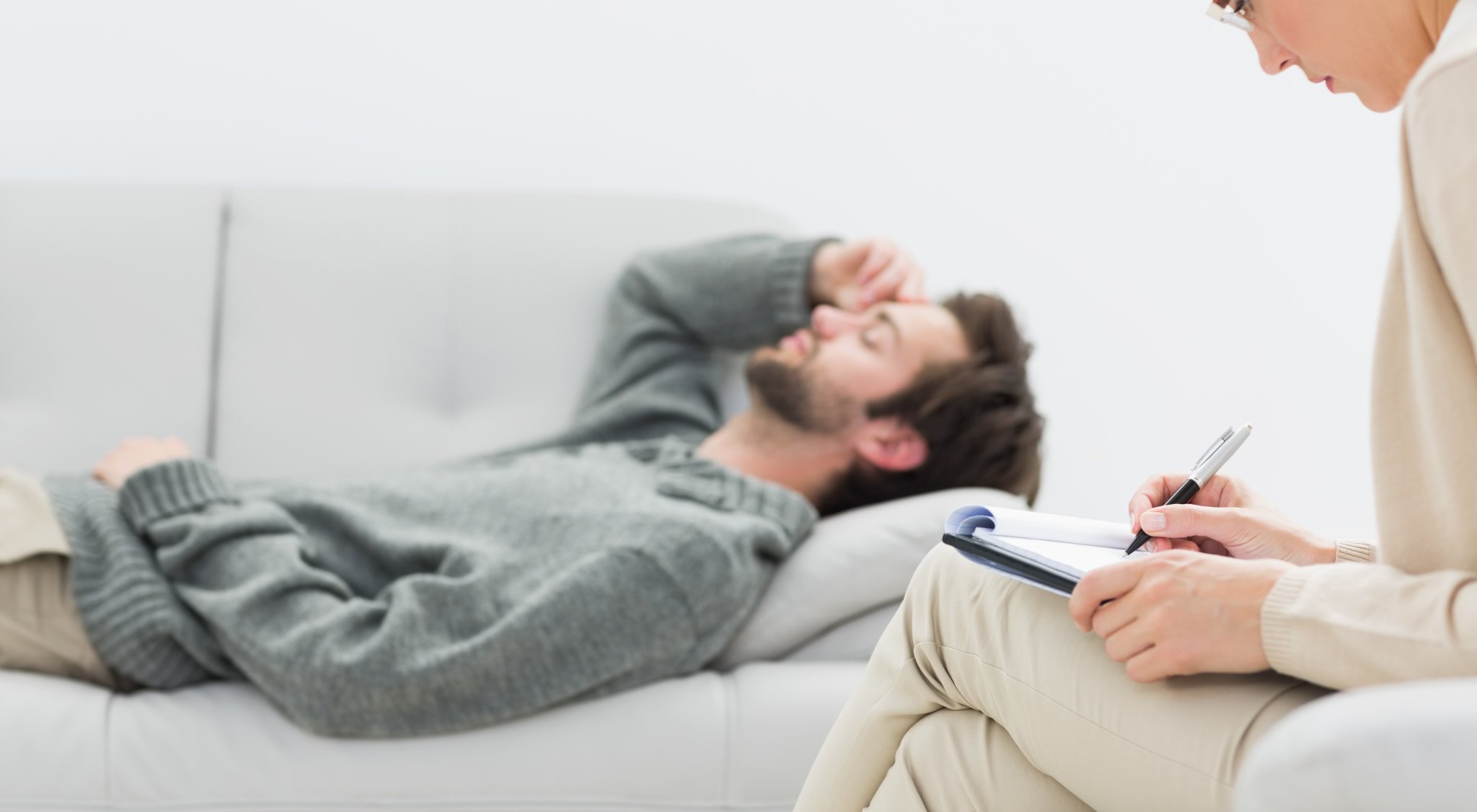
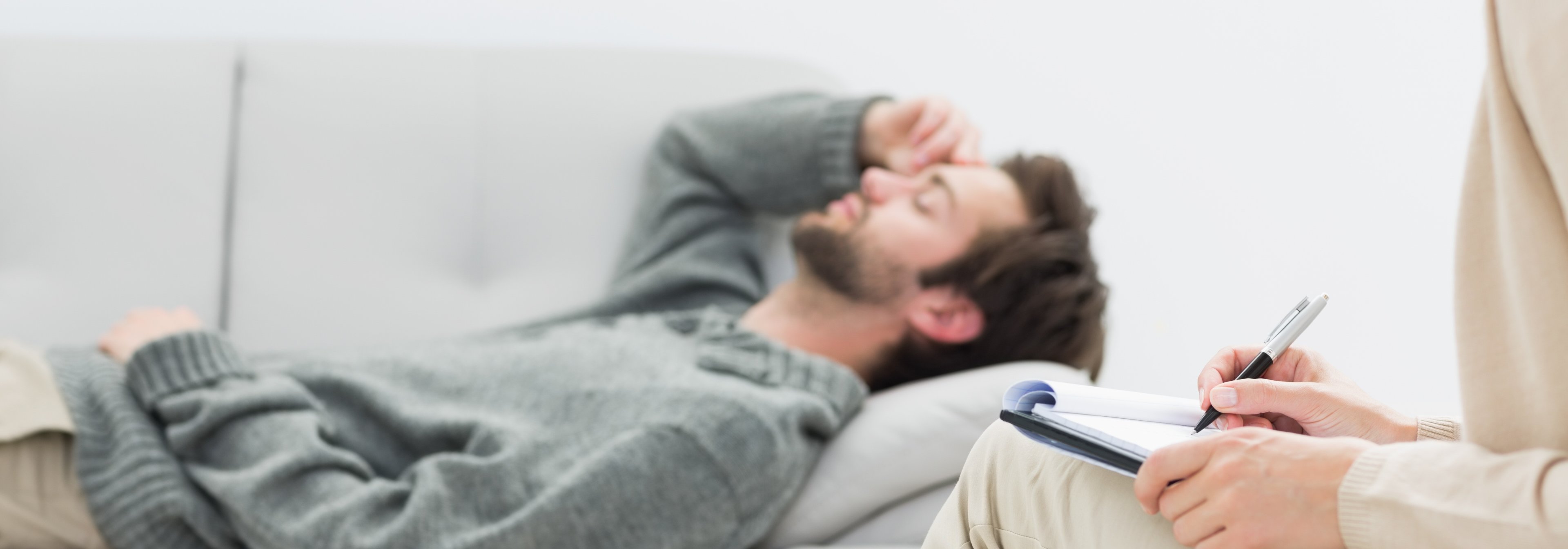
At first glance, the sleepmaxxing trend seems logical: if good sleep is important for health, wellbeing and quality of life, why not optimise it deliberately? However, many sleep specialists, chronobiologists and other experts see both opportunities and risks.
Sleep specialists: good intentions, but not every hack helps
In the view of many sleep specialists, sleepmaxxing addresses a real problem: many people sleep too little or suffer from sleep disorders, often because of stress, late screen use, caffeine or irregular sleep times. On this point, many tips from the trend match classic sleep hygiene recommendations (Zhou, 2025; Jaffer, 2025).
At the same time, specialists warn against adopting every social media hack uncritically. Much of the content on TikTok oversimplifies complex processes or presents individual measures as a universal solution. In reality, good sleep depends on many factors – such as exercise, stress levels, light, diet and a suitable sleep environment in the bedroom (Zhou, 2025).
Chronobiology: the body follows a biological rhythm
From the perspective of chronobiology – the science of the body clock – the sleep–wake rhythm is the key factor. The body is strongly guided by light and daily structure. The internal clock in the brain in turn controls, among other things, the release of the sleep hormone melatonin – a signal to the body that it is time to sleep. If you are exposed to bright screen light for a long time in the evening or sleep irregularly, you can easily disrupt this rhythm (Zhou, 2025; Jaffer, 2025).
Many experts therefore stress that stable routines matter more than individual hacks. A suitable mattress, little light in the bedroom and regular sleep times have more influence on sleep quality than individual trend methods.
When optimisation itself becomes stress
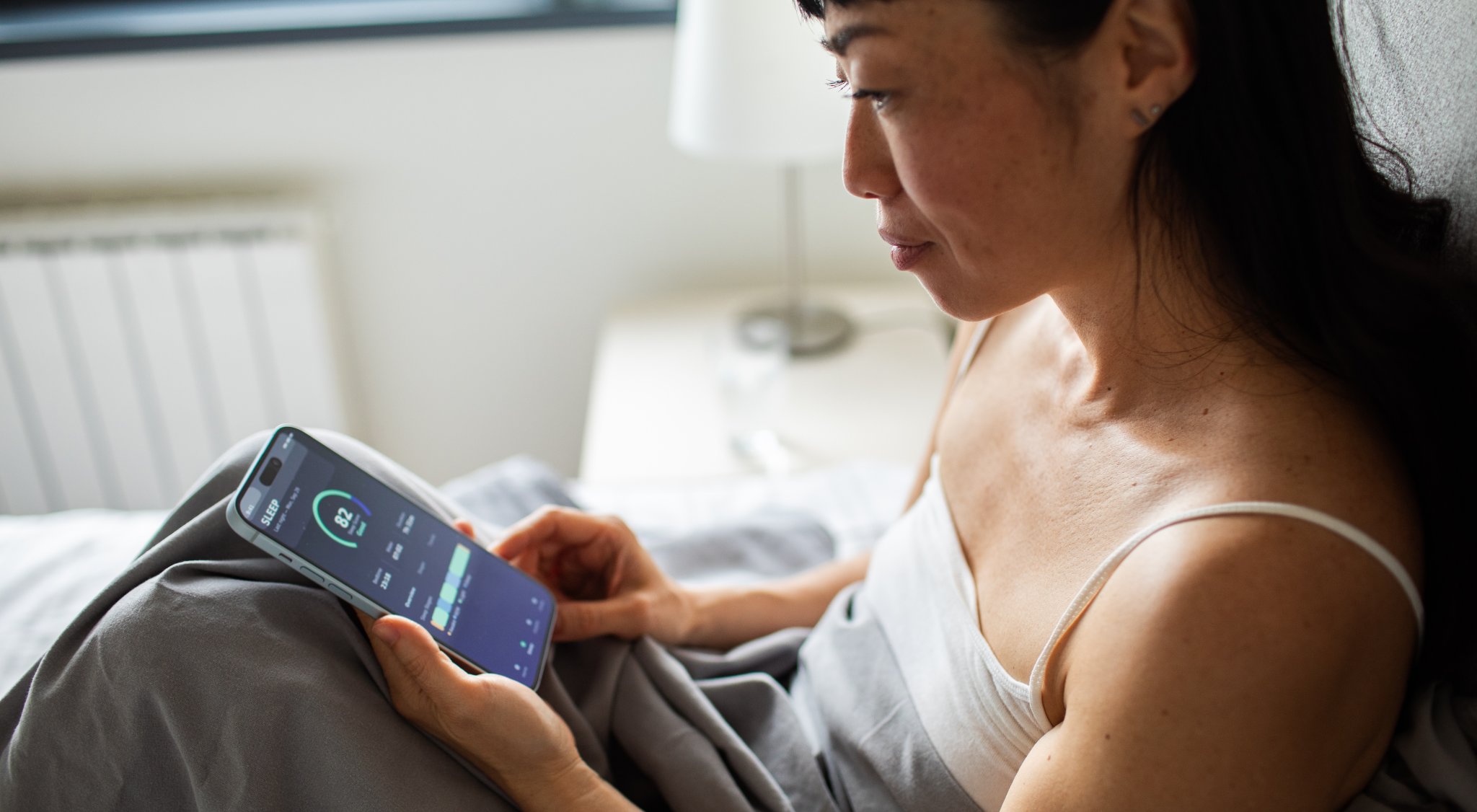
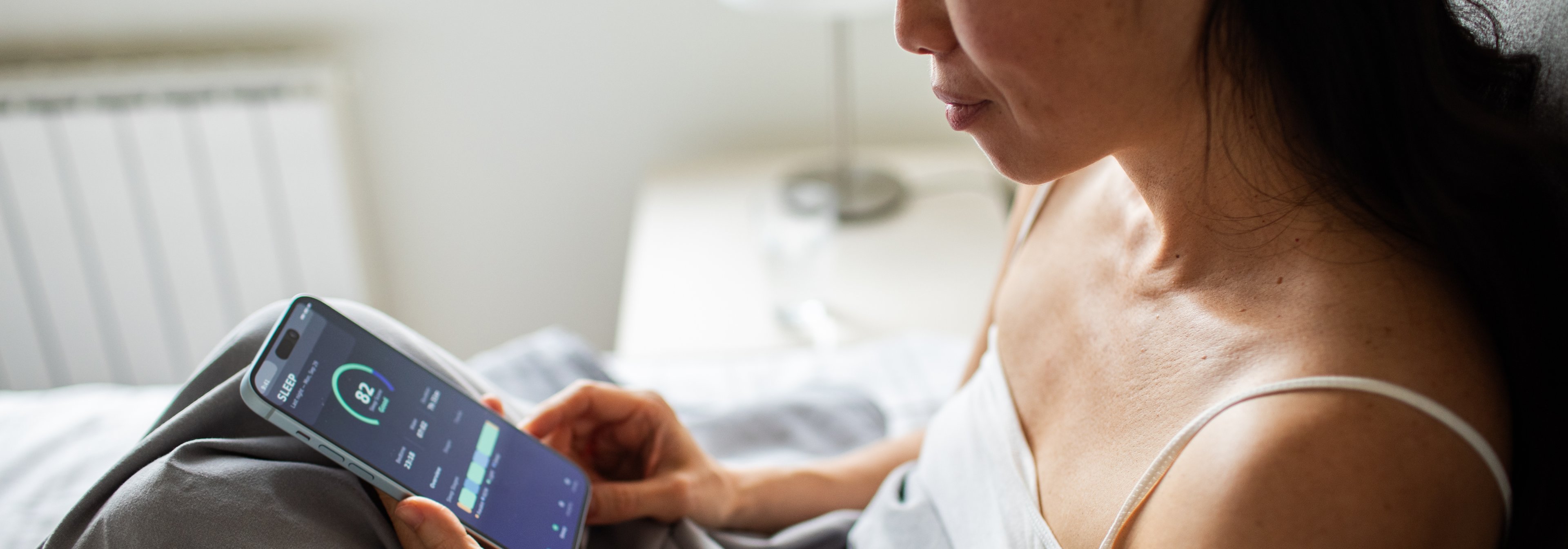
Another point that specialists raise is the growing pressure to perfect your own sleep. Wearables and apps now measure sleep duration, heart rate or movement in bed. This data can be helpful – but it can also cause stress if people try to hit perfect numbers every night (Haupt, 2025). This is exactly where experts see a possible downside of the sleepmaxxing trend.
What is orthosomnia?
Orthosomnia describes a form of sleep-related stress that can arise from excessive tracking. People focus heavily on data from sleep trackers and try to achieve ‘perfect sleep’. Studies show that some people self-diagnose their own sleep problems based on tracker data and, as a result, become increasingly fixated on their sleep numbers (Baron et al., 2017). Paradoxically, this pursuit of perfection can increase stress and make sleep worse.
In summary: sleepmaxxing draws attention to an important topic – sleep and health. At the same time, in the long term it is mainly the simple basics that count: a calm sleep environment, regular routines, enough exercise, less alcohol and caffeine in the evening, and relaxation methods such as breathing exercises or meditation.
When Sleepmaxxing becomes problematic
The wish for better sleep makes sense in principle. However, sleepmaxxing can become problematic when a healthy routine turns into constant pressure to optimise.
Performance pressure around sleep
In many TikTok videos, good sleep is presented as the key to productivity, fitness or success. For some people, this creates the impression that every night has to be perfect. Sleep is then no longer seen as a natural process, but as a performance that has to be optimised.
This pressure can have exactly the opposite effect: if you lie in bed constantly wondering whether you are sleeping ‘well enough’, you often stay awake for longer.
Comparing yourself with other sleep routines
Social media also reinforces comparison with others. Influencers show detailed evening routines, special drinks or particular gadgets in the bedroom. This can create the feeling that your own sleep is only good if you adopt as many of these methods as possible.
In reality, the body and sleep rhythm respond individually. What works for one person is not automatically right for others.
Data obsession through tracking
Another factor is the increasing use of sleep trackers. They measure things like sleep duration, movement or heart rate during the night. This data can be helpful, but it can also lead people to fixate too much on individual numbers.
If every night is judged by numbers, a kind of data obsession can develop. The focus then shifts from your own perception of your sleep to measured values.
When ‘perfect sleep’ becomes compulsive
In extreme cases, this develops into perfectionist behaviour: trying to control every variable in the bedroom – from light and temperature to supplements such as melatonin or magnesium.
Psychologically, there is a well-documented phenomenon behind this: the ironic process effect. If you actively try to force a state – such as falling asleep quickly – you activate exactly the mental monitoring process that prevents it. The stronger the wish for perfect sleep, the more awake the brain stays.
What really helps: evidence-based measures
#1 Sleep hygiene
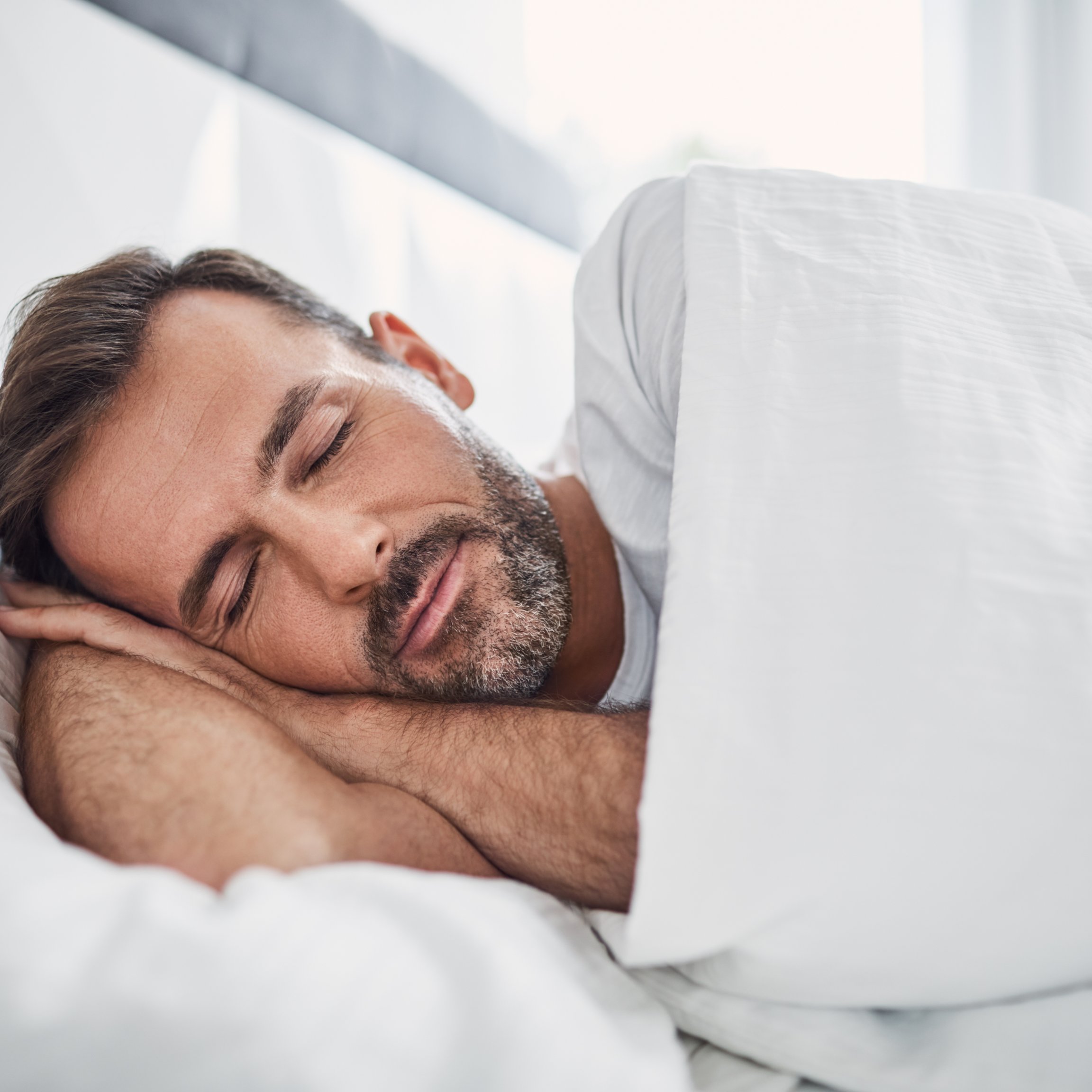
The foundation for good sleep is stable sleep hygiene. This includes regular sleep times, a calm sleep environment and a clear transition from day to night. Studies show that behavioural changes such as fixed sleep times, a regular rhythm, enough exercise and a calm evening routine can noticeably improve sleep quality (Baranwal et al., 2023).
Certain evening habits also play a role. Caffeine, alcohol, late meals or a lot of light can disrupt sleep and lead to fragmented sleep (Baranwal et al., 2023).
#2 Exercise
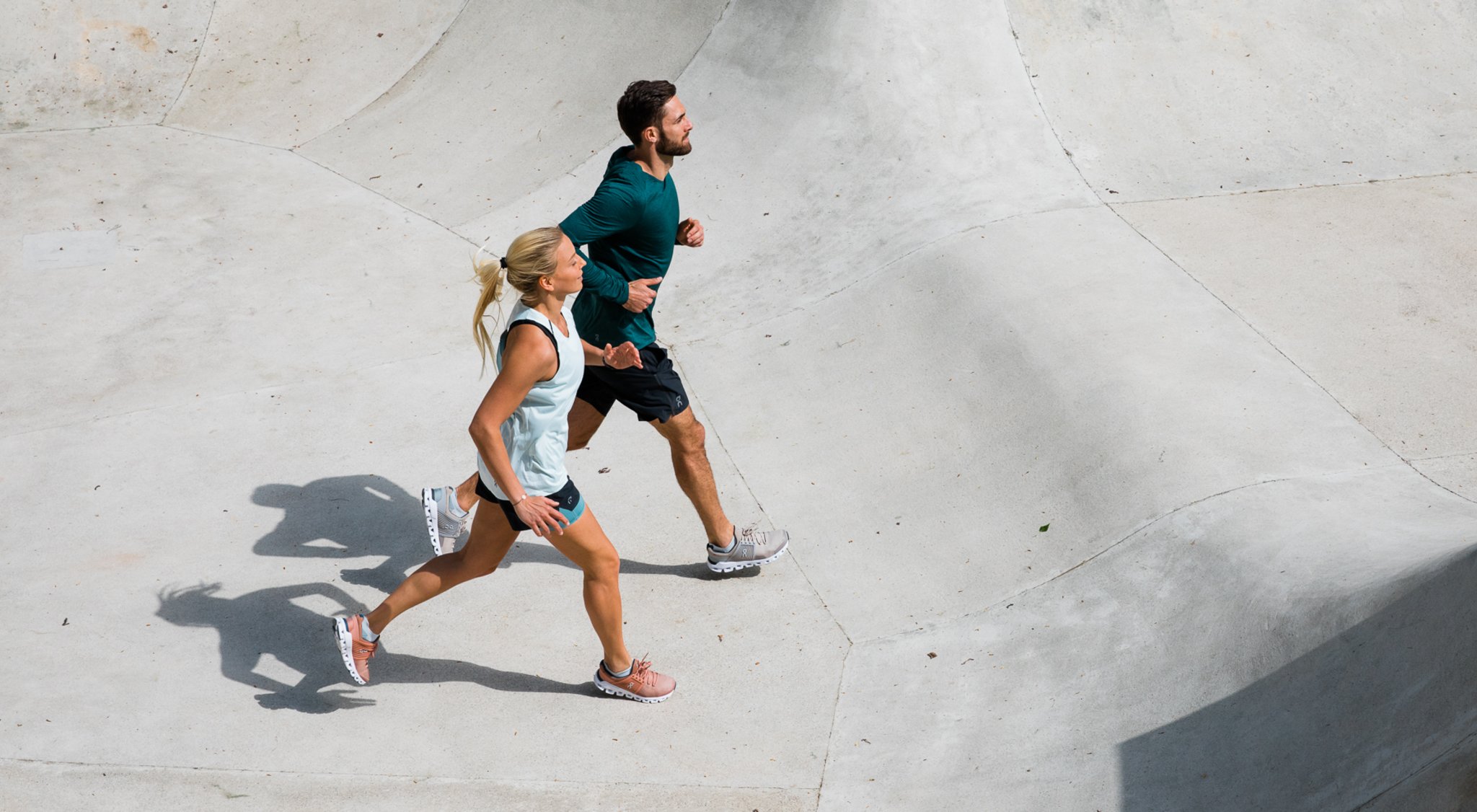
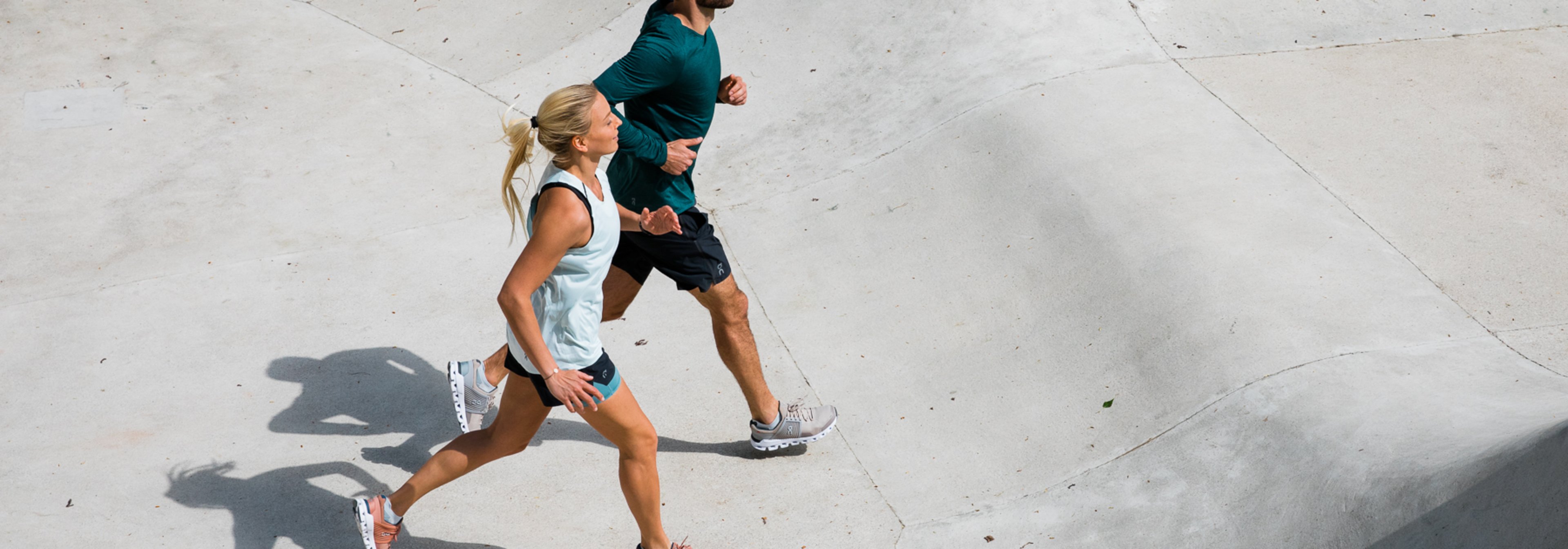
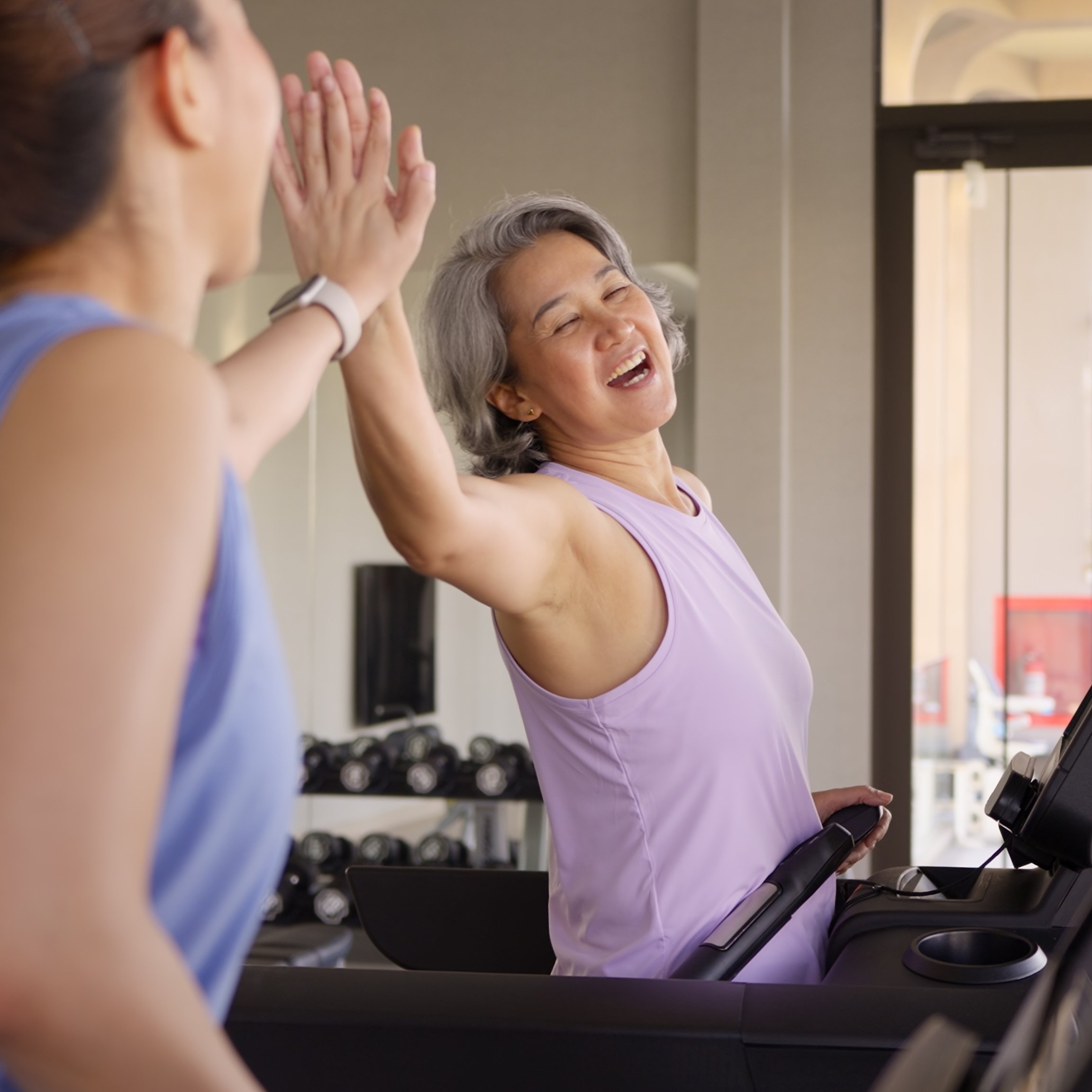
Regular exercise is among the most reliable factors for better sleep. Physical activity can help you fall asleep faster, get more deep sleep and sleep more efficiently overall. One study showed, for example, that physical exertion can be linked to better sleep quality, a shorter time to fall asleep and more deep sleep (Chennaoui et al., 2015).
Bear in mind, however, that very intense exertion shortly before bedtime can delay falling asleep for some people.
#3 Regulating the nervous system
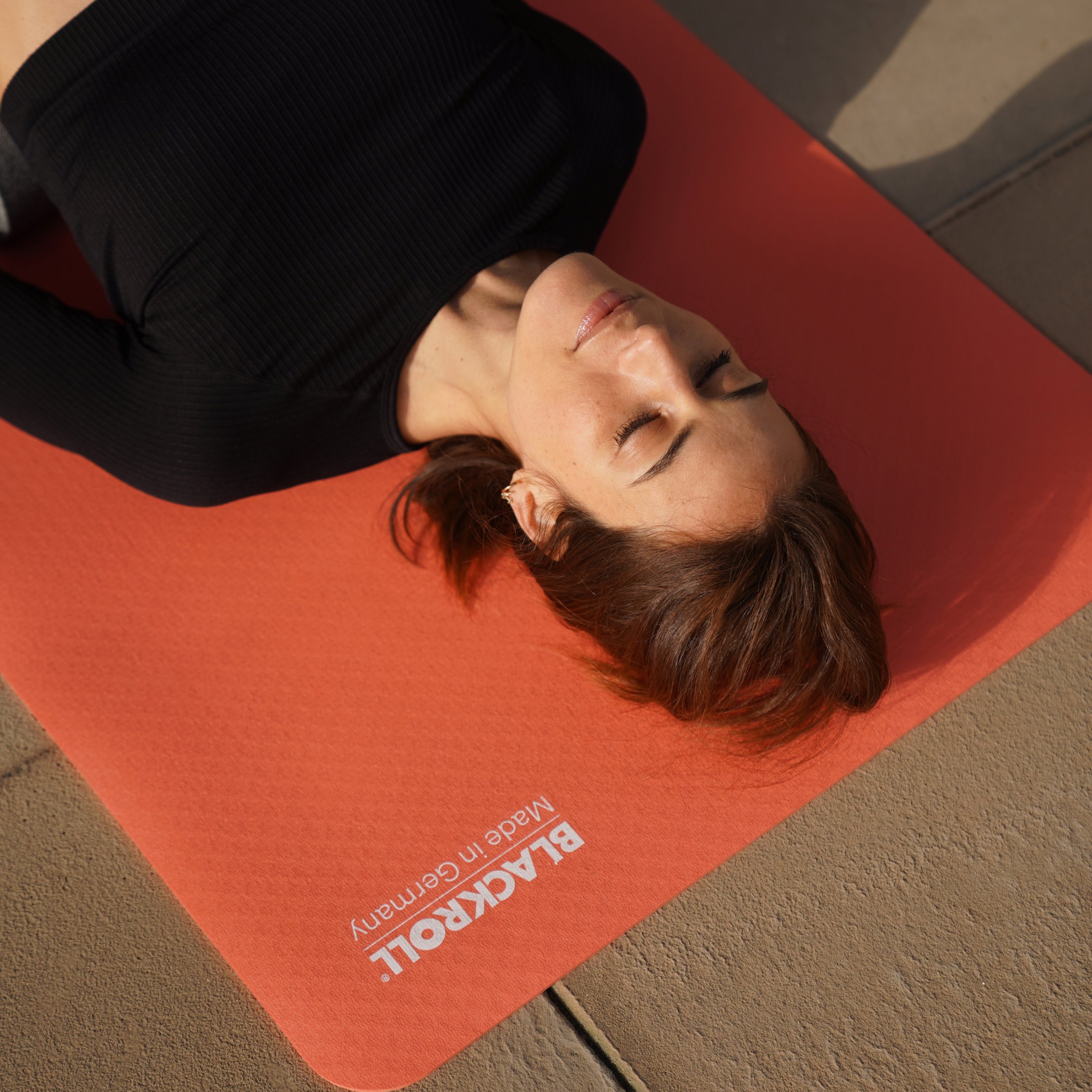
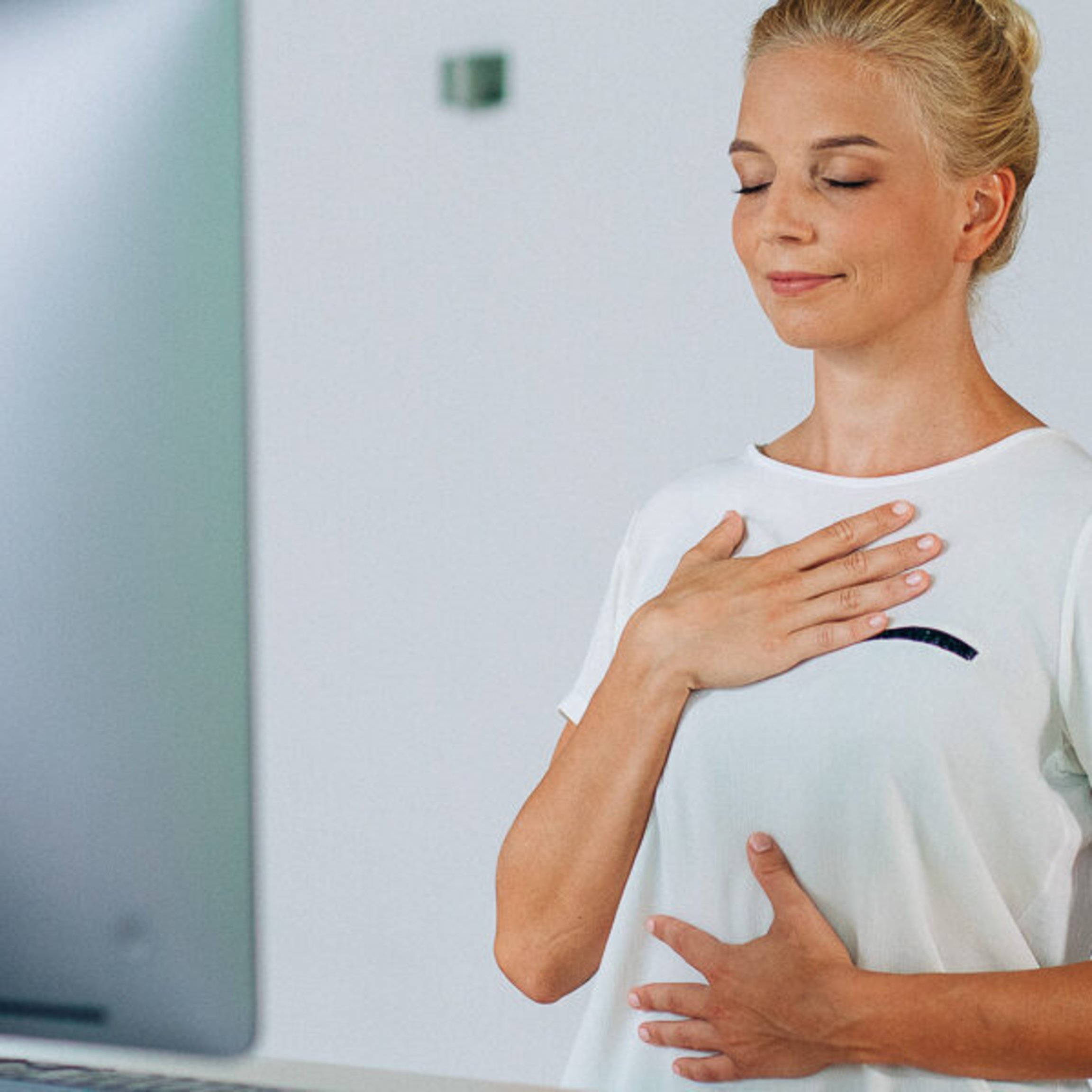
Sleep is closely linked to the state of the nervous system. The autonomic nervous system regulates how activated or relaxed the body is. With ongoing stress, a state of heightened alertness often predominates, which can make it harder to fall asleep (sympathetic nervous system). Only when the nervous system calms down can the body move into overnight recovery (parasympathetic nervous system).
If stress keeps the body in activation mode, falling asleep is harder. Only when the nervous system shifts into a calmer state can the body go into overnight recovery (Garza-Ulloa, 2024). Read here how you can calm your nervous system.
#4 Evening relaxation
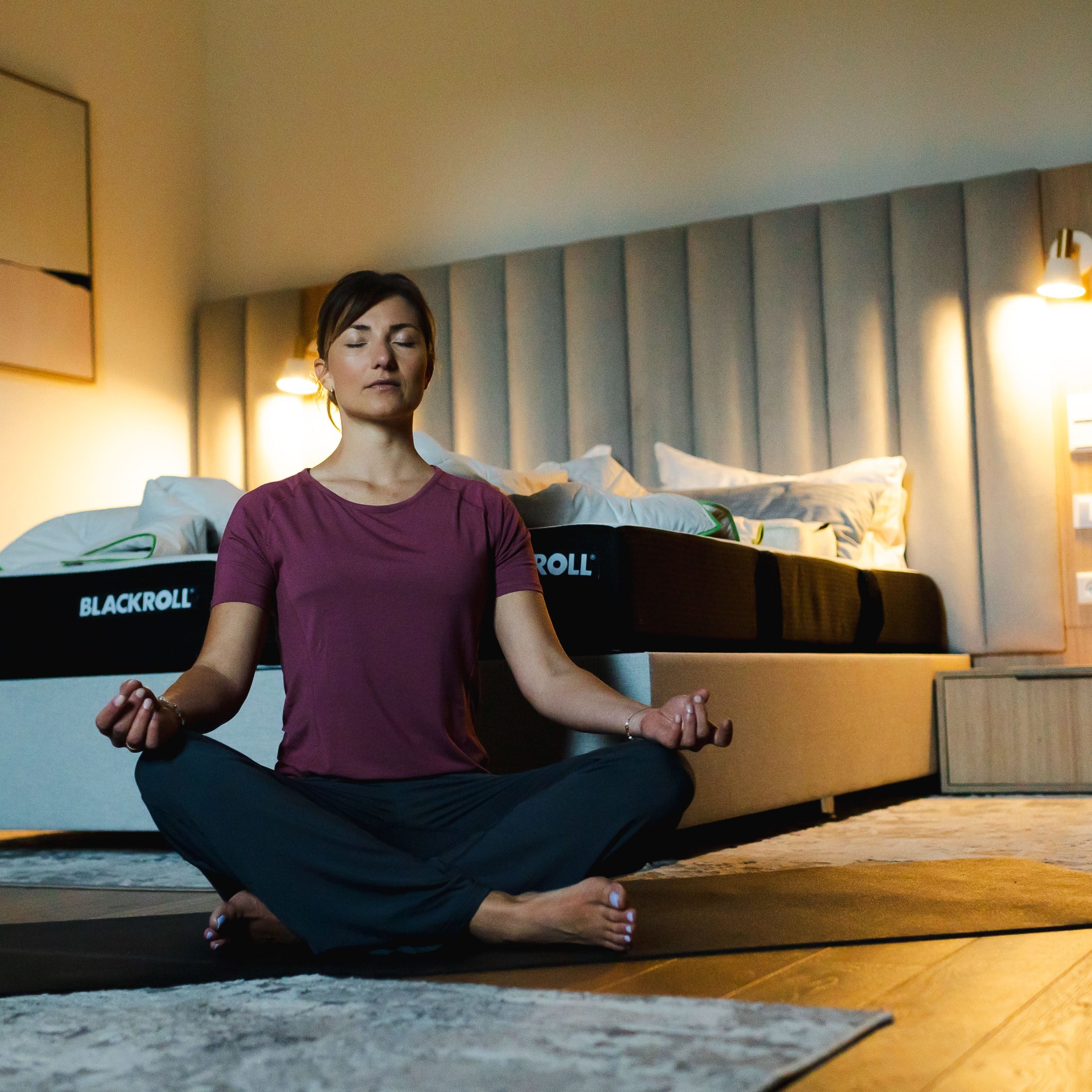
Relaxation techniques can help support this transition. They include, for example, meditation, breathing exercises or calm evening routines.
Studies show that meditation can improve sleep quality and reduce symptoms of sleep disorders in some people (Rusch et al., 2019). Relaxing measures such as a massage before bed have also been linked to better sleep quality (Ntoumas et al., 2025).
#5 Reduce caffeine and alcohol
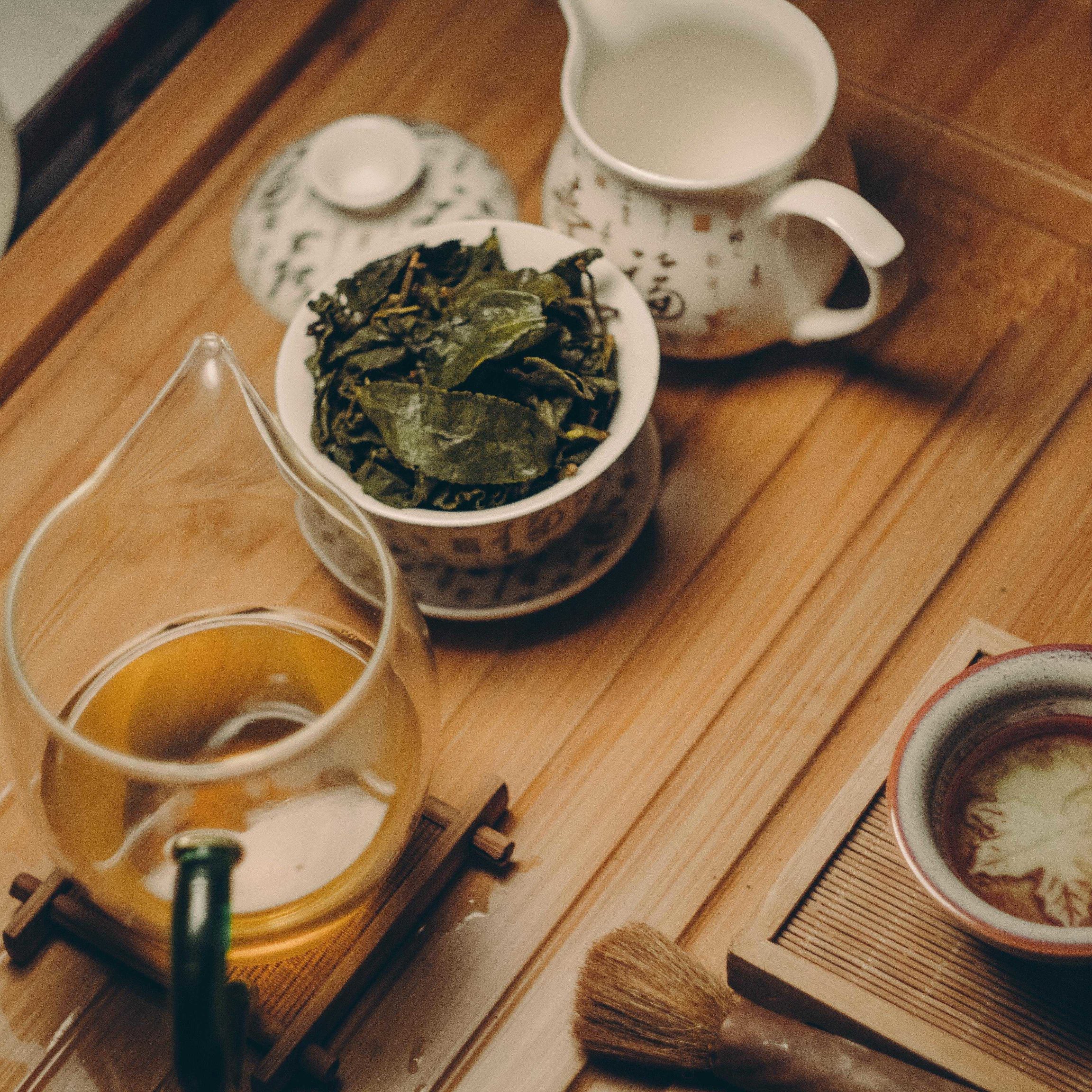
Many people underestimate how strongly caffeine affects sleep. Studies show that caffeine can shorten total sleep time, lengthen the time it takes to fall asleep and reduce deep sleep (Gardiner et al., 2023).
Alcohol also has a negative effect on sleep. Although it can make falling asleep easier in the short term, it also disrupts important sleep phases such as REM sleep (Gardiner et al., 2025).
#6 Keep a consistent bedtime
A stable sleep rhythm is one of the most important factors for good sleep. Studies show that regular sleep times are linked to better health outcomes and better sleep quality (Chaput et al., 2020).
This means that going to bed and getting up at roughly the same time every day helps the body stabilise its natural sleep–wake rhythm.
Help your body switch more easily from day mode to sleep mode: you can find inspiration for simple evening routines here.
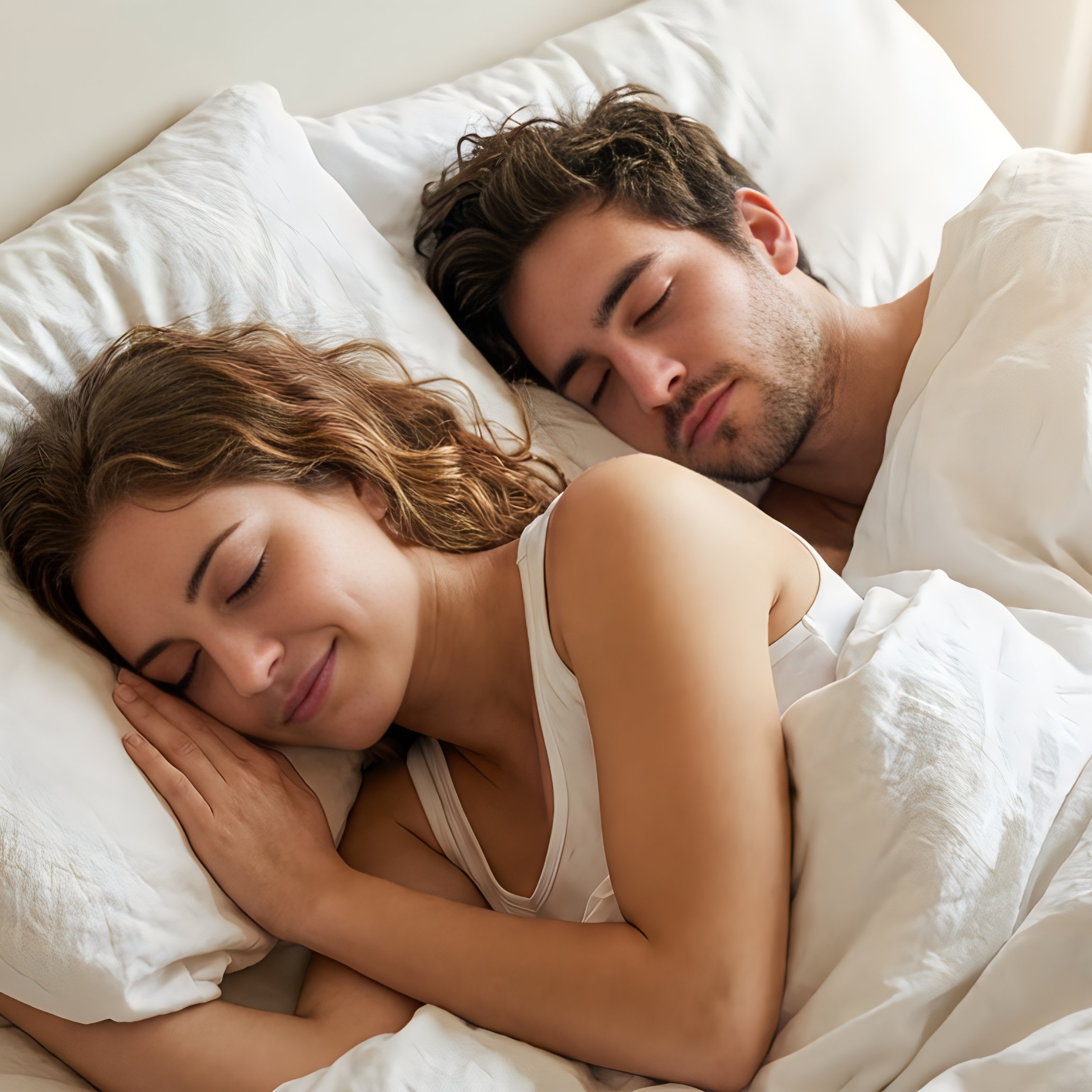
#7 A dark bedroom
The light in your bedroom also plays an important role. Even dim light at night can affect sleep. Studies show that exposure to light at night can be linked to poorer sleep quality. A bedroom that is as dark as possible can therefore help improve sleep (Xu et al., 2023).
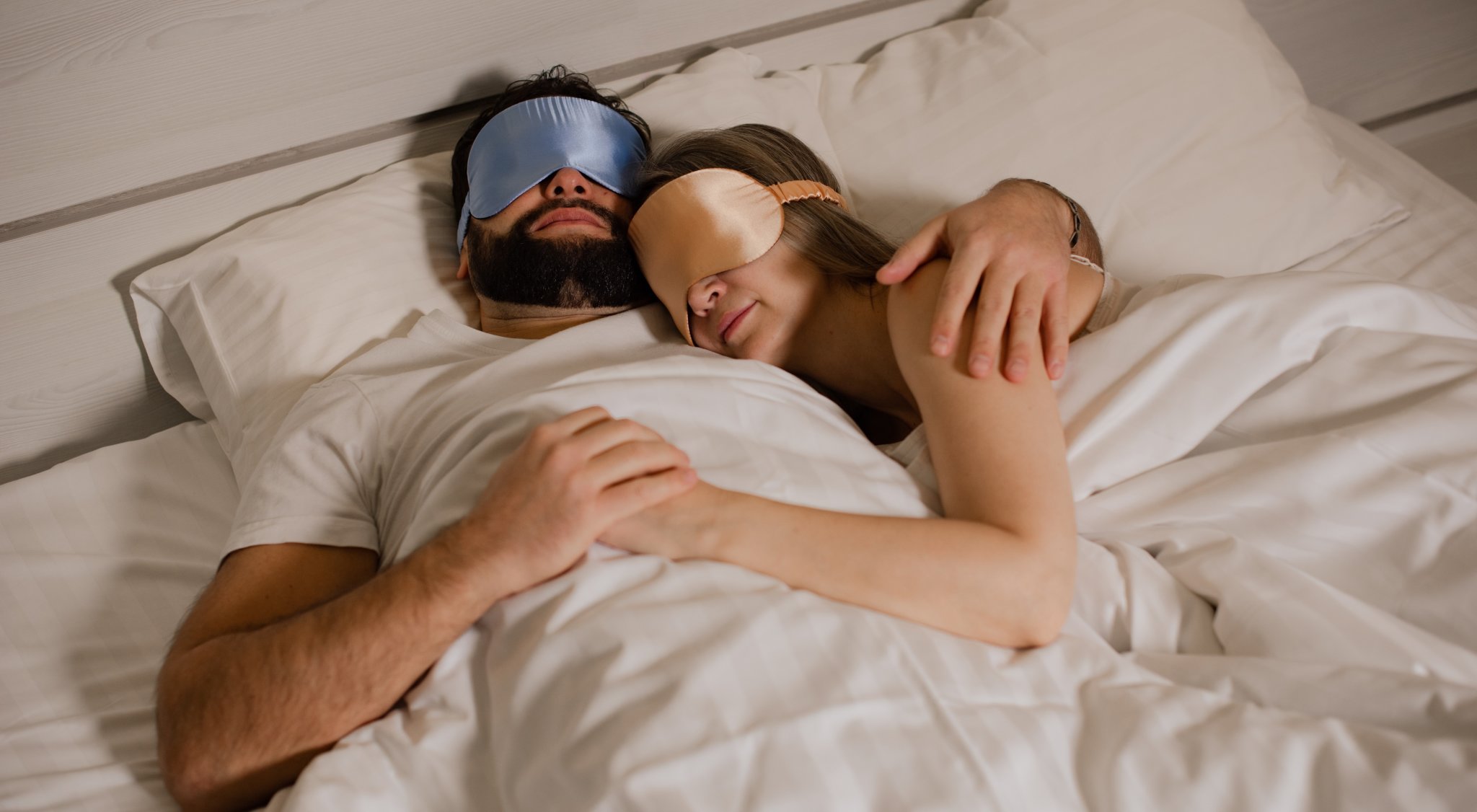
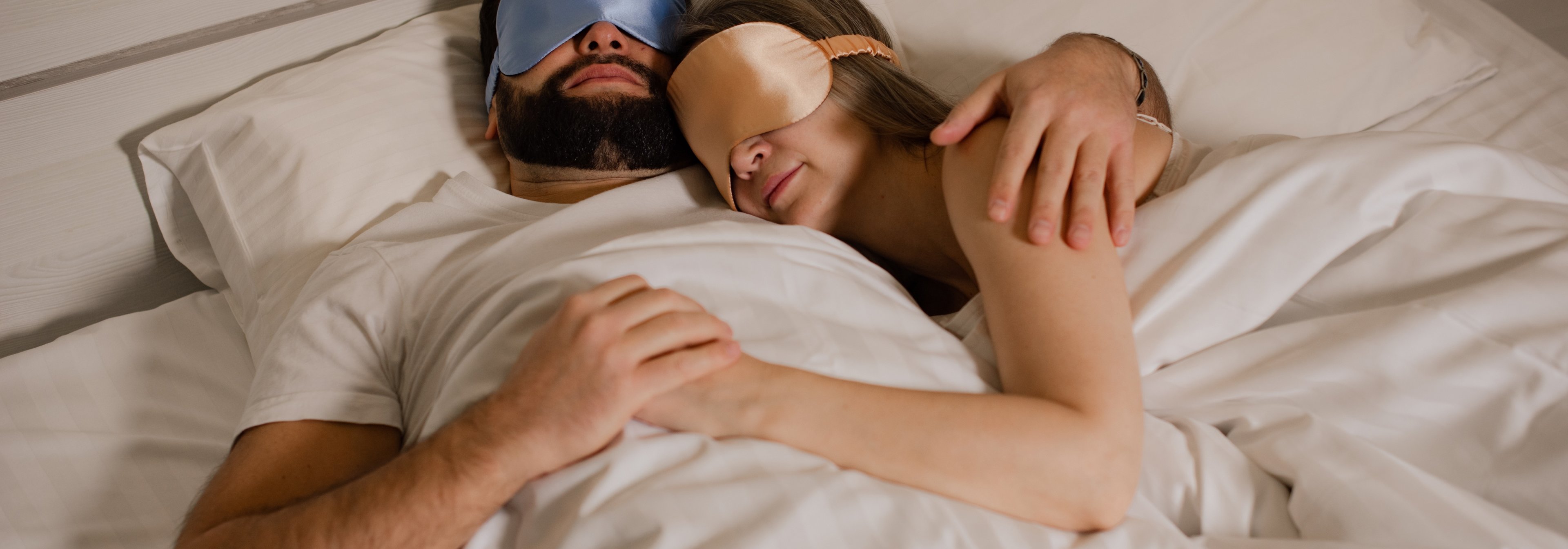
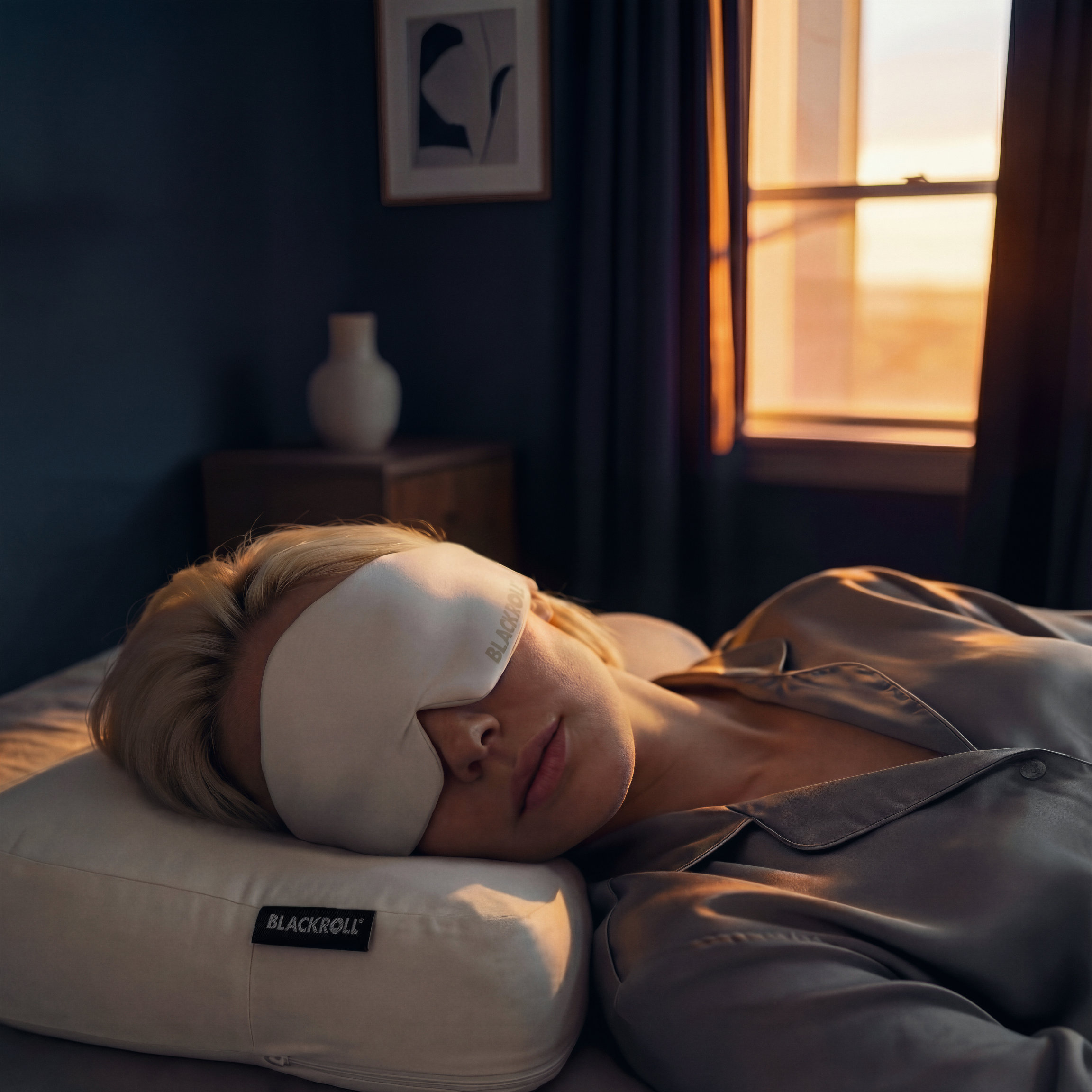
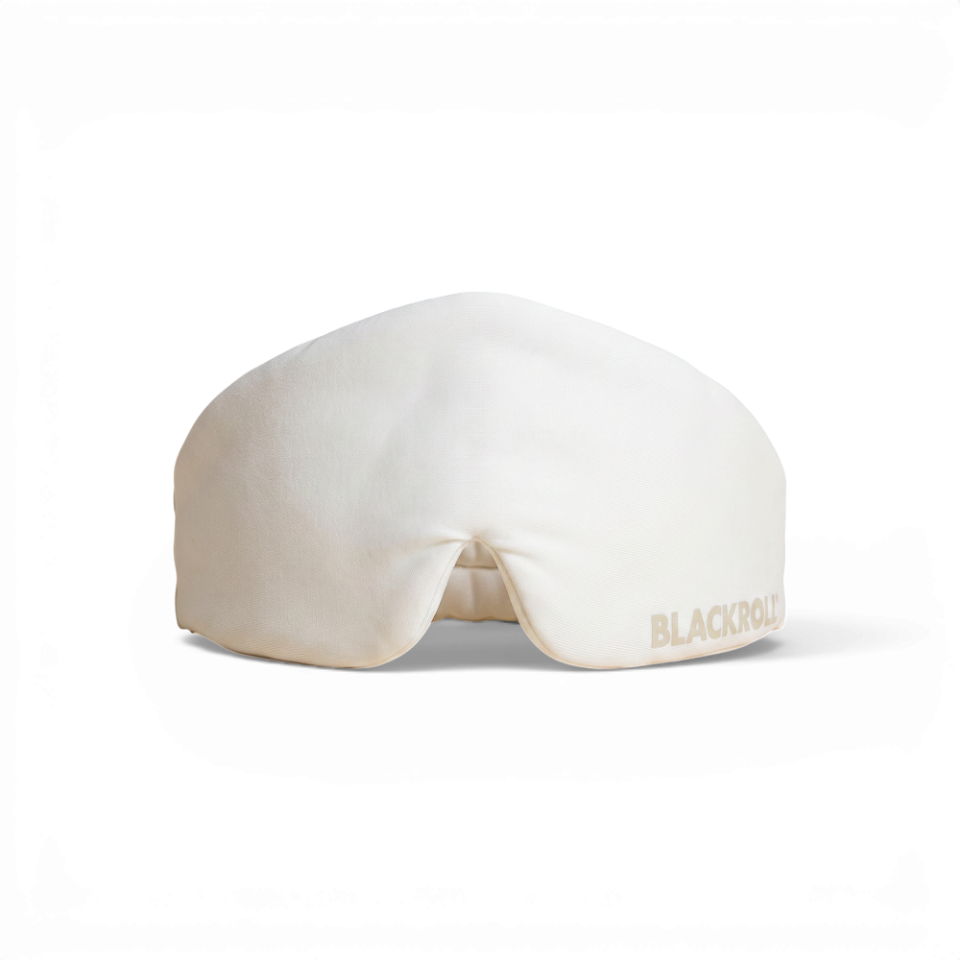
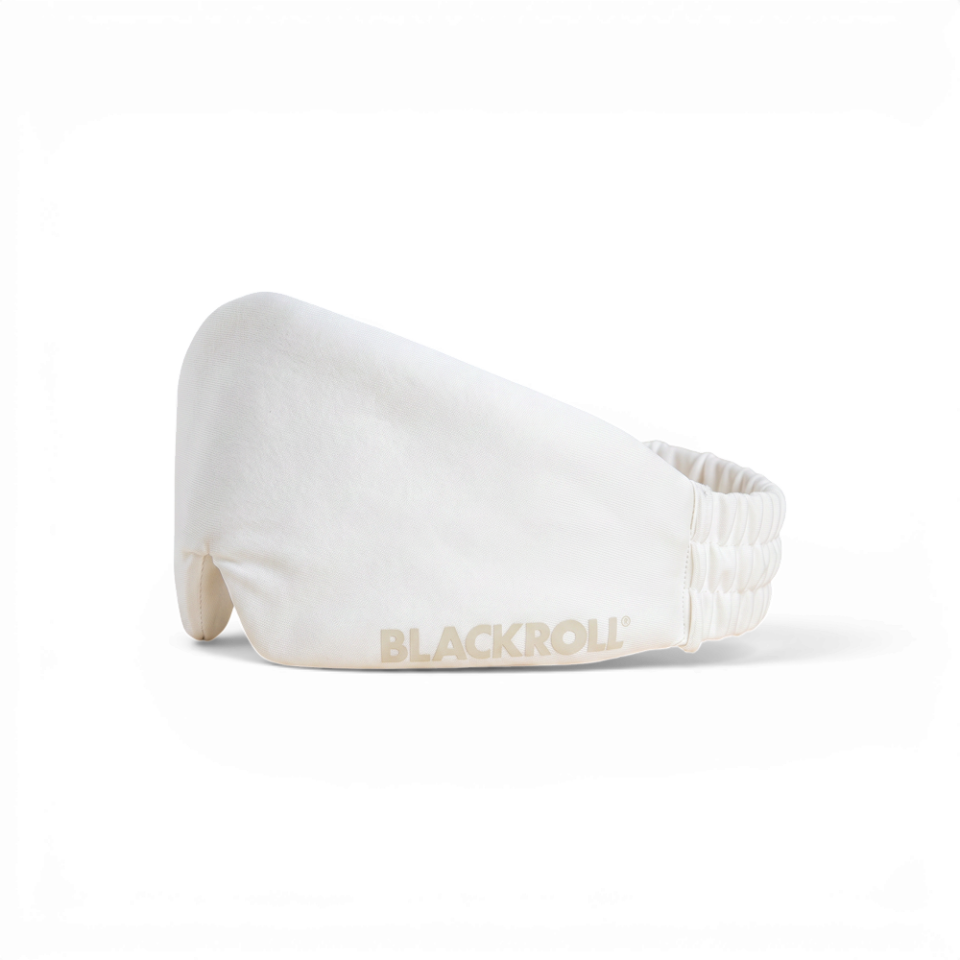
Tip: if light sources – such as street lighting or early morning light – cannot be completely avoided, a sleep mask can also be useful. It blocks disruptive light and supports the dark sleep environment the body needs for overnight recovery.
#8 Reduce stress
Finally, how you deal with stress is also one of the most important factors for good sleep. Studies show that stress affects sleep quality both directly and indirectly (Zhang et al., 2024).
Rumination, emotional strain or constant tension can make it harder to fall asleep. Relaxation methods, exercise or evening routines can help break this cycle.
Incidentally, heart rate variability (HRV) shows how well your body can switch between stress and recovery. You can read why this value matters for recovery and sleep in the article.
Mini checklist for better sleep
- Keep to fixed sleep times – go to bed and get up at the same time every day if possible.
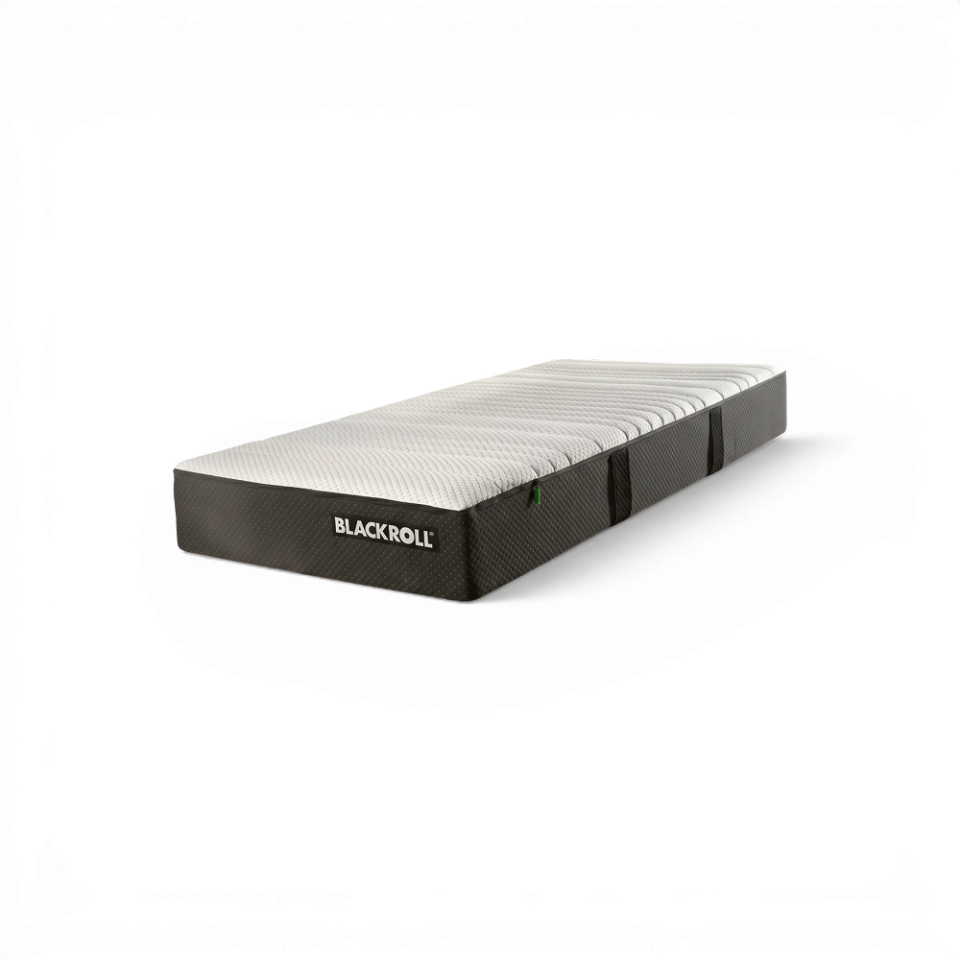
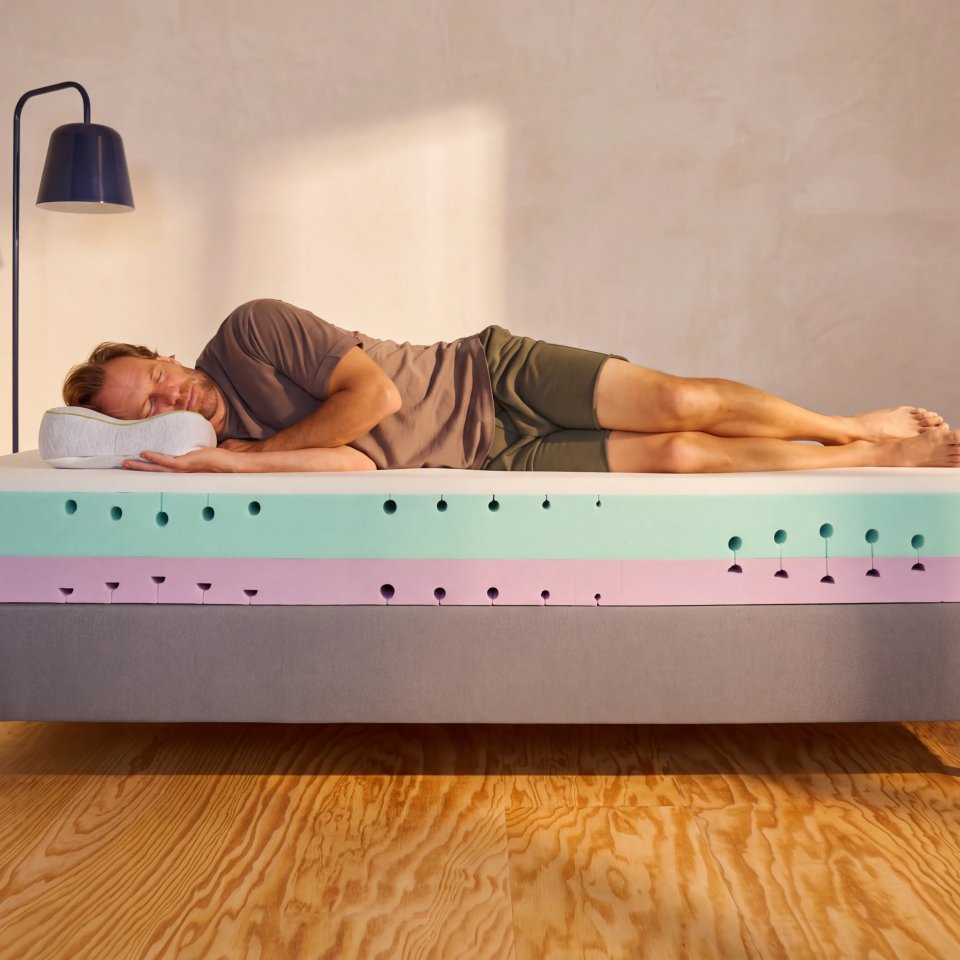
- Optimise your sleep environment – a calm bedroom, a comfortable mattress, little light and a room that is as dark as possible, or a sleep mask.
- Establish an evening routine – prepare your body and nervous system for sleep with calm transitions, such as reading, breathing exercises or meditation.
- Move regularly – physical activity during the day supports falling asleep and sleep quality.
- Reduce caffeine and alcohol – both can disrupt sleep, especially in the evening.
- Reduce stress – relaxation techniques, exercise or clear routines help calm the nervous system.
- Reduce light in the evening – dim screens and bright lighting before bed if possible, or use a blue light filter.
If you want to improve your sleep quality in the long term, our guide to better sleep quality offers concrete strategies on evening routines, sleep hygiene and habits.
Conclusion: Trend or Lasting Change?
Above all, the sleepmaxxing trend shows that sleep is an important health topic. That is positive in principle. If you look at your sleep hygiene, your bedroom environment or habits such as caffeine, alcohol, stress and exercise, you can genuinely improve your sleep quality.
At the same time, research shows that good sleep rarely comes from individual hacks. Stable routines, a calm sleep environment, enough relaxation and a natural body rhythm are what count.
This is exactly where the difference lies between sensible optimisation and over-optimisation. If sleepmaxxing leads people to improve their habits, the trend can have a positive effect on health, wellbeing and quality of life. However, if it creates the expectation of having to sleep perfectly every night, the additional stress can even make sleep worse.
In the view of many experts, what matters is therefore not maximum optimisation but regulation: a stable sleep rhythm, a calm bed, little light, regular recovery and a relaxed approach to your own sleep.
Or put another way: good sleep habits work better in the long term than any short-lived trend.
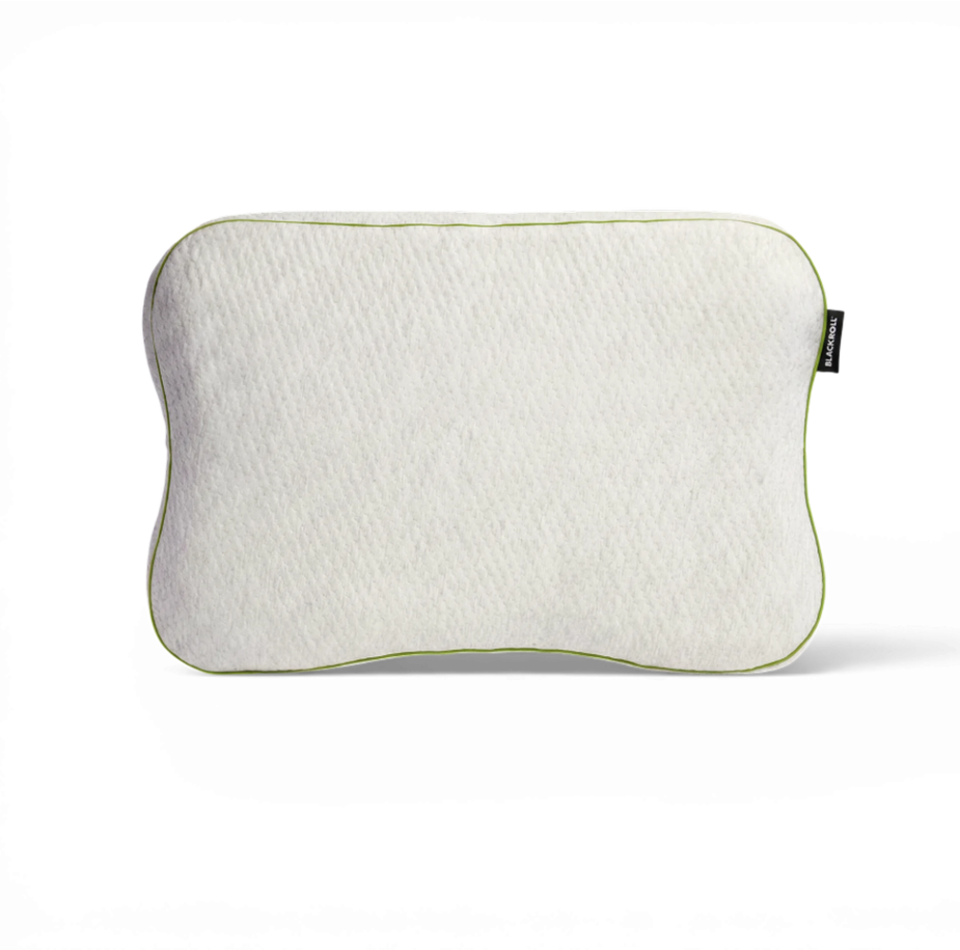
Recovery Base 2.0
Available in multiple variants

FAQs about sleepmaxxing
Sleepmaxxing describes the attempt to deliberately optimise your own sleep. The trend comes mainly from social media such as TikTok and includes routines, hacks or products intended to improve sleep quality – such as supplements, evening routines or adjustments to the sleep environment.
The difference lies in the approach: normal sleep is about natural recovery. Sleepmaxxing, by contrast, tries to optimise as many factors around sleep as possible – from diet and sleep hygiene to tracking data. However, many measures overlap with classic recommendations for healthy sleep.
There is no single remedy that works for everyone. Studies show that regular sleep times, little light in the bedroom, less caffeine and alcohol in the evening and stress reduction in particular improve the chances of sleeping through the night. Good sleep hygiene remains the most important foundation.
Sources
Rhee, J., Iansavitchene, A., Mannala, S., Graham, M. E., & Rotenberg, B. (2025). Breaking social media fads and uncovering the safety and efficacy of mouth taping in patients with mouth breathing, sleep disordered breathing, or obstructive sleep apnea: A systematic review. PLOS ONE, 20, e0323643. https://doi.org/10.1371/journal.pone.0323643
Fangmeyer, S. K., Badger, C. D., & Thakkar, P. G. (2025). Nocturnal mouth-taping and social media: A scoping review of the evidence. American Journal of Otolaryngology, 46(1), 104545.
Barforoush, F., Ebrahimi, S., Karimian Abdar, M., Khademi, S., & Morshedzadeh, N. (2025). The effect of tart cherry on sleep quality and sleep disorders: A systematic review. Food Science & Nutrition, 13(9), e70923. https://doi.org/10.1002/fsn3.70923
Costello, R. B., Lentino, C. V., Boyd, C. C., O’Connell, M. L., Crawford, C. C., Sprengel, M. L., & Deuster, P. A. (2014). The effectiveness of melatonin for promoting healthy sleep: A rapid evidence assessment of the literature. Nutrition Journal, 13, 106. https://doi.org/10.1186/1475-2891-13-106
Arab, A., Rafie, N., Amani, R., & Shirani, F. (2023). The role of magnesium in sleep health: A systematic review of available literature. Biological Trace Element Research, 201(1), 121–128. https://doi.org/10.1007/s12011-022-03162-1
Doherty, R., Madigan, S., Nevill, A., Warrington, G., & Ellis, J. G. (2023). The impact of kiwifruit consumption on the sleep and recovery of elite athletes. Nutrients, 15(10), 2274. https://doi.org/10.3390/nu15102274
Lin, H.-H., Tsai, P.-S., Fang, S.-C., & Liu, J.-F. (2011). Effect of kiwifruit consumption on sleep quality in adults with sleep problems. Asia Pacific Journal of Clinical Nutrition, 20(2), 169–174.
Silvani, M. I., Werder, R., & Perret, C. (2022). The influence of blue light on sleep, performance and wellbeing in young adults: A systematic review. Frontiers in Physiology, 13, 943108. https://doi.org/10.3389/fphys.2022.943108
Zhou, E. (2025, March 6). Should you be sleepmaxxing to boost health and happiness? Harvard Health Publishing. https://www.health.harvard.edu/blog/should-you-be-sleepmaxxing-to-boost-health-and-happiness-202503063090
Jaffer, A. (2025, January 23). Sleepmaxxing is the newest wellness trend—but does it actually work? National Geographic. https://www.nationalgeographic.com/science/article/does-sleepmaxxing-work
Haupt, A. (2025). What doctors really think of sleepmaxxing. TIME. https://time.com/7269178/what-is-sleepmaxxing-sleep-doctors/
Baron, K. G., Abbott, S., Jao, N., Manalo, N., & Mullen, R. (2017). Orthosomnia: Are some patients taking the quantified self too far? Journal of Clinical Sleep Medicine, 13(2), 351–354. https://doi.org/10.5664/jcsm.6472
Baranwal, N., Yu, P. K., & Siegel, N. S. (2023). Sleep physiology, pathophysiology, and sleep hygiene. Progress in Cardiovascular Diseases, 77, 59–69. https://doi.org/10.1016/j.pcad.2023.02.005
Chennaoui, M., Arnal, P. J., Sauvet, F., & Léger, D. (2015). Sleep and exercise: A reciprocal issue? Sleep Medicine Reviews, 20, 59–72. https://doi.org/10.1016/j.smrv.2014.06.008
Garza-Ulloa, J. (2024). Perspective chapter: Theory for nervous system dysregulation and sleep alterations. In M. Carotenuto (Ed.), Research on Sleep. IntechOpen. https://doi.org/10.5772/intechopen.1006147
Rusch, H. L., Rosario, M., Levison, L. M., Olivera, A., Livingston, W. S., Wu, T., & Gill, J. M. (2019). The effect of mindfulness meditation on sleep quality: A systematic review and meta-analysis of randomized controlled trials. Annals of the New York Academy of Sciences, 1445(1), 5–16. https://doi.org/10.1111/nyas.13996
Ntoumas, I., Karatzaferi, C., Giannaki, C. D., Papanikolaou, F., Pappas, A., Dardiotis, E., & Sakkas, G. K. (2025). The impact of relaxation massage prior to bedtime on sleep quality and quantity in people with symptoms of chronic insomnia: A home-based sleep study. Healthcare, 13(2), 180. https://doi.org/10.3390/healthcare13020180
Gardiner, C., Weakley, J., Burke, L. M., Roach, G. D., Sargent, C., Maniar, N., Townshend, A., & Halson, S. L. (2023). The effect of caffeine on subsequent sleep: A systematic review and meta-analysis. Sleep Medicine Reviews, 69, 101764. https://doi.org/10.1016/j.smrv.2023.101764
Gardiner, C., Weakley, J., Burke, L. M., Roach, G. D., Sargent, C., Maniar, N., Townshend, A., & Halson, S. L. (2025). The effect of alcohol on subsequent sleep in healthy adults: A systematic review and meta-analysis. Sleep Medicine Reviews, 80, 102030. https://doi.org/10.1016/j.smrv.2024.102030
Chaput, J.-P., Dutil, C., Featherstone, R., Ross, R., Giangregorio, L., Saunders, T. J., Janssen, I., Poitras, V. J., Kho, M. E., Ross-White, A., Zankar, S., & Carrier, J. (2020). Sleep timing, sleep consistency, and health in adults: A systematic review. Applied Physiology, Nutrition, and Metabolism, 45(10 Suppl. 2), S232–S247. https://doi.org/10.1139/apnm-2020-0032
Xu, Y.-X., Zhang, J.-H., Tao, F.-B., & Sun, Y. (2023). Association between exposure to light at night (LAN) and sleep problems: A systematic review and meta-analysis of observational studies. Science of the Total Environment, 857, 159303. https://doi.org/10.1016/j.scitotenv.2022.159303
Zhang, J., Xiang, S., Li, X., Tang, Y., & Hu, Q. (2024). The impact of stress on sleep quality: A mediation analysis based on longitudinal data. Frontiers in Psychology, 15, 1431234. https://doi.org/10.3389/fpsyg.2024.1431234