How much water should you drink — and why?

Your body weight, activity level, ambient temperature and sweat rate all influence your requirements. Rehydrate regularly when you exercise and replace electrolytes during longer or more intense sessions; drinking too much can upset your salt balance.
Key points at a glance
- Water is vital for metabolism, circulation, brain function and recovery.
- Guideline: 30–40 ml per kg of body weight per day – more during sport, in hot weather or with a high-protein diet.
- Thirst isn’t a reliable indicator — mild dehydration reduces concentration and performance.
- Increase intake during a ketogenic diet, exercise and hot weather; drink water before meals when you're trying to lose weight.
- Choose water, unsweetened tea and stock; avoid sugary drinks; establish a regular drinking routine.
Why drinking enough water is so important
The blood that your heart pumps through your veins every second consists of around 90% water, which ensures that every one of your cells is constantly supplied with oxygen and nutrients such as glucose, vitamins and minerals. At the same time it carries waste products such as urea and carbon dioxide to the excretory organs — primarily the kidneys, through which about 1,800 L of blood flow every day.
In doing so, the kidneys filter enormous volumes of fluid every day (in the region of 150–180 L of primary urine per day) to ultimately produce around 1–2 L of urine – depending on how much you drink and how much you sweat.
What this means for you in practice:
Even mild dehydration can measurably impair concentration, mood and performance. Circulation and blood pressure can become more ‘unstable’ because the effective blood volume decreases and the body compensates. Digestion often suffers (typically: constipation) because water is part of the ‘mechanics’ of the gut.
Further health benefits of optimal water intake include:
- Prevent kidney stones
- Prevention of migraines and recurrent headaches
- Prevent urinary tract infections
- Help prevent diabetes and high blood sugar levels
If your body isn’t getting enough water, you’ll usually notice it very quickly. Tiredness, difficulty concentrating and headaches are often the first warning signs. This is because your brain is made up of around 75% water and is extremely sensitive to dehydration.
Your blood pressure can fluctuate when you’re dehydrated, as your blood volume drops and your heart has to work harder to supply all your organs. Digestion also slows down if there’s no water to keep the gastrointestinal tract running smoothly.
Recovery after exercise or strenuous activity also relies on adequate hydration: when you train, tiny tears (microtraumas) form in your muscles and your body needs proteins and other nutrients — carried by the blood, and therefore by water — to repair them. Your fascia likewise needs hydration to stay supple and elastic. Without enough water, recovery slows and you’ll feel exhausted or tense for longer.
How much water should you drink each day?
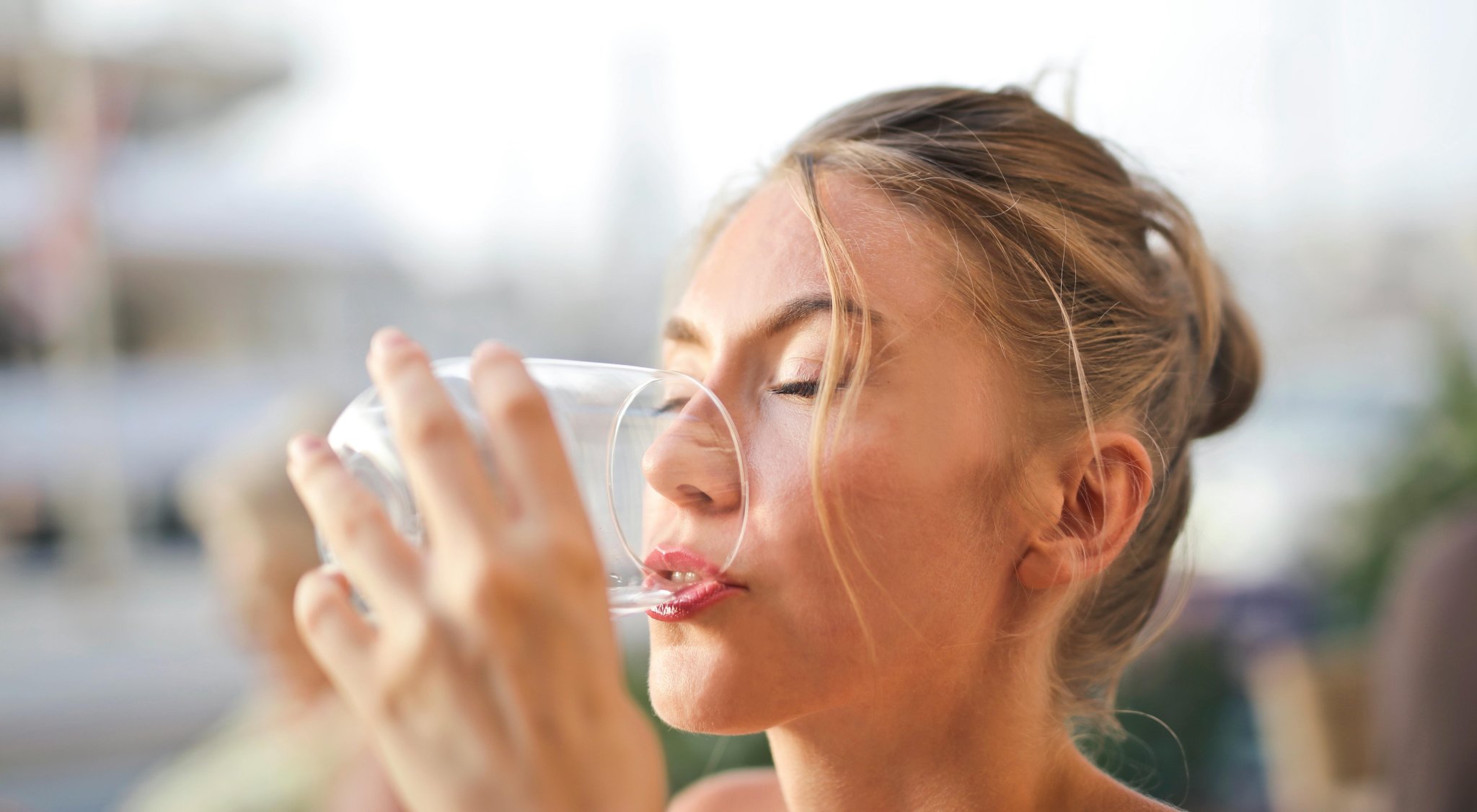
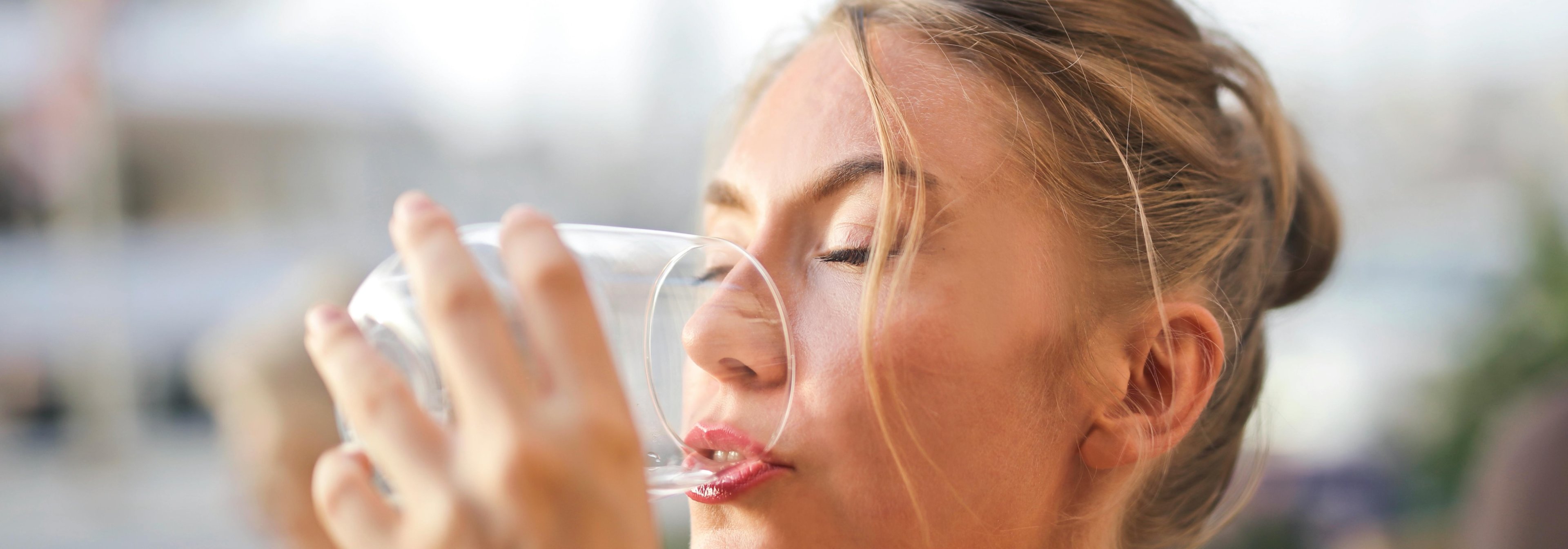
The rule of thumb is that you should drink 30 to 40 ml of water per kilogram of body weight per day. If you weigh 70 kg, this means you need between 2.1 and 2.8 l of water. This is also in line with the recommendations of the German Nutrition Society (DGE) for adolescents and adults. Children and breastfeeding people have a higher daily water requirement.
Consider four factors to determine your exact requirement:
Body weight
The more body mass you have, the more fluid you need to keep all your metabolic processes running smoothly.
Activity level
If you train intensively several times a week, you’ll lose an additional 0.5 to 1 L of water through sweating – so factor this in and drink plenty during and after intense training sessions.
Diet
A high-protein diet or high salt intake also increases your fluid requirements as your kidneys have to work harder to excrete waste products.
Climate
In hot weather, dry heated air or at high altitudes your body sweats and breathes out more water than in cooler environments so drink more on hot days involving a lot of physical exertion.
Should you only drink when you’re thirsty?
It's not advisable to rely solely on the sensation of thirst when it comes to maintaining a healthy fluid balance. While thirst is an unmistakable sign that you should drink water, your body may still need water even if you don't feel thirsty.
Thirst is a useful indicator — but not always sufficient, particularly in three situations:
- Older people (thirst regulation becomes less reliable)
- Long days at a desk (you realise too late)
- Sport/heat (thirst lags behind)
Thirst is a highly individual sensation and can vary in intensity depending on the person and external circumstances. For example, during prolonged periods without drinking the sensation of thirst may subjectively diminish due to an habituation effect yet dehydration still causes harm to the body.


Special cases: how much water to drink with high blood pressure or on a diet?
How much water should you drink if you have high blood pressure?
Drinking enough water regularly can help prevent heart disease. [5] On the other hand, insufficient hydration can lead to high blood pressure or exacerbate its negative effects. [6] Therefore, even if you have high blood pressure, follow the recommendation to drink around 2 L of water a day (or 30 to 40 ml/kg).
If you have heart failure, advanced kidney disease or are taking diuretic medication, tailor your fluid intake to your individual needs. In these cases, the idea that ‘more is better’ can backfire. Discuss your eating and drinking habits with your doctor on an individual basis.
How much water should you drink whilst on a keto diet?
Keto increases your water requirements — your body excretes more water and electrolytes whilst in ketosis. When you enter ketosis, your body depletes the glycogen stores in your liver and muscles. As each gram of glycogen binds around three grams of water, you often lose several litres of water in the first few days — this explains the rapid weight loss at the start. At the same time you excrete more electrolytes such as sodium, potassium and magnesium.
Increase your basic water intake by 0.5 to 1 L — for a person weighing 70 kg, this amounts to a total of around 3 to 3.5 L per day. Ensure you not only drink enough water but also maintain adequate electrolyte intake, for example through stock or drinks containing electrolytes.
How much water should you drink to lose weight?
Drinking water can help with weight loss — it fills the stomach, reduces hunger and replaces calorie-containing drinks. Studies show that people who drink around 500 ml of water 30 minutes before meals consume fewer calories because they feel full more quickly.
New studies have even demonstrated the opposite effect: a persistent lack of water can prompt the body to store more fat reserves, so you may gain weight if you don’t drink enough.
Further reading on nutrition









Alternatives to drinking water – what really counts towards your fluid intake?
Unsweetened tea, infused water and clear broth are perfectly valid alternatives to water. So if you find plain water too boring, you can switch to these variants without feeling guilty.
- Herbal or fruit tea: 100% counts towards your fluid intake, caffeine-free and available in many flavours
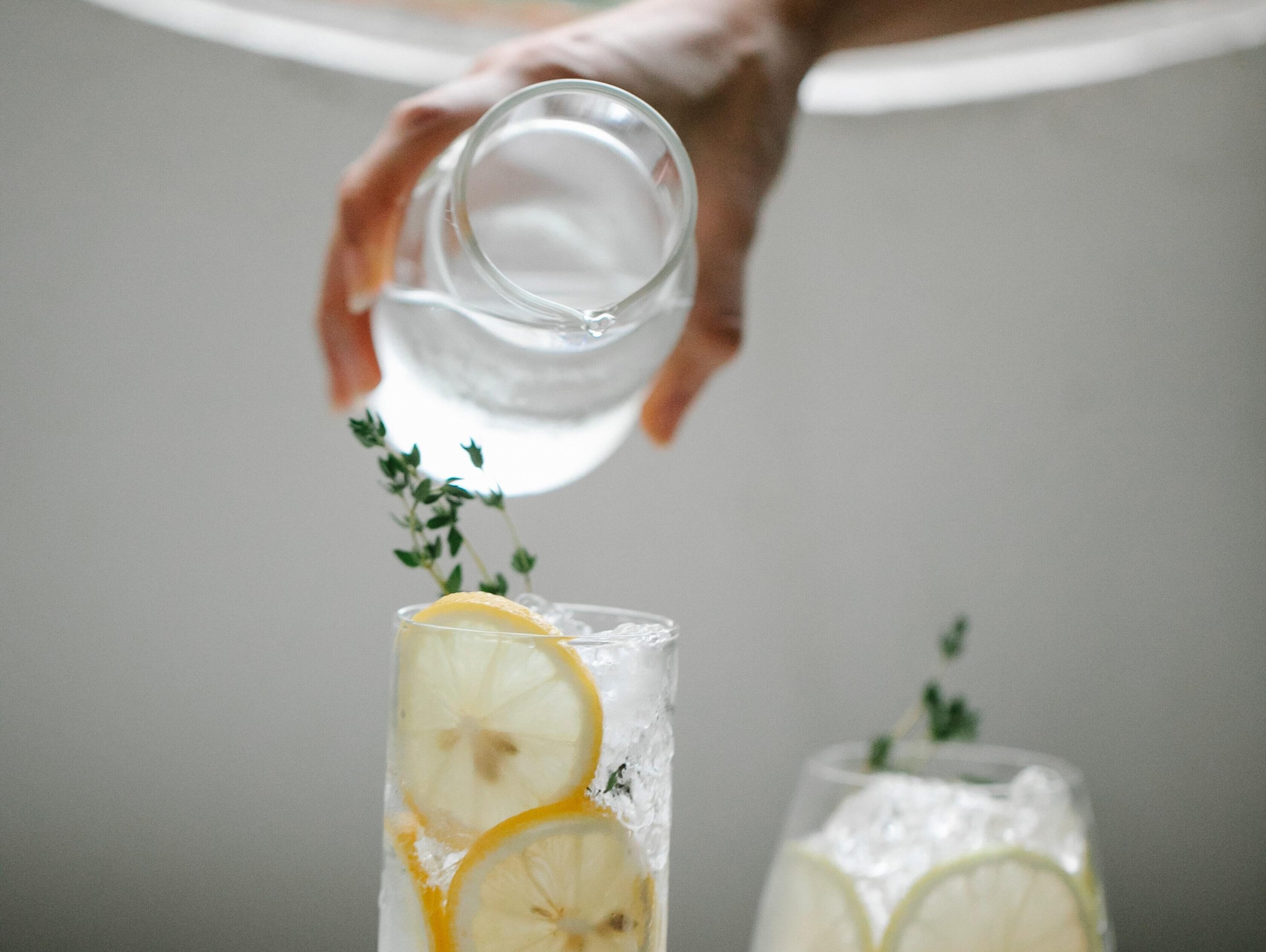
- Infused water: water infused with cucumber, lemon, mint or berries is a tasty alternative and easy to make yourself
- Clear broth hydrates and provides additional electrolytes such as sodium and potassium; it’s ideal after exercise or when you have a cold.
Coffee and black tea also count towards your fluid intake — the ‘dehydration’ myth has been scientifically debunked. It was long thought that caffeine dehydrates the body, but recent studies show that if you drink coffee or tea regularly, your body gets used to the caffeine and the slight diuretic effect is almost completely offset.
- Coffee/black tea: up to 50–70% can be counted towards your fluid balance
- Caffeine tolerance: the diuretic effect is neutralised with regular consumption.
- EFSA recommendation: a maximum of 400 mg of caffeine per day (approx. 4 cups of coffee)
Sugary drinks and energy drinks aren’t sensible alternatives to water — they put more strain on your body than they hydrate it. The problem with fizzy drinks, sweetened iced teas or energy drinks lies in their high sugar content: they cause rapid spikes in insulin, provide lots of empty calories and, if consumed regularly, can increase the risk of obesity and type 2 diabetes.
Energy drinks combine high doses of caffeine with sugar, which gives you a short-term energy boost but can lead to exhaustion and dependency in the long term. Fruit juices also contain a lot of fructose – one glass (200 ml) a day is fine, but it’s better to drink juice diluted as a spritzer in a 3:1 ratio (water:juice). They’re fine now and then, but they shouldn’t be your main source of fluids.
- Soft drinks: empty calories, risk of obesity/diabetes
- Energy drinks combine caffeine and sugar to give you a quick boost but may lead to long-term exhaustion and dependence.
- Fruit juices: contain a lot of fructose; max. 1 glass (200 ml) per day; best drunk diluted as a spritzer (3:1 water:juice)
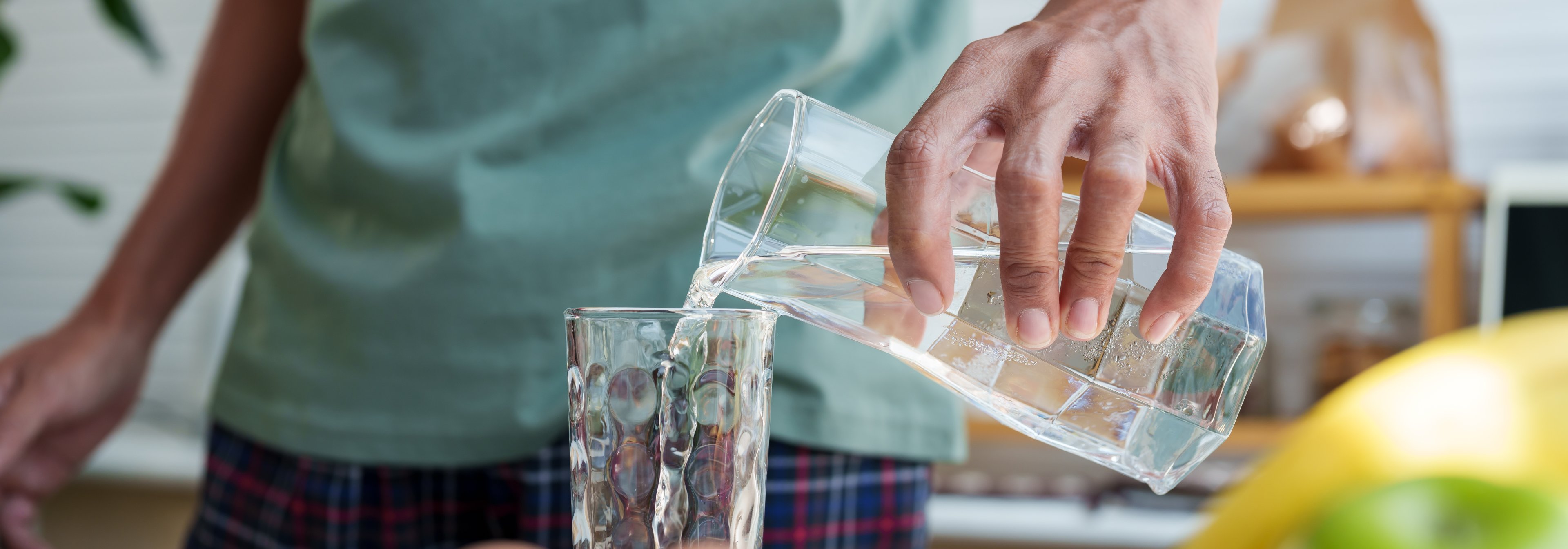
How to develop a smart drinking routine
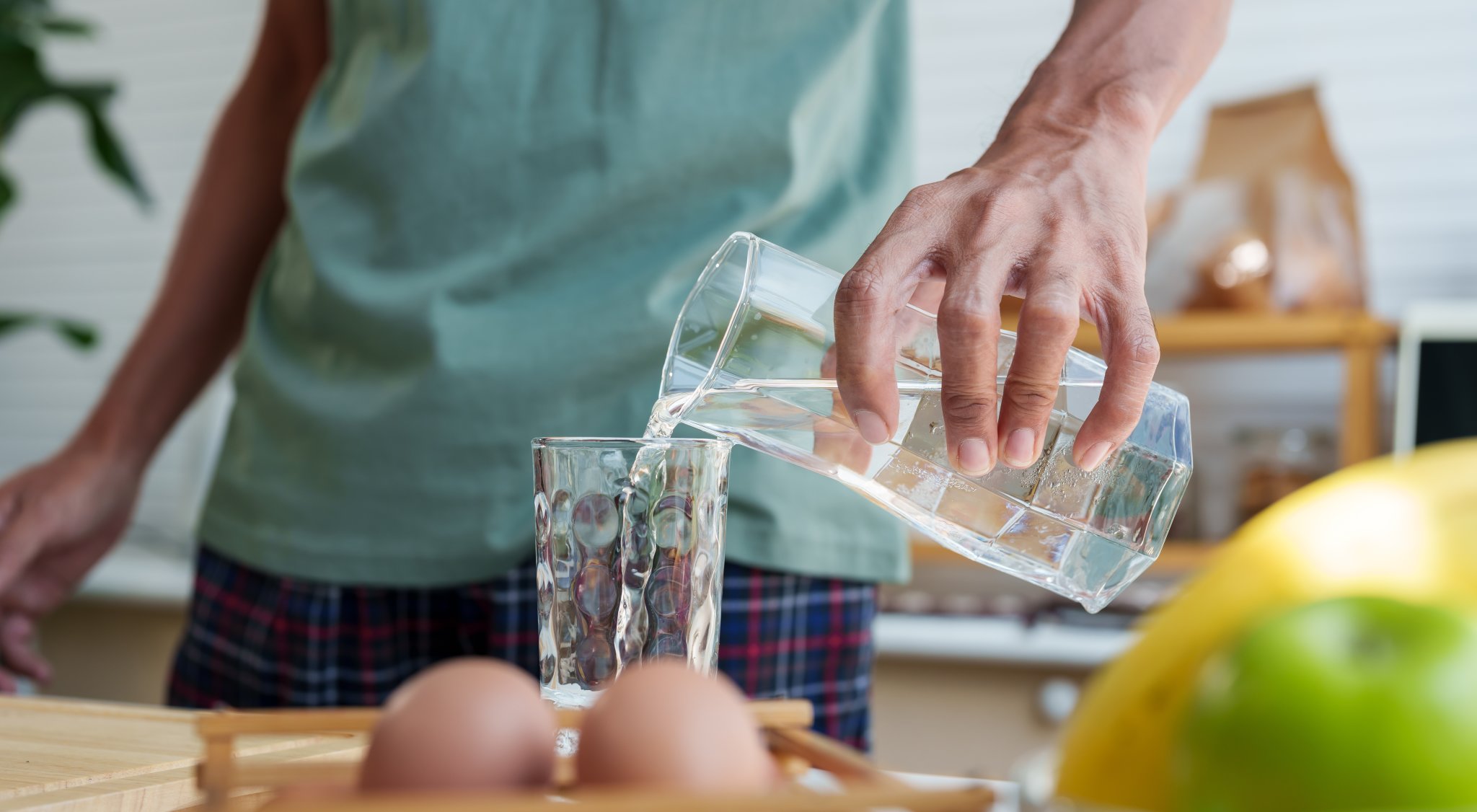
Incorporate fixed drinking habits into your everyday life. Link drinking water to existing routines and help support your general health.
Keep a bottle in plain sight — on your desk or in the living room — so you're more likely to drink.
- In the morning: drink a glass of water straight after getting up to replenish the fluids lost at night.
- During the day: If you often forget to drink enough water, try a reminder app on your smartphone. You can find specialised apps by searching for ‘water tracker’.
- In the evening: If you want to avoid needing to get up to go to the toilet at night, don’t drink too much just before going to bed. You can find out more in our article on hydration and sleep.
Hydration should always be part of your training routine. Top up your water reserves beforehand, rehydrate during longer workouts and ensure you have electrolyte-rich drinks on hand for recovery.
- Before training: drink 300 to 500 ml of water about 30 minutes beforehand to start with a good hydration buffer.
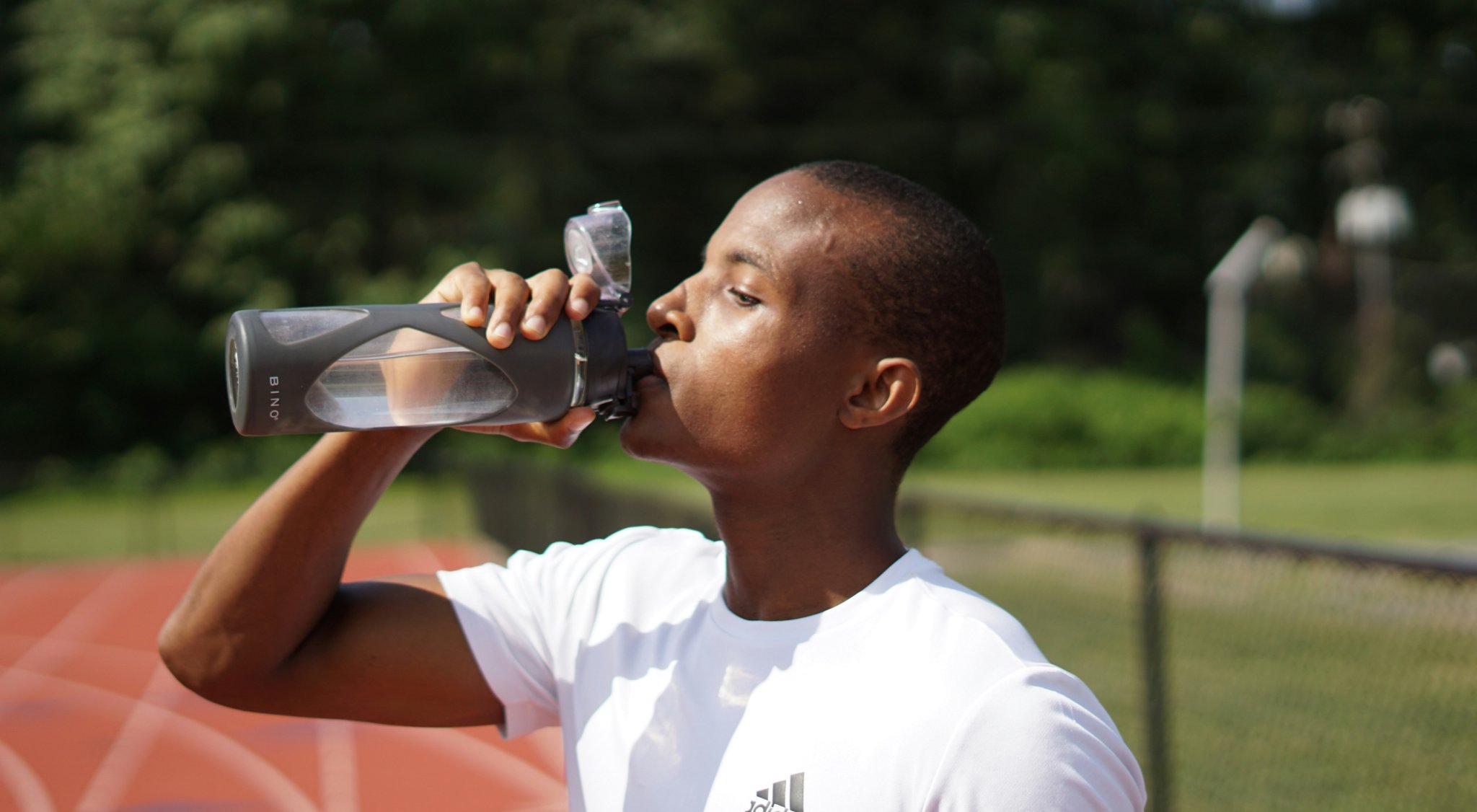
- During training: For sessions lasting over 60 min, drink around 150 to 250 ml every 15 to 20 min to compensate for fluid loss through sweating.
- After training: For intense sessions lasting over 90 min, drinks containing electrolytes or broth help to replenish sodium and potassium.
For further details, see our article on hydration in sport.
Hydration is the starting point

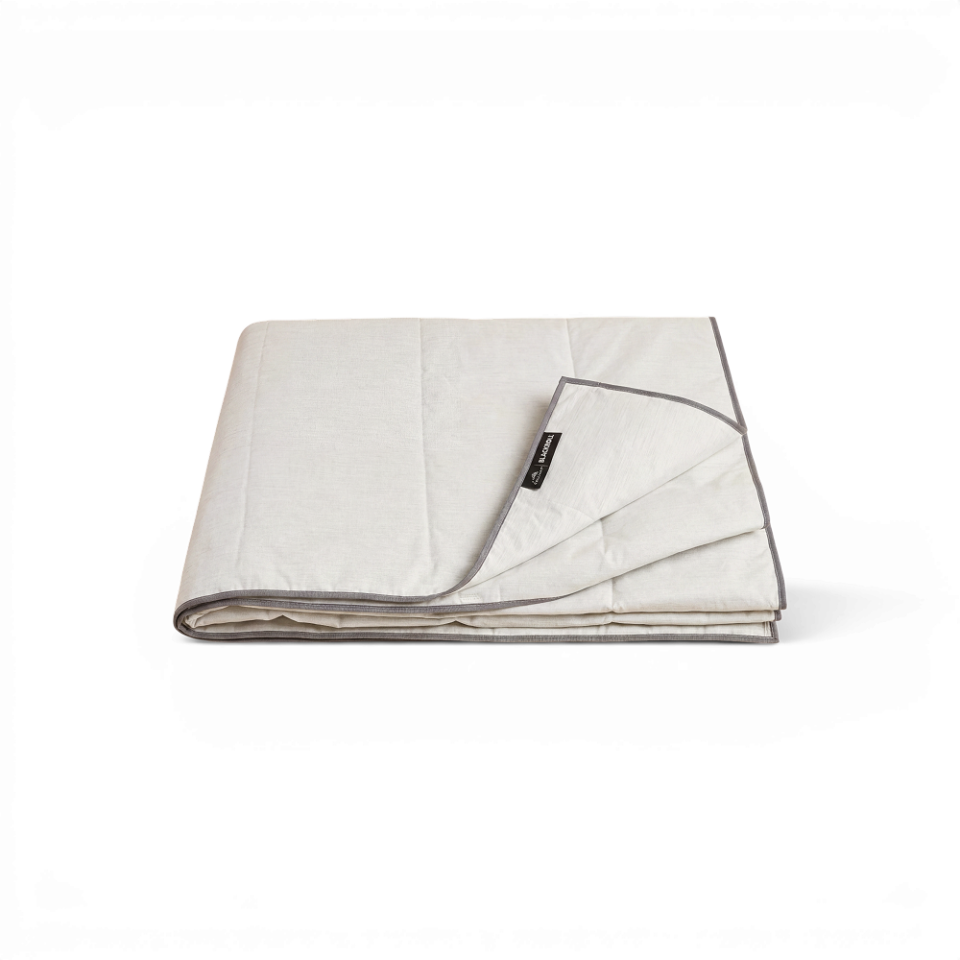
Recovery Blanket Summer
Available in multiple variants
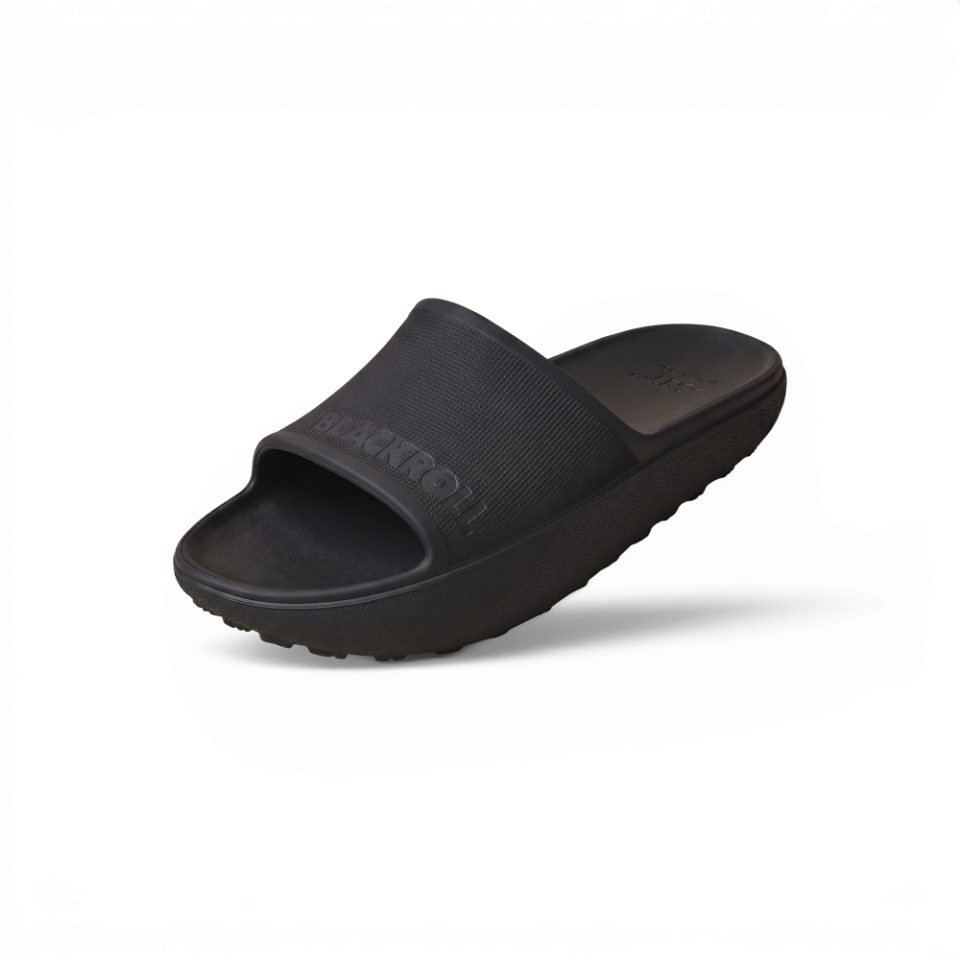
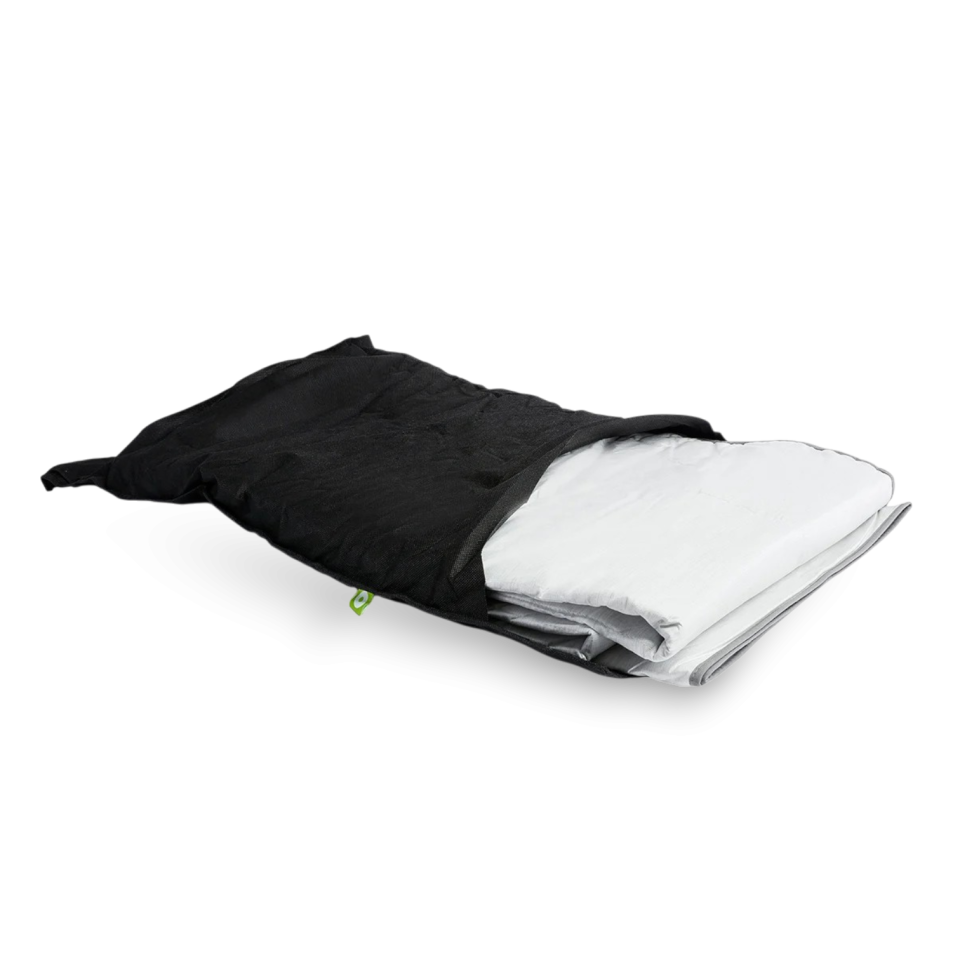
Recovery Slopes
Available in multiple variants
FAQ
The rule of thumb is 30 to 40 ml of water per kg of body weight per day — for someone weighing 70 kg, that’s around 2.1 to 2.8 l. Your needs increase during sport, in hot weather or if you’re on a high-protein diet. Pay attention to how thirsty you feel and the colour of your urine (light yellow = well hydrated).
Yes, extremely large quantities (over 5 to 6 l in a short space of time) can lead to water intoxication (hyponatraemia), where the blood becomes too diluted and electrolyte levels become unbalanced. In everyday life, this is rarely a problem — your kidneys filter up to 1 l per hour, and 2 to 3 l a day is safe.
Water, unsweetened tea, infused water and clear stock count towards 100 per cent; coffee and black tea count towards 50 to 70 per cent. Sugary drinks, energy drinks and alcohol put more strain on the body than they hydrate it and are not sensible alternatives.
It transports nutrients such as proteins and carbohydrates to the muscles and flushes out waste products such as lactate. Dehydration slows down recovery, increases the risk of muscle soreness and impairs protein synthesis – after training, drink around 1.5 l per kg of sweat lost.
Yes, indirectly: 500 ml of water before meals can reduce calorie intake because you feel full more quickly. Water has zero calories and replaces sugary drinks — it’s not a miracle cure, but it’s a useful aid to weight loss.
Sources
Heilemann, J. T., Winter, J., Messner, P. and Antwerpes, F. (21/03/2024). Renal blood flow. DocCheck Flexikon. https://flexikon.doccheck.com/de/Nierendurchblutung
Mantantzis, K., Drewelies, J., Düzel, S., Steinhagen-Thiessen, E., Demuth, I., Wagner, G., Lindenberger, U. and Gerstorf, D. (2020). Dehydration predicts longitudinal decline in cognitive functioning and well-being among older adults. Psychology and Aging, 35(4), 517–528. https://doi.org/10.1037/pag0000471
German Nutrition Society (n.d.). Water. Reference values. https://www.dge.de/wissenschaft/referenzwerte/wasser/
Elliott, K. B., Keefe, M. S., Rolloque, J.-J. S., Jiwan, N. C., Dunn, R. A., Luk, H.-Y. and Sekiguchi, Y. (2024). Relationships between morning thirst and later hydration status and total water intake. Nutrients, 16(18), 3212. https://doi.org/10.3390/nu16183212
Dmitrieva, N. I., Liu, D., Wu, C. O. and Boehm, M. (2022). Middle-age serum sodium levels in the upper part of the normal range and risk of heart failure. European Heart Journal, 43(35), 3335–3348. https://doi.org/10.1093/eurheartj/ehac138
Mohammedin, A. S., AlSaid, A. H., Almalki, A. M., Alfifi, R. T., Alsalhi, W. A., Almutairi, R. A., Alharbi, M. S., Alblowi, F. A. and Alotaibi, M. S. (2022). Assessment of hydration status and blood pressure in a tertiary care hospital at Al-Khobar. Cureus, 14(8), e27706. https://doi.org/10.7759/cureus.27706
Dyńka, D., Rodzeń, Ł., Rodzeń, M., Pacholak-Klimas, A., Ede, G., Sethi, S., Łojko, D., Bartoń, K., Berry, K., Deptuła, A., Grzywacz, Ż., Martin, P., Unwin, J., and Unwin, D. (2025). Ketogenic diets for body weight loss: a comparison with other diets. Nutrients, 17(6), 965. https://doi.org/10.3390/nu17060965
Dennis, E. A., Dengo, A. L., Comber, D. L., Flack, K. D., Savla, J., Davy, K. P. and Davy, B. M. (2010). Water consumption increases weight loss during a hypocaloric diet intervention in middle-aged and older adults. Obesity, 18(2), 300–307. https://doi.org/10.1038/oby.2009.235
Johnson, R. J., Painer-Gigler, J., Kalgeropoulu, S., Giroud, S., Shiels, P. G., Kanbay, M., Andres-Hernando, A., Rodriguez-Iturbe, B., Roncal-Jimenez, C. A., Lanaspa, M. A., Andres-Mach, M., Tolan, D. R., Madero, M., Kuwabara, M., Sanchez-Lozada, L. G. and Stenvinkel, P. (2025). Water scarcity and conservation and their role in obesity in nature and in humans. Journal of Internal Medicine, 298, 562–577. https://doi.org/10.1111/joim.70003
Zhang, Y., Coca, A., Casa, D. J., Antonio, J., Green, J. M. and Bishop, P. A. (2015). Caffeine and diuresis during rest and exercise: A meta-analysis. Journal of Science and Medicine in Sport, 18(5), 569–574. https://doi.org/10.1016/j.jsams.2014.07.017
Lara-Castor, L., O’Hearn, M., Cudhea, F., Zhang, S., Irimata, K., Shepon, A., da Silva Gomes, F., Mozaffarian, D., Miller, V. and Micha, R. (2025). The burden of type 2 diabetes and cardiovascular disease attributable to sugar-sweetened beverages in 184 countries. Nature Medicine, 31, 552–564. https://doi.org/10.1038/s41591-024-03345-4