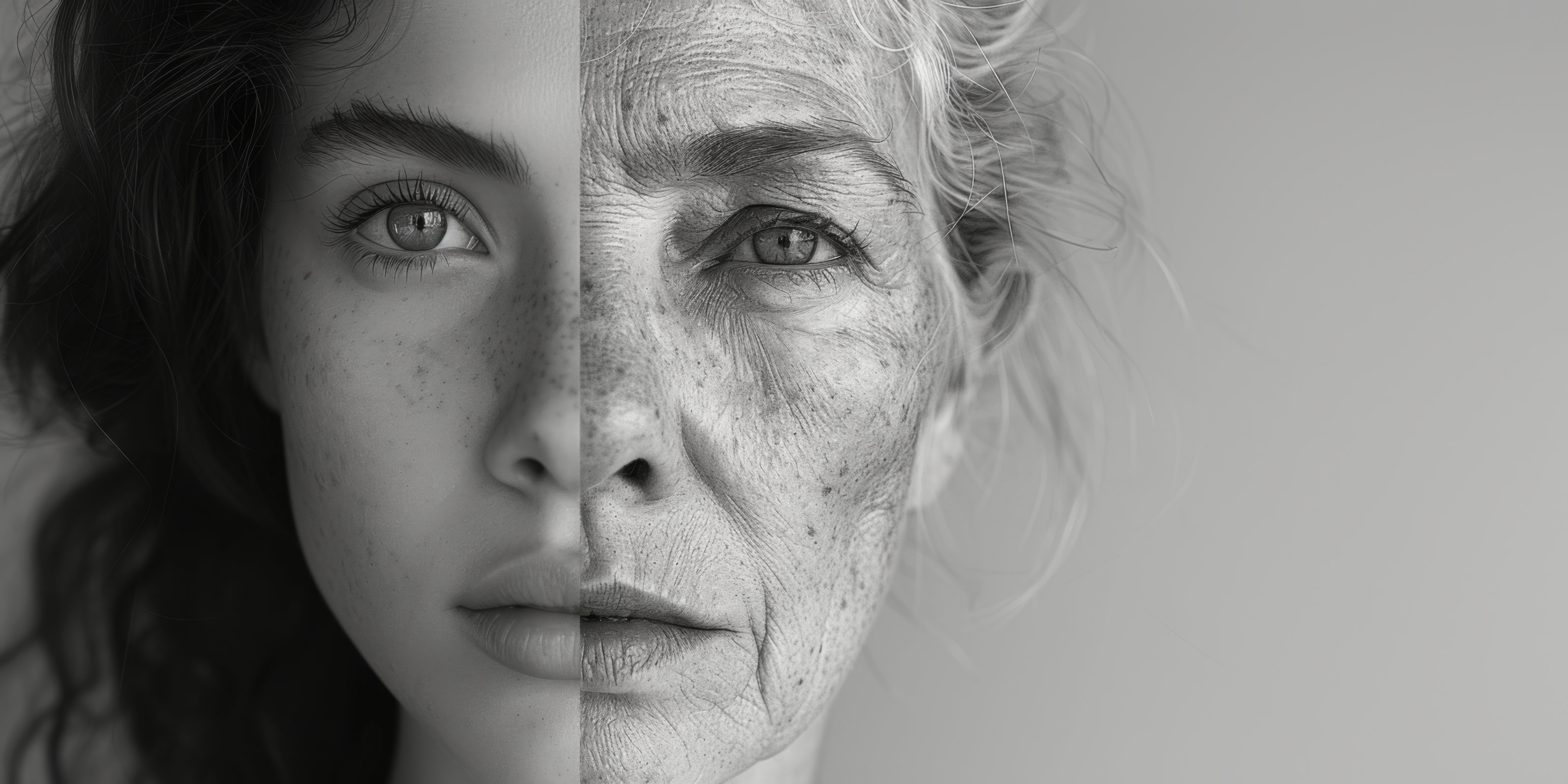
Inflammaging: when chronic inflammation fuels the ageing process

Inflammaging refers to a low-grade chronic inflammatory response that can increase with age and often remains without any obvious symptoms. Factors such as lack of movement, persistent stress, being overweight and an unbalanced diet can play a part in this. In this article, you’ll find out what potential effects inflammaging has and how you can support your health through regular exercise, an anti-inflammatory diet, stress reduction and a 15 min routine.
Key points at a glance
- Inflammaging describes age-related chronic inflammation in the body that puts strain on cells, muscles and joints.
- Conditions such as rheumatism, arthritis and diabetes can be exacerbated by inflammaging.
- The main causes are stress, lack of movement, being overweight and an unhealthy diet.
- Symptoms tend to be non-specific: tiredness, joint pain, skin problems and a weakened immune system.
- Regular exercise, targeted breathing exercises, stress management and an anti-inflammatory diet can help you manage these processes.
- With BLACKROLL® exercises and breathing techniques, you can noticeably reduce inflammaging in just 15 min a day.


What is inflammaging?
Inflammaging, also known as inflammatory ageing, is a combination of the terms ‘inflammation’ and ‘ageing’ and is regarded as a key factor in the field of longevity. It describes a chronic, low-grade inflammatory response that increases with age — even in the absence of acute infection or injury. It often goes unnoticed because symptoms such as fever, pain, swelling or redness are frequently absent. Nevertheless, it affects the entire body: from joints and muscles to the skin, the immune system and the brain.
If you do nothing, you risk a range of age-related ailments.
- Inflammaging can contribute to muscle wasting and joint problems such as osteoarthritis (wear and tear) or inflammatory joint diseases (e.g. rheumatism).
- Chronic inflammation can exacerbate skin conditions such as psoriasis – particularly in people with a predisposition to it.
- Inflammatory stress weakens the immune system, makes you more susceptible to infections and slows down the healing of injuries.
- It can raise the risk of cardiovascular disease, diabetes, inflammatory bowel disease (e.g. Crohn’s disease) and even neurodegenerative diseases such as Alzheimer’s or multiple sclerosis.

What happens in the body during chronic inflammation?
As we age, our immune system changes: it reacts more slowly to acute infections but at the same time is constantly slightly overactive. This means that the body constantly releases pro-inflammatory messenger substances (cytokines) — even without any acute trigger. This constant activation leads to a dysregulation of the immune system. It loses its ability to regulate itself, which can both promote inflammation and weaken the body’s defences against genuine threats.
In short: ‘silent inflammation’ accelerates the biological ageing process and increases the risk of many diseases.
The main drivers of inflammaging
Several factors drive these silent inflammatory processes in later life and raise the risk of ailments and diseases. These include:
- Overactive immune cells continuously release pro-inflammatory signalling molecules even when there's no acute infection or injury.
- Loss of muscle mass in old age: less muscle means less natural, anti-inflammatory metabolic activity – a particular problem for people with lack of movement or overweight.
- Stress and lack of movement: chronic stress disrupts the stress and immune axes – which can promote inflammatory processes in the long term. Lack of movement reduces blood circulation and prevents the breakdown of inflammatory substances.
- An inflammation-promoting diet: high consumption of sugar, white flour, saturated fats and highly processed foods can exacerbate inflammatory reactions and place an additional strain on the immune system.
Typical markers of inflammation in the blood
Certain laboratory test results provide indications of whether chronic inflammation is active in the body — even if no acute symptoms are noticeable:
- IL‑6 (interleukin‑6): A protein produced by the immune system that's often elevated in inflammatory diseases and bowel disorders.
- TNF‑α (tumour necrosis factor alpha): promotes tissue inflammation and plays a role in arthritis and autoimmune diseases.
- CRP (C-reactive protein): a general marker of inflammatory processes, often used in diagnosis.
What does ‘marker’ mean?
Markers are measurable levels in the blood that provide indications of specific processes in the body. In the case of inflammation, these markers show whether your immune system is currently active or whether a silent inflammatory reaction is taking place — even if you don’t experience any direct symptoms such as pain, fever or swelling yourself.
Dr Matthias Wittfoth

The consequences of inflammation in old age
Chronic inflammatory processes act like a ‘silent fire’ in the body – they accelerate ageing, promote disease and reduce quality of life.
- Accelerated cellular ageing: inflammaging can be associated with a shortening of telomeres (protective caps at the ends of chromosomes) and disrupted repair processes.
- Higher risk of disease: Silent inflammation is linked to an increased risk of certain conditions (e.g. cardiovascular disease, diabetes, arthritis, cancer and neurodegenerative diseases such as Alzheimer’s) – though the causes are multifactorial.
- You may notice joint pain, faster skin ageing, fatigue and reduced resilience that affecteveryday life.
In short, inflammaging is a silent but powerful process that intensifies with age and can trigger symptoms such as pain, fatigue and skin problems — while also raising the risk of serious diseases.

Latest research: what helps combat inflammaging?
Chronic inflammation in later life can’t be ‘switched off’ with a single pill or course of medication. The most effective tool you have at your disposal is exercise — complemented by an anti-inflammatory diet and active stress management.
Research clearly shows that people who are regularly active can lower inflammatory markers such as IL-6, TNF-α and CRP in the blood, thereby slowing down the biological ageing process and typical symptoms such as tiredness, joint pain or skin problems.
Exercise is the most effective tool
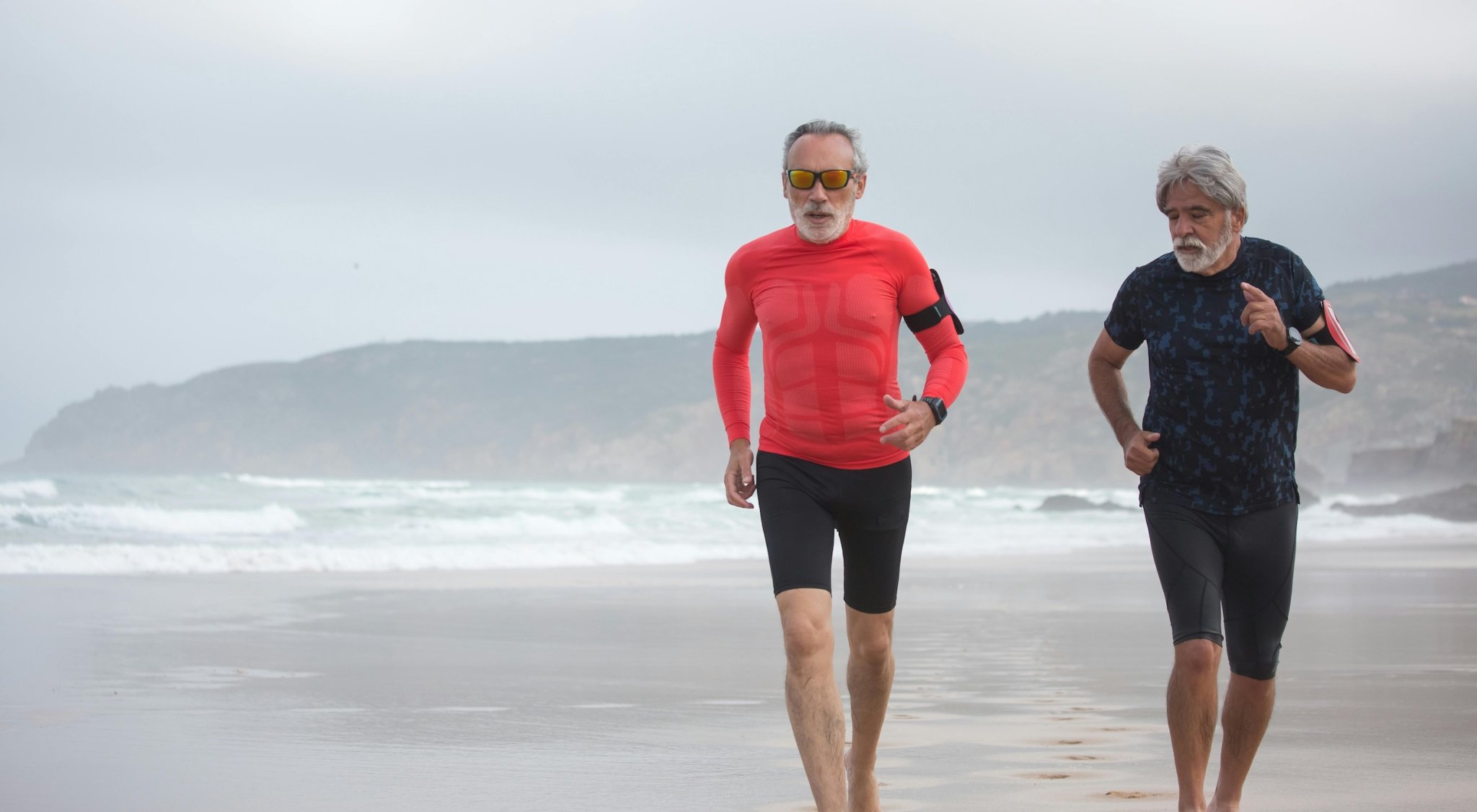
Studies show that regular aerobic exercise — that is, moderate endurance training such as walking, cycling or swimming — significantly reduces inflammation markers in the blood. In a meta-analysis, scientists found that middle-aged to older adults had lower levels of inflammation markers as a result of endurance training, and that their immune systems stabilised (Frontiers in Aging Neuroscience, 2019).
A blend of strength, mobility and endurance training is especially effective. A study of multi-component programmes (sessions incorporating strengthening, endurance and mobility) shows that they not only improve physical performance and balance but also lower pro-inflammatory messengers (Journal of Clinical Medicine, 2024).
Even in cases of pre-existing frailty, targeted exercise programmes were able to improve inflammatory responses and markers of ageing and enhance physical function (Biomolecules, 2024).
Combining exercise and diet along with stress management
Exercise on its own is powerful – but it’s even more effective when combined with:
- weight management and an anti-inflammatory diet rich in vegetables, fruit, pulses, whole grains and omega-3 fatty acids. In one study, a dietary change leading to moderate weight loss – combined with exercise – reduced inflammation markers more effectively than exercise alone (Journal of the American Geriatrics Society, 2013).
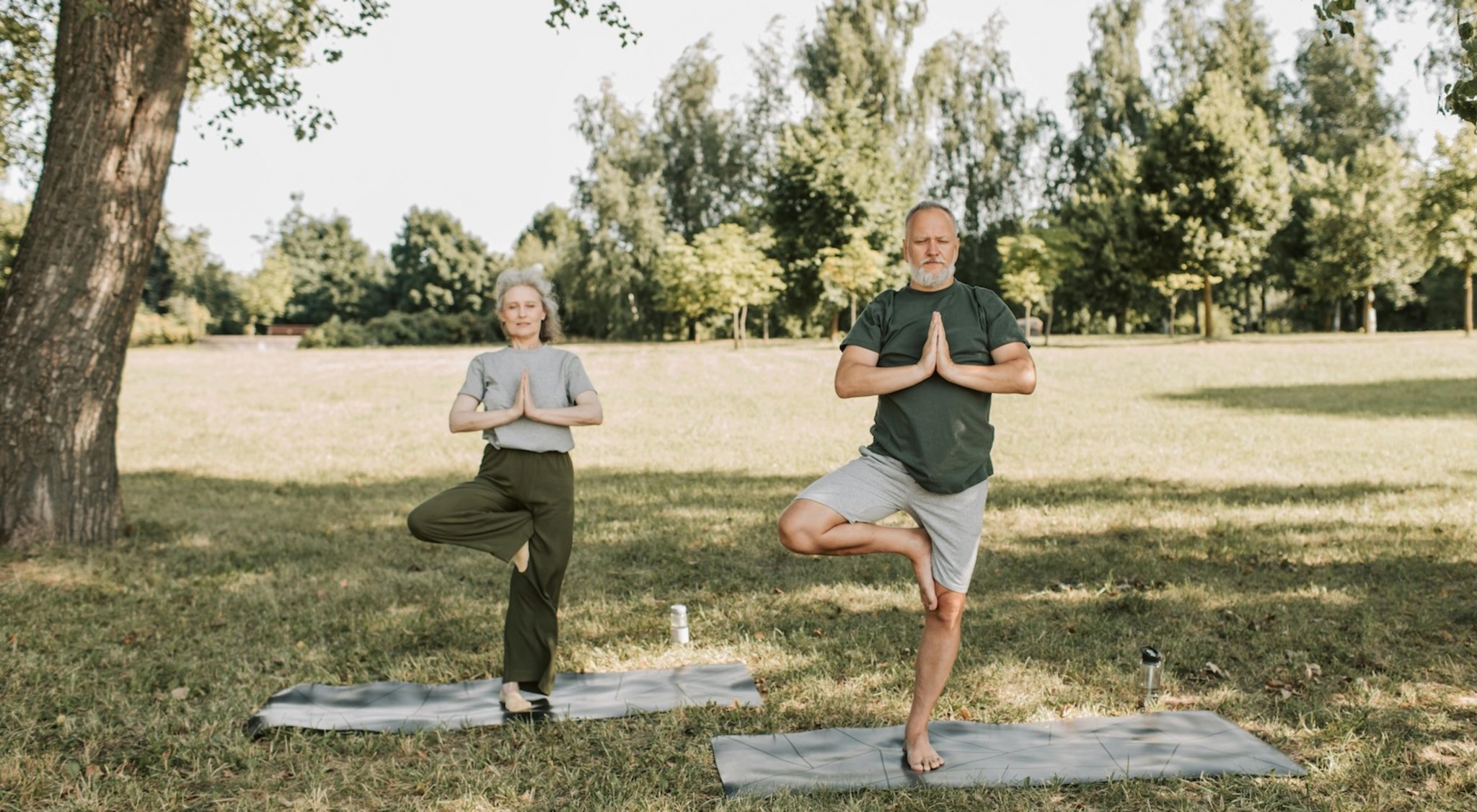
- Stress reduction and mind–body practices such as yoga, breathing exercises or meditation lower stress hormones such as cortisol and stimulate the parasympathetic nervous system — a crucial factor in reducing chronic inflammation.
- Non-pharmacological therapies such as acupressure also show positive effects on inflammatory markers in cases of existing conditions (e.g. back pain, arthritis, psoriasis or other autoimmune diseases) (BMC Musculoskeletal Disorders, 2024).
In short, the research consensus is that regular, varied physical activity — complemented by an anti-inflammatory diet, stress reduction and sufficient sleep — is the most effective strategy against inflammaging. It’s not about peak performance, but about consistency and enjoying physical activity.


BLACKROLL® as an anti-inflammaging partner
Reduce everyday stress and improve mobility.Targeted self-care with BLACKROLL® tools such as the Fascia Gun, Fascia balls or Foam rollers can help reduce inflammatory stress in everyday life and maintain mobility. The combination of mechanical stimulation and conscious breathing supports the nervous system and may help to alleviate inflammaging processes. Give it a go.
- Myofascial self-massage can release adhesions in connective tissue, improve blood flow, reduce tension and support recovery. Do not use in cases of acute inflammation, thrombosis or open wounds – if in doubt, seek medical advice. Discover anti-inflammatory exercises with the Fascia Gun.
- Mobility exercises: maintain and improve joint mobility, prevent restricted movement and support healthy body posture — key to reducing inflammatory stress in everyday life. Discover effective exercises with a foam roller for home use.
- Combine gentle rolling withbreathing techniques to calm the nervous system, lower stress hormones and help regulate pro-inflammatory processes. Try the 10 min breathing routine.

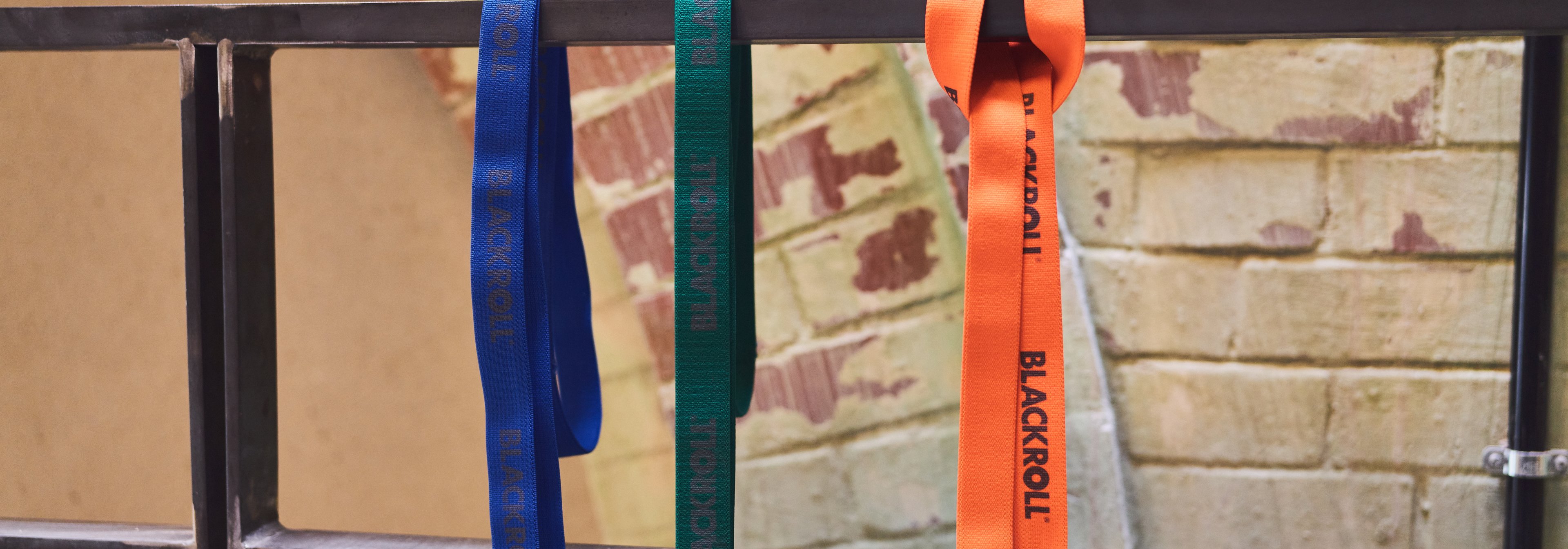
15-minute routine with BLACKROLL®
This compact routine combines three simple yet effective elements: mobilisation, a mini-workout and breathing techniques. It helps to regulate inflammatory responses in the body, keep the joints supple and relieve the strain on the immune system — an important contribution to the treatment of inflammation-related complaints such as tiredness, pain or restricted mobility.
Gather a foam roller (such as the BLACKROLL® STANDARD or MED), a LOOP BAND and, if you prefer, a MAT.
1. Mobilisation (5 min)
Before activating the muscles, loosen the tissue and boost blood flow:
- Back (thoracic spine): Slowly roll the foam roller along the upper and middle thoracic spine. Lift your pelvis slightly to adjust the pressure.
- Roll the front and back ofyour thighs, spending about 1 min on each side. Pause briefly at any areas of tension and breathe in and out calmly.
2. Activation and mini-workout (5 min)
Targeted activation stabilises your core, relieves pressure on your joints and helps reduce stress associated with inflammation:
- Glute bridges with the LOOP BAND: Lie on your back, place your feet hip-width apart and position the LOOP BAND above your knees. Lift your hips, engage your glutes and keep the LOOP BAND taut, then lower slowly. 10–12 repetitions.
- Bird-dogs: get down on all fours, extend your right arm and left leg at the same time, hold for 3 s, slowly return to the starting position and switch sides. 8–10 repetitions per side.
Explore more home workouts to build strength and endurance.
3. Breathing technique (5 min)
This calms the nervous system, which helps to reduce stress hormones and, consequently, inflammatory responses.
- Box breathing: breathe in for 4 s, hold for 4 s, breathe out for 4 s, then hold for 4 s; repeat for 5 min.
- Extended exhalation: breathe in for 4 s and out for 6–8 s, alternating between the two. Repeat for 5 min.
Lie on your back with a foam roller under your thoracic spine to open your chest and breathe more easily.
In our article ‘Longevity starts in everyday life – stay healthy for longer with small routines’, you’ll find even more everyday tips.
Conclusion: taking active steps against inflammatory stress
The term ‘inflammatory stress’ describes a state of chronic, low-grade inflammation — also known as ‘inflammaging’ — which places a constant strain on the body. Imagine a sort of internal glow that often goes unnoticed and is one of the main causes of joint pain, skin problems, tiredness and even autoimmune diseases such as rheumatism, arthritis, psoriasis or Crohn’s disease.
The good news is that straightforward therapies can significantly reduce this inflammatory burden. These include regular exercise, an anti-inflammatory diet rich in fibre and omega-3 fatty acids, targeted stress relief and mobility exercises.
BLACKROLL® tools help you easily incorporate these strategies into your everyday life. Even short daily sessions can make a noticeable difference in reducing inflammation and, in the long term, improving your health and quality of life.

Frequently asked questions about inflammaging
It describes a chronic, low-grade inflammation in the body that increases particularly with age. It often goes unnoticed because there are no typical symptoms such as severe pain, fever or swelling. Nevertheless, it can accelerate the ageing process and increase the risk of cardiovascular disease, diabetes, arthritis, psoriasis or other autoimmune diseases.
The causes are varied: an overactive immune system, chronic stress, lack of movement, being overweight, a diet that promotes inflammation (e.g. high in sugar and processed foods) and age-related processes in the tissue and metabolism. Recurrent infections or bowel conditions such as Crohn’s disease can also exacerbate inflammaging.
Typical symptoms include tiredness, joint stiffness or non-specific complaints such as headaches, difficulty concentrating or skin irritation (e.g. psoriasis). Often there's no specific pain, but rather a general decline in energy levels and resilience.
Diagnosis usually relies on inflammatory markers in the blood. These include, for example, IL-6 — a messenger substance of the immune system that plays a role in both acute infections and chronic, low-grade inflammation such as inflammaging. A key factor in the diagnosis is a sustained, slight elevation in levels in the absence of acute illness.
Seek medical advice, especially if you already have conditions such as rheumatism, bowel diseases or autoimmune disorders. Imaging techniques are only useful in specific cases.
Typical laboratory markers include IL-6, TNF-α and CRP. If these are persistently slightly elevated, this may indicate silent inflammation. Important: An accurate diagnosis should always be made by a doctor, as these levels can also rise temporarily in the event of infections or injuries.
Adopt a healthy lifestyle: exercise regularly, manage stress, follow an anti-inflammatory diet rich in omega-3 fatty acids, vegetables, fruit, ginger, turmeric and berries and maintain a regular sleep pattern. If needed, we'll prescribe medication for conditions such as arthritis or bowel diseases.
Yes. We suggest an anti-inflammatory diet rich in fresh vegetables, fruit, whole grains and oily fish (omega-3 fatty acids) to help reduce inflammation. Cut down on sugar and highly processed foods. Individual active compounds, such as those found in ginger or turmeric, can provide additional support.
In inflammaging, your immune system's constantly in a state of mild activation, similar to that seen in a mild infection. In the long term, this persistent inflammatory response damages cells, joints, skin and internal organs such as the lungs or intestines. The aim of treatment is therefore to restore balance to your immune system.
Gentle yet regular exercise such as walking, cycling, swimming or yoga can help. These activities boost circulation, regulate the immune system and have been shown to reduce pro-inflammatory messengers. In addition, myofascial self-massage with a foam roller can relieve tension and promote recovery.
They improve blood flow and joint fluid, support regulatory processes and help ease symptoms. Pair them with breathing techniques and stress-reduction methods and they'll further support your immune system and, over time, help lower inflammatory stress.
More interesting items





Sources and Studies
Prommaban, A., Moonkayaow, S., Phinyo, P., Siviroj, P., Sirikul, W. and Lerttrakarnnon, P. (2024). The effect of exercise programme interventions on frailty, clinical outcomes and biomarkers in older adults: A systematic review. Journal of Clinical Medicine, 13(21), Item 6570. https://doi.org/10.3390/jcm13216570
Marcos-Pérez, D., Cruces-Salguero, S., García-Domínguez, E., Araúzo-Bravo, M. J., Gómez-Cabrera, M. C., Viña, J., Vergara, I. and Matheu, A. (2024). Physical interventions restore physical frailty and the expression of the inflammatory biomarkers CXCL-10 and IL-1β in older adults and mice. Biomolecules, 14(2), Item 166. https://doi.org/10.3390/biom14020166
Zheng, G., Qiu, P., Xia, R., Lin, H., Ye, B., Tao, J. and Chen, L. (2019). Effect of aerobic exercise on inflammatory markers in healthy middle-aged and older adults: A systematic review and meta-analysis of randomised controlled trials. Frontiers in Aging Neuroscience, 11, Article 98. https://doi.org/10.3389/fnagi.2019.00098
Beavers, K. M., Ambrosius, W. T., Nicklas, B. J. and Rejeski, W. J. (2013). Independent and combined effects of physical activity and weight loss on inflammatory biomarkers in overweight and obese older adults. Journal of the American Geriatrics Society, 61(7), 1089–1094. https://doi.org/10.1111/jgs.12321
Puerto Valencia, L. M., He, Y. and Wippert, P.-M. (2024). Changes in blood-based inflammatory biomarkers following non-pharmacological interventions for chronic low back pain: A systematic review. BMC Musculoskeletal Disorders, 25, Item 209. https://doi.org/10.1186/s12891-024-07289-1
Hernández-Lepe, M. A., Ortiz-Ortiz, M., Hernández-Ontiveros, D. A. and Mejía-Rangel, M. J. (2023). Inflammatory profile of older adults in response to physical activity and dietary supplementation: A systematic review. International Journal of Environmental Research and Public Health, 20(5), Item 4111. https://doi.org/10.3390/ijerph20054111