
The menopause — understanding, coming to terms with it and staying active

The menopause is the period of hormonal change a person experiences between the ages of around 40 and 60, divided into the perimenopause, menopause and postmenopause. It manifests itself in over 30 menopausal symptoms – ranging from hot flushes and sleep disturbances to joint pain. An active lifestyle with regular exercise, targeted fascia work and strength training can help you maintain your health and quality of life in the long term.
In a nutshell
- The menopause is a hormonal transition phase lasting several years: it comprises pre-menopause, perimenopause, menopause and post-menopause, and usually begins in your mid-40s.
- Commonsymptoms include sleep disturbances, mood swings, brain fog, hot flushes, joint pain and changes in body composition.
- Everyone experiences the menopause differently: the nature, intensity and duration of symptoms can vary significantly and change over time.
- Exercise helps: strength, endurance, mobility and fascia training can support muscles, bones, metabolism and wellbeing.
- You can tackle symptoms in a targeted manner: in addition to exercise, diet and stress management, herbal remedies or medically supervised hormone replacement therapy may also be considered, depending on the situation.


What is the menopause?
The menopause, medically known as the climacteric, describes the natural hormonal transition phase in a person’s life. During this phase, the hormones oestrogen and progesterone in particular undergo changes, which affect ovarian function, fertility, the menstrual cycle and many other processes in the body. Your entire hormonal balance is undergoing a period of change, which can present physical and psychological challenges. Nevertheless, you needn't fear this new phase of life; instead, you can view it as a natural stage full of changes and possibilities — an opportunity to get to know your body better, recognise new needs and actively look after your wellbeing.
Not everyone experiences the menopause in the same way: some have hardly any symptoms whilst others notice a range of symptoms that can affect everyday life and quality of life. During this phase it can help to understand your own body better and to seek targeted support in the form of natural relief or medical help. Typical symptoms include sleep problems, mood swings, difficulty concentrating and ‘brain fog’, weight gain, changes to the menstrual cycle and hot flushes and night sweats.
These hormonal shifts can last several years, yet you can support your body with a healthy lifestyle. Regular exercise, strength training, a balanced and anti-inflammatory diet and a mindful approach to stress can help you stay comfortable. If symptoms become severe, we recommend discussing individual treatment options – such as hormone replacement therapy (HRT) – with a healthcare professional.


The four phases of the menopause at a glance
The menopause usually begins between 45 and 55 and progresses through several phases. To help make sense of the changes taking place in the body, the menopause is divided into different stages. Each of these phases is characterised by different hormonal changes and may be accompanied by various physical and psychological changes.
Premenopause: the reproductive phase leading up to the menopause
During this phase your ovaries are still active, fertility generally remains and regular ovulation is possible. Provided there are no other underlying medical conditions, your menstrual cycles are regular and you experience normal hormonal fluctuations.
Perimenopause: the hormonal transition phase
Perimenopause specifically describes the period surrounding the menopause and marks a phase of significant hormonal changes, which usually lasts between 7 and 10 yr. It ends with the final menstrual period and the subsequent absence of menstruation for twelve months. Because oestrogen and progesterone affect almost all of the body’s organ systems, this hormonal transition influences numerous physical and psychological processes — which is precisely why the symptoms of perimenopause can be so varied. Sleep problems, difficulty concentrating, mood swings, hot flushes, night sweats and changes in cycle length with longer breaks between periods are common – and many other symptoms may develop over the years.
Menopause: the final menstrual period
Menopause refers to the time of the last menstrual period and is determined retrospectively. Only once twelve months have passed without a period is the term ‘menopause’ used. At this stage, ovarian activity is significantly reduced: the production of oestrogen and progesterone is permanently lower than during the fertile years. Menopause therefore also marks the end of your menstrual cycles and fertility. The timing of the menopause varies from person to person and, for most people, occurs between the ages of 45 and 55.
Postmenopause: the period following the last menstrual period
During the postmenopausal period, the body adapts to a new hormonal situation: the ovaries produce permanently lower levels of oestrogen and progesterone whilst the body’s hormonal regulation gradually stabilises over the long term. During early postmenopause typical menopausal symptoms such as mood swings, sleep problems or hot flushes may still occur. As oestrogen previously played an important protective role for various organ systems, the persistently lower hormone levels are associated with increased long-term health risks. As a result, changes to the bones, muscles, mucous membranes and the cardiovascular system come more into focus. A healthy lifestyle with regular exercise — particularly strength training — a balanced diet and enough recovery can help you maintain physical health and quality of life in the postmenopausal years.

The most common symptoms of the menopause
Sleep disturbances: Difficulty falling asleep, frequent waking during the night and less restful sleep are common symptoms during the menopause and can lead to tiredness, exhaustion and mood swings. Our online prevention course ‘Sleep better – at every stage of life’ shows you practical strategies you can use to specifically improve your sleep quality.
Brain fog and concentration problems: Many people experience ‘brain fog’, a feeling of mental haze, along with forgetfulness and concentration difficulties. Hormonal changes, sleep disturbances and stress can exacerbate these symptoms.
Mood swings: changes in hormone levels can affect your emotional regulation and lead to irritability, mood swings and increased susceptibility to stress.
Joint pain: pain and a feeling of stiffness in the musculoskeletal system, particularly in the morning, can be linked to hormonal changes and altered inflammatory processes. The knees, hips, shoulders and finger and wrist joints are frequently affected.
Belly fat and weight gain: hormonal changes, age-related alterations in metabolism and the natural loss of muscle mass can alter body composition and promote increased fat in the abdominal area (visceral fat), which is considered metabolically active and can contribute to inflammatory processes in the body. This increases the risk of cardiovascular disease, type 2 diabetes and other metabolic disorders.
Pelvic floor symptoms: a decline in oestrogen levels can affect mucous membranes, connective tissue and the pelvic floor, contributing to symptoms such as incontinence, urinary urgency or vaginal dryness.
Hair loss: the altered balance between oestrogen and androgens can affect the hair growth cycle and lead to thinning hair or increased hair loss.
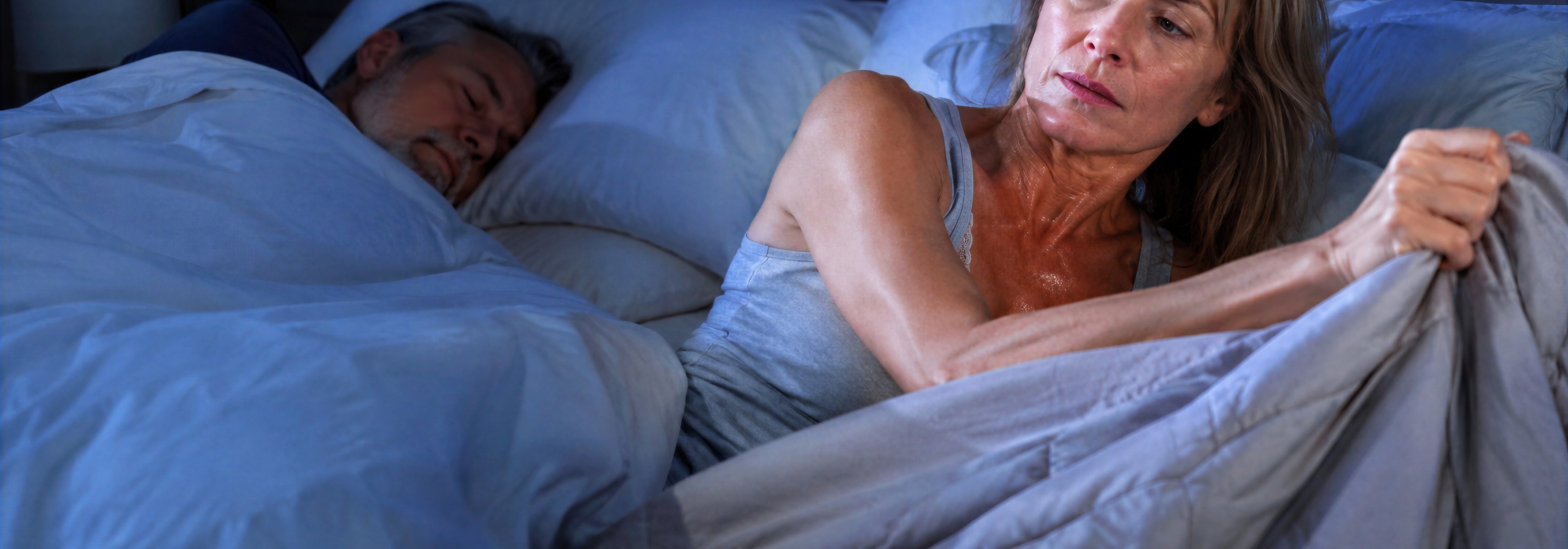
Hot flushes and night sweats: changes in temperature regulation in the brain can trigger sudden feelings of heat and bouts of sweating, particularly at night. Hot flushes are usually preceded by a feeling of pressure in the head and a sense of unease and can spread across the face, neck and upper body.


Why exercise is the underrated lever
Exercising is one of the most effective ways to support your body and mind during the menopause, yet it's often underestimated. When paired with a healthy, anti-inflammatory diet and a mindful approach to stress, exercise helps you navigate this new phase of life holistically.
Regular exercise can make a significant positive difference, particularly in alleviating various symptoms during the menopause, ranging from sleep problems and mood swings to changes in body composition and weight gain.
Strength training plays a particularly important role because it helps counter hormonal and age-related loss of muscle mass. Regular, targeted strength training helps you maintain and build muscle, support bone health and influence changes in body composition — such as an increase in abdominal fat. Well-trained muscles also stabilise your joints, support mobility and reduce feelings of stiffness in the musculoskeletal system.
Include endurance training in your routine: improved stamina benefits metabolism and sleep quality and can also support mental well-being. Cycling, walking or swimming reduce stress and, through various adaptive processes in the brain, can strengthen mental resilience — an important resource during the menopause.
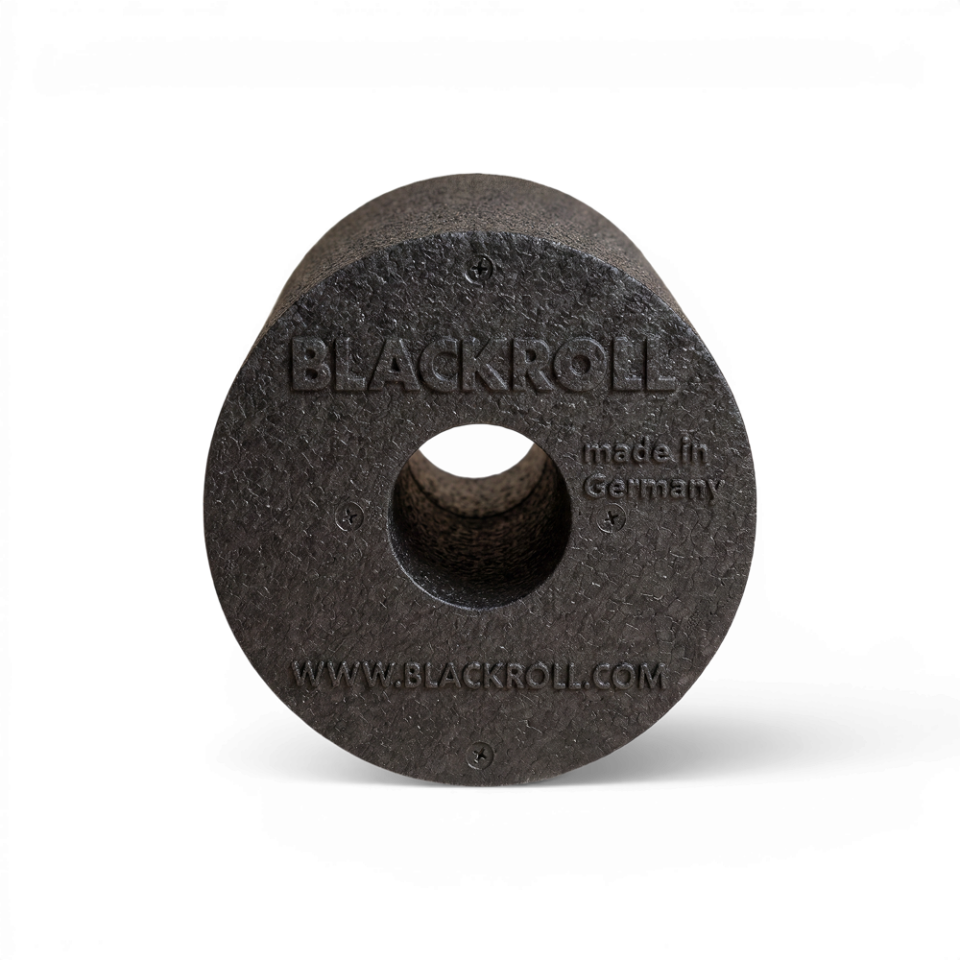
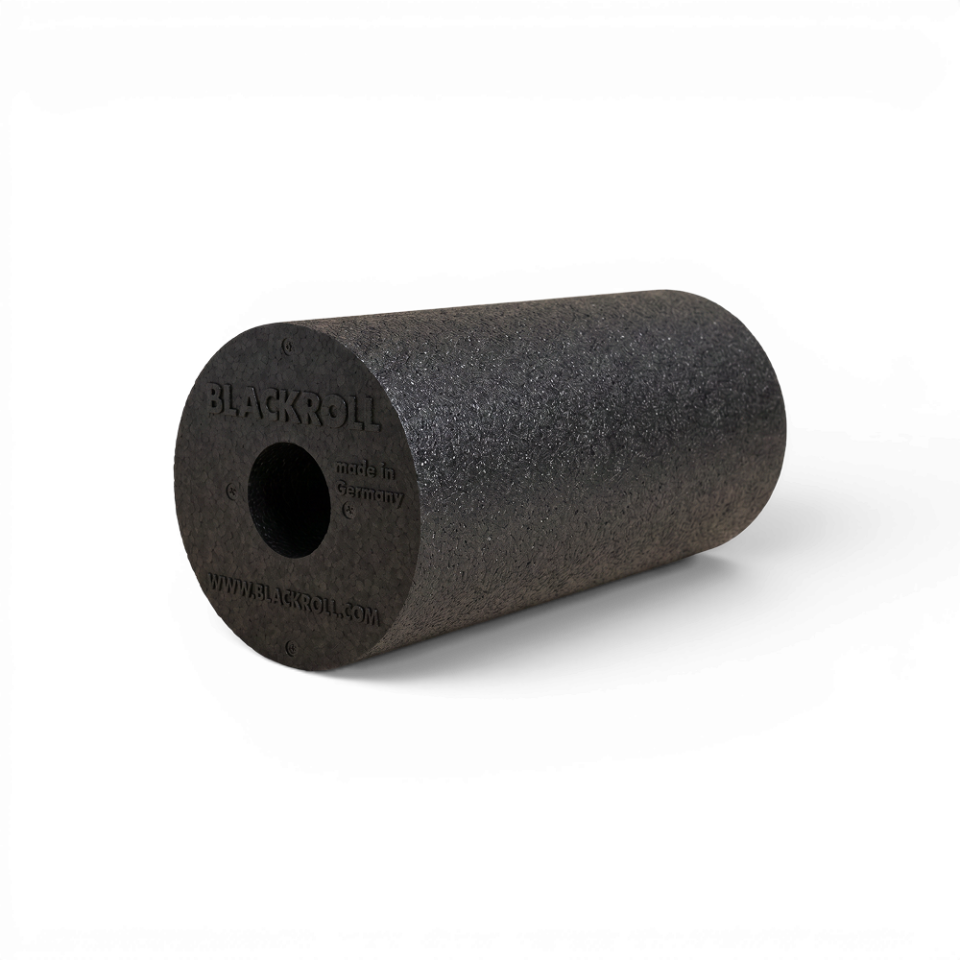
Combining strength training, endurance work, mobility and fascia sessions and targeted pelvic floor exercises gives you a balanced approach that supports your body through the menopause and helps you stay in control of your health and wellbeing.




Frequently asked questions about the menopause
Useful information
The first signs can vary greatly and are therefore often non-specific and difficult to pinpoint. Common initial symptoms include sleep problems, mood swings, increased irritability, brain fog and a heightened susceptibility to stress. Physical changes are primarily evident through changes in the menstrual cycle but can also include weight gain, hair loss and hot flushes. These symptoms may, but don't necessarily, signal the menopause — it's often a combination of several symptoms that develop gradually and can vary in intensity over many years.
For most people, the menopause begins from around the mid-40s. However, the first hormonal changes can occur several years before the last period – the exact timing varies greatly from person to person.
Here, too, the duration varies greatly from person to person — in general, the menopause is a hormonal transition process lasting several years, which can begin long before the last period and extend into the post-menopausal period. On average, the menopause can last between 7 and 10 yr, although the exact duration and intensity of symptoms vary greatly from person to person.
Symptoms during the menopause can affect both the body and the mind. The most common symptoms include sleep disturbances, mood swings, increased irritability, ‘brain fog’ and difficulty concentrating, hot flushes and night sweats, joint and muscle discomfort as well as changes in body fat distribution or an increase in abdominal fat. Changes in the genital area, such as vaginal dryness, pelvic floor discomfort, frequent urge to urinate or changes in libido, may also occur. In addition, the skin and hair may change as a result of the hormonal changes.
In particular, regular exercise, strength training, a balanced diet and a mindful approach to managing stress form a holistic approach to helping you navigate the menopause positively. If necessary, and following medical advice, hormone replacement therapy (HRT) may also be appropriate. Natural, herbal remedies can also be used to provide support, depending on the symptoms and individual circumstances.