The parasympathetic nervous system – the relaxation nerve

It's the branch of the autonomic nervous system that supports rest and recovery, slowing heart rate and breathing, stimulating digestion and helping you return to a calm state after stress. Simple practices such as breathing exercises, meditation and progressive muscle relaxation can all activate this process.
Key points at a glance
- It's part of the autonomic nervous system and supports rest, digestion, recovery and sleep.
- Together with the sympathetic nervous system, it regulates the alternation between tension and recovery.
- Chronic stress can shift the balance in favour of the sympathetic nervous system and impair sleep, digestion and recovery.
- Practise breathing exercises, meditation, yoga, progressive muscle relaxation, apply warmth and exercise to encourage relaxation.
- The vagus nerve is the key nerve of the parasympathetic system and links the brain to organs such as the heart, lungs and digestive tract.
What is the parasympathetic nervous system?
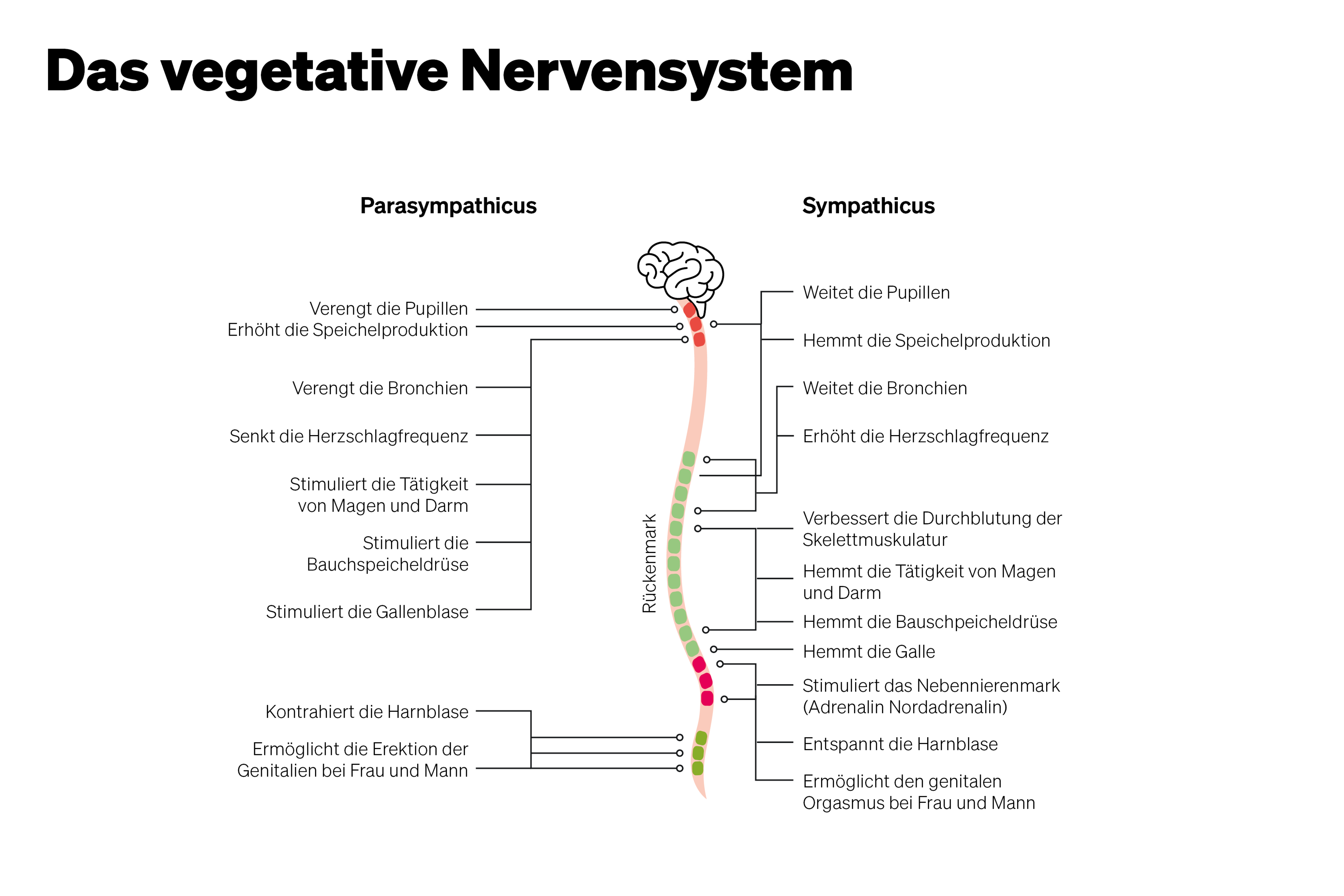
The parasympathetic nervous system is an important part of your nervous system – more specifically, the autonomic or vegetative nervous system, which unconsciously controls many vital functions. While the sympathetic system acts like an accelerator, priming you to respond to stress, the parasympathetic branch applies the brake. It helps your body return to rest mode: your heart rate slows, your breathing deepens and digestion and repair processes become more active.
So you could say: sympathetic nervous system = accelerator, parasympathetic nervous system = brake. Both systems are opposites that complement each other and work together to maintain a healthy balance. It's only through their interaction that your body can respond flexibly to stress – and then return to recovery.
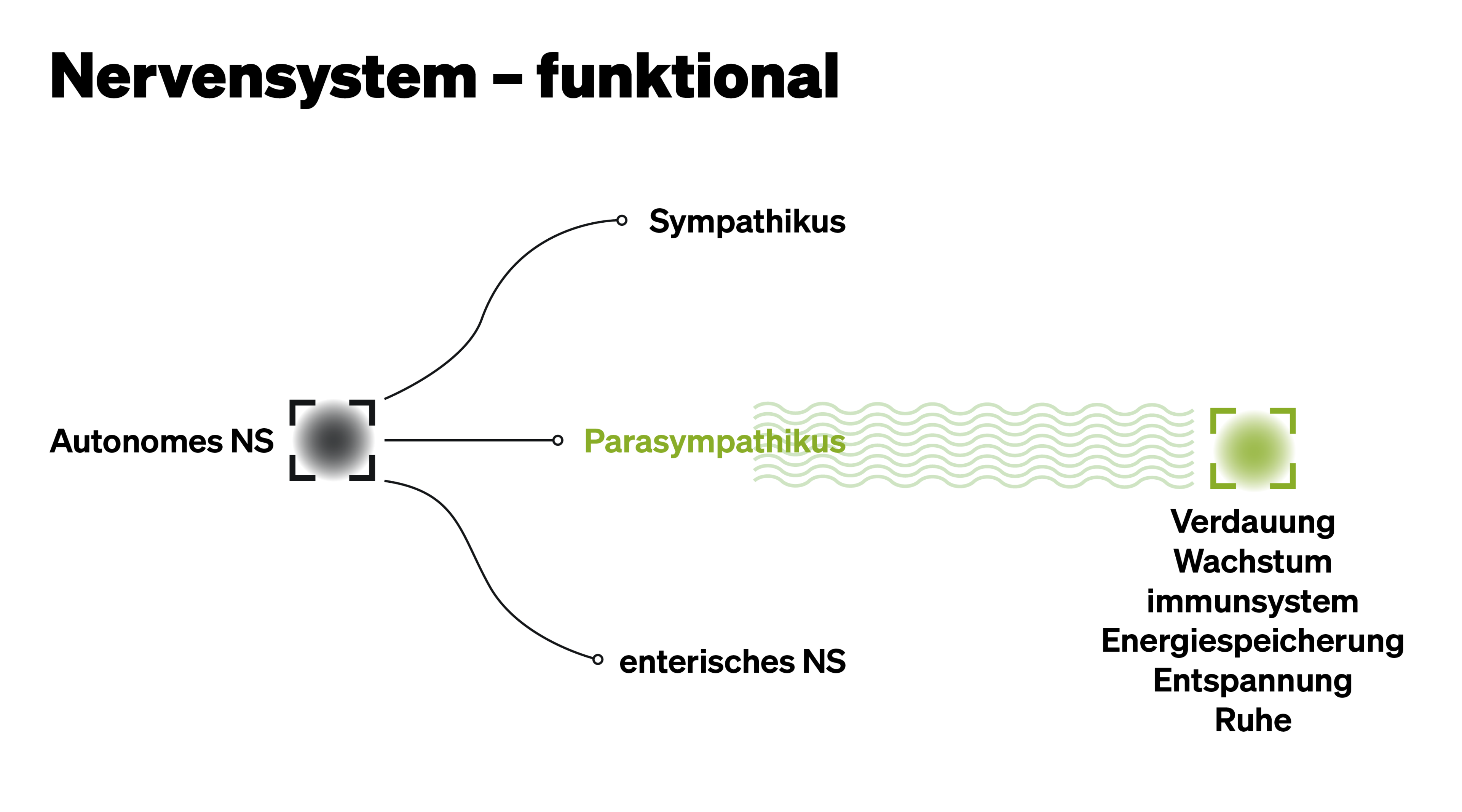
It never acts alone: alongside the sympathetic nervous system and the enteric nervous system in the gut it forms the autonomic nervous system, which functions without your conscious control and helps you stay balanced between activity and recovery.
Functions of the parasympathetic nervous system
It helps you recover after stress or exertion by switching your body into rest and recovery mode.
- Digestion: under its influence, your body produces more digestive juices, bowel activity is stimulated and nutrients are absorbed more effectively. Without the parasympathetic nervous system, your digestive system would be running at a snail’s pace.
- Cardiovascular system: it slows the heart rate and lowers blood pressure, taking the strain off your heart and ensuring better blood circulation to the organs.
- Breathing: it deepens and slows your breath so more oxygen reaches your cells, supporting recovery.
- Sleep and recovery: it helps you switch off at night, supports swift onset of sleep and enables body and mind to recover during rest.
By preventing persistent stress it creates the conditions for repair and renewed energy.

Sympathetic vs. parasympathetic nervous systems – how they work together
When you face stress, the sympathetic nervous system activates the ‘fight-or-flight’ response, putting you on high alert, mobilising energy and preparing the body for intense activity. The parasympathetic nervous system, on the other hand, ensures that you return to the ‘rest-and-digest’ state – it slows down activity and promotes digestion, relaxation and recovery.
Fight-or-flight vs. rest-and-digest
- In ‘fight-or-flight’ mode, your body releases stress hormones such as adrenaline and noradrenaline; your pulse rises, your blood vessels constrict and your breathing and metabolism speed up – you’re ready to fight or flee.
- In ‘Rest-and-Digest’ mode, on the other hand, the parasympathetic nervous system lowers your heart rate and blood pressure, activates digestion and repair mechanisms and brings you back into balance.
Why balance is crucial
A persistently dominant sympathetic nervous system – for example, due to chronic stress – can lead to long-term imbalance and may be associated with health problems such as cardiovascular disease, inflammatory processes or metabolic disorders. In fact, studies show that an impaired balance between sympathetic and parasympathetic activity (measured via heart rate variability, HRV) can be associated with chronic pain – for example, in a study by Fernández-Morales et al. (2025), people with chronic back pain showed greater sympathetic dominance and lower parasympathetic activity compared with healthy control subjects in a comparison.
Basic research also emphasises that the autonomic nervous system should not be understood solely as a system of antagonistic branches; rather, in many situations, both branches are co-activated (Roche et al., 2024).
Activating the parasympathetic nervous system — calming the nervous system
You can consciously activate your parasympathetic nervous system and guide your whole system towards relaxation and recovery. Incorporate these straightforward methods into your everyday life:
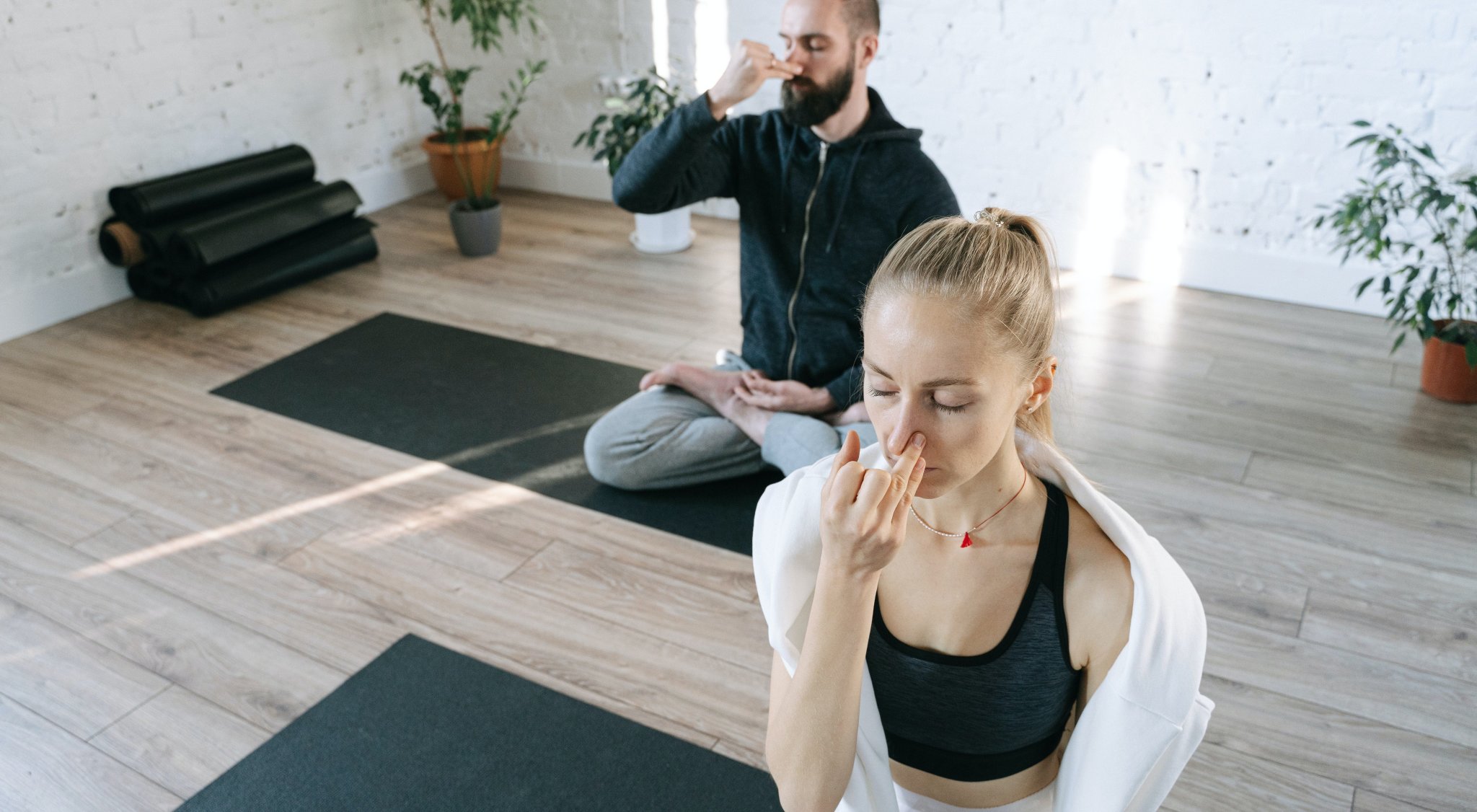
- Breathing: alternate nostril breathing, box breathing or the 4-7-8 breathing technique help to calm your nervous system. Just a few minutes of mindful breathing can lower your heart rate and reduce stress hormones. Studies show that slow, controlled breathing improves heart rate variability (HRV) — a marker of parasympathetic activity.
BLACKROLL exercises || 10 min relaxing breathing exercises for stress relief and anxiety management
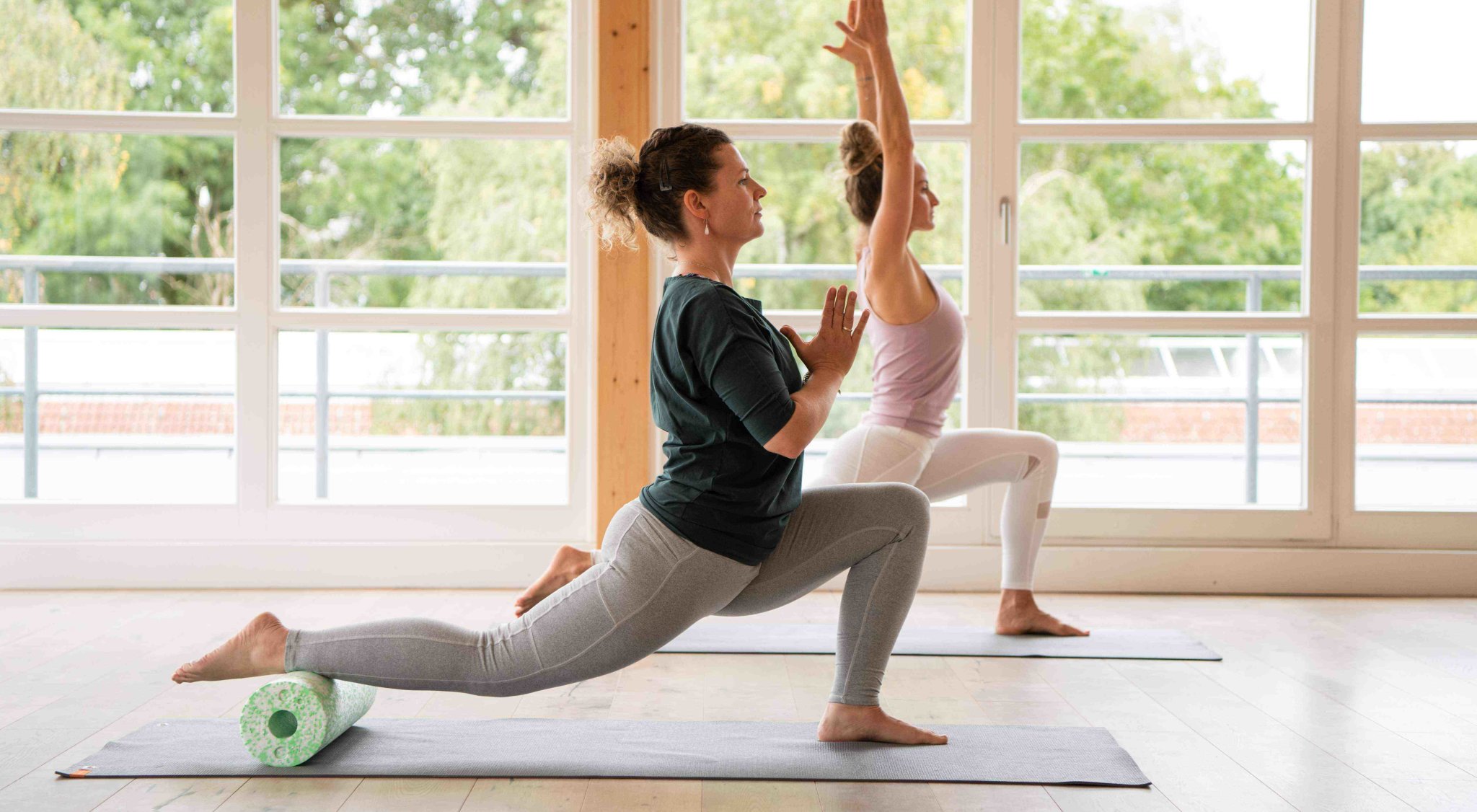
- Yoga and meditation: mindful movement, breathing exercises and meditation activate the parasympathetic nervous system. Regular practice reduces stress, improves sleep and enhances inner balance.
Simple evening yoga routine || For beginners || 20 min
- Progressive muscle relaxation: tense then release each muscle group in turn to teach your body to switch into relaxation mode more quickly.
- Cold and heat: contrast baths, sauna sessions or cold showers can stimulate the autonomic nervous system and help promote balance between the sympathetic and parasympathetic nervous systems.
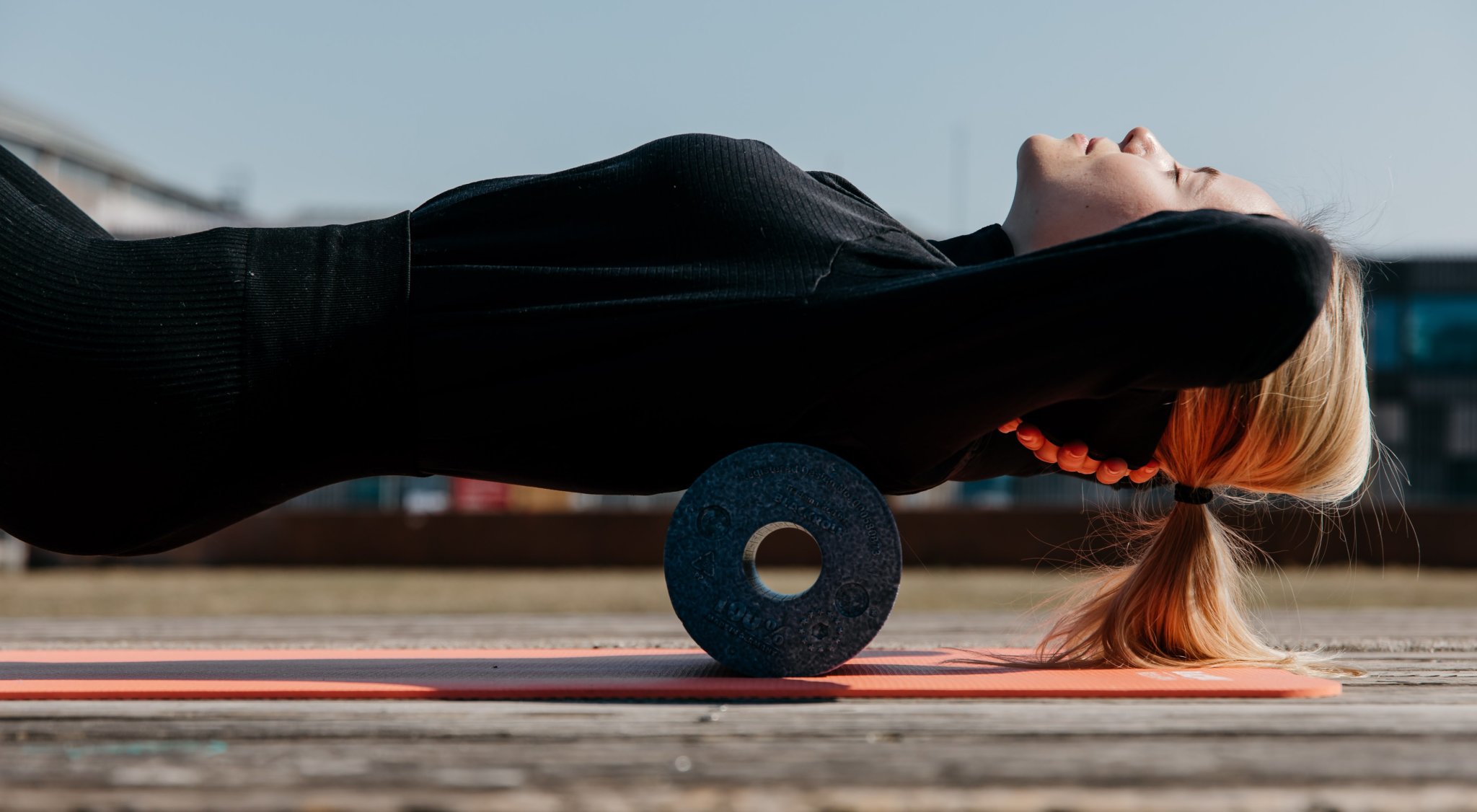
- Fascia massage with the BLACKROLL®: self-massage using a foam roller or ball not only relieves muscular tension but also helps to activate the parasympathetic nervous system. Combined with breathing exercises, this creates a highly effective recovery routine.
BLACKROLL® exercises for the back (beginners) — relax quickly.
Together, these methods help you apply the ‘brake’ to your nervous system — for less stress, better recovery and greater inner calm.
Vagus nerve: the main nerve of the parasympathetic nervous system
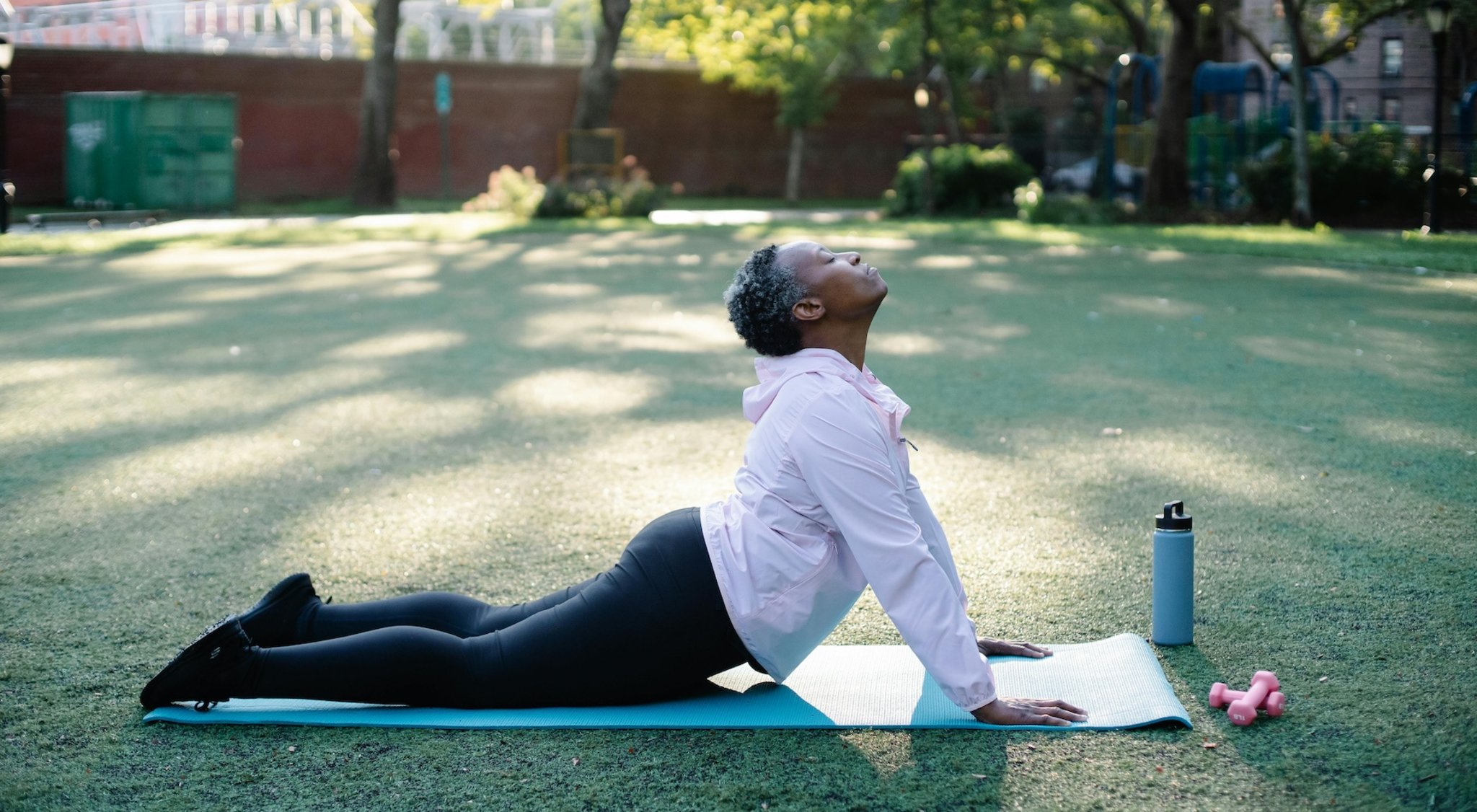
The vagus nerve, also known as the ‘wandering nerve’ (Latin: nervus vagus), is a central component of the parasympathetic nervous system and connects the brain to many organs (heart, lungs and digestive system) over long distances.
It transmits signals from your brain to your organs (efferent fibres) and carries sensory information back (afferent fibres), forming a vital bridge between mind and body.
The parasympathetic effects of many relaxation processes ultimately occur via vagal pathways – heart rate is lowered, digestion is stimulated and breathing is calmed.
Relevance for stress reduction and relaxation:
Good ‘vagal tone’, i.e. the strength of vagal activity, is regarded as a marker of the ability to ‘wind down’ after stress. People with higher heart rate variability (HRV), which is a measure of vagal activity, often demonstrate greater stress resilience.
Research shows that targeted vagal neurodynamics — for example breathing and manual techniques — can raise parasympathetic activity in people with chronic stress, as measured by an HRV parameter (Pérez-Alcalde et al., 2024).
A study involving electrical stimulation of the vagus nerve via the ear (tragus stimulation) also showed increased parasympathetic activity and a faster return to a state of rest following stress (University College London, 2025).
This means that the vagus nerve isn’t merely an anatomical structure — it’s an active tool you can use to bring your nervous system into balance.
Activating the vagus nerve: exercises to stimulate the vagus nerve
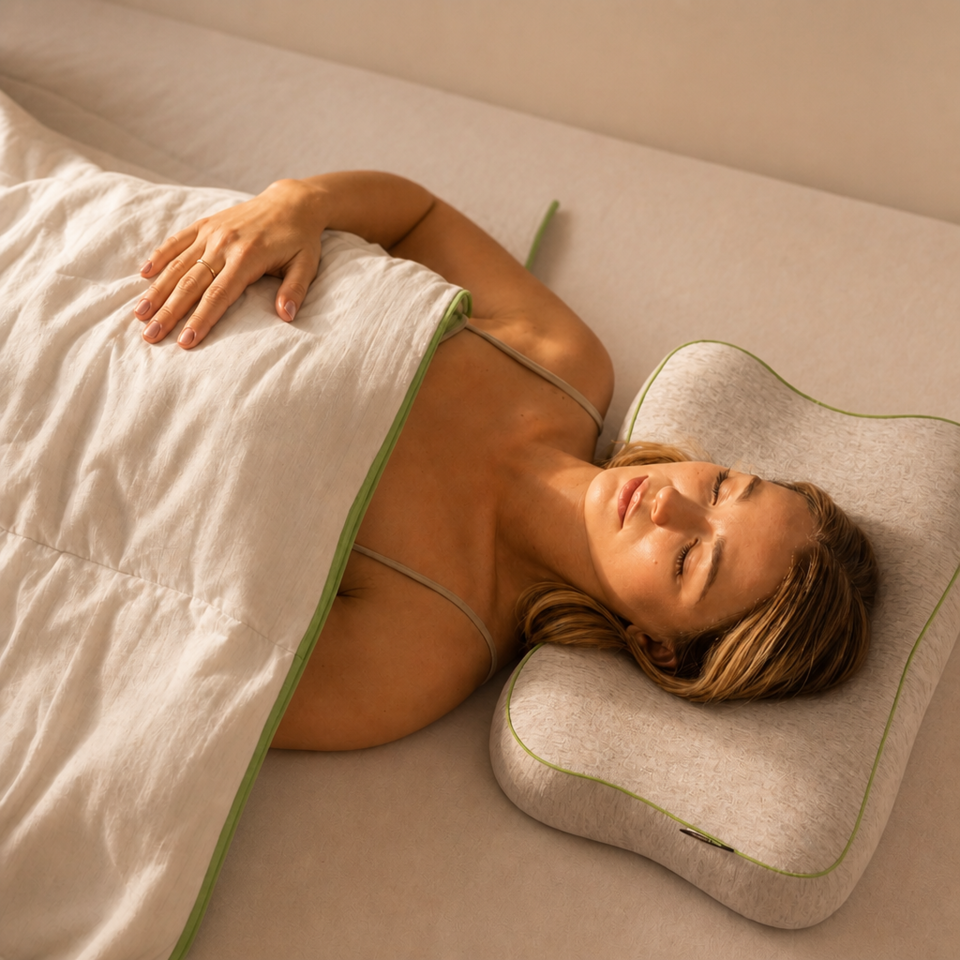
Calming the autonomic nervous system: restful sleep
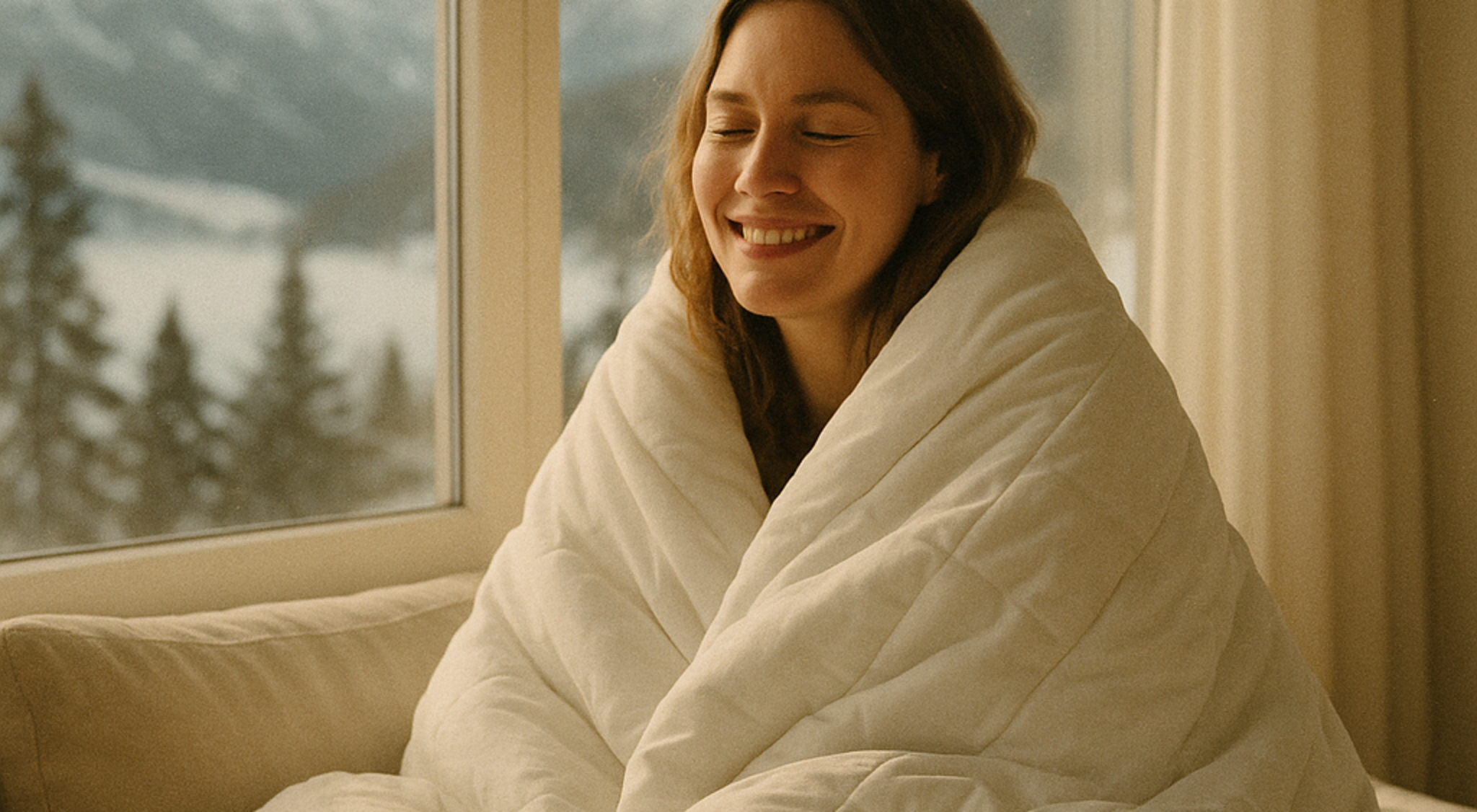
Chronic stress disrupts the balance of the nervous system. The sympathetic nervous system then remains constantly active, keeping the body on high alert. The parasympathetic nervous system is blocked as a result — the ‘brake’ no longer works properly. This leads to tension, digestive problems, an increased heart rate and, above all, sleep disturbances.
When it downregulates the sympathetic branch, your heart rate and breathing slow, your muscles relax and your body enters the deep restorative phases of sleep. Without this switch, you may lie in bed yet fail to achieve truly restful sleep.
Increased parasympathetic activity, as measured by heart rate variability (HRV), is associated with better sleep quality and falling asleep more quickly. Conversely, chronic stress can lower HRV and thus impair recovery.
Remember: a relaxed parasympathetic nervous system is the foundation for deep, restful sleep — and therefore also for your long-term health.
Conclusion – your relaxation nerve for greater balance
It’s far more than simply a part of your nervous system — it’s your relaxation nerve and the foundation for recovery, inner peace and sustainable health. Working in tandem with the sympathetic nervous system, it helps your body respond flexibly to stress then return to rest. Without it, deep sleep, proper digestion and genuine recovery would be difficult.
In a world where constant stress and sensory overload have become part of everyday life, the parasympathetic nervous system takes on special significance.
The good news is that you can strengthen it. Simple practices such as deep abdominal breathing, the 4-7-8 technique, yoga or fascia massage with the BLACKROLL® can help you flip the switch to relaxation. Heat, cold or short meditation sessions are also effective tools that can boost your parasympathetic activity.
Incorporate small routines into your everyday life, try breathing techniques, treat yourself to mindful breaks and give a fascia massage a go. In this way, you’ll help your nervous system to reduce stress, sleep better and, in the long term, find greater balance and a better quality of life.


FAQ – The most frequently asked questions about the parasympathetic nervous system
It’s your body’s ‘relaxation nerve’, helping to slow your heart rate and breathing, activate digestion and healing processes and guide you into recovery mode.
Activate it through breathing exercises (e.g. abdominal breathing or 4-7-8 breathing), meditation, yoga, progressive muscle relaxation or even fascia massage with the BLACKROLL®. Consistency is key.
When it's dominant, your body can relax deeply, your heart rate and blood pressure drop, your muscles loosen and overnight recovery processes are supported.
Not quite. The parasympathetic nervous system is an entire part of the nervous system, whilst the vagus nerve is the most important and largest of its nerve pathways. It transmits the majority of parasympathetic signals between the brain and the organs.
In cases of chronic stress, the sympathetic nervous system (‘accelerator’) dominates and the parasympathetic nervous system (‘brake’) is inhibited. This can lead to sleep problems, digestive disorders, high blood pressure and a weakened immune system.
Typical signs include calm, deep breathing, warm hands, an active digestive system (e.g. gastrointestinal sounds) and a feeling of calm.
Yes. Take short breaks, practise mindful breathing, go for walks in nature, enjoy sauna sessions or cold showers to promote balance in the autonomic nervous system and strengthen the parasympathetic branch.
When both branches work in harmony, your body can respond flexibly to stress then return to recovery. Persistent stress without relaxation can, over time, contribute to health issues.
Further items



Sources and studies
Fernández-Morales, C., Espejo-Antúnez, L., Albornoz-Cabello, M., Yáñez-Álvarez, Á. R. and Cardero-Durán, M. de los Á. (2025). Differences in autonomic balance as measured by heart rate variability between adults with and without chronic low back pain. Healthcare, 13(5), Article 509. https://doi.org/10.3390/healthcare13050509
Roche, F., Pichot, V., Mouhli-Gasmi, L., Monier, M., Barthélémy, J.-C., Berger, M., Celle, S. and Chouchou, F. (2024). Anatomy and physiology of the autonomic nervous system: implications for the choice of diagnostic and monitoring tools in 2023. Revue Neurologique, 180(1–2), 42–52. https://doi.org/10.1016/j.neurol.2023.12.003
Pérez-Alcalde, A. I., Galán-del-Río, F., Fernández-Rodríguez, F. J., de la Plaza San Frutos, M., García-Arrabé, M., Giménez, M.-J. and Ruiz-Ruiz, B. (2024). The effects of a single vagus nerve’s neurodynamics on heart rate variability in chronic stress: A randomised controlled trial. Sensors, 24(21), Article 6874. https://doi.org/10.3390/s24216874
University College London. (2025). Vagus nerve stimulation paired with meditation increases self-compassion and mindfulness benefits. Medical Xpress. https://medicalxpress.com/news/2025-08-vagus-nerve-paired-meditation-compassion.html medicalxpress.com