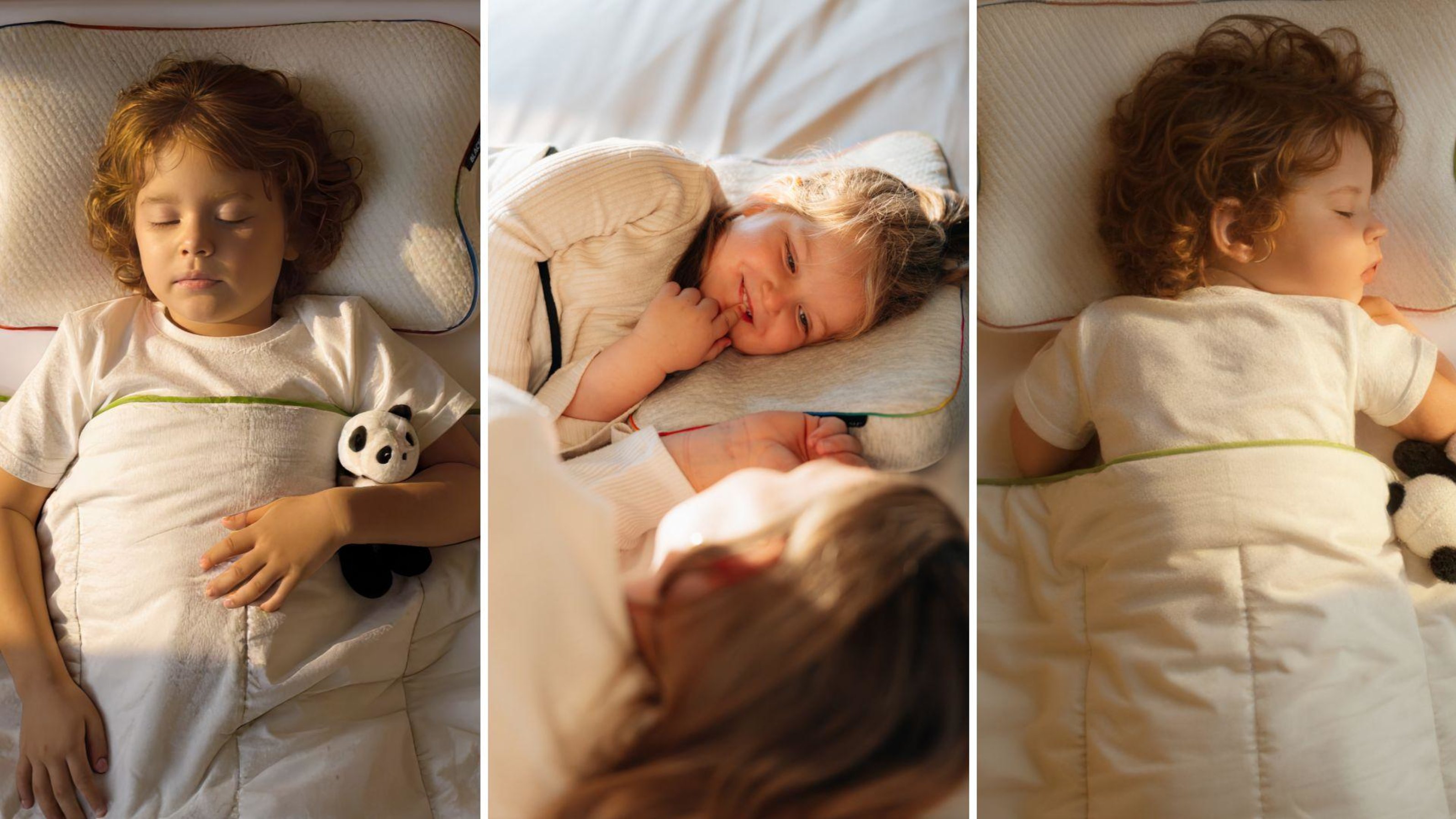
Your guide to restful sleep

Does your child sleep restlessly, wake up in the morning with a stiff neck or are you simply wondering whether it’s about time they had a pillow? This is a question that concerns many parents. When pillows for children really make sense and are safe depends on various factors. These include your child’s age, physical development and individual sleeping habits. In this guide, you’ll find out everything you need to know about children’s pillows: from medical recommendations and safety considerations to practical tips for choosing the right pillow.


Why babies don’t need a pillow at first
A pillow can improve sleep comfort and support the cervical spine — but only when the time is right. You’ve probably already wondered when babies are allowed to sleep with a pillow. The clear answer from paediatricians is: during their first year, babies should definitely sleep without a pillow. The reason for this lies in their anatomy and safety.
Newborns and infants have different body proportions to older children or adults. Their head is larger in relation to the rest of their body, while their shoulders are narrow. This means their head stays in a comfortable position when they sleep flat on their back — without a pillow at all, in line with paediatric recommendations.
In the first few months a pillow also poses a safety risk. Soft bedding, pillows or soft toys in the cot can block the airways and lead to suffocation or overheating. Consider introducing a pillow only after your child's first birthday — or later.
When choosing a pillow, consider your child’s motor development: how well can they control their head and how active are they? Encourage this development during infancy by placing your child on their tummy when they're awake and alert while you keep an eye on them. This promotes sitting up and head control and prevents the back of the head from becoming flat as a result of sleeping on their back.
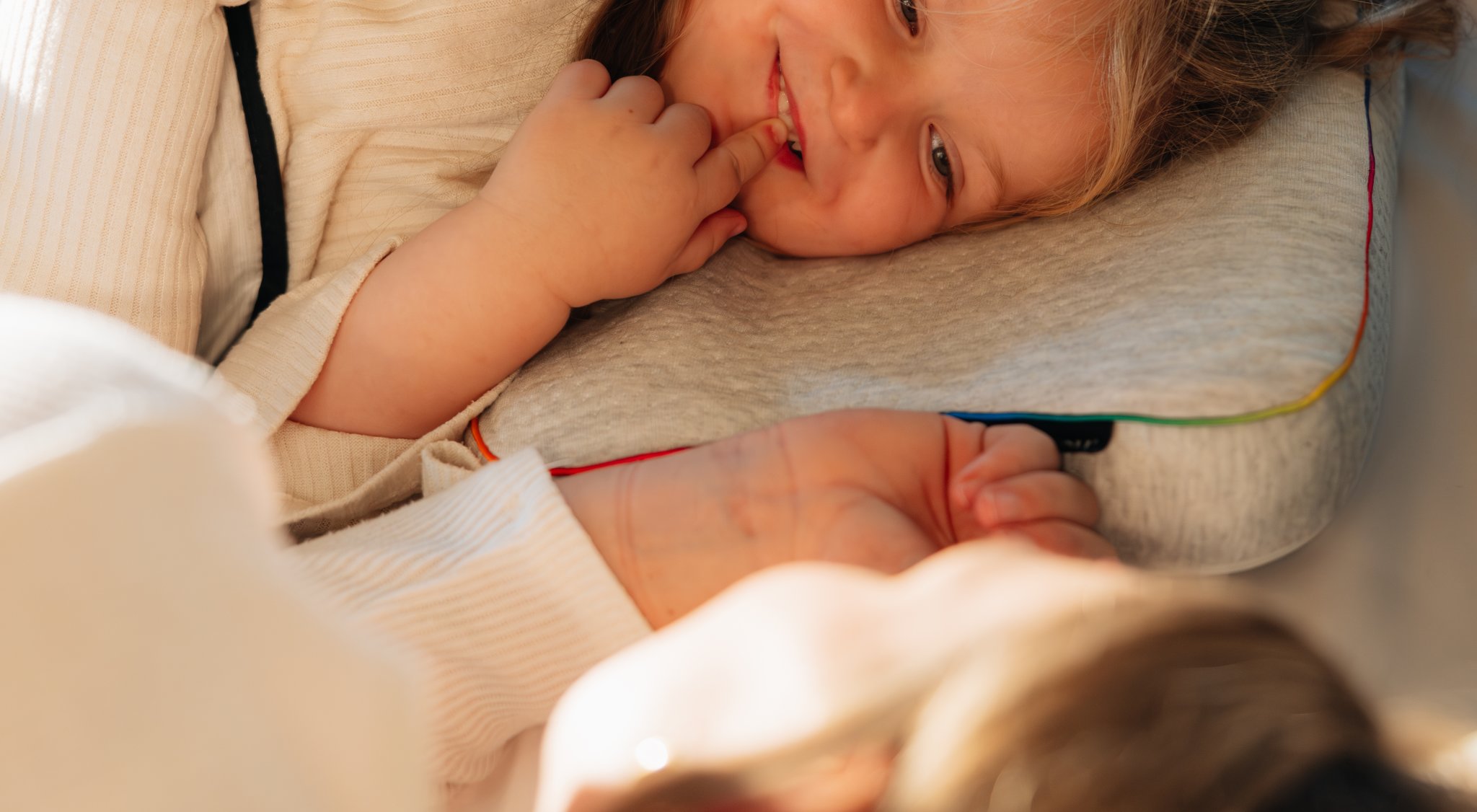
When do experts recommend a pillow for toddlers?
There's no single age that suits every child, as toddlers develop at different rates, but you can follow these guidelines:
- From 12 mos: From an orthopaedic point of view, you can place a very flat pillow in your child’s cot from around one year of age at the earliest. Ensure the head doesn't sink in and that your child lies relatively flat. Wait until your child can safely lift and turn their head and has the motor skills to free themselves if their head slips under the pillow. For this reason, it's better to wait until your child is 18 mos old before introducing a pillow.
- From 2 to 3 years: Many experts recommend waiting until your child’s second birthday before introducing a pillow. By this age their body proportions have adjusted further and their motor skills are sufficiently developed for them to free themselves from awkward sleep positions.
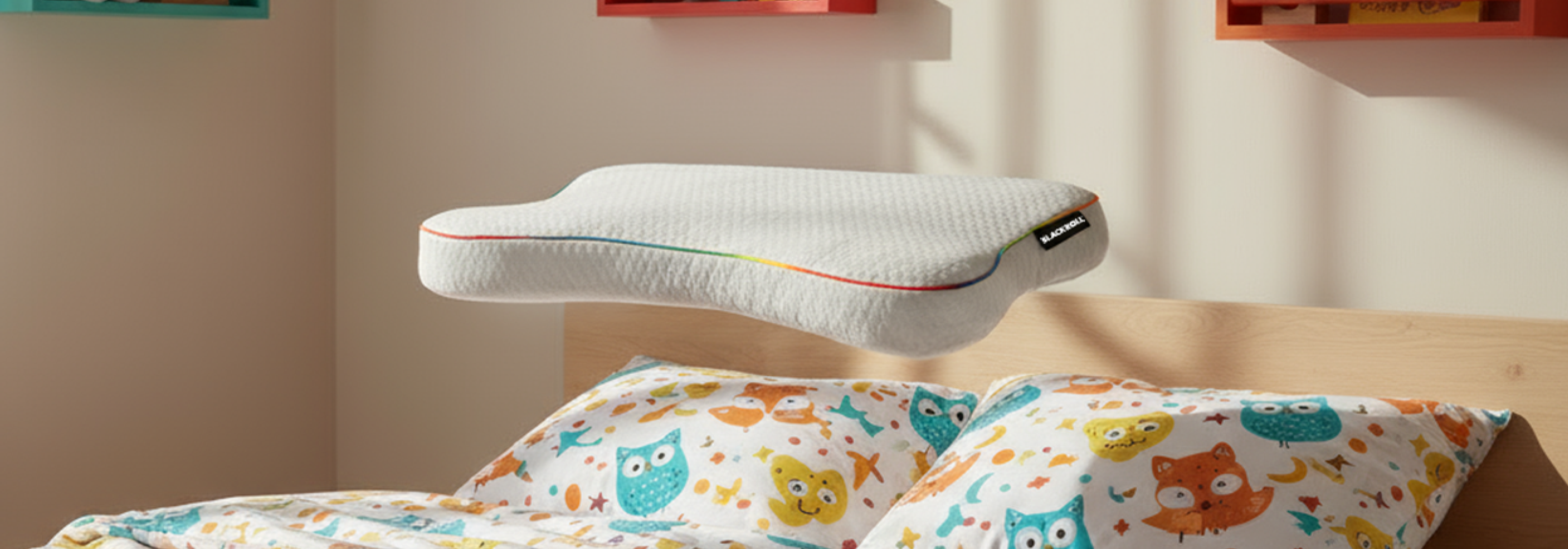
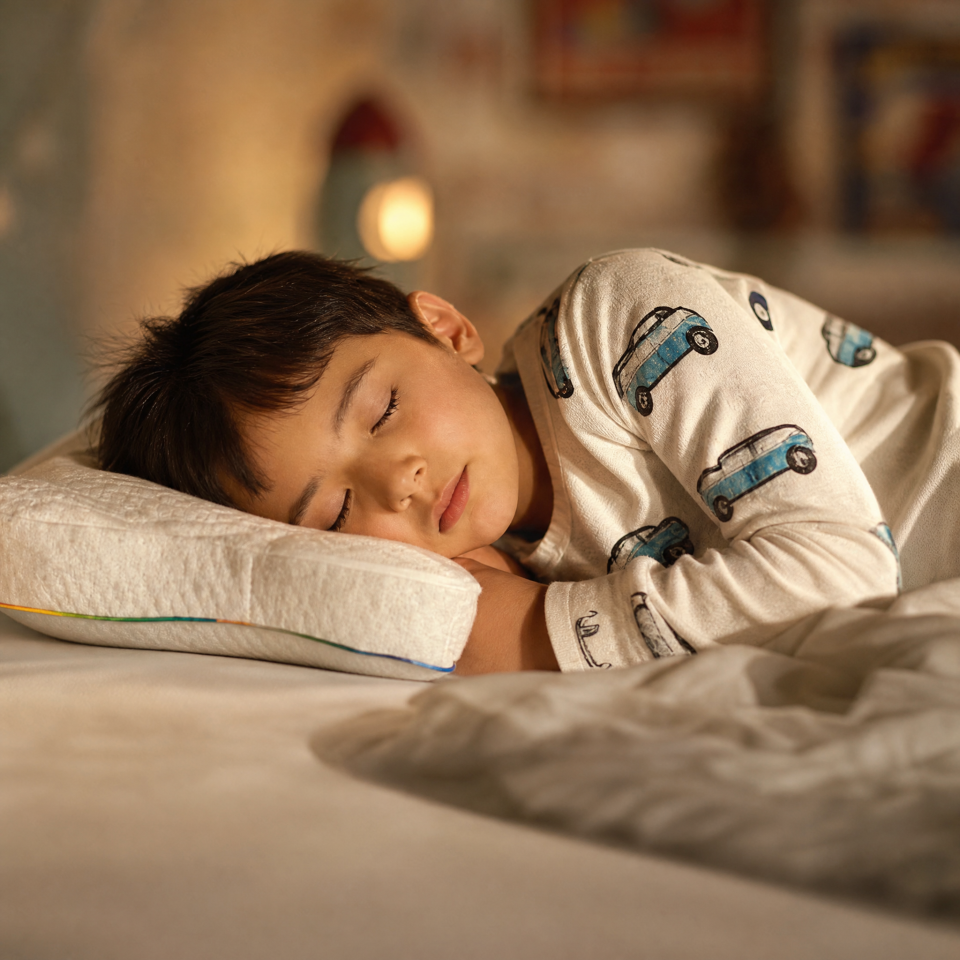
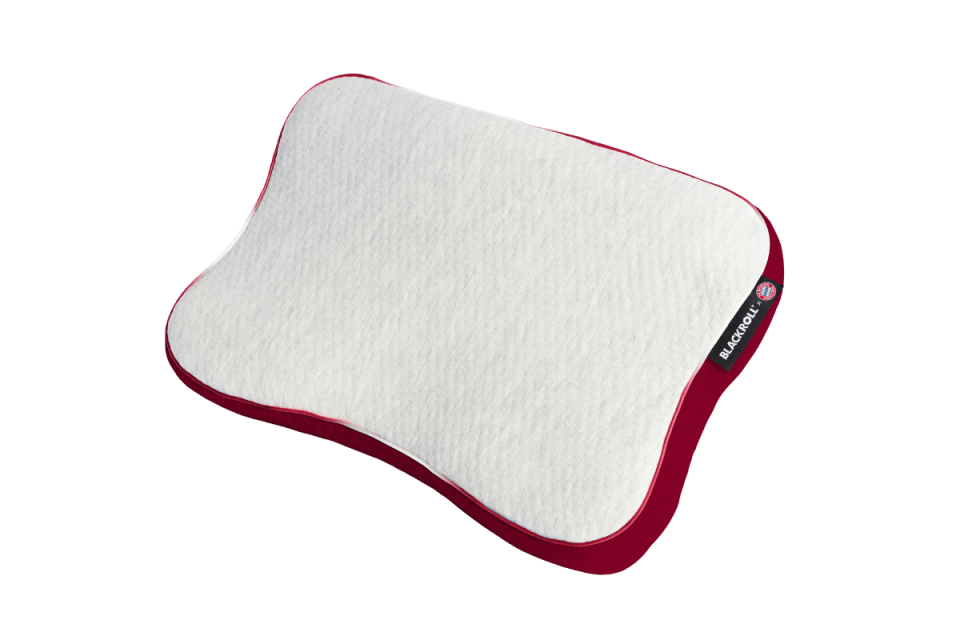
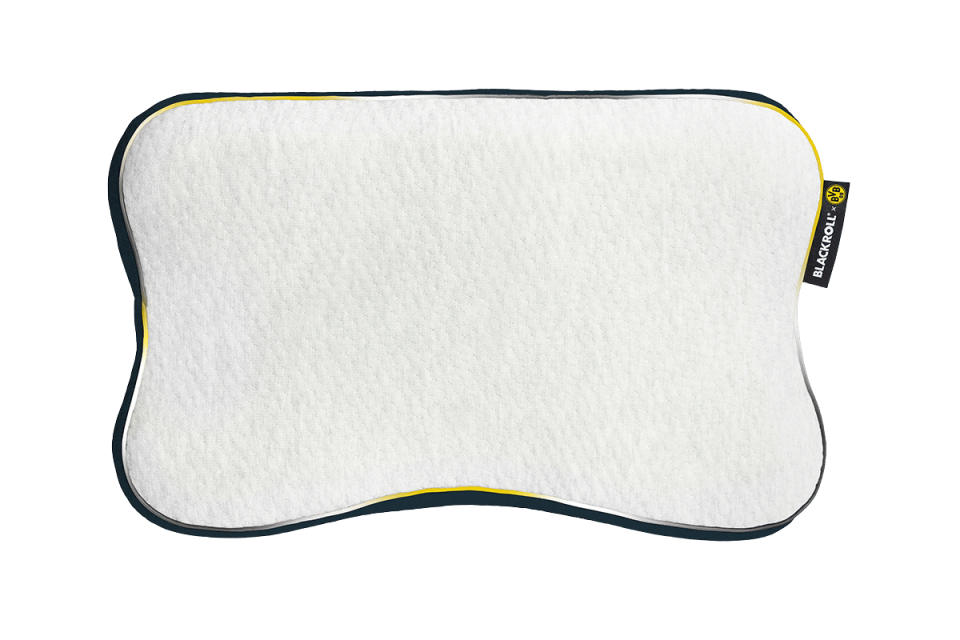
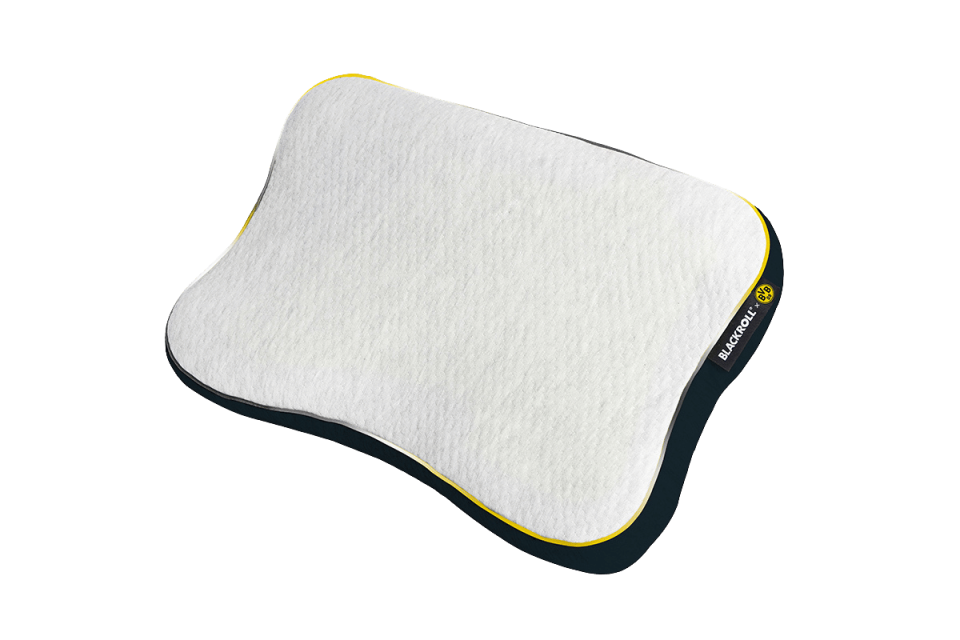
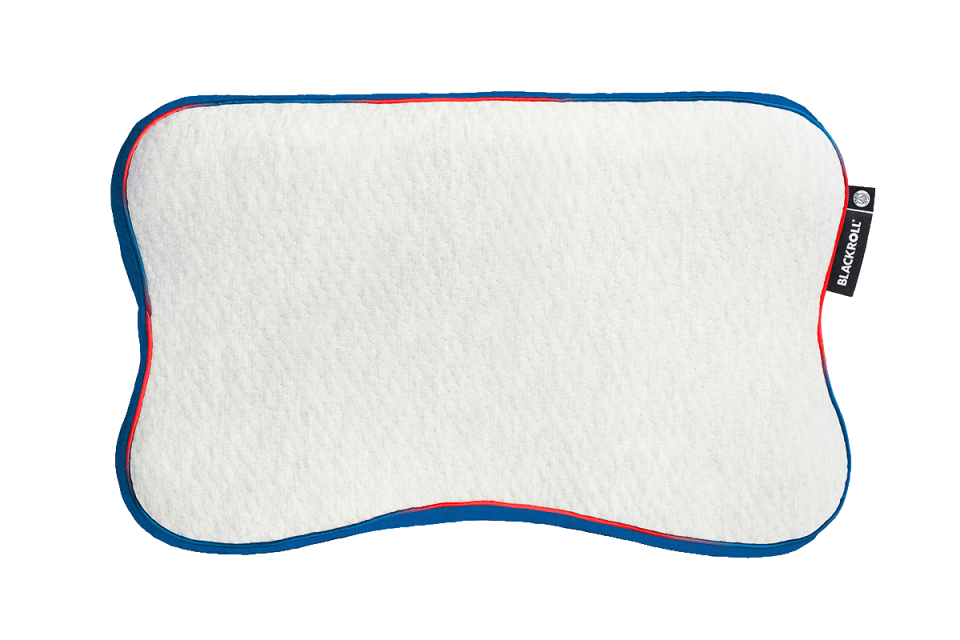
- From 4 years old: From this age onwards a pillow becomes increasingly important for the ergonomic positioning of the cervical spine. Your child’s shoulders will become broader, which also increases the gap between the mattress and their head when they lie on their side. This is precisely where a flat children’s pillow such as the RECOVERY PILLOW KIDS provides optimal support.
- Watch forindividual cues: ifyour child rests their head on a folded toy or their own hand while sleeping, they may be ready for a pillow.
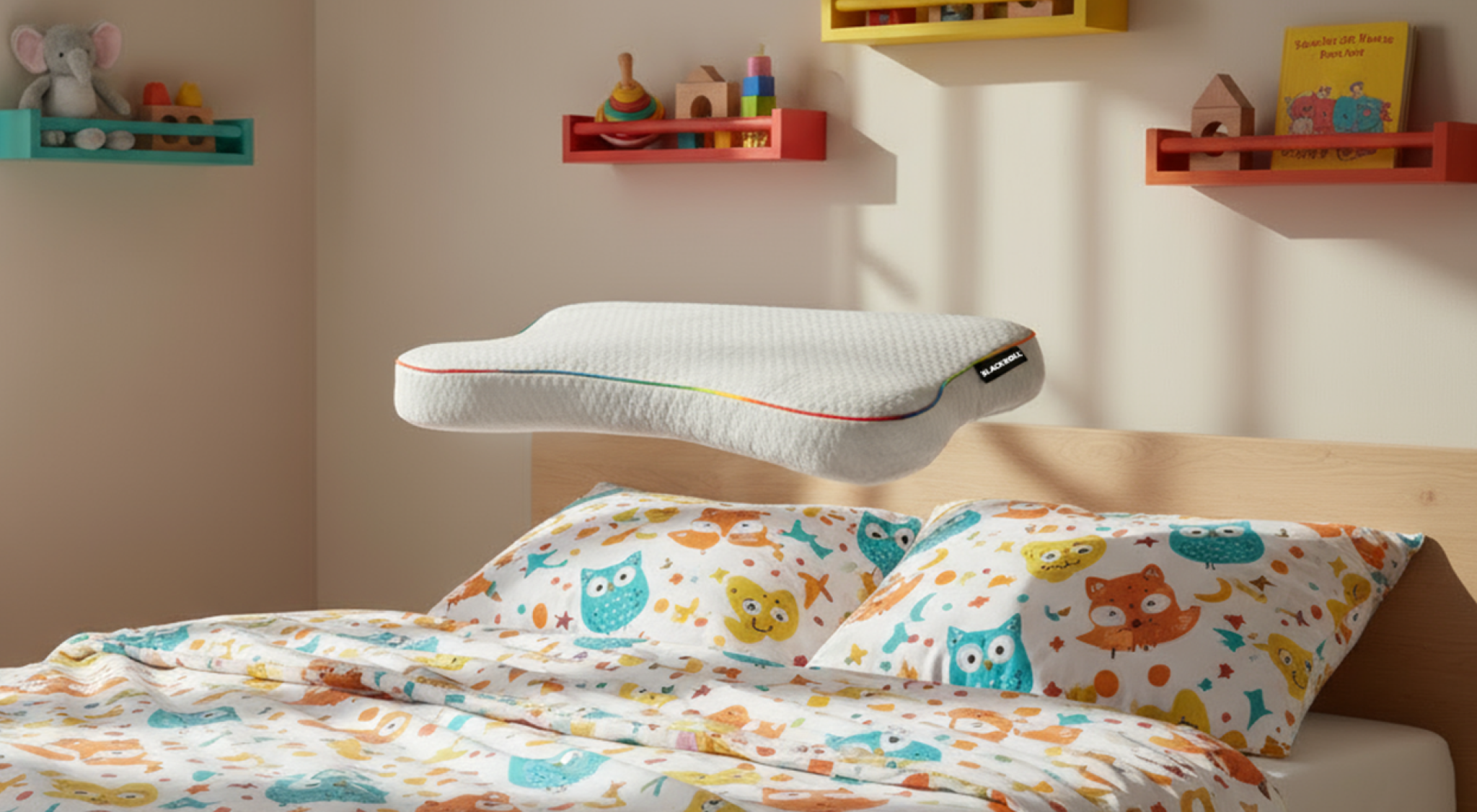
Toddlers and pillows: what you need to bear in mind
We know children need plenty of sleep, and the right pillow can help them get restful sleep, provided it meets the right criteria.
The right pillow height for young children
Young children need significantly flatter pillows than adults. A pillow height of around 2–4 cm is ideal. This ensures the pillow supports the natural alignment of the spine without raising the head too high. A pillow that's too high can lead to tension in the neck and may affect the healthy development of the cervical spine.
Materials and allergies
Choose hypoallergenic materials, as children may be sensitive to fillings such as down or animal hair. Cotton or synthetic fibres like PU are better tolerated. Use washable covers to maintain hygiene.
Size of the pillow for children
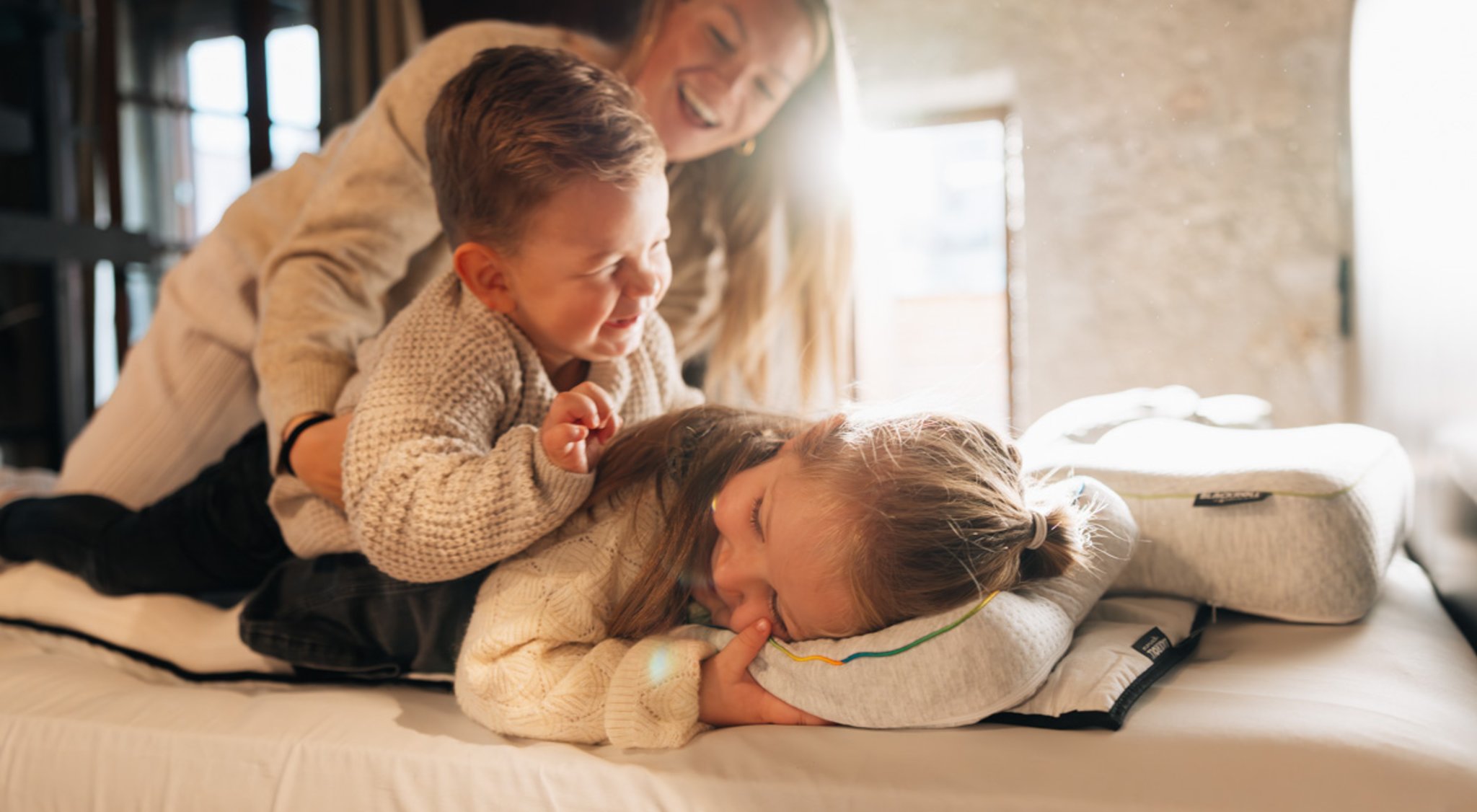
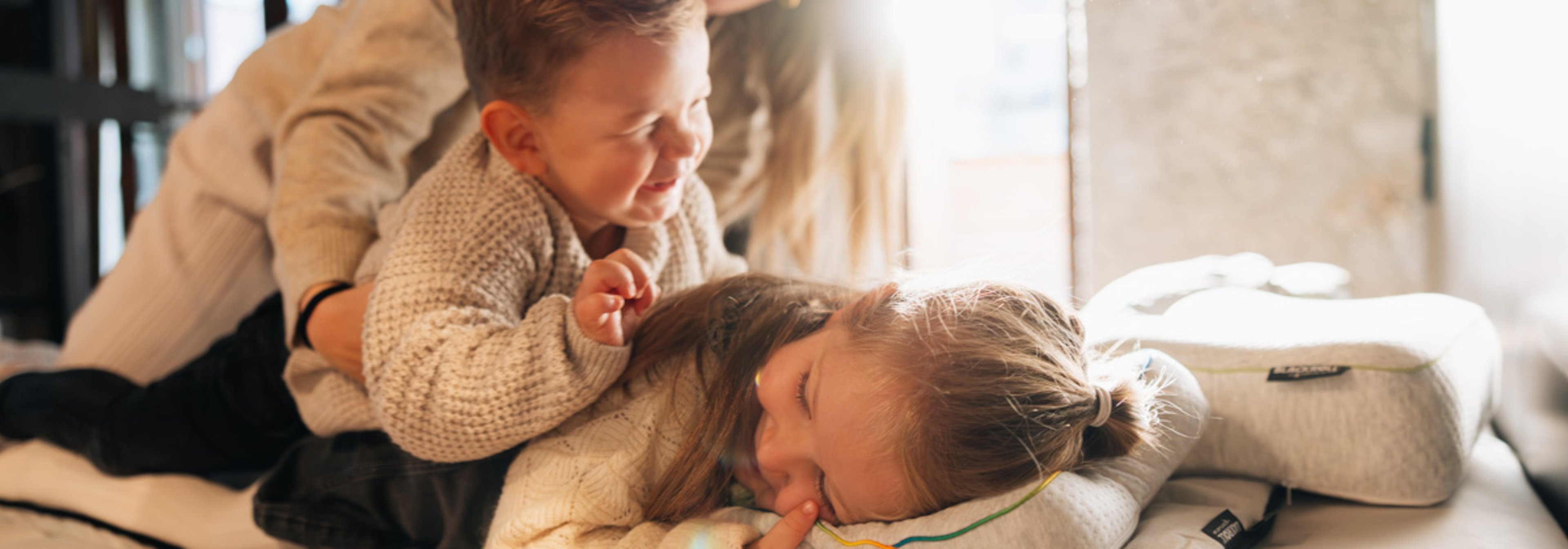
For young children a size of around 50 × 30 cm is more suitable than the standard adult size. This ensures your child really only rests their head on the pillow rather than their entire upper body so that the ergonomic effect can take place. Furthermore, particularly in the early stages, your child may sometimes sleep on the pillow and sometimes next to it. Its compact size means your child can tuck it under their head or place it beside them as needed.
Which pillow is suitable for children at what age?
Which pillow suits your child depends largely on their stage of development and individual needs – much like the size of a child’s duvet. Here’s a rough overview based on age:
Which pillow is suitable for children aged two and three
You already know when a pillow becomes suitable for children. Your toddler’s first pillow should have the following characteristics:
- very low profile: maximum 2–4 cm
- Choosea firm yet supple filling so the head doesn't sink in too deeply.
- breathable materials: for a comfortable sleep climate
- Machinewashable at 60°C for easy hygiene.
Which pillow is suitable for children aged four and over
From this age onwards, your child can use a pillow with a height of around 4–6 cm. Many children start to develop a preferred sleep position at this age. If they sleep on their side, the right support is particularly important.
Choose a pillow with the following features:
- providesufficient support for the cervical spine
- an ergonomic shape that adapts to the contours of the head and neck
- even pressure distribution
- Temperature-regulating and breathable properties for peaceful sleep
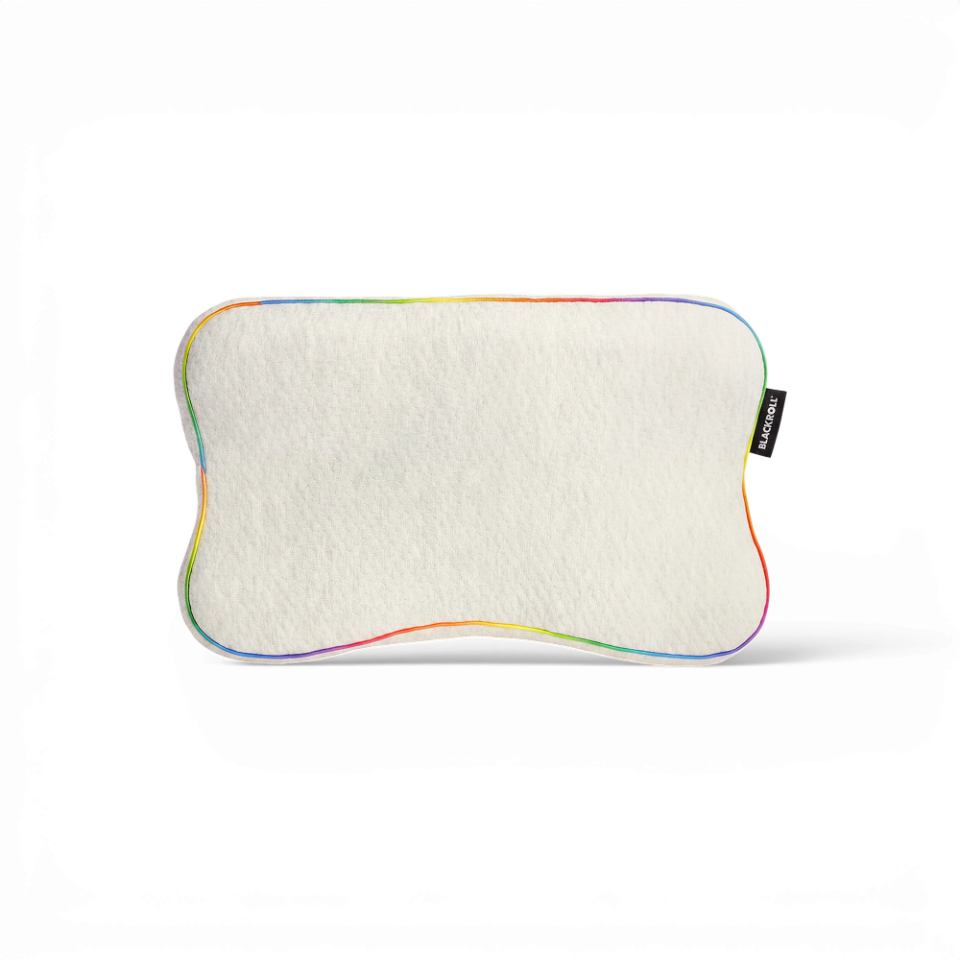
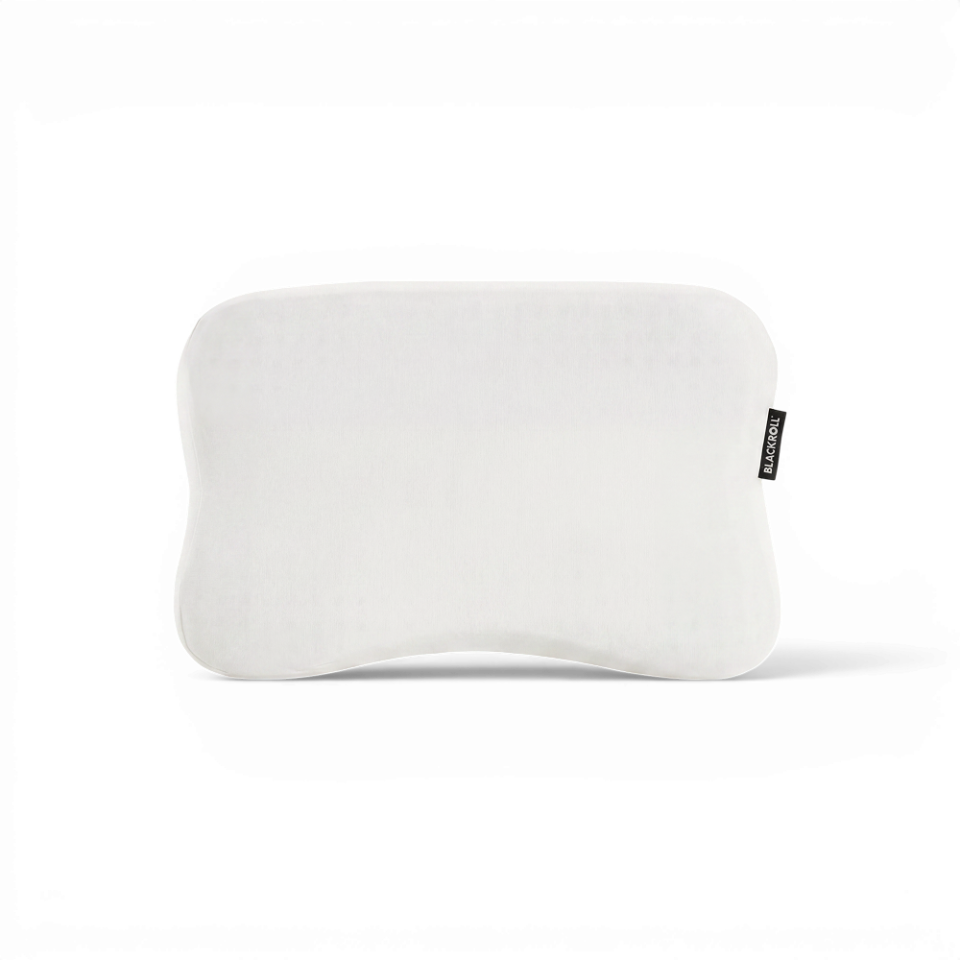
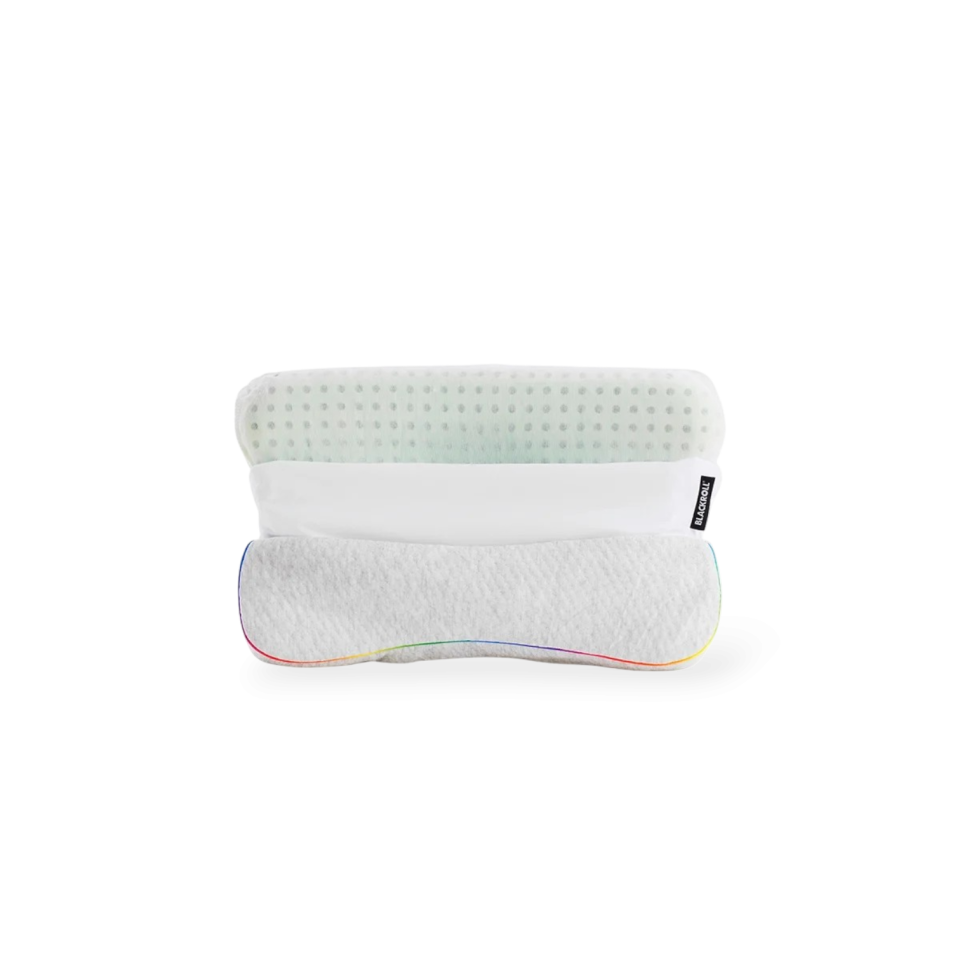
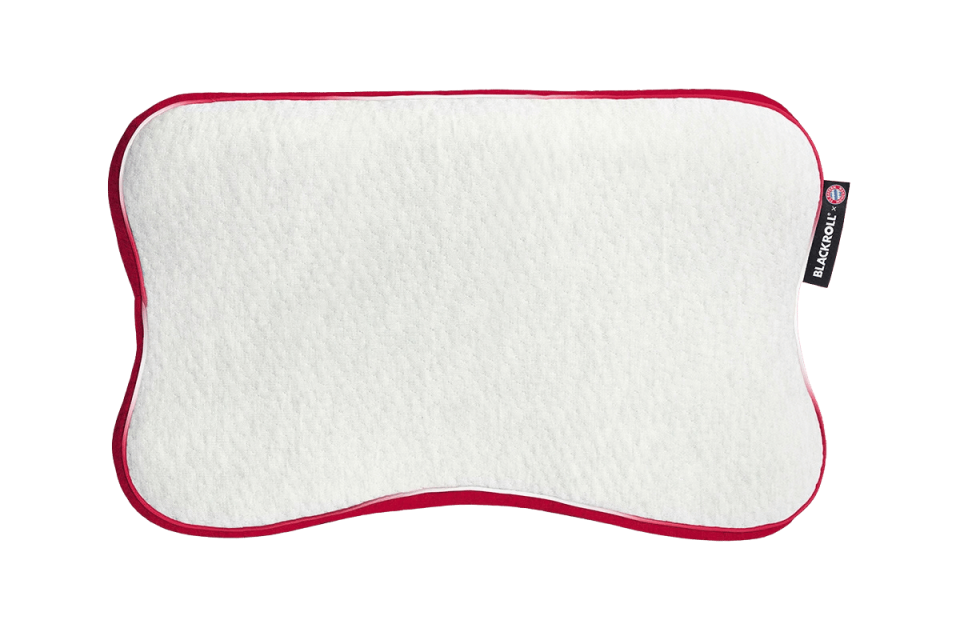
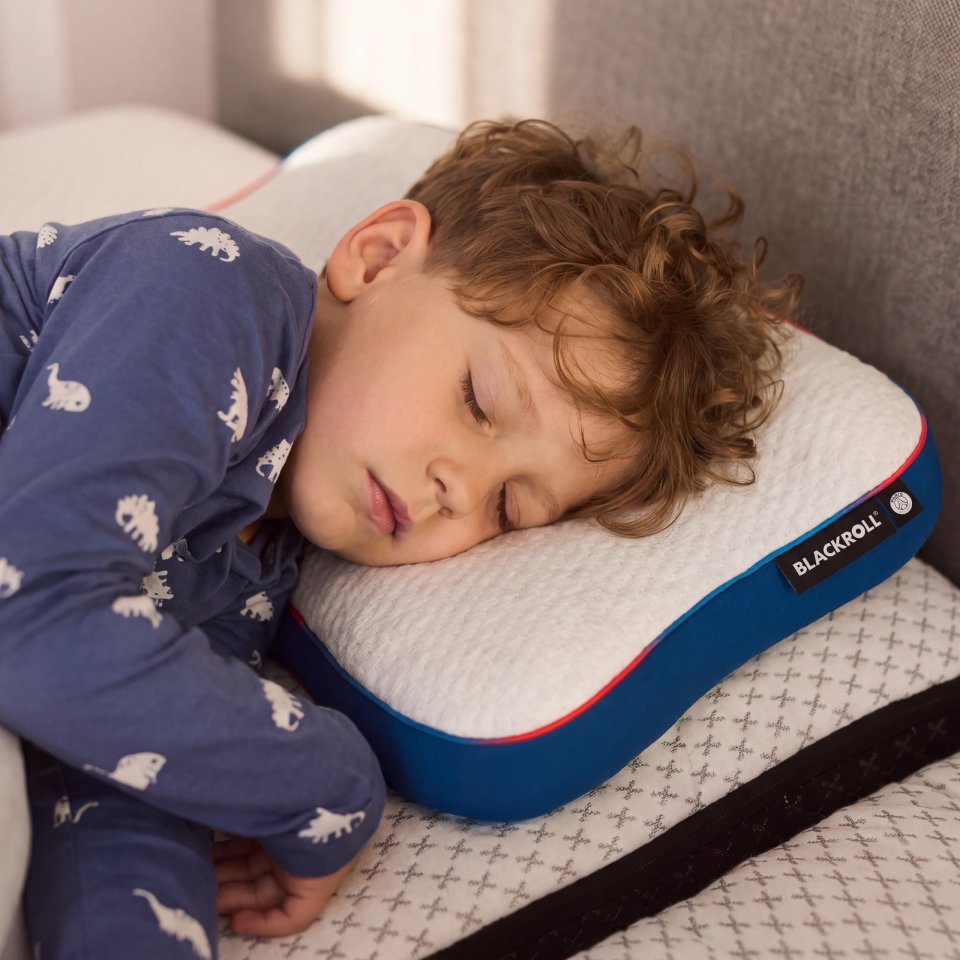
We’ve developed the Recovery Pillow Kids with these factors in mind: it provides support for your child’s cervical spine and adapts to the shape of their head and neck. Its ergonomic shape means your child will receive the right support in any sleep position — on the back or side — and it’s designed to accompany them through the later years of primary school (10–12 yr) to help them sleep through the night.
The most common mistakes when choosing a child’s pillow
Avoid these common mistakes when choosing a pillow for your child:
- Introducing a pillowtoo early: Wait until after your baby's first birthday before using a pillow.
- Pillows that are too high: adult pillows are unsuitable for children because they overextend the cervical spine and can cause tension and sleep problems.
- Soft fillings: down or very soft foam let the head sink in too deeply, which can make breathing and ergonomic positioning more difficult.
- Avoidpillows that are too large – some parents choose a pillow that lets their child’s entire upper body rest on it, but the pillow should support only the head, not the shoulders or upper body.
- Keep it clean: wash the pillow regularly as children often sweat or mark it.
How to tell if your child is ready for a pillow
As well as age, there are a few specific signs that indicate your child should have a pillow:
- Motor development: your child can easily roll over on their own and free themselves from awkward positions.
- Sleeping behaviour: you notice that your child tries to rest their head on something whilst sleeping (a cuddly toy, their own hand or a crumpled blanket).
- Shoulder width: your child’s shoulders are noticeably wider than their head, so without a pillow their head may tilt to one side when they lie on their side.
- Restless sleep: does your child complain of sleep problems, wake up frequently at night or seem unrested in the morning? This may be a sign that they need a pillow, particularly if other factors such as the sleeping environment and sleep temperature are already optimal.
- Interest in a pillow: Some children show an active interest in their parents’ pillow or express a desire for a pillow of their own.
The ideal sleeping environment for children
The right pillow alone doesn’t guarantee good, healthy sleep. Just as with adults, the entire sleeping environment plays an important role in your child’s recovery:
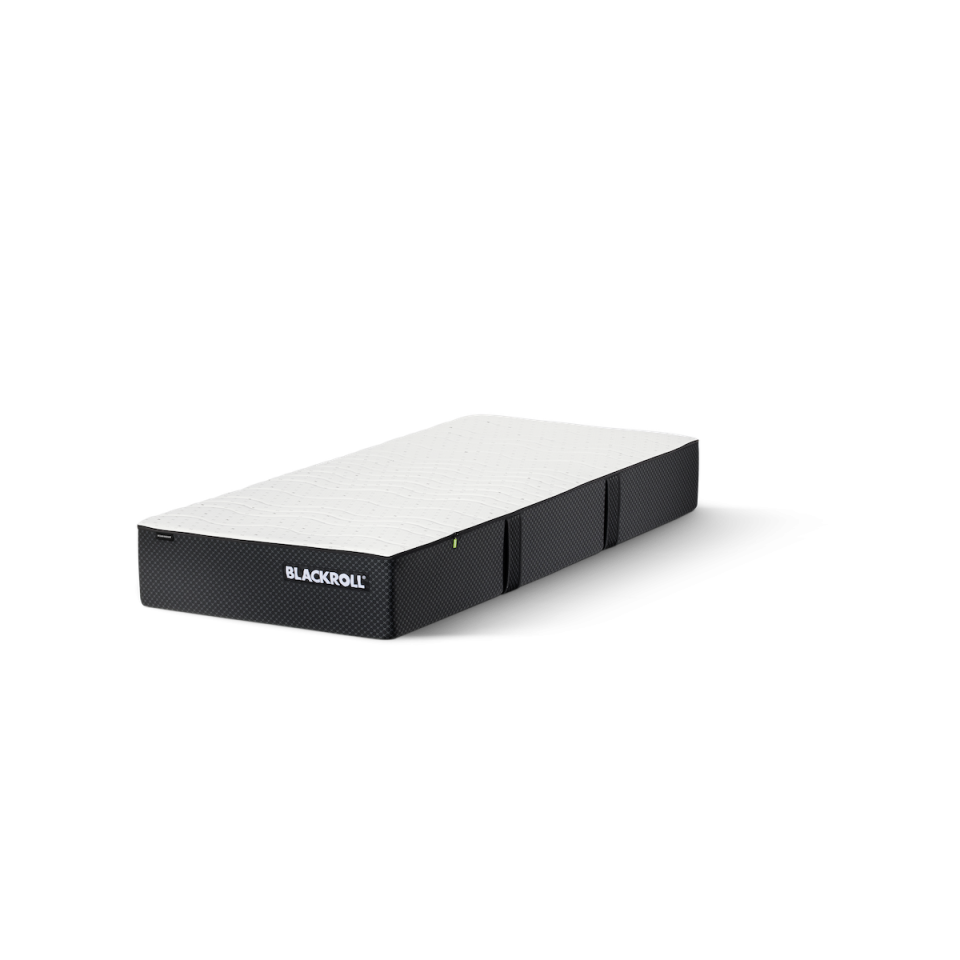
- the right mattress: choose a medium-firm option that supports your child’s body; avoid mattresses that are too soft.
- Keep the room at about 18°C.
- Createa quiet atmosphere: minimise noise and light sources; many children benefit from blackout curtains.
- Fixed bedtimes: A regular evening routine helps your child wind down and sleep through the night.
- Keepthe cot clear of soft toys, blankets or other items, especially for younger children.
Special circumstances and health considerations
If you're considering a pillow for medical reasons, consult your paediatrician first.
- If your childhas a cold and you’d like to raise their head to help them breathe, consult your paediatrician first. It’s usually safer to place a towel or a thin blanket under the mattress in the upper body area to create a gentle incline rather than using a pillow.
- Forreflux, don’t experiment with pillows on your own; seek professional advice.
- Forpostural problems or developmental delays, a specialist orthopaedic pillow may help – consult a healthcare professional first.
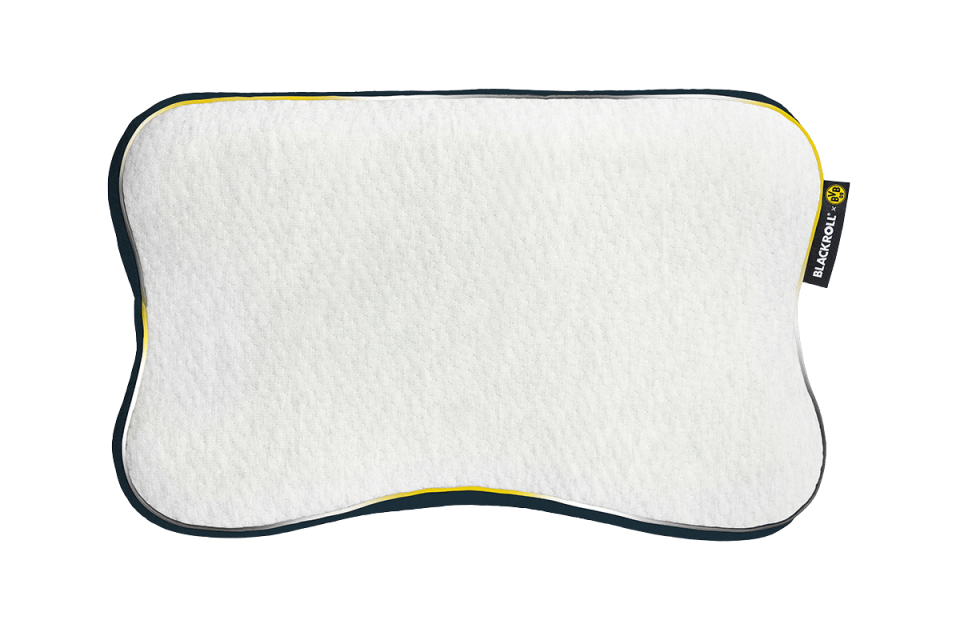
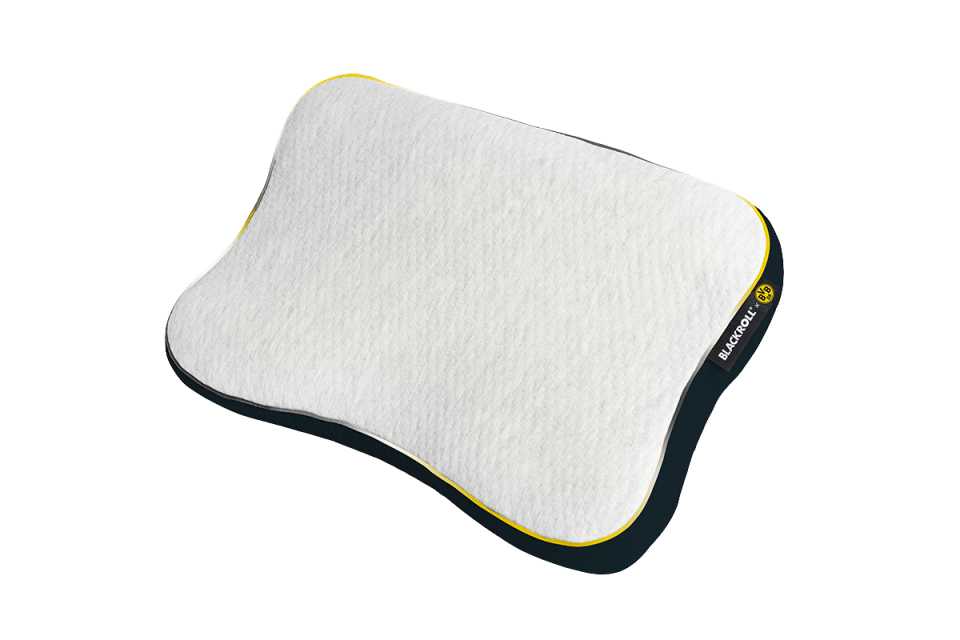
BLACKROLL® Kinderkissen – from 4 years



Frequently asked questions on the topic ‘When is it a good idea for children to start using a pillow?’
Medical experts recommend considering a very flat pillow for toddlers from their first birthday at the earliest; it's even better to wait until they're between 18 and 24 mos old. In the first few months of life a pillow is unnecessary and can increase the risk of suffocation. Keep an eye on your child’s development. It’s time for a pillow when their shoulders start to get broader or they try to raise their head whilst sleeping.
Babies have a large head and narrow shoulders in proportion to their body, so without a pillow their head rests comfortably when they sleep flat on their back. A pillow could block their airways, cause them to overheat or put them in an uncomfortable sleep position.
For toddlers aged 2–4 years, a pillow height of around 2–4 cm is ideal. Choose a flat pillow to keep the cervical spine in a natural position and avoid overextension. When the shoulders broaden — around the age of 4 — switch to a higher pillow of 4–6 cm, which can accompany your child until they’re 10–12. An ergonomic pillow is especially important if your child prefers to sleep on their side.
· Your child tries to rest their head on soft toys or their own hand at night.
· Their shoulders have broadened, so their head tilts to one side when they lie on their side.
· Your child’s motor skills are sufficiently developed for them to turn over independently and free themselves from awkward positions.
If several of these points apply and your child is at least 18 mos old, it might be the right time for a flat children’s pillow.
More tips for better sleep
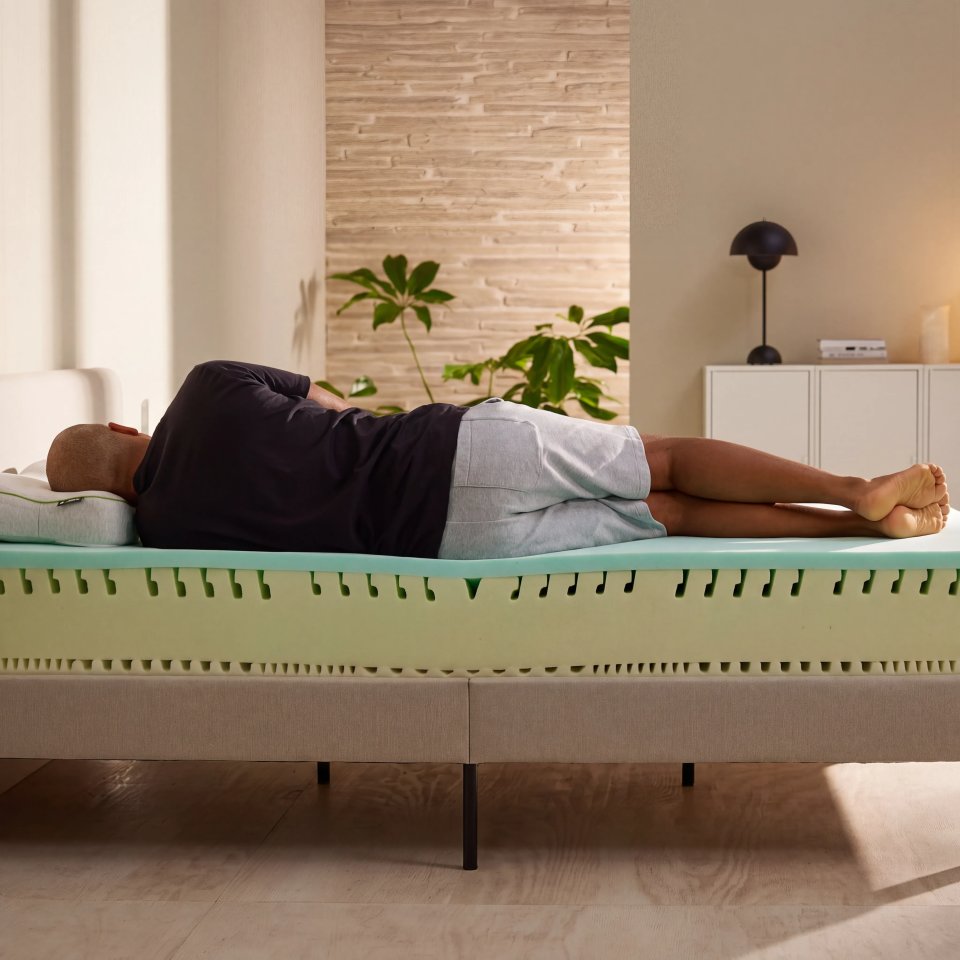
Recovery Base Elite
Available in multiple variants
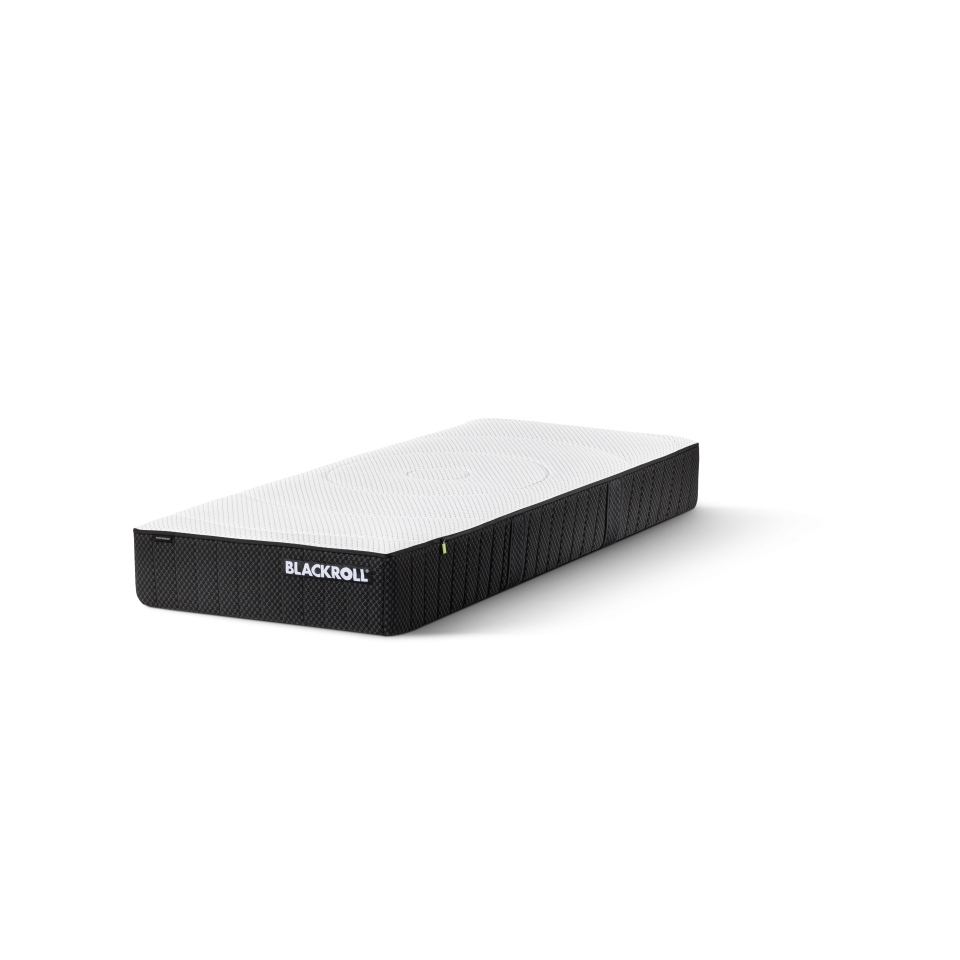
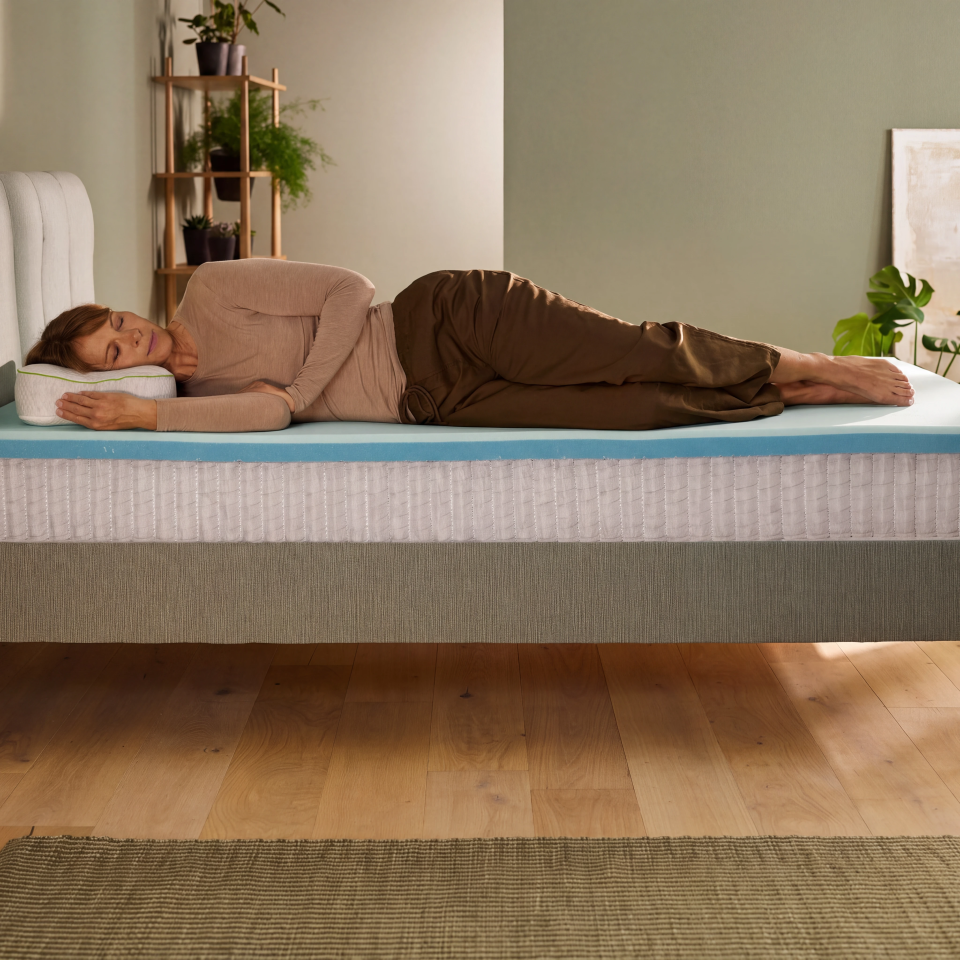
Recovery Base Balance
Available in multiple variants
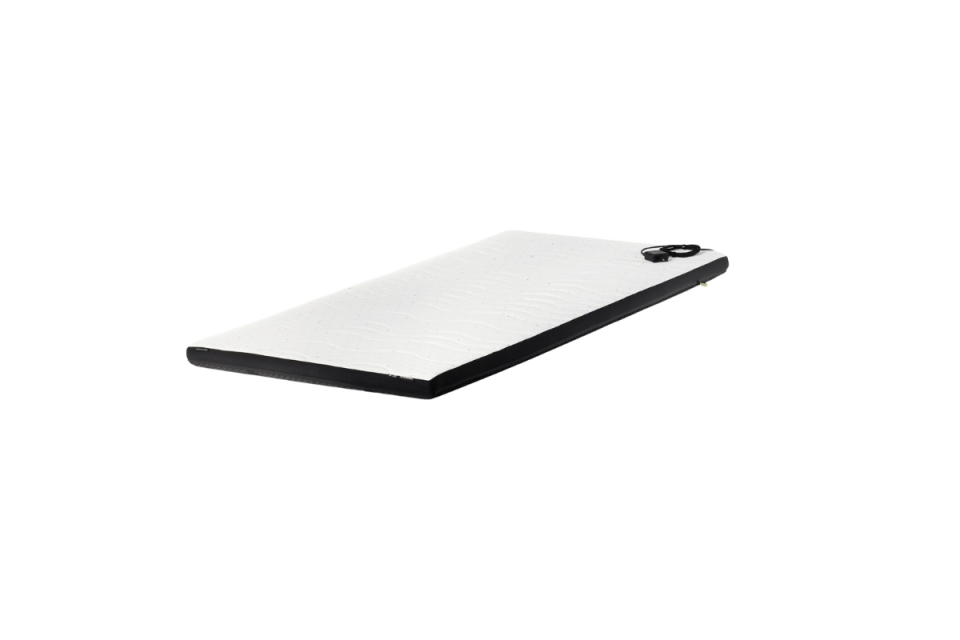

Climate Flow Topper
Available in multiple variants
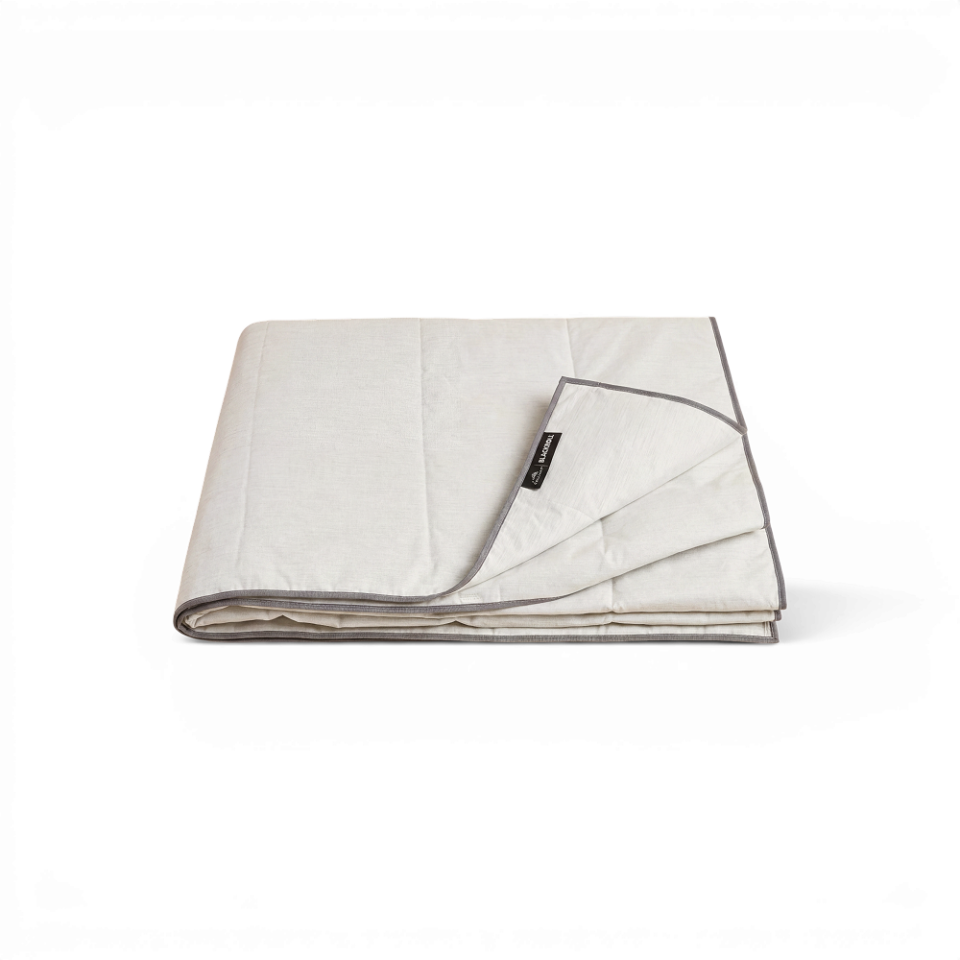
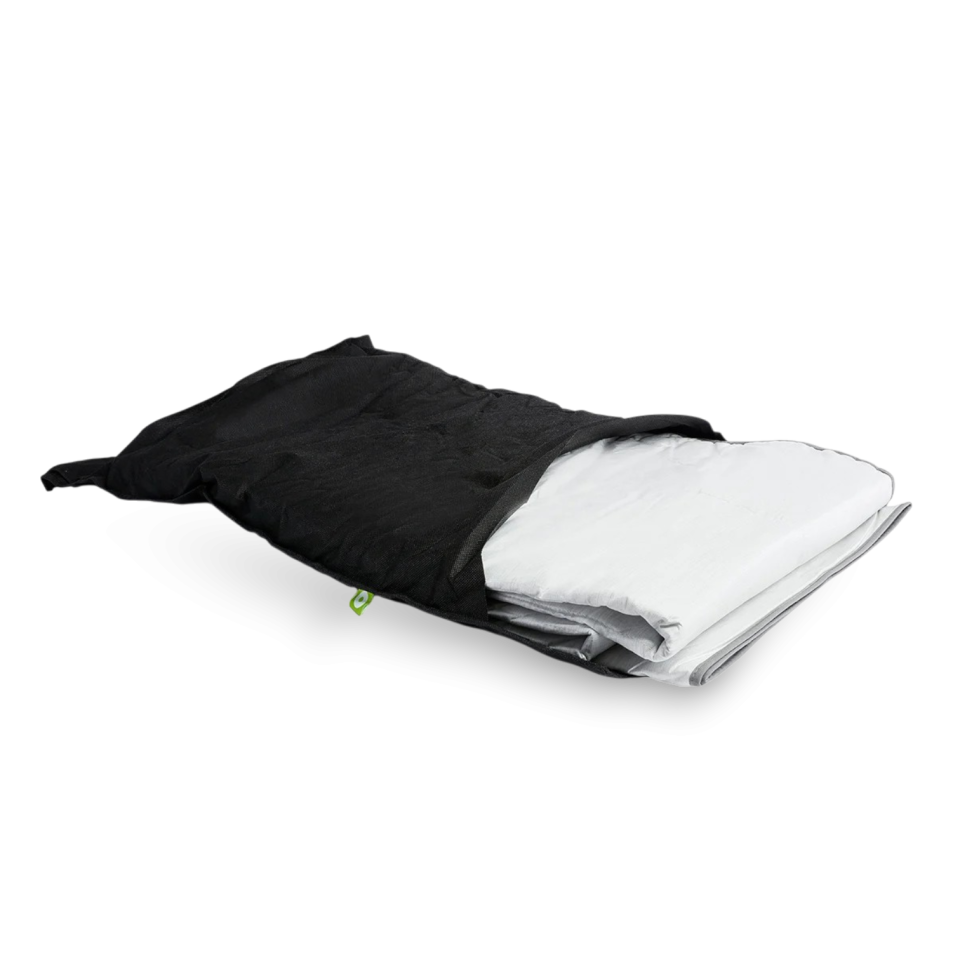
Recovery Blanket Summer
Available in multiple variants
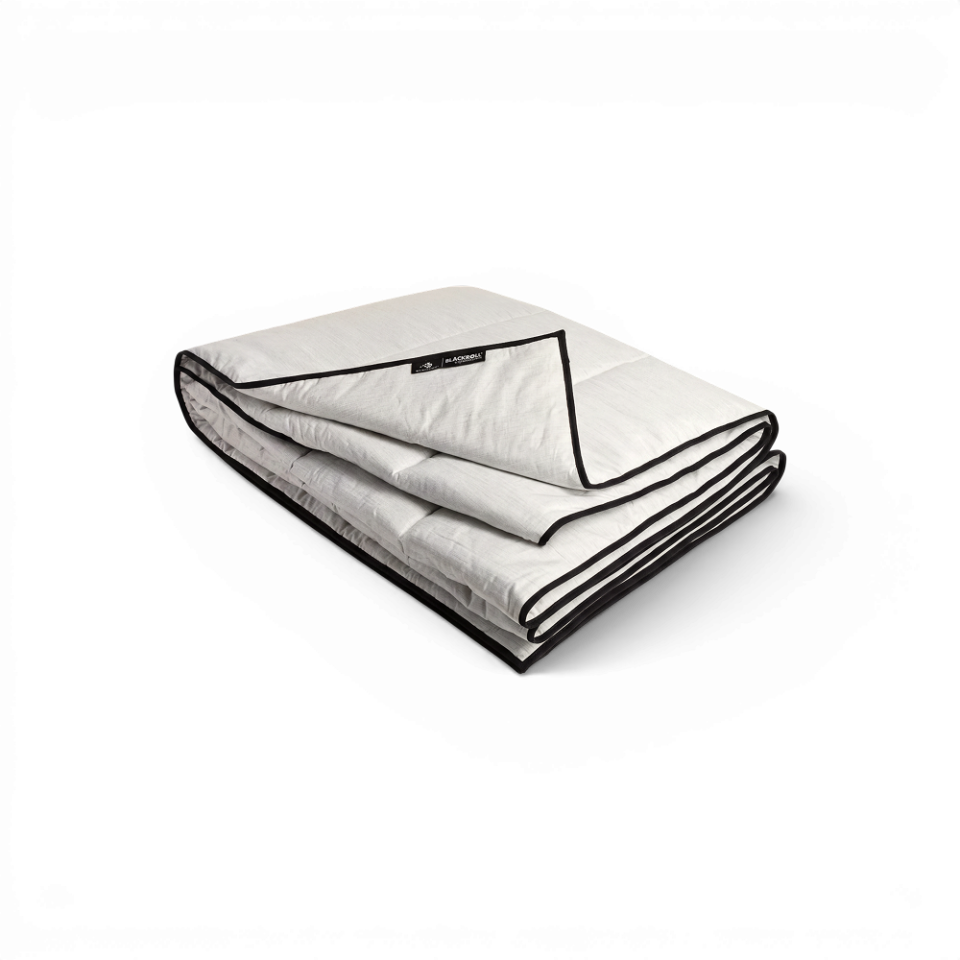
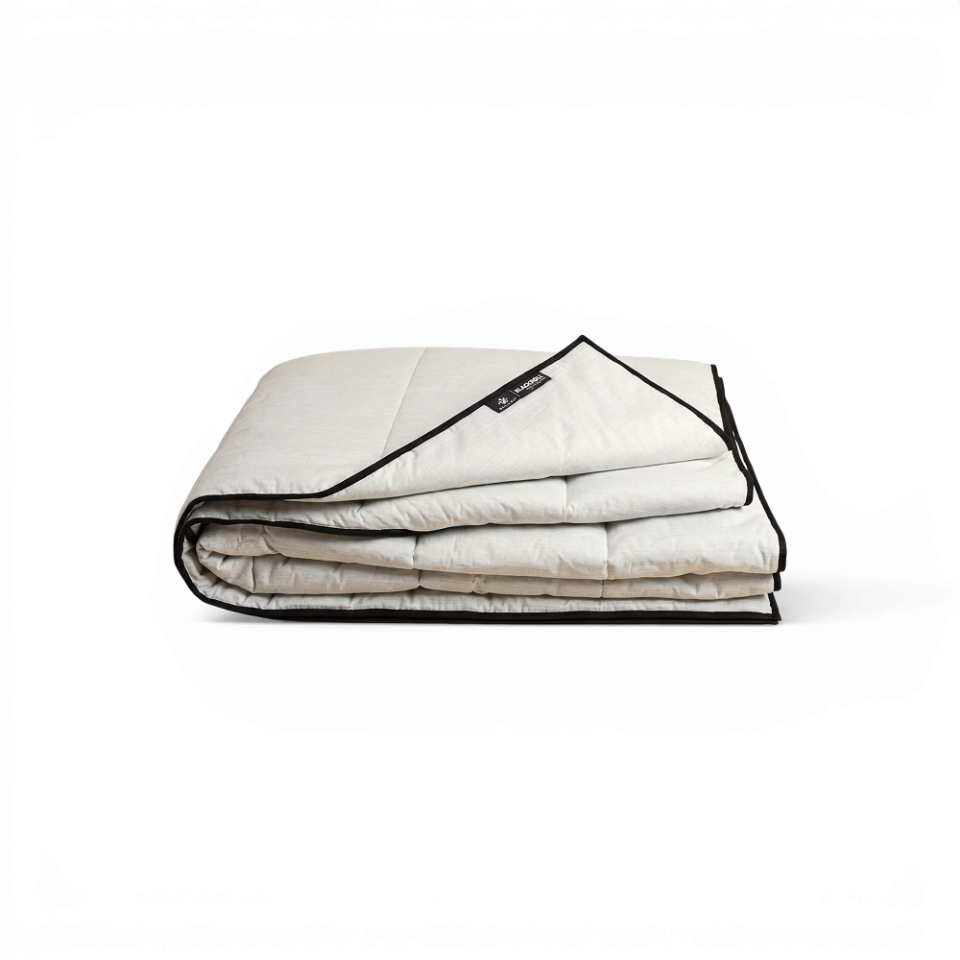
Recovery Blanket Winter
Available in multiple variants
Continue with children’s sleep products



Studies and sources
Hauck, F. R., Tanabe, K. O. and Moon, R. Y. (2016). Sleep-related infant suffocation deaths attributable to soft bedding. Pediatrics, 138(3), e20160702.
Erck Lambert, A. B., Parks, S. E. and Shapiro-Mendoza, C. K. (2018). National and state trends in sudden unexpected infant death: 1990–2015. Pediatrics. 141(3): e20173519.
Mitchell, E. A., Thompson, J. M. D., Ford, R. P. et al. (1996). The current status of the sleeping environment and risk factors for sudden infant death syndrome: A New Zealand-wide study. Journal of Paediatrics and Child Health, 32(1), 45–52.
Shapiro-Mendoza, C. K., Colson, E. R., Willinger, M., et al. (2014). National Infant Sleep Position Study, 1993–2010. Pediatrics, 134(6), e1600–e1607.
Centres for Disease Control and Prevention (CDC). (2025). Nursing pillows in the sleep environment and sudden unexpected infant deaths — United States, 2015–2022. Morbidity and Mortality Weekly Report, 74(19), 555–559.