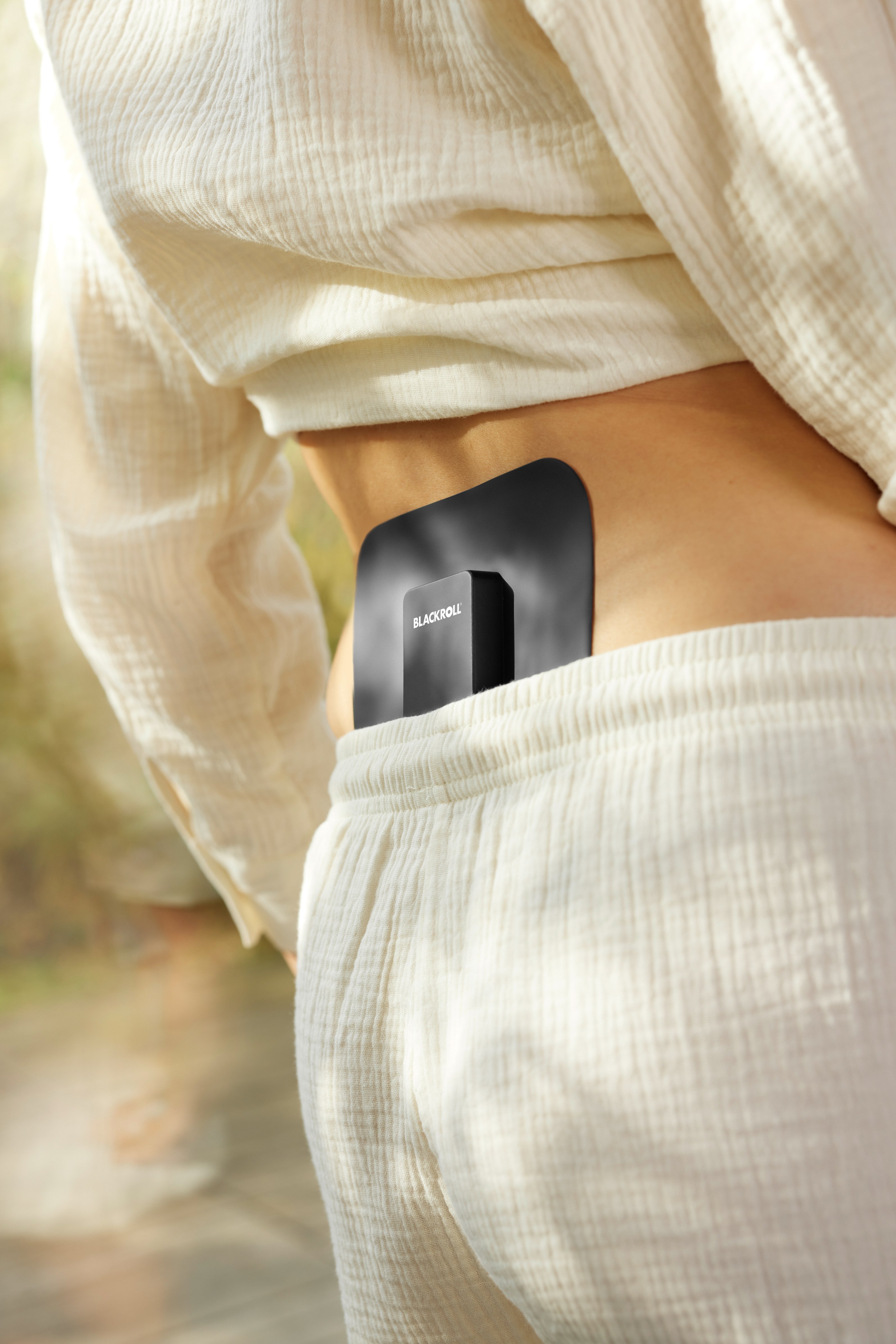

Depending on the product, they release heat to a specific part of the body for several hours. They’re frequently used for muscle tension, back pain or period pain and can help to relax the muscles. The effects, application and possible limitations vary depending on the type of heat therapy and the depth of deep heat used.
In brief
- Disposable heat patches containing iron powder can provide short-term relief for acute and chronic back pain – the evidence from studies is strongest in this area (Nadler et al., 2002; Nadler et al., 2003; French et al., 2006).
- Capsaicin and ABC patches work via a different mechanism and are frequently associated with skin reactions, which are usually temporary but noticeable (Anand and Bley, 2011; Filipczak-Bryniarska et al., 2017).
- Heat creams have a superficial and short-lived effect — the body of research on their effectiveness for muscle and joint complaints is generally limited (Mason et al., 2004).
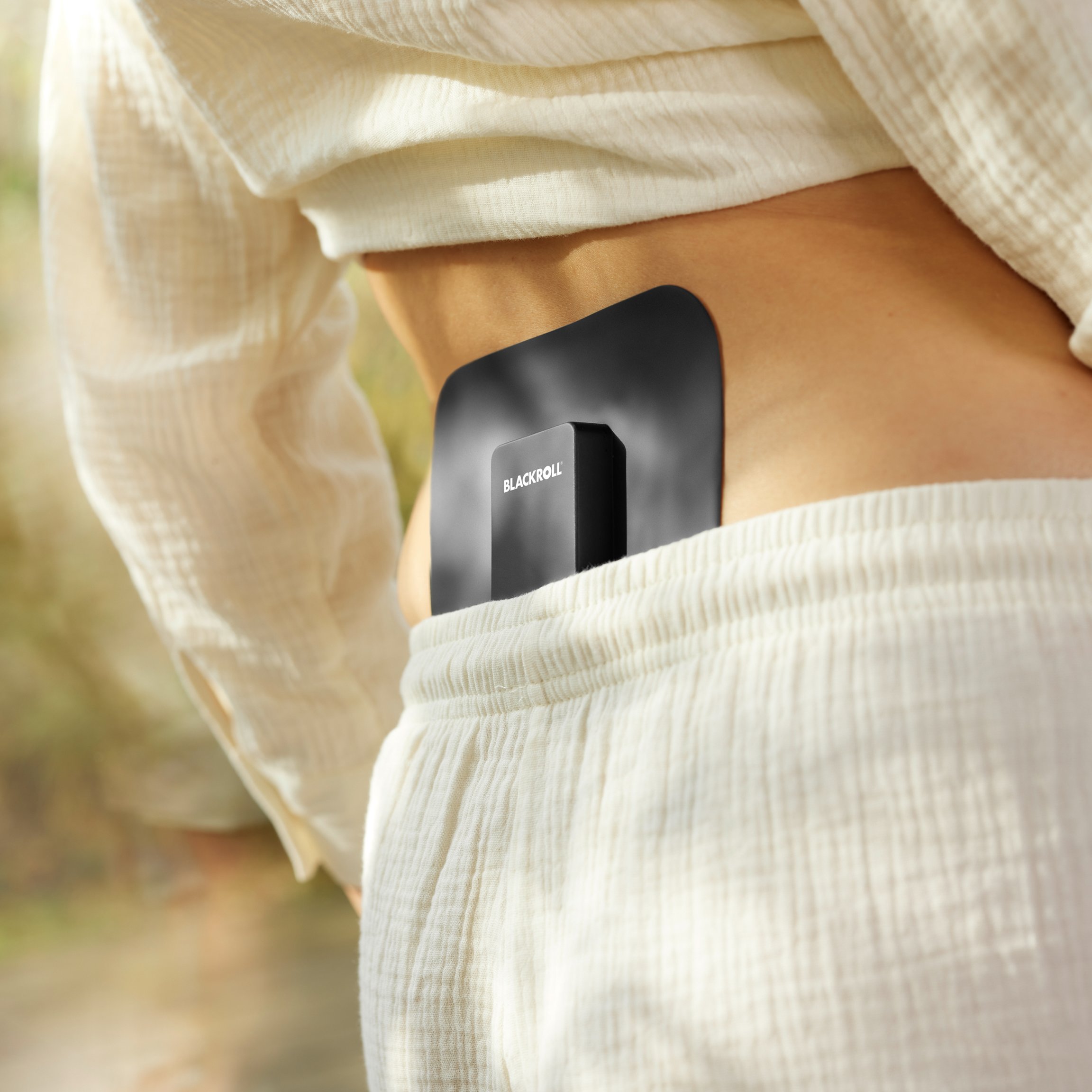
- Reusable, electronically controlled heat pads, such as our reusable BLACKROLL Thermo Pad, deliver constant temperatures over several hours – this is the form of application that has been investigated in many studies on continuous heat therapy (Nadler et al., 2002; Nadler et al., 2003; Freiwald et al., 2021).
Which option is best for you depends on your symptoms, how long you plan to use it and personal preferences such as skin tolerance or sustainability.
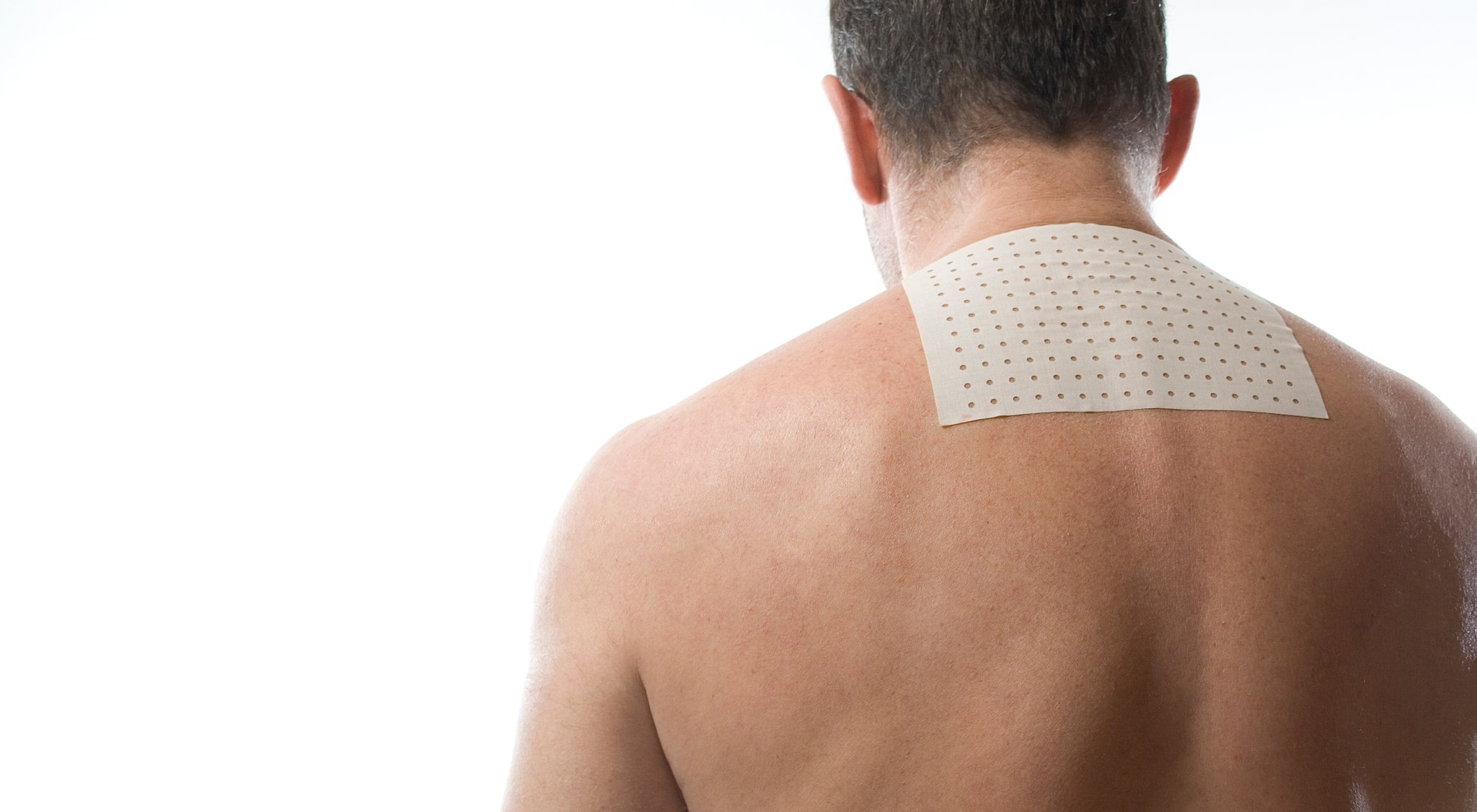

How do heat plasters and heat creams work?
Heat plasters and heat creams work in different ways — some actually generate heat on the skin whilst others merely create a sensation of warmth.
When you explore this category, one distinction is crucial: not every product labelled a ‘heating plaster’ actually emits physical heat.
Essentially, there are three distinct mechanisms of action.
Physical heat through a chemical reaction: plasters filled with iron powder (e.g. iron powder heat wraps)
- They generate heat through an oxidation reaction with oxygen — similar to hand warmers in winter — and release heat over several hours, reaching temperatures of around 40°C.
Sensation of warmth through irritants: Capsaicin and ABC plasters contain ingredients such as capsaicin (from chilli peppers) or cayenne extract.
- They don’t generate actual heat but instead activate nerve fibres via the TRPV1 receptor in the skin, triggering an intense sensation of warmth or even a burning sensation (Anand and Bley, 2011).
External physical heat: Electronically powered heat pads warm the skin via a heating element and can maintain a constant temperature.
- The heat isn’t first generated chemically but is applied directly – in a controlled and uniform manner.
These different mechanisms of action result in noticeably different user experiences – and also in differing scientific findings.
How do disposable heat plasters work?
Disposable heat plasters are the most commonly used form of portable heat therapy — with well-documented effect for back pain, but also clear drawbacks.
What do studies show about iron powder patches?
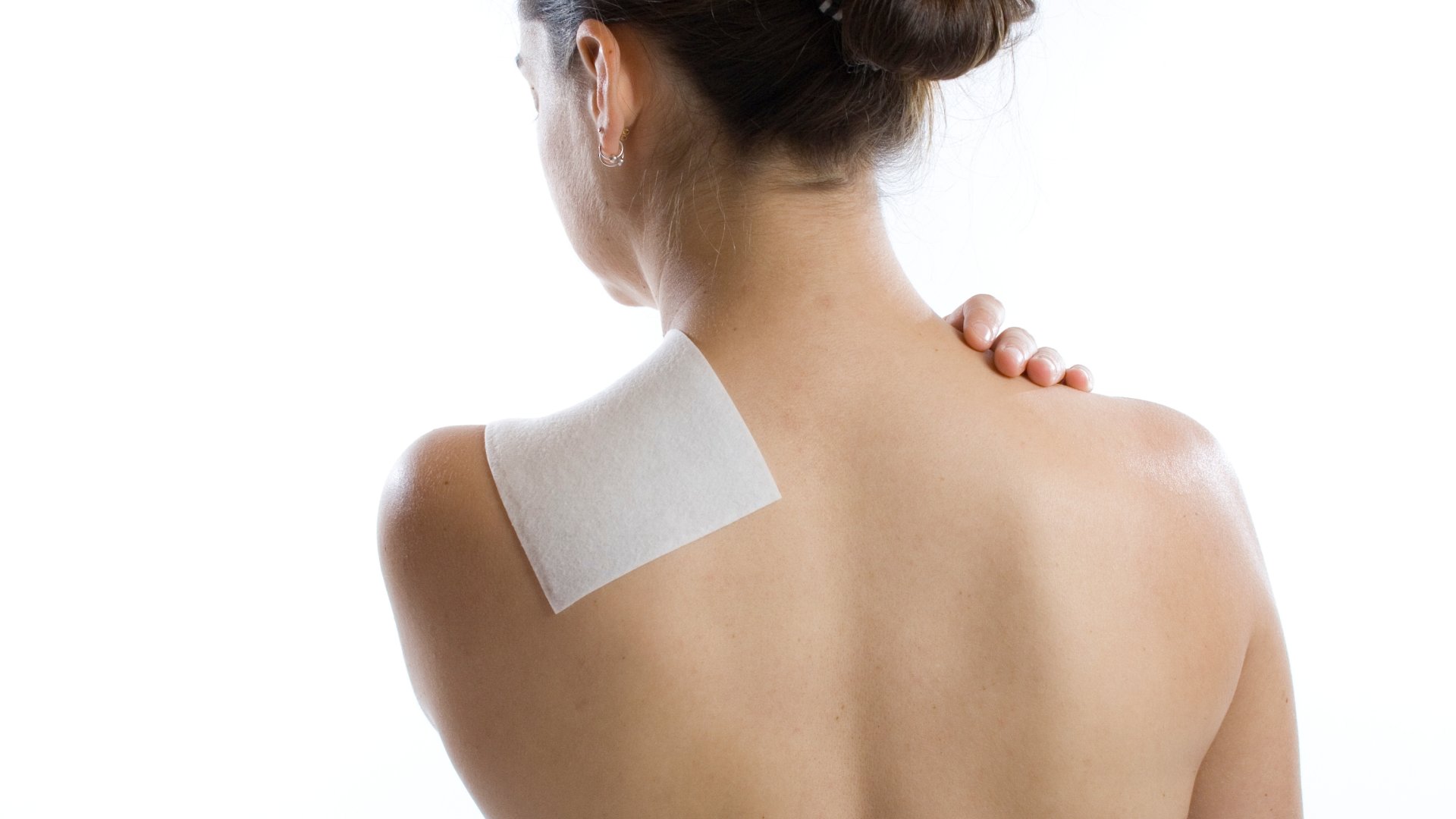
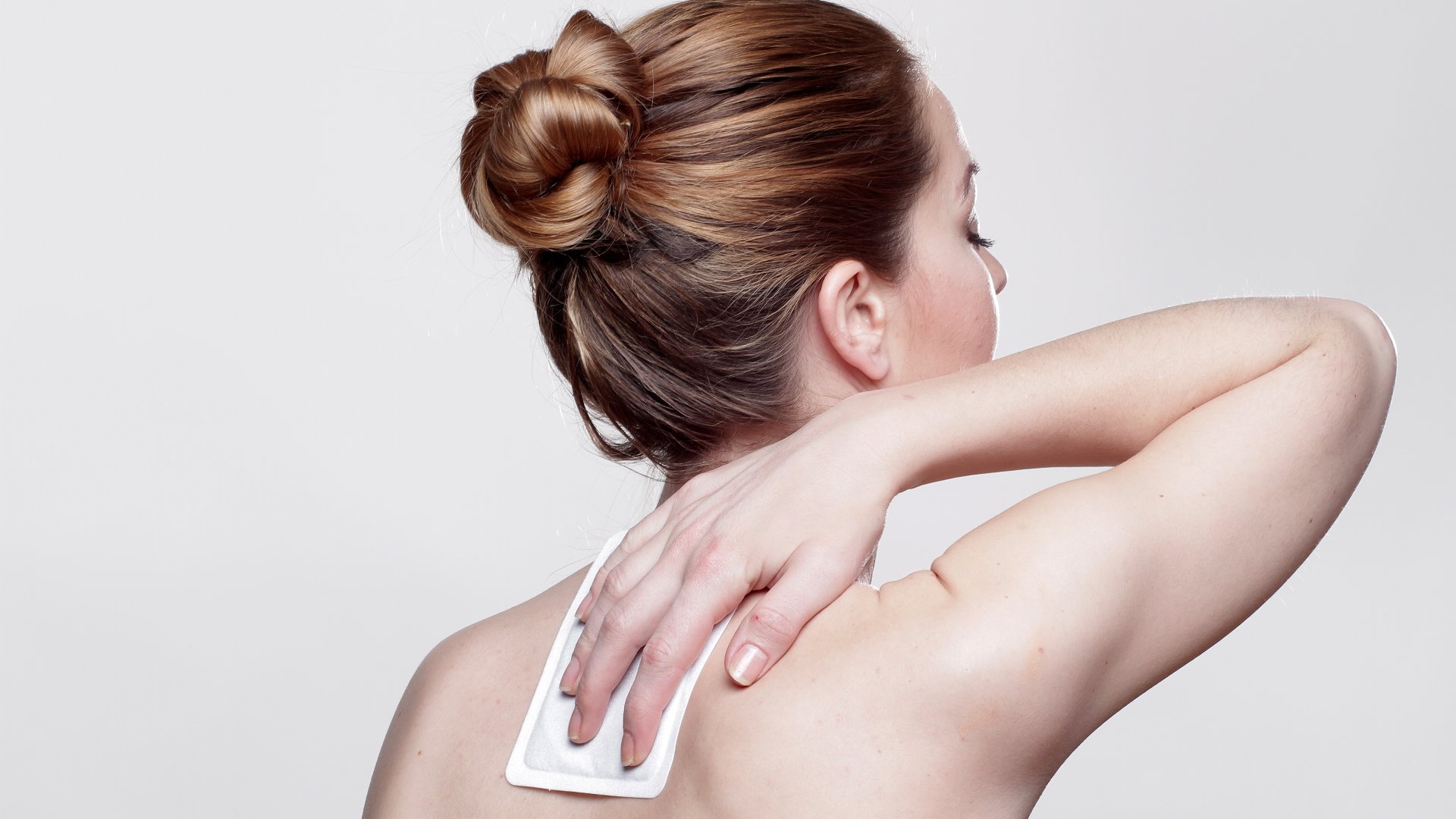
Iron powder heat plasters release a constant flow of heat for around eight hours. In a randomised study, continuous low-level heat for acute non-specific lower back pain showed more favourable short-term outcomes than the comparison groups treated with ibuprofen or paracetamol (Nadler et al., 2002).
A Cochrane review concluded there was ‘moderate evidence’ that heat wraps can bring about small short-term improvements in pain and function in cases of acute and subacute lower back pain (French et al., 2006).
When applied overnight for over 8 h, they also ease morning stiffness and improve mobility, with effects sometimes lasting over 48 h (Nadler et al., 2003). A more recent review describes superficial heat as a useful complementary option for selected musculoskeletal conditions (Freiwald et al., 2021).
How do capsaicin and ABC patches work?
Capsaicin — the spicy active ingredient found in chillies — activates certain nerve fibres in the skin that normally signal heat and pain (known as TRPV1 receptors). This initially triggers a burning sensation, redness and, in some cases, pain. With prolonged or repeated application, these nerve fibres can be temporarily ‘switched off’ and the pain signal is dampened (Anand and Bley, 2011).
Important: high-dose 8% capsaicin patches (e.g. Qutenza) are available on prescription only. They're used to treat so-called neuropathic pain — that is, pain caused by damaged nerves, such as following shingles or in cases of diabetes. These patches aren't intended for treating ordinary tension (Anand and Bley, 2011).
Over-the-counter ABC plasters contain significantly lower concentrations of cayenne pepper extract and are marketed for muscle and joint complaints.
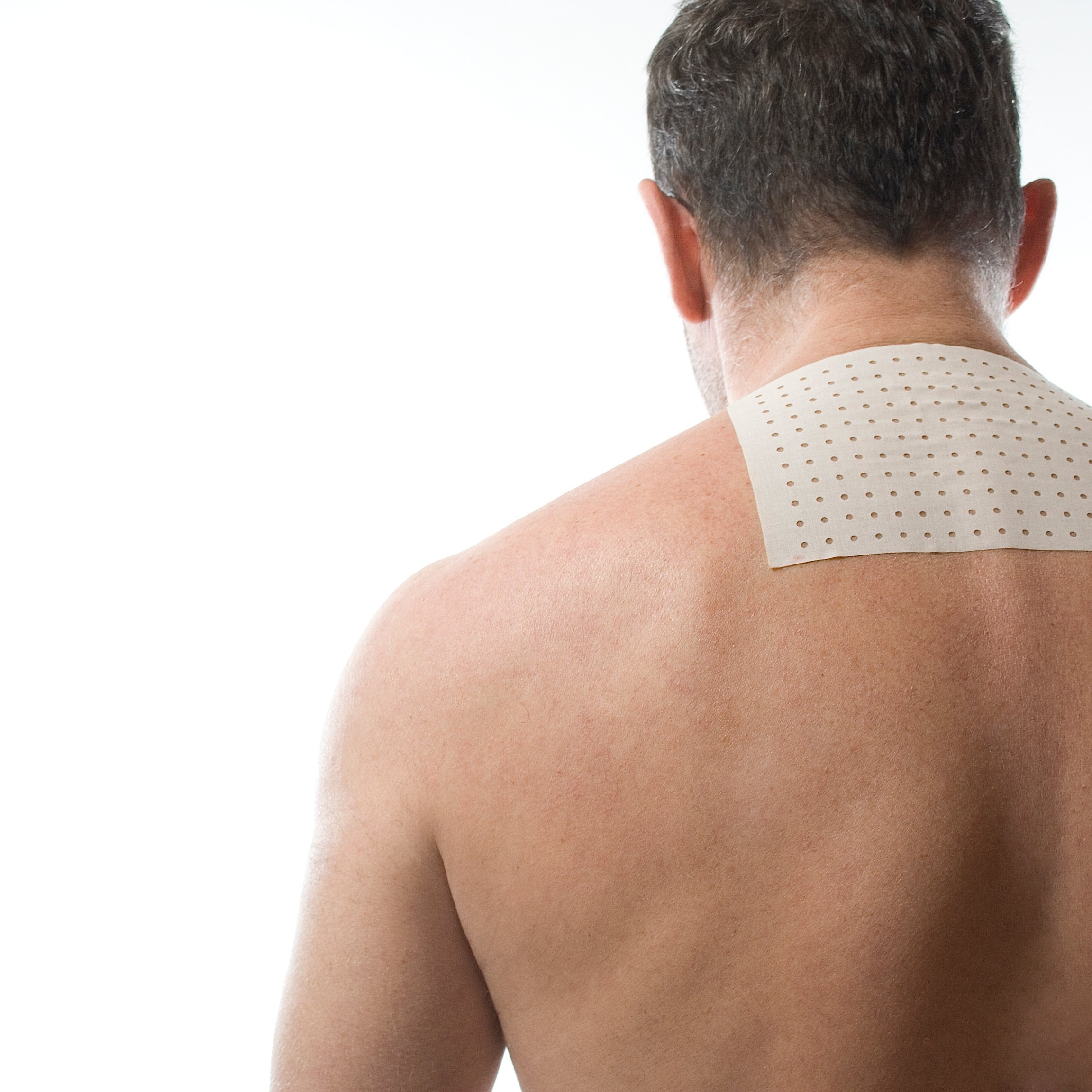
Skin reactions are common: clinical trials of high-dose capsaicin patches regularly report a burning sensation, pain and redness directly at the site where the patch was applied (Filipczak-Bryniarska et al., 2017). Earlier reviews of low-dose topical capsaicin also show that around one third of users experience local side effects (Mason et al., 2004).
Although these reactions are usually temporary, people with sensitive skin should be aware of them.
What are the disadvantages of disposable plasters?
Beyond their purely medicinal effects, disposable heat plasters have inherent disadvantages that can quickly become a significant issue in everyday life:
- Every application creates packaging waste and a used patch.
- The heat output can’t be regulated — once activated, the chemical reaction runs until the end.
- The temperature tends to drop as the application progresses.
- Frequent use adds to running costs.
- Patches containing irritants also raise the risk of skin reactions (Filipczak-Bryniarska et al., 2017).

What are the benefits of reusable heat plasters?
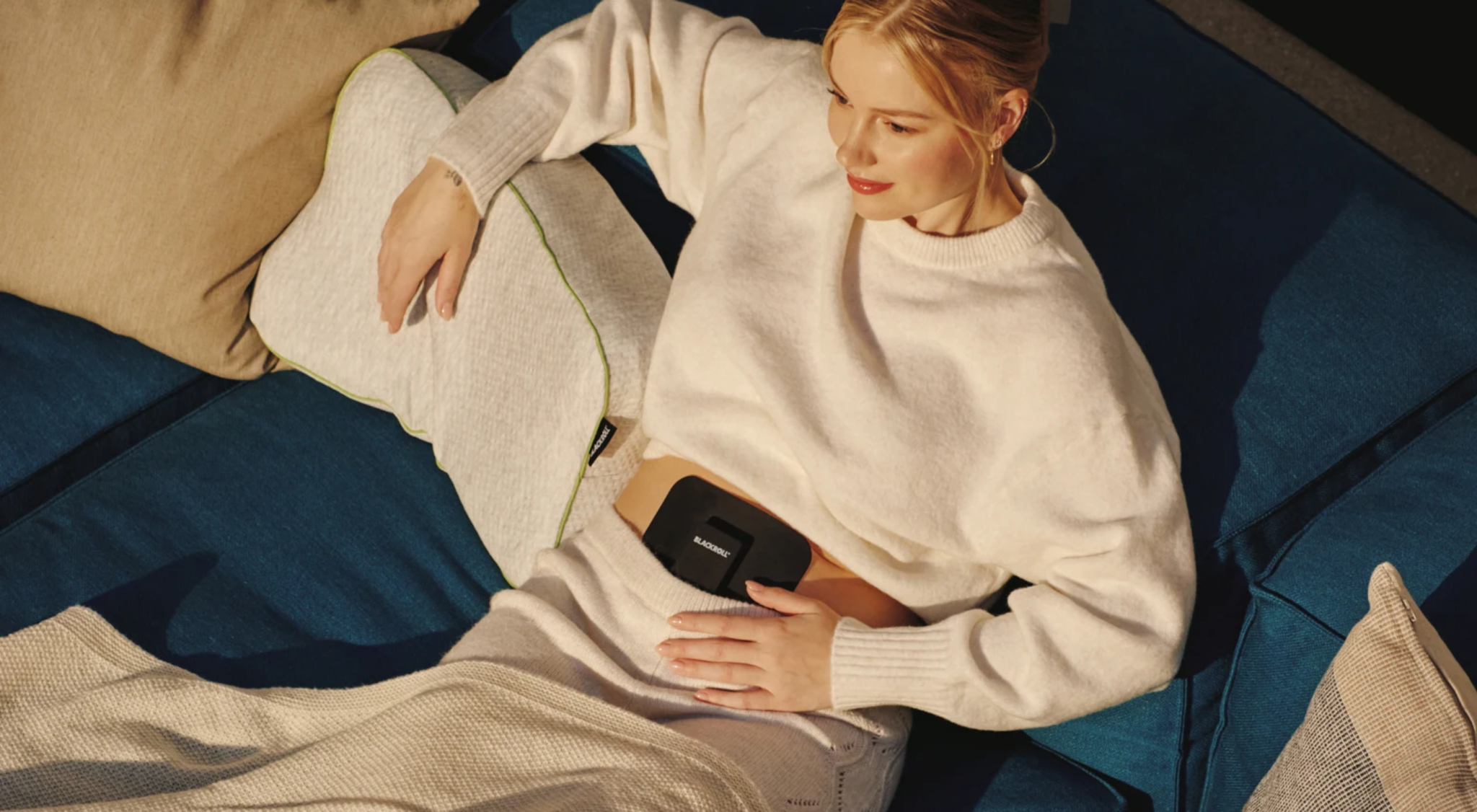
Reusable, electronically controlled heat pads maintain a constant temperature for hours — they combine the mobility of traditional plasters with greater control and sustainability.
They're battery powered so you don't need to plug them in. A small heating element warms the skin to your chosen setting and keeps it there. Unlike short, superficial applications, the constant heat over several hours enables sustained stimulation of blood circulation — a key effect often referred to as deep heat. Unlike the chemical variant, you don’t have to rely on a reaction curve specified by the manufacturer — the heat remains at the same level from the first to the last minute.
What are the benefits?
- Constant temperature throughout the total application period
- No chemical reaction on the skin, so you're less likely to experience irritation if you have sensitive skin
- They're also significantly more cost-effective than disposable solutions over multiple applications
- Less packaging and product waste
- Choose the duration and frequency that suit you.
What should you bear in mind?
Reusable pads require a little preparation: charge the battery and, if necessary, replace the adhesive film. This can be done quickly as part of your everyday life, but it’s worth bearing in mind – if you need warmth spontaneously and without advance notice, you might prefer a hot water bottle or a disposable heat patch.
The upfront cost is higher than a pack of disposables, yet over months and years it rarely matters.

How do heat creams work — and how reliable are they?
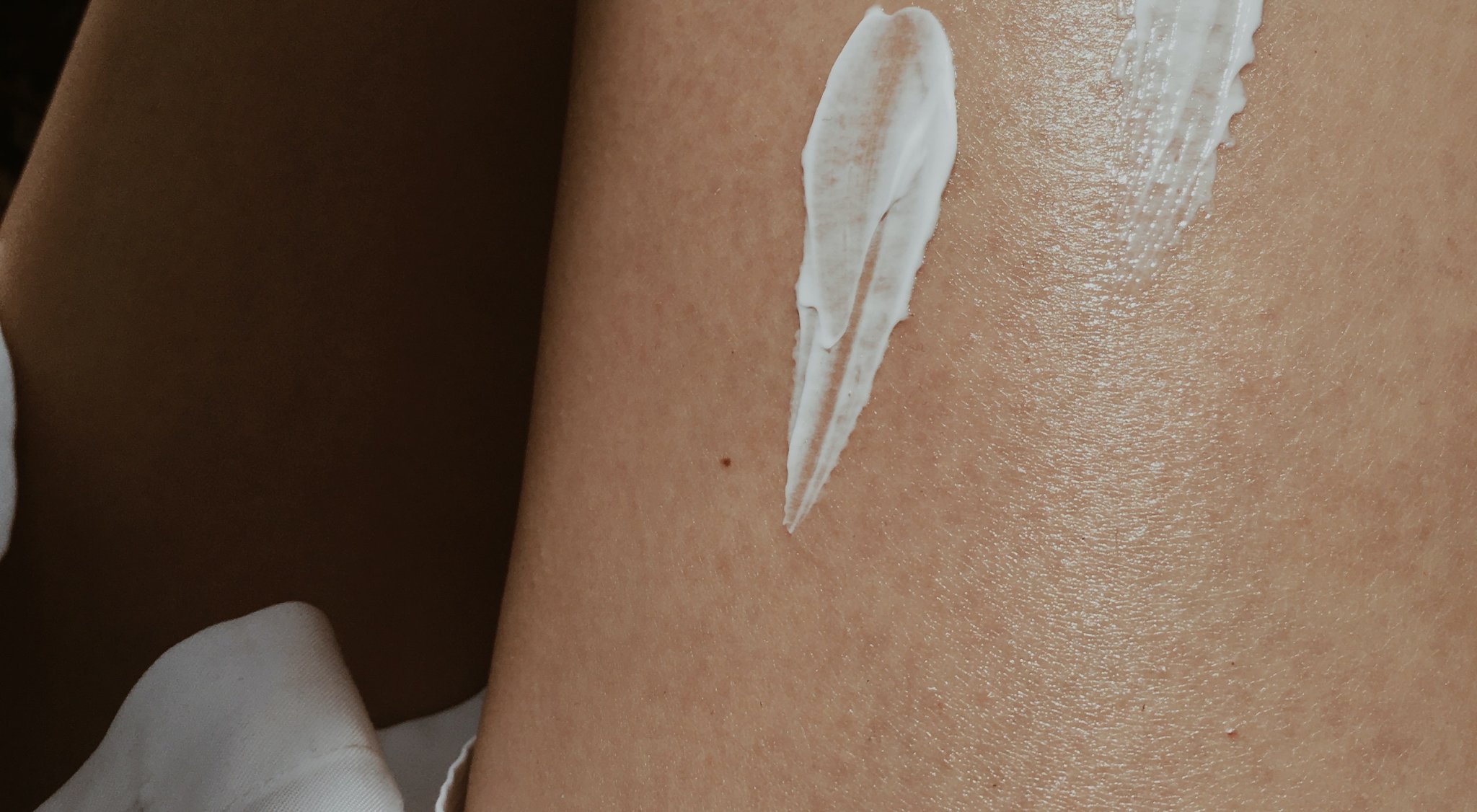
Heat creams are quick and easy to apply, and while they may provide some symptomatic relief, research suggests their effectiveness for muscle and joint pain is limited.
They usually contain capsaicin (from chilli peppers), methyl salicylate (chemically related to aspirin), menthol or similar active ingredients, creating a warming or cooling sensation on the skin without actually producing physical heat.
The effect of capsaicin-containing creams on muscle and joint pain is moderate to weak – according to one study, around a third of users also experienced skin reactions such as a burning sensation or redness (Mason et al., 2004).
What are the benefits of heat creams?
- Apply quickly without plasters
- Apply flexibly to different areas of the body
- Compact and travel-friendly
What are the drawbacks?
- Skin reactions such as a burning sensation and redness may occur [6]
- The effect is usually limited to the uppermost layers of the skin.
- Avoid contact with eyes and mucous membranes to prevent irritation.
- Residues of the active ingredient may transfer to clothing and bed linen.

Which product is suitable for which purpose?
The best heat therapy solution for you depends on your symptoms, how long you plan to use it and your personal preferences.
The table below can help guide you.
Criterion | Disposable patch (iron powder) | Capsaicin/ABC patches | Heat cream | Reusable heat pad |
|---|---|---|---|---|
Mechanism of action | Physical heat | Irritant-based sensation of warmth | Irritant-based sensation of warmth | Electronically generated heat |
Typical duration of effect | up to 8 h | several hours to days | 1–3 h | up to 8 h per battery charge |
Temperature stability | Decreasing over time | Not uniform | Not uniform | Constant |
Skin compatibility | Generally good | Reactions are common (Filipczak-Bryniarska et al., 2017) | Reactions possible (Mason et al., 2004) | Generally good |
Reusable | No | No | Multiple per tube | Yes |
Cost per application | medium | Medium to high | low | Low (after purchase) |
Waste generated | High | High | Tube waste | Very low |


Which solution is best for which situation?
Consider your symptoms, lifestyle and how often you'll use it to choose the right option.
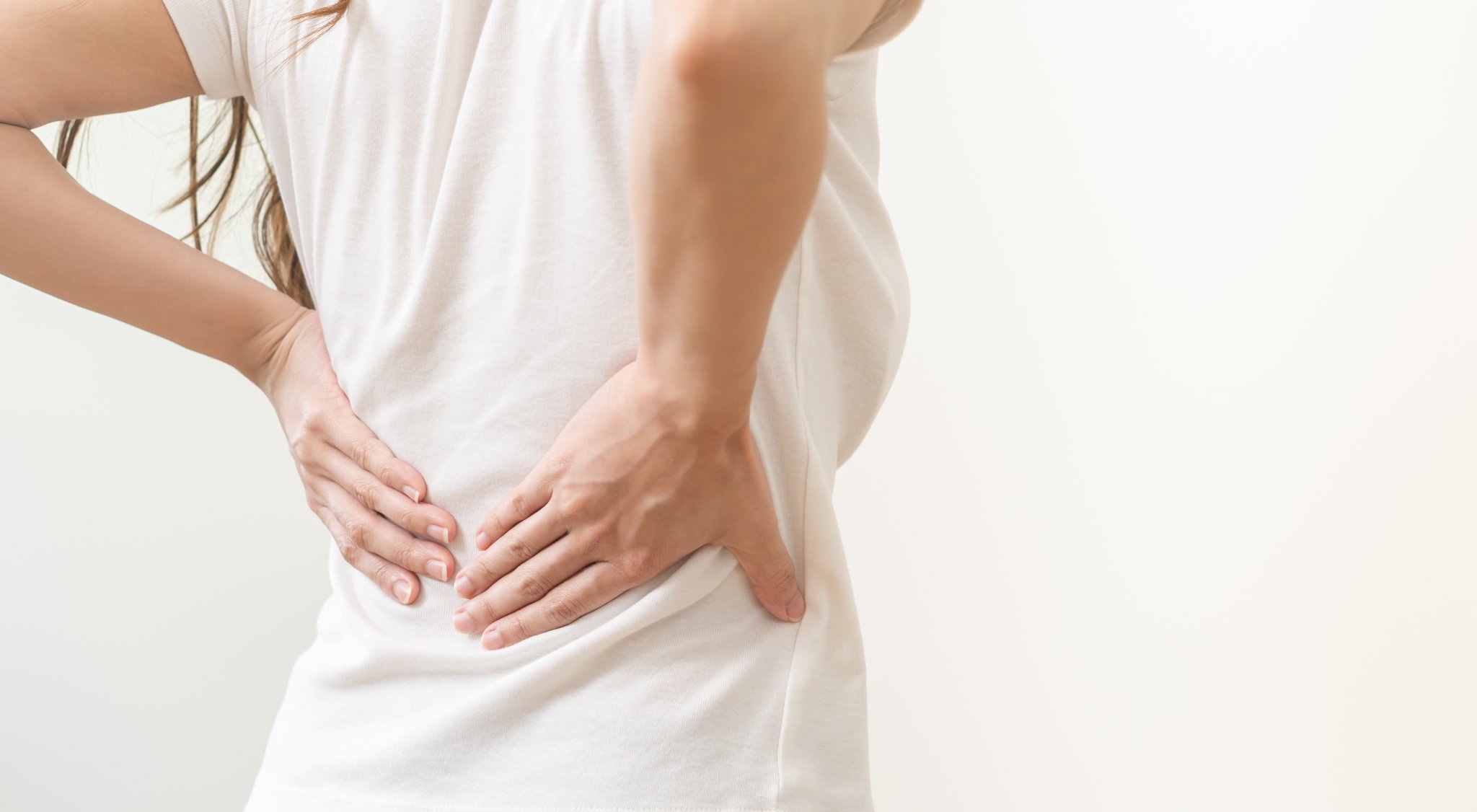
For acute back pain
The evidence is strongest for continuous, low-intensity heat applied over several hours, particularly in cases of acute and subacute non-specific lower back pain (Nadler et al., 2002; Nadler et al., 2003; French et al., 2006).
Both iron powder plasters and reusable heat pads can help.
If you repeat the application regularly, you'll benefit in the long term from the reusability and constant temperature profile.

In everyday office life
When tension strikes at work — typically in the neck, shoulders or lower back — discretion and ease of use matter. Our patch solutions sit comfortably under clothing and we've found many people prefer them to heat creams, which can have an overpowering smell.
Battery-powered heat pads offer both discretion and control over heat duration.

During sport and recovery
Before mobility exercises or to relax tense muscles after training, localised heat can reduce the subjective feeling of tension (Freiwald et al., 2021). If you regularly incorporate heat into your routine, choose reusable solutions — they’re more cost-effective.

For menstrual cramps
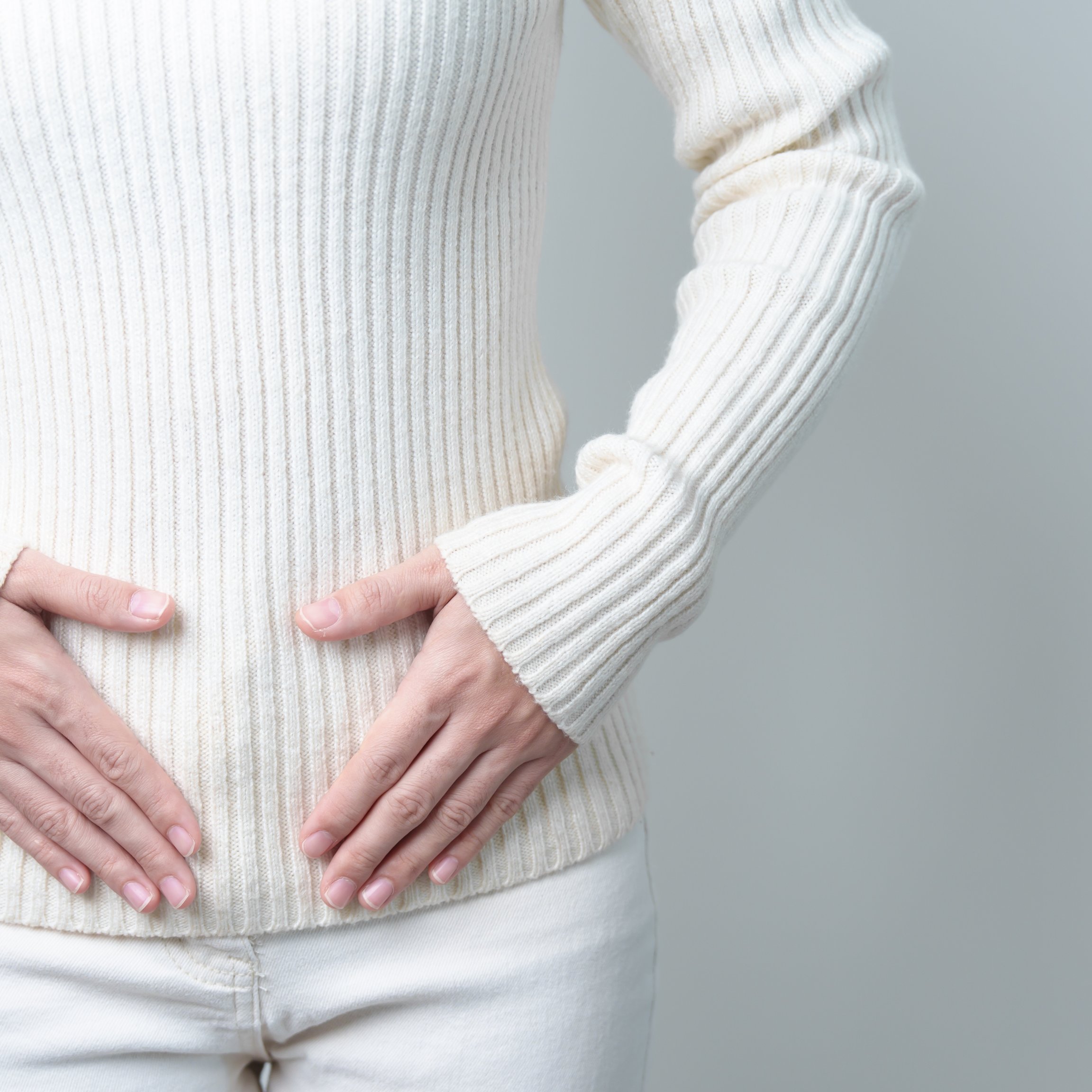
Applying local heat to the abdominal area can provide relief from menstrual cramps where there’s no underlying physical condition – known in medical terms as ‘primary dysmenorrhoea’ (Kannan and Claydon, 2014). Discretion is often important, so portable patches or heat pads have the advantage over hot water bottles because you can wear them out and about to relieve period pain.
For sensitive skin
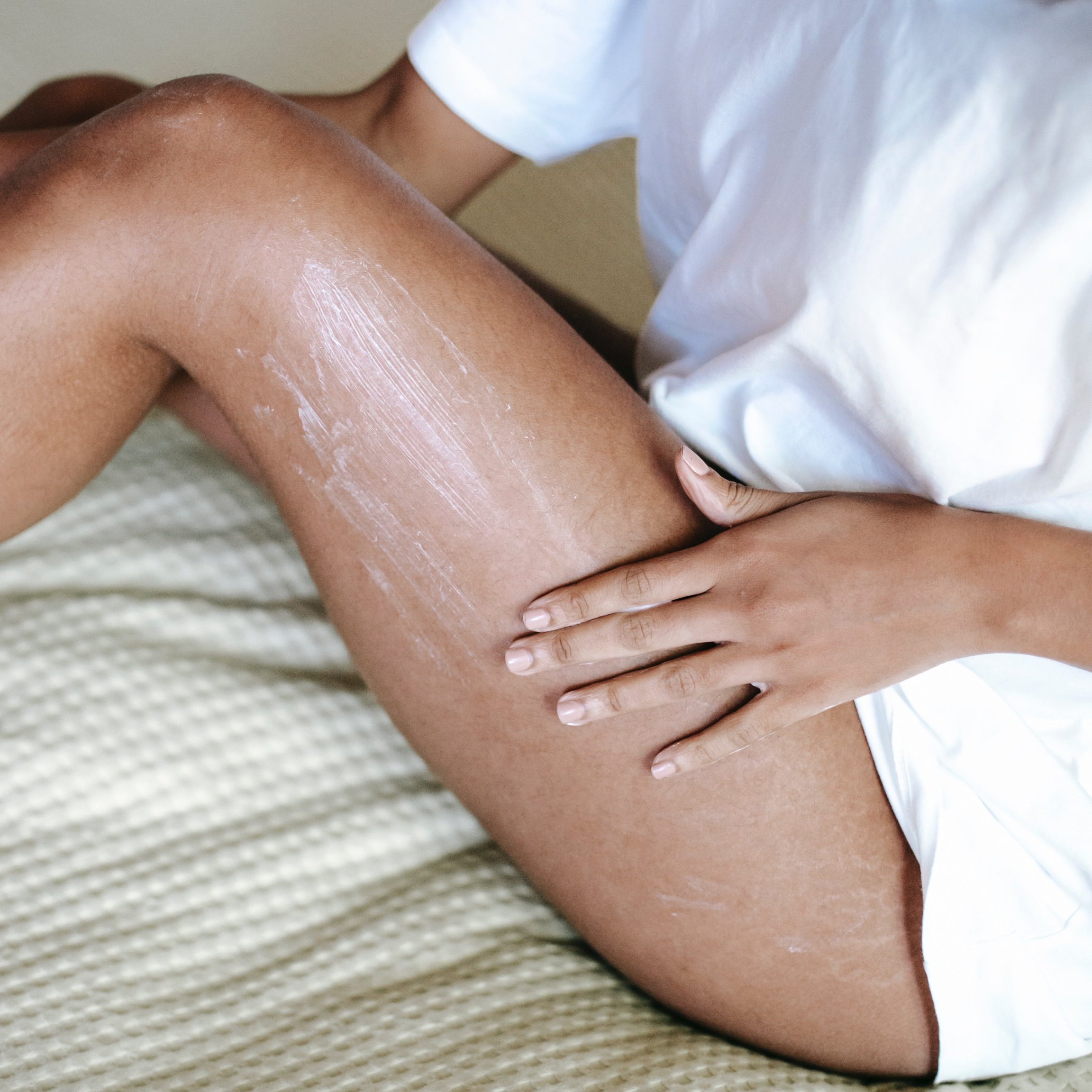
If you react quickly to active ingredients, avoid patches and creams containing irritants. Iron powder patches and electronic heat pads are generally the better choice here, as they don't contain capsaicin or similar irritants (Filipczak-Bryniarska et al., 2017).

What makes the BLACKROLL® THERMO PAD different from disposable heat plasters?
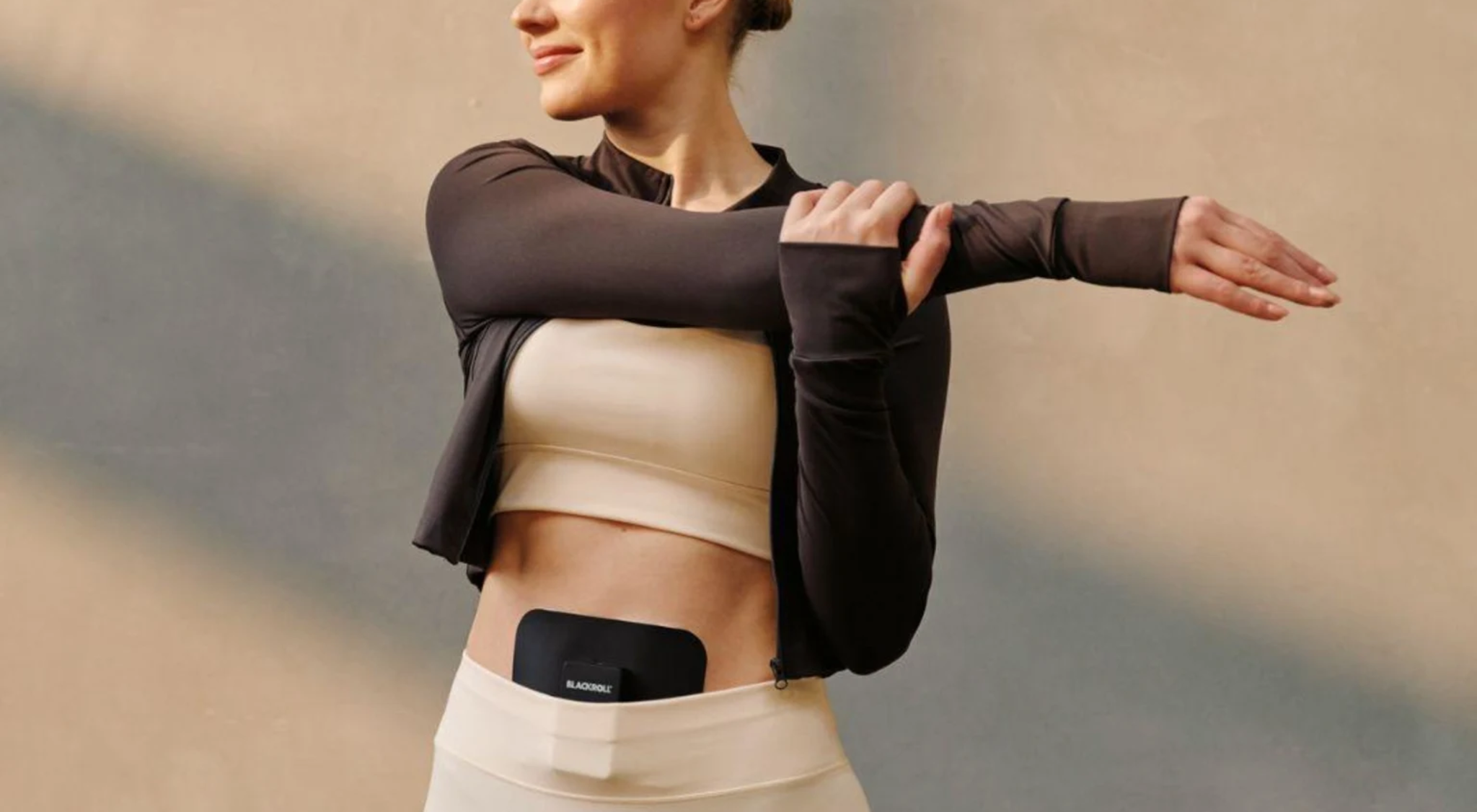
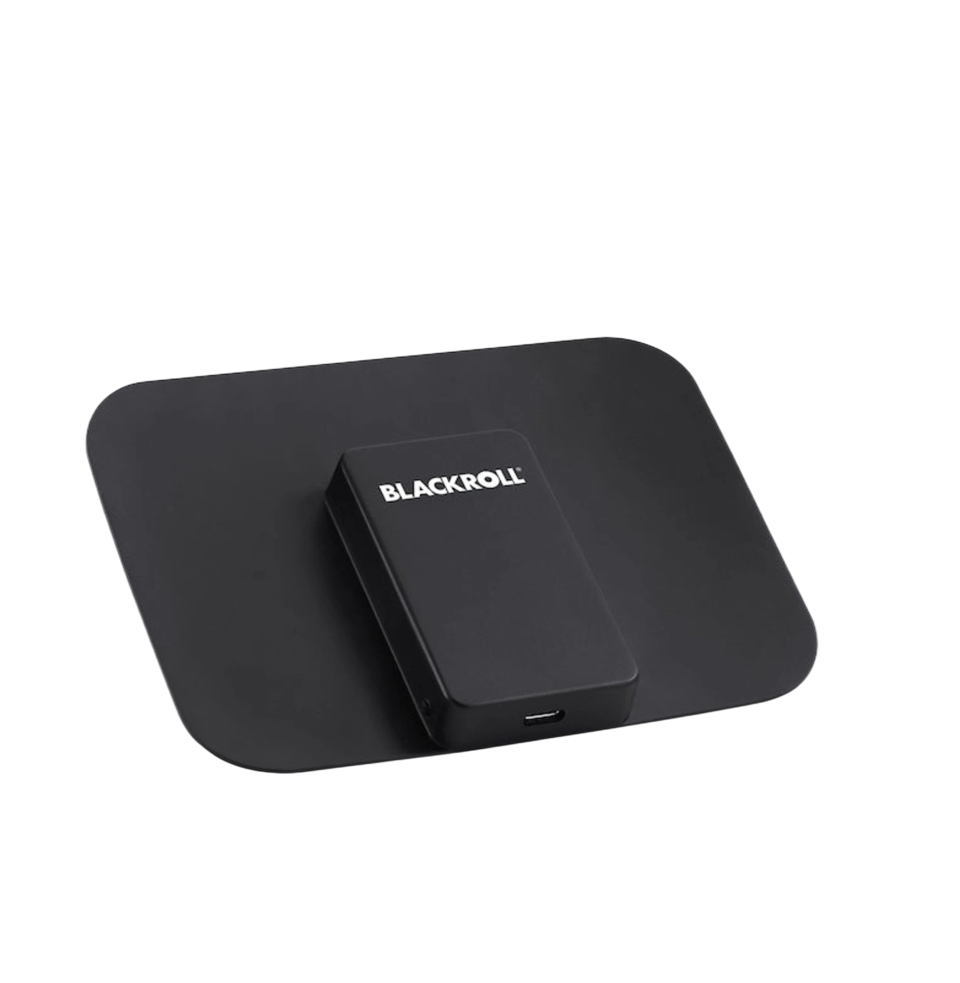
The Thermo-Pad is designed for continuous local heat application over several hours, following the principle of continuous low-level heat therapy that's been studied primarily in relation to acute and subacute non-specific lower back pain (Nadler et al., 2002; Nadler et al., 2003; Freiwald et al., 2021).
The pad is electronic and battery-powered. Start the heat treatment at the touch of a button — no app required, no chemical reaction. The temperature remains constant throughout the entire treatment period, rather than dropping off over time as with iron-powder plasters. This is the key difference compared to traditional disposable solutions: you not only get heat, but a predictable and consistent temperature.
An example routine for tension-related back pain
- Apply the BLACKROLL® THERMO PAD to your lower back for 20 to 30 min to prepare the muscles for movement.
- Mobilisation: Perform targeted mobilisation exercises, such as gentle spinal mobilisation on the BLACKROLL® STANDARD.
- Finish with gentle self-massage to maintain tension release in muscles and connective tissue.
What are the benefits of the pad in everyday life?
- It’ll run for up to 8 h on a single charge.
- The adhesive films can be reused up to five times.
- It’s small, light and portable — it’ll fit in any bag.
- The skin-friendly adhesive film contains no active ingredients.
- It's tested for skin compatibility in accordance with ISO 10993-5.
What are the limitations of use?
Don’t use it during acute inflammation, swelling, fever, fresh injuries or on open wounds.
If you have reduced skin sensitivity — for example, due to diabetes or a neurological condition — consult a doctor before use. Don't use it while you're sleeping or charging.
Your routine for back pain
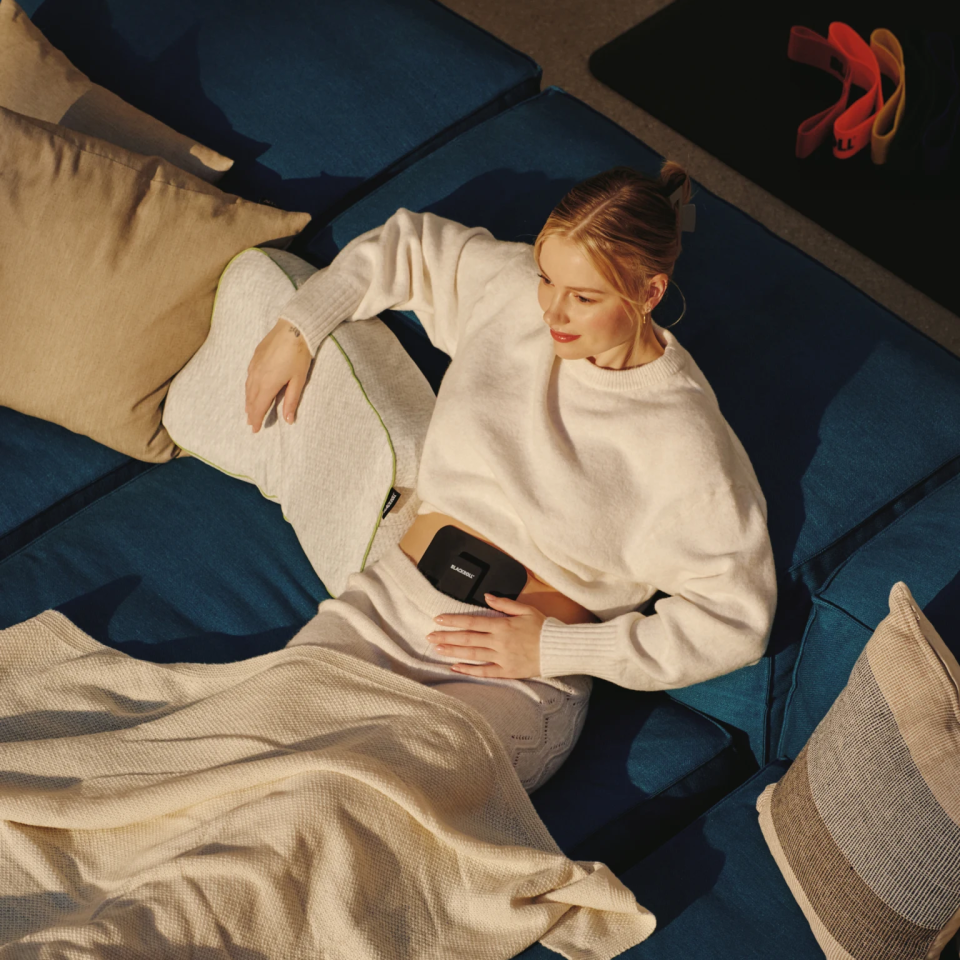


08 Use heat sensibly and appropriately for the situation
Whether it’s disposable plasters, heat-relief creams or reusable heat pads — every product has its strengths and weaknesses. For acute back pain, the evidence is strongest for continuous heat applied over several hours. Capsaicin plasters and creams can be an option, but are often associated with skin reactions.
If you use heat therapy regularly, you'll find reusable solutions that maintain a constant temperature help reduce waste and costs over time.
Listen to your body and ideally combine heat with exercise and myofascial release — that is, targeted self-massage to loosen muscles and connective tissue.

Read more


Frequently asked questions about heat plasters and heat creams
Iron powder-based disposable heat patches typically release heat for around eight hours, with the temperature gradually decreasing over time (Nadler et al., 2002; Nadler et al., 2003).
Reusable electronic heat pads maintain a constant temperature for the duration of the battery life, often also up to eight hours. Capsaicin and ABC plasters work differently — the sensation of warmth they provide can last from several hours to days.
When used correctly, heat plasters are considered safe. Skin reactions are possible, particularly with capsaicin plasters containing irritants: studies regularly report a burning sensation, pain and redness directly at the site where the plaster was applied (Filipczak-Bryniarska et al., 2017; Mason et al., 2004).
Take care if you have acute inflammation, fresh injuries, open wounds or reduced skin sensitivity (e.g. diabetes).
That depends on the specific application. Heat plasters containing iron powder provide genuine physical heat for several hours — the evidence base for back pain is strongest in this area (Nadler et al., 200; French et al., 2006). Warming creams have a shorter-lasting and more superficial effect; their effectiveness for muscle and joint complaints is rated as limited in systematic reviews (Mason et al., 2004). For longer and more intensive application, plasters are usually the better choice.
Yes, battery-powered electronic heat pads such as the BLACKROLL® THERMO PAD can be reused many times. They maintain a constant temperature, reduce packaging waste and are more cost-effective than disposable patches over multiple applications. Only the adhesive film needs to be replaced when necessary.
Yes, this is possible – particularly with capsaicin and ABC patches. Clinical studies regularly report a burning sensation, pain and redness directly at the site where the patch was applied (Filipczak-Bryniarska et al., 2017; Mason et al., 2004). Iron-powder and electronic heat pads cause fewer reactions but irritation can still occur if the temperature is too high, the patch stays on too long or you have sensitive skin. Stop use immediately if you notice redness or discomfort.
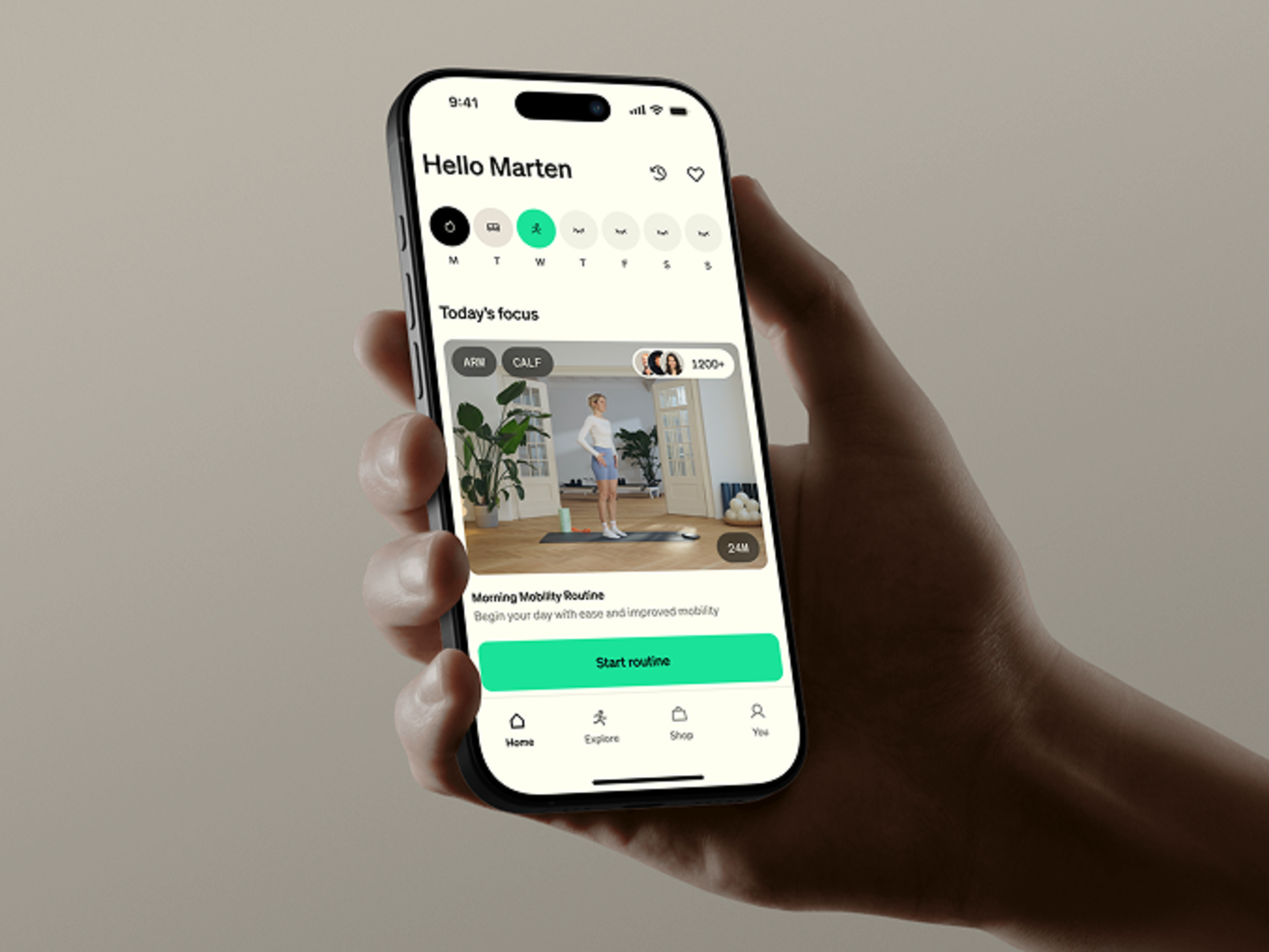
All exercises in our App
Download our free app to find more than 500 exercises and configure your own workouts, track your trainings and progress. Save your favorite routines and exercises and learn how to recover, train your flexibility and strength as well as your athletic capabilities.
Sources
Nadler, S. F., Steiner, D. J., Erasala, G. N., Hengehold, D. A., Hinkle, R. T., Beth Goodale, M., Abeln, S. B. and Weingand, K. W. (2002). Continuous low-level heat wrap therapy provides greater efficacy than ibuprofen and paracetamol for acute low back pain. Spine, 27(10), 1012–1017.
https://pubmed.ncbi.nlm.nih.gov/12045527/
Nadler, S. F., Steiner, D. J., Petty, S. R., Erasala, G. N., Hengehold, D. A. and Weingand, K. W. (2003). Overnight use of continuous low-level heat wrap therapy for the relief of low back pain. Archives of Physical Medicine and Rehabilitation, 84(3), 335–342. https://pubmed.ncbi.nlm.nih.gov/12638055/
French, S. D., Cameron, M., Walker, B. F., Reggars, J. W. and Esterman, A. J. (2006). A Cochrane review of superficial heat or cold for low back pain. Spine, 31(9), 998–1006. https://pubmed.ncbi.nlm.nih.gov/16641776/
Anand, P. and Bley, K. (2011). Topical capsaicin for pain management: therapeutic potential and mechanisms of action of the new high-concentration 8% capsaicin patch. British Journal of Anaesthesia, 107(4), 490–502.
https://doi.org/10.1093/bja/aer260
Filipczak-Bryniarska, I., Krzyzewski, R. M., Kucharz, J., Michalowska-Kaczmarczyk, A., Kleja, J., Woron, J., Strzepek, K., Kazior, L., Wordliczek, J., Grodzicki, T. and Krzemieniecki, K. (2017). High-dose 8% capsaicin patch in the treatment of chemotherapy-induced peripheral neuropathy: single-centre experience. Medical Oncology, 34, Item 162. https://doi.org/10.1007/s12032-017-1015-1
Mason, L., Moore, R. A., Derry, S., Edwards, J. E. and McQuay, H. J. (2004). Systematic review of topical capsaicin for the treatment of chronic pain. BMJ, 328(7446), 991. https://pubmed.ncbi.nlm.nih.gov/15033881/
Freiwald, J., Magni, A., Fanlo-Mazas, P., Paulino, E., de Medeiros, L. S., Moretti, B., Schleip, R. and Solarino, G. (2021). A role for superficial heat therapy in the management of non-specific, mild-to-moderate low back pain in current clinical practice: A narrative review. Life, 11(8), Item 780. https://doi.org/10.3390/life11080780
Kannan, P. and Claydon, L. (2014). Some physiotherapy treatments may relieve menstrual pain in people with primary dysmenorrhoea: a systematic review. Journal of Physiotherapy, 60(1), 13–21.
https://doi.org/10.1016/j.jphys.2013.12.003