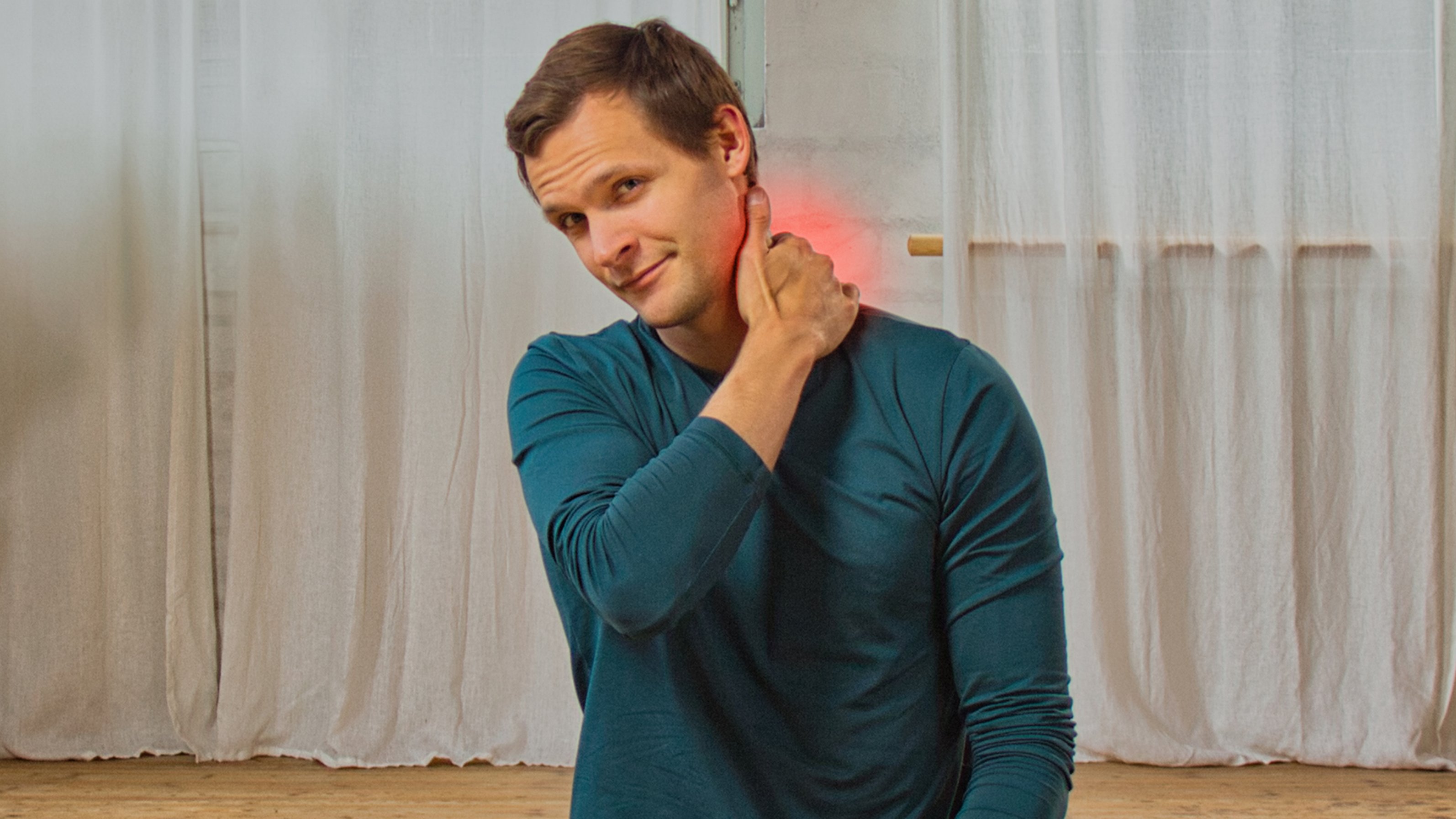
Neck pain: where it comes from and what helps now

Neck pain is often caused by poor posture, one-sided strain, an awkward sleep position or stress. Heat, gentle mobilisation, targeted self-massage and relaxation exercises can help to relieve tension and improve mobility. If symptoms persist or are accompanied by additional symptoms such as numbness, a fever or signs of paralysis, seek medical advice.


Symptoms by clinical picture: when should you see a doctor?
Neck pain can, on the one hand, be a symptom accompanying various medical conditions. On the other hand, it can constitute a clinical condition in its own right. The symptoms are rarely confined to the neck area alone.
The following symptoms may occur with neck pain:
Description / Symptom / Possible condition
Aching or throbbing pain in the shoulders, arms, fingers, head or jaw
- Radiating pain
- Herniated disc in the cervical spine, cervical spine syndrome
Stiff neck, particularly in the mornings, restricted turning/tilting of the head
- Reduced mobility
- Ankylosing spondylitis, rheumatoid arthritis
Hardened muscles (trigger points), tenderness on pressure and possibly muscle weakness
- Muscular symptoms
- Myofascial pain syndrome, fibromyalgia
Headache, dizziness, tinnitus and visual disturbances
- Neurological
- Meningitis, migraine
Poor posture, compensatory posture, possibly torticollis
- Postural changes
Chronic cervical spine syndrome, scoliosis

Neck pain: acute or chronic?
Acute neck pain usually settles within a few days to two weeks and isn't usually cause for concern. If the pain lasts longer than three months it's classed as chronic and you should see a doctor.
Recognise your symptoms and relieve your pain
Although the causes are usually harmless, the symptoms of neck pain often have a significant impact on your quality of life. With targeted exercises and treatments, you can often relieve neck pain quickly. However, it’s important not to just do anything at all. A mobilisation exercise or a relaxing hot water bottle won’t help in the long run if the cause of your discomfort is poor posture. However, for sudden bouts of tension, mobilisation exercises (when done correctly) are often exactly what you need.
Find out what will help with your symptoms right now.
How long have you been experiencing the pain?
- A few hours
- A week
- Over a month
What does the pain feel like?
- Dull / aching
- Pressing when moving
- Stabbing / electric-like
Do you feel any restriction or pain with certain movements?
- When turning
- When tilting
- When tilting
Possible treatment methods
Applyheat to relax: use a hot water bottle, take a warm shower or apply an ointment to improve circulation and aid relaxation
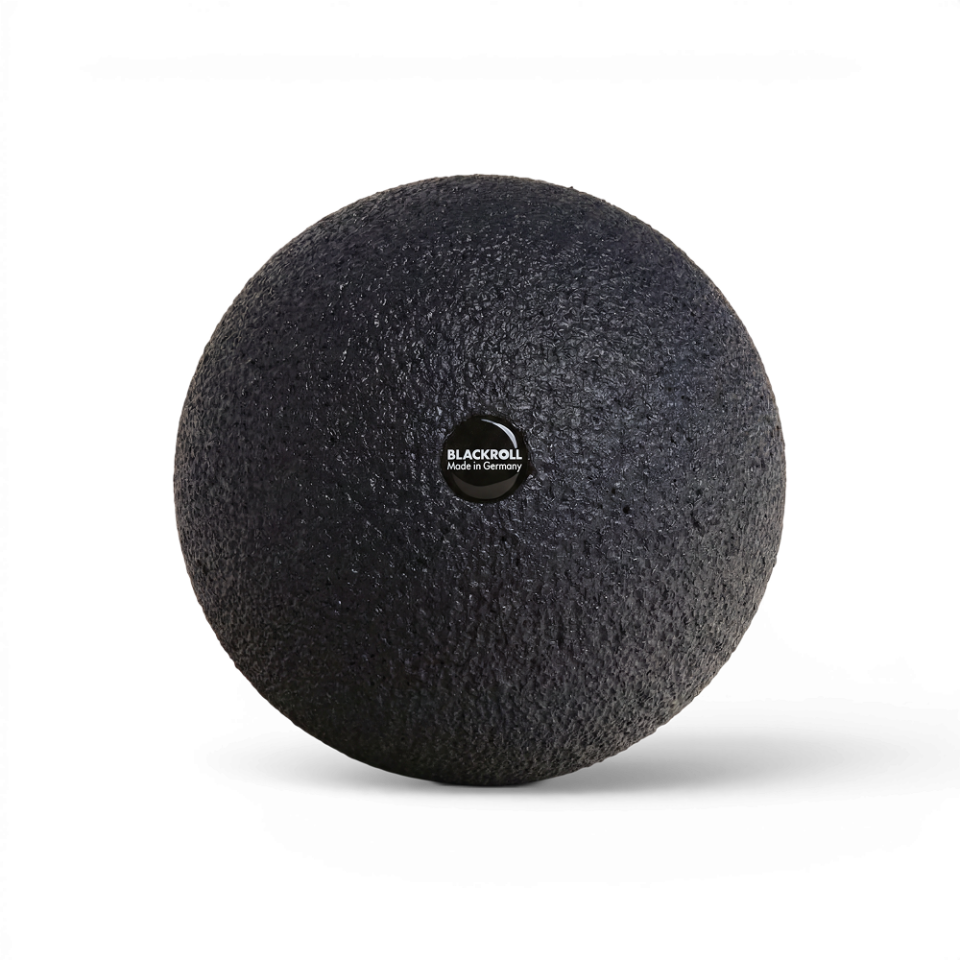
Use gentle fascia massage to reduce muscle tone (for example BLACKROLL® Duoball).
Gently mobilise with mobilisation exercises to improve mobility (app / starter set,
Optimise your posture, for example with a workplace set-up that addresses the root cause using the Posture trainer
Reduce stress to lower muscle tension
See a doctor if your neck pain is accompanied by nausea, vomiting, light sensitivity, fever, shivering, numbness or weakness.
If your neck pain is accompanied by nausea, vomiting, sensitivity to light, fever, chills, neurological symptoms or signs of paralysis, seek medical advice. Depending on your symptoms, your GP, an orthopaedic surgeon, a neurologist, a psychotherapist or a psychiatrist may be the right person to consult. These specialists can investigate the cause of your symptoms in more detail and initiate appropriate treatment.


First aid: what to do if you have neck pain.
When it hurts, you need help straight away. But what provides quick relief for neck pain? Regular exercises relieve tension, boost circulation and noticeably improve mobility and well-being.
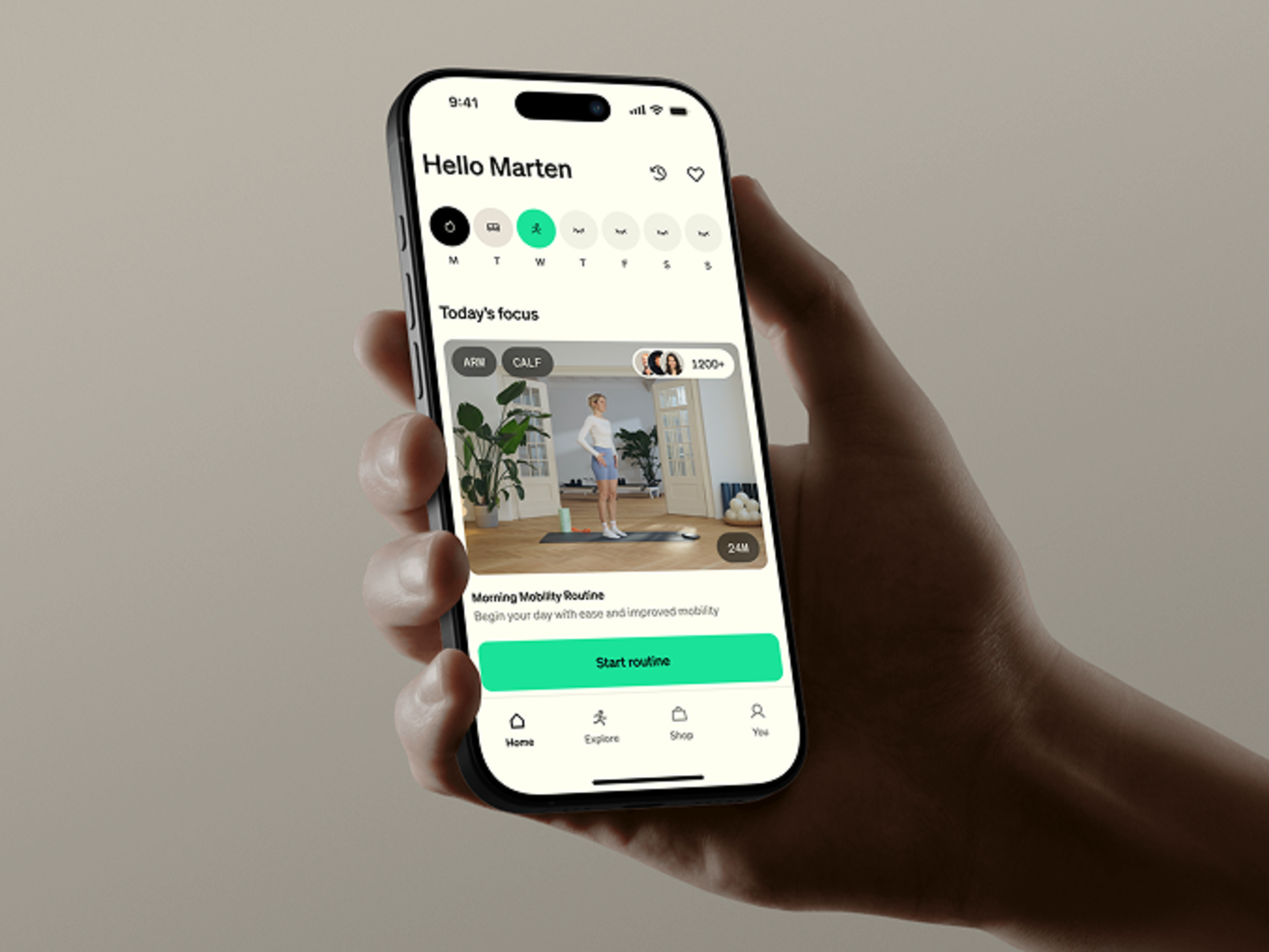
The more precisely you treat your symptoms, the quicker and more sustainably you’ll relieve them. Our treatment recommendations and tips for neck pain, tailored to your symptoms, will help you with this. You’ll find exercises you can do at any time, including video tutorials and exercise routines, in the BLACKROLL APP.
All exercises in our App
Download our free app to find more than 500 exercises and configure your own workouts, track your trainings and progress. Save your favorite routines and exercises and learn how to recover, train your flexibility and strength as well as your athletic capabilities.
Treatment based on symptoms
Apply heat to encourage relaxation.
+ Gentle fascia massage
Gently mobilise the area.
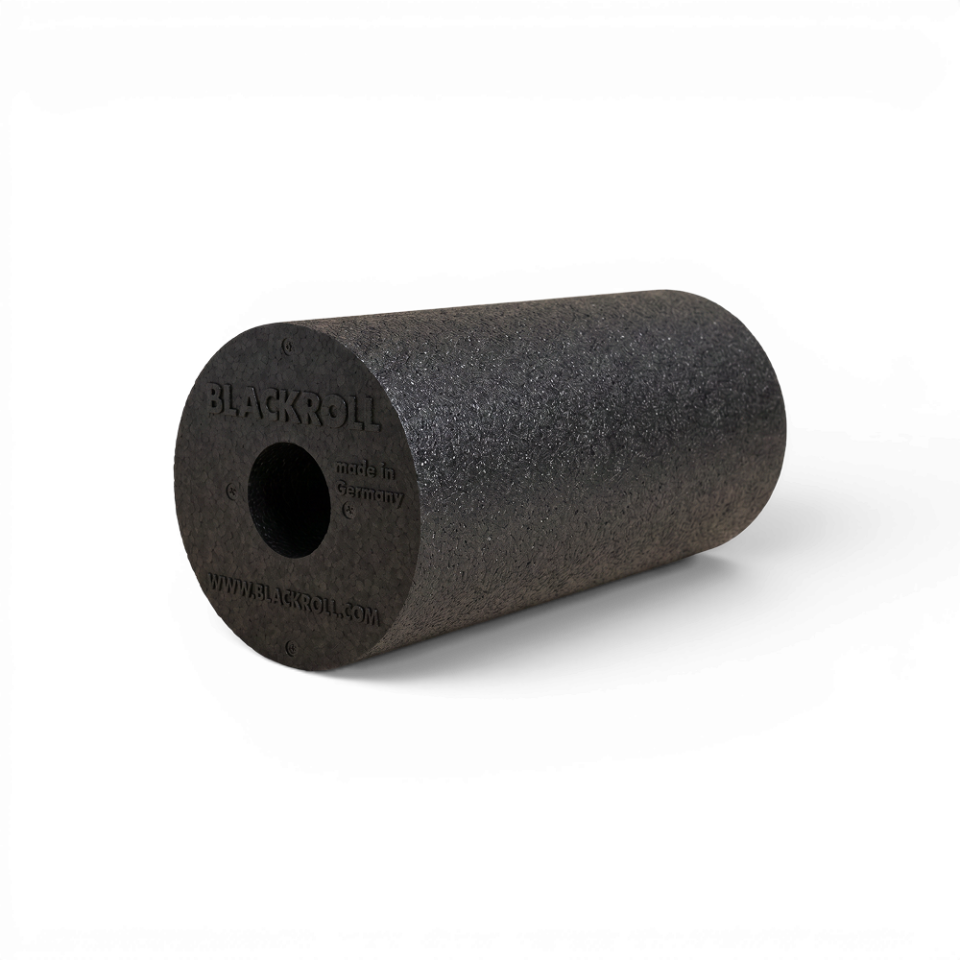
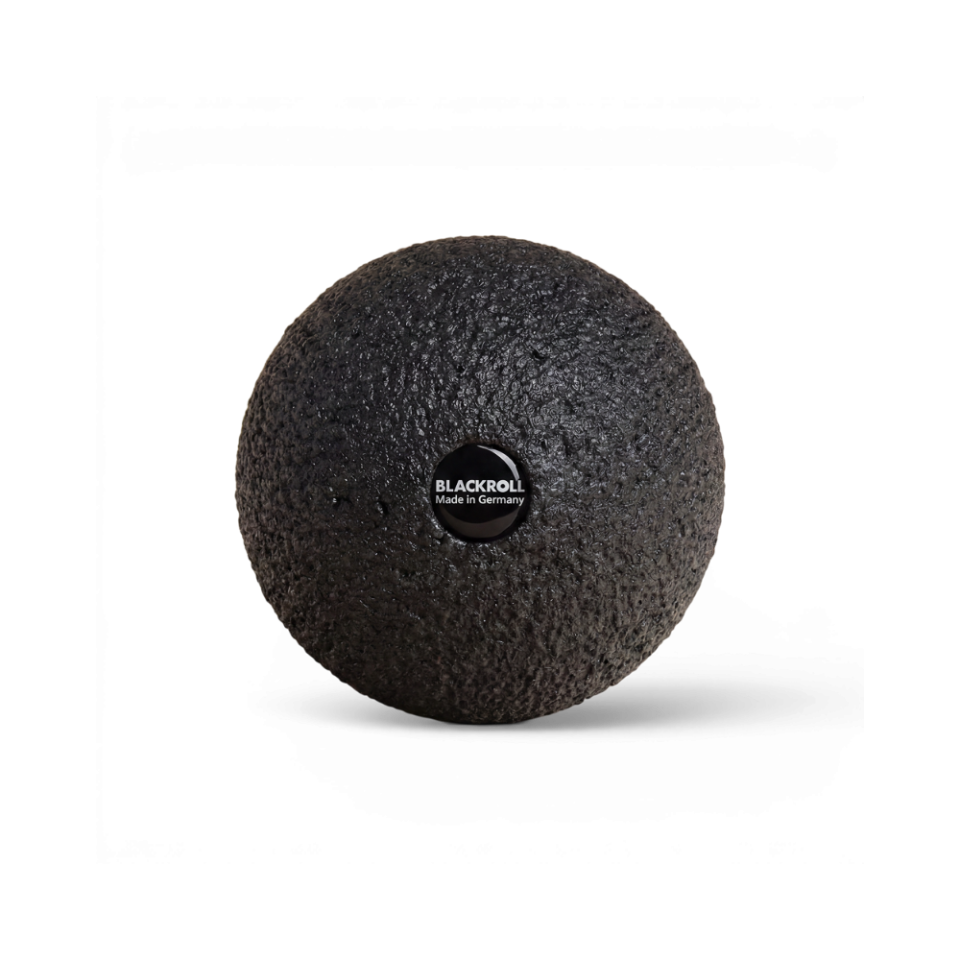
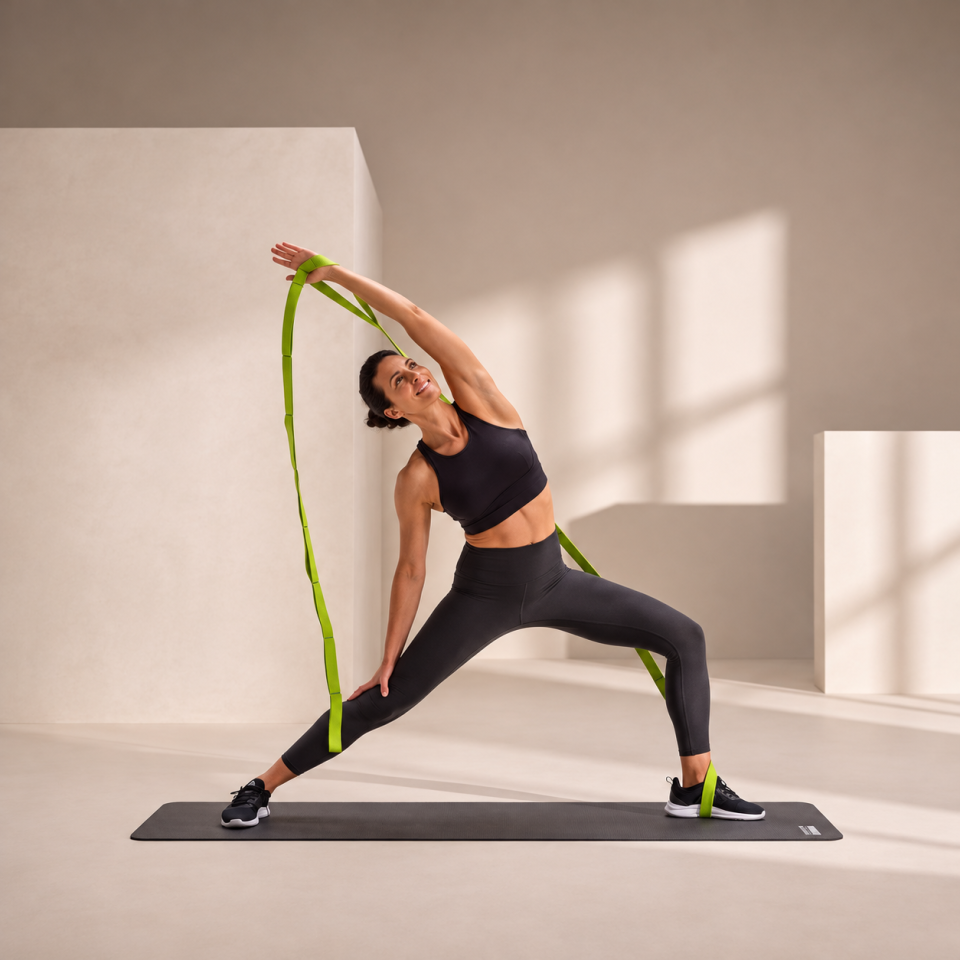
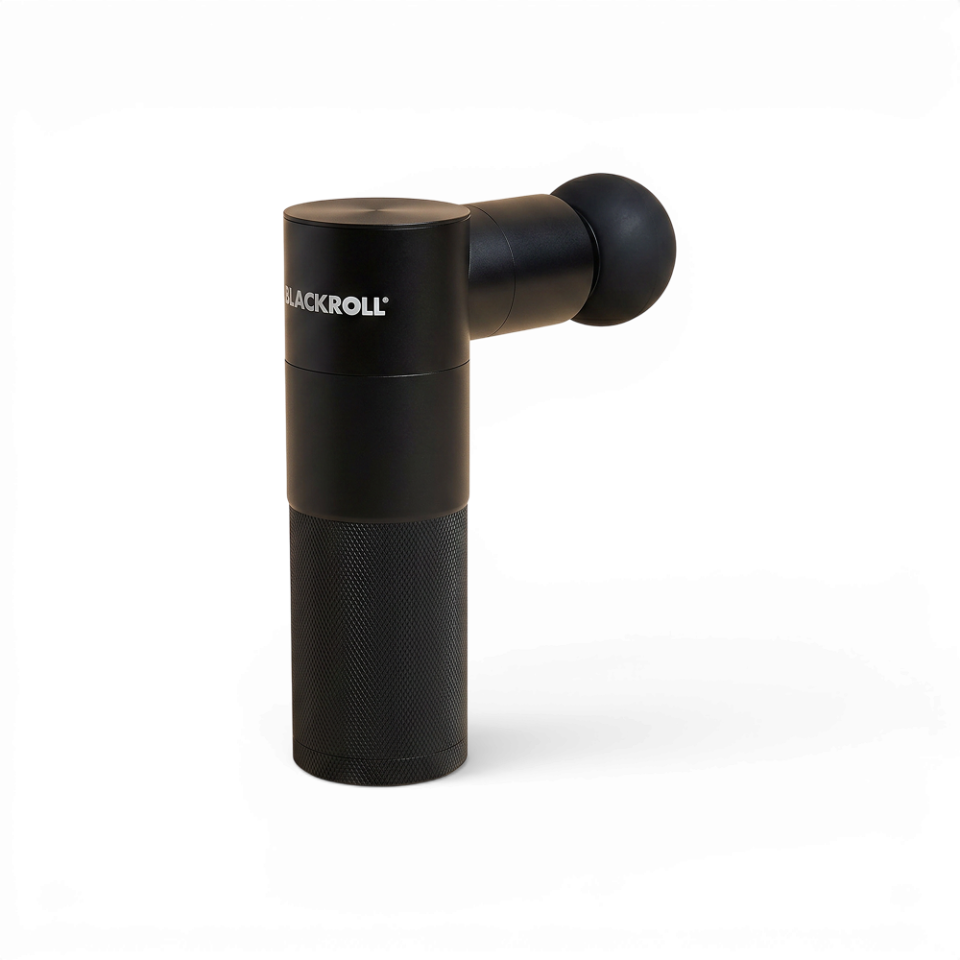
Specialised set for the neck area: DUOBALL 12, BALL 08 and SUPER BAND — for precise massage, mobilisation and strengthening.
For gentle muscle relaxation — select the lowest setting for sensitive areas and beginners.
Relaxation exercises for stress relief

Exercises for neck pain
Incorporate these simple exercises into your daily routine to relieve existing discomfort and reduce the risk of future episodes. They strengthen the muscles that support your neck and improve posture over time.
Not sure how to get started?
Here you’ll find an overview of various exercise approaches. If you’re ready to delve deeper and get started, we’ve put together individual neck exercises and tailored exercise routines for the neck on our further information pages.
View exercises


Prevent neck pain
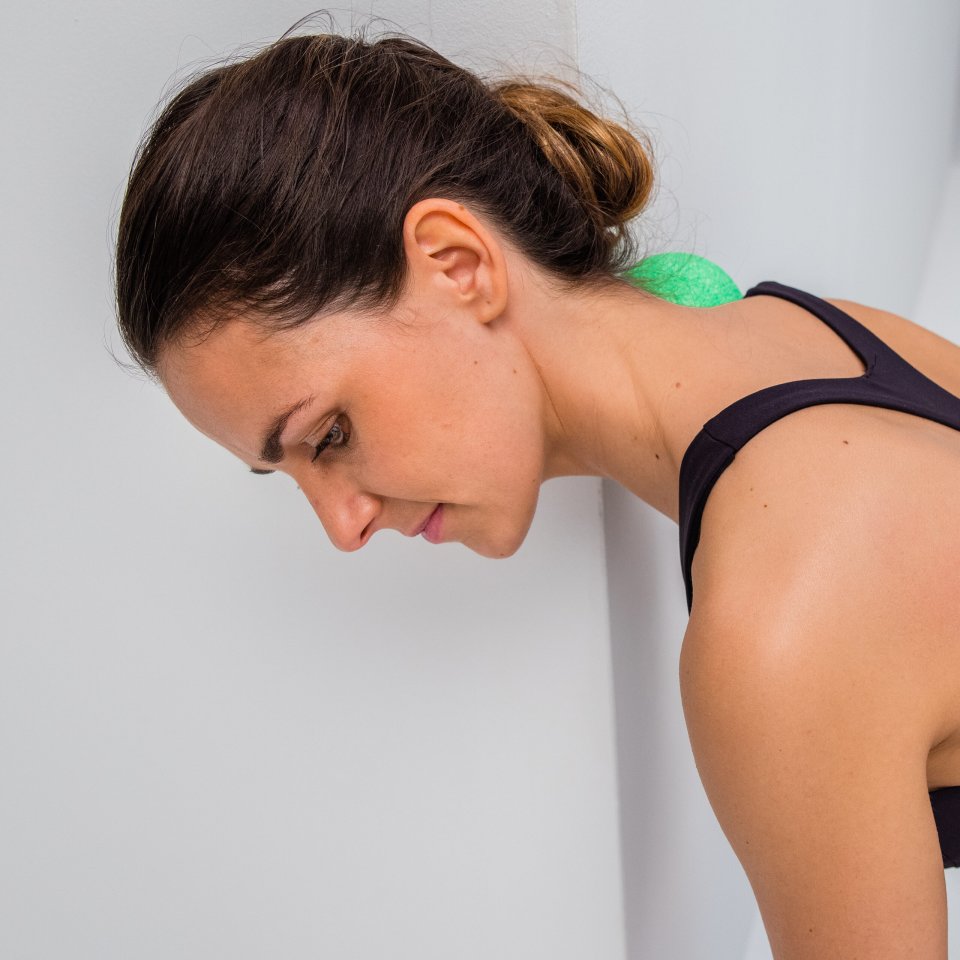
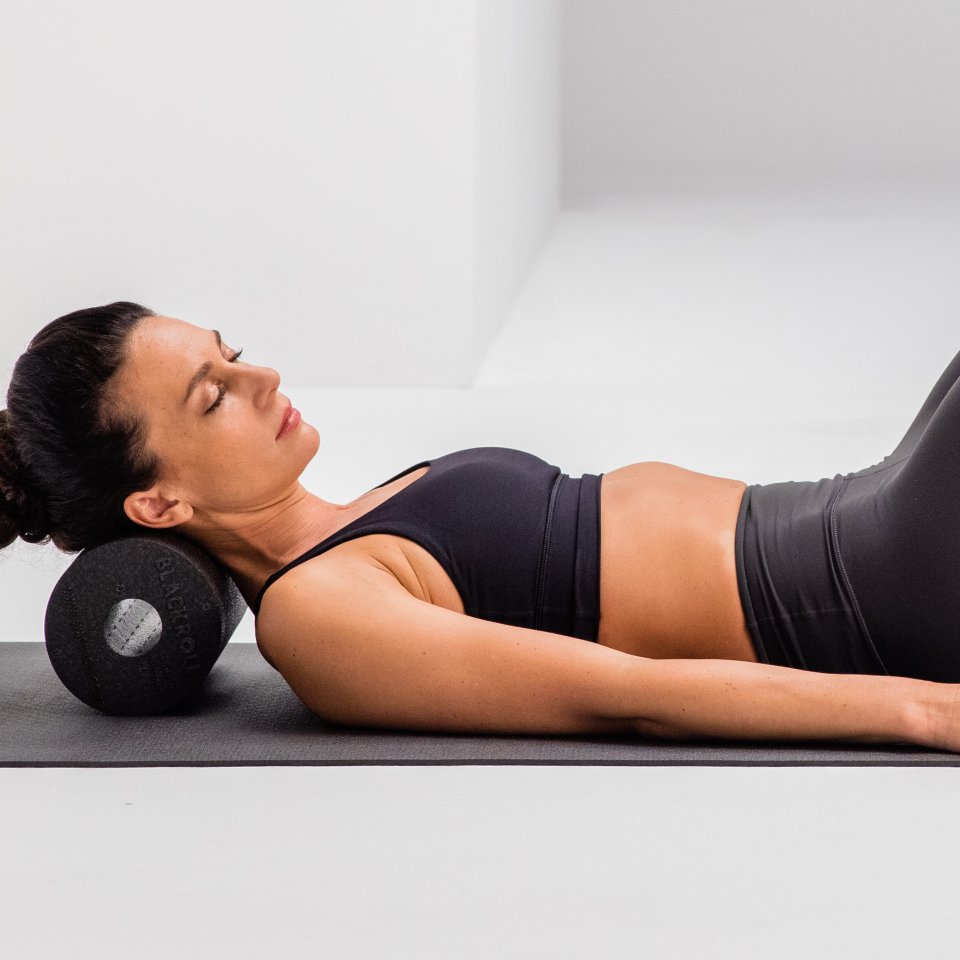
Self-massage using myofascial techniques
Use it for acute tension and as a regular preventative measure.
How it works: BLACKROLL® self-massage relieves tension in the neck area by applying targeted pressure to the fascia. It’s important not only to work on the neck itself but also to include the chest and front neck muscles. This technique improves blood flow, releases adhesions in the tissue and prepares the muscles for further exercises.
Gentle mobilisation
Use it for acute neck pain and restricted mobility.
How it works: Careful movements of the head in all directions help to release blockages and gradually restore mobility. Never move into the pain – stop at the pain threshold. These gentle movements signal to the nervous system that there’s no danger and reduce the muscles’ protective tension.
Relaxation exercises
Apply when stress has triggered tension or when pain and tension feed into each other.
How it works: progressive muscle relaxation or conscious breathing techniques help to reduce overall body tension. When the whole body relaxes, neck tension often eases as well. These exercises are particularly beneficial if stress is a major trigger for your symptoms.
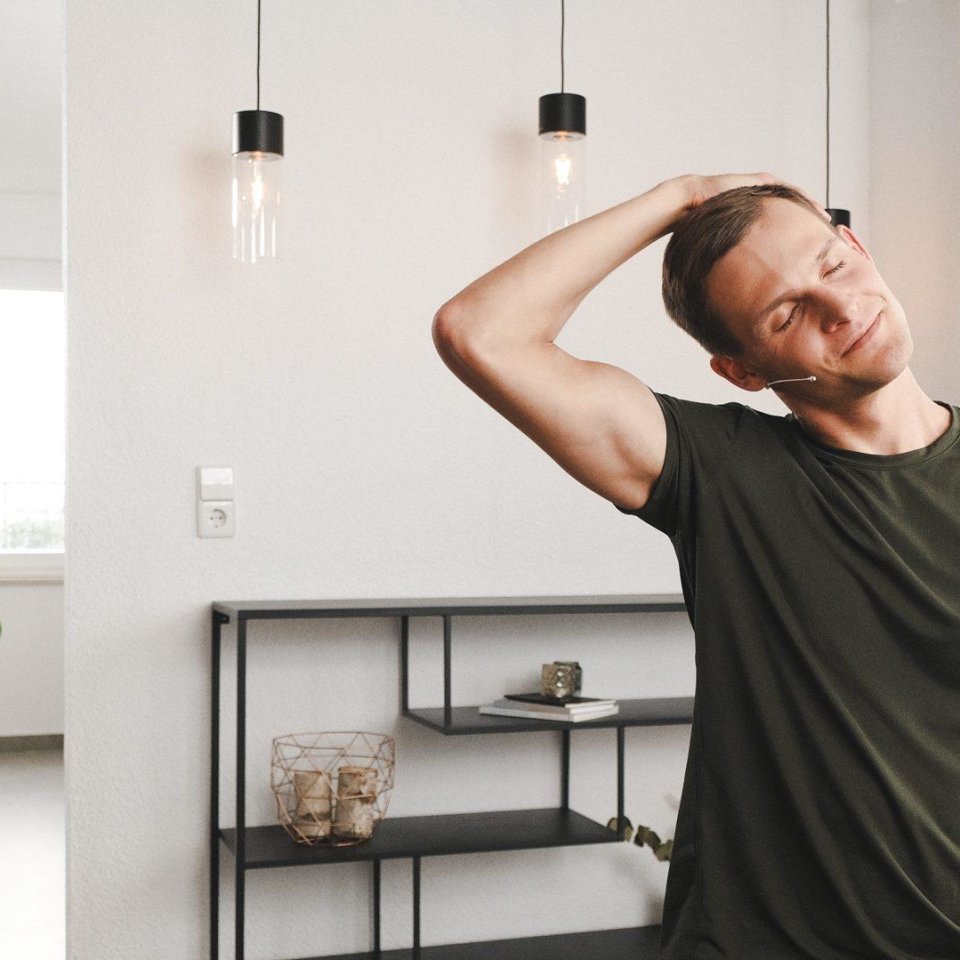
Neck and shoulder stretches
Use them when you feel stiffness or restricted mobility.
How it works: systematic stretches in all directions of movement restore full mobility to the neck. Include lateral bending, rotation and forward and backward bending. These exercises are particularly important for counteracting compensatory postures and maintaining natural mobility.
Open your chest muscles
Use it for a forward-leaning posture and so-called ‘text neck’.
How it works: tight chest muscles pull the shoulders forward and increase strain on the neck. Targeted stretches of the chest muscles are therefore a key component of any neck treatment. Door-frame stretches or wall stretches can be very effective here.
Sanfte Mobilisierung
Wann anwenden: bei akuten Nackenschmerzen und eingeschränkter Beweglichkeit.
Wie wirkt’s: Vorsichtige Bewegungen des Kopfes in alle Richtungen helfen dabei, Blockaden zu lösen und die Beweglichkeit schrittweise wiederherzustellen. Wichtig ist hier: Nie in den Schmerz hinein bewegen, sondern nur bis zur Schmerzgrenze. Diese sanften Bewegungen signalisieren dem Nervensystem, dass keine Gefahr besteht, und reduzieren die Schutzspannung der Muskulatur.
Entspannungsübungen
Wann anwenden: bei stressbedingten Nackenverspannungen oder wenn Schmerz und Anspannung einen Teufelskreis bilden.
Wie wirkt’s: Progressive Muskelentspannung oder bewusste Atemtechniken helfen dabei, die allgemeine Körperspannung zu reduzieren. Wenn sich der gesamte Körper entspannt, lösen sich oft auch die Nackenverspannungen. Diese Übungen sind besonders wertvoll, wenn Stress ein Hauptauslöser deiner Beschwerden ist.
Nacken- und Schulterdehnungen
Wann anwenden: bei Steifheit und eingeschränkter Beweglichkeit
Wie wirkt’s: Systematische Dehnungen in alle Bewegungsrichtungen stellen die volle Beweglichkeit des Nackens wieder her. Seitneigung, Rotation und Vor- und Rückbeugung sollten alle einbezogen werden. Diese Übungen sind besonders wichtig, um einer Schonhaltung entgegenzuwirken und die natürliche Beweglichkeit zu erhalten.
Brustmuskulatur öffnen
Wann anwenden: bei nach vorne gebeugter Haltung und sogenanntem „Handy-Nacken“
Wie wirkt’s: Die oft verkürzte Brustmuskulatur zieht die Schultern nach vorne und verstärkt die Belastung des Nackens. Gezielte Dehnungen der Brustmuskulatur sind daher ein wichtiger Baustein jeder Nackenbehandlung. Türrahmen-Dehnungen oder Wanddehnungen können hier sehr effektiv sein.


The causes of neck pain
What causes neck pain?
Neck pain can have many causes, which often stem from everyday life. From strain caused by poor posture to medical problems – the reasons are varied. Here you’ll find an overview of the ten most common triggers of neck pain and how they arise.
Overload and tension
Poor body posture
Shallow breathing
Sport
Incorrect sleep position
Stress
Signs of wear and tear
Herniated disc
Whiplash
Medical conditions