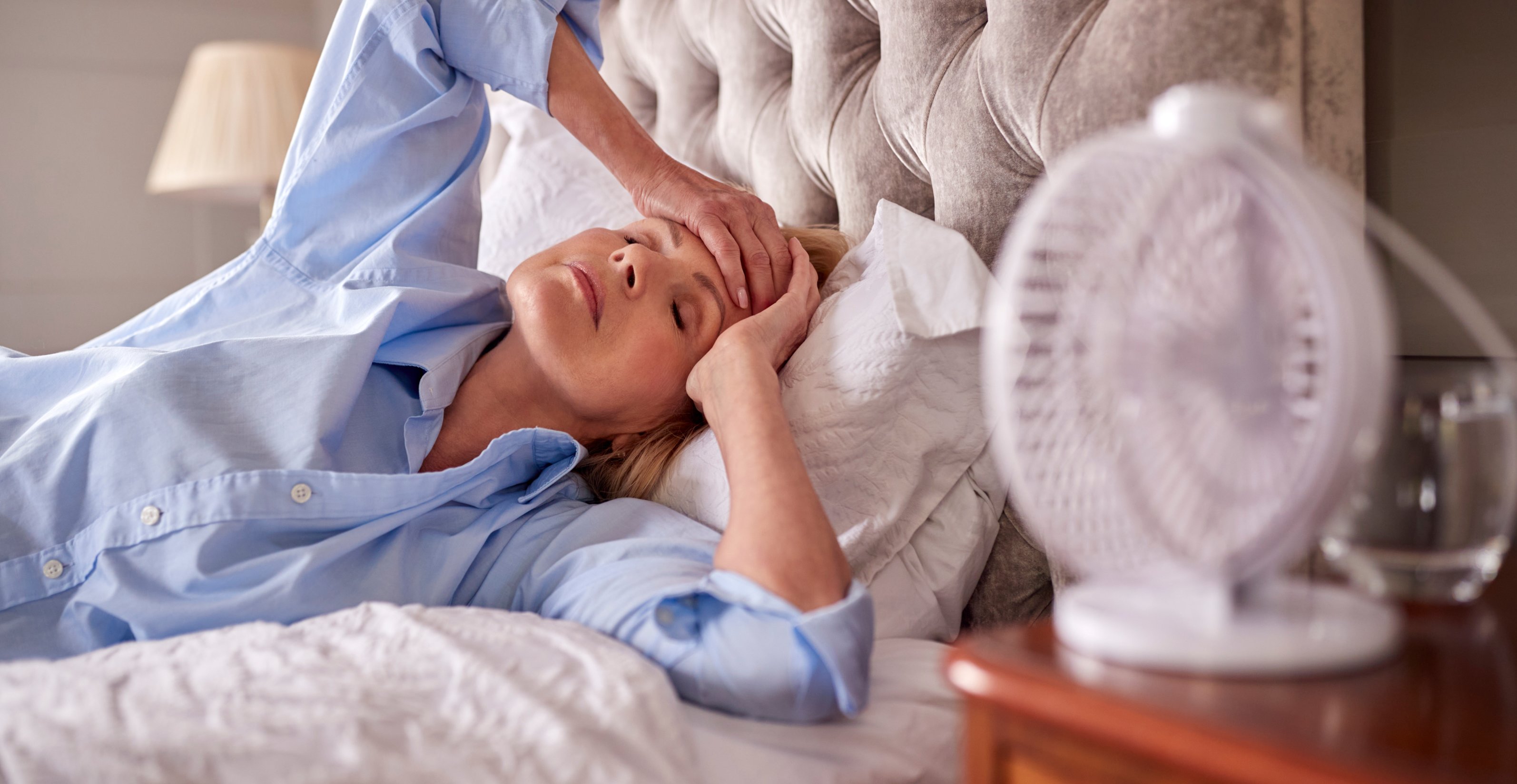
Hot flushes during the menopause: what happens and what helps

They're sudden feelings of warmth often accompanied by skin redness and sweating, and they're among the most common symptoms of the menopause, affecting up to two-thirds of all people. Hormonal changes are thought to be a possible cause as they can make the temperature centre in the brain more sensitive. How often and how severely hot flushes occur varies from person to person.
Key facts at a glance
- Hot flushes are very common: up to 80% of women experience vasomotor symptoms such as hot flushes or night sweats during the menopause.
- The main cause is hormonal changes: falling oestrogen levels affect temperature regulation in the hypothalamus — even small fluctuations in temperature can therefore trigger sweating and a feeling of heat.
- Symptoms can persist for several years: although a single hot flush usually lasts only a few minutes, the entire period of symptoms can extend over several years.
- We can help you manage them. Identify and limit personal triggers, exercise regularly and maintain a cool sleep environment to reduce symptoms. If discomfort persists, medical treatments such as hormone replacement therapy are also available.
- At night a cool environment and breathable, moisture-regulating bed linen and nightwear can wick away heat and sweat and improve sleep comfort.
What are hot flushes and what do they feel like?
Hot flushes are among the typical vasomotor symptoms associated with the menopause. An important factor here is a change in temperature regulation in the hypothalamus, which is linked to the hormonal changes during the menopause. The body’s own temperature regulation system becomes more sensitive and is more likely to activate mechanisms for heat dissipation — even though there may not actually be any overheating.
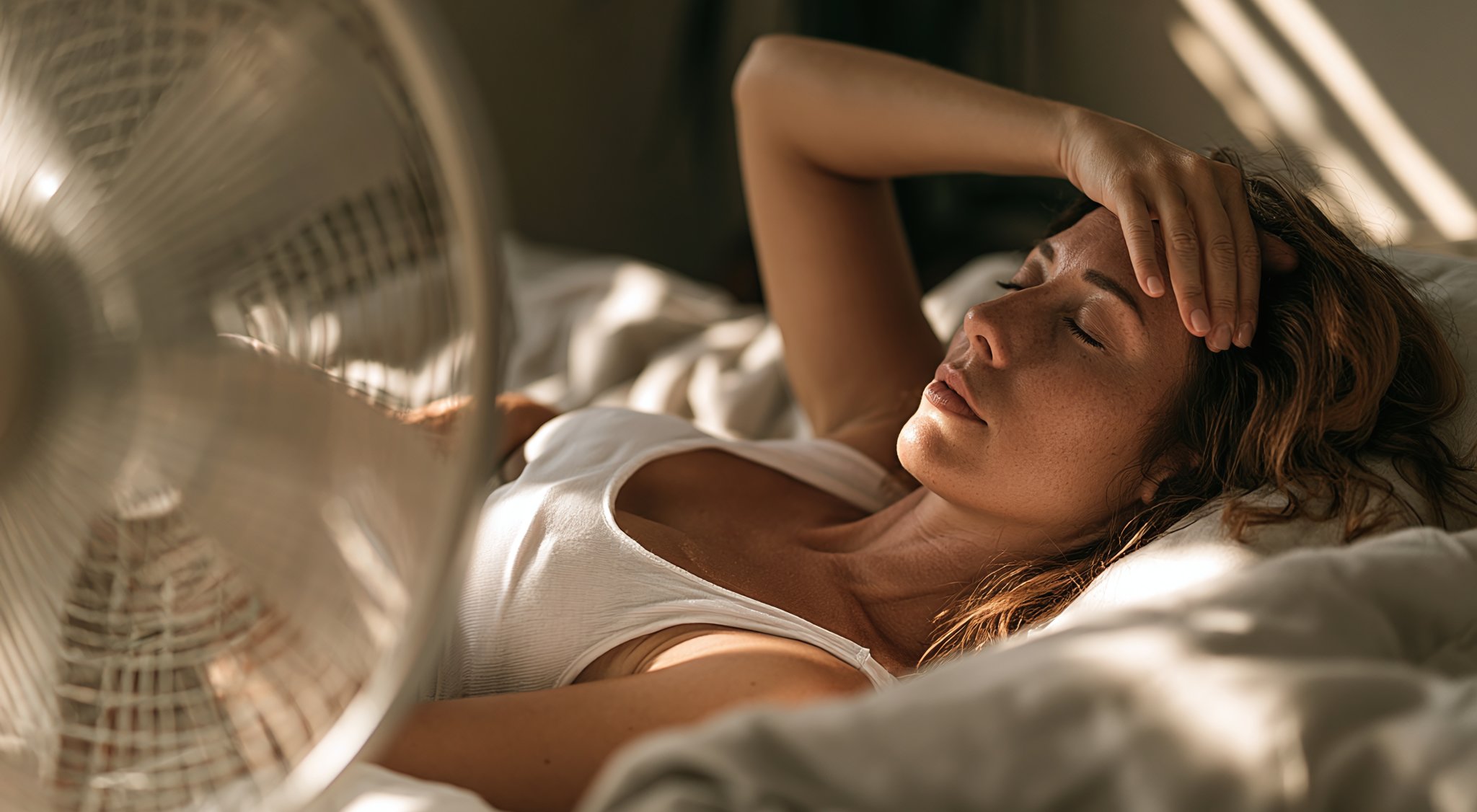
They often strike without warning and may feel like an intense heat in your face, neck or chest, followed by reddening skin and heavy sweating; afterwards you might shiver or feel cold.
They can strike regardless of the ambient temperature, time of day or level of physical activity and some people also experience palpitations, a rapid pulse or dizziness.
Use these questions to see whether you're currently experiencing hot flushes:
- Do you suddenly feel an intense wave of warmth or heat, particularly in your face, neck or upper body?
- Do you suddenly start sweating even though you haven’t been physically active and the ambient temperature isn’t unusually warm?
- Do you feel restless and experience palpitations or a rapid pulse?
- Do these hot flushes occur without warning during the day and at night?
If you’ve answered ‘yes’ to several of these questions, your symptoms could be typical of hot flushes. If these episodes are new or become more frequent over time, this may be a sign of the hormonal changes associated with perimenopause or the menopause — however, a definitive diagnosis can’t be made on the basis of symptoms alone.

Why do you get hot flushes? The body’s mechanisms
They're a sudden and excessive reaction by the body aimed at releasing heat as quickly as possible. They manifest as profuse sweating, peripheral vasodilation and an intense sensation of heat. This is initially evident as increased blood flow to the skin and a rise in skin temperature in the fingers, toes, face, arms, chest, abdomen, back and legs. But why does the body trigger this reaction, even though the actual core body temperature or ambient temperature has changed only slightly?
Oestrogen deficiency, the hypothalamus and the thermoneutral zone: why hot flushes occur
Hot flushes are triggered even by slight rises in your core body temperature. The hypothalamus, a region of the brain that acts as the body’s thermostat, plays a key role in this process. When hormones are in balance, the brain is able to regulate slight changes in core body temperature effectively via a thermoregulatory window – also known as the thermoneutral zone. Only when the temperature rises above the thermoneutral zone does the body activate mechanisms to dissipate heat — such as increased sweat production or the dilation of blood vessels in the skin.
During the menopause, this central thermoregulation changes. The continuous, yet fluctuating, decline in oestrogen levels alters the neural signalling pathways in the hypothalamus – and this can cause the thermoneutral zone to narrow (Gombert-Labedens et al., 2025).
Our control window in the brain is suddenly much smaller, reacts with extreme hypersensitivity and even the slightest temperature fluctuations can trigger the body’s own alarm system: the body responds with sweating, discomfort and – hot flushes.
KNDy neurons: the tiny temperature regulators in the brain
You may have come across the term ‘KNDy neurons’ for the first time in our article on the typical symptoms of the menopause. These are a group of nerve cells in the hypothalamus that are responsible, amongst other things, for regulating body temperature. KNDy neurons owe their name to the three key neurotransmitters: kisspeptin (K), neurokinin B (N) and dynorphin (Dy).
During the menopause, hormonal changes – particularly the decline in oestrogen levels – also alter the activity of these nerve cells, especially neurokinin B signalling. Increased activity in these neural networks, which are normally regulated by stable oestrogen levels, is associated with a narrowing of the thermoneutral zone and, consequently, with hot flushes (Rance et al., 2013).
The result: the temperature regulation system reacts much more sensitively than usual, causing the blood vessels in the skin to dilate and sweat production to be triggered — even though there may be no actual overheating.
Why hot flushes affect some people more severely
As with many other menopause symptoms, the intensity, duration and frequency of hot flushes vary from person to person. While some people experience hardly any symptoms, others have to cope with hot flushes and severe night sweats several times a day during the menopause.
The reason some people are more severely affected than others is likely to be due to a range of biological, genetic and individual factors. Some people are very sensitive to fluctuating and declining hormone levels whilst others naturally cope with hormonal fluctuations more effectively.
Certain lifestyle and environmental factors can also influence temperature regulation: stress, anxiety, excess body weight, an unhealthy diet and stimulants such as nicotine, alcohol or coffee can exacerbate impaired temperature regulation. The individual severity of vasomotor symptoms such as hot flushes and night sweats thus arises from an interplay of hormonal changes, central thermoregulation, genetic factors and individual lifestyle conditions.
How often, how long and how severe are hot flushes?
The frequency, duration and intensity of hot flushes vary from person to person. In the ongoing Study of Women’s Health Across the Nation (SWAN) (Avis et al., 2015), the current findings on the prevalence, duration and frequency of hot flushes during the menopause can be summarised as follows:
- Prevalence: Hot flushes and associated sweating occur in up to 80% of all women during the menopause. The intensity of hot flushes varies greatly: whilst some women experience only occasional distressing episodes, others suffer from frequent and pronounced hot flushes that can affect sleep, everyday life and quality of life.
- Duration: Hot flushes generally last between 1 and 5 min, although individual episodes may be shorter or longer. Vasomotor symptoms can persist for several years in total. Long-term data show that frequent hot flushes and night sweats lasted for a median of approximately 7.4 years.
- Frequency: In people with daily vasomotor symptoms, several hot flushes per day are usually observed, and in particularly severe cases these episodes can occur more than 10 times a day and at night.


What helps with hot flushes? Four approaches that may help
The severity of hot flushes and the measures that provide sustainable relief vary greatly from person to person. In addition to lifestyle changes, including diet, breathing exercises and physical activity, certain medicinal and non-medicinal measures can also help to better manage vasomotor symptoms during the menopause.
Lifestyle: identify and avoid personal triggers
The hormonal fluctuations during the menopause affect not only oestrogen and progesterone levels but also various neurotransmitter systems in the brain, including the serotonergic and noradrenergic systems. Both systems help regulate mood, sleep, stress response and body temperature, so it’s common for sensitivity in the body’s own temperature control system to change and respond to certain triggers.
A healthy lifestyle can support your health during the menopause. A balanced and nutrient-rich diet, regular exercise, sufficient sleep and healthy stress management are key components. Giving up nicotine also has a positive effect on general health.
Individual factors may influence hot flushes. Certain foods, such as spicy food, alcohol, chocolate or coffee, can exacerbate hot flushes and night sweats in some people. Not everyone reacts to the same triggers so keep a record over time of when and under what circumstances hot flushes occur. Use a symptom diary to identify personal triggers and then reduce or avoid them.
Body weight can also be linked to vasomotor symptoms such as hot flushes and night sweats; higher body weight is often associated with more severe symptoms. Focus on long-term, sustainable habits that support metabolism, cardiovascular health, muscle mass and general wellbeing rather than short-term diets.

Breathing and cold exposure training: influence on the autonomic nervous system
Breathing and cold training are two approaches that may influence the perception and regulation of hot flushes during the menopause.
Breathing training (‘paced respiration’) is being discussed as a non-pharmacological method for alleviating hot flushes. Follow a slow, rhythmic breathing pattern at specific intervals. Inhale for approximately 5 s and exhale for 5 s within the space of 1 min. Breathing is thus consciously reduced to 6 bpm — normally we breathe much faster.
During a hot flush the sympathetic nervous system – our ‘fight-or-flight’ response – is activated, but slow breathing stimulates the parasympathetic system, our relaxation centre,which may help to moderate the physical reactions associated with hot flushes. However, there's currently no clear evidence that this effect significantly reduces the frequency or intensity of hot flushes.
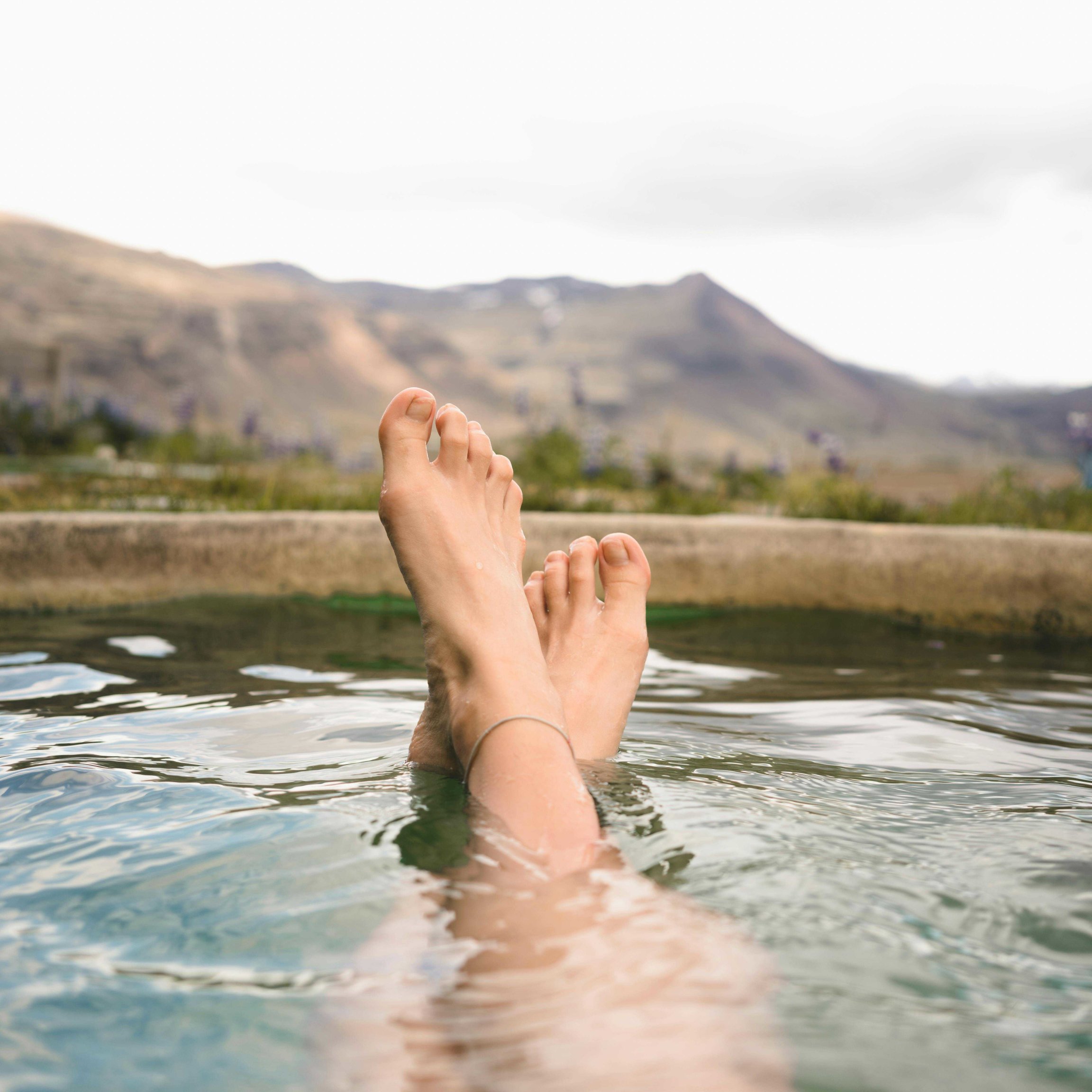
A similar principle applies to cold training. The idea is that a controlled cold stimulus, such as regular cold-water swimming, could influence the response of the autonomic nervous system and an individual’s perception of heat. A study by Harper et al. (2024) surveyed perimenopausal women about their experiences with regular cold-water swimming. 30.3% of respondents reported an improvement in their hot flushes. However, as this was a self-selected survey without a control group, no causal effect can yet be inferred from these findings. Whether regular cold training actually reduces the frequency or intensity of menopausal hot flushes in the long term has not yet been sufficiently investigated.
Exercise: incorporate regular endurance and strength training
Moderate exercise such as Nordic walking, swimming or cycling can be used as a supportive measure to alleviate vasomotor symptoms such as hot flushes and night sweats. In addition to optimising thermoregulation, regular exercise can have a positive effect on coping with stress, psychological tension, potential joint discomfort during the menopause and overall sleep quality.
The current body of research on the direct effect of exercise on hot flushes isn’t yet entirely consistent. A systematic review by Witkowski et al. (2023), which included 23 primary studies, showed that regular moderate-intensity exercise — both aerobic endurance training and strength training — was primarily associated with a subjectively perceived reduction in hot flushes. Findings on objectively measurable hot flushes were less clear-cut.
Plan 3–4 sessions per week, combining moderate-intensity endurance and strength training. Avoid exercising immediately before bed, as raised body temperature and physical arousal can make falling asleep harder.

Further treatment options include hormone replacement therapy and herbal preparations.
The evidence confirms that menopausal hormone therapy (MHT), also known as hormone replacement therapy (HRT), is one of the most effective treatments for alleviating symptoms such as hot flushes and night sweats during the menopause. Following consultation with a doctor, HRT can, in many cases, help to reduce hot flushes within a few weeks. In addition to hormone therapy, there are also non-hormonal treatment options, including certain medicines such as selective serotonin reuptake inhibitors (SSRIs), serotonin-norepinephrine reuptake inhibitors (SNRIs) or fezolinetant. Discuss with your doctor which treatment is suitable for you.
In addition, herbal preparations such as black cohosh and phytoestrogens are discussed as potential aids. Phytoestrogens are plant-based substances found, for example, in soya products, hops or red clover, which can bind to oestrogen receptors. Extracts from the rootstock of black cohosh (Cimicifuga) are also used to relieve menopausal symptoms such as hot flushes.
However, the evidence is varied and sometimes contradictory, so we can't make a general recommendation. Always discuss any treatment, medicinal or herbal, with your doctor before you start.

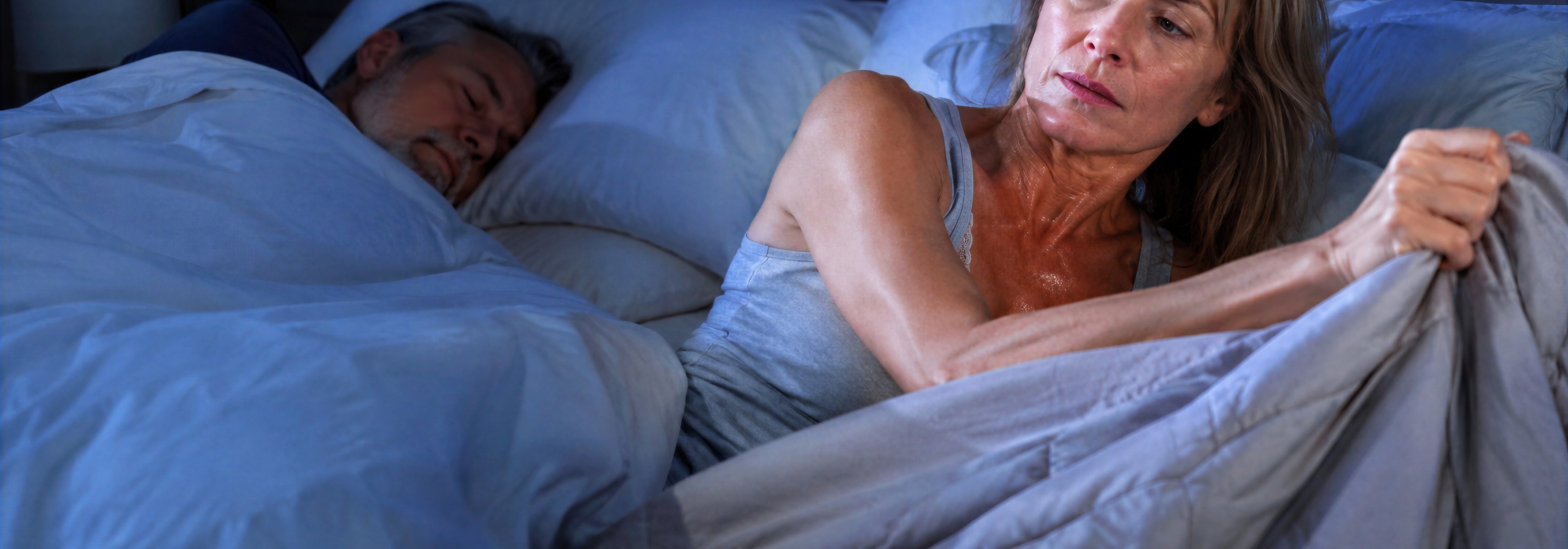
Night-time hot flushes: why they're often particularly bad at night
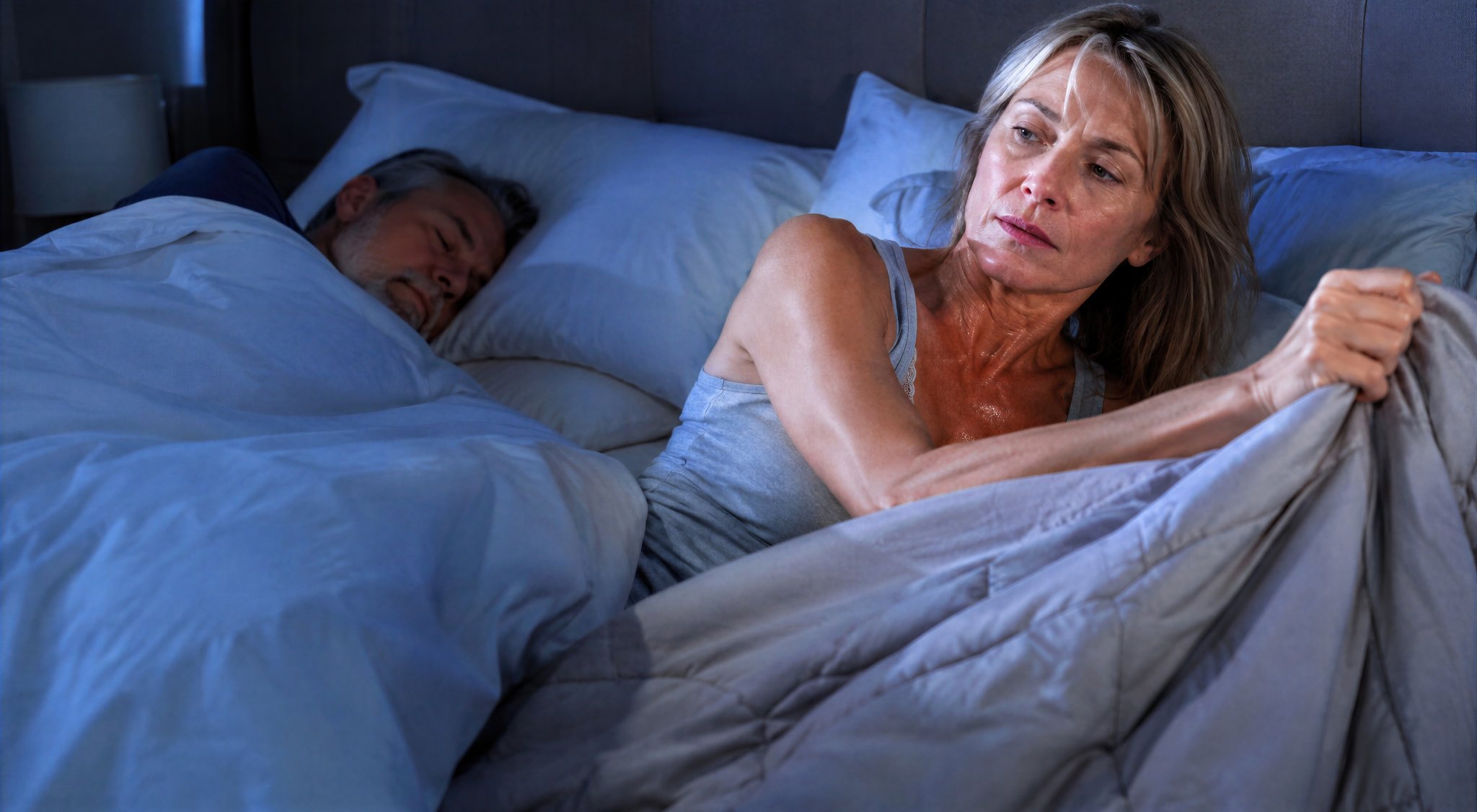
Our biological clock is regulated by the alternation of daylight and night-time darkness. Among other things, light influences melatonin production and thus our day-night rhythm, body temperature and various hormonal processes. This circadian rhythm — our ‘internal clock’ — influences, amongst other things, the release of melatonin and cortisol, the sleep-wake cycle and the regulation of body temperature. In people going through the menopause, changes in thermoregulation can make hot flushes more likely to occur. Hot flushes aren't necessarily more frequent at night than during the day, but they're often perceived as more distressing because they can interrupt sleep and make it difficult to drop off again.
In our online prevention course ‘Sleep Better – at Every Stage of Life’ you’ll learn how to support your sleep during the menopause using targeted, evidence-based strategies.
The circadian rhythm and cortisol release
Your core body temperature follows a characteristic daily pattern: it's higher during the day and drops at night to help you sleep, with more heat released through the skin. The circadian regulation of body temperature is closely linked to the sleep–wake cycle and helps your body prepare for sleep.
During the menopause this natural temperature pattern is met with altered thermoregulation. Falling oestrogen levels can influence neuroendocrine feedback loops involved in the central control of temperature regulation, so even small changes in core body temperature can trigger excessive heat loss accompanied by vasodilation and sweating.
These natural fluctuations interact with a more sensitive thermoregulatory system and can make hot flushes feel especially disruptive at night. A hot flush involving a sudden sensation of heat, sweating or palpitations can wake you up and disrupt your sleep continuity. Repeated interruptions to sleep can, in turn, mean you feel less recovered the following day.

Hot flushes, sleep interruptions and the right microclimate
Hot flushes can jolt you awake in the middle of the night due to sudden heat, sweating or an increase in your heart rate, interrupting the restful sleep phases. If this pattern repeats several times a night it can create a vicious cycle and negatively affect thermoregulation and stress levels the following day.
Break this cycle by creating a comfortable sleeping environment, reducing sleep interruptions and optimising temperature and humidity regulation while you sleep.
Your personal microclimate in bed also influences how distressing a hot flush feels at night. The choice of nightwear, duvet and bed linen affects how effectively heat and moisture can be wicked away from the body — and can directly improve your sleep comfort during a hot flush.
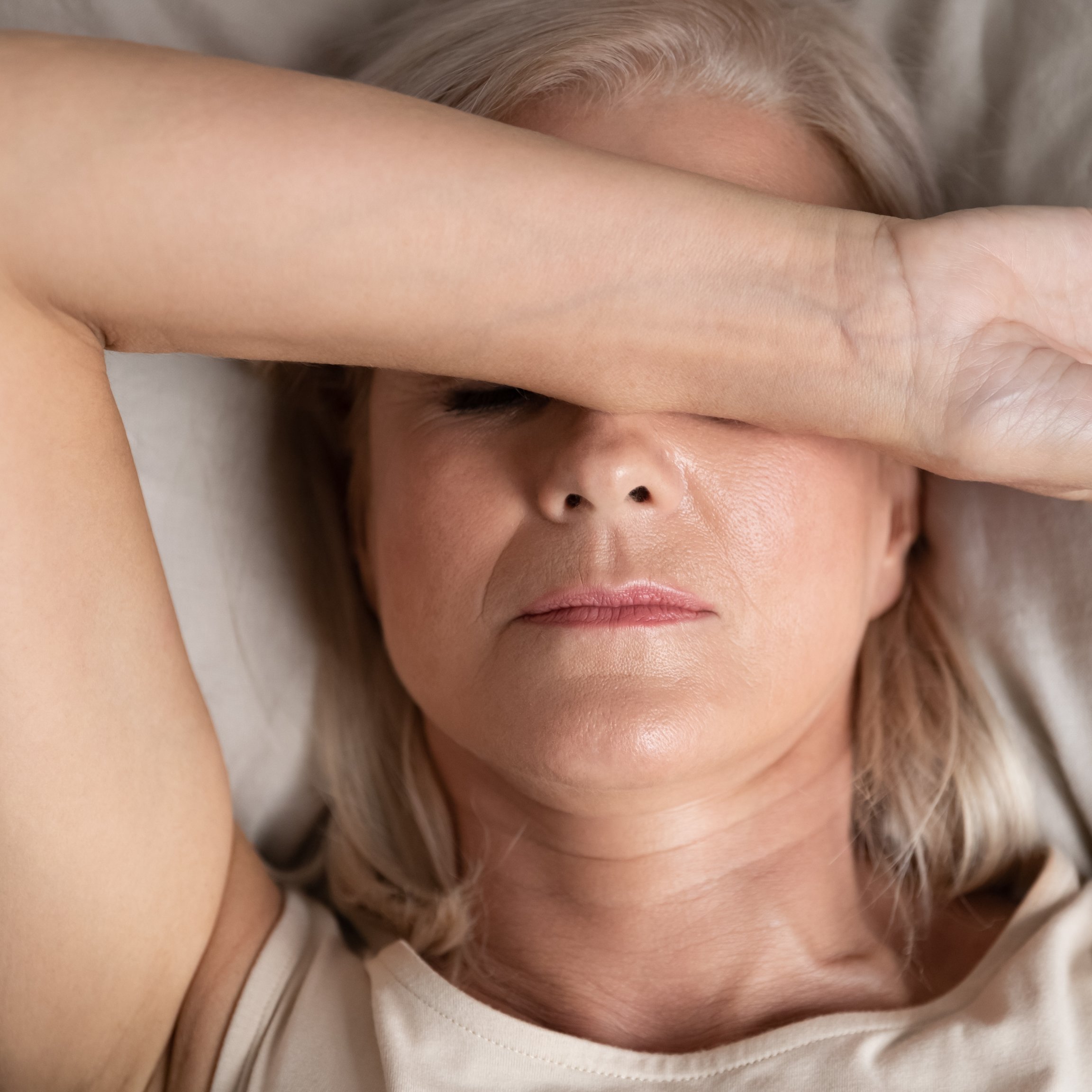

Sleep better at every stage of life with our online prevention course. Up to 100% reimbursement.
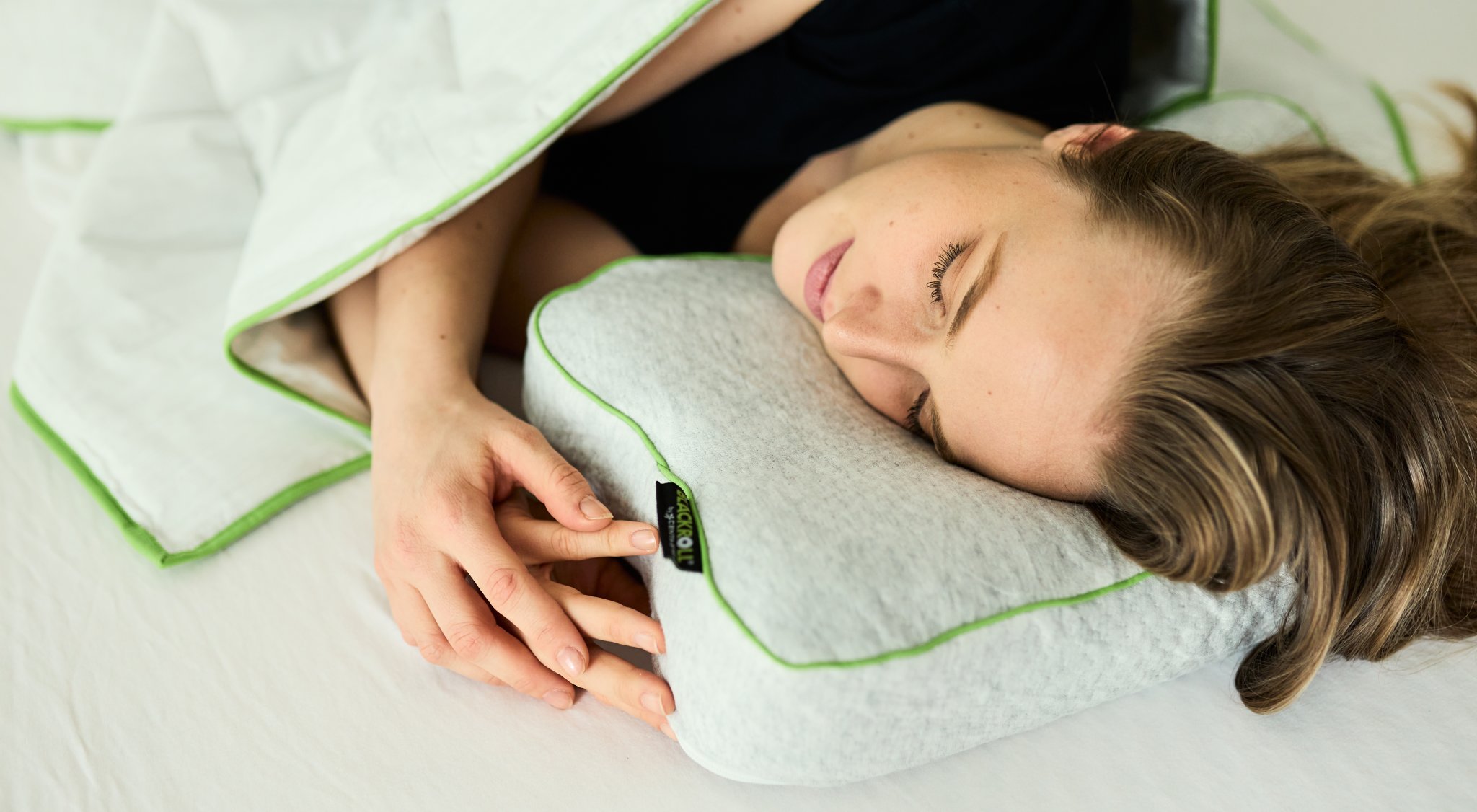
Your bedroom as a sanctuary: what you can do to improve things at night
One thing is crucial for restful sleep despite hot flushes: the right sleep climate. By designing your bedroom to create a balanced microclimate — through the right choice of temperature, bedding, nightwear or pillow arrangement — you can help to dissipate heat and moisture more effectively and reduce your perception of heat. Optimise this as early as tonight to help manage vasomotor symptoms such as hot flushes during the menopause.
Room temperature for hot flushes: is 16–18°C ideal?
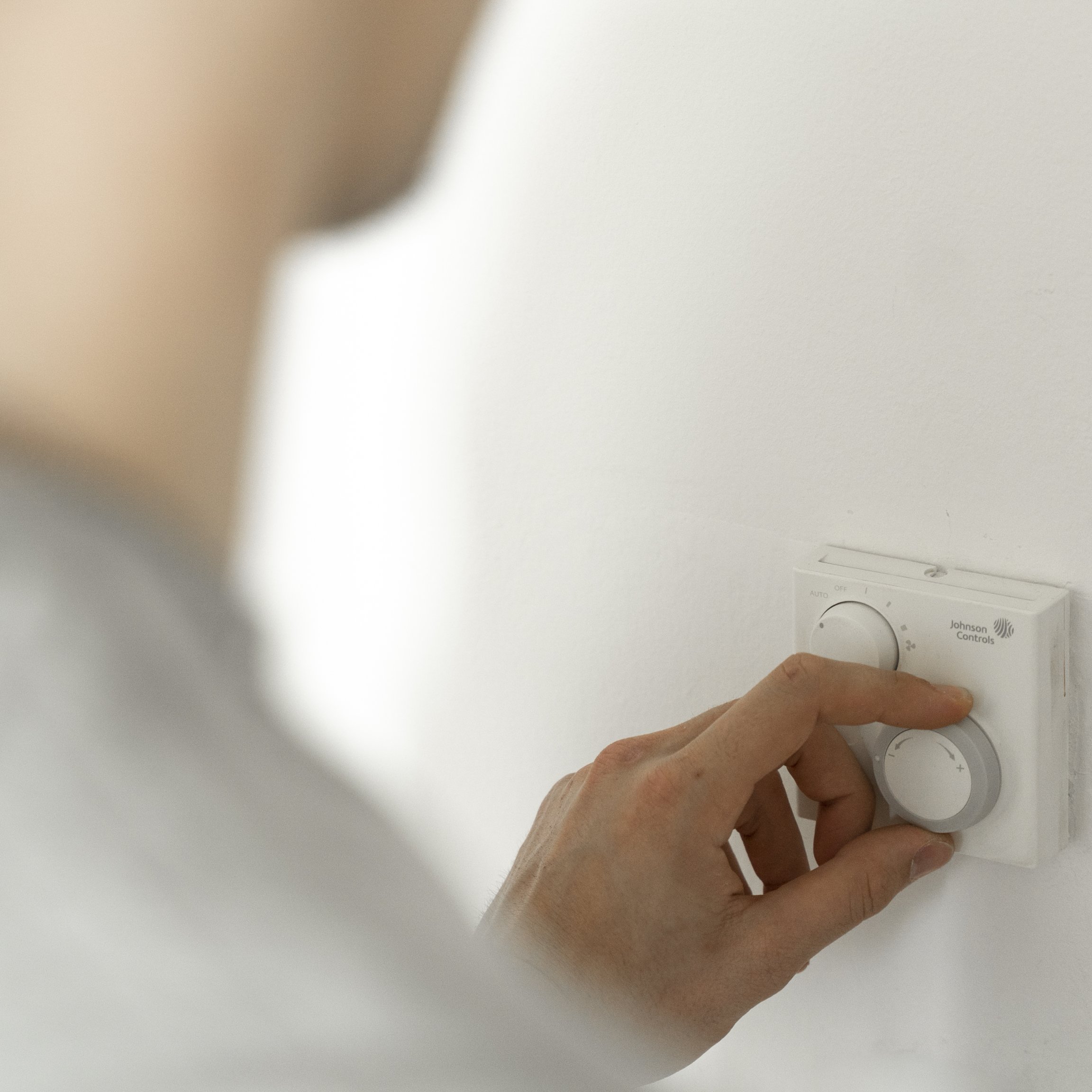
Those prone to hot flushes and night sweats can benefit from a cool room temperature and sleeping environment. A temperature of around 16–18°C is often cited as a comfortable guideline for the bedroom. Regularly air the room before going to bed to help remove excess heat.
A systematic review by Chevance et al. (2024) also demonstrates a link between higher ambient temperatures and sleep disturbances. Heat can make it harder to fall asleep, lead to more frequent awakenings and impair recovery during sleep. Particularly in the case of hot flushes, a cooler room temperature can help to reduce the subjective sensation of heat during a hot flush and support the body’s heat dissipation.
Bedding for hot flushes: breathable, moisture-wicking and temperature-regulating
Choosing the right bed linen can be a real game-changer when it comes to breathability, moisture management and temperature regulation, helping to create a balanced and healthy microclimate in the bedroom. Breathable, moisture-regulating fabrics wick away excess heat and moisture, improving comfort during hot flushes. Follow the ‘layering’ principle: choose several light blankets rather than one thick one so you can remove layers at the first sign of a flush.
Natural fibres such as cotton, linen and merino wool are well known for their moisture-wicking and breathable properties, while synthetic functional textiles can also be designed to quickly wick moisture away from the body and regulate heat effectively.
So-called ‘responsive’ textiles, such as CELLIANT, utilise functional materials that interact with the heat emitted by the body. CELLIANT is a textile containing mineral components that absorb body heat and reflect it back towards the body as infrared radiation.
We recommend trying different variants until you find the combination that works best for you.
Nightwear for hot flushes: merino and modal
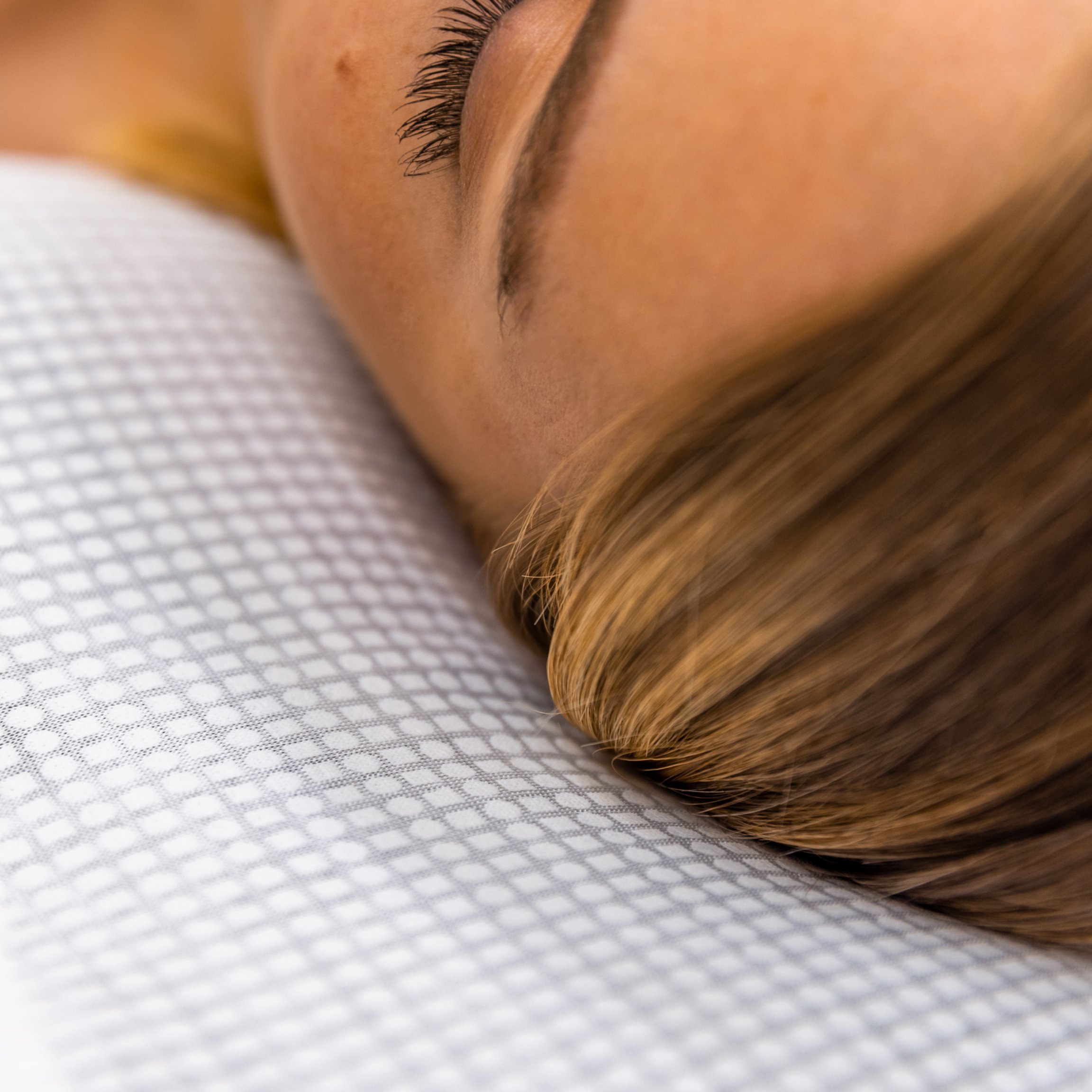
Choosing the right nightwear is also crucial for thermoregulation and how you perceive temperature during hot flushes. A balanced microclimate between the skin and the fabric plays an important role in regulating body temperature. Materials such as merino wool or modal have lightweight, breathable and moisture-regulating properties and can help to wick moisture and heat away from the body more effectively.
Merino wool is often associated solely with its warming properties in winter. However, the fine wool fibres can effectively absorb moisture in the form of water vapour and release it back into the environment. It acts as a buffer between you and the heat, trapping moisture and helping to maintain a stable microclimate on your skin. Thanks to its temperature-regulating properties, merino wool is ideal not only in cold conditions but also in changing temperatures.
Modal is made from soft lightweight cellulose fibres and offers a cool feel against the skin. It absorbs moisture well and can wick it away from the body. This makes modal particularly well suited to nightwear when a light dry feeling against the skin is a priority.
Thanks to their moisture-regulating properties, both materials can help ensure comfortable sleep comfort, even when you’re experiencing hot flushes or night-time sweating. Which material is the right choice ultimately depends on your personal sensitivity to heat and your individual tendency to sweat.

Pillows for hot flushes: cooling, breathable and well ventilated
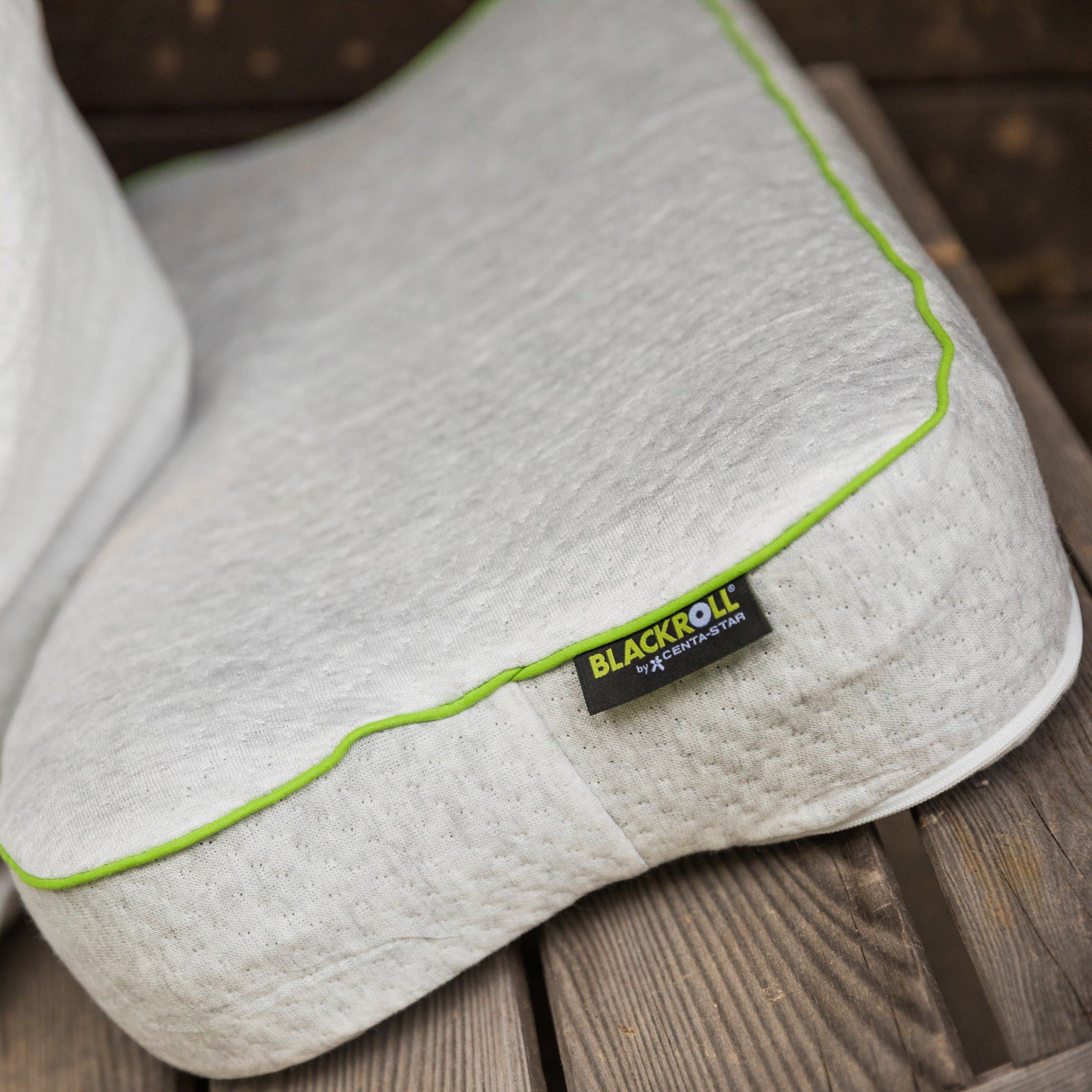
As well as providing ergonomically suitable support for the head and neck, a suitable pillow should also promote a comfortable microclimate against the skin. Highly breathable pillow materials with integrated ventilation structures and washable, moisture-regulating covers are particularly useful here for effectively dissipating heat and moisture.
A well-ventilated pillow made from temperature-regulating materials can therefore help to reduce the build-up of heat and moisture. This is why it’s particularly worth taking a closer look when choosing a pillow, especially if you suffer from hot flushes and increased sweating at night.
The key is a balanced combination of air circulation, moisture management and heat dissipation, all of which can optimise your personal sleep climate and promote healthy sleep.


When should you see a doctor about hot flushes? Recognising the warning signs
Although hot flushes and night sweats are common vasomotor symptoms associated with the menopause, there are warning signs that you should have checked by a doctor. These include, amongst others:
- Your quality of life and everyday routine are significantly affected as a result.
- Sudden, new-onset and very severe hot flushes.
- Unintentional weight loss.
- Fever or chills.
- A racing heart, particularly when combined with dizziness, chest pain or shortness of breath.
- Depressive mood.
- Persistent sleep disturbances.
Your GP can be your first point of contact for a general check-up and to rule out other conditions. If you have specific questions about the menopause or would like to have your hormone levels checked, you can usually consult your gynaecologist.
Frequently asked questions
They're characterised by a sudden, often intense sensation of heat, frequently accompanied by reddening of the skin and sweating. Some women also experience restlessness, palpitations and, afterwards, a feeling of chill or coldness.
The main triggers for hot flushes during the menopause are hormonal changes, particularly the drop in oestrogen levels. This primarily alters central thermoregulation in the hypothalamus, and even small changes in body temperature can trigger excessive heat release, accompanied by vasodilation and sweating.
At night your body temperature naturally fluctuates and it releases more heat through the skin. Because thermoregulation's so sensitive during the menopause, hot flushes are more likely to strike at night and disrupt sleep.
They can start around the menopause and continue for several years, though each flush usually lasts only a few minutes.
You can find relief by creating a comfortable sleeping environment, maintaining regular exercise, identifying personal triggers and exploring medical treatments such as hormone replacement therapy.
Falling oestrogen levels can alter the activity of KNDy neurons in the hypothalamus, making temperature regulation more sensitive and making it easier for hot flushes to be triggered.
A cool sleeping environment of around 16–18°C can be comfortable and helps to dissipate excess heat.
Choose breathable, moisture-regulating materials such as cotton, linen or merino wool.
Merino or modal are suitable materials for a comfortable sleep climate. Merino regulates moisture particularly well whilst modal is light, soft and moisture-absorbent.
Regular endurance and strength training may help alleviate hot flushes as exercise can have a positive effect on thermoregulation.



Sources
Avis, N. E., Crawford, S. L., Greendale, G., Bromberger, J. T., Everson-Rose, S. A., Gold, E. B., Hess, R., Joffe, H., Kravitz, H. M., Tepper, P. G. and Thurston, R. C. (2015). Duration of menopausal vasomotor symptoms over the menopausal transition. JAMA Internal Medicine, 175(4), 531–539. https://doi.org/10.1001/jamainternmed.2014.8063
Harper, J. C., Pound, M., Massey, H., Roseneil, S., Williamson, R., Harper, C. M., Tipton, M., Shawe, J. and Felton, M. (2024). How do women feel cold-water swimming affects their menstrual and perimenopausal symptoms? Post Reproductive Health, 30(1), 11–27. https://doi.org/10.1177/20533691241227100
Witkowski, S., Evard, R., Rickson, J. J., White, Q. and Sievert, L. L. (2023). Physical activity and exercise for hot flushes: Trigger or treatment? Menopause, 30(2), 218–224. https://doi.org/10.1097/GME.0000000000002107
Chevance, G., Minor, K., Vielma, C., Campi, E., O’Callaghan-Gordo, C., Basagaña, X., Ballester, J. and Bernard, P. (2024). A systematic review of ambient heat and sleep in a warming climate. Sleep Medicine Reviews, 75, 101915. https://doi.org/10.1016/j.smrv.2024.101915
Rance, N. E., Dacks, P. A., Mittelman-Smith, M. A., Romanovsky, A. A. and Krajewski-Hall, S. J. (2013). Modulation of body temperature and LH secretion by hypothalamic KNDy (kisspeptin, neurokinin B and dynorphin) neurons: A novel hypothesis on the mechanism of hot flushes. Frontiers in Neuroendocrinology, 34(3), 211–227. https://doi.org/10.1016/j.yfrne.2013.07.003
Gombert-Labedens, M., Vesterdorf, K., Fuller, A., Maloney, S. K. and Baker, F. C. (2025). Effects of the menopause on temperature regulation. Temperature, 12(2), 92–132. https://doi.org/10.1080/23328940.2025.2484499