
Intermittent fasting — methods, effects and the best diet for your everyday life

It divides your day or week into fixed eating and fasting periods, unlike therapeutic fasting, and it involves regular alternation between shorter fasting and eating phases. The best-known forms include the 16:8 method and the 5:2 method. If you don't want to stick to strict diet plans or constantly count calories, it's a straightforward way to structure your eating.
In a nutshell
- Intermittent fasting is one of the most popular fasting methods
- Intermittent fasting determines when you eat – not what. The alternation between eating and fasting phases influences insulin levels, fat metabolism and cellular repair processes.
- Studies show benefits for blood sugar regulation and insulin sensitivity — particularly in cases of overweight and prediabetes.
- When it comes to weight loss, intermittent fasting isn’t superior to continuous calorie restriction – the advantage lies in the simpler daily routine.
- Pair it with strength training and adequate protein and you can build muscle while you fast.


What is intermittent fasting — and how does it work?
Intermittent fasting, also known as IF, is a dietary approach in which you deliberately refrain from eating solid food for a longer period each day. The day is divided into fasting periods and eating periods.
Unlike many traditional diets that ban certain foods or set calorie limits, intermittent fasting simply involves avoiding all calories for a set period. The eating window which ranges from 6 to 12 h depending on the method can be tailored flexibly. Only water, black coffee and unsweetened tea are permitted during the fasting phase.
Intermittent fasting brings about a change in metabolism. As insulin levels fall after the last meal, the body gradually switches from burning glucose to burning fat. In the process — particularly during longer fasting periods — the production of ketone bodies also increases slightly. However, the pronounced ketosis seen during fasts lasting several days isn’t usually achieved with classic intermittent fasting (Mattson et al., 2017).
Compared with other forms of fasting, intermittent fasting is considered beginner-friendly, particularly the variants that allow longer eating windows.


Methods of intermittent fasting: which variant is best?
There are various methods of intermittent fasting, which differ primarily in the duration of the fasting periods. For example, in the 16:8 variant, the fasting window lasts 16 h, with eating permitted for only 8 h. Some meta-analyses suggest that the 5:2 or alternate-day fasting variants may lead to slightly greater weight loss than time-restricted eating. Overall, however, the variants differ only slightly – and the most important factor is which variant you can stick to in the long term (Mang et al., 2024).
Choose the pattern that fits your routine best.
A comparison of the main intermittent fasting methods
12:12 — a gentle introduction without too many sacrifices
12 h of fasting, 12-h eating window.
- Finish your last meal at 7.00 pm and have breakfast at 7.00 am and you’re already practising 12:12. It’s ideal for getting used to fixed mealtimes. People often benefit from a more moderate approach, especially when facing high training loads, chronic stress or periods of hormonal change such as perimenopause.
14:10 – the moderate variant
14 h of fasting, 10 h eating window.
- It's often suggested as a starting point for those experiencing hormonal fluctuations, as the strain is generally lower than with longer fasts.
16:8 — the most popular model
Fast for 16 h, eat within an 8 h window.
- Typically from 12.00 pm to 8.00 pm. It's suitable for everyday life, well documented and achievable for most people without major restrictions.
18:6 – for advanced practitioners
A narrower 6 h eating window demands more planning.
5:2 — weekly fasting
5 days of normal eating, 2 non-consecutive days with a significantly reduced calorie intake (approx. 500 kcal).
20:4 – the extreme variant
This variant of intermittent fasting, sometimes touted as the ‘Warrior Diet’, is very difficult for most people to follow in everyday life and isn’t recommended for beginners.


Is intermittent fasting good for your health? What does the research say?
We know the practice can support weight management and help stabilise blood sugar levels. Studies involving overweight adults with prediabetes show that regular intermittent fasting can improve insulin sensitivity and long-term blood sugar levels (HbA1c). It may therefore be a viable lifestyle strategy for those affected (Riaz and Nadia, 2025).
Fasting also stimulates autophagy — a cellular cleansing process in which damaged cell components are broken down — though the extent of this effect in humans under everyday conditions hasn’t yet been sufficiently clarified (Mattson et al., 2017).
Researchers are also exploring its effects on inflammatory markers. A meta-analysis showed that intermittent fasting can lower the marker CRP, especially in overweight individuals and during interventions lasting at least two months. No clear effect was demonstrated for TNF-α and IL-6; reliable long-term data are currently lacking (Wang et al., 2020).
04 Benefits and potential risks
When carried outcorrectly and combined with a healthy lifestyle, intermittent fasting can offer a number of benefits beyond weight loss. However, find out about the possible side effects and limitations.
Benefits
- Weight management – intermittent fasting leads to similar weight loss results as continuous diets with the same calorie restriction. You're therefore unlikely to lose any more or less weight than you would with a permanent change in diet involving calorie counting (Rynders et al., 2019).
- Blood sugar stabilisation — regular intermittent fasting can improve insulin sensitivity and HbA1c levels, particularly in people who are overweight or have prediabetes (Riaz and Nadia, 2025).
- Inflammation markers — CRP levels may decrease with consistent application (Wang et al., 2020).
- Meal planning — Fewer meals per day can simplify calorie control and meal planning.
- Cognitive clarity — individual reports and preliminary study findings suggest mental improvements during the fasting phase; the evidence here is still limited (Berthelot et al., 2021).
Disadvantages and side effects of intermittent fasting
Side effects mainly occur during the initial phase — and tend to subside for most people. If you experience persistent or severe side effects, maintain a balanced nutrient intake and seek medical advice if necessary. Prolonged fasting periods without professional guidance can lead to greater risks and side effects (Hoddy et al., 2015).
- Hunger, headaches and irritability are common during the first one to two weeks.
- Dizziness or general weakness have been reported more frequently as temporary side effects in clinical studies.
- Changes to the menstrual cycle may occur in people, particularly during very long periods of fasting. The evidence on this is still inconclusive — if you notice changes, shorten the fasting period or seek medical advice.

Who shouldn't practise intermittent fasting
In general, intermittent fasting doesn't pose problems for healthy adults. Before you start, consult a doctor if you're:
- Pregnancy and breastfeeding
- eating disorders (current or past)
- type 1 diabetes or insulin-dependent type 2 diabetes
- being underweight or having a severe nutrient deficiency
Daily schedule and proper nutrition for intermittent fasting
Your eating window isn’t a licence to fill up on unhealthy, high-calorie foods. End the fasting phase with highly processed foods or excessive portions and you’ll negate the metabolic benefits.
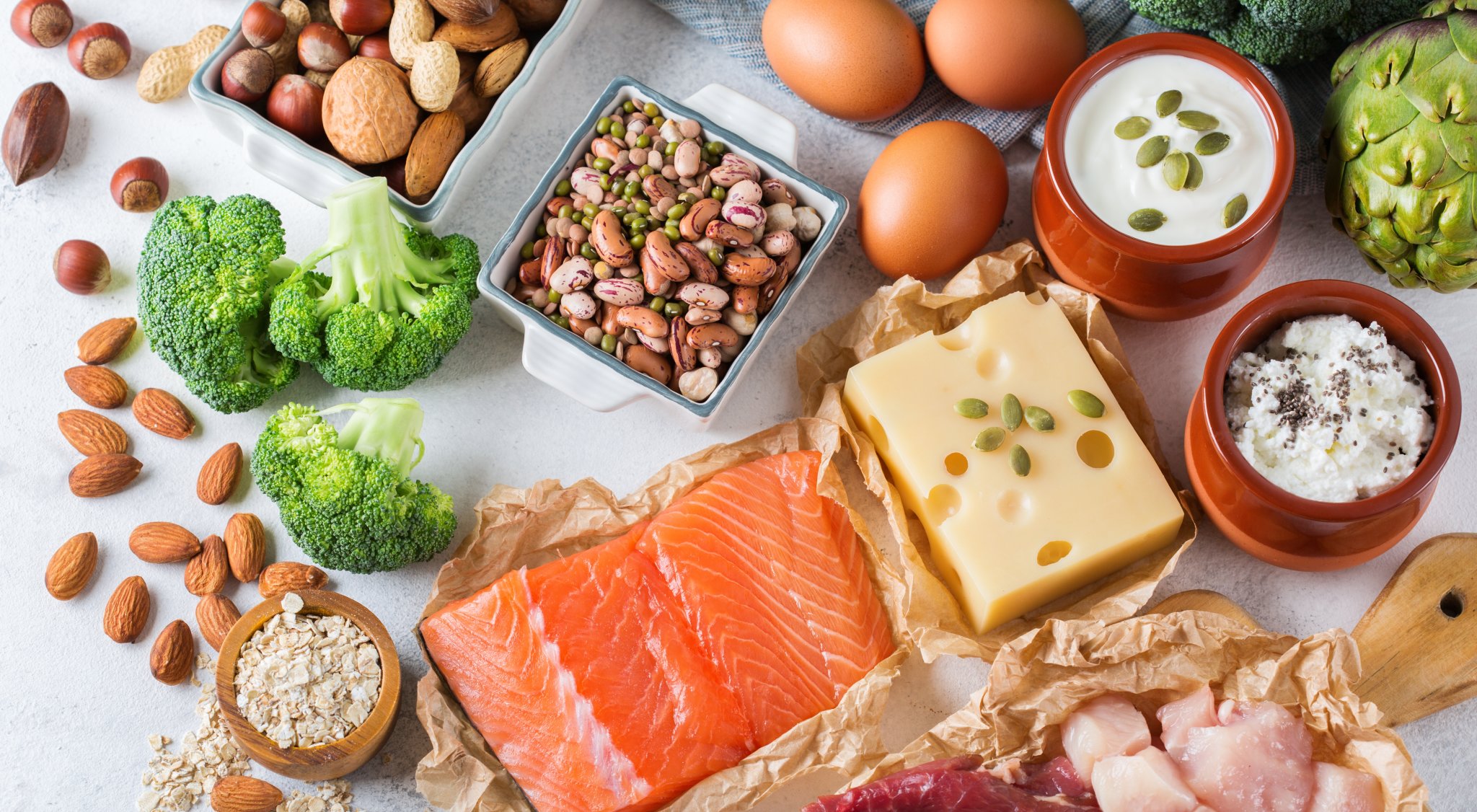
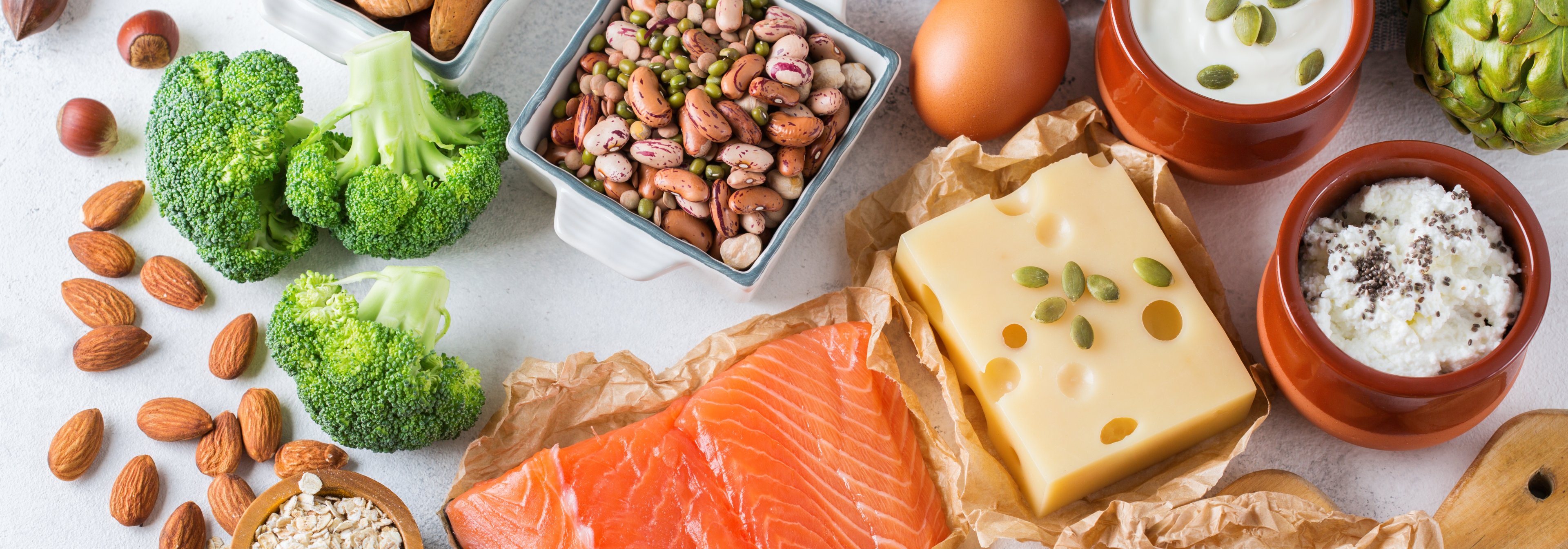
Consume sufficient protein (around 1.2–1.6 g per kg of body weight; for those who do regular strength training, 1.6–2.2 g/kg may be appropriate), fibre-rich foods and healthy fats. Wholemeal products, pulses, vegetables, fish, eggs and nuts provide what your body needs after the fasting period and do not put unnecessary strain on your insulin levels.
Sample daily plan for the 16:8 variant
- Eating window: 12:00 pm to 8:00 pm
- 12:00 pm – First meal
Protein source (e.g. eggs, pulses, meat) + vegetables + complex carbohydrates (e.g. quinoa, wholegrain rice) - 4 pm – Snack
A handful of nuts, fruit or natural yoghurt with berries - 7.30 pm — Last meal
Fish or tofu + mixed salad + healthy fats (e.g. olive oil, avocado) - Fasting period: 8 pm to 12 pm
Water, black coffee and unsweetened tea are allowed — anything else breaks the fasting period.


Intermittent fasting and sport — muscle building, training and recovery
You can pair muscle building with intermittent fasting.
With the right strategy, sufficient strength training and targeted protein intake, you can increase your strength and benefit from ketosis.
Time-restricted eating combined with strength training can positively influence body composition and muscle strength. Research suggests that resistance training and a healthy diet complement intermittent fasting (Mang et al., 2024). However, if you fast for longer periods without training, you risk losing muscle mass.
Keep exercise moderate during the fast, then schedule intense workouts within your eating window. A meta-analysis involving athletes and non-athletes shows that intermittent fasting combined with training doesn’t impair physical performance in most parameters — and can support body fat loss (Kazeminasab et al., 2025).
Recovery: where fascia training comes in
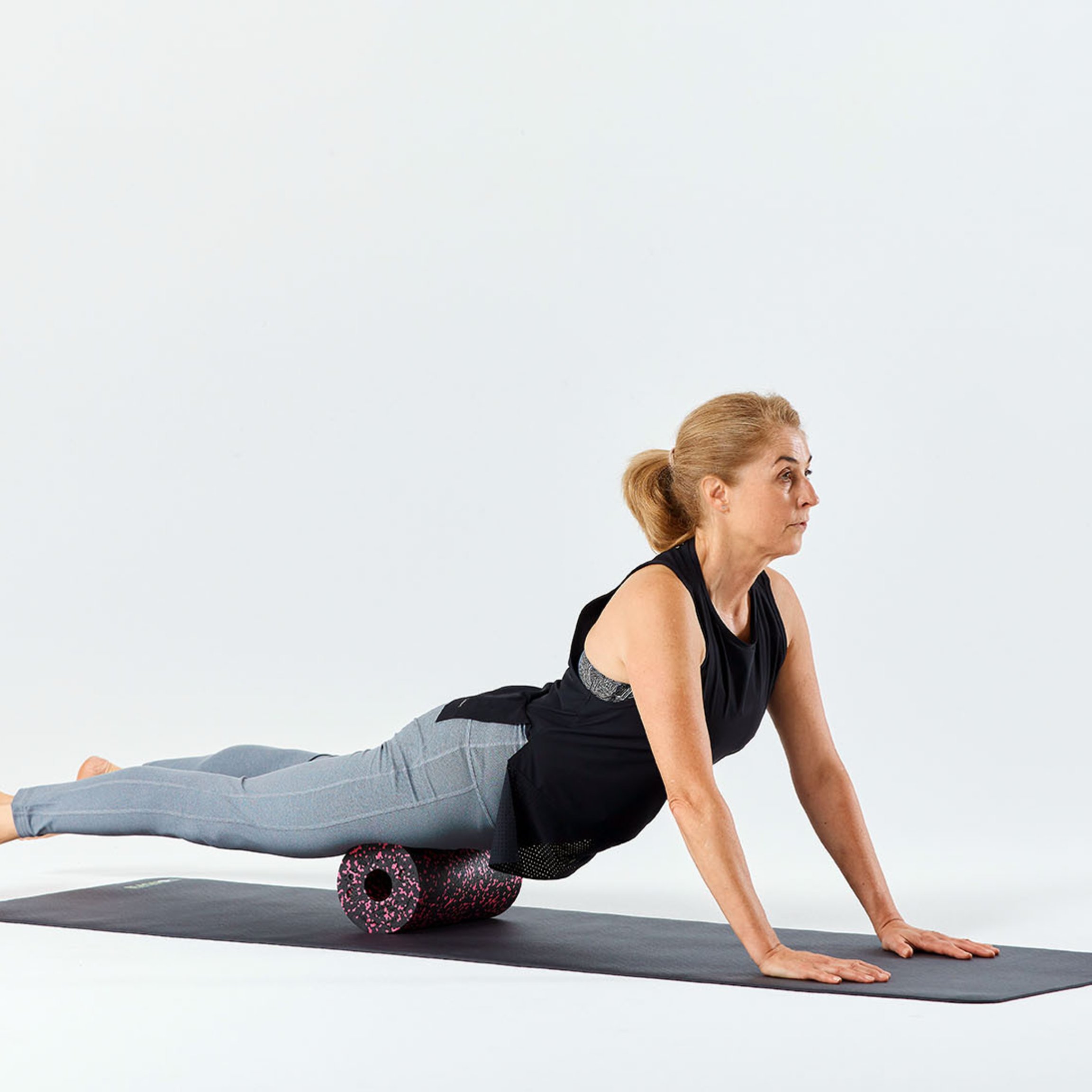
For your body to benefit from training stimuli, it needs sufficient recovery – regardless of whether you train during your eating window or on an empty stomach. Myofascial self-massage with the BLACKROLL STANDARD supports muscle recovery after training and can be flexibly integrated into any daily routine.
07 Intermittent fasting: losing weight that works for everyday life
For many people, intermittent fasting is easier to stick to than continuous dieting — and offers comparable health benefits.
Stick to your chosen window consistently and avoid overcompensating during eating periods. We suggest pairing intermittent fasting with regular exercise and adequate protein intake to help preserve lean muscle and support a healthy metabolism.
Combine it with regular training and adequate protein intake to support body composition and metabolism. Start with a moderate variant such as 12:12 or 14:10 – and adapt the approach to your everyday life, not the other way round.


FAQ on intermittent fasting
Useful information
Intermittent fasting is a way of eating where you alternate daily between an eating phase and a fasting phase. You control when you eat — not what. Depending on the method, the fasting phase lasts between 12 and 18 h. During this time, drink only water, black coffee and unsweetened tea.
Studies show positive effects on insulin sensitivity, blood sugar regulation and certain inflammatory markers — particularly in people who are overweight. Intermittent fasting is generally safe for healthy adults. However, there's still a lack of robust long-term data. If you have pre-existing conditions such as diabetes or eating disorders, or if you're pregnant, consult a doctor beforehand.
There's no fixed minimum duration. Initial effects on blood sugar and weight may become apparent after a few weeks – the key is long-term, sustainable implementation as part of everyday life, combined with a balanced diet during the eating window. It’s not equally suitable for every stage of life: during periods of high stress, intensive training, pregnancy, breastfeeding or hormonal changes, shorten the fasting window (e.g. 12:12) or take a temporary break.
Black coffee without milk, sugar or other additives is permitted during the fasting period. It contains no significant calories and doesn't interrupt the fasting period. Coffee with milk or sweetened variants, on the other hand, trigger an insulin response and end the fasting period. Black or green tea is also permitted.
Yes – provided you do regular strength training and consume sufficient protein (approx. 1.6 to 2.2 g per kg of body weight). Intermittent fasting on its own doesn’t preserve muscle mass. It’s the combination of training stimulus and targeted protein intake during the eating window that makes muscle building possible whilst intermittent fasting.

All exercises in our App
Download our free app to find more than 500 exercises and configure your own workouts, track your trainings and progress. Save your favorite routines and exercises and learn how to recover, train your flexibility and strength as well as your athletic capabilities.
Further reading on nutrition







Sources
Mattson, M., Longo, V. and Harvie, M. (2017). Impact of intermittent fasting on health and disease processes. Ageing Research Reviews, 39, 46–58. https://doi.org/10.1016/j.arr.2016.10.005
Mang, Z., Beam, J., Ruch, A. and Martinez, A. (2024). A discussion of the combined effect of resistance training and time-restricted eating on body composition and neuromuscular adaptations. Strength and Conditioning Journal, 47, 76–85. https://doi.org/10.1519/ssc.0000000000000858
Riaz, R., Nadia, F. and S. (2025). Impact of intermittent fasting on insulin sensitivity and HbA1c levels among overweight adults with prediabetes. Insights – Journal of Health and Rehabilitation. https://doi.org/10.71000/qcsrry35
Wang, X., Yang, Q., Liao, Q., Li, M., Zhang, P., Santos, H., Kord-Varkaneh, H. and Abshirini, M. (2020). Effects of intermittent fasting diets on plasma concentrations of inflammatory biomarkers: A systematic review and meta-analysis of randomised controlled trials. Nutrition, 79–80 , 110974. https://doi.org/10.1016/j.nut.2020.110974
Rynders, C., Thomas, E., Zaman, A., Pan, Z., Catenacci, V. and Melanson, E. (2019). Effectiveness of intermittent fasting and time-restricted feeding compared to continuous energy restriction for weight loss. Nutrients, 11 . https://doi.org/10.3390/nu11102442
Berthelot, E., Etchecopar-Etchart, D., Thellier, D., Lançon, C., Boyer, L. and Fond, G. (2021). Fasting interventions for stress, anxiety and depressive symptoms: a systematic review and meta-analysis. Nutrients, 13. https://doi.org/10.3390/nu13113947
Hoddy, K., Kroeger, C., Trepanowski, J., Barnosky, A., Bhutani, S. and Varady, K. (2015). Safety of alternate-day fasting and its effect on disordered eating behaviours. Nutrition Journal, 14. https://doi.org/10.1186/s12937-015-0029-9
Kazeminasab, F., Sharafifard, F., Kerchi, A., Bagheri, R., Carteri, R., Kirwan, R., Santos, H. and Dutheil, F. (2025). Effects of intermittent fasting and calorie restriction on exercise performance: a systematic review and meta-analysis. Nutrients, 17. https://doi.org/10.3390/nu17121992