
Therapeutic fasting: how to complete a multi-day fast

Therapeutic fasting refers to the temporary abstinence from solid food. During a fasting regimen, the diet consists mainly of liquids, broth and unsweetened drinks. Depending on the method, it lasts from several days to a few weeks and is often undertaken to lose weight, relieve the body or improve one’s general wellbeing.
In brief
- Therapeutic fasting involves the deliberate avoidance of solid food for 3 to 14 d — water, teas and broths are permitted.
- The Buchinger method is the most proven and best-researched form of therapeutic fasting.
- After around half a day to a full day without food, the body switches to ketosis — the metabolism draws energy from fat reserves.
- Studies suggest it may improve blood lipid levels and insulin sensitivity.
- You'll also need rest days before and recovery days after the fast.


What is therapeutic fasting and how does it work?
Therapeutic fasting is a voluntary, time-limited abstinence from solid food — with the aim of relieving the body and boosting the metabolism. A typical programme lasts 3–14 d — quite different from intermittent fasting or restrictive diets. During the fasting phase you consume only liquids: water, herbal teas, vegetable broths and diluted juices.
Abstaining from food can feel challenging at first, yet with careful preparation and the right approach you can fast safely and comfortably.
Therapeutic fasting according to Buchinger — the best-known method
Developed by German doctor Otto Buchinger in the early 20th century, it combines liquid-based fasting with gentle exercise, periods of rest and inner reflection.
During the fasting phase, vegetable broths, freshly squeezed juices (heavily diluted), herbal teas and water are permitted. Solid food is completely avoided. A daily intake of approximately 250 kcal is generally recommended.
The fast is supplemented by moderate physical activity — walks, light endurance training, breathing exercises or yoga. Today the Buchinger method is offered in specialised clinics worldwide but you can also carry it out at home (Buchinger, 2022).


Preparing for therapeutic fasting – how to get off to a good start
Careful preparation makes the fasting period much easier. The Buchinger therapeutic fast offers a tried-and-tested method that you can follow step by step. A health resort or retreat with professional guidance is also a good idea, allowing you to devote yourself fully to the holistic effects of fasting.
The key points for your therapeutic fasting plan at home are:
- Consult your GP even if you feel fit, to ensure there are no medical reasons preventing you from fasting.
- Plan 1–3 rest days before your chosen core fast during which you eat only light, easily digestible foods; this makes the transition easier.
- Plan your meals: buy organic fruit and vegetables to make clear broths, herbal teas and juices.
- During longer fasts, maintain gut care under therapist supervision to prevent complications.
- During the core fasting period, ensure you get plenty of relaxation as well as sufficient exercise. Walks and moderate training are just as important as extended periods of relaxation for recovery.
- After the core fast, eat very lightly for 2–3 days to let your metabolism readjust.
Therapeutic fasting is a challenge for the body and your willpower, yet you won’t need to suffer. On the contrary, most people report positive experiences such as heightened senses, feelings of lightness and pride in their own resolve.


What happens in the body during therapeutic fasting?
Therapeutic fasting triggers a chain of metabolic reactions in the body — with measurable effects on fat loss, hormone levels and cellular processes.
After around 18 to 24 h without food, the glycogen stores in the liver are depleted. Your body initiates the transition to ketosis and increasingly draws its energy from stored fat reserves whilst full fasting ketosis is reached after 24 to 48 h. Insulin levels fall whilst glucagon — responsible for releasing energy from the liver’s stores — rises.
At the same time, autophagy — a cellular cleansing process in which damaged cell components are broken down — is intensified. The clinical relevance of autophagy in humans is still being investigated (De Toledo et al., 2019; Mattson et al., 2017).
Potential benefits of therapeutic fasting
Weight loss: ketosis breaks down body fat reserves; clinically relevant, short-term weight loss has been documented during longer periods of fasting (Ezpeleta et al., 2023).
Cardiovascular health: fasting can improve blood pressure and blood lipid levels, including in people with diabetes (Li et al., 2017).
Studies also show improvements in HbA1c levels and insulin sensitivity (Riaz et al., 2025).
Mental wellbeing: some studies report slightly reduced levels of anxiety and depression during fasting (Berthelot et al., 2021).

Possible disadvantages and side effects
Headaches are the most common side effect and they're usually caused by a drop in blood sugar, caffeine withdrawal or insufficient fluid intake.
Other symptoms include sleep disturbances, circulatory problems, difficulty concentrating, feelings of weakness, constipation and bad breath.
Most of these symptoms subside after 2–3 d of fasting. Drink plenty of fluids (2–3 L a day) and replenish electrolytes to alleviate them. If symptoms persist, stop fasting and seek medical advice (Hoddy et al., 2015).



How long should a therapeutic fast last? — Make a plan
Therapeutic fasting typically lasts between 3 and 14 d. Choose a duration that suits your experience, health and goals, then stick to it.
The desired metabolic processes, such as ketosis and autophagy, begin to take effect in the body within the first few days. According to studies, healthy adults generally tolerate a 10-d complete fast well. However, a longer period without food should not be undertaken without medical supervision (Dai et al., 2022).
Furthermore, longer fasting periods don't necessarily translate into long-term benefits. Studies suggest that metabolic benefits are often no longer detectable three to four months after fasting — even if body weight has been maintained (Ezpeleta et al., 2023).
Typical durations for therapeutic fasting
3 d: introduction for beginners, initial metabolic shift (1 preparation d + 3 fasting d + 1 recovery d)
5 d: deepening of ketosis and noticeable effects on how you feel
7 d: classic Buchinger duration, sufficient time for metabolic adaptation (2 preparation d + 7 fasting d + 2 recovery d)
14 d: Therapeutic programmes — only with medical supervision and prior experience of fasting


What's permitted during therapeutic fasting?
During the fasting phase, you completely abstain from solid food — only water, herbal teas and diluted juices are permitted.
Follow the Buchinger method’s daily intake:
Water: 2 to 3 l (still or lightly mineralised water)
Herbal teas: unsweetened, as desired
Vegetable stock: low in salt, homemade (e.g. simmer carrots, celery and leeks for 1 to 2 h, then strain — this produces a stock rich in minerals)
Fresh juices: freshly squeezed, heavily diluted (1:1 with water), max. 250 ml daily
Avoid sugar, alcohol and solid food during therapeutic fasting; the only exception is a small teaspoon of honey in your tea.
Therapeutic fasting and coffee: do they go together?
Most guides advise against coffee and caffeinated teas (green and black tea) during the fast.
Caffeine stimulates the nervous system, can affect blood sugar levels and exacerbate nervousness and sleep problems — all of which run counter to a peaceful fasting period. Gradually reduce caffeine intake as early as the ‘relief days’ (Buchinger, 2022).



Therapeutic fasting and strength training: how exercise influences the effects
We suggestyou build in gentle exercise to boost circulation, support metabolism and lift your mood. During therapeutic fasting according to the Buchinger method,regular moderate activity is encouraged. Suitable options include:
- Walks or light endurance training (20 to 30 min daily)
- Yoga or breathing exercises
- Gentle fascia training with a foam roller (low pressure, short sessions)
Avoid intensive strength training or strenuous endurance training during the fasting phase. Your body’s in an energy deficit — high levels of exertion combined with long periods of fasting increase the risk of muscle loss, circulatory problems and excessive fatigue (Kazeminasab et al., 2025).


Therapeutic fasting and recovery: where BLACKROLL® comes in
Multi-day fasting programmes can be demanding on the body, which is why sufficient rest and recovery are just as important as regular exercise.
Use the period to find your centre and recover from everyday stresses. Get plenty of sleep and rest when you need it. Try breathing exercises and mindfulness practices such as meditation or breathwork to support recovery.
Targeted fascia work
Incorporate targeted self-massage with the BLACKROLL STANDARD or DUOBALL to support circulation, relieve tension and activate joints and muscles with minimal effort.

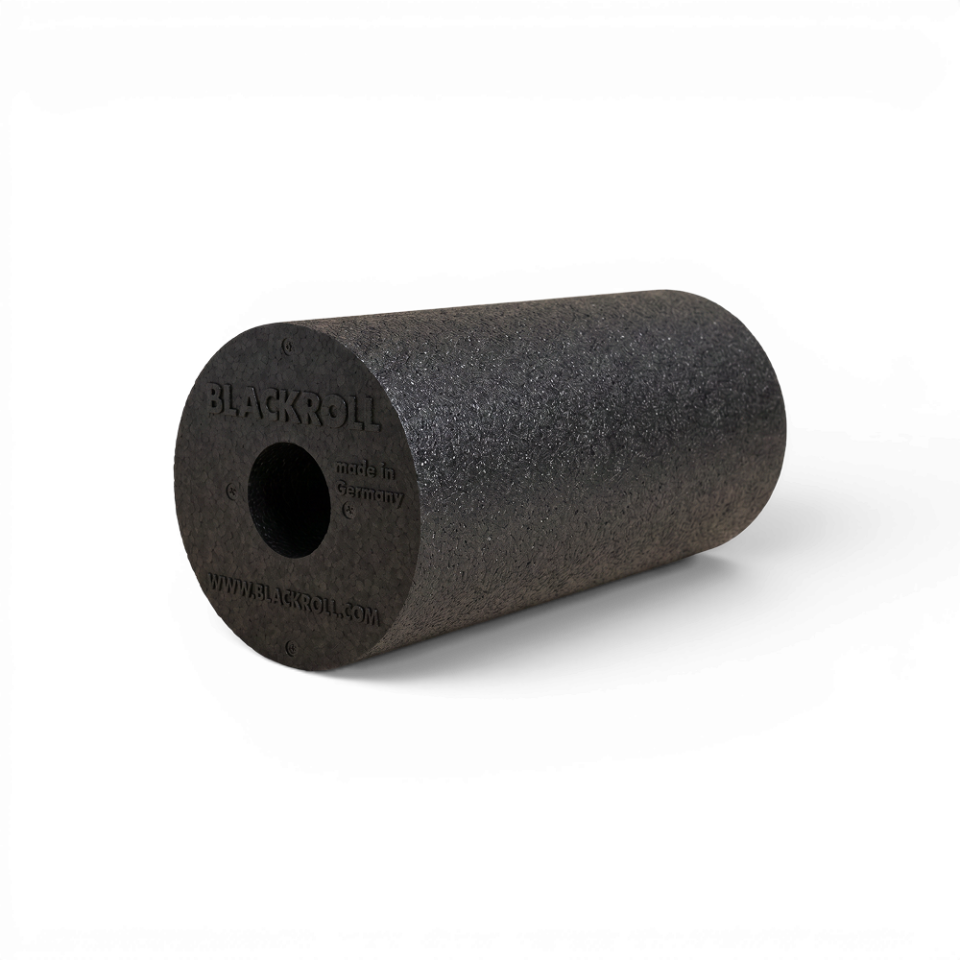
Standard
Available in multiple variants
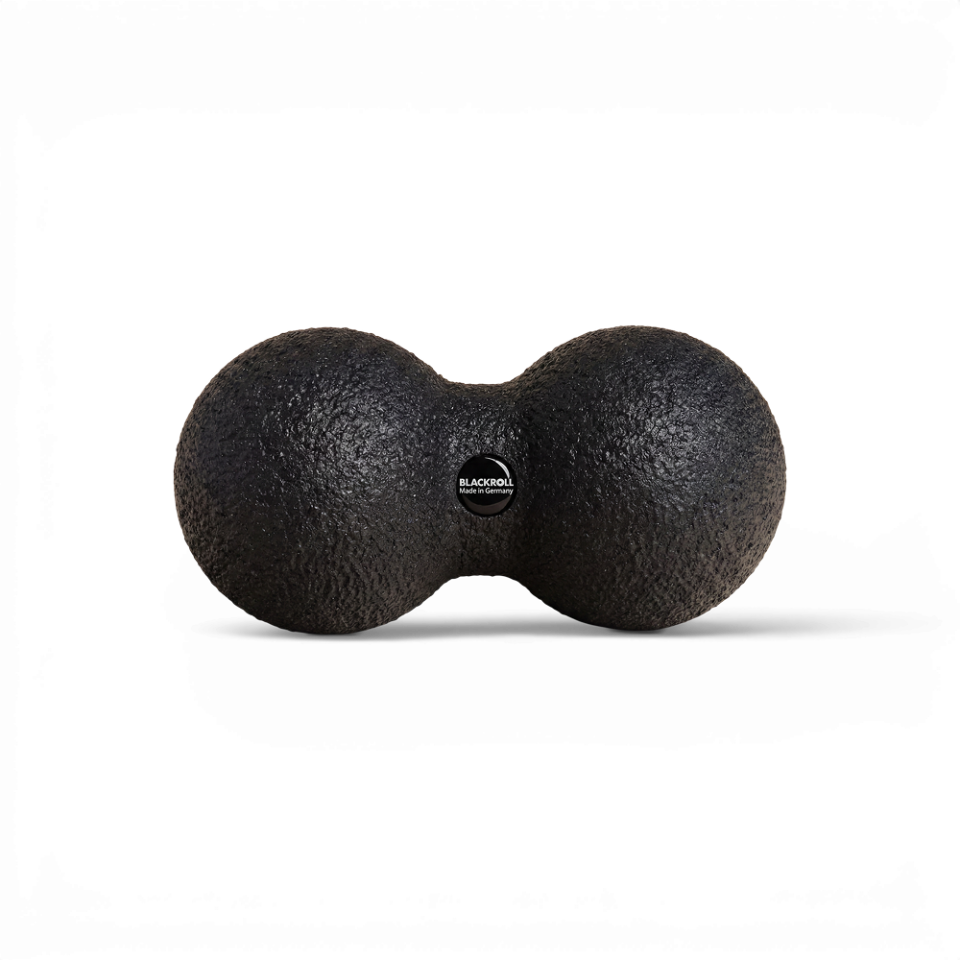



Conclusion: Therapeutic fasting as a conscious reset for the body
When carried out correctly, it can help you pause, relieve the strain on your body and consciously question ingrained habits. The shift in metabolism, the periods of rest and the conscious examination of your own behaviour make fasting a holistic reset — both physically and mentally.
- One aspect deserves particular attention: protecting your muscles. Muscles are increasingly recognised as one of the most important organs for healthy ageing. A permanent loss of muscle mass can reduce your energy expenditure and slow down your metabolism in the long term.
During the first few days, before your body draws more energy from fat reserves, it may temporarily use protein from your muscles. Studies suggest that moderate exercise and light strength training can help you maintain muscle mass during this phase.
For some people, prolonged fasting is therefore less suitable – for example, if you're already very slim or suffering from muscle wasting. People going through the menopause should weigh up the options particularly carefully: hormonal changes can further contribute to muscle loss. Often, a long-term, gradual change to diet and exercise is more sensible and safer than a short, radical fasting period.
What happens afterwards is crucial. The greatest effects don’t occur during the fasting days, but in the period that follows: when you establish new routines, eat more mindfully and pay closer attention to your body’s signals. Therapeutic fasting can be the ideal starting point for this – but it’s no substitute for a long-term healthy lifestyle.
Use the experience as a springboard to improve your exercise, recovery and diet in a sustainable way and a temporary fast can become a significant turning point for your health.
FAQ – Therapeutic fasting explained in a nutshell
It involves voluntarily abstaining from solid food for a limited period – usually between 3 and 14 d. You may drink water, herbal teas, vegetable broths and diluted juices. The approach aims to relieve the burden on your metabolism and support your body’s natural regenerative processes. It’s not a diet, but a structured fasting method.
Begin with 3–5 d; with experience you may extend to 7–14 d. Schedule preparation d beforehand and recovery d afterwards. Remember — longer fasts don’t automatically bring longer-term benefits; research shows metabolic effects often aren’t detectable after 3–4 mos.
Studies show potential positive effects on metabolism, blood lipid levels and insulin sensitivity. For healthy adults, therapeutic fasting is considered a moderately safe therapeutic method. If you have pre-existing conditions such as diabetes or cardiovascular disease, seek medical advice beforehand. However, most health benefits aren't long-term — though a fasting programme can motivate you to make lasting dietary changes.
Most guides advise against coffee and caffeinated teas because caffeine stimulates the nervous system, affects blood sugar levels and can worsen nervousness and sleep problems. Gradually reduce your caffeine intake during the preparation days and switch to herbal teas or decaffeinated coffee in small quantities.
Permitted are water (2–3 L a day), unsweetened herbal teas, low-salt vegetable broths and diluted fruit and vegetable juices (max. 250 ml a day). Avoid solid food, sugar and alcohol. You may add a small teaspoon of honey to tea according to the Buchinger method.




All exercises in our App
Download our free app to find more than 500 exercises and configure your own workouts, track your trainings and progress. Save your favorite routines and exercises and learn how to recover, train your flexibility and strength as well as your athletic capabilities.
Sources
Buchinger, A. (2022). Buchinger Therapeutic Fasting: My 7-Day Programme for at Home. TRIAS.
De Toledo, W., Grundler, F., Bergouignan, A., Drinda, S. and Michalsen, A. (2019). Safety, health improvement and well-being during a 4 to 21-day fasting period in an observational study including 1,422 subjects. PLoS ONE, 14. https://doi.org/10.1371/journal.pone.0209353
Mattson, M., Longo, V. and Harvie, M. (2017). Impact of intermittent fasting on health and disease processes. Ageing Research Reviews, 39, 46–58. https://doi.org/10.1016/j.arr.2016.10.005
Ezpeleta, M., Cienfuegos, S., Lin, S., Pavlou, V., Gabel, K. and Varady, K. (2023). Efficacy and safety of prolonged water fasting: a narrative review of human trials. Nutrition Reviews. https://doi.org/10.1093/nutrit/nuad081
Li, C., Sadraie, B., Steckhan, N., Kessler, C., Stange, R., Jeitler, M. and Michalsen, A. (2017). Effects of a one-week fasting therapy in patients with type 2 diabetes mellitus and metabolic syndrome – a randomised controlled exploratory study. Experimental and Clinical Endocrinology & Diabetes, 125(9), 618–624. https://doi.org/10.1055/s-0043-101700
Riaz, R., Sheikh, F. N. (2025). Impact of intermittent fasting on insulin sensitivity and HbA1c levels among overweight adults with prediabetes. Insights – Journal of Health and Rehabilitation, 3(8), 794–799. https://doi.org/10.71000/qcsrry35
Berthelot, E., Etchecopar-Etchart, D., Thellier, D., Lançon, C., Boyer, L. and Fond, G. (2021). Fasting interventions for stress, anxiety and depressive symptoms: a systematic review and meta-analysis. Nutrients, 13(11), 3947. https://doi.org/10.3390/nu13113947
Hoddy, K., Kroeger, C., Trepanowski, J., Barnosky, A., Bhutani, S. and Varady, K. (2015). Safety of alternate-day fasting and its effect on disordered eating behaviours. Nutrition Journal, 14(44). https://doi.org/10.1186/s12937-015-0029-9
Dai, Z., Zhang, H., Wu, F., Chen, Y., Yang, C., Wang, H., Sui, X., Guo, Y., Xin, B., Guo, Z., Xiong, J., Wu, B. and Li, Y. (2022). Effects of 10-d complete fasting on physiological homeostasis, nutrition and health markers in male adults. Nutrients, 14(8), 3860. https://doi.org/10.3390/nu14183860
Kazeminasab, F., Sharafifard, F., Kerchi, A., Bagheri, R., Carteri, R., Kirwan, R., Santos, H. and Dutheil, F. (2025). Effects of Intermittent Fasting and Calorie Restriction on Exercise Performance: A Systematic Review and Meta-Analysis. Nutrients, 17(12), 1992. https://doi.org/10.3390/nu17121992