
Strengthening connective tissue: tips, diet and exercises for healthy tissue

Connective tissue connects, supports and protects the skin, muscles, organs and joints. Its elasticity is influenced by factors such as genetics, hormones, physical activity, diet and lifestyle. Regular exercise, strength and fascia training, adequate fluid intake and a nutrient-rich diet can support its structure and resilience.
In this article, you’ll learn:
- What connective tissue is, what functions it applies in the body and why it's so crucial for your skin, movement and health
- The causes and symptoms behind weak connective tissue – from genetics and hormones to lifestyle
- Strengthen it from within through a targeted diet, key nutrients and adequate hydration
- Which sports, exercises, massages and home remedies help to improve elasticity and tone
- How cellulite develops, what realistically helps to combat it and what role fascia training and BLACKROLL® play in this


Why is connective tissue so important?
Connective tissue is your body’s unsung hero — a complex network that holds the skin, muscles, organs and joints together. It not only provides stability and elasticity but also supports the immune system, healing and recovery following injuries. Without healthy connective tissue, you’d be neither mobile nor resilient.
Strong connective tissue makes you resilient, supports your performance in everyday life and sport, protects against injuries and, at the same time, contributes to firm, supple skin. Weak connective tissue, on the other hand, can lead to cellulite, stretch marks or sagging skin – reason enough to pay attention to it and actively look after it.



What is connective tissue? Definition and function
It’s a complex biological network of cells, fibres and ground substance that connects every structure in your body. This tissue provides stability, shape and elasticity, protects your organs, enables mobility and supports healing and recovery. Without healthy connective tissue, your body wouldn’t be stable or flexible — it forms the ‘scaffolding’ that provides structural support.

Biological structure
Connective tissue consists of three basic components:
These three key components work closely together to enable it to perform its diverse functions.
Cells play a key role in this — foremost among them are the fibroblasts, which are the main producers of collagen and elastic fibres. They ensure the stability and elasticity of the tissue. They're supplemented by various immune cells such as macrophages and mast cells, which are involved in defence and inflammatory processes and thus apply an important protective function.
The second component consists of the fibres that give the tissue its mechanical properties. Collagen fibres make connective tissue particularly strong under tension and resistant to stress whilst elastic fibres provide flexibility and extensibility. This combination enables the tissue to be both stable and mobile — a prerequisite for many functions within the musculoskeletal system.
The third component is the ground substance — also known as the extracellular matrix — which forms the basis in which cells and fibres are embedded. It consists of a water-rich, gel-like substance that's rich in so-called proteoglycans and glycosaminoglycans. These protein–sugar compounds store water, add elasticity and support the exchange of nutrients.
Taken together, this results in a dynamic interplay between cells, fibres and the ground substance, which gives the connective tissue its stability, adaptability and nourishing function.


Different types of connective tissue
We can divide connective tissue into several types, each performing different functions in the body:
- Loose connective tissue
It's the most common form and fills the spaces between organs, muscles and blood vessels. It acts as a cushioning layer, a water reservoir and a system for the exchange of substances. Its loose structure makes it particularly adaptable and it plays a role in wound healing and in defending against pathogens.
- Dense connective tissue
This tissue is significantly richer in fibres and therefore much more stable. It’s found primarily in tendons, ligaments and fascia, and ensures that muscles and bones are connected to one another in a strong yet elastic manner. Its tensile strength makes it a key structural element for stability and resilience of the musculoskeletal system.
- Specialised forms
This group includes adipose tissue, cartilage, bone and blood. Each of these tissues has specific functions: adipose tissue serves as an energy store and a thermal buffer; cartilage provides pressure and shock absorption in joints; bones give the body its rigid form and enable movement; whilst blood applies oxygen, nutrients and immune cells.
Overall, we can therefore conclude that connective tissue is far more than a mere ‘scaffold’. It’s a highly dynamic, living system that’s indispensable for structure, stability, nourishment, immune defence and healing processes. Without healthy connective tissue, your body would be neither stable nor flexible – it forms the basis for movement, adaptability and recovery.


Connective tissue weakness: causes and symptoms
Weak connective tissue commonly affects people, especially those assigned female at birth, and it doesn't usually arise from a single trigger; instead it's the result of multiple factors that, over the years, can impair the structure and elasticity of the tissue.
Genetic predisposition plays a role here, as some people naturally have less elastic fibres or a lower collagen density. Hormonal changes — such as those occurring during puberty, pregnancy or the menopause — can also affect the firmness and elasticity of connective tissue.
Lifestyle factors such as lack of movement, an unhealthy diet, stress or smoking can also weaken blood circulation, nutrient supply and tissue recovery over time, further reducing elasticity and firmness.
Causes of a weak connective tissue structure
- Genetic predisposition
Some people naturally have fewer elastic fibres or lower collagen density in their connective tissue, so stability and elasticity may already be genetically limited.
- Hormonal changes
Hormones have a direct influence on the structure of connective tissue — which explains why many people are affected. Hormonal levels change during:- Pregnancy: stretching of the abdomen and hormonal changes often lead to stretch marks.
- During the menopause falling oestrogen levels can reduce collagen production, leading to a loss of elasticity and firmness.
- Puberty or hormonal fluctuations can also affect the structure of the tissue.
- Pregnancy: stretching of the abdomen and hormonal changes often lead to stretch marks.
- Lack of movement
Regular exercise stimulates blood flow and the metabolism of connective tissue, whereas a lack of exercise reduces the supply of nutrients to the tissue, which — over time — lowers elasticity and firmness.
- Poor diet
A lack of proteins, vitamins and minerals can inhibit the formation of collagen and elastin, while a high intake of sugar or fat also has a negative effect on the structure of connective tissue.
- Smoking and stress
Smoking reduces blood circulation, promotes oxidative processes and destroys collagen fibres. Chronic stress can also weaken connective tissue due to hormonal factors.
Typical symptoms of weak connective tissue
Weakened connective tissue often shows through visible changes and reduced skin elasticity:
- Cellulite (‘orange peel skin’)
Small dimples on the thighs, bottom or hips are caused by accumulations of fat that become visible beneath weak connective tissue.
- Stretch marks
They appear when the skin’s stretched rapidly, for example because of weight gain, pregnancy or growth spurts.
- Sagging skin
The tissue may appear saggier, particularly on the stomach, thighs, arms or face.
- Reduced firmness and elasticity
The skin feels thinner, softer and less firm so even minor stresses lead to visible changes more quickly.
Weakness of the connective tissue isn’t merely an aesthetic issue – it indicates that the tissue’s supportive function is impaired. However, with a targeted diet, exercise and specialised skincare methods, you can build up and strengthen your connective tissue in a sustainable manner.


Strengthening and rebuilding connective tissue: what really helps?
Healthy, firm connective tissue is the result of regular exercise, a balanced diet, targeted care and a healthy lifestyle. Although genetic factors play a part, the structure and elasticity of connective tissue can be actively improved.
Tips for everyday life and lifestyle
You can specifically support healthy connective tissue in your everyday life – through exercise, diet, stress reduction and small routines that promote the elasticity, stability and recovery of the tissue. Here’s how you can promote firm connective tissue:
Plenty of exercise and targeted sport
Mobility and muscle strength support connective tissue in several ways: they boost blood circulation, strengthen the fibres and stimulate collagen production. The following are particularly effective:
Stay hydrated
Water is a key component of the ground substance of connective tissue. Drinking enough water supports elasticity, transports nutrients more effectively and prevents the tissue from drying out. Drink at least 1.5–2 l of water or unsweetened tea per day.A healthy diet and micronutrients
A healthy diet is the foundation for strong and elastic connective tissue. It provides the body with all the necessary nutrients, supports recovery and helps to maintain the structure and function of the tissue in the long term.Reducing stress and improving sleep quality
Chronic stress and poor sleep disrupt hormone balance and reduce collagen production, so we suggest relaxation techniques such as meditation, walks, breathing exercises or yoga to help you maintain healthy tissue. A regular sleep pattern and enough deep-sleep phases support connective-tissue repair.
Strengthen your connective tissue with simple home remedies and massage techniques.
- Dry brushing
Using a natural-bristle brush, gently stroke the skin in circular movements from bottom to top. This boosts blood circulation and lymphatic flow and stimulates cell renewal in the connective tissue.
- Oil massage
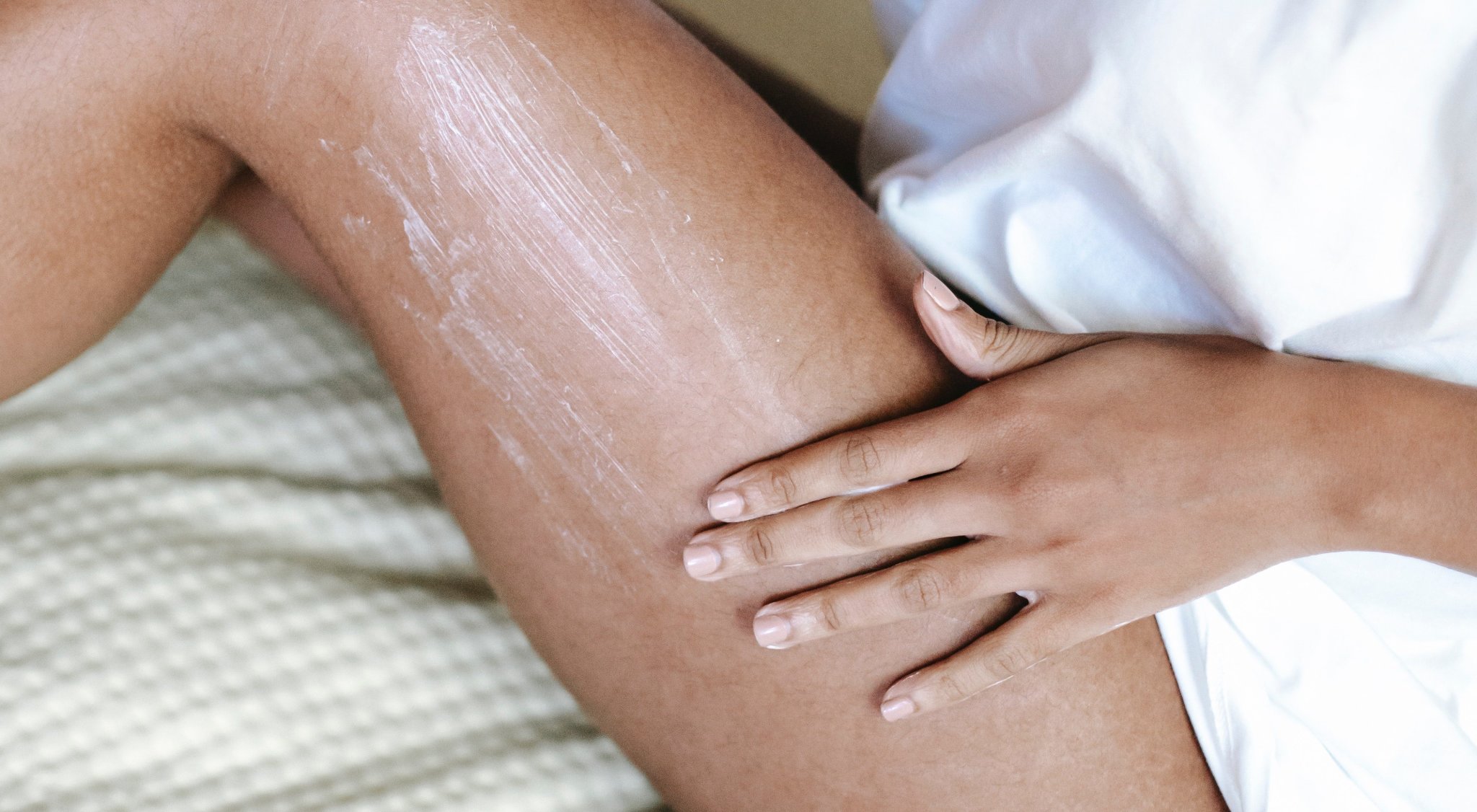
Oils such as jojoba, almond or coconut oil moisturise the skin, make it more supple and improve glide during massage. Use gentle massage techniques to help release adhesions and boost blood circulation.
- Fascia tools and foam rolling
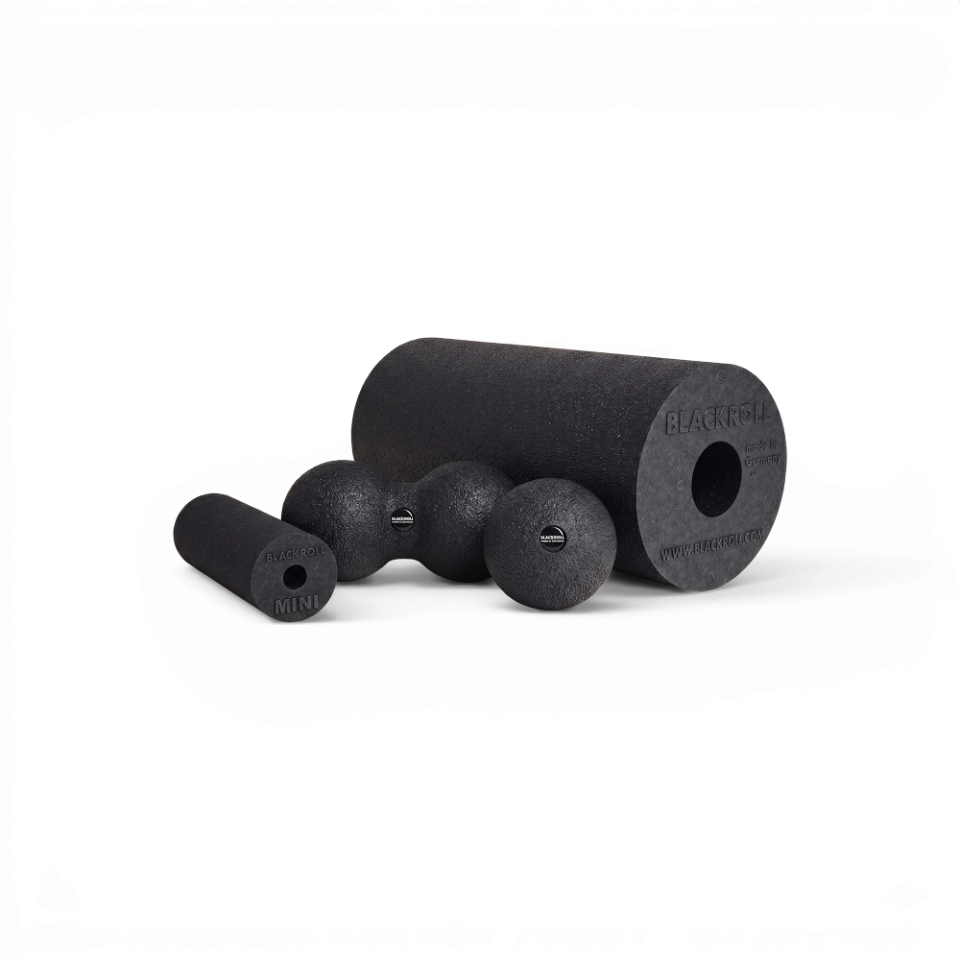
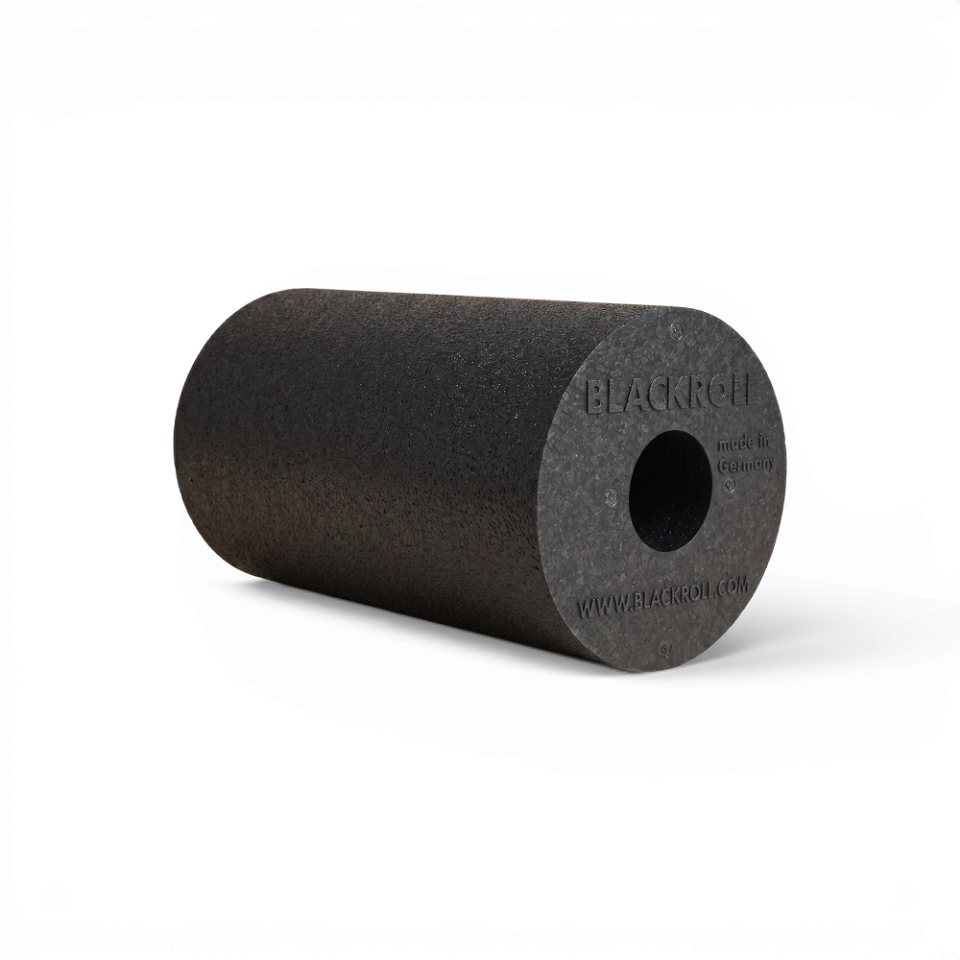
Guide a Foam Roller (STANDARD by BLACKROLL®) or a massage roller over your legs, bottom, arms or stomach. This releases adhesions, mechanically stimulates the connective tissue and supports recovery of collagen and elastin fibres.
Incorporate these methods regularly into your everyday life – e.g. sport 2–3 times a week, daily massage or dry brushing – to experience long-term improvements in the firmness, elasticity and tone of the tissue.


Nutrition for connective tissue
What you eat affects not only your general wellbeing but also the strength, elasticity and recovery of your connective tissue. With the right diet you can strengthen the fibres and support collagen production:
- Protein-rich foods provide amino acids as the building blocks for collagen (e.g. fish, pulses, nuts, eggs, quark, yoghurt, chicken, turkey, tofu and cheese).
- Vitamin C promotes collagen formation and supports your immune system (for example citrus fruits such as oranges, grapefruit and mandarins; peppers; berries such as strawberries, raspberries and blueberries; kiwi; broccoli; Brussels sprouts; spinach and sea buckthorn).
- Zinc and vitamin A support cell division and wound healing and help maintain tissue structure (for example seeds such as sunflower seeds, pumpkin seeds or sesame seeds, porridge, carrots, pumpkin, spinach, sweet potatoes, Swiss chard, egg yolk, salmon and liver).
- Omega-3 fatty acids: help reduce inflammation and support healthy cell function (for example salmon, mackerel, herring, sardines, tuna, linseeds, chia seeds, walnuts, hemp seeds and algae oil)
Together, these nutrients help strengthen your connective tissue from within, supporting its stability and elasticity.

Connective tissue and sport
Targeted training plays a key role if you want to strengthen your connective tissue, maintain its elasticity and stimulate blood circulation. Regular exercise works from the inside and can help, in the long term, to make your skin firmer and your tissue more resilient. The following are particularly suitable:
Strength training: exercises such as squats, lunges, planks or hip thrusts target the thighs, buttocks, abdomen and arms. They stimulate the muscles beneath the connective tissue, boost blood flow and support the tissue. Light weights or resistance bands can also enhance the effect.
Endurance sports such as running, cycling, swimming or Nordic walking improve cardiovascular fitness and blood circulation, helping nutrients reach the connective tissue more quickly and waste products break down more efficiently, which supports recovery and may reduce the appearance of cellulite.
Mobility and flexibility: Pilates, Yoga, stretching or mobility exercises keep the tissue elastic, release adhesions and improve skin tone. Regular stretching and a variety of movements prevent the connective tissue from becoming stiff or losing its elasticity.
Fascia training: targeted fascia work with rollers or stretching exercises releases adhesions, boosts circulation and strengthens collagen and elastin fibres. This makes the connective tissue more elastic, firmer and more resilient — ideal when combined with exercise, a healthy diet and massage.
Myth: can I specifically ‘tone’ connective tissue?
Many people believe that specific exercises can directly firm up certain problem areas, but science shows this is only possible to a limited extent. A holistic approach is key to firmer connective tissue: regular exercise, a healthy diet, sufficient water intake, massage and skincare work together to support the tissue’s natural structure.


Cellulite and connective tissue
Cellulite, often referred to as ‘orange peel skin’, occurs when fat deposits in the subcutaneous tissue are pushed outwards through weak connective tissue. This leads to the characteristic dimples on the thighs, bottom, stomach or upper arms. People with higher levels of oestrogen and finer connective tissue structure are particularly affected.
Weak connective tissue, hormonal changes, genetic predisposition, lack of movement, an unhealthy diet and being overweight all contribute to its development, while dehydration and smoking can further reduce tissue elasticity and worsen its appearance.
Strengthen connective tissue: what helps against cellulite?
- Exercise: Strength training and endurance sports strengthen the muscles beneath the connective tissue, improve blood flow and help firm the skin.
- Massage and myofascial release: dry brushing, oil massages or fascia massage of the thighs stimulate blood flow, release adhesions and can reduce the appearance of cellulite.
- Laser and radiofrequency therapies: clinical studies show that treatments using specialised devices (such as laser, radiofrequency and shockwave therapy) can stimulate the connective tissue and promote new collagen formation. Results are often visible but not permanent – regular repeat treatments are necessary.
- Weight stability: significant weight fluctuations damage connective tissue, so maintaining a stable healthy weight helps you avoid this.
- A balanced diet containing sufficient protein, vitamin C, zinc and omega-3 fatty acids supports collagen production and strengthens the connective tissue structure.
- Skincare products: creams or gels with caffeine, retinol or hyaluronic acid can smooth the skin and improve its elasticity. However, they’re primarily intended to support the skin and aren’t a substitute for targeted training and a healthy lifestyle.
Current scientific understanding: Cellulite isn’t a disease but a natural change in the connective tissue — particularly in women — and there’s as yet no method that can permanently and completely remove cellulite. You can’t eliminate it entirely, but you can refine its appearance and skin quality through the combination mentioned above of exercise, diet, collagen support, massages and, where appropriate, medical-aesthetic procedures.
Strengthening connective tissue with BLACKROLL®: methods for firmness, elasticity and recovery
Healthy connective tissue forms the foundation for firm skin, whole-body stability and effective recovery. Targeted fascia training stimulates collagen and elastin fibres, releases adhesions and boosts circulation. We offer various tools and exercises that you can easily integrate into your everyday life.
Roller massage for legs, buttocks and arms
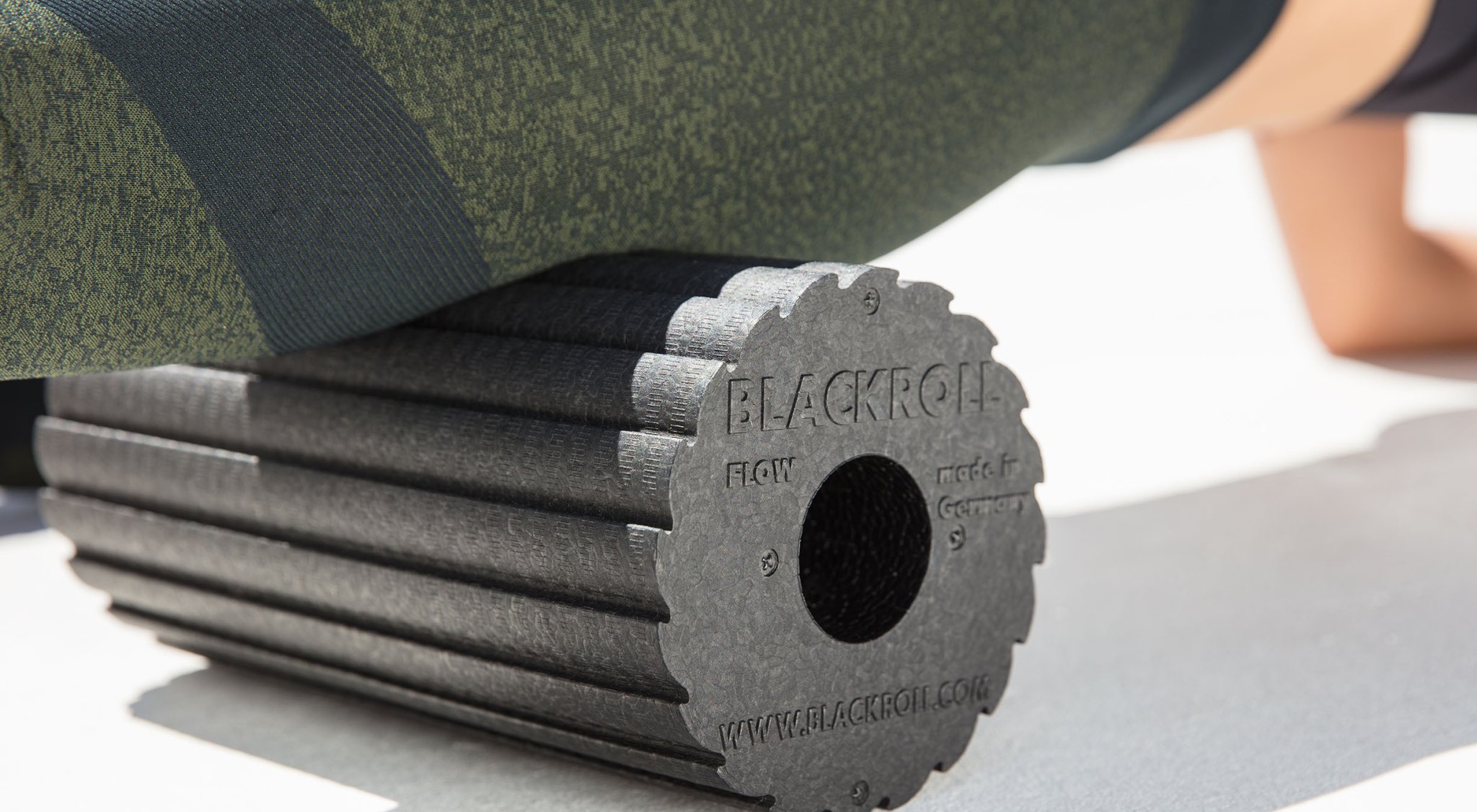
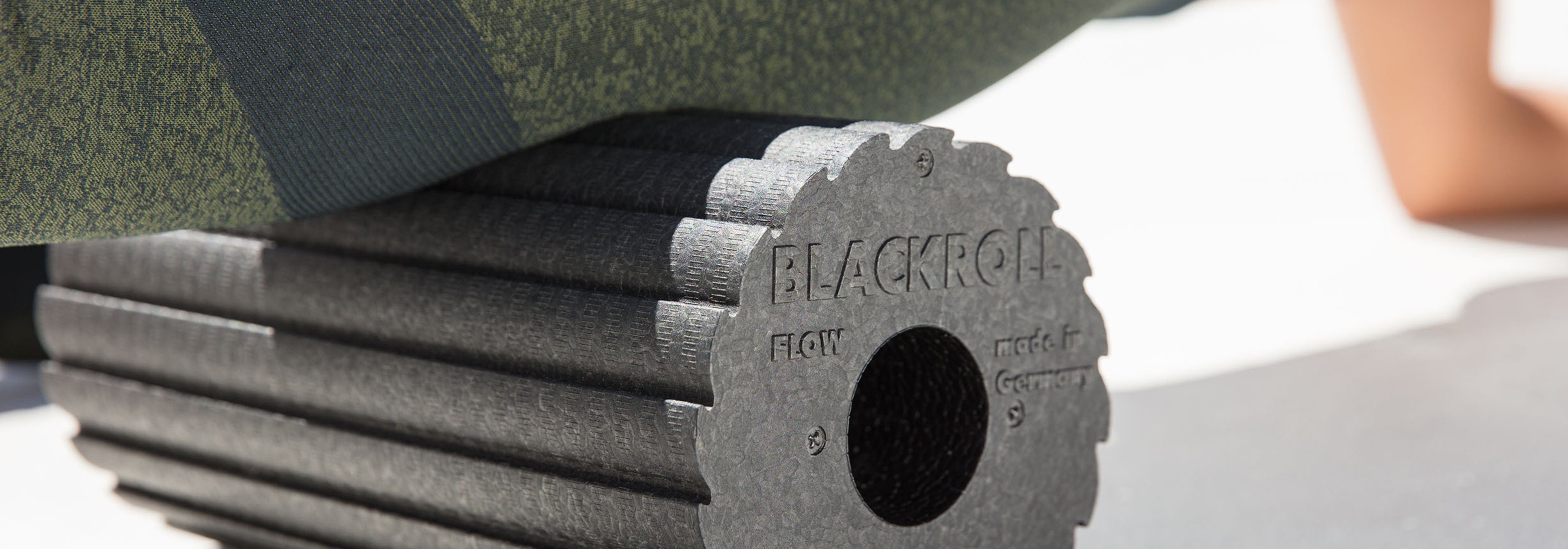
The classic BLACKROLL® STANDARD foam roller is ideal for mechanically activating the connective tissue. Roll across the thighs, calves, buttocks and arms to release adhesions in the subcutaneous tissue, stimulate blood flow and support recovery of the fibres. Roll for 1–2 min per body area, moving slowly and under control.Fascia ball for targeted work
The BLACKROLL® Fascia Ball lets you target small sensitive areas such as the soles of your feet, shoulders or gluteal muscles. Firm pressure can help release adhesions and support elasticity in the connective tissue.Dynamic training
Combine rolling with dynamic exercises such as squats, lunges or planks to activate muscles and connective tissue simultaneously. The combination of pressure massage and movement increases blood flow, supports collagen production and can firm the skin.Consistency is key
For visible results, carry out fascia training regularly — ideally two to three times a week. Even short sessions of 10–15 min can improve the elasticity of the connective tissue, reduce cellulite and increase mobility.Combine with a healthy lifestyle
BLACKROLL® training works best when combined with adequate hydration, a balanced diet (protein, vitamin C, zinc, omega-3) and regular exercise. This supports collagen production from within and promotes tissue firmness.


FAQ: Frequently asked questions
It connects, supports and protects structures such as skin, muscles, organs and joints, and it also contributes to elasticity, healing, immune defence and the exchange of nutrients.
The most common causes include genetic predisposition, hormonal changes (e.g. pregnancy or the menopause), lack of movement, an unbalanced diet, stress and smoking. These factors impair the collagen structure and reduce firmness and elasticity.
Adopt a holistic approach: exercise regularly, practise targeted strength and fascia training, enjoy massages and eat a nutrient-rich diet to support tissue repair and renewal. Ensure you get enough sleep and keep stress to a minimum.
Protein provides the building blocks for collagen whilst vitamin C, zinc, vitamin A and omega-3 fatty acids promote collagen formation, cell regeneration and elasticity. Maintain adequate fluid intake to keep the ground substance of connective tissue supple.
Yes, strength training, endurance exercise, mobility training and fascia training boost blood flow and stimulate collagen and elastin fibres, and regular exercise strengthens the muscles beneath the connective tissue, improving its elasticity over time.


Conclusion and further tips
Healthy connective tissue forms the basis for firm, elastic skin and a stable body structure. When you support your connective tissue, you’ll enjoy not only a more refined appearance but also greater mobility, resilience and faster recovery.
Adopt a holistic approach: exercise regularly, build strength and endurance, practise targeted mobility drills and use fascia release or massage to boost circulation, release adhesions and encourage collagen and elastin synthesis. At the same time, a balanced, nutrient-rich diet provides essential building blocks for connective tissue structure — protein, vitamin C, zinc, omega-3 fatty acids and sufficient fluids support the tissue’s elasticity from within.
Relaxation, stress reduction and restful sleep also help to balance hormonal influences and optimise recovery. Simple routines such as dry brushing, oil massages or regular use of fascia tools can visibly improve the skin’s elasticity.
Remember, patience and consistency matter most. Stick with these habits over weeks and months and you'll notice firmer, healthier skin.