
Flamingo test – what does your balance reveal about your life expectancy?

The Flamingo Test is a simple one-legged stand that lets you assess your balance and physical stability. The length of time you can stand typically changes with age and can indicate your balance. In this article, you’ll learn how to perform the test safely, what the benchmark figures are and how you can train your balance.
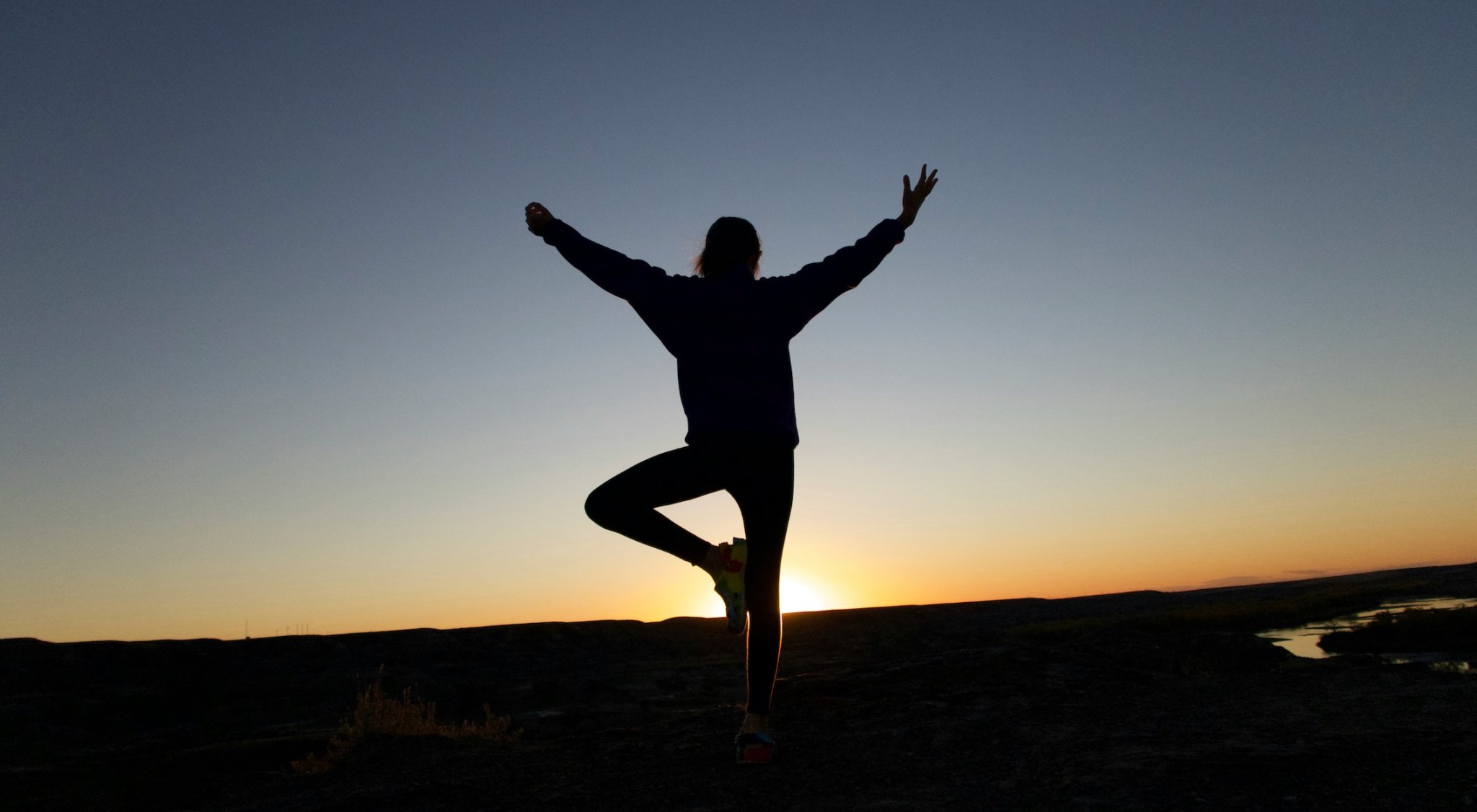

What is the Flamingo Test?
It measures how long you can stand on one leg and gives you a quick snapshot of your neuromuscular control– how well your brain, nervous system and muscles work together to keep you balanced.
The test gained wider recognition when the UK’s NHS highlighted it in 2023 as a straightforward screening tool for functional health and ageing processes – based on recent research. According to the NHS, standing on one leg is a better indicator than other performance tests of the extent to which neuromuscular function is impaired by ageing. It suggests that balance remains relatively stable until around the age of 60, after which the decline accelerates.
In longevity research it's also used to assess whether someone may be at higher risk of developing age-related diseases.
A result below average isn’t a definitive verdict; even in later life you can improve your balance and strengthen your muscles to enjoy a healthier quality of life.

Longevity in everyday life
How to extend your healthspan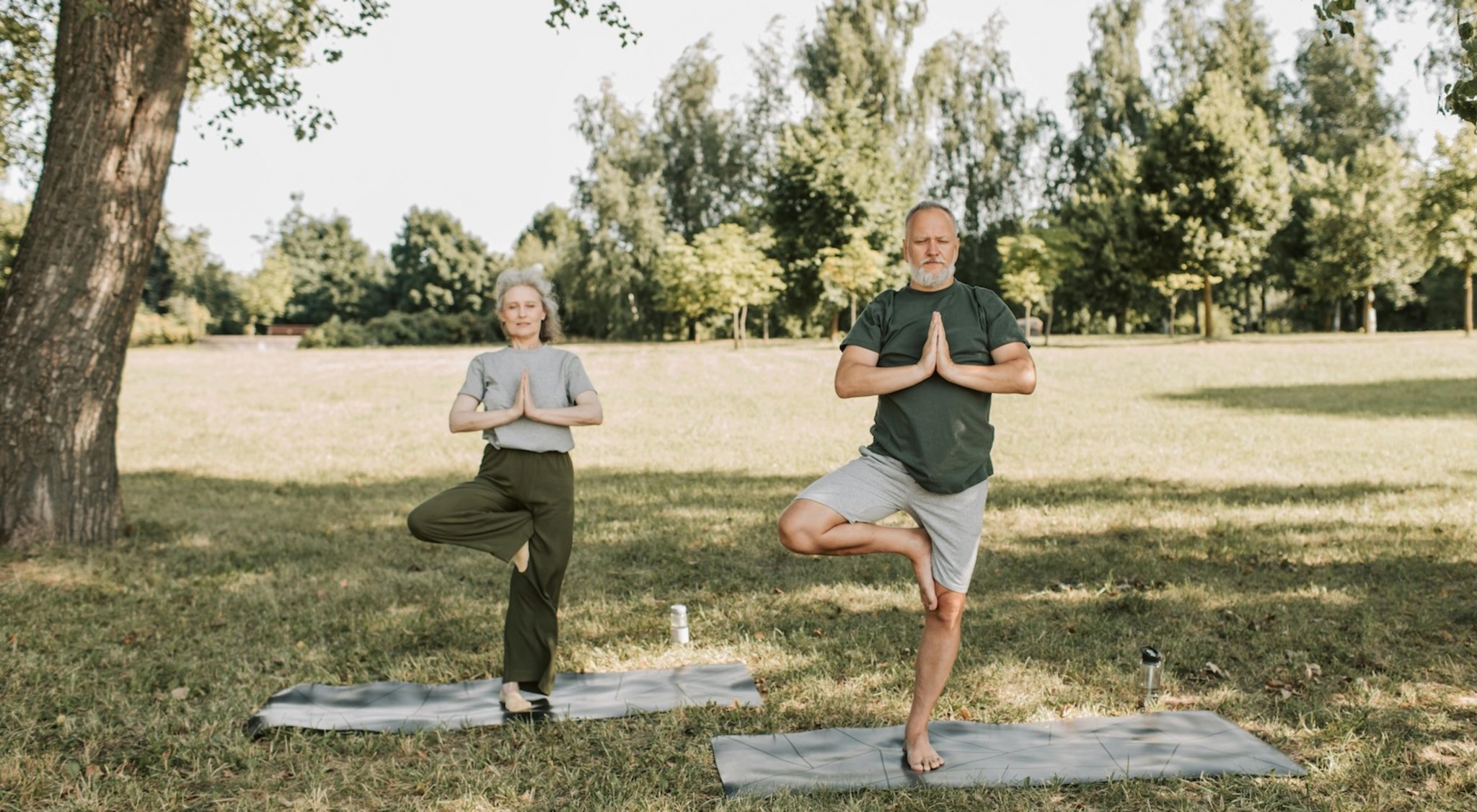
How the one-legged stand test works – instructions
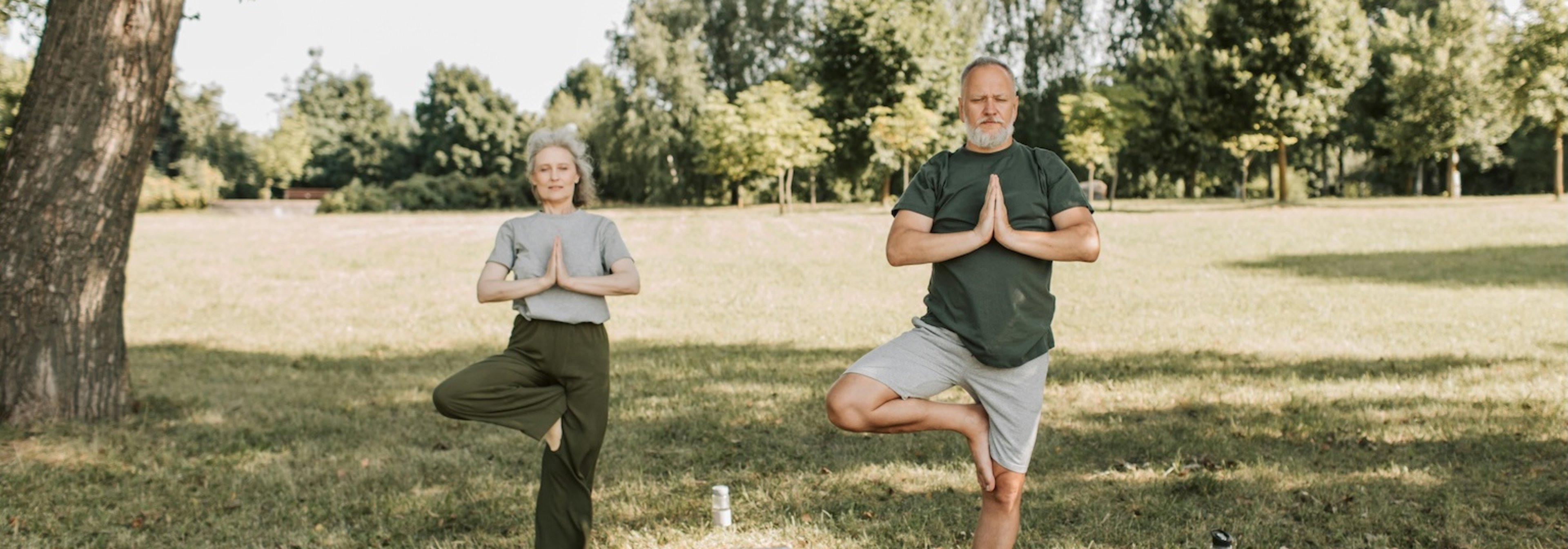
The Flamingo Test is quick and easy: stand on one leg, hands on your hips, eyes open. As soon as your foot leaves the ground, start the timer — stop when you put your foot back down or take your hands off your hips. Anyone of virtually any age can carry out the one-legged stand test themselves in just a few minutes. If you’re doing the Flamingo Test without a healthcare professional, take a few safety precautions:
- Ask someone to stand nearby in case you need support.
- Choose a clear, level surface.
- Remove any trip hazards such as objects, carpet edges or loose cables.
- Position yourself close to a wall or supporting structure.
- Ensure that, should you lose your balance, you won’t knock any objects over.
- Wear sturdy footwear or practise barefoot; socks on a slippery floor can be a slip hazard.
- If you feel dizzy or very unsteady, stop the test immediately.
The Flamingo Test, performed according to NHS standards, helps us assess your balance quickly and reliably.
- Starting position: Stand upright with both feet on the floor and place your hands on your hips. Keep your eyes open and focus on a fixed point in the room.
- Lift one leg of your choice off the floor— the height doesn’t matter, even a slight lift is enough — and you can bend your knee.
- Start the timer the moment your foot leaves the floor completely.
The test ends when:
- Your raised foot touches the floor again
- Don't remove your hands from your hips
- Don't shift your other leg for support.
Maximum test duration: 60 s. Even if you could carry on for longer, the test ends after one minute. Continuing the test for longer won't provide any additional insights.

Flamingo test for advanced users
Standing on one leg with your eyes closed is significantly more challenging. Without visual cues, your inner ear’s balance system (vestibular system) has to apply all the work. Attempt the eyes-closed variant only once you can confidently complete the standard test with your eyes open for 60 s.
What factors influence the result of the Flamingo Test?
Age is the most important factor. According to the study, one-legged balance deteriorates by 0.53 to 0.62 standard deviations per decade – more than strength or endurance.
Your nervous system plays a key role. Proprioception — that is, your awareness of your body’s position in space — is controlled by receptors in the fascia, muscles and tendons. The better these communicate, the more stable your stance will be.
Muscle tone also matters. The small foot stabilisers, your core muscles and the hip abductors work hard when you stand on one leg, so tension in the calves or weak deep muscles will worsen your performance.
Your form on the day affects your performance. Tiredness, alcohol consumption the night before or dehydration all have a negative impact. Test yourself in the morning or after a rest period, when you’re well-rested and focused.
Regular exercise helps: activities such as yoga, dancing, martial arts or climbing provide extensive balance training. If you practise such activities regularly, you’ll perform above average.
Flamingo test table: standard values by age
This table shows the average time spent standing in the Flamingo Test for each age group.
Age group | Average time spent standing | Review |
18–39 years | 43 s | Good neuromuscular control |
40–49 years | 40 s | Slight age-related decline |
50–59 years | 37 s | Balance is still well maintained |
60–69 years | 30 s | Preventive training recommended |
70–79 years | 18–19 s | Your risk of falling rises significantly. |
Over 80 years | 5+ s | Critical range |
How to interpret your one-leg stand result
- Above the reference value: Keep up your preventative training to maintain this level.
- Within the normal range: You're doing well. Incorporate balance exercises into your everyday life two to three times a week.
- Below the reference value: Start targeted balance training.
- Under 10 s (from age 50): Seek medical advice.
The critical threshold is 10 s from the age of 50. In a large prospective study, failing the 10-s single-leg stand test was associated with a significantly increased risk of mortality (hazard ratio ~1.8) — regardless of age and pre-existing conditions. Speak to your GP, a neurologist or an orthopaedic specialist. Possible causes may include peripheral neuropathy (nerve damage), vestibular disorders (inner ear problems) or early-stage sarcopenia (muscle wasting). Early detection prevents long-term complications.
Regular physical activity brings measurable benefits. People who practise yoga perform, on average, eight to twelve seconds better than the age-adjusted average. Martial artists even achieve +10–15 s — which is no surprise, as disciplines such as taekwondo or karate explicitly train one-legged standing positions.
Why the one-legged stand matters for longevity
The Flamingo Test demonstrates, better than almost any other performance test, how different systems in your body work together to carry out a seemingly very simple task. Balance isn’t an isolated skill, but the interplay of complex systems within your body.
To stand steadily on one leg, these systems must communicate seamlessly:
- Vestibular system (inner ear): detects changes in the position of your head; functions like the body’s own spirit level
- Visual cues (eyes): provide spatial orientation — maintaining balance with your eyes closed is much more difficult
- Proprioceptive receptors (fascia, muscles and tendons) constantlyreport joint position and tissue tension, enabling subtle balance corrections
- Central nervous system (cerebellum, brainstem): processes all signals in milliseconds and controls micro-corrections hundreds of times per second
Poor balance may indicate:
- Peripheral neuropathy (nerve damage, common in diabetes)
- Sarcopenia (muscle wasting, which accelerates from the age of 60)
- Vestibular dysfunction (inner ear disorders)
Below-average results in the Flamingo test can therefore indicate various health risks. The harder you find it to maintain your balance, the higher your risk of falls and accidents in later life. However, regular exercise and targeted training can help counteract this. Even at 70 or 80 you can still achieve measurable improvements.
Stand on one leg to build balance.
You can steadily improve your balance — and, in doing so, support your quality of life and longevity.
Incorporate one-legged standing into your daily routine
Two to three min of targeted balance training a day can be enough to maintain a healthy routine. Stand on a flat, safe surface and try to stand on one leg for 1 min. Then switch legs. For example:
- while brushing your teeth
- whilst making coffee or on the phone
- whilst waiting, for example at the bus stop
Only practise unsupported one-legged standing once you can pass the flamingo test with confidence.

Office workouts
The best exercises for the officeAdvanced variants for a greater challenge
If you can stand on one leg for 30–60 s — depending on your age — without any problems, try the following advanced exercises, taking care to follow the safety guidelines:
Dynamic one-legged stand: move your arms in circles or raise them above your head — the extra movement places greater demands on your balance system.
Eyes closed: once you can stand confidentlyfor 60 s with your eyes open — without visual cues, your vestibular system works in isolation — start with 10 s.
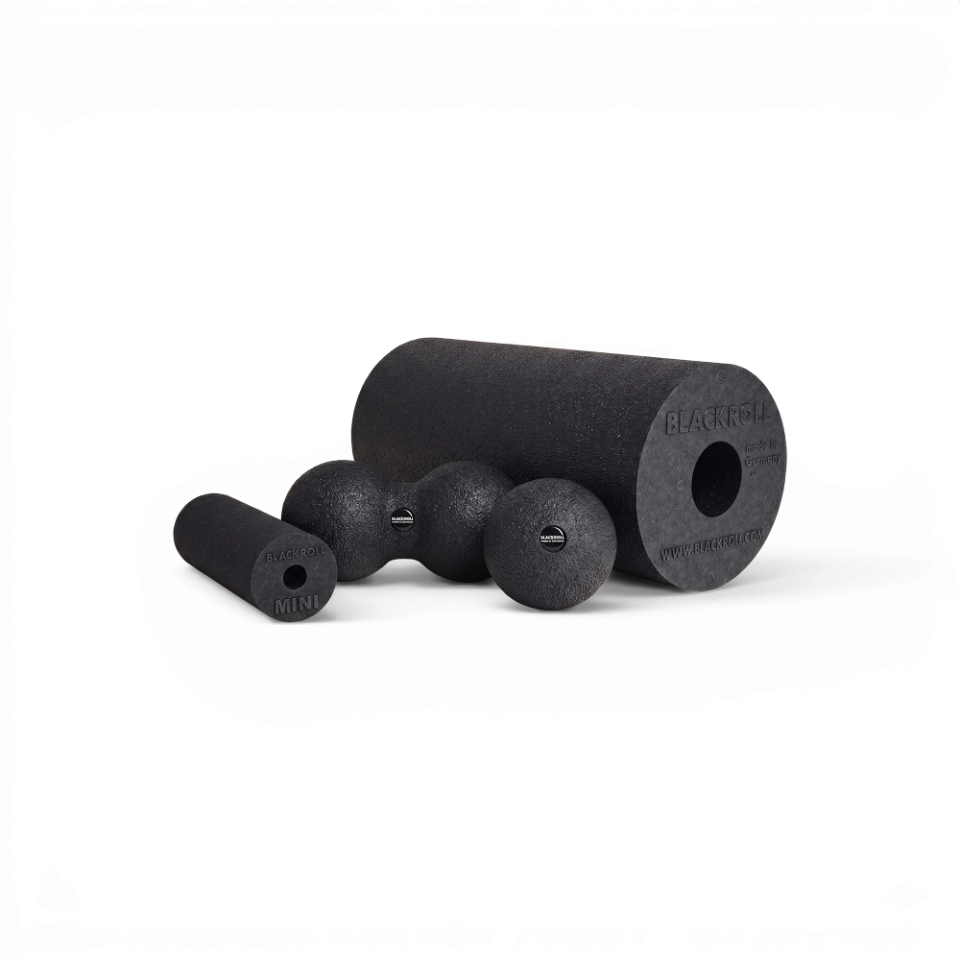
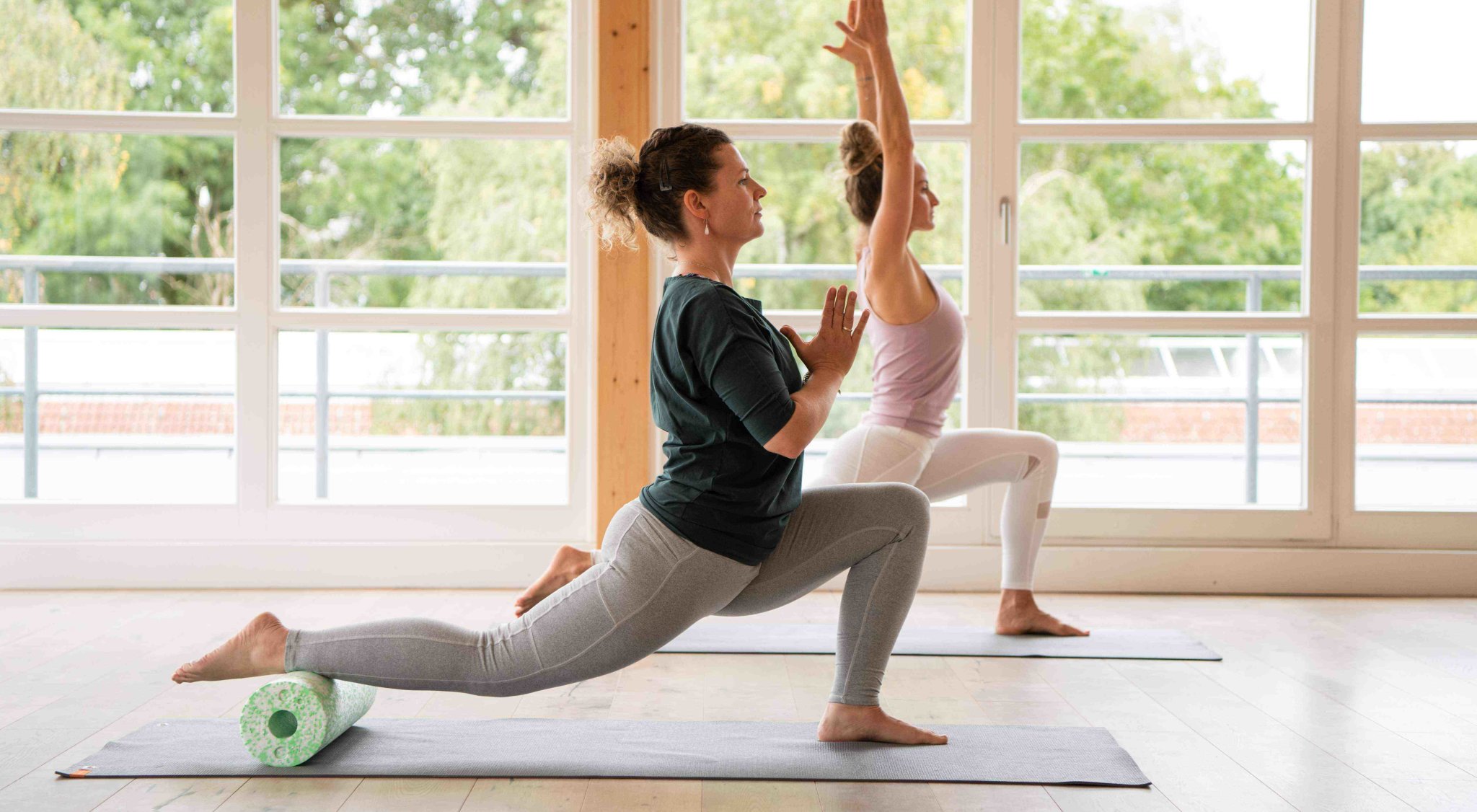
Balance exercises with a foam roller: we’ll show you how to take your coordination skills to an acrobatic level using a foam roller.
Combine with core training, breathwork and yoga.
Many sports and training methods promote and require a high level of physical balance. Use these exercises to develop your balance beyond basic one-legged standing:
- Core exercises as a foundation: the plank, bird dog and dead bug strengthen your core muscles — a stable core directly translates into better balance.
- Focus on your breathing for greater stability: calm abdominal breathing (4 s in, 6 s out) whilst standing on one leg activates the vagus nerve and further stabilises your body.
- Yoga poses such as Tree Pose (Vrksasana), Warrior III (Virabhadrasana) or Eagle Pose (Garudasana) provide functional balance training and also improve flexibility and concentration.


Balance begins in the fascial system
When you activate your fascia, you automatically improve your balance. Your balance stands or falls on the quality of your body awareness — and this is largely rooted in your fascia. Healthy fascia is crucial for proprioception, i.e. your ability to perceive your body’s position and movement.
Targeted fascial work before balance exercises awakens dormant receptors and sharpens your body awareness. With the right tools you can look after and train your fascia effectively.
BLACKROLL MINI for the soles of the feet: Roll over the plantar fascia for 60 s per foot — this activates the proprioceptive signals from the arch of the foot, which are essential for a stable stance.
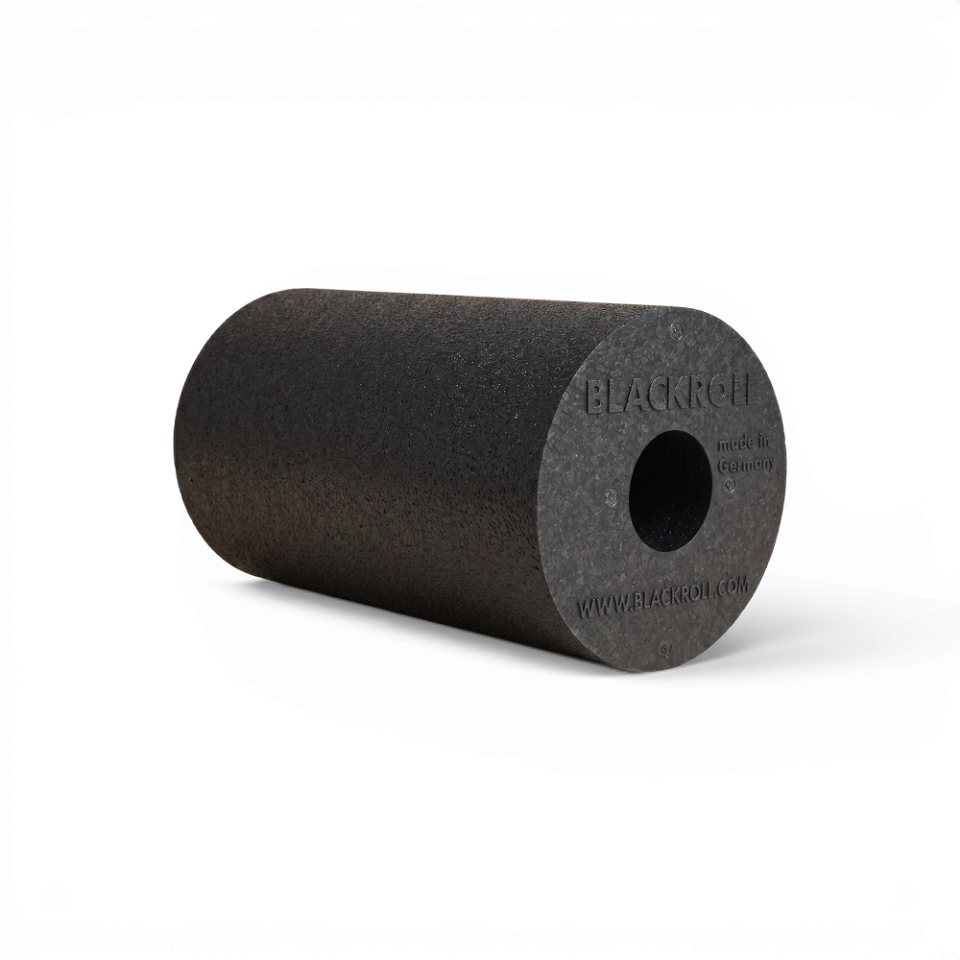
BLACKROLL Standard for calves: 30 s per calf helps to loosen muscles with tension – tight calves impair fine motor control in the ankle joint and thus your balance.
Timing is crucial: use a foam roller immediately before balance exercises for the greatest benefit — the activated receptors provide more precise feedback.
Conclusion: Balance like a flamingo
The Flamingo Test takes 60 s to show you how your functional fitness and life expectancy are faring. Use it as a starting point for regular balance training. Hold the Tree Pose for a few minutes in the morning, practise standing on one leg while brushing your teeth ortrain your balance on a foam roller with fascia work — your quality of life will stay in balance.


FAQ – The Flamingo Test explained briefly
Stand on one leg with your eyes open and your hands on your hips. We'll record the time until you put your foot down or move your hands. The test measures your neuromuscular control and serves as an indicator of functional fitness.
People aged 18 to 39 should manage 43 s, whilst those aged 60 to 69 should manage around 30 s. A time of under 10 s becomes a cause for concern from the age of 50 onwards – according to the British Journal of Sports Medicine, the risk of mortality doubles in such cases. Results above the age-specific average indicate excellent functional fitness.
The minimum requirement is 10 s from the age of 50 – shorter times are considered a warning sign for health. The age-specific reference values are optimal: 43 s (18–39 years), 37 s (50–59 years), 30 s (60–69 years). The test is carried out for up to 60 s.
The one-leg stand test shows the quality of your neuromuscular control: how well do your brain, nervous system and muscles communicate? Poor results indicate an increased risk of falling, early signs of cognitive impairment or motor deficits. Balance acts as an early warning system — years before other symptoms appear. Good balance correlates with greater independence and a longer life expectancy.
Incorporate one-legged standing exercises for two to three min every day – whilst brushing your teeth, on the phone or whilst waiting. More advanced practitioners can close their eyes, do Yoga exercises or use challenging surfaces such as a balance board or a BLACKROLL® foam roller, whilst taking safety precautions into account.
More longevity items





Sources and studies
Rezaei, A., Bhat, S. G., Cheng, C.-H., Pignolo, R. J., Lu, L., & Kaufman, K. R. (2024). Age-related changes in gait, balance, and strength parameters: A cross-sectional study. PLOS ONE, 19(10), e0310764. https://doi.org/10.1371/journal.pone.0310764
Suffolk and North East Essex Integrated Care Board. (2023, August 1). How long can you stand like a flamingo? https://suffolkandnortheastessex.icb.nhs.uk/news/how-long-can-you-stand-like-a-flamingo/
Araujo, C. G., de Souza e Silva, C. G., Laukkanen, J. A., Fiatarone Singh, M., Kunutsor, S. K., Myers, J., Franca, J. F., & Castro, C. L. (2022). Successful 10-second one-legged stance performance predicts survival in middle-aged and older individuals. British Journal of Sports Medicine, 56(17), 975–980. https://bjsm.bmj.com/content/56/17/975