
Grip strength: what your handshake reveals about your vitality

Grip-strength describes how much force your hand and forearm muscles can generate when grasping, holding and pressing. It can provide an indication of your general muscle strength, physical function, vitality and your functional biological age. You can measure it with simple tests such as the dead hang and build it with targeted exercises.
Key points at a glance
- Grip-strength reflects the force generated by the muscles of your hand and forearm when gripping, holding and pressing.
- You can assess it roughly with a hand dynamometer or at home using exercises such as the dead hang.
- Reference values based on age and other demographic factors help you interpret the result, and lower readings may reflect reduced overall muscle strength.
- Exercises such as hand grippers, dead hangs, farmer’s walks or towel squeezes help to build grip strength.
- Combining grip strength work with core and fascia training improves force transmission and mobility when you grip.


What is grip strength — and why is it important?
Grip strength is the maximum force exerted by the muscles of your hand and forearm when grasping, holding and pressing. It's measured using a specialised device, the hand dynamometer, and is expressed in kilograms (kg) or newton-metres (Nm). The flexors and extensors of your forearm are primarily involved in the grip and thus in grip strength, but the small intrinsic muscles of your hand also play a role.
We distinguish between three types of grip strength:
- The crush grip describes the forceful squeezing together of objects, such as in a firm handshake.
- The pinch grip refers to the precise grasping action using the fingertips.
- The support grip refers to holding weights for a prolonged period, for example when carrying shopping bags.
Follow a standardised protocol: use the same equipment, grip width and arm position — otherwise results are difficult to compare. Take three attempts per hand, then either record the best result or the average — just be consistent.
Grip strength is regarded as an important health indicator and can provide valuable insights into your physical condition. Particularly in old age, when strength gradually declines, a grip strength test is an easy way to assess your overall muscle strength and state of health.
People with low grip strength have an increased risk of type 2 diabetes, cardiovascular disease, stroke, chronic kidney and liver disease and certain types of cancer. They also tend to have more frequent hospital admissions, a poorer quality of life and an increased risk of death.
The highest average grip strength in Germany is reached by women aged 39 at 33 kg and by men aged 38 at 52 kg. Grip strength rises until around age 40 then declines steadily, with a steeper drop in men than in women. This has been shown by research carried out as part of Germany’s largest long-term population study (the NAKO Health Study). If grip strength falls below certain thresholds, it’s a sign of sarcopenia, i.e. age-related muscle loss.
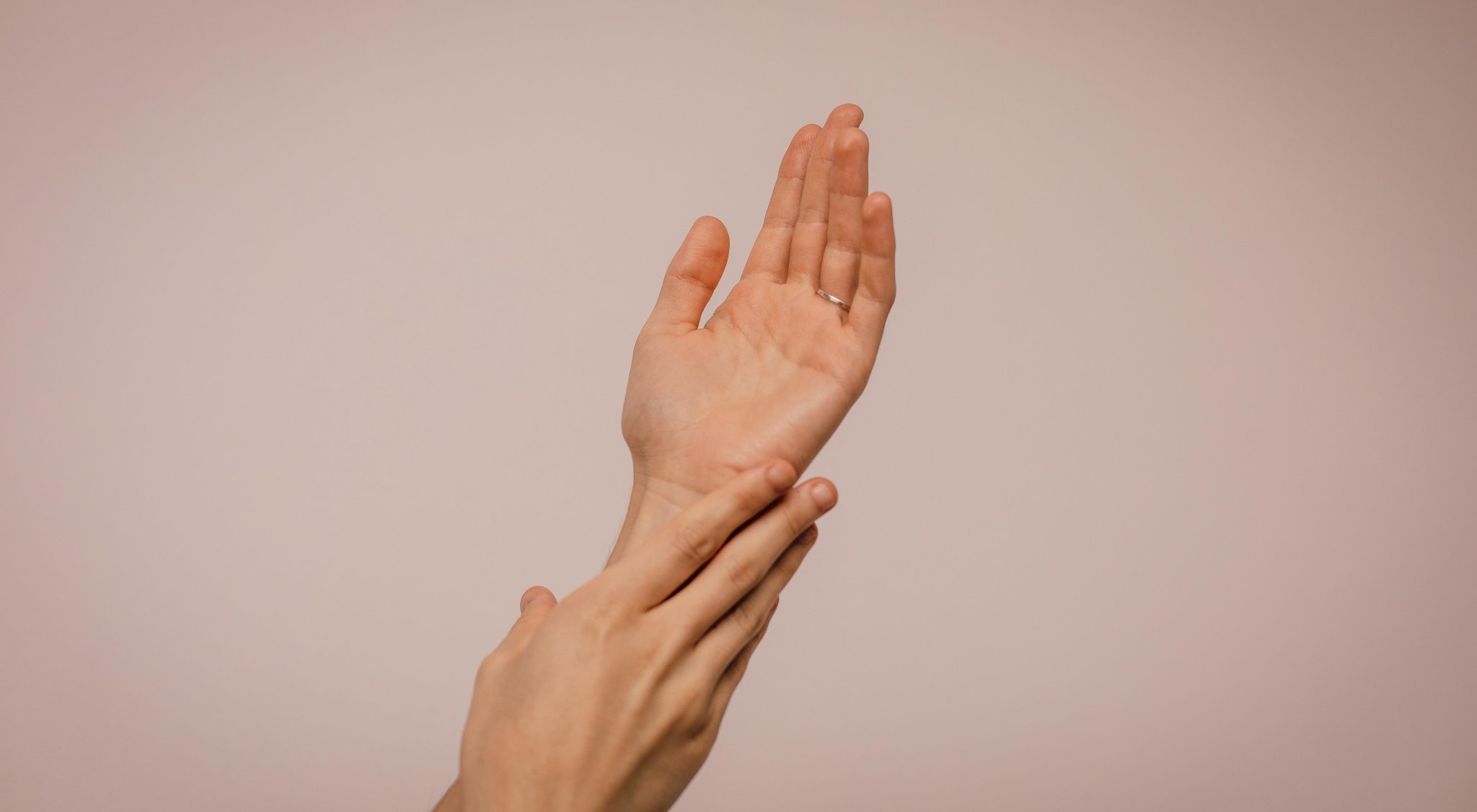

Measuring grip strength — how to find your score
It measures your maximum isometric strength in kg. Stand upright with your elbow bent at a 90° angle, grasp the dynamometer with one hand and squeeze as hard as you can for three to five seconds; repeat three times with each hand to calculate an average.
Hand dynamometers are generally available at physiotherapy centres, but you can also buy them from specialist retailers or online.
Alternative tests for at home
You can also measure your grip strength without a hand dynamometer. One simple method is the ‘dead hang’, where you hold onto your pull-up bar and hang freely. Aim to hold this position for 30 s. You can also supplement this with a bathroom scale.
This shows how much weight you lose when you pull yourself up using only your hands — without, for example, recruiting your upper arm muscles.
Grip strength table: average values by age
The following table is based on the results of an international study on grip strength comprising 2.4 million data points. It gives you an overview of what grip strength values are considered average for your age and gender:
Age group | Men (kg) | People (kg) |
|---|---|---|
20–29 years | 47–49 | 28–29 |
30–39 years | 49.7 | 29.7 |
40–49 years | 47–48 | 28–29 |
50–59 years | 44 – 46 | 26–27 |
60–69 years | 40–43 | 24–26 |
70–79 years | 35–38 | 21–23 |
80+ years | 28–32 | 17–20 |
Values below 29 kg are considered low and may indicate sarcopenia.
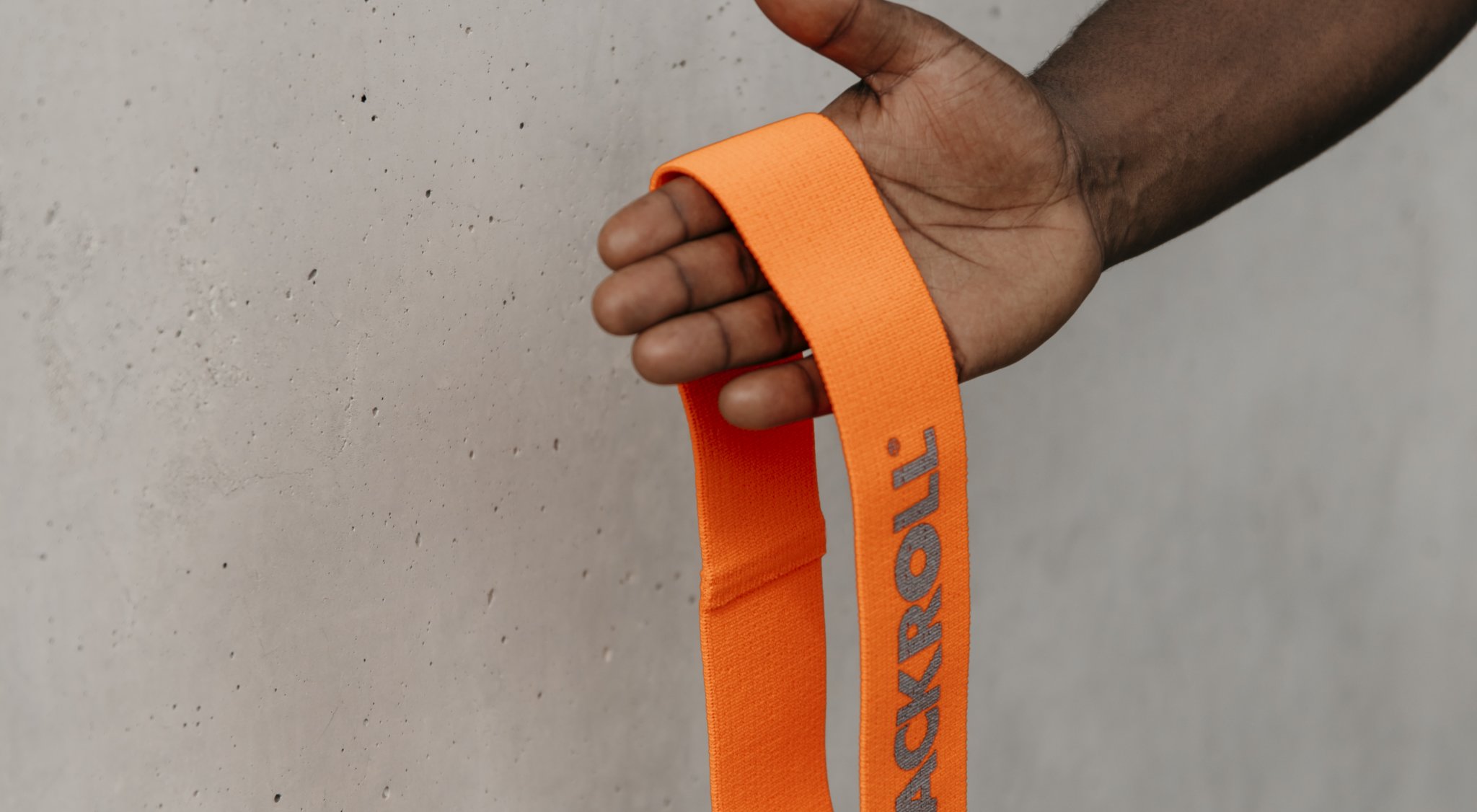
How to train your grip strength
Whether you rely on solid gripstrength for sports such as climbing, tennis, certain martial arts or gymnastics or simply want to feel more confident in everyday life and maintain a firm grip for as long as possible, here’s how to train your gripstrength.
Grip-strength exercises using equipment
- Hand gripper (Crush-Grip):
- Close the gripper fully, hold for 3–5 s then open slowly
- Complete 3 sets of 8–12 reps per hand.
- Progression: increase the resistance (15 kg → 20 kg → 30 kg).
- Breathe out as you close the gripper and breathe in as you open it.
Dead hangs (support grip):
- Hang from a pull-up bar and actively stabilise your shoulders
- Hold for 20–60 s.
- Progress by increasing the hold time or, when ready, switch to a one-arm hang.
- It also trains your shoulders, lats and core.
Farmer’s walk (functional):
- Hold heavy weights (kettlebells, dumbbells) in both hands
- Aim for a total of 100% of body weight in the Farmer’s Carry (i.e. 50% per hand) for around 60 s (sometimes with a target of 1–2 min).
- People with a lower bodyweight: a total of 75% of body weight (i.e. 37.5% per hand) for around 60 s
- 3–4 sets twice a week
- Grip-strength exercises without equipment
- Towel wringing:
- Wet a towel then wring it out with both hands moving in opposite directions
- 30 to 60 s, 3 sets
- Build rotational strength and forearm flexors/extensors.
Fingertip push-ups:
- Perform push-ups on your fingertips rather than your palms
- 5–10 reps, 2–3 sets
- Progression: Knee variant → full push-ups
- Build strength gradually to protect your fingers.
Fist squeezes (isometric):
- Clench your fist, apply maximum force for 10–15 s then relax
- 5 to 8 reps per hand
- Perform them anytime during everyday life (e.g. at your desk).
Build your grip strength in everyday life.
Many everyday activities also provide natural opportunities to build your grip strength:
- Carry shopping bags (use both hands rather than a rucksack)
- Open screw-top jars without aids.
- Climbing/bouldering (natural grip strength training)
- Gardening (digging, raking and weeding)
Further items on fascia training







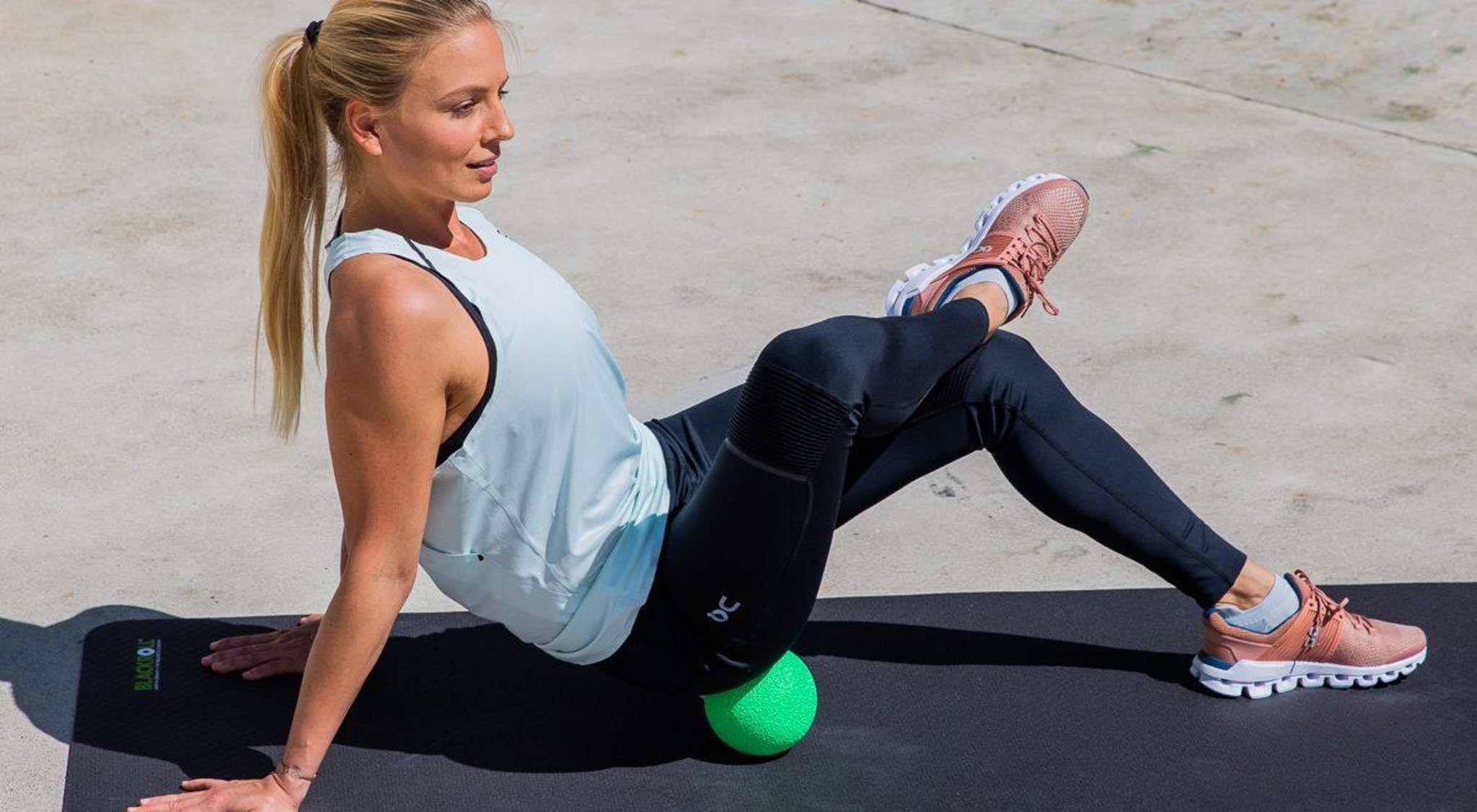
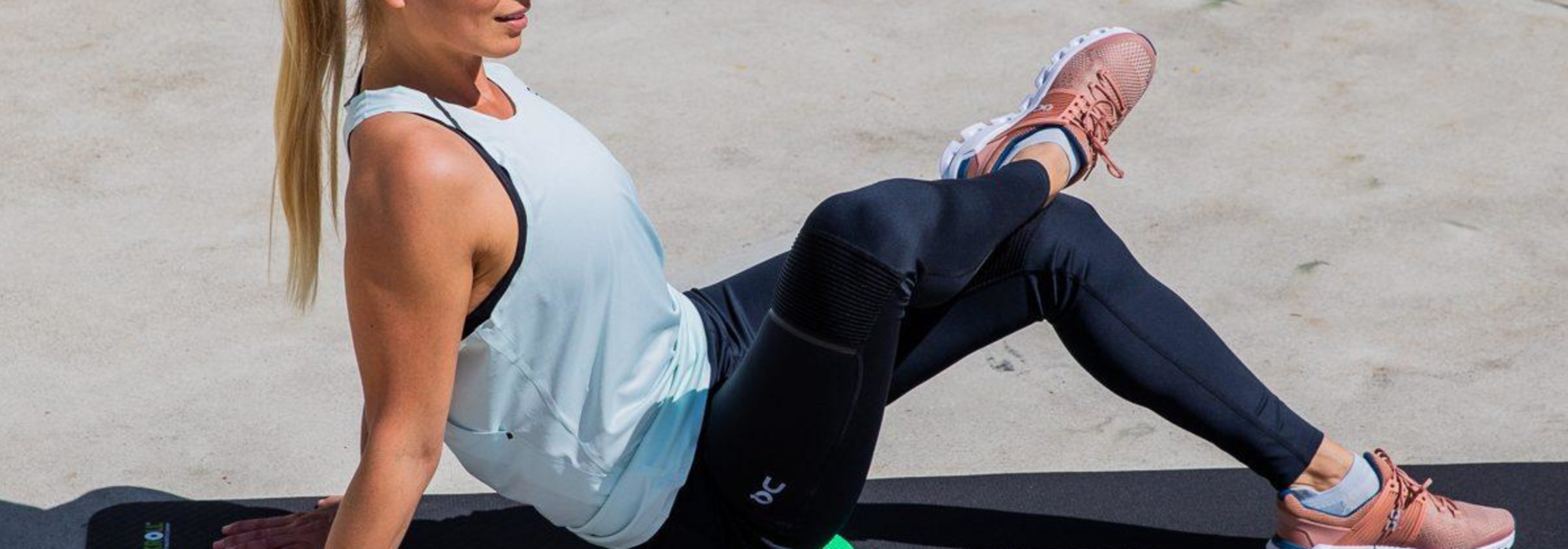
Why you should combine fascia, core and grip strength training
Grip strength is part of your interconnected muscular system — from your core right through to your fingertips. If your core is too weak, this can lead to unstable shoulders and weaken the transfer of force to your hands.
Your fascia also plays an important role in this. These collagenous connective tissue structures envelop muscles and tendons, forming continuous chains of force transmission from the shoulders through the forearm to the fingertips. Stuck or hardened fascia in the forearm restricts wrist mobility and reduces your grip strength while hardened areas in the palm (palmar aponeurosis) can cause tension and pain.
The best fascia tools for your grip strength training
Combine grip work with core training and fascial care. Use targeted pressure to encourage healthy fascial glide between muscle and fascial layers.
The result is greater mobility, improved force transmission and more precise coordination when gripping.
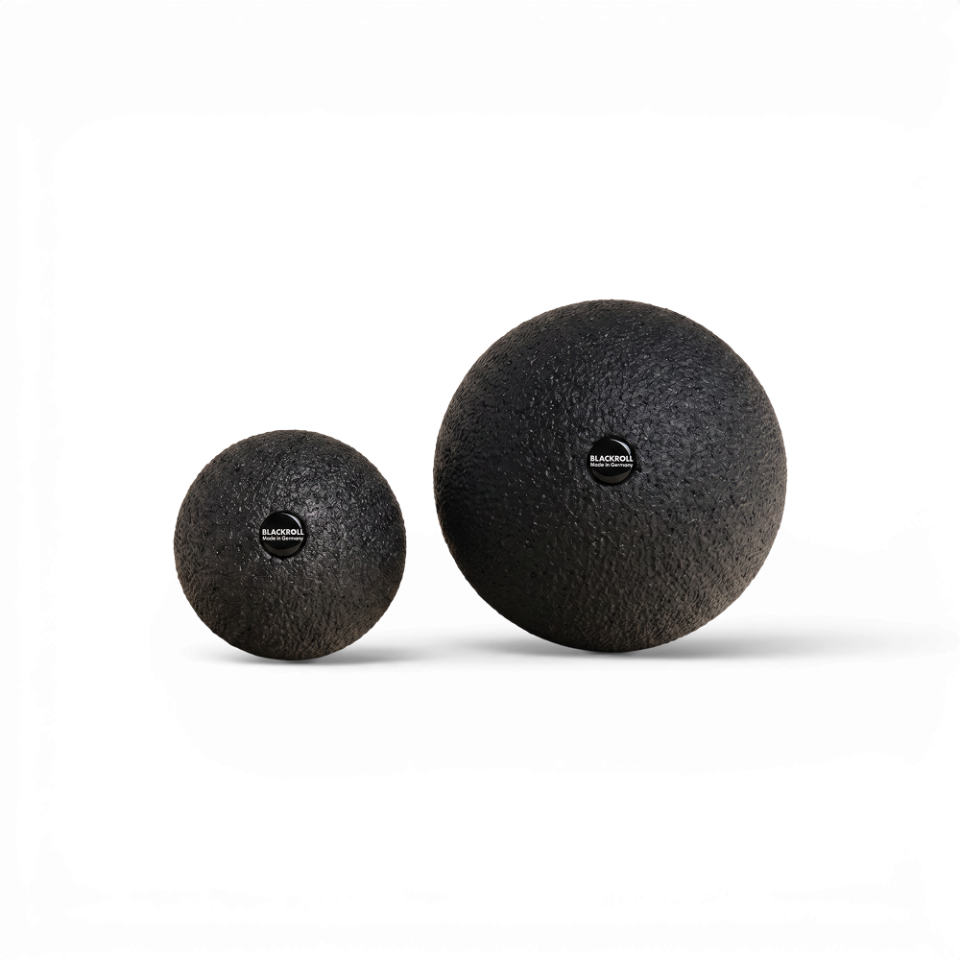
BLACKROLL MINI for forearm fascia:
- Place your forearm on the MINI and roll slowly over the flexors (palm facing upwards) and extensors (palm facing downwards)
- Hold on painful points for 20 to 30 s
- 1–2 min per side, before or after training.
- Effect: releases adhesions in the forearm compartment, improves blood flow and increases mobility for a wider grip range.
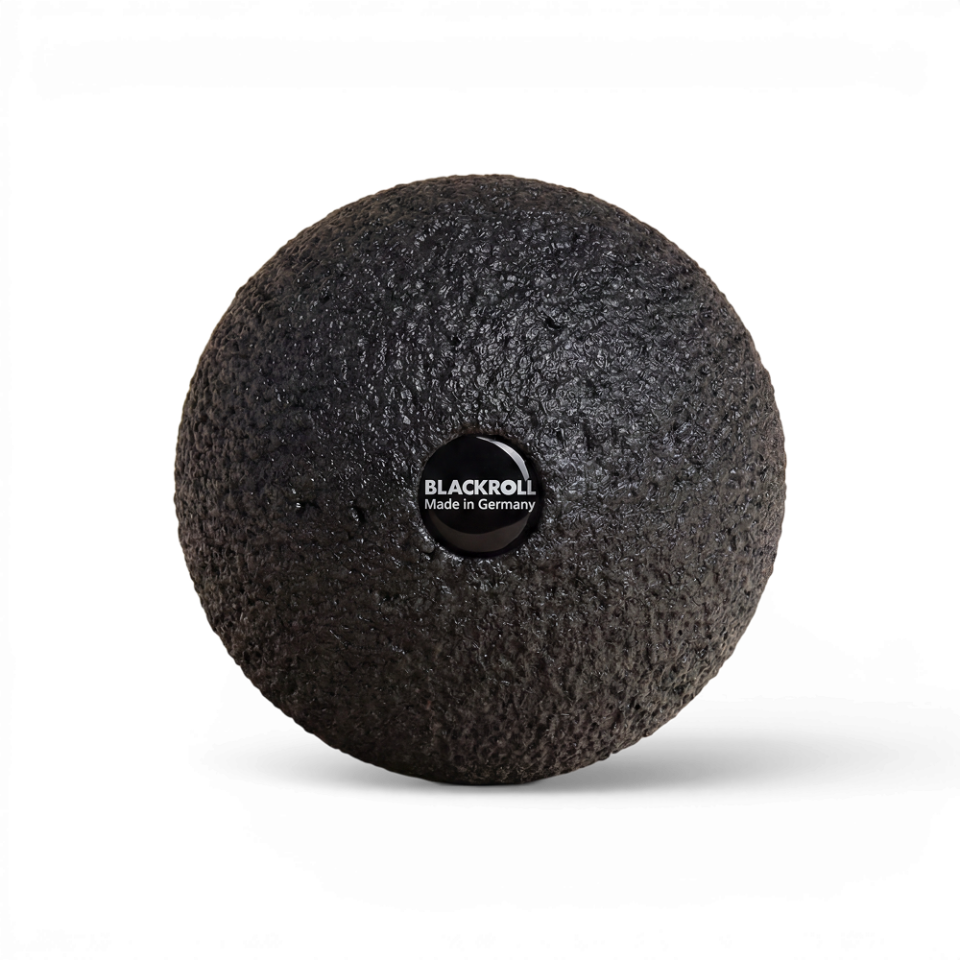
BLACKROLL BALL 08 for the palms:
- Place the ball in your palm, rest it on a table and perform circular movements with targeted pressure
- Roll between the thumb and index finger (thenar muscles).
- 1–2 min per hand
- Effect: releases tightness in the palmar aponeurosis, activates mechanoreceptors for improved body awareness and relaxes the hand muscles
Integrate it into your routine:
- Before training: warm up for 3–5 min to prepare the fascia and improve force transmission.
- After training: roll for 5–7 min to aid recovery and help prevent overload injuries.
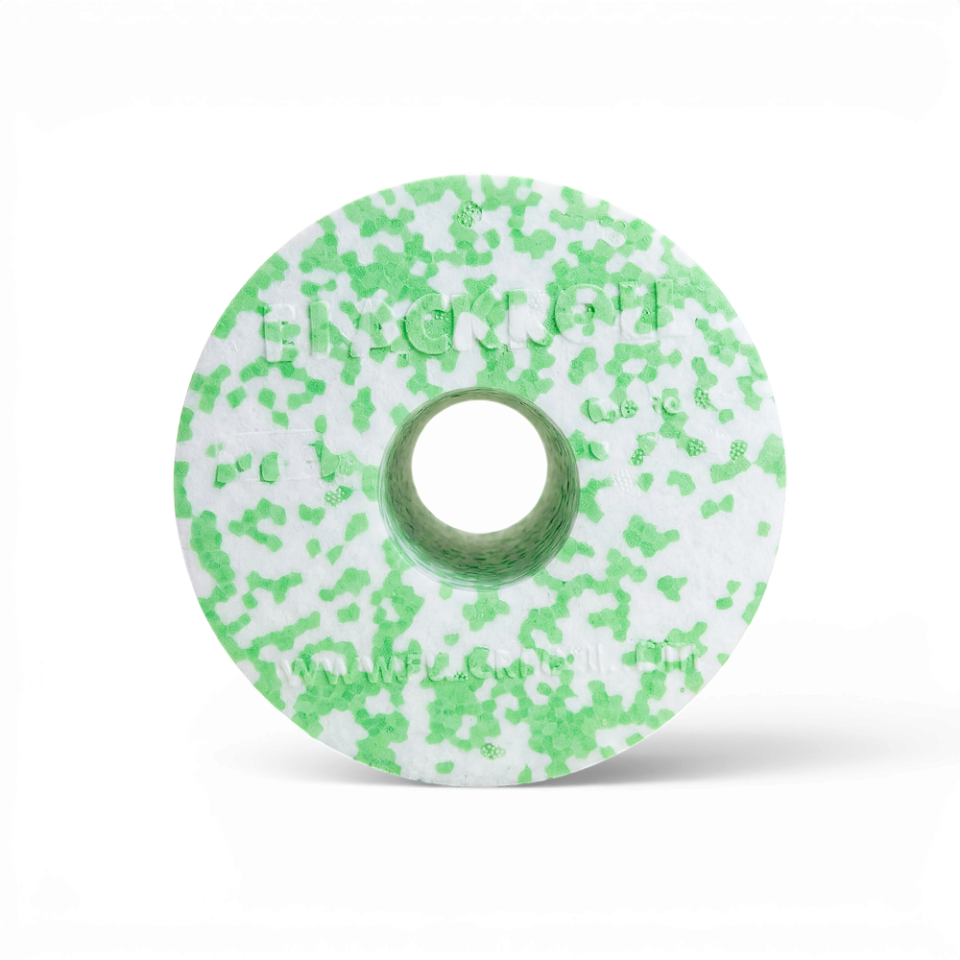
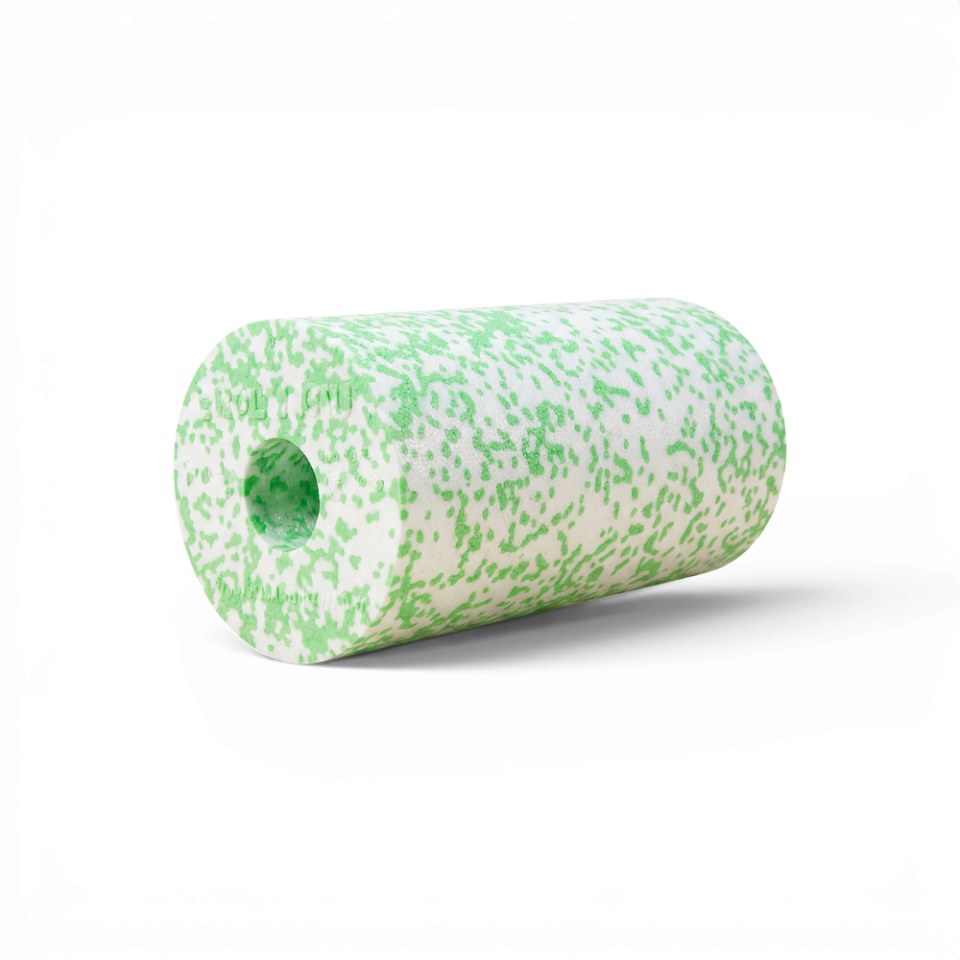
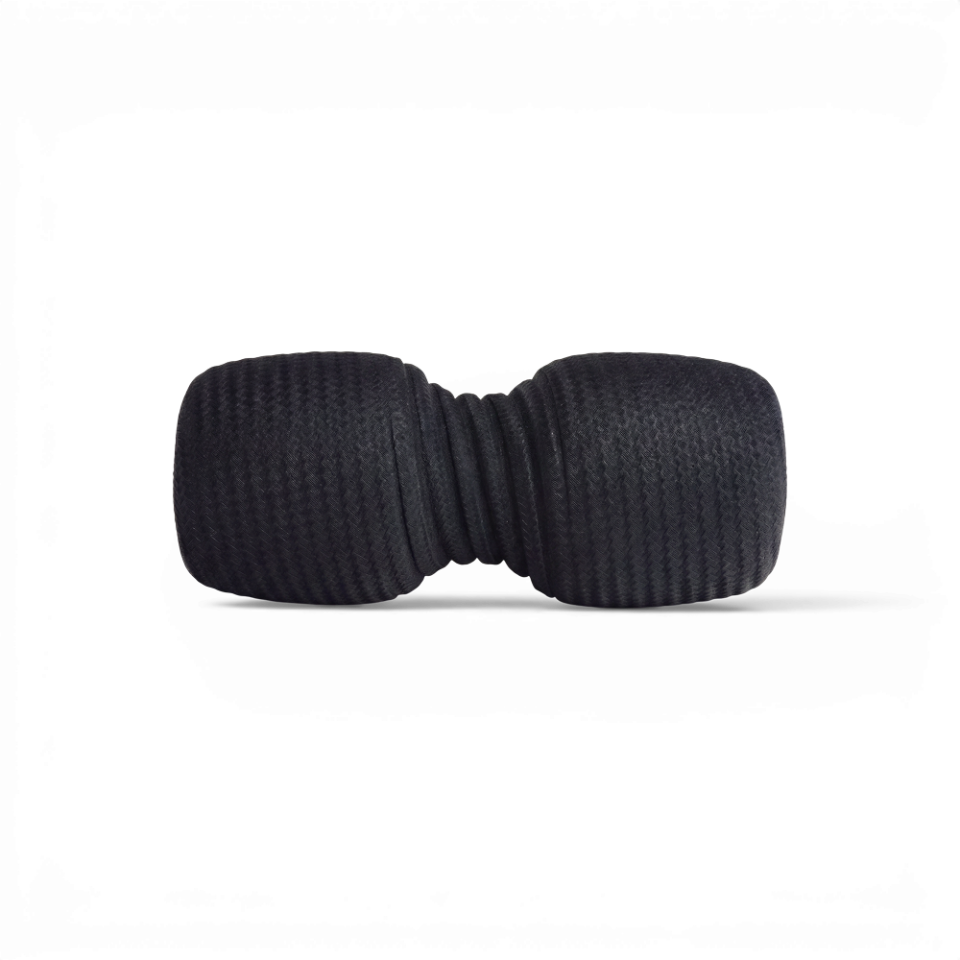
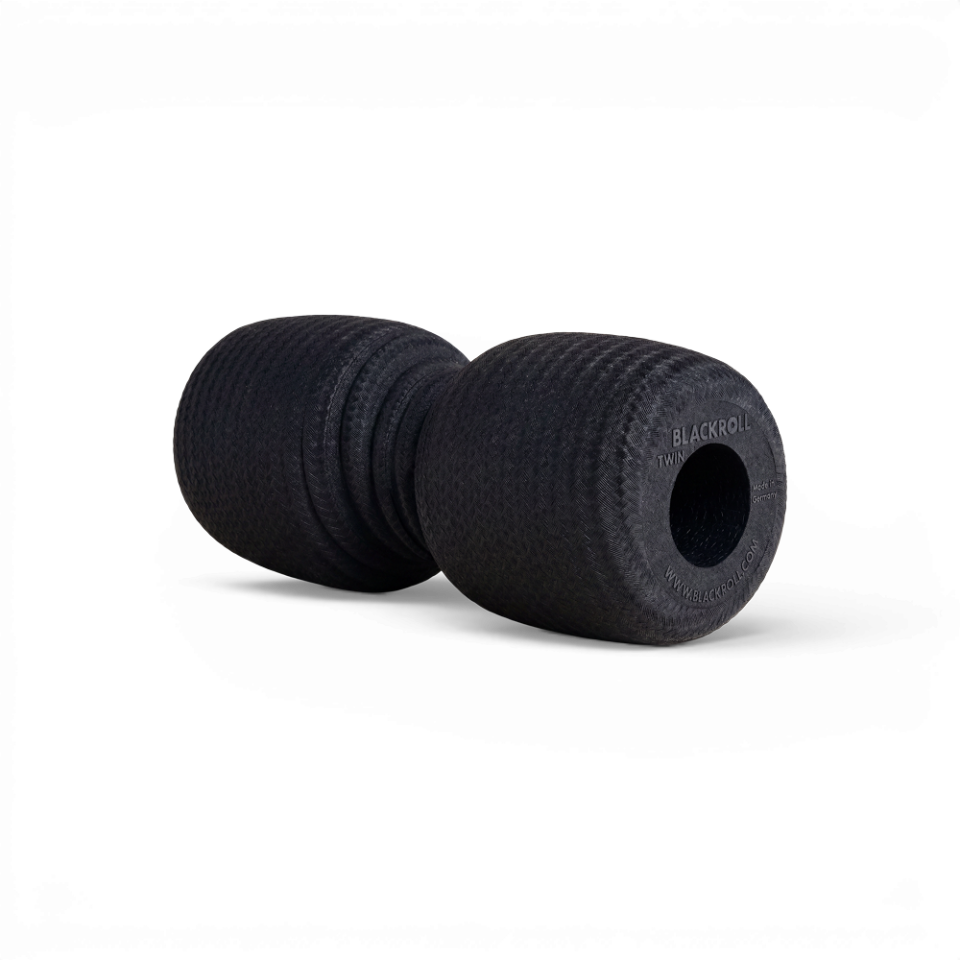
- If you're desk-based, use a fascia ball or roller from time to time to relieve tension.
Other fascia tools
Conclusion: Train your grip strength for a longer, healthier life
Your hands are your most important tools — the longer you can use them powerfully and healthily, the higher your quality of life and the lower your risk of age-related ailments. Incorporate regular grip strength training into your everyday life. Improve your grip strength at any age with targeted exercises, especially when combined with core training and myofascial release.


FAQ: The most important questions about grip strength
FAQ: The most important questions about grip strength
It's considered a vital sign and reflects your overall muscle strength. Weak grip has been linked to cardiovascular disease, diabetes, sarcopenia and premature death.
Use a hand dynamometer (measuring force in kg) for the most accurate result. Alternatively, try a dead hang on a pull-up bar or wring out a towel for simple self-tests at home.
Train two to three times a week, allowing 48 h between sessions.
With equipment: hand grippers, dead hangs and farmer’s walks. Without equipment: towel squeezes, fingertip push-ups and fist squeezes.
More interesting items









Sources
Vaishya, R., Misra, A., Vaish, A., Ursino, N. and D’Ambrosi, R. (2024). Hand grip strength as a proposed new vital sign of health: A narrative review of evidence. Journal of Health and Population Nutrition, 43(1), 7. https://doi.org/10.1186/s41043-024-00500-y
Huemer, M.-T., Kluttig, A., Fischer, B., Ahrens, W., Castell, S., Ebert, N., Gastell, S., Jöckel, K.-H., Kaaks, R., Karch, A., Keil, T., Kemmling, Y., Krist, L., Leitzmann, M., Lieb, W., Meinke-Franze, C., Michels, K. B., Mikolajczyk, R., Moreno Velásquez, I., … Thorand, B. (2023). Grip strength values and cut-off points based on over 200,000 adults from the German National Cohort – a comparison with the EWGSOP2 cut-off points. Age and Ageing, 52(1), afac324. https://doi.org/10.1093/ageing/afac324
Tomkinson, G. R., Lang, J. J., Rubín, L., McGrath, R., Gower, B., Boyle, T., Klug, M. G., Mayhew, A. J., Blake, H. T., Ortega, F. B., Cadenas-Sanchez, C., Magnussen, C. G., Fraser, B. J., Kidokoro, T., Liu, Y., Christensen, K., Leong, D. P., Aadahl, M., Abdin, E., … Yu, R. (2025). International norms for adult handgrip strength: A systematic review of data on 2.4 million adults aged 20 to 100+ years from 69 countries and regions. Journal of Sport and Health Science, 14, 101014. https://doi.org/10.1016/j.jshs.2024.101014