
Alcohol and health – how much is (still) okay?

Even small quantities aren’t risk-free: alcohol can disrupt sleep, muscle recovery and cognitive performance, and it can place long-term strain on several organs. We explain how low-risk consumption is defined, why the ‘red wine’ myth doesn’t hold water and which non-alcoholic options support recovery.
In a nutshell
- No such thing as a ‘healthy’ quantity: The WHO confirms that there’s no risk-free level of alcohol consumption — even small quantities increase health risks.
- Guidelines: A maximum of 27 g of pure alcohol per week is considered low-risk — this is equivalent to about one and a half glasses of wine or two to three glasses of beer.
- Recovery suffers: alcohol disrupts REM sleep and inhibits muscle recovery – which is particularly problematic after training.
- Over time, regular drinking can strain your liver, brain and cardiovascular system and speed up the ageing process.
Healthy alternatives: fascia training , breathing techniques and exercise help you relax without stress — without the negative effects of alcohol.
Is alcohol healthy? What the research says
The long-standing claim that moderate quantities of alcohol are beneficial to health has been widely circulated for many decades, yet recent studies haven't confirmed it.
In 2023, the World Health Organisation (WHO) stated: ‘There is no safe quantity of alcohol consumption.’ Alcohol itself is a toxic substance with negative effects on both the body and the mind, and it’s also highly addictive. This statement has been supported by the findings of numerous studies.
In the Global Burden of Disease Report, alcohol is ranked as the seventh leading risk factor for premature death worldwide, placing it on a par with high blood pressure and high blood sugar.
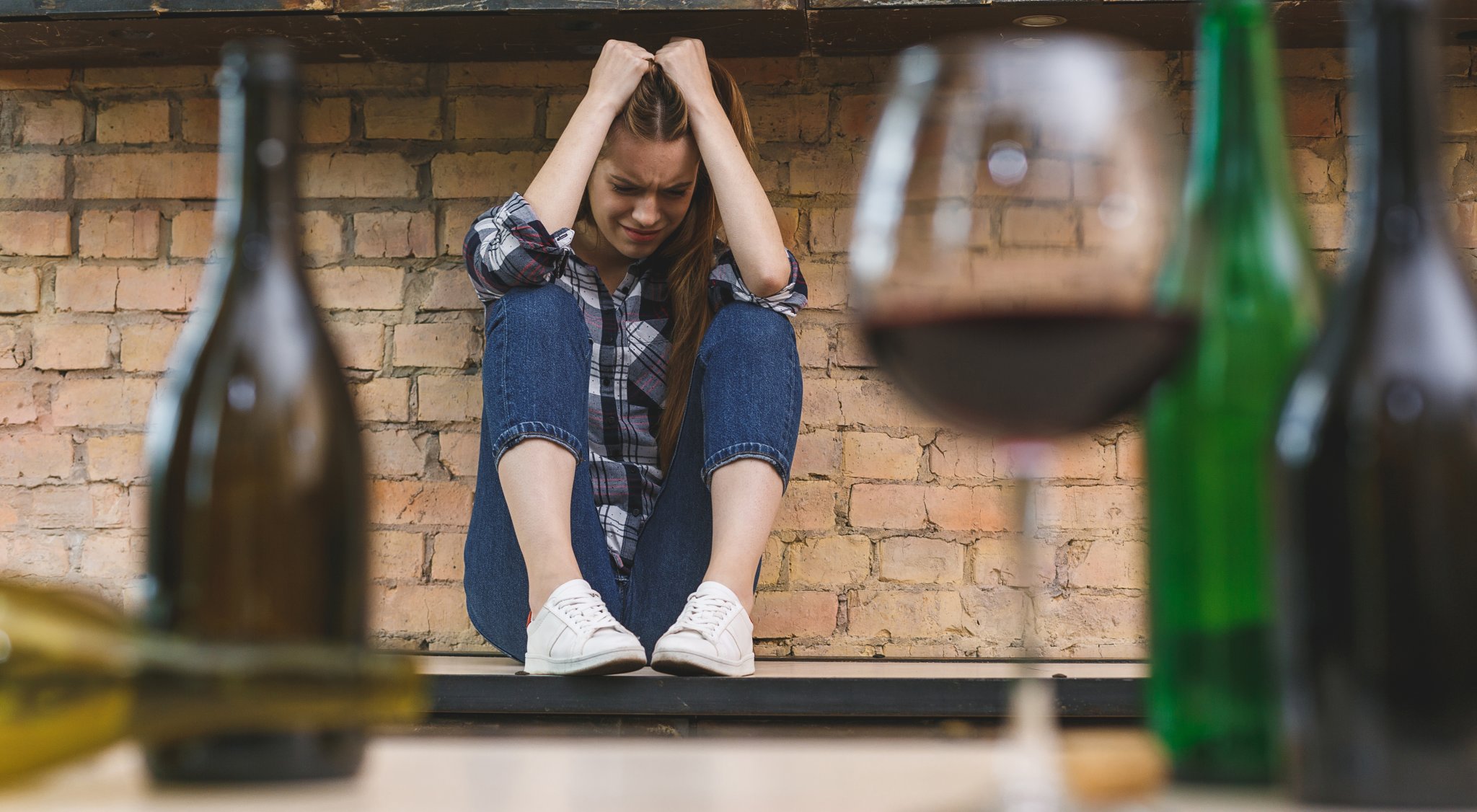

The red wine myth
‘A glass of red wine a day is very good for your health.’
You’ve probably heard it many times before, often when someone wants to justify their alcohol consumption, and the wine industry frequently echoes the same argument.
We know red wine contains compounds such as resveratrol that have antioxidant effects, yet the quantities are probably too small to make a meaningful difference. Some studies that report positive effects of moderate intake have been described as misleading in meta-analyses, and overall the negative effects of alcohol tend to outweigh any potential benefits.

You’ll live a more relaxed life, and your health insurance will cover the costs.


How much alcohol is healthy for your health?
How much alcohol is healthy? Limit values and differences
The German Nutrition Society (DGE) defines three gender-neutral risk levels for alcohol consumption. According to them, there’s no such thing as ‘healthy’ alcohol consumption, only ‘low-risk’ consumption (Richter et al., 2024).
Low-risk: up to 27 g of pure alcohol per week
- 280 ml of wine (12% vol.) – approximately 1.5 glasses
- 660 ml of beer (5% ABV) – 2 to 3 glasses
- 80 ml spirits (38% vol.) – 2 shots
Moderate risk: 27 to 81 g per week
- up to 825 ml of wine — about 4 glasses
- up to 2 L of beer – about 4 bottles (0.5 L)
- up to 250 ml of spirits – about 6 shots
High-risk consumption: more than 81 g per week
Anything above this significantly increases the health risk.
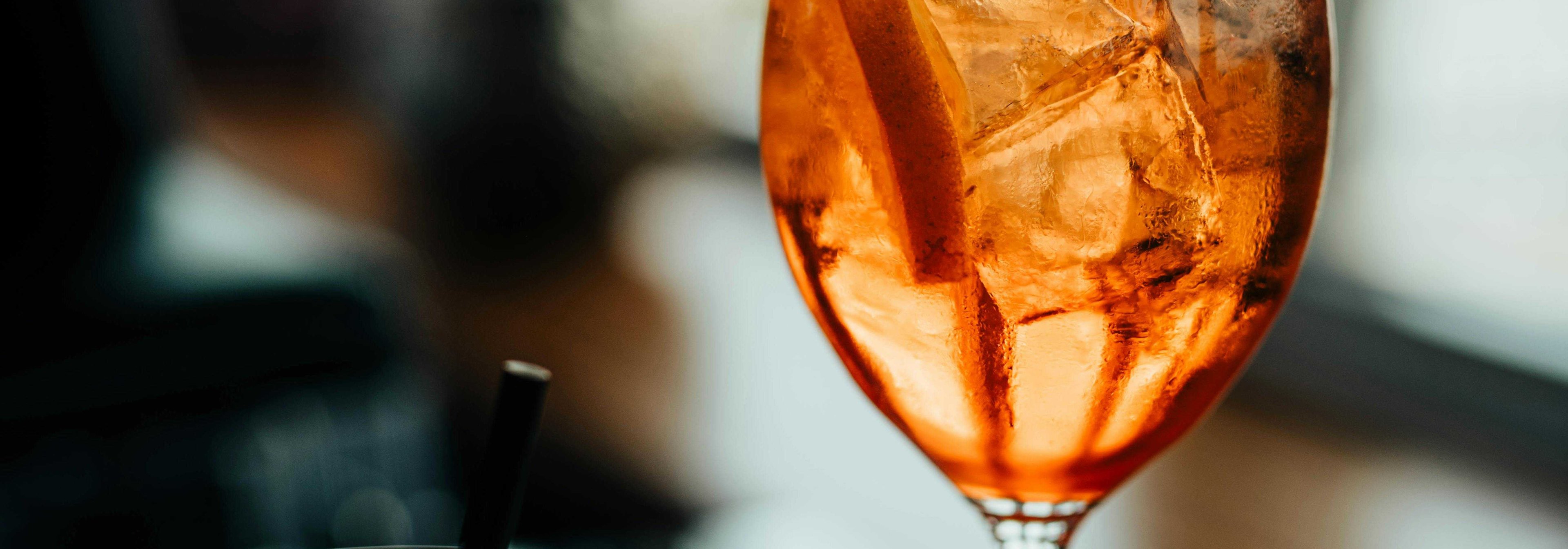
Is there a ‘safe’ quantity of alcohol?
It’s just as hard to say how much alcohol is ‘safe’ for you as it is to pin down the exact point at which alcohol-related illnesses begin. The key to good health is a lifestyle built around a varied, healthy diet, enough exercise and recovery.
Longevity expert and specialist in internal medicine



Alcohol and its effects on the body
It affects almost every organ system — some effects are felt immediately whilst others develop gradually. In total , over 200 adverse health effects have been linked to alcohol consumption.

Sleep: alcohol may help you nod off more quickly, but REM sleep — the phase during which your body regenerates — is reduced by up to 20%. Sleep quality therefore suffers (Gardiner et al., 2025).
Muscle recovery: alcohol inhibits muscle protein synthesis by up to 30%. Your body repairs muscle fibres more slowly and muscle growth is slowed down – even after consuming small quantities.

Liver: even moderate consumption can lead to the development of a fatty liver, which, if left untreated, can progress to fibrosis and cirrhosis.
Cardiovascular: chronic consumption raises blood pressure and can lead to heart muscle disease.

Brain: regular alcohol consumption is associated with shrinkage of the hippocampus (memory) and the prefrontal cortex (impulse control); the more and the longer you drink, the more pronounced the effect.
Cancer risk: there's a scientific consensus that increased alcohol consumption significantly raises the risk of many types of cancer.
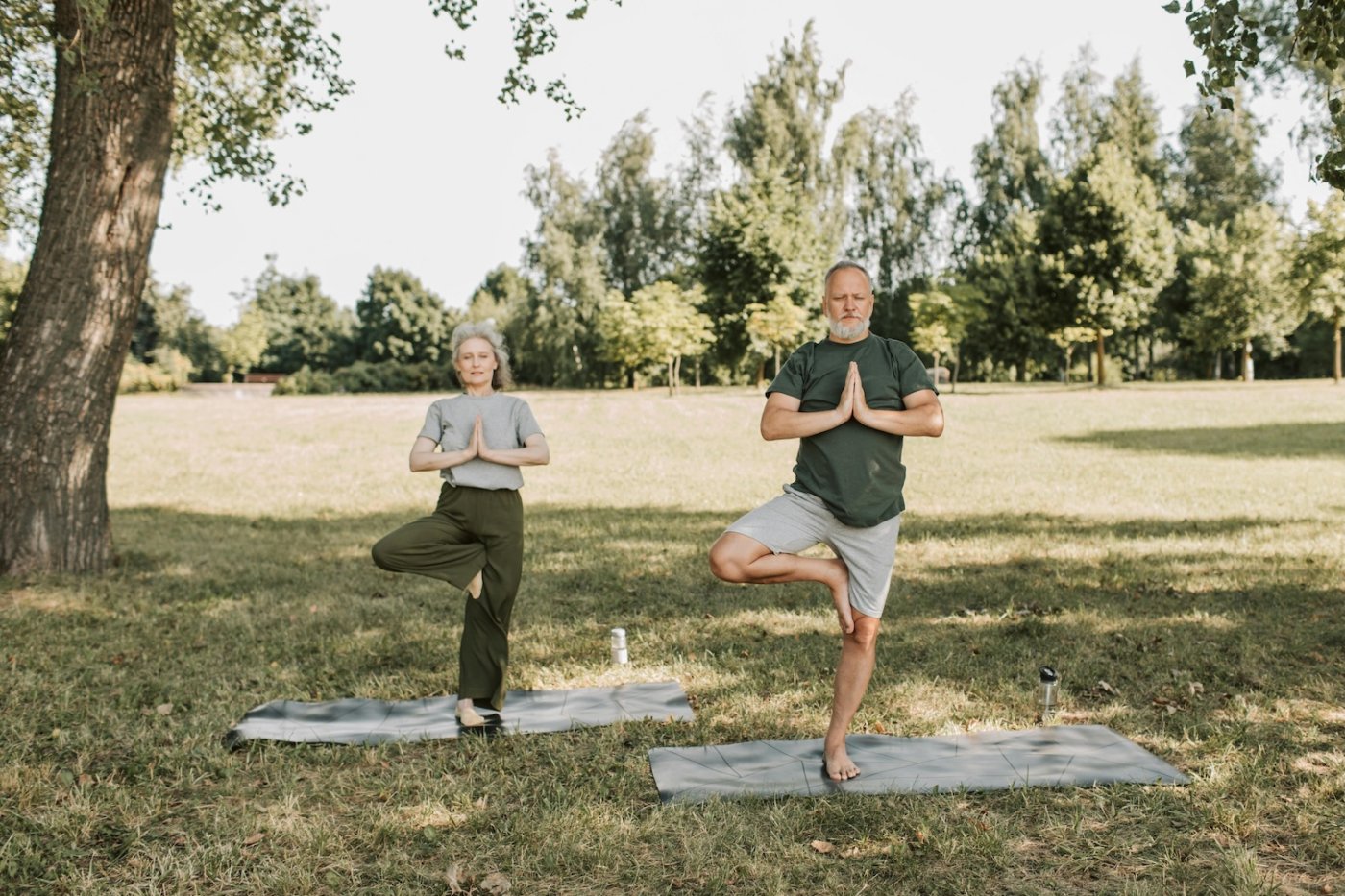
Longevity: chronic alcohol consumption — even in ‘moderate’ quantities — accelerates ageing processes in almost every organ system.

Alcohol and mental health
Many people drink to improve their current mood, yet mental health can suffer over time.
Dopamine: the dopamine surge you feel while drinking lifts your mood in the short term – as long as you keep drinking. Afterwards, however, a rebound effect sets in: neurotransmitter levels drop below their baseline and a miserable hangover the next day is inevitable.
GABA and glutamate: alcohol enhances the inhibitory effect of GABA and reduces glutamate. Once the alcohol has been metabolised, this effect is reversed: you feel restless, anxious or nervous.
Cortisol: alcohol increases levels of the stress hormone cortisol, so your body experiences biochemical stress.
Heavy drinking is strongly linked to depressive symptoms, and although alcohol doesn’t inevitably cause depression, many people drink to ease their low mood, which can make things worse and create a vicious circle.


Cognitive performance
Your brain is particularly sensitive to alcohol and large quantities can contribute to a decline in cognitive performance.
Acute effects: working memory , concentration and reaction time are impaired. You’ll probably recognise this from ‘blackouts’ — alcohol prevents the formation of new memories in the hippocampus.
Over time, heavy drinking can cause measurable shrinkage of the hippocampus, permanently reducing your ability to learn and remember, and it can also affect executive functions such as planning, impulse control and decision-making.
The good news is that longer periods of abstinence help memory and, with time, the brain can regenerate to some extent.


At what point does my drinking become unhealthy?
If you’re unsure, ask yourself the following questions:
Ask yourself what you use alcohol for. Do youdrink to enjoy yourself – or to cope with something? If alcohol is your way of dealing with stress, loneliness or anxiety, this is a sign of deeper needs that you should address in other ways.
Can you easily take a break from drinking? Do you find it straightforward to go two or three days a week without alcohol? Or do you always find reasons why ‘today is an exception’? Loss of control creeps up on you — often starting with small excuses.
What's your drinking costing you? Is the quality of your sleep, your recovery after sport or your mood the next day suffering? Have friends or family expressed concerns?
If answering honestly reveals uncomfortable truths, seek help – for example, from the nationwide Addiction and Drugs Helpline.


Recovery rather than intoxication
The need to wind down and relax is completely natural. Especially after a stressful week at work, you'll long for a treat that takes your mind off things. However, there are better and healthier ways to do this than reaching for a drink.
Alcohol may seem to help you unwind, but even if you feel better for a short while and think you’ll drop off more easily after a couple of glasses of red wine, it actually disrupts your body’s essential recovery process. This not only affects sleep quality but also the release of growth hormones. Alcohol inhibits muscle growth stimulated by training just as much as it does cellular regeneration.
Try these alternatives:
To recover in a healthier, more mindful way, you don’t need to become teetotal. Active recovery methods are simply better for your body and mind than a few beers after work. Next time you’re tempted to drink alcohol to relax after work or a workout, try the following alternatives first:
Longevity expert and specialist in internal medicine
Choose mobilisation over a reward drink: gentle movement signals to your body that it’s time to wind down. Even a light workout after a stressful day at work can help restore your balance.
Relaxation micro-habit: replace your after-work drink with a 5 min routine of mindful relaxation and a body scan. Use a fascia ball to roll your calves, your back or your shoulders — and enjoy how it feels.
Combine the 4-7-8breathing technique (breathe in for 4 s, hold for 7 s, breathe out for 8 s) with a fascia ball under your feet. This reduces stress — and certainly won’t give you a hangover.

Fall asleep more relaxed
20-min evening yoga routine

Alcohol and health: finding a balance
From a scientific point of view it's clear: there's no quantity of alcohol that's actively beneficial to health. There are only quantities that carry varying degrees of risk.
However, a mindful approach doesn’t automatically mean giving it up completely. It means making informed decisions – based on scientific and medical facts. Recovery, sleep and performance all benefit measurably from periods without alcohol.
Strike a balance between enjoyable, moderate alcohol consumption and a healthy lifestyle.

FAQ: The most important questions about alcohol and health
No, according to the WHO, there’s no risk-free level of alcohol consumption. Even small quantities increase the risk of cardiovascular disease, cancer and mental health problems. The myth of the ‘healthy glass of red wine’ has been debunked – the risks outweigh the benefits even with moderate consumption.
The DGE classifies 1.5 glasses of wine, 2 to 3 glasses of beer or 2 shots of spirits per week as low-risk. Strictly speaking, though, even these quantities aren't entirely safe.
Alcohol disrupts the REM sleep phase, when your body repairs muscles and releases growth hormones, and it also slows muscle growth and recovery after training.
As liver and kidney function decline, older people break down alcohol more slowly, the risk of falls rises due to impaired coordination and many medicines prescribed for older people (e.g. blood pressure medication) interact dangerously with alcohol. Tolerance decreases whilst the risks increase.
Both patterns are problematic but for different reasons. Daily consumption places chronic strain on the liver and cardiovascular system and increases the risk of cancer and addiction. Binge drinking (more than 4 to 5 drinks on a single occasion) causes acute damage to the brain, liver and heart rhythm.
Further interesting items





Sources and Studies
The Lancet Rheumatology. (2023). Alcohol and health: all, none or somewhere in-between? The Lancet Rheumatology, 5(4), e167. https://doi.org/10.1016/S2665-9913(23)00073-5
Stockwell, T., Zhao, J., Clay, J., Levesque, C., Sanger, N., Sherk, A. and Naimi, T. (2024). Why do only some cohort studies find health benefits from low-volume alcohol use? A systematic review and meta-analysis of study characteristics that may bias mortality risk estimates. Journal of Studies on Alcohol and Drugs, 85(4), 441–452. https://doi.org/10.15288/jsad.23-00283
Richter, M., Tauer, J., Conrad, J., Heil, E., Kroke, A., Virmani, K. and Watzl, B. (2024). Alcohol consumption in Germany, health and social consequences, and the derivation of recommendations for action: Position statement of the German Nutrition Society (DGE). Ernährungs Umschau, 71(10). https://doi.org/10.4455/eu.2024.033
Gardiner, C., Weakley, J., Burke, L. M., Roach, G. D., Sargent, C., Maniar, N., Huynh, M., Miller, D. J., Townshend, A. and Halson, S. L. (2025). The effect of alcohol on subsequent sleep in healthy adults: A systematic review and meta-analysis. Sleep Medicine Reviews, 80, Article 102030. https://doi.org/10.1016/j.smrv.2024.102030
Barnes, M., Mündel, T. and Stannard, S. (2010). Acute alcohol consumption exacerbates the decline in muscle performance following strenuous eccentric exercise. Journal of Science and Medicine in Sport, 13(1), 189–193. https://doi.org/10.1016/j.jsams.2008.12.627
Bouajila, N., Domenighetti, C., Aubin, H. J. and Naassila, M. (2024). Alcohol consumption and its association with cancer, cardiovascular, liver and brain diseases: A systematic review of Mendelian randomisation studies. Frontiers in Epidemiology, 4, Article 1385064. https://doi.org/10.3389/fepid.2024.1385064
Wang, M., Li, Y., Lai, M., Nannini, D. R., Hou, L., Joehanes, R., Huan, T., Levy, D., Ma, J. and Liu, C. (2023). Alcohol consumption and epigenetic age acceleration across human adulthood. Aging, 15(20), 10938–10971. https://doi.org/10.18632/aging.205153
Mitincu-Caramfil, S. D., Drima, E., Pascu, L. S., Moroianu, L.-A., Gherghiceanu, F., Popoviciu, M.-S. and Stoian, A. P. (2025). The relationship between alcohol consumption and depression: an analysis of secondary affections and therapeutic interventions. Journal of Mind and Medical Sciences, 12(1), 24. https://doi.org/10.3390/jmms12010024
Sabia, S., Elbaz, A., Britton, A., Bell, S., Dugravot, A., Shipley, M., Kivimaki, M. and Singh-Manoux, A. (2014). Alcohol consumption and cognitive decline in early old age. Neurology, 82(4), 332–339. https://doi.org/10.1212/WNL.0000000000000063