Home remedies to help you fall asleep: what really works?

Home remedies such as herbal tea, warm milk, foot baths and relaxation techniques can help you nod off. Recognise personal triggers such as stress, caffeine, alcohol or late, heavy meals and build a regular evening routine. If you’re still struggling to sleep, home remedies alone won’t be enough.
Key points at a glance
They can help you wind down more quickly and improve your sleep quality naturally.
Proven remedies such as herbal teas, warm milk with honey or foot baths have a calming effect on the nervous system and muscles.
Sleep disturbances often have dietary, environmental or stress-related causes — identifying these is crucial for sustainable success.
Relaxation methods such as breathing techniques, progressive muscle relaxation or acupressure can also make it easier to fall asleep.
Follow a regular evening routine to reinforce these effects and support a stable sleep pattern.
Fall asleep quickly: tips you can put into practice straight away
If you're struggling to wind down in the evening, try these simple steps to help you nod off:
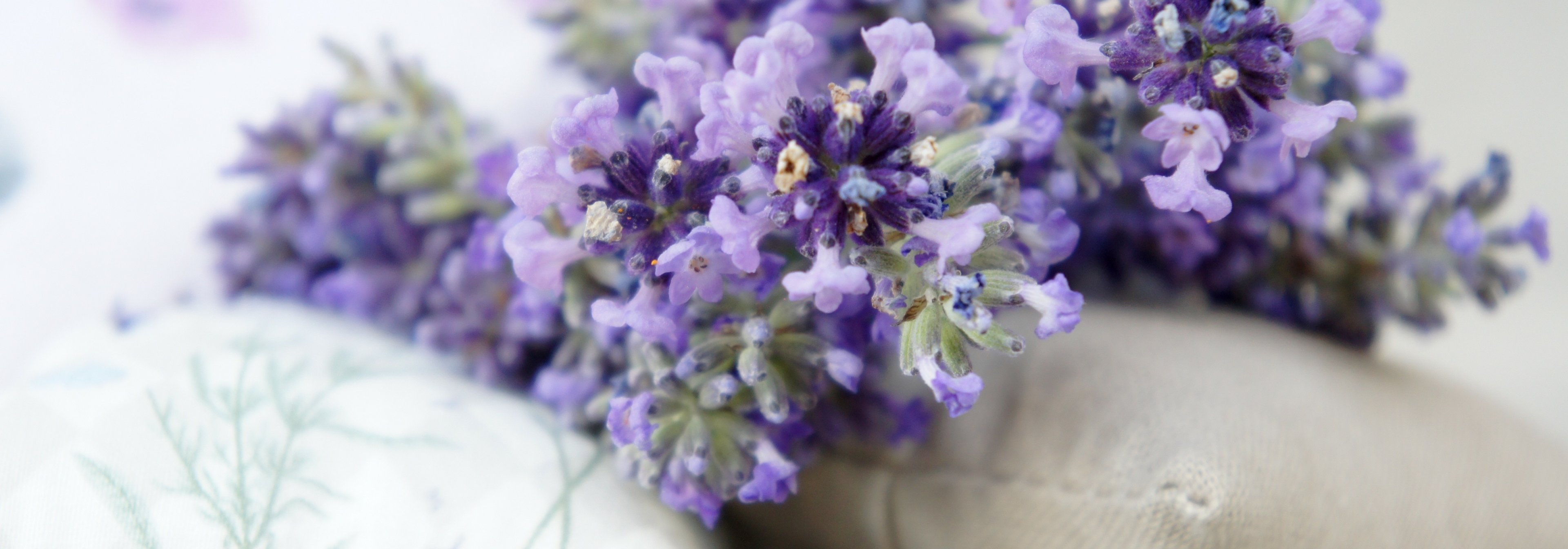
- Herbal tea: chamomile, lavender or valerian may help you unwind and gently prepare your body for sleep.
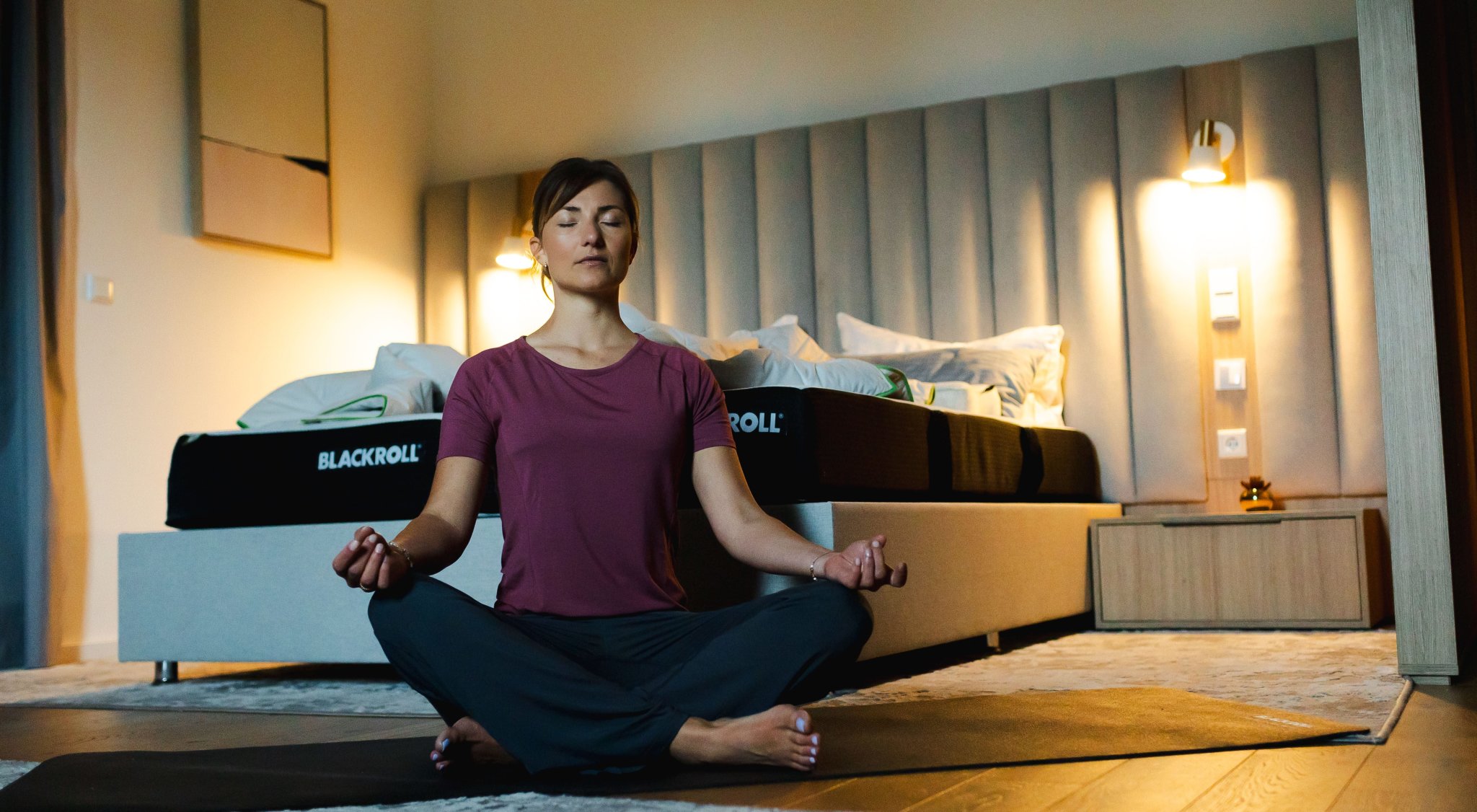
- Tryrelaxation exercises such as breathing techniques, meditation or a session of fascia yoga to lower your heart rate and quiet your thoughts.
- Calm background sounds: atmospheric sounds of the sea, tropical rain or other nature sounds can make you feel sleepy
- Breathing technique: The 4-7-8 technique can help calm your nervous system — breathe in for 4 s, hold for 7 s, then breathe out for 8 s.
Next time you’re lying awake, try one of these quick fixes .

Sleep better, live healthier — with our sleep course. Up to 100% refund.
Discover the online sleep course now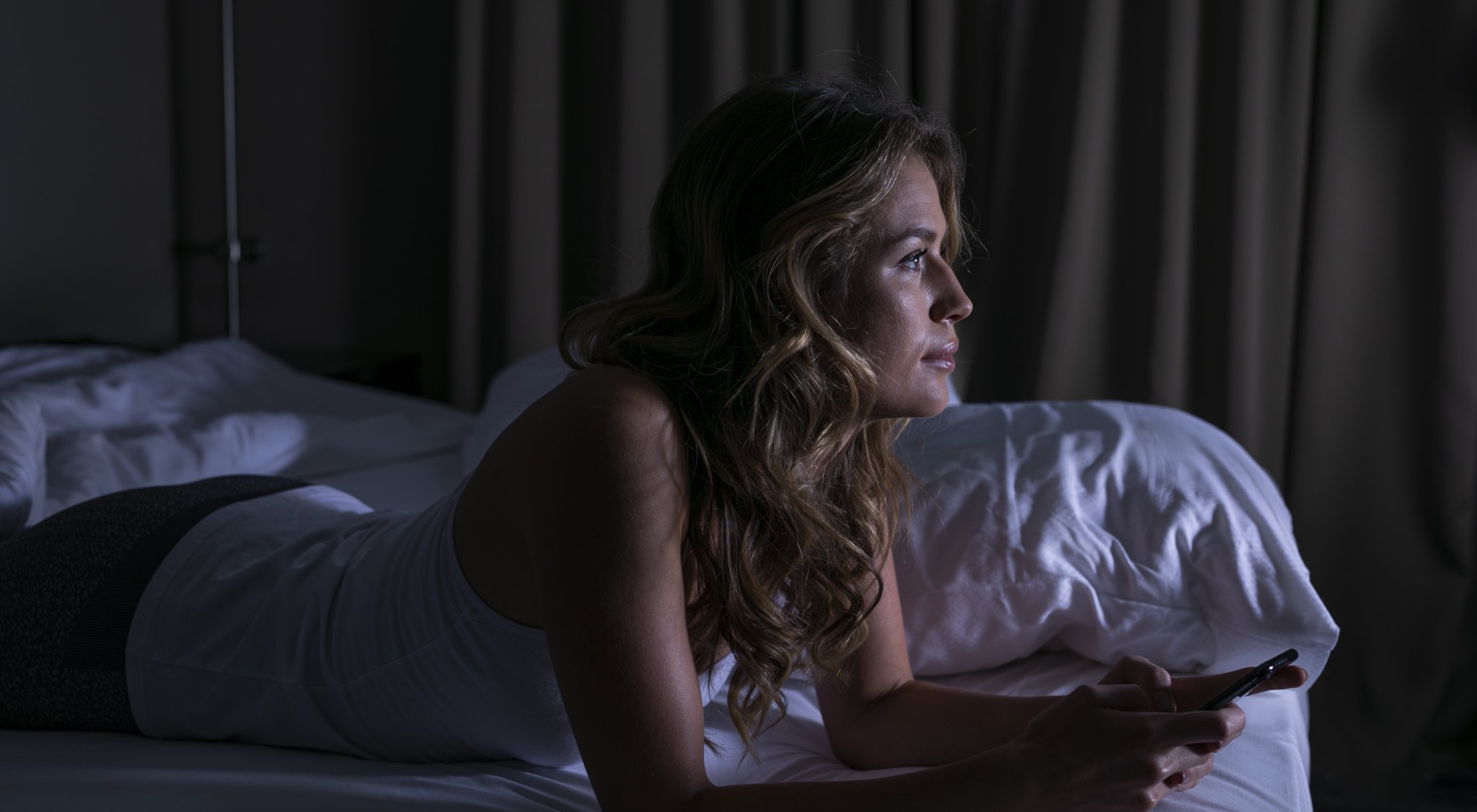
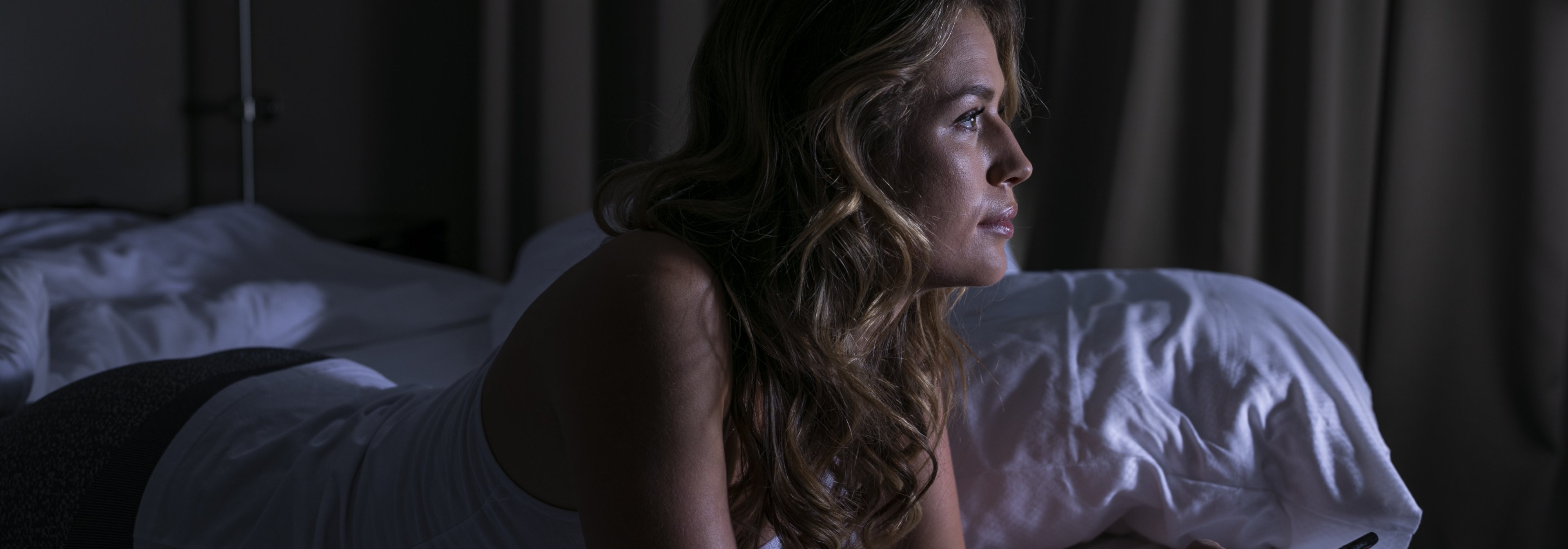
Identify the causes of sleep disorders and fall asleep more easily.
To put an end to sleep disturbances, first find out where they come from. This is because the solutions are as individual as the causes and range from eating too heavily in the evening to having the wrong mattress, right through to emotional factors. So it’s best to take some time to identify potential disruptive factors and rethink your evening routine. Common triggers of sleep disturbances:
Diet-related causes
Although certain foods can help you sleep better, there are also a few things you should avoid before bed:
- Caffeine: For many people, an espresso after dinner is part of the routine. However, consuming caffeine too late in the day – depending on how sensitive your body is to it – can disrupt your sleep. Have your last coffee at lunchtime.
- Alcohol: Fancy a glass of wine to wind down after a stressful day? Whilst this may seem relaxing at first, it can have a negative effect on your sleep and lead to a restless night. Do not use alcohol as a ‘sleeping pill’.
- Sugar: Even a sweet treat in the evening isn’t a suitable home remedy for falling asleep. Sugar has a stimulating effect and is therefore counterproductive.
- Heavy or late meals also place extra work on your digestion and keep your body active, making it harder to wind down.
Environmental factors
A well-designed bedroom is half the battle when it comes to falling asleep more easily.
Banish disruptive factors from your bedroom. These include:
- Blue light: TVs, smartphones and laptops have no place in the bedroom. Blue light can inhibit the production of the sleep hormone melatonin and boost the production of the stress hormone cortisol, so avoid using these devices one to two hours before going to bed. Keep other light sources to a minimum and opt for warm light from your bedside lamp.
- Mattress: Too hard, too soft or too uncomfortable? Not all mattresses are the same. Choose one that suits your body and sleep position. We recommend a customisable mattress with multiple firmness levels.
Everyday causes
Even the best home remedies for sleep problems are of little use if you ‘undermine’ them with certain habits.
Avoid the following:
- Intense exercise: while regular exercise improves your sleep in the long term, very strenuous workouts – such as HIIT – have a stimulating effect. They’re better suited to the start of the day. Later in the evening, gentler forms of exercise such as yoga, pilates or a relaxed jog are more appropriate.
- Stress: One of the most common triggers for difficulty falling asleep is also the hardest to resolve. Stress can keep you awake at night and, in the long run, lead to health problems, which is why it should not be
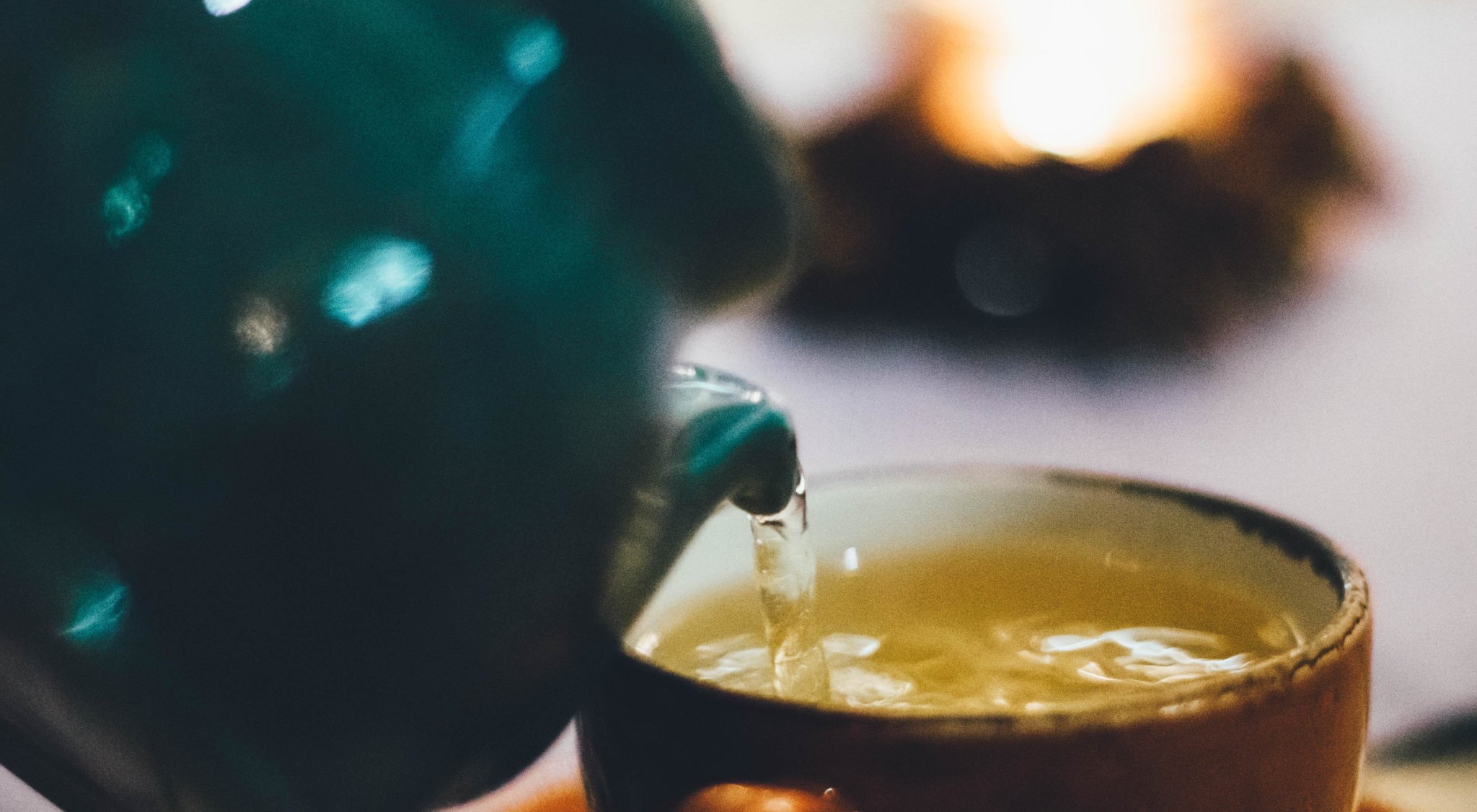

Grandma’s home remedies for sleep problems: which ones really work?
Are Grandma’s home remedies for sleep problems just myths? It depends. Some are even backed up by science. Proven classics that can help you fall asleep:
- Warm milk with honey: provides tryptophan, an amino acid that the body converts into serotonin and melatonin — two important hormones for restful sleep.
- Herbal tea (chamomile, valerian and lavender): the plant-based ingredients have a calming effect, can reduce stress levels and make it easier to fall asleep.
- Foot bath: A warm foot bath temporarily raises your skin temperature, dilates your blood vessels and helps your body release heat. After the bath, your core body temperature drops slightly – a signal to the brain that it’s time to fall asleep.
- Placea hot water bottle on your stomach or neck to relieve tension and create a sense of comfort.
Tip: Choose one or two remedies and make them a regular part of your evening routine. Eventually, this routine will automatically signal to your body: ‘It’s time for bed now.’
Home remedies for falling asleep: alternative methods
High stress levels, inner tension and emotional pressure in particular can cause your mind to start racing as soon as you lie down in bed. Alternative relaxation methods can be very effective here. And before you think, ‘Meditation isn’t my thing’,
There are plenty of other techniques that can help you wind down:
- Autogenic training: use calm breathing exercises and positive thoughts to help your body reach a state of deep relaxation — ideal for letting go of stress and sleeping better.
- Progressive muscle relaxation: tense then release each muscle group in turn to let go of tension and prepare your body for sleep.
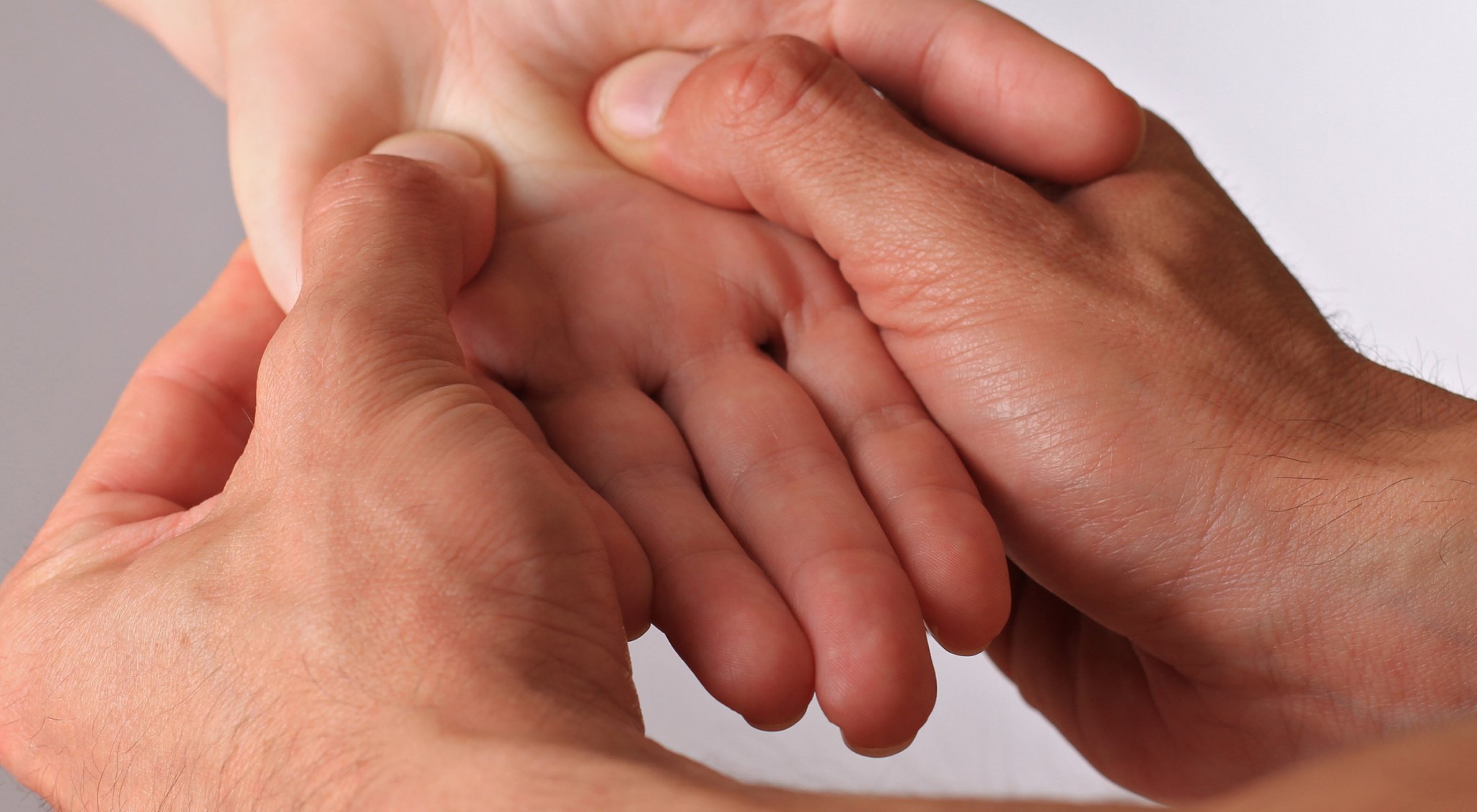
- Acupressure uses gentle pressure on specific points to encourage relaxation and prepare the body for sleep.
- Aromatherapy: scents from essential oils such as lavender or chamomile can help calm your mind and they also work well as a pillow spray.

Progressive muscle relaxation for your mental health
Discover now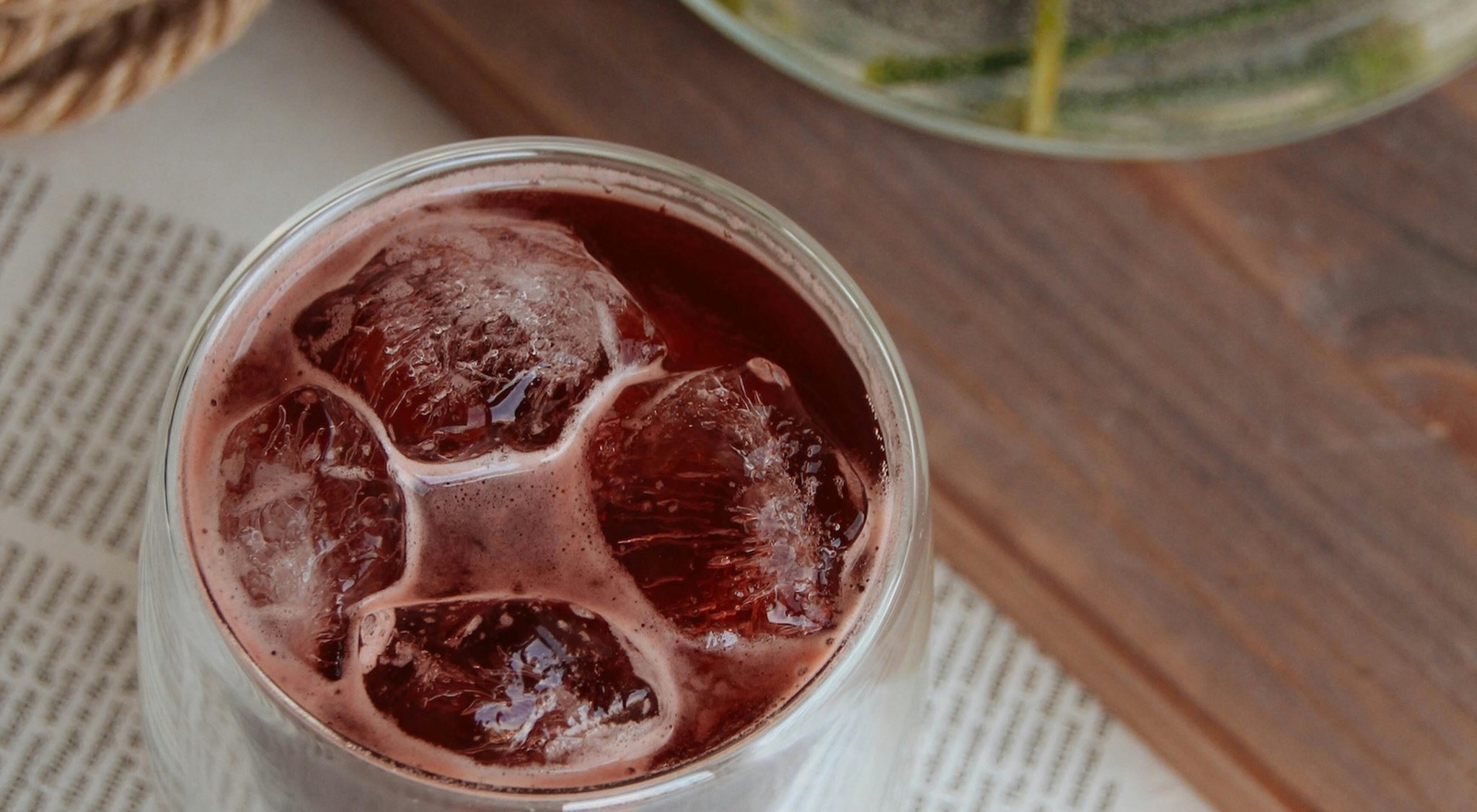
Top tips for falling asleep — tried and tested, but underrated
Alongside the classics, we've a few lesser-known tips that can help you nod off more quickly:
- Light, tryptophan-rich snacks such as cottage cheese, almonds or plums provide the body with the building blocks for serotonin and melatonin without straining the stomach.
- Cherry juice: a small glass provides natural melatonin, which supports your sleep cycle.
- Gentle self-massage loosens tense muscles and calms the body. Particularly gentle on your spine and, at the same time, effective against back pain that keeps you awake: the BLACKROLL TWIN with a central recess
- Elevating your legs: the ‘Legs-Up-the-Wall’ yoga exercise is easy to do, relaxes the lower limbs, reduces stress hormones and can help you fall asleep more quickly. It can be done right in your bedroom and requires no equipment other than a wall and, if needed, a pillow under your back. Here’s how: Lie on your back, place your legs stretched out vertically against the wall and let your arms and shoulders rest relaxed. Breathe deeply and calmly for 5–10 min.
- A cool environment helps, too — most experts recommend a room temperature of 15–19°C to support melatonin production, although some suggest 20–25°C. When it’s too hot, you’ll probably struggle to drop off.
Grandma’s best home remedies to help children fall asleep
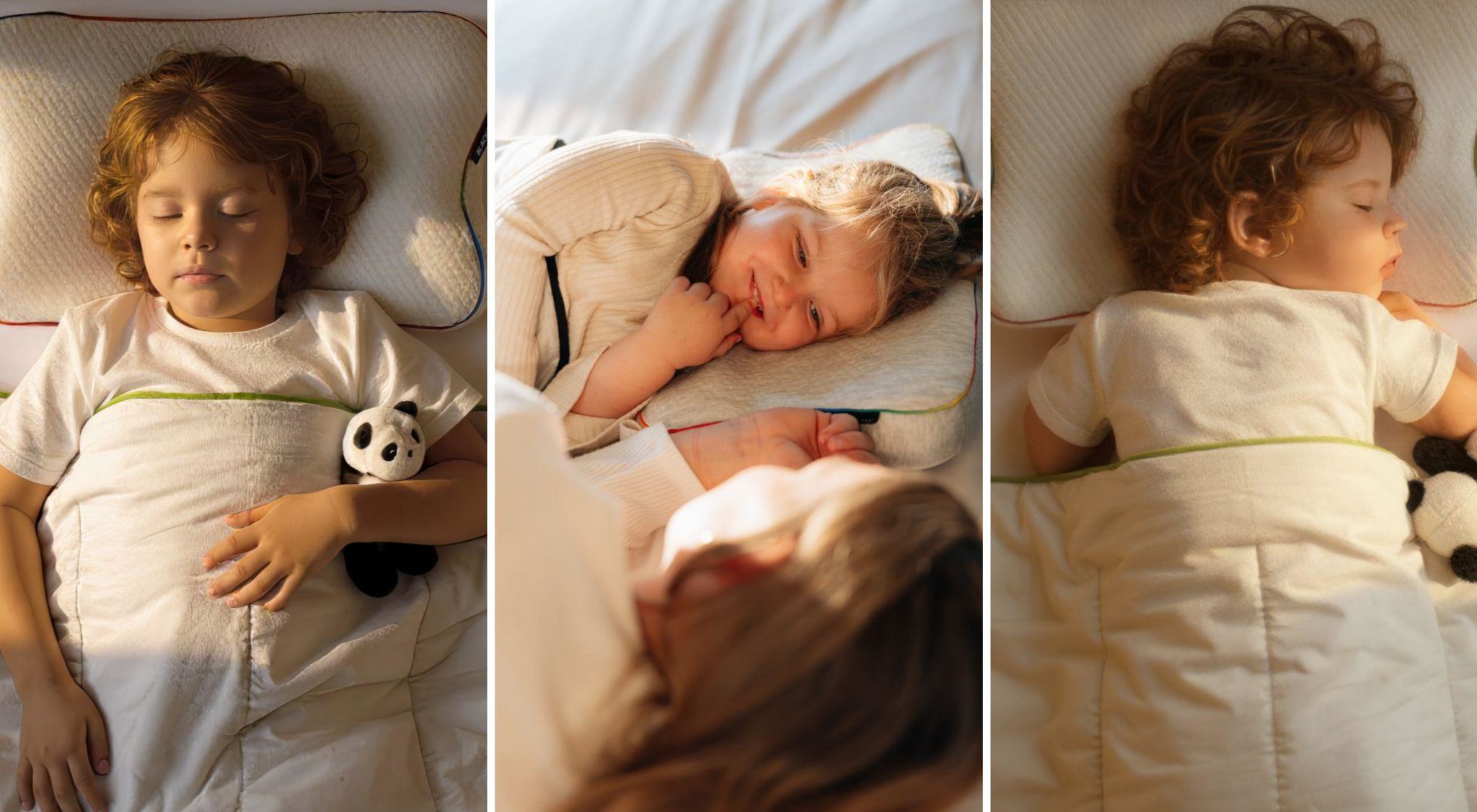
When little ones can’t nod off, there can be several reasons, yet tried-and-tested home remedies often help. An evening routine with set rituals is particularly valuable.
Here are a few ideas:
- Reading aloud: having a few pages read aloud from their favourite book in bed is better than any audiobook.
- Hum a gentle lullaby.
- Cuddle time: Who wouldn’t love to be stroked to sleep? Gentle touches calm the nervous system and encourage restful sleep.
- Hot water bottle: soft toys with a built-in hot water bottle provide a cosy feeling and a sense of security in the evening.
- Warm bath: what helps adults also helps children unwind.

Your health insurance will cover the cost, so you can enjoy restful nights. Up to 100% reimbursement.
Start the children’s sleep course nowMore items on children’s sleep




Why home remedies work – explained scientifically
Many home remedies for falling asleep rely on specific nutrients that, for example, support the production of melatonin and serotonin in the body.
Foods rich in tryptophan, such as almonds, dairy products or wholegrains, provide the building blocks for serotonin, which is later converted into the sleep hormone melatonin. Studies show that a diet rich in tryptophan can reduce the time it takes to fall asleep.
Sources of magnesium and potassium, such as wholegrains, green vegetables and nuts, help to relax muscles and nerves, making it easier to drift off. Sour cherry juice also contains melatonin.


Home remedies for falling asleep that are less effective
Some home remedies for falling asleep are simply ineffective and a few can even harm your rest.
- Alcohol as a supposed sleep aid: while a glass of wine to promote relaxation may make you feel drowsy in the short term, it actually disrupts deep sleep.
- A bedtime treat: chocolate or wine gums as part of your evening ritual before you go to sleep? Not a good idea, as sugar gives you a boost.
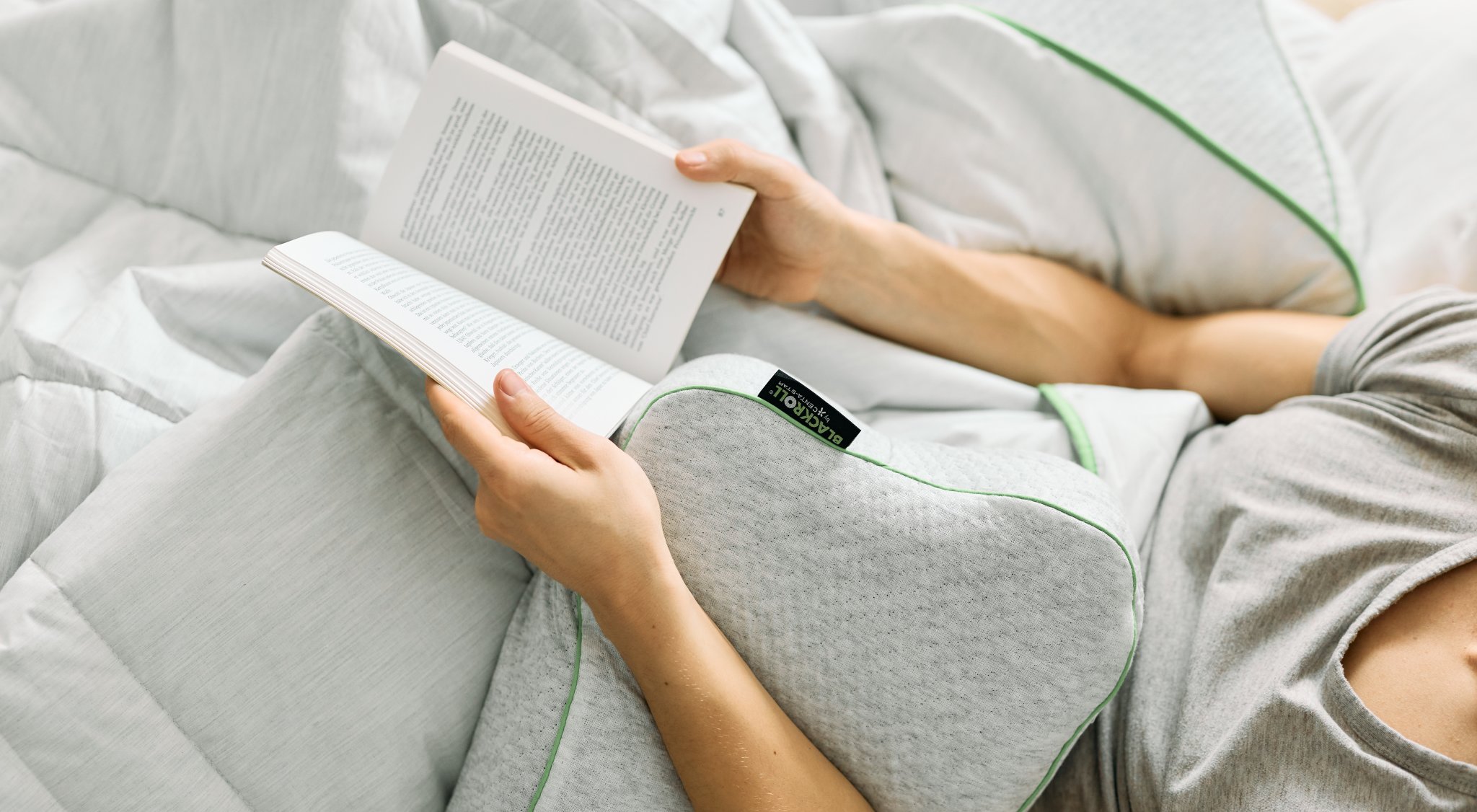
- Television: treat yourself to a TV series marathon to relax? Unfortunately, this stimulates your brain, which can lead to restlessness. If anything, read a few pages of a book before you go to sleep – or write in your diary.
The effect of home remedies varies from person to person. What works for one individual may have barely any noticeable effect on another or may even be counterproductive. Some methods may not be scientifically proven but can still have a calming effect because you associate them with something pleasant. Keep an eye on how your sleep is affected when you try something new.
Create your evening routine with home remedies
Use our tips to create your own personalised evening routine. Remember: less is often more and consistency helps your body stabilise its sleep rhythm.
- A warm drink: Enjoy a cup of hot milk with honey or chamomile or lavender tea 30–60 min before bed. It calms your body and mind without leaving you lying awake. But don’t drink too much — your bladder might wake you.
- If you fancy a snack after dinner, choose almonds or almond butter; they provide magnesium and tryptophan, which may help you sleep.
- Create a calm environment: reduce light and noise and ensure a comfortable room temperature. Silence signals to your body: time to wind down.
- Choose your bed linen and duvet carefully: an uncomfortable bed, unpleasant bed linen or the wrong pillow can also rob you of sleep. Whether you sleep on your stomach, back or side, our BLACKROLL® neck pillow adapts to your sleep position. The same goes for the RECOVERY BASE, which has been designed to help you fall asleep gently and wake up feeling refreshed.
- Seta fixed bedtime so your body knows when to wind down.
- Digital detox: Switch off blue light sources such as smartphones and laptops for at least an hour before bed.
Whether it’s breathing exercises, foot baths or myofascial yoga, discover which home remedy for falling asleep suits you best.

Below, we’ve summarised the most important tips for you once again.
FAQ: Home remedies to help you fall asleep
Among the most reliable home remedies for falling asleep are herbal teas (chamomile or lavender), warm milk with honey and relaxing foot baths. They have a calming effect and support your natural sleep cycle.
Milk contains the amino acid tryptophan, which your body needs to produce the sleep hormone melatonin, and its gentle warmth has a relaxing effect.
There isn’t just one home remedy for falling asleep quickly. All the tips mentioned above – such as a warm foot bath, a cup of herbal tea or the 4-7-8 breathing technique – are proven methods for sleeping better. A quiet, dark sleeping environment with a comfortable temperature is also important.
Many traditional remedies, such as herbal teas or warm milk, remain popular today — and some of their effects have been scientifically confirmed. However, remedies work differently for each person, so try them out to see what suits you.
They shouldn't be your first port of call; take them only after consulting a doctor and obtaining a prescription. If you're experiencing long-term sleep problems, please seek medical advice.
Checklist for falling asleep and ensuring a peaceful night’s sleep
Ready for restful sleep? Our checklist gives you an overview of helpful tips and home remedies to help you fall asleep:
1–4 h before bedtime
- Avoid blue light: switch off mobiles, laptops and TVs or activate blue light filters.
- Finish your evening meal: avoid heavy meals, greasy foods or sugary treats.
- Avoid coffee, black tea and energy drinks.
30–60 min beforehand
- Set devices to silent and switch off notifications.
- Dim the lights and use warm, indirect lighting.
- Actively promote relaxation: breathing exercises, meditation or gentle stretching help to lower your heart rate.
- Have a glass of herbal tea, cherry juice or warm milk.
Just before bed
- Check the room temperature: 16–18°C is ideal in the bedroom.
- Let in fresh air to improve oxygen levels and air quality.
- Reach for a notebook instead of a smartphone and jot down your thoughts or make a to-do list for the next day to clear your head.
- Cosy atmosphere: a comfortable mattress, breathable bed linen and a light blanket (e.g. the BLACKROLL® Recovery Blanket) create the ideal conditions.
Repeat this routine regularly — your body will adjust and signal when it’s time for bed.
Conclusion: simple home remedies for falling asleep
Home remedies to help you fall asleep are a gentle and often effective way to wind down — with no side effects whatsoever. Research suggests that certain remedies — such as lavender or foods rich in tryptophan — may improve sleep quality, though results aren’t guaranteed. Pick a few tips, try them over time and see what suits you. Often it’s a combination of measures that works best — rather than a single remedy.
More interesting items







Sources and Studies
Howatson, G., Bell, P. G., Tallent, J., Middleton, B., McHugh, M. P. and Ellis, J. (2012). Effect of tart cherry juice (Prunus cerasus) on melatonin levels and enhanced sleep quality. European Journal of Nutrition, 51(8), 909–916. https://doi.org/10.1007/s00394-011-0263-7
National Sleep Foundation. (n.d.). 10 tips for a better night’s sleep. Retrieved 28/10/2026, https://www.thensf.org/sleep-tips/
Baniassadi, A., Manor, B., Yu, W., Travison, T. and Lipsitz, L. (2023). Night-time ambient temperature and sleep in community-dwelling older adults. Science of the Total Environment, 899, Item 165623. https://doi.org/10.1016/j.scitotenv.2023.165623
Khalid, S., Bashir, S., Mehboob, R., Anwar, T., Ali, M., Hashim, M., Waseem, H. and Basharat, S. (2024). Effects of magnesium and potassium supplementation on insomnia and sleep hormones in patients with diabetes mellitus. Frontiers in Endocrinology, 15, 1370733. https://doi.org/10.3389/fendo.2024.1370733