Cherry Juice in Professional Cycling: Recovery and Health Benefits

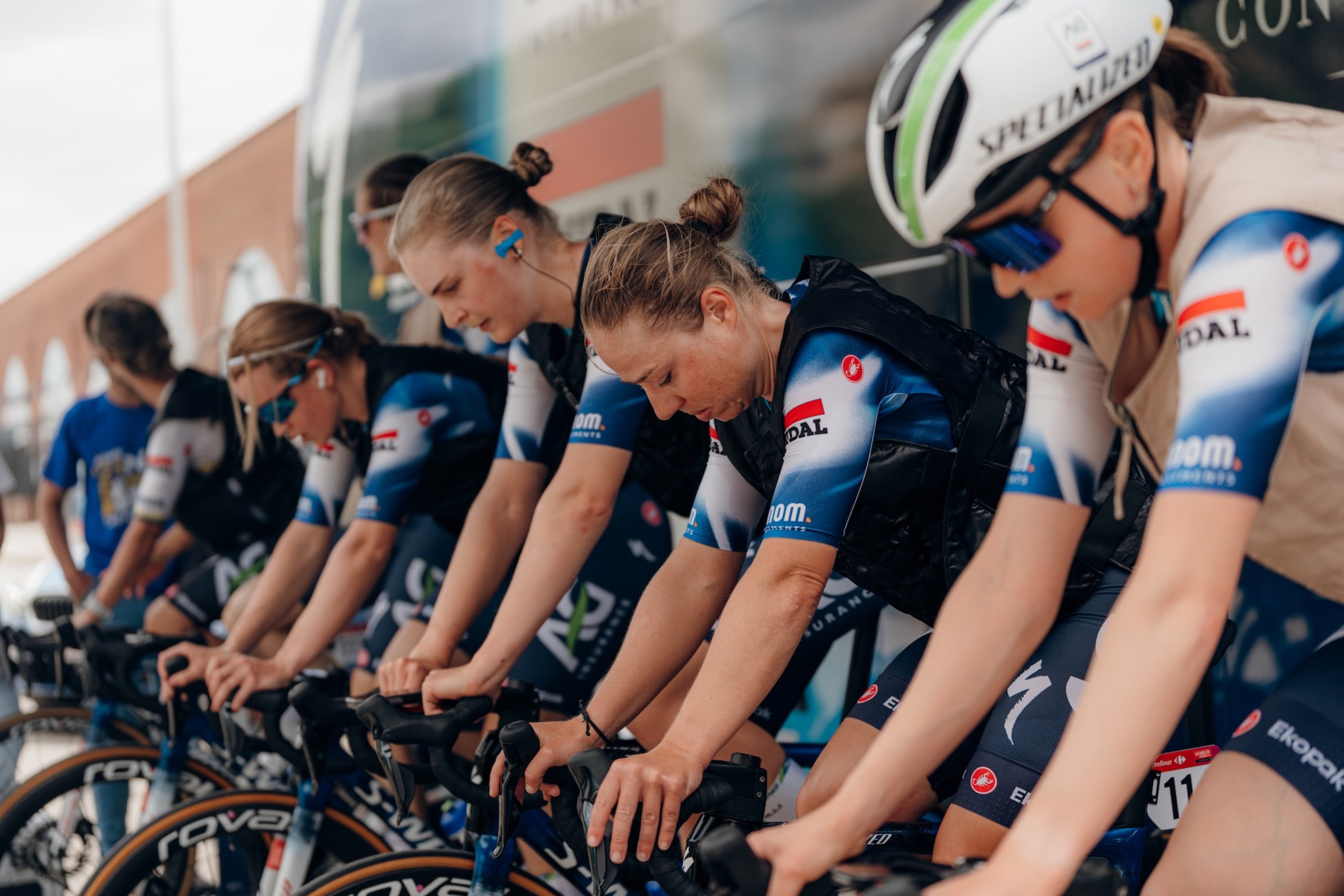
After a grueling stage of the Tour de France, many professional cyclists immediately reach for a strikingly red drink—cherry juice. This “secret” recovery elixir made from Montmorency sour cherries has become a staple in sports nutrition in recent years. Why do endurance athletes swear by sour cherry juice for recovery? Below, you’ll find an overview of the active ingredients, health benefits, scientific evidence, and the use of cherry juice in professional cycling.

Active Ingredients in Cherry Juice
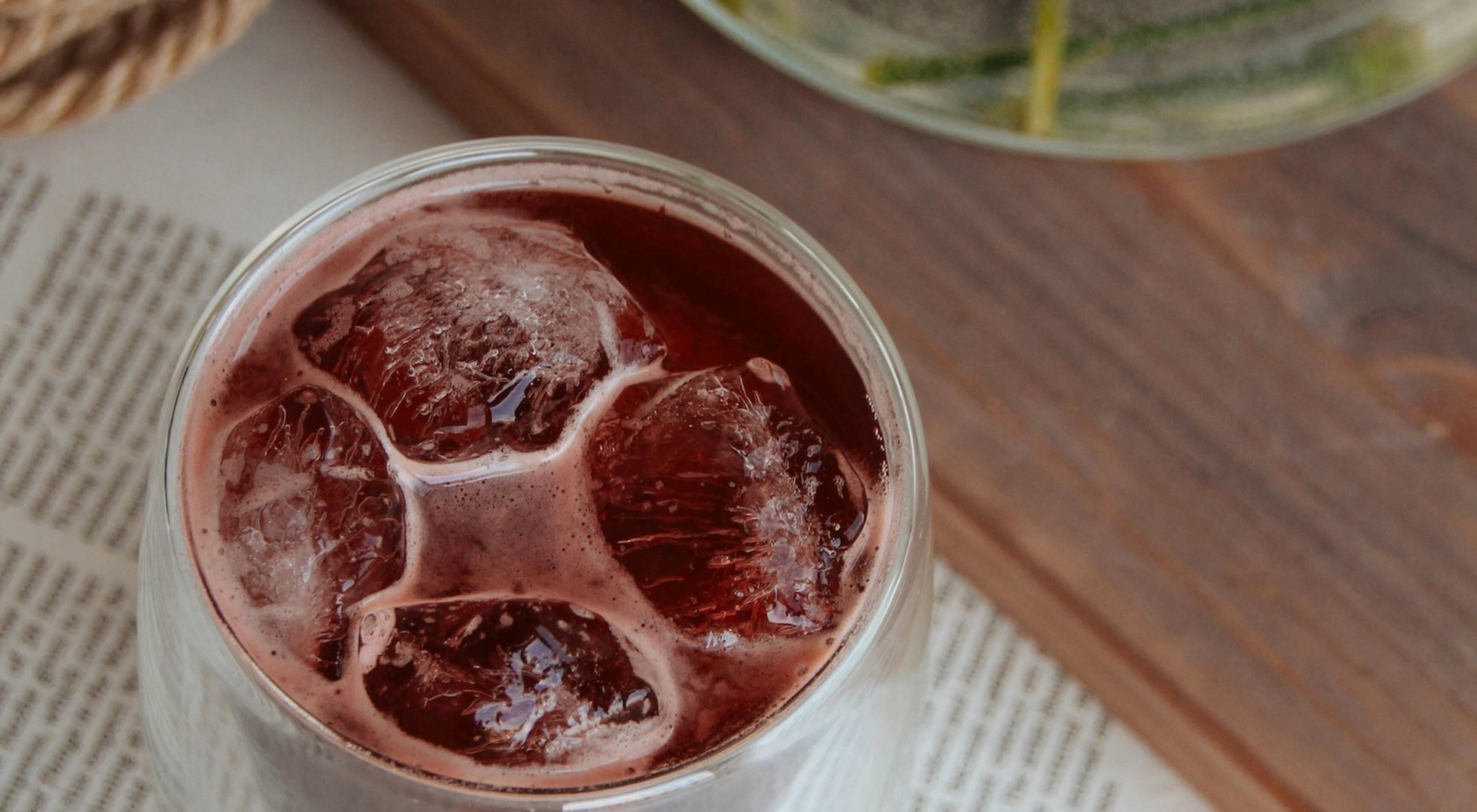
The unique health-promoting properties of Montmorency sour cherries can be attributed to their diverse range of bioactive compounds. The following section explains the most important active ingredients and their specific benefits for athletes in more detail.
- Anthocyanins (flavonoid polyphenols): Montmorency cherries are rich in these red pigments. They have both antioxidant and anti-inflammatory effects—neutralizing excess free radicals (reducing oxidative stress) and dampening inflammatory reactions in strained muscles. Some anthocyanins (e.g., cyanidin derivatives) have anti-inflammatory effects similar to those of common pain relievers by influencing specific inflammatory pathways.
- Melatonin: Tart cherries contain the hormone melatonin, which regulates the sleep-wake cycle. Cherry juice—especially when consumed in the evening—can therefore improve sleep quality. Deep, restful sleep promotes the nighttime release of growth hormones and repair processes, which accelerates muscle recovery. Athletes report that a glass of sour cherry juice in the evening after intense workouts helps them fall asleep and allows them to wake up feeling more refreshed the next day.
- Other nutrients: Studies show that Montmorency cherry juice also provides other phytochemicals, such as flavonoids like quercetin and phenolic acids. These also support the antioxidant and anti-inflammatory effects. In addition, cherry juice contains natural carbohydrates: ~30 g of fructose per 500 ml helps rapidly replenish glycogen stores after exercise—an important foundation for ensuring that the muscles are ready for the next workout.
Health Benefits of Cherry Juice
Montmorency tart cherry juice stands out for its unique profile of active compounds, which specifically support key recovery mechanisms in sports. The following sections explain how cherry juice contributes significantly to recovery and performance through its anti-inflammatory, antioxidant, and sleep-enhancing effects.
- Anti-inflammatory and Antioxidant Effects: Thanks to its high anthocyanin content, cherry juice acts as a natural anti-inflammatory and antioxidant duo. Intense endurance exercise generates oxidative stress and microinflammation in the muscles; cherry juice has been shown to reduce this stress. As a result, the release of inflammatory markers (e.g., interleukin-6, C-reactive protein) is lower after competitions. This limits muscle-damaging inflammatory processes, reduces swelling, and accelerates tissue recovery.
- Less muscle soreness and muscle damage: Tart cherry juice is considered to have muscle-protective properties. Its antioxidant and anti-inflammatory compounds help reduce muscle damage during and after exercise. In studies, athletes who consumed cherry juice showed lower levels of muscle damage markers (e.g., creatine kinase) and less muscle soreness than placebo groups. In practical terms, this means less pain after intense workouts and faster recovery of muscle strength, so that performance is nearly fully restored the next day.
- Improved muscle function and endurance performance: Polyphenols from sour cherries promote the production of nitric oxide (NO), which causes blood vessels to dilate. The increased blood flow ensures that more oxygen and nutrients reach the muscles during exercise. As a result, athletes feel less fatigued and can maintain high intensities for longer. Accordingly, some studies report slight increases in endurance performance and reduced subjective exertion when Montmorency cherry concentrate was consumed before and after exercise.
- Better Sleep Quality: As mentioned, tart cherry juice provides natural melatonin, which can lead to deeper and more restful sleep. Adequate sleep is essential for athletes—this is when the body repairs muscle fibers and adapts to training stimuli. Improved sleep through cherry juice consumption thus indirectly leads to better recovery: The muscles have more time to recover, and more energy is available the next day.

- Faster Overall Recovery: The combination of these effects—reduced inflammation, antioxidant protection, rapid glycogen replenishment, and good sleep—leads to accelerated recovery overall. Professional cyclists report that regular consumption of cherry juice has helped them shorten their recovery time. This is particularly advantageous in stage races (with daily exertion): Those who recover more quickly can start the next day with less pre-existing fatigue. Cherry juice thus ensures that the legs feel fresher the next day and that peak performance is regained sooner.
- Boosting the Immune System: Extreme endurance efforts can temporarily weaken the immune system —many athletes suffer from infections after marathons or stage races. Sour cherry juice appears to counteract this: its flavonoids and vitamins support the immune system. In one study, for example, not a single case of a cold occurred in the cherry juice group 48 hours after a marathon, while 50% of the runners in the placebo group developed cold symptoms. The researchers suspect that cherry polyphenols mitigate stress-induced inflammatory responses (as evidenced by significantly lower CRP levels in the cherry group) and thus prevent the typical symptoms of infection following intense physical exertion. For endurance athletes, this means: a faster return to health and fitness, and fewer training days lost due to colds.
More interesting articles





Scientific studies and evidence
The effects of Montmorency tart cherry juice on athletic performance, recovery, and the immune system have now been examined in several high-quality studies. The following is a summary of key research findings from recent years, along with an explanation of their practical implications.
- Faster Recovery in Cyclists (2014 Study): A placebo-controlled study conducted by Northumbria University examined 16 trained competitive cyclists in a simulated race. Over the course of 8 days, the test group consumed 30 ml of Montmorency cherry concentrate (equivalent to ~90–110 cherries per dose) twice daily. After a 109-minute cycling time trial, the cherry group showed significantly better recovery than the placebo group: muscle strength remained higher, and certain inflammatory markers in the blood (e.g., IL-6, CRP) were significantly lower. In addition, muscle efficiency was maintained: 24 hours after exercise, the cherry juice participants required ~4% less oxygen to produce the same level of performance compared to the placebo group. The authors conclude that Montmorency cherry juice is an effective means of accelerating recovery after intense endurance exercise.
- Performance Enhancement in Endurance Sports (2019 Study): Researchers at the University of Exeter investigated whether cherry juice can directly improve endurance performance. Eight well-trained cyclists completed two 15-km time trials—one after 7 days of Montmorency cherry powder supplementation and one after a placebo. With cherry powder, the athletes rode an average of 4.6% faster than without it. The rate of improvement was positive for all participants (0.6% to 8.9% time savings) and was accompanied by better muscle blood flow and oxygen supply during exercise. The authors attribute the effect to vasoactive polyphenols, which dilate blood vessels and thus exert an ergogenic (performance-enhancing) effect. Although such performance effects from cherry juice are moderate, they are supported by this and similar studies.
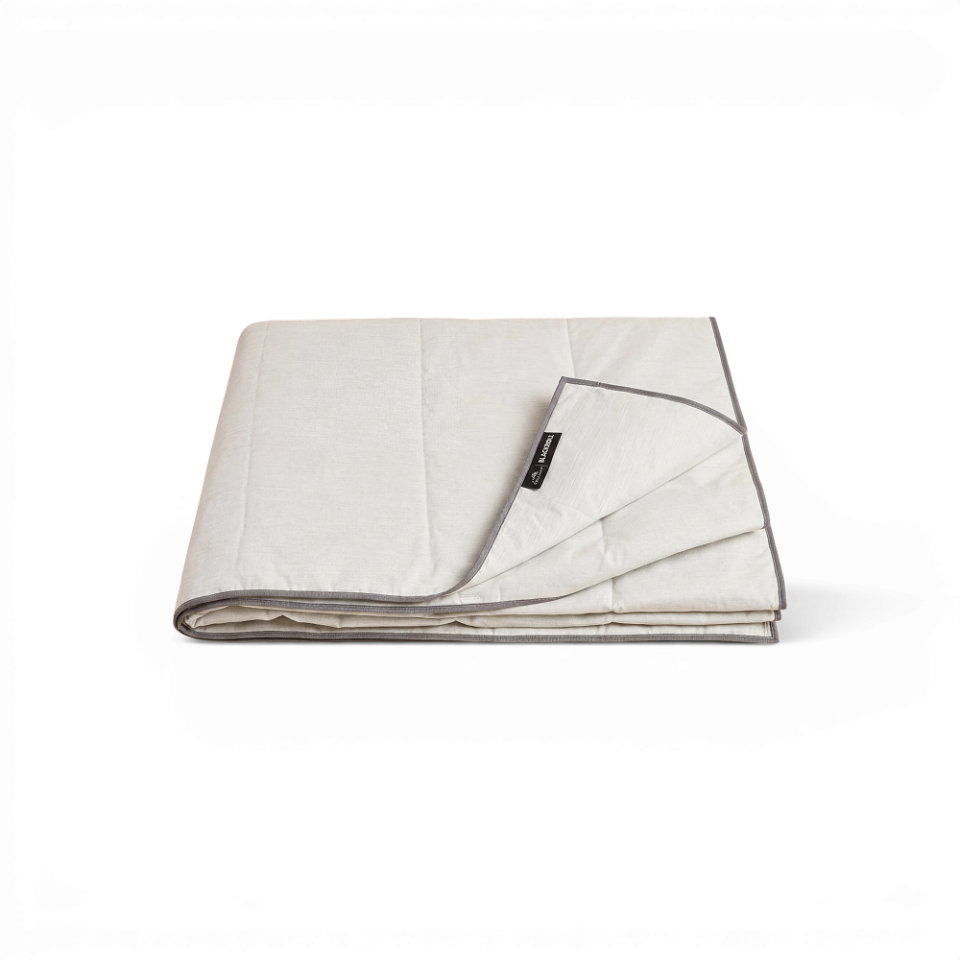
Recovery Blanket Summer
Available in multiple variants

- Less Muscle Soreness – 2021 Meta-Analysis: A summary of 14 studies on tart cherry supplements reaches a positive conclusion. According to the findings , tart cherry supplementation has a small but significant effect on reducing muscle soreness and a moderate effect on the recovery of muscle function (maximum strength and performance). Specifically, it was found, for example, that in groups consuming Montmorency cherry juice, maximum strength returned more quickly after eccentric resistance training than in groups without the juice. Earlier individual studies (including Bowtell et al. 2011; Howatson et al. 2010) had shown similar results: Cherry juice consumers experienced less loss of strength and pain after unaccustomed exercise and exhibited lower increases in markers of muscle damage in the blood. The meta-analysis thus confirms cherry juice’s reputation as a natural “recovery tool” that can alleviate muscle soreness and accelerate functional recovery.
- Improved Immune Defense After a Marathon (2015 Pilot Study): Studies also provide encouraging results for the immune system. A study conducted during the London Marathon examined whether Montmorency cherry juice could reduce the typical susceptibility to infection following the race. In fact, a clear difference was observed: None of the cherry juice participants developed cold symptoms within 2 days after the marathon, while in the placebo group, 50% of the runners were affected by upper respiratory tract infections. The cherry juice group also had lower CRP levels (a marker of inflammation). The researchers conclude that the polyphenols in cherries mitigate the inflammatory and stress responses triggered by the marathon, thereby stabilizing the immune system. Thus, tart cherry juice could protect athletes from colds after competitions—a significant advantage, since infections during intensive training phases or stage races can lead to drops in performance.
In addition, there are other studies that examine the effects of cherry juice in various sports—from sprinting and strength training to team sports. Overall, they paint a consistent picture: sour cherry juice reduces inflammatory markers and muscle damage and supports recovery.

The popularity of cherry juice in professional cycling
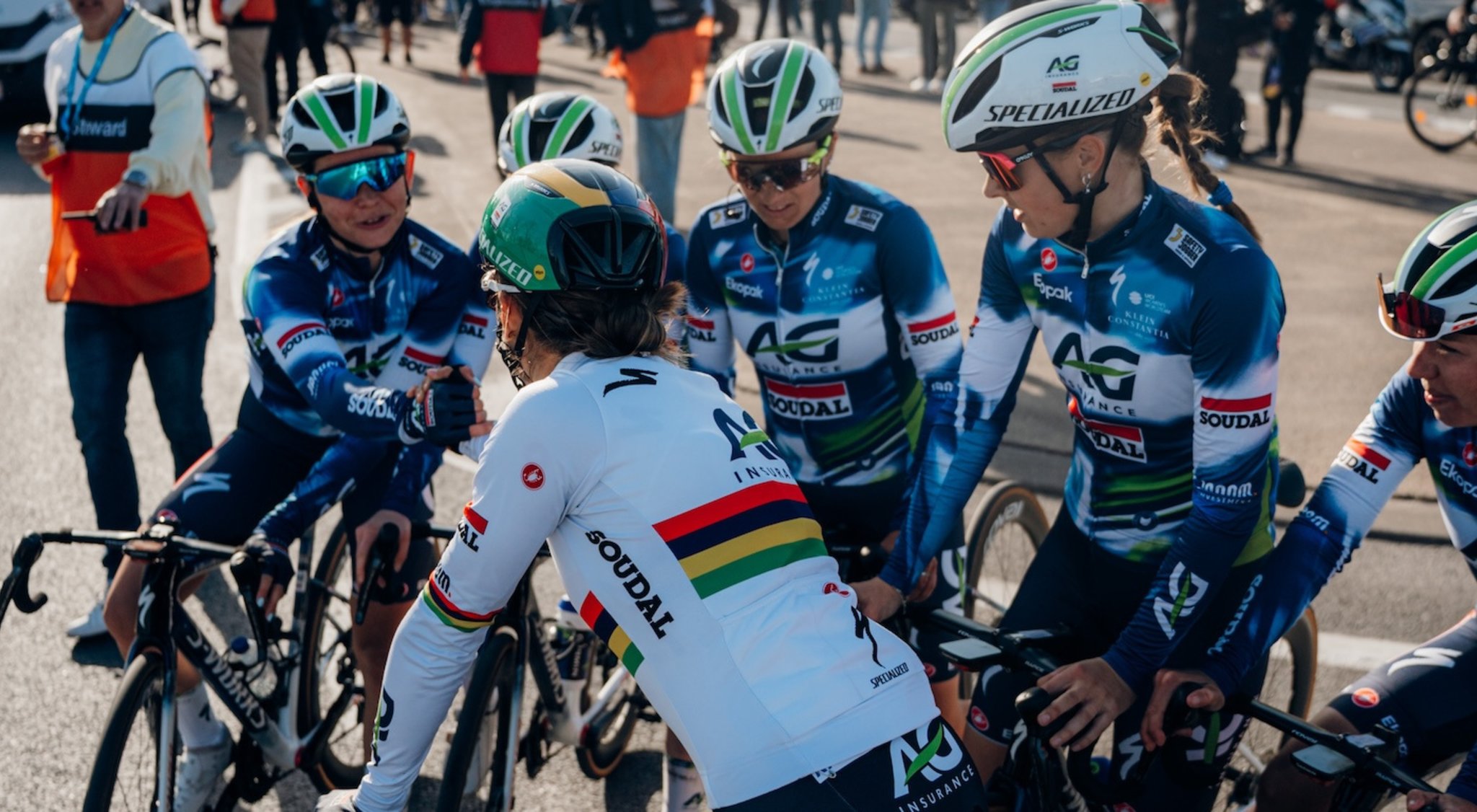
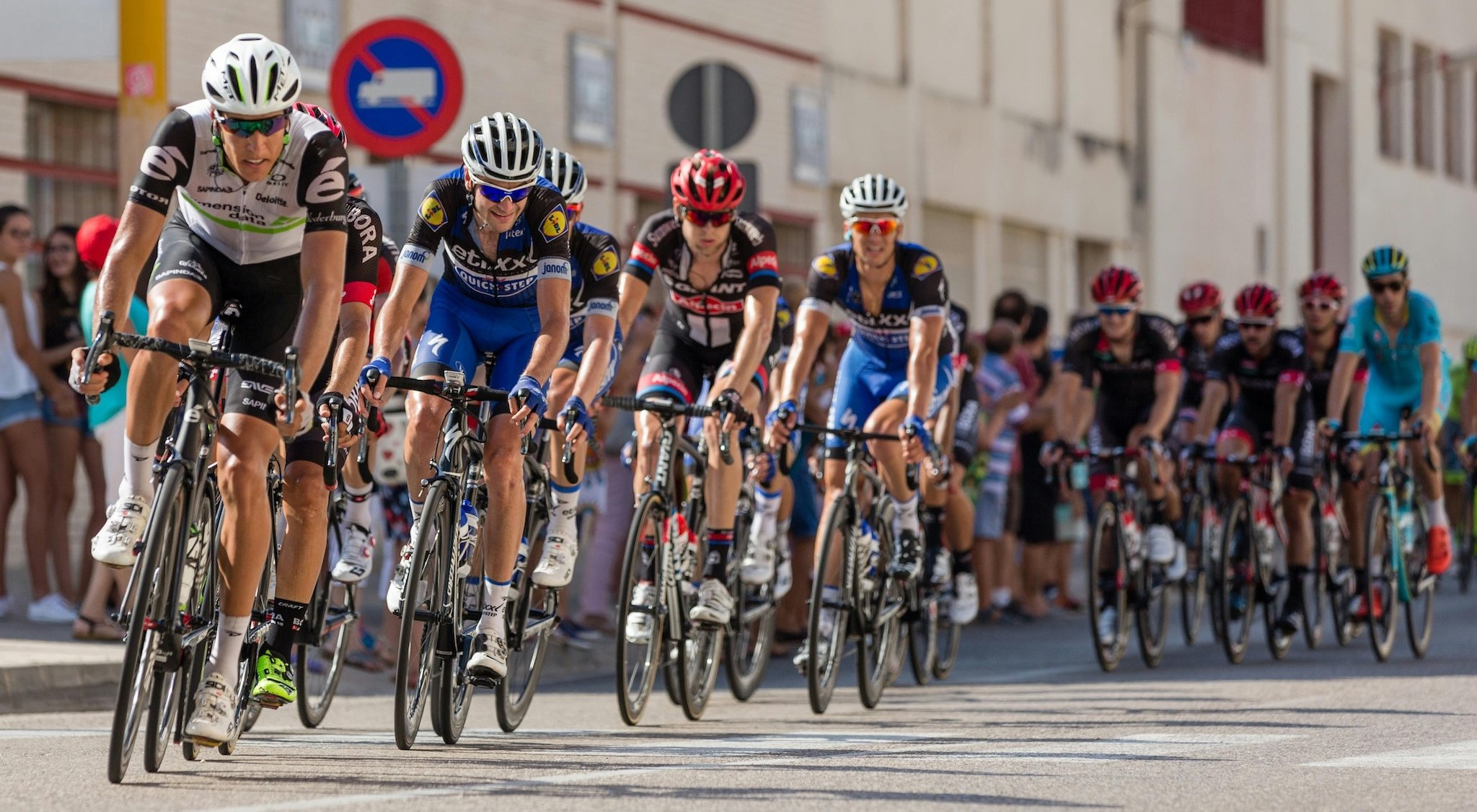
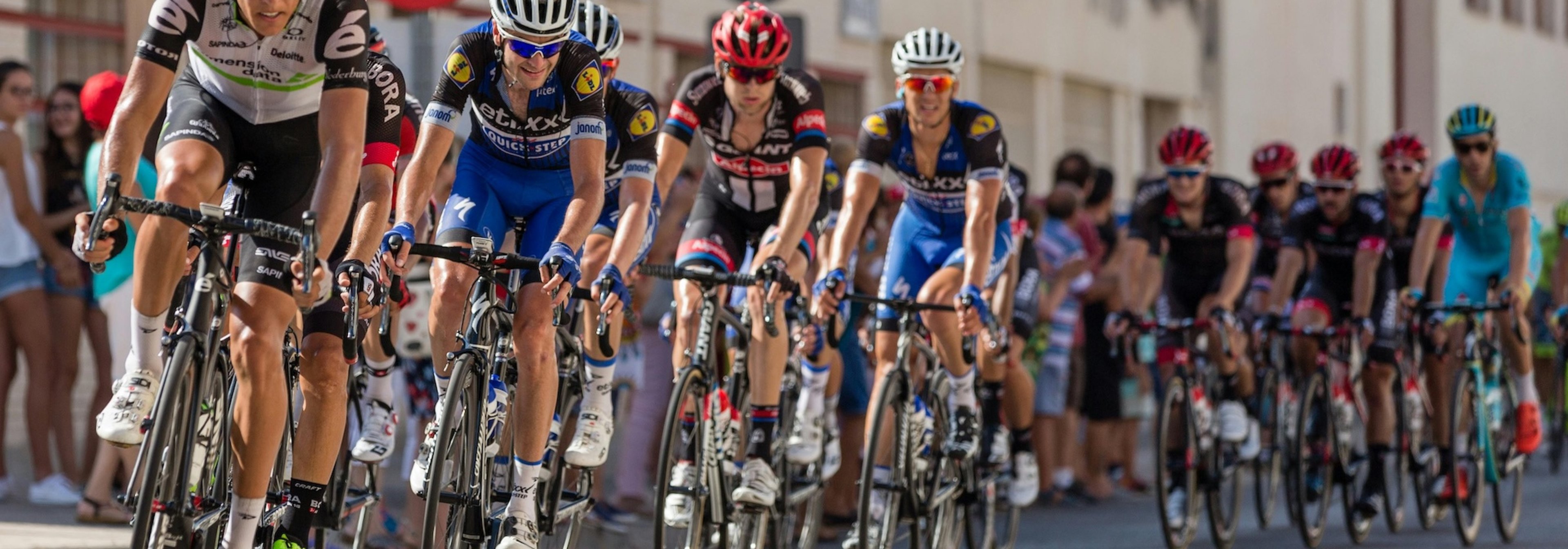
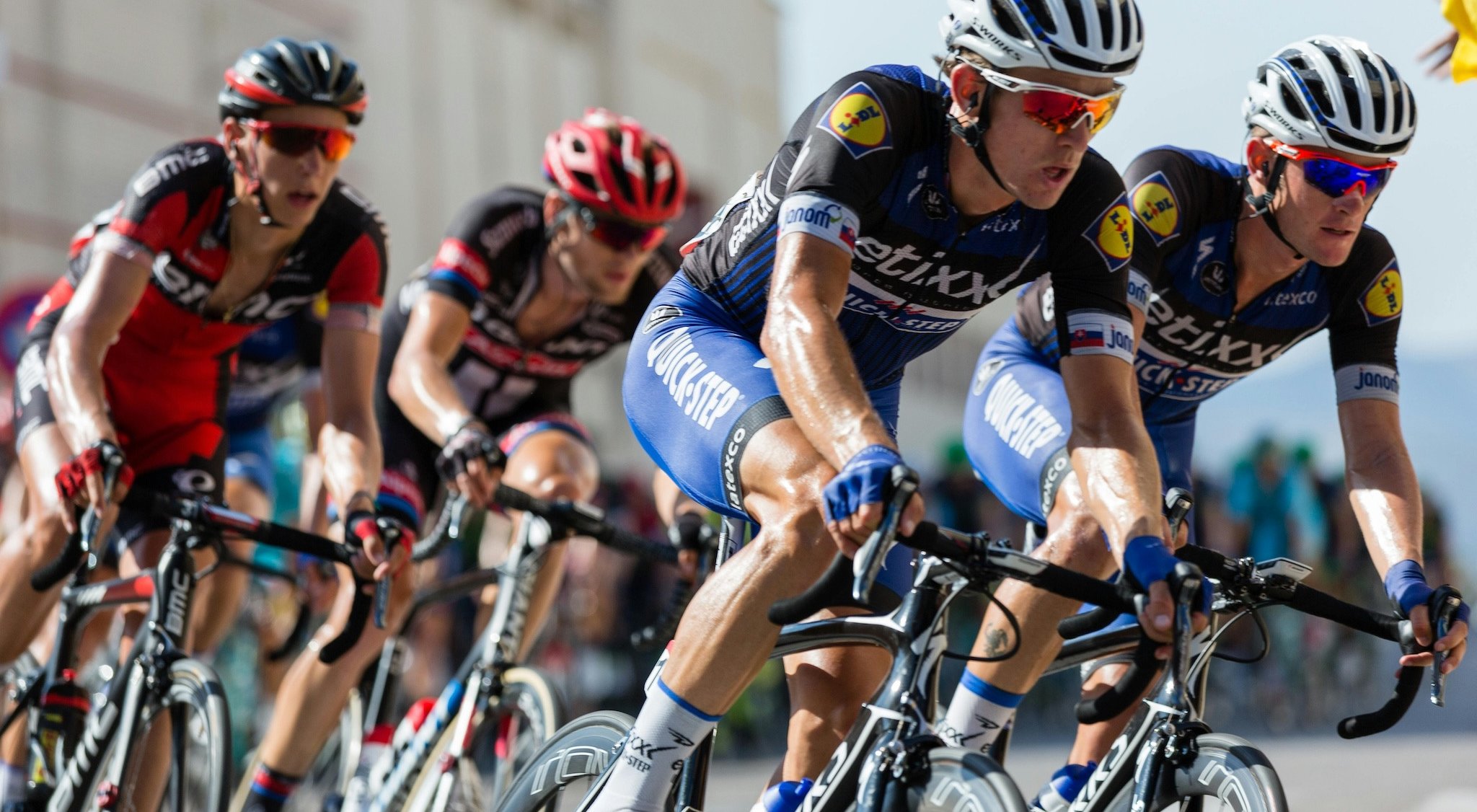
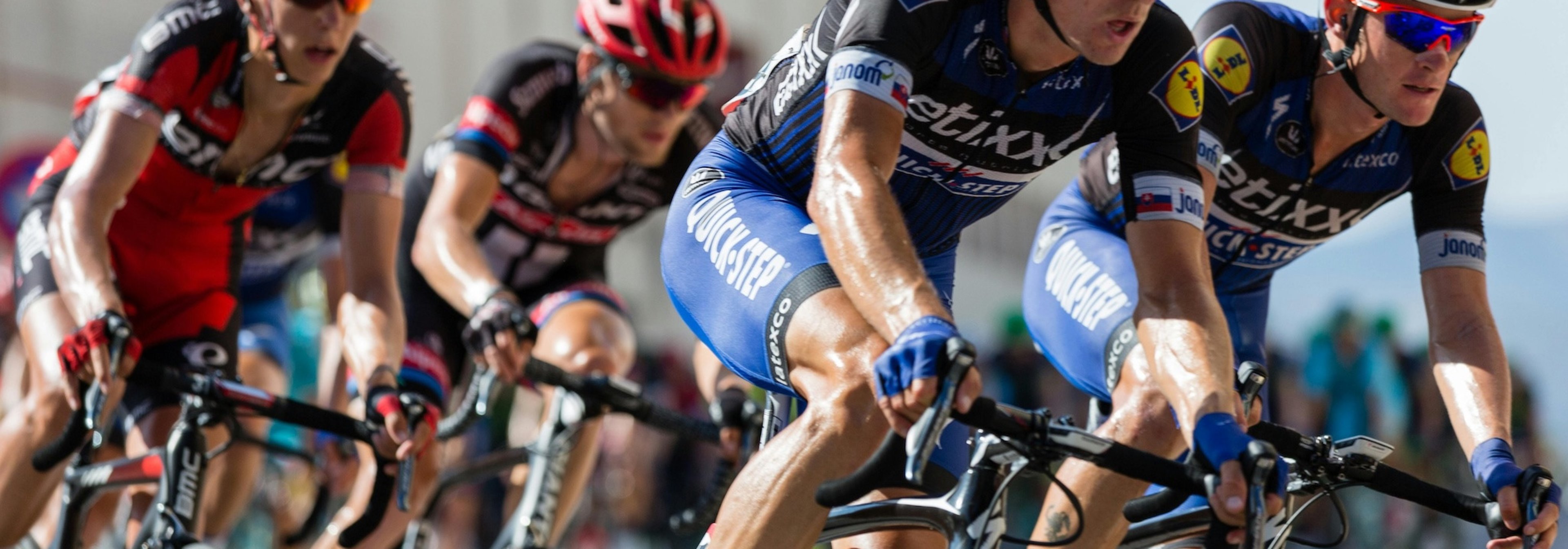
“Red Recovery” Drink Gains Traction: Given these benefits, it’s no surprise that sour cherry juice is becoming increasingly popular in endurance sports. In recent years, cherry juice—often in the form of concentrated shots —has become a staple of many recovery plans. At major stage races (Tour de France, Giro d’Italia, etc.), it’s common to see riders reach for a bottle of red cherry drink immediately after crossing the finish line. This once-mysterious red drink has now become a familiar sight after grueling stages.
Team Examples: Several top teams openly confirm the use of cherry juice in their support programs.
- EF Education-EasyPost: The U.S. WorldTour team serves its riders a ~500 ml Montmorency cherry juice drink immediately at the finish line. Each serving provides about 100 mg of anthocyanins plus approximately 30 g of carbohydrates—an ideal combination for minimizing muscle damage and replenishing energy reserves. “Cherry juice is the first step in our recovery strategy after every race,” explains EF team physician Dr. Jon Greenwell. “It’s a powerful antioxidant—exactly what you need after a tough day of racing to prevent further muscle damage and allow the muscles to recover as quickly as possible. This year, Amacx has provided us with a new product that also contains 30 g of carbohydrates —this way , we prevent muscle damage while simultaneously replenishing glycogen stores.” In the EF protocol, cherry juice is followed by rehydration (water), then protein, and a carbohydrate-rich meal. Especially in stage races, Greenwell insists that every rider “gulp down” their cherry juice immediately after crossing the finish line, since the muscles are most receptive right after exertion.
- Team Sky/INEOS and British Cycling: The British also embraced the cherry juice trend early on. Rod Ellingworth’s book *Project Rainbow* mentions that Team Sky’s support staff regularly gave their riders tart cherry juice to aid recovery. Tour de France winners of the 2010s—such as Sir Bradley Wiggins —combined traditional methods like ice baths with cherry juice to optimize their recovery. The British Cycling Federation also experimented with Montmorency cherry concentrate to shorten athletes’ recovery times.
Triathlon and Marathon
It’s not just cycling teams that are embracing the tart cherry juice principle. In triathlon and running, more and more professionals (and ambitious amateurs) are turning to tart cherry concentrate as a natural recovery boost. Elite triathletes, for example, cherry juice shots into their diets before and after intense training sessions or competitions to reduce muscle soreness and get back to training faster. Many marathon runners also swear by cherry juice to minimize muscle damage after long runs—with the added benefit that they catch colds less often.
Targeted Use Instead of Continuous Supplementation
Despite the enthusiasm, sports scientists recommend using cherry juice strategically. Since a certain degree of inflammatory response after training is important for adaptation processes and performance gains, experts such as Dr. Greenwell (EF) and researcher Malachy McHugh advise using tart cherry juice primarily during competition phases—when immediate recovery is a priority—and more sparingly during intense training phases. During training, oxidative processes should be allowed to proceed freely to stimulate the body’s adaptation; in competition, however, the goal is to minimize inflammation in order to be back at 100% performance the next day. This nuanced approach demonstrates just how well-established cherry juice has become in elite sports—discussions are already underway regarding the optimal timing and frequency of consumption, much like with traditional recovery methods.
Conclusion
Montmorency cherry juice has established itself as a natural “recovery elixir” in professional cycling and other sports. Its scientifically proven benefits—ranging from reduced inflammation and less muscle soreness to faster recovery of performance and better sleep—make it a valuable component in the recovery strategies of many endurance athletes. More and more teams and athletes are turning to the red cherry drink to stay one step ahead in their demanding competition and training schedules. However, balance remains key: cherry juice should be used strategically. In competition, it supports rapid recovery and can make the difference between victory and defeat; in training, on the other hand, occasionally skipping it can be beneficial so as not to weaken the body’s own adaptive processes. Overall, the rise in popularity of cherry juice shows that even natural foods can have a noticeable effect in high-performance sports—and sometimes provide that crucial edge in performance and health.
Studies & Sources
Cycling websites: