Sleep Aids: The Best Tools for Better Sleep Quality

If you believe the advertising claims, smartphones, smartwatches, and fitness trackers can now measure not only recovery and stress levels but also sleep—backed up by numbers, colorful graphics, and plenty of tips on how to improve your sleep quality.
In this article, with the help of our BLACKROLL® recovery expert Dr. Lutz Graumann, we explain which technologies are best for measuring sleep and which parameters play a role in tracking it.


What are sleep trackers, and what types are available?
A sleep tracker records your sleep, can measure sleep quality, and provides you with information about your sleep patterns throughout the night. This data allows you to draw conclusions about sleep depth, sleep duration, and sleep quality—as well as whether you might have a sleep disorder.
However, before you start using one, Dr. Lutz Graumann recommends keeping a sleep or performance diary first.
“This is what makes you aware, in the first place, of which factors are important for good sleep. Because such a sleep diary can reveal the connection between sleep, daily schedule, routines, eating habits, and well-being. When filled out completely and honestly, it helps identify weaknesses and correct mistakes.”
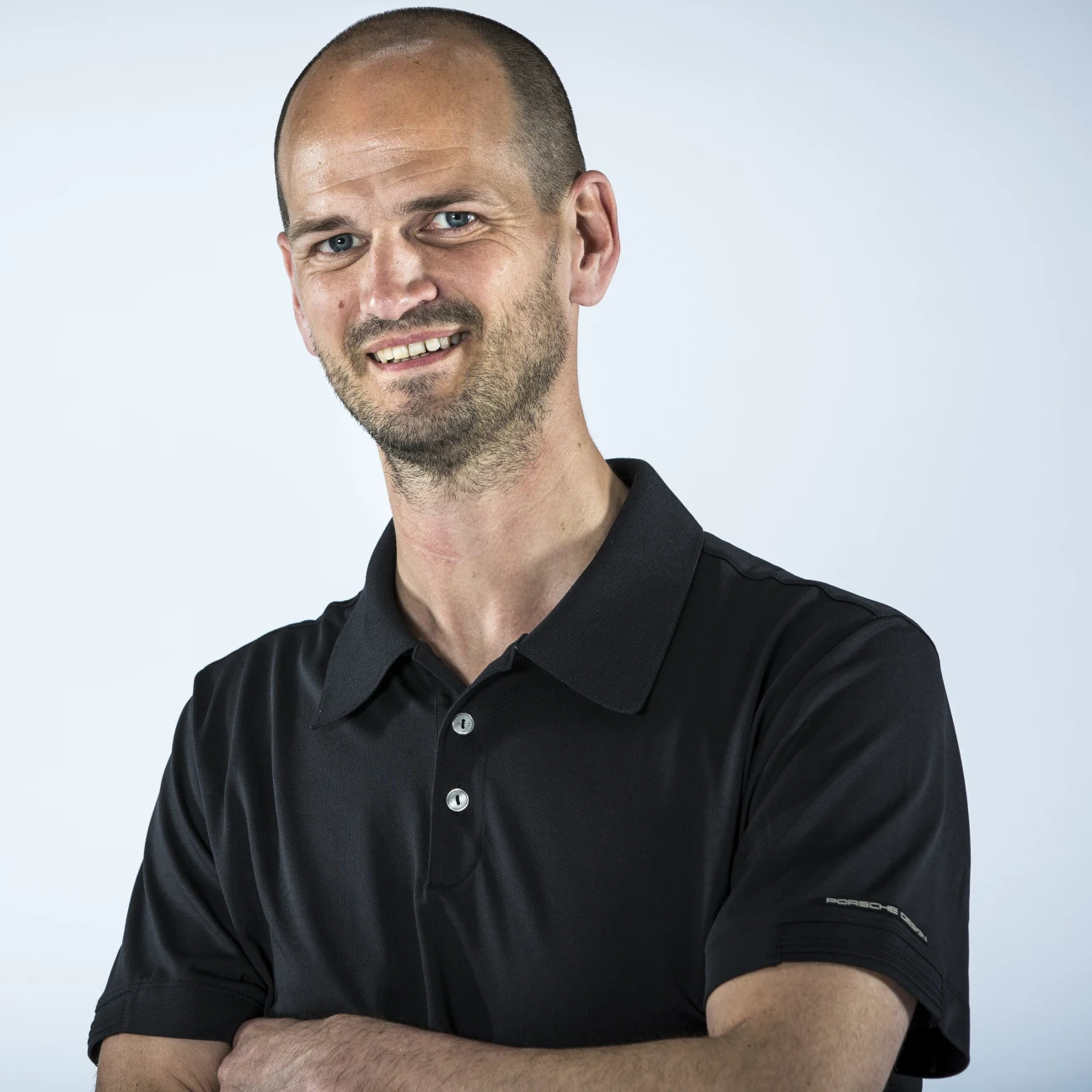
Dr. Lutz Graumann is a physician specializing in sports medicine, nutritional medicine, and chiropractic therapy.
According to Graumann, anyone who wants to track their sleep using modern technology should monitor the following parameters:
- Sleep duration (quantity)
- Sleep latency: The time between “lights out” and the first sleep phase
- Duration/percentage of wakefulness
- Duration/percentage of REM sleep phases
- Duration/percentage of light sleep phases (N1 and N2)
- Duration/percentage of deep sleep phases (N3)
- Sleep efficiency (ratio of sleep to wakefulness)
- Heart rate
- Ideally, heart rate variability
A wide variety of technologies are suitable for these types of measurements, including tracking apps and sleep trackers, wearables (e.g., smartwatches), medically accurate sleep measurements, bed sensors (e.g., smart pillows and mattress sensors), and sleep apps. We’d now like to introduce you to some of these options in more detail for simple home use. Generally speaking, when it comes to measurements you can take yourself, you can distinguish between sleep trackers, tracking apps, and wearables.
Tracking Apps and Sleep Trackers
These digital tools for sleep monitoring and optimization are ubiquitous. Even the latest smartphones come with pre-installed health and sleep apps.
Sleep trackers are devices or specialized software that can detect and record sleep stages. To do this, they track the following parameters:
- movements during sleep via an accelerometer,
- sounds via a microphone,
- heart rate via a pulse sensor on the wrist or a chest strap
Based on this data, you can see as soon as you wake up when and how long each sleep stage lasted. However, such tracking cannot replace a sleep lab study: In addition to many physiological parameters such as blood pressure and heart rate, brain waves are also measured there using electroencephalography (EEG), which provides significantly more accurate results.
And yet, such gadgets can still be of some use to laypeople in measuring sleep quality: When used carefully, these apps and technologies can help identify sleep problems.
For example, upon close examination, the user may find a connection between certain behaviors—such as caffeine or alcohol consumption—and physiological effects like restlessness, snoring, and atypical heart rate patterns.


3 Sleep Analysis Apps That Can Track & Improve Your Sleep
A sleep analysis app can help make your sleep patterns more visible and identify sleep problems. Many sleep apps provide comprehensive motion and audio analyses that offer deep insights into your sleep.
Pillow
The “Pillow” app is available exclusively to iOS users and is free to download. It’s designed not only to monitor your nights but also to help improve your sleep by analyzing various parameters. The app offers two recording modes. It can be used via the Apple Watch, which is worn overnight, or in manual recording mode via an iPhone or iPad placed near your head.
“Pillow” not only records your heart rate and detailed movement data at night but also captures audio recordings. And the next morning, it provides you with a detailed graphical analysis using color-coded metrics that evaluate and assess your nightly sleep behavior. This includes, for example, information on whether your sleep duration was too short, whether there were disruptive external environmental noises, or whether you talk, snore, or experience breathing pauses at night.
SleepScore
The “SleepScore” app is available for free on iOS and Android and enables contactless sleep tracking using sonar technology to comprehensively analyze your night’s sleep. To use it, place your smartphone at mattress level with the bottom facing your head before going to sleep so the app can begin monitoring.
‘SleepScore’ tracks all movements and sounds throughout the night and analyzes the various sleep stages. If a bedtime and a set wake-up window were specified in the evening, the app also detects a light sleep phase in the morning and wakes the user during that time.
After waking up, the app provides a comprehensive analysis of the previous night, which includes calculations of proprietary metrics. These include the so-called BodyScore, MindScore, and SleepScore, which are designed to reveal more information about sleep quality and its components. Users also receive information about sleep stages and their duration, as well as suggestions for improving their sleep.
If desired, the app also offers information and guidance on improving sleep, depending on the user’s goal—for example, “falling asleep more easily,” “sleeping through the night,” or “sleeping longer.”
PrimeNap
This app is available exclusively to Android users and can be downloaded for free from the Play Store. Using a technique known as polysomnography, it records and analyzes all bodily functions during sleep. “PrimeNap” attempts to assign all movements during the night to their respective sleep stages, thereby creating a comprehensive picture of nightly sleep. After each sleep session, users therefore receive a detailed report on the various sleep stages—including when each one began, how long it lasted, and how many sleep cycles were completed in a single night.
Other helpful features of the app that track sleep even more precisely include:
- an intelligent sleep-phase alarm clock that wakes you up during a light sleep phase.
- A sound recording feature that detects talking in your sleep or snoring.
- An integrated Sleep Manager that compares previous nights and past sleep phases with current results.


Wearables
The second group of gadgets designed to monitor sleep and measure your sleep quality includes so-called wearables.
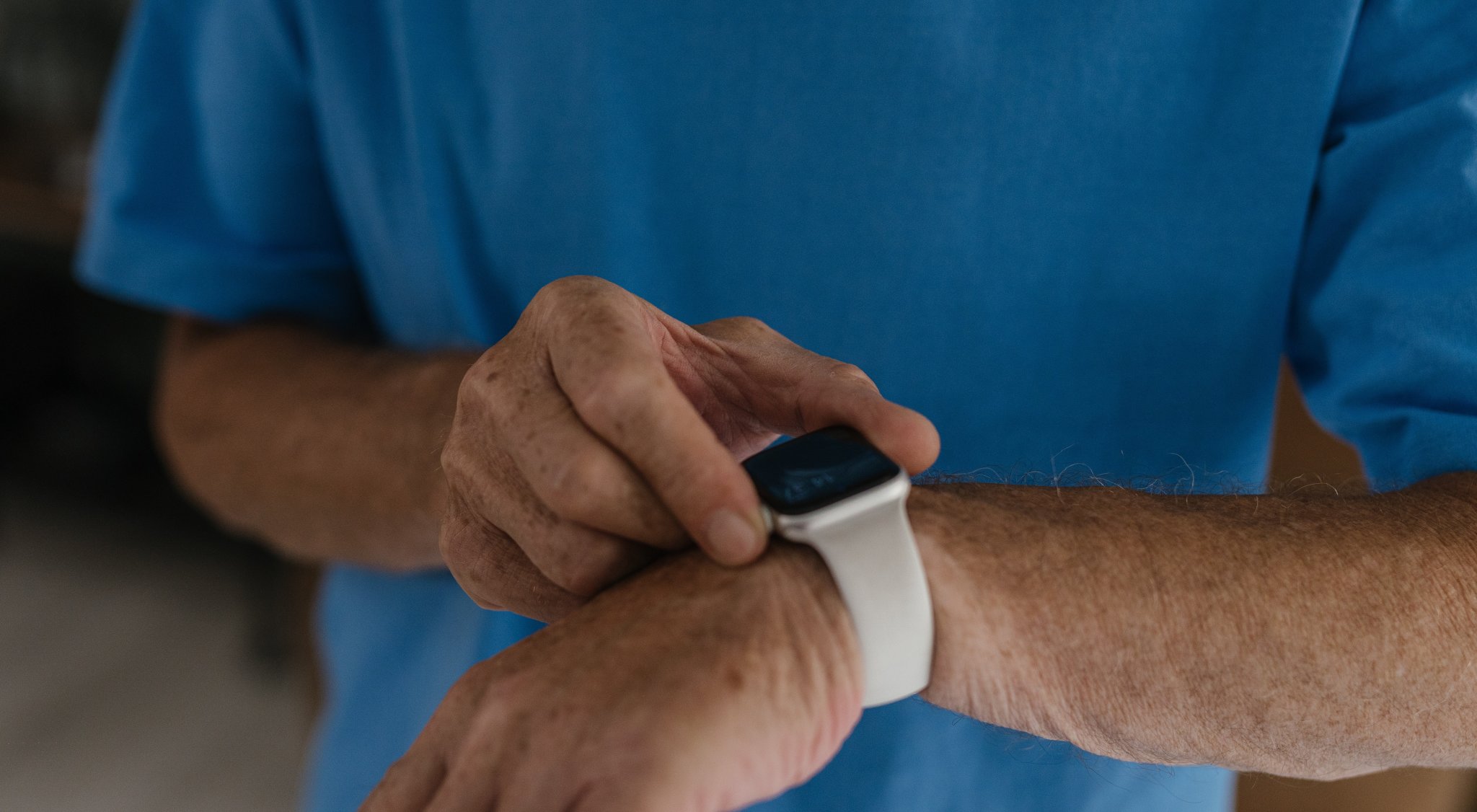
The most popular wearables are the well-known fitness trackers and, of course, smartwatches. During the day, these devices track how much we move and use that data to estimate—often inaccurately—how many calories we’ve burned. At night, they can use built-in motion sensors to determine whether we’re asleep or awake. But that’s not all. The range of functions offered by these wearables varies, as does their price. There are models that not only measure and record heart rate but also heart rate variability. When interpreted correctly, this value can serve as an indicator of recovery and even provide clues about impending infections.
Based on these and other parameters, the information content and precision of sleep quality measurements can be optimized—provided they are interpreted correctly. And that’s determined by the “artificial intelligence” of the underlying algorithm. All collected and measured data is synchronized, processed, and then visualized in the accompanying app. This allows wearables users to see just how active they really were and how long they slept in each sleep stage. The accuracy of wearables and smartwatches that track activity and recovery using accelerometry and photoplethysmography —that is, movement and heart rate—is constantly improving. While measurement errors still occur during the day during intense physical activity, making meaningful analysis impossible, at rest, however
How does photoplethysmography work?
Measurement via photoplethysmography (PPG) works using infrared radiation. A specific area of skin, such as the wrist, is illuminated with a wavelength of 800 to 1000 nm (nanometers). The absorption or reflection of the infrared light detects fluctuations in blood flow intensity, calculates the interval between heartbeats, and thereby derives the pulse and heart rate variability. Hemoglobin in the blood absorbs infrared rays more strongly than the surrounding tissue. When blood flow decreases, however, the reflection of the infrared light increases.
While wearables such as the Apple Watch or sleep trackers from Garmin or Whoop determine the collected data using photoplethysmography (PPG), the Nambaya device employs a different measurement method: the ECG (electrocardiogram). The ECG stands out significantly from PPG, particularly in terms of accuracy. This is mainly because the blood in our vessels does not flow in a constant stream but rather bubbles along more or less randomly. Calculating heart rate variability via PPG therefore yields more of an average value, whereas the data quality from an ECG monitor is consequently many times higher and more detailed. However, the type of measurement you choose always depends on the goal you want to achieve.

Sleep Index: Sleep Score as an Indicator of Sleep Quality
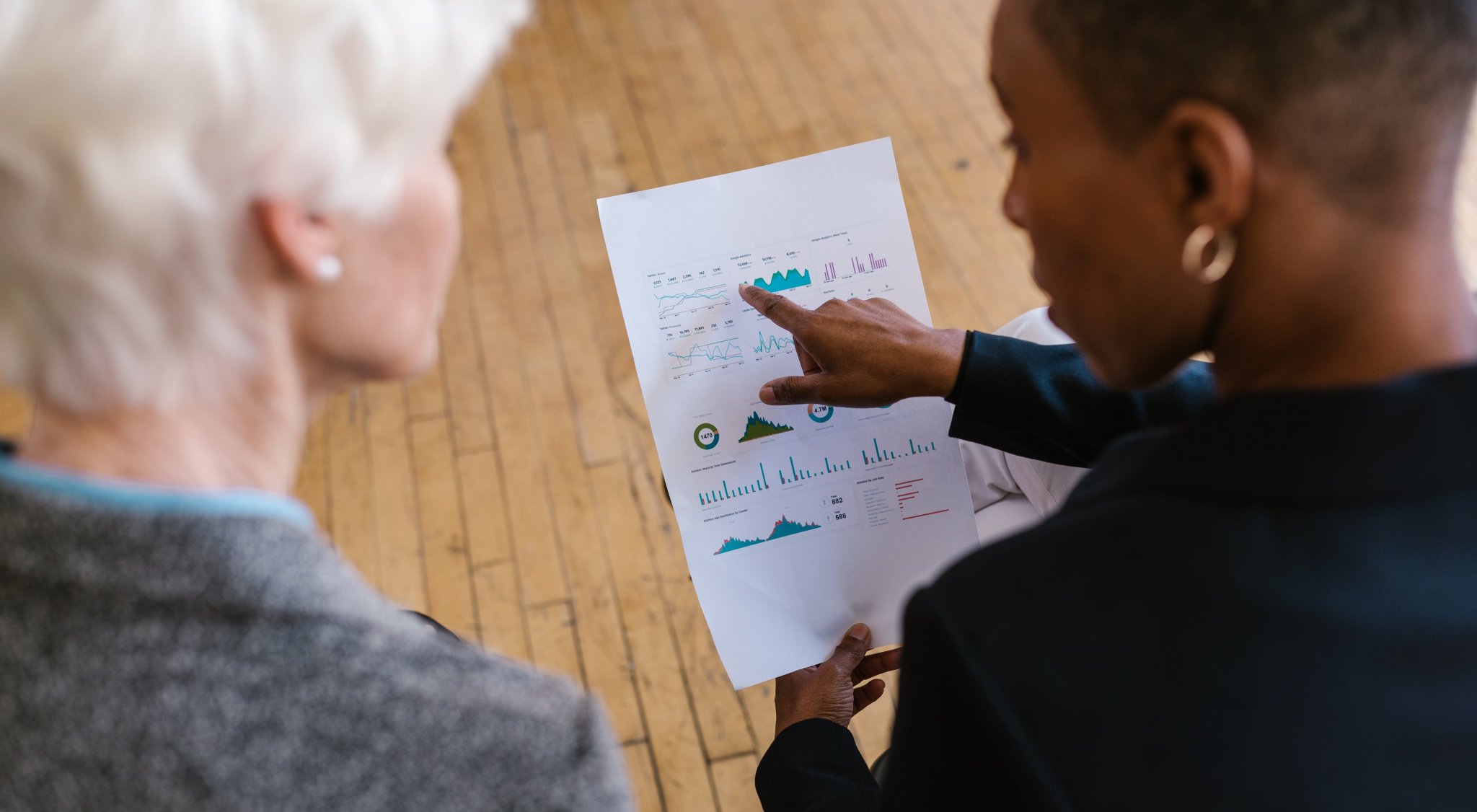
Most wearable manufacturers, such as Fitbit or Withings, now offer the calculation of a sleep index (known as a “sleep score”) as their latest feature.
This is a simple numerical value that is calculated based on various complex factors related to sleep and reflects its quality. Ultimately, a numerical value is determined for the sleep score, indicating how much and how well you slept. Common parameters used for evaluation include sleep duration (total time slept), sleep depth, sleep interruptions, the regularity of going to bed and waking up, the time it takes to fall asleep (sleep latency), and the time it takes the sleeper to wake up.
Depending on the provider, the sleep index is calculated and displayed—usually as a number on a scale from 1 to 100—that categorizes sleep as poor, acceptable, good, or excellent. In addition, users receive an analysis providing insights into the factors that influenced their sleep, allowing them to draw conclusions about how to improve it.
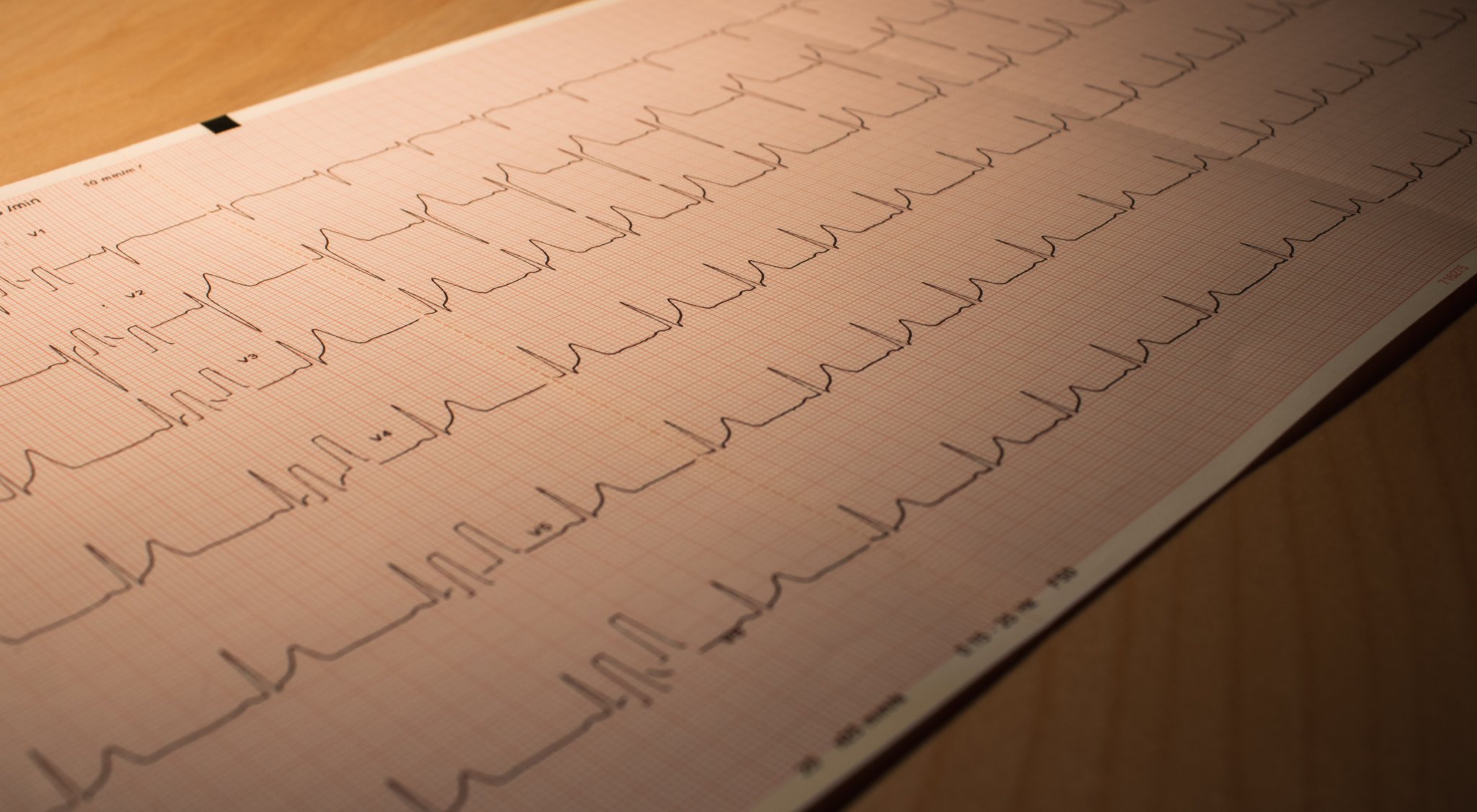
Heart Rate During Sleep: How Does the Heart Rate Change During Nighttime Sleep Cycles?
Sleep apps and sleep trackers also monitor your heart rate while you sleep, and it can serve as the most important indicator of your health.
During the day, the heart normally beats between 60 and 80 times per minute at rest. For athletes with a highly trained heart, it can be as low as 50 to 60 beats per minute. While heart rate can fluctuate during the day, it drops during sleep and then remains relatively stable—depending on the sleep stage we’re currently in:
- Fall asleep phase: The resting heart rate is between 60 and 80 beats per minute.
- Light sleep phase: A heart rate between 60 and 80 beats per minute is also normal.
- Deep sleep phase: During this phase, the normal range is 45 to 55 beats per minute.
- REM sleep: Since we may experience vivid dreams during this phase, a heart rate of up to 130 beats per minute is normal. During nightmares, the heart rate often reaches as high as 200 beats per minute. However, these phases are very brief


Sleep log as a monitoring tool for doctor’s visits
If you may be suffering from sleep disorders, using a sleep app or a wearable device can provide you and your doctor with initial insights into your sleep patterns. With the help of these smart tools, you can track your sleep without having to manually fill out spreadsheets yourself. Sleep logs or sleep diaries typically consist of pre-designed tables where you record, for at least 14 days, when you went to bed and woke up, how long you felt it took to fall asleep, how much sleep you estimate you got, and how you would rate your periods of wakefulness during sleep. The advantage of a sleep diary over wearables is that it encourages you to actively engage with your sleep. By filling it out regularly, you’ll become your very own sleep expert.
The advantage of modern technology lies in its simplicity—it automatically provides you with an analysis.
Whether you use a sleep diary or a wearable, if you track your sleep regularly, a conversation with a doctor can help determine whether you have sleep disorders that require treatment or if you might simply need to make some changes to your sleep environment to improve your sleep.
What to Look for When Buying
If you’re thinking of buying a wearable, you should first find out what technology and sensors are built in. However, it’s not just the measurement methods used that matter—the specific selection of algorithms for the analyses, and thus the reliability of the sleep and recovery assessments, is also crucial. This requires that the user always be able—despite automatic data collection—to manually adjust certain values, such as start and stop times.
In practice, it ultimately becomes clear that users will adopt wearables on a long-term basis if they are comfortable to wear, easy to use, and employ a measurement method that is minimally invasive.


Conclusion
Whether you choose an app on your smartphone or one of the many gadgets on the market to optimize your sleep depends entirely on your preferences and needs. To make a decision, you should first consider the purposes for which you want to use sleep trackers and sleep aids, and what can best be integrated into your daily routine. For a final assessment, it’s worth taking a comparative look at manufacturers’ websites and online forums.
When using tracking tools, alsokeep in mind that too much pressure can negatively affect your sleep. Focusing too intensely on tracking—especially if you already have sleep disorders—can put us under even greater pressure to succeed.
The result: technology is used to virtually force better, deeper, more restful, and longer sleep.
And pressure—like any form of psychological stress—is toxic to relaxation and, therefore, to sleep as well.