What to eat for dinner? This diet promotes better sleep

Are you wondering what to eat for dinner? Sleep problems caused by poor dietary choices in the evening are not uncommon. If you eat too much or the wrong foods in the evening, important metabolic processes are hindered.
You’ll wake up in the morning feeling tired and drained of energy. On the other hand, if you go to bed with a growling stomach, you’ll have trouble falling asleep in the first place. The wrong dinner can also lead to unnecessary and unsightly fat deposits.
Here are some tips on what to eat in the evening for a deep sleep and optimal recovery.
01 Healthy Eating in the Evening—Here’s Why It’s So Important!
In short: A healthy dinner will literally make you younger while you sleep. How does that work?
One hormone plays a crucial role here: human growth hormone, also known as HGH (Human Growth Hormone). This hormone is naturally released while you sleep. HGH is especially important if you want to regenerate while you sleep. It helps build muscle and also aids in weight loss. It has countless other health benefits, including improved heart health and faster recovery from illness.¹
It is the ultimate recovery hormone and plays a role in nearly all nighttime recovery processes. One hour after falling asleep, its release peaks—but only if you have low insulin levels while sleeping. High insulin levels during sleep inhibit the release of growth hormone.
However, simply going to bed hungry in the hope of lowering your insulin levels isn’t a good idea. If your body doesn’t have all the nutrients it needs at night, the amount of growth hormone released will also decrease.
The hormone melatonin is very important for helping you feel tired in the evening and fall asleep. This hormone counteracts the stress hormone cortisol. You can boost your body’s natural melatonin production through your diet, for example by eating foods rich in tryptophan.
The immune system is also strengthened during sleep. Amino acids are used during sleep to form immune cells. Harmful metabolic byproducts are cleared from the brain, which can help improve cognitive function.
So, as you can see, there are many good reasons to choose your last meal of the day carefully.
02 What should you eat in the evening to sleep well?
As much as we’d love to simply tell you, “Eat bananas” or “Avoid carbs,” that would be misleading. But what should you eat in the evening to sleep well? The truth is, each of us functions a little differently. It all comes down to finding the right balance. To help you find the right sleep-promoting foods for you, it makes sense to categorize foods by macronutrients. Broadly speaking, our food consists of three macronutrients: protein, fat, and carbohydrates.
Sleep Problems Caused by Too Few Carbohydrates
As a rule of thumb, carbohydrates make you feel sleepy and help you fall asleep. Ever had a “pasta coma”? Sounds familiar, doesn’t it? Sleep disturbances caused by too few carbohydrates are particularly common in low-carb or ketogenic diets. However, too many carbohydrates cause insulin levels to spike sharply and prevent the release of important substances (such as melatonin and growth hormone (HGH)). You may fall asleep thanks to the “pasta coma,” but your body doesn’t get a chance to recover. You wake up in the morning feeling completely wiped out.
Sleep disturbances caused by too much fat
The same applies to fat. Did you have a hearty serving of fatty meat for dinner? A portion of pork knuckle or the infamous Christmas goose? Now you’re lying in bed staring at the ceiling? Fat sits heavily in many people’s stomachs and can prevent you from falling asleep. A 2015 study² examined the effects of high-fat meals on sleep. The results showed that eating a high-fat meal shortly before bedtime disrupts your sleep cycles.
Lean protein sources like fish, cottage cheese, or tofu are preferable here. On the other hand, avoiding fat entirely in the evening can prevent you from sleeping through the night. Saturated fatty acids are actually important for hormone production. So you don’t need to be afraid of fat.
Sleep Disturbances Caused by Too Much Protein
Eating too much protein in the evening is rare with a balanced diet of natural foods, as long as you don’t consume very large amounts of protein (80 grams or more) or hard-to-digest protein shakes late at night. Protein is very important, among other things, because it provides amino acids. In particular, the amino acid tryptophan, which is the precursor to the sleep hormone melatonin and the “happiness hormone” serotonin.
Optimal Ratio of Protein, Fat, and Carbohydrates
If you work out in the evening, you’ll need a larger portion of carbohydrates. Carbohydrates provide new energy and replenish your glycogen stores. It’s helpful to pay close attention to how you feel after eating. If you’re relaxed and feeling good, the mix was right. If you’re already hungry again 30 minutes after dinner and have no energy, then the macronutrient ratio isn’t right.
Over time and with a little practice, you’ll develop a sense of what ratio of protein, fat, and carbohydrates works best for you. Trust your gut on this. Just skip the sweets like chips or chocolate. Cravings for sweets aren’t a “gut feeling.” It’s often caused by stress or a nutrient deficiency. Sweets cause your blood sugar to spike and provide few micronutrients.
03 What shouldn’t you eat in the evening?
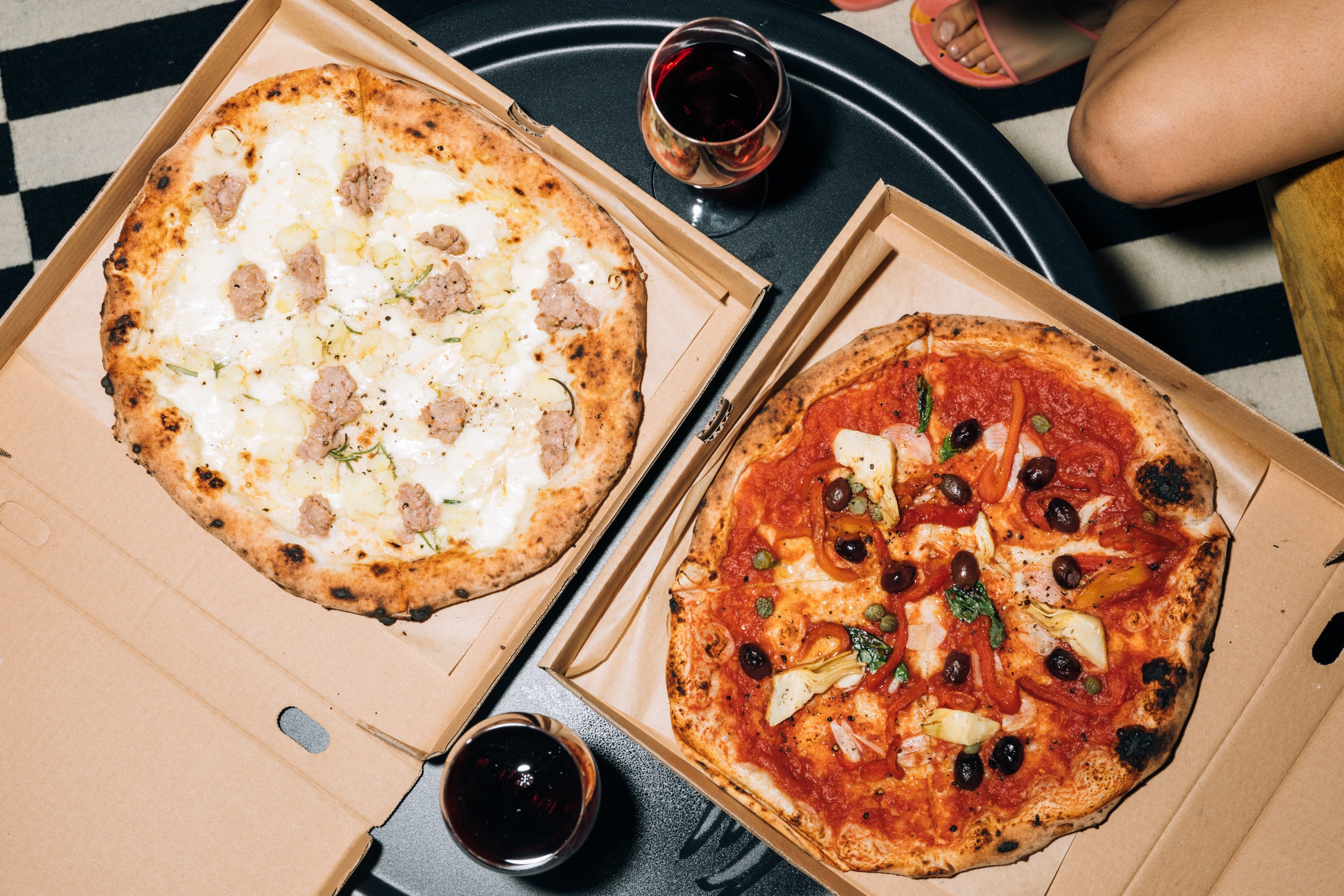
There are certain foods you should generally avoid eating in the evening. These basically include all unhealthy and highly processed foods, such as candy and frozen pizza. A meal cooked with fresh ingredients is always preferable to canned ravioli. Your body needs micronutrients like vitamins, minerals, and amino acids at night—not empty calories that just strain your digestive system without providing any micronutrients.
Foods That Are Hard to Digest
Not everyone can tolerate hard-to-digest foods, such as too many raw vegetables, in the evening. There’s nothing wrong with a side salad, but a large salad as a main meal in the evening works for some people, but not for everyone. Raw vegetables may remain in the stomach and intestines overnight and can cause bloating and gas. Nuts are also hard to digest for many people in the evening.
You should also be cautious about eating large amounts of fruit in the evening, since fruit contains sugar as well. A piece of fruit after a workout or for dessert may be sufficient. Large amounts of fruit in the evening can cause your insulin levels to spike sharply.
A study³ examined the effect of eating before bedtime on blood sugar levels. The results of this study showed that meals very high in carbohydrates before bedtime raise blood sugar levels during the night. This hinders recovery and disrupts sleep cycles.⁴ Excess carbohydrates also prevent weight loss.
Another relatively unknown cause of sleep disturbances can be excessive salt intake in the evening. All ready-made meals are very high in salt. This includes packet or canned soups. But smoked salmon, bacon, and sausage in general are also often heavily salted. Salt raises blood pressure, which can make it hard to fall asleep and lead to a restless night.
Generally speaking, your digestive function is at its peak around noon. At this time, you have the most stomach acid and the highest levels of enzymes to break down food. Therefore, if possible, your evening meal should be a bit lighter than your lunch.
"A balanced meal that doesn’t put a strain on the body supports nighttime regeneration and promotes the release of sleep hormones. It’s important to avoid foods that are hard to digest, high in fat, acidic, or sugary, and instead opt for light, nutrient-rich foods that promote good sleep."
Dr. Fabian Krapf, sleep expert

04 How many hours before bedtime should you eat?
If you eat your largest meal in the evening, try to eat at least 3–4 hours before going to bed. For a smaller meal, 2 hours is sufficient. Don’t go to bed on a full stomach. Normally, the body releases the maximum amount of growth hormone about an hour after falling asleep. If you go to bed on a full stomach, the release of this vital growth hormone decreases significantly—in some cases by up to 90%.
Eating Snacks Before Bed
Eating before bed isn’t a problem if it’s just a small snack. However, if you eat your main meal too late, your body won’t have enough time to digest it. Digestive function is reduced during sleep, and nutrients cannot be broken down optimally. Researchers investigated the impact of mealtime on melatonin levels.⁵ The results show that eating a large meal before bedtime can disrupt melatonin levels and lead to sleep disturbances. In section 5, we’ll give you tips for easily digestible snacks to have just before bed.
Don’t eat anything in the evening
If you’ve had a hearty lunch and haven’t exercised afterward, a light dinner is perfectly fine. But going to bed with a growling stomach? Low blood sugar puts stress on the body and puts it on high alert. So unless you plan to go for a run at night and hunt a mammoth, it’s better to have a small snack to calm that growling stomach.
05 What foods promote sleep?
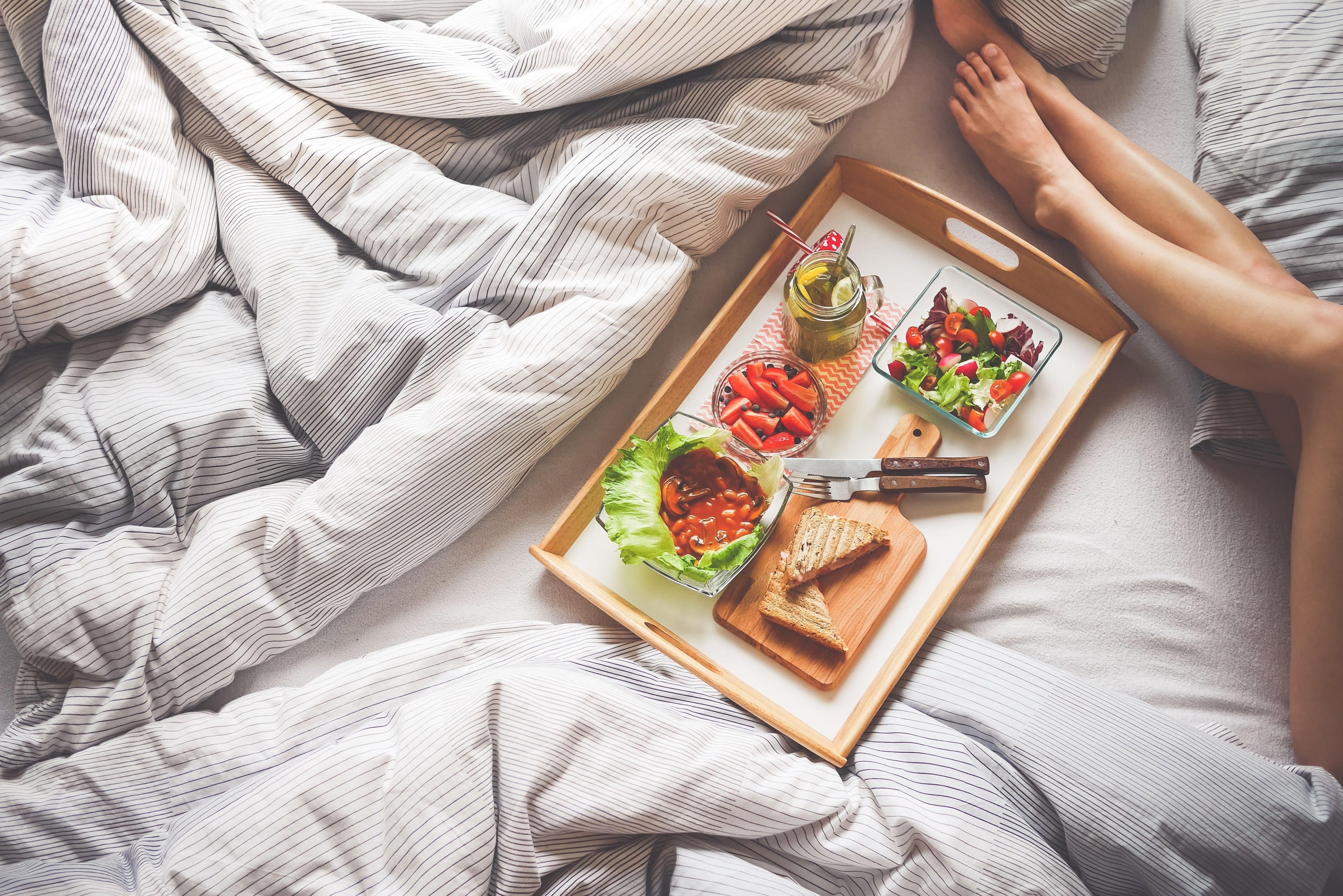
Depending on whether you need carbohydrates, fats, or protein in the evening, you can choose the right sleep-promoting foods. Foods are particularly effective at promoting sleep if they contain high amounts of magnesium, B vitamins, tryptophan, folic acid, or even melatonin itself. Additionally, they shouldn’t be hard to digest in the evening. We have the following tips for you.
(All nutritional values are based on 100 grams.)
When it comes to carbohydrates, it generally makes sense to opt for unprocessed foods like rice, potatoes, or quinoa. These are better choices than long-shelf-life bread from the supermarket. If you like pasta, try the whole-grain variety—it helps your blood sugar levels rise more steadily.
Oatmeal: Oatmeal is rich in complex carbohydrates and helps stabilize blood sugar levels. It also contains an impressive 190 mg of tryptophan and 100 mg of magnesium.
Banana: Especially if you work out in the evening, a banana afterward can be helpful. It raises blood sugar levels immediately and contains 40 mg of magnesium and 18 mg of tryptophan.
Sour cherries: Sour cherries naturally contain the sleep hormone melatonin. They can contain about 15 ng of melatonin.
Chicken breast: Chicken breast has an excellent amino acid profile. It provides 300 mg of tryptophan and an additional 20 grams of protein. It’s also very low in fat and relatively low in calories. Many athletes rely on chicken breast when trying to lose weight.
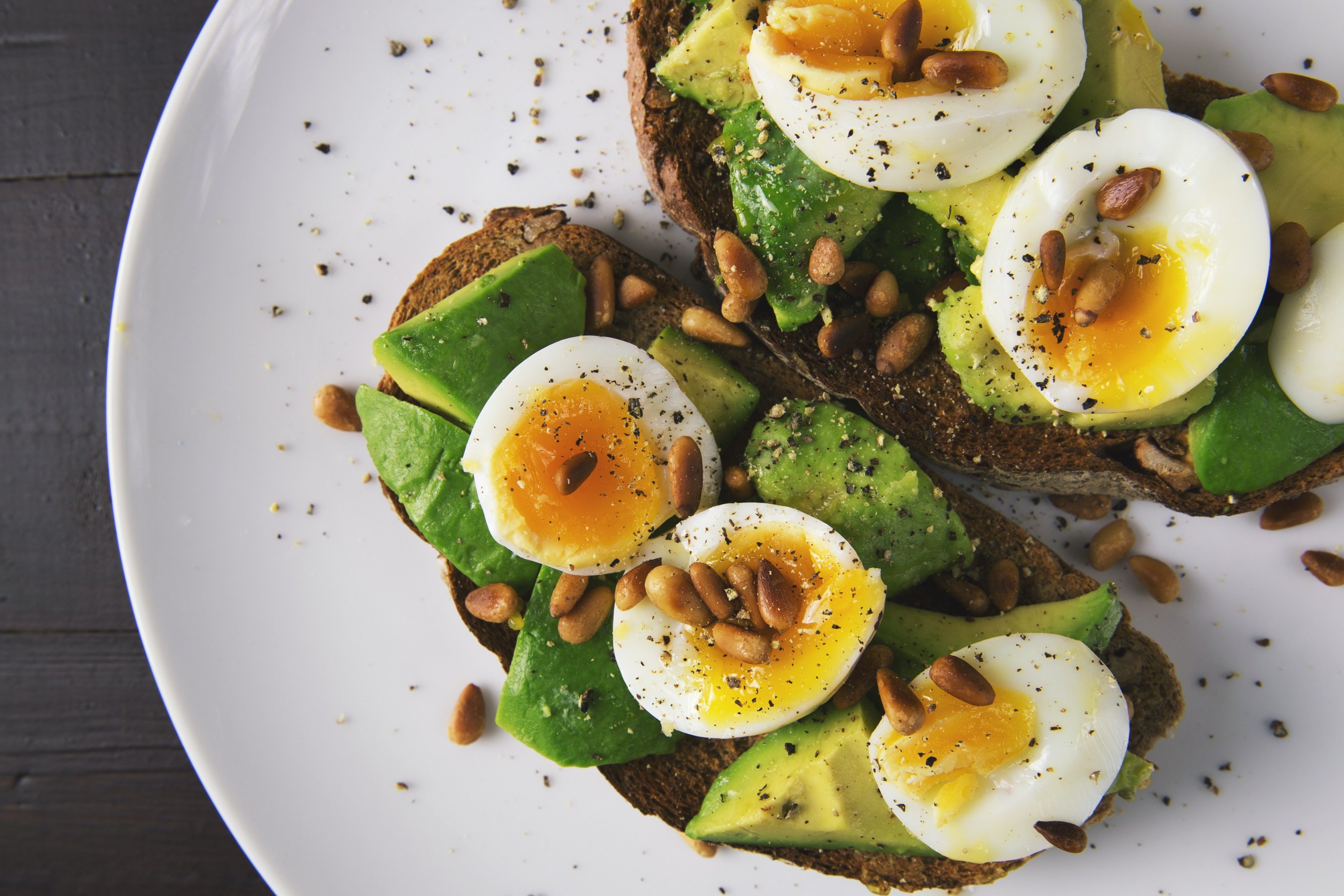
Eggs: If you’d like to opt for vegetarian alternatives, eggs are a great choice. They contain about 230 mg of tryptophan. The egg yolk is rich in B vitamins. On top of that, they provide 13 grams of protein.
Tofu: For vegans, tofu is a great choice for dinner. Tofu also contains a whopping 230 mg of tryptophan and 13 grams of protein.
Salmon: Here you’ll get 18 grams of protein and an additional 13 grams of fat. The good news is that fish is generally easier to digest than fatty meats.
Cheese: Cheese comes in all varieties and flavors. Every type of cheese is high in tryptophan and protein. If you need more fat in the evening, you can opt for Camembert or other high-fat cheeses.
Pumpkin seeds: They’re our top source of tryptophan, with over 600 mg per 100 grams. Pumpkin seeds also provide 400 mg of magnesium and 12 mg of iron, along with nearly 50 grams of fat rich in unsaturated fatty acids. However, pumpkin seeds can be hard to digest in the evening.
Do salads and vegetables in the evening promote sleep?
Salads and vegetables are also part of a balanced evening meal—even if they don’t contain the highest amounts of tryptophan, magnesium, or B vitamins. Instead, vegetables and salads provide important dietary fiber and phytochemicals. You don’t need to worry about calories when it comes to salads and vegetables; both are low in calories.
Fresh vegetables or salads should therefore (ideally) be part of every meal. Whether almost your entire plate consists of vegetables and salad, or you just have a side of salad and vegetables, is up to you and your metabolism.
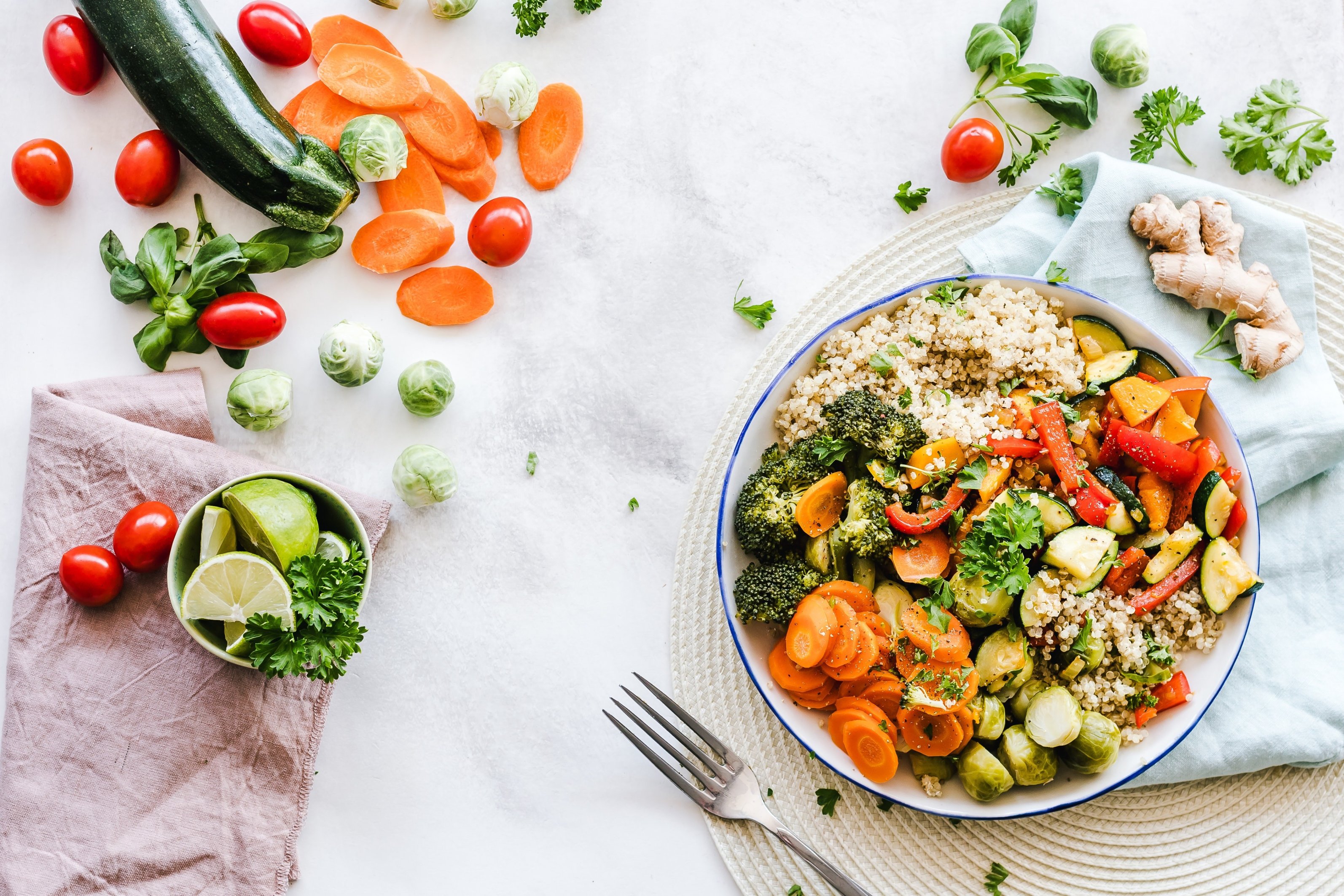
A dinner that sparkles with a variety of vegetable colors not only looks beautiful but also promotes sleep and is healthy. It’s best to go with what’s in season. Vegetables that are currently in season and available locally have the most micronutrients. The Mediterranean mixed diet is a great example of a balanced evening meal.
06 Recipes for a Healthy Evening Meal
Now you know why dinner is so important for your rest and which foods promote deep sleep. Here are a few recipe ideas for healthy evening meals.
- Recipe for when you’re craving carbs:
How about a bowl of oatmeal with milk, a little cinnamon, yogurt, and a few chopped dates mixed in? - Recipe for a protein craving:
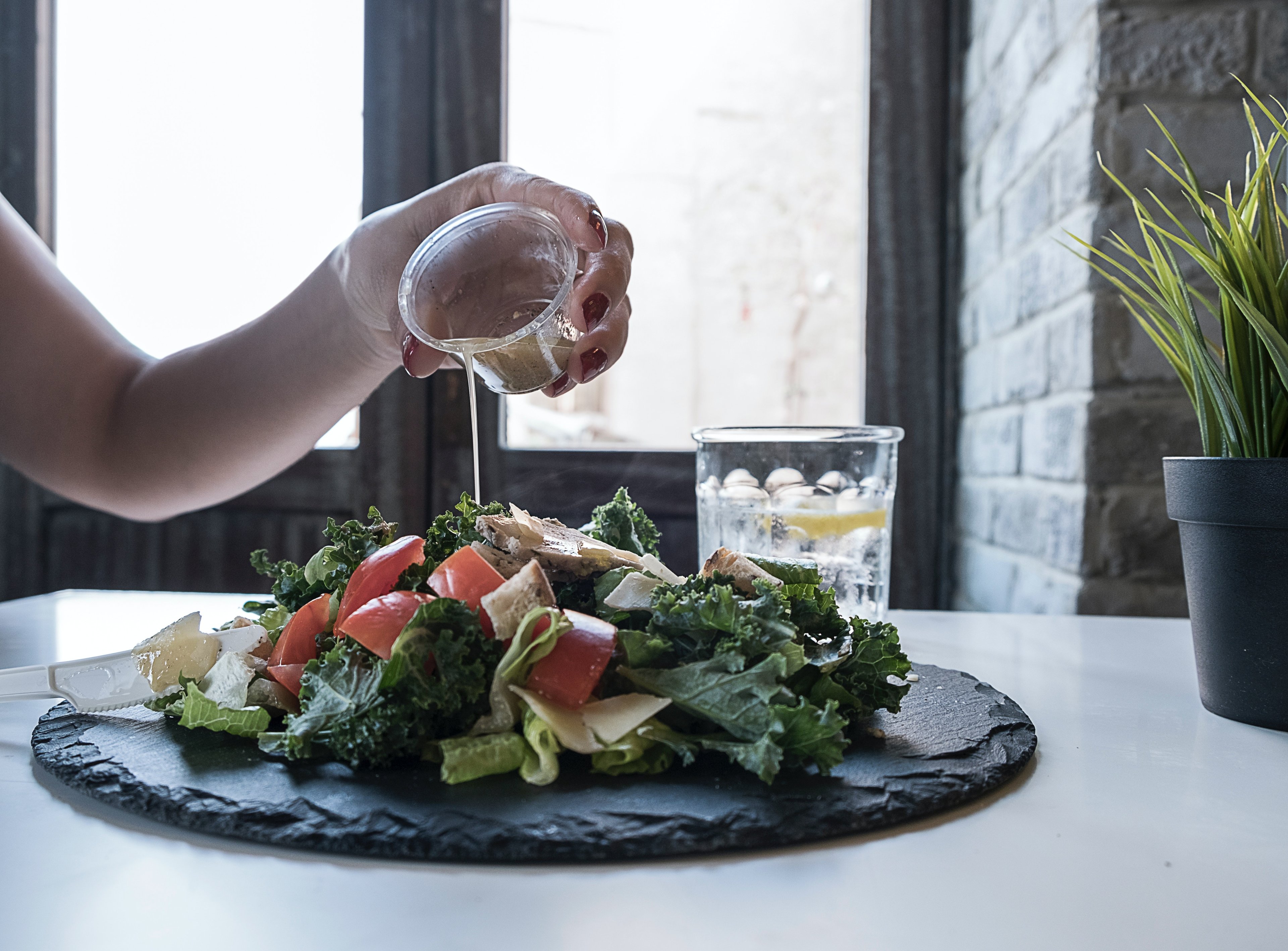
In the mood for a chicken breast and a delicious salad with a balsamic vinegar, olive oil, and lemon dressing? This is a low-calorie recipe that’s great for weight loss. - Recipe for when you’re craving fat:
Here’s a suggestion: salmon with steamed broccoli and plenty of butter. Potatoes go great with this.
Snack ideas right before bed
- Snack idea: For example, the good old glass of milk with honey. If you want a little more fat, you can add a small piece of butter to the cup. If you need more carbs, add a little more honey or a banana. A little turmeric in the milk aids digestion.
- Snack idea: How about some yogurt with a little maple syrup? You can also try Greek yogurt, which contains over 10% fat.
- Snack idea: Maybe you have a little rice left over from lunch? Why not make yourself some warm rice pudding with cinnamon? If you want more protein, you can top it with a little quark.
Tips for Poor Digestion
Maybe your digestion isn’t always the best overnight? We have two very helpful tips for that. It’s best to try eating something warm and cooked in the evening. That’s usually easier to digest than cold food from the fridge. And second: Take the time to eat in peace. Only when you eat in peace can you digest properly and sleep well.
07 Conclusion: What to eat in the evening for a restful night’s sleep?
A balanced meal is important in the evening as well—whether you want to sleep better, lose weight, or gain weight. The ratio of protein, fat, and carbohydrates should be tailored to your personal needs and lifestyle. Be sure to cook fresh meals or eat unprocessed foods.
Certain nutrients, such as tryptophan, magnesium, and B vitamins, are particularly important. Tryptophan is the precursor to the sleep hormone melatonin. This hormone plays a key role in helping you sleep well. Growth hormones help your body regenerate while you sleep. The timing of your meals is also important. Go to bed with a growling stomach or a full belly? Neither is a good idea! If you get hungry before bedtime, it’s better to have a small snack.
Sources:
1. Davidson JR, Moldofsky H, Lue FA. Growth hormone and cortisol secretion in relation to sleep and wakefulness. J Psychiatry Neurosci. 1991 Jul;16(2):96-102. PMID: 1911740; PMCID: PMC1188300.
2. Kim, S., Kim, H. C., & Park, H. W. (2015). Effects of high-fat meals on sleep and nocturnal hormone secretions in healthy adult men. Nutrients, 7(7), 5541-5551. doi: 10.3390/nu7075249
3. Dehghan, M., Anand, S. S., & Yusuf, S. (2014). The effect of nighttime eating on postprandial glucose excursion in type 2 diabetes. International Journal of Endocrinology and Metabolism, 12(2), e13624. doi: 10.5812/ijem.13624
4. Kim, S., Lee, H., & Lee, K. U. (2011). Effects of meal time on postprandial glucose levels and on the circadian variation of blood glucose in patients with type 2 diabetes. Nutrition Research and Practice, 5(2), 152–157. doi: 10.4162/nrp.2011.5.2.152
5. Masafumi Kakei, Kazuhisa Miyagi, Kazuya Fujihara, Takashi Sakurai, Yuki Uchida, Shun Ishibashi, and Yasuo Terauchi. Elevated nighttime glucose levels may cause cardiovascular diseases in patients with type 2 diabetes mellitus and normal HbA1c levels: A prospective cohort study DOI: 10.1111/jdi.12831