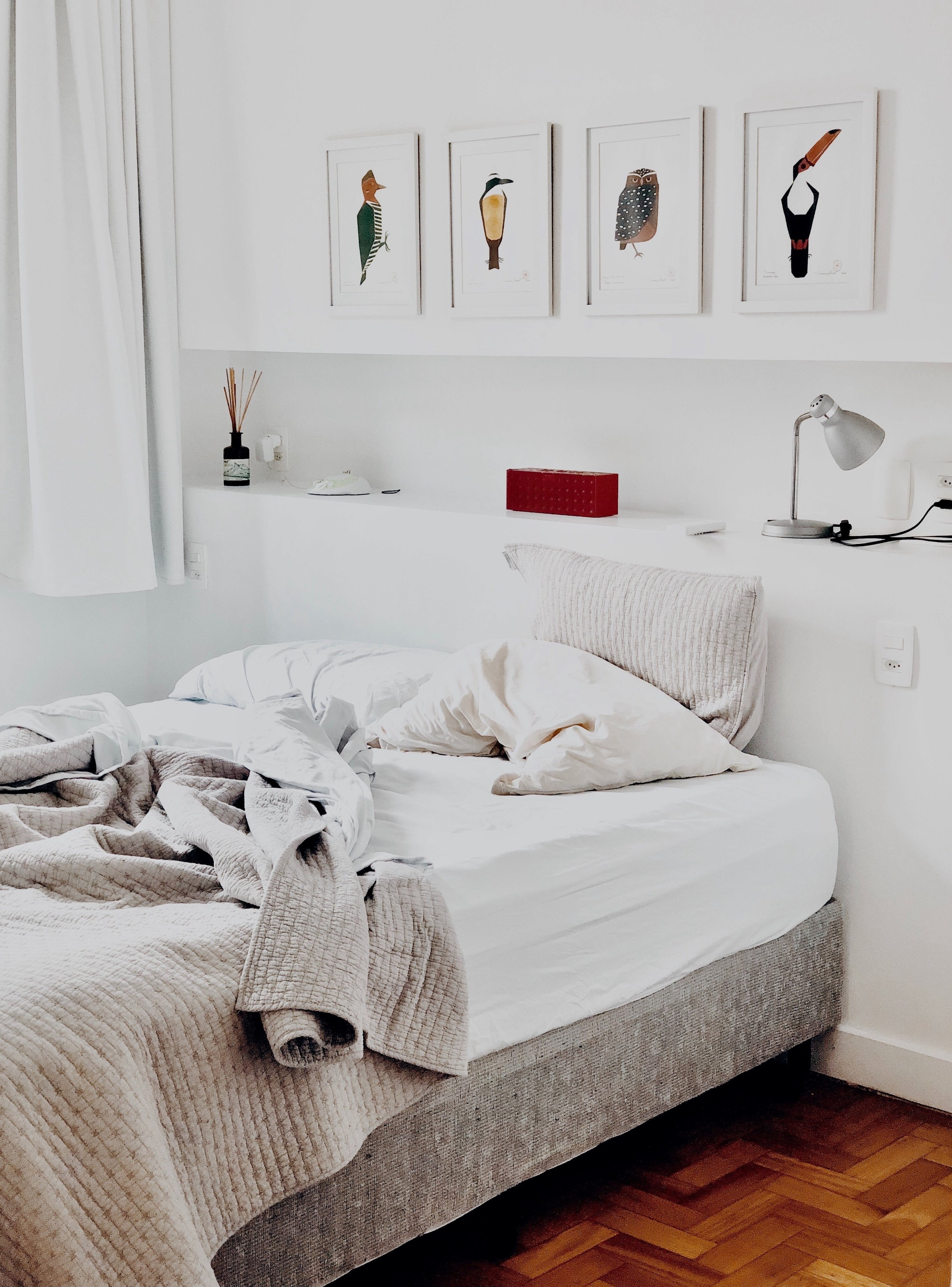
Sleeping Environment: Setting Up a Healthy Bedroom.

How to Improve Your Sleep with the Right Bedroom Furnishings.
You spend every third minute of your life in bed and, as a result, a lot of time in the bedroom. How you design your bedroom and which furnishings you choose affect the quality of your sleep. Why is that? Humans are creatures of habit. Your brain is constantly looking for patterns. It automates your behavior depending on the environment you’re in. Have you ever noticed that you do things automatically depending on which rooms you enter? Maybe you go into the kitchen in the morning and turn on the coffee maker right away. Or you grab your toothbrush when you go into the bathroom in the evening. You don’t need to think about these actions—you just do them.
The reason for this: The neural pathways in your brain form connections. Every time you repeat an action, it becomes a fixed pattern in your brain.
What activities do you regularly do in your bedroom? Do you like to scroll through social media? Do you regularly watch TV from your bed? Or do you even work in your bedroom? When you enter your bedroom, your brain should associate it with rest—and nothing else.
In this post, learn more about sleep and its fundamental nature, and how to set up your bedroom to maximize your rest. From the optimal room temperature and ideal humidity in the bedroom to the bed, mattress, box spring, pillows, blanket, and which items have no place in your bedroom.
Next Regeneration Sleep Quality
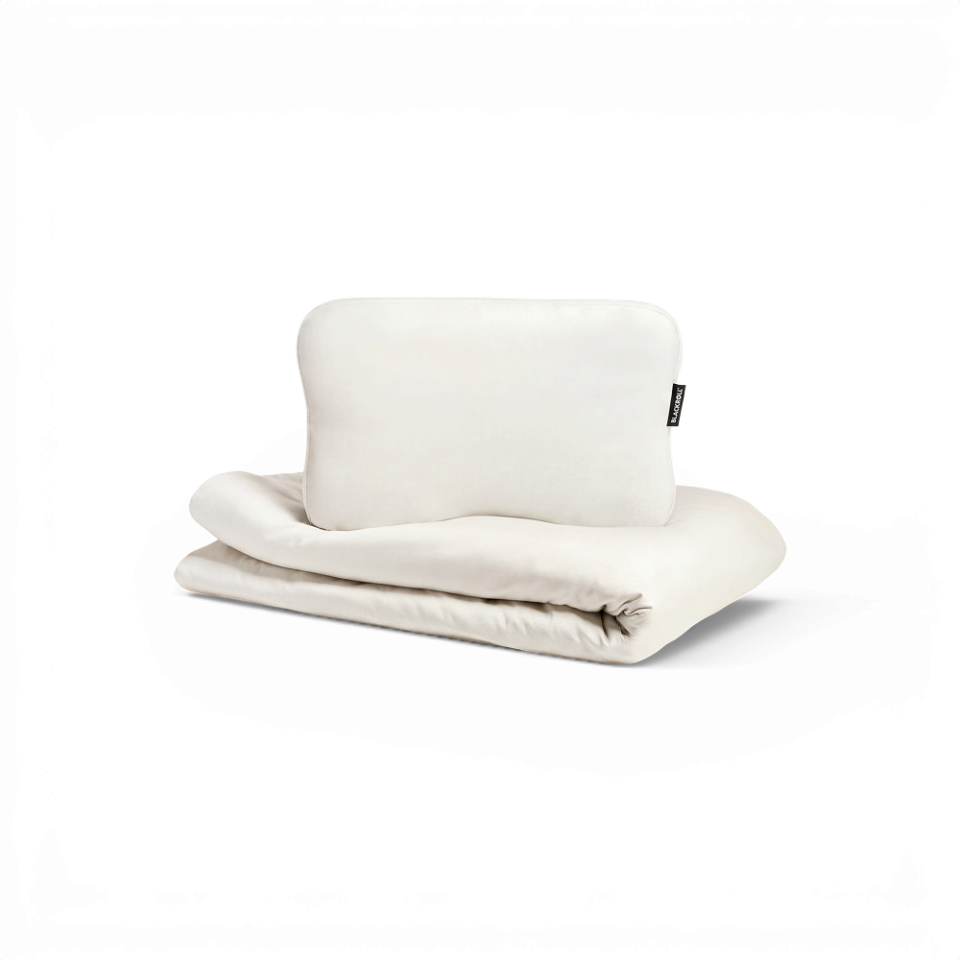
Bedding Set Premium Comfort
Available in multiple variants

Bed Sheet Premium Comfort
Available in multiple variants

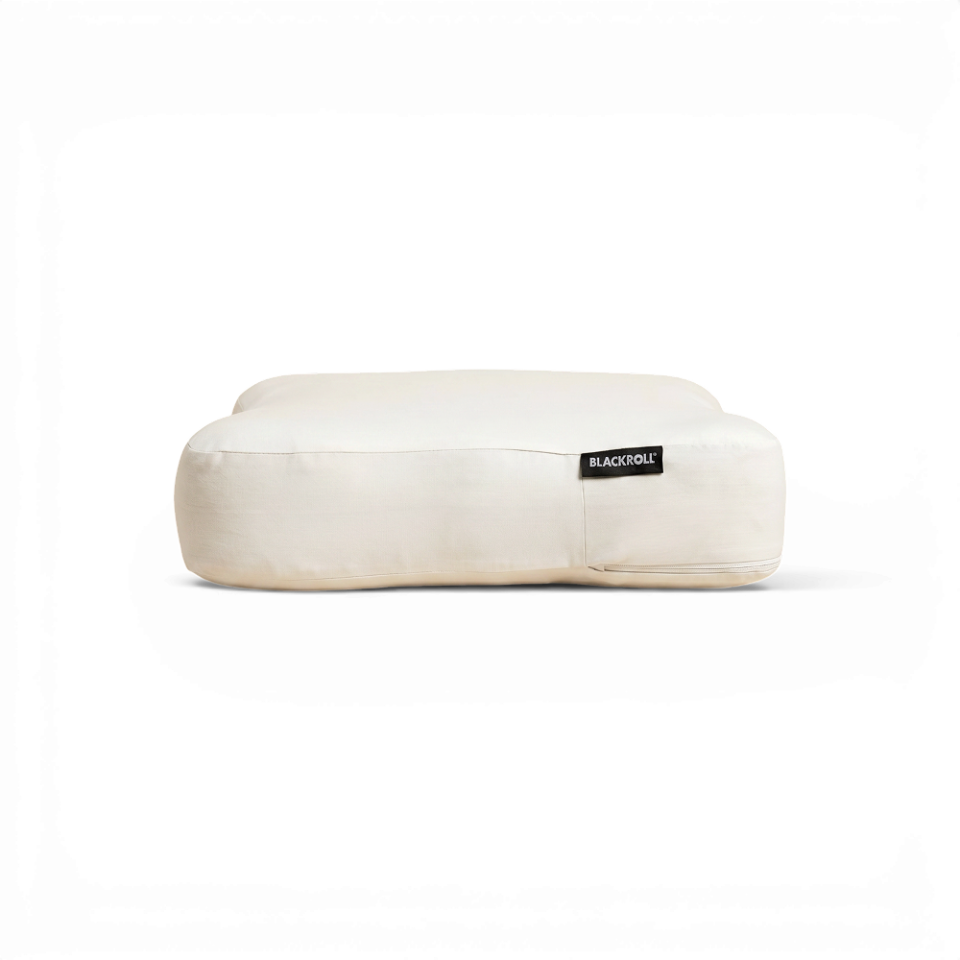
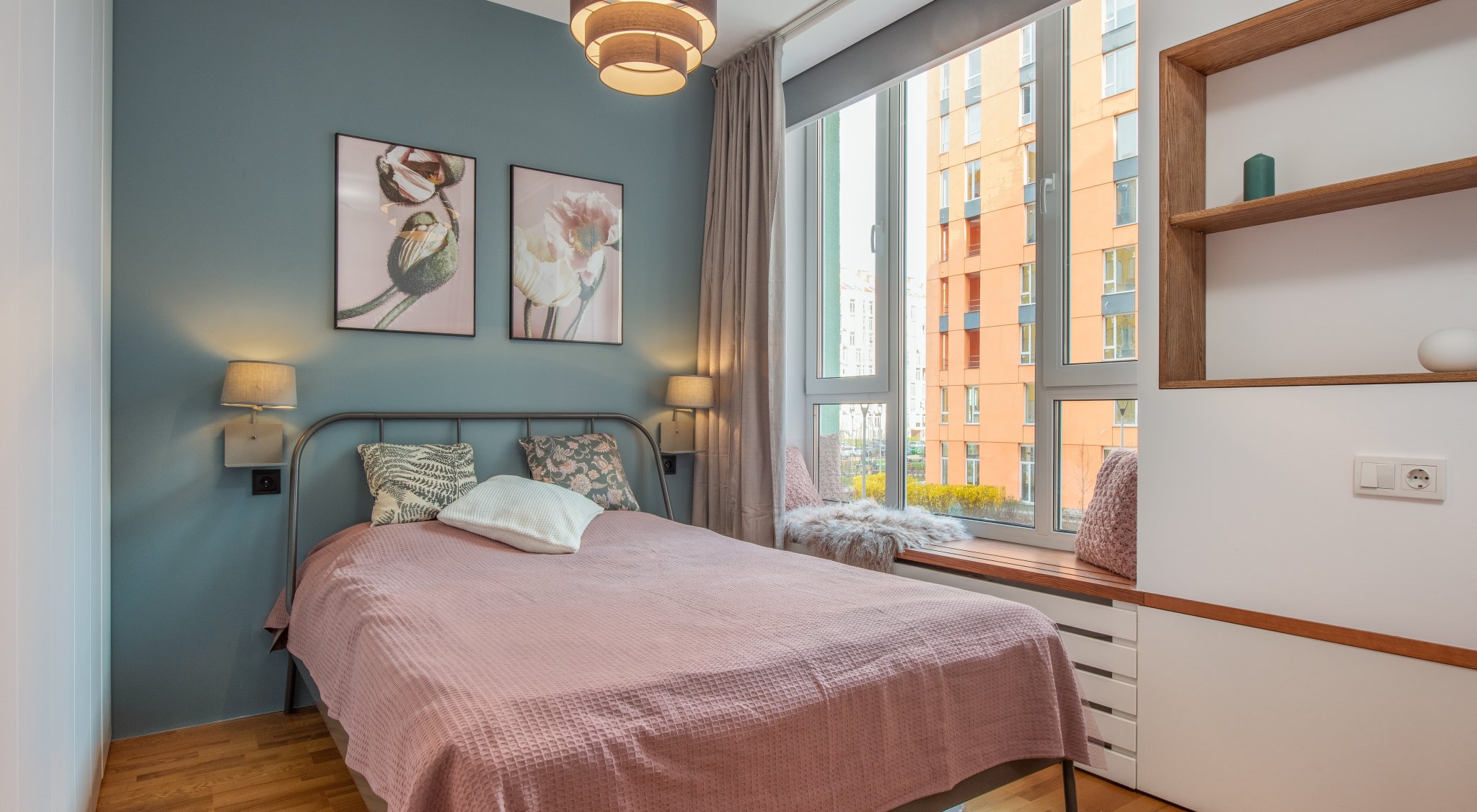
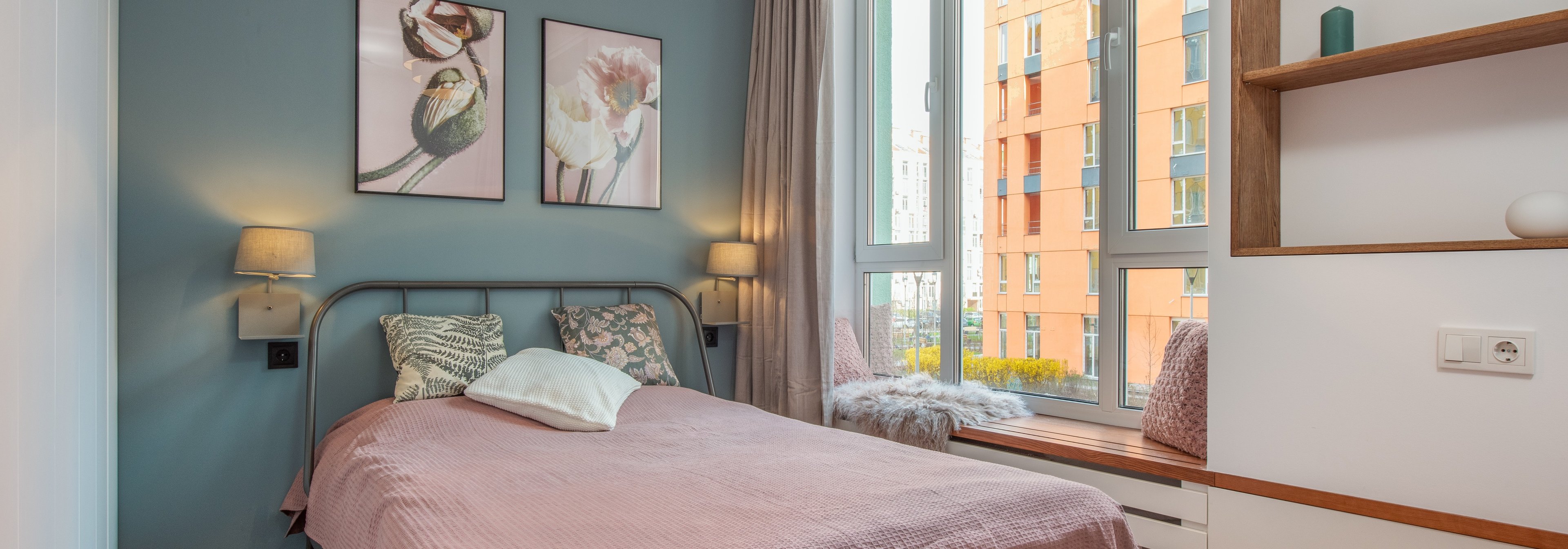
Mattress, pillows, and bedding. Here’s what you should look for.
"A well-furnished bedroom significantly improves sleep quality by creating an environment that supports both physical and mental relaxation. Choosing the right mattress and pillows and maintaining the ideal room temperature, for example, are crucial for a restful night’s sleep."
Dr. Fabian Krapf, sleep expert

Setting up your bed isn’t just about your mattress. The entire bed system—consisting of the bed frame, mattress, and slatted base—affects your comfort while lying down. A comforter and pillows round out the experience in bed.
The Right Bed Frame
Our bed is subjected to stress from our body weight, our movements, and humidity. It has an average lifespan of 20 to 25 years.
Get a new bed frame if it exhibits the following characteristics:
- Squeaking or creaking that cannot be fixed.
- A warped frame that makes it difficult to keep the bed level.
- Damage that could lead to injury (e.g., splinters).
- General instability or wobbly bed parts.
- Inappropriate size, e.g., when moving in with a partner.
- Changing needs, e.g., due to age or physical limitations.
The Right Mattress
The mattress on which our body rests has an average lifespan of 5 to 14 years, depending on its quality. If the mattress cover is not removable, the mattress should be replaced after about 5 years. Our sweat and movements, combined with the pressure our body weight exerts on the mattress, cause the material to wear out. It’s therefore quite possible that your mattress has become saggy.
You should replace your mattress if:
- the mattress has sagged (a dip where you lie).
- it shows signs of wear and tear (e.g., worn-out spring cores).
- the mattress has a musty odor or yellowish to brownish discoloration.
- your needs have changed (body weight, sleeping position, physical ailments).
- the mattress is causing sleep problems or pain.
In addition, you should make sure that your mattress’s firmness level is suited to your body and your needs.
You can find more information in our mattress buying guide.
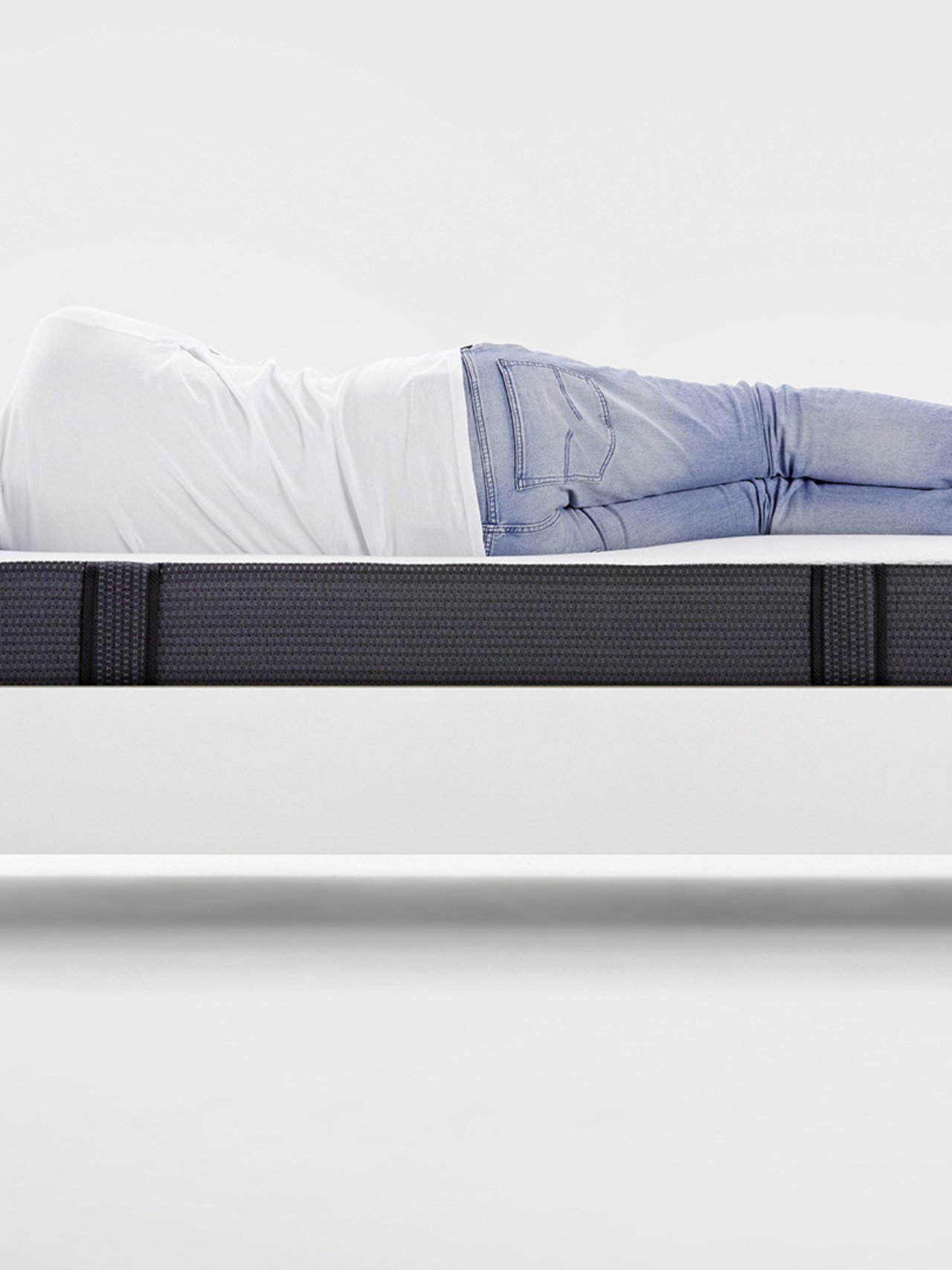

One mattress. 8 configurations.
Recovery BaseThe Right Slatted Base
Just like the bed frame, the slatted base is subjected to wear and tear from our weight and movements, as well as the humidity in the bedroom. It has an average lifespan of 15 to 20 years.
You can tell when it’s time to replace it by looking for the following signs:
- Broken or loose slats.
- Damage to the joints.
- A bent adjustment mechanism that prevents adjustment.
- Firmness adjusters no longer work.
- Squeaking or creaking that cannot be fixed.
- Slats have lost their tension or are sagging downward instead of arching upward.
The Right Pillow
Our pillow has the shortest lifespan of all the components in our bed. Wear and tear from saliva, sweat, the weight of your head, and movement reduces the average lifespan to about 3 to 4 years.
We recommend that you buy a new pillow if the following apply:
- Loss of original shape
- Loss of support
- Changed support needs (e.g., due to new neck pain)
- Clumping inside the pillow
- Tears or coming-apart seams through which filling material is escaping
- Musty odor or yellowish to brownish discoloration
- Purchase of a new mattress with a different firmness level, resulting in deeper or shallower sinkage
You can find more information in our pillow buying guide.
The Right Duvet
With year-round use, a comforter remains functional for about 10 years. If you use two different comforters (e.g., a summer comforter), the lifespan of each comforter is extended accordingly. The comforter is particularly subjected to wear and tear from washing and sweat.
If you notice the following changes, it’s time to replace it:
- Uneven distribution of the filling material
- Clumps inside the comforter
- Tears or coming-apart seams through which filling material is escaping
- Musty odor or yellowish to brownish discoloration
- Changes in bedroom conditions due to moving to a different apartment (e.g., higher temperatures in attic apartments or a different climate when moving abroad)
Discover mattresses, pillows, and blankets from BLACKROLL®
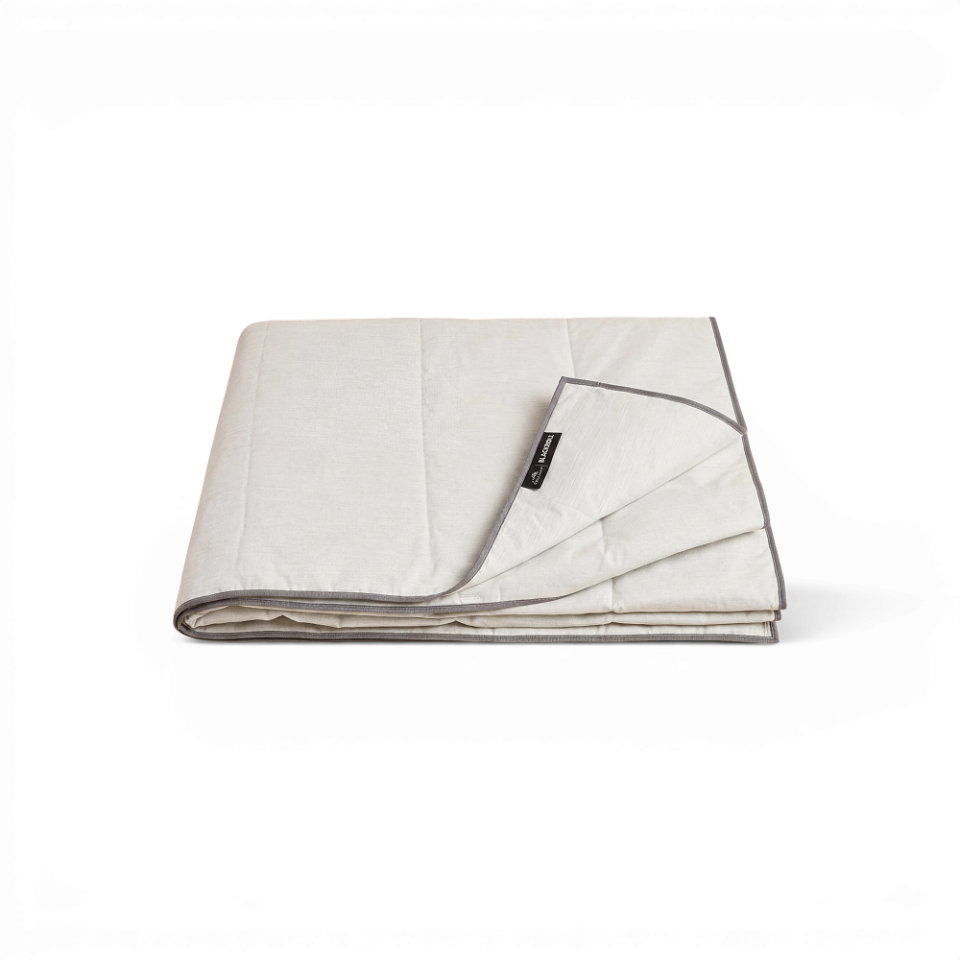

Recovery Blanket Summer
Available in multiple variants


The optimal temperature in the bedroom
Your body temperature plays a major role in the quality of your sleep. Thermoregulation is your body’s ability to regulate its own temperature. When it’s time for your body to rest, your core body temperature drops by about 1 degree. If the temperature in your environment remains too high, it becomes difficult for your body to enter a state of rest.
If you’re cold, muscle tension can occur; if it’s too hot, your body sweats—both of which disrupt sleep. The temperature in the bedroom should be such that your body can maintain its normal temperature of about 36 degrees without effort. The optimal sleeping temperature in the room is between 16 and 19 degrees.
During the cooler months, this room temperature is usually not a problem. In hot summer months, however, it becomes more difficult—especially if you don’t have air conditioning.
A simple trick to cool your room
Fill 2–3 small plastic bottles with water and put them in the freezer. Place the bottles in front of a fan. Leave a gap between the bottles so the airflow isn’t blocked. Turn off the fan’s oscillation so it’s directed straight at the bottles. This will create a nice cool breeze in the room. When you go to bed, you can turn off the fan.


Poor air quality in the bedroom? Here’s how to improve it
Fresh air is very important for restful sleep. Stale, poor-quality air in the bedroom not only contains less oxygen but is also predominantly positively charged. When the air is fresh, it contains more negative ions. This negative charge has many positive effects on health.
A 2018 review examined 100 years of research and found that negative ions:
- positively influence sleep patterns and mood.
- reduce stress.
- Strengthen the immune system.
- Improve fat and carbohydrate metabolism.
- kill or inhibit bacteria, viruses, and mold.
One way to increase the number of negative ions in the air is to create air movement. For this reason, it makes sense to sleep with the window open, ventilate regularly, or use a fan. There are also air ionizers that artificially enrich the air in your home and bedroom.
By the way: In places like waterfalls, ocean surf, rivers, and the mountains, these negative ions are present in abundance. In office buildings, the air is predominantly positively charged. We probably don’t need to discuss which environment has better air quality.


Plants in the Bedroom
Plants are a must-have in an oasis of relaxation—that is, your perfectly furnished bedroom. Not only because they look beautiful, but because they positively influence the indoor climate and create a cozy atmosphere in your home. That doesn’t mean you have to clutter your bedroom with plants. Even just one or two houseplants can work wonders. If you’re placing plants in your bedroom to improve air quality, you should know that most plants only produce oxygen during the day. If your goal is to improve air quality with plants in your bedroom, you should pay attention to which plants are particularly suitable when making your selection.
Here are our top 3 plants for the bedroom:
1.) Spider Plant
Spider plants ( , Chlorophytum comosum) are ideal for the bedroom because, according to a NASA study, they filter up to 95 percent of pollutants such as formaldehyde, benzene, and carbon monoxide from the air. They regulate humidity, are suitable for people with allergies, and can survive even in low light.
2.) Common ivy
According to a NASA study, common ivy (Hedera helix) can filter up to 94 percent of pollutants from the air. In the study, it was even able to remove 80 percent of mold spores within twelve hours. You can grow it either as a hanging plant or a potted plant.
3.) Snake Plant
Snake plant (Sansevieria) is not only very popular and easy to care for, but it also helps maintain a healthy indoor environment. The plant purifies pollutants from the air and provides oxygen 24/7. Most plants produce oxygen only during the day, but the snake plant does so even at night.


Bedroom Lighting
Bedroom lighting affects our sleep patterns. Darkness signals to the body that it’s time to rest. When it’s dark, our bodies can produce melatonin, the sleep hormone. In our modern world, we’re rarely surrounded by complete darkness. Even in our bedrooms, we’re finding more and more artificial light sources, such as electric alarm clocks, LED lights, light pollution from streetlights, and, of course, our smartphones. Artificial light can disrupt our circadian rhythm. For this reason, you should keep your bedroom as dark as possible.
Here are our top tips for a dark room:
- Ban all screens from your bedroom.
- Get curtains that completely block out the light.
- Use a reddish rather than blue nightlight.
- Cover any unavoidable LED lights in your room with tape.


Bedroom Decor: Things That Don’t Belong in the Bedroom
If you prioritize your well-being, you shouldn’t have these things in your bedroom.
Our smartphone is an essential companion in our lives. Our personal lives, our work—almost everything takes place on our phones. So we don’t want to demonize our smartphones. At the same time, we have to recognize that our smartphones aren’t always good for us. Even though there are now plenty of apps and sleep gadgets available, you can probably imagine that having a smartphone on your nightstand doesn’t exactly promote relaxation. Especially if you’re checking your messages in the middle of the night.
A Norwegian study found that using cell phones before bedtime contributes to insomnia and morning fatigue. Not only will you have a harder time falling asleep, but your favorite companion will also negatively impact your deep sleep phases.
Many people use their smartphones as alarm clocks. Why not get an analog or digital alarm clock instead? Ideally, one that doesn’t have an artificial light source or is dimmable.
What applies to your smartphone also applies to all other electronic devices. Your entertainment and work should stay in the room intended for them. The TV belongs in the living room, the computer in the home office. Your bedroom should be reserved for sleep. That’s because watching TV or surfing the internet right before bedtime can disrupt your sleep cycle.
Not only that: A study showed that children with a TV in their bedroom have a higher risk of obesity. According to research, couples with a TV in their bedroom have less sex than couples who keep their bedroom TV-free.


Bedroom Decor Ideas: Tips & Tricks for a Harmonious Retreat
The bedroom is the most personal place in a home. And after all, you spend about a third of your life in this room. With these decorating ideas, you can create a place of relaxation.

Color in the Bedroom
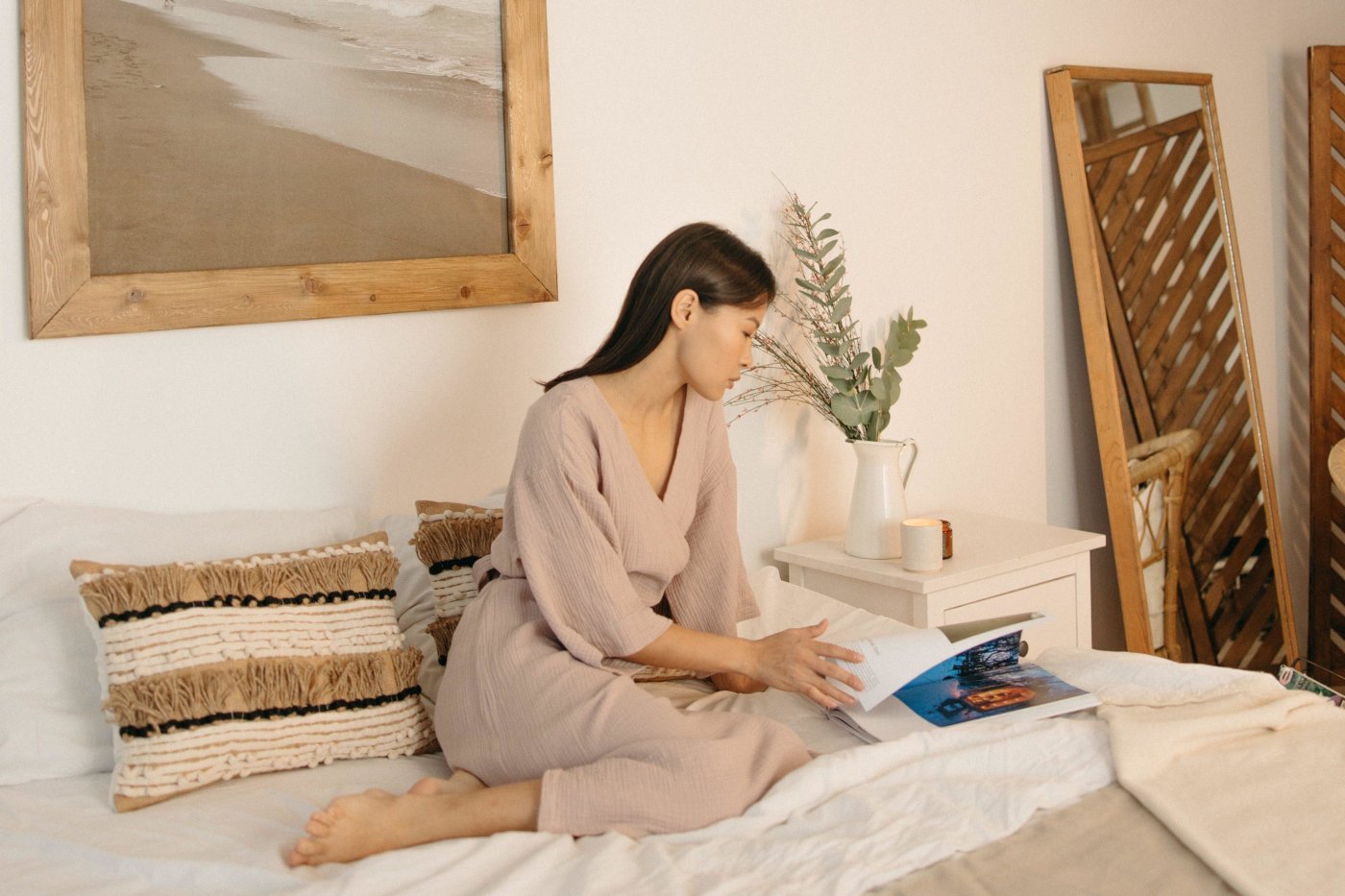
You want to find peace and quiet in your bedroom. The right colors for the walls, furniture, and textiles can promote relaxation. Stimulating and bold colors like red or purple aren’t recommended for the bedroom—at least not as the primary color. If you still don’t want to do without more intense colors, you can add pops of color with curtains, rugs, or bedding.
Subtle colors or pastel shades are best suited for wall design and bedroom furnishings, such as:
- Beige
- Pink
- Light blue
- Light gray
- Light green
- Cream
- Earthy brown tones
White can also be a good choice for bedroom walls. While white can give the room a sterile and cold feel, a white wall can also symbolize purity and cleanliness and, when paired with pastel-colored accessories, create a restful sleeping environment.
Pictures also make great decorative elements to enhance the bedroom. Be sure to choose understated and relaxing motifs, such as landscapes or nature scenes.
Furniture in the Bedroom
When furnishing your bedroom, stick to the motto “Less is more!” It’s easier for us to unwind when the room’s style is simple and clearly structured. Furniture that isn’t strictly necessary in the bedroom should be placed in another room. If you need to include a desk or another piece of furniture in the bedroom, you should at least separate it from the sleeping area. You can create a separation, for example, by hanging curtains from the ceiling. A folding screen is also a good option for dividing the space.
The best material for your bedroom furniture is wood. To be more precise, solid wood, since it doesn’t contain any harmful solvents and generally doesn’t release any harmful emissions into the air. Wood also creates a pleasant indoor climate.
You should avoid using varnish as a finish on your furniture. Better options for treating solid wood surfaces include natural oils, waxes, and glazes.
Beds made of Swiss stone pine are particularly beneficial. This type of wood is said to have calming properties. There is even a study that has shown that the phytochemicals in Swiss stone pine lead to improved vagus nerve activity, which lowers the heart rate and thus has a positive effect on rest and recovery.
There are also a few things to keep in mind when arranging furniture in the room. The Far Eastern interior design philosophy of Feng Shui offers detailed suggestions for a sensible furniture layout. To promote a sense of security, it is best to place the headboard directly against the wall rather than freestanding. It also makes sense to place the wardrobe along the long side of the bed. Chests of drawers and cabinets with closed fronts that offer plenty of storage space are ideal. In general, the bedroom should be furnished in as minimalist a style as possible.


Bedroom Ideas: 7 Steps to a Healthier Bedroom
Our tips are only useful if you actually put them into practice. That’s why you’ll find inspiration here on how to optimally redesign your bedroom in 7 steps. With these bedroom ideas, you can create a restful retreat for yourself.
Step 1: Ban smartphones and electronic devices from your bedroom.
Step 2: Check the temperature in your bedroom and figure out how to maintain the ideal temperature (16–19 degrees). You might need to sleep with the window open or use the fan-cooling trick.
Step 3: Get a houseplant that has a positive effect on your sleep. If you can’t do it today, set aside a day to buy one of the three sleep-promoting houseplants.
Step 4: Check your mattress. If you find that a new mattress would be beneficial, buy one or order it online. Make sure you can test it out for long enough.
Step 5: Darken your bedroom. You may need to get new curtains.
Step 6: Check your pillow and comforter. If you notice that your pillow or comforter shows noticeable signs of wear, buy a new one or order it online. Make sure you can test it out for long enough.
Step 7: Decide that your bedroom is a place for rest and banish all activities that don’t help you relax from your bedroom. Thank yourself for doing something good for yourself, and enjoy your oasis of rest


Summary – Setting Up Your Bedroom
The bedroom is one of the most important rooms in your home. You spend a third of your life in this room. It’s where you recharge your energy for the next day. That makes it all the more important that you feel comfortable in your bedroom. The most important thing is that you look forward to entering the room in the evening and associate it with relaxation. In this post, you’ve learned what to consider when furnishing your bedroom. In addition to the right sleep essentials—including the bed, mattress, pillows, and blanket—the surrounding furnishings also play an important role. Room temperature, lighting, color choices, decor, furniture, etc., are all factors that influence the atmosphere of your room. If you look forward to going to bed at night and wake up feeling refreshed in the morning, you’ll know that you’ve designed your oasis of peace to perfectly suit your needs.

Also interesting








Recovery Blanket Summer
Available in multiple variants