
The Optimal Humidity Level in the Bedroom

Humidity in the bedroom is a crucial factor for restful sleep. If it’s too high, mold can form on the walls. If it’s too low, our mucous membranes dry out. In both cases, this can lead to health problems and disrupted sleep. Here, you’ll learn what the optimal humidity level is, how to achieve it, and how to create a comfortable sleeping environment.
The Optimal Humidity Level in the Bedroom
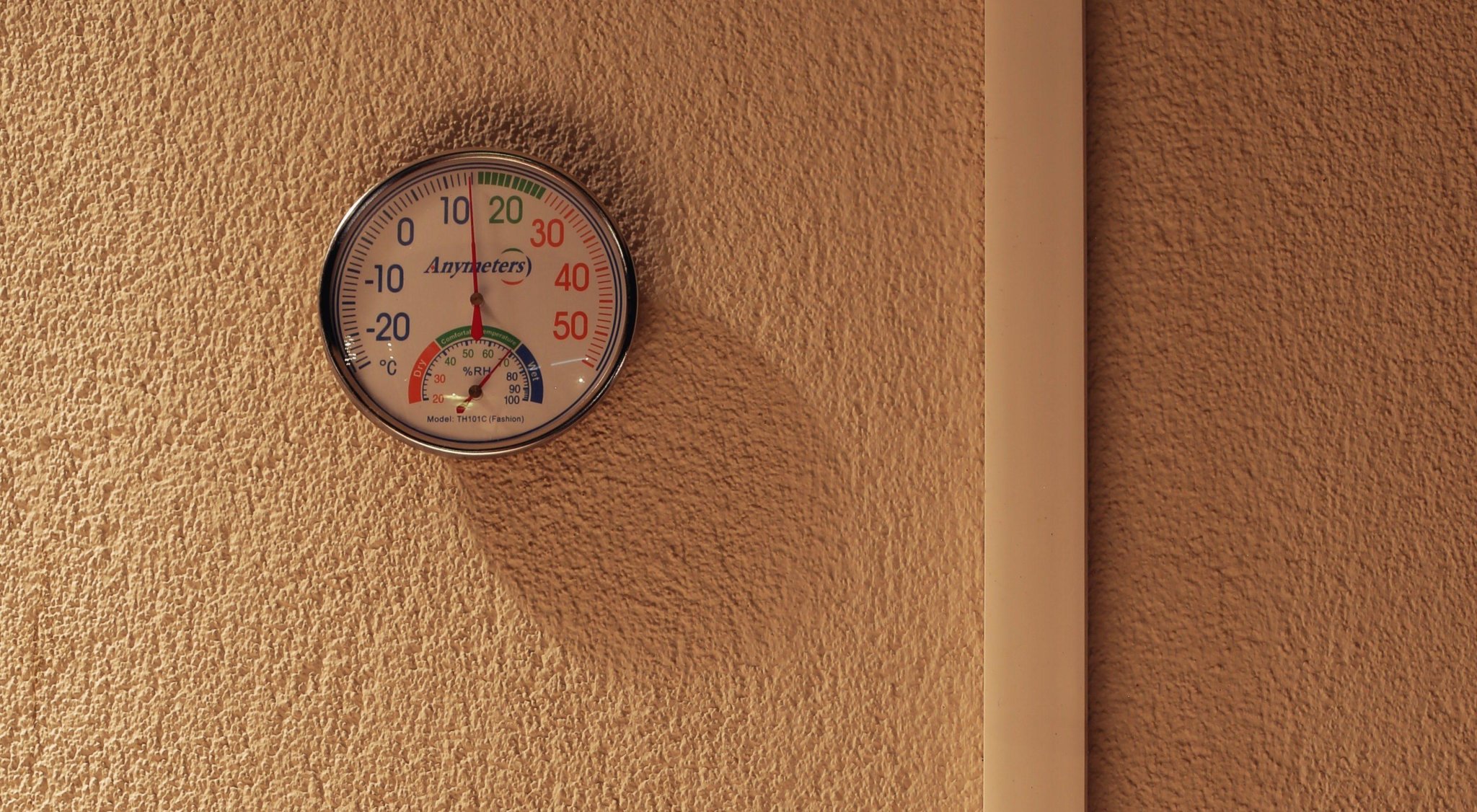
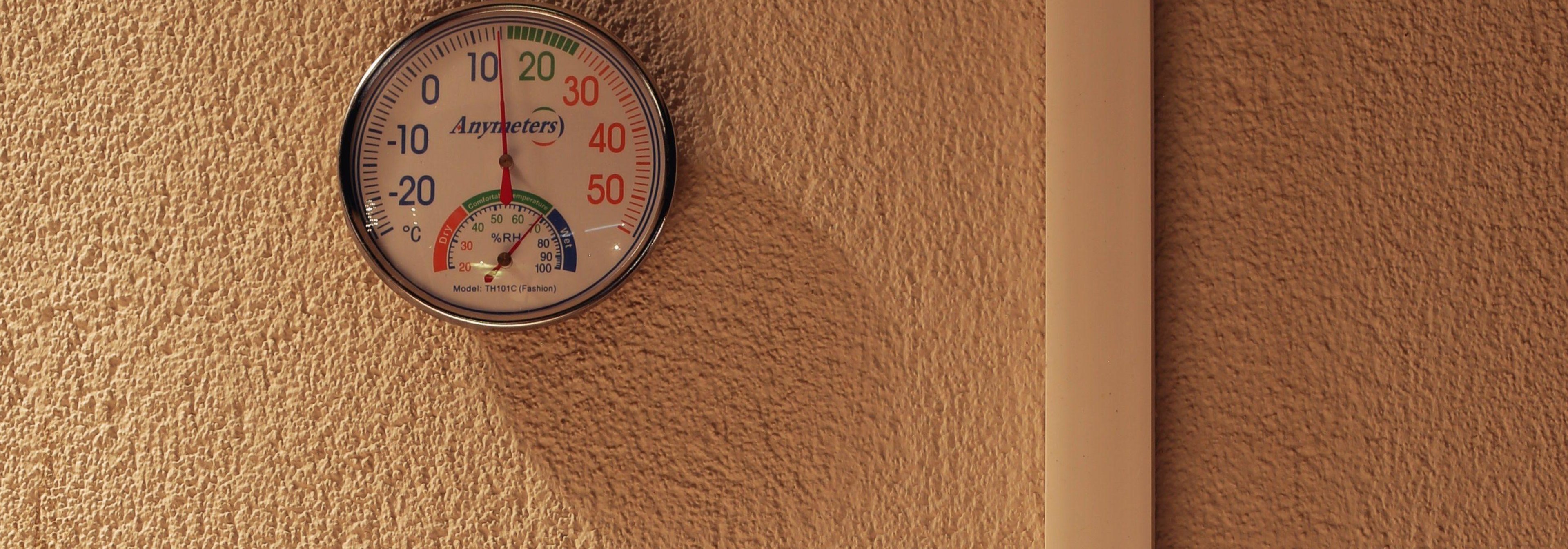
Good sleep hygiene includes a comfortable, healthy indoor climate in the bedroom. The general guideline for optimal humidity in living spaces is between 40 and 60 percent. This also serves as the basis for the recommendation regarding the ideal humidity level in the bedroom. If the levels deviate above or below this range, it can have long-term consequences for your health.
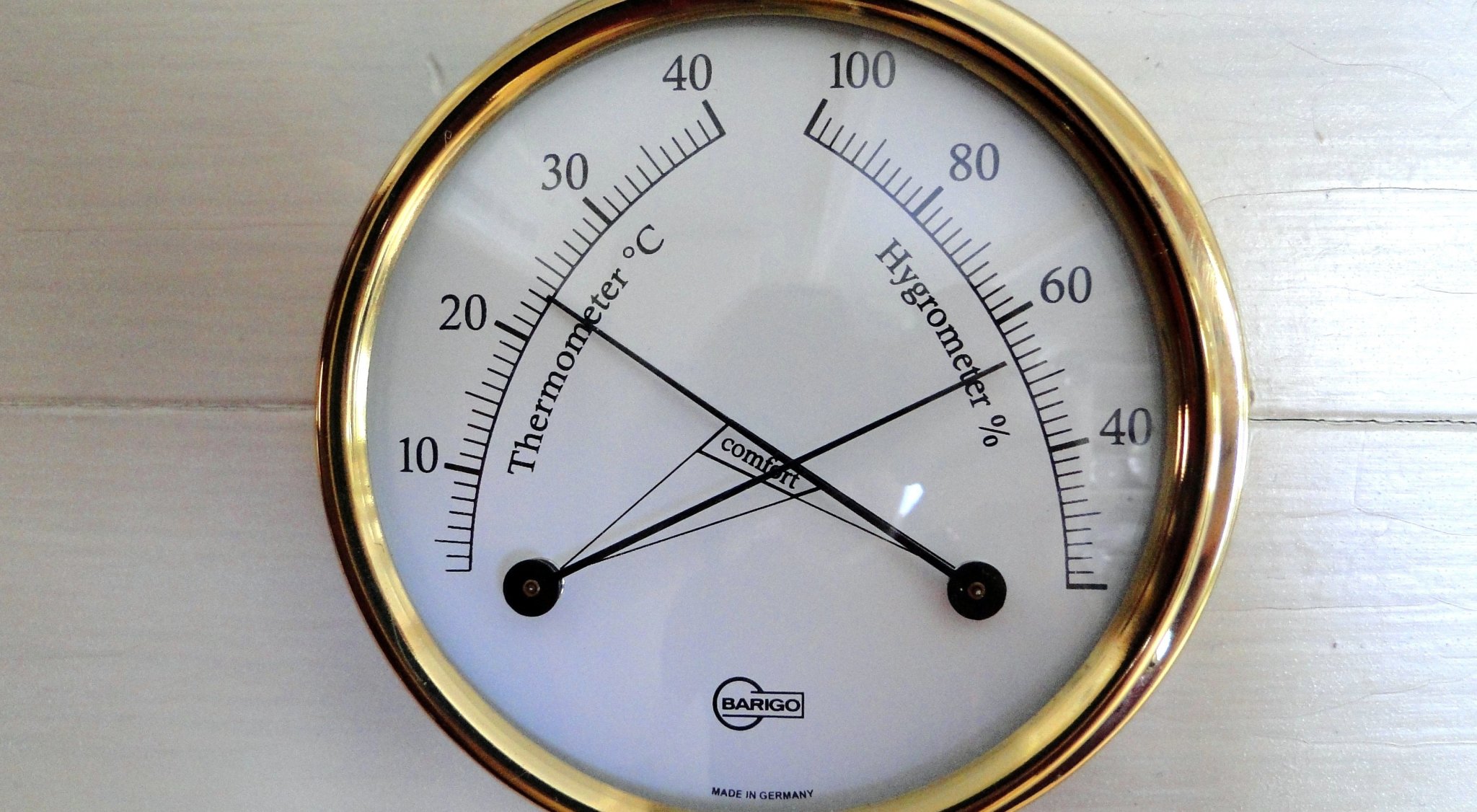
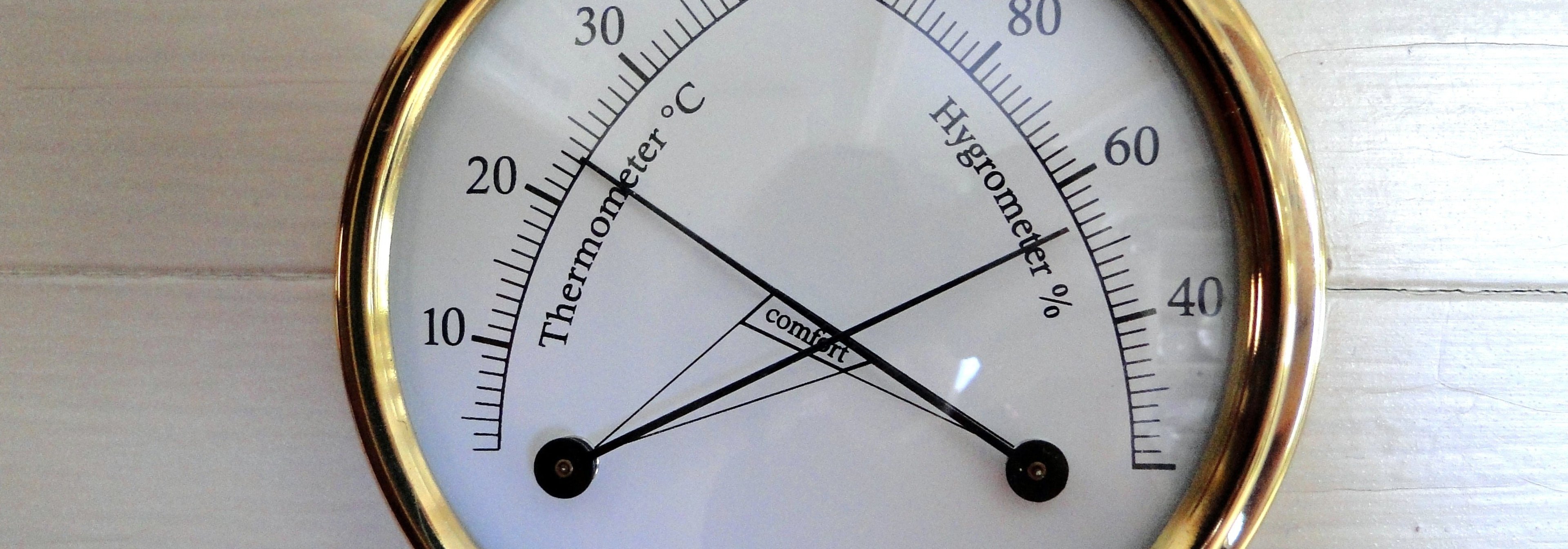
You can easily monitor the humidity in your bedroom—as well as in all other rooms—with a hygrometer. Modern thermo-hygrometers with digital displays measure not only humidity but also room temperature. This way, you always know when to ventilate the room or when the heated air in winter is causing the indoor climate to become too dry. These measuring devices are available at quite affordable prices in home improvement stores and online shops.
Next Regeneration Sleep Quality
Bed Sheet Premium Comfort
Available in multiple variants
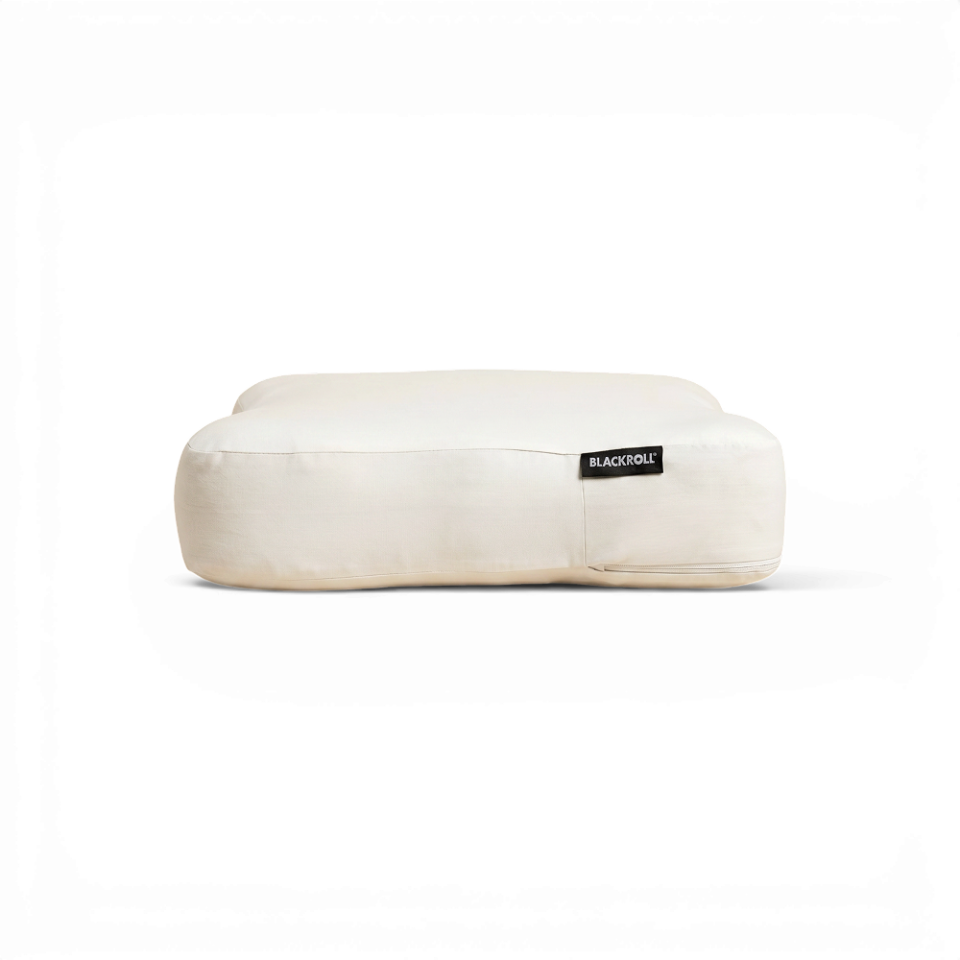
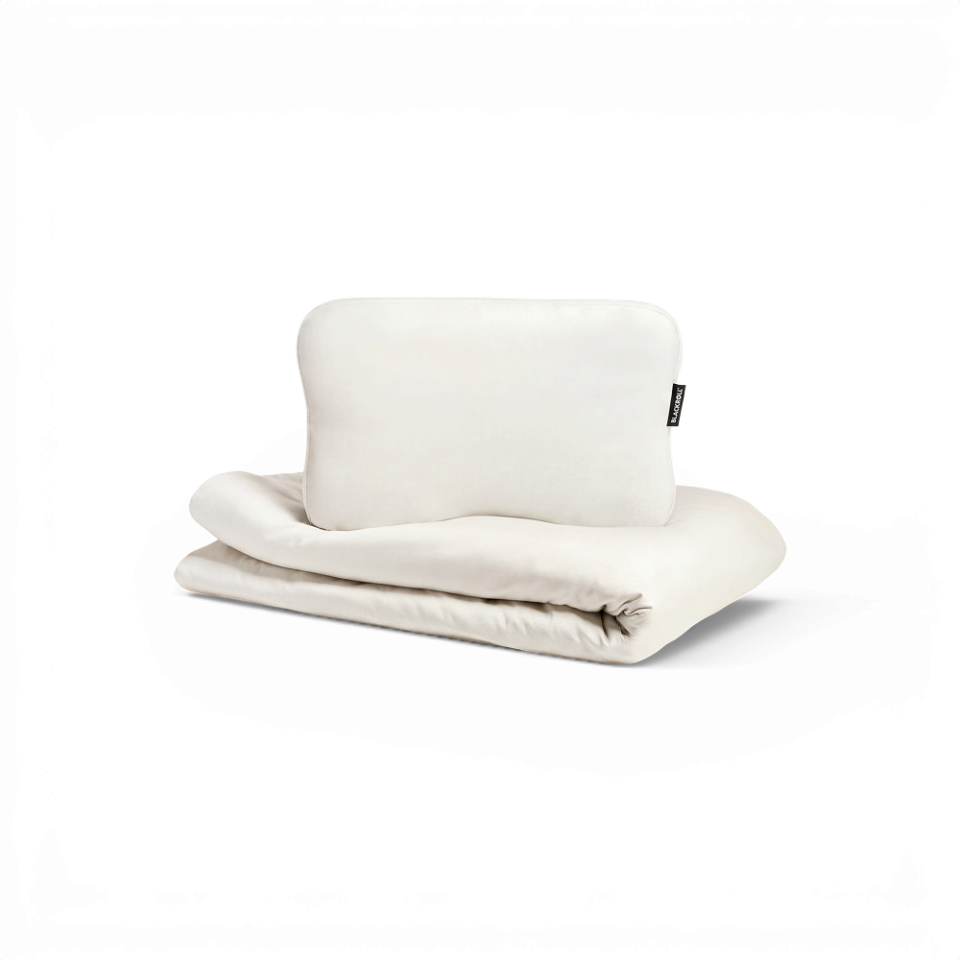
Bedding Set Premium Comfort
Available in multiple variants


Why is humidity in the bedroom important?
Ideal humidity levels in the bedroom are important for several reasons: For one, they affect your health and the quality of your sleep; for another, too much moisture can lead to mold growth on walls, windows, furniture, and even your mattress. Once mold has formed in the room, you breathe in the fine fungal spores in the air while you sleep, which poses certain health risks. This can lead to reactions such as burning eyes, skin rashes, headaches, migraines, or even breathing difficulties. The risk of asthma also increases due to prolonged exposure to mold.
House dust mites also thrive in humidity levels between 65 and 80 percent. People who already suffer from allergies are at particular health risk due to excessively high humidity. If, on the other hand, the humidity is too low, the mucous membranes—and thus the body’s defenses—are compromised.
Signs of too low humidity in the bedroom
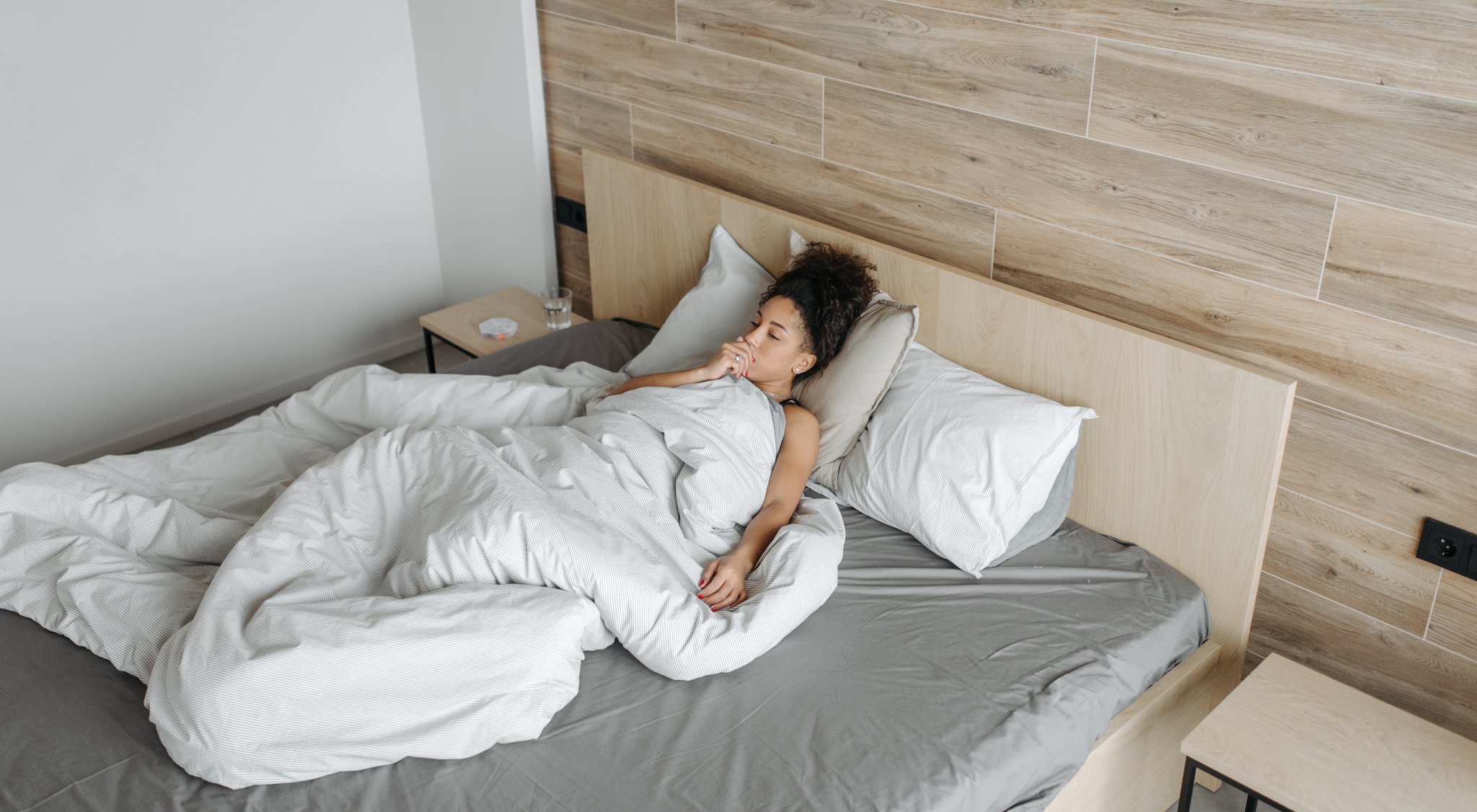
You’ll mostly notice that the humidity in your bedroom is too low through physical symptoms such as dry skin, dry airways, and dry eyes. You may often experience a scratchy throat and a dry cough that can even wake you up at night. Low humidity can therefore interfere with your sleep. In the long term, however, your furniture will also suffer, with cracks appearing in the surfaces. Another sign may be an increase in household dust in the room.


Causes of low humidity in the bedroom
It’s actually quite rare for the humidity in the bedroom to be too low. When it does happen, it’s usually because the room is overheated in the winter. But air conditioners can also dry out the air. If you like to sleep in an air-conditioned bedroom in the summer, you aren’t necessarily doing your health any favors.


What are the health effects of low humidity?
We notice the effects of low humidity in the morning after waking up, though often as early as the evening when falling asleep. This is because overly dry indoor air strips moisture from the mucous membranes, which are actually meant to protect us from infections. Symptoms include:
- a stuffy nose
- difficulty breathing
- dry eyes
- a dry throat
- chapped, cracked lips
- dry skin
- headaches
- Susceptibility to infections
- Nosebleeds
When the mucous membranes no longer function properly, it’s not just irritation, a burning sensation, and headaches that cause discomfort. Since healthy mucous membranes form the body’s first line of defense against pathogens, bacteria and viruses have an easy time of it when indoor air is too dry and can enter the body unhindered.


How can you increase the humidity in the bedroom?
Various tips and home remedies have proven effective for increasing humidity:
Natural Ways to Increase Humidity
There are a few very simple tips for increasing humidity in your bedroom with minimal effort:
- A very simple solution: place small bowls of water around your bedroom.
- Houseplants also release moisture into the air, thereby regulating the indoor climate. Spider plants, snake plants, aloe vera, and succulents are particularly well-suited for the bedroom because they purify the air.
- An indoor fountain not only creates a soothing atmosphere but also maintains a comfortable level of humidity.
Using Humidifiers
Special humidifiers that release water vapor into the air are currently popular. They’re a great way to regulate the indoor climate. However, humidifiers have the drawback that they must be cleaned regularly and thoroughly. Otherwise, germs and fungal spores can form and be released into the air along with the water.
"To achieve optimal humidity, using a humidifier or dehumidifier—depending on the conditions in your bedroom—can be extremely helpful. Especially during the winter months, when heating systems can dry out the air, a humidifier can help maintain humidity at a healthy level."
Dr. Lutz Graumann, expert in regeneration



Mold in the bedroom: Signs of high humidity
Mold in the bedroom is a clear sign of excessive humidity. It often starts with black spots on the silicone window seals or in the corners of the walls. This is accompanied by a musty, moldy odor. Once mold has taken hold in the walls, it cannot be easily removed. The mold colonies must then be professionally dried out and eliminated.
Condensation on the windows is also a sign that there is too much moisture in the air. This makes it all the more important to monitor the indoor climate early on to prevent mold growth by maintaining appropriate humidity levels.

How can you lower the humidity in the bedroom?
The first step to lowering humidity is to ventilate the room. In the evening before going to bed and in the morning after waking up, you should thoroughly ventilate the bedroom with the windows wide open to replace the humid, stale air with fresh, oxygen-rich air. If condensation builds up on the windows, wipe them dry. If humidity is high, it’s also recommended to ventilate the room for five minutes several times during the day. Here’s what else you can do:
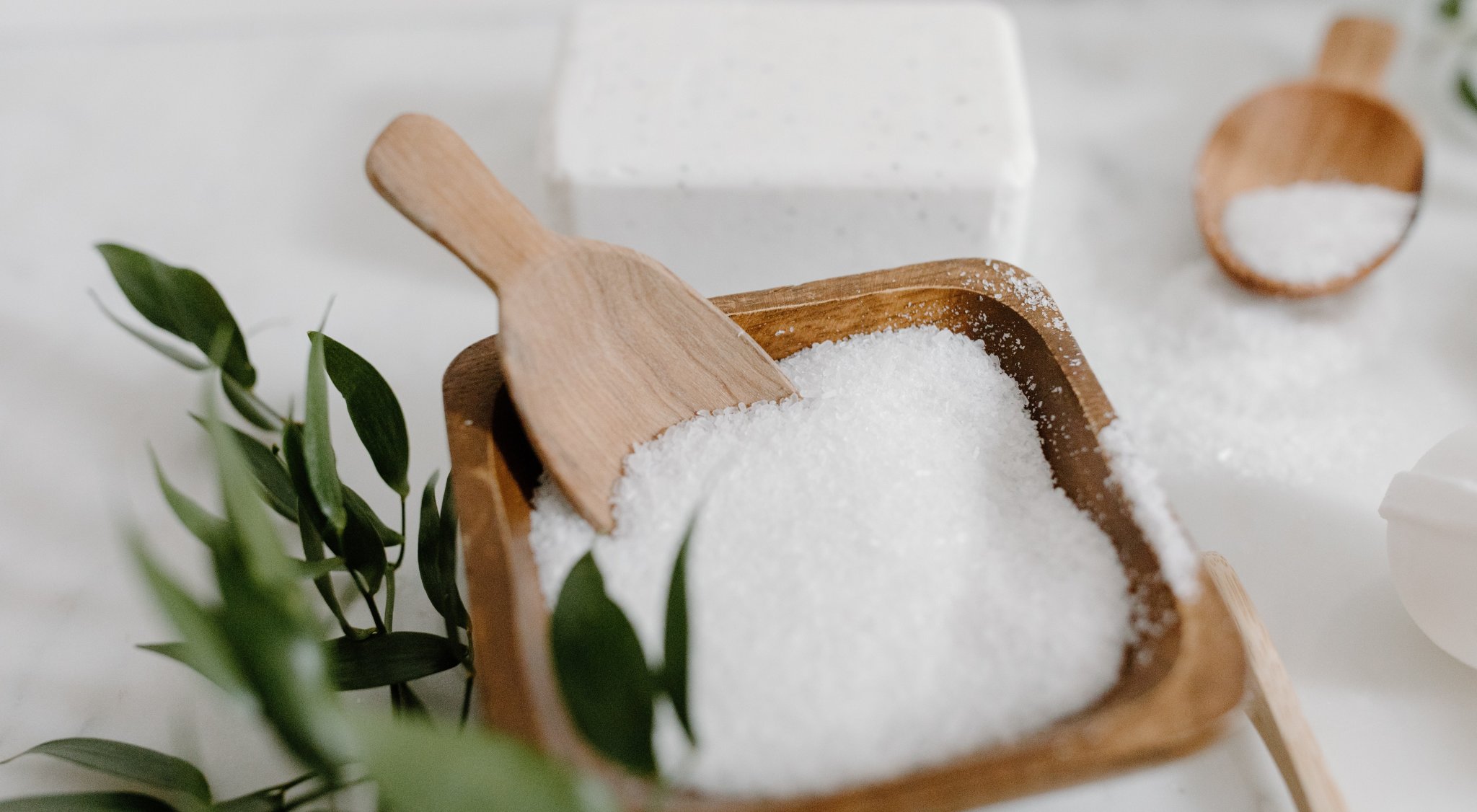
Small bowls of salt
Regular table salt has hygroscopic properties and attracts moisture from the air. That’s why you can place a few small bowls filled with salt in your bedroom. The benefit: The air never gets too dry, since the salt can release the stored moisture as needed.
Heating Wisely
Ideally, rooms shouldn’t cool down below 16 degrees in winter. That’s because warm air absorbs moisture better than cold air. Heating the bedroom can therefore help—but only during the day, since the temperature shouldn’t exceed 19 degrees at night. Often, simply running the heater on a low setting is enough.
Avoiding Sources of Moisture
Houseplants with large leaves create a pleasant indoor climate in the living room or office, but they are not suitable for a humid bedroom. This is because they release a lot of moisture through their large leaves. You should also never dry wet laundry in the bedroom.
Using dehumidifiers
Using dehumidifiers makes the most sense when humidity levels cannot be reduced through simple measures and ventilation. In some buildings, humidity is generally high and can only be reduced with a dehumidifier. If mold has already formed, the room should also be thoroughly dried out with a dehumidifier to remove the mold’s breeding ground. Some devices are powered by electricity, while others use granules that draw moisture from the air.

The Right Temperature in the Bedroom
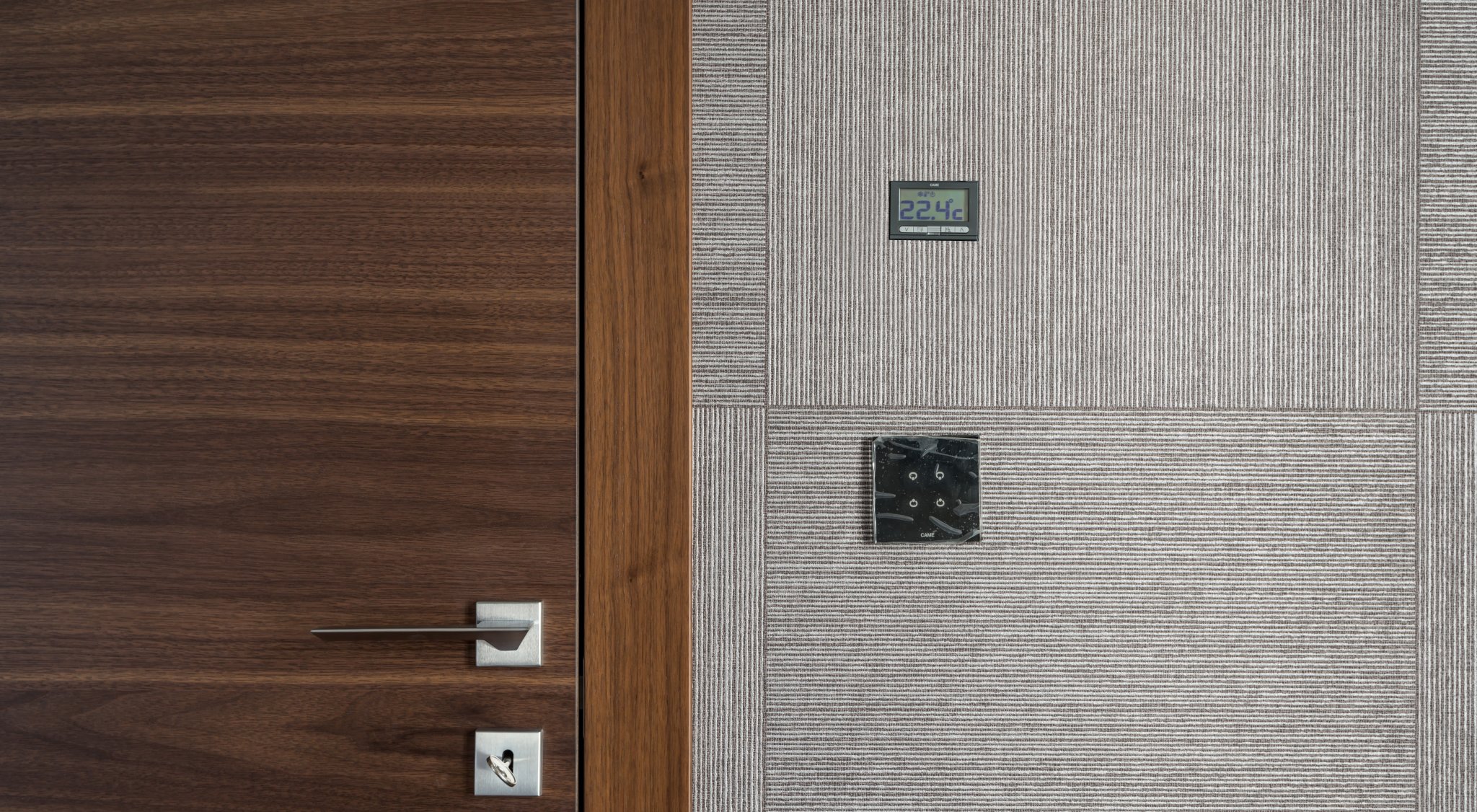
In addition to humidity, the temperature in the bedroom is also crucial for a comfortable indoor climate that allows you to sleep restfully. It should be between 17 and 19 degrees. Since warm air can absorb moisture more effectively, rooms should never cool down below 17 degrees. Otherwise, especially in winter, mold can form on the walls and windows.
Conclusion
Both too low and too high humidity in the bedroom can affect sleep quality and health. The optimal level is between 40 and 60 percent and can be measured with a hygrometer. While air that’s too dry can be easily humidified, air that’s too humid can become a problem. This can lead to mold growth, which may cause skin irritation, headaches, and asthma.