Night sweats: What helps with sweating while sleeping?

Why We Sweat While Sleeping
Sweating is, in itself, a completely natural process—even while sleeping. Through perspiration , the body releases excess heat from the inside to the outside, thereby ensuring the necessary temperature regulation. The evaporation of fluid on the skin creates a cooling effect, which helps regulate the body’s temperature.
Night sweats are not a medical condition in and of themselves, but rather a symptom that may indicate unfavorable sleeping conditions or—in the worst case—underlying medical conditions. Depending on its severity, night sweats canrange from a thin film of sweat on the skin to bedding that is completely soaked. Extreme episodes of sweating during sleep (hyperhidrosis) are particularly problematic, as they can often lead to sleep disturbances. The person affected wakes up due to the sweating episode and the subsequent feeling of cold and may even have to change their clothes. This can make it difficult to fall back asleep and thus lead to exhaustion and fatigue the next day.
In general, there is no cause for concern regarding night sweats as long as they occur only occasionally and can be explained, for example, by summer heat in the bedroom. However, if this is a long-term condition that cannot be attributed to external circumstances, then the cause of the sweating episodes during sleep (hyperhidrosis) should be determined.
In most cases, sweating in bed can be “resolved” by improving sleep conditions. Sleep conditions include, for example, room temperature, sleepwear, and bedding.
If excessive sweating while sleeping persists despite optimal environmental conditions and appropriate lifestyle adjustments, you should consult a doctor. In extreme cases, the doctor can determine whether the excessive sweating while sleeping is a symptom of another medical condition and how it should be treated.
Recovery Blanket Summer
Available in multiple variants
Bed Sheet Premium Comfort
Available in multiple variants
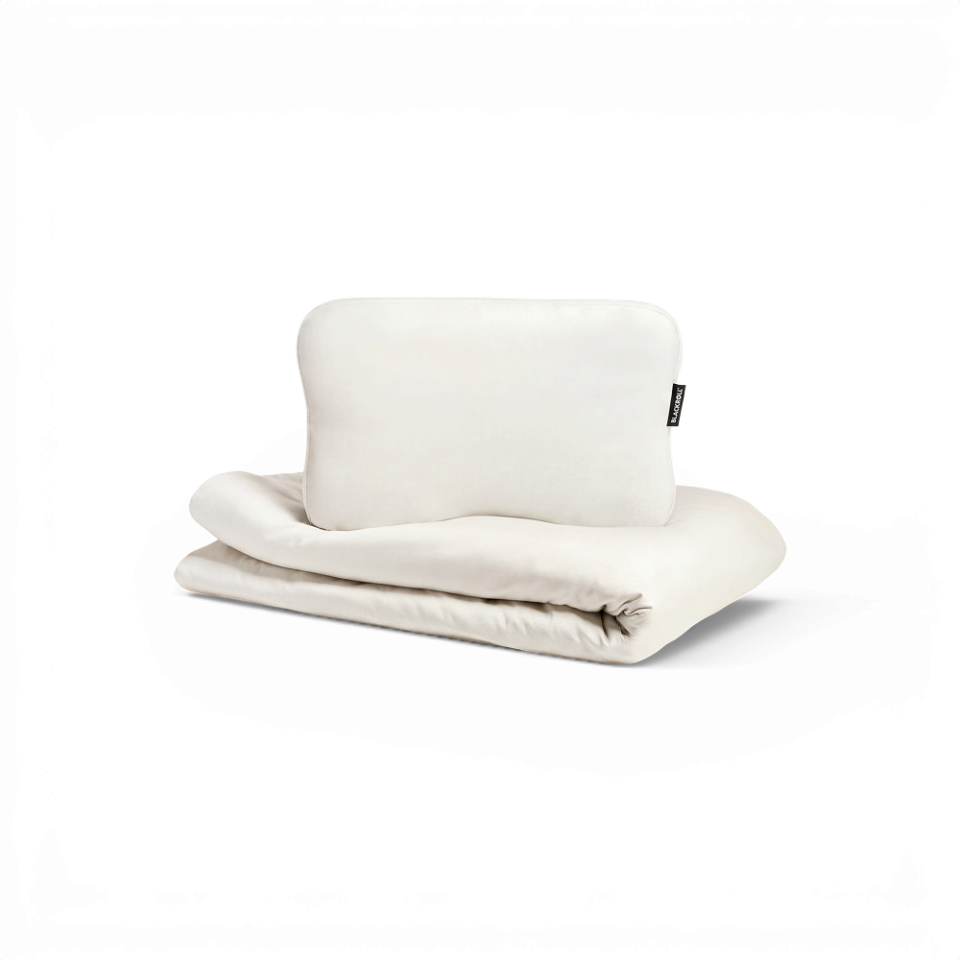
Bedding Set Premium Comfort
Available in multiple variants
01 Causes of Night Sweats
There are many possible causes of night sweats. In this section, however, we’d like to list a few of the “usual suspects.”
Sleeping in the heat or having the radiators set too high in winter can lead to an overly warm bedroom. Room temperature has a significant impact on sleep. It’s crucial that we neither sweat nor feel cold at night— we recommend a room temperature of 16 to 19 degrees.
A degree or two more or less is also fine, but the room temperature shouldn’t drop significantly below 15 degrees. On the one hand, muscles tense up in the cold; on the other hand, nighttime temperatures below 15 degrees promote mold growth in the bedroom. There’s also a risk of getting chilled, which naturally makes it harder to sleep and may even make us sick.
Bedding that’s too warm can also lead to heavy sweating at night. You can experiment to see if wearing lighter pajamas or sleeping under a thinner blanket helps reduce sweating.
More serious conditions such as cancer, autoimmune, metabolic, or blood disorders can also cause night sweats. For people with diabetes mellitus, night sweats can be a warning sign of hypoglycemia.
But there’s no need to worry, because in most cases the cause isn’t serious. If you’re still unsure, however—and especially if the night sweats are accompanied by other symptoms—you should have a doctor check it out.
Our hormones play an important role in regulating our body’s temperature. A hormonal imbalance can stimulate sweat production. A common hormonal disorder that can trigger night sweats is hyperthyroidism.
Women going through menopause also sometimes struggle with night sweats, both during the day and at night. The cause here stems from hormonal changes. These trigger a disruption in the brain’s thermoregulatory center, causing the body to react with severe hot flashes. To prevent overheating, sweat production is significantly increased, which can lead to night sweats.
You can counteract this by airing out the room before bed, using breathable bedding, wearing light nightwear, or using several thin blankets that can be removed as needed. After consulting a doctor, a hormone replacement therapy may also be prescribed.
When we contract an infection, our immune system often responds with a rise in body temperature. This increase in temperature activates the body’s defense mechanisms. Nighttime fever is then often accompanied by heavy sweating. Infections that can cause night sweats include the flu and mononucleosis.
In addition to the physical and biological causes of sweating during sleep, psychological stress can also lead to increased sweat production. Sweating episodes are common in cases of depression, excessive stress, or burnout syndrome. During stressful periods in life, the stress hormones cortisol and adrenaline are released in greater quantities. These hormones increase heart rate, blood pressure, and respiratory rate, and can also cause bothersome night sweats. Since the cause in this case is psychological in nature, a doctor or psychotherapist should be consulted to address the underlying issue.
Another cause of night sweats may lie in our consumption of stimulants. Consuming spicy foods, alcohol, coffee, or even drugs stimulates sweat production. Consumption should therefore be severely restricted—not only because of this but also due to other harmful health effects these substances can cause. All of the products and substances mentioned above stimulate blood circulation, accelerate our heart rate, and cause blood vessels to dilate. This raises body temperature, and sweat production is triggered to cool the body down.
Taking medications that stimulate the metabolism is another possible cause of night sweats. Antidepressants, blood sugar-lowering medications, and fever-reducing medications are among those that can cause night sweats. If you suspect that the sweating is medication-related, it is advisable to consult your doctor to find an alternative medication or reduce the dose, if necessary.
02 Preventing Night Sweats: These Tips Can Help
If your night sweats aren’t caused by a medical condition, these tips may help:
Do’s
- Wear sleepwear made of breathable, functional materials
- Keep the temperature in your bedroom between 16–19 degrees
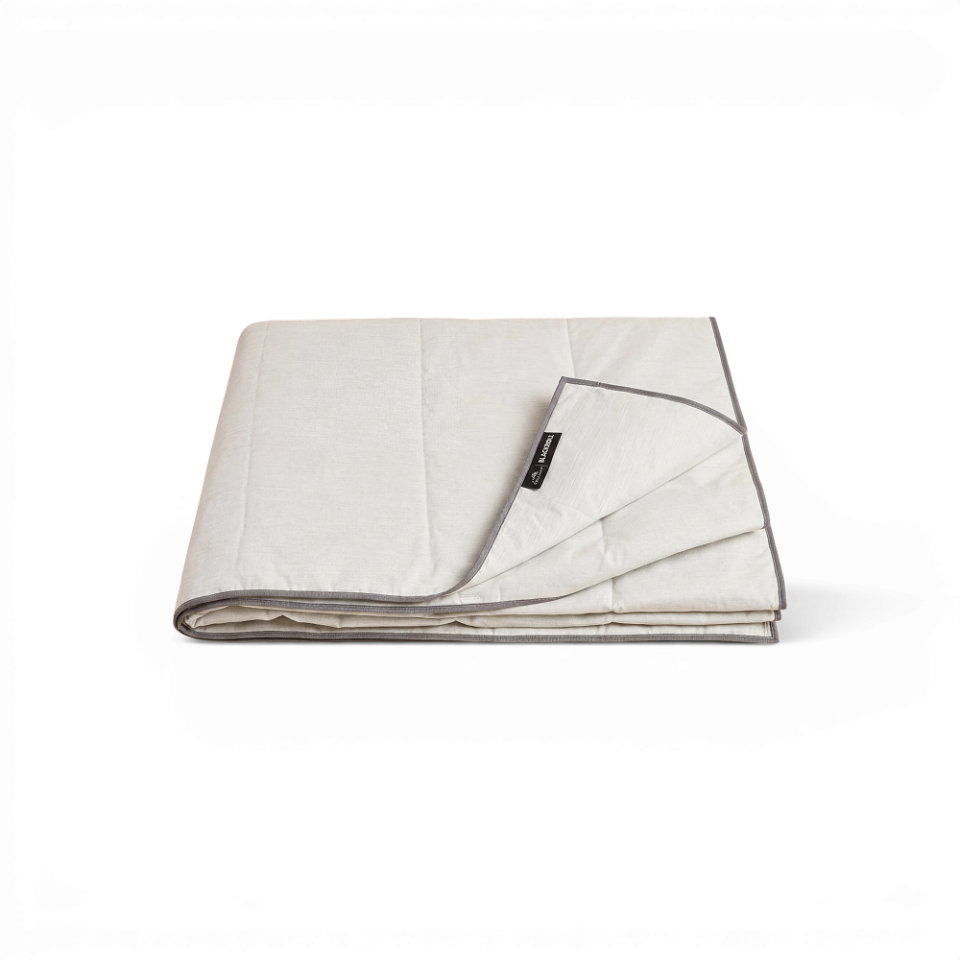
- Use bedding (sheets) or a blanket that’s appropriate for the season or has thermoregulatory properties, such as our RECOVERY BLANKET SUMMER
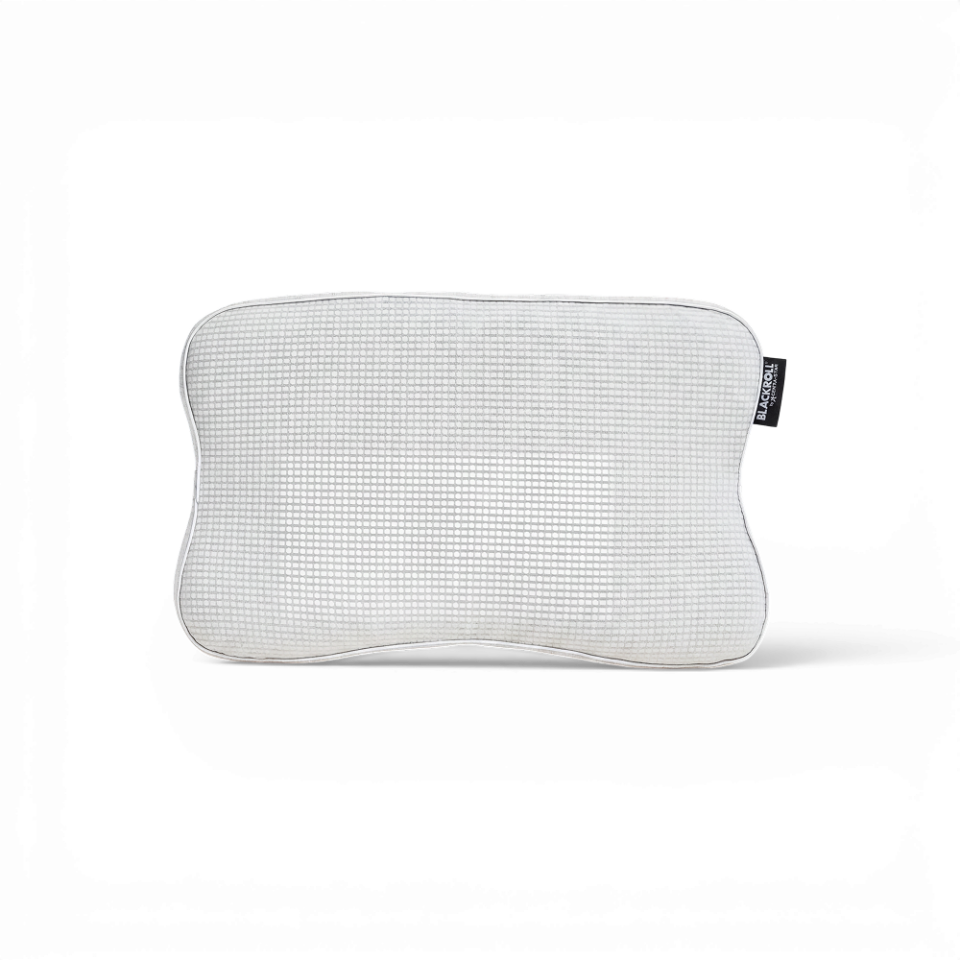
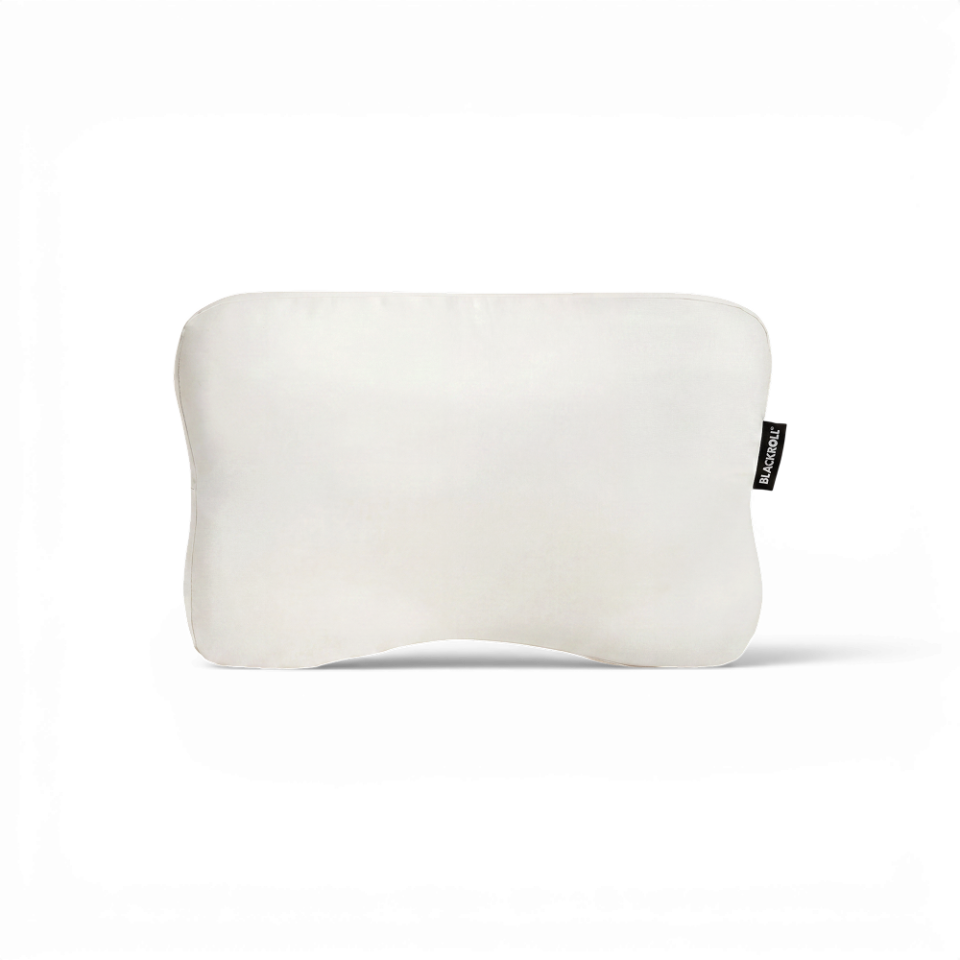
- Use a pillowcase that provides a cooling effect, such as our PILLOW CASE CLIMATE
- Take a hot shower or bath 30 minutes before bedtime
- Maintain a healthy lifestyle and prevent various illnesses that can trigger night sweats
Don’ts
- Do not drink alcohol within 90 minutes of going to bed. Avoid excessive alcohol consumption in general
- Avoid spicy and heavy foods for dinner
- Do not consume caffeinated beverages in the late afternoon or evening after 2 p.m.
- Do not do a HIIT workout 90 minutes before bedtime
03 Sleep Better in Extreme Heat
During the hot summer months, we often can’t help but sweat more at night. High summer temperatures make it difficult to fall asleep and stay asleep. Very few people have air conditioning to cool their bedroom down to an optimal temperature. People who live in attic apartments suffer from this particularly.
These tips can help, even if you don’t have air conditioning:
- Keep the windows closed during the day. In the summer, only warm air flows into the bedroom during the day. It makes much more sense to air out the room thoroughly in the morning and evening
- Keep the room dark during the day. With blinds or blackout curtains, you can ensure that no heat enters the room during the day
- Take a warm to lukewarm shower before going to bed. While this willtemporarily raise your body temperature, your core body temperature will drop after the warm shower, which helps your body relax more effectively. Cold showers in the evening are less recommended because they tend to have a stimulating effect on your body
- Use a special summer comforter: A comforter with proper temperature regulation is important for optimal rest at night.
- Chilled pajamas: If you sleep in pajamas year-round, you can put them in the freezer for a short time. This trick won’t keep you cool all night long, but it might help create a pleasantly cool sleeping environment as you fall asleep
- Hang damp towels in the room. As the towels dry, they draw heat out of the room.
- Ensure adequate air circulation: The air in the bedroom should be able to circulate. You can achieve this by opening a window or using a fan. However, make sure your body isn’t exposed to direct drafts to avoid muscle tension
Extra tip:
Use 2–3 plastic bottles, fill them with water, and place them in the freezer. About 30–60 minutes before going to bed, place the frozen water bottles in front of a fan. Make sure there’s some space between the fan and the water bottles. This tip will create a cool breeze in your bedroom. Just make sure the breeze isn’t blowing directly on your body.
BLACKROLL® Tip:
In addition to these measures, our ultra-lightweight RECOVERY BLANKET SUMMER — designed specifically for hot summer nights—can help regulate body temperature and improve sleep quality.
Want even more tips?
Simply sign up for free, and we’ll send you your guide via email.

03 When is night sweats dangerous?
In most cases, the causes of night sweats are harmless and can be prevented by making lifestyle changes. If night sweats occur without a fever, that’s a good sign. However, night sweats can sometimes be a sign of a serious illness. The best way to answer the question “When are night sweats dangerous?” is to consult your doctor. You should especially see a doctor if the night sweats aren’t due to external factors such as poor sleep habits, spicy foods, colds, or alcohol consumption.
In these cases, it definitely makes sense to see a doctor
- Frequent and very heavy sweating at night
- Night sweats become a chronic condition (lasting longer than three weeks)
- Cold night sweats (sweating that occurs without a sensation of heat and with cold skin)
- Other symptoms are present (pain, fever, weight loss, lethargy, etc.)
If your night sweats are so severe that your pajamas and bedding are soaked, you wake up drenched in sweat, and this happens frequently, you should see a doctor to determine the cause of your night sweats. The doctor will first review your medical history, your current medications, your stress levels, and behavioral and environmental factors, such as your consumption of stimulants or your sleep habits. The most important step in dealing with night sweats is identifying the cause —once this is treated, you can say goodbye to night sweats and restore healthy sleep patterns without constantly waking up.
The first point of contact for night sweats is usually your primary care physician. During an initial consultation, the doctor will typically ask questions about your lifestyle, consumption habits, and current symptoms. Various tests are then conducted to determine whether a specialist should be consulted.
If no physical causes for night sweats are identified, doctors refer to this as “idiopathic night sweats.” In such cases, the sweat glands are overactive at night for unexplained reasons. It may be advisable to consult a psychotherapist or psychiatrist .
04 Excessive night sweats in women
Hormonal changes can be a cause of night sweats. Women in particular experience such hormonal changes when they enter menopause. The severity and frequency of sweating vary from woman to woman. During menopause, levels of the female sex hormones progesterone and estrogen decrease, while levels of the hormones adrenaline and norepinephrine increase. This hormonal shift stimulates sweat production, both during the day and at night. Not all women experience this. Those who suffer particularly from hot flashes should discuss this with a gynecologist.
Fluctuating hormone levels during and after pregnancy can also contribute to heavy night sweats in women.
This effect can also occur during menstruation. Women may experience sweating episodes, particularly before, during, or after their period.
05 Excessive night sweats in men
Excessive night sweats in men can also be caused by hormonal changes. Although hormonal balance does not change as abruptly as it does in women, testosterone levels in men also decline with age. Thus, it can be said that men, too, go through a form of menopause sooner or later. This hormonal transition typically begins around age 40, which is slightly earlier than in women. However, testosterone levels do not drop drastically; rather, the process is gradual. The consequences of declining testosterone levels include potential sexual dysfunction, reduced bone density, and, indeed, night sweats may also occur.
06 Sweating While Sleeping – Summary
We all sweat while sleeping. The intensity varies from person to person. Night sweats can be a symptom of an underlying medical condition. However, night sweats are much more commonly caused by lifestyle, consumption habits, and sleeping conditions. You can prevent excessive sweating while sleeping by taking simple measures. Nevertheless, it always makes sense to consult a doctor to rule out any potential health risks—especially if you repeatedly wake up drenched in sweat over an extended period of time.
How BLACKROLL® can help you with sweaty nights:
Recovery Blanket Summer
Available in multiple variants
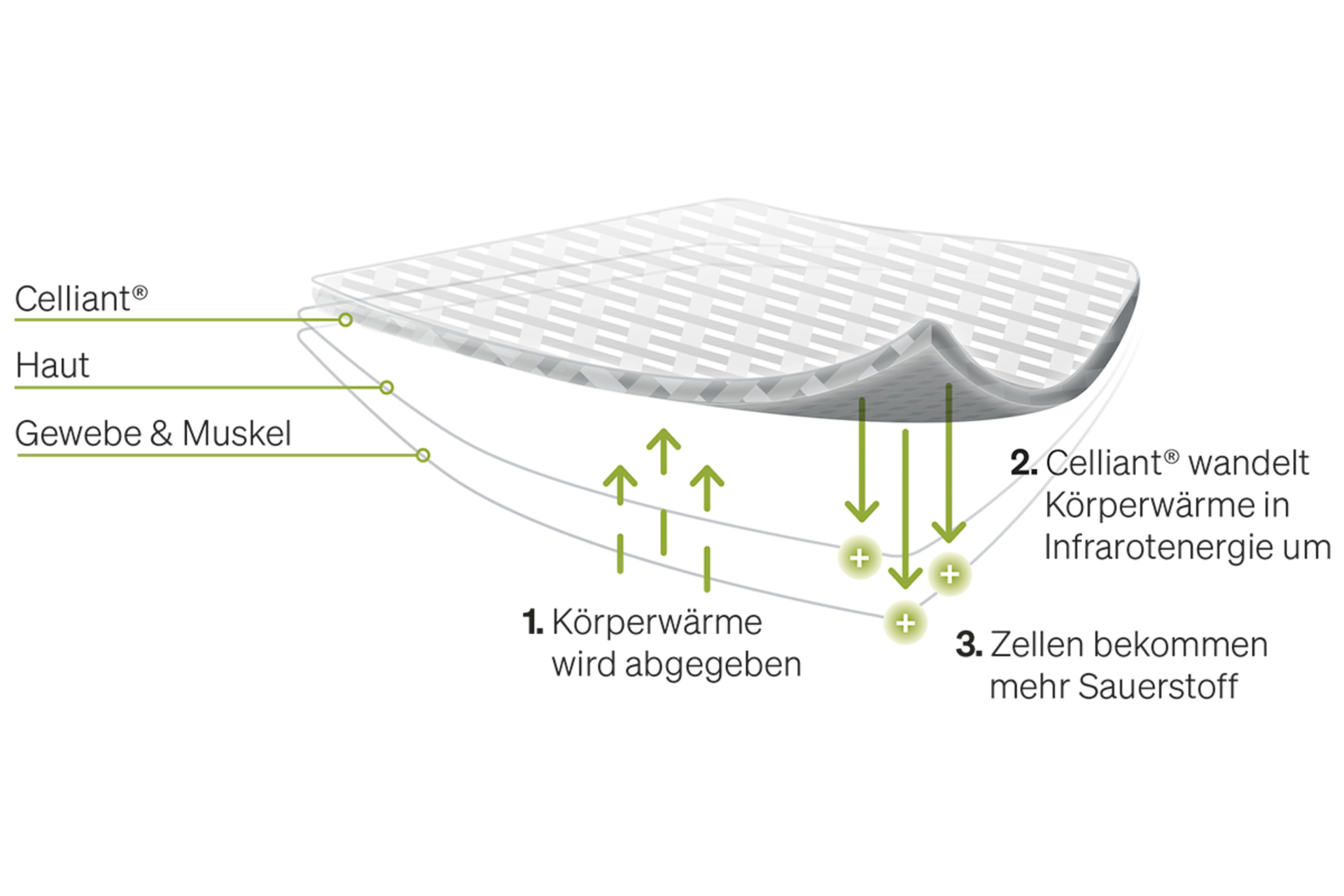
Temperature regulation thanks to CELLIANT® fiber
A large part of our well-being depends on maintaining the right body temperature. CELLIANT® fabrics and fillings help the body regulate its temperature—by cooling you when you’re hot and warming you when you’re cold. This regulation is achieved because CELLIANT® absorbs body heat and returns it to the body as infrared energy.