Exercise and Sleep: An Overview of All Interactions

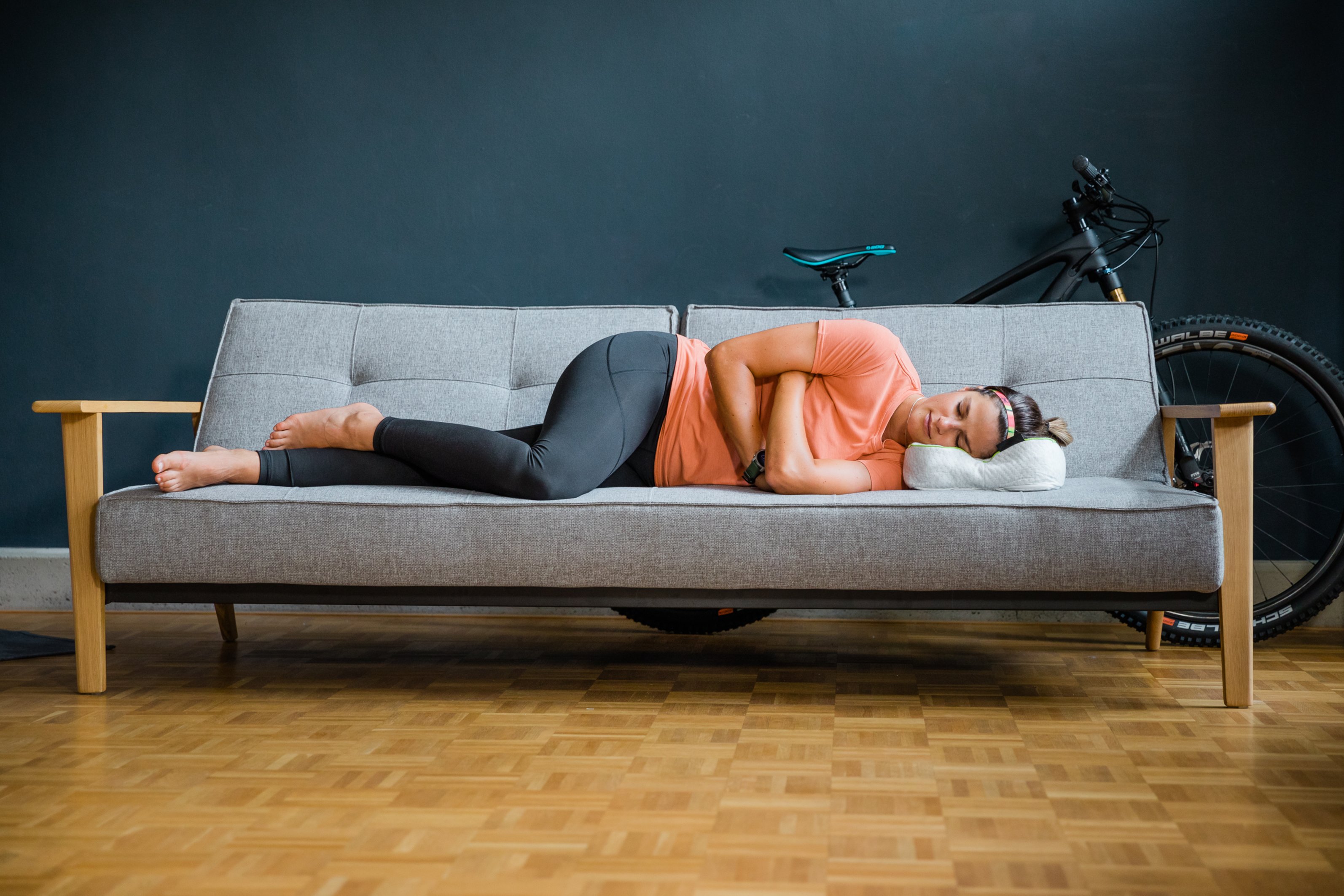
Sleep is just as important for athletes as training and nutrition. People who sleep well at night recover faster, build more muscle, and reduce their risk of injury. Those who ignore poor sleep for weeks experience a measurable decline in performance—regardless of how hard they train. This article explains how exercise and sleep influence each other, which training times are most effective, and why sleep quality is more important than sleep duration.
The Impact of Sleep on Sports
Our bodies recover while we sleep. The hormone somatotropin plays a crucial role in this process. It is responsible not only for linear growth but also for a whole range of metabolic functions. As an anabolic hormone, it supports muscle growth—especially after intense training sessions, when stressed muscle fibers need to be repaired.
Growth hormones released during sleep also promote protein biosynthesis. Sufficient, high-quality sleep is essential for cell regeneration—and thus for recovery after training.
Lack of sleep leads to inadequate hormone secretion, which limits peak performance the following day. Athletes need more sleep than moderately active people—primarily due to nighttime recovery processes.
"Regular, moderate exercise promotes sleep and supports nighttime recovery. It’s important to find the right balance and the optimal time for physical activity to maximize sleep quality and support physical recovery."
Dr. Fabian Krapf, sleep expert
Sleep Quality Over Sleep Duration
In sports, it’s not how long you sleep that counts—it’s how deeply. Anna West, a sleep performance coach in professional soccer, turns the classic sleep discourse on its head: Instead of maximizing the number of hours, it’s about the quality of every single night. Her framework: the bank account analogy.
“If you constantly withdraw money but never deposit any, your account will run dry. That’s how sleep works in sports—and in everyday life, too.” — Anna West, Sleep
Performance Coach
Anna West, Sleep Performance Coach

Sleep duration is only part of the equation. The proportion of deep sleep, the proportion of REM sleep, and consistency are the other three factors that determine true recovery. A practical implication of this is that two short but high-quality nights of sleep can outperform four long, poorly structured nights in terms of performance.
The connection to athletic practice is clear: the more intense the training, the greater the need for recovery. Anyone who tries to meet this need solely through duration—rather than quality—is mismanaging their body. In elite sports, where travel schedules, late-night games, and tight schedules regularly limit sleep duration, optimizing sleep quality isn’t just theory—it’s the only realistic strategy.
What this means in concrete terms: sleep environment, bedtime routine, hydration, and light management become performance variables—just like strength training or nutrition.

Exercising Before Bed: The Right Time
What’s the right time to exercise before bed? According to current scientific research, there’s no one-size-fits-all time of day that’s best for working out. The optimal time likely depends on factors such as sleep type, age, and health status.
One study has shown that exercising in the evening has a greater impact on the sleep quality of “larks” (early risers) than on that of “owls” (night owls).
Research has shown that light- to moderate-intensity exercise in the evening does not negatively affect sleep, as long as the workout is finished at least 90 minutes before bedtime. This allows enough time for your heart rate, endorphin levels, and core body temperature to return to levels conducive to sleep.
This is the most important principle when it comes to choosing the right time to exercise. So ask yourself: Do I have enough time after my workout for my physical arousal level to return to normal?
The more intense the workout, the more time your body needs to “cool down.” So there’s no one-size-fits-all rule for when you shouldn’t exercise in the evening. Rather, it depends on the type of exercise. If it’s just a gentle yoga session, you can usually do it up to 30 minutes before bedtime. For a HIIT workout that really gets you sweating, you should give your body a little more time. As a general guideline, experts recommend finishing an intense workout at least three—preferably four—hours before going to sleep. Both men and women can be disturbed at night by heavy sweating on the upper body while sleeping.
Ideally, you should schedule your challenging workouts for the morning, mid-morning, or early afternoon.
Can I exercise at night?
Light physical activity can even have a sleep-inducing effect—exercise helps release physical and mental tension. Very intense workouts, on the other hand, can agitate the body. So, in principle, there’s no reason not to exercise at night, as long as the intensity is right.
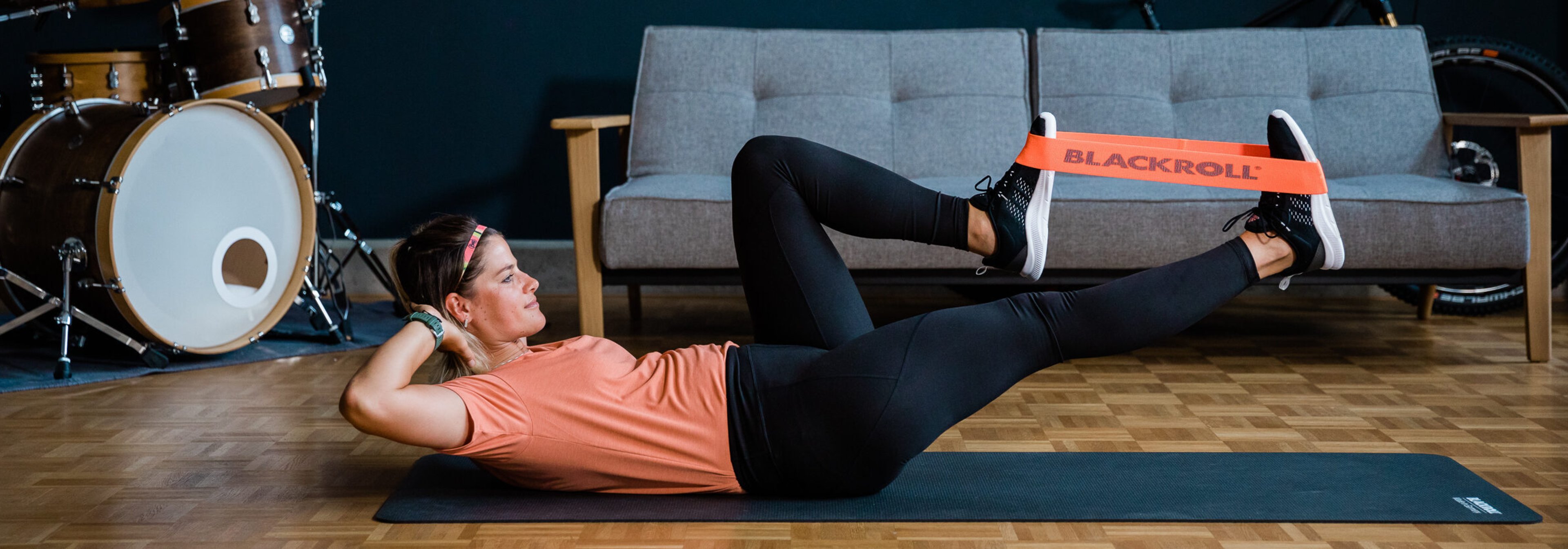
What kind of workout should I do before bed?
Not all types of workouts affect your sleep the same way. If you’re someone who likes to be active in the evening, you should choose an activity that doesn’t put too much strain on your body. When selecting a workout before bed, it should be of light to moderate intensity. Of course, it’s also best to finish your workout 60–90 minutes before going to bed.
Suitable light-to-moderate activities include:
- A walk
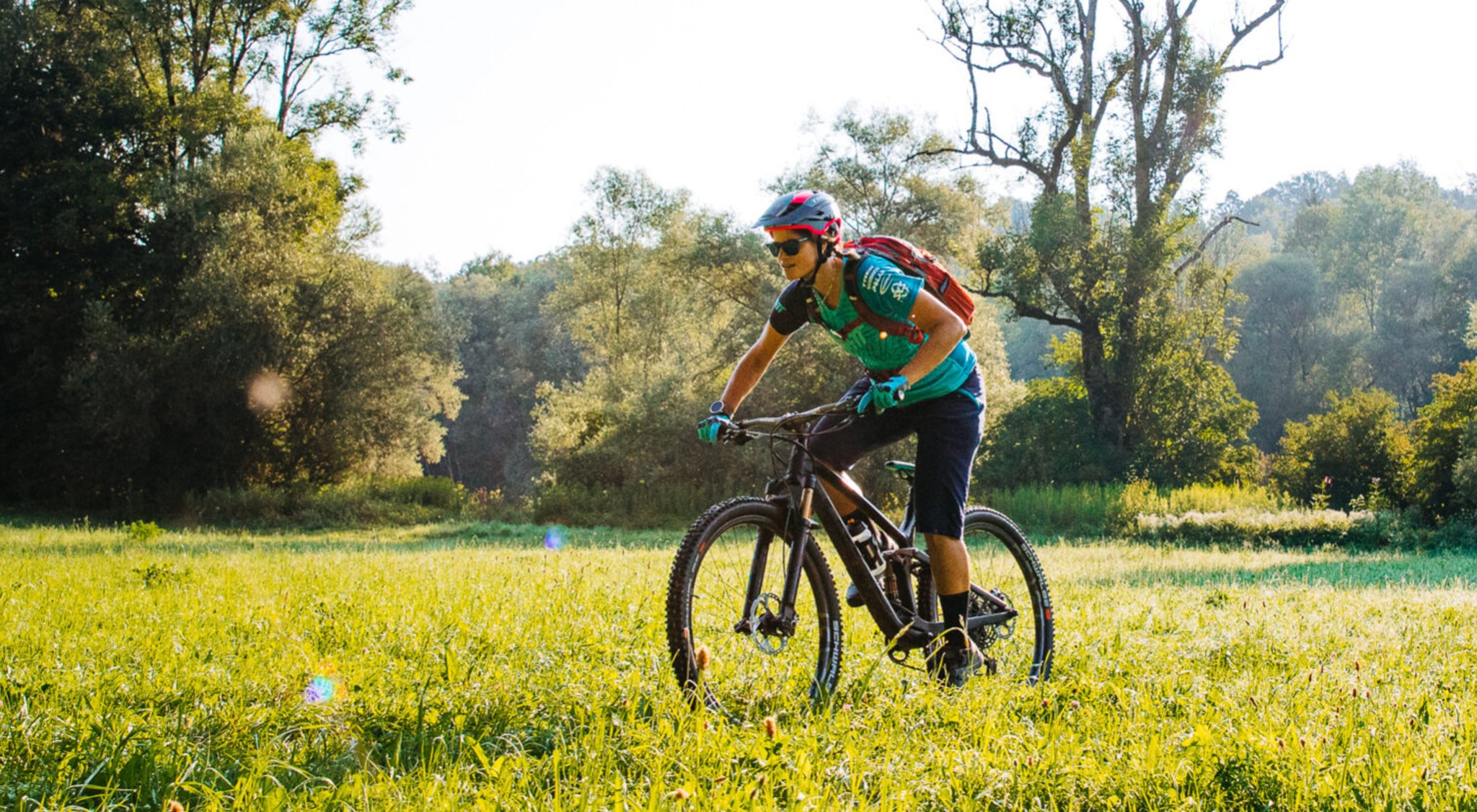
- A leisurely bike ride
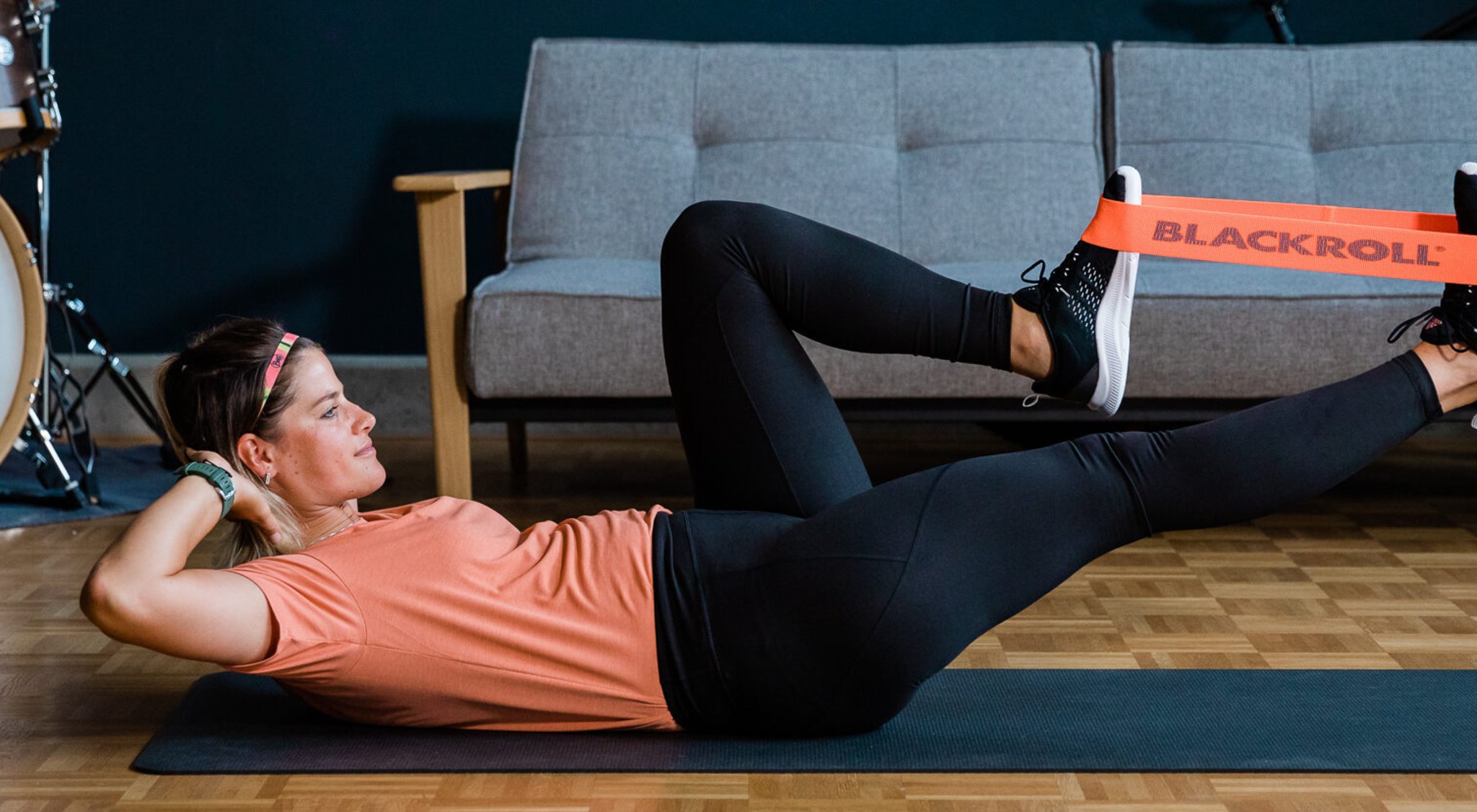
- Light bodyweight exercises
- Yoga
- Stretching
There are also workouts that have been specifically designed to be done right before bedtime. However, the goal of these workouts isn’t muscle growth or improving endurance, but rather calming your nervous system. They use gentle exercises combined with breathing techniques to release stress and tension.
Evening Routines from BLACKROLL
There are exercises that can even help you fall asleep and promote restful sleep. Give them a try!


Strenuous workouts should be avoided in the hours before bedtime. This kind of strenuous physical activity stimulates the active part of our nervous system, making it harder for us to fall asleep.
Intense workouts that aren’t recommended include:
- HIIT training
- Jogging
- Jumping rope
- Lifting heavy weights
- Most team sports
Poor Sleep After Exercise — and How Hydration Helps
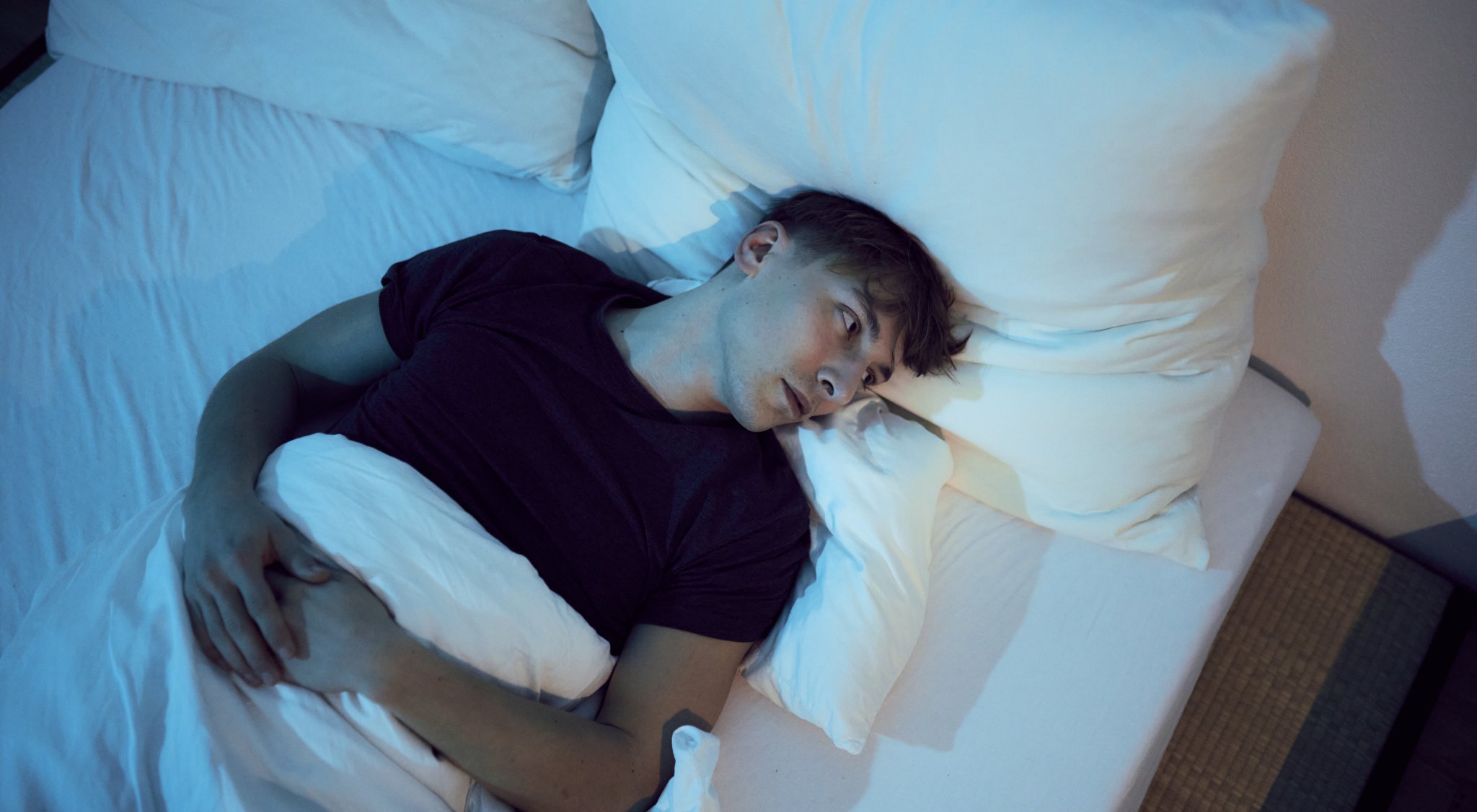
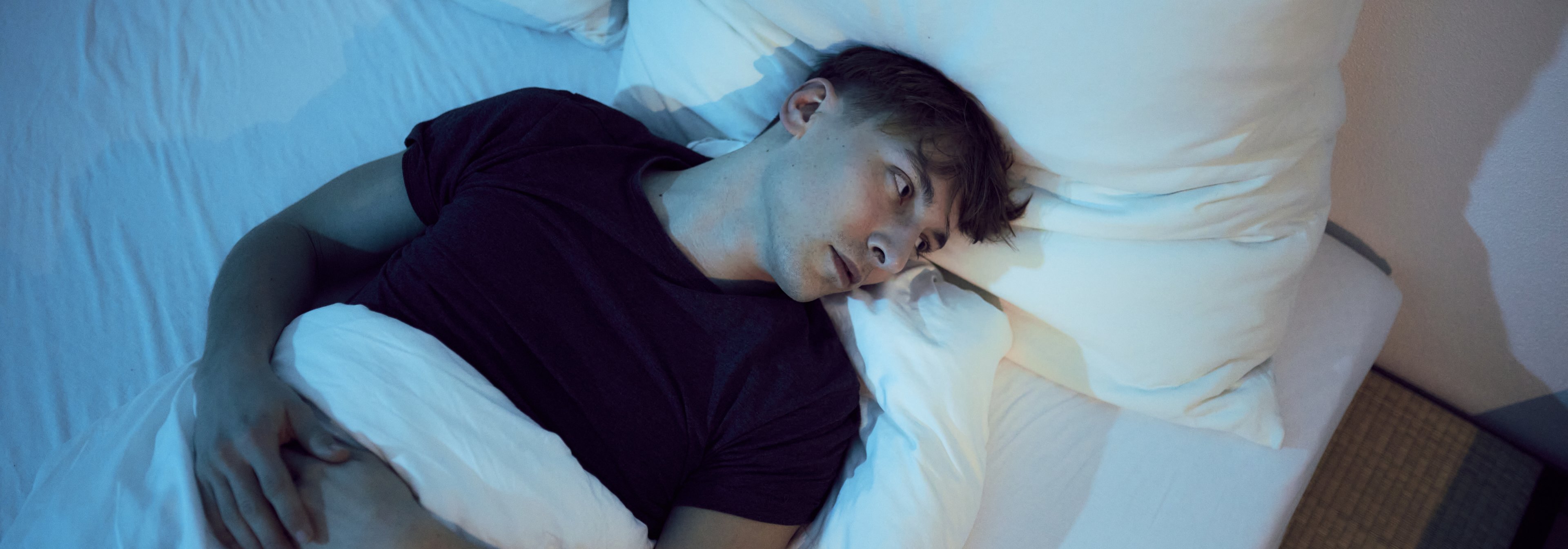
Intense physical exertion throws the autonomic nervous system out of balance. The sympathetic nervous system—responsible for fight-or-flight responses—remains highly active. Balance is restored naturally, but it takes time. If you exercise too late or too intensely, you won’t be able to wind down in time. A longer rest period helps you fall asleep more easily. It’s therefore best to avoid intense workouts late in the evening to prevent such sleep problems after exercise.
One factor that’s often underestimated here is hydration. Going to bed dehydrated after a workout makes it harder for the body to produce melatonin—the most important signal for falling asleep.
As a general rule, however, “winding down” after any form of physical activity can be facilitated by an appropriate cool-down. A light stretching session or training with a foam roller is ideal here.
“Hydration is a sleep tool that few people understand. If you’re dehydrated, you’re blocking your own melatonin production.”
— Anna West, Sleep Performance Coach
Dehydration raises blood pressure and heart rate—two factors that signal to the brain that the body isn’t ready to sleep yet. A simple solution: Hydrate immediately after your workout and make sure to drink enough in the evening as well. Taking electrolytes helps replenish the minerals lost through sweat.
Sleep Needs for Physically Active Teens
People who exercise regularly place greater demands on their bodies and, consequently, on their recovery. Especially for adolescents who are still growing, getting enough sleep plays a crucial role in performance, muscle development, and recovery. If this need is underestimated, it can quickly manifest as fatigue, a decline in performance, or an increased risk of injury. That’s why it’s important to realistically assess individual sleep needs. You can find an overview of how much sleep a 15- or 16-year-old needs here.
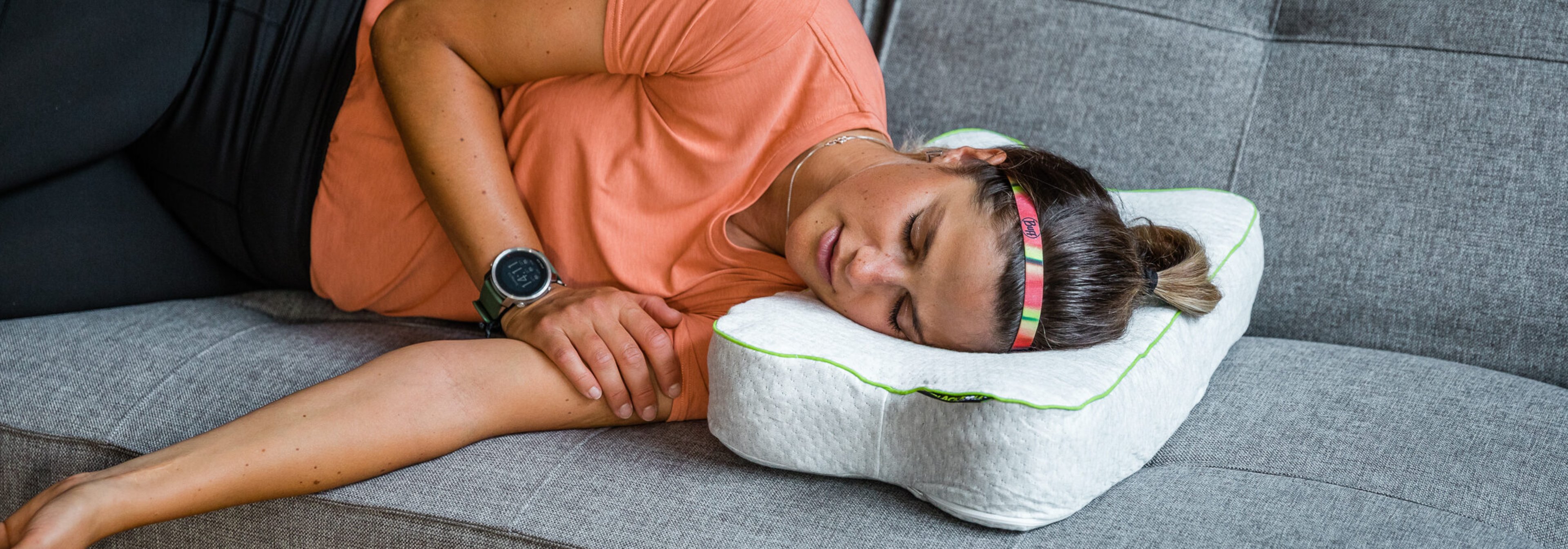
Summary: Sports and Sleep
Exercise and sleep are closely linked. Getting a good night’s sleep after exercising boosts athletic performance, reduces the risk of injury, and supports muscle growth. But sleep isn’t just a passive rest period—it’s an active performance tool that can be optimized through quality, even if the duration is limited.
Key points at a glance:
- Finish intense workouts at least 3–4 hours before bedtime
- Always go to bed well-hydrated—dehydration blocks melatonin production
- Power naps under 30 minutes improve sleep quality without cutting into nighttime sleep
- Sleep consistency is often more important than total duration
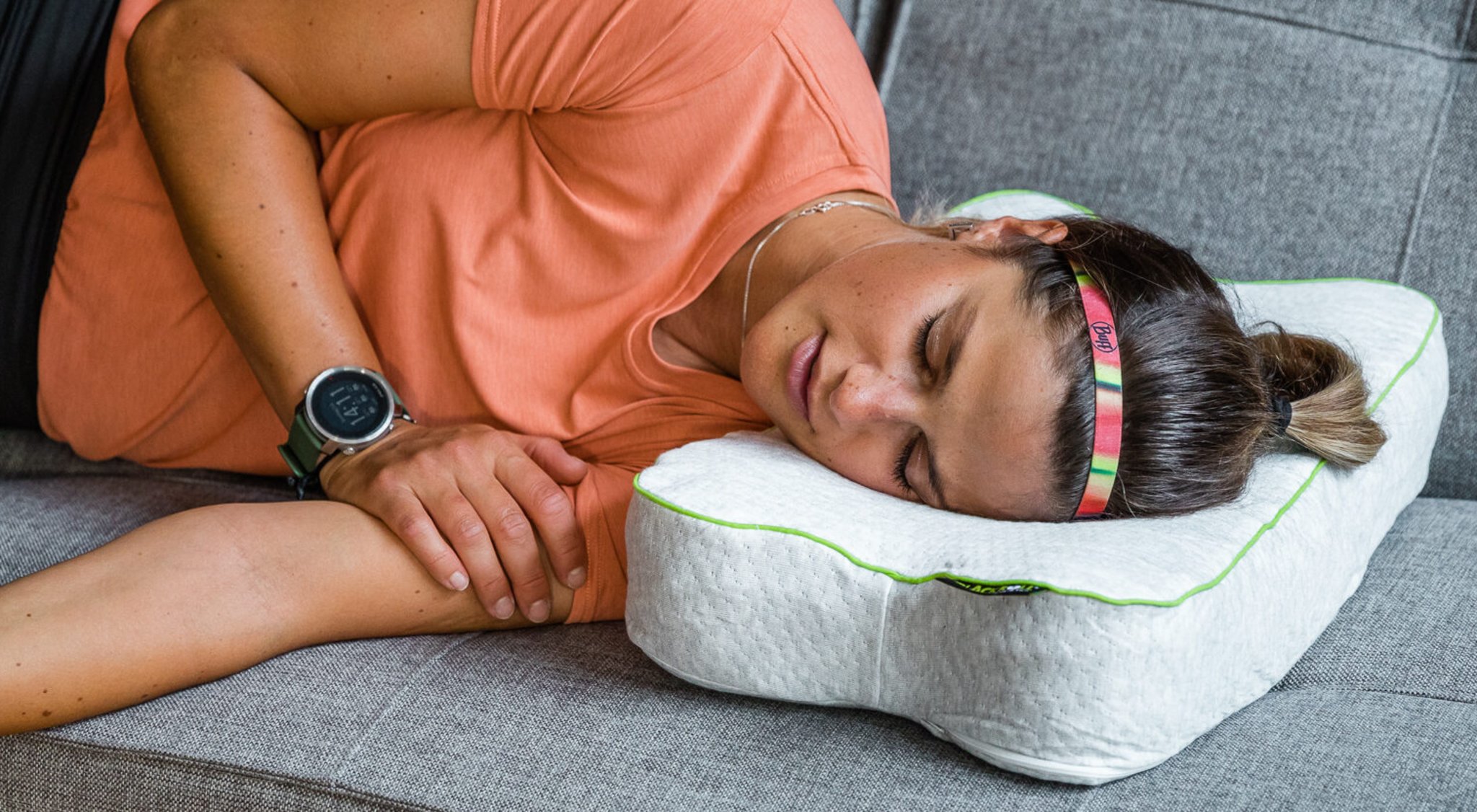
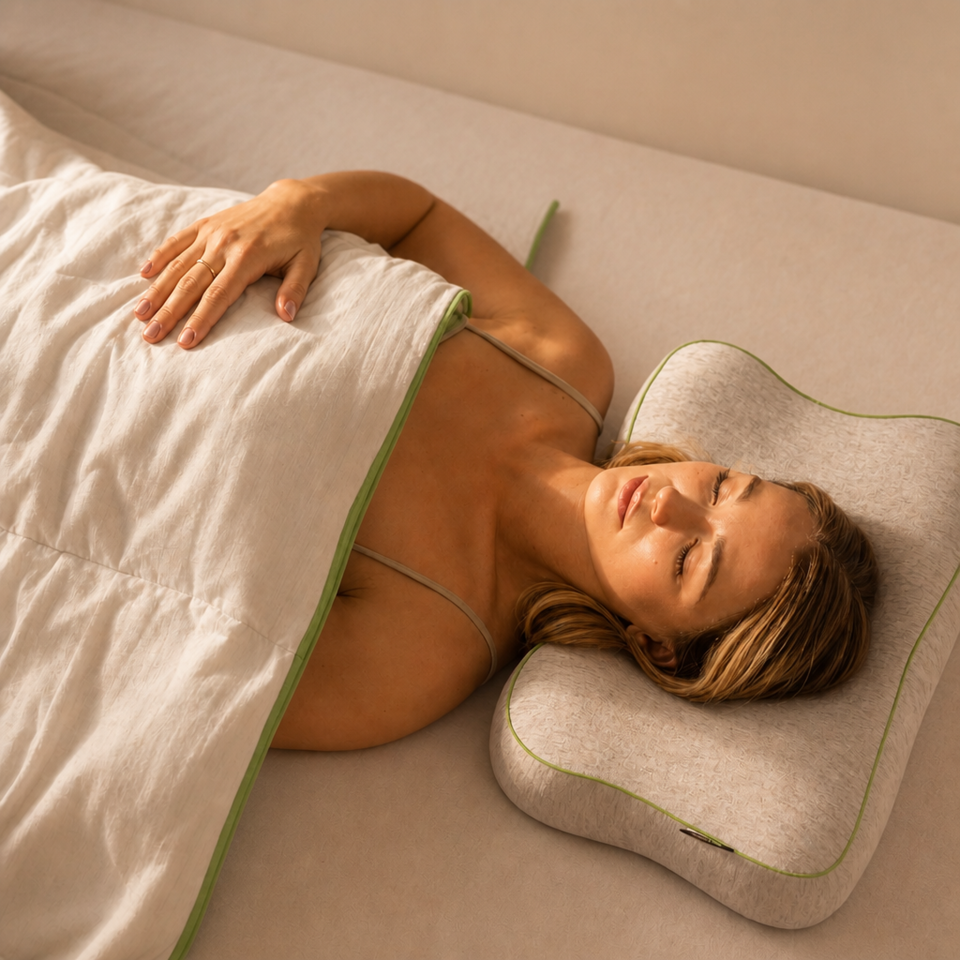
- Your sleep environment is a key factor: light, temperature, pillows, and air quality
It’s best to experiment a little to find the workout plan that works for you. If you take these tips to heart, exercise will have a positive effect on your recovery—and vice versa. You can also opt for mattresses designed for athletes to optimize your sleep quality.

Make your sleep more restful with our bedding
Sleep ProductsKey points at a glance: • Finish intense workouts at least 3–4 hours before bedtime • Always go to bed hydrated—dehydration blocks melatonin production • Power naps under 30 minutes improve sleep quality without cutting into your nighttime sleep • Sleep consistency is often more important than total duration • Your sleep environment is a performance factor: light, temperature, pillows, air quality
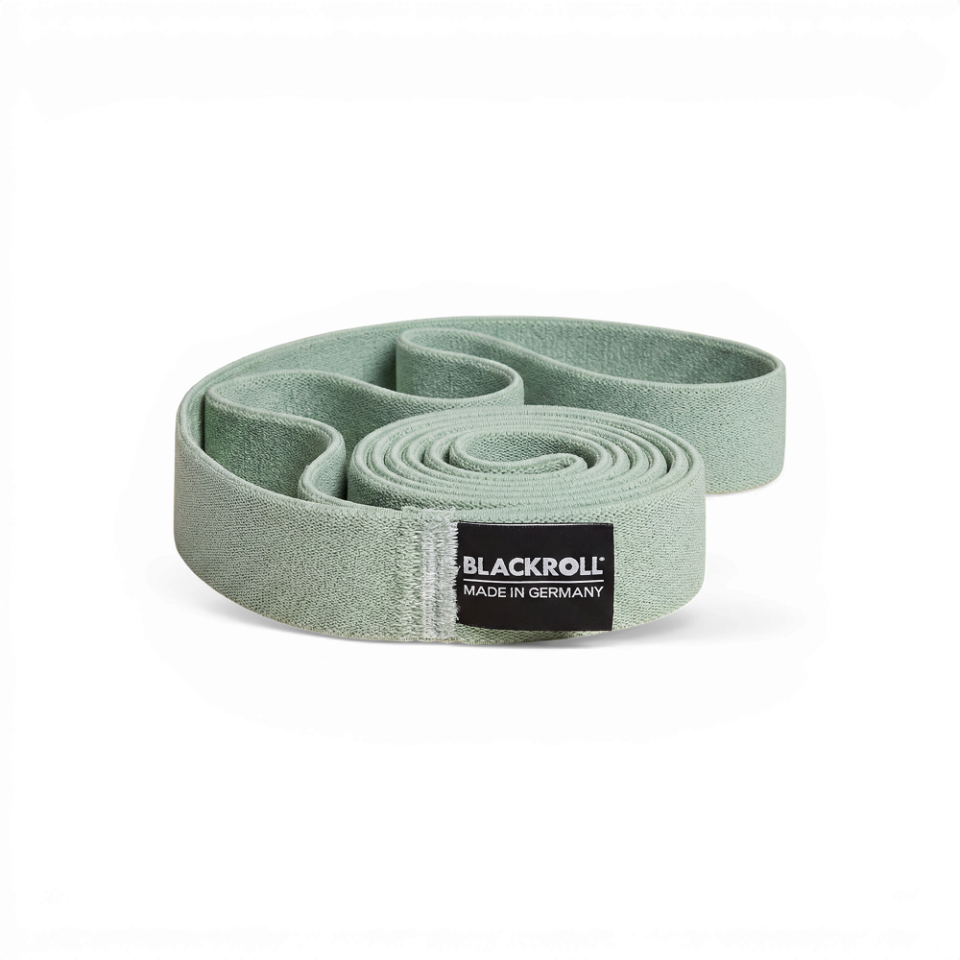
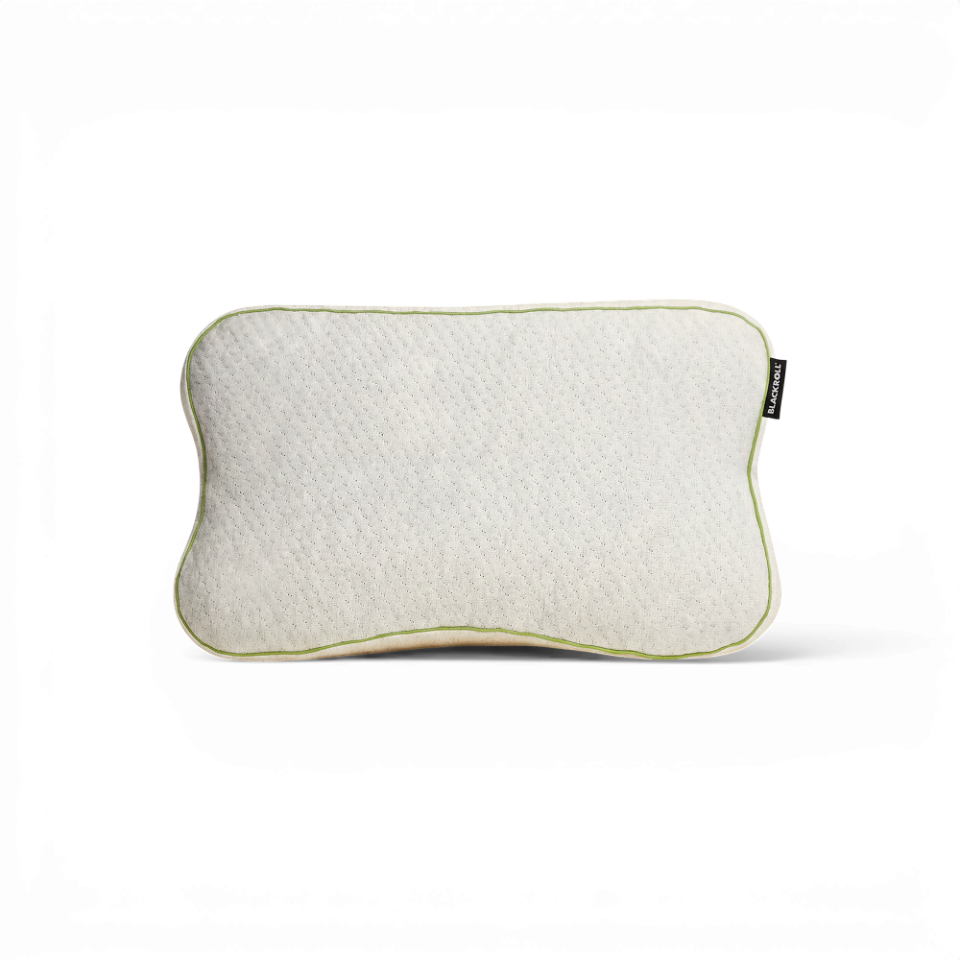
Tools for Restful Sleep
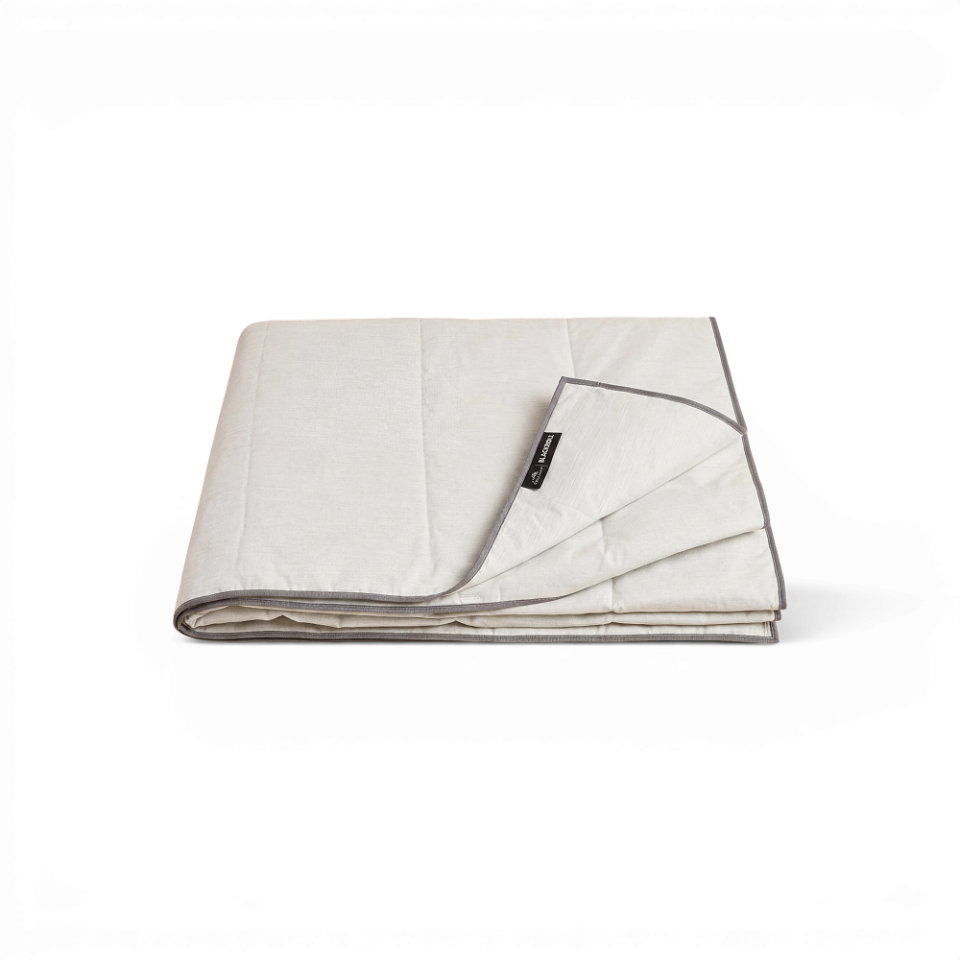
Recovery Blanket Summer
Available in multiple variants
References
Charest, J., & Grandner, M. A. (2020). Sleep and athletic performance: Impacts, challenges, and opportunities. Sleep Medicine Clinics, 15(1), 1–17. https://doi.org/10.1016/j.jsmc.2019.10.003
Fullagar, H. H. K., Skorski, S., Duffield, R., Hammes, D., Coutts, A. J., & Meyer, T. (2015). Sleep and athletic performance: The effects of sleep loss on exercise performance, and physiological and cognitive responses to exercise. Sports Medicine, 45(2), 161–186. https://doi.org/10.1007/s40279-014-0260-0
Mah, C. D., Mah, K. E., Kezirian, E. J., & Dement, W. C. (2011). The effects of sleep extension on the athletic performance of collegiate basketball players. Sleep, 34(7), 943–950. https://doi.org/10.5665/SLEEP.1132
Olive, L. S., Costa, D. J., & Laing, R. M. (2009). Acute sleep deprivation and endurance performance. European Journal of Applied Physiology, 105(1), 109–114. https://doi.org/10.1007/s00421-008-0887-1
Stutz, J., Eiholzer, R., & Spengler, C. M. (2019). Effects of evening exercise on sleep in healthy participants: A systematic review and meta-analysis. Sports Medicine, 49(2), 269–287. https://doi.org/10.1007/s40279-018-1015-0
Van Dongen, H. P. A., Maislin, G., Mullington, J. M., & Dinges, D. F. (2003). The cumulative cost of additional wakefulness: Dose-response effects on neurobehavioral functions and sleep physiology from chronic sleep restriction and total sleep deprivation. Sleep, 26(2), 117–126. https://doi.org/10.1093/sleep/26.2.117
Vitale, K. C., Owens, R., Hopkins, S. R., & Malhotra, A. (2019). Sleep hygiene for optimizing recovery in athletes: Review and recommendations. International Journal of Sports Medicine, 40(8), 535–543. https://doi.org/10.1055/a-0896-1043