Power Nap: How Does the Perfect Afternoon Nap Work?

Key Takeaways
- Optimal Duration: A power nap should ideally last 10–20 minutes. Scientifically, the limit is set at under 26 minutes (Hilditch & McHill, 2019). As a practical rule of thumb, stick to a maximum of 30 minutes.
- Best time: The ideal time for a nap is between 12 p.m. and 2 p.m. This aligns with your natural circadian rhythm. Naps taken earlier or later may shift your sleep drive to the evening.
- Why under 26 minutes: Beyond this threshold, the risk of so-called “sleep inertia” increases. This refers to a state of cognitive sluggishness after waking from deep sleep, which can last 10–30 minutes.
- Alternative: 90-Minute Nap (NEW): After very short nights, a full sleep cycle—including light sleep, deep sleep, and the REM phase—may be more beneficial than a short power nap.
- 2026 World Cup (NEW): After flights to the West, you should avoid taking a nap on the day of arrival if possible, as it can delay adjustment to the new time zone. For late games, a short nap in the early evening can help if you’ve intentionally planned to sleep longer the following night.
A 10–20-minute power nap boosts energy, concentration, and mood—without disrupting your nighttime sleep. The key factor isn’t deep sleep, but rather the right timing and duration. Scientifically proven: If you nap for less than 26 minutes, you’ll stay in light sleep and avoid sleep inertia.
Power napping is a short nap of 10–30 minutes that refreshes your body, soul, and mind. Whether in a chair, on a bench, or at your desk—you don’t even have to lie down. It has been a long-standing tradition in Japan (“Inemuri”) and Mediterranean countries (“Siesta”) for centuries. In Germany, this shift in mindset is happening slowly but surely.
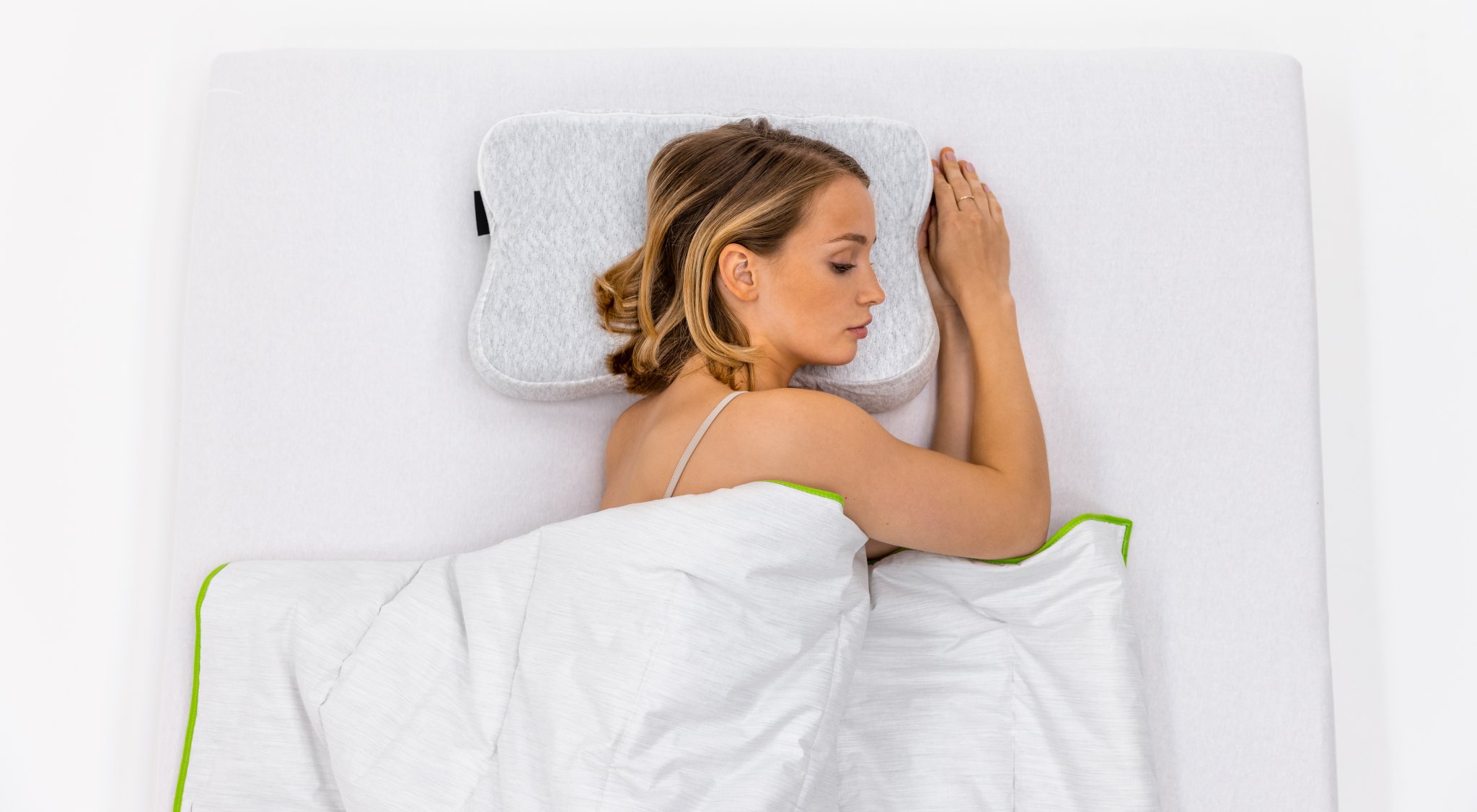
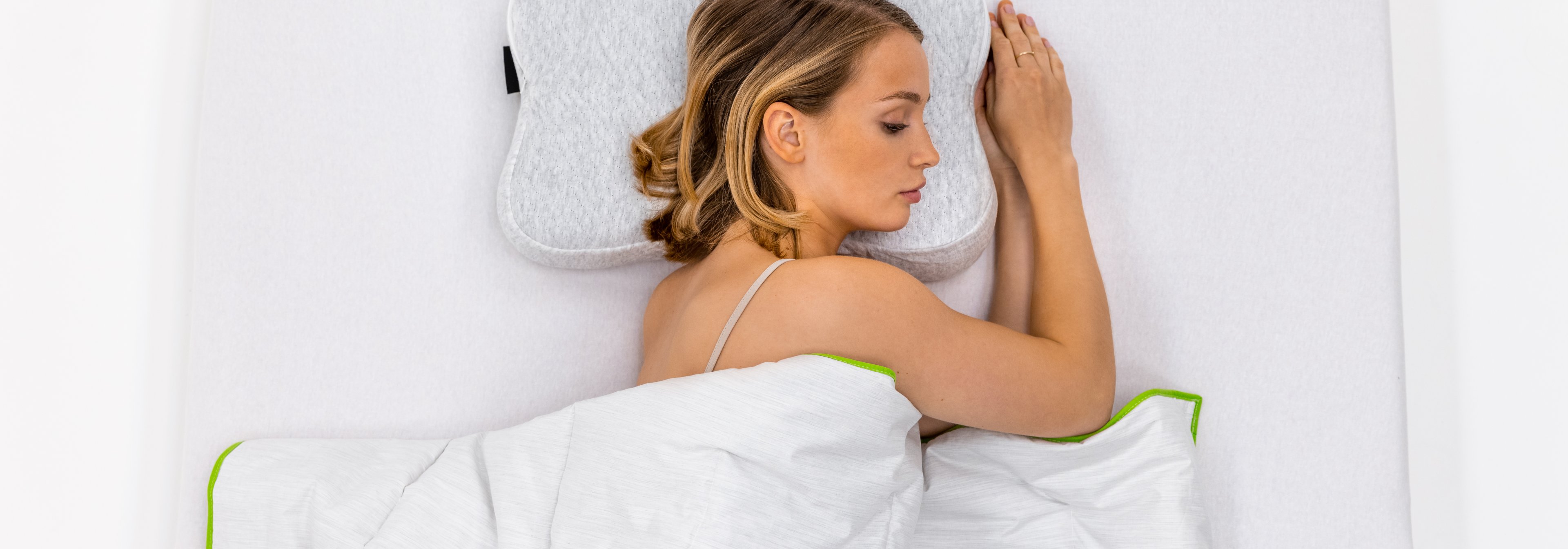
Power napping simply refers to a short afternoon nap lasting 10–30 minutes. It’s considered a brief nap to refresh the body, mind, and spirit.
Power napping is a form of deep relaxation without actually falling asleep. You don’t even have to lie down to do it. Sleeping on a bench, a chair, or with your head resting on your desk with a small pillow can give you the energy you need to start the second half of the day feeling fresh and rested.
In southern regions, this short nap is known as a “siesta,” and in Japan, people treat themselves to an “inemuri” at noon.
"A power nap can boost physical and mental energy and improve well-being. It aligns with your natural circadian rhythm and helps overcome the midday slump by increasing concentration and reducing mistakes at work."
Dr. Fabian Krapf, sleep expert

In some countries, this way of recharging has long been established. A short afternoon nap is considered good form in industrialized nations such as Japan and the U.S. In Mediterranean countries or in Asia, napping is part of “siesta culture.” There is no real culture of afternoon napping in Germany.
However, more and more companies are promoting their employees’ well-being and the concept of a “healthy workplace” by providing power-napping rooms or lounge areas. During the COVID-19 pandemic, companies have recognized how important it is to take steps to support their employees’ health and inner balance.
Human performance varies throughout the day. The body’s biorhythms determine the anabolic and catabolic metabolic processes within the body.
Most people experience a slump around lunchtime. Concentration wanes, and the body feels heavy. For some, their eyes close on their own, and they find it hard to keep going.

Many people counter this natural slump with strong coffee, smoking, or a short walk in the fresh air.
If you find a way to take a nap at noon, you shouldn’t sleep for more than 10 to 30 minutes. A 20-minute power nap is ideal. Less is more!
If you fall asleep, you might experience sleep disturbances at night (which could negatively impact your ability to sleep through the night ). After a midday nap, your concentration has been shown to remain steady until around 8 p.m.
Your energy reserves are replenished. Thanks to improved concentration, you reduce the risk of mistakes and accidents at work. And there are many more benefits!
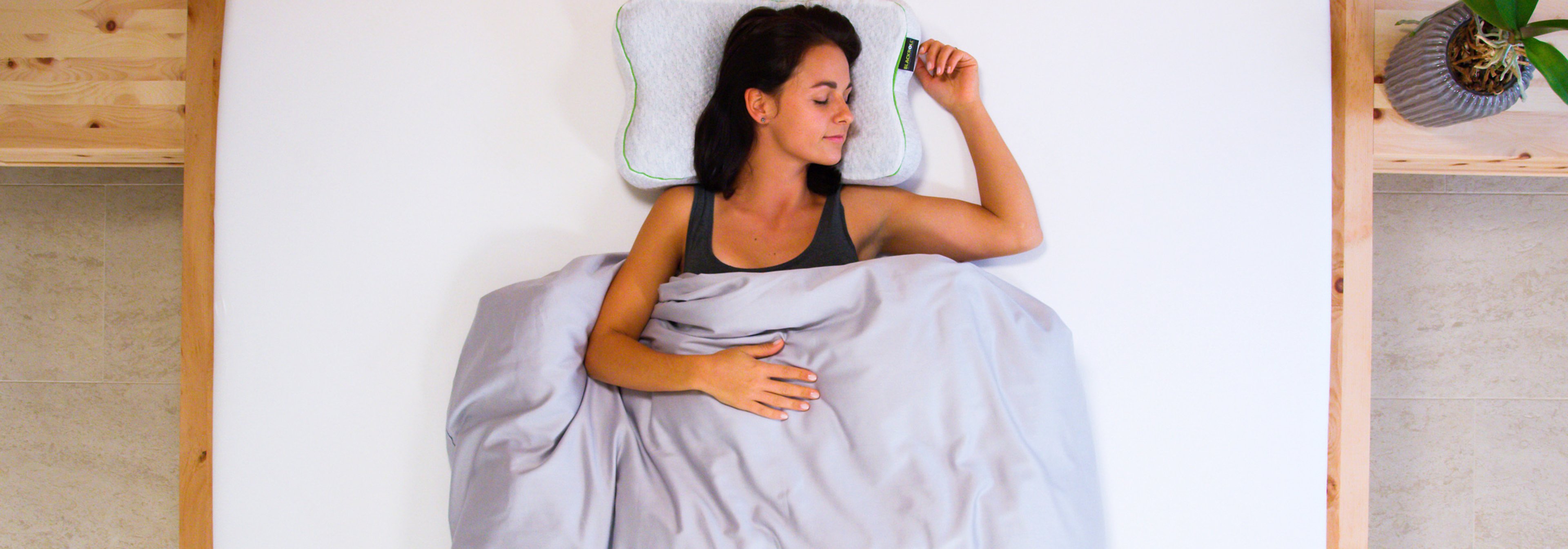
Why is an afternoon nap healthy?
Concentration, creativity, mood, reduced errors—and after a power nap, performance has been shown to remain consistent until around 8 p.m. This isn’t a luxury—it’s strategic energy management.
Work more effectively and creatively thanks to power napping
In our society, if you work through the entire day without sleeping, you’re still seen as a role model. A much better motto would be: “Only a well-rested employee is a productive employee!”—yet many people are ashamed to close their eyes during their lunch break. Colleagues or the boss might think they’re lazy or unmotivated. (“It can look bad if you get caught!”) Yet a quick nap promotes physical and mental well-being, such as mental alertness and relaxed muscles. Sleep promotes good health, and well-rested employees work more effectively and creatively than tired ones.
Sleep Your Way to Fitness! The Power Nap as an Energy Booster
You can actively work to improve your physical and mental energy with the help of a short nap. Companies could use this to save on high costs associated with sick employees and reduce days lost to illness
The short afternoon nap as self-care
Attitudes like “I’ll get through everything on my desk today!”, “I’m fit and capable!” and “I don’t want to show any signs of tiredness!” are demands you place on yourself that can trigger various symptoms. You’re neglecting your self-care and denying your own needs. You push through until you can’t anymore, and in the long run, your body finds it increasingly difficult to recover. You should seek relief before it’s too late or before you start feeling completely irritable or down. Performance-oriented people are particularly prone to this. They perceive this feeling as “normal.” But appearances can be deceiving. Through learned stress behaviors, without healthy self-regulation, vital resources are increasingly depleted.
Avoiding the Midday Slump
A daily power nap can work wonders here. Because when you take a break in the middle of the day, you reduce the risk of falling into a “deep slump.” If you regularly replenish your energy reserves—including through power napping—you can continue to perform at your best. Corporate leaders, in particular, should lead by example.
Self-care Instead of Pushing Through
Attitudes like “I’ll power through!” or “I won’t show any signs of tiredness!” drain resources without replenishing them. The midday slump isn’t a weakness—it’s biology. Fighting it costs more energy than taking a quick break to recharge.
Pay Attention to Your Sleep Environment Even During a Nap
Even with a power nap or afternoon nap, it’s not just the duration that matters, but the quality of rest. Especially for babies and toddlers, who still have several sleep phases spread throughout the day, the sleep environment plays a crucial role. Factors such as temperature, a sense of security, and the right equipment can determine just how restful that short nap actually is. That’s why it’s worth taking a closer look here as well—for example, when considering what size blanket is appropriate for babies as well as 2- and 3-year-olds.
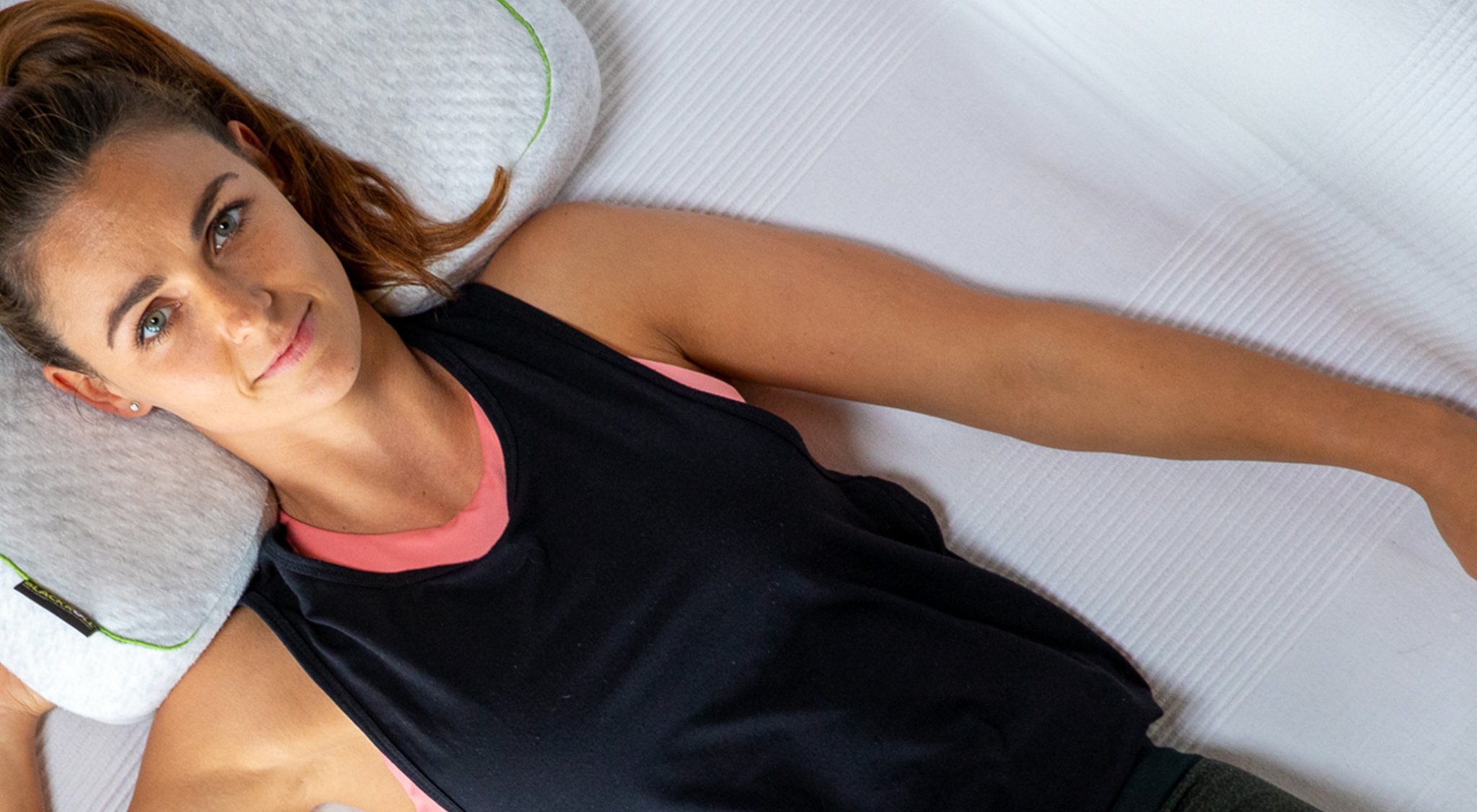
Power Napping Guide
Find a comfortable position, minimize distractions, close your eyes, and set a timer for 20 minutes. Wake up slowly. Even if you don’t fall asleep, you’ll still benefit from the rest period.
Step-by-Step Guide to Napping:
- Sit or lie down in a comfortable position.
- Eliminate distractions: Close the office door; put your smartphone in airplane mode.
- Close your eyes and breathe in and out steadily.
- Let any thoughts that arise fade away—don’t try to push them away.
- Take a 20-minute rest. Set a timer.
- Wake up slowly. Give yourself time until your full attention returns.
When is the best time for a power nap?
Falling asleep quickly when pressed for time—how does that work? The best time for a power nap is after lunch, between 12 p.m. and 2 p.m. This aligns with our normal circadian rhythm.
Due to intense time pressure and ever-increasing performance demands, only a few people manage to wind down relatively quickly. Many don’t rest until they’re completely exhausted.
As a result, they lie down in the late afternoon and have trouble falling asleep—or may even develop long-term sleep disorders.
Relaxation techniques help with power napping
When it comes to an afternoon nap, it’s not easy for everyone to fall asleep right away. This is often because it takes time to wind down.
Various relaxation methods can make it easier to fall asleep or, as your ability to relax improves, speed up the process of falling asleep. Suitable methods include yoga, autogenic training, progressive muscle relaxation, or listening to guided imagery. These techniques help you direct your thoughts toward a vivid mental image.
The latter technique works primarily by tensing and relaxing your muscles, which promotes blood circulation. Your blood pressure drops, your body awareness improves, your heart rate variability becomes more balanced, and your personal energy increases.
If you want to take a successful power nap, it’s best to choose a technique, learn it, and practice it regularly. Try to wind down within 10 minutes—and once you’re more experienced, within 5 minutes.
A mattress topper provides extra comfort, which can help you lie back and relax—especially during an afternoon nap.
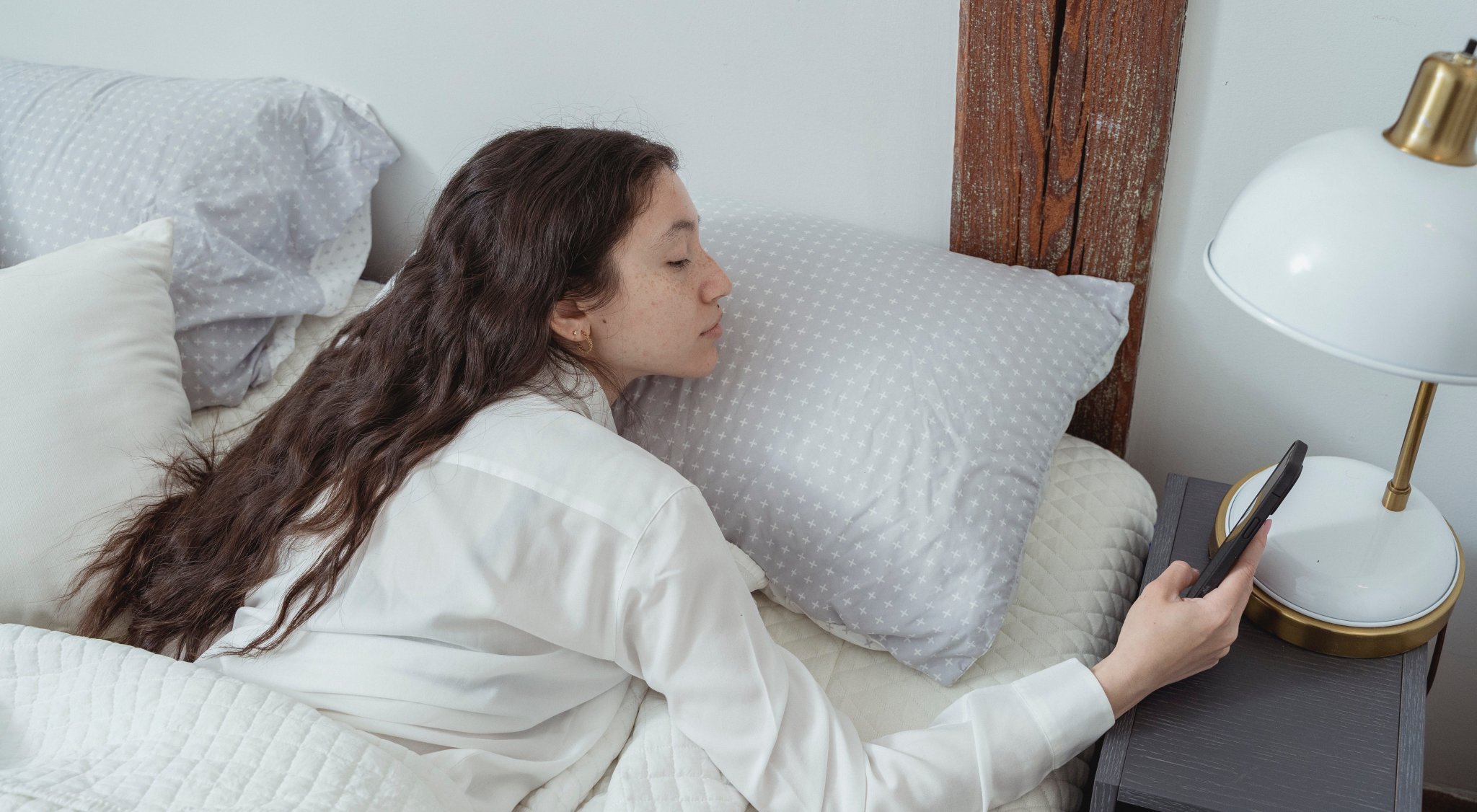
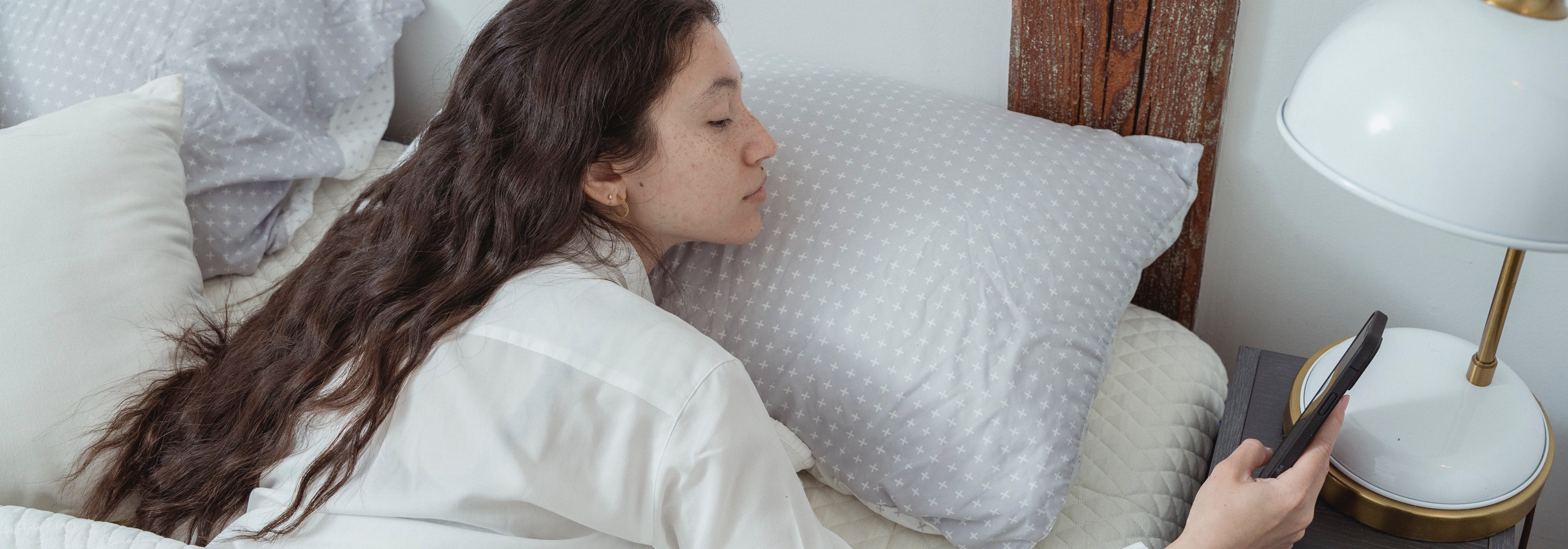
Why under 26 minutes? The scientific detail
Scientifically speaking, the optimal power nap length is under 26 minutes—beyond this threshold, there is a risk of sleep inertia (cognitive sluggishness after waking) and negative effects on nighttime sleep (Hilditch & McHill, 2019). A practical rule of thumb: under 30 minutes. If you sleep longer, you’ll enter deep sleep and find it harder to wake up than if you hadn’t slept at all.
After about 26 minutes, you’ll fall into deep sleep. This is valuable—but not in the middle of the day. Being woken from deep sleep triggers sleep inertia: a phase of severe cognitive sluggishness in which reaction time, judgment, and concentration are significantly impaired. Sleep inertia can last 10 to 30 minutes—and you’ll feel worse than you did before the nap.
What’s more, a longer daytime nap reduces your sleep drive for the night. Your brain “thinks” it has already gotten its deep sleep—and makes it harder for you to fall asleep in the evening. You can read more about sleep stages and their functions in our separate article.
“A power nap works like a quick plug-in to the power outlet: You get a boost without fully recharging. But if you leave the plug in too long, you’ll block the next proper recharge at night.”
Anna West, Sleep Performance Coach

Learn more about Anna’s work with professional athletes and why sleep quality is more important than quantity: Sleep as a Performance Enhancer in Professional Sports.
Duration | Type | Effect | Recommendation |
|---|---|---|---|
10–20 min. | Power Nap | Energy, Focus, Mood | Standard Recommendation |
20–26 min. | Power Nap (max.) | As above, slightly deeper | Upper limit; stay below it if possible |
26–60 min. | Too long | Sleep inertia likely | ⚠️ Not recommended |
90 min. | Full cycle | Light, deep, and REM sleep | Only after a very short night |
Source: Hilditch C.J., McHill A.W. (2019). Sleep inertia: current insights. Nature and Science of Sleep, 11, 155–165.

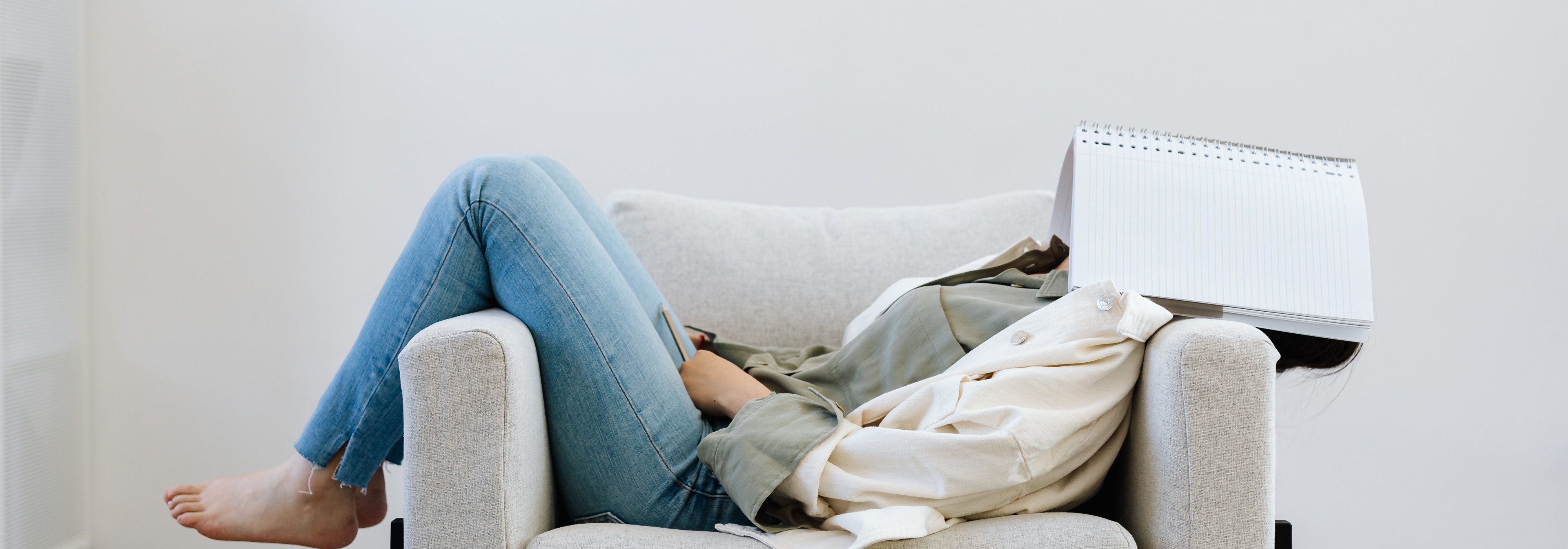
The Alternative: The 90-Minute Nap
90 minutes correspond to a complete sleep cycle: light sleep → deep sleep → REM → back to light sleep. You wake up at the right point—without sleep inertia. Only useful for truly short nights.
If the night was significantly too short—less than 5 hours, after coming home very late, or when working shifts—a 90-minute nap can be more beneficial than a short power nap. 90 minutes correspond to a full sleep cycle: You go through light sleep, deep sleep, and REM sleep, and wake up again in light sleep. No abrupt jolt out of deep sleep—no sleep inertia
When to use it: before long night shifts, after an extremely short night, or when working shifts. Important caveat: If you regularly take 90-minute naps, you’re signaling to your body that your nighttime sleep is structurally too short—which can trigger an adjustment in your sleep architecture. The 90-minute option is an emergency tool, not an everyday ritual.
If you often feel like you need a long nap during the day, you should check the quality of your nighttime sleep. More on this: Tired but unable to sleep.
Power Naps at the 2026 World Cup—When to Do It, When Not to?
⚽ 2026 World Cup — Power Nap Strategy
- ❌ Westbound flight on the day of arrival (e.g., Europe → Los Angeles, −9 h CET): No nap. It delays adjustment to the new time zone. The goal is to stay awake until the local bedtime to quickly reset your internal clock.
- ✅ Late games (midnight CET or later): A short power nap in the early evening can help you stay awake—but only if you’re planning a long night anyway and the nap is taken before 5 p.m.
- ℹ️ Basic rule: The further west the game location (LA, Vancouver: −9 h CET), the more important it is to stay awake on the first day. Naps are then a risk factor, not a help.
Your Pro Power-Napping Tricks:
Tip 1
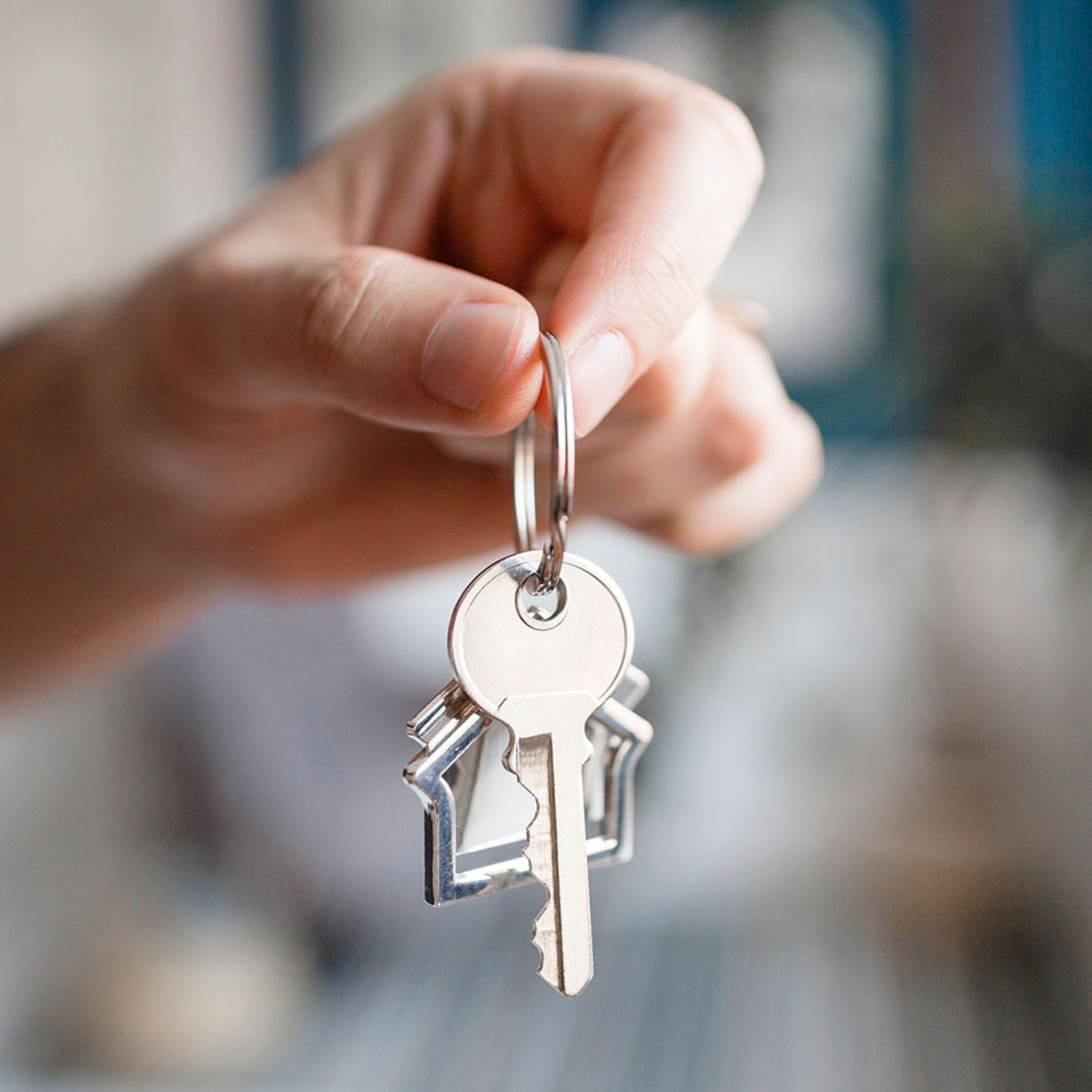
Pick up a small, light object—like your keychain—close your eyes, and try to relax. Once you’re relaxed enough, your muscles will loosen up and the object will slip out of your hand. That might be the right moment to end your power nap.
Tip 2
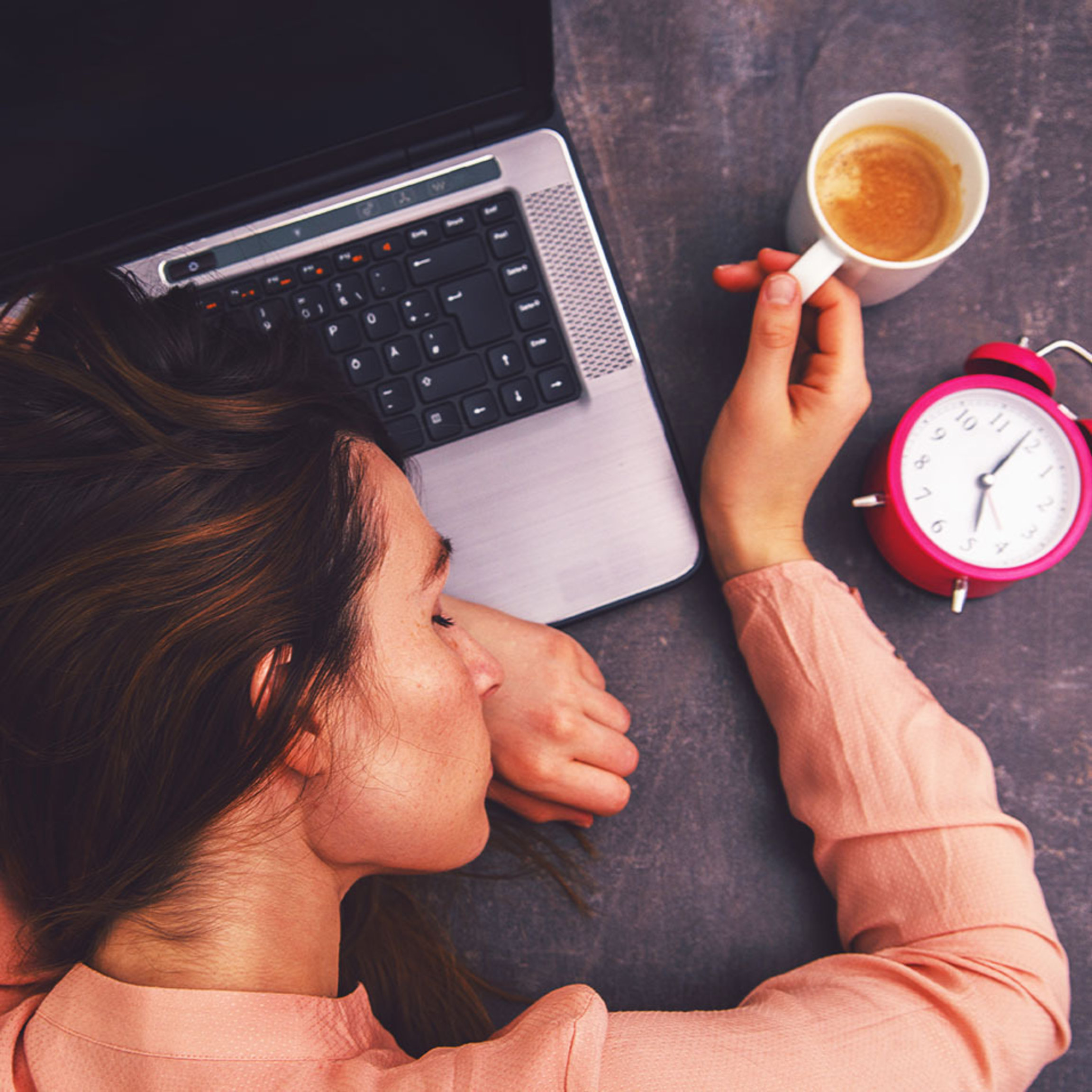
Have a cup of green tea or coffee before closing your eyes. It provides a mild stimulant, and after about 10 minutes, it starts to take effect. You’ll wake up gently, and the resulting urge to urinate will do the rest.
Tip 3
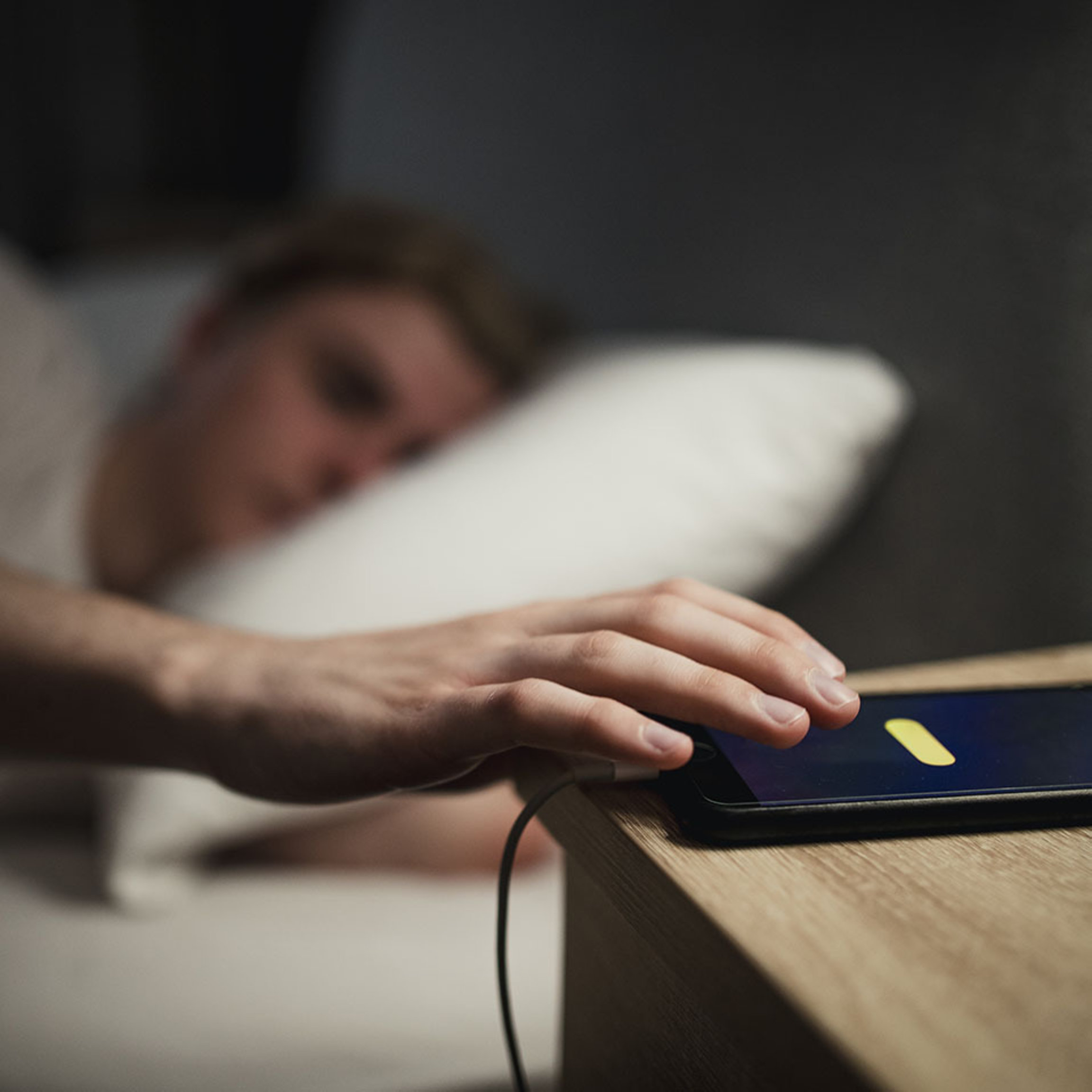
If you’re in danger of sleeping through it, set an alarm clock or your smartphone—preferably with a vibration alert.
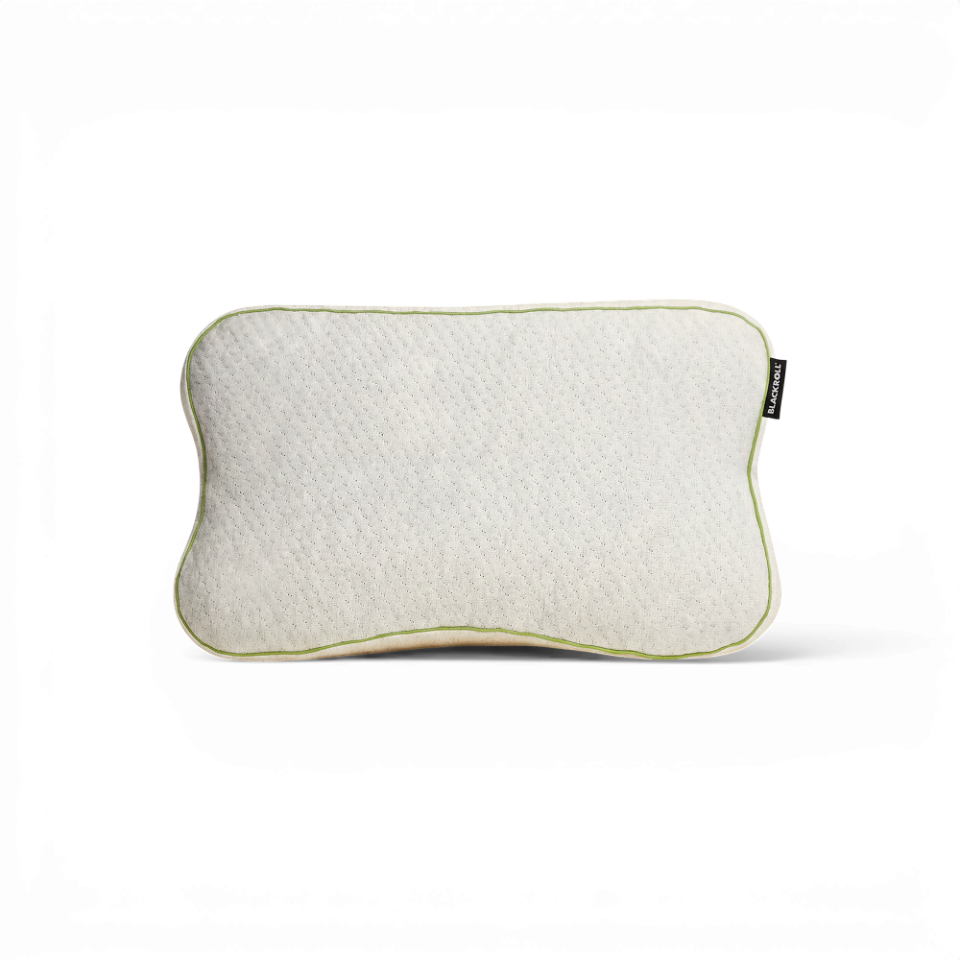
Products for the Power Nap:
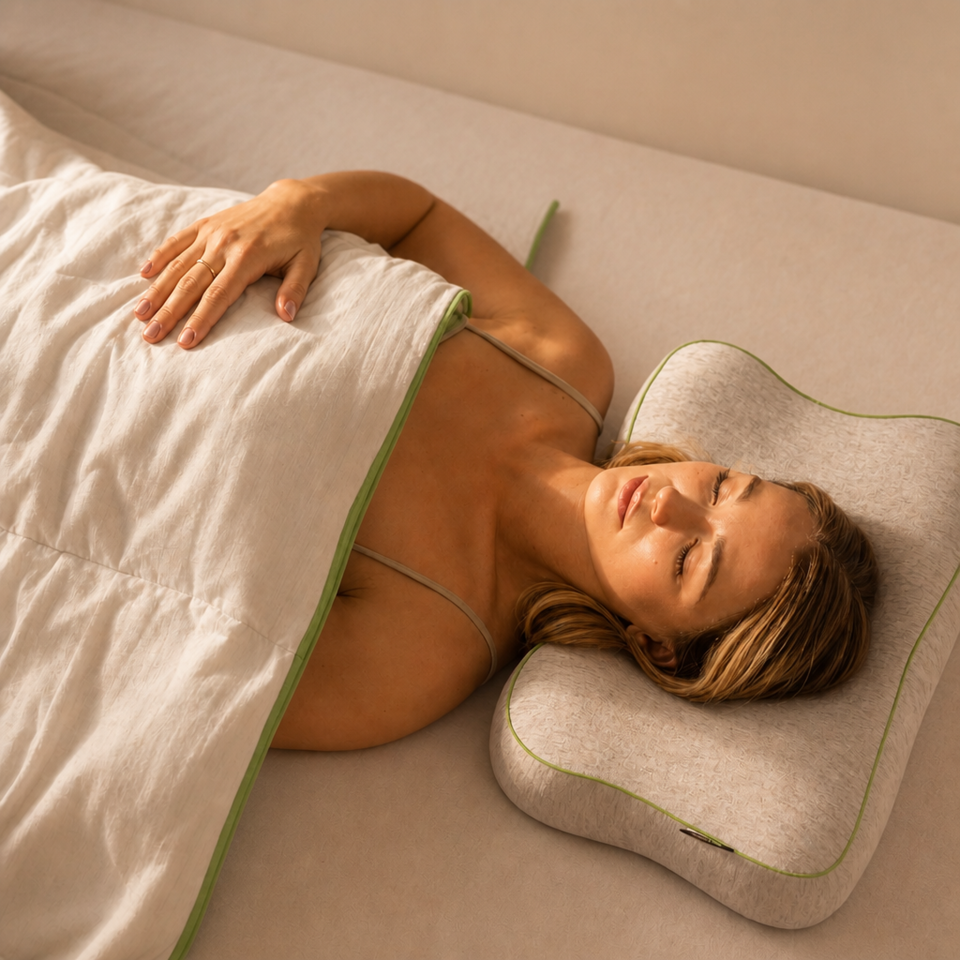
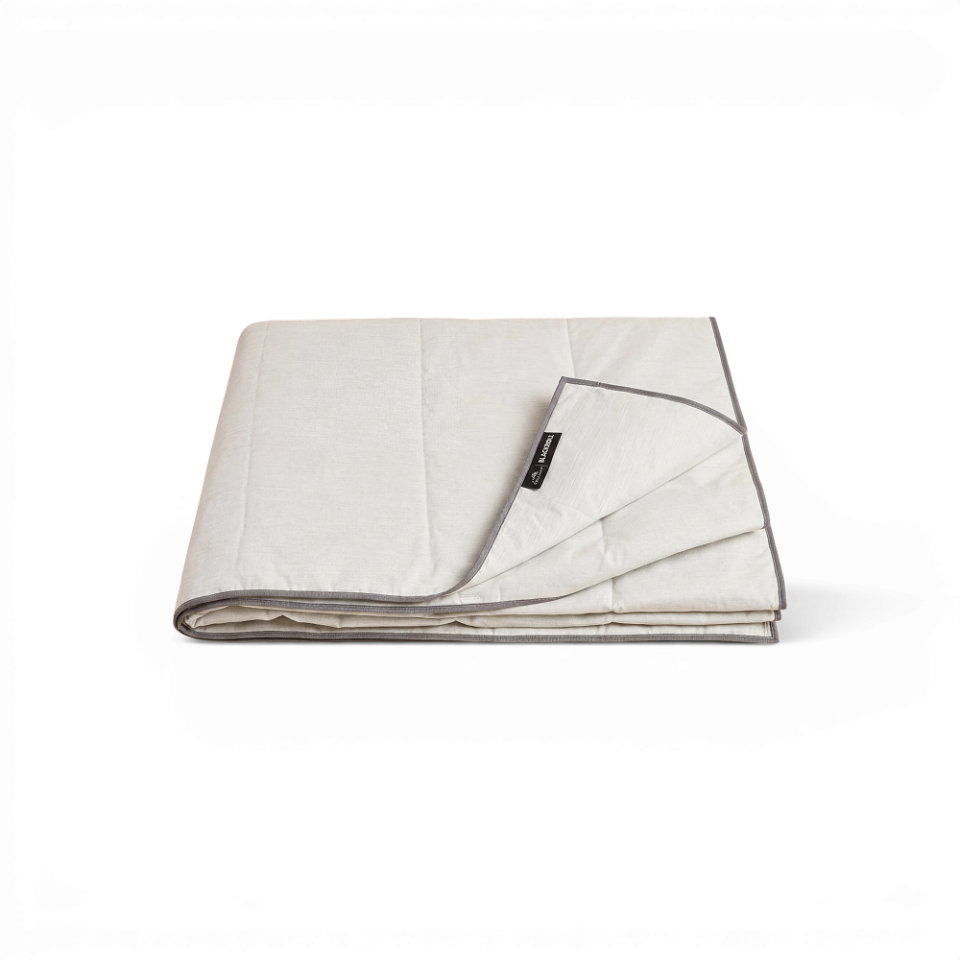
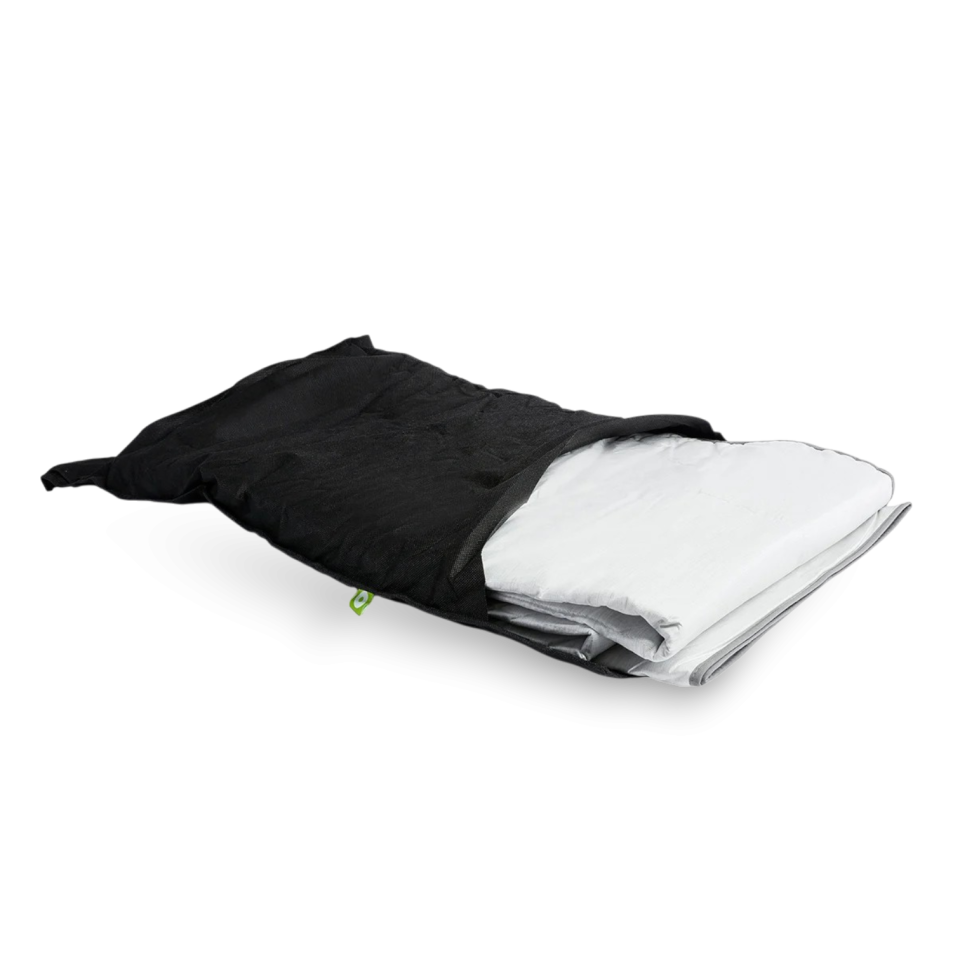
Recovery Blanket Summer
Available in multiple variants
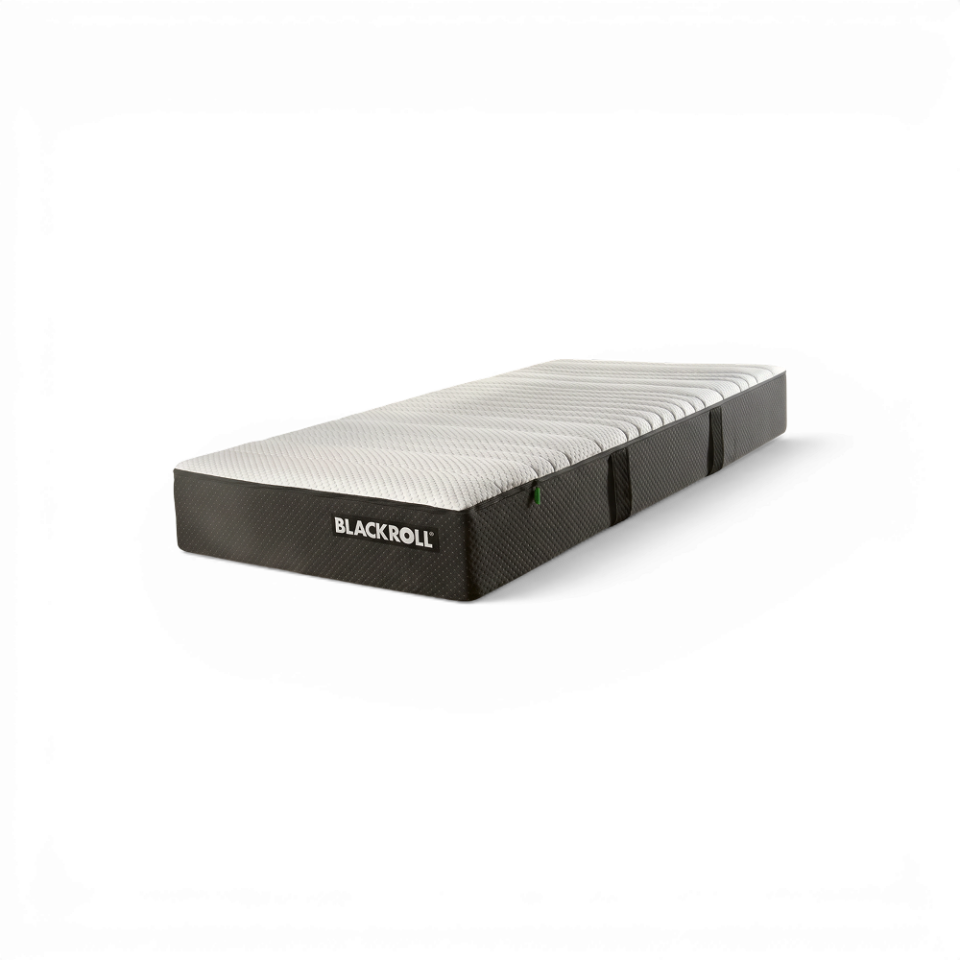
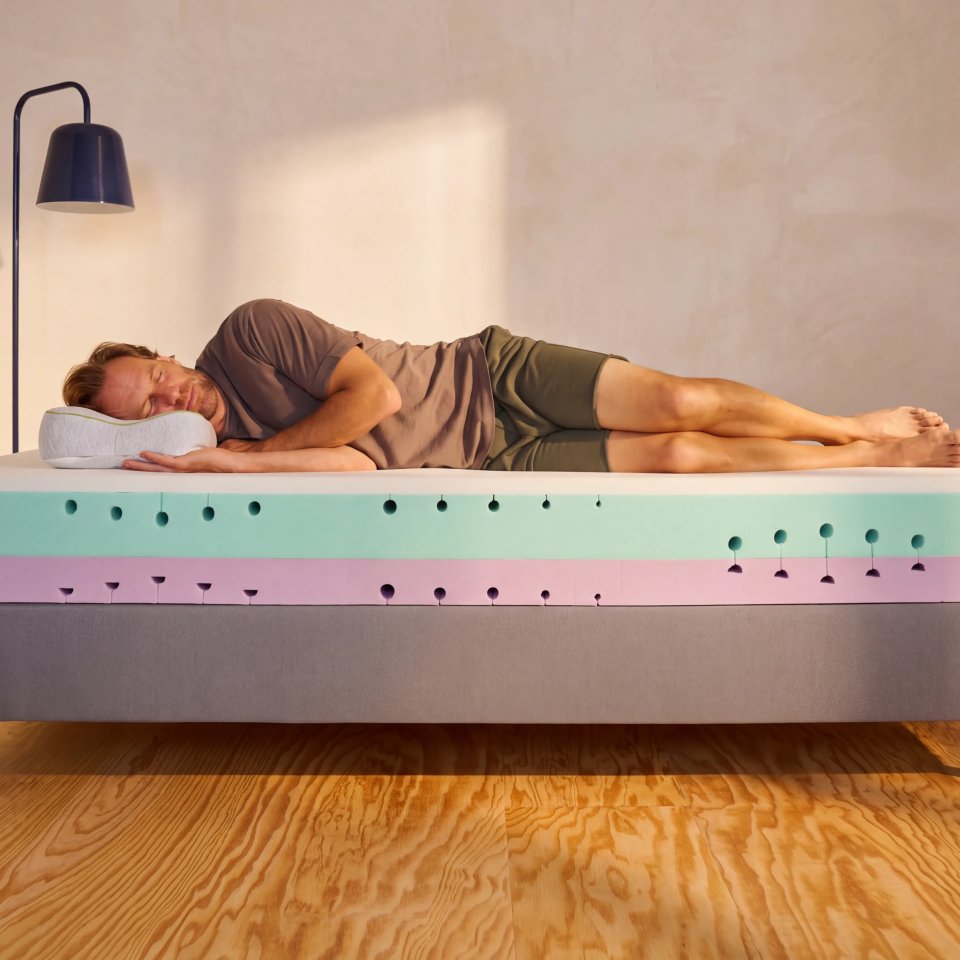
Recovery Base 2.0
Available in multiple variants
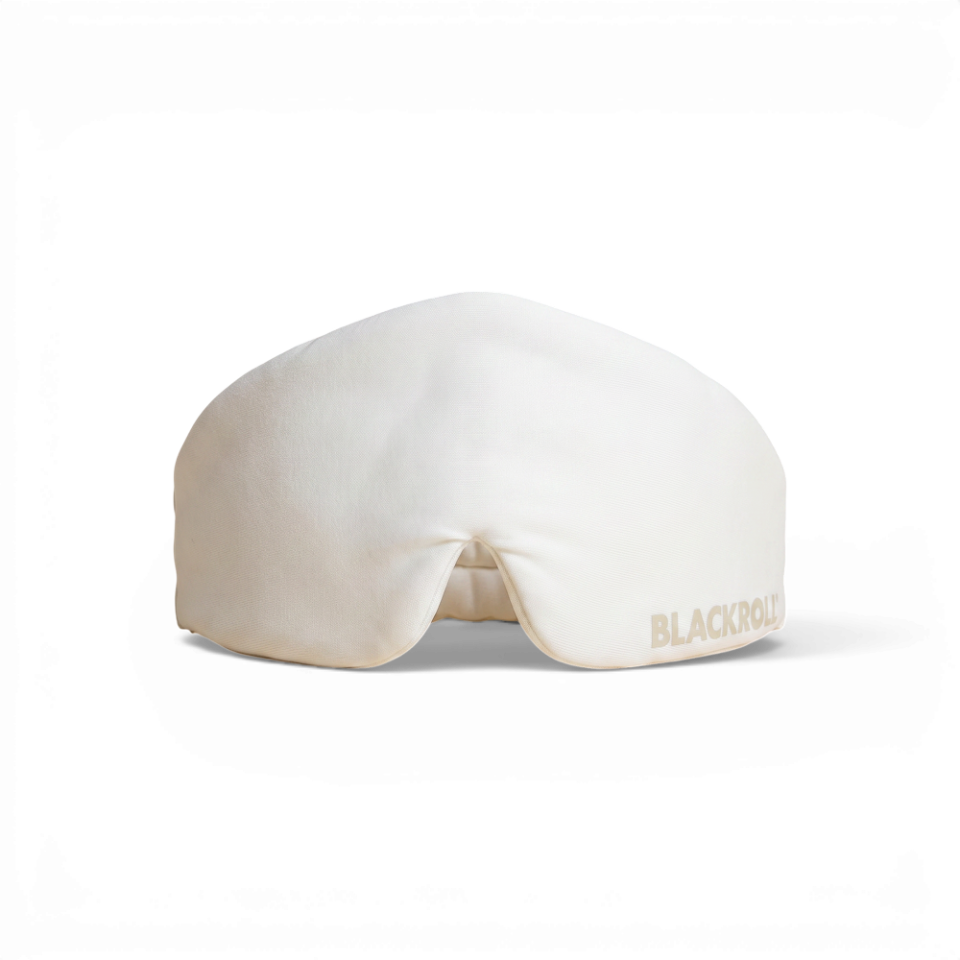
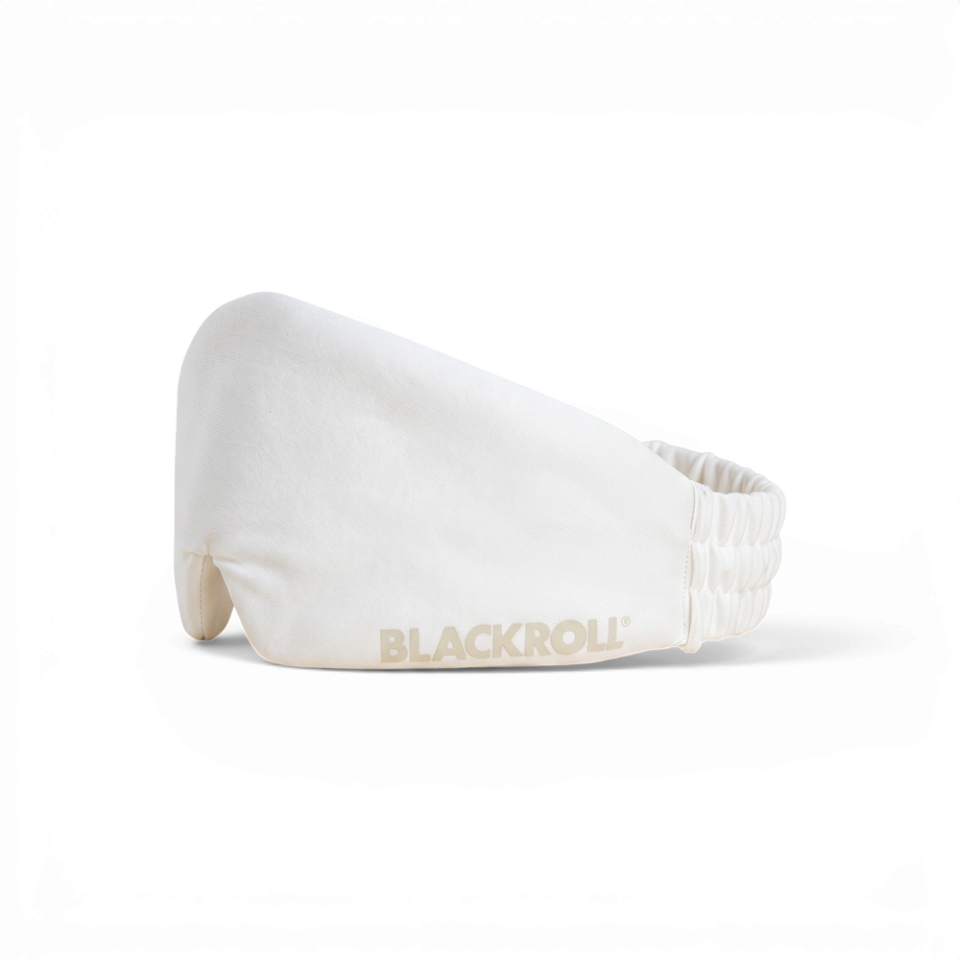
Frequently Asked Questions About the Power Nap (FAQ)
10–20 minutes is ideal. The scientific upper limit is 26 minutes—any longer than that and you enter deep sleep, and you’ll wake up with sleep inertia (cognitive sluggishness that can last 10–30 minutes). A practical rule of thumb: keep it under 30 minutes.
12–2 p.m.—after lunch, during the natural dip in your circadian rhythm. Starting at 3 p.m., the risk of a nap interfering with nighttime sleep increases. If you’re planning a late evening, you can take a nap early in the evening as an exception—but only a short one.
The cognitive sluggishness immediately after waking from deep sleep. Reaction time, judgment, and concentration are impaired—for 10 to 30 minutes. To avoid this: Keep your nap under 26 minutes so you don’t enter deep sleep.
If you’re currently adjusting to a new time zone—for example, on the first day after a westward flight (Europe → U.S.). A nap delays the adjustment of your internal clock. Also: If you nap between 3:00 and 4:00 p.m. and want to go to sleep at 11:00 p.m., you risk not being tired in the evening.
A power nap (10–26 min.) keeps you in light sleep and gives you an immediate energy boost. A 90-minute nap goes through a full sleep cycle (including REM sleep) and is more restorative when you’ve had very little sleep at night—but it’s not suitable as a daily routine.
Yes. With practice, the body learns to slip into light sleep more quickly. If you nap regularly at the same time, you’ll develop a sort of “nap reflex”—falling asleep becomes noticeably faster after a few weeks.
Sources & Studies
- Hilditch, C. J., & McHill, A. W. (2019). Sleep inertia: Current insights. Nature and Science of Sleep, 11, 155–165. https://doi.org/10.2147/NSS.S188911
- Mednick, S. C., Nakayama, K., & Stickgold, R. (2002). The restorative effect of naps on perceptual deterioration. Nature Neuroscience, 5(7), 677–681. https://doi.org/10.1038/nn876
- Dhand, R., & Sohal, H. (2006). Good sleep, bad sleep! The role of daytime naps. Current Opinion in Pulmonary Medicine, 12(6), 379–382. https://doi.org/10.1097/01.mcp.0000245701.39493.9f
- Milner, C. E., & Cote, K. A. (2009). Benefits of napping in healthy adults: Impact of nap length, time of day, age, and experience with napping. Journal of Sleep Research, 18(2), 272–281. https://doi.org/10.1111/j.1365-2869.2008.00718.x
- Lovato, N., & Lack, L. (2010). The effects of napping on cognitive functioning. Progress in Brain Research, 185, 197–228. https://doi.org/10.1016/B978-0-444-53702-7.00009-0
- Hayashi, M., & Hori, T. (1998). Immediate effects of daytime naps on mood status and sleepiness in habitual nappers and non-nappers. Psychiatry and Clinical Neurosciences, 52(2), 233–241. https://doi.org/10.1046/j.1440-1819.1998.00377.x
- Faraut, B., Andrillon, T., Vecchierini, M. F., & Léger, D. (2017). Napping: A public health issue. From epidemiological to laboratory studies. Sleep Medicine Reviews, 35, 85–100. https://doi.org/10.1016/j.smrv.2016.09.002
- National Sleep Foundation. (n.d.). Napping. https://www.thensf.org/napping/
- American Academy of Sleep Medicine. (n.d.). Sleep education: Napping. https://sleepeducation.org/