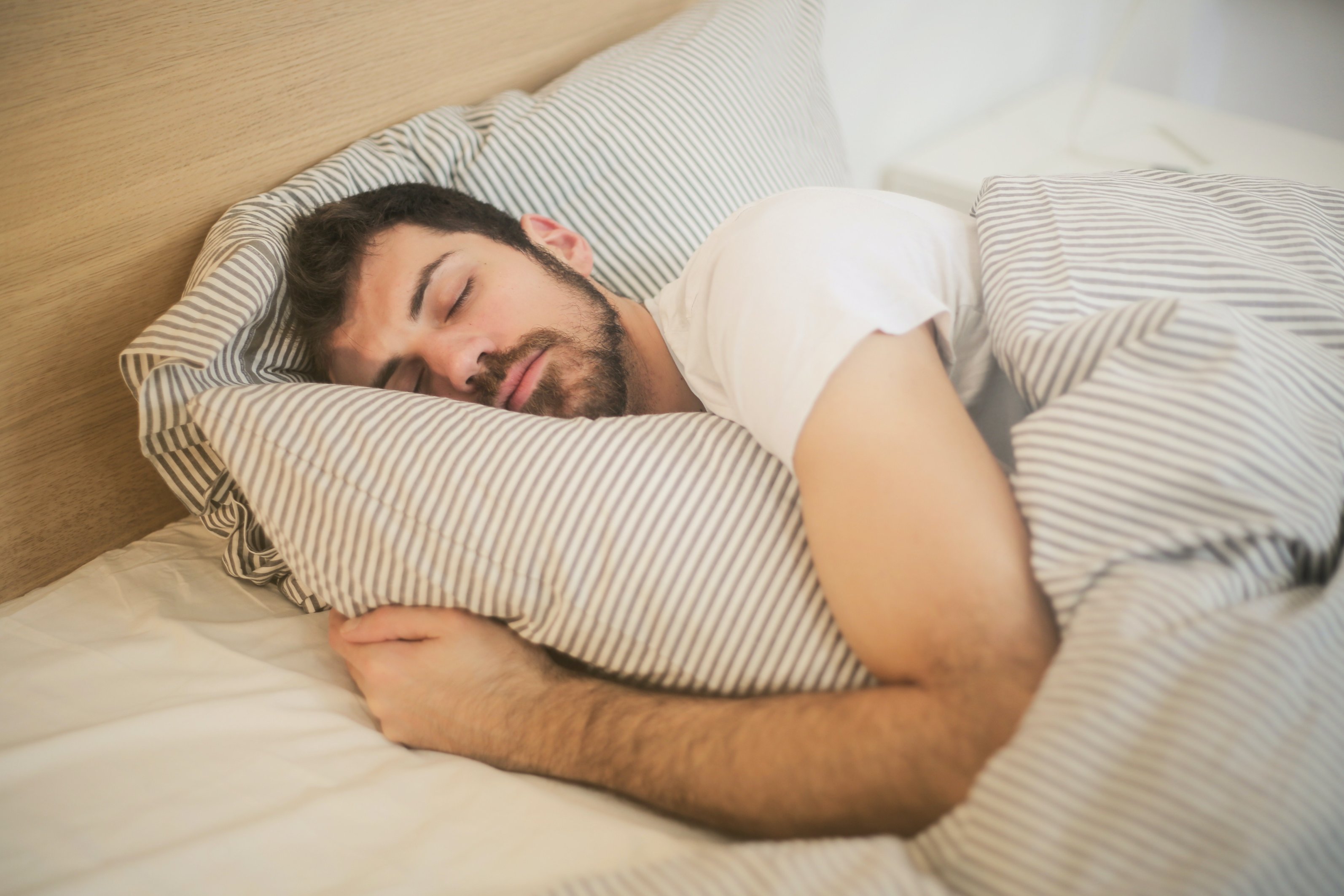
REM Sleep: How Important It Is for Our Performance

It not only brings vivid dreams but also helps us recover: We’ll explain how often REM sleep occurs during the night, the significance of this important sleep phase, and the consequences of not getting enough REM sleep.
01 What is REM sleep?
REM sleep (also commonly known as paradoxical or desynchronized sleep) is one of the sleep phases that make up the body’s sleep cycles. It is referred to as the dream sleep phase, during which we dream particularly vividly due to increased brain activity and recover from the day’s experiences. REM sleep is considered the most important part of a night’s rest.
Unlike the deep sleep phase, the brain is almost as active during REM sleep as it is when awake, and it transfers memories from short-term memory to long-term memory. Muscles regenerate, cells are repaired, and the areas of the brain responsible for learning are stimulated. REM sleep therefore has a particularly beneficial effect on both body and mind.
REM stands for Rapid Eye Movement. This phase is characterized by the jerky rolling of the eyeballs beneath the sleeper’s eyelids.
The number of REM phases we go through in a night—and the amount needed for healthy sleep—also depends on age. While REM sleep accounts for 70 to 80 percent of infants’ total sleep, 20 to 25 percent is normal for adults. Each phase lasts between 5 and 20 minutes—with the duration increasing over time. While the first REM phase lasts about 10 minutes on average, each subsequent phase gradually becomes longer.
In addition to rapid eye movements, rapid and restless breathing, changes in body temperature, an increased heart rate, twitching of the face and limbs, and elevated blood pressure are all normal changes that occur in the body during this sleep phase.
The deep sleep phase also affects muscle activity. It causes temporary paralysis of the muscles. This serves as a self-protective mechanism for the sleeper, ensuring that movements made in dreams cannot be carried out in reality.
"REM sleep is a critical phase in the sleep cycle, important for memory, learning, and emotional processing. A lack of REM sleep can cause health problems such as memory impairment and mood swings. It is important to maintain a regular sleep-wake cycle and create a quiet sleep environment to promote REM sleep and improve mental and physical health."
Dr. Fabian Krapf, sleep expert

02 In which sleep stage do people dream?
Even though some people deny it, we all dream—and we do so during every stage of sleep. However, while the dreams we have during all other sleep stages tend to be more abstract and mental in nature, our dreams during the REM stage are characterized by a certain dynamism and intensity. And because our brain processes both information and emotional sensory impressions during this time, the most bizarre dreams often occur.
A dream phase occurs roughly every 90 minutes—that’s 4–6 dreams per night, each lasting between 15 and 20 minutes. The temporary muscle paralysis that occurs during this time serves as a protective reflex, preventing us from acting out the experiences in our dreams and nightmares.
Since the frequency and duration of REM sleep increase toward morning and a night’s sleep typically ends with a REM phase, we can sometimes still remember our dreams clearly—unlike those from the deep sleep phase.
03 REM sleep disorder can be dangerous
As described above, a typical feature of the REM phase is muscle paralysis, which prevents the sleeper from acting out their dreams (also known as REM paralysis or REM atonia). However, in cases of REM sleep disorder or REM sleep behavior disorder , this muscle paralysis does not occur. This is caused by neurodegenerative diseases associated with the gradual loss of nerve cells.
This disorder causes the dreamer to be able to move freely during the REM phase and to translate vivid dreams into movements that can be quite complex. This manifests as wild flailing of the arms, screaming, or talking. Those affected may also get out of bed, walk around, or fall out of bed, injuring themselves or those lying next to them.
If REM sleep behavior disorder is suspected, an examination in a sleep laboratory can provide clarity. Electromyography (EMG)—a neurological test that measures a muscle’s natural electrical activity—can determine whether there is a muscle disorder or a conduction disturbance in the nerves supplying the muscle.
If the diagnosis is confirmed, medication can be used to reduce muscle tension during sleep, leading to an improved quality of life and sleep for those affected.
REM sleep behavior disorder primarily affects older adults (aged 60 and older); approximately 90 percent of those affected are male.
04 REM sleep too short: Here are the causes
Accounting for up to 25 percent of total sleep time, REM sleep is an important part of our sleep cycles. Persistently insufficient REM sleep or light sleep is not enough for us to fully regenerate—with significant effects on our waking hours.
Chronic fatigue, memory problems—even dementia as a long-term consequence—mood swings, poor concentration, or changes in appetite can all result from a lack of REM sleep.
The most common causes of poor or insufficient REM sleep include going to bed too late and the resulting difficulty falling asleep, racing thoughts that prevent those affected from unwinding, personal or work-related stress, sleep interruptions (needing to use the restroom, hunger, thirst, distractions from cell phones and the like), pain when lying down, poor sleep hygiene, or not being active enough during the day—for example, due to exercising too late in the evening or engaging in other stimulating activities.
But unfavorable sleeping conditions in the bedroom or in bed can also cause us to sleep poorly or for too short a time.
Side note: Polyphasic sleep is a sleep pattern that distributes sleep across several short phases throughout the day, rather than concentrating it into a single nighttime sleep period. The goal is to reduce total sleep duration and maximize wake time by optimizing particularly efficient sleep phases, such as REM sleep. There are various variations, including biphasic sleep (nighttime sleep plus an afternoon nap) and Everyman sleep (core sleep plus several short naps). Although polyphasic sleep is used in extreme situations, it is difficult to implement in everyday life and has not been scientifically proven to be effective in the long term. Potential drawbacks include sleep deprivation and health risks.
05 Improving REM Sleep: 7 Tips
If poor sleep isn’t caused by a sleep disorder but is due to external circumstances, you can improve your REM sleep with a few simple tips. After all, the right sleep environment is also crucial for good sleep.
This includes, among other things:
- Keep electronic devices such as TVs, cell phones, e-readers, and laptops out of the bedroom. They emit blue light, which can disrupt sleep.
- Avoid light sources and block out daylight or artificial light as much as possible to promote good sleep.
- Develop a sleep routine and try to go to bed and wake up at roughly the same time every day.
- Keep the room temperature between 18 and 21 degrees. Ambient air that’s too warm or too cold can negatively affect your sleep.
- Create a comfortable sleeping environment. This includes a suitable mattress that allows you to lie comfortably and meets your body’s needs. The special foam core of the RECOVERY BASE by BLACKROLL® ensures high resistance to compression and helps you recharge your batteries and regenerate optimally at night. It is suitable for all body types and sleeping positions. When combined with the relaxation blanket featuring CELLIANT® fibers—which promote local blood circulation and improve oxygen supply to the body’s cells—you’ll experience a whole new level of sleep quality and have more stamina during the day for sports and everyday activities.
- Avoid sleeping too much during the day. A power nap lasting no more than 20 minutes is fine. But you shouldn’t lie down for longer than that, otherwise your body will enter the deep sleep phase. This not only makes it harder to get back on track, but also leaves you feeling too alert to fall asleep at night.
- Don’t go to bed on an empty or full stomach. It’s best to eat a light meal about 1.5 hours before you go to sleep. That way, you’ll fall asleep easily and won’t be woken up by cravings during the night.

06 REM Sleep: Mental Health and Sleep Quality
Studies have shown that REM sleep and its quality can even provide insight into mental health conditions. According to these findings, a whole range of mental disorders may first manifest themselves during sleep.
The first signs that manifest are that those affected have difficulty falling asleep or staying asleep for extended periods. In a sleep lab, it then becomes clear to what extent mental health is the underlying cause. Scientists have discovered that REM sleep in people with depression occurs earlier than in healthy individuals.
This, in turn, is thought to indicate that the neurotransmitter system in the brain—which is responsible for regulating the various sleep phases —has become unbalanced.
In previous studies, people with sleep problems were also found to have twice the risk of developing depression compared to those without such problems. This risk persists even years after the sleep disorder first appeared.
Although the exact reasons have not yet been fully investigated, it is suspected that not only is REM sleep altered, but parts of the paralimbic system are also overactive at the same time. This area of the brain is responsible for processing emotions, which in people with depression or anxiety disorders often manifest as an emotional imbalance in the form of fears and worries.
07 The non-REM phase as a counterpart to the REM phase
Sleep consists of two states: the REM sleep mentioned above and non-REM sleep.
During the latter, the body prepares for deep sleep by lowering its body temperature and slowing its heart rate. Brain waves and brain activity also slow down. The eye movements so characteristic of REM sleep are absent (hence the name Non-REM = non-rapid eye movement), and the muscles are not paralyzed during these phases. Dreams occur only very rarely.
The non-REM phase is divided into three stages—N1, N2, and N3—and marks the beginning of each sleep cycle. Starting from the waking state, the body progresses through stages N1 through N3 during the night, with sleep depth increasing progressively.
In Stage 1 (the falling-asleep phase), muscle tension decreases; occasional muscle twitches and brief dream episodes may occur.
When Stage 2 (light sleep) begins, true sleep sets in. The likelihood of being awakened by external disturbances decreases.
Stage 3 is referred to as the deep sleep phase because people in this stage are the hardest to wake up. If you wake up during this phase, you feel groggy and need a few extra minutes to feel refreshed again.
Since growth hormones are secreted from the pituitary gland (also called the hypophysis) primarily during this phase, it is believed that important regenerative processes in the body take place especially now, and that the body recovers from the activities of the waking state during these phases.
07 Summary of REM Sleep
REM sleep is an important phase of the sleep cycle associated with a variety of benefits for physical and mental health. During this phase, intense activity occurs in the brain, which is crucial for consolidating memories and regulating emotions. A lack of REM sleep can lead to a range of health problems, including memory issues, depression, anxiety, and more.
There are several ways to improve REM sleep, including promoting a healthy sleep-wake cycle, creating a quiet sleep environment, and avoiding caffeinated beverages and alcohol before bedtime. There are also some natural supplements that can help improve REM sleep, such as melatonin and lavender.
Overall, it is important to understand and promote REM sleep to ensure good physical and mental health. By improving our sleep habits and taking specific steps to support REM sleep, we can recover better, improve our memory, and increase our emotional stability.
Also interesting




Sleep Better

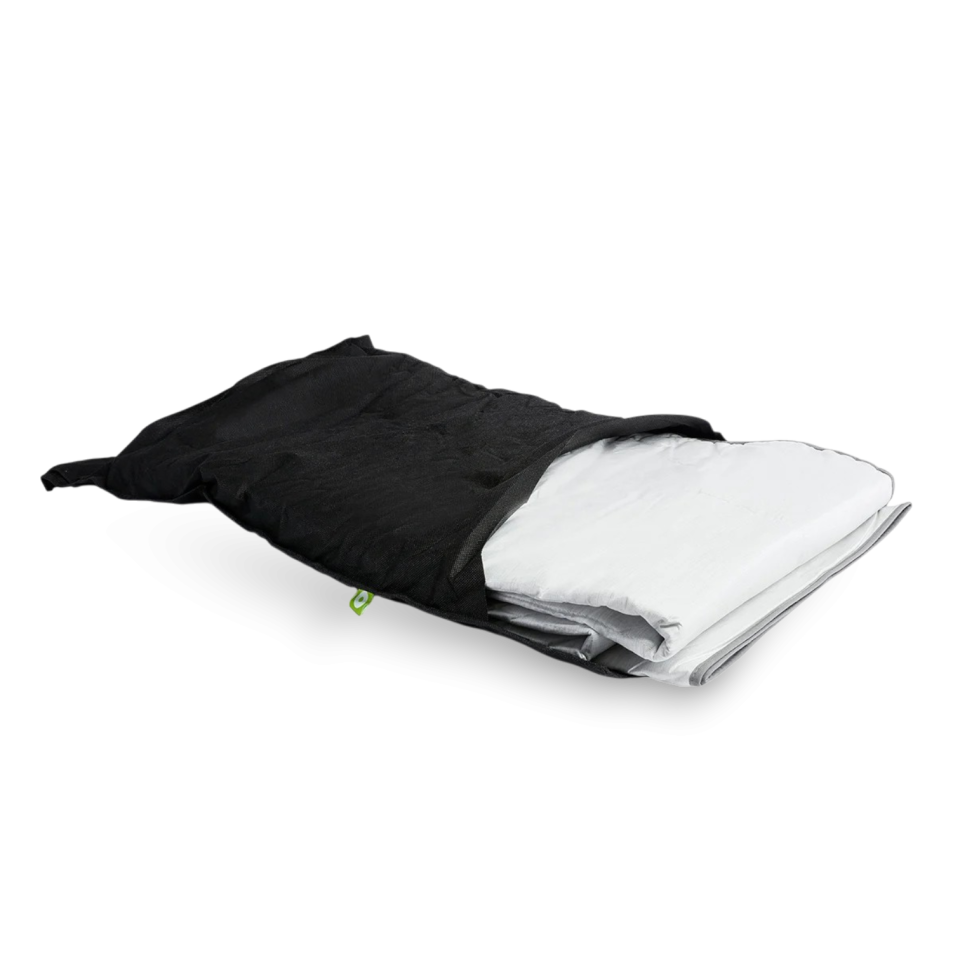
Recovery Blanket Summer
Available in multiple variants