Not getting deep sleep? 5 tips for more restful nights

We’ll tell you how deep sleep helps you go about your daily life with greater energy.
Our sleep consists of various sleep cycles and stages that repeat several times throughout the night. Deep sleep plays a central role in a sleep cycle, as it is extremely important for physical regeneration, mental recovery, and a healthy immune system.
It differs from other sleep phases in that your heart rate drops, your breathing slows down, and—unlike during REM sleep—you slumber peacefully. You’re also usually not woken up by loud noises during this phase.
All bodily processes are now running on the back burner. Meanwhile, the brain can process the day’s information and initiate the body’s own repair processes. According to studies, electrical stimulation during this phase is said to agitate the cerebrospinal fluid in such a way that harmful metabolic byproducts are removed from the brain.
And it is precisely for these reasons that you should place special emphasis on getting a good (deep) night’s sleep.
"Deep sleep is crucial for the regeneration and repair of our bodies, as well as for processing information and storing memories. Improving the quality of deep sleep is therefore a key factor in enhancing quality of life and preventing long-term health problems."
Dr. Fabian Krapf, sleep expert


Improving Deep Sleep: 5 Tips
If you feel exhausted and anything but refreshed when you wake up in the morning, improving your deep sleep may help. Deep sleep (also known as delta sleep) offers a host of benefits because physical and mental regeneration is in full swing during this phase.
And that, in turn, is important for all of us. Athletes benefit from the fact that during deep sleep, blood flows more freely to the muscles and growth hormones are released, which renew the cellular system and essentially make you stronger and faster while you sleep. Bone formation and fat burning are also boosted. And everyone else needs deep sleep, too: It’s essential for our optimal performance in daily life and a healthy immune system.
Here are 5 tips on how you can improve your deep sleep and achieve better overall sleep quality:
- Avoid stress: In the evening, steer clear of activities that agitate you. Glancing at work documents is just as off-limits as checking business emails. Instead, learn relaxation techniques such as meditation, yoga, autogenic training, or progressive muscle relaxation to clear your mind and prepare your body and mind for the night’s rest ahead. Self-massage is also a helpful method.
- Turn off electronic devices: If you regularly fall asleep in front of the TV or scroll through Instagram until the very last minute before bed, you’re not doing your sleep quality any favors. The emotional agitation that comes with these activities can have a negative impact on your sleep. So, avoid any contact with electronic devices for at least 1.5 hours before bedtime, and instead read a book or listen to soothing relaxation music.
- Cut back on caffeine: While cappuccinos and the like can work wonders for starting your day feeling more alert, However, drinking coffee and other caffeinated beverages too late in the day can significantly disrupt your sleep. That’s because it takes the body 5.7 hours to break down just half of the caffeine in your bloodstream. You should therefore avoid all caffeinated beverages about 6–8 hours before bedtime.
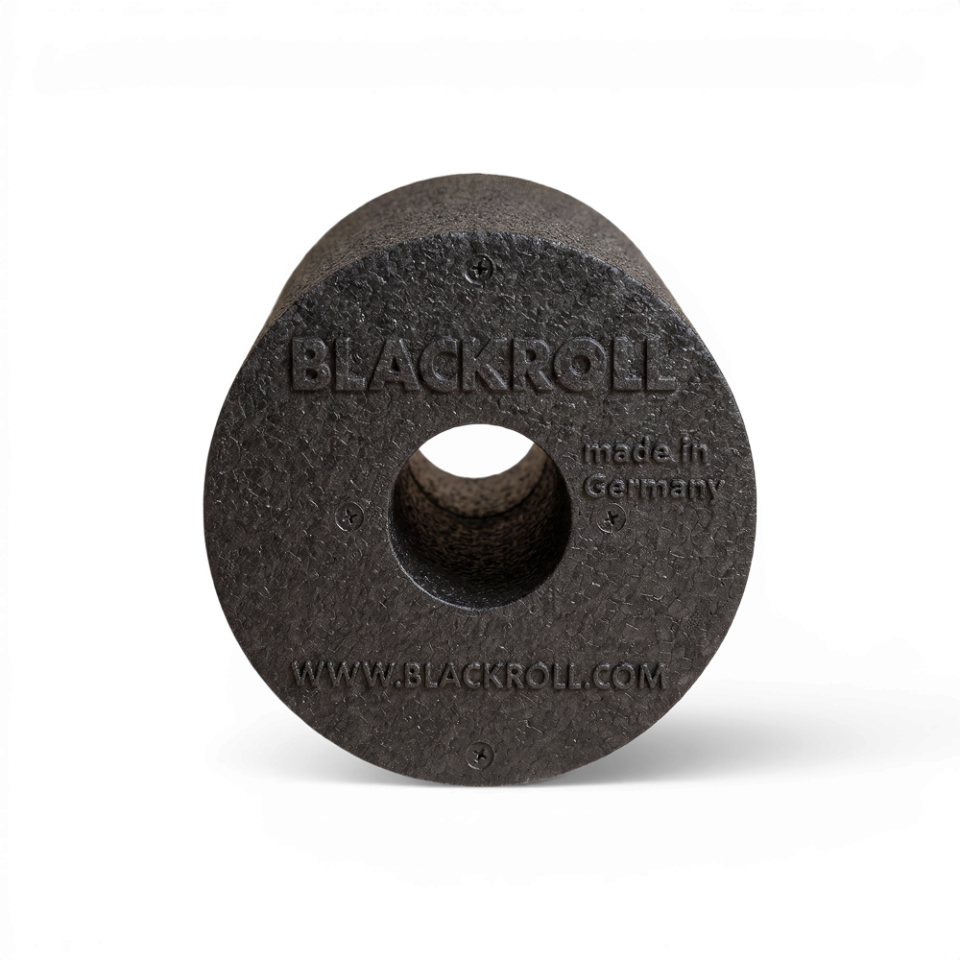
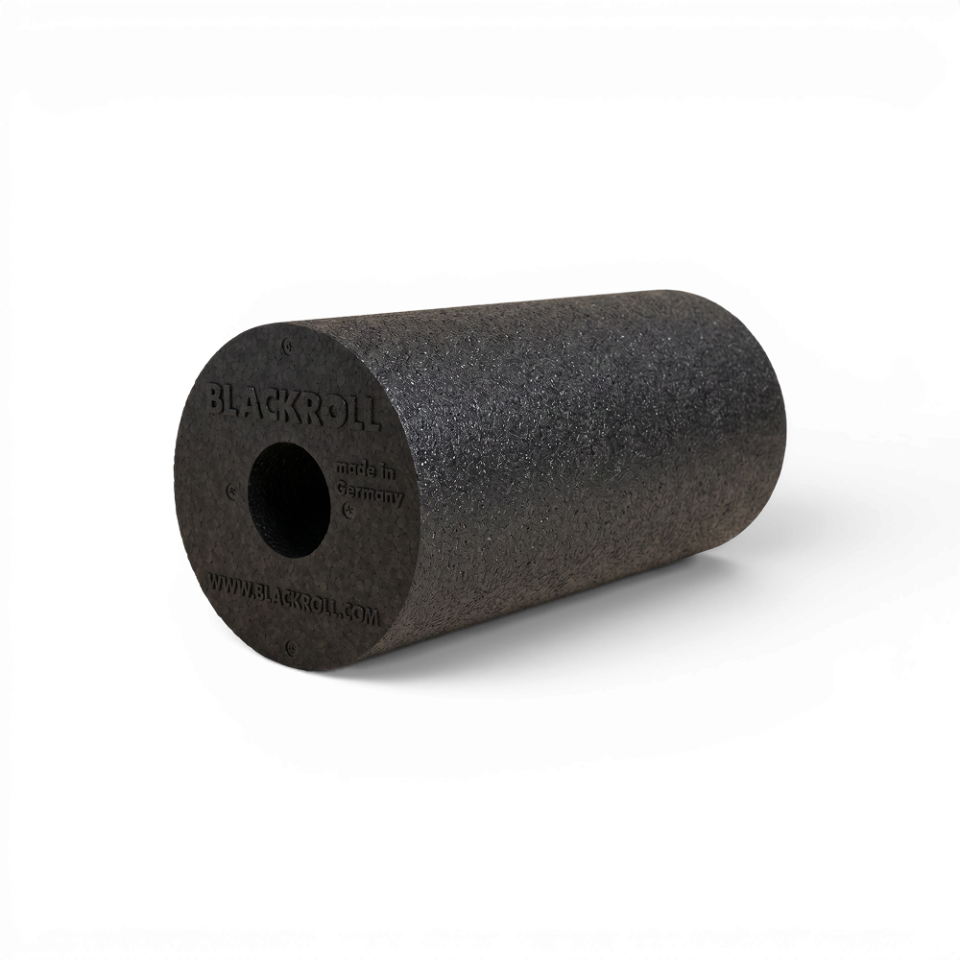
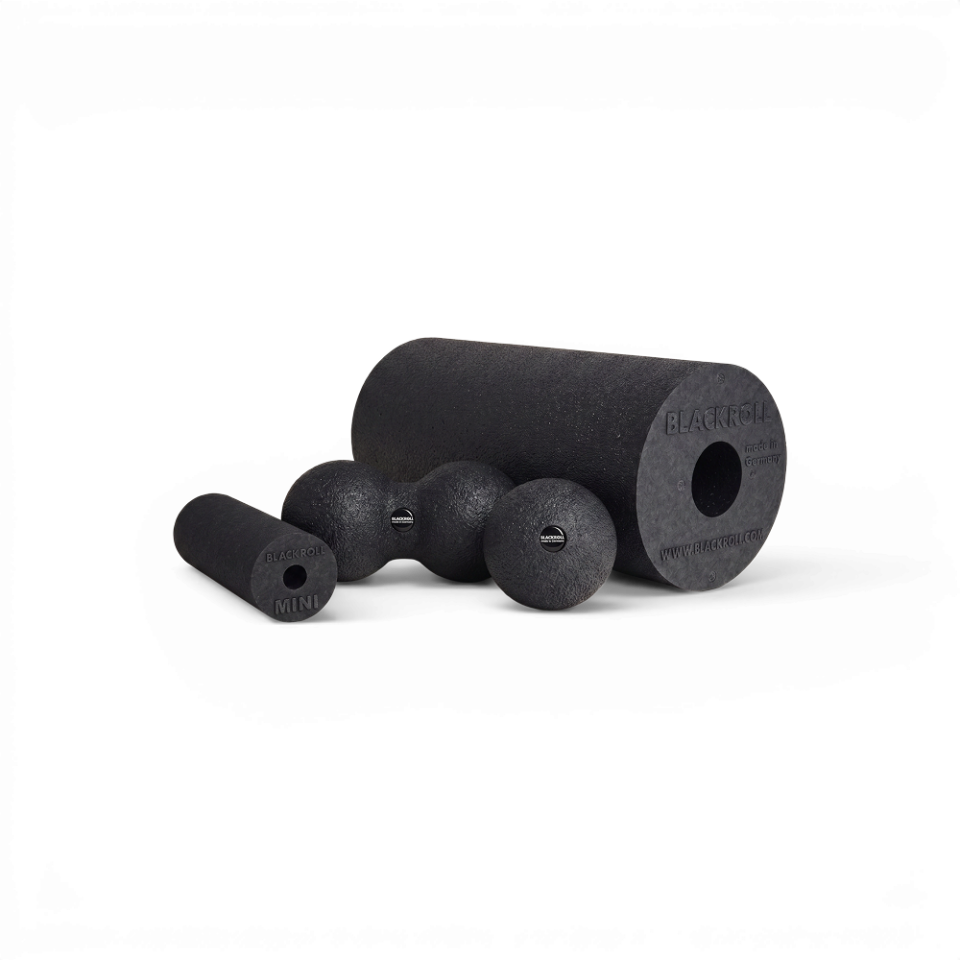
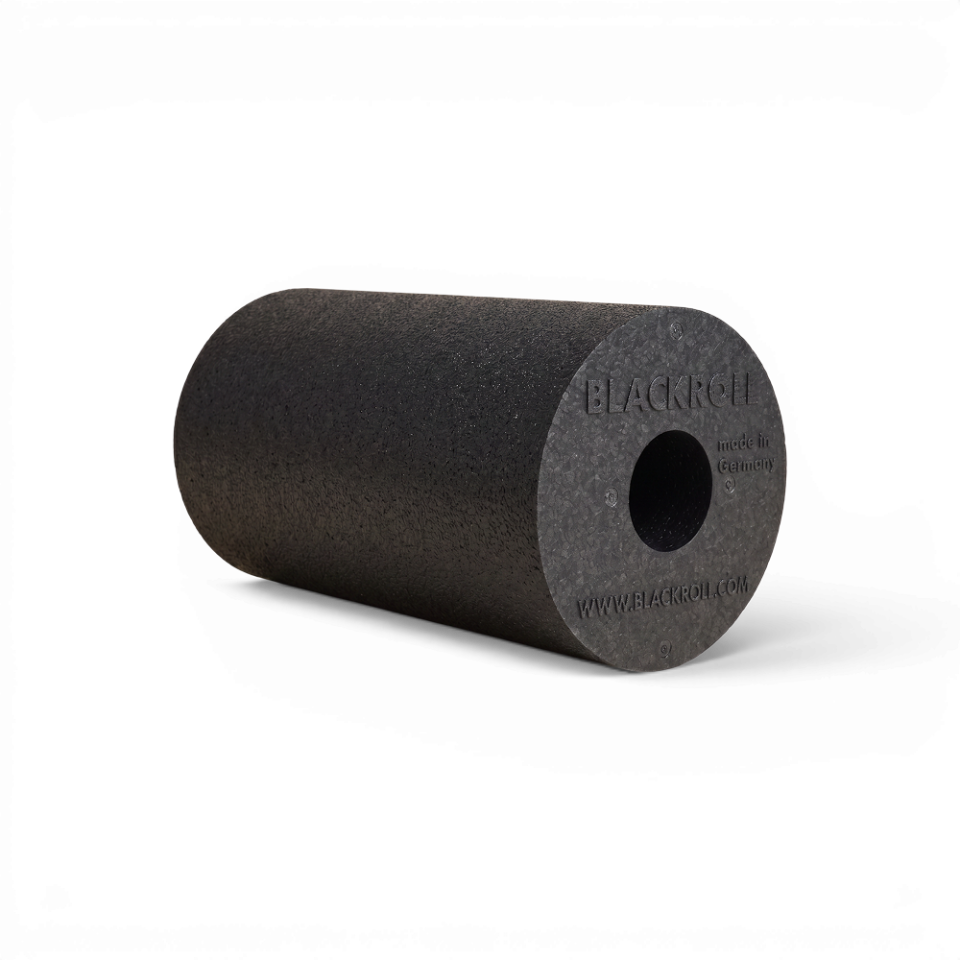
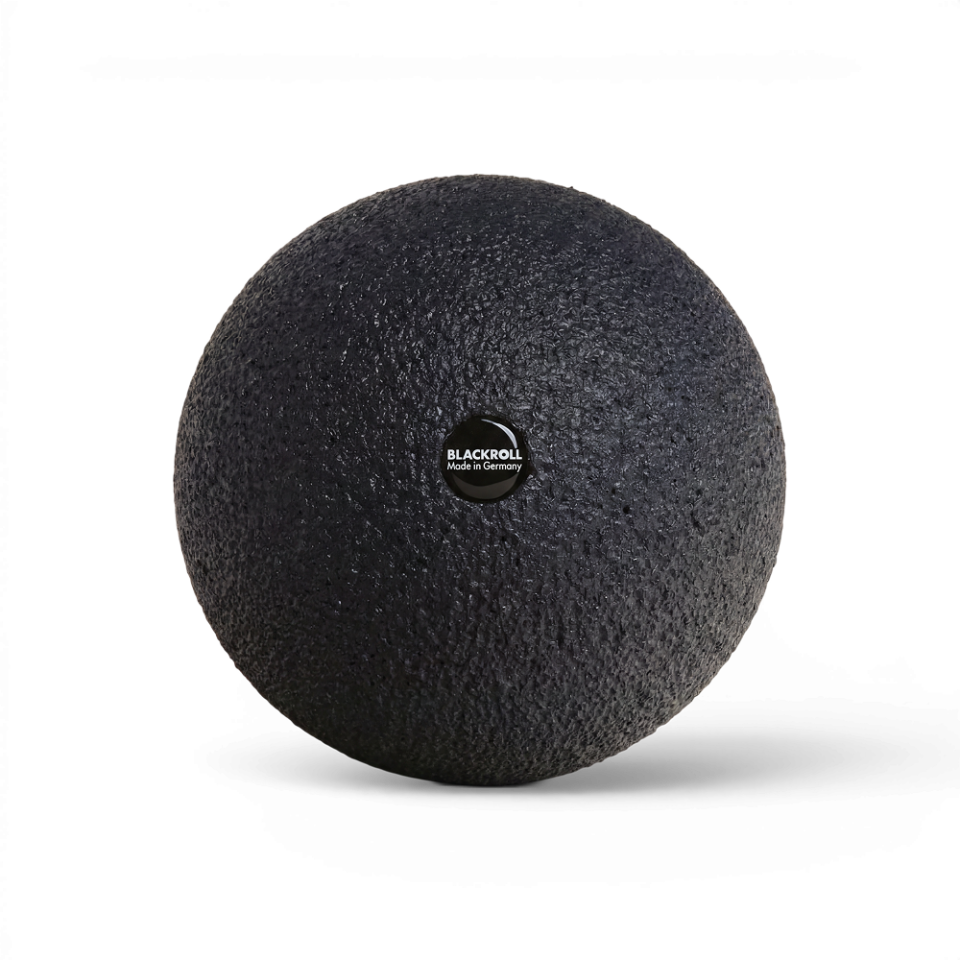
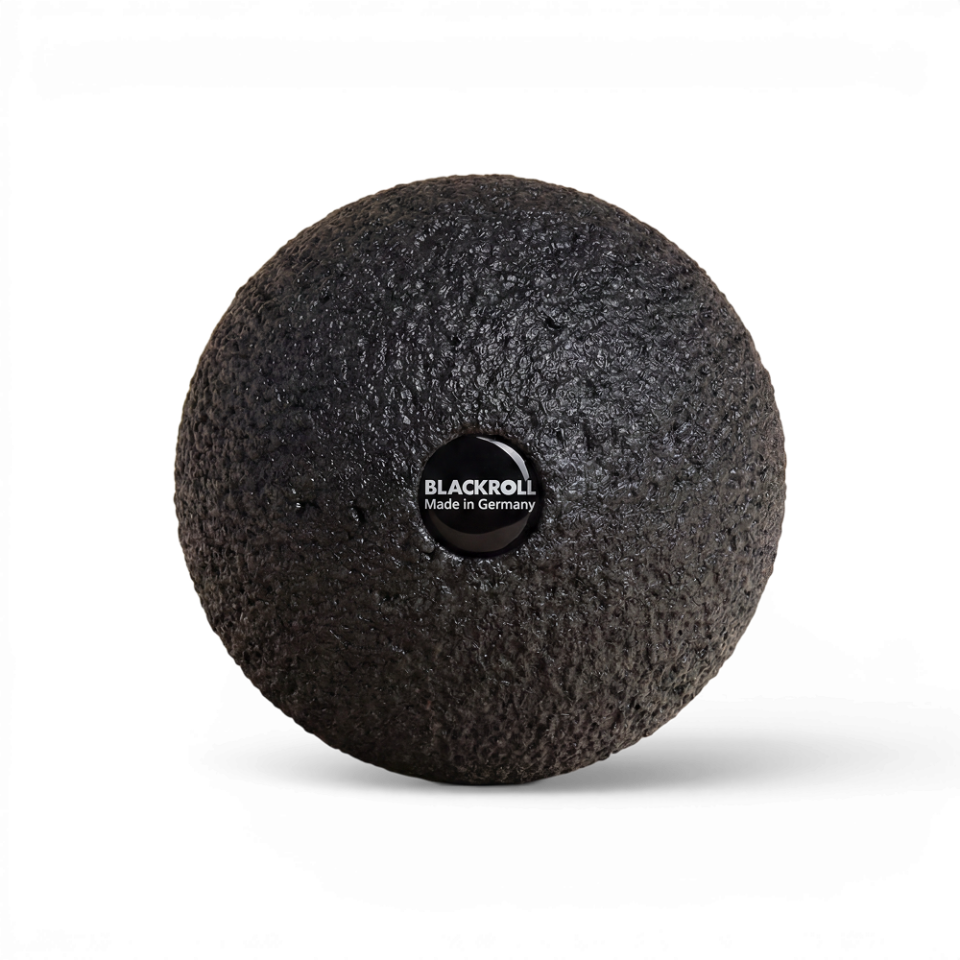
- Lower your activity level before bedtime: While working up a good sweat during the day can positively affect the depth of your sleep, this only applies up to a maximum of 4 hours before bedtime. That’s because intense exercise like HIIT or cardio training revs up the body and stimulates circulation rather than signaling to it that it’s time to sleep. While intense exercise should be avoided before bedtime, a gentle self-massage with a foam roller or a massage ball can help relax the body and prepare it for the night. Our specially developed products can relieve tension and promote blood circulation, which can lead to a more restful and deeper sleep.
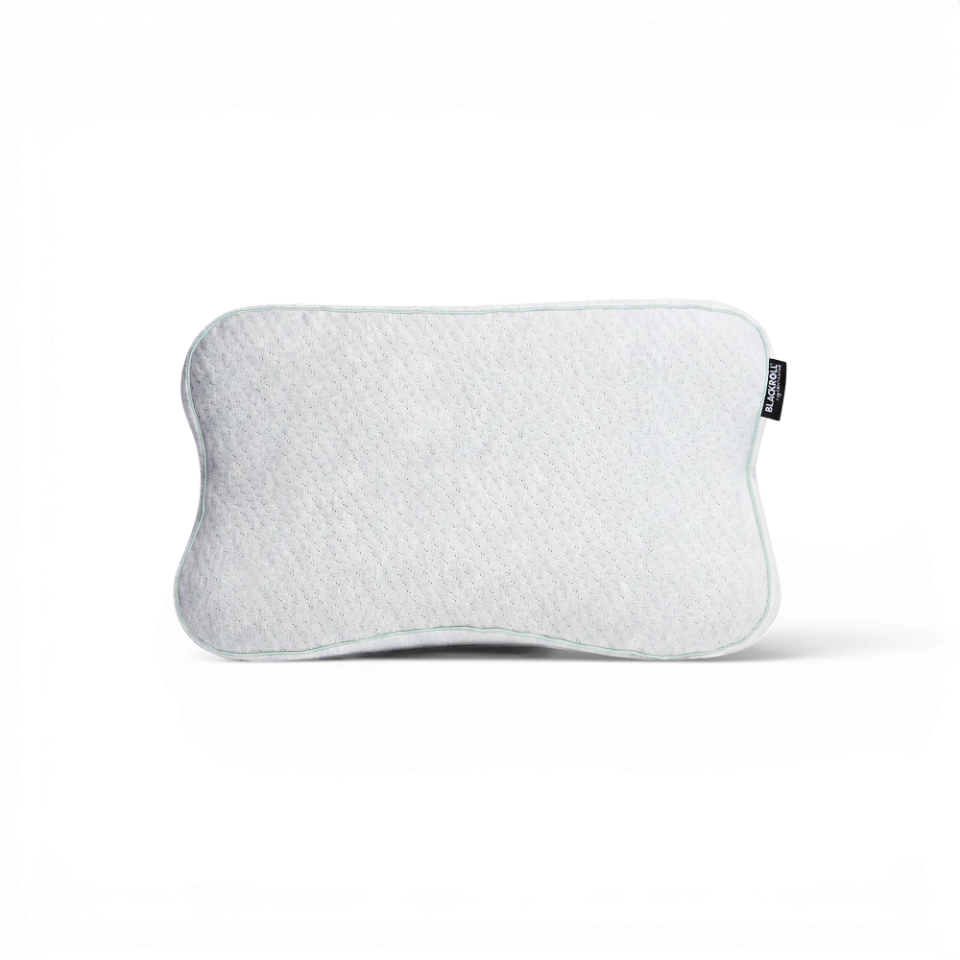
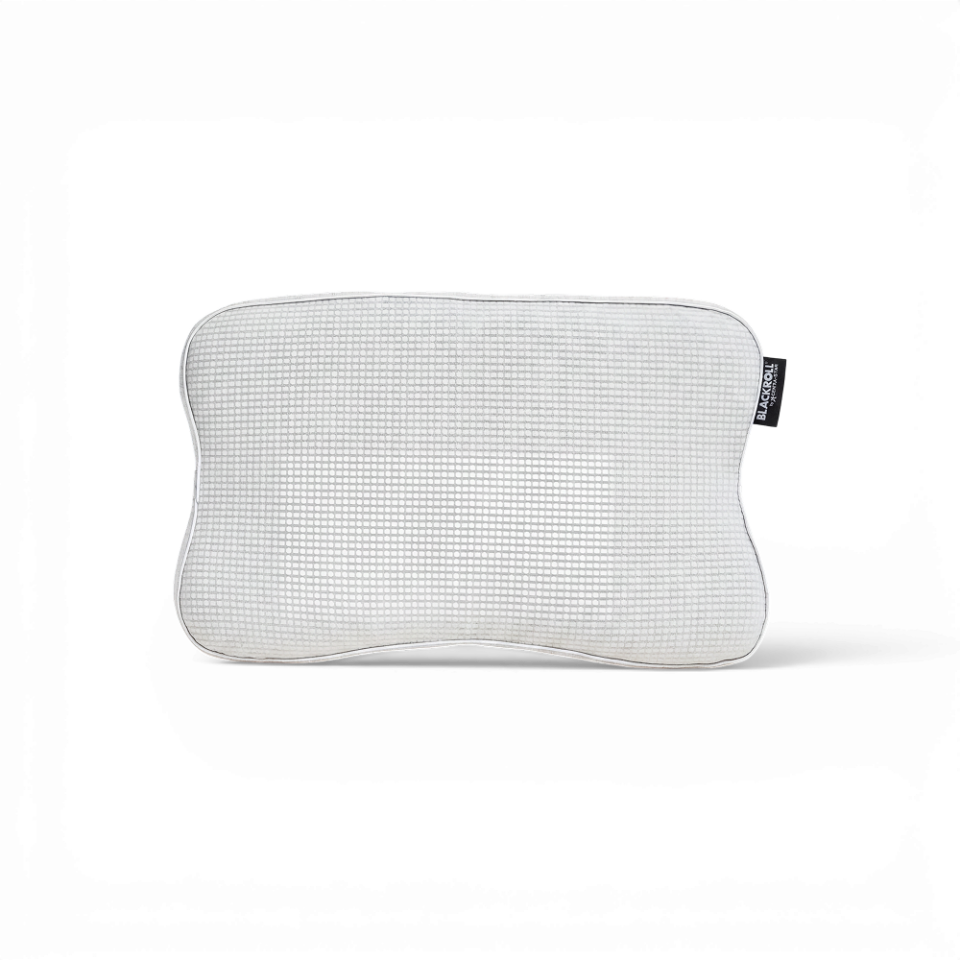
- Ensure a good sleeping position: Even the wrong mattress or an unsuitable pillow can cause you to wake up more often at night or start the day with back, head, or neck pain. Since we have no control over how we lie while sleeping, maintaining an optimal sleeping position is nearly impossible. However, special ergonomic pillows like our BLACKROLL® RECOVERY PILLOW can relieve pressure on the cervical spine in any sleeping position and help prevent tension and blockages.

How much deep sleep is normal?
About 20 to 30 minutes after the onset of the falling-asleep phase and the subsequent light sleep phase, the first deep sleep phase (stage N3) begins.
At the beginning of the night, it is particularly long, lasting between 20 and 40 minutes. With each subsequent sleep cycle, the duration of the deep sleep phase then decreases until, shortly before waking up, we no longer experience any deep sleep at all. The brain is now in a state of light drowsiness and experiences increased REM sleep.
Ideally, adults spend 1–1.5 hours of their total sleep time in deep sleep to benefit from its restorative and regenerative processes. It makes no difference whether the total sleep duration per night is only 6 hours or 8. Even people who sleep less than 8 hours can experience deep sleep phases that are just as long as those of long sleepers.
How much deep sleep is normal and how much each person needs also depends on age and gender, daytime activities, health, diet, and sleep pressure. Therefore, the ideal amount of sleep varies from person to person and night to night and cannot be generalized.
Side note: Polyphasic sleep is a sleep pattern that distributes sleep across several short phases throughout the day, rather than concentrating it into a single nighttime sleep period. The goal is to reduce total sleep duration and maximize wake time by optimizing particularly efficient sleep phases, such as REM sleep. There are various variations, including biphasic sleep (nighttime sleep plus a midday nap) and Everyman sleep (core sleep plus several power naps). Although polyphasic sleep is used in extreme situations, it is difficult to implement in everyday life and has not been scientifically proven to be effective in the long term. Potential drawbacks include sleep deprivation and health risks.
“Consistent routines, stress management, and relaxation are the key to better deep sleep—a sleep psychologist can provide personalized guidance.”
Leona Rudolph, health psychologist and sleep health expert


Lack of deep sleep: Here are the causes
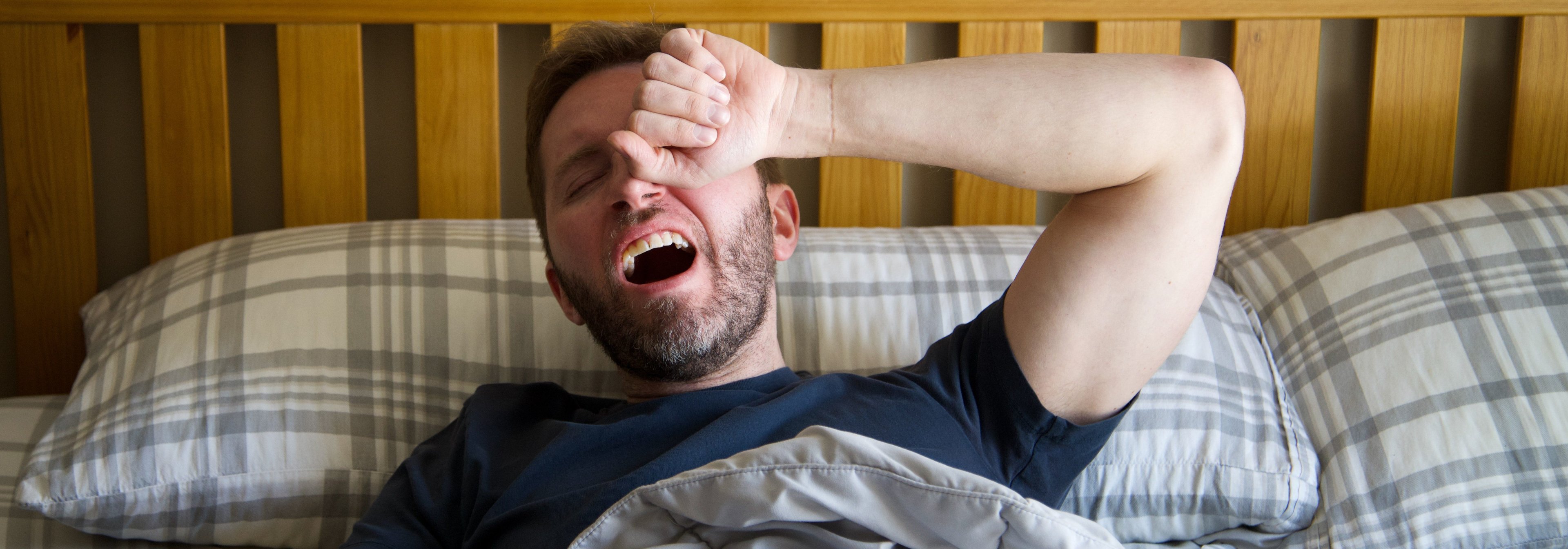
If you’re struggling with a lack of deep sleep, the causes can vary widely—from poor sleep hygiene to mental health conditions to sleep disorders. However, most of these issues can be effectively addressed by making changes to your sleep habits. We’ve summarized some of the most common causes of a lack of deep sleep for you:
- Chronic stress and worries: Does the whirlwind of thoughts in your head revolve around your job and personal life and refuse to quiet down even in the evening? These are the worst possible conditions for deep, restful sleep. After all, when your mind can’t settle down, it’s hard to even fall asleep, and staying asleep is nearly impossible.
- Poor sleep hygiene: This includes any circumstances that can make it difficult to sleep. For example, an improper room temperature in the bedroom (the ideal range is 16 to 21 degrees), using electronic devices in bed, or eating a heavy meal right before bedtime. It also includes sleep accessories—such as a mattress or pillow—that don’t provide optimal support. Our RECOVERY PILLOW, for example, was specifically designed to promote optimal sleep hygiene by supporting proper spinal alignment and thus contributing to restful sleep.
- Mental Health Conditions: People suffering from depression often struggle with sleep problems—and vice versa. This is because people with chronic sleep disturbances are said to be at a higher risk of developing depression. Since the brains of people with depression are in a constant state of alert, they remain as active at night as they are when awake—coupled with constant internal tension, which negatively affects sleep quality and also ensures that deep sleep is insufficient.
- Irregular sleep schedule: Whether due to shift work or simply because you can’t get into a routine in the evenings, if you consistently go to bed or wake up too late or at wildly varying times, you’ll pay the price the next morning. Therefore, try to stick to a regular sleep-wake cycle and go to bed and wake up at the same time each day to support your body’s internal clock.
- Sleep apnea: It’s not only a killer of deep sleep but also dangerous. With sleep apnea, the body experiences brief pauses in breathing during sleep. These pauses, in turn, cause the stress hormones adrenaline and cortisol to be released briefly, interrupting the deep sleep phase. If you constantly feel tired in the morning after waking up and also snore, there’s a risk that you may be suffering from sleep apnea. It’s best to have a doctor examine you and provide advice.

Too Little Deep Sleep: Symptoms
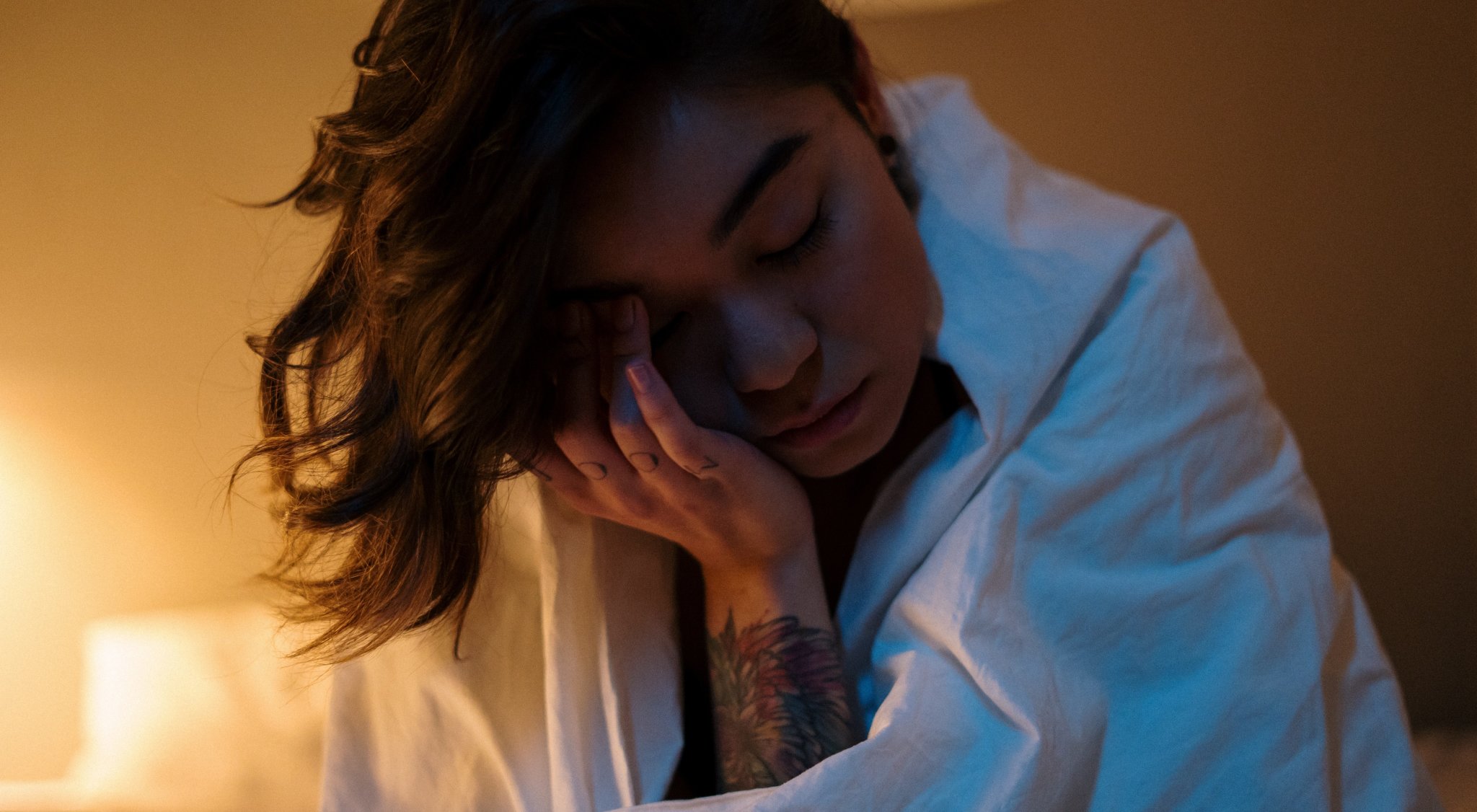
If you regularly get too little deep sleep, it can lead to a range of symptoms that impair your physical and mental recovery.
In everyday life, even just one night of insufficient deep sleep can have negative consequences for your health. These include severe fatigue, dry and irritated eyes, slowed reaction times and impaired decision-making, increased irritability, difficulty concentrating and paying attention, reduced energy during exercise, decreased performance, and impaired logical thinking.
A lack of these sleep stages also negatively affects overall memory function and learning. This is because the brain sorts and stores the day’s experiences, motor skills, events, and emotions during deep sleep. This process ensures that we remember these experiences and consolidate knowledge and skills through the stored information.
Since the immune system also recovers at night, poor deep sleep makes us more susceptible to infections.
Mental health conditions, sleep disorders, and insulin resistance can also result from a lack of sleep. In insulin resistance, cells respond less effectively to the hormone insulin, which can lead to type 2 diabetes over the long term.
While these symptoms are nonspecific and can also indicate numerous other illnesses or deficiencies in the body, anyone who notices them frequently should at least consider the possibility of poor deep sleep.


Is your deep sleep phase too short?
It’s almost impossible to determine on your own whether you’re getting enough deep sleep at night, and very few people are aware of whether their daytime fatigue is actually related to poor sleep.
However , if you wake up after 8 hours of sleep feeling worn out and exhausted, this could be an initial indication that your deep sleep phase is too short. This is because the actual depth of your sleep may well correspond to the perceived quality of your sleep. So if you feel completely worn out in the morning, you may have spent the night in only light sleep phases. This is because you wake up more often during these phases, which is why they aren’t sufficient for the body to fully recover.
If you want to gain insight into how you sleep, you can get a smartwatch for home use that tracks your sleep by monitoring and recording body movements, heart rate , and sleep duration. While this can help identify sleep patterns, it’s not possible to draw truly reliable conclusions about sleep quality due to the inaccuracy of the measurement methods.
Therefore, only a polysomnography test in a sleep lab provides more accurate results. This is a test in which you are connected to various devices for one night; these devices collect comprehensive data on sleep quality and sleep stages based on factors such as eye movements, breathing, oxygen levels, brain electrical activity, and heart rate.
Deep sleep consolidation can also be helpful. Deep sleep consolidation is a method for improving sleep quality and maximizing the body’s recovery during sleep. The goal is to extend the time spent in deep sleep, as these sleep phases are particularly important for physical and mental regeneration. The method involves specific breathing and relaxation exercises, as well as behavioral changes before bedtime, to promote and consolidate deep sleep. Deep sleep consolidation can help reduce sleep disturbances, boost mental performance, and improve physical recovery.



Conclusion
As you can see, deep sleep is a brief but all the more important phase in your nightly sleep cycles. Only by spending enough time in deep sleep can you help your body and mind regenerate. If you’re unsure whether you might not be getting enough deep sleep, try following a few of our tips to improve your sleep hygiene. Your body and your health will thank you.
How BLACKROLL® can support your sleep quality: