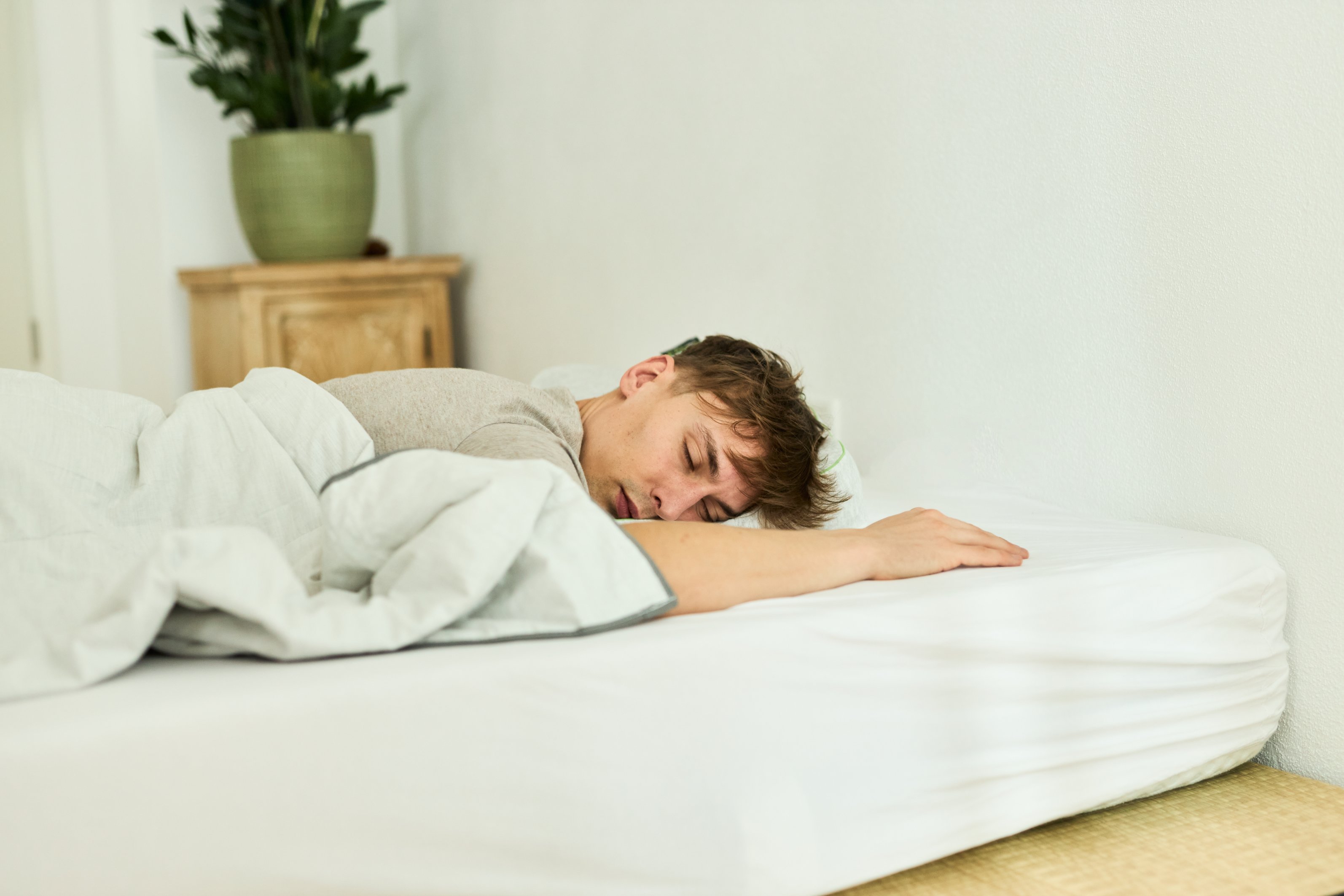
What is sleep apnea? Causes and treatment

Does this sound familiar? You’re sleeping next to someone who snores loudly, and suddenly, out of the blue, the snoring stops for a few seconds. What may initially seem like a harmless pause could be a sign of a widespread but often unrecognized health problem: sleep apnea syndrome.
Sleep apnea syndrome affects millions of people worldwide and, if left untreated, can lead to serious health complications. But what exactly is this syndrome? How is it diagnosed, and what treatment options are available? And what is it like to live with sleep apnea?
In this blog post, we’ll address these very questions. Throughout this article, we’ll provide you with a detailed overview of sleep apnea syndrome—from its definition, causes, and risk factors to its symptoms, health effects, diagnostic procedures, and possible treatments.
Finally, we’ll offer helpful tips and advice for managing sleep apnea in your daily life. Our goal is to educate you about this widespread but often overlooked health issue and help you achieve healthier, more restful sleep. It’s time to take sleep seriously and embark on a journey toward a better understanding of sleep apnea.
Read on and discover how you can sleep, breathe, and live better.
Breathing pauses at night: Sleep apnea syndrome
The various sleep disorders can be divided into six different groups. Breathing disorders are one of them. Those affected often complain of breathing problems, snore loudly and irregularly, or experience breathing pauses during sleep. All of this not only disrupts a good night’s sleep but can also lead to exhaustion or daytime sleepiness the next morning, for example.
A particularly common breathing disorder is what’s known as sleep apnea syndrome. Approximately 2–3 percent of all adults are affected. The word “apnea” comes from Greek and roughly means “no air.” It is pronounced “apnoé” and not “apnö.” The term sleep apnea thus describes pauses in breathing during sleep, which sums up the condition: Those affected stop breathing at night. These breathing pauses occur more than 15 times per hour and last longer than ten seconds. This jeopardizes the body’s oxygen supply, which is why it sounds the alarm with mild attempts to wake the person, known as arousals. This leads to restless nights and disrupts physical and mental recovery during sleep.
When it comes to sleep apnea, doctors distinguish between obstructive and central apnea: If the breathing pauses at night are caused by blocked airways, the condition is referred to as obstructive sleep apnea syndrome (OSAS). If, on the other hand, the brain triggers the pauses in breathing, central sleep apnea syndrome (CSAS) is diagnosed. In these cases, the brain does not send enough signals to prompt the body to breathe.
Causes: What Triggers Sleep Apnea
Sleep apnea can have both anatomical and neurological causes. Often, multiple factors play a role. In central sleep apnea syndrome, the brain is the cause of the breathing pauses. It does not send enough signals to prompt the body to breathe. This can be a result, for example, of brain damage caused by a stroke or a tumor. Strong painkillers can also trigger CSAS.
In obstructive sleep apnea syndrome (OSAS), airflow is reduced or cut off due to narrowed airways. Typical causes of OSAS include growths in the throat or allergies and infections that cause the nasal mucous membranes to swell. Anatomical peculiarities, such as an unfavorable jaw position or large adenoids and tonsils, can also obstruct airflow.
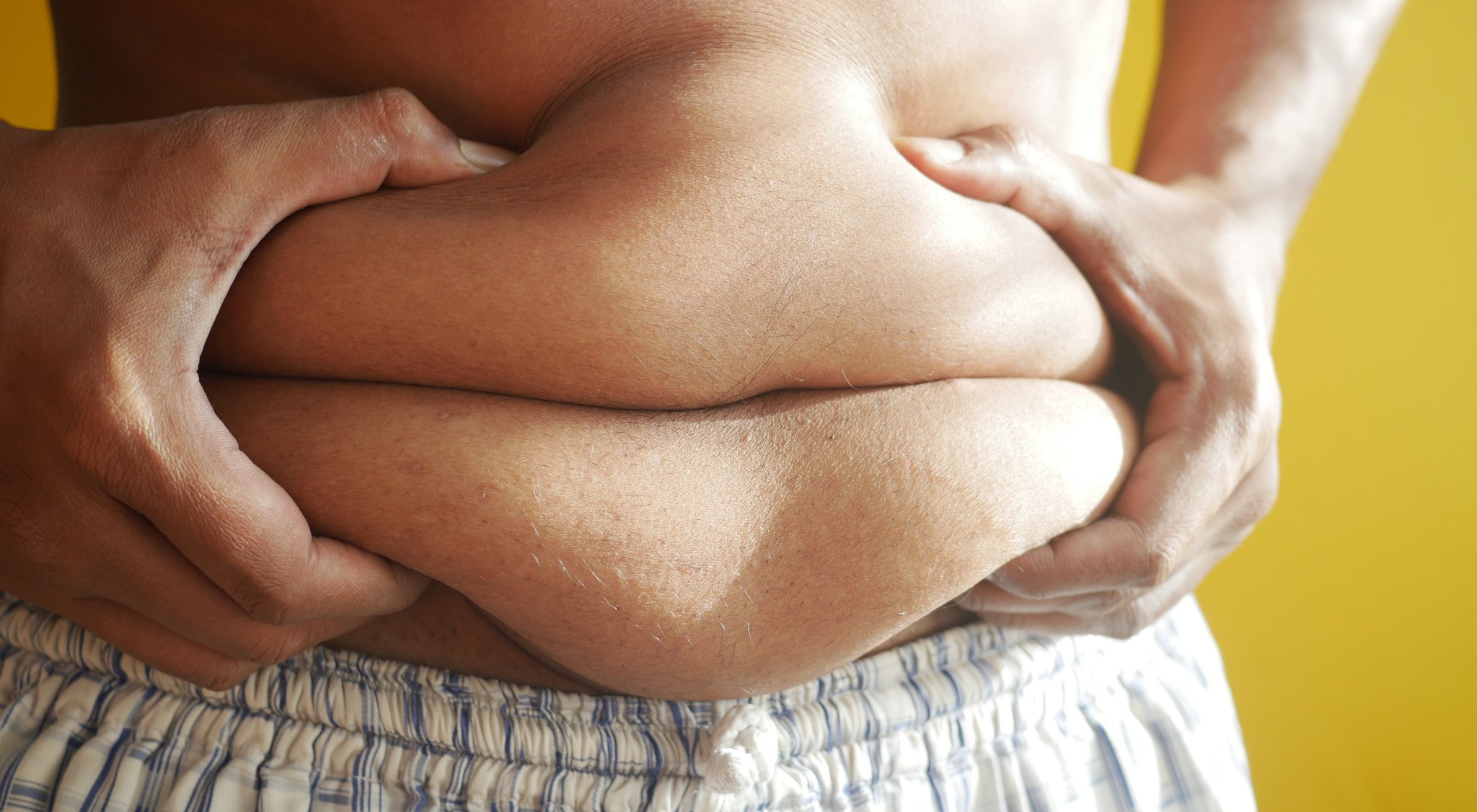
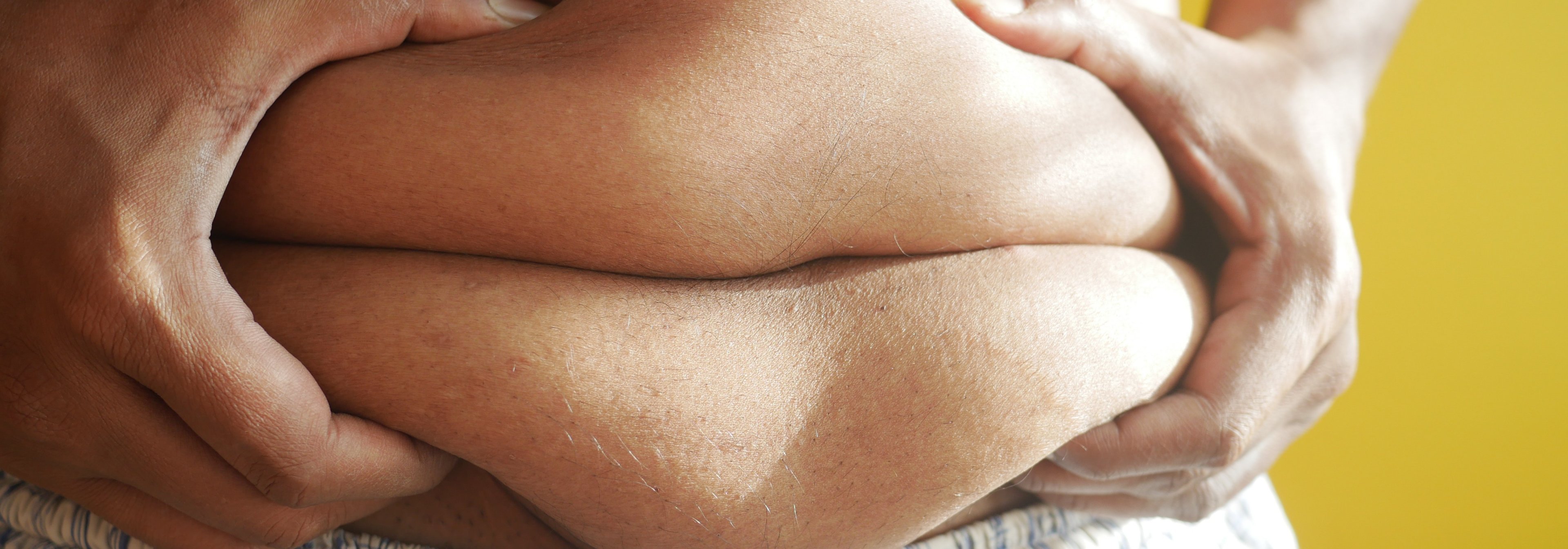
Being overweight is considered the number one risk factor for OSAS, because fat accumulates not only on the abdomen, legs, and buttocks, but also on the neck and tongue. This narrows the throat. Studies also show that age is a risk factor, as tissue naturally softens over the years. This also causes the muscles of the airways to weaken somewhat, making breathing pauses more likely. Smoking, alcohol, and certain medications—especially muscle relaxants—can further relax the throat and increase the likelihood of breathing pauses.
Symptoms: Typical signs of sleep apnea
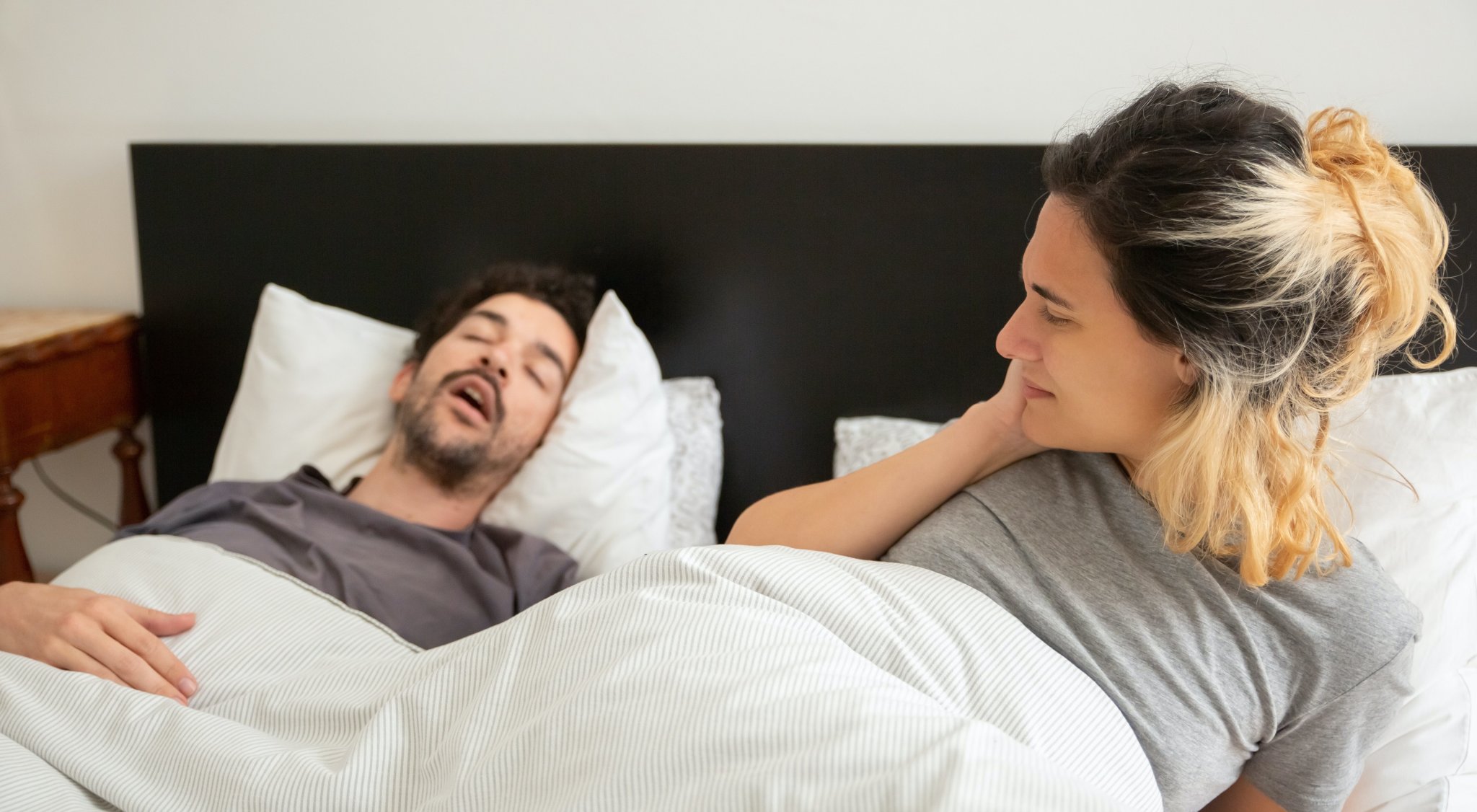
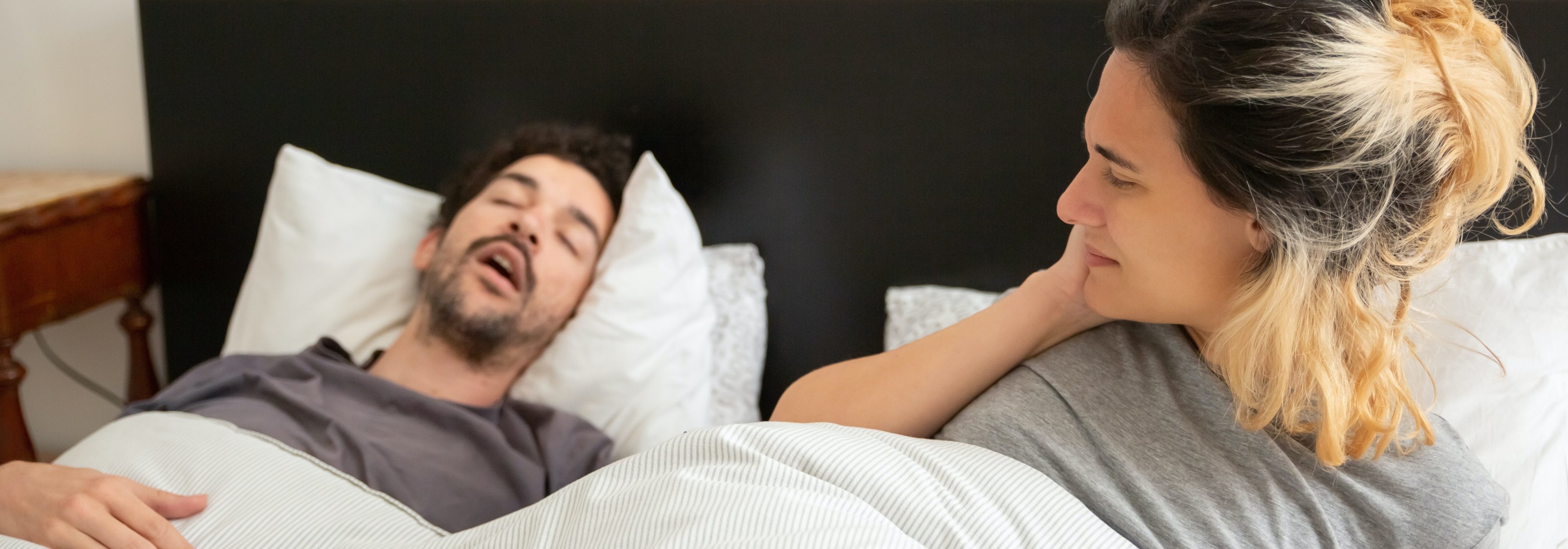
The most important symptom of sleep apnea—the so-called primary symptom—is nighttime breathing pauses. For a brief moment, breathing stops, which may be followed by gasping for air. However, since these breathing pauses occur during sleep, this symptom often goes unnoticed—especially by the people affected. The person sleeping next to them is usually more likely to notice this sign. The same applies to another typical symptom: loud and irregular snoring. In some cases, the noise is so extreme that it disrupts the sleep of both the person with sleep apnea and their partner.
Other possible symptoms of sleep apnea include heavy sweating during sleep, morning headaches, or a dry mouth and a sore throat upon waking. Some people with sleep apnea have to urinate several times a night.
In addition, symptoms such as difficulty concentrating, irritability, mood swings, or drowsiness may occur during the day, which is due to insufficient rest at night. This overwhelming daytime fatigue is particularly dangerous while driving, as it can lead to microsleep.
It’s also important to know that not everyone will experience all the signs of sleep apnea. The severity of symptoms can also vary from person to person. If you suspect you may be suffering from a sleep-related breathing disorder, a good first step is to ask your partner, a friend, or a family member to observe you while you sleep. If your suspicion is confirmed, you should definitely make an appointment with a doctor and seek treatment.
Sleep Needs as a Guide for Sleep Problems
With sleep problems such as sleep apnea, it’s often difficult to assess whether your sleep is still within the normal range or has already deviated significantly from it. In addition to sleep quality, sleep duration also plays an important role in properly evaluating rest and health. Especially when compared to age-based guidelines, it quickly becomes clear whether you may be sleeping too little or restlessly. A table showing sleep duration by age, which clearly illustrates average needs, provides a helpful guide.
Diagnosis: How Sleep Apnea Is Diagnosed
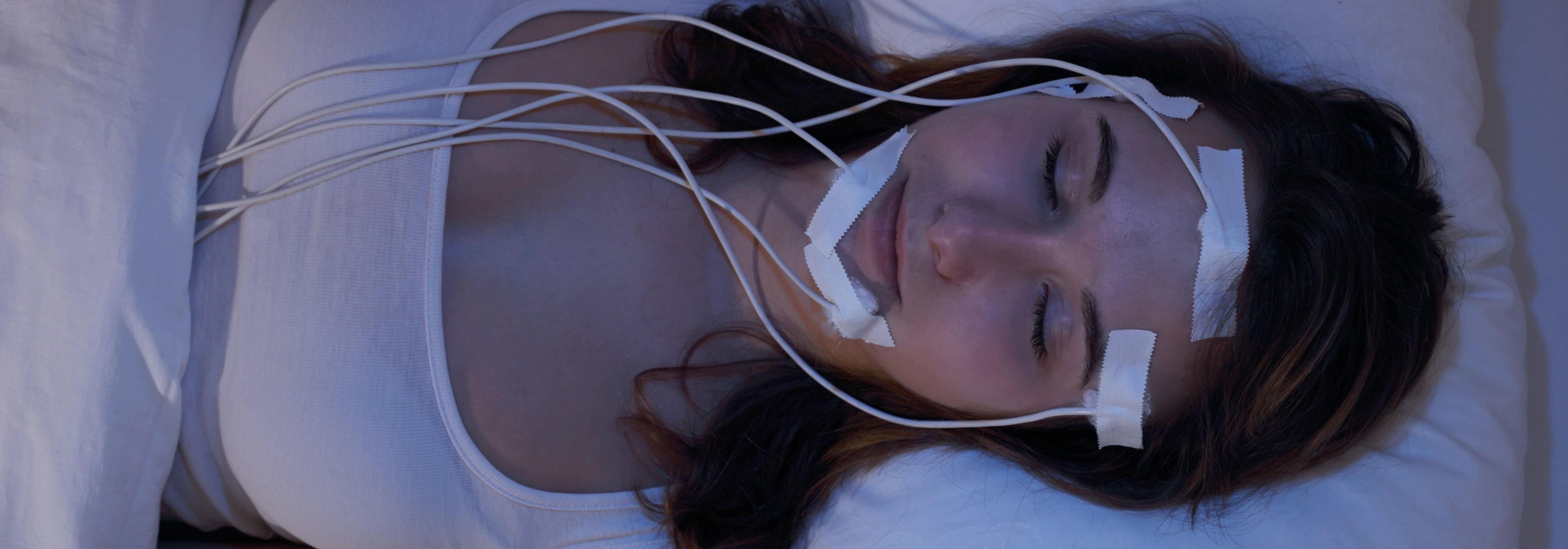
Diagnosing sleep apnea typically requires a comprehensive examination and monitoring of sleep. The first step is for the patient to discuss their symptoms and sleep habits with their primary care physician. The physician can then determine whether further tests and examinations are necessary and, if appropriate, refer the patient to a specialist or a sleep lab.
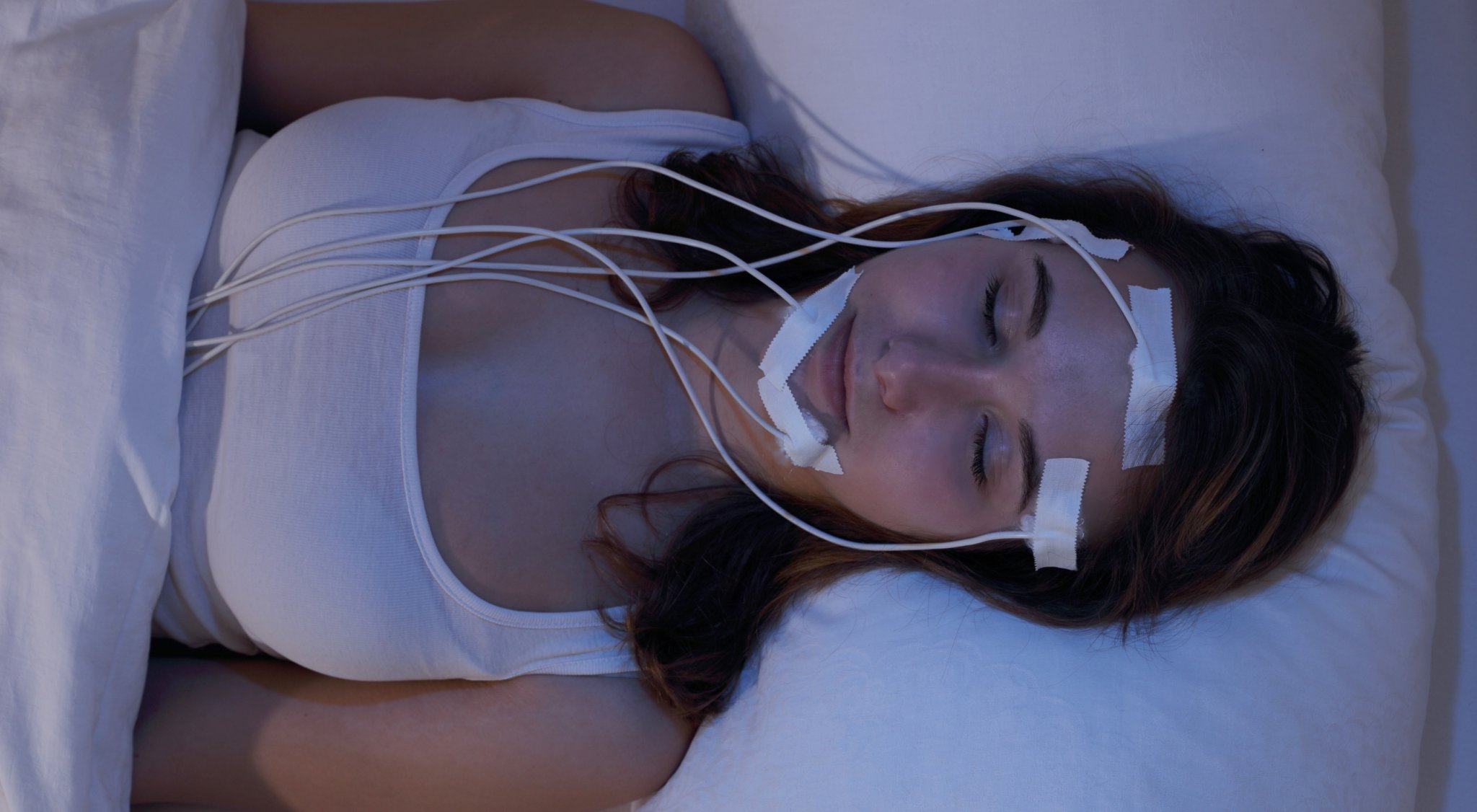
A common method for diagnosing sleep apnea is a procedure called polysomnography. During this procedure, the patient’s sleep is monitored in a sleep lab. Various parameters are measured during this examination, such as brain activity, respiratory rate, and blood oxygen saturation. Eye and muscle twitches, as well as snoring sounds, also provide important information.
However, an overnight stay in the sleep lab is not always necessary. Alternatively, the doctor can provide the patient with a portable device to take home, which monitors similar parameters during sleep. The advantage of this method is that it allows the patient to sleep in their familiar surroundings, which generally leads to more natural sleep patterns.
After evaluating the collected data, the doctor will interpret the results and make a diagnosis. If the suspicion of sleep apnea is confirmed, appropriate treatment can be discussed immediately. This is important for preventing potential complications, such as cardiovascular problems, and for improving the patient’s quality of life.
Treatment: How Sleep Apnea Is Treated
The goal of sleep apnea treatment is to reduce or eliminate breathing pauses during sleep. The appropriate treatment depends on the severity of the sleep apnea and the patient’s individual needs.
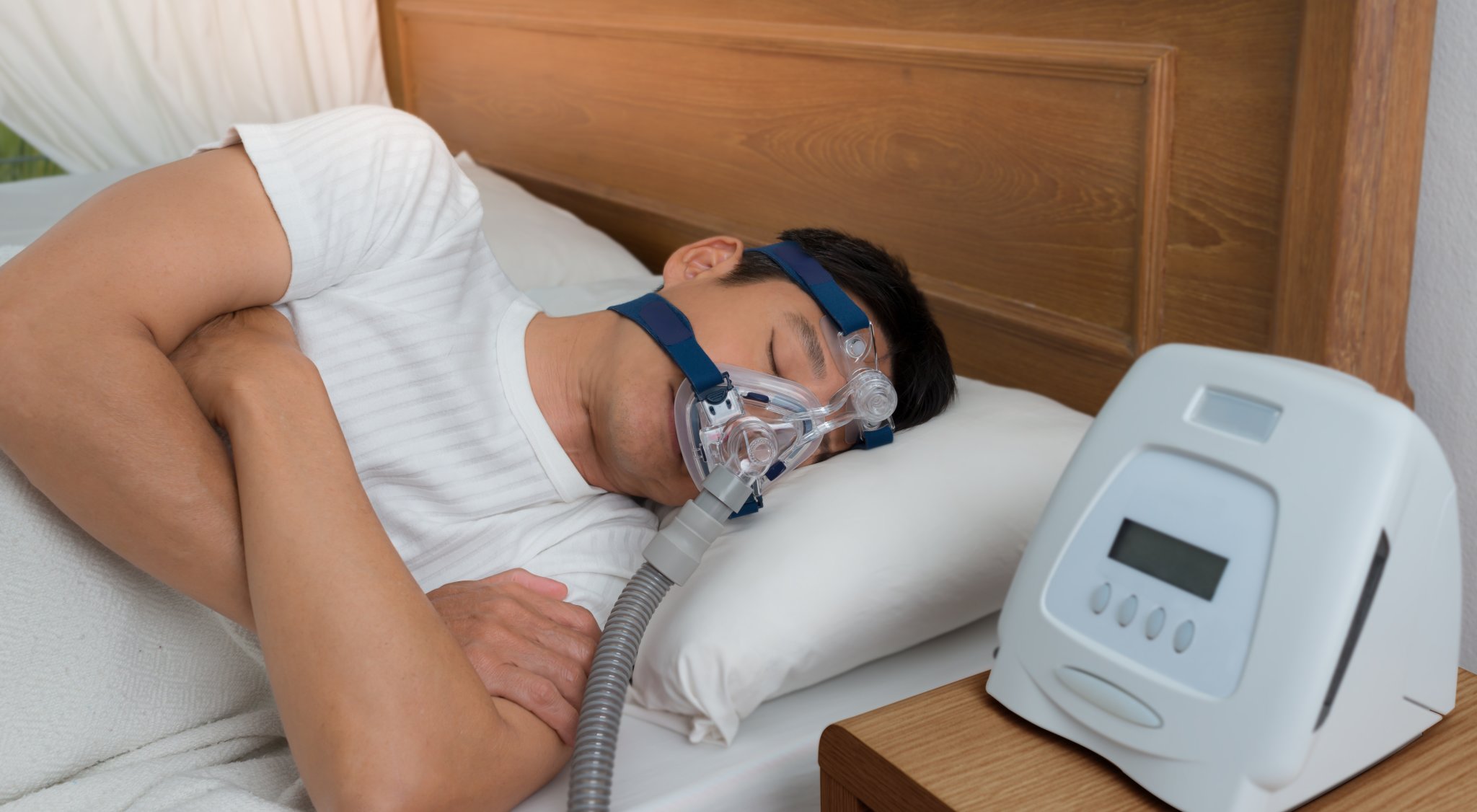
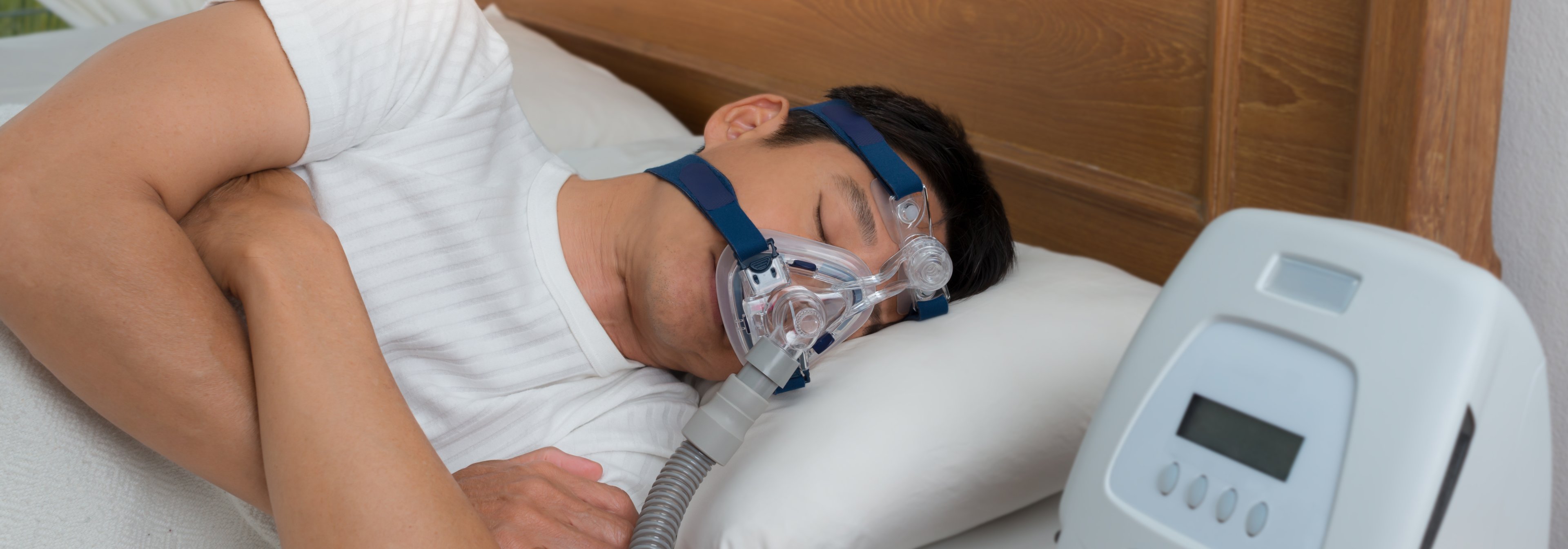
A common treatment method is continuous positive airway pressure (CPAP) therapy. In this treatment, a gentle stream of air is continuously delivered to the patient through a special mask at night. This creates positive pressure that prevents the airways from collapsing and breathing from stalling. CPAP therapy is currently considered the gold standard—that is, the best method for treating sleep apnea. Its use improves quality of life in at least 70 percent of treated patients. However, you should also be aware that the mask alleviates the symptoms but does not address the underlying cause of your sleep apnea. If you stop using it, the breathing pauses will return.
For patients for whom CPAP therapy is not suitable, there are also alternative treatment methods, such as oral appliances that move the lower jaw slightly forward, thereby keeping the airways open. In some cases, surgery is necessary, for example, to correct jaw deformities. In some cases, lifestyle changes can also help alleviate sleep apnea syndrome, such as losing weight if you’re overweight or avoiding alcohol and sedatives before bedtime.
The choice of the right treatment should always be made in consultation with a doctor. In addition, regular follow-up examinations are important to assess the effectiveness of the therapy and adjust it if necessary.
Risks: The Consequences of Untreated Sleep Apnea
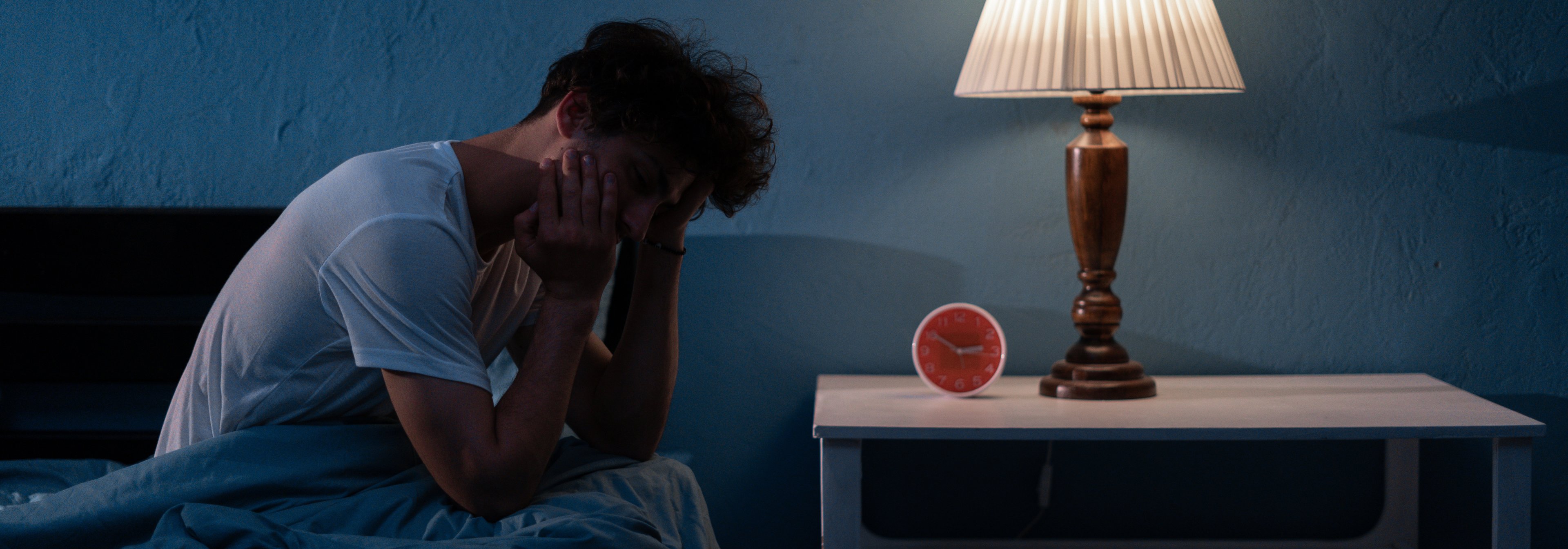
Untreated sleep apnea can cause a variety of health problems. The lack of oxygen during sleep puts particular strain on the heart, as it must beat more frequently to compensate for the temporary shortage of oxygen. In the long term, this can lead to high blood pressure, arrhythmias, and even heart attacks. Sleep apnea patients also have about a sevenfold higher risk of stroke.
Heartburn is another common consequence, as snoring and labored breathing can make it easier for acidic stomach acid to enter the esophagus, causing the typical burning sensation in the chest. Sexual function is also affected: 70 percent of men with sleep apnea syndrome experience erectile dysfunction.
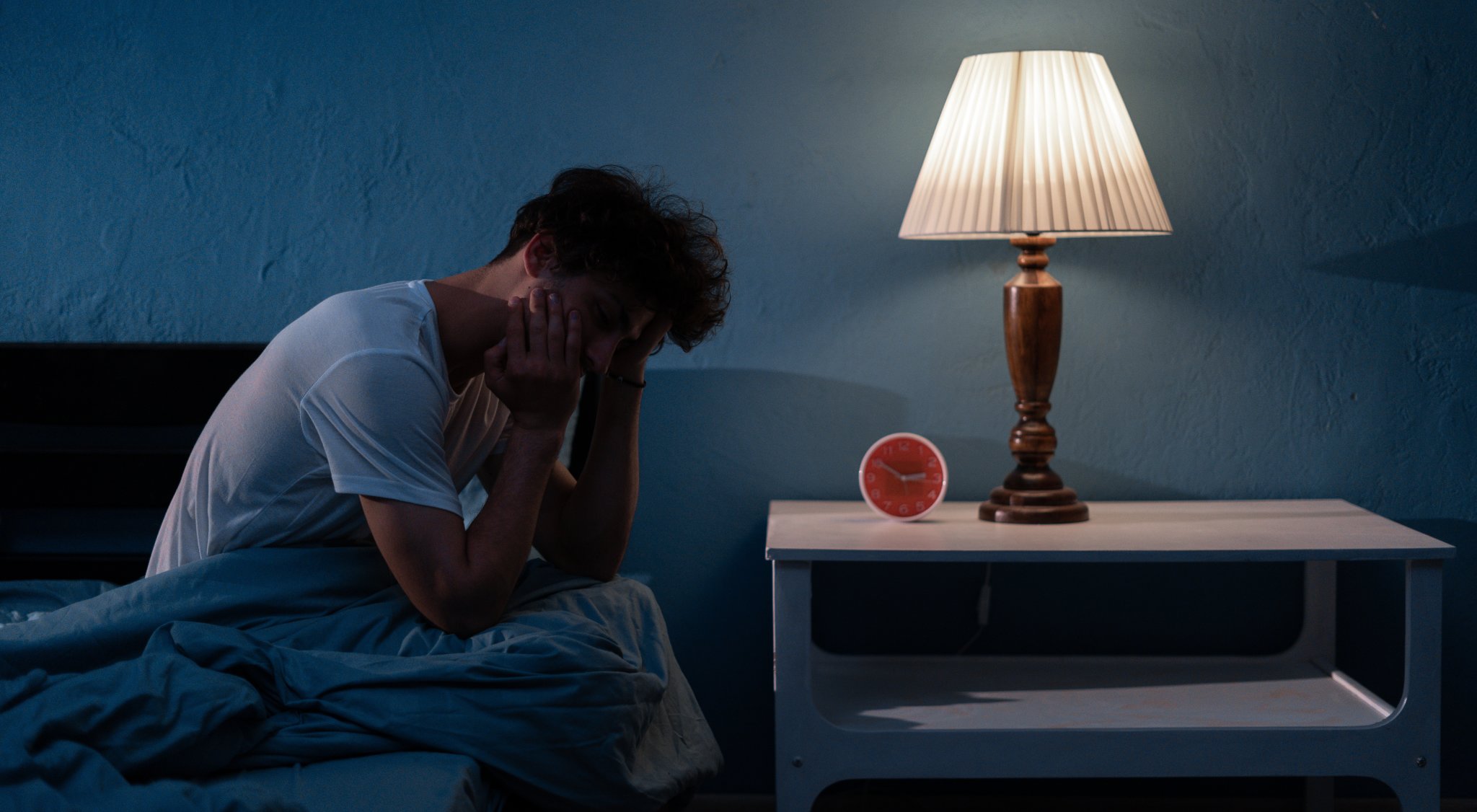
The nightly pauses in breathing impair sleep quality and can thus exacerbate other health problems such as diabetes or liver disease. The lack of rest also frequently leads to chronic daytime fatigue, which increases the risk of traffic or workplace accidents. Impaired concentration can reduce performance and trigger memory problems. The exhaustion can also affect mood: Apnea patients’ zest for life may be diminished, and depressive moods become more likely over the years. Both can lead to social withdrawal. That’s why it’s so important to get an early diagnosis, treat sleep apnea, and protect your health and well-being.

What can you do if you have sleep apnea?
If you experience breathing pauses while sleeping, there are several self-help measures you can take to alleviate your symptoms and improve your sleep quality. However, none of these tips and tricks are a substitute for treatment; they are only meant to support your sleep apnea therapy.
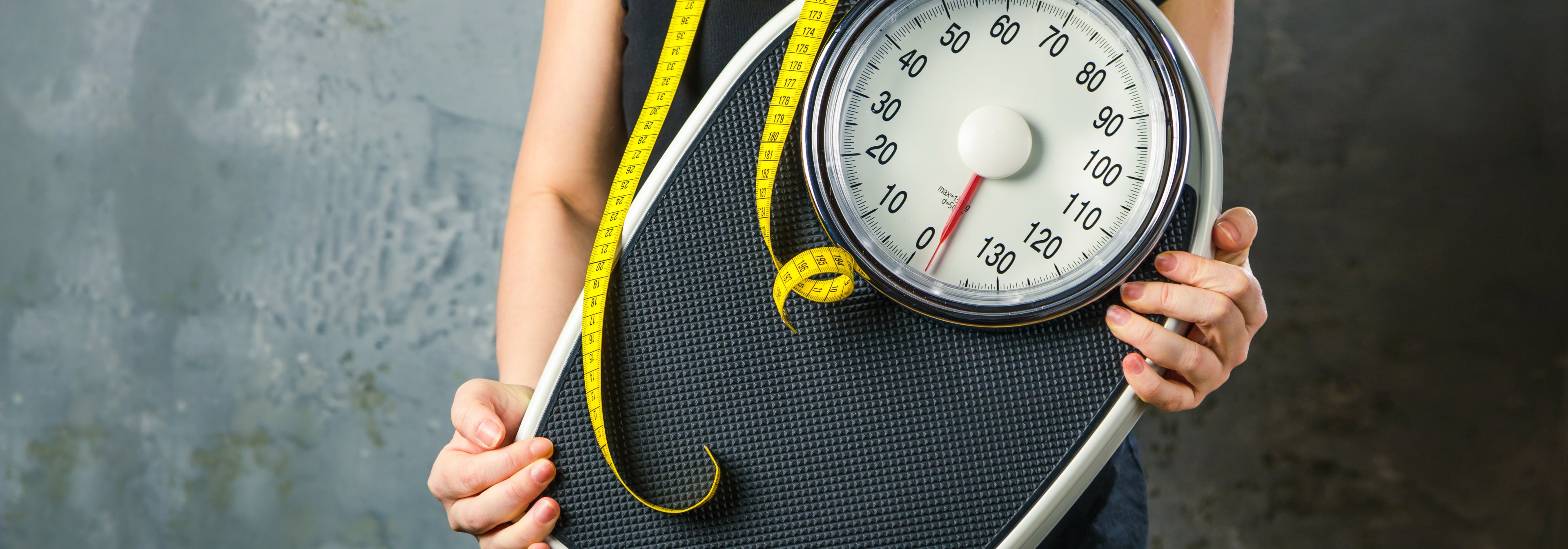
One of the most important steps is to lose weight if you’re overweight. This helps reduce excess fatty tissue in the throat area, allowing your airways to open up more freely. Professional support is usually advisable for this: Consult your primary care physician if you want to lose excess weight. They’re familiar with your health status and can recommend appropriate diet or exercise plans.
Another tip is to avoid alcohol and sedatives before bedtime. These substances can cause your airways to relax, thereby worsening breathing pauses. Instead, you should prioritize healthy sleep hygiene by maintaining a regular sleep schedule, creating a comfortable sleep environment, and incorporating relaxation techniques such as meditation or breathing exercises into your routine.
When you’re lying in bed feeling tired in the evening, try to sleep on your side rather than on your back. Sleeping on your side keeps your airways more open, which can sometimes reduce breathing pauses. Nasal strips or nasal dilators are also worth a try. These anti-snoring devices slightly widen the nostrils, allowing air to flow more easily. However, health insurance plans do not cover the cost of these items. In addition, some people find these aids uncomfortable, and they can actually worsen sleep quality rather than improve it. To reduce nasal resistance, you can use decongestant nasal sprays for a short time.


Prevention: How to Prevent Obstructive Sleep Apnea
The breathing pauses associated with central sleep apnea syndrome are triggered by the brain. There’s little you can actively do about this except seek medical treatment. The situation is different with obstructive sleep apnea, which can be prevented through various measures. While there’s no guarantee that you’ll never develop the condition, if you’re already noticing signs of sleep apnea, these preventive measures can help reduce your risk or alleviate your symptoms:
- Quit smoking! Smoking irritates the mucous membranes of the airways, which can cause inflammation and swelling. Both narrow the airways, increasing the risk of obstructive sleep apnea.
- Get your health conditions treated! Respiratory diseases, in particular, have a negative impact on the development of sleep apnea. Therefore, make sure to treat any underlying conditions, such as allergies, a chronically stuffy nose, or a lingering cough.
- Find the right way to relax! Stress can cause tension and muscle stiffness, which also affect the airways. That’s why you should find an effective stress management technique that works for you, such as relaxation exercises, meditation, or yoga. These techniques help reduce your stress levels and also promote good sleep.
- Take care of your airways! Keep your throat, pharynx, and lungs as free as possible from allergens and irritants. For example, avoid house dust, pet dander, or tobacco smoke in the bedroom.
- Pay attention to yoursleep! Practice good sleep hygiene by sticking to a regular sleep schedule and creating a comfortable sleeping environment. For example, avoid noise, bright lights, and electronic devices before bedtime.
- Get regular checkups! Regular visits to the doctor are important for monitoring your health and detecting risk factors for sleep apnea early on.


FAQs: Sleep Apnea Caused by Stress and Other Frequently Asked Questions
Question: Can sleep apnea be caused by stress?
Answer: Yes, stress can trigger sleep apnea or make it worse. However, the relationship is complex: When under stress, the body releases stress hormones such as cortisol, which not only disrupt sleep but also cause tension and muscle stiffness. Both of these factors increase the risk of breathing pauses during sleep. In addition, stress negatively affects the most significant risk factor for sleep apnea—being overweight—because many people tend to turn to emotional eating during stressful periods.
Question: Are women and men equally affected by sleep apnea?
Answer: There are gender-specific differences: OSAS, for example, occurs more frequently in men than in women. This is due, in part, to the fact that men are more likely to be overweight. Hormonal differences also play a role. For instance, estrogen levels in women help protect against flaccid airways. However, these levels drop during menopause, and women then face a similar risk of sleep apnea as men.
Question: Can children also have sleep apnea?
Answer: Yes, sleep apnea can also occur in children. The most common form is obstructive sleep apnea, which in children can cause, for example, loud snoring, restless sleep, frequent waking, bedwetting, and daytime sleepiness. Typical causes of breathing pauses during sleep in children include being overweight or having enlarged tonsils.
Question: Can sleep apnea go away on its own?
Answer: No, sleep apnea syndrome is a chronic condition that generally does not go away on its own. There are isolated cases where mild forms of sleep apnea improve spontaneously, but this is not the norm. Without treatment, the symptoms can progress and worsen. That’s why you should always see a doctor if you think you’re experiencing breathing pauses at night.
Question: How is the severity of sleep apnea determined?
Answer: The Apnea-Hypopnea Index (AHI) is used to measure the number of breathing pauses per hour: An AHI of less than 5 is considered normal, while an AHI of 5–15 is classified as mild sleep apnea, 15–30 as moderate sleep apnea, and over 30 as severe sleep apnea. A higher AHI value therefore indicates a more severe form of sleep apnea.

The Perfect Pillow for Every Sleep Type
Recovery Pillow