
Neck pain after sleeping: What helps?

Neck pain after sleeping—what really helps?
- Neck pain after waking up is often caused by muscle tension, poor sleeping positions, or an unsuitable pillow.
- Other causes include stress, one-sided strain during the day (e.g., sitting for long periods), or mental tension.
- The right sleeping posture and a suitable pillow promote nighttime recovery and help prevent tension.
- Stretching exercises, ergonomic adjustments, and relaxation techniques also help reduce neck pain over the long term.
Highly recommended: The BLACKROLL® RECOVERY PILLOW —an ergonomic pillow that relieves pressure on the neck muscles and is ideal for side, back, and stomach sleepers.
What to do about neck pain after sleeping?
Anyone who wakes up in the morning with a stiff neck or a headache knows just how much neck pain after sleeping can ruin the start of your day. Instead of feeling refreshed, you feel tense, stiff, and often irritable—as if your body hadn’t gotten any rest overnight. In fact, neck tension is one of the most common muscular complaints of all, and in most cases, there’s no serious underlying condition. Rather, it’s the result of an unfavorable sleeping position, the wrong pillow height, stress, or a lack of movement in your daily routine.
In this article, you’ll learn why your neck hurts after sleeping, what the typical causes are, and what really helps—from heat therapy and stretching exercises to tips for choosing the right pillow and maintaining a healthy sleeping posture. We’ll also explain when you should seek medical advice and how you can prevent this problem in the long term so your neck finally stays relaxed in the morning.
Neck pain after sleeping is common—and in most cases harmless. It’s usually caused by muscle tension or an awkward sleeping position. If you wake up in the morning with a stiff neck, a headache, or a pulling sensation extending into your shoulders, you’ve likely been lying in an awkward position for hours. This leads to reduced blood flow to the muscles and fascia, which impairs nighttime recovery.
The good news: In many cases, these symptoms can be quickly relieved. Heat, gentle stretching exercises, and maintaining good posture throughout the day promote blood flow and help relax the muscles. A short morning walk or light movements in the shoulder and neck area also activate the muscles and release tension that has built up overnight.
If you regularly wake up with tension or pain in your neck, check your sleeping habits: Is your head in a neutral position, aligned with your spine? Is your pillow neither too soft nor too hard? Studies show that an incorrect pillow height or a twisted sleeping position can contribute to neck pain (ScienceDirect, 2021).
In addition to the correct sleeping position, your daily routine also plays a role. Prolonged sitting, insufficient exercise, or poor ergonomic posture at work lead to constant tension in the neck muscles. The body stores this tension and carries it over into the night. If stress or nighttime teeth grinding are added to the mix, the problem can worsen.
To provide relief, heat pads, heat patches, or gentle heat treatments in the bedroom can help promote blood circulation. Home remedies such as a warm bath, red light therapy, or a brief self-massage with your hands on the neck and shoulders can also reduce tension.
However, if the pain persists for more than a few days, radiates into the arm, or causes limited mobility or dizziness, you should seek medical advice. A doctor or physical therapist can determine the cause—such as muscle stiffness, joint blockages, or wear and tear of the cervical spine—and recommend targeted treatments or exercises.
“Neck pain after sleeping should not be viewed in isolation but rather as part of a complex interplay of factors. Holistic measures such as ergonomic adjustments, relaxation, gentle stretching exercises, and a mindful sleep environment promote more restful sleep.”
Dr. rer. nat. Torsten Pfitzer, pain expert
Overall, neck pain after sleeping is usually no cause for concern. By optimizing your sleeping position, stretching regularly, strengthening your muscles, and ensuring ergonomic support, you can prevent many problems.
Neck pain is one of the most common muscular complaints—about 40 percent of all affected individuals report problems in the neck, nape, and shoulder regions. In most cases, these issues are harmless and result from tense muscles or fascia. This tension arises when the muscles are overloaded due to repetitive activities, poor posture, or a lack of movement. In everyday life, too, many people spend hours in static positions—for example, while sitting at a desk, driving a car, or due to “text neck.” This causes the muscles and tendons in the neck to remain constantly tense, which reduces blood flow and hinders an adequate supply of nutrients.
Over the course of the day, these small strains add up. If you then lie on an unsuitable surface at night or hold your head in a twisted position, you literally carry that tension into your sleep. An incorrect sleeping position or an unsuitable pillow can further shorten or overstretch the muscles. If the pillow is too soft, the head sinks in too deeply—if it’s too hard, the spine doesn’t stay aligned. Both cause muscles and joints to tense up overnight, and you wake up the next morning with pain in your neck or shoulders.
Psychological factors also play an important role: stress, tension, or nighttime teeth grinding cause the neck muscles to unconsciously tense up. The body remains in a state of heightened muscle activity, even when you’re supposed to be sleeping. Patients often complain of a stiff neck, dizziness, or headaches in the morning. In some cases, injuries, wear and tear of the vertebral joints, or restricted movement in the cervical spine may also be the cause.
Dr. rer. nat. Torsten Pfitzer, a pain therapist and expert in holistic treatment approaches, explains: “The neck is a complex interplay of muscles, fascia, and joints. Poor posture, internal tension, or an unfavorable sleeping position often combine to cause discomfort. Understanding the causes allows for targeted intervention—through stretching, relaxation, and an ergonomic sleeping environment.”
In short: Neck pain after sleeping is usually not caused by a serious medical condition, but rather by a combination of tension, poor posture, and a lack of nighttime recovery. Heat, conscious stretching, and small movements throughout the day can help relieve tension and restore mobility to the neck.
The greatest “potential for tension” arises when muscles remain in a shortened or overly stretched position for hours. This is exactly what often happens during sleep—especially when the head and neck are not aligned neutrally with the spine. The muscles in the neck and shoulder region are sensitive to such static postures: they stiffen, blood flow decreases, and nerve cells send pain signals to the brain. In the morning, this results in a stiff, immobile neck.
This nighttime tension often stems from everyday life. Prolonged sitting, hunched shoulders while working, or poor posture prevent the muscles from ever truly relaxing. When stress or internal tension are added to the mix, the muscles remain active even during sleep. This creates a cycle of tension, pain, and even more tension—a real energy drain.
If you regularly wake up in the morning with a stiff neck, small changes can make a big difference. Before reaching for pain relievers, try simple home remedies and gentle stretching exercises:
- Heat therapy: A warm shower, a hot water bottle, or a heating pad can relax your muscles and improve blood circulation.
- Gentle stretching: Slowly roll your shoulders back, tilt your head slightly to the side, and breathe calmly. This mobilizes the fascia and tendons.
- Movement instead of rest: Light movements of the upper body or a short walk stimulate circulation and release residual tension.
If the tension doesn’t improve after a few days or if the discomfort radiates into your arms or hands, it’s a good idea to see a doctor or physical therapist. Targeted treatments such as manual therapy, stretching, or heat can provide long-lasting relief for your muscles.
Tip: If you often wake up with stiffness in the morning, you can also pay attention to creating the right sleeping environment. A properly fitted mattress, an ergonomic pillow, and a comfortable temperature in the bedroom help prevent cold or drafts, which can further irritate the neck.
"Neck pain after sleeping should not be viewed in isolation, but rather as part of a complex interplay of factors. Holistic measures, such as improving ergonomic support through pillows and mattresses, adjusting sleeping position, relaxation techniques, gentle stretching exercises, and consciously arranging the sleep environment can help effectively relieve neck pain and promote more restful sleep."
Dr. rer. nat. Torsten Pfitzer, pain expert


Sleep better, live healthier—with our sleep course. Up to 100% refund + a free Recovery Pillow.
Discover the online sleep course now
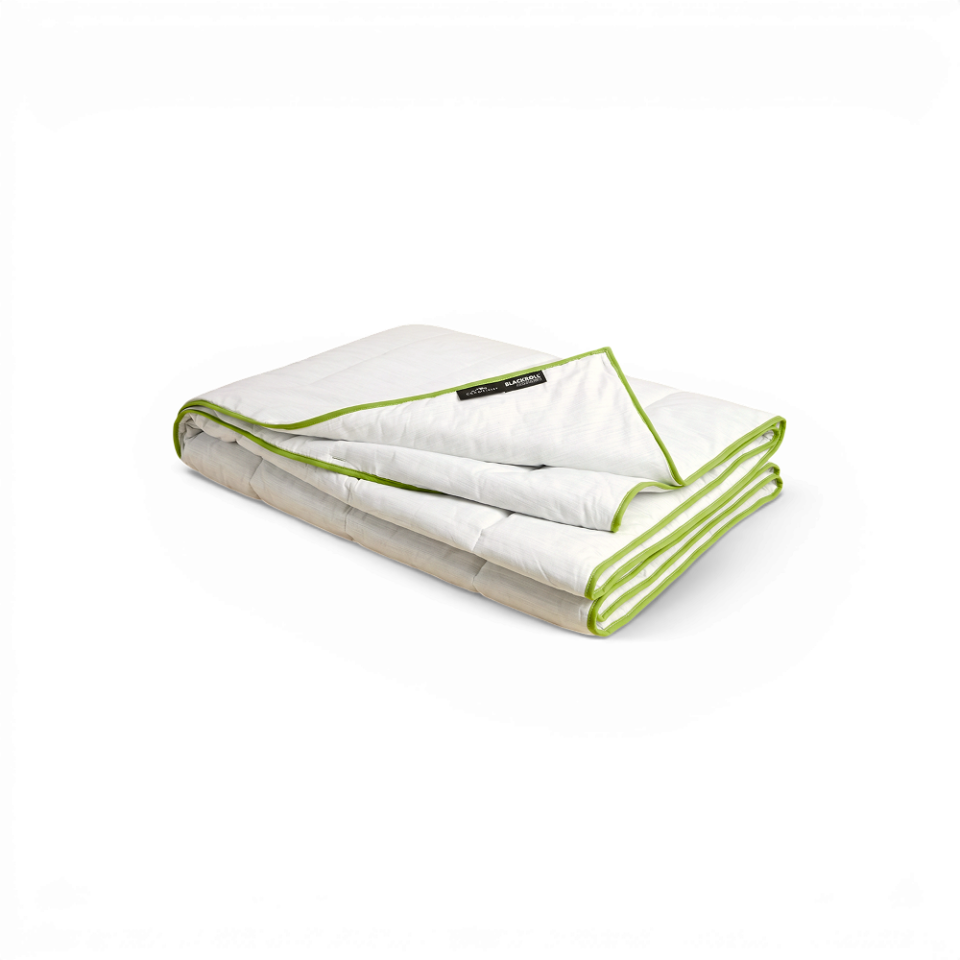
Recovery Blanket All Year
Available in multiple variants


Stiff neck, headaches, and nighttime discomfort
A stiff neck after sleeping feels as if someone has locked your neck joints. Even small movements are uncomfortable, you can barely turn your head, and the pain often radiates into your shoulders or upper back. These symptoms are frequently accompanied by headaches, a feeling of pressure behind the eyes, or mild dizziness. Many patients also report numbness in their hands or a tingling sensation in their fingers—signs that the muscles or nerves are irritated by the tension.
The main cause of such complaints usually lies in poor posture while sleeping. When the head is twisted or hyperextended for hours, muscles and tendons become imbalanced. The result: micro-shortening, reduced blood flow, and impaired gliding of the fascia. Cold or drafts in the bedroom can also cause the area around the neck and shoulders to become chilled—this causes the muscles to stiffen and react more sensitively to every movement.
In most cases, a stiff neck is harmless and resolves on its own within a few days. Heat is the treatment of choice in such cases: heat therapies such as a heating pad, a warm bath, or an infrared lamp promote blood circulation, relax the muscles, and can significantly relieve pain. Gentle stretching exercises and light movements of the upper body can also help reactivate the affected muscles.
However, if the symptoms persist for a longer period, restrict mobility, or are accompanied by symptoms such as dizziness, severe headaches, or numbness, it is essential to consult a doctor or physical therapist. In rare cases, joint blockages, degenerative changes in the cervical spine, or inflammatory processes may be the underlying cause of the pain. An experienced pain specialist can identify the cause and provide long-term relief through targeted treatment, stretching, and exercise therapy.
For prevention, it’s worth taking a look at your sleeping environment: an ergonomic mattress, the right pillow height, and a stable room temperature that isn’t too cool can make a big difference. This keeps the neck in a relaxed position and ensures that nighttime recovery works as it should.
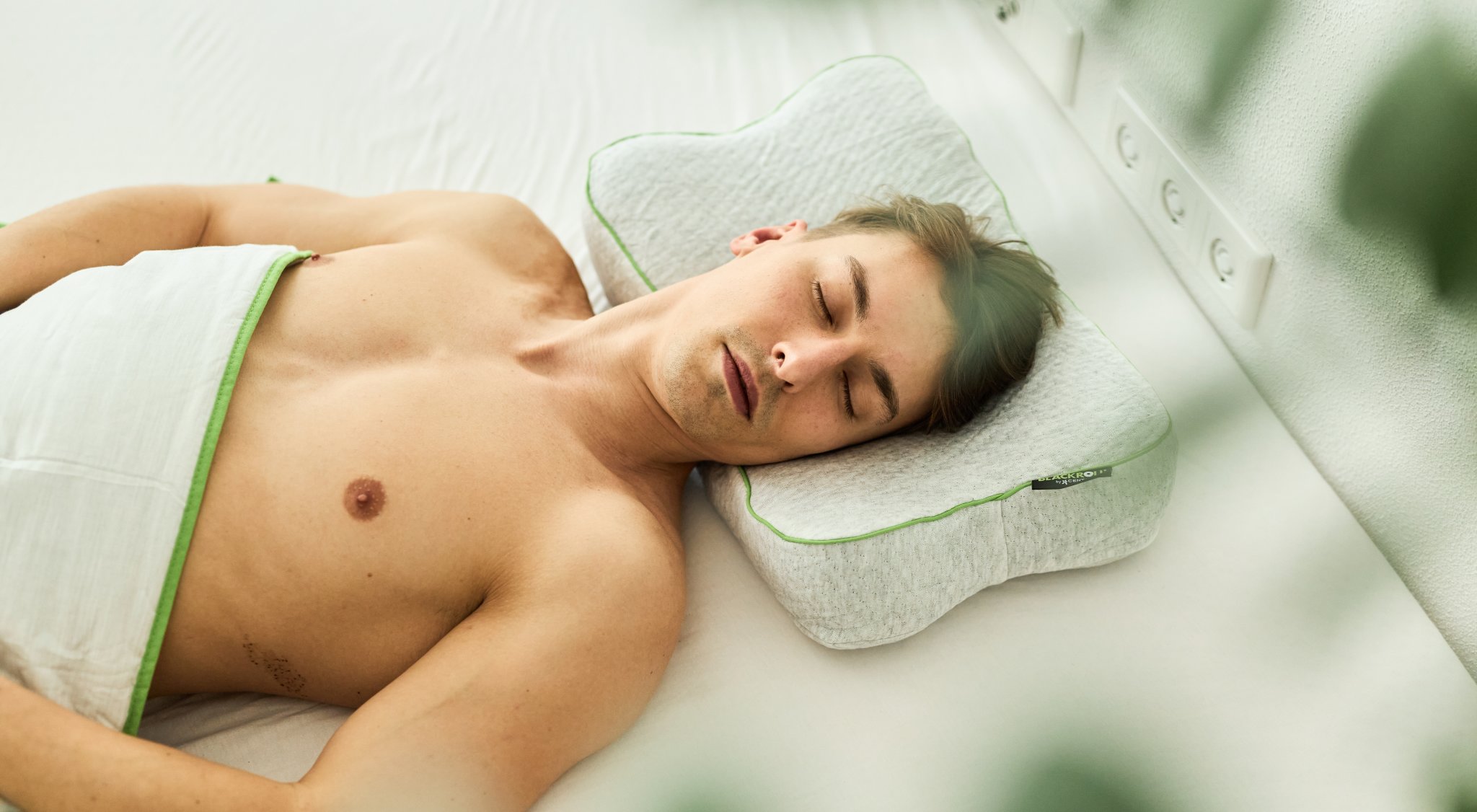

Best Sleeping Position & Right Pillow for Neck Pain
An experienced physical therapist can help you determine the pillow height and sleeping position that are right for you. Gentle stretching exercises before bedtime can also relieve tension in the neck and promote recovery.
Tip: Make sure to replace your pillow regularly—at least every two years with daily use. This maintains its supportive function and helps you avoid hygiene issues caused by moisture or skin contact.
In short: The best sleeping position for neck pain is one in which your upper body and neck form a straight line and your muscles can breathe freely. With the right support from your mattress and pillow, you can permanently prevent many cases of nighttime tension.


Should you sleep with or without a pillow if you have neck pain?
The question of whether it’s better to sleep with or without a pillow when you have neck pain comes up time and again. As a general rule, sleeping without a pillow risks an unnatural posture of the head and neck. This causes the muscles, tendons, and joints of the cervical spine to be overstretched or compressed—especially for side and back sleepers. The result is tension, pain, and sometimes even numbness or tingling in the arms and hands.
A pillow is designed to support the natural curve of the cervical spine and keep the sleeping position stable. This is the only way to keep the neck in a neutral alignment, which improves blood circulation and relieves tension. Without this support, the muscles cannot regenerate sufficiently at night—especially after long days of sitting or working at a computer.
However, there are cases in which a doctor or physical therapist may temporarily recommend sleeping without a pillow—for example, after certain injuries or surgeries, in cases of severe wear and tear on the vertebral joints, or as part of specific pain management treatments. These recommendations are individualized and should be made under medical supervision.
For most patients, however, a moderately high pillow is the best choice. Make sure your pillow gently supports your neck and doesn’t cause your head to tilt forward or backward. If you’re unsure, a quick test can help: Lie down in your preferred position and check whether your spine forms a straight line from your upper body to your head.
In addition, gentle stretching exercises, heat therapy, or simple home remedies like a warm towel in the bedroom can help reduce tension. Consistently maintaining an ergonomic sleeping position can help prevent many nighttime discomforts in the long term.
Your sleeping position has a major impact on whether you experience neck pain after waking up. Many people wonder: Is there even such a thing as the “best” sleeping position for neck pain? Experts primarily recommend a firm mattress combined with a good neck support pillow. Sleeping on your back is considered particularly beneficial because it evenly relieves pressure on the shoulders and cervical spine. Those who already suffer from muscle tension usually benefit the most from this position. It’s also beneficial for people with back pain because the spine remains in a natural alignment.
The right pillow can help the body relax optimally throughout the night. It should provide targeted support for the head, neck, and nape, thereby maintaining the spine’s natural curvature. A good pillow combines supportive and yielding properties: the head should not sink in too deeply, nor should it rest too high. Pillows that are too hard or too soft can increase muscle tension and impede blood circulation. Studies show that ergonomically designed neck support pillows can improve sleep quality and reduce neck pain (ScienceDirect, 2021).
Everyone has a preferred sleeping position—often one they’ve had since childhood. This position influences which pillow height and shape are optimal. Back, side, and stomach sleepers have very different requirements for how their head and neck are positioned. Note: The best sleeping position for neck pain is always the one in which the spine and muscles remain as relaxed as possible.
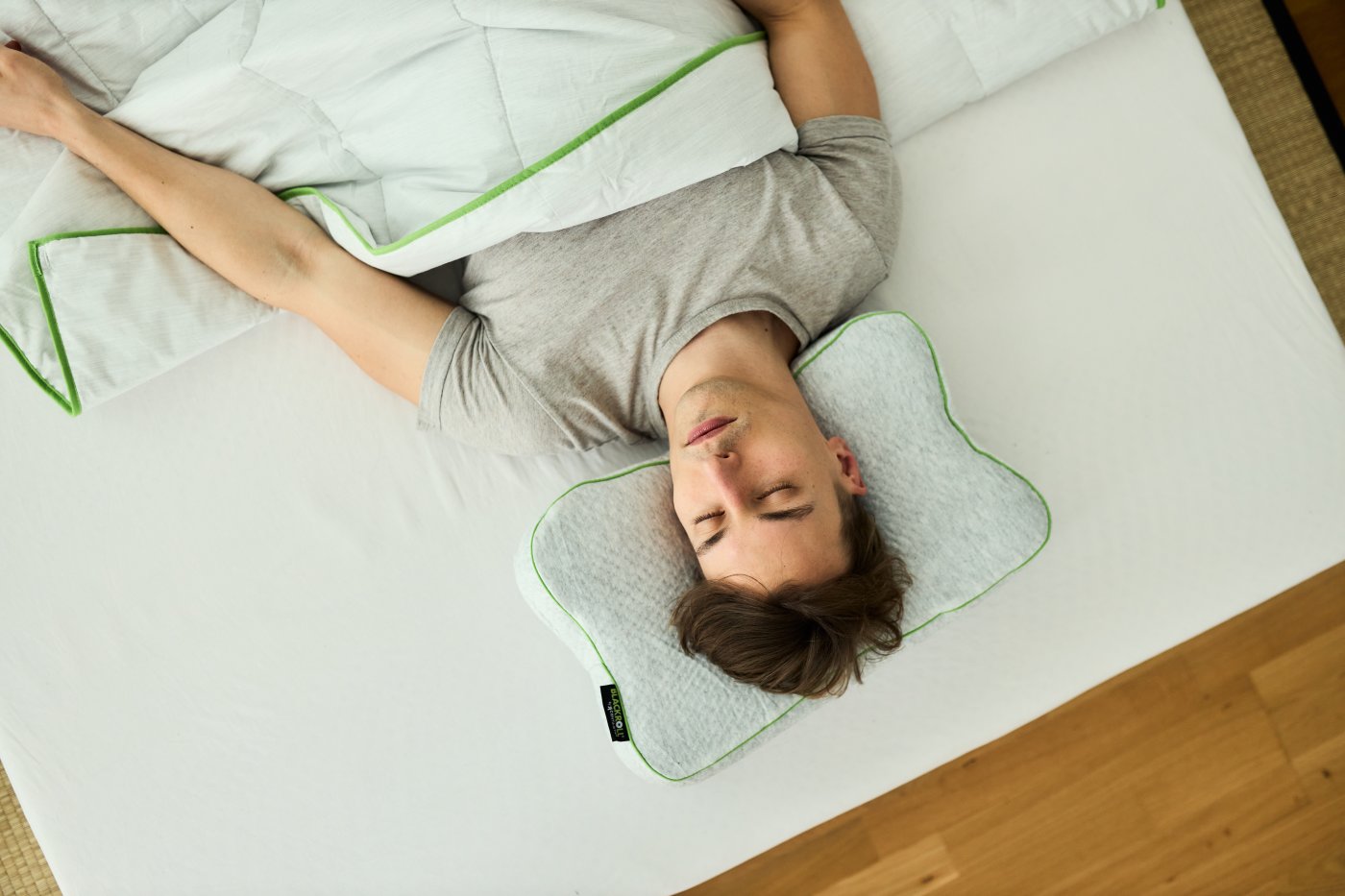
Back Sleepers
If you sleep on your back, you should choose a flat neck support pillow. Raised edges stabilize the neck, while the back of the head rests softly. Make sure your chin doesn’t touch your chest—that would hyperextend your spine. As for pillow height: Your head should be positioned so that your neck and upper body form a straight line.
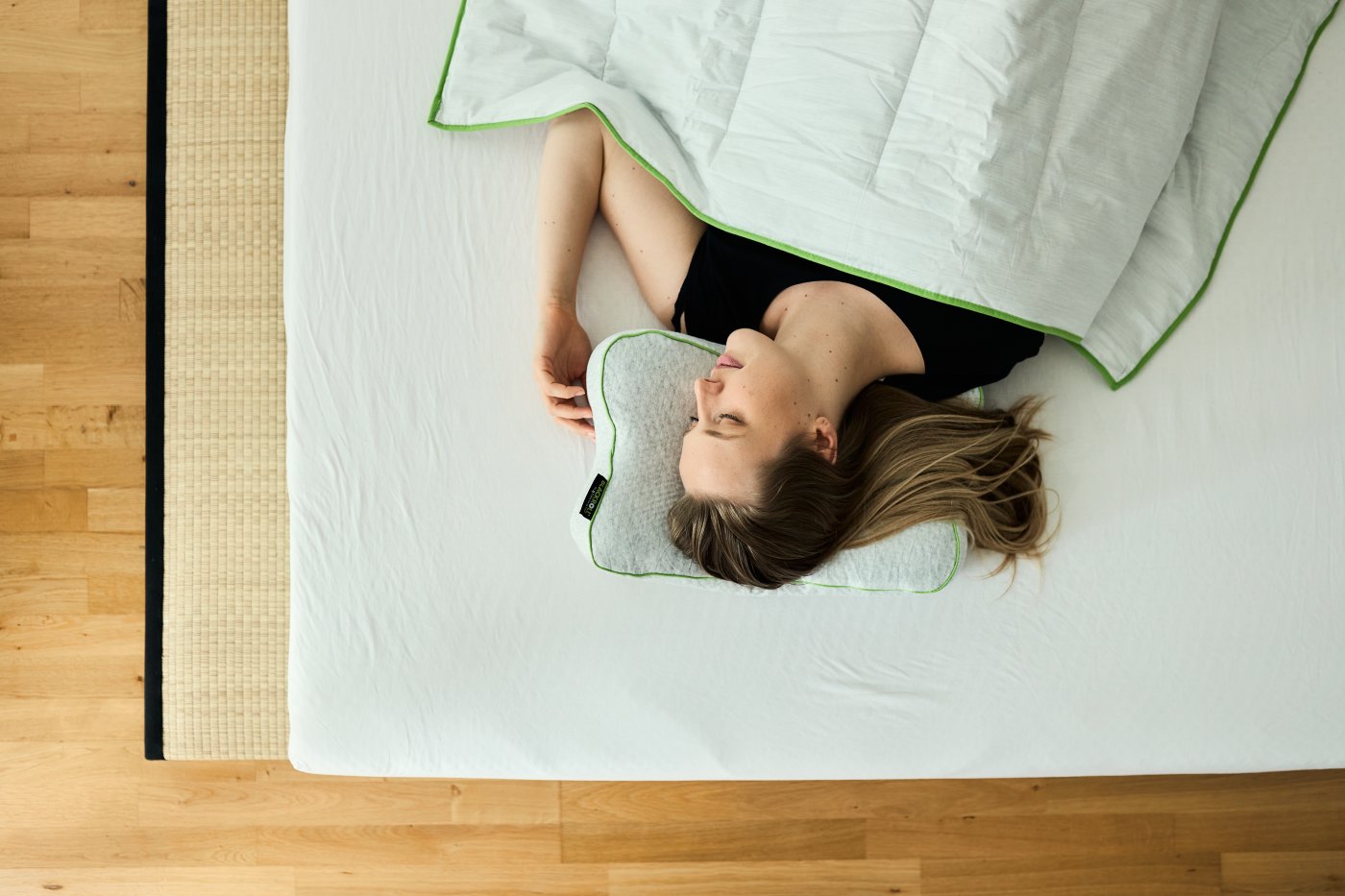
Side Sleepers
For side sleepers, a slightly higher pillow is ideal to keep the spine straight. A good rule of thumb is that your nose and belly button should be roughly the same distance from the mattress. This relieves pressure on the shoulder girdle and allows the tendons in the neck area to regenerate during the night.
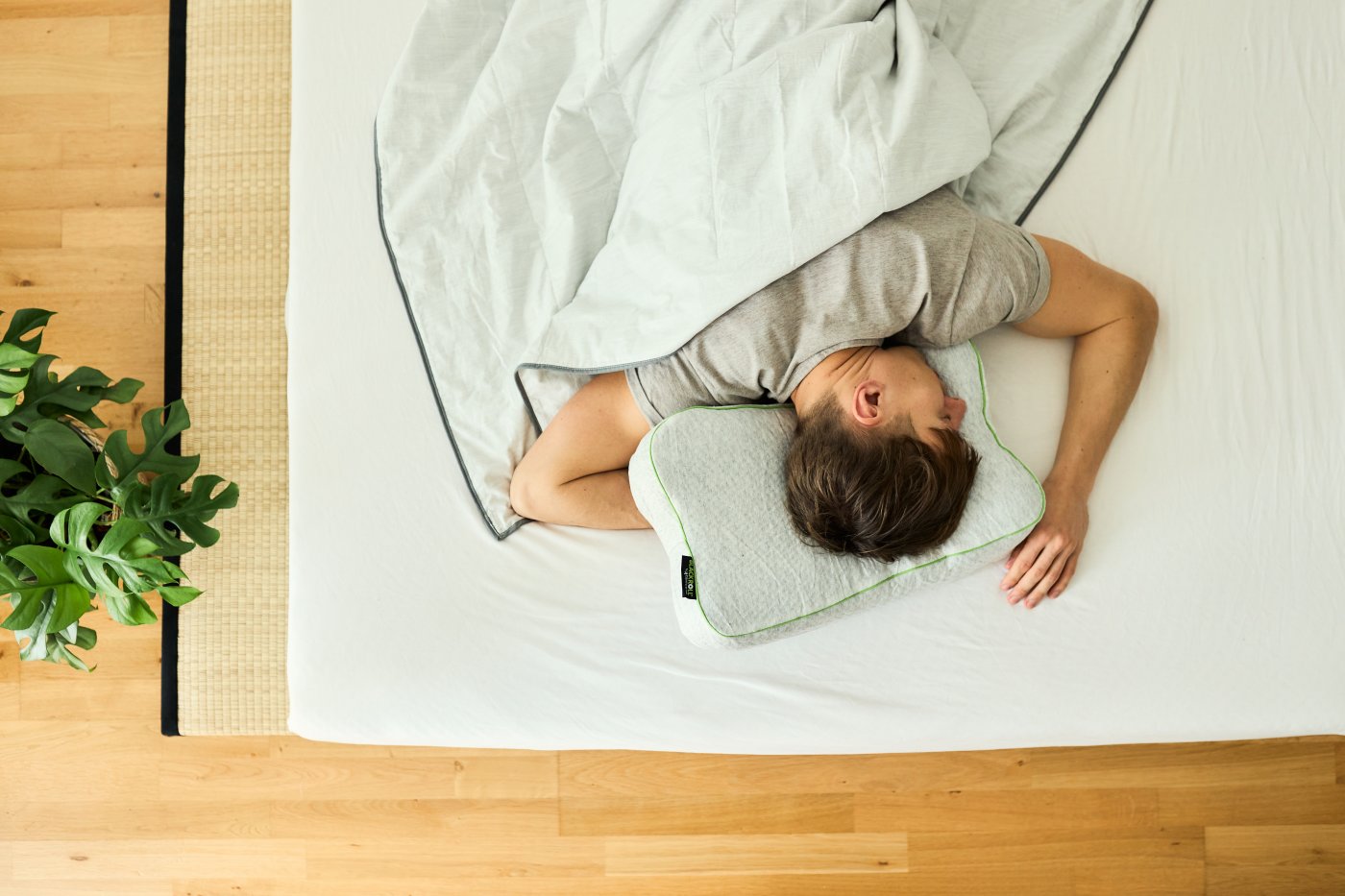
Stomach Sleepers
From an ergonomic standpoint, sleeping on your stomach is the least favorable position, as it causes the head to be severely twisted and puts strain on joints and muscles. If you do sleep this way, however, your pillow should be particularly flat and flexible to prevent the spine from being overextended. A model that provides sufficient support even when you roll onto your side is recommended.


Conclusion: Prevention and Tips for Neck Pain After Sleeping
First, the good news: Neck pain after sleeping is harmless in most cases and is caused by muscle tension or an unfavorable sleeping position. With a few targeted changes, you can do a lot to relieve the pain —without any medication or complicated treatments.
Make sure to maintain good posture and get enough exercise during the day. Even short breaks while sitting or gentle stretching exercises for your neck and shoulders promote blood circulation and help prevent tension. In the evening, a relaxing routine with heat therapy or home remedies —such as a warm bath or a hot water bottle—can help relax your neck.
Your bedroom also plays an important role: The ideal room temperature is between 16 and 18 °C, and drafts should be avoided. A good mattress and the right pillow ensure that your head, neck, and upper body are aligned. This allows your body to regenerate during the night and relieve muscle tension.
If the symptoms recur regularly despite these adjustments or radiate into your arms, it’s a good idea to see a doctor or physical therapist. They can conduct a targeted examination to determine whether there are orthopedic or muscular causes, such as wear and tear, joint blockages, or poor posture. Complementary pain therapy or manual treatment can then help achieve long-term relief.
In the long term, regular exercise, stress reduction, mindful stretching, and an ergonomic sleeping position are the best ways to prevent neck pain after sleeping. This supports your nighttime recovery, promotes blood circulation, and helps you start the day feeling refreshed—without stiffness, tension, or pain.
Frequently Asked Questions About Neck Pain After Sleeping<
Neck pain after sleeping is usually caused by tense muscles or an awkward sleeping position. If your head and neck aren’t aligned with your spine, your tendons and muscles become overloaded. A pillow that’s too high or too soft, drafts, or stress can also make the pain worse.
Avoid poor sleeping postures and ensure an ergonomic sleeping environment. Sleeping on your back with a properly supportive neck pillow relieves pressure on the neck. Also, make sure to get regular exercise and take short stretching breaks throughout the day—this helps keep your muscles and fascia flexible.
The best position is on your back, as it provides even support for your neck and shoulders. Sleeping on your side can also be suitable if your pillow is high enough that your nose and navel form a straight line. You should avoid sleeping on your stomach, as it keeps your head twisted and overstretches your muscles.
A good mattress should provide pressure relief and support the natural curvature of the spine. Mattresses that are too soft can lead to poor posture, while those that are too hard increase tension in the neck muscles. Ideally, the mattress should conform to the shape of your body and stabilize your upper body in a neutral position.
Yes—often, the wrong pillow is the main cause of morning neck pain. An ergonomically shaped neck support pillow with medium firmness helps keep your head and neck in a straight line. Replace your pillow at least every two years, as its support function diminishes over time.
If the pain lasts longer than a week, radiates into your arms, or is accompanied by limited mobility, dizziness, or numbness, you should seek medical advice. A doctor or physical therapist can rule out structural causes such as joint blockages or wear and tear and initiate targeted treatments.
Yes, stress and emotional tension often lead to increased muscle activity in the neck area. Many people unconsciously shrug their shoulders or clench their jaws. Relaxation techniques, conscious breathing, and regular exercise can help relieve this tension.
For acute pain, heat therapy —such as a heating pad or a warm shower—can help by promoting blood circulation. Light stretching exercises and shoulder circles can also be beneficial. Avoid sudden movements—gentle movement is more effective than complete rest.
Yes, simple stretching exercises can loosen the muscles and relieve tension. For example: Sit up straight, slowly tilt your head to the side, and hold the position for 10 seconds. Repeat the movement on both sides. Circling your shoulders also helps promote blood flow.
Indirectly, yes: House dust allergies or old pillow fillings can lead to sleep disturbances, which in turn cause muscle tension. Make sure your bedroom is clean, use allergy-friendly pillowcases, and replace your pillows regularly to avoid irritation and swelling.
Heat, a quick self-massage, and gentle stretching offer fast relief. Massage the affected area with circular movements of your fingers or use a foam roller. Heat relaxes the muscles and improves blood circulation —ideally before getting out of bed or right after a shower.
For recurring or chronic symptoms, physical therapy, manual therapy, and pain management may be options. In addition, stretching, targeted muscle training, or heat therapy can help improve mobility. Your doctor will create a personalized treatment plan based on the underlying cause.
Also interesting





Sources & Studies
- Ren, S., Wong, D. W.-C., Yang, H., Zhou, Y., Lin, J., & Zhang, M. (2016). Effect of pillow height on the biomechanics of the head-neck complex: Investigation of cranio-cervical pressure and cervical spine alignment. PeerJ, 4, e2397. https://doi.org/10.7717/peerj.2397 (https://peerj.com/articles/2397/)
- Pang, J., Tsang, M. H., & Fu, A. (2021). The effects of pillow designs on neck pain, waking symptoms, neck disability, sleep quality, and spinal alignment in adults: A systematic review and meta-analysis. Clinical Biomechanics. https://doi.org/10.1016/j.clinbiomech.2021.105353 (https://www.sciencedirect.com/science/article/pii/S0268003321000838)
- Li, X., et al. (2024). The impact of pillow height on neck muscle activity: A pilot study. Sleep & Breathing. https://doi.org/10.1007/s11325-024-03219-6 (https://link.springer.com/article/10.1007/s11325-024-03219-6)
- (2024). Cervical pillow height measurement – A literature review. International Journal of Medical Science & Research, 6(2), 6008. https://doi.org/10.1234/ijmsr.v6i2.6008 (https://www.medicaljournals.in/assets/archives/2024/vol6issue2/6008.pdf)
- Cary, D., Briffa, K., & McKenna, L. (2021). Examining relationships between sleep posture, waking spinal symptoms, and quality of sleep: A cross-sectional study. PLoS ONE, 16(11), e0260582. https://doi.org/10.1371/journal.pone.0260582 (https://journals.plos.org/plosone/article?id=10.1371/j2Fjournal.pone.0260582)
- Pandi-Perumal, S. R., & Veqar, Z. (2022). Sleep disturbance in patients with neck pain: Implications for pain intensity and disability. Sleep and Breathing. https://doi.org/10.1007/s41782-022-00216-1 (https://link.springer.com/article/10.1007/s41782-022-00216-1)
- Daryushi, A., Allahyari, S., & Karimi, M. (2025). The influence of pillow shape and content on neck muscular activity and perceived comfort. Open Public Health Journal, 18. https://doi.org/10.1016/j.something (https://www.openpublichealthjournal.com/VOLUME/18/ELOCATOR/e18749445371712/FULLTEXT/)