Regeneration: How to Make the Most of Your Breaks

Balance arises from the alternation between activity and relaxation and is the foundation of your well-being.
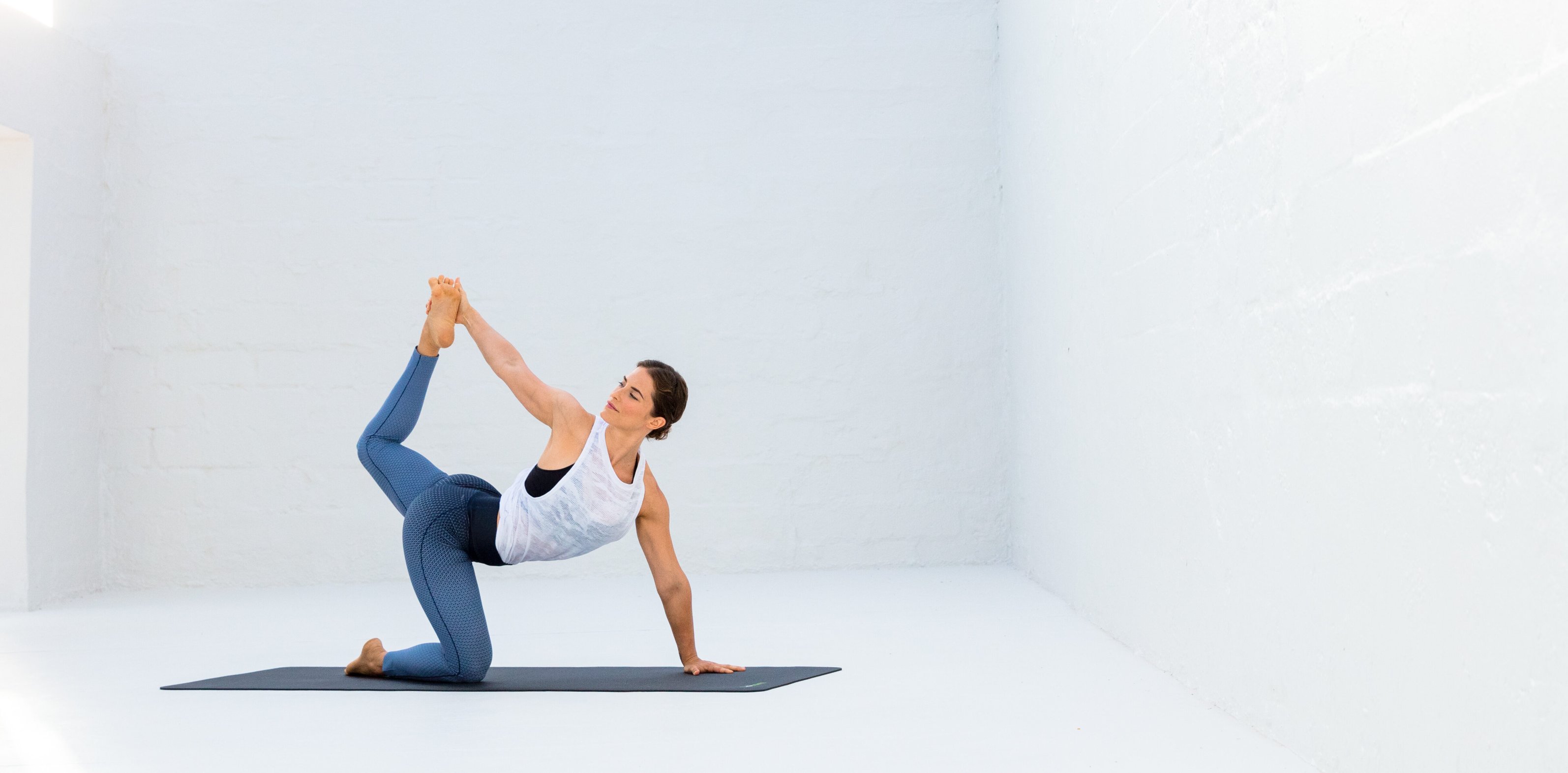
Life is a cycle: Those who are active need breaks. Those who perform well during the day need restful sleep at night. Those who push themselves during exercise should ensure they unwind after a workout. Balance arises from the constant alternation between activity and rest—the foundation of your well-being. Or, in short: stimulation and regeneration always go hand in hand.
Rest, relaxation, sleep—the time when you recover and recharge—the recovery phases—are often neglected by many people and can no longer counterbalance all the stresses of everyday life. This is shown by a Germany-wide stress study conducted by the Techniker Krankenkasse. One finding: In this country, six out of ten people feel stressed—whether at work or in their personal lives. People perceive an imbalance between stress and relief.

Stressors and stimuli cause fatigue
In everyday life, things aren’t always in balance. On the stress side, hectic schedules, pressure, and stress weigh heavily. Illnesses also sap our strength. Added to this are the challenging tasks of daily life, such as balancing family and work. Gradually, as the day goes on, we lose energy, and our body’s internal batteries run low. The reason is quite simple: Our body has to cope with numerous external influences. Science refers to these as “stressors.” Although the term itself has negative connotations, they are essentially synonymous with the concept of “stimuli.” These stressors—or stimuli—throw both our mental and physical states out of balance. In other words, what’s known as homeostasis is disrupted. While we consciously seek this imbalance in sports to improve and adapt, it is counterproductive in many areas of everyday life.
Heat, cold, joy, sadness, anger, feeling overwhelmed, pain—whether they stem from physical, physiological, or emotional causes—stressors throw us off balance and trigger reactions in our bodies. Just about everyone has probably heard of the stress hormone cortisol.

Falling into bed from exhaustion is not desirable
Day after day, we have to face these stimuli. That makes it all the more important to consciously recover from these influences. We should simply give our bodies—and in this case, that includes our minds as well—the chance to step back from all of this. That doesn’t necessarily mean sleeping a lot. By the way: If you fall into bed and fall asleep within seconds, you’re already truly exhausted and have started to overexert your body.
Regeneration is the key to bringing you back into balance.
Definition: What is regeneration?
This frequently used term rolls off our tongues these days without us giving it much thought. The word has its origins in Latin and translates to “rebirth.” When you regenerate, you leave physical fatigue and mental exhaustion behind—you feel like you’ve been reborn. The term “regeneration” can also be broken down into three parts, which together reveal what regeneration truly means:
- RE: The prefix “re-” stands for “again” or “back” and indicates that during regeneration, the body’s and mind’s performance and strength return. If you’ve lost your balance, it is restored.
- GENE: Genes are our blueprint, the foundation of what it means to be human. And thus, they are also the foundation of regeneration. Every living being needs the alternation between activity and rest, day and night—that is our biology, our rhythm. But your personal rhythm follows your individual blueprint, your genes. And these determine, among other things, when and what kind of regeneration is best for you.
- RATION: The term “ration” stands for unit or dose. This is because regeneration follows the logic of balance: the more you exert yourself, the more rest you need. It all comes down to the right, balanced dose.
The human body strives for equilibrium and balance
Recovery is therefore a fundamental part of life—and the key to being successful and energetic every day. But what promotes recovery? And how do you find your way back to balance? There’s no one-size-fits-all answer to these questions. Just as your physical and mental demands are unique to you, so too should your recovery be tailored to you. And for this, you need, above all, the right technique at the right time.
Give your (training) potential the chance to fully unfold and take action for the benefit of your body by regenerating sufficiently and regularly—both mentally and physically. And do so at your own pace and at the intensity that’s right for you at the moment. Don’t forget: Recovery must suit you—your current health, your needs, and your training plan. Everyone has their own way. There’s no one-size-fits-all solution. While one person finds peace in yoga, another relaxes while gardening. The various recovery techniques can be divided into active and passive methods.


Passive Recovery
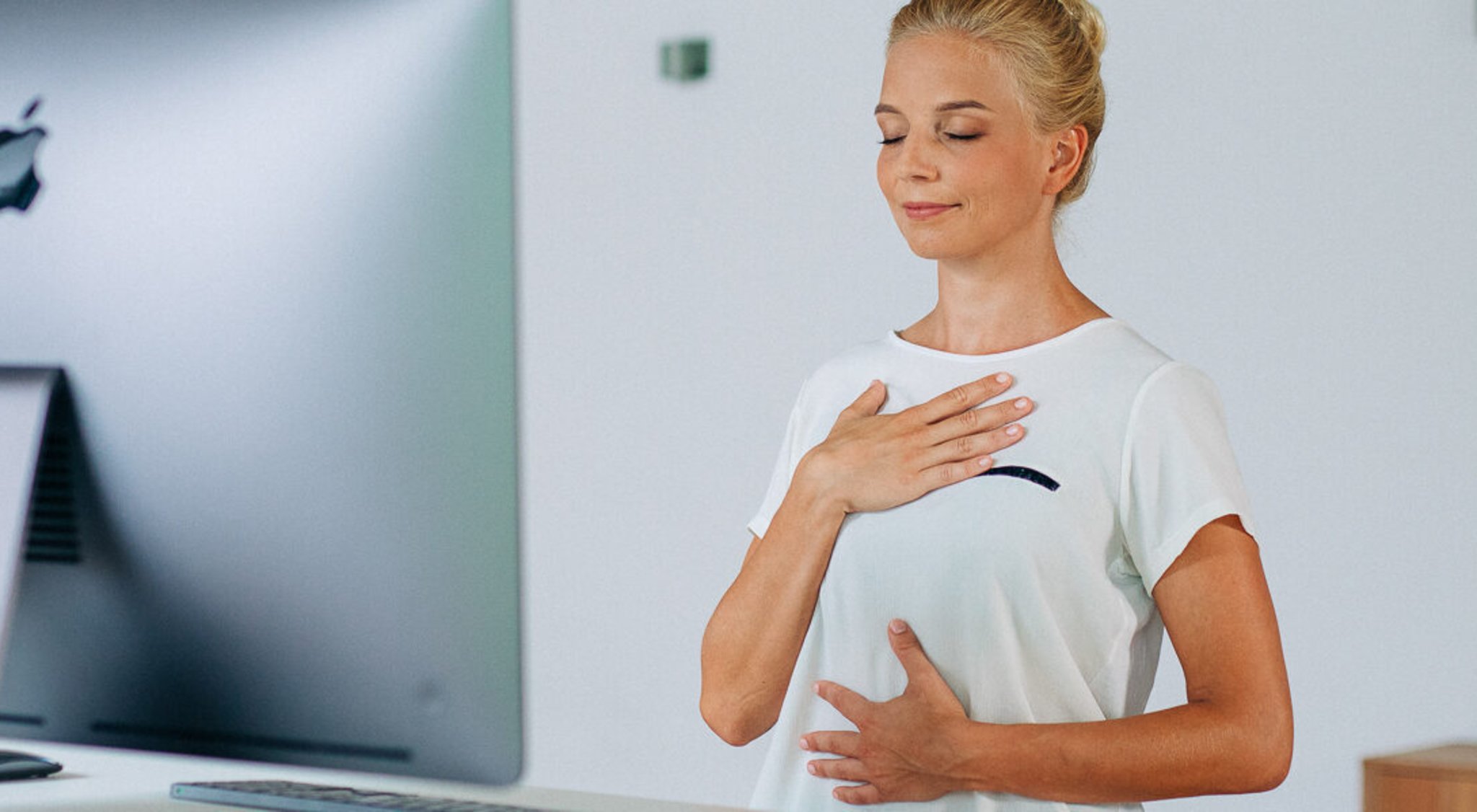
Passive recovery refers to all techniques in which you are not physically active yourself. These include, for example, proper breathing or relaxation methods such as meditation or autogenic training. Targeted rest through frequency modulation is also a form of passive recovery: you listen to specially composed music that helps your body unwind and wind down.
Arguably the most important form of passive recovery is restful sleep. This is because while you rest at night, your body and mind—both physically and psychologically—regenerate. You recharge your energy, allowing you to perform at your best again the next day. In addition to good sleep, a healthy diet is also essential. It provides your body with optimal fuel during activity without placing a burden on it during rest periods.
Another aspect of passive recovery involves physical therapy treatments such as massages. Naturopathy offers methods like Matrix Regeneration Therapy, which is designed to detoxify the body and release blockages. Stimulating the skin can also promote relaxation, for example, through the use of compression garments. Another option is heat or cold therapy, such as Kneipp therapy or cryotherapy: Cold reduces pain and prevents swelling and inflammation. Heat, such as in a sauna, on the other hand, has a relaxing effect and loosens the muscles.

Maximum Regeneration with Our Bedding
Recovery Pillow
Active recovery
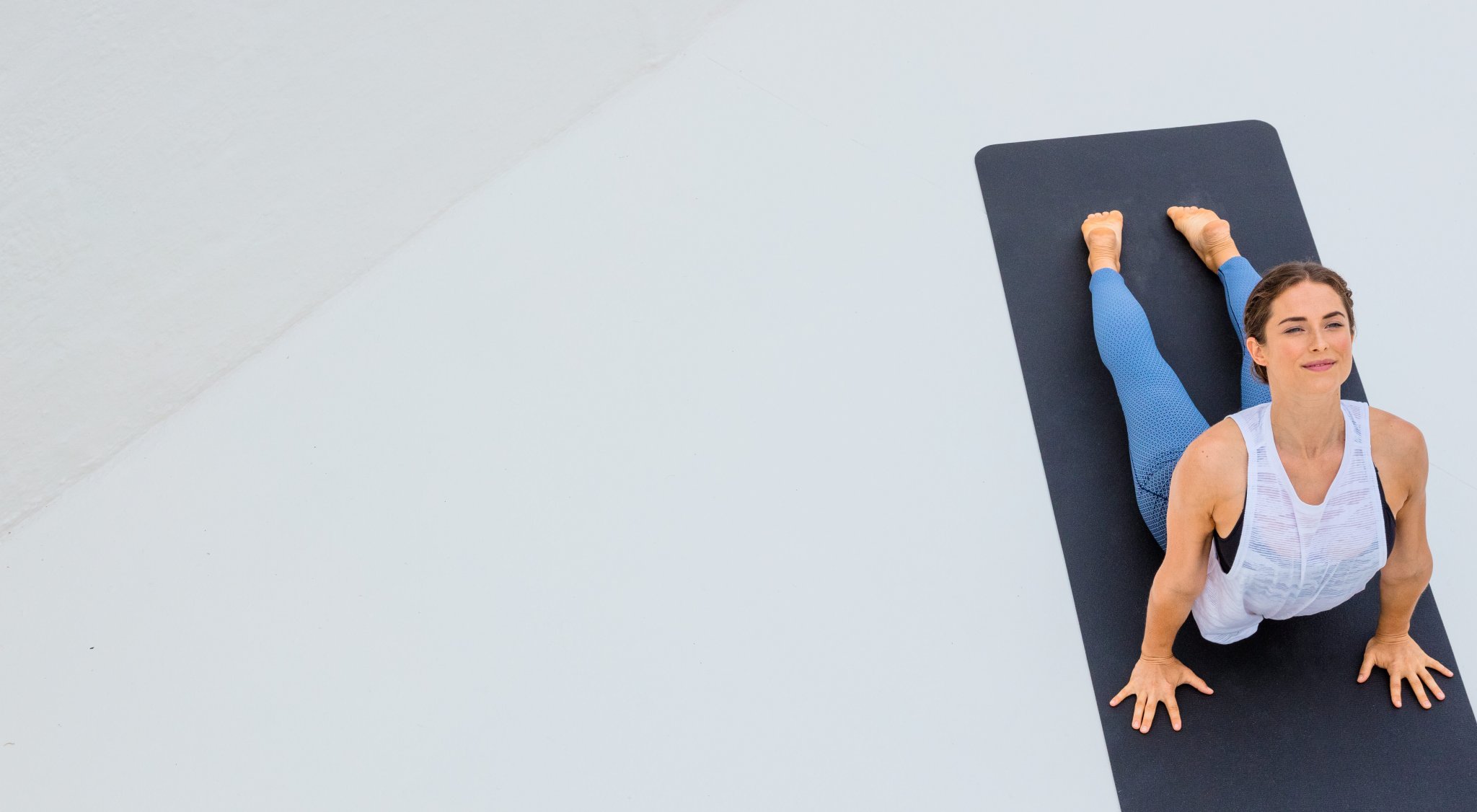
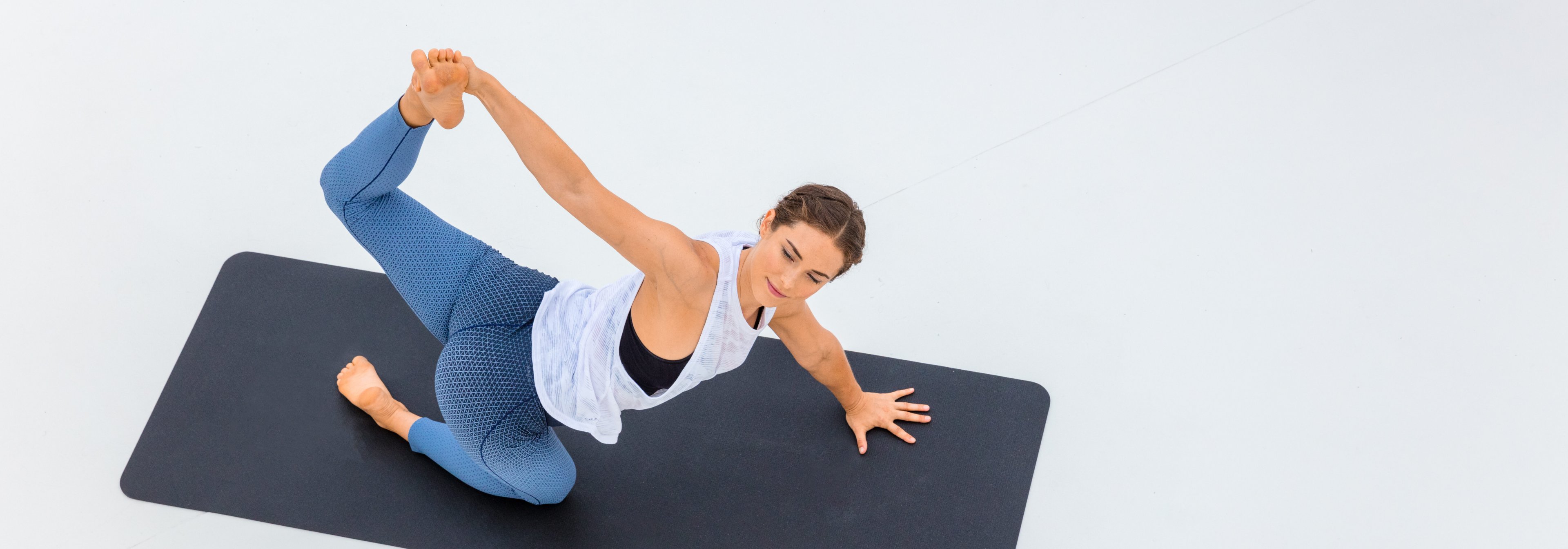
The goal of active recovery is to quickly replace damaged body tissue and break down metabolic waste products. This is achieved through movement without the intensity of a workout. Simple exercises, gentle stretching, and self-massage promote blood circulation and ensure your muscles are optimally nourished—creating the ideal conditions for restoring performance and resilience.
Cool-down routines after exercise are part of active recovery. Through some relaxed, light movement and dynamic stretching, your body slowly winds down after a workout. This helps prevent injuries, circulatory problems, cramps, and muscle stiffness. Exercise in water can also serve as active recovery, as water pressure has a relaxing effect on both the nervous and muscular systems, relieving stress on the body and mind. This makes swimming, water aerobics, and aqua jogging or cycling ideal recovery sessions.
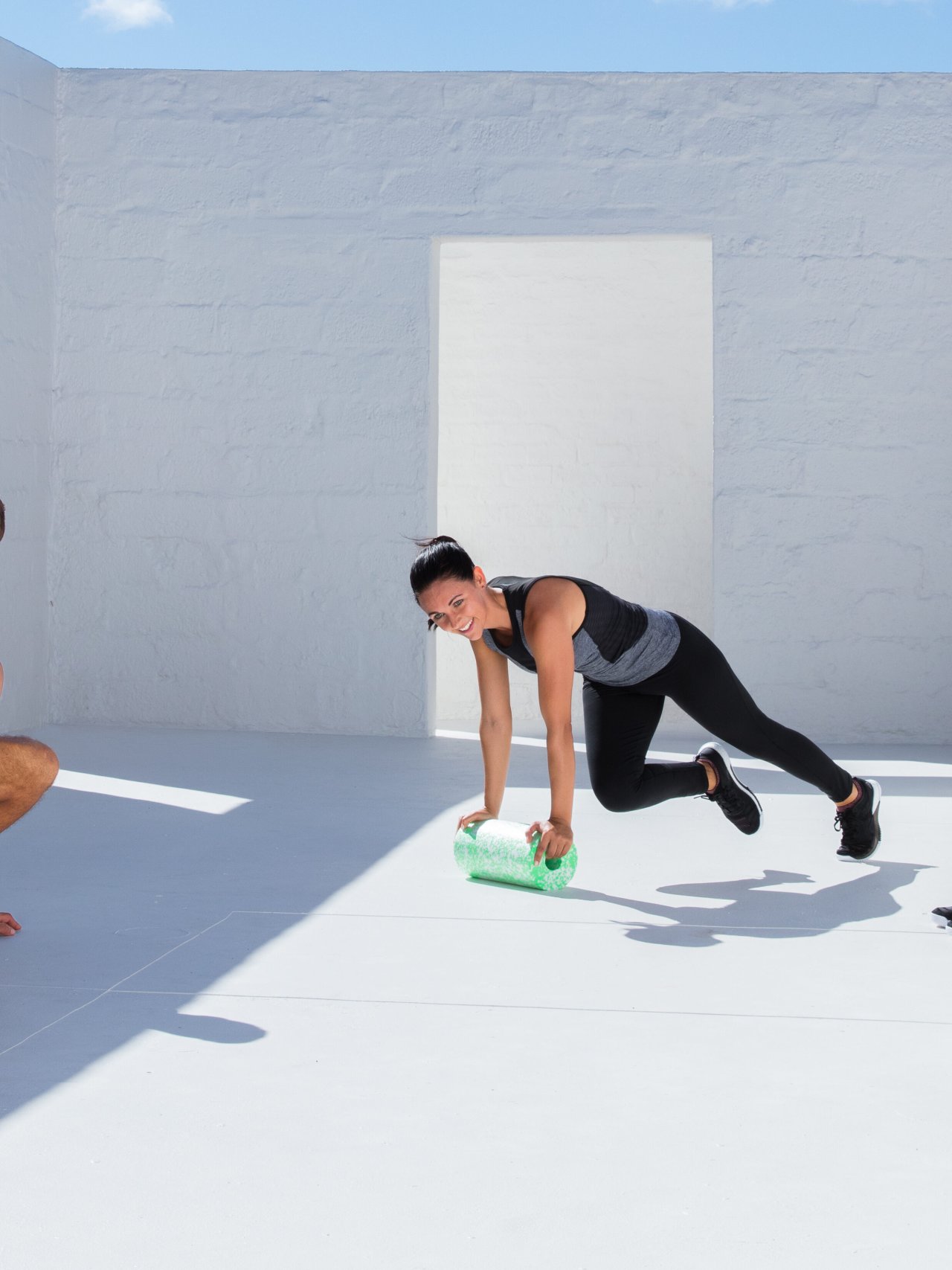
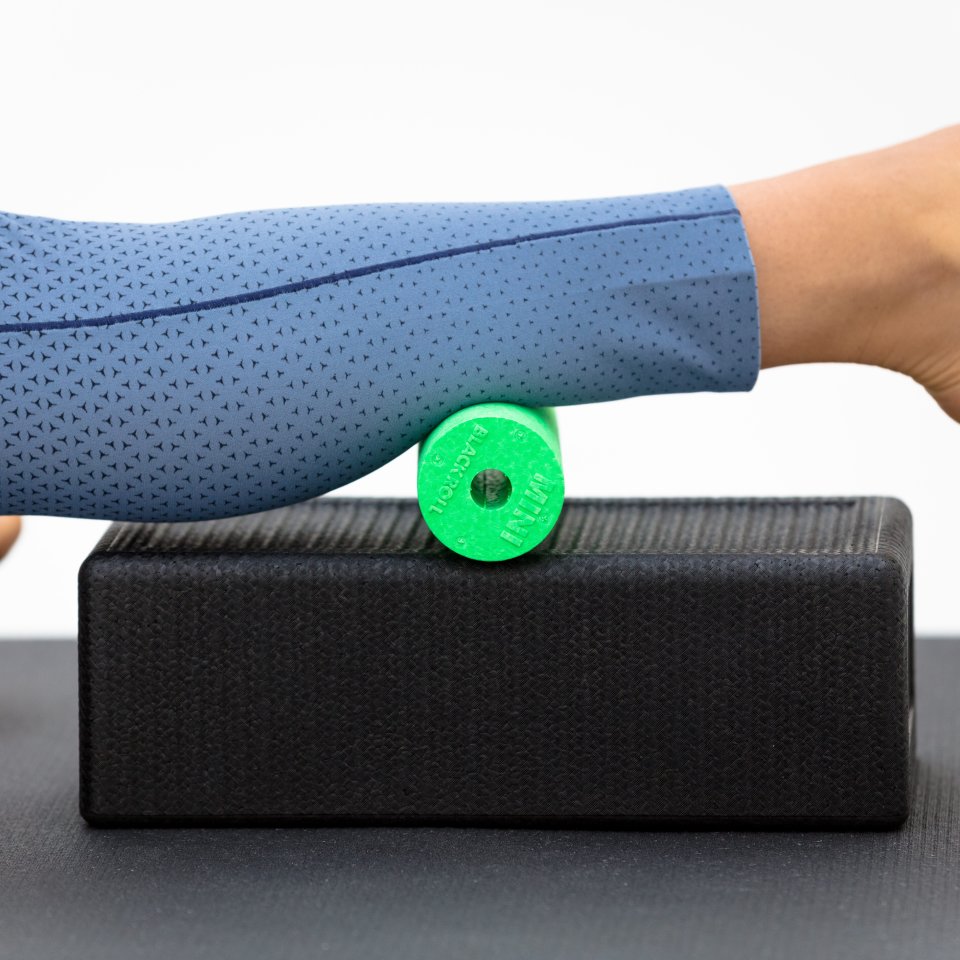
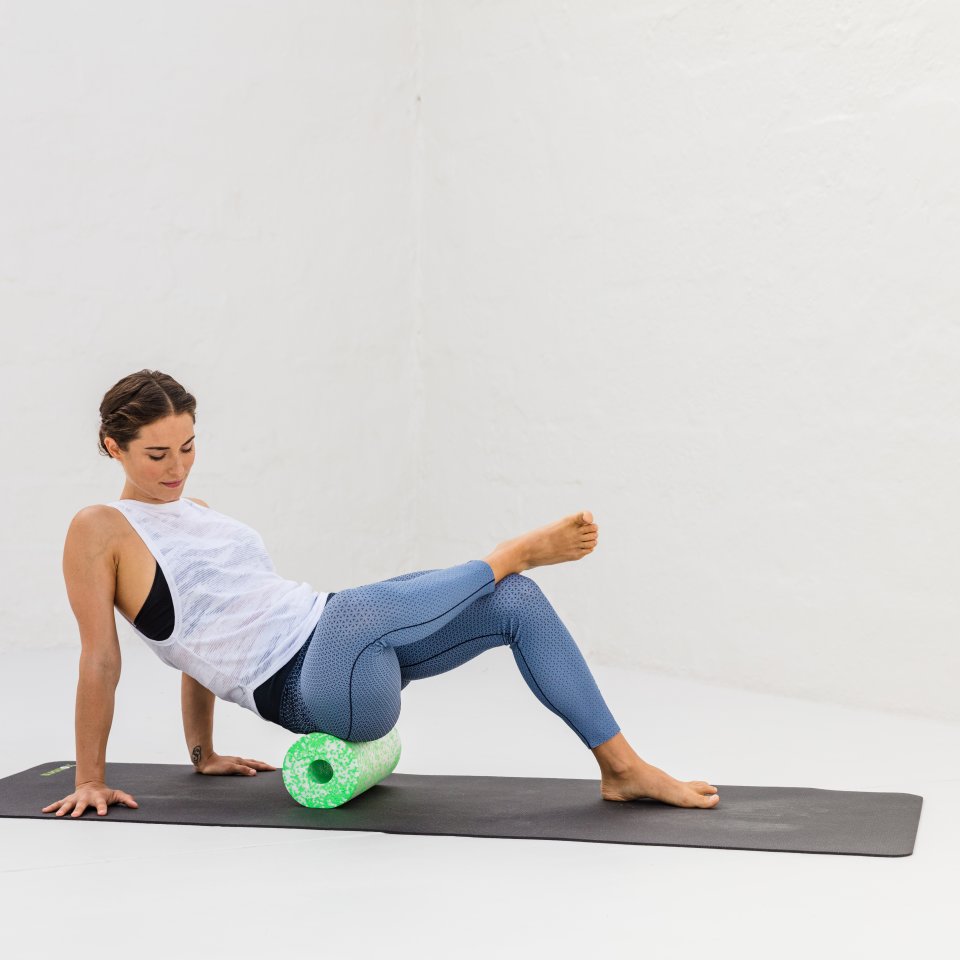
You can also recover actively through self-massage. With a combination of pressure and movement, you promote blood circulation, and when foam rolling with the BLACKROLL®, you release adhesions and stiffness in muscles, tendons, and fascia—the connective tissue structures. This technique may be accompanied by what’s known as “good pain,” a sensation that indicates tension is being released. As you already know, stimulation and recovery always go hand in hand. Try this form of active recovery right away and restore your balance with a foam rolling session. After all, life is a cycle.

Make recovery phases part of your daily routine
Consciously incorporate rest periods throughout the day. Medical professionals often refer to a rest-activity cycle that doesn’t distinguish between day and night, but rather divides the day into phases of activity and rest. Purposely creating moments of freedom in which we consciously engage in activities that are enjoyable for us helps us let go and recharge. If we deny ourselves these recovery phases, it will sooner or later lead to exhaustion, persistent pain, and chronic illness—none of which we want.
Now you’ve gained some insight into regeneration in everyday life. Find your own personal routine to help you restore your balance time and again.
Exercise inspiration for active regeneration:

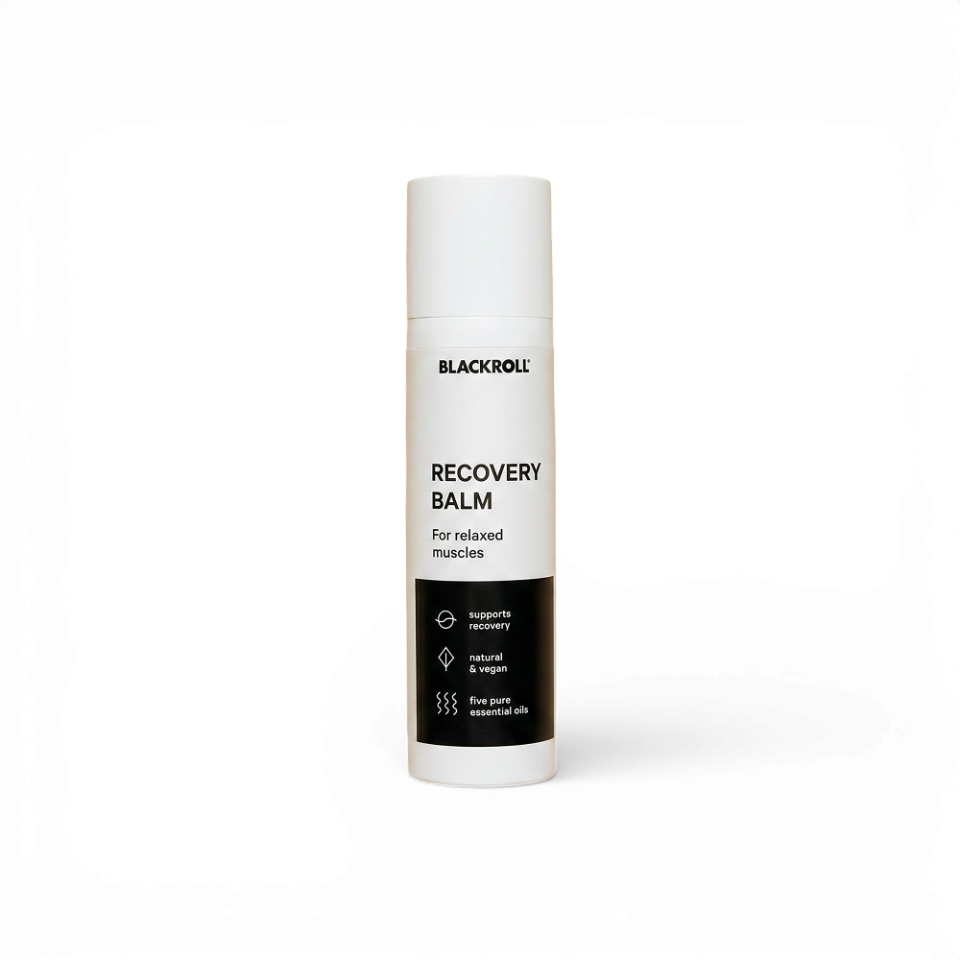
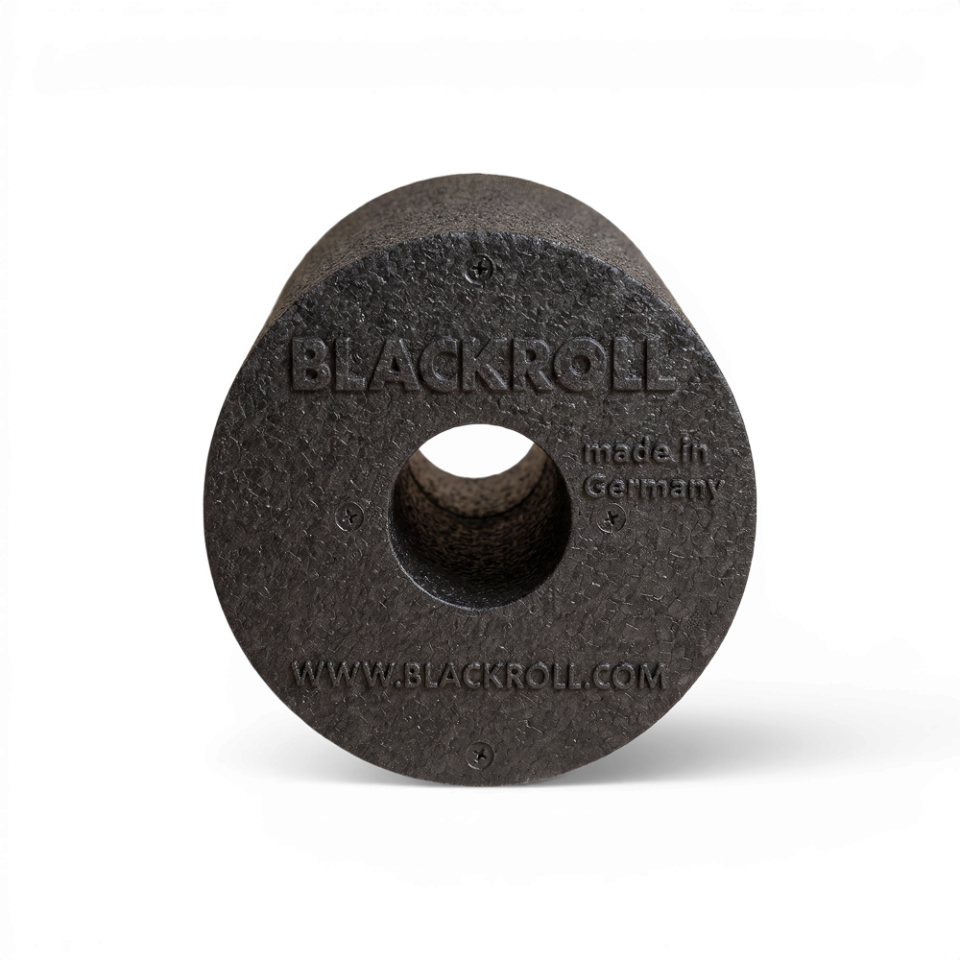
Products for active & passive recovery:
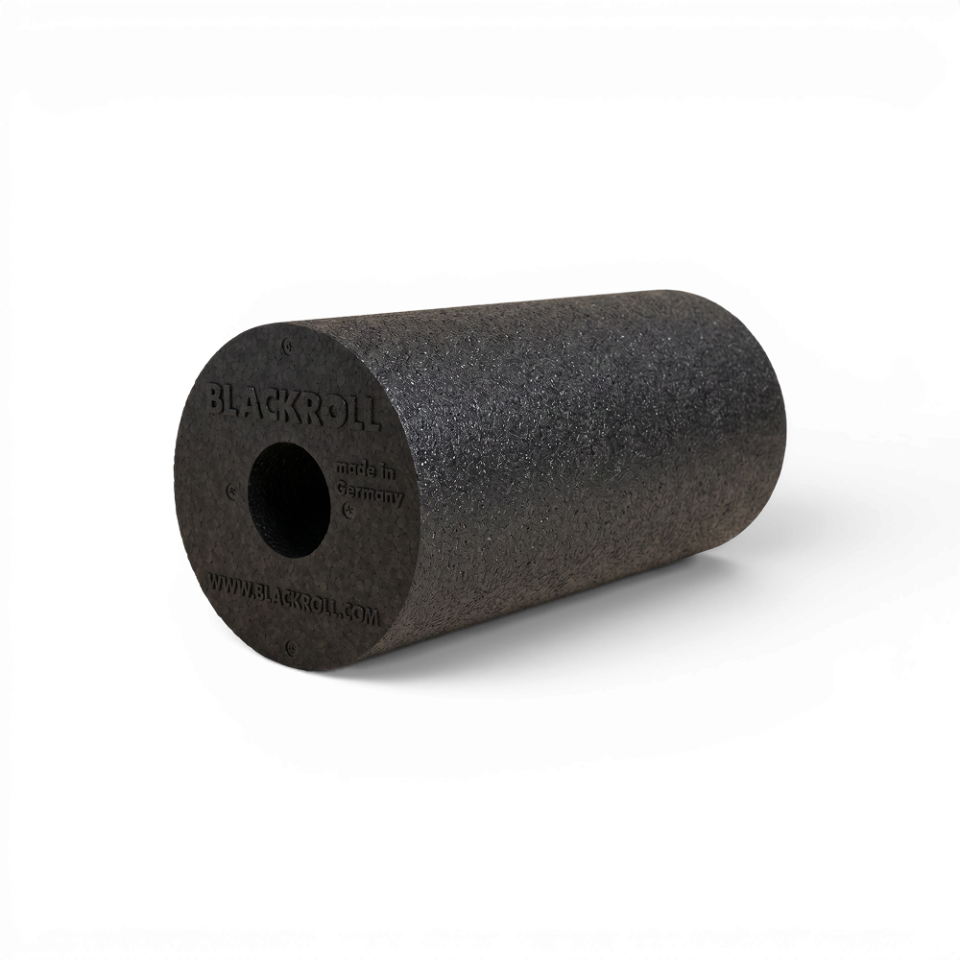
Standard
Available in multiple variants
Recovery Blanket Summer
Available in multiple variants