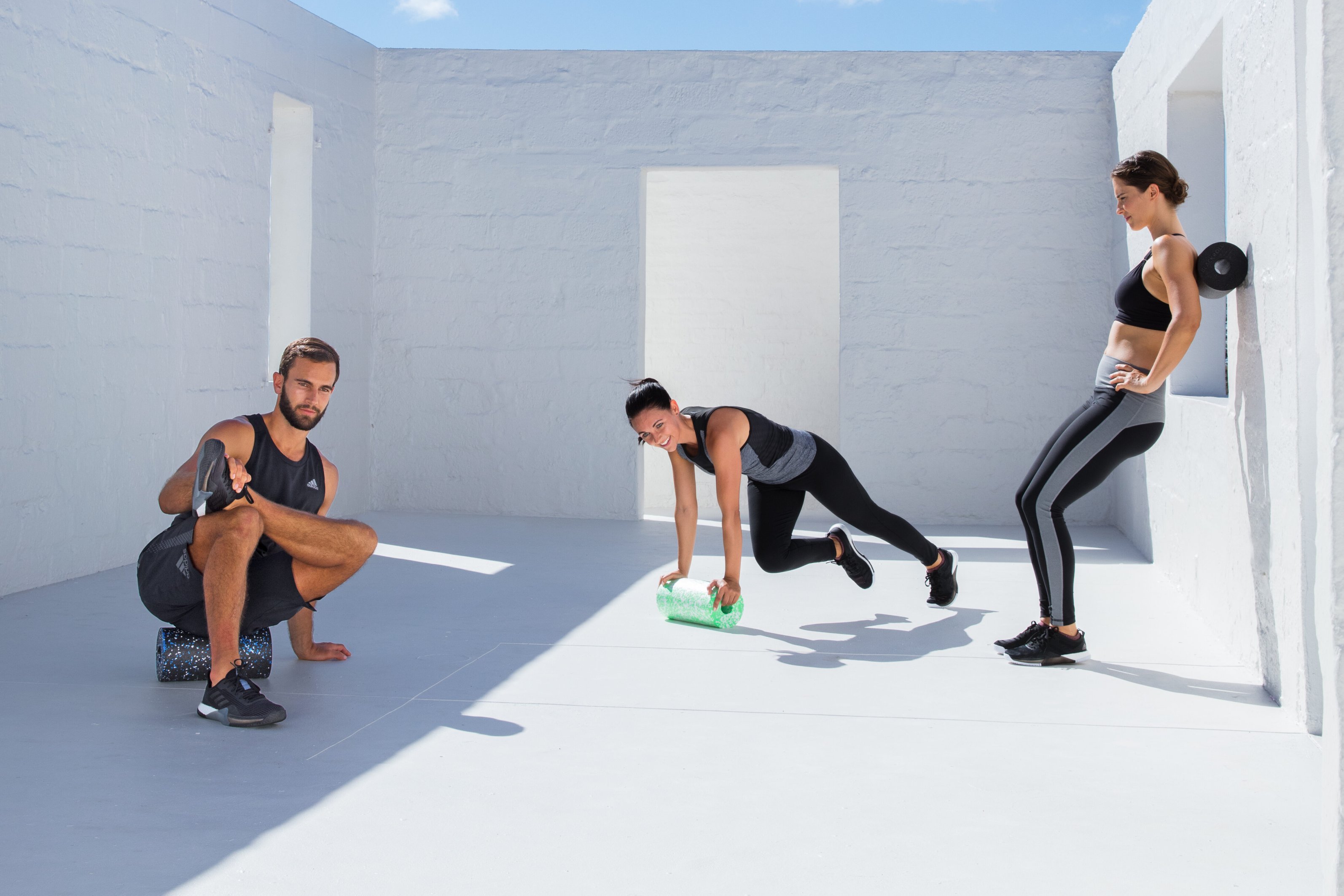
Foam Rolling: How to Use a Foam Roller Correctly

When we talk about fascia training these days, most people are actually referring primarily to foam rolling—self-massage using a foam roller or a foam ball. The term “foam rolling” comes from English. “Foam” refers to foam material, and “rolling” means “to roll.” Translated, foam rolling therefore means “rolling on a hard foam roller” or “rolling on a hard foam ball.” The brand name BLACKROLL® has become synonymous with the foam roller product and with myofascial training itself.
Rolling on a BLACKROLL® and other myofascial tools is a manual treatment technique that almost anyone can perform on their own to work on their fascia and muscles and, for example, to relieve pain. It is derived from the therapeutic techniques of “myofascial release,” which are used, among other things, to regulate tension in connective tissue. Since rolling on a fascia roller or fascia ball can be done without the help of another person, it is classified as a “self-myofascial release” or “myofascial self-massage” technique.
Are you wondering why training with a foam roller is beneficial? How to use the foam roller correctly? Whether the foam roller is suitable for beginners, or how proper fascia training works? Here, we’ll answer your questions about foam rolling.
Why is foam rolling beneficial?
This form of training has been well-known ever since the men’s national soccer team used the hard foam roller in 2004. Foam rolling is therefore probably the best-known form of fascia training. When performing self-massage with a foam roller, you apply targeted pressure and stretching to the connective tissue. This helps stimulate blood flow and improve mobility. Fascia training not only helps release tightness and adhesions in the connective tissue, but also allows you to actively strengthen your fascia. Regular training can make the fascial structures more elastic and tear-resistant, which ensures that you can use your kinetic energy more efficiently and become less prone to injury.
How does foam rolling work?
During self-massage, the roller takes on the role of a therapist. When training with a fascia roller, you work on your fascia using your own body weight. To do this, place the roller under the body part you want to treat and try to relax despite the pressure it creates. Feel free to imagine that you’re squeezing out a sponge and the stagnant fluid is spreading out, allowing the connective tissue to recharge with fresh, invigorating fluid. Depending on the body region and your personal pain tolerance, this can be a somewhat uncomfortable challenge at first. As soon as you notice that the pressure has significantly subsided, you can carefully roll a little further and work your way through the tissue step by step.
What types of fascia training equipment are available for foam rolling?
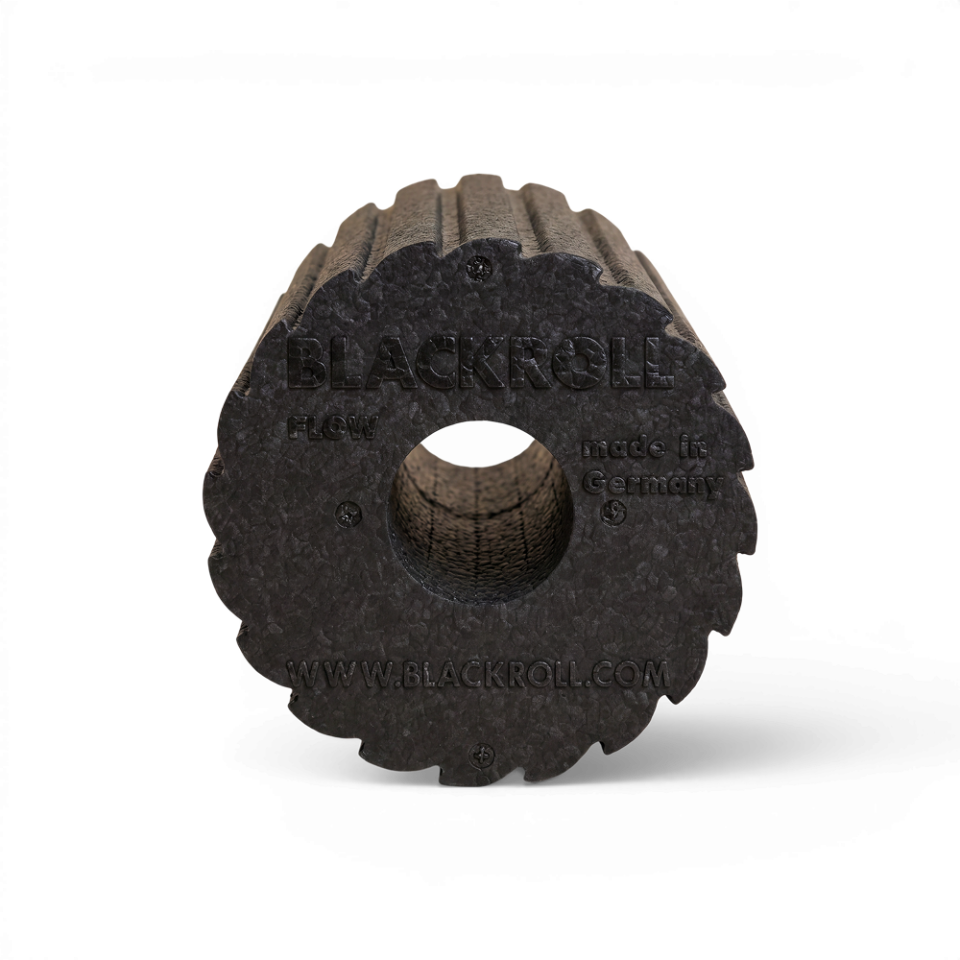
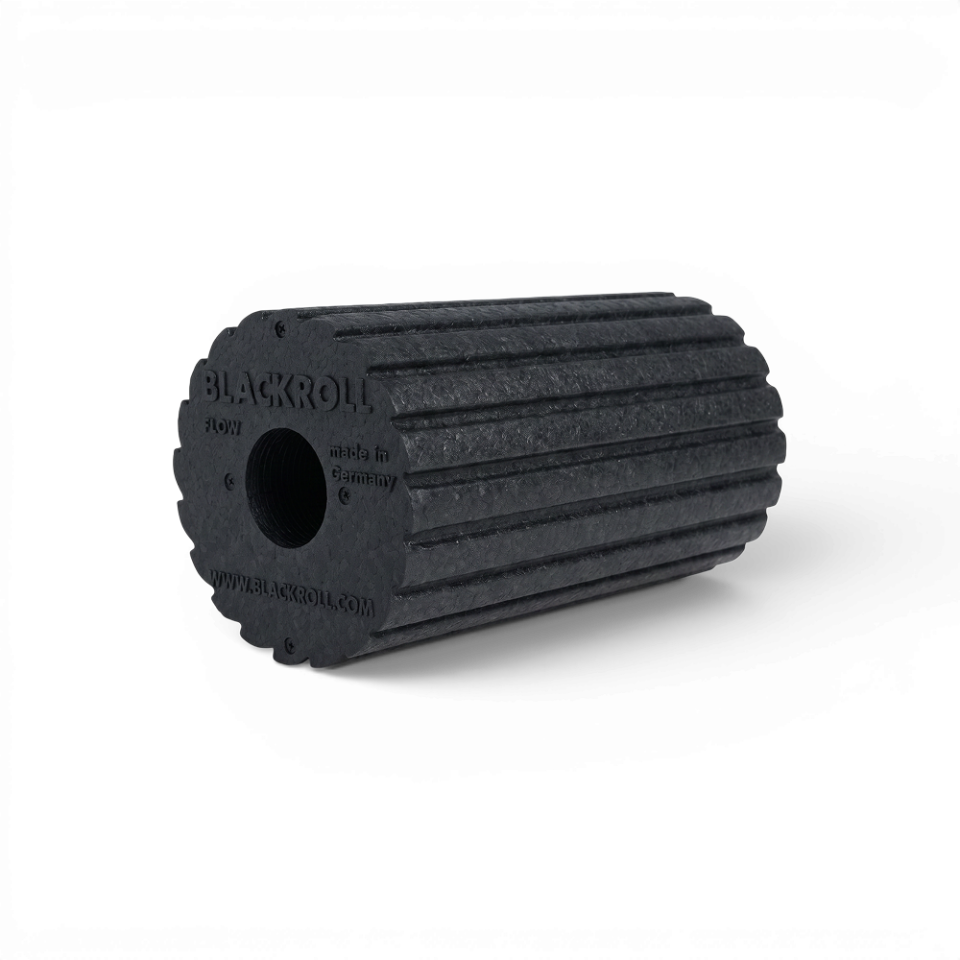
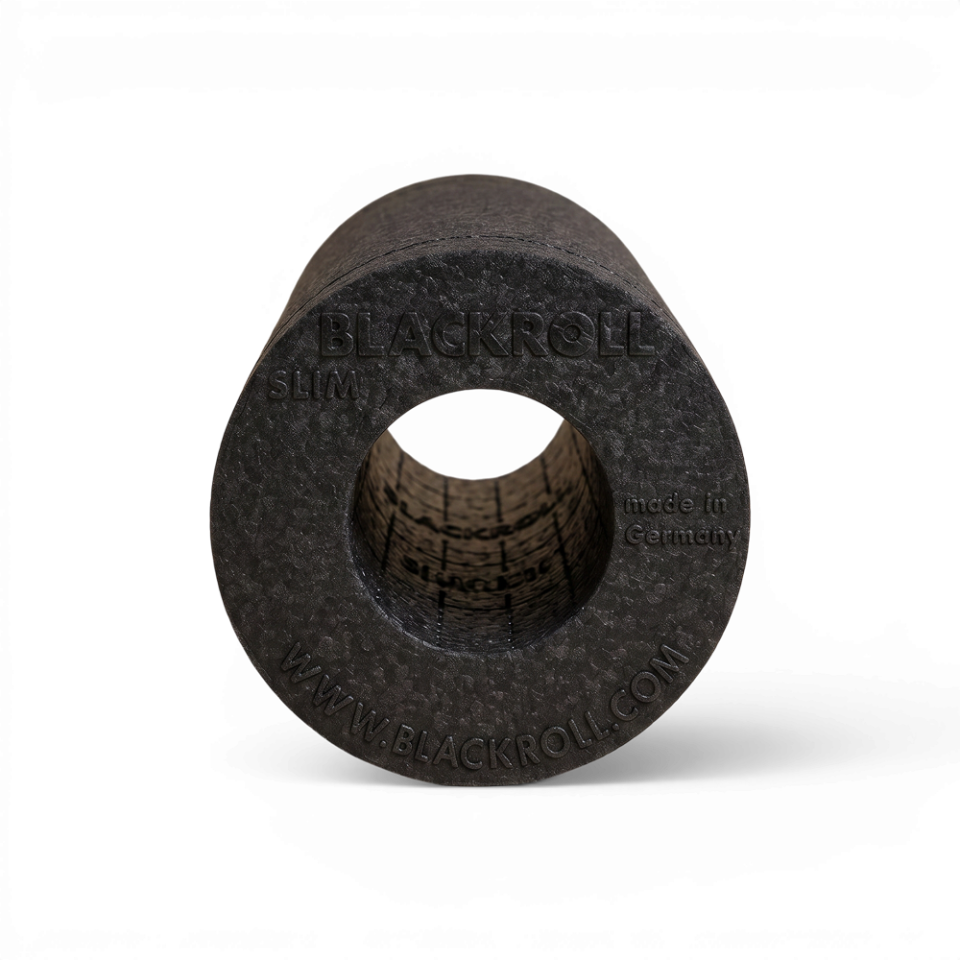
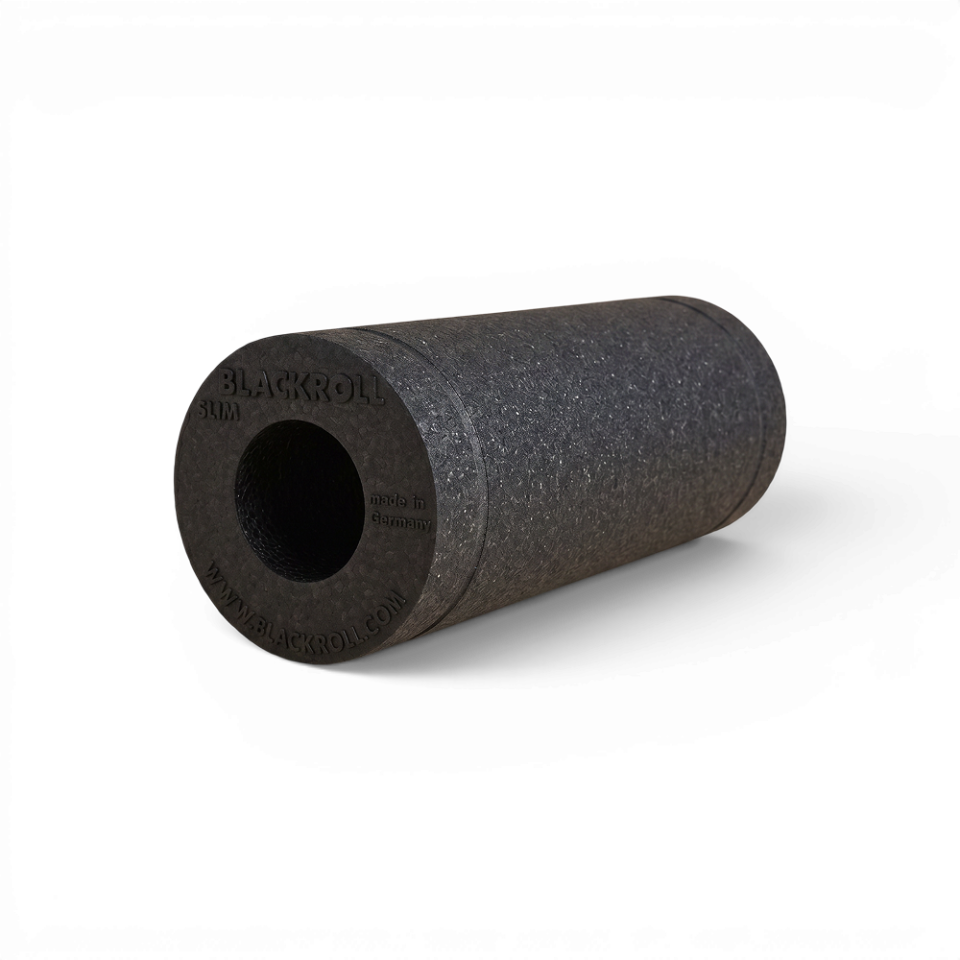
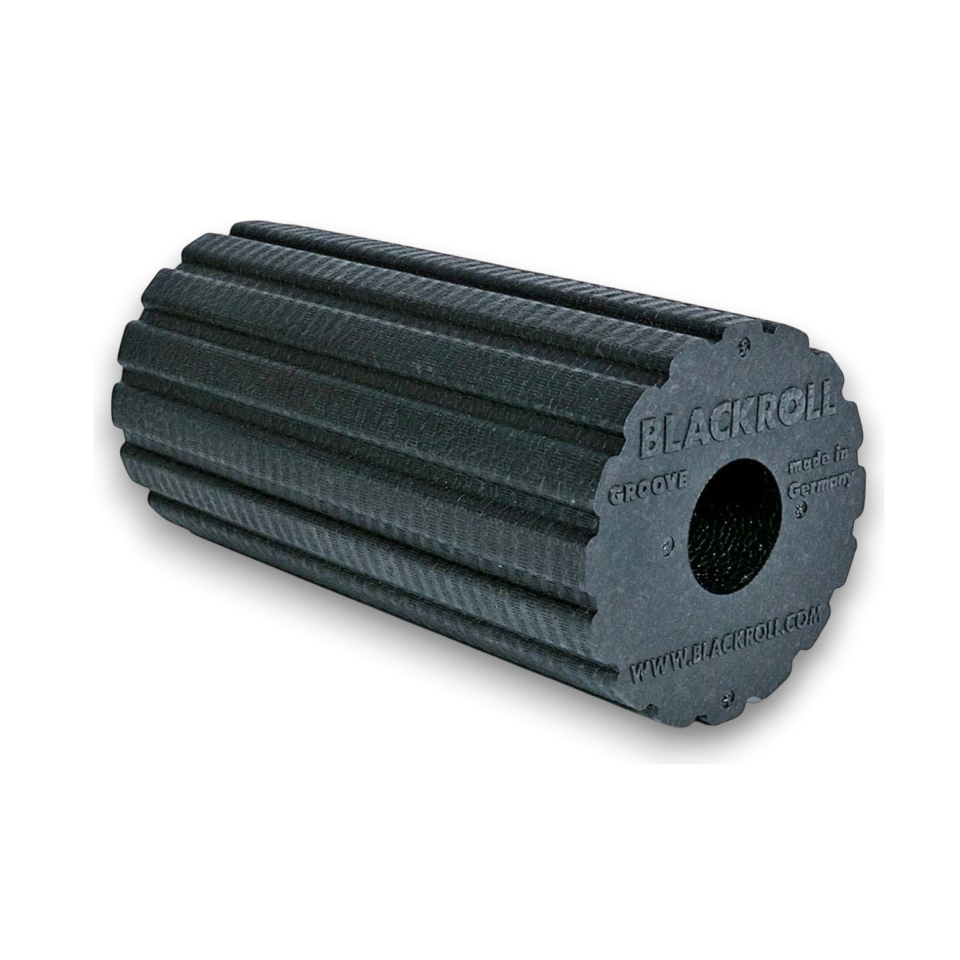
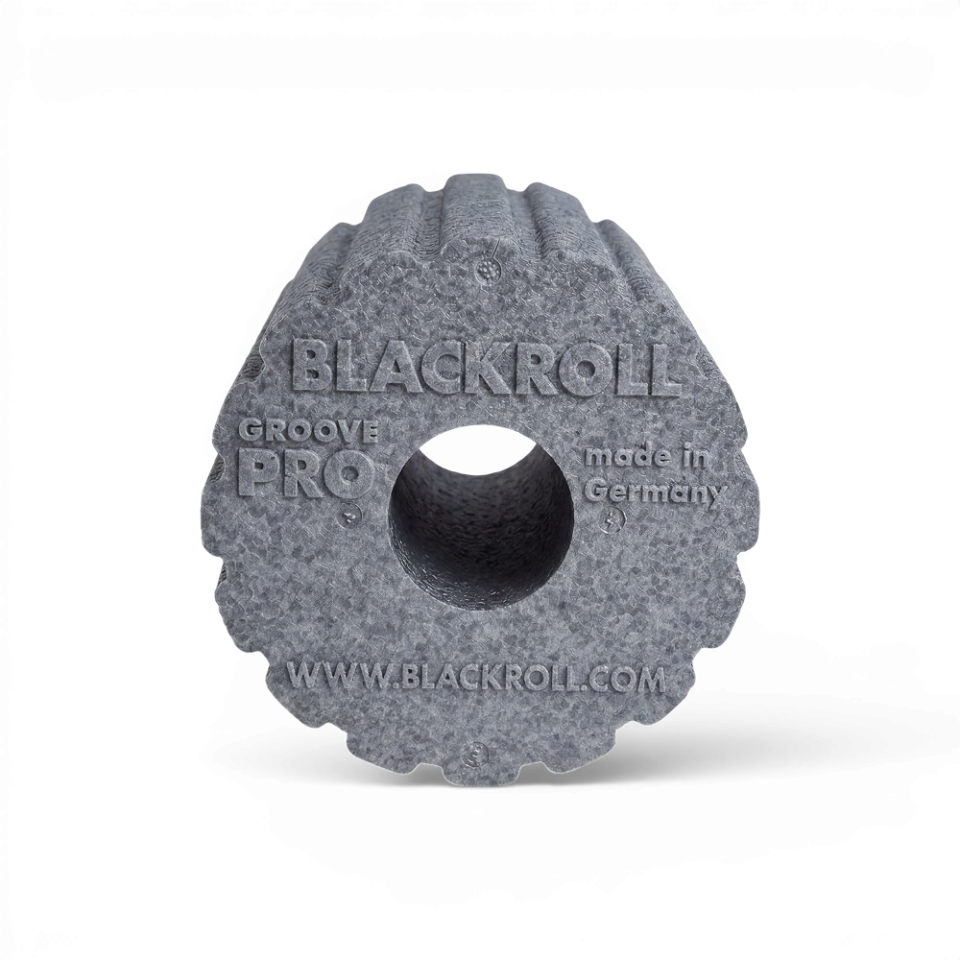
Many people are only familiar with the classic foam roller and rolling along the length of a body part, such as the front of the thigh. However, the various fascia tools can be used in many different ways. This allows you to stimulate the different types of receptors in the fascia tissue and achieve even more effective fascia training. Fascia rollers come in different sizes, shapes, firmness levels, and surface textures. In addition to fascia rollers, there are also fascia balls and duo balls. Thanks to their shape and surface texture, they’re particularly well-suited for body areas that are harder to reach with a roller, or for deeper massage. These include, for example, the lumbar, thoracic, and cervical spine, as well as smaller body areas. However, the fascia ball can also be used effectively on the arms and legs to apply more targeted pressure to the tissue.
What effect does rolling speed have when training with a fascia roller?
When doing self-massage, there are two rolling speeds depending on your training goal. This is because you can use the fascia roller both to warm up your muscles before exercise and to promote recovery after a long workday with little movement or an intense workout. The key is how you use the roller:
Fast rolling: Activation
If your self-massage is intended for short-term mobilization, warmingup , and performance enhancement, you can use the roller before exercise with fast movements to stimulate blood flow and improve body awareness. During the warm-up, roll quickly over individual body parts to activate them, thereby stimulating your metabolism. This has a toning effect on the muscles.
Slow Rolling: Recovery
If you want to release tension and adhesions caused, for example, by everyday sitting or physical exertion, we recommend slowly rolling out your fascia after exercise. During the cool-down after a good workout or competition—or even when experiencing pain—take your time and really tune into the individual muscle chains. It’s important that you roll very slowly. Wherever you find painful spots, linger there a little longer. Feel free to push right up to the pain threshold (benign discomfort) and apply the roller at different angles frequently so that varying forces are applied. The result: your muscles become more efficient, and you prevent muscle soreness.

Discover exercises with the foam roller
Go to the exercisesWhat foam rolling techniques are there?
Longitudinal Massage
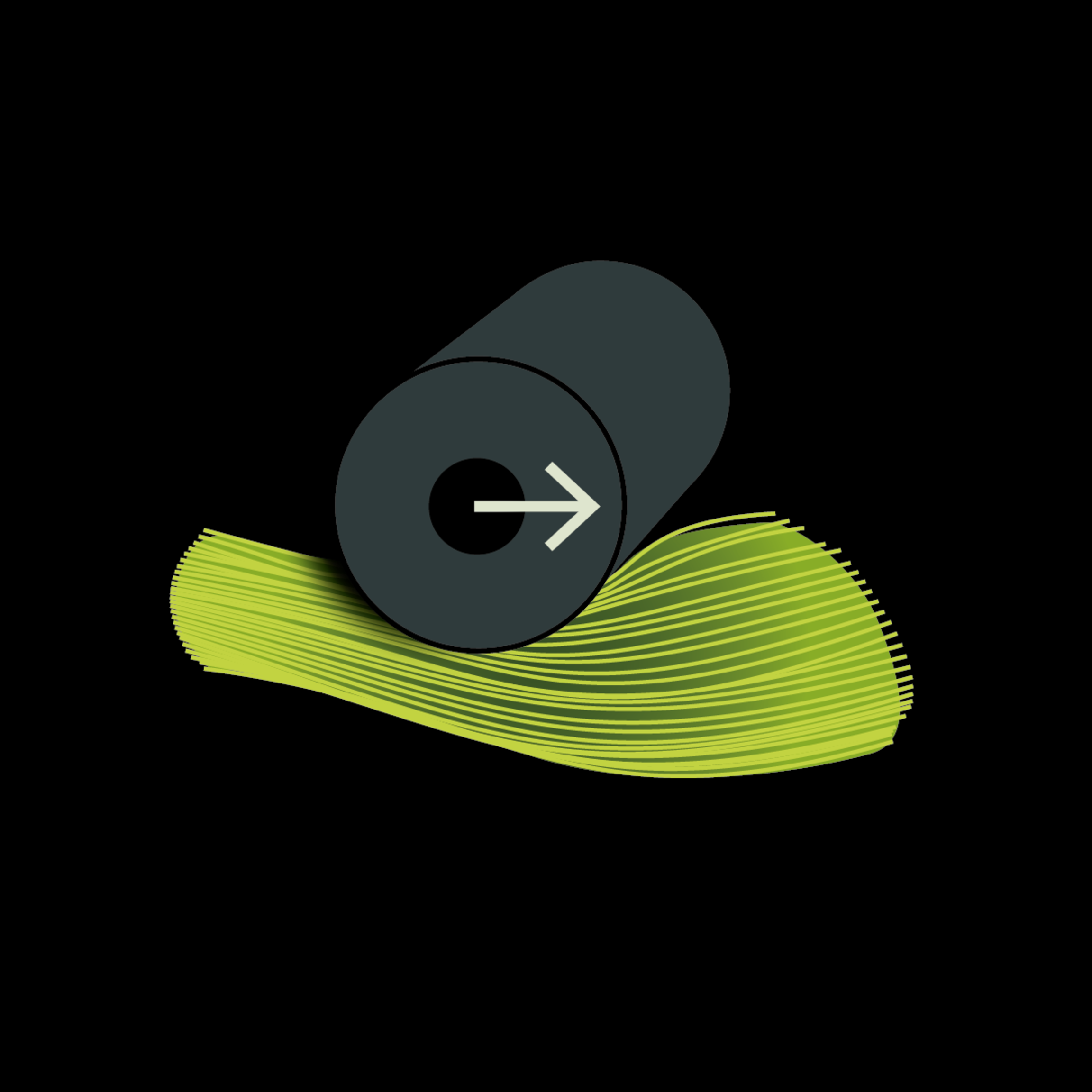
Longitudinal massage is by far the most commonly used technique in fascia training. In this context, “longitudinal” means along the direction of the muscle fibers. This is the classic back-and-forth rolling motion along an entire body part, such as the thigh. This basic technique is particularly suitable for warming up or recovery.
Transverse Friction
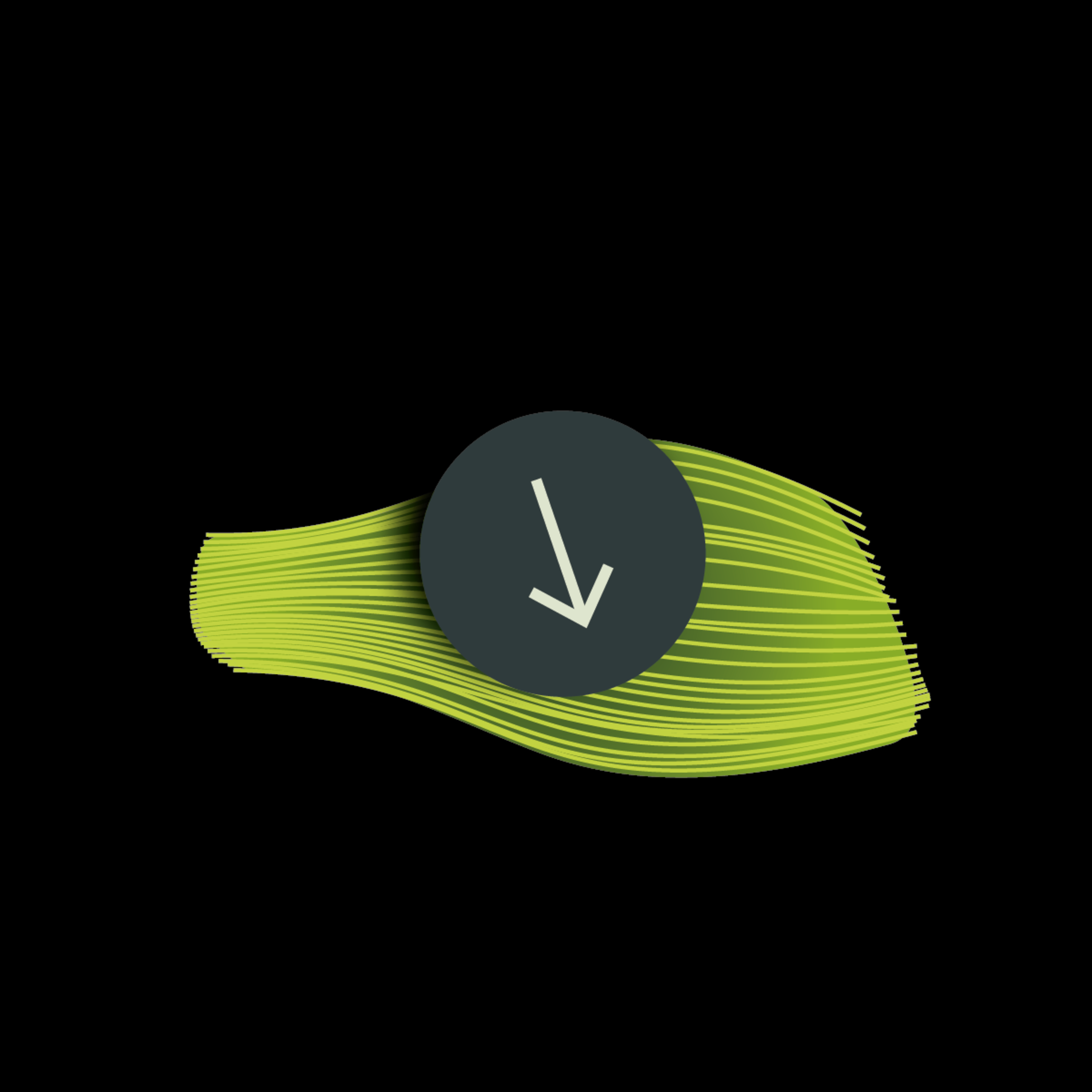
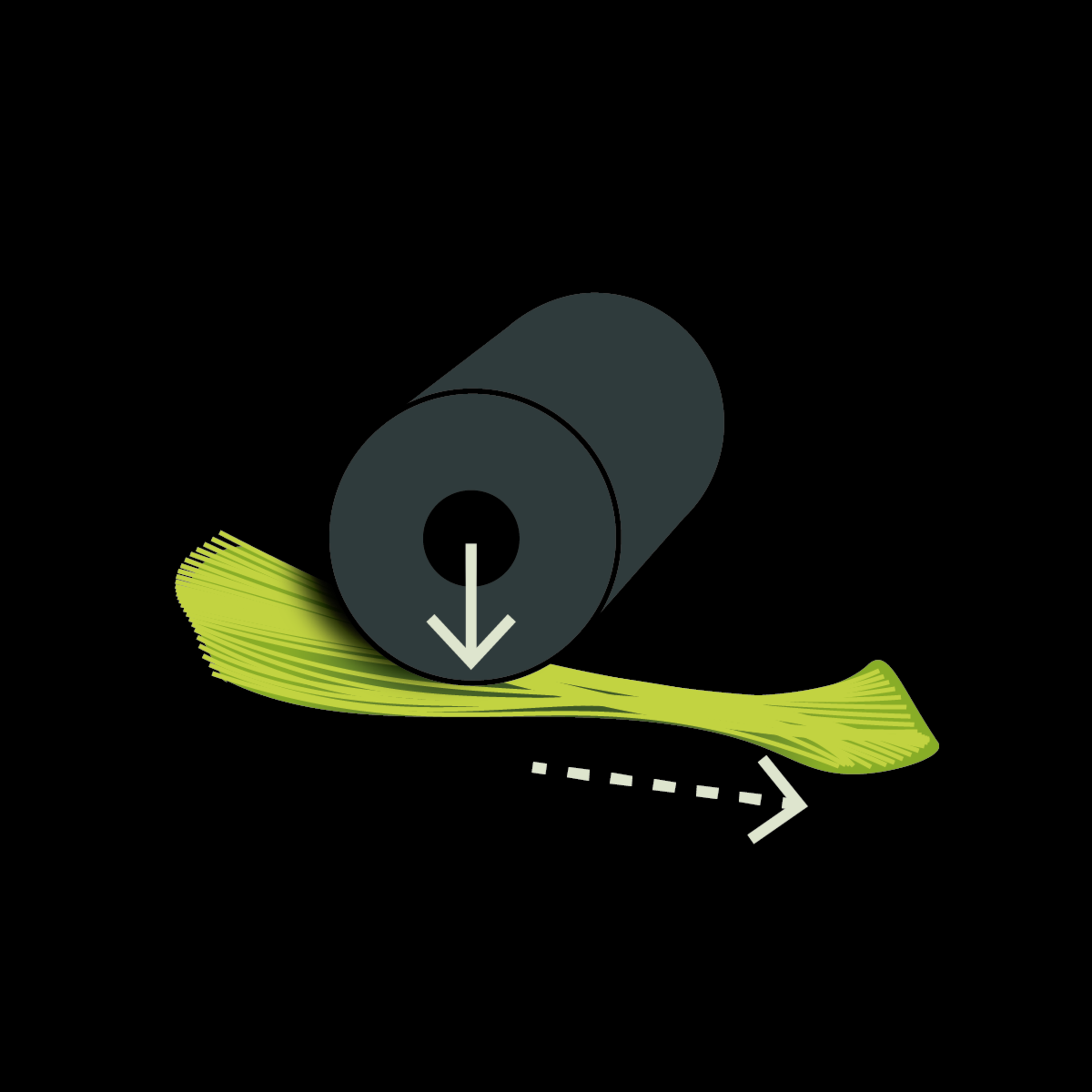
Transverse friction stimulates the connective tissue of the muscle fibers across their direction of run. This causes the fibers to be shifted against one another. We refer to this as transverse friction when, for example, you slide your calf back and forth to the left and right on a stationary foam roller. This technique is particularly suitable for pre-injured and painful tissue, as this foam rolling technique increases blood flow, releases adhesions, and stimulates the connective tissue to form new longitudinal fibers.
Circular Massage
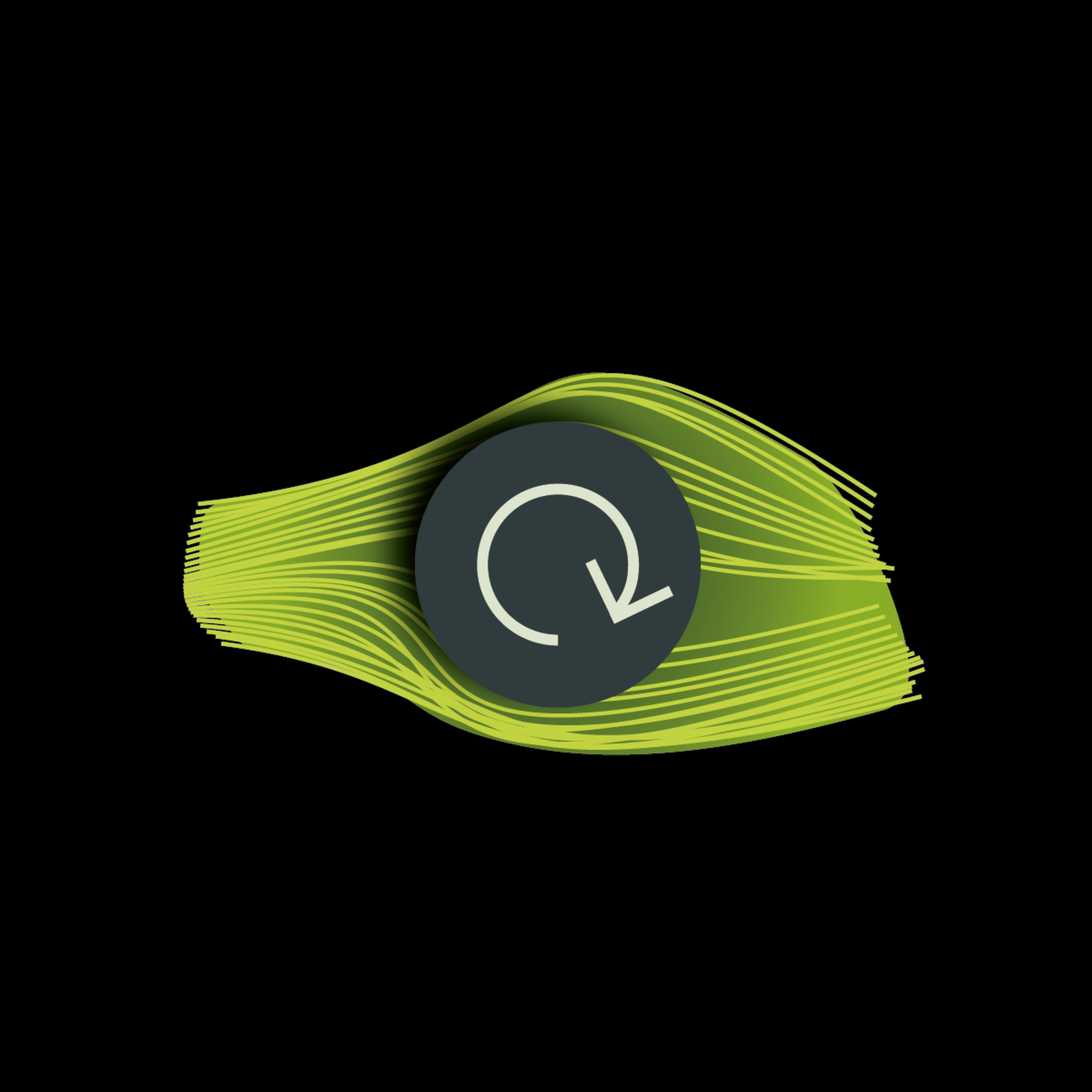
In circular massage, the area around a hotspot (pain point) is massaged using circular movements. Foam balls are particularly well-suited for this technique. The circular stimulation specifically boosts metabolism in that area.
Pressure & Relaxation
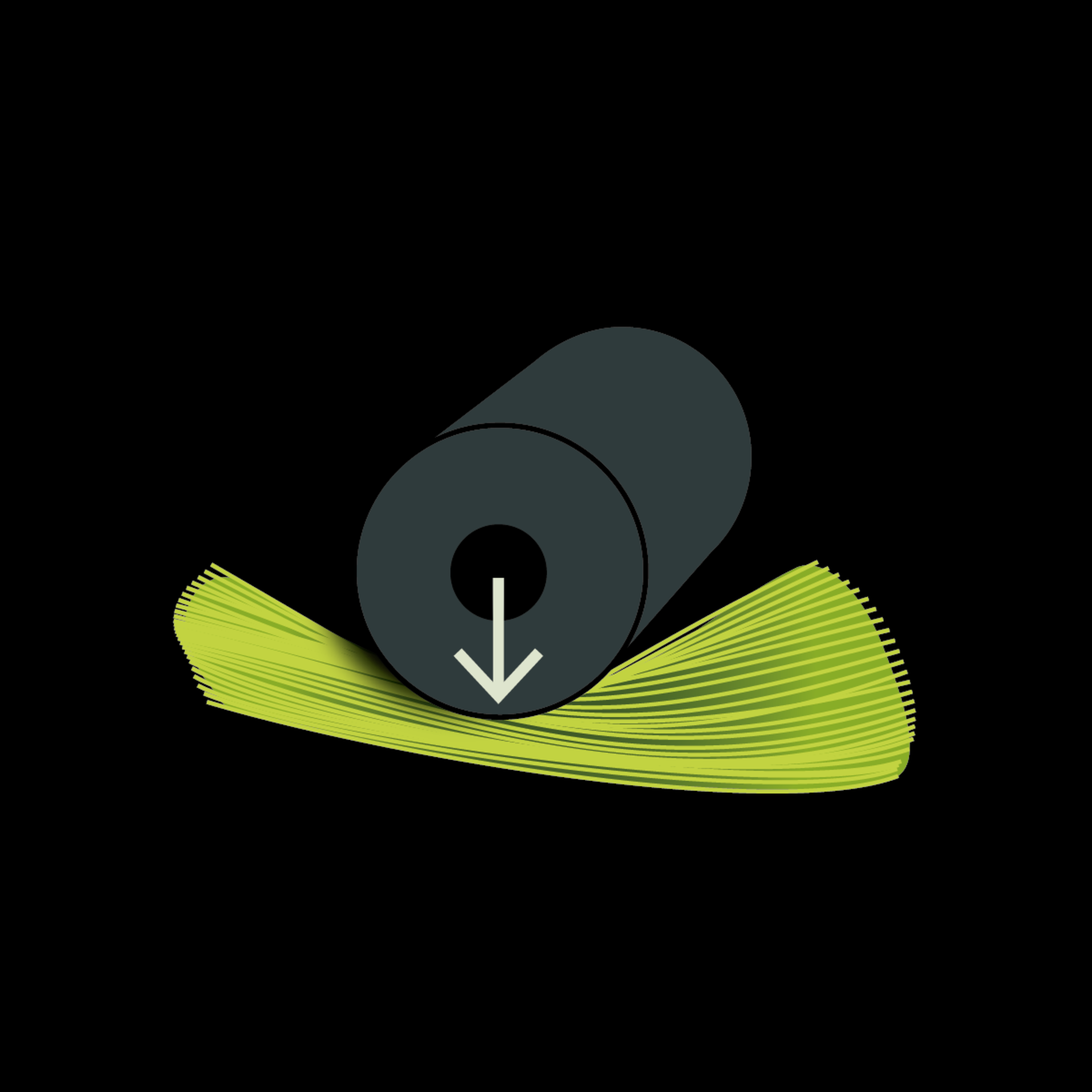
In this foam rolling technique, a hotspot or trigger point is targeted and relaxed by applying pressure directly to the pain. This causes the soft tissue to release. It’s important to fully relax the muscles during this process. For many people, this can be a challenge because they lack the necessary body awareness. It can be helpful to tense the muscle for a few seconds so that it relaxes more effectively afterward. Calm, deep breathing supports the relaxation process.
Pressure & Twisting
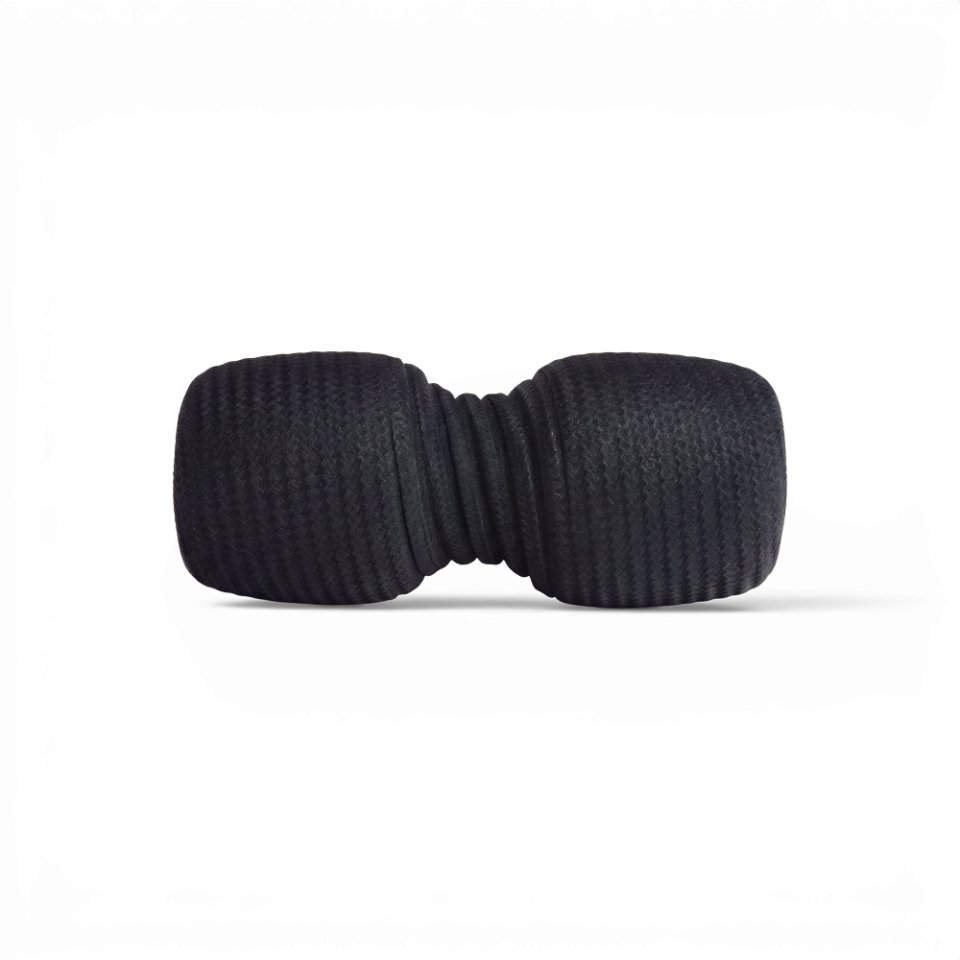
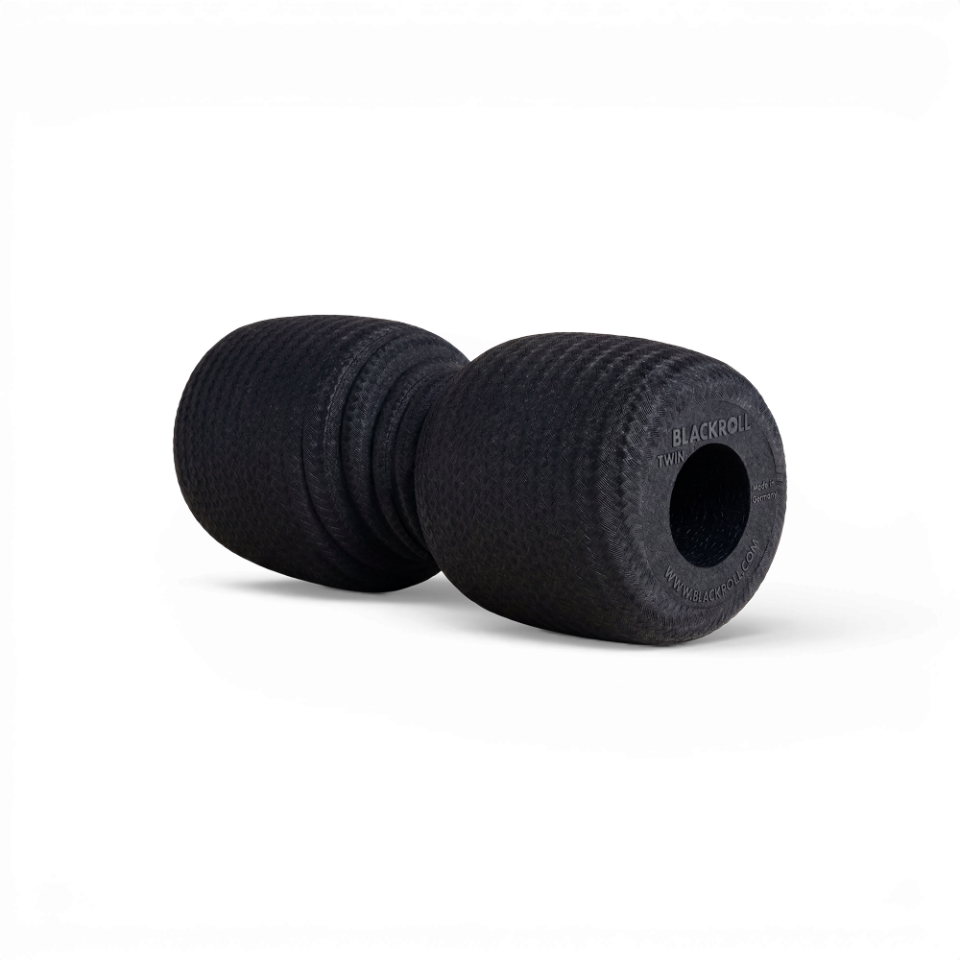
As with the previous technique, this one also uses pressure to target a hotspot. Additionally, the connective tissue is twisted in both directions. As the name suggests, the BLACKROLL® TWISTER fascia tool is particularly well-suited for this technique

Pressure & Stretching
In this variation of the compression technique, a pain point is stabilized while the affected muscle is placed in a stretching position. For example, this might involve placing the front of the thigh on the foam roller, then stabilizing a painful point and pulling the heel of the same leg toward the buttocks to stretch the thigh.
Pressure & Mobilization
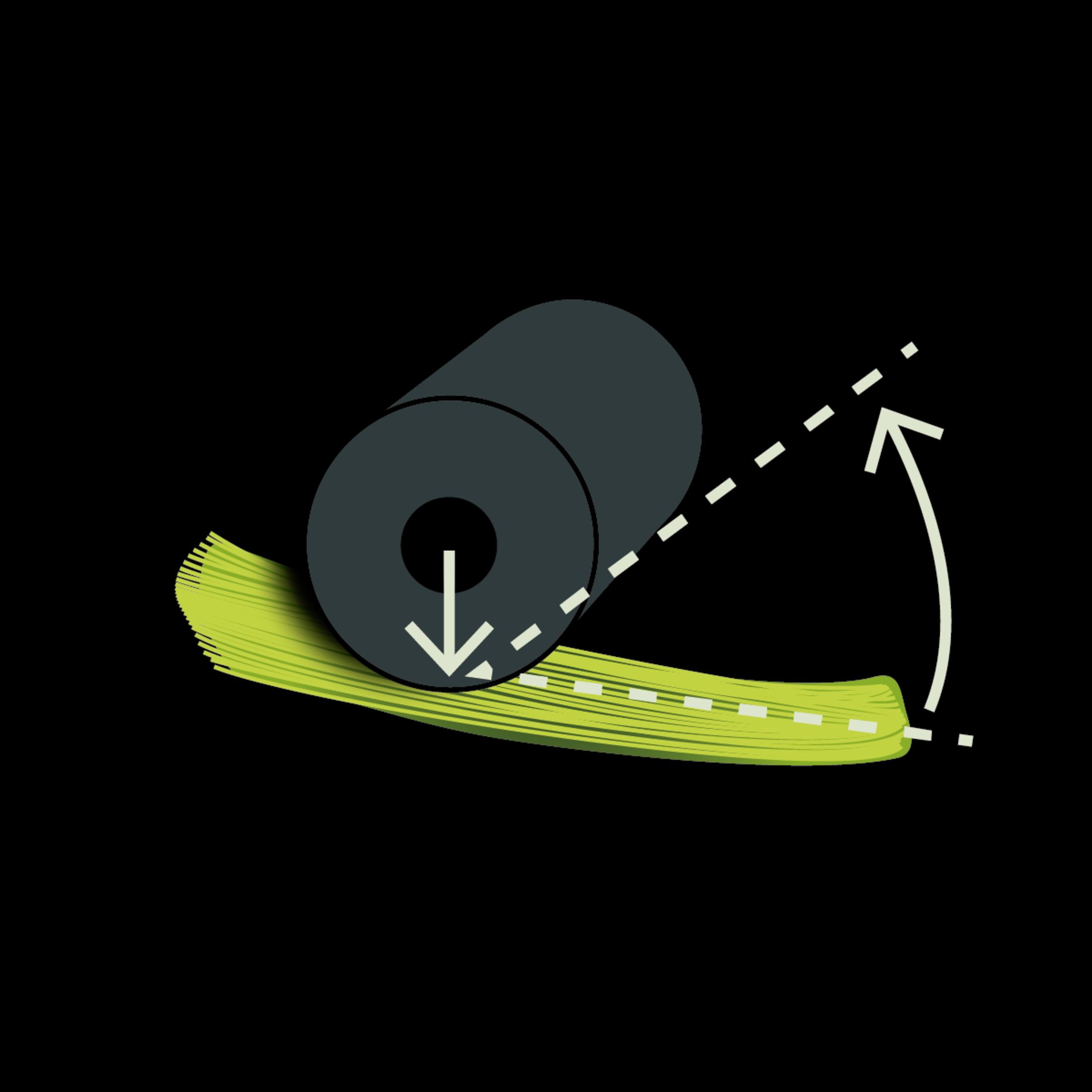
In this technique, a hotspot is targeted and movement is created in a joint close to the pain point. For example, if you’re working on your calf, you can create mobilization by circling your ankle joint. This creates a three-dimensional connective tissue massage around a hotspot.
Pressure & Vibration
This technique combines two approaches whose discoveries are separated by over 1,000 years: relaxation through pressure and metabolic activation through vibration. This can be achieved, for example, using a vibrating foam roller. The BLACKROLL® BOOSTER is a vibration core that you can insert into any 30 cm foam roller. In addition, the vibration core can be used in combination with the BOOSTER HEAD for targeted massage.
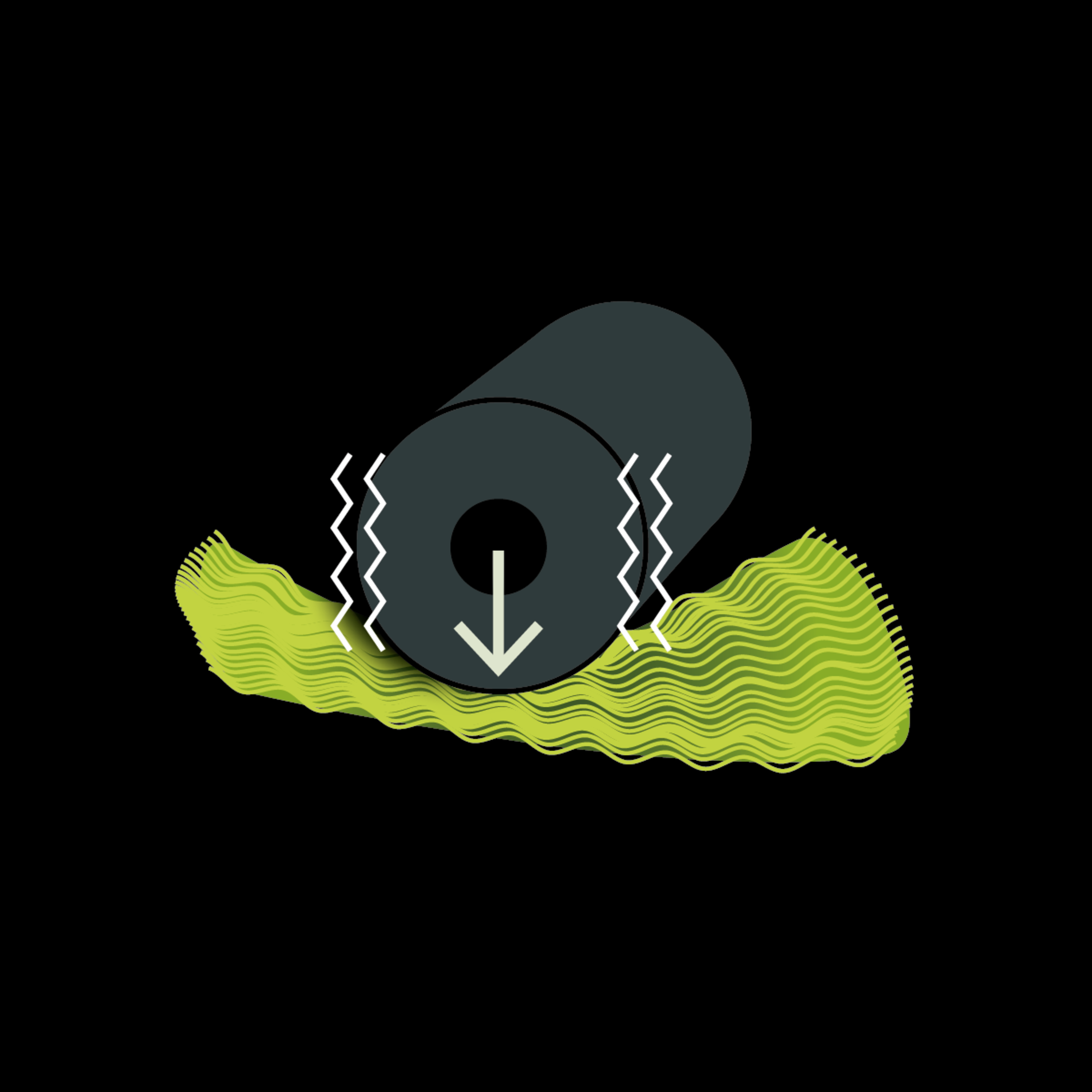
The vibration mechanism strongly stimulates metabolism and blood circulation while simultaneously alleviating pain. This is extremely helpful in the treatment of acute and chronic conditions.
Fascia researcher Dr. Robert Schleip

The stimulation penetrates deep into the tissue and acts like a soothing shower on the stretch receptors of the fascial tissue. Body awareness is improved, and you feel reborn.
Is training with a foam roller also suitable for beginners?
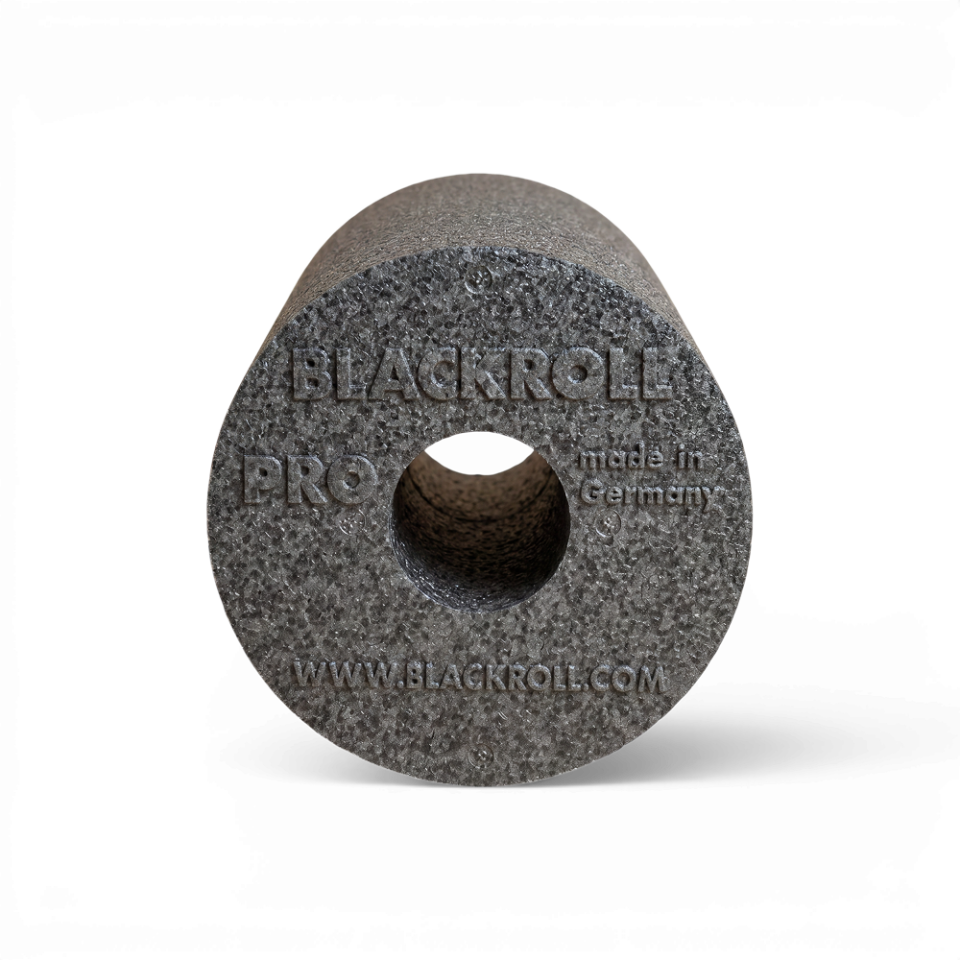
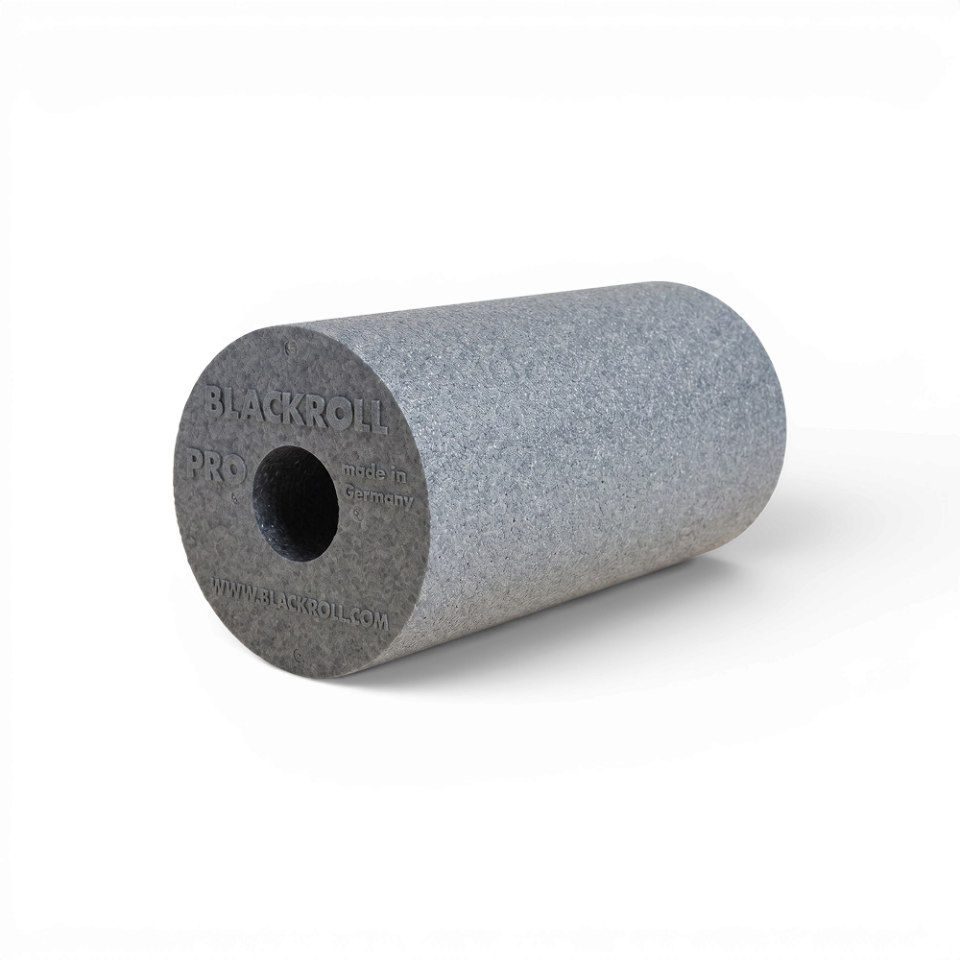
In short: Foam rolling is suitable for everyone, regardless of age. There’s a foam roller to suit every person and their individual needs. Beginners to foam rolling first need to get used to the “good pain” that comes with rolling. That’s why it’s recommended that they start with a softer roller, such as the BLACKROLL® MED. Depending on how it feels, the firmness can then be increased. Professional athletes are best off using the firmest version, the BLACKROLL® PRO.
What else should you keep in mind when foam rolling?
When performing myofascial self-massage exercises, there are a few points to keep in mind to achieve optimal myofascial release. We’ve compiled the most important basic rules for you here:
- Perform the recovery exercises very slowly, with concentration and focus
- Work on each muscle group for about 1 to 3 minutes
- Adjust the pressure to your individual comfort level so that the pain is still tolerable and you can relax over time
- Keep the muscles you’re working on as relaxed as possible
- Breathe evenly and deeply
- Be aware of the contraindications—when you should not do fascia training
If you’re unsure whether or how you should best use the fascia roller, or if you experience severe pain or recurring injuries after rolling, we recommend consulting a physical therapist or specialist.
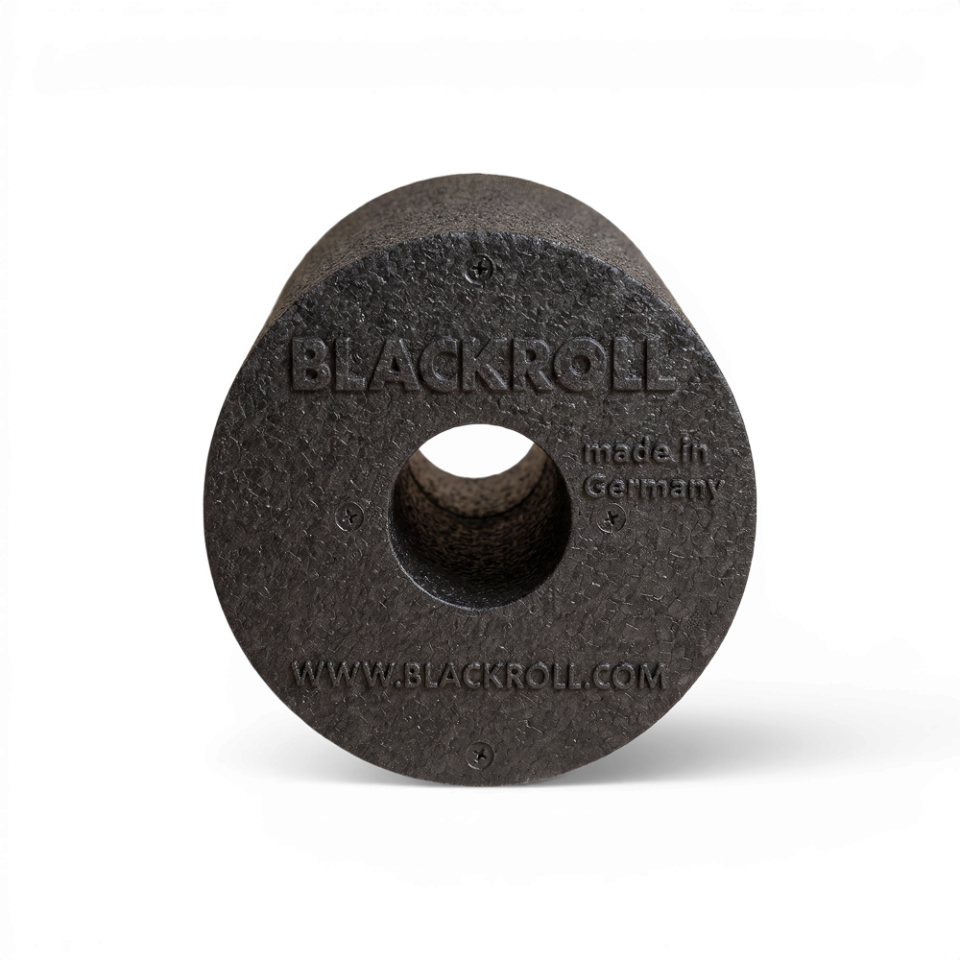
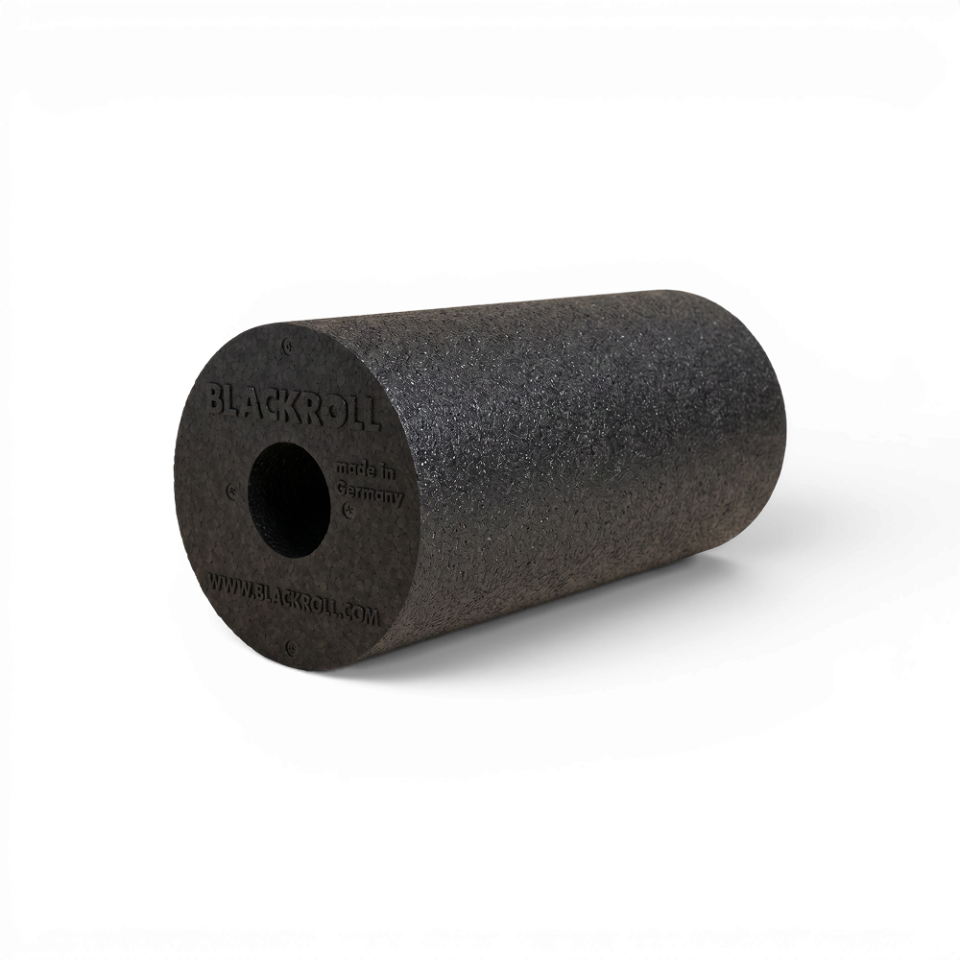
Standard
Available in multiple variants
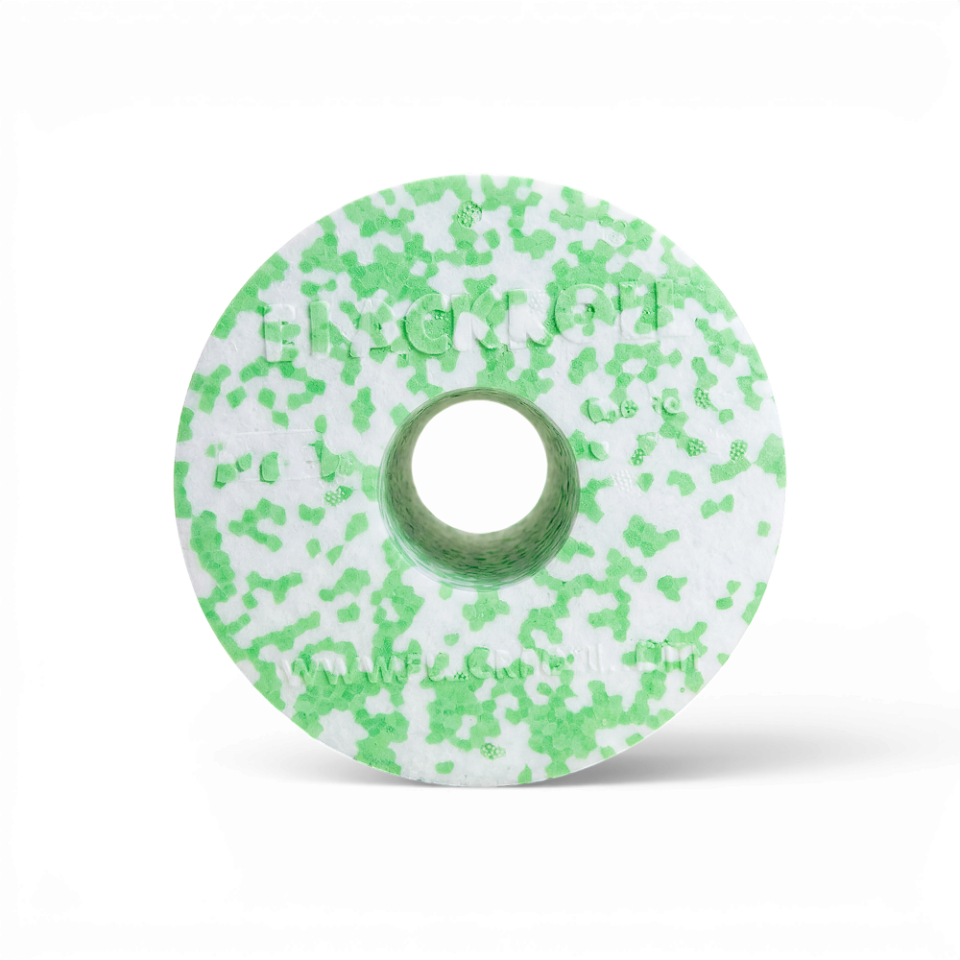
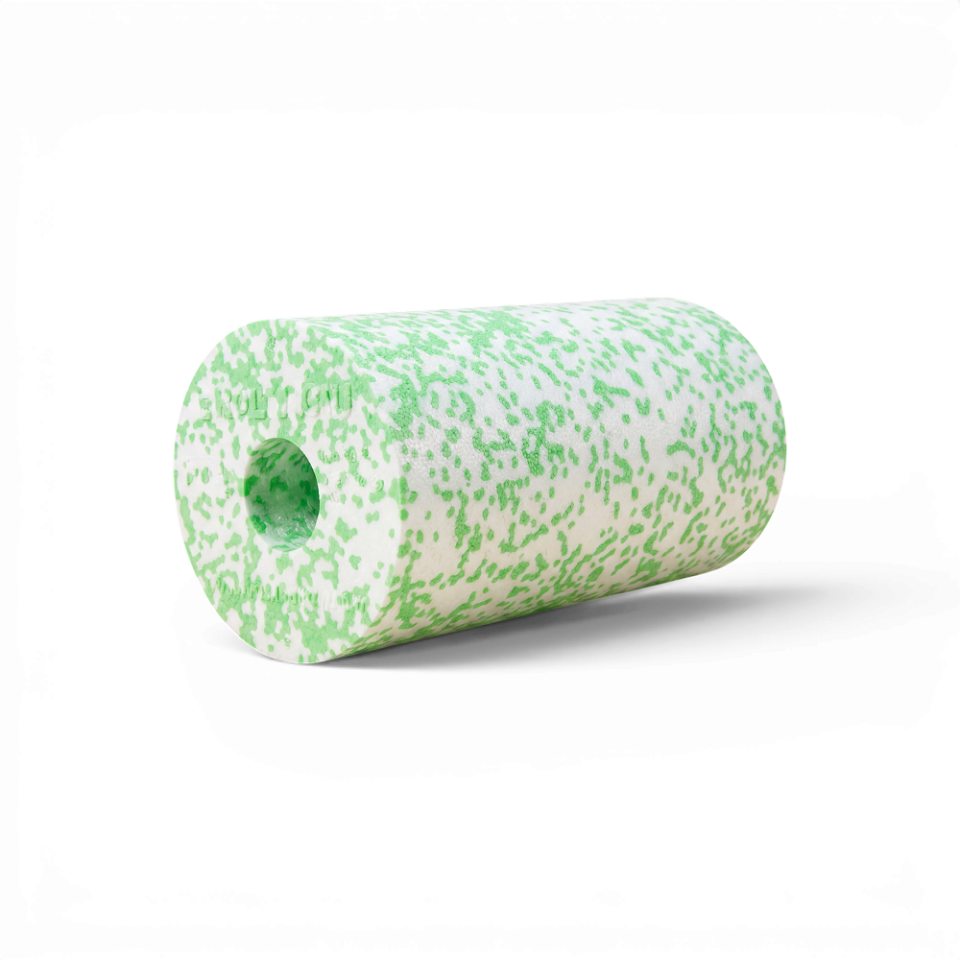
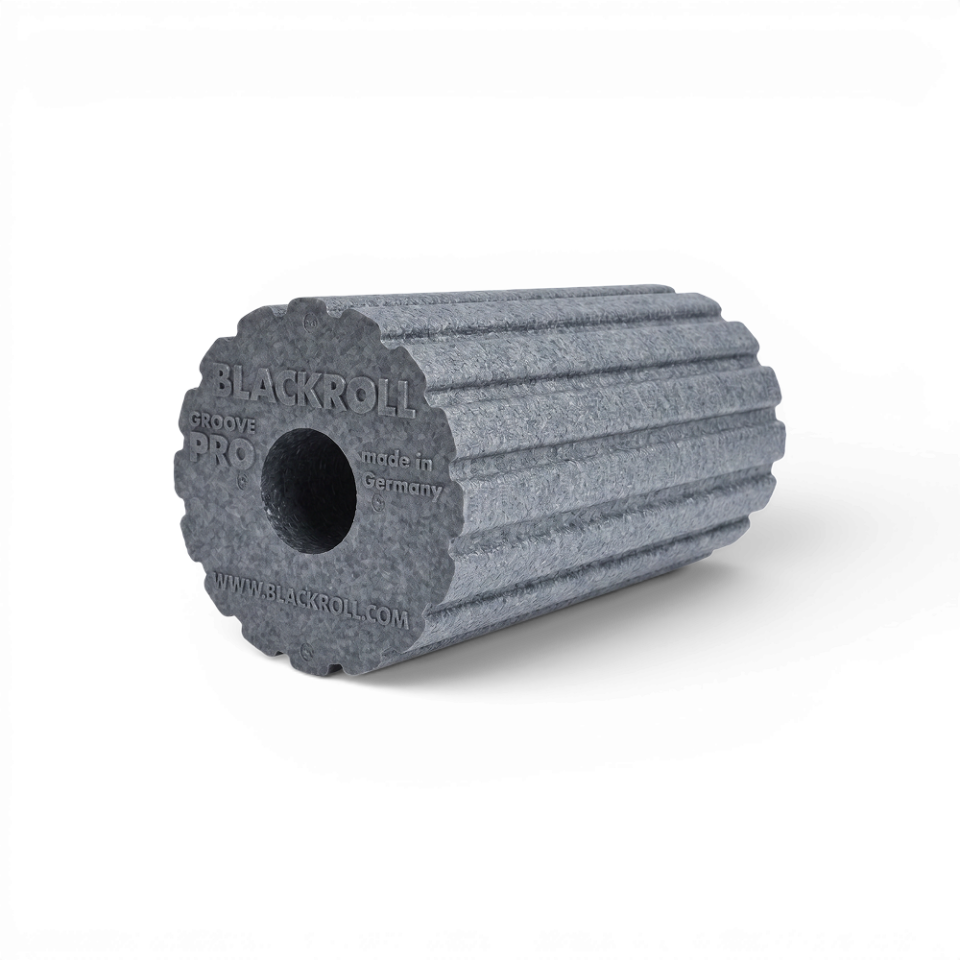
Groove Pro
Available in multiple variants
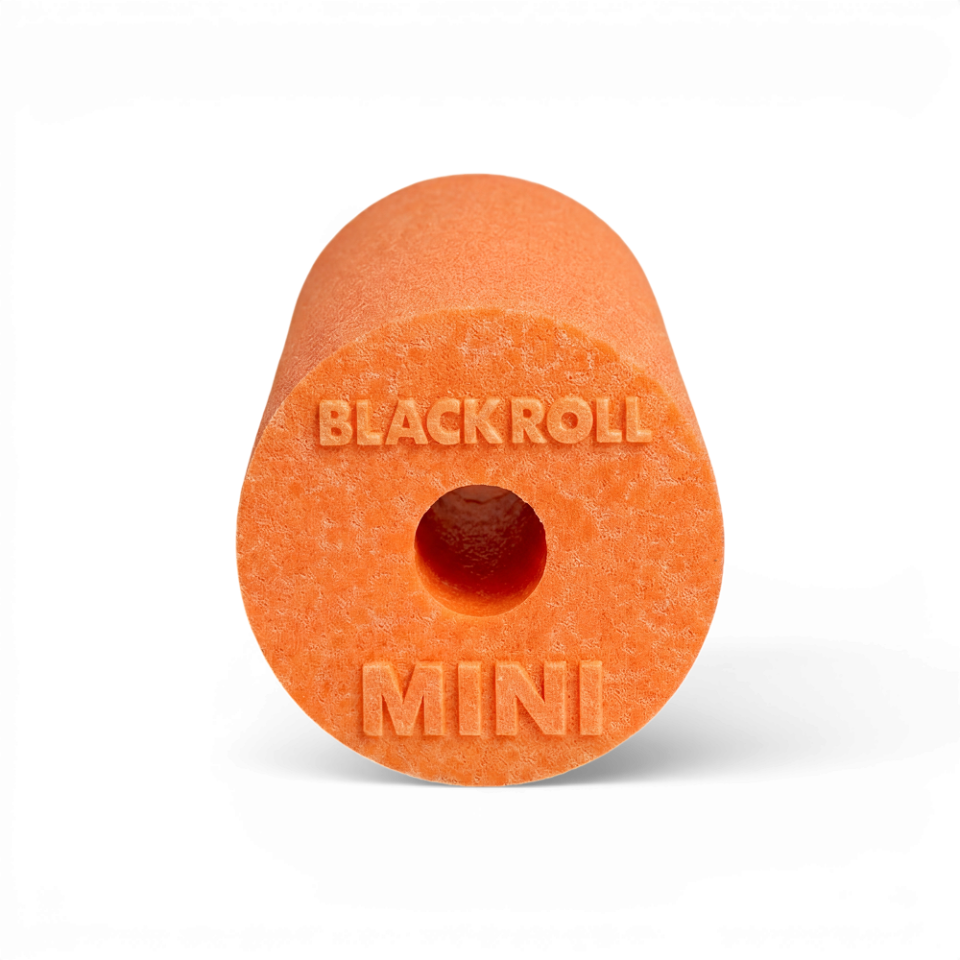
Mini
Available in multiple variants