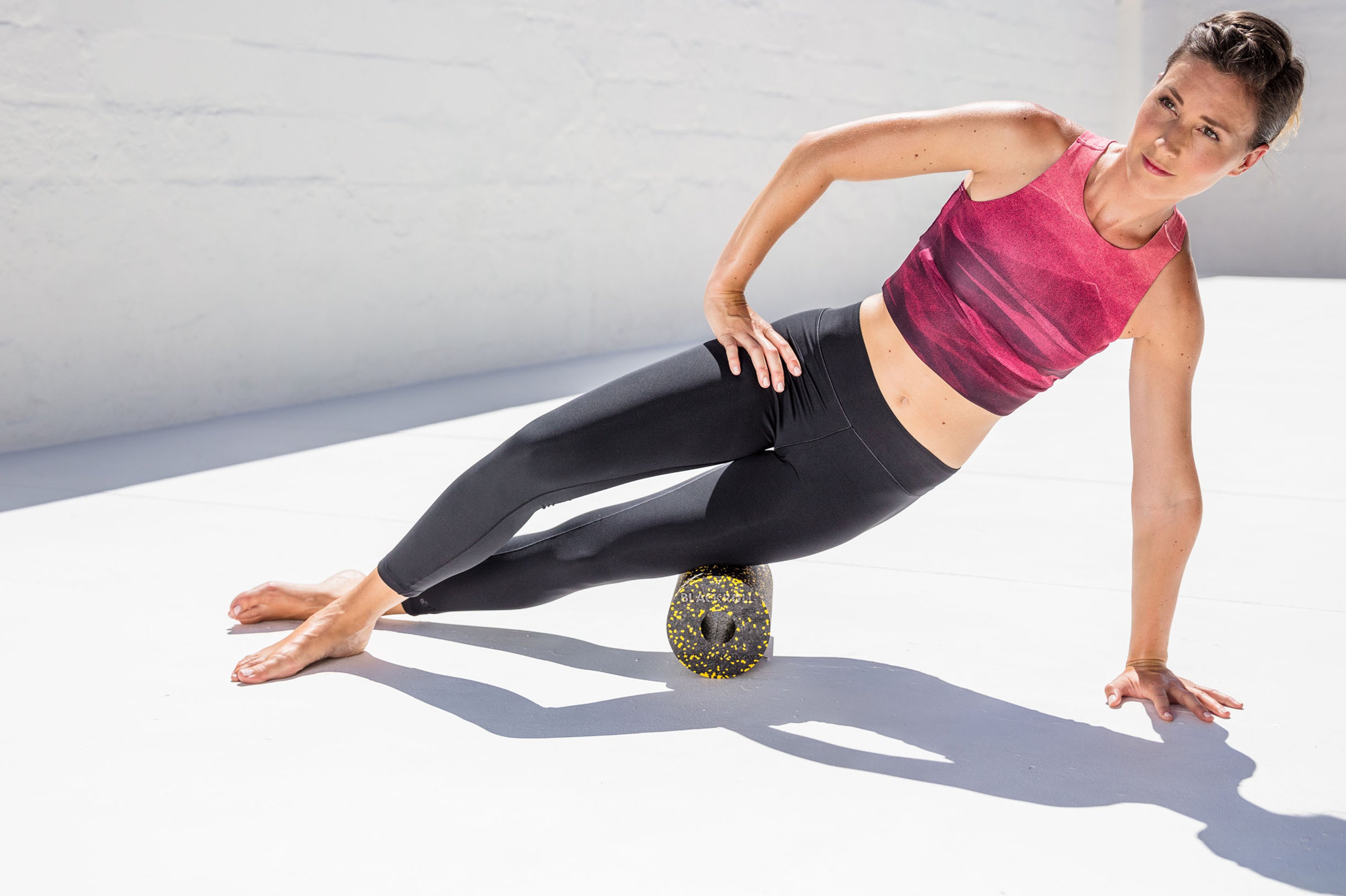
Effects of the Fascia Roller: What Are the Benefits of Fascia Training?

Are you looking for an effective way to train and regenerate your fascia? Then you’ve come to the right place!
You’ve probably heard of the foam roller, but do you know what benefits these exercises offer? Which claims surrounding the fascia craze are valid, and can fascia training actually improve your flexibility or even prevent injuries?
In this article, we’d like to explain the effects of the foam roller in more detail. We’ll explain how the foam roller works and give you an overview of how to use it most effectively. So sit back, because we’re providing the best answers to the most important questions about fascia training.
What is a foam roller?
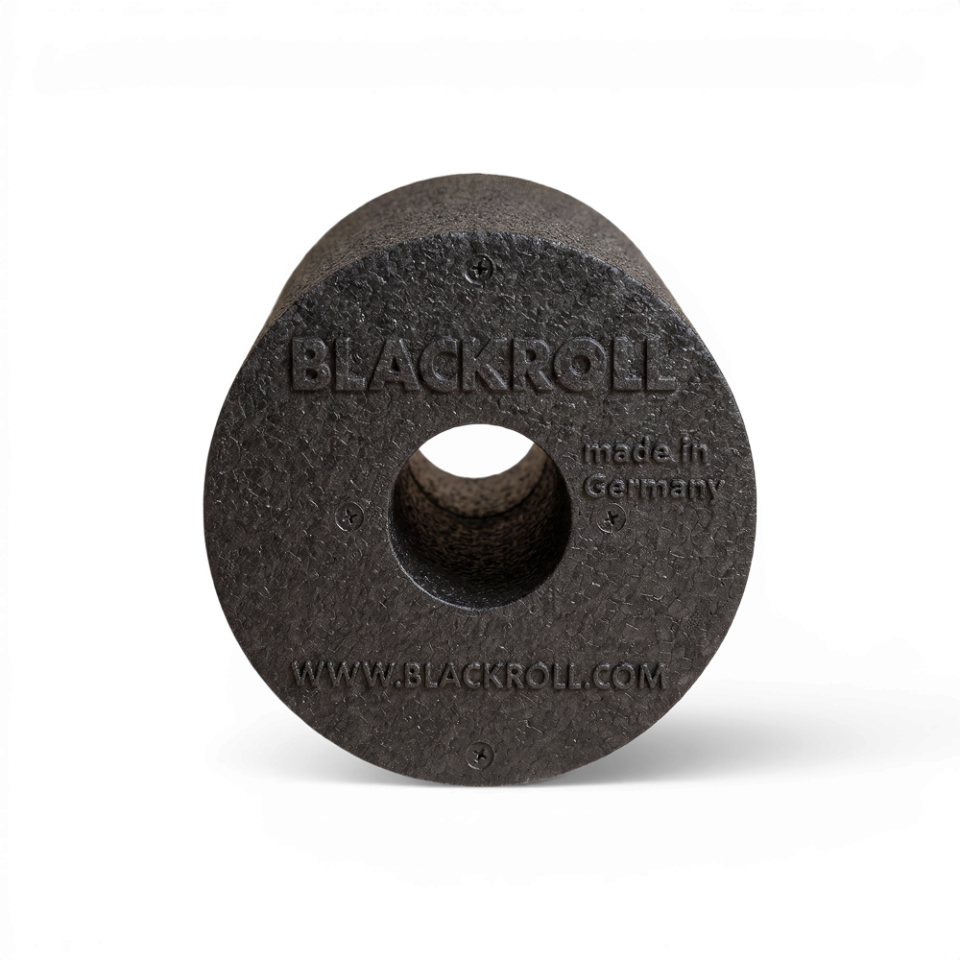
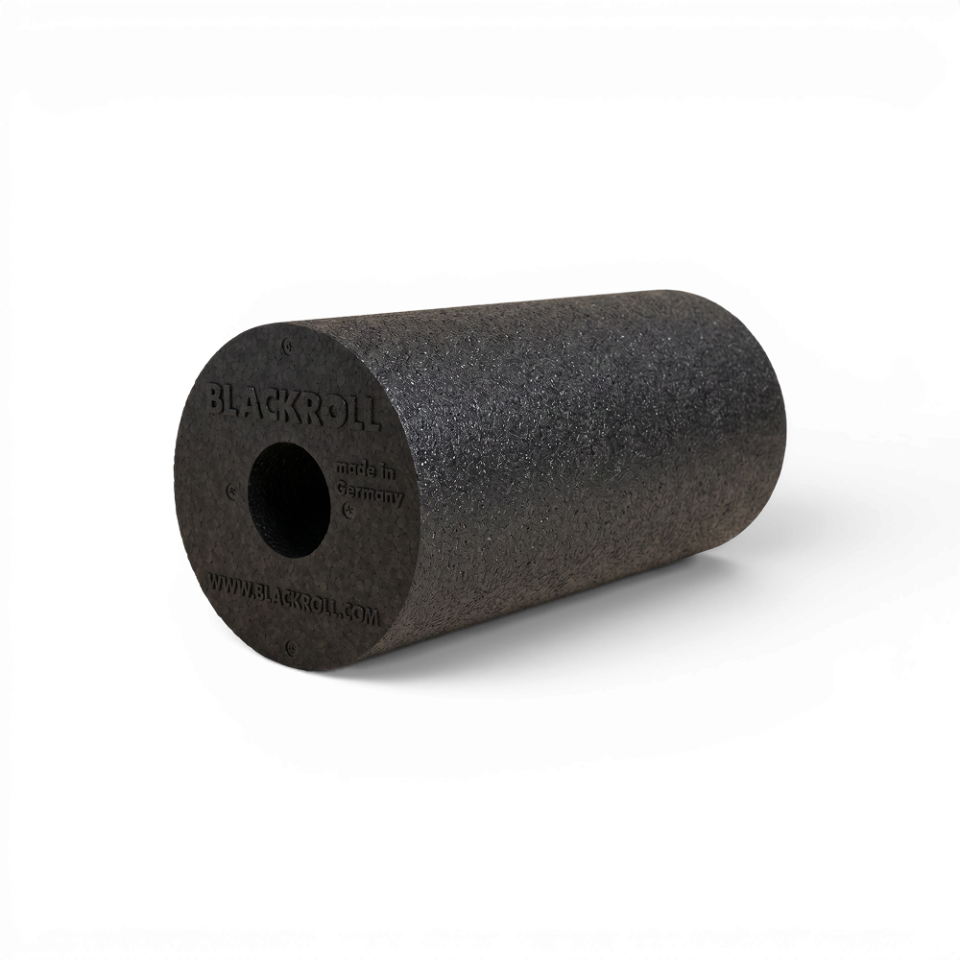
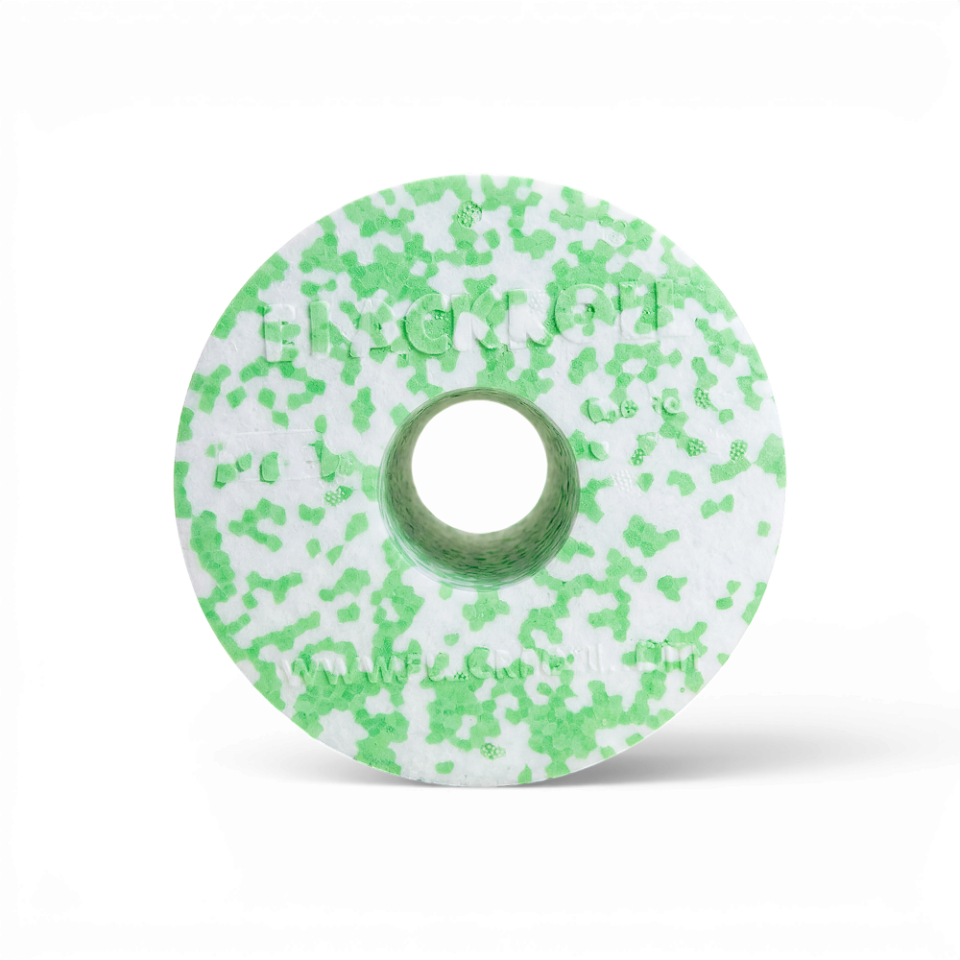
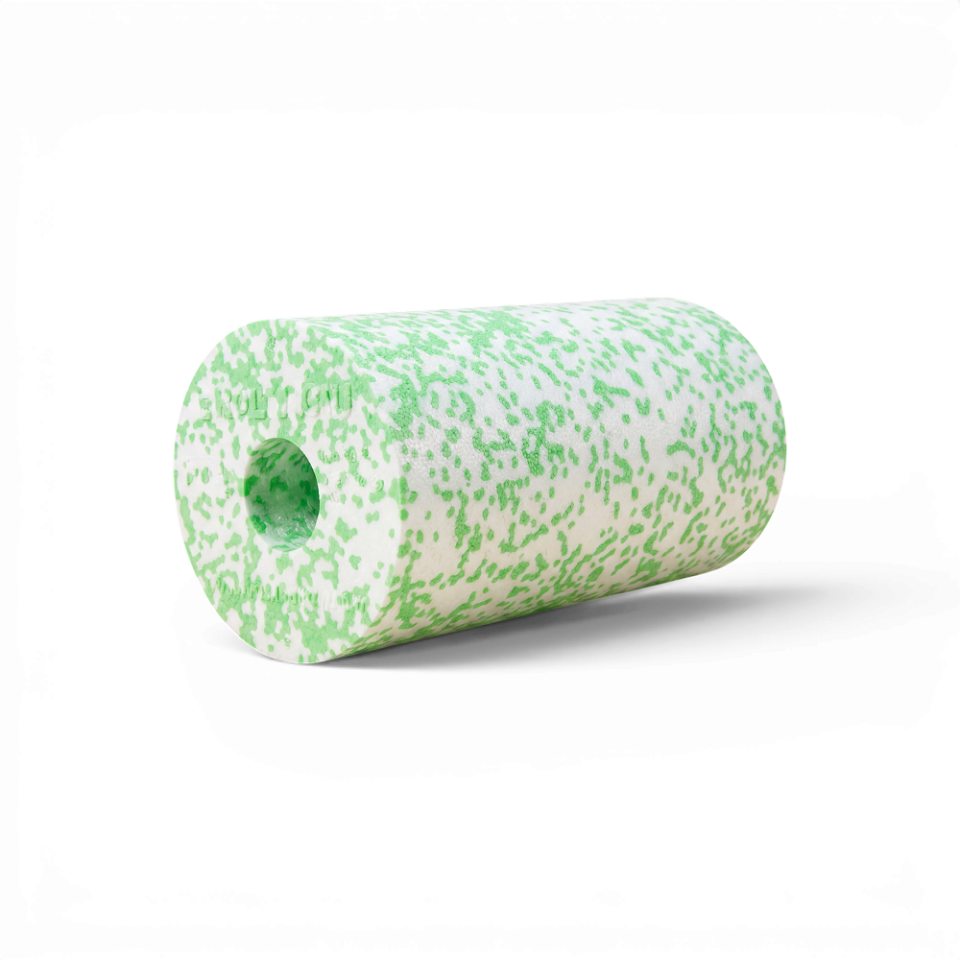
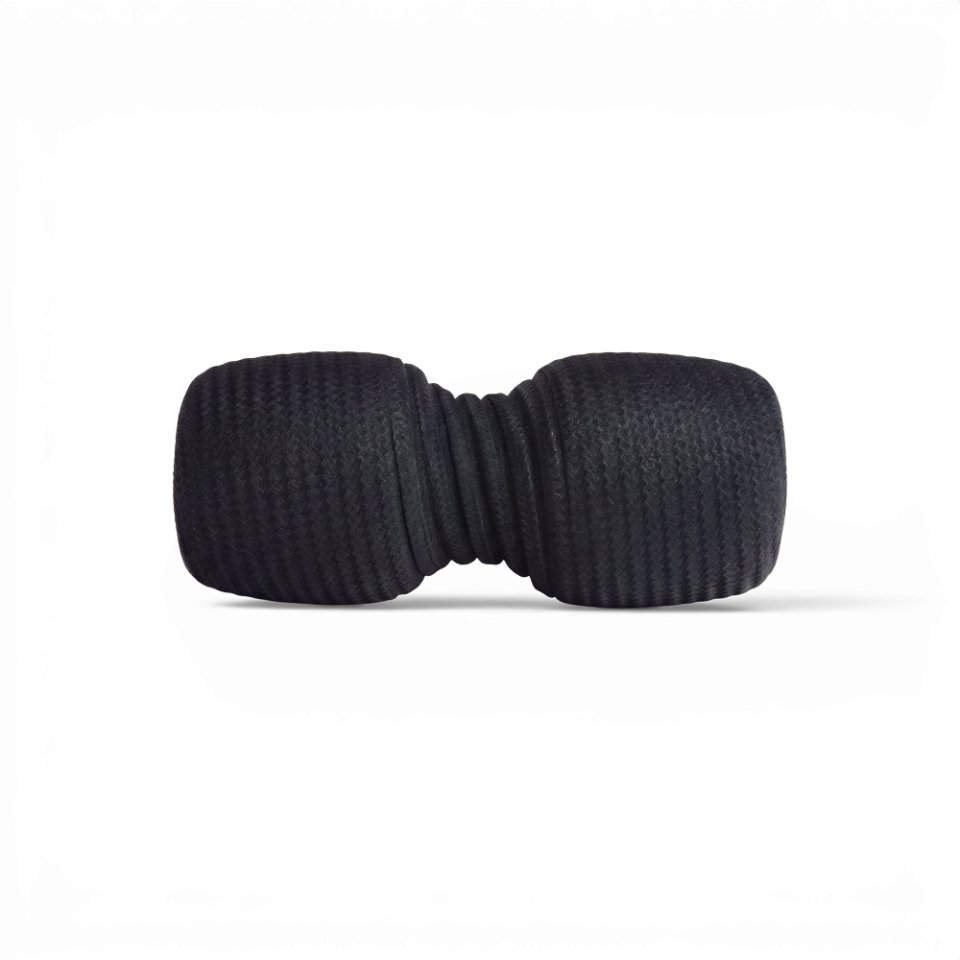
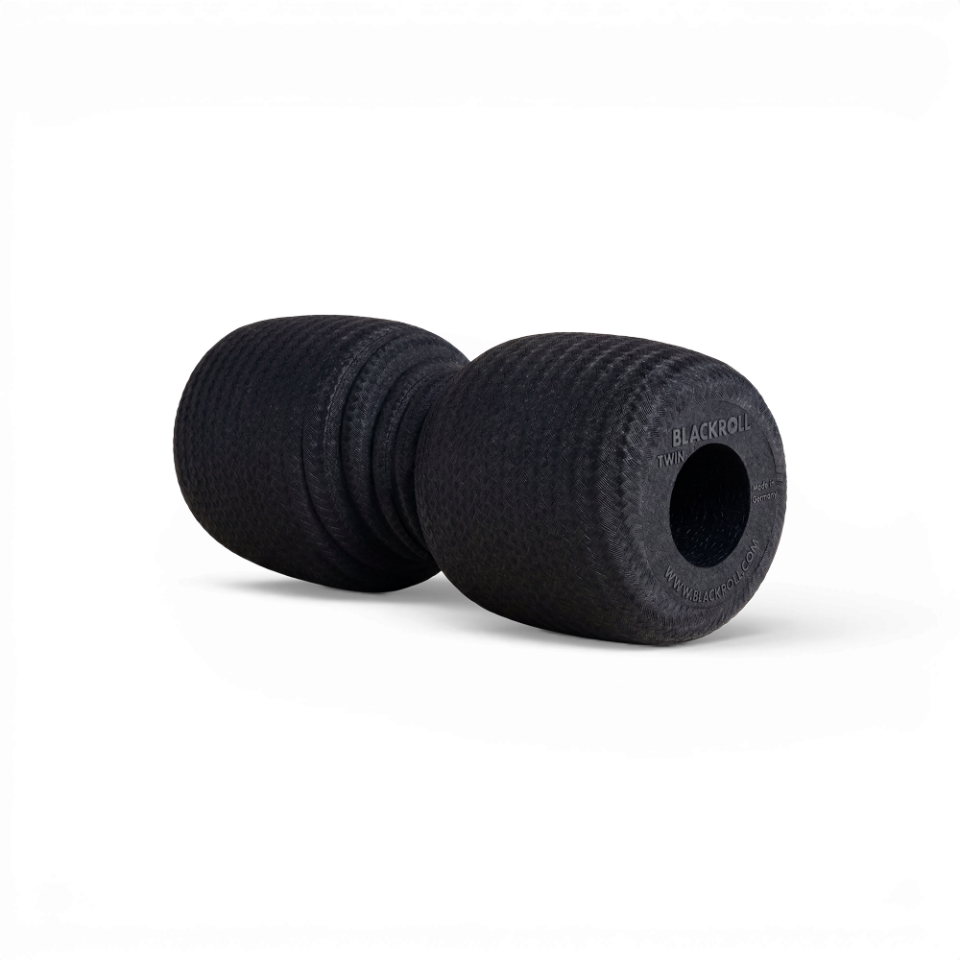
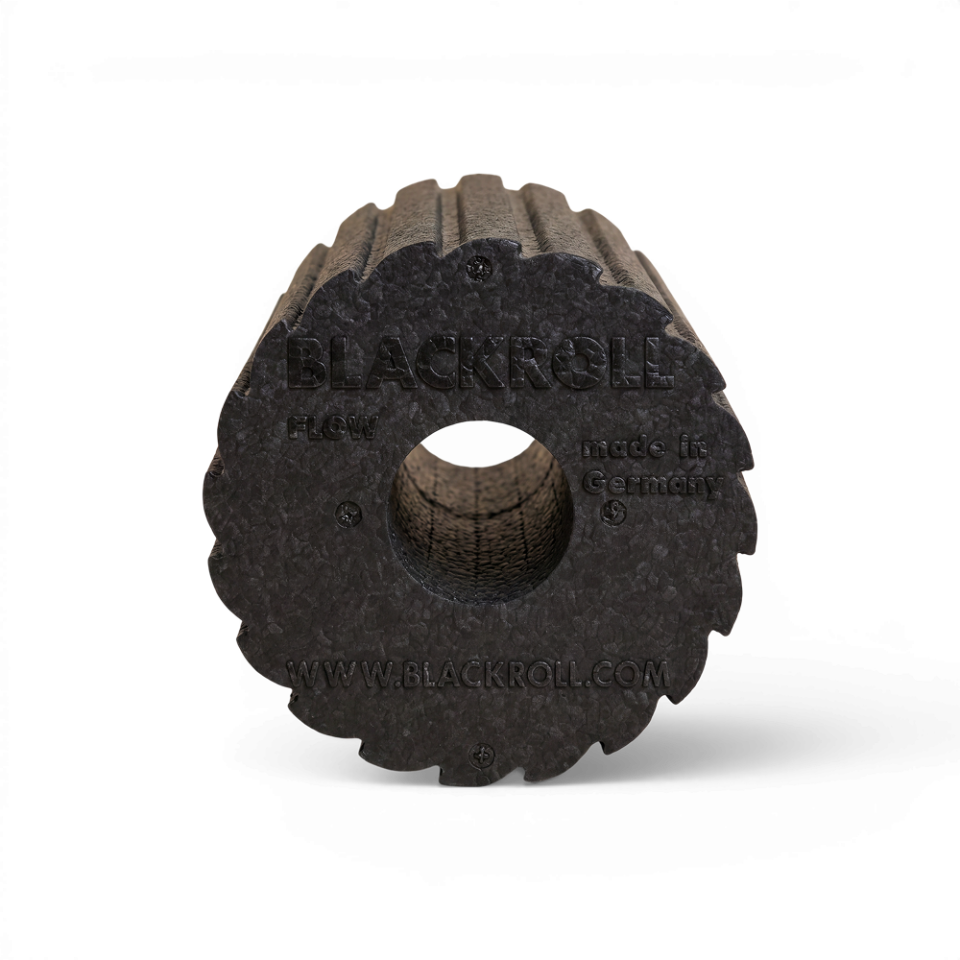
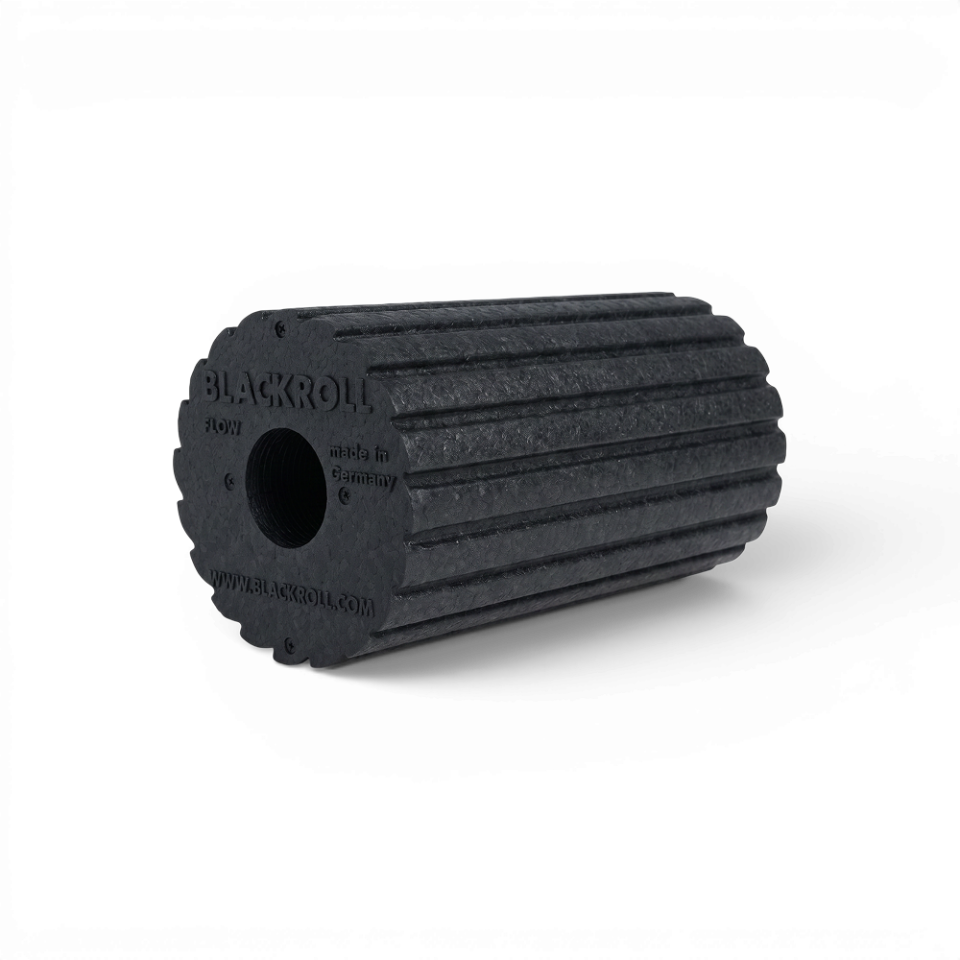
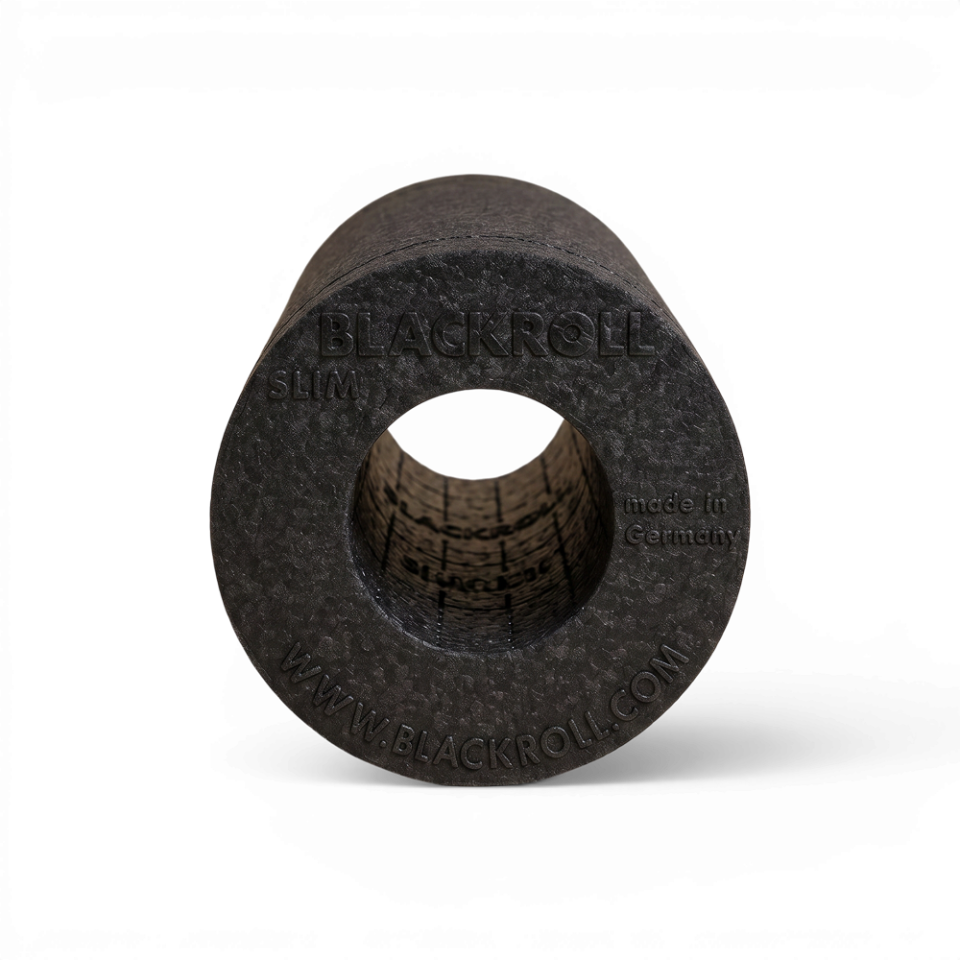
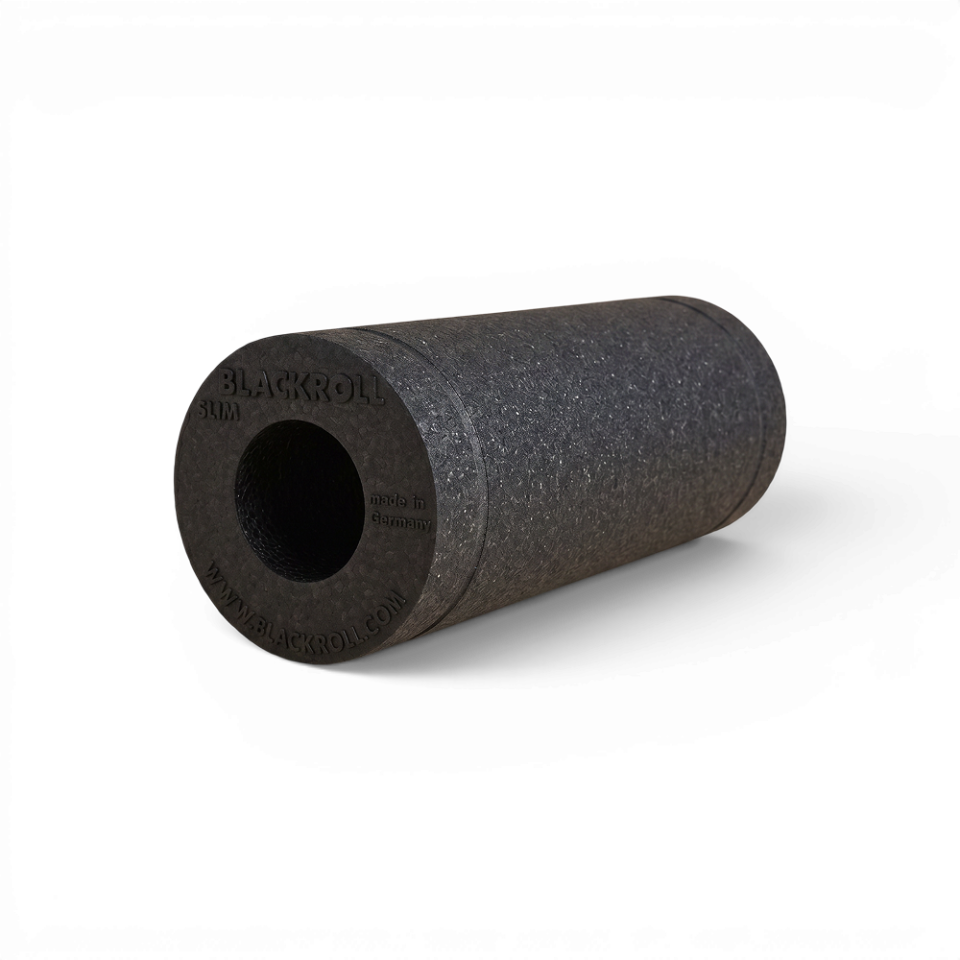
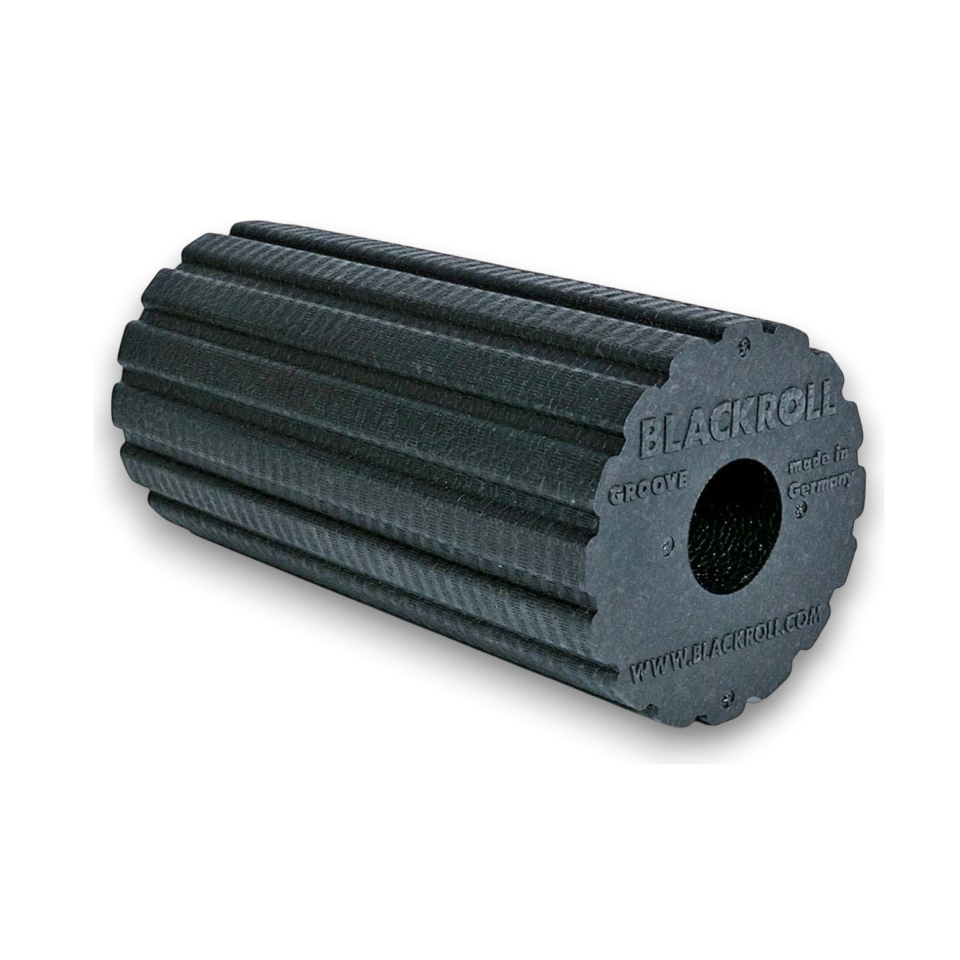
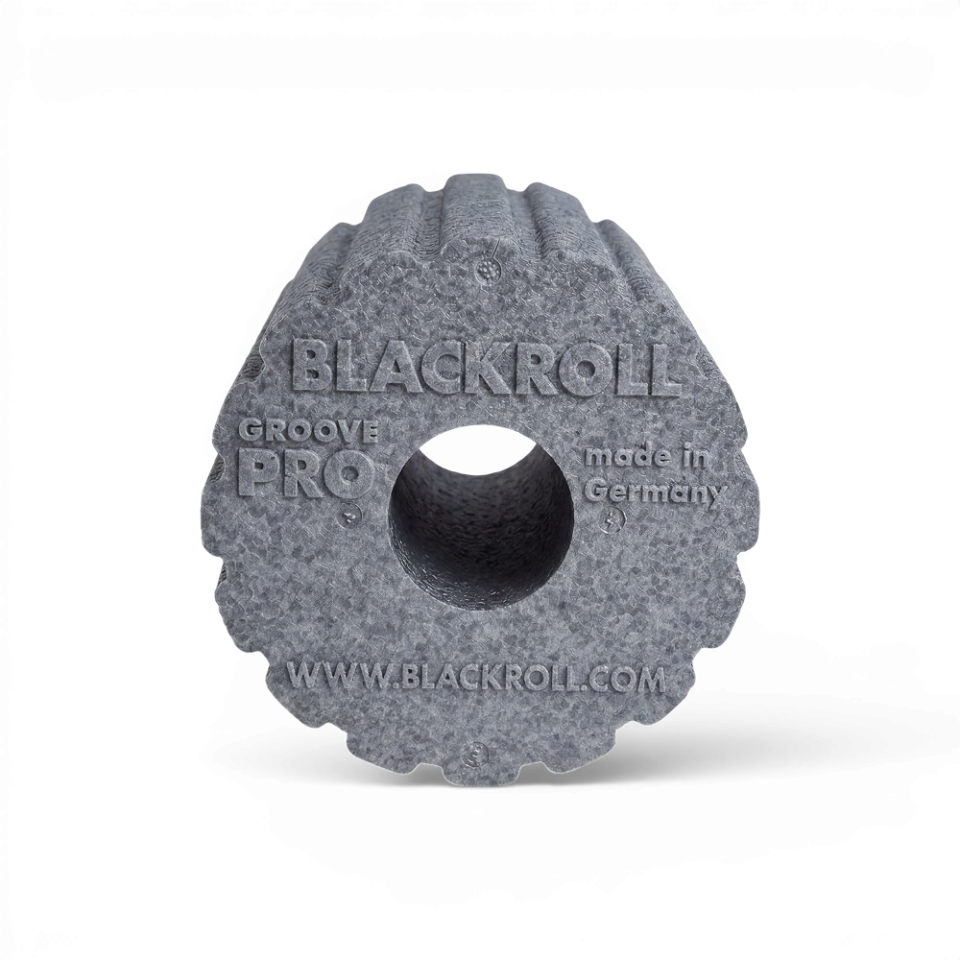
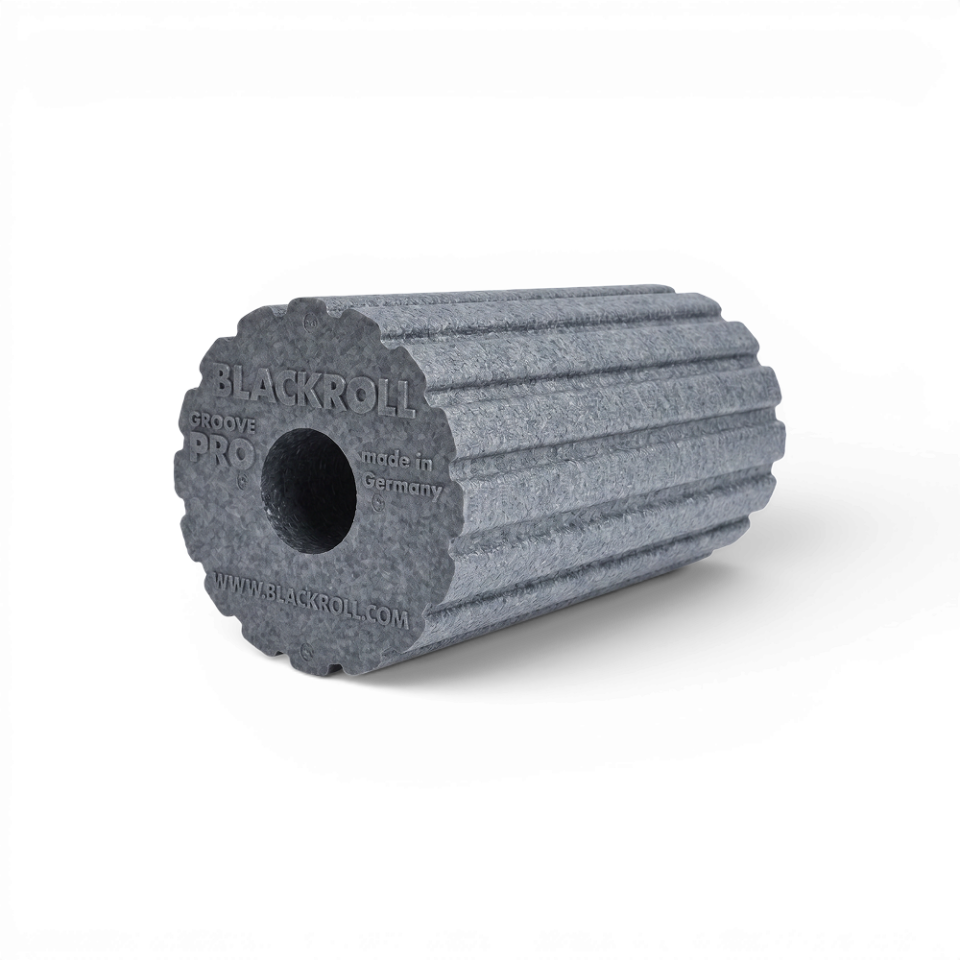
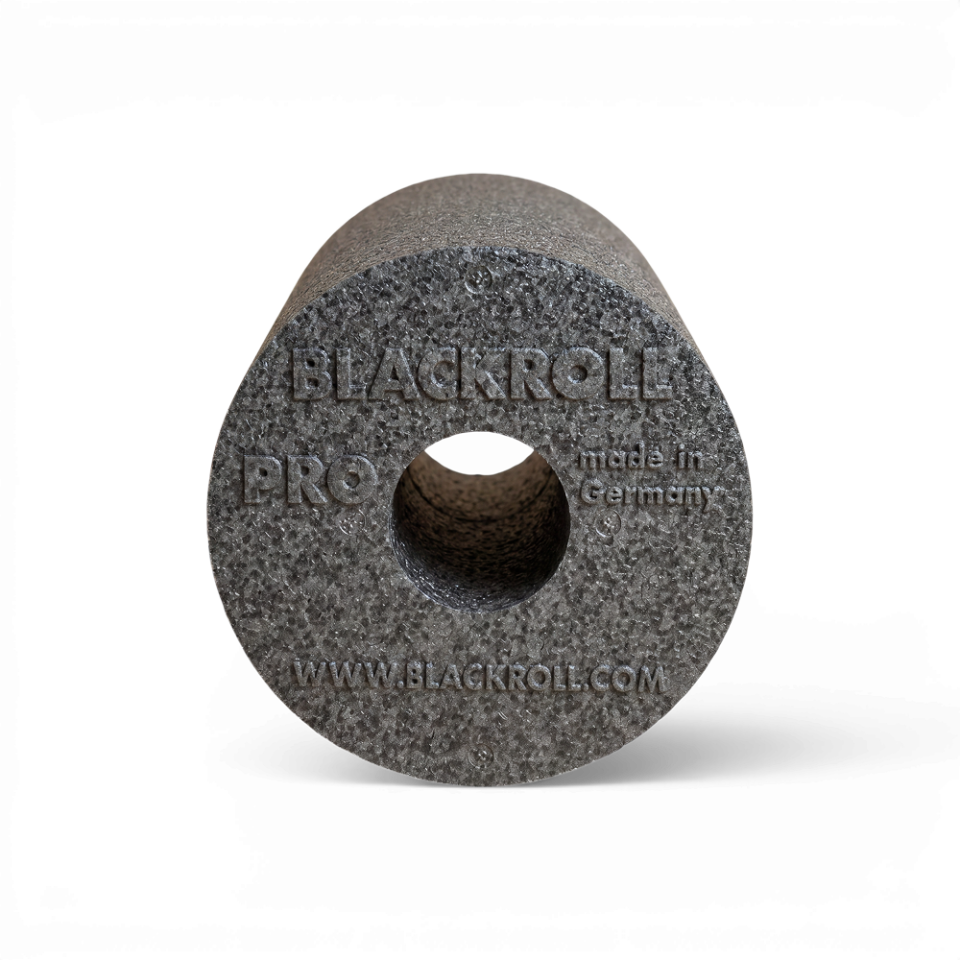
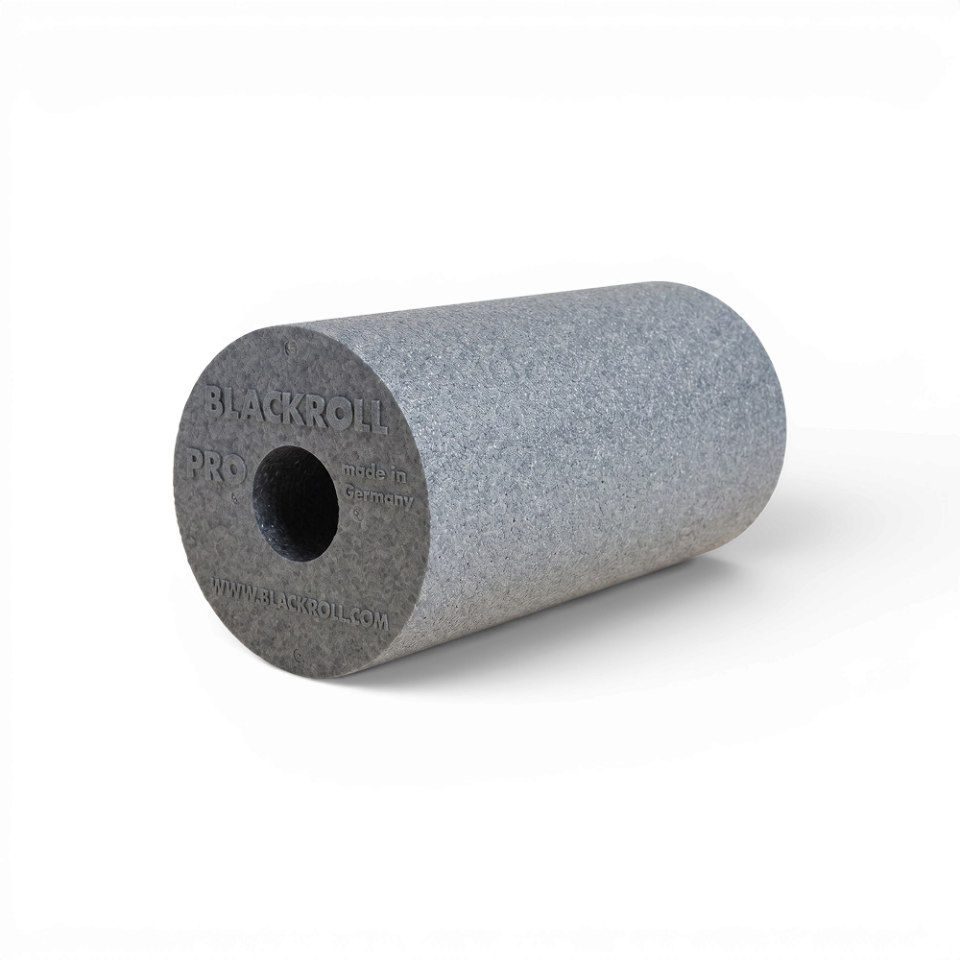
The foam roller is a simple yet effective training tool for self-massage and myofascial release. Essentially, it’s a roller made of firm foam, available in various sizes and firmness levels, as well as with a variety of surface textures.
In short, the foam roller is a fitness tool that helps you massage yourself. This massage roller isn’t just used in gyms; many physical therapists incorporate the benefits of myofascial release into their therapy.
There are now numerous manufacturers producing fascia rollers. The firmness often varies and depends, among other things, on the material used in production.
How does fascia training work?
Fascia training involves self-massage using foam rollers, massage balls, DUOBALLs, and other fascia tools. This practice can help relieve tension, muscle soreness, and back pain, while improving flexibility and, consequently, performance.
This makes foam rolling an ideal companion for before and after your workout. Recent study results, as well as the positive experiences of millions of people, speak in favor of training with a foam roller. In this article, you’ll learn what fascia training offers and what benefits you can gain from it.
Releasing adhesions and balancing tension imbalances
Fascia is the most common type of connective tissue in our bodies. Fascia envelops not only muscles but virtually every structure in our bodies: bones, nerves, organs, blood vessels, tendons, skin, and every other part of the human body.
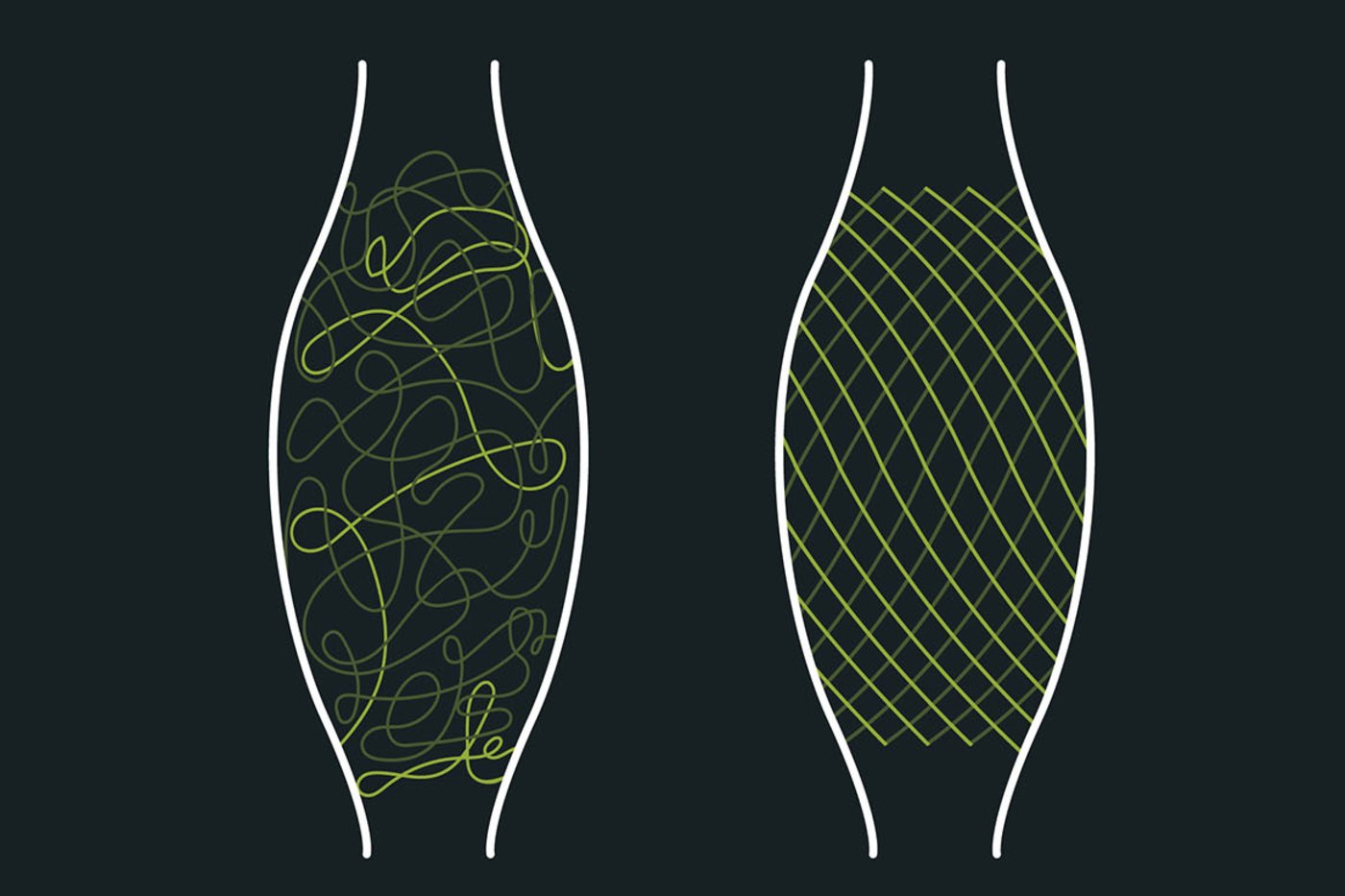
One of the main functions of fascia is to create a smooth surface so that the various structures can glide optimally over one another. Due to an unhealthy lifestyle, prolonged sitting, lack of exercise, injuries, or excessive stress, adhesions or trigger points can develop in our bodies.
Our movement, posture, and overall quality of life are restricted. The fascial tissue essentially sticks together, and the collagen and elastin lose some of their elasticity. This can lead to a feeling of stiffness and imbalances in tension.
This often results in pain in the back or neck, or discomfort in other parts of the body from head to toe. Targeted fascia training can help release these adhesions, loosen the fascia, and restore the integrity of the stiffened connective tissue.
Training with a fascia roller can result in reduced pain and an overall improved sense of bodily awareness.
Improved Metabolism and Recovery
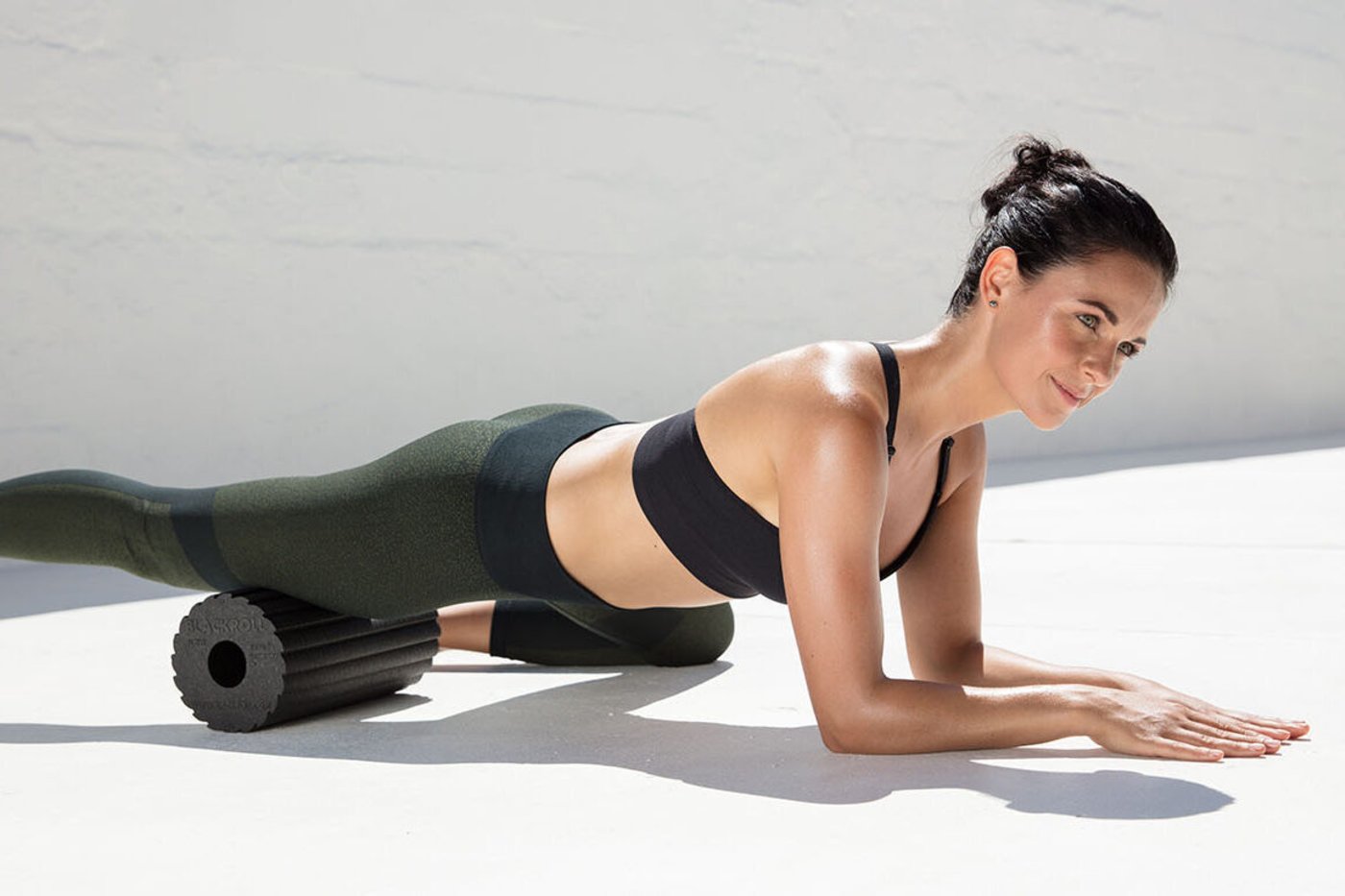
Many competitive athletes hop on a foam roller after a competition or an intense training session. Why? To boost recovery. Foam rolling can improve the circulation of blood and lymph. Used fluid is removed more quickly, and the tissue can refill with fresh, nutrient-rich fluid. You can think of it like squeezing out a sponge so it can soak up clean water again. The improved blood circulation and stimulated lymph flow can thus positively influence recovery. Science also supports this assumption. In a systematic review by Hendricks et al. (2020), which included 49 articles, the authors concluded that foam rolling reduces muscle soreness and increases the pressure pain threshold (the minimum force required to trigger pain). The authors therefore conclude that foam rolling can be used to promote better recovery after increased physical activity.
Relief and Regulation of the Nervous System
For optimal physical and mental health, it is important that our sympathetic nervous system (the “fight-or-flight” system) and our parasympathetic nervous system (the “rest-and-digest” system) work together as effectively as possible. Unfortunately, in today’s high-performance society, where most people struggle with packed schedules, the sympathetic nervous system often dominates.
The result is chronic stress—the number one enemy of a healthy fascial system. Interestingly, this also works the other way around: when our fascia is under tension, we feel internally restless and stressed.
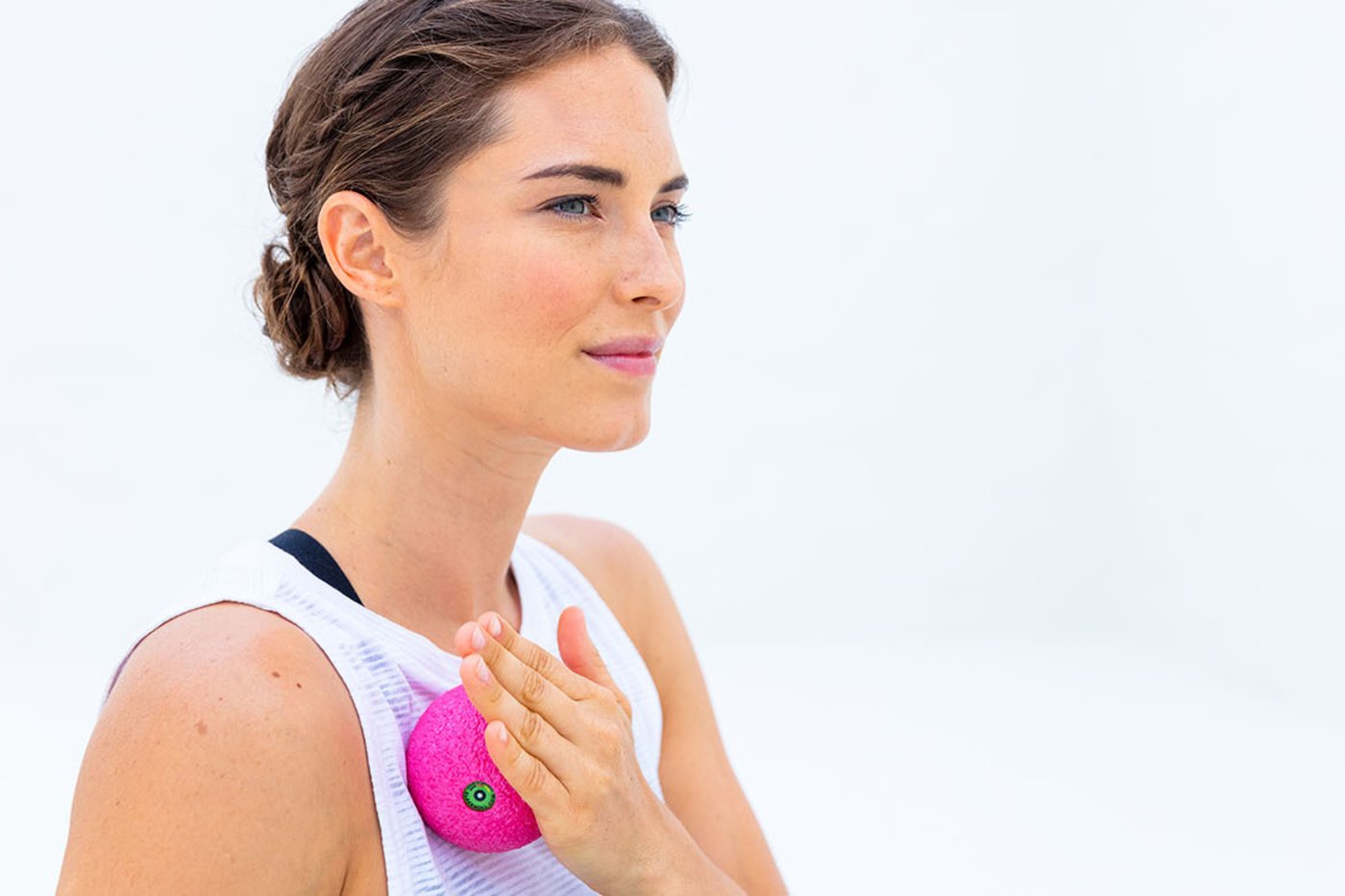
This is where fascia training comes into play: When we reduce tension in the fascia, our sense of psycho-emotional stress also decreases.
You’re surely familiar with that relaxed feeling right after a massage, aren’t you? With fascia rollers and other self-massage tools, we can also harness this effect for ourselves.
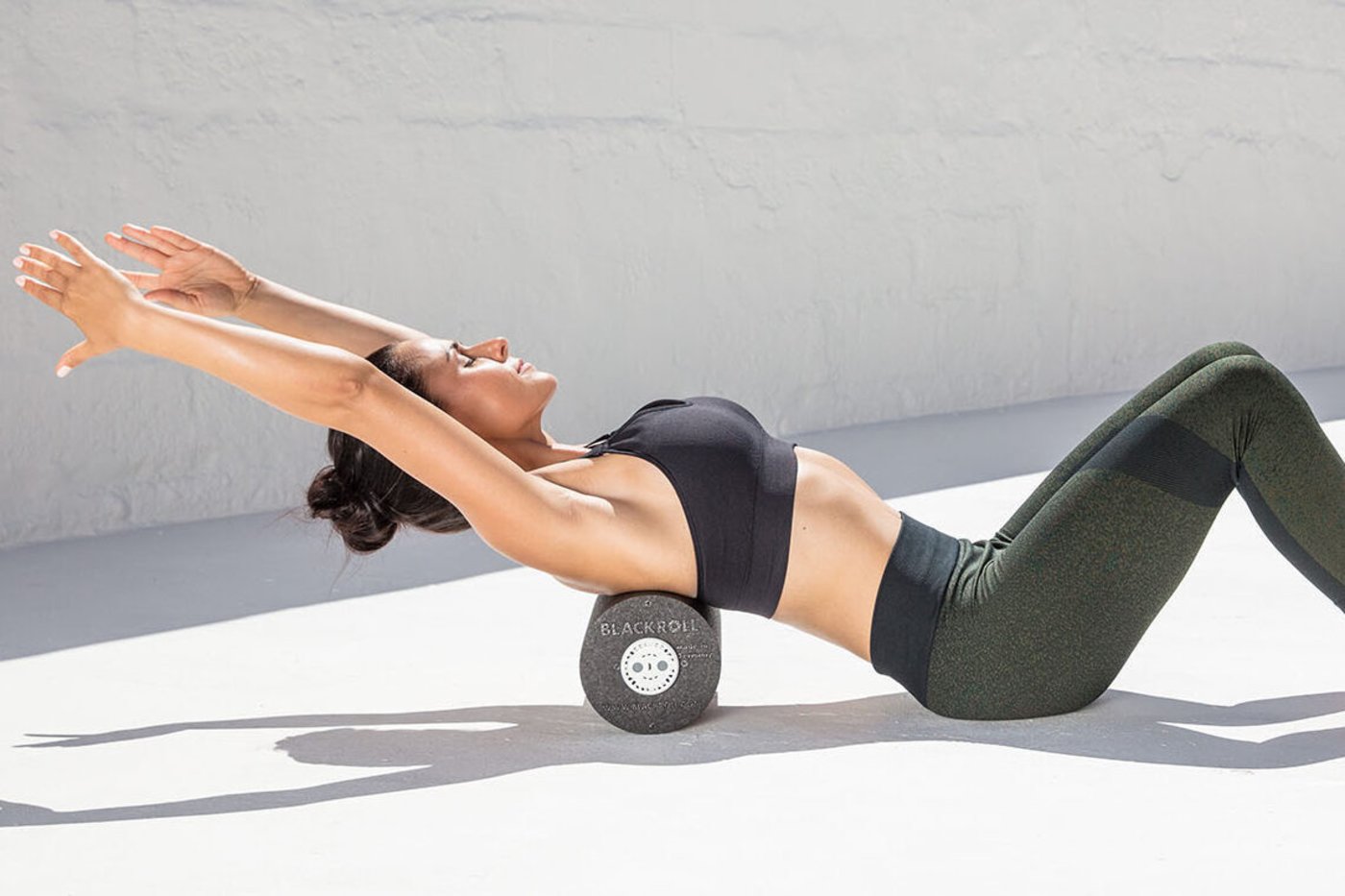
Improving Mobility Through Fascia Training
Most studies support the theory that foam rolling improves the short-term range of motion in our joints. Experts believe that this improved flexibility is due to a neurological change. It’s likely that embedded nerve receptors are being stimulated.
Our brain receives the signal to relax. This makes it an ideal warm-up tool, as flexibility can be improved without compromising performance. This assumption is supported by a meta-analysis by Wiewelhove et al. (2019).
The conclusion is that foam rolling as part of a warm-up is superior to static stretching in that the latter leads to impaired performance. Foam rolling during a warm-up is particularly useful when the subsequent sport requires increased mobility and, at the same time, high force production.
Whether long-term flexibility can also be improved through regular fascia training requires further investigation. In fact, it is more likely that fascia training must be combined with other training methods, such as targeted stretching, to achieve a lasting effect on our flexibility.
The reason for this is that mobility and stability must work closely together to achieve motor control over a movement. We must signal to our nervous system that the newly gained range of motion is useful.
Specifically, this means: If we achieve an increased range of motion through fascial training and myofascial self-massage, we must incorporate various activation and strengthening exercises to also gain motor control over that movement.
Another interesting observation regarding improved mobility has emerged in the form of cross-over effects. This means that an improvement in mobility was also observed on the opposite side of the body, which was not treated. And training with a foam roller even increases mobility in distant regions of the body.
For example, a case study by Monteiro et al. (2019) found that foam rolling the hamstrings improved passive shoulder mobility.
Mobility Test
You can test this effect yourself. Stand upright, straighten your legs, and try to reach the floor in front of you with your fingers. Note the distance between your fingers and the floor.
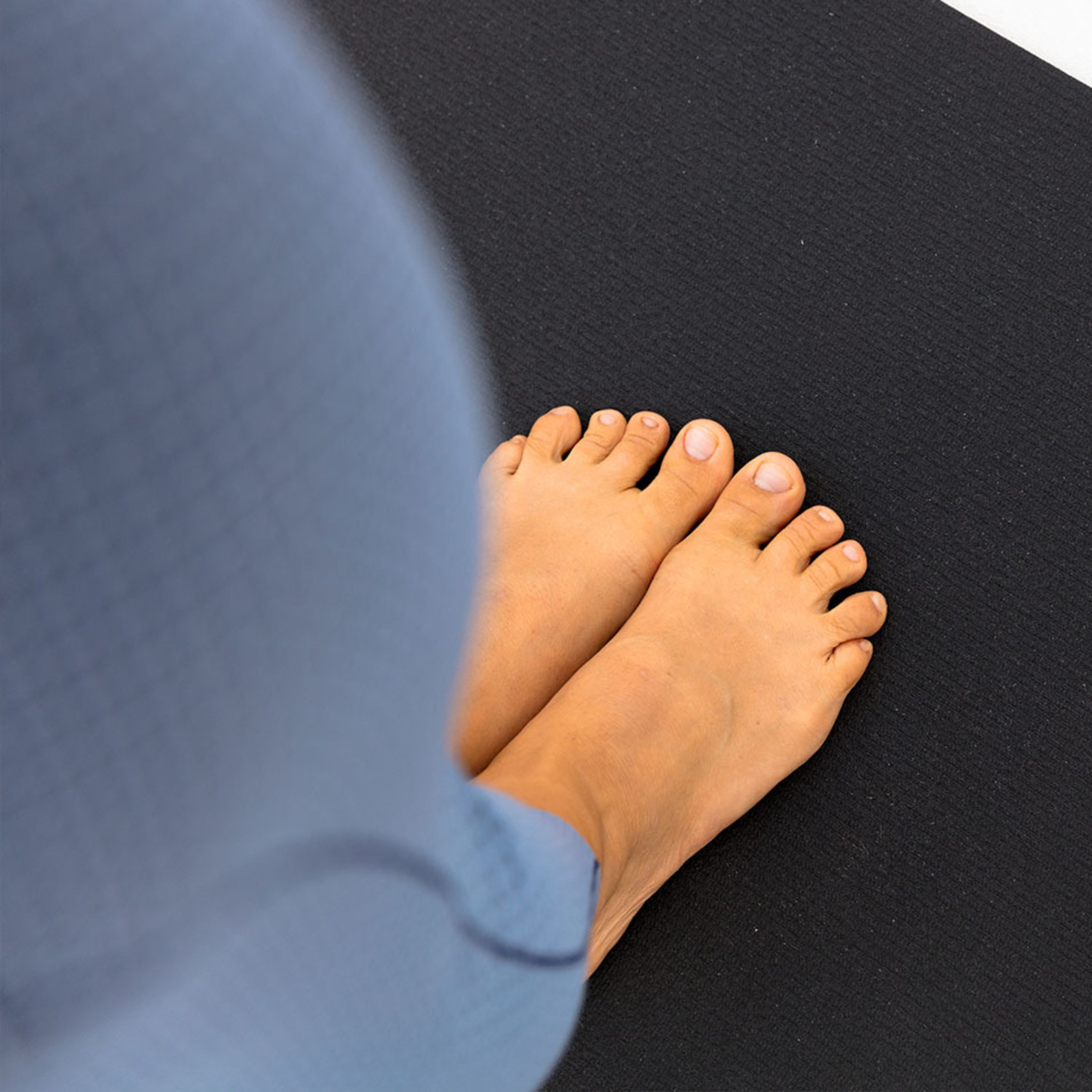
Rolling Your Feet
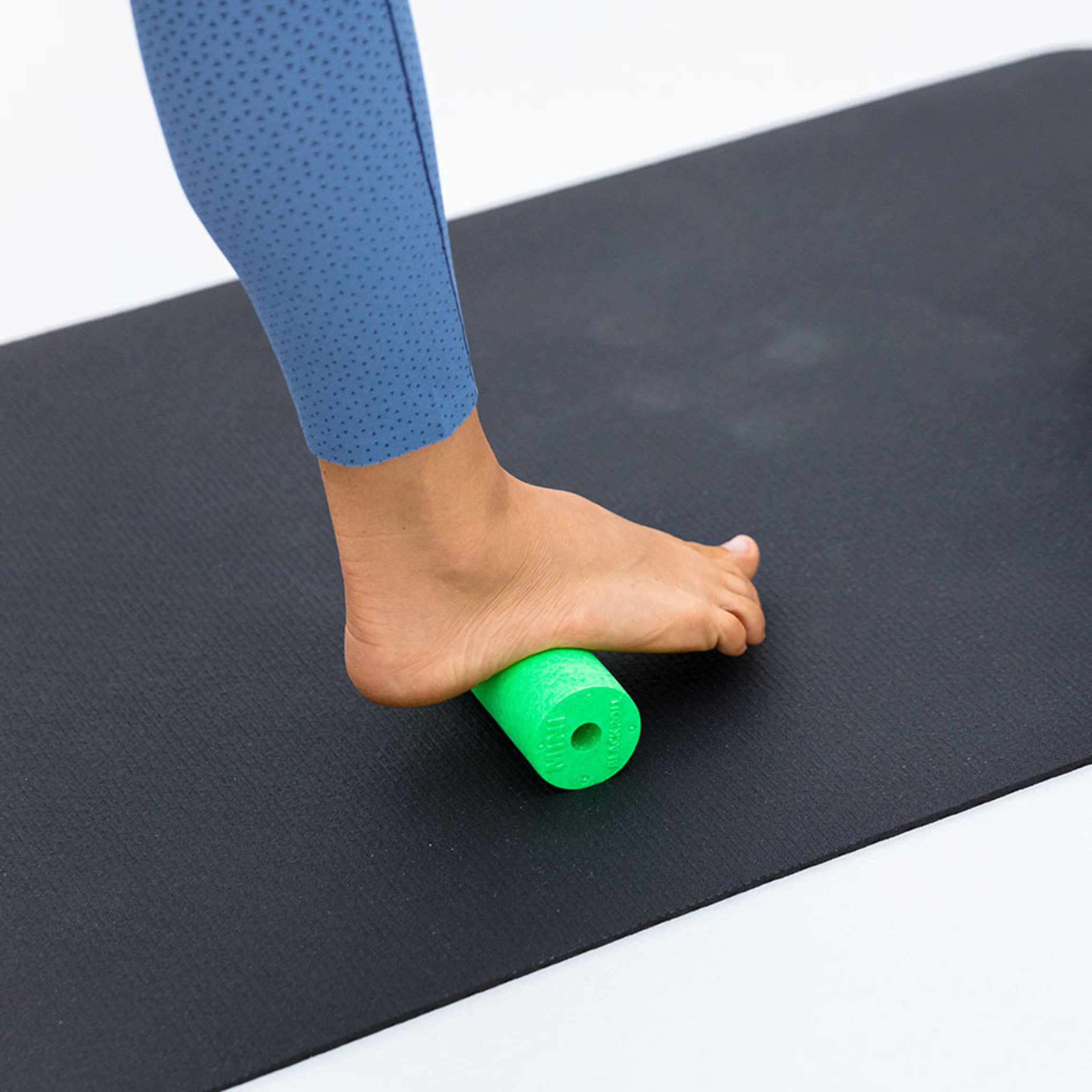
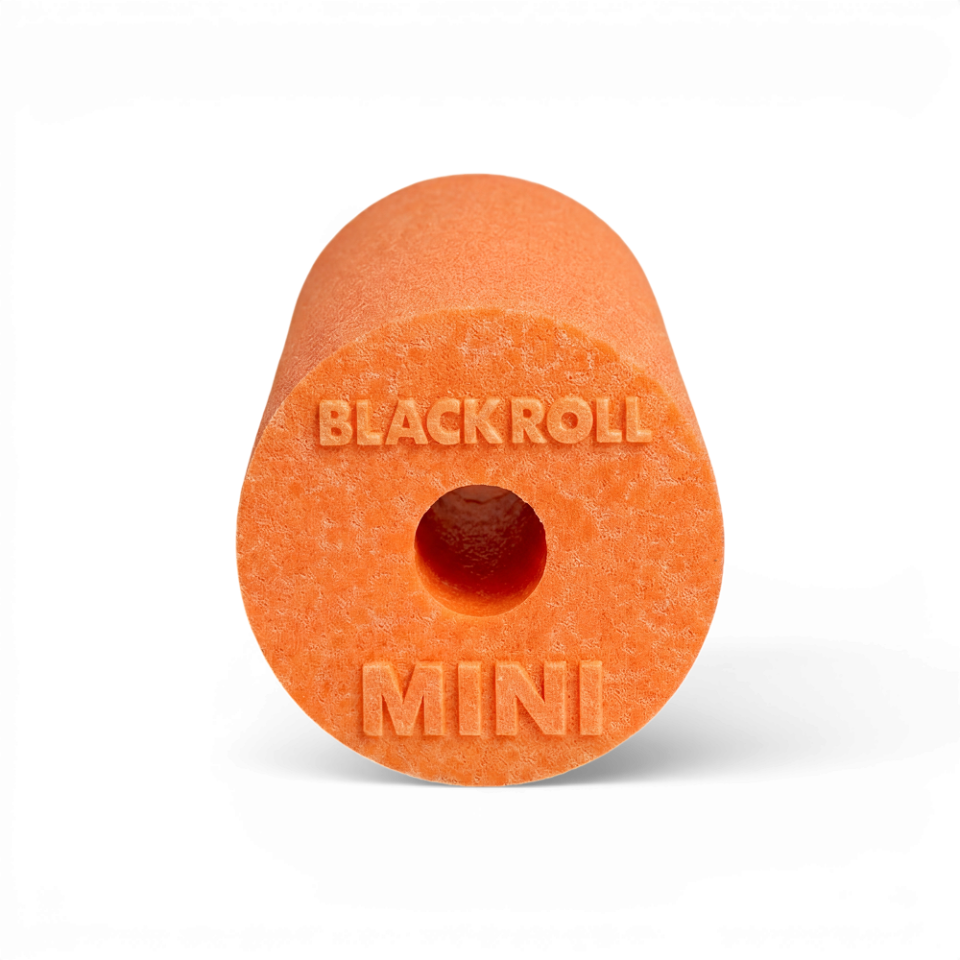
Now roll out the soles of your feet for 60 seconds using a BLACKROLL® MINI or a BLACKROLL® BALL 08. Then test again and see if the distance has improved. You’ll notice that you’ve become more flexible along your entire posterior muscle-fascia chain—even though you only rolled out the soles of your feet.
Does Fascia Training Help Fight Cellulite?
We’re often asked whether the fascia roller also helps with cellulite. In fact, there’s a lack of comprehensive studies that could prove the effectiveness of fascia training in combating cellulite.
After using a foam roller, the skin often appears smoother and the dimples are less visible. This could be because self-massage reduces tension in the fascia, causing the fat to lie flatter beneath the skin.
However, this effect is usually short-lived. To achieve lasting results, you would likely need to spend at least one hour a day on the foam roller, which is hardly practical for most people.
Injury Prevention Through Fascia Training
Whether fascia training can help prevent injuries is the subject of recent scientific studies. For example, a promising study on injury prevention for runners conducted at the University of Gothenburg demonstrates this. The results suggest positive effects.
In a 12-week training program, the likelihood of injury was reduced by an astonishing 85%. This was particularly true for those who strictly adhered to the recommended training plan. This plan included specific strength exercises and targeted fascia training. You can find these injury prevention exercises for runners in our exercise section.
Conclusion
We hope you now have a good overview of the benefits of training with a fascia roller. Based on current research, the effects of fascia training can be summarized as follows.
Fascia training can:
- Relieve tension, muscle stiffness, and adhesions.
- help prevent and relieve pain
- Improve recovery time and reduce muscle pain sensitivity.
- promote relaxation and reduce our overall sense of stress
- sustainably improve our mobility when combined with other interventions.
- Increase flexibility without negatively affecting our performance.
- have a comprehensive effect on our mobility.
As you can see, the scientific evidence supports training with the foam roller. Fascia research is still in its infancy, and the effects and effectiveness of fascia training need to be studied in greater detail.
Ultimately, you are the one who experiences the effects of fascia training firsthand. Self-massage with a fascia roller is certainly not the solution to every problem, but current scientific evidence provides many reasons to “roll out” regularly.
Thus, fascia training is a great addition for athletes and health-conscious individuals.
Our suggestion: Just give it a try and experience the positive effects for yourself.
In this YouTube video, you’ll find a full-body fascia training routine for the major muscle groups—from the feet, through the calves, thighs, and entire legs, to the glutes and upper body. Our Master Trainer Stefan shows you how to relieve muscle tension through targeted myofascial self-massage.
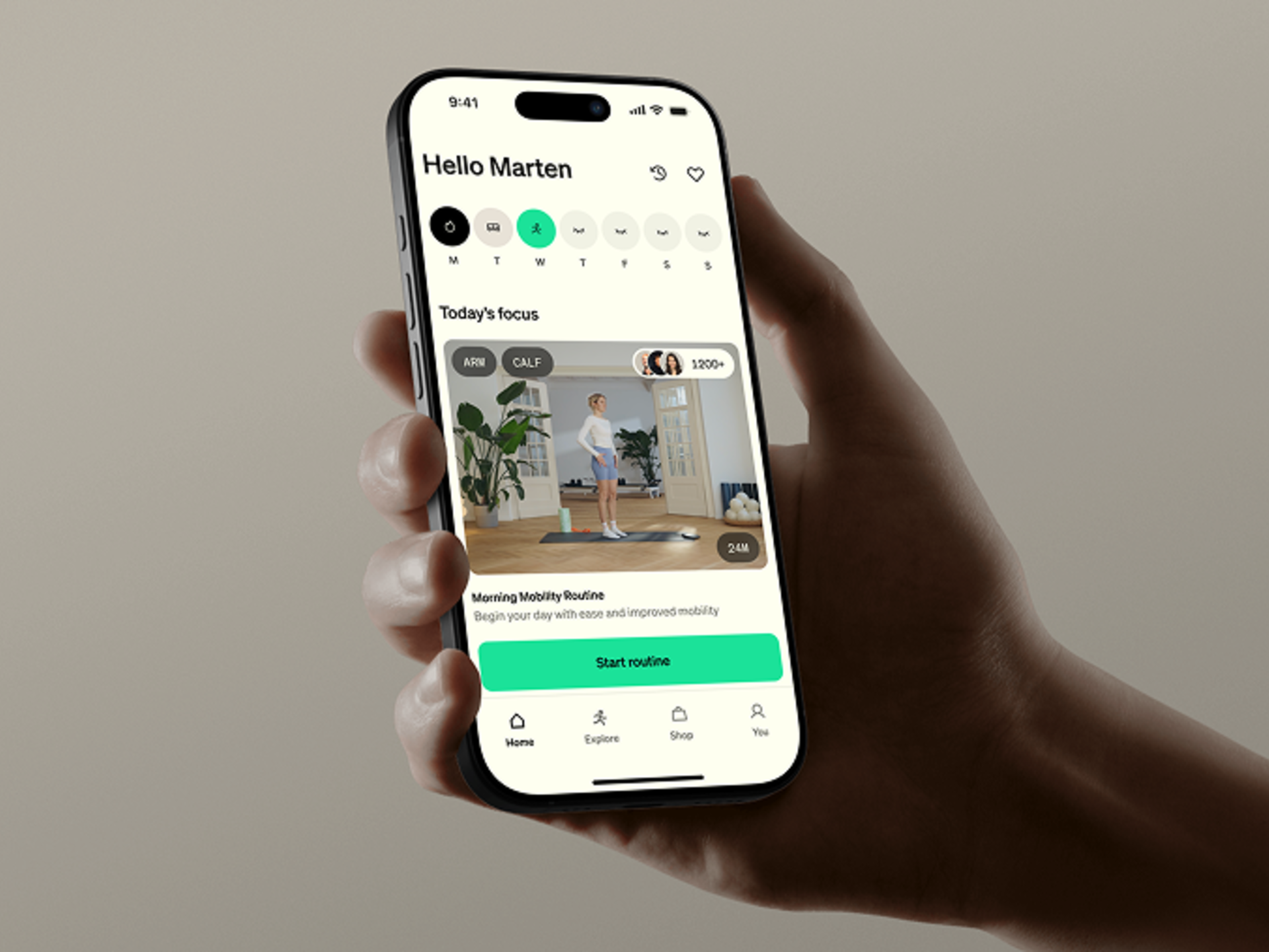
All exercises in our App
Download our free app to find more than 500 exercises and configure your own workouts, track your trainings and progress. Save your favorite routines and exercises and learn how to recover, train your flexibility and strength as well as your athletic capabilities.
You might also be interested in




Tools for Your Fascia Training
Standard
Available in multiple variants
Groove Pro
Available in multiple variants
Mini
Available in multiple variants