Preventing Injuries: Effective Tips for Runners

Study Shows Targeted Strength and Fascia Training Reduces Injury Risk by 85%
Running is not only a great form of physical activity but also a popular sport for people of all ages. Many runners have already struggled with running-related injuries, highlighting the need for prevention strategies.
A recent study of 433 recreational runners conducted by the University of Gothenburg has shown that targeted strength and fascia training can reduce the risk of injury among runners by an astonishing 85%. In this article, we’ll take a closer look at the results of this study and present practical tips for injury prevention for runners.
Study Overview
The study consisted of an 18-week observational comparative study involving a total of 433 recreational runners, including 203 women. The participants were divided into two groups: an intervention group of 228 people, who were instructed to perform general strength exercises and fascia training twice a week, and a control group of 205 people, who continued their usual training routines. All participants recorded their running volume and running-related pain on a weekly basis.
To verify whether the participants were actually following the training plan, they were divided into the following three categories and compared:
- High adherence = 32–40 training sessions as planned over the 18 weeks
- moderate adherence = 18–31 training sessions as planned during the 18 weeks
- Low adherence = 0–17, i.e., fewer than one training session per week
Of the runners, 100 adhered only slightly to the prescribed training program, 63 followed the program moderately, and 65 recreational runners adhered to a high degree to the prescribed training plan.
The Injury Prevention Program
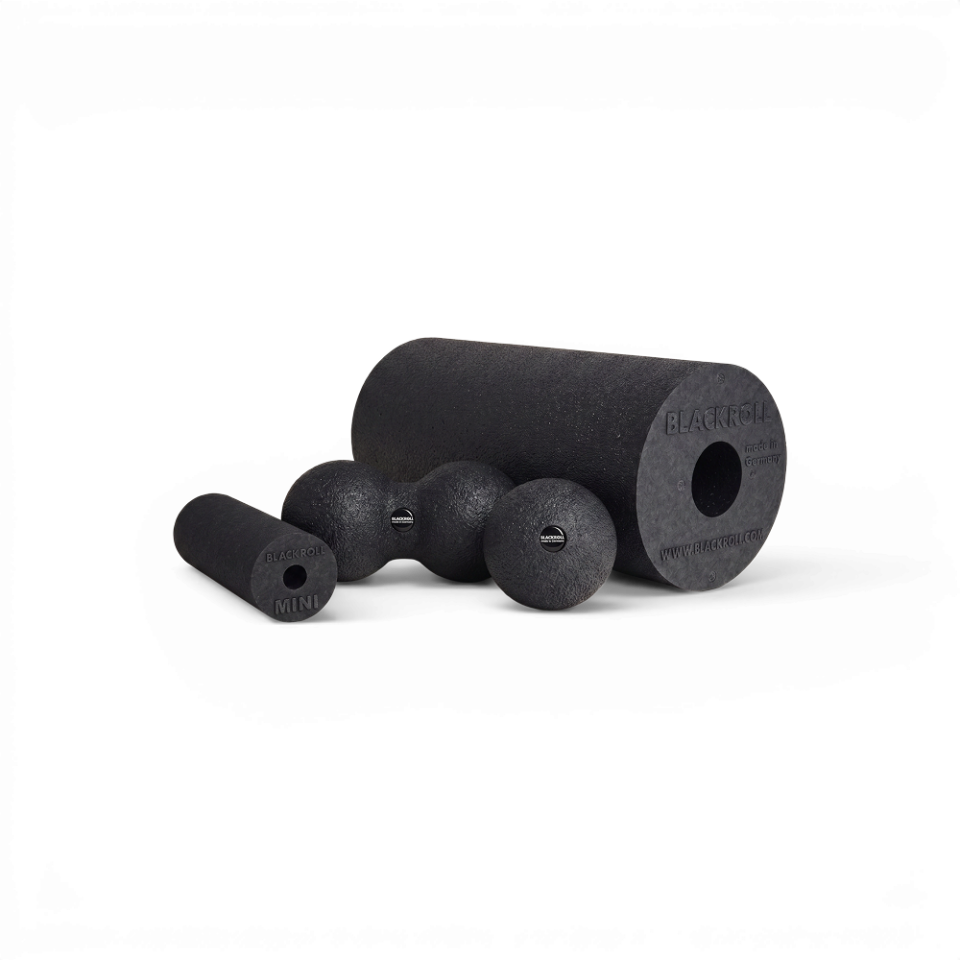
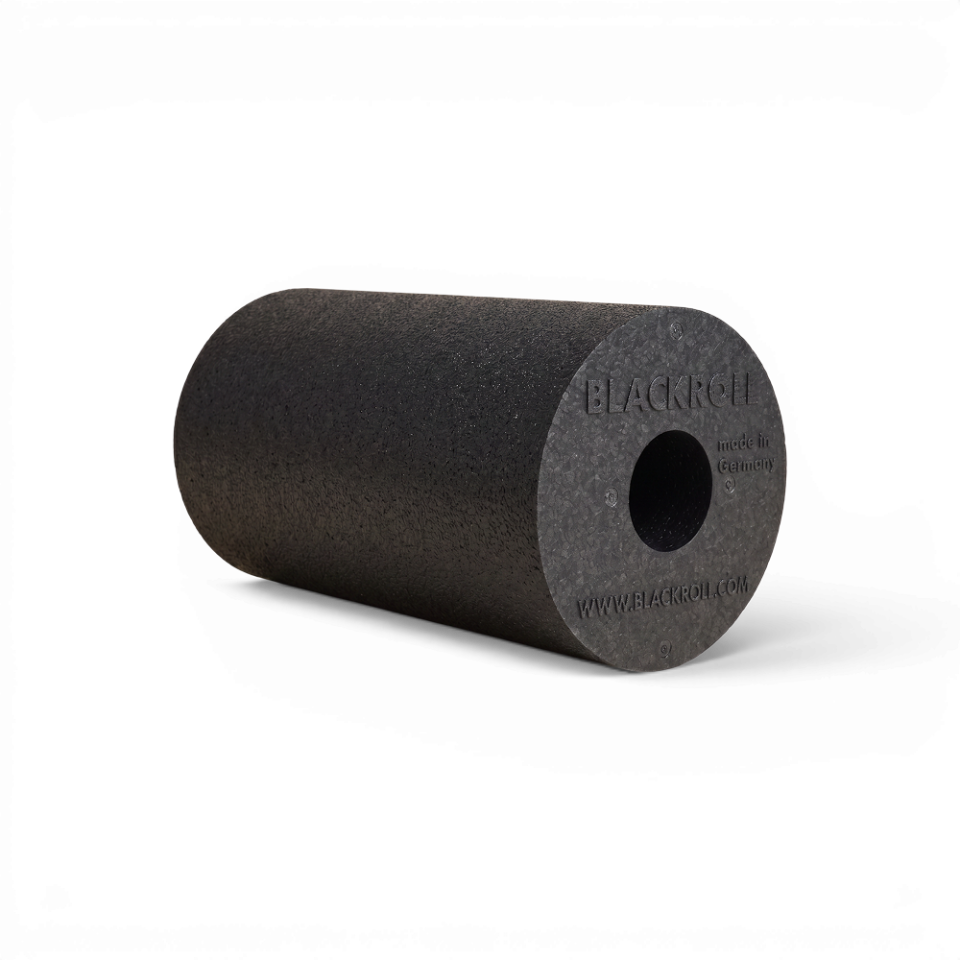
The program included core strength exercises as well as exercises to strengthen the lower extremities. The strength exercises were performed using a LOOP BAND and the runners’ own body weight. The prevention program also included exercises using the BLACKROLL® foam roller for the legs.

Start your injury prevention program now
Clickhere for the complete training program that the study participants followed.
Study results
A total of 100 running-related injuries were recorded. The probability that a person would sustain a running-related injury over the 18-week period was 27.1% in the control group, while it was 23.0% in the intervention group. Although no statistically significant difference was found between the overall intervention group and the control group, a significant difference was observed between the subgroup that adhered closely to the training intervention and the control group. When recreational runners adhered closely to the intervention, they had an 85% lower risk of injury and, on average, took 57 days longer to sustain a running-related injury.
The results of this study show that recreational runners who consistently follow a general strength training and fascia training program have an 85% lower risk of sustaining a running-related injury. Furthermore , it takes an average of 57 days longer for an injury to occur.
These results underscore the importance of strength training and fascia training as preventive measures for recreational runners.
Strengths and Limitations of the Study
Strengths
One strength of this study is the large number of participants, who represent experienced recreational runners from the general population. In addition, an easy-to-implement prevention program was developed that is already familiar to most recreational runners and requires only minimal equipment.
Further strengths of this study include the numerous efforts made to increase participants’ adherence and willingness to participate. These include practical demonstrations, videos, and written materials for the prevention program, which can be carried out at any location using the provided equipment.
Limitations
Despite these strengths, there are also limitations. First, self-reporting involves a certain degree of subjectivity and inaccuracy, though this is common in studies of runners. The reliability of injury reports and other information could ideally be improved through the use of GPS watches and examinations by medical professionals.
Second, despite efforts to increase adherence in the intervention group, many participants did not complete or document the recommended number of training sessions, possibly due to technical issues, lack of motivation, or time constraints.
Third, it would be useful to conduct a controlled study in the future and account for potential confounding factors in order to obtain a more accurate assessment of possible cause-and-effect relationships.
The results of this study may not be generalizable to all types of runners, as experienced runners who had been injury-free for six months prior to the start of the study were selected. The decision to exclude beginners and elite runners was made to better represent the majority of the running population.
Practical Tips for Injury Prevention for Runners
Based on the findings of this study, there are practical tips that runners can incorporate into their training routines to further reduce the risk of injury:
- Strength training: Incorporate targeted strength training into your training plan to prevent injuries. A holistic strength program that specifically targets the lower body and core stability has proven effective.
- Fascia training: Use self-massage techniques with various fascia tools to release tension in the myofascial tissue, maintain flexibility, and prevent injuries.
- Consistency: The intervention group that consistently followed the training plan achieved a remarkable 85% reduction in injury risk. According to the study, the injury prevention program is most effective when performed regularly (at least twice a week).
- Training Planning: Schedule sufficient recovery periods between training sessions and gradually increase the training load to prevent injuries caused by overexertion.
- Customizing Your Training: The general training program used in the study provides a good foundation. However, every runner is unique and has different needs. Ideally, you should incorporate your personal strengths and weaknesses into your training plan. If necessary, you can consult a qualified trainer or physical therapist.
Conclusion – Injury Prevention for Runners
The study clearly shows that targeted strength and fascia training can significantly reduce the risk of injury among runners. As the study demonstrated, performing just two sessions per week over an 18-week period reduces the likelihood of recreational runnerssuffering a running-related injury by 85 %.
By incorporating these principles into your training routine, you can improve your performance while preventing injuries. Keep in mind that injury prevention is an ongoing process that requires patience, consistency, and a holistic approach. Stay motivated, stay consistent, and enjoy running without pain or injury.