Getting Tired: 5 Exercises for Your Evening Routine
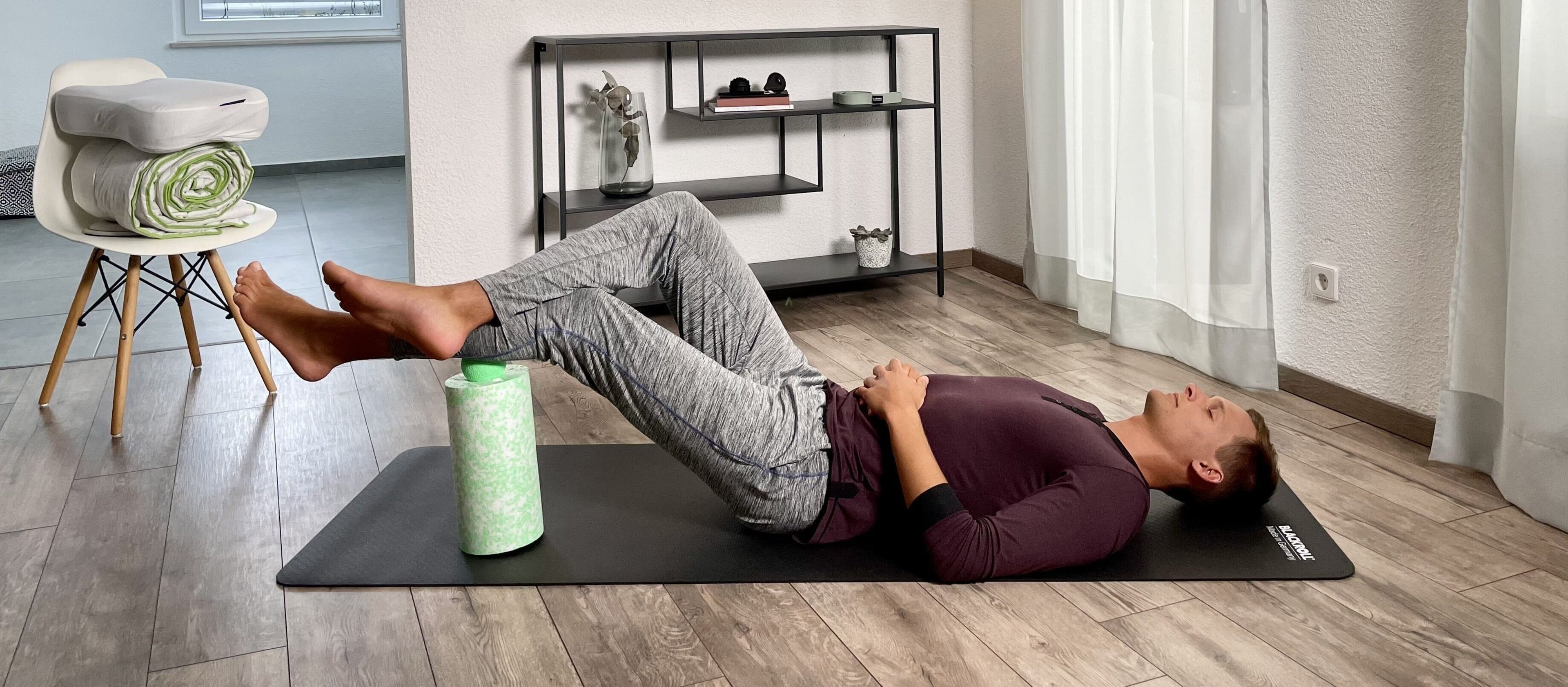
Tips on How to Wind Down Better in the Evening
Time
- 10 minutes
- 5 exercises
Getting Tired—Exercises for Better Sleep
It’s already late, but still no sign of sleepiness? You know full well that if you don’t fall asleep soon, getting up tomorrow morning will be a real struggle. But how can you get sleepy faster? Try this evening fascia training routine.
Why Is an Evening Routine Important?
If you want to start the next day off right, you have to end this one right. A perfect evening routine helps you get sleepy and wind down. You’ll sleep more restfully and be able to tackle the next morning more productively.
Daily Evening Routine Right Before Bed
To develop a habit, you should follow your evening routine every day if possible. Everyone has different preferences and needs, but here are a few ideas for an effective evening routine:
- Relaxation: Create a calm atmosphere and a routine with relaxing habits. Turn off electronic devices like TVs or smartphones an hour before bedtime to calm your mind.
- Time for Yourself: Use the evening to engage in activities that bring you joy. This could include reading, meditating, taking a warm bath, or pursuing a hobby.
- Set a bedtime: Try to go to bed at a specific time to develop a regular sleep schedule. Make sure to allow enough time for adequate sleep so you wake up refreshed and full of energy the next day.
- Block the blue light from your screen: We spend far too much time in front of screens. Blue light tricks the brain into thinking it’s daytime. This hinders the production of the sleep hormone melatonin, preventing you from feeling tired. This negatively affects the quality of your sleep. Make sure the blue light is filtered out of your screen before you begin your evening routine. Most devices have apps or settings for this. On an iPhone, the setting is called “Night Shift,” and on Android devices or Windows PCs, it’s usually called “Night Mode.”
- Relaxation Techniques: Try out different relaxation techniques, such as breathing exercises or yoga. These can help calm your mind and make it easier to fall asleep.
- Preparing for the Next Day: Use the evening hours to prepare for the coming day. Complete tasks that will give you more time for your morning routine. Lay out your clothes, prepare your meals, or make a to-do list. This can help you start your day with less stress in the morning.
- Diet: Make sure to eat a healthy and balanced diet. Above all, avoid eating heavy meals late at night. Opt for lighter fare instead. You should also avoid alcohol.
Evening Ritual: Step-by-Step Guide
A healthy evening routine can help improve your sleep quality and prepare you for a restful night’s sleep. Here’s a step-by-step guide to such an evening routine:
Step 1: Set a Time
Decide when you want to start your evening ritual. Ideally, it should begin about 1 to 1.5 hours before your planned bedtime.

Step 2: Reduce screen time
About an hour before bedtime, you should limit your use of electronic devices such as smartphones, tablets, and computers. The blue light emitted by these devices can inhibit melatonin production. Alternatively, you can wear blue light-filtering glasses.

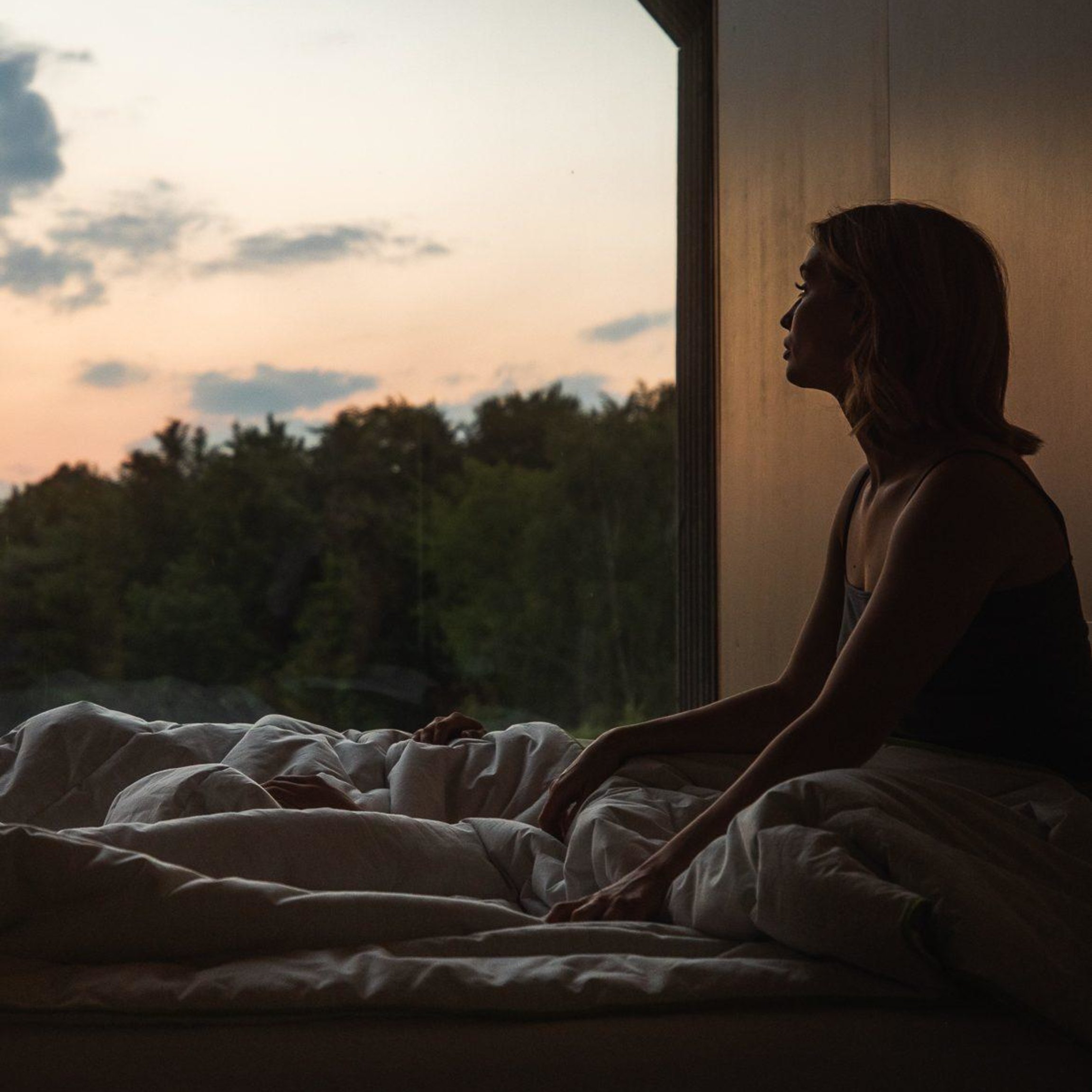
Step 3: Dim the lights
Reduce the lighting in your living area and especially in your bedroom. Dim lighting signals to your body that it’s time to prepare for sleep.
Step 4: Prepare for the Next Day
Lay out the things you’ll need the next morning, such as clothes, work materials, or snacks for on the go. Also, write a to-do list for the next day.

Step 5: Take Care of Your Personal Hygiene
Take a shower or a bath, brush your teeth, and put on your pajamas. Do whatever you need to do to get ready for bed.

Step 6: Choose relaxing activities
Choose activities that help you relax and unwind. Here are a few options:
- Reading: Read a book or magazine, preferably something soothing and not too exciting.
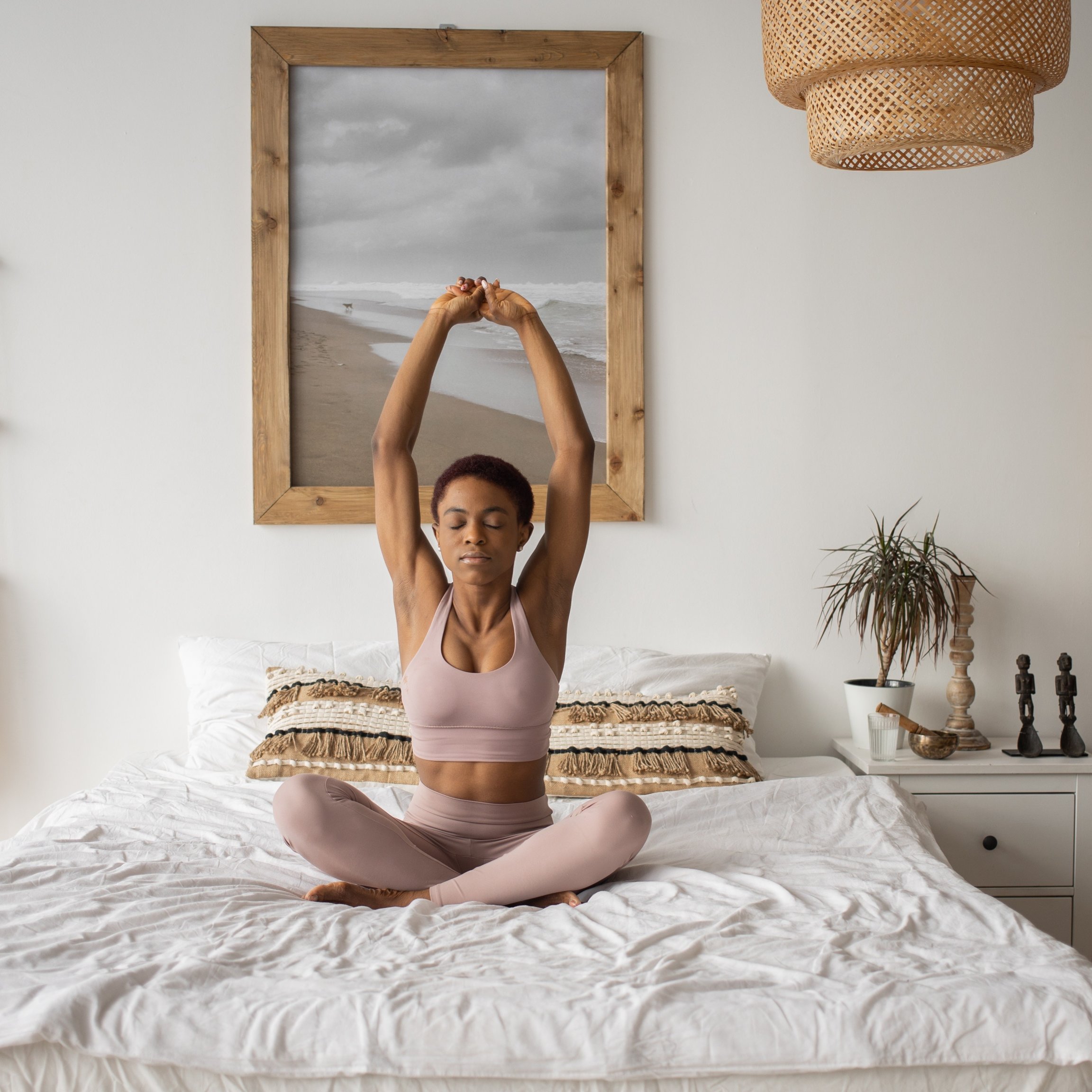
- Yoga or stretching: Do some gentle stretching or yoga poses to release physical tension.
- Self-massage: Establish an evening routine of myofascial release to calm your body and mind.
- Journaling: Write down your thoughts, worries, or experiences from the day in a journal.
Step 7: Prepare Your Sleep Environment
Make sure your bedroom provides an optimal environment for sleep:
- Temperature: Make sure the room temperature is comfortable, usually slightly cooler than during the day.
- Darkness: Darken your bedroom to minimize distracting light. Use curtains or blinds if necessary.
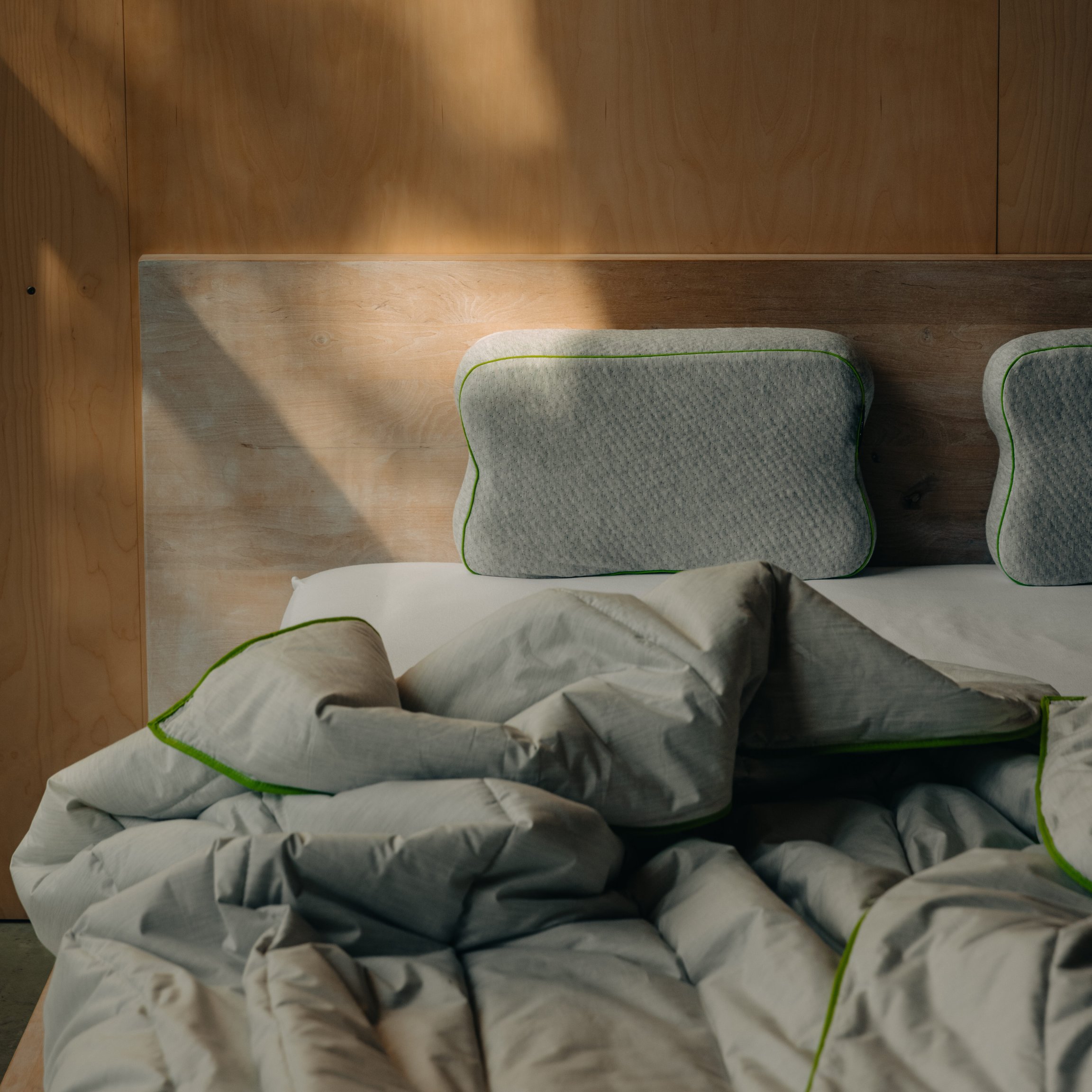
- Comfortable Mattress and Pillows: Make sure your mattress and pillows are comfortable and supportive.
Step 9: Breathe and Relax
Just before bedtime, lie down in your bed and take a few conscious breaths. Let go of your thoughts and focus on your breathing. You can also practice special breathing techniques to help you fall asleep, such as the 4-7-8 or box breathing.


Sleep better, live healthier—with our sleep course. Up to 100% refund.
Discover the online sleep course nowStep 10: Bedtime
Close your eyes and let go of all the tension from the day.

Evening Meditation in Bed
Meditating in bed in the evening can also be a wonderful way to end the day and prepare for a restful night’s sleep. Here are a few steps you can follow to meditate in bed:
- Comfortable Position:
Find a comfortable position in bed, either lying down or sitting up, whichever is more comfortable for you. Make sure your body is relaxed and that you feel at ease. Feel free to use your favorite blanket and pillow. - Focus on your breathing:
Close your eyes and focus on your breathing. Consciously notice how your breath flows into and out of your body. Feel the rhythm and depth of your breath without changing it. - Body awareness:
Take time to direct your attention to different parts of your body. Start with your toes and slowly work your way up, consciously noticing and relaxing each area of your body. Feel the weight of your body and release any tension. - Observing Thoughts:
Allow your thoughts to come and go without letting them carry you away. View them as clouds passing across the sky. If you find yourself distracted by a thought, gently return your attention to your breath. - Practice gratitude:
Use this meditation to cultivate gratitude. Think of three things you’re grateful for today. Feel the gratitude in your heart and let it spread. - Letting Go and Relaxing:
Let go of all the worries, fears, and tensions of the day. Allow yourself to be in the here and now and focus on the present moment. Feel yourself becoming calmer and more relaxed with every breath.
An evening meditation in bed can help you calm your mind, reduce stress, and create a peaceful environment for sleep. Experiment with different meditation practices and find out what works best for you.
Wind Down—Tips for Relaxing in the Evening
"Unwinding" means moving from a state of tension or agitation to a state of relaxation and inner peace. It’s important to make time for this regularly to give your body and mind a chance to recover.
The evening is a wonderful time to unwind and leave the stress of the day behind. Everyone finds relaxation in different ways. Experiment with different methods and discover what suits you best. The goal is to create a calm and peaceful atmosphere so you can end the evening on a relaxed note and let your body and mind settle down. This way, you can start your morning routine feeling balanced and full of energy.
Here are some more ways to unwind in the evening:
- Create a relaxing atmosphere in your home: Dim the lights, light some candles, or use soft, soothing lighting. Relaxing music or nature sounds can also help create a peaceful mood.
- Time for yourself: Take time to focus on yourself and engage in activities that bring you joy. This could be reading a book, writing in a journal, painting, or listening to music. Discover what relaxes and fulfills you.
- Skincare routine: Use the evening to take care of your personal hygiene. Take a warm bath or a refreshing shower. Use products that pamper you and appeal to your senses. Nourish your skin and take care of your well-being.
- Aromatherapy: Use essential oils such as lavender, chamomile, or ylang-ylang to create a relaxing atmosphere. You can use them in a diffuser or take a relaxing bath with essential oils.
- Physical exercise: Do moderate physical activities such as yoga, stretching, or going for walks. Physical activity helps relieve tension and release endorphins, which boost your sense of well-being.
- Meditation: Sit in a quiet place and practice meditation. Focus on your breath, observe your thoughts, but let them pass without judgment. Meditation helps the mind find peace and inner balance.
- Creative Activities: Engage in creative activities such as painting, drawing, writing, or music. These activities can calm the mind and help you focus on the here and now.
- Social Interaction: Seek out connection with people you trust, whether family or friends. Open conversations or shared activities can help you relax and receive emotional support.
Everyone has their own preferences when it comes to unwinding. What’s your favorite way to end the day?
Evening Yoga Routine
Yoga exercises have a natural calming effect and help prepare your body and mind for relaxation and rest. Gentle yoga has a positive effect on the parasympathetic nervous system, which is responsible for recovery. This leads to a decrease in heart rate and blood pressure. Through a mindful evening yoga routine, we can free our bodies from stress and find inner peace. Yoga exercises practiced while lying down help bring the body into a state of rest. In our modern society, many people find themselves in a constant state of stress—the “fight-or-flight” response. Through calming yoga exercises, you can soothe your nervous system. When you’re relaxed, your blood pressure drops and the level of the stress hormone cortisol in your body decreases. A regular yoga routine can help alleviate stress-related symptoms such as weight gain, anxiety, and insomnia.
You can find more details about yoga in bed and the exercises best suited for it here.
Your products for the perfect evening routine








Fascia exercises for the day


Having trouble falling asleep?
Learn more about trouble falling asleep and how consistent routines can help