
Endurance Training—Your Foundation for Fitness and Health
Want to go about your daily life feeling fitter, more capable, and full of energy? Endurance training is the key to a strong cardiovascular system, better fat burning, and, of course, more endurance in your workouts. Whether you’re just starting out or want to take your performance to the next level—with the right methods and tips, you’ll build a solid foundation to achieve your goals.


What Is Endurance Training?
Endurance training refers to any type of physical activity aimed at improving your cardiovascular performance, respiratory capacity, and muscular endurance. The main focus is on maintaining moderate to intense exertion over an extended period of time. Classic examples of endurance training include running, cycling, swimming, or brisk walking.
The focus is on strengthening your cardiovascular system so that it works more efficiently. Your heart becomes stronger, your blood pressure stabilizes , and your muscles learn to use oxygen more effectively. In addition, regular endurance training promotes fat burning, supports recovery, and enhances your overall well-being.
Whether you want to improve your fitness, lose weight, or simply have more energy for everyday life—endurance training is the foundation of physical and mental fitness .
And best of all: It can be tailored to your individual fitness level and goals!
Extensive aerobic endurance training and anaerobic endurance training—what’s the difference?
To effectively challenge the body, there are two main approaches to endurance training: extensive aerobic and anaerobic training.
During extensive aerobic endurance training, the body works at a low intensity, such as during a light jog or a relaxed bike ride. In this mode, sufficient oxygen is available, allowing the body to primarily draw on fatty acids for energy. The fat deposits under the skin serve as the main source of energy. This type of training is particularly effective for promoting fat burning and improving overall fitness, and is also frequently used in rehabilitation. The body remains active without being overtaxed, so the pace could be maintained for several hours. Oxygen uptake is about 50% of the maximum possible capacity, making the workout moderate and sustainable. Examples include longer, steady cycling or running sessions at a comfortable pace. The faster the pace, the more carbohydrates are burned aerobically. And when the intensity increases further, the workout crosses the anaerobic threshold: this is when lactate builds up.
Anaerobic Endurance Training
Anaerobic endurance training, on the other hand, is used during intense physical exertion, such as sprints, hill runs, or power-intensive hill climbs. Here, the body operates in an oxygen-deficient state and uses glucose as its primary energy source, since fatty acid breakdown is blocked in this state. During this process, oxygen uptake reaches 70–100% of its maximum capacity, which places a heavy demand on the body. This type of training should be structured as interval or tempo training to efficiently utilize the limited glucose reserves. As intensity increases, so does the lactate level in the blood, since lactate is a byproduct of anaerobic metabolism. Although this is a natural process, lactate levels should be kept under control, as an excessive increase can lead to exhaustion . Anaerobic training is particularly suitable for improving performance and is carried out in shorter, intense sessions.
Both approaches—aerobic and anaerobic training—have specific advantages and should be combined depending on one’s goals and performance level to ensure a balanced and effective endurance training program.
More Running Exercises




Benefits of Endurance Training
Regular endurance training offers you numerous benefits—it strengthens not only your body but also your mind. Here are the most important benefits in detail:
1. Improved Cardiovascular Health
A trained heart is a strong heart. Endurance training strengthens your heart muscle, allowing it to pump blood more efficiently throughout your body. At the same time, it lowers your blood pressure, improves blood circulation, and significantly reduces the risk of cardiovascular diseases such as heart attacks or strokes.
2. Increased Fat Burning and Effective Weight Management
Endurance training helps your body use fat as its primary energy source. This makes it ideal for reducing body fat and maintaining your weight. At the same time, your metabolism is boosted, and your body continues to burn calories even after your workout—the so-called afterburn effect.
3. Greater endurance and physical performance
The more often you exercise, the more capable your body becomes. Your muscles learn to work more efficiently, and you can sustain physical exertion for longer periods of time. This improved basic endurance provides an ideal foundation for nearly all sports and everyday activities.
4. Strengthening the Immune System
Regular exercise strengthens your immune system by stimulating the production of immune cells such as white blood cells. This makes you less susceptible to colds and infections and helps you recover faster if you do get sick.
5. Mental Health and Stress Reduction
Endurance training acts like a natural antidepressant: The release of endorphins makes you feel more relaxed and happier. At the same time, exercise helps you reduce stress and improve your ability to concentrate. Endurance training can even help you cope with anxiety or sleep problems .
6. Improved Sleep Quality
If you exercise regularly, you’ll fall asleep faster and sleep more soundly. Your body is challenged during your workout and relaxes more easily afterward, which allows for more restful sleep and gives you more energy for the next day.
7. Supports overall health
Endurance training has positive effects on many parts of your body. It regulates blood sugar levels, lowers the risk of diabetes, and can help improve cholesterol levels. It also protects your joints and supports blood flow to your muscles.
8. Prevention of Osteoporosis
Your bones receive a better supply of minerals, so they remain stronger and more flexible and are significantly more resistant to osteoporosis.
Whether you prefer running, cycling, swimming, or brisk walking—the benefits of endurance training are numerous and make a difference in all areas of life. Regular exercise is not only the key to better fitness but also to a healthier and happier life. Get started today and reap the benefits of these positive changes!
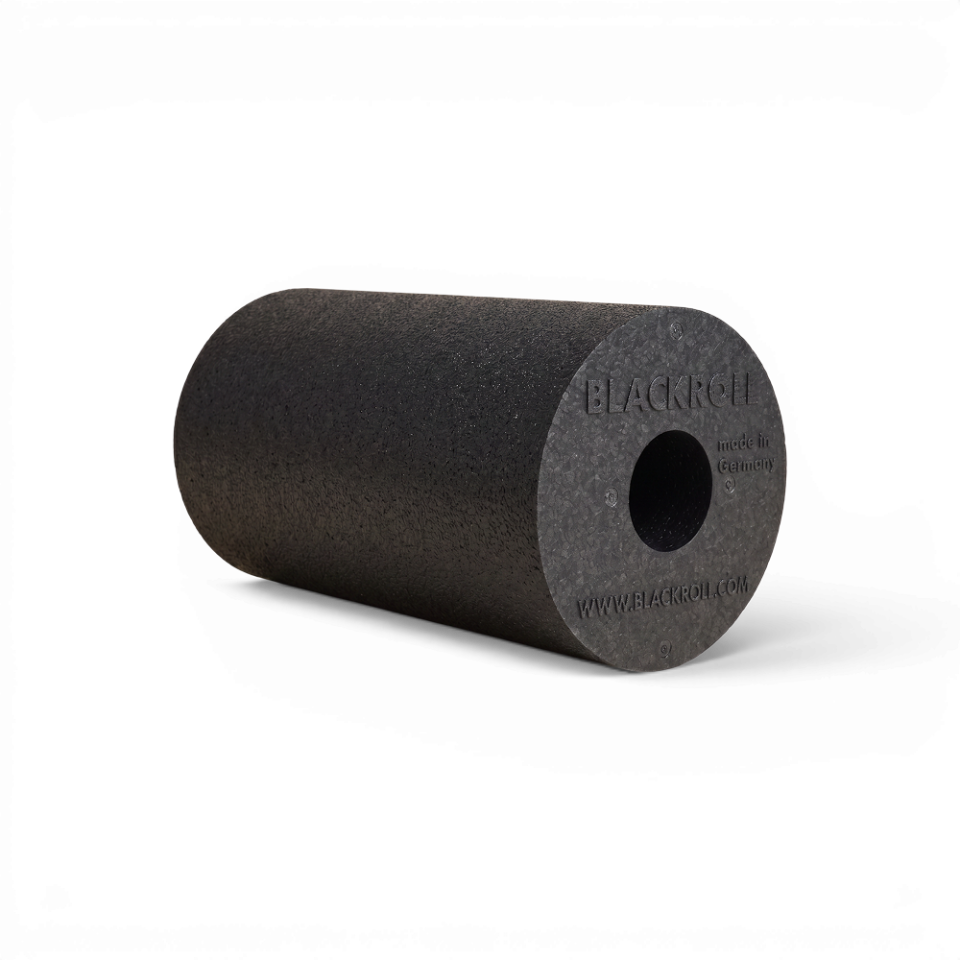
Recovery Tools After Running





How to Train Your Endurance
To train your endurance, you need one thing above all else: consistency. You should choose a sport that you enjoy—whether it’s stand-up paddleboarding in the summer, ski touring in the winter, or giving rowing a try. If you enjoy being active, it’ll be easier for you to incorporate training into your daily routine over the long term. It’s best to start at moderate intensities where you can still chat comfortably—this corresponds to what’s known as Zone 2 training. This way, you’ll build a solid foundation without overtaxing your body.
Beginners should start with short sessions of about 20 to 30 minutes and gradually increase the intensity. A gradual increase in training duration and intensity—for example, by 10% per week—gives your body a chance to adapt and helps prevent injuries. For advanced exercisers, interval training is also a good option, where you alternate between periods of intense exertion and recovery phases. This method not only improves your basic endurance but also boosts your maximum performance capacity.
Variety is also important for maintaining motivation and targeting different muscle groups. Combine different activities or methods to constantly provide your body with new stimuli. If you choose running exclusively for endurance training, you could, for example, change your running route regularly. At the same time, however, you should also make sure to prioritize recovery. Schedule rest days or active recovery periods so your body has time to regenerate and get stronger.
Set clear goals to track your progress and keep yourself motivated. Whether it’s running a specific distance, improving your times, or simply feeling more energetic in your daily life—with patience and consistent training, you’ll soon notice positive changes. The path to greater endurance begins with small steps that can make a big difference in the long run.


Popular Endurance Sports
Endurance sports are very popular because they’re versatile, promote good health, and are suitable for almost any fitness level. Classics like running, cycling, and swimming are often at the top of the list. Running is particularly flexible, since all you need is a pair of running shoes and you can train almost anywhere. Cycling is appealing because it lets you cover longer distances while enjoying nature. Swimming offers the advantage of being easy on the joints while working nearly all muscle groups.
Hiking and Nordic walking have also gained popularity in recent years. They are ideal sports for beginners, build basic endurance, and combine exercise with fresh air and beautiful scenery. For those who prefer a more intense workout, triathlon and rowing offer a challenging combination of strength and endurance.
Whether you train alone or in a group, indoors or outdoors—endurance sports offer a wide range of opportunities to improve your fitness, reduce stress, and promote good health. Choosing the right discipline depends on your personal preferences, goals, and circumstances.


10 Tips for Improving Your Endurance
Improving your endurance requires not only physical training but also a smart approach. With these 10 tips, you can work specifically on your performance:
- Consistency is key —plan at least three training sessions per week to boost your endurance over the long term.
- Start slowly and gradually increase the intensity and duration of your workouts so as not to overexert your body.
- Varying your workouts not only keeps you motivated but also challenges different muscle groups and prevents one-sided strain.
- Interval training is ideal for making faster progress. Alternate between intense exercise phases and active recovery phases to challenge your body optimally.
- The right intensity is crucial: Train within your optimal heart rate zone to work on your endurance effectively and sustainably.
- Adequate recovery is just as much a part of training as the workout itself. Schedule rest days so your body can adapt and get stronger.
- Nutrition and hydration play an important role. Focus on balanced meals and drink enough water to optimally fuel your body during training.
- Realistic goals motivate you and help you stay on track. Track your progress and reward yourself for reaching milestones.
- Technique and form make a big difference. Make sure your movements are efficient and gentle to avoid injuries.
- Patience and discipline pay off. Endurance training takes time, but you’ll see results if you stick with it consistently.


Endurance vs. Fitness – Here’s the Difference
The terms “endurance” and “fitness” are often used interchangeably, but they describe different aspects of your physical performance. Endurance refers to your body’s ability to sustain a certain level of exertion over a longer period of time without tiring prematurely. It is closely linked to your cardiovascular system and includes, for example, the ability to run, swim, or ride a bike for long periods.
Physical fitness, on the other hand , is a broader term that encompasses not only endurance but also other fundamental abilities such as strength, speed, and flexibility. Physical fitness thus describes the totality of your physical performance, while endurance is a specific component of it.
In summary: While endurance primarily describes your ability to sustain physical exertion over the long term, physical fitness represents the interplay of multiple abilities that define your overall physical fitness. Both aspects are closely linked and complement each other in a holistic training program.


Recovery & Regeneration: Why Breaks Boost Your Fitness
Recovery and regeneration are essential for improving your overall fitness in the long term. During training, you intentionally apply stimuli that challenge your body, but the actual progress happens during the breaks. During this phase, your body repairs micro-damage in your muscles, strengthens your cardiovascular system, and adapts to the physical demands placed on it. Without sufficient recovery, you risk overtraining, which not only causes your performance to plateau but can also lead to injuries and exhaustion.
However, recovery doesn’t mean being completely inactive. Active recovery, such as a leisurely walk, yoga, or gentle stretching, can promote blood circulation and speed up the recovery process. Sleep also plays a crucial role, as hormones are released during deep sleep that support muscle repair and the immune system .
In addition, you should ensure you have a balanced diet that provides your body with the nutrients it needs to recover and rebuild. Foods rich in protein and healthy fats promote recovery, as does staying sufficiently hydrated to keep your muscles supple.
If you regularly incorporate breaks and recovery periods into your training plan, your body will become more resilient and perform better, and you’ll reach your goals faster. Remember: Breaks aren’t a sign of weakness—they’re an essential part of any successful training program.


Conclusion: Motivation and the Joy of Endurance Training
Endurance training is much more than just a way to get fitter—it strengthens your body, promotes your health, and fosters a balanced outlook on life. With regular training, you’ll improve your fitness, boost fat burning, and get your cardiovascular system in top shape. But the key to long-term success lies not only in physical exertion but also in maintaining your motivation and enjoyment of training.
To make this happen, variety is key. Switch between different sports like running, cycling, or swimming to keep your workouts interesting. Set realistic goals that challenge you without overwhelming you, and celebrate your progress—even the small wins! Music, podcasts, or working out in nature can also give you a boost of motivation.
Also, train with friends or in groups to motivate each other and have fun. It’s especially helpful to tailor your training to your needs and preferences—whether you’re more of an early bird or an evening runner. And last but not least: Make sure to allow yourself enough recovery time so your body can regenerate and you can keep enjoying exercise.
With the right balance of variety, planning, and fun, endurance training will become a regular and fulfilling part of your daily life. Get started now, discover what works best for you, and look forward to the positive changes that await you!