Heart rate is a crucial factor in taking your running training to the next level. It not only shows you how intensely you’re training, but also helps you avoid overtraining and reach your full potential. In this post, you’ll learn how to make the most of your heart rate to run more effectively, more healthily, and with a focus on performance.


What exactly is heart rate?
Heart rate is a reliable indicator of how hard your body is working while running. It measures how many times your heart beats per minute, showing you exactly how your body is performing at that moment. Effective running training isn’t just about running faster or farther—it’s also about training within your ideal heart rate zone. This zone is individual and depends on your age, fitness level, and training goal.
Beginners benefit from staying in a moderate heart rate zone to gently build their endurance. Advanced runners, on the other hand, can specifically boost their performance through targeted training in higher heart rate zones. Whether you’re just starting out or already have a lot of experience, your heart rate guides you on how to build your fitness effectively while avoiding overexertion .


The Importance of Heart Rate When Jogging
Heart rate is a valuable guide for structuring your running workouts in a targeted and effective way. It shows you how intensely your body is working and helps you reach your goals efficiently. Everyone is different—what’s a relaxed pace for one person might already be an intense workout for another. The first step in using your heart rate effectively is determining your maximum heart rate. This serves as the basis for defining your personal training zones, such as recovery, basic endurance, or intensity .
While running, your heart rate helps you stay within the right range and optimize your workout. This prevents overexertion and ensures that your body makes the best possible progress. With a heart rate monitor, you can track your heart rate in real time and flexibly adjust your workout to external factors such as heat, extreme cold, uphill sections, or how you’re feeling that day.
An added benefit: As your fitness improves, your heart rate decreases during the same level of exertion—a visible sign of progress that keeps you motivated! Heart rate monitoring is not only the key to better endurance but also to long-term fitness and a healthy life. Keep an eye on your heart rate to get the most out of your workout and avoid overtraining.
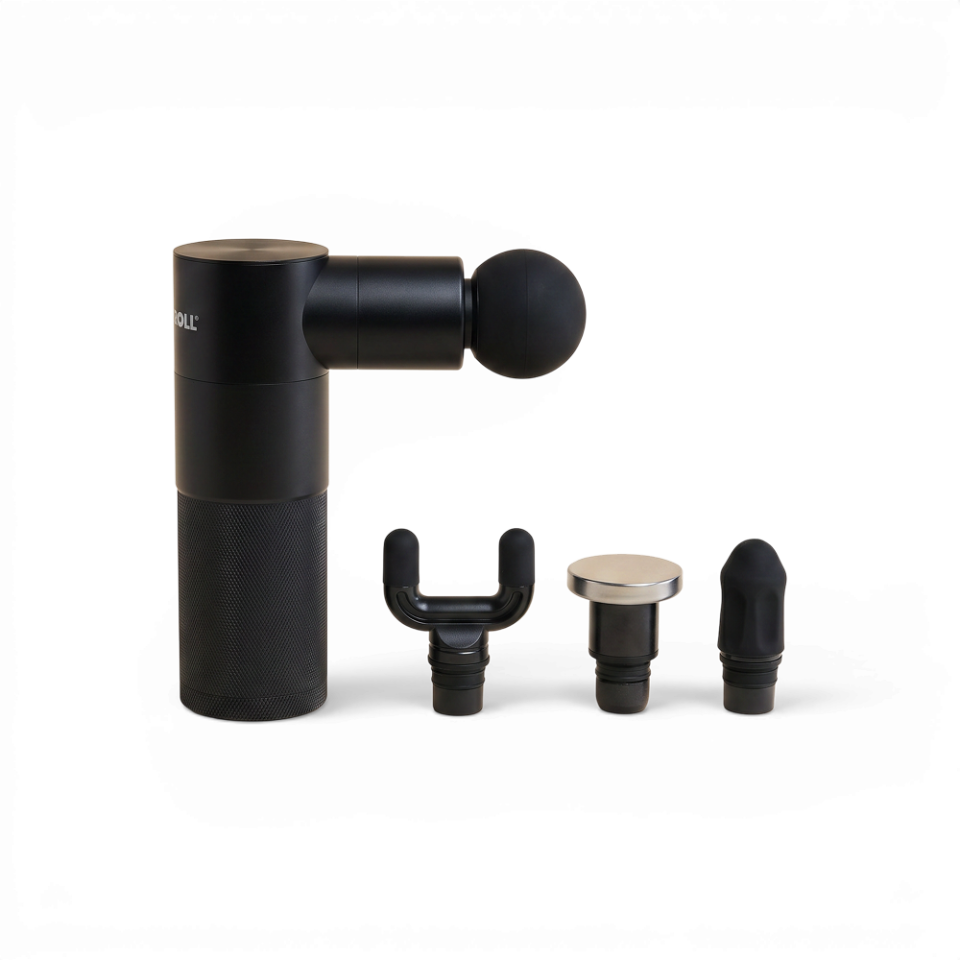
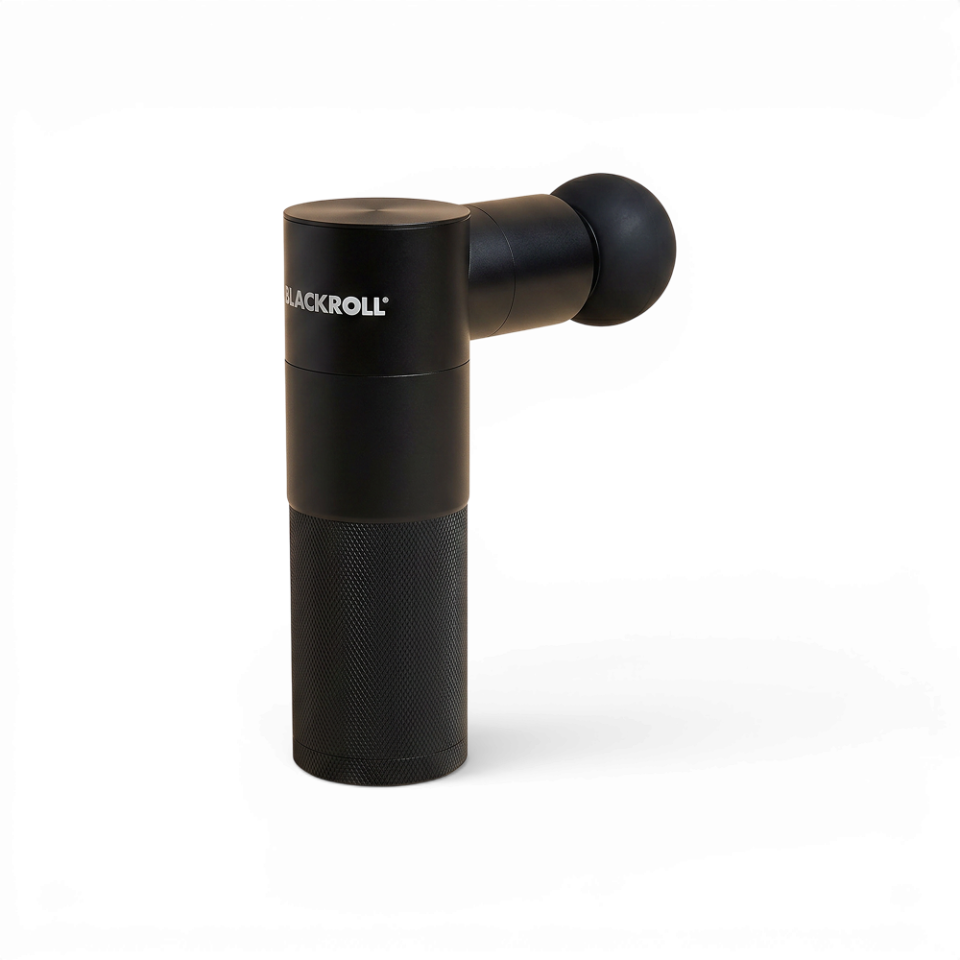
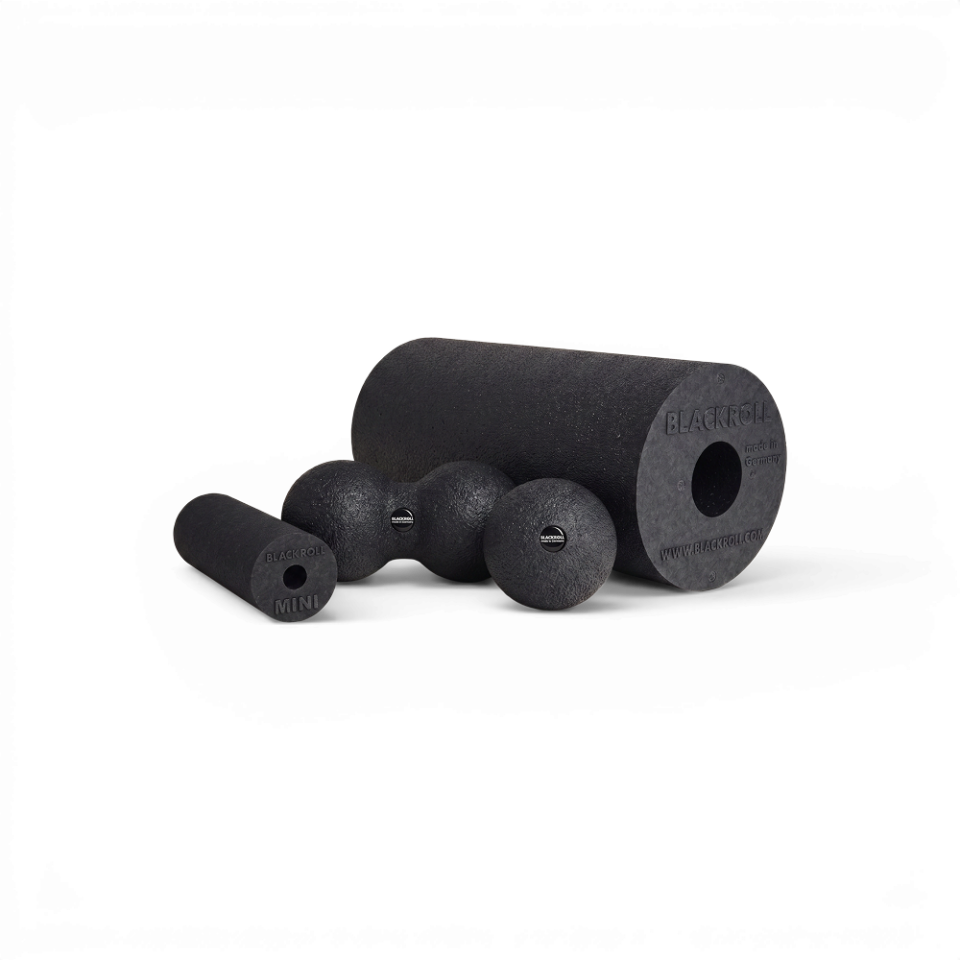
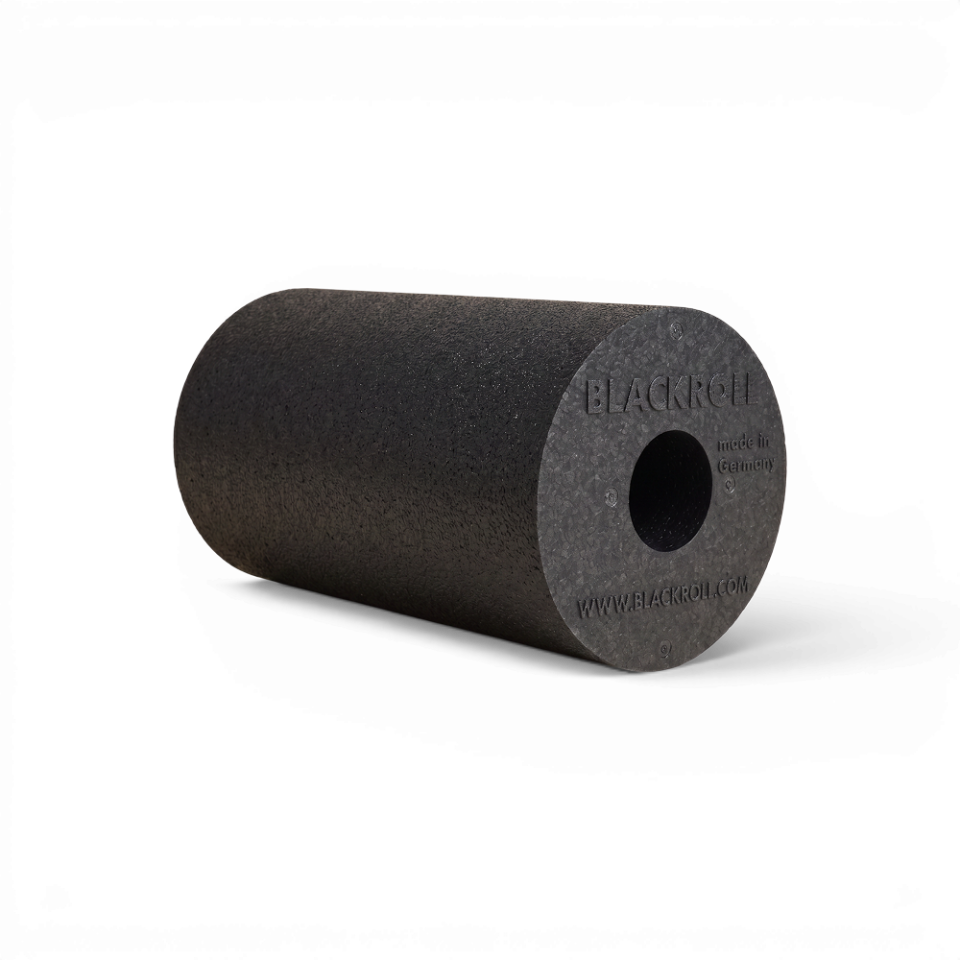
Recommended Recovery Tools


Personalized Heart Rate
Your “normal” heart rate is as unique as you are and is influenced by factors such as age, fitness level, and genetic predisposition. At rest, an adult’s heart typically beats 60 to 100 times per minute. For trained endurance athletes, this rate can even drop to 40 to 60 beats per minute—a sign of a strong and efficient heart.
When running, your heart rate is a helpful indicator for controlling the intensity of your workout. In the aerobic zone—about 70–80% of your maximum heart rate—you build endurance, burn fat, and avoid overexertion. You can easily estimate your maximum heart rate using the formula “220 minus your age” to define your training zones.
By regularly monitoring your heart rate, you’ll not only track your fitness progress but also tailor your workouts specifically to your goals. The big advantage: You’ll not only improve your endurance but also promote efficient recovery and boost your fat burning.
Modern fitness trackers and apps make it easy to monitor and analyze your heart rate in real time. With these tools, you can structure your workouts more intelligently and make targeted progress without pushing yourself too hard. Use your heart rate as a guide to get the most out of your running workouts!
More interesting articles






Heart Rate for Women
Women’s heart rates often differ slightly from those of men, which is due to physiological differences such as a smaller heart size and hormonal influences. On average, women’s resting heart rate tends to be slightly higher—often between 70 and 90 beats per minute. However, these differences vary from person to person and depend on factors such as fitness level, age, stress, and hormonal fluctuations, such as those during the menstrual cycle.
When it comes to training, it’s important to determine your individual maximum heart rate. Women, just like men, can use the formula “220 minus age” to roughly calculate their maximum heart rate. However, it’s a good idea to listen to your body and monitor your heart rate regularly during training to optimize your workout intensity.
Here is an overview of average heart rate values for women:
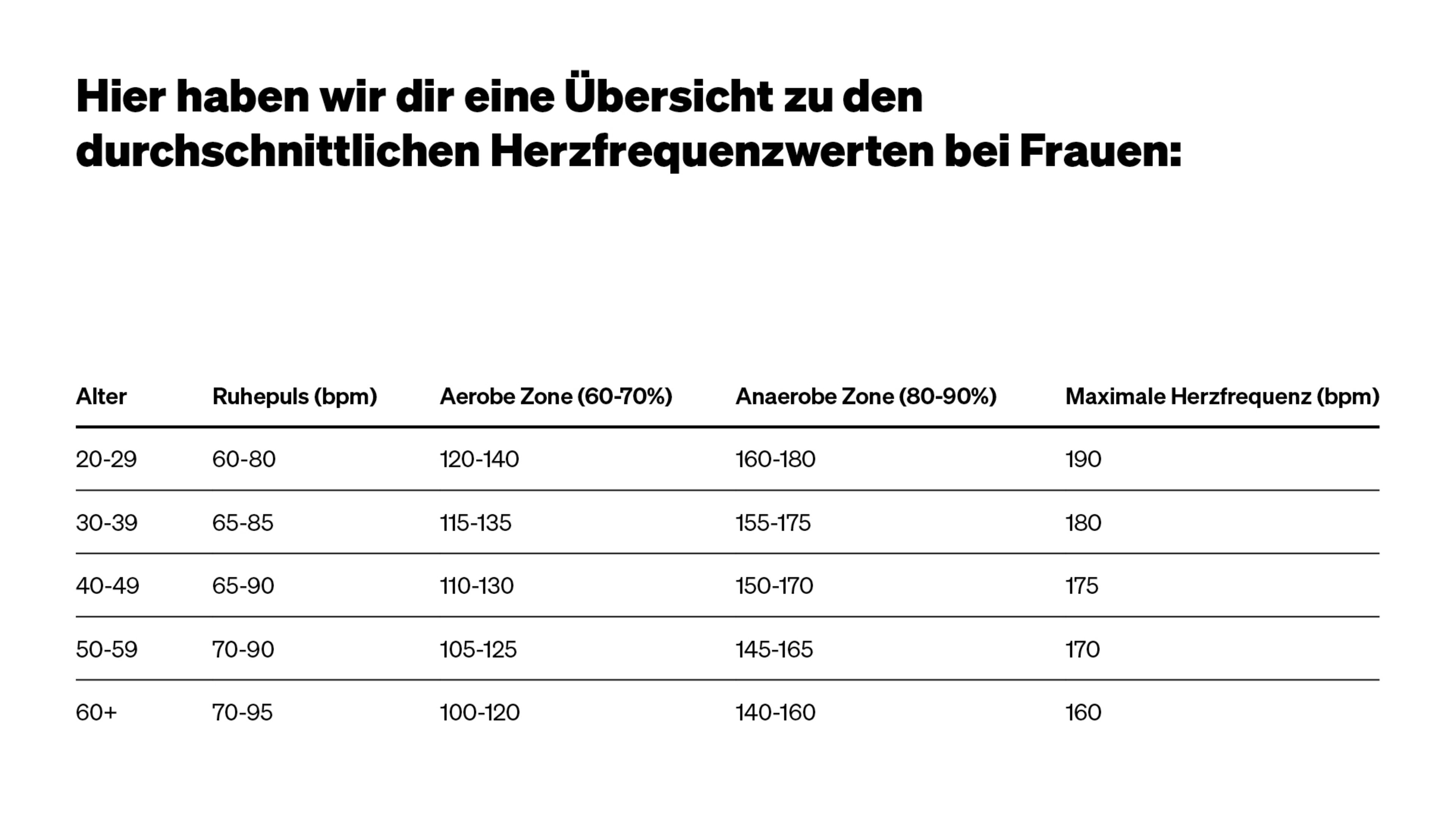
This table serves as a guide and shows you how training zones shift depending on age. With these values, you can plan your workout optimally and tailor it to your body’s needs.


Heart Rate for Men
Men’s heart rates often differ slightly from women’s due to physiological differences, such as a larger heart size and other hormonal influences. On average, men have a slightly lower resting heart rate, which is often between 60 and 80 beats per minute. As with women, however, men’s heart rates are also influenced by age, fitness level, stress, and lifestyle.
Determining the maximum heart rate is crucial for training. The formula “220 minus age” serves as a rough guideline for determining training zones, such as basic endurance or high-intensity sessions. Monitoring heart rate helps men train efficiently and continuously improve their performance.
Below is an overview of average heart rate values for men:
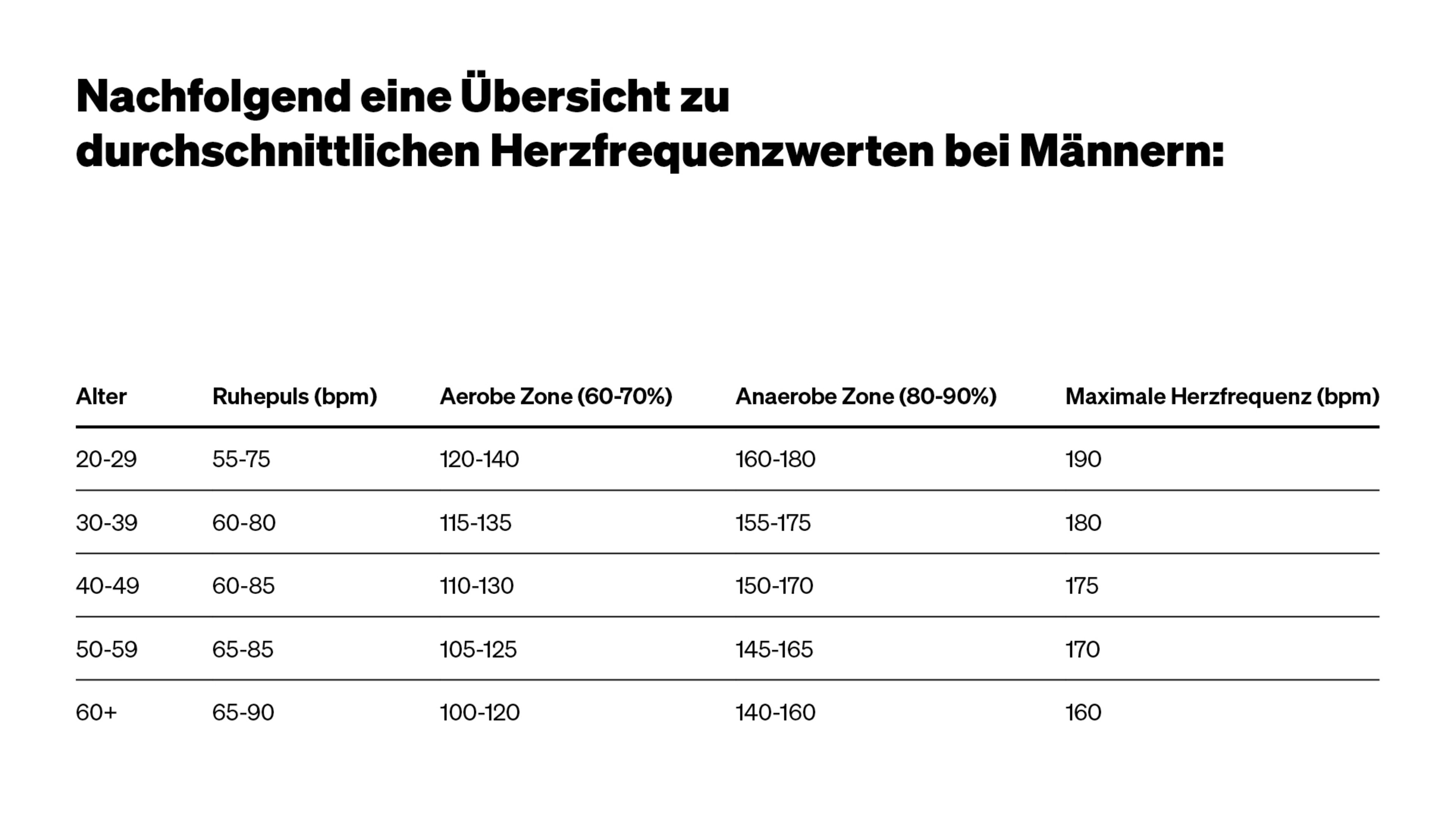
Proper heart rate management is crucial for ensuring a healthy and effective workout, avoiding overexertion, and achieving long-term progress.


Benefits of Heart Rate Monitoring While Jogging
Regularly monitoring your heart rate while jogging offers numerous benefits that can make your workout more effective and healthier. Here’s an overview of the key benefits:
- Targeted Training Control
Your heart rate helps you train within the optimal range—whether you want to build endurance, burn fat, or increase your speed. - Avoiding Overtraining
By monitoring your heart rate, you can ensure that you don’t push your body too hard and avoid overtraining. - Measurable Progress
A lower heart rate at the same intensity or faster recovery after a workout are clear signs that your fitness is improving. - Adapting to External Factors
Environmental conditions such as heat, cold, or high altitudes affect your heart rate. With a heart rate monitor, you can adjust your workout on the spot. - Increased Efficiency
By training in the right heart rate zone, you’ll reach your goals faster without wasting unnecessary energy. - Long-Term Health
Heart rate-based training protects your cardiovascular system and promotes sustainable fitness without overexertion.
Monitoring your heart rate is especially easy with fitness trackers or smartwatches, which provide real-time data and can take your workout to the next level.


Incorporate Heart Rate Training into Your Running Plan
Heart rate training is a proven method for effectively managing your running workouts and tailoring them to your individual goals. By training in different heart rate zones, you can not only improve your performance but also avoid overtraining and optimize your recovery. A well-structured training plan based on heart rate adds variety and ensures progress in endurance, speed, and recovery.
Here’s how to incorporate heart rate training into your plan:
Determine your maximum heart rate:
Use the formula “220 minus your age” as a starting point. For more precise results, consider undergoing a fitness assessment. This value serves as the basis for calculating your heart rate zones.
Define your heart rate zones:
- Recovery Zone (<60%): Promotes recovery and gently stimulates circulation.
- Aerobic Zone (60–70%): Supports the development of basic endurance and efficient fat burning.
Anaerobic Zone (80–90%): Increases maximum performance and speed endurance.
Plan a variety of training sessions:
Combine runs at different intensities to ensure optimal load management. Here’s an example of a training week:
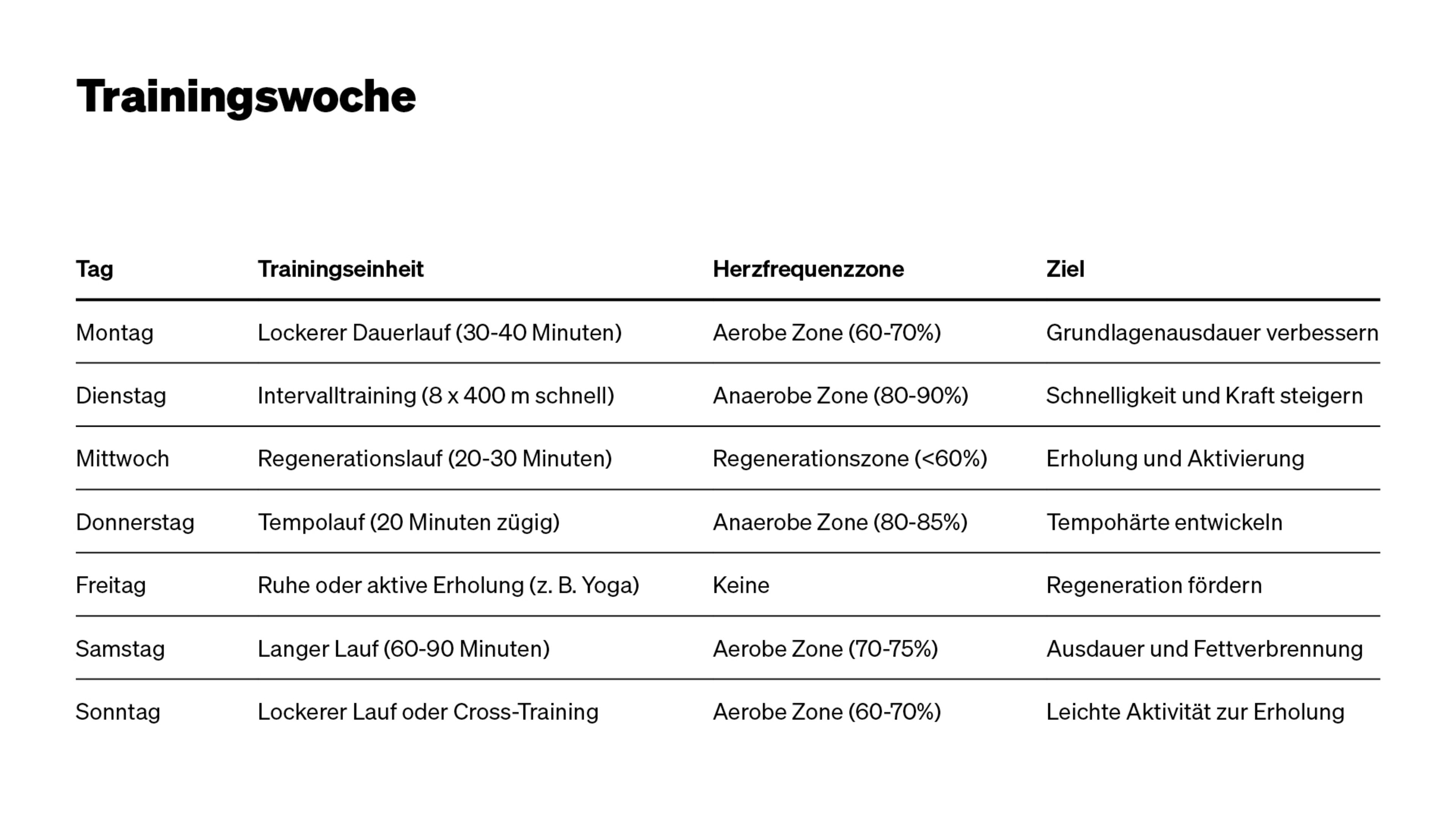
This weekly plan combines intense sessions, such as interval and tempo runs, with recovery and moderate runs. This keeps your body continuously challenged without overloading it. Intense training days alternate with recovery phases, helping you improve your performance and prevent injuries.
Tips for implementation:
- Use a heart rate monitor or a smartwatch to track your heart rate in real time.
- Listen to your body: Even though your heart rate is a valuable guide, you should always take your overall well-being into account.
- Adapt the plan to your individual needs—especially when facing new challenges like heat, cold, or hills.
With heart rate training, you’ll not only train more effectively but also enjoy running in the long run. Use the data your heart provides to systematically improve your fitness and reach your full potential!


Conclusion: Targeted training based on heart rate
Heart rate monitoring is a valuable method for specifically guiding your running training and tailoring it to your individual needs. Your maximum heart rate plays a central role here, as it forms the basis for calculating your personal heart rate zones. This value varies from person to person and is primarily influenced by age, fitness level, and overall health.
Determining heart rate zones helps to tailor training precisely. Whether you’re a beginner or an experienced athlete—by strategically utilizing different zones, such as the aerobic zone for endurance training or the anaerobic zone for more intense workouts, you can achieve your goals more effectively. Heart rate monitoring is particularly effective in endurance training, as it prevents overexertion and promotes long-term performance.
Various methods are available for accurately determining these values. While a rough calculation of maximum heart rate using the formula “220 minus age” provides a quick guideline, sports medicine tests offer more precise results. These are particularly useful for ambitious athletes or individuals with specific training goals.
By monitoring your heart rate, every athlete can tailor their training to their individual needs and track their progress. Continuous monitoring not only helps increase endurance but also prevents overtraining and optimizes recovery. Whether you’re preparing for a specific goal or simply want to get fitter—heart rate training is an effective way to optimize your workouts while promoting your health. With a balanced mix of exercise and recovery, you can stay motivated and successful in the long term.