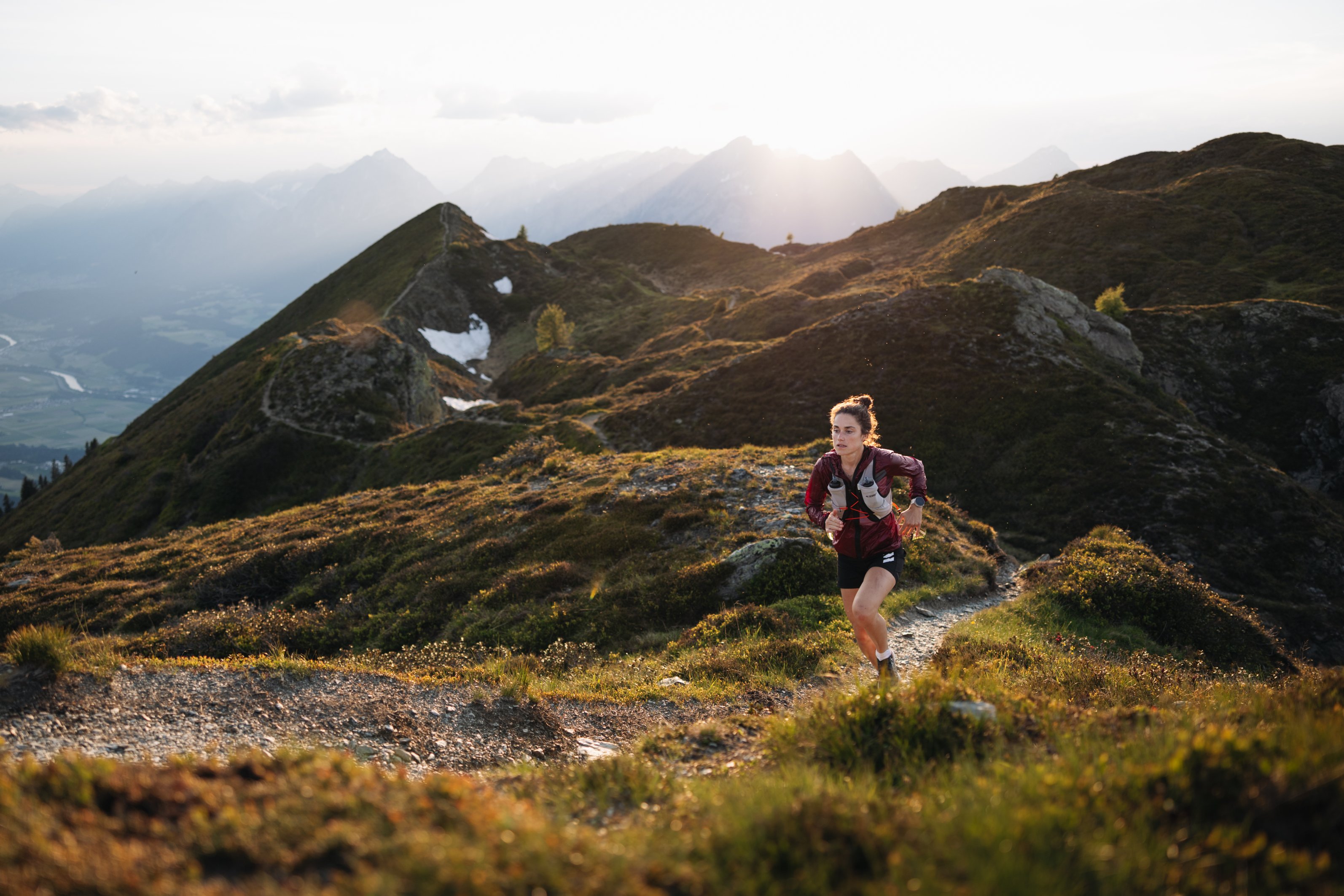
Imagine running through a forest, the chirping of birds in your ears, the scent of earth and moss in your nose, and the challengeof placing each step securely—that’s trail running. To all you runners and adventurers among you who are plagued by wanderlust and drawn to nature, you’ve come to the right place. In this article, we’ll unveil the secrets of a still relatively unknown but utterly fascinating sport: trail running. Curious? Then let’s go: lace up your running shoes and get ready to trek over hill and dale with us, and discover a new sense of freedom and a thirst for adventure while running.
Benefits of Trail Running
Before we dive into the details, let’s first feed your curiosity with a few benefits of trail running—maybe it’ll spark your interest and turn you into future trail runners. Trail running offers a whole host of benefits:
- The fantastic experience of being in nature offers a wonderful change of pace from monotonous runs on asphalt.
- New challenges motivate you and get your runner’s heart racing.
- The variety in running technique and surroundings boosts overall fitness and ensures that no two workouts are the same.
- The views along hilly trails can be breathtaking and provide extra motivation during your run.
Now that you’ve had a little taste of the benefits of trail running, let’s uncover the secrets behind the details and nuances of this sport. Are you ready to take your passion for running to a whole new level? Then let’s explore the adventurous world of trail running together.
What is trail running?
Many people enjoy trail running as a way to explore nature and escape the hustle and bustle of city life. Focused on the experience of nature and the athletic challenge, trail running is gaining more and more popularity among runners and sports-loving adults.
But what exactly is trail running? It involves running on natural trails away from paved paths—in other words, “cross-country running.”
Trail running is more than just running—it’s an experience that brings body and mind into harmony. Runners venture off paved roads onto unpaved trails, through forests, across meadows, and along mountain ridges. Nature becomes a playground, and the challenge lies not only in the physical exertion but also in navigation and navigating the terrain.
Instead of focusing on speed, trail runners aim for endurance and technique, as the uneven terrain demands greater body control and engages different muscle groups. It’s therefore advisable to gradually increase the intensity of your training and adjust your distances little by little. For example, you can start with easy runs in hilly parks to get a feel for running on trails. The experience can then “reach its peak” with ultratrails ranging from 50–100 kilometers or 100 miles and beyond, as well as routes with several thousand meters of elevation gain.
Distances in Trail Running
Distances in trail running are diverse, ranging from short, brisk runs to half marathons and multi-day ultra runs. There are no fixed categories like there are on the road, so organizers often develop their own distance formats.
- Short distances: 5–15 kilometers
- Medium distances: 20–40 kilometers
- Ultra distances: Anything over 42.195 kilometers (marathon distance)
Adventure-seeking runners will love the feeling of freedom that trail running offers. However, there are specific safety considerations to keep in mind when running off-road. One of the first rules is: Know your route! Whether through prior reconnaissance runs or with the help of GPS trackers. You should also make sure to wear appropriate running gear—especially non-slip shoes.

How does trail running differ from regular running?
If you’re running on trails for the first time, you’ll quickly realize that it’s a different kind of running than what you might be used to. But what exactly are the differences compared to regular running?
One of the biggest differences is the environment. Instead of paved roads or running tracks, trail running takes place in nature. You run on hiking trails, gravel paths, or through forests and meadows, and you have to adapt to different surfaces. This places greater demands on your running form, as you constantly have to react to uneven terrain and obstacles like tree roots or rocks. Flexibility, balance, and coordination are key skills here. In addition, the trails are often steep and winding, which intensifies your workout and engages different muscle groups.
Another difference lies in the gear. Regular running shoes are often unsuitable for trail running because they don’t provide the necessary grip. Specialized trail running shoes have a sturdier sole and deeper tread to give you traction even on slippery and uneven surfaces. Your clothing also needs to meet different requirements. It should be durable and breathable and protect you from potential inclement weather.
Ultimately, the approach is different as well.
Trail running is less about setting personal bests and covering long distances. Instead, the focus is on enjoying nature and becoming more attuned to your own body.
The motto here is: The journey is the destination. Trail running adds a whole new dimension to running and gives you the chance to experience your surroundings in a unique way.
Are you interested in giving it a try yourself? Then lace up your running shoes and discover what makes trail running so special.
The Big Names in Trail Running
The trail running scene has exploded in recent years and has given us some incredibly talented athletes. Here are three of the standout trail runners from the past five years who have shaped the sport:
1.Kilian Jornet
Kilian Jornet, often referred to as the “GOAT” (Greatest of All Time) of trail running, needs no further introduction. The Spaniard has broken countless records and is known for his extraordinary versatility. Whether it’s skyrunning, ultramarathons, or speed climbing, Jornet masters it all with ease. His ability to tackle extreme altitudes and cover enormous distances in record time is legendary.
2. Jim Walmsley
American Jim Walmsley is known for his impressive speed and endurance. He has won numerous 100-mile races and is considered one of the fastest ultramarathon runners in the world. Walmsley is also known for his honest and open manner when talking about his races and his passion for the sport.
3.Courtney Dauwalter
Courtney Dauwalter, another American, has dominated the women’s trail running scene in recent years. She is known for her incredible performances in 100-mile races and 24-hour races. Dauwalter is not only an exceptional athlete but also an inspiring figure who advocates for equality in sports.
The German trail running scene has also grown significantly in recent years and is home to many talented athletes. Here are some of the outstanding German trail runners from the past five years who have particularly distinguished themselves through their performances:
- Hannes Namberger: Hannes is currently arguably the German trail and ultra runner best known in the trail running scene for his outstanding achievements. He has had an impressive career, ranging from his early days as a ski racer to his current successes as one of the best international trail runners.
- Katharina Hartmuth: She has regularly topped the German rankings in recent years and has also made a name for herself internationally as a world runner-up and with her second-place finish at the 2023 UTMB. Her endurance and versatility make her one of the best German female trail runners.
- Moritz auf der Heide: He is another top German athlete who regularly finishes in the top ranks in both national and international races. His strength lies in long distances and challenging courses.
- Kimi Schreiber: She is known for her fast times and her ability to master even technically demanding courses, and has already celebrated numerous victories at renowned trail running events. If you want to learn more about Kimi, feel free to check out our joint profile story with her here!
- Benedikt Hoffmann: Hoffmann is a versatile athlete who excels at both short and long distances. He is currently one of the most consistent German trail runners.
- Janosch Kowalzcyk: He’s an up-and-coming talent who has gone from strength to strength in recent years. He’s already achieved some impressive results and is one of the athletes to watch in the future.
Why these athletes?
These athletes were selected based on their outstanding performances, their versatility, and their consistent presence in the top rankings. They are recognized not only in Germany but also internationally and are currently among the best trail runners in the world.

Health Benefits of Trail Running
If you’re wondering what health benefits are associated with trail running, you’ll be surprised by just how diverse they are. Running off paved trails offers both physical and mental benefits.
Physically speaking, trail running is excellent for strengthening the cardiovascular system. Due to the variety of trails and terrain, your muscles and joints are challenged more than during regular running. This not only strengthens your legs but also improves your core stability and helps you develop better balance and coordination.
Mentally, running in nature can reduce stress and contribute to your well-being. Some runners even report a kind of “runner’s high” triggered by the intense experience of being in nature.
However, it’s important to always listen to your body and start slowly. Trail running can also be risky, especially if you’re unprepared. There’s an increased risk of sprains or fractures due to uneven terrain. That’s why it’s important to wear good running shoes and, if necessary, use trekking poles. You should also warm up before running and stretch afterward.
And one more thing: When trail running, you should always stay well-hydrated. Make sure you have enough water with you, especially when covering longer distances in nature
Experienced trail running enthusiasts swear by the health benefits of this sport. It’s a great way to stay fit while enjoying the beauty of nature. So, lace up your running shoes and give it a try yourself!

What skills are important for trail running?
In trail running—also known as mountain or cross-country running—it’s not just your endurance that matters, but also a variety of other skills. Good balance is essential for running on uneven paths and trails. Train your balance by standing on one leg or doing exercises on a balance board.
Strength and stability are other important factors in trail running. Strength training for your legs and core will make you stronger and more resilient to the fatigue that comes with long runs on rough terrain. Stability training can also help prevent injuries.
The longer the distances become, the more crucial another aspect of trail running becomes: mental strength. You’re sure to encounter challenges that are both physically and mentally demanding. The ability to overcome these challenges with a positive attitude and mental toughness can make all the difference.
Equally important are technical skills, such as reading the terrain and choosing the best route. Pay attention to what lies ahead and plan your steps carefully.
Finally, it’s important to emphasize that the skills mentioned here are developed and honed over time. Whether you’re an experienced runner or a beginner looking to discover trail running—with patience, training, and dedication, you can learn these skills and continually improve them.
Techniques and Training for Trail Running
Trail running is more than just running. It’s the art of moving quickly and safely over rugged terrain. This requires specific techniques and tailored training to optimize your individual abilities.
When running uphill, technique plays a crucial role. You should try to keep your upper body upright to facilitate efficient breathing. Your arms can be used for additional propulsion. Using trail running poles can give you an extra boost and take some of the strain off your knees and muscles. Land with your feet slightly further back to make efficient use of your body weight.
At the same time, running downhill is a challenge that requires sure-footedness, balance, and coordination. Here, it’s important to look ahead and not stare at your feet. A slight forward lean can help you maintain your balance. Try to land on the balls of your feet to cushion impacts and allow for quick changes in direction.
Plyometric training—that is, jump training—can also be helpful for mastering the demands of trail running. Exercises like hopping or box jumps can strengthen your muscles and improve your jumping power.
Keep in mind that trail running is a full-body workout. It’s a good idea to regularly incorporate core stability exercises into your training. These can help you maintain proper posture, counteract premature fatigue, and thus prevent injuries.
Finally, let’s not forget the most important thing: enjoying nature! Trail running often takes you through breathtaking landscapes—take the time to experience them.
Whether you’re already an experienced runner or new to the trail running scene, with the right training and techniques, you can discover the fascination of this sport for yourself.

Nutrition and Hydration in Trail Running
When it comes to trail running, proper nutrition and hydration are particularly important factors. They play a crucial role in optimizing your performance and ensuring that you feel comfortable during your run.
During trail running, your body needs a lot of energy. To provide this, you should focus on the following foods :
- Carbohydrates: Bread , potatoes, pasta, rice, fruits, and vegetables are excellent sources of energy. They’ll help your body replenish its glycogen stores and keep you energized over longer periods of time.
- Protein is also essential. It aids in muscle repair and recovery after a workout. Good sources of protein include meat, fish, eggs, legumes, and dairy products. Fat shouldn’t be completely excluded from your diet, even though it’s digested more slowly.
- Healthy fats like avocados, nuts, and seeds can help keep you feeling full longer. Staying properly hydrated is just as important for trail running as proper nutrition. It’s essential to drink enough fluids to replace the electrolytes lost through sweating.
- Before, during, and after trail running, you should consume enough water or sports drinks. Rule of thumb: Drink 500–800 ml per hour (more in extreme heat).
Familiarize yourself with your nutrition strategy while running. Some runners prefer to consume gels or sports bars, while others opt for high-energy snacks like gummy bears, chocolate, nuts, or dried fruit. Figure out what works best for you and plan your nutrition accordingly.
Last but not least: Listen to your body. Everyone is different, and what works for one runner may not work for another. Experiment with different strategies and find out what works best for you. Keep your goal in mind: Trail running is about enjoying the experience and constantly improving. Proper nutrition and hydration are essential components of this process.

Trail Running as a Nature Experience
Trail running as a nature experience offers not only fitness and health benefits but also an alternative to urban running training. It is a form of running that takes place off paved paths in the great outdoors.
A key aspect is the combination of exercise and nature, which allows you to consciously experience and enjoy your surroundings. Ambitious runners and even trail running beginners have the opportunity to improve their running technique while simultaneously enjoying an immersive experience in nature.
To get the most out of your trail running experience, some helpful tips and tricks might come in handy. First, your gear is important. Sturdy running shoes with good cushioning and traction are essential for staying safe even on uneven terrain. Also, be sure to wear weather-appropriate clothing and bring enough fluids for longer runs.
We recommend starting with shorter distances to help your body adjust to the new demands of trail running.
Choosing a suitable route is also crucial. There are numerous apps and online platforms that can help you find suitable trails, such as STRAVA, Komoot, or Outdooractive.
Ultimately, however, one thing matters most in trail running: it’s not primarily about personal bests or competitions, but about experiencing and enjoying nature. That’s why it’s important to take a break every now and then, take a deep breath, and savor the moment. Because trail running is more than just running—it’s an immersive experience in nature.
Where can you find suitable trails for trail running?
When it comes to trail running, finding suitable routes is key. Runners and beginners often wonder where they can find the best routes for their training. Here are some resources and tips that might help you in your search:
- Running apps: Apps like Strava and Runtastic offer a wide variety of running routes, including trail running routes, sorted by length, difficulty, terrain, and location. These apps often have a community feature that lets you discover routes shared by other runners.
- Local running clubs: Joining local running clubs or groups can be a great way to find suitable routes. Often, there are members who specialize in trail running and are happy to share their routes with you.
Online forums: - Websites and forums like Runner’s World provide platforms where runners can exchange information about their favorite routes and share their experiences. Here, you can often find very specific recommendations for particular regions or difficulty levels.
- Nature parks and reserves: Nature parks often offer a variety of natural trails that are perfect for trail running. Contact the park administration to find out which trails are suitable for running.
Maps and Topography: A detailed map or topographic map of your region can help you locate undiscovered trails. Look for asymmetrical patterns or unusual landscape features that might indicate potential trails.
No matter where you find your trail running routes, remember to prepare well: Check the trail conditions, monitor the weather, wear the right gear, and always be mindful and respectful of nature and other trail users. After all, that’s what trail running is all about: a love of nature and exercise.
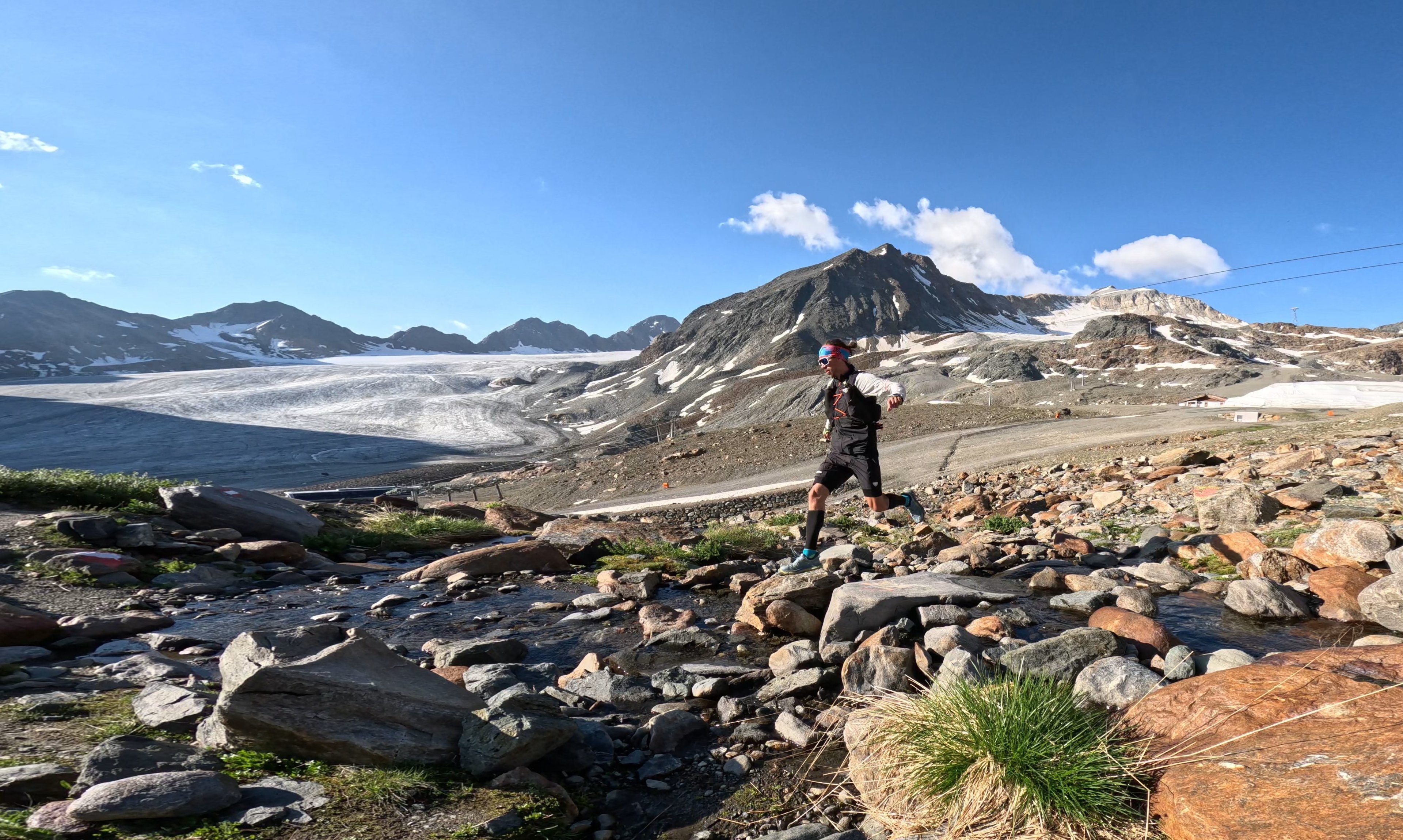
Well-Known Trail Running Competitions
Worldwide:
- Ultra-Trail du Mont-Blanc (UTMB): One of the most famous and toughest ultra-marathons in the world, which circles Mont Blanc.
- Western States 100: One of the 100-mile races in the U.S.
- Hardrock 100: One of the 100-mile races in the U.S.
- Diagonale des Fous: An extremely challenging multi-day race on the island of Réunion.
Germany:
- Zugspitz Ultratrail: A challenging multi-day race around the Zugspitze.
- Karwendelmarsch: A classic in German trail running that winds through the Karwendel Mountains.
- GutsMuths-Rennsteiglauf: Ascenic trail run through the Thuringian Forest Nature Park
- Broken Challenge: An 85-km run on the famous Brocken in the Harz Mountains in February.
What gear do you need for trail running?
The right gear is essential for a safe and enjoyable trail running experience.
- Running shoes: Trail running shoes provide better traction on loose terrain and help prevent injuries.
- Running Clothing: Functional clothing that wicks away moisture and is breathable is essential.
- Backpack: A small backpack with room for snacks, a first-aid kit, and, if necessary, a rain jacket is recommended.
- Hydration system: A hydration bladder or water bottle is important for staying properly hydrated.
- Headlamp: A headlamp is indispensable for runs in the early morning or at dusk.
- Navigation aids: A map, compass, or GPS device can help with navigation.
- First-aid kit: You should carry a small first-aid kit in case of an emergency.
Safety First: Dangers and Risks of Trail Running
Trail running often takes you through rough terrain. This can easily lead to falls, especially if you’re not paying attention to the ground. Unexpected obstacles like roots or rocks can pose a danger here.
Another danger is that you might get lost in unfamiliar terrain. Therefore, it’s advisable to always carry a map or GPS and familiarize yourself with the route beforehand.
Weather conditions can also pose risks when trail running.
Heavy rain can make the trail slippery and therefore dangerous. High temperatures can lead to dehydration, especially if you don’t have enough water with you. Wild animals can also pose a danger. In some areas, you may encounter bears or snakes. In our part of the world, you’re more likely to encounter a herd of wild boars. That’s why it’s important to research the local wildlife beforehand and take protective measures if necessary. Additionally, as with any physical activity, trail running carries the risk of overexertion and injuries caused by improper or excessive strain. It’s therefore important to listen to your body’s signals and adjust your training accordingly.
Don’t forget that despite the risks mentioned, running off-trail is a wonderful sport that brings you into nature and helps strengthen your body and mind. With the right preparation and caution, you can minimize the risks and enjoy your trail run to the fullest.

Tips for Recovery After Trail Running
The key to optimal recovery after trail running lies in taking proper care of your body. Here are some effective tips that can help you with that:
- Drinkplenty of water: What is trail running without adequate hydration? Not much. It’s essential to replenish the fluids lost through sweating and keep your body properly hydrated.
- ActiveRecovery: Instead of taking a break right after your run, incorporate light exercises—such as a gentle cool-down or stretching—to promote blood circulation and prevent muscle tension.
- Healthydiet: To replenish your energy stores and repair your muscles, make sure to eat a balanced diet rich in protein, carbohydrates, and vitamins.
- AdequateSleep: A good night’s sleep is essential for recovery. While you sleep, your body can effectively undergo repair and regeneration processes.
- MentalWellness: Don’t just rest your body—nourish your mind as well. Stress can hinder recovery processes—which is why relaxation, such as through yoga or meditation, is just as important.
Trail running can put strain on your muscles and joints if you don’t take proper care of your body. But with these tips, you’ll be well-equipped to tackle the challenges of trail running in a healthy way and with full enthusiasm.
Our Personal Experiences and Tips for Trail Running
When trail running, you venture onto narrow, natural trails and hiking paths right into the heart of the green wilderness. You might ask, “What’s so special about that, and what are the benefits?” Here are some personal experiences and tips from our running community.
- One of the most important tips for beginners: Start slow. Unlike on paved roads, trail running often involves varied terrain and elevation changes. So, start with shorter distances and gradually increase your pace and distance.
- Second tip: Invest in the right gear. Specialized trail running shoes help you maintain traction on slippery and uneven surfaces. A lightweight backpack can be essential for longer runs to carry food and water, as well as necessary gear like first-aid kits and weather-proof clothing.
- You should also pay attention to your running form. Try to run on your toes and avoid landing on your heels. This improves body control and helps prevent injuries.
- Appreciating and respecting nature is another essential part of trail running. Stay on the marked trails, don’t leave any trash behind, and respect wildlife.
Trail running can offer an enriched experience by taking you off the beaten path and giving you the opportunity to experience your surroundings in a deeper and more intimate way. It may be difficult at first, but with time and patience, you’ll recognize the benefits and understand why so many runners love it. For example, it also offers the chance to rediscover your own backyard!
With these tips and information, getting started with trail running should be a breeze. Don’t wait any longer—discover the fascination of this wonderful sport for yourselves. You’ll see—it’s worth it!
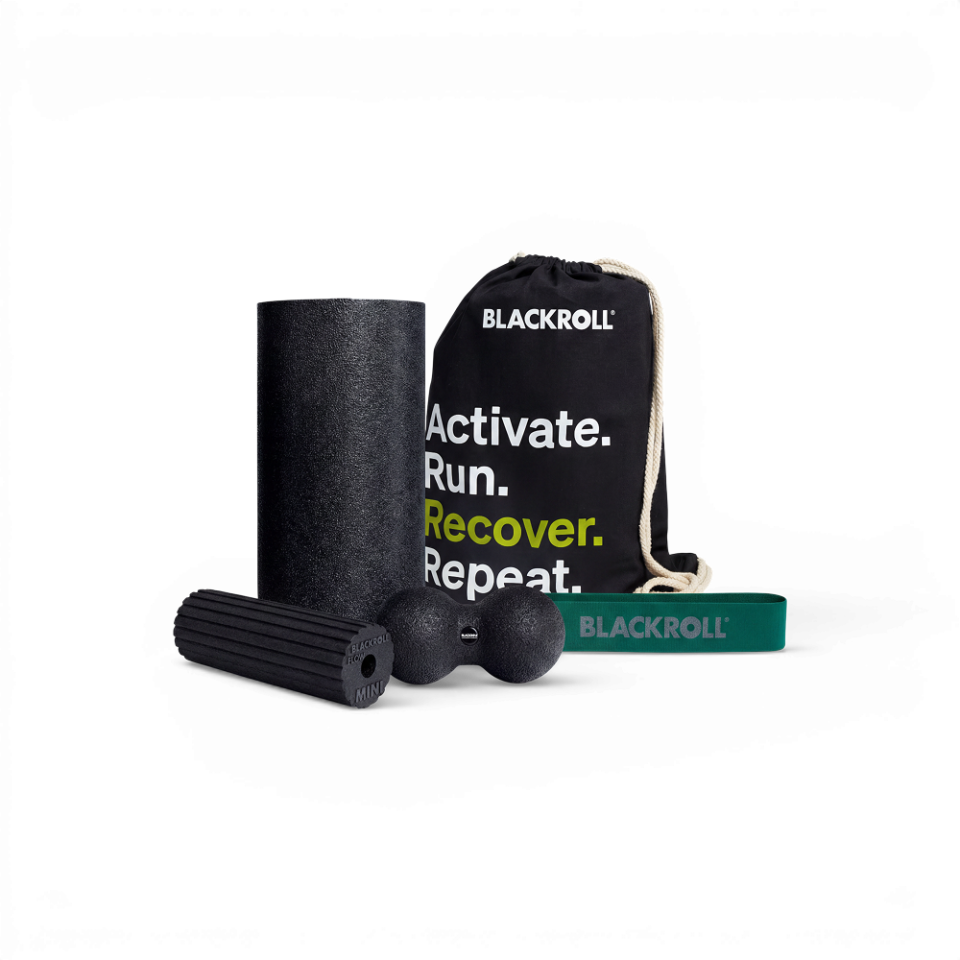
Recovery Tools from BLACKROLL®